
What Is Diatomite and Why Is It Used in Stone Bath Mats
What is diatomite? It is a soft, chalky sedimentary rock made from the fossilized shells of diatoms, tiny algae that lived in oceans and lakes millions of years ago. When these algae died, their silica shells settled in layers and compressed over time into a lightweight rock full of microscopic holes. Those holes are the reason the rock can hold so much water relative to its weight, something scientists have measured for well over a century.
People have used diatomite in everyday products since the 1800s, long before anyone thought to put it on a bathroom floor. It filters beer and swimming pool water, it shows up in mild abrasives like toothpaste, and it fills most of the cat litter sold today because it soaks up moisture and odor fast. The same porous structure that makes it useful in a litter box is what pulls water off your skin the second you step out of the shower.
Table of Contents
Where This Mineral Comes From
Diatoms are single-celled algae with shells built from silica, the same basic material as glass. A single diatom is smaller than the width of a human hair, but it carries a hard, patterned shell that does not break down the way soft tissue does.
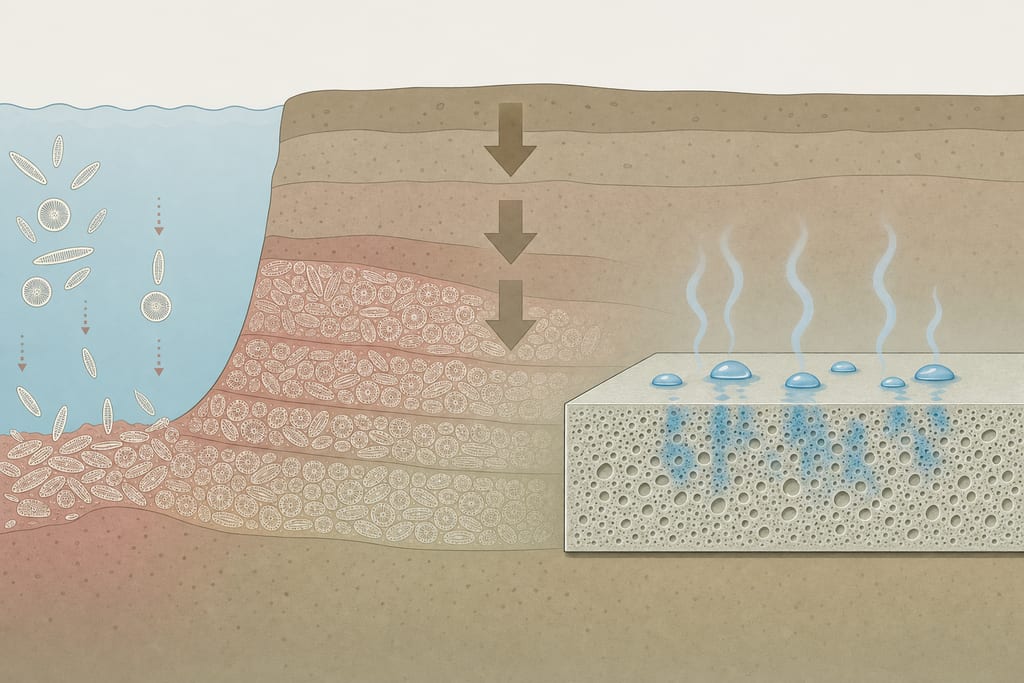
When diatoms die, their shells sink and settle on lake beds and ocean floors. Over millions of years, layer after layer stacked up, sometimes hundreds of feet thick in one location.
Pressure from the layers above, combined with time, pressed those shells into a soft, chalky rock. Mining crews dig it out of ancient lakebeds and seabeds, many of which dried up long ago and now sit exposed on land.
| Property | Detail |
|---|---|
| Main material | Silica shells from fossil algae |
| Texture | Soft, chalky, crumbles easily |
| Formation time | Millions of years |
| Common uses | Water filters, abrasives, cat litter, bath mats |
What Diatomite Looks Like Under a Microscope
Diatomite looks almost like a honeycomb when you put it under a lens. Each diatom shell left behind thousands of tiny holes, and those holes stack together into a rock that is mostly empty space at the microscopic level.
That emptiness is the point. A single gram of diatomite can carry a surface area far larger than a gram of granite or ceramic, simply because the holes multiply the surface many times over. Porosity is the trait that separates diatomite from regular stone, not hardness or color.
- Granite: dense, almost no internal pores, barely absorbs water
- Ceramic tile: glazed surface, water sits on top
- Diatomite: honeycomb structure, water pulls inside the rock
Those open pores are what grab liquid and hold it, which is the whole reason this mineral shows up on bathroom floors instead of staying in a quarry.
How Those Pores Turn Into Fast Water Absorption
Water enters diatomite through capillary action, the same pull that draws liquid up a paper towel. The pores are narrow enough that water gets drawn in on contact rather than sitting on the surface waiting to be wiped up.
Because the surface area inside the stone is so large, the water that enters does not pool anywhere. It spreads thin across millions of tiny pockets and evaporates almost as fast as it arrived, which is why a mat can go from wet to dry in under a minute.
- Step out of the shower: water hits the mat
- Pores pull the water in by capillary action
- Large surface area spreads it thin
- Moisture evaporates instead of sitting on top
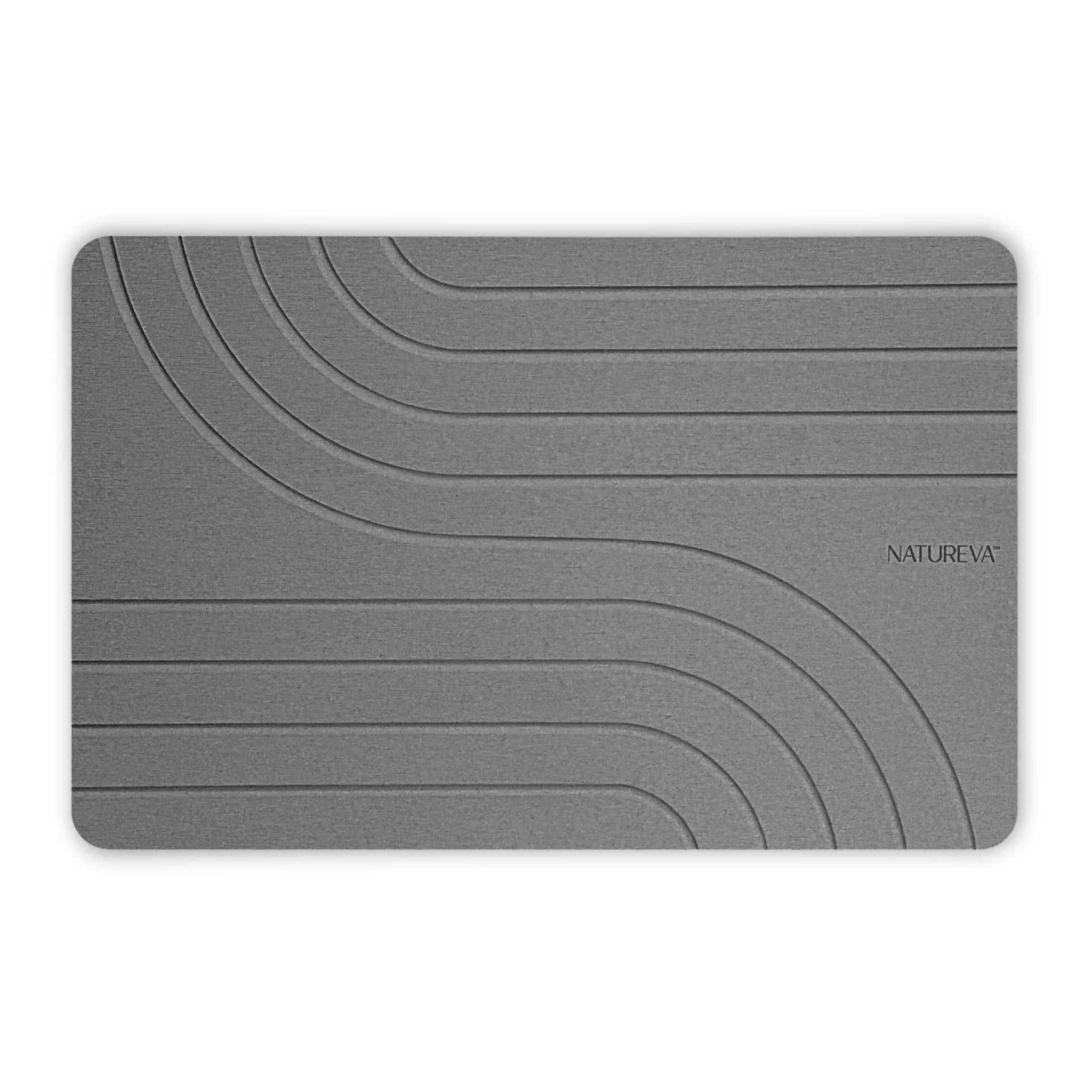
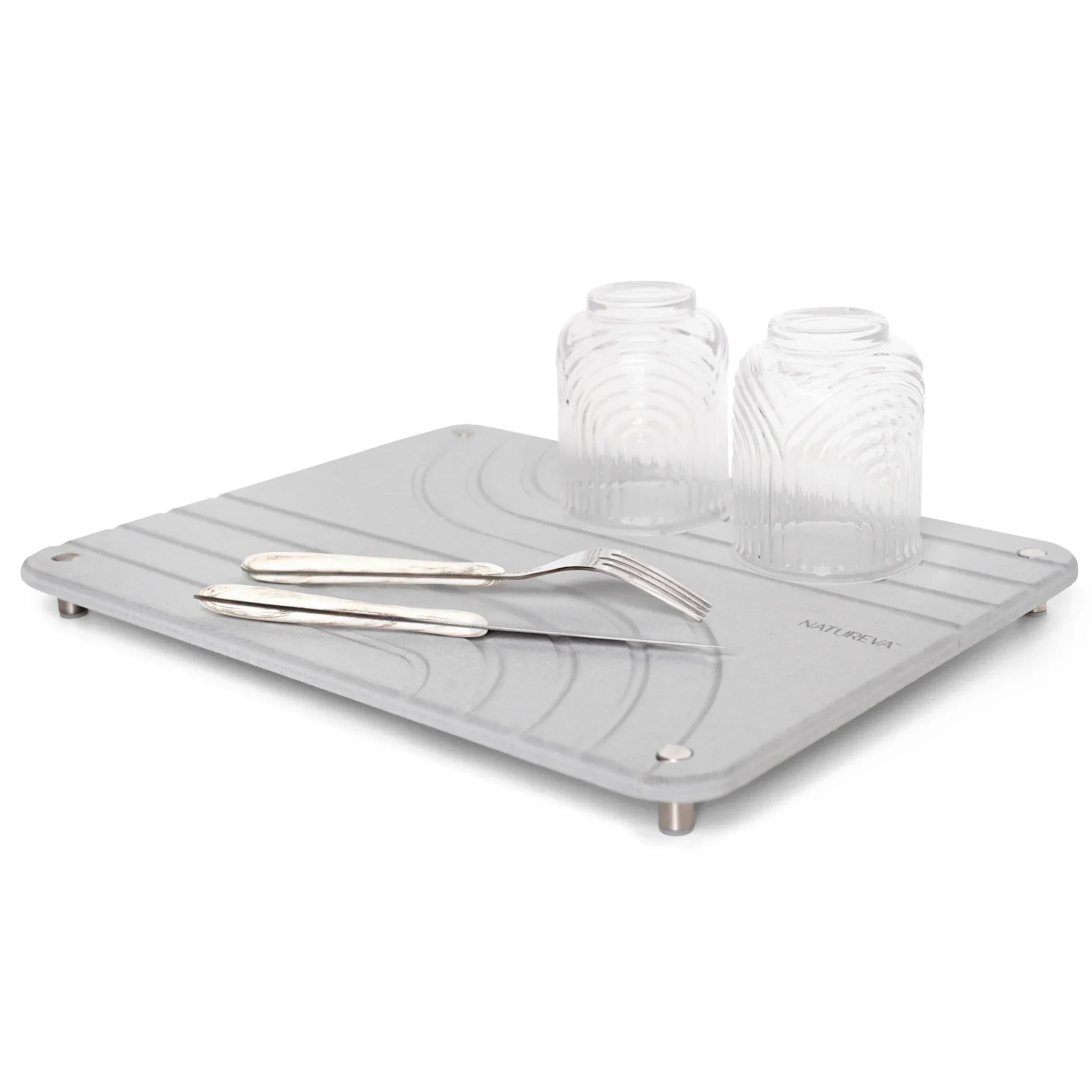
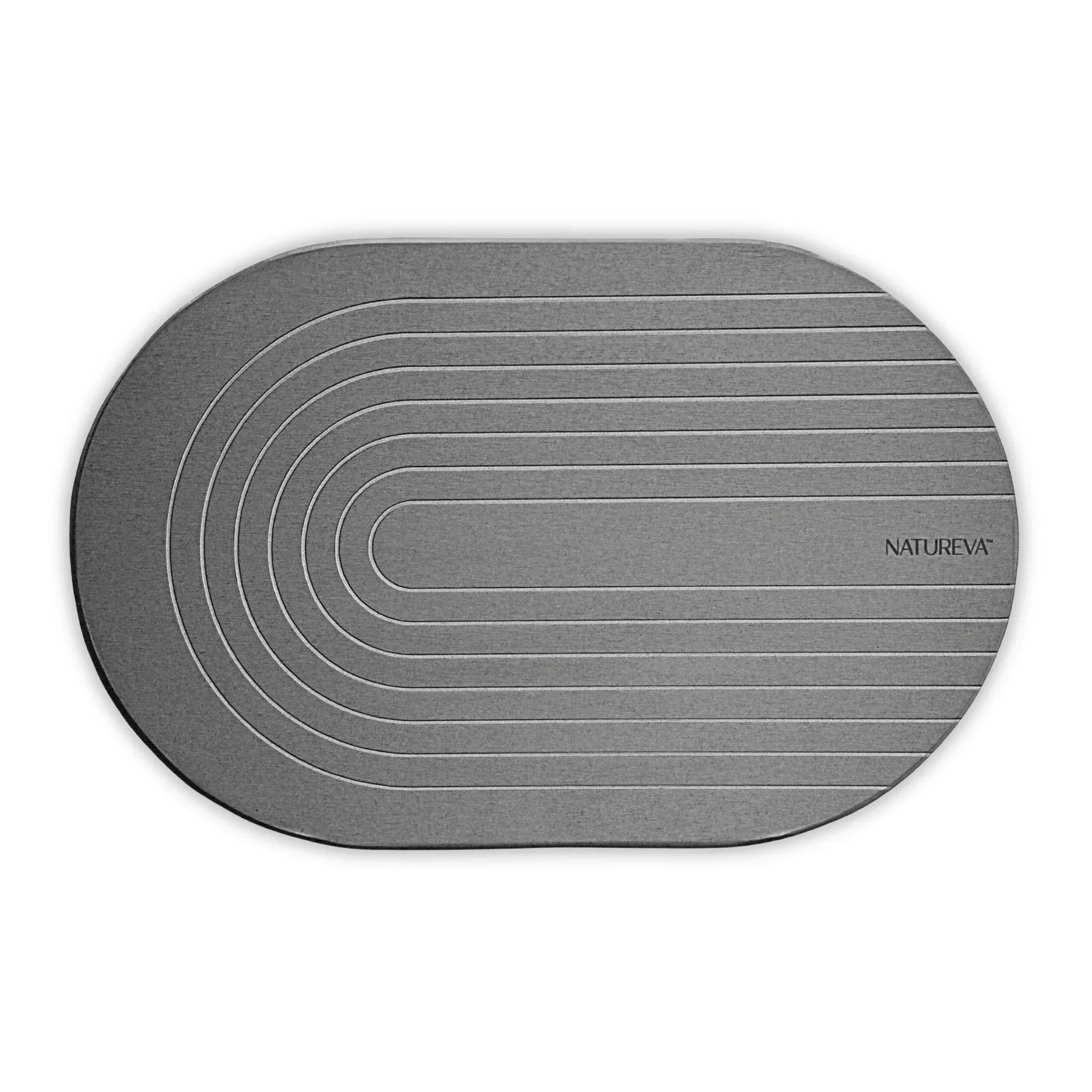
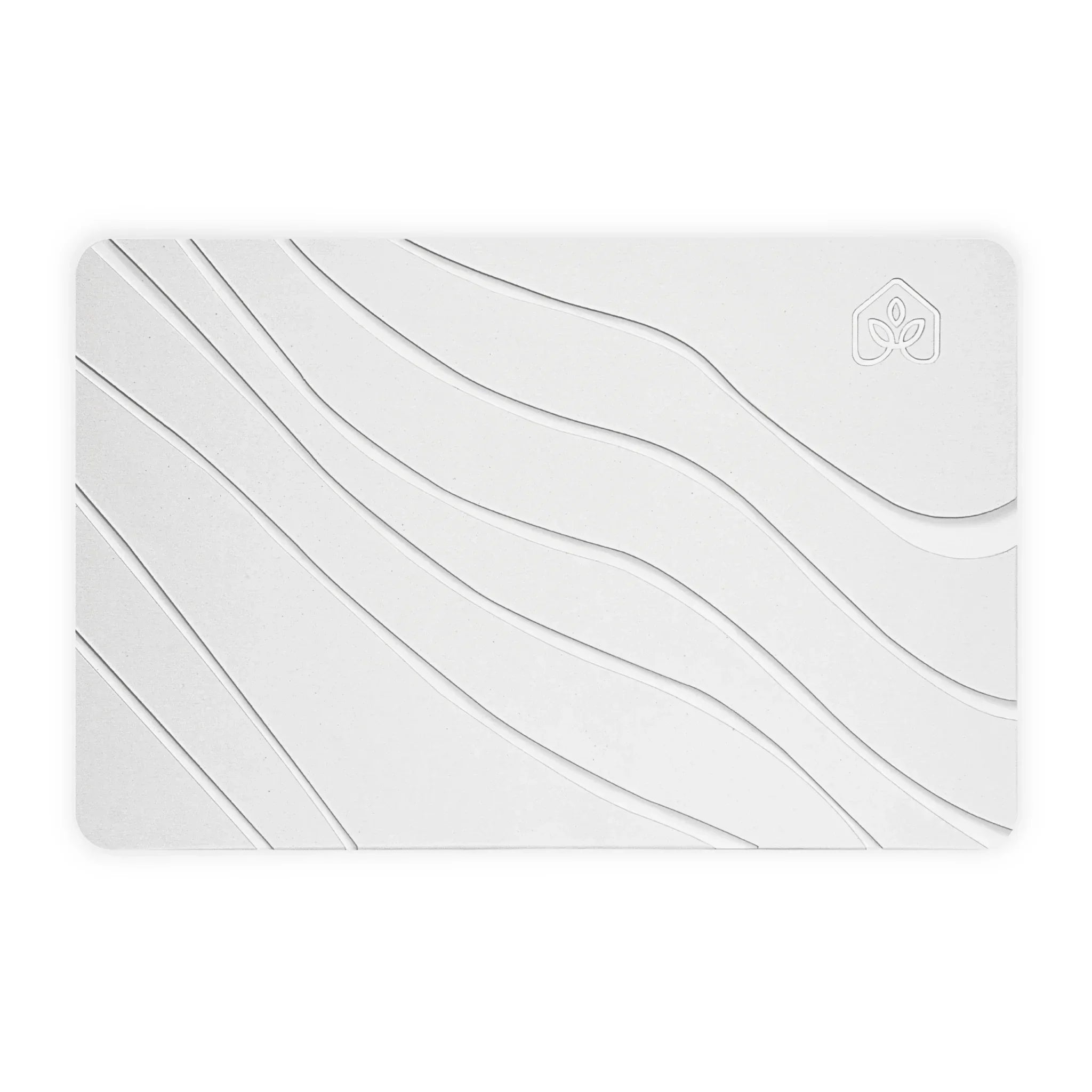
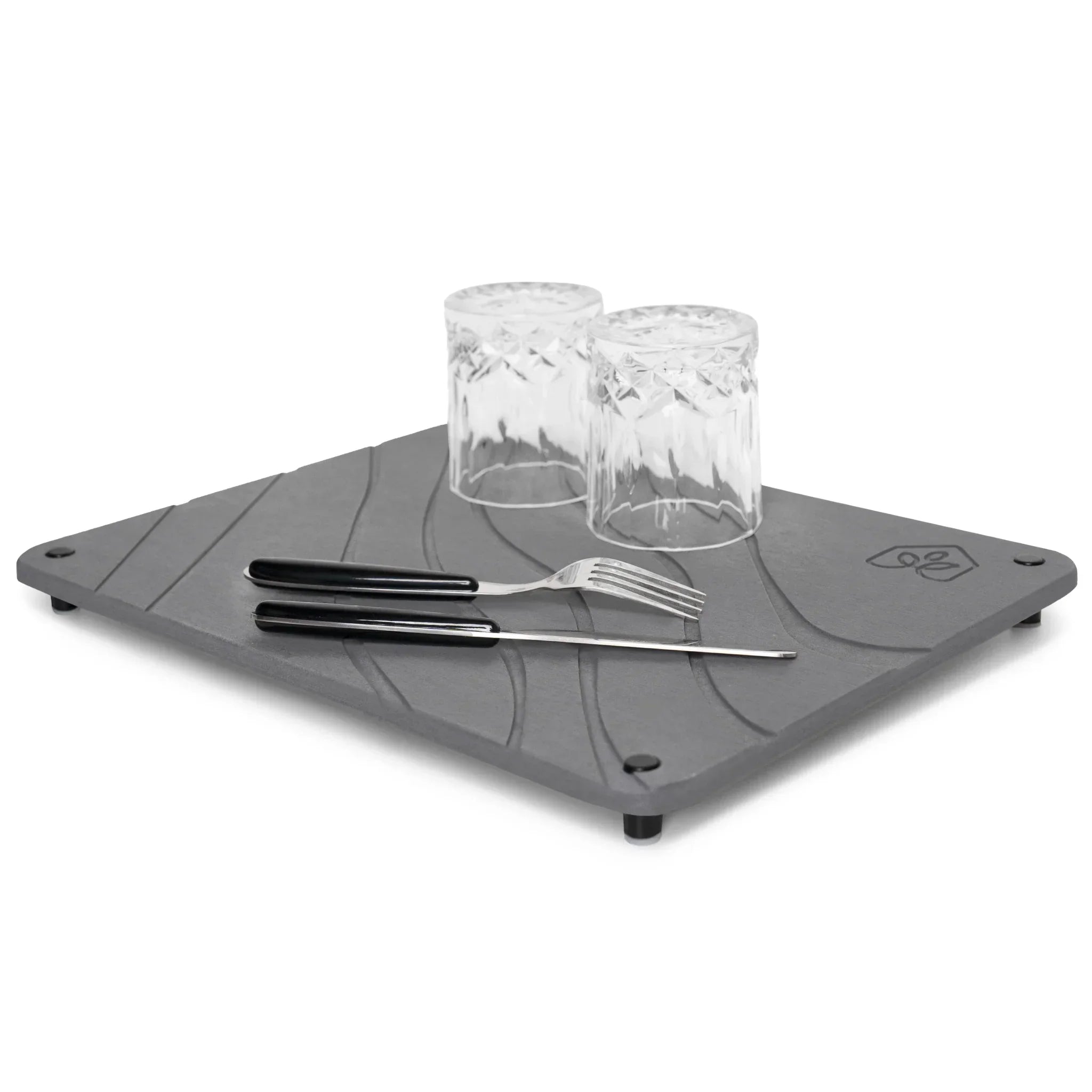
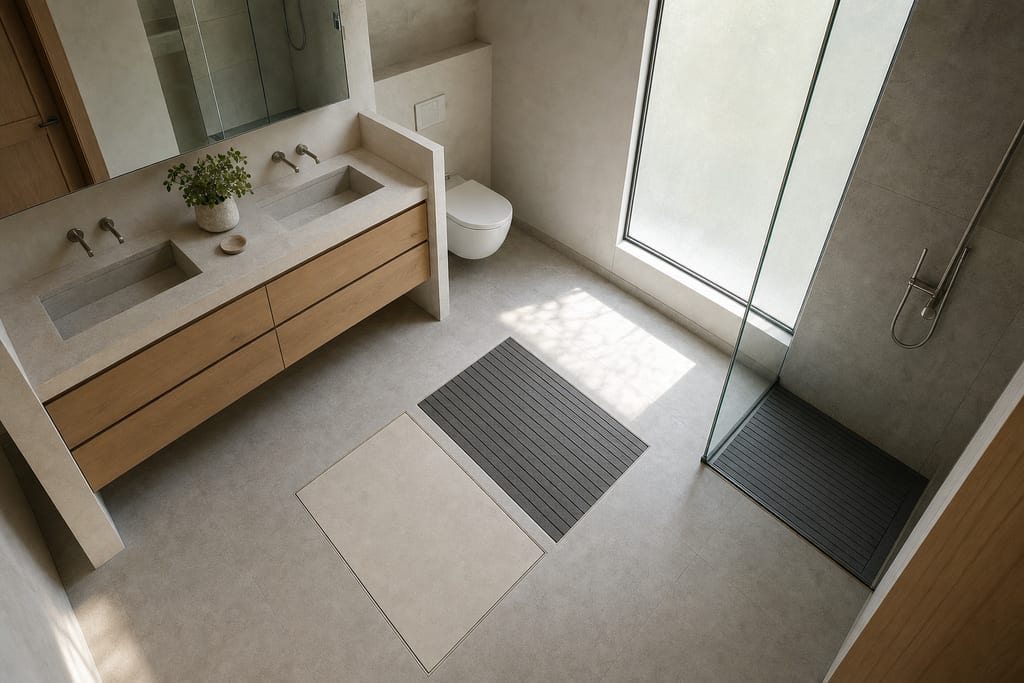
This is the same mechanism behind every Natureva mat, whether it is the Tide, Arch, or Rain stone bath mat. No motors, no extra steps, just the stone doing what its structure allows.
The next generation of home essentials: naturally made, cleaner by design, sustainable by nature.
SHOP ALLWhy Mold and Odor Have a Harder Time Here
Mold and odor-causing bacteria need standing moisture to grow, usually several hours of it. Diatomite removes that window by drying before bacteria get a chance to settle in.
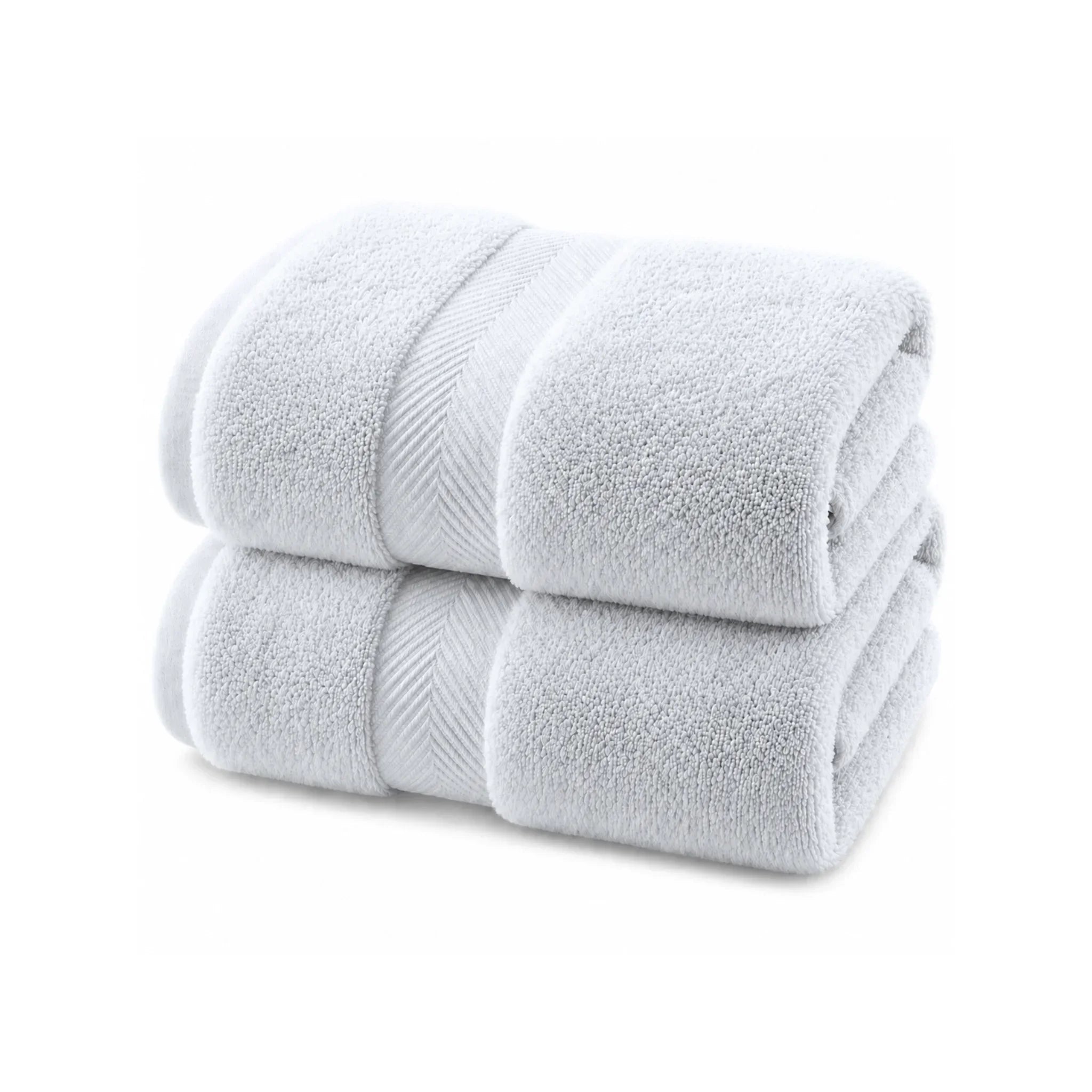
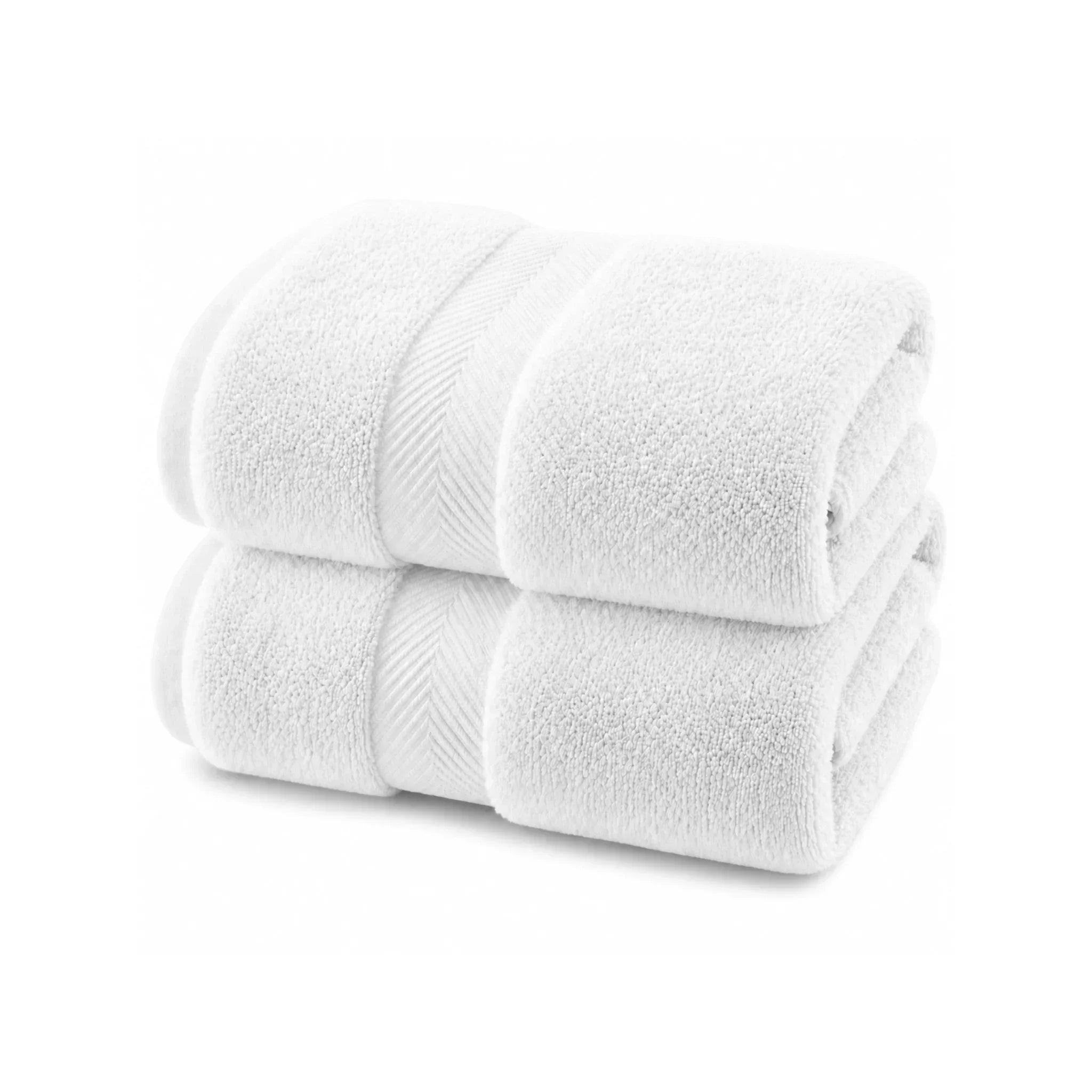
Cotton and other woven bath mats work the opposite way. Their fibers trap water and hold it for hours, sometimes overnight, which is exactly the damp environment mold needs to spread and the smell builds from there.
- Fabric mat: fibers hold water for hours, feeds mold growth
- Diatomite mat: dries in seconds, removes the damp window
- Fabric mat: synthetic threads give mildew something to cling to
- Diatomite mat: natural mineral surface has no fibers for mildew to grab onto
Independent reviewers have noted the same drying speed when testing stone bath mats side by side with cotton versions, according to Consumer Reports' testing of stone bath mats.
Where Else You Will Find This Mineral at Home
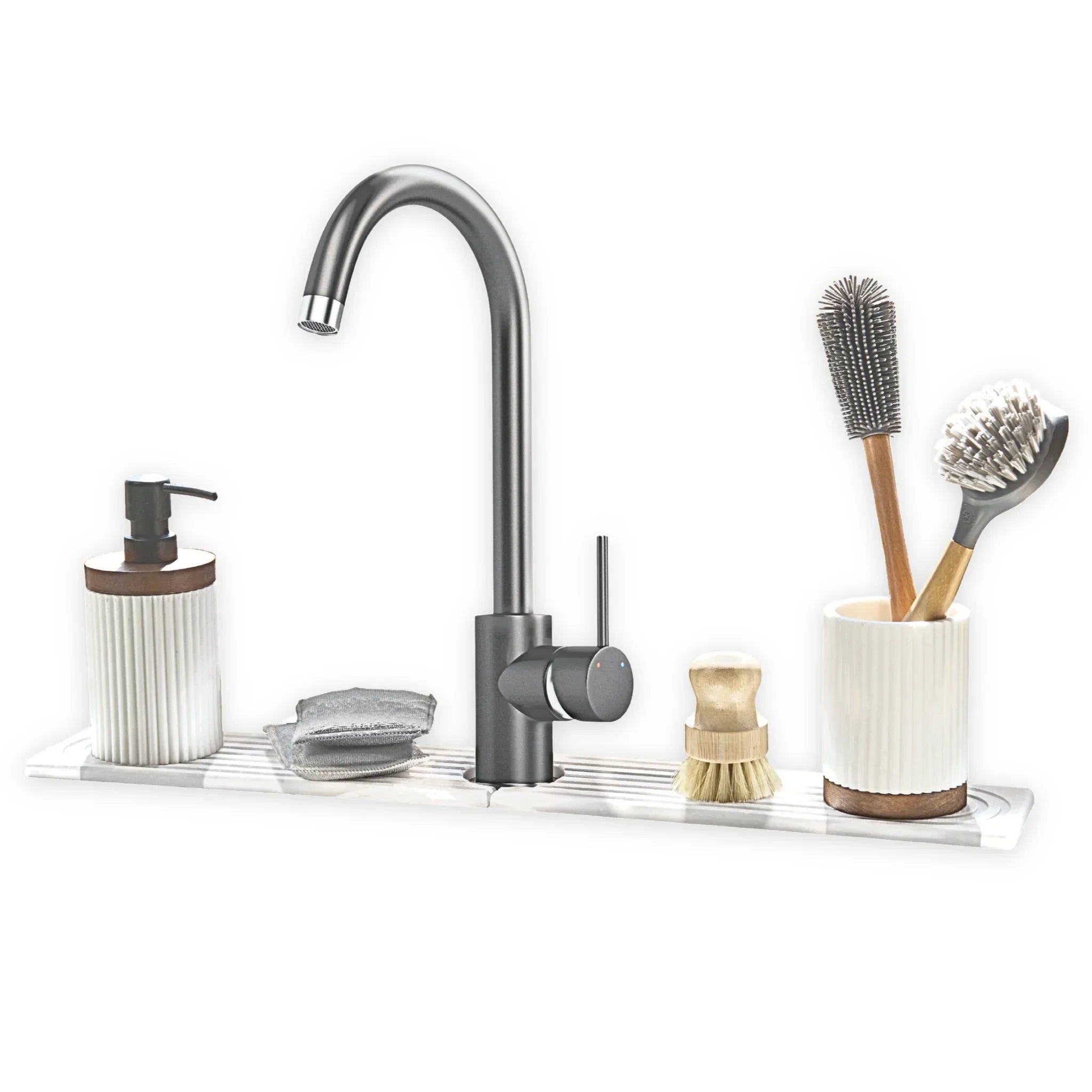
Diatomite shows up far beyond the bathroom. It lines pool filters to trap debris, gets mixed into garden soil to help roots breathe, and even appears in some toothpaste formulas as a mild abrasive.
Every one of those uses leans on the same basic trait, tiny pores that trap liquid or fine particles on contact. Bath mats are one of the newer applications, borrowing a property industries have relied on for well over a century.
- Pool filters: trap dirt and debris from water
- Garden soil additives: hold moisture and aerate roots
- Toothpaste: acts as a mild, natural abrasive
- Bath mats: pull water off skin and floors in seconds
What ties them together is the pore structure itself, not the industry using it. A pool filter and a bath mat are solving the same physical problem with the same mineral, just applied to different jobs around the house.
Stone or Fabric, Which One Fits Your Bathroom
Diatomite beats fabric on two things that matter most over time: drying speed and resistance to mold. A stone mat dries in seconds and never gives bacteria the standing water they need, while a fabric mat holds moisture for hours every single day it gets used.
Fabric still wins on two different points: initial cost and softness underfoot. A cotton mat usually costs less at checkout, and it feels warmer and plusher on bare feet than a mineral surface ever will.
Diatomite asks for one piece of upkeep that fabric does not. Body oils and lotions can clog the surface pores over months of use, and sanding the top layer with fine-grit paper restores the absorption rate.
| Factor | Diatomite Mat | Fabric Mat |
|---|---|---|
| Dry time | Seconds | Hours |
| Upfront cost | Higher | Lower |
| Feel underfoot | Firm, cool | Soft, warm |
| Maintenance | Occasional sanding | Regular washing |
For a bathroom that gets stepped on every day by more than one person, the mold-prevention edge usually outweighs the extra sanding. A household bathroom with heavy foot traffic is the case where diatomite's durability pays off the most, and it's where you can compare options like the Stone Bath Mat - Aura or the Stone Bath Mat - Flow against whatever fabric mat you own now.
Picking a Bath Mat That Matches How Your Floor Gets Used
The porous structure is the whole reason this stone belongs near a shower. Water gets pulled in and spread across millions of tiny pockets instead of sitting on top, so a mat made from it stays dry long after a fabric one would still feel damp. That means less scrubbing, fewer trips to the laundry, and no lingering smell waiting for you after your next shower. Natureva's Tide, Arch, and Rain mats put that same mineral under your feet in three finishes, each one priced at 59 USD. If your bathroom floor stays wet for hours after someone showers, that's the sign it's time to swap in a mat built from this stone instead of one more towel on the tile.
The next generation of home essentials: naturally made, cleaner by design, sustainable by nature.
SHOP ALLCommon Questions About Diatomite Bath Mats
Is diatomite safe to have around pets and kids?
Yes, diatomite is a natural mineral with no added chemicals or dyes. The main safety note is the surface itself, since the stone is firm and can feel abrasive if a crawling baby or a dog scrapes against it repeatedly. It is not a choking hazard or a skin irritant, just a hard surface like any bathroom tile.
Does diatomite contain anything harmful like asbestos?
No, raw diatomite used in bath mats and cat litter is not asbestos and does not contain it. Asbestos is a separate mineral fiber that sometimes occurs near diatomite deposits in trace amounts, which is why manufacturers test and purify the material before it goes into consumer products. The diatomite sold for home use has that contaminant removed.
Why does diatomite feel rough instead of smooth like regular stone?
Diatomite feels rough because its surface is made of millions of tiny broken shell fragments rather than a solid, polished mineral grain. Stones like marble or granite form as dense crystals that can be ground to a glassy finish, while diatomite stays porous and chalky by nature. Polishing it down would seal the pores and stop it from absorbing water at all.
Is diatomite a renewable or limited resource?
Diatomite is not renewable on a human timescale, since it took millions of years for diatom shells to compress into rock. It is not scarce either, with large deposits found across the United States, China, and parts of Europe that supply filters, abrasives, and cat litter worldwide. Natureva sources the material from these existing deposits rather than from any single limited site.