
Budget Ways to Keep Benches Dry Without Dish Racks
Water pooling under your dish rack tray slowly destroys countertops, creating stains and warping that can cost hundreds to repair. Most people don't realize that traditional dish racks actually trap moisture instead of managing it, turning your drying area into a breeding ground for mold and bacteria. The good news is that keeping your benches dry doesn't require expensive equipment or complicated systems.
Table of Contents
- Why Traditional Dish Racks Fall Short
- Stone Dish Mats That Actually Work
- How Stone Mats Compare to Traditional Options
- Budget-friendly Alternatives You Already Own
- Setting Up Your Budget Drying Station
- Maximizing Airflow Without Spending Money
- Placement Strategies That Actually Work
- Your Path to Dry Organized Counters
- Common Questions About Dish Drying Alternatives
Why Traditional Dish Racks Fall Short
Most people don't realize that the average dish rack tray holds about two cups of water after a single load of dishes. That puddle of water just sits there, creating a breeding ground for bacteria and making your counter look messy. The whole point of a dish rack is to keep things clean and organized, but the reality is quite different. Traditional dish racks come with a bunch of problems that make kitchen cleanup more annoying than it needs to be.
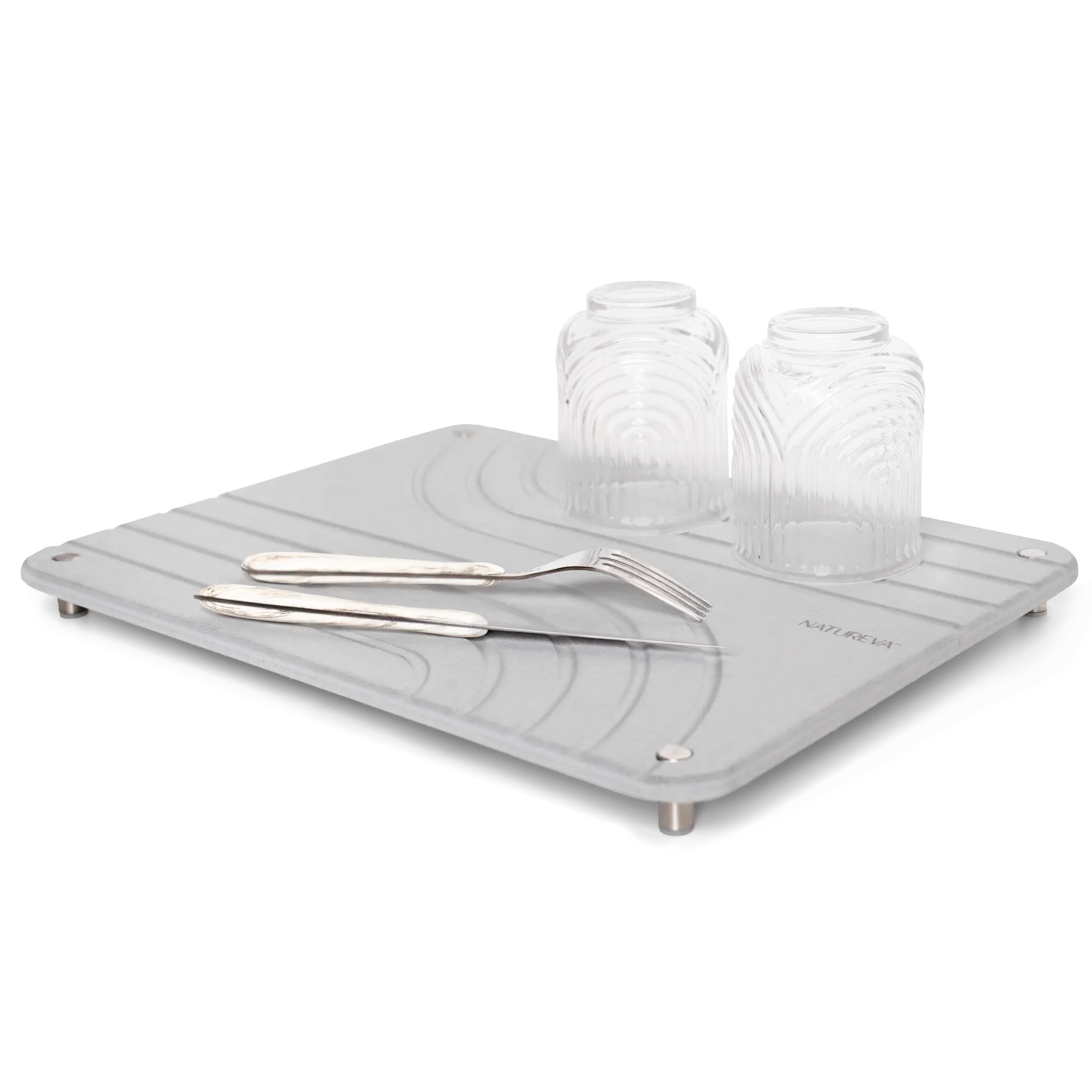
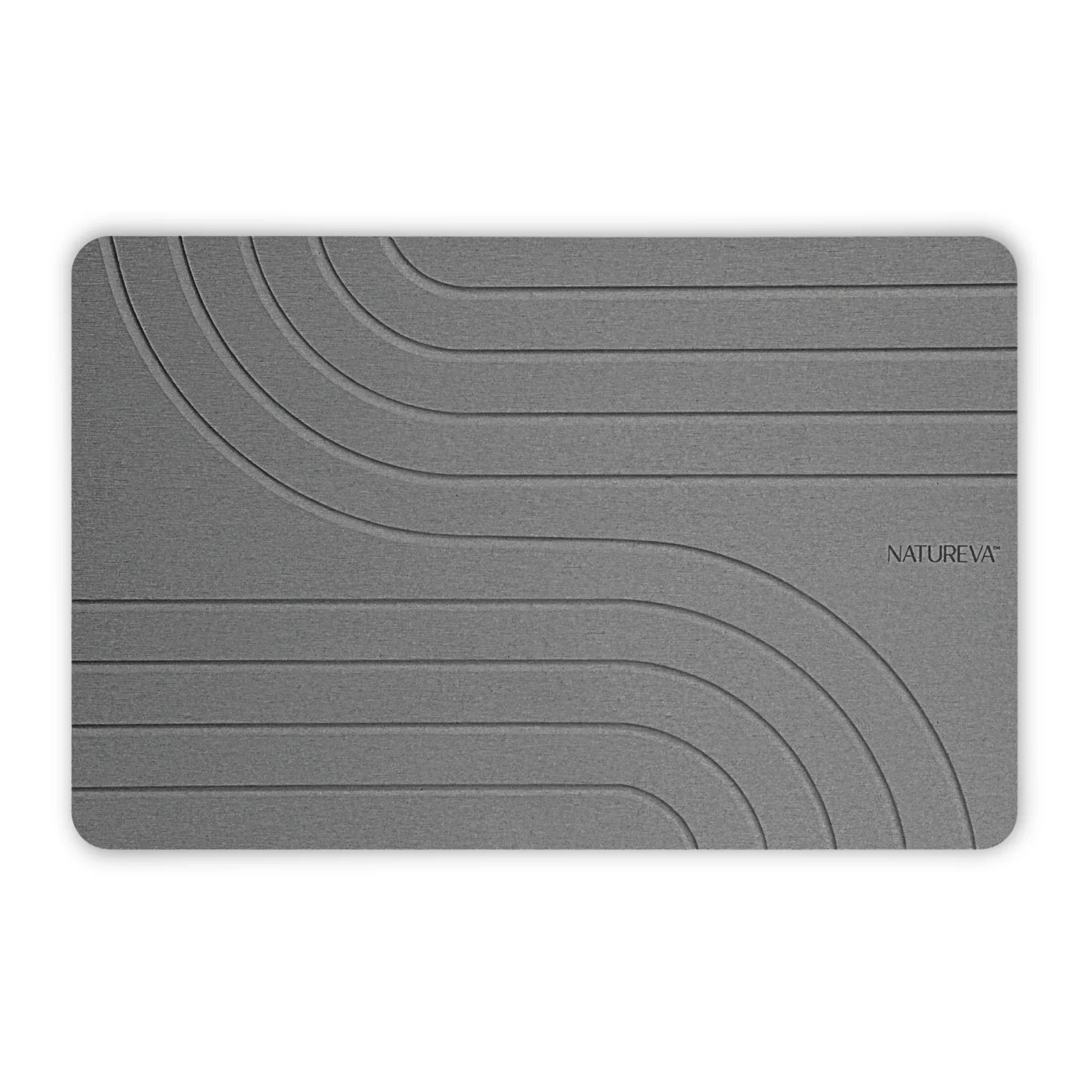
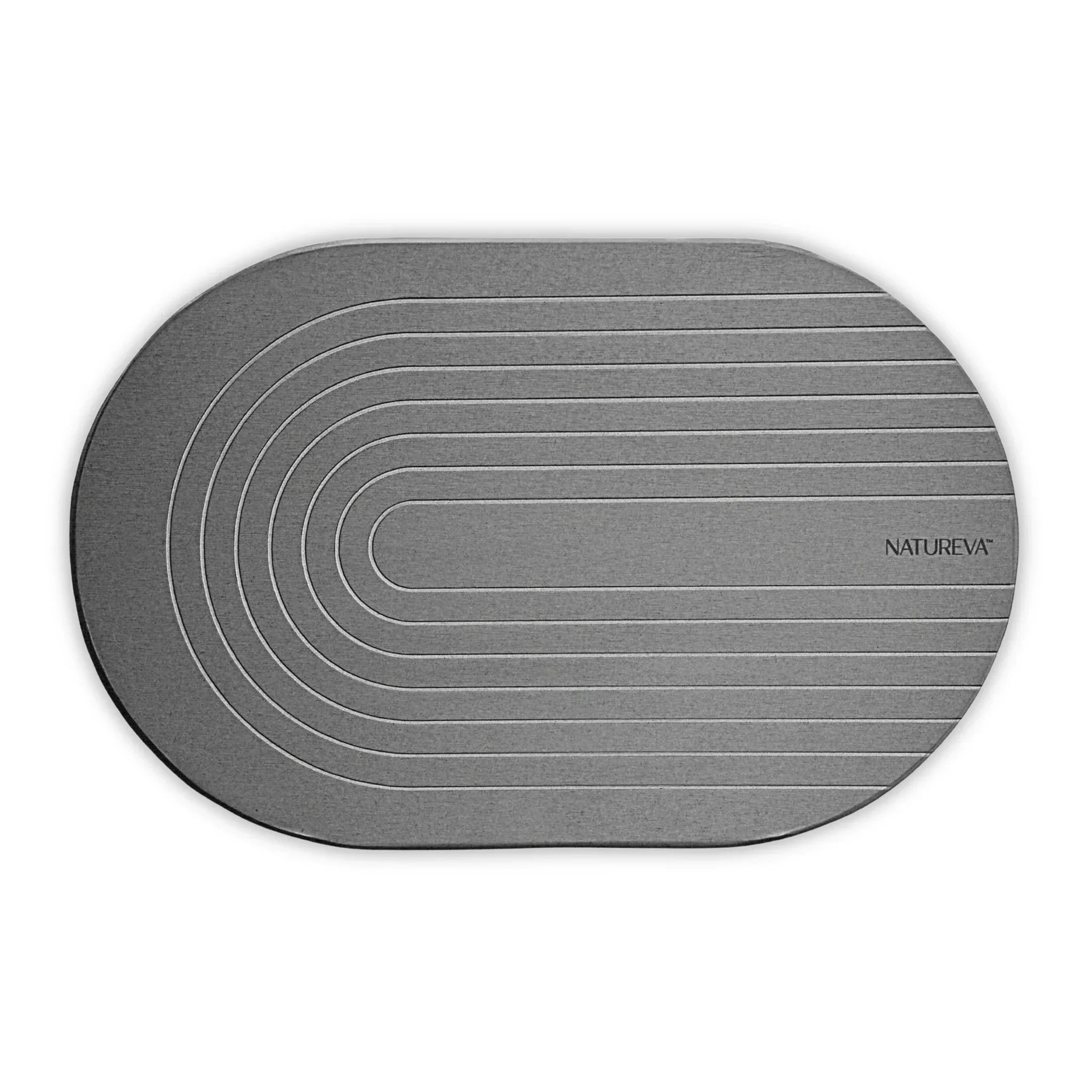
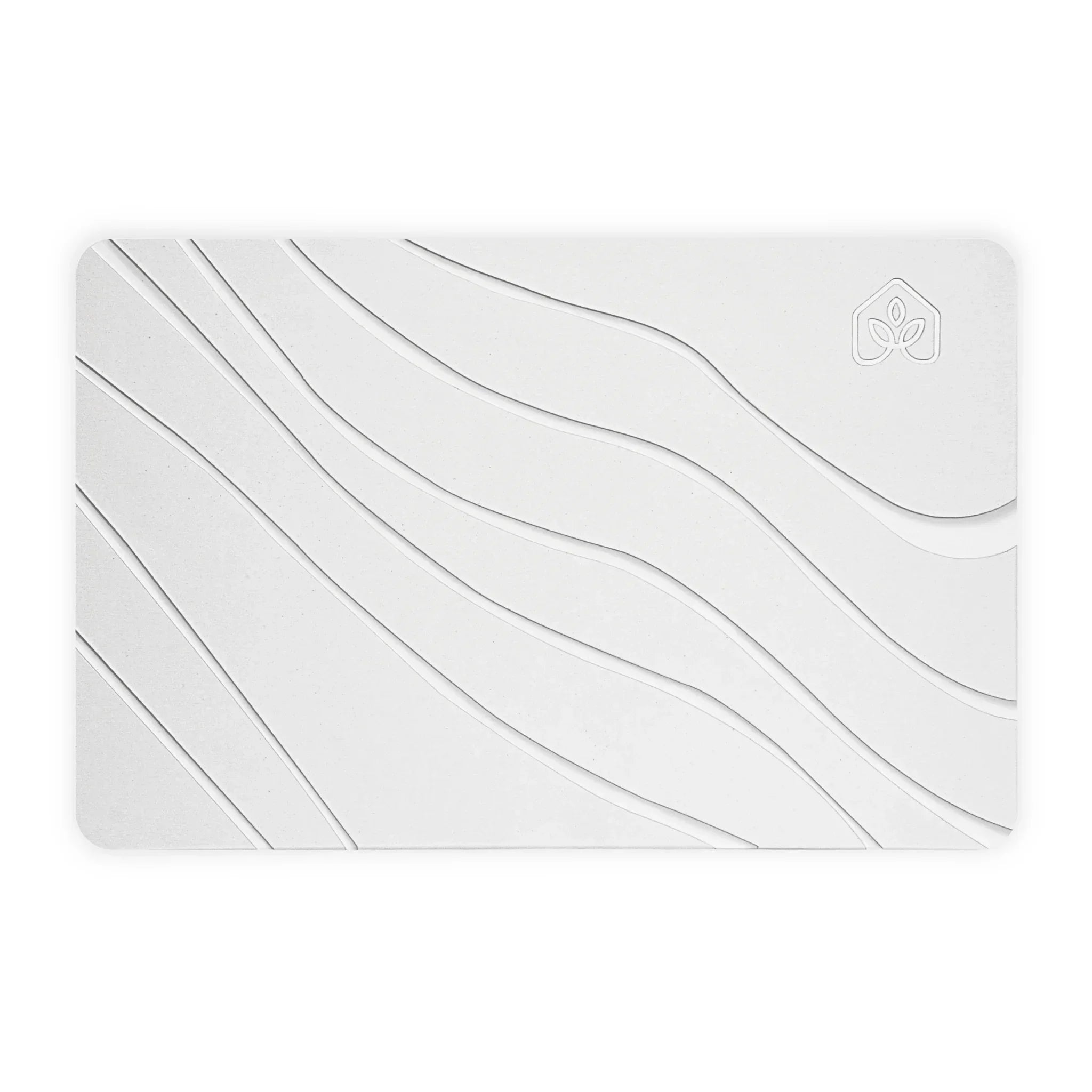
Stone Dish Mat - Tide
The Water Pooling Problem
The biggest issue with standard dish racks is that they don't actually solve the water problem. Water drips off your clean dishes and collects in the tray below, where it just sits around getting gross.
- Dish rack trays need to be emptied multiple times a day if you wash dishes regularly
- Forgotten water in trays develops an unpleasant smell within 24-48 hours
- Water overflow from full trays creates puddles on your countertop
- Mineral deposits from hard water leave white stains that are hard to scrub off
Some people try to solve this by emptying the tray constantly, but that's just another chore added to your day. The water doesn't disappear on its own, so you're stuck babysitting your dish rack.
Durability and Maintenance Headaches
Dish racks don't last as long as you'd think. Metal ones start showing rust spots within a year, especially around the joints and bottom where water sits. Plastic versions crack and discolor over time from the constant wet-dry cycles.
- Rust stains transfer onto your clean dishes and countertops
- Cracked plastic trays leak water directly onto your counter
- Mold grows in the corners and crevices where water gets trapped
- Replacement costs add up when you need a new rack every 1-2 years
The Space Issue Nobody Talks About
Modern kitchens are getting smaller, but dish racks aren't. A standard dish rack takes up about 1.5 to 2 square feet of valuable counter space that you could use for meal prep or other tasks.
| Common Problem | Frequency | Impact Level |
|---|---|---|
| Water pooling in tray | Daily | High |
| Rust or cracks | 6-12 months | Medium |
| Mold growth | Weekly | High |
| Counter space loss | Constant | Medium |
| Tray emptying needed | 2-3 times daily | Medium |
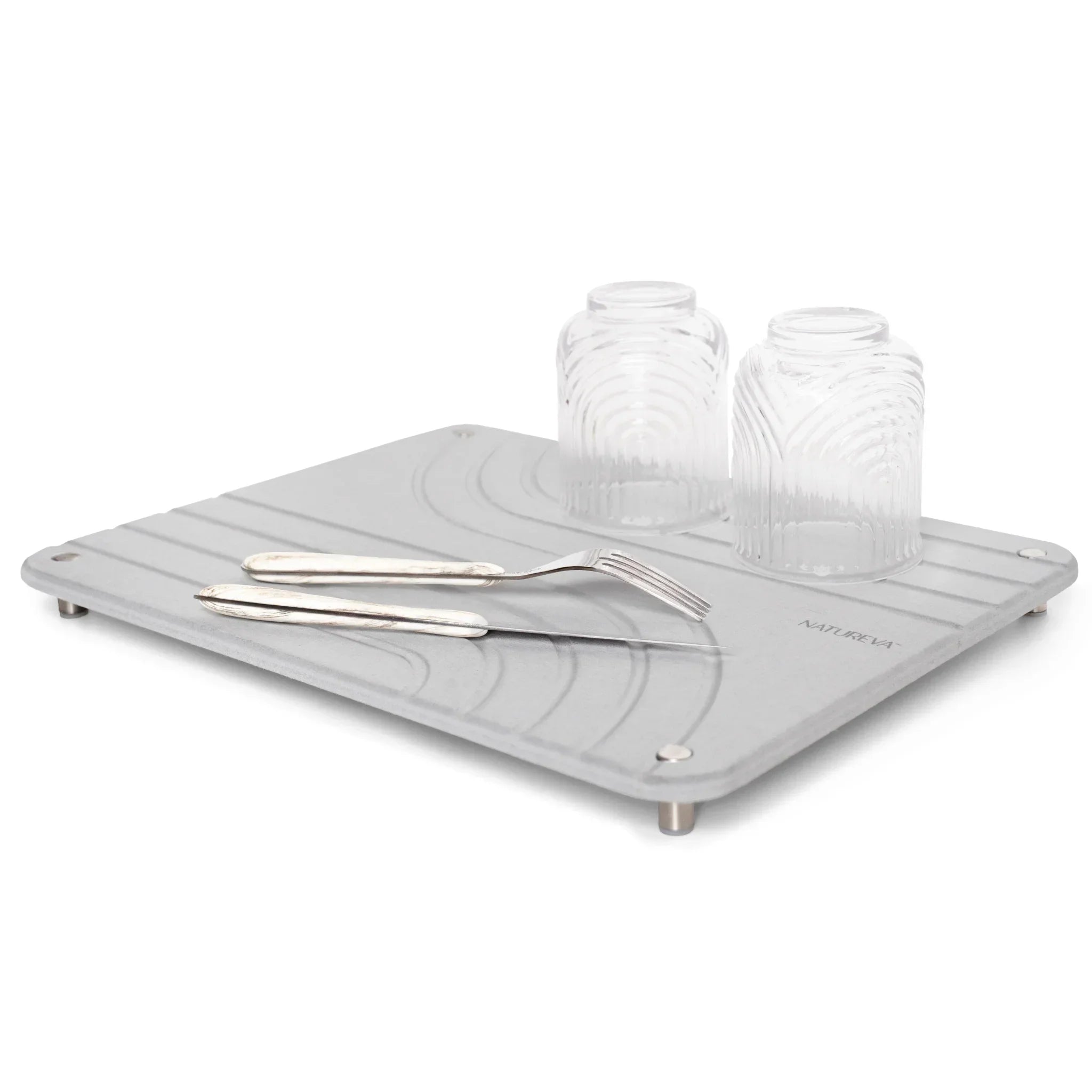
The bulky design means you can't easily move it out of the way when you need more room. Plus, the area underneath the rack stays damp, which can damage wooden countertops or create water stains on laminate surfaces. Solutions like the Natureva Stone Dish Mat take up less space and actually absorb water instead of collecting it, but we'll get into alternatives later.
Stone Dish Mats That Actually Work
Most people don't realize that wet countertops around the sink aren't just annoying, they're actually breeding grounds for bacteria and mold. Traditional dish rack trays collect water in their bottom compartments, creating little pools that never fully dry between uses. This is where the science of diatomaceous earth comes in, and it's pretty fascinating how this natural material solves a problem we've all dealt with for years.
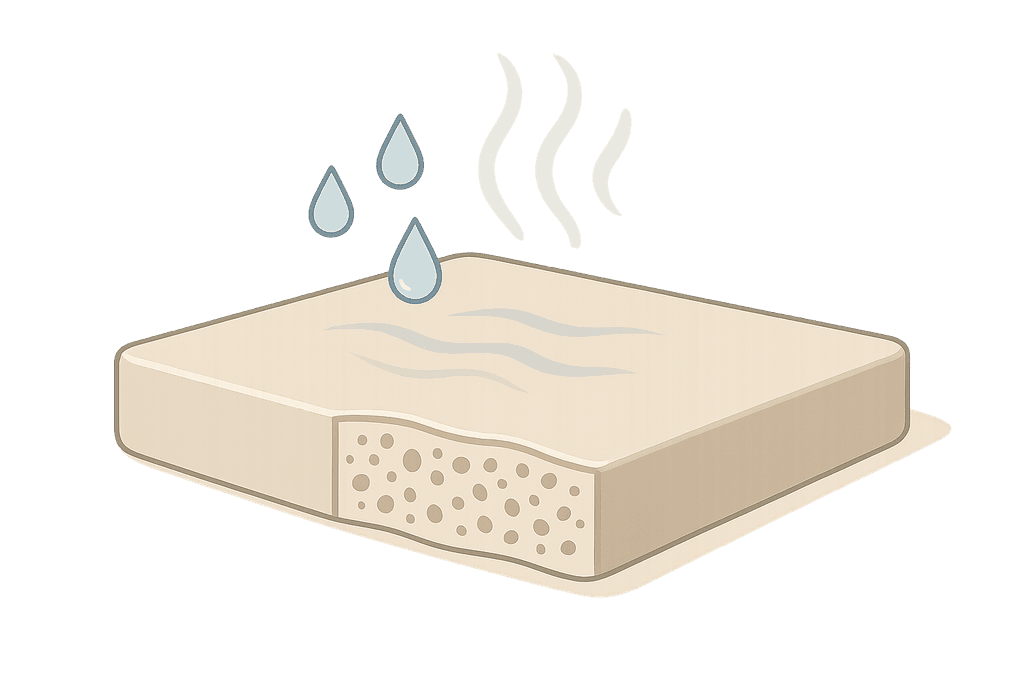
Diatomaceous earth is made from fossilized algae that lived millions of years ago. The material contains millions of microscopic pores that act like tiny sponges, pulling water away from your dishes and countertop instantly. Unlike fabric mats that stay damp for hours or plastic trays that need constant emptying, stone mats dry themselves through natural evaporation. The water doesn't just sit there, it actually disappears into the air.
How Stone Mats Compare to Traditional Options
| Feature | Stone Mats | Dish Rack Trays |
|---|---|---|
| Drying Speed | Instant absorption | Pools water |
| Maintenance | Self-drying | Needs emptying |
| Mold Risk | Minimal | High |
| Counter Space | Compact | Bulky |
| Price Range | Under $50 | $30-$80 |
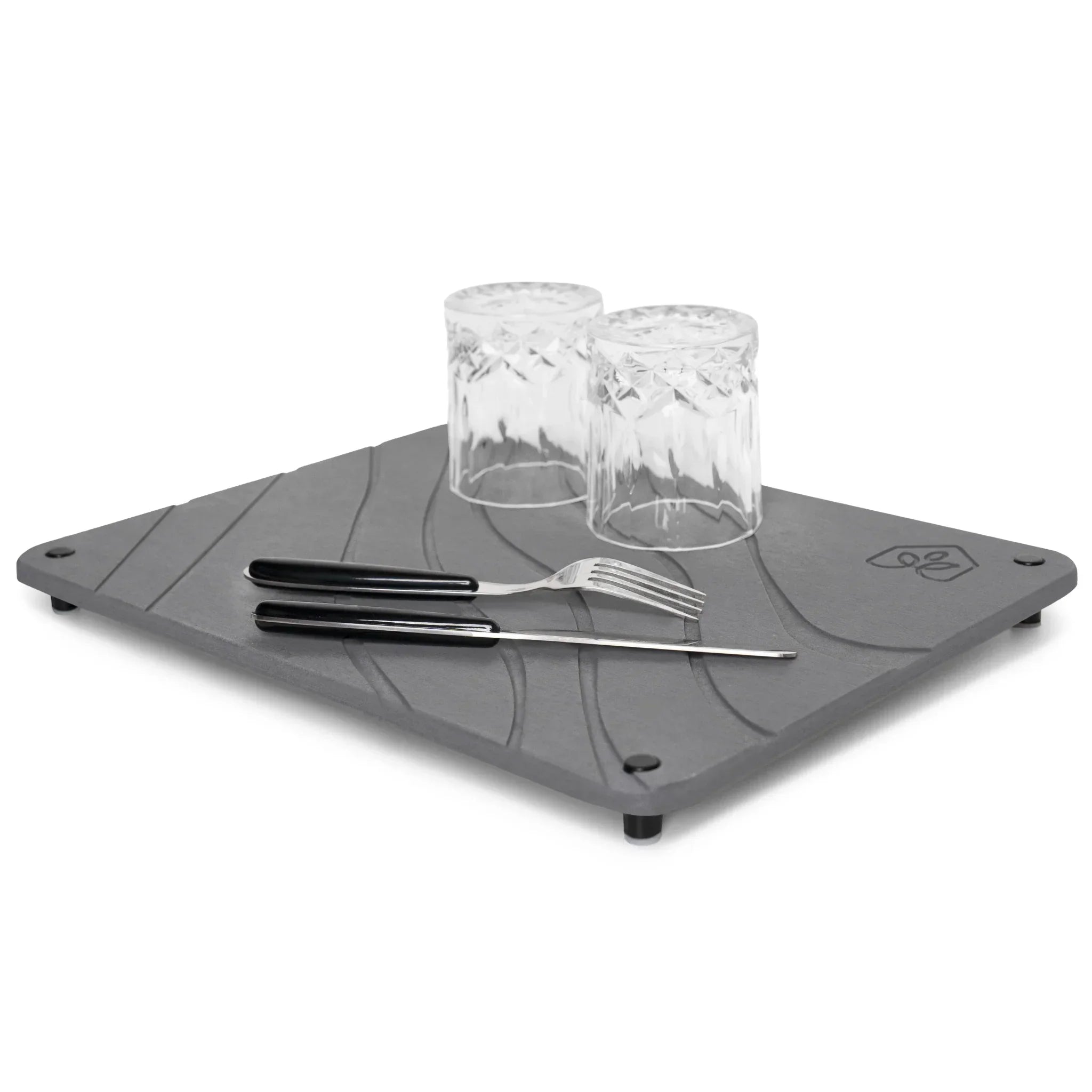
The Stone Dish Mat - Tide and Stone Dish Mat - Flow both use this natural absorption technology at $49 each. They take up way less space than those bulky two-tier racks that dominate your counter. The mats prevent mold and bacteria growth because water doesn't stick around long enough for anything to grow, which is something fabric alternatives just can't match.
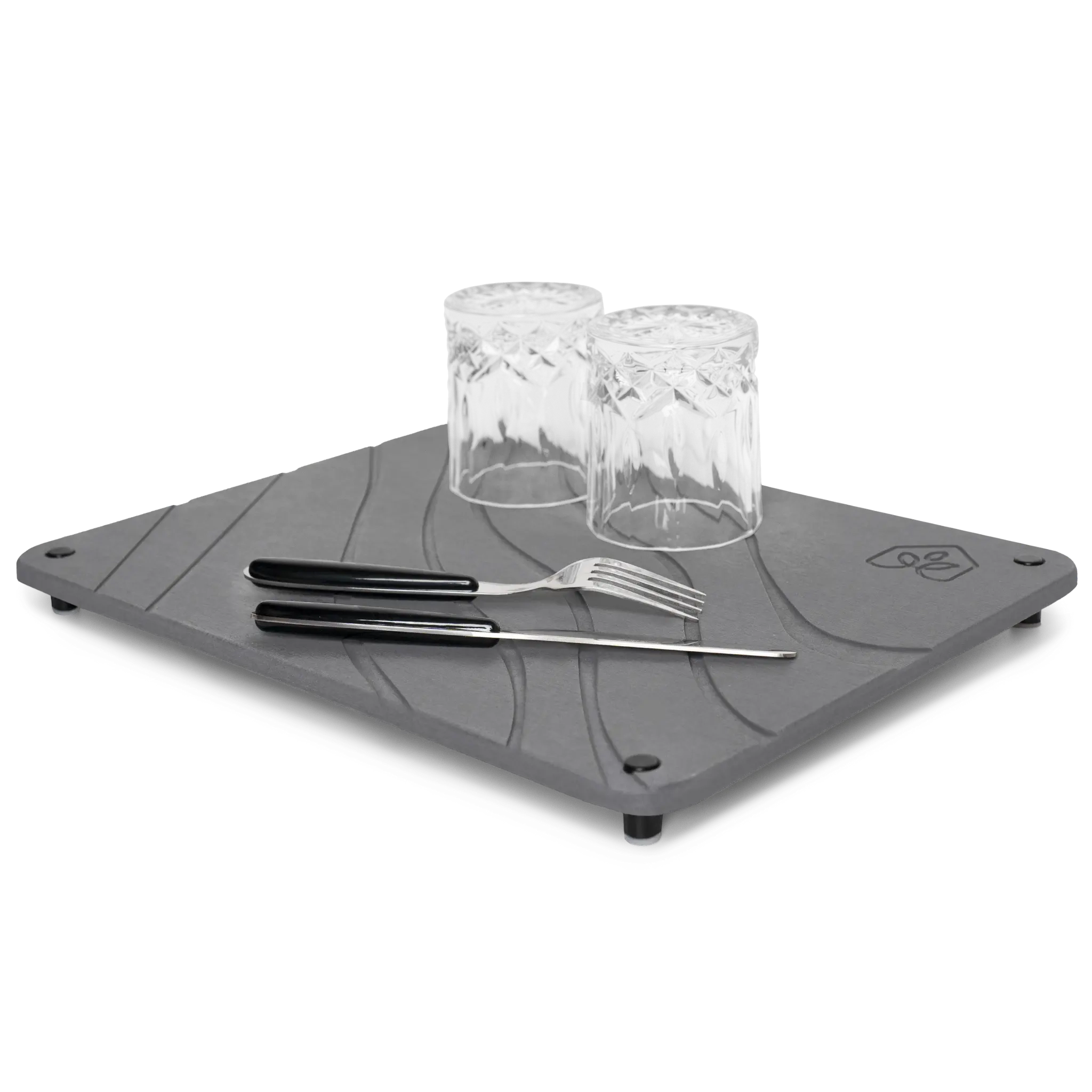
Stone Dish Mat - Flow
What makes these mats budget-friendly isn't just the upfront cost. They don't need replacement parts, special cleaning solutions, or constant maintenance like traditional dish rack trays do. You can learn more about how the absorption technology works if you're curious about the science behind it.
DIY Drying Solutions Under $20
Not everyone wants to buy new kitchen gear right away, and that's totally fair. Your kitchen probably already has items that can double as drying surfaces if you know what to look for. The key is finding materials that absorb water quickly and don't trap moisture underneath, which is harder than it sounds with everyday household items.
Microfiber towels are your best friend when it comes to budget drying solutions. They absorb up to seven times their weight in water, which beats regular cotton dish towels by a mile. The catch is you need to wash them frequently or they start smelling funky within a day or two.
Budget-friendly Alternatives You Already Own
- Cooling racks from your baking supplies let air circulate under dishes
- Cork trivets and bamboo cutting boards provide natural absorbent surfaces
- Layering newspaper under dishes works but looks messy
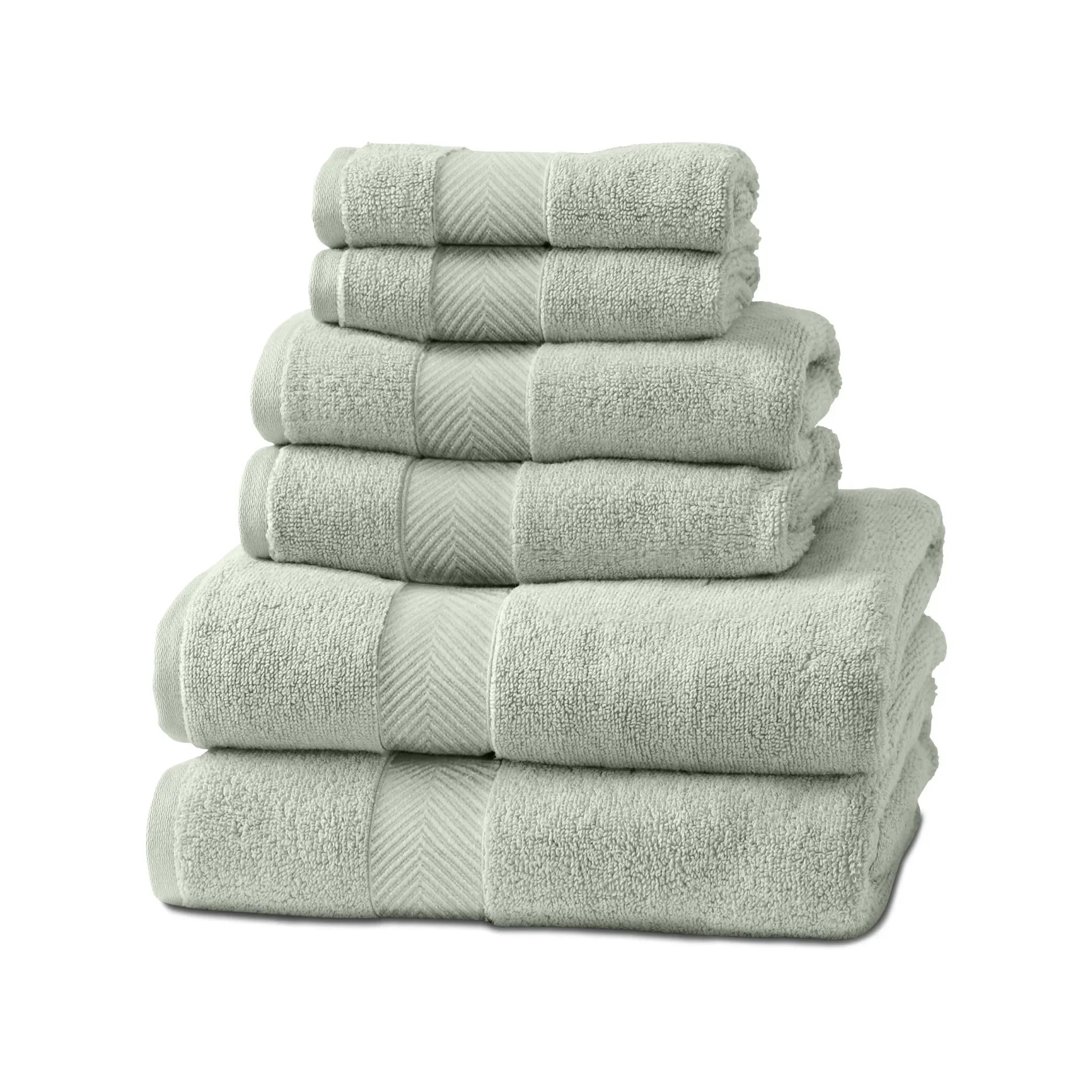
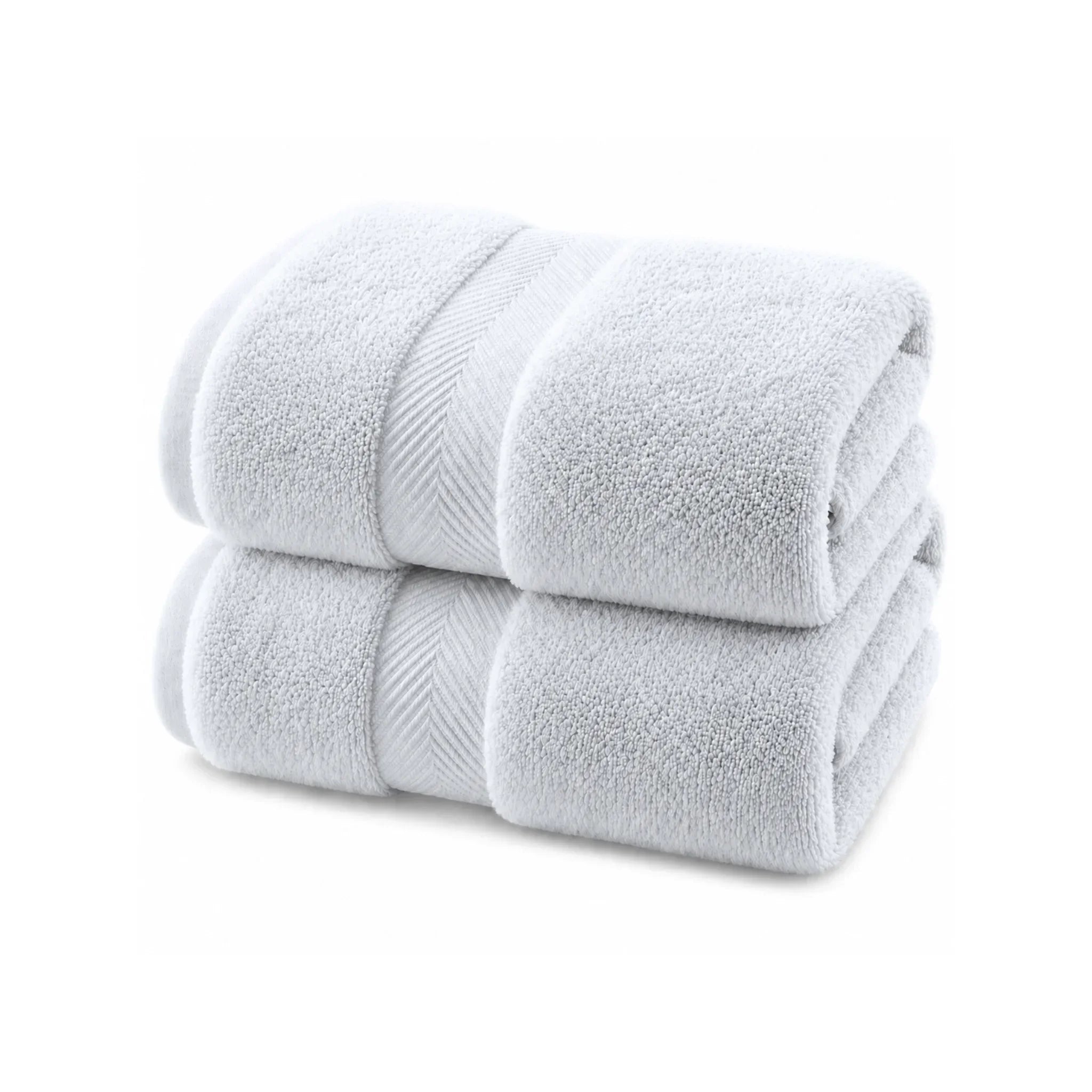
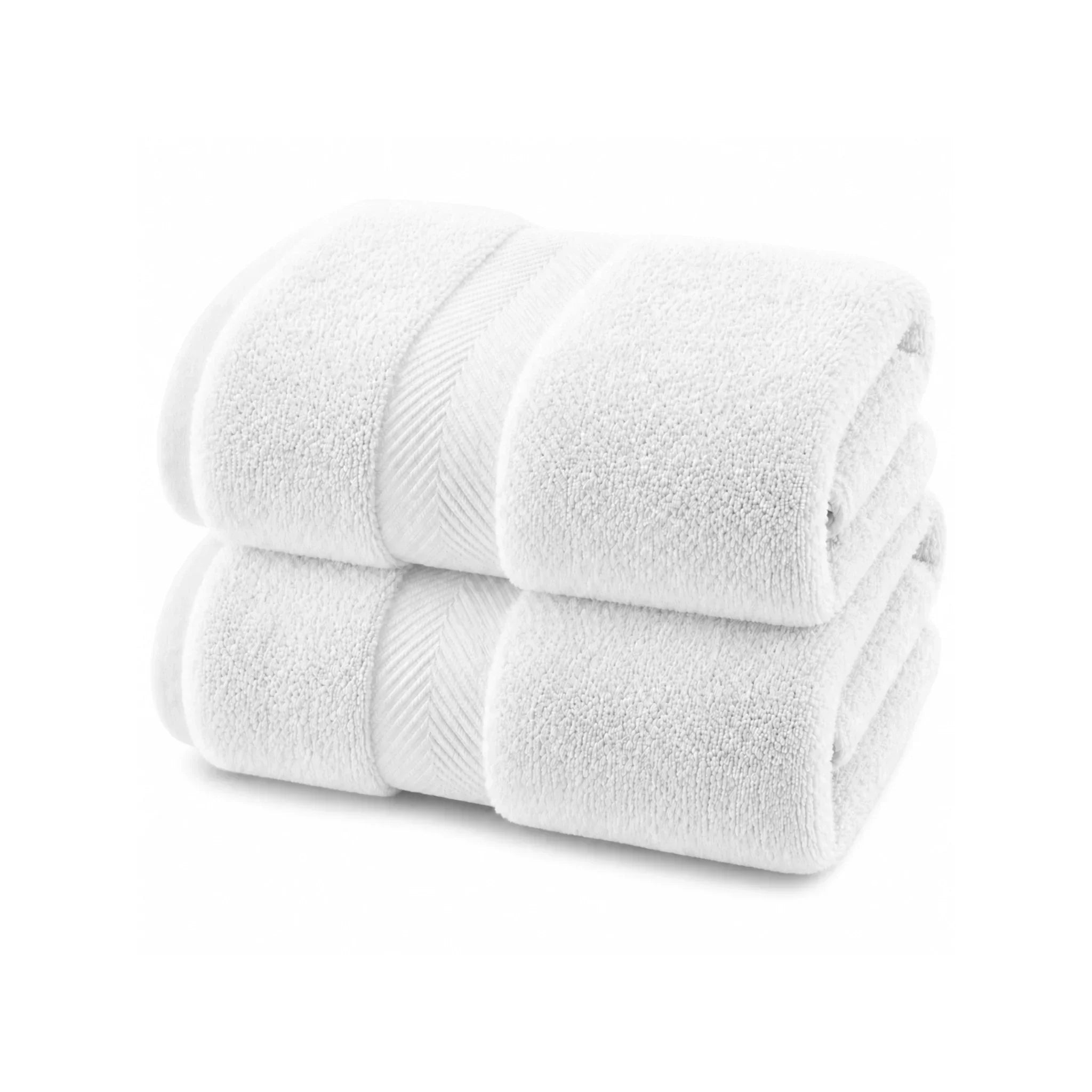
- Old bath towels folded in layers create thick absorption zones
- Silicone baking mats allow water to bead and roll off
According to True Fresh's guide on drying dishes, strategic placement near your sink makes a huge difference. Position your makeshift drying area within six inches of the sink edge so water drips back into the basin instead of spreading across your counter. This simple trick cuts down on the mess by about half.
DIY Drying Solutions Under $20
Setting Up Your Budget Drying Station
- Clear a 12-inch space directly next to your sink
- Layer your chosen absorbent material (towel, mat, or newspaper)
- Place a cooling rack or elevated surface on top if available
- Angle dishes so water runs toward the sink
- Keep a backup towel nearby for quick wipe-downs
The problem with most DIY solutions is they need constant attention. You're either washing towels daily, emptying makeshift trays, or dealing with soggy newspaper. It works when you're on a tight budget, but the maintenance adds up over time.
The next generation of home essentials: naturally made, cleaner by design, sustainable by nature.
SHOP ALLSmart Counter Layout for Air Drying
The way you arrange your drying space matters more than most people think. Even with the best materials, poor layout means water pools in corners, dishes take forever to dry, and you end up with that permanent damp spot on your counter. The good news is that fixing your layout doesn't cost anything, it just requires thinking about how water moves and where air flows in your kitchen.
Gravity is your free helper when it comes to drying dishes. Tilt plates and bowls at a 45-degree angle against your backsplash or a dish rack so water runs down instead of pooling in the center. Cups and glasses should always go upside down, but prop them at a slight angle rather than flat against the counter.
Maximizing Airflow Without Spending Money
- Space items at least one inch apart for air circulation
- Use wall-mounted hooks for cups and utensils to free up counter space
- Open nearby windows or turn on range hood fans
- Rotate dish positions every 15 minutes for even drying
- Keep high-drip items like pots over absorbent materials
Research from BENE Hardware's kitchen organization guide shows that vertical drying reduces drying time by up to 40% compared to laying everything flat. This is why dish racks work better than towels in theory, though they come with their own issues around water collection and counter space.
The limitations of traditional two-tier dish racks are well documented, especially when it comes to the bottom tray that never seems to dry properly. You can read more about why these racks create more problems than they solve in terms of mold and bacteria growth.
Placement Strategies That Actually Work
| Strategy | Drying Time | Counter Space Used |
|---|---|---|
| Angled against wall | 20-30 minutes | Minimal |
| Flat on towel | 60+ minutes | Maximum |
| On cooling rack | 30-40 minutes | Moderate |
| On stone mat | 15-20 minutes | Minimal |
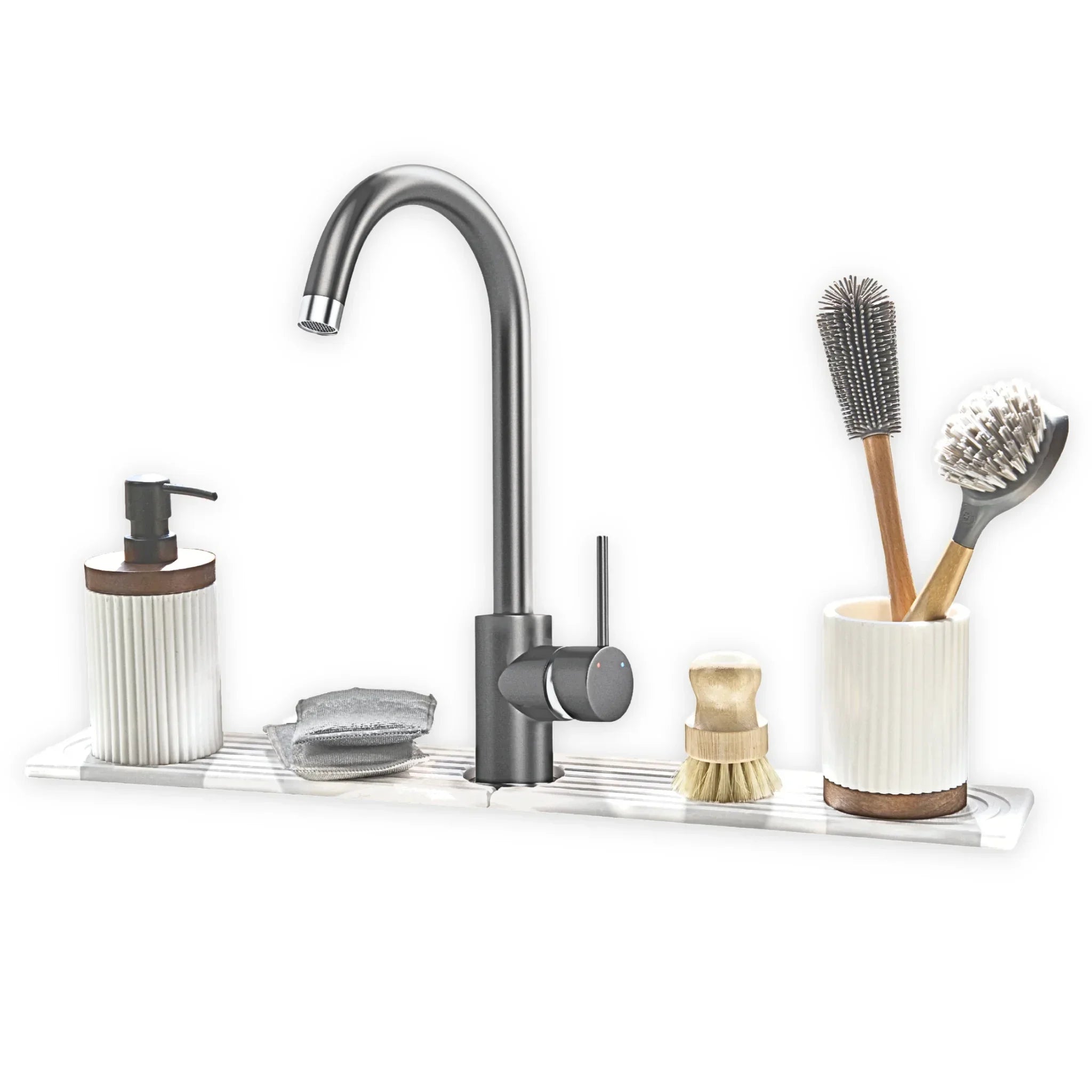
If you're looking for a permanent solution that combines the best of all these strategies, check out the full kitchen collection which includes various sizes and styles of absorbent mats. The stone sink caddy is another option that keeps sponges and brushes dry using the same diatomaceous earth technology.
The bottom line is that keeping your benches dry doesn't require expensive equipment, but it does require either constant maintenance with DIY solutions or investing in materials that do the work for you. Stone mats sit somewhere in the middle, offering professional-level absorption at a price point that won't break the bank while eliminating the daily hassle of wet counters and moldy dish rack trays.
Your Path to Dry Organized Counters
You don't need a bulky dish rack tray taking up half your counter space to keep things dry. The options we covered show that simple solutions often work better than complicated ones. From folded towels to stone mats, each method has its place depending on your kitchen setup and how much counter space you're working with.
Stone dish mats like our Stone Dish Mat - Tide or Flow design hit that sweet spot between price and performance. They absorb water instantly, dry fast, and don't grow mold like fabric options. Plus they last for years without needing replacement.
The real trick is matching your drying method to your daily routine. If you wash dishes throughout the day, quick-drying materials matter more. If you do one big wash after dinner, even basic towels can work fine as long as you swap them out regularly.
Remember that keeping your counters dry isn't just about convenience. Water sitting on surfaces creates the perfect environment for bacteria and can damage your countertops over time. A good drying setup protects your kitchen investment while making cleanup easier.
Whether you go with a stone mat, towels, or a combination approach, the key is finding what fits your space and sticking with it. Your kitchen will stay cleaner and you'll wonder why you ever dealt with those clunky metal racks in the first place.
Common Questions About Dish Drying Alternatives
Switching from a traditional dish rack tray to something new always brings up questions. People want to know if these alternatives actually work, how long they last, and whether they're worth the money. Here are the most common questions we hear about keeping your counters dry without bulky dish racks.
How long do stone dish mats last compared to dish racks?
Stone dish mats typically last 2-3 years with proper care, which is about the same lifespan as a decent dish rack tray. The difference is that stone mats don't rust, bend, or develop that gross buildup in the corners like metal racks do. They just need occasional light sanding to refresh the surface when absorption slows down.
Can you really keep counters dry without a dish rack tray?
Yes, but it depends on what you replace it with. Absorbent materials like diatomaceous earth stone mats work better than traditional dish rack trays because they actively pull moisture away instead of letting it pool underneath. Microfiber towels also work well if you're willing to swap them out regularly throughout the day.
What's the most budget-friendly option that actually works?
Layered cotton towels are the cheapest option at around $10-15 for a set, but you'll need to wash them constantly. For something that requires less maintenance, a stone mat like our Stone Dish Mat runs about $49 and pays for itself by eliminating the need for paper towels or constant laundry. DIY cork board solutions fall somewhere in the middle at $20-30 but don't absorb as quickly.
How do you clean and maintain alternative drying solutions?
Most alternatives need way less maintenance than dish rack trays. Stone mats just need a quick rinse and air dry once a week, plus light sanding every few months. Towels obviously need regular washing. The key is letting whatever you use dry completely between uses to prevent mold and bacteria growth.
Are stone mats sanitary for drying dishes?
Stone mats made from diatomaceous earth are actually more sanitary than traditional dish rack trays because they dry so quickly that bacteria and mold struggle to grow. The rapid evaporation means there's no standing water where germs can multiply. Just make sure you're buying food-grade diatomaceous earth, not the kind used for pest control.
Do DIY solutions work as well as purchased products?
Some DIY options work decently well, but they usually require more effort to maintain. A folded towel setup costs less upfront but creates more laundry. Cork boards absorb water but take forever to dry out completely. Purpose-made products like stone mats are designed specifically for quick absorption and drying, which is hard to replicate with household items.
The next generation of home essentials: naturally made, cleaner by design, sustainable by nature.
SHOP ALL