
Best Bathroom Mats for Wet Floors and Faster Drying
You step out of the shower onto your bathroom mat and feel that cold, damp squish under your feet. Most bathroom mats stay wet for hours because they trap moisture instead of managing it, creating the perfect environment for mildew and that musty smell nobody wants. The difference between a soggy floor and a dry one comes down to how quickly your bath mat can absorb water and release it back into the air.
Table of Contents
What Makes Bathroom Floors Stay Wet
A typical bathroom holds onto moisture for hours after a single shower, creating a cycle of dampness that most mats can't break. The average bathroom reaches 70-90% humidity during use, and that moisture doesn't just disappear when you turn off the water. It settles into every surface, especially the floor where your bath mat sits. Most people don't realize their bathroom mat is actually trapping water instead of managing it, which explains why that damp feeling never really goes away.
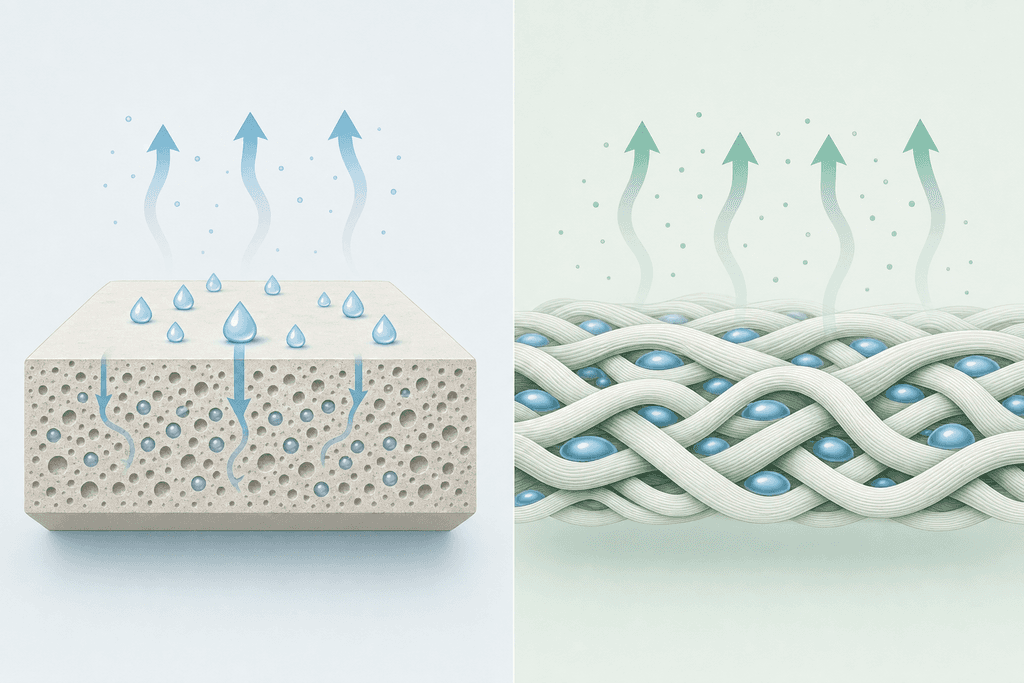
Why Humidity Creates Constant Problems
Bathroom humidity doesn't just make surfaces wet. It creates an environment where moisture keeps cycling through the air and landing back on your floors. When you step out of the shower, your feet carry water directly onto your mat, but the humid air around it prevents proper drying.
Here's what happens in a typical bathroom:
- Steam from hot showers raises humidity levels to 70-90% within minutes
- Moisture condenses on cooler surfaces like floors, walls, and bath mats
- Poor ventilation means humidity stays trapped for 2-4 hours after showering
- Traditional fabric mats absorb water but can't release it faster than new moisture arrives
The Fabric Mat Problem
Cotton, microfiber, and memory foam bathroom mats all share the same basic flaw. They're designed to absorb water, which sounds good until you realize they have no way to get rid of it quickly. A standard fabric bath mat can hold moisture for 4-24 hours depending on thickness and bathroom conditions.
The absorption process works like this:
- Fabric fibers soak up water and trap it between threads
- The mat's rubber backing blocks airflow from underneath
- Water can only escape through the top surface by slow evaporation
- New moisture from feet and humidity keeps the mat perpetually damp
What Grows in Damp Environments
Bacteria and mold need three things to thrive: moisture, warmth, and time. Your bathroom mat provides all three. Studies show that bacteria colonies can double every 20 minutes in ideal conditions, and a damp bathroom mat creates exactly that environment. The musty smell that develops in bath mats isn't just unpleasant, it's a sign of active bacterial growth.
Common hygiene issues include:
- Mold and mildew growth within 24-48 hours of constant dampness
- Bacterial colonies forming in fabric fibers and rubber backing
- Odor development from decomposing organic matter
- Skin contact with contaminated surfaces every time you shower
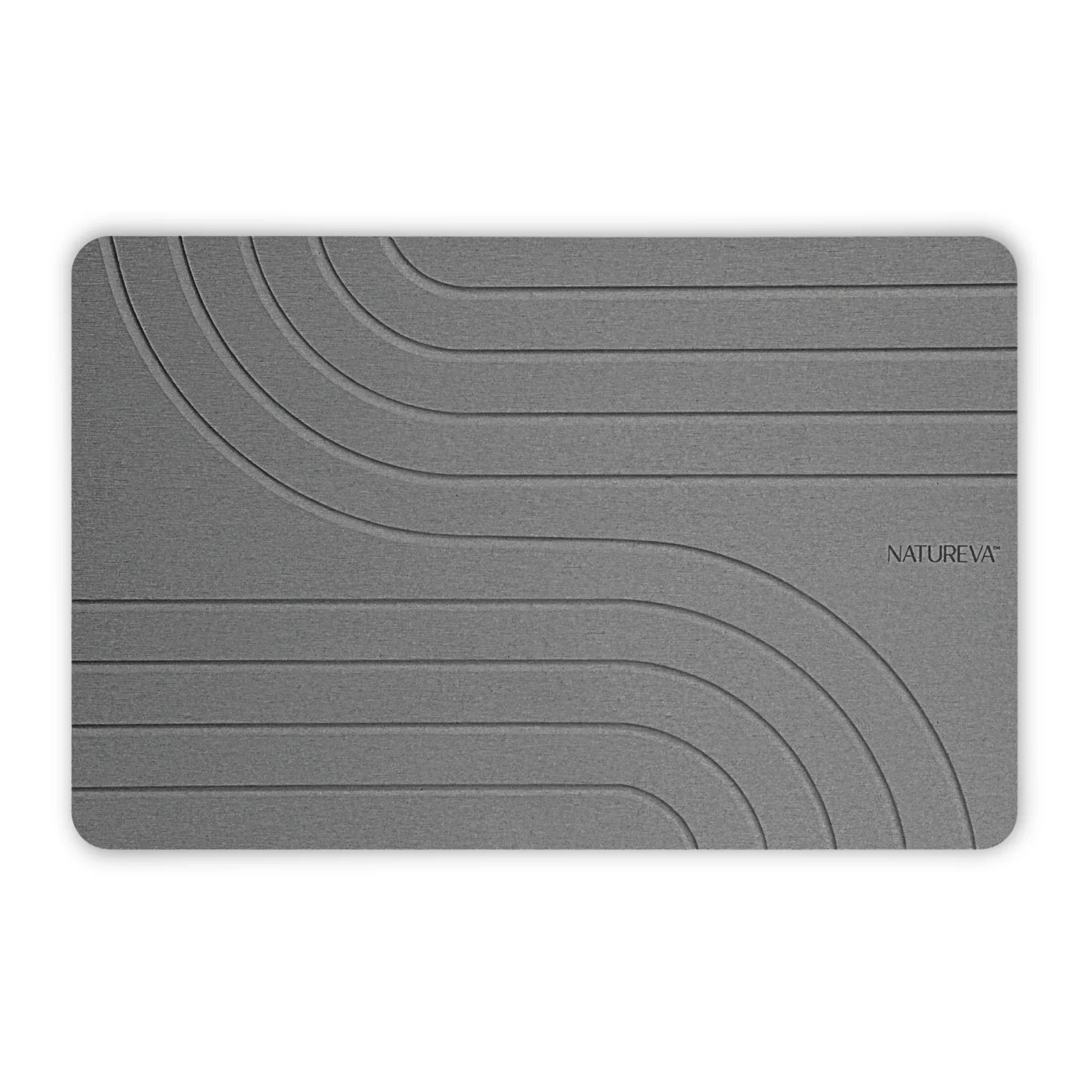
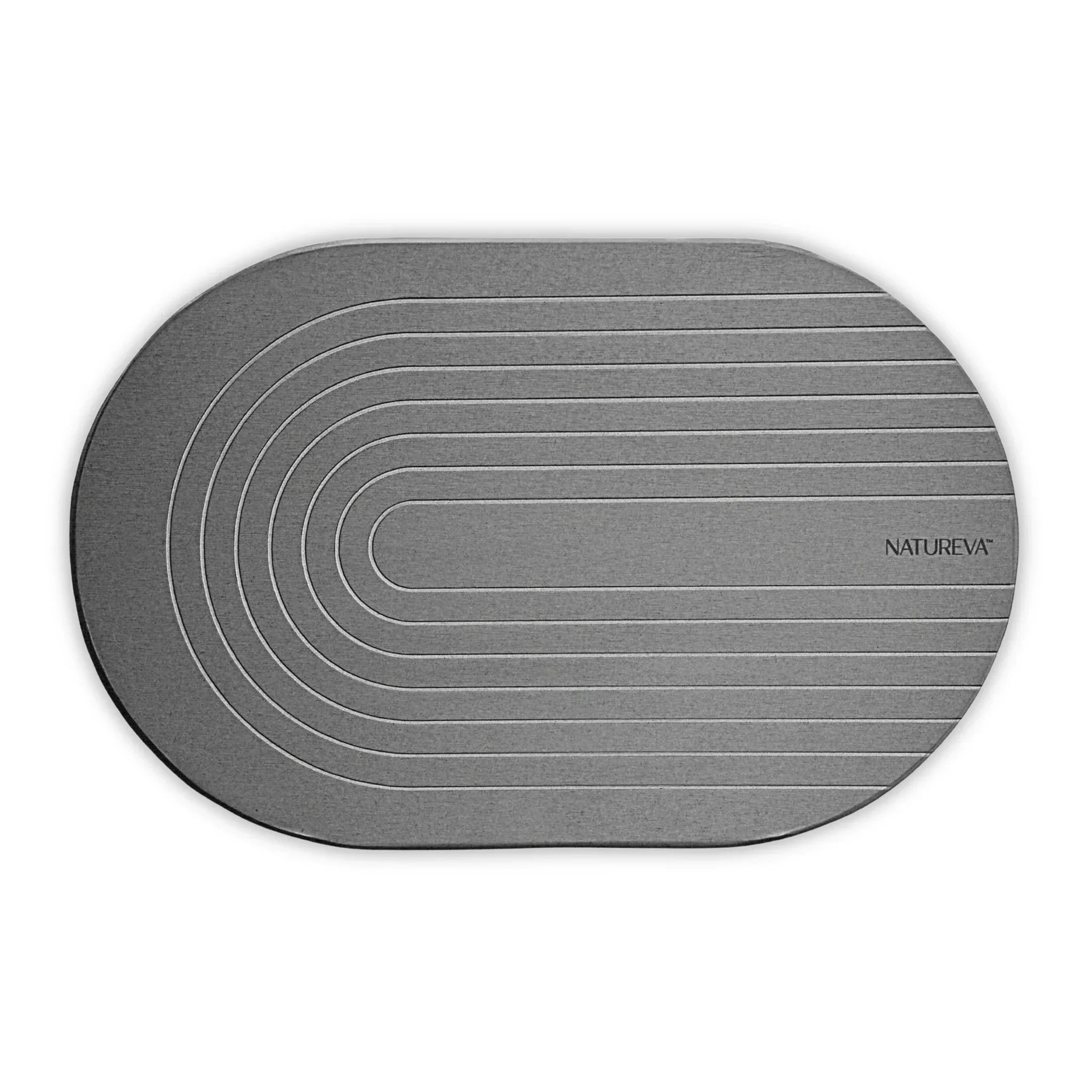
Stone bath mats like Natureva's diatomite options work differently because they don't trap moisture. The porous structure pulls water in and releases it through rapid evaporation, typically drying within 60 seconds. According to independent testing of waterproof mats, material choice makes a massive difference in how quickly surfaces dry and stay clean.
Drying Time Comparison
Different bathroom mat materials handle moisture at completely different speeds. The table below shows average drying times after typical shower use in a standard bathroom with moderate ventilation.
| Mat Material | Absorption Speed | Drying Time | Moisture Retention |
|---|---|---|---|
| Cotton | Moderate | 12-24 hours | High |
| Microfiber | Fast | 4-8 hours | Medium-High |
| Memory Foam | Slow | 8-12 hours | Very High |
| Bamboo Fabric | Fast | 6-10 hours | Medium |
| Diatomite Stone | Instant | 1-3 minutes | Very Low |
The difference between fabric and stone becomes obvious when you look at actual numbers. A microfiber bath mat might feel premium, but it still holds moisture 100 times longer than a stone alternative. That extended dampness period is when bacteria multiply and odors develop, which is why even expensive fabric mats need frequent washing.
Stone Bath Mats for Instant Absorption
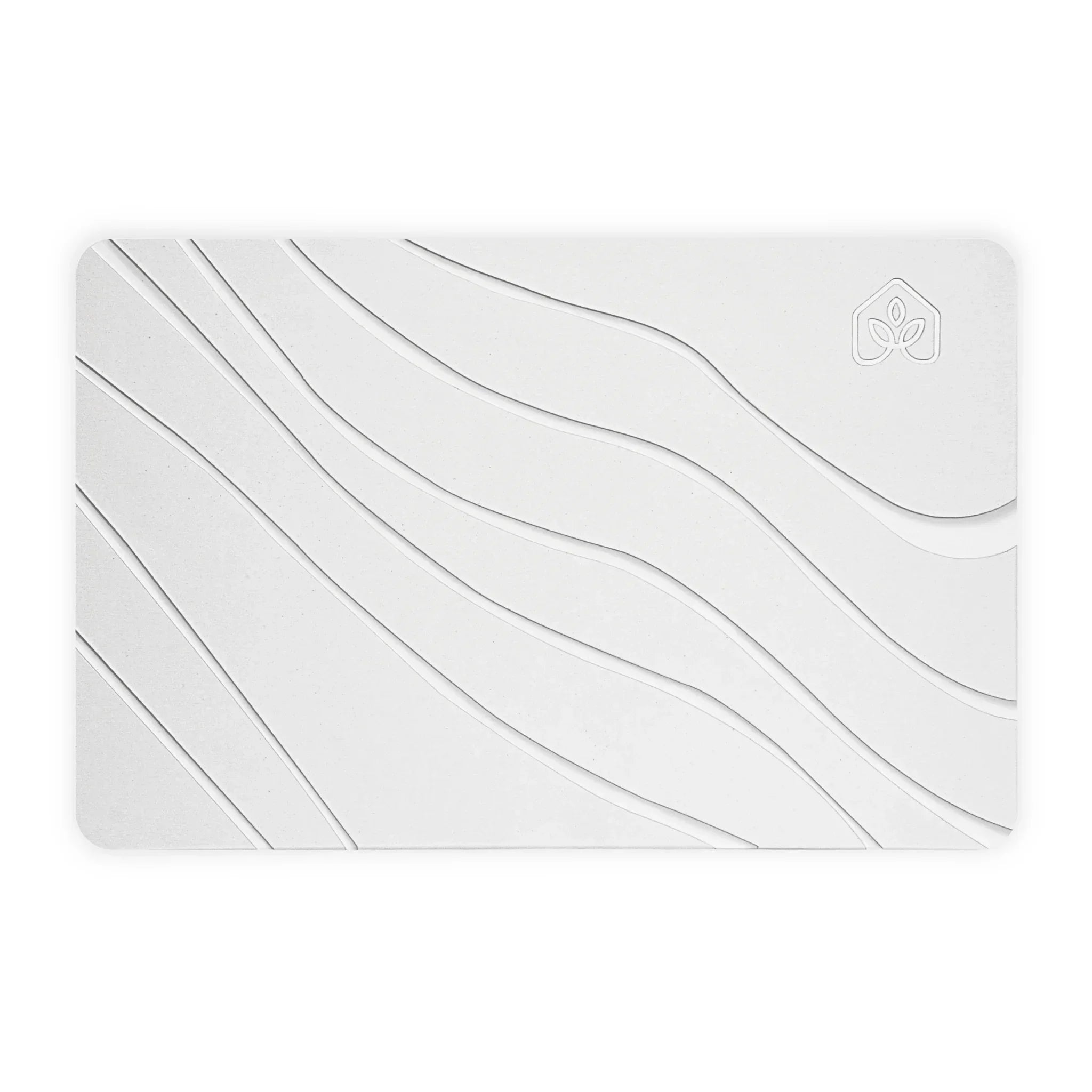
Most bathroom mats stay wet for hours after you step out of the shower, creating a soggy mess that never really dries. Stone bath mats work differently because they're made from diatomite, a material formed from fossilized algae with millions of microscopic pores. When water hits the surface, those tiny pores pull moisture in immediately, then release it back into the air through rapid evaporation. The result is a mat that feels dry to the touch within minutes, not hours.
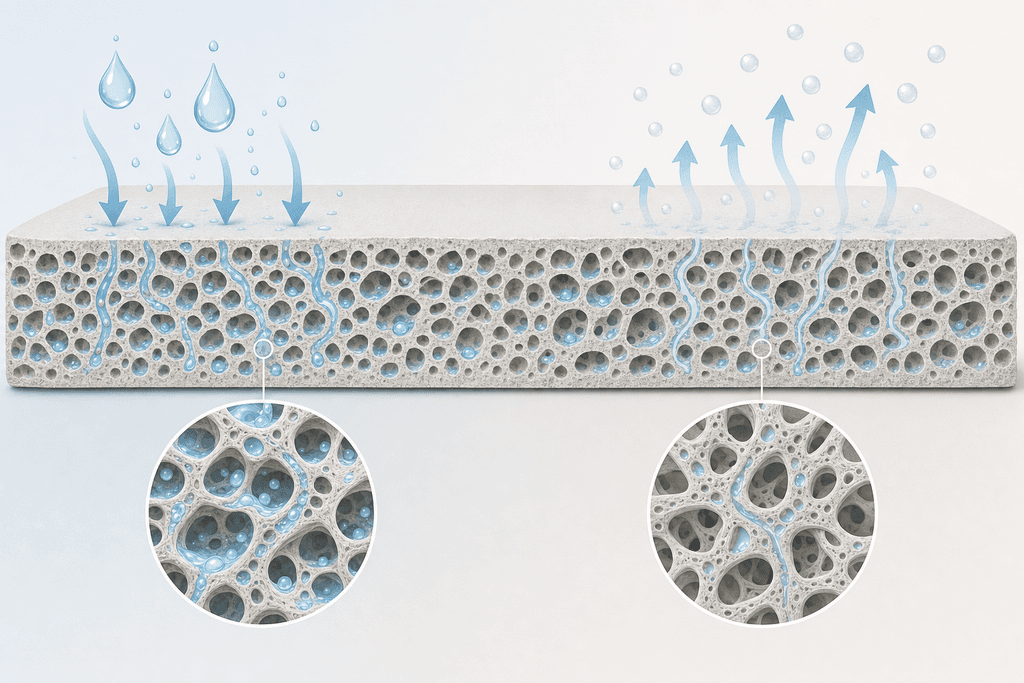
The science behind this is pretty straightforward. Diatomite's porous structure acts like a natural sponge, but instead of holding water like fabric does, it spreads moisture across its internal surface area where air can reach it. This means the mat doesn't stay saturated, which is why it dries so much faster than traditional options.
- Instant absorption through microscopic pore structure
- Rapid evaporation that leaves surfaces dry in minutes
- Natural antibacterial properties from staying dry, not chemical treatments
- Minimalist carved patterns that work with modern bathroom design
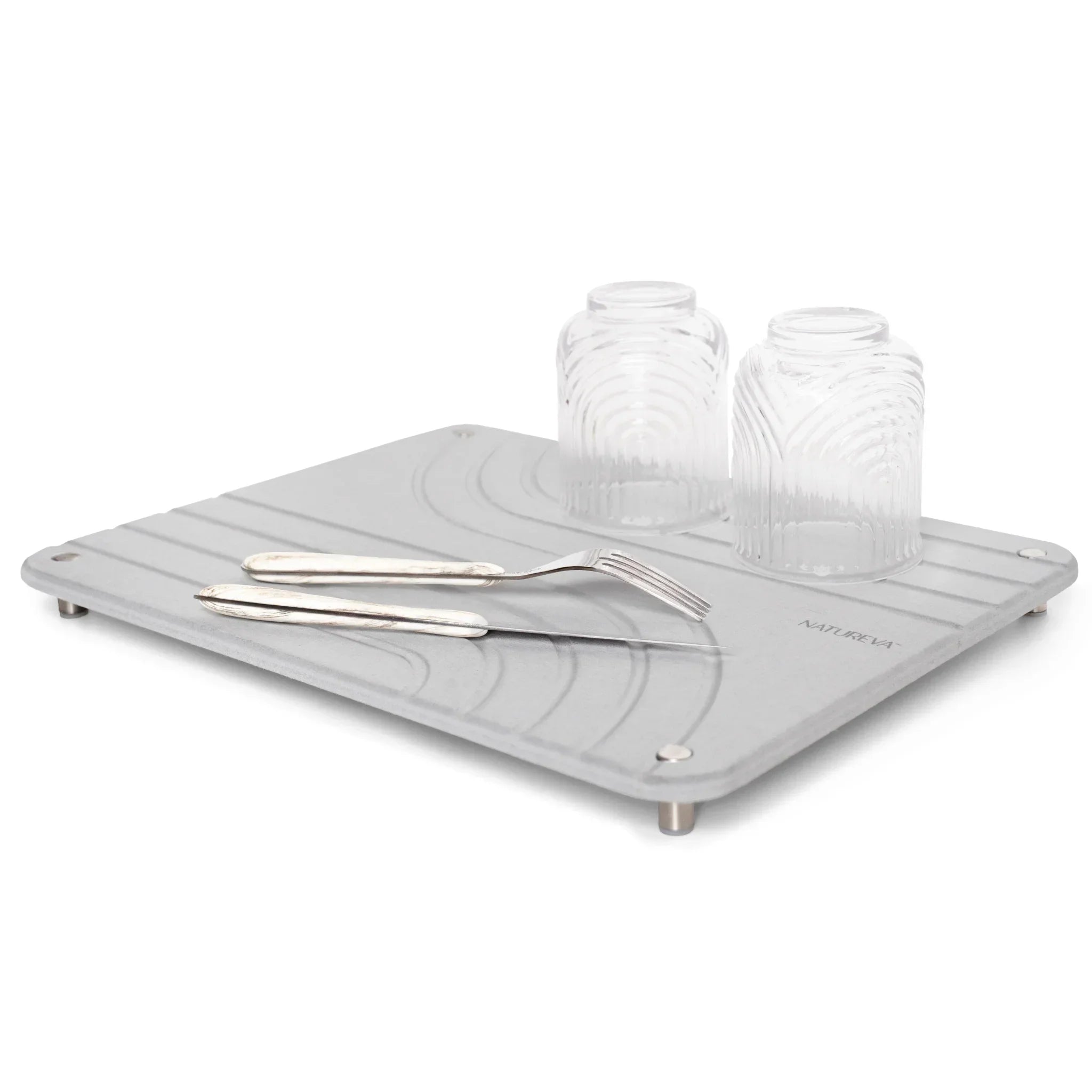
- Non-slip base pads for safety on wet floors
The antibacterial aspect comes from the material's behavior, not added chemicals. Bacteria and mold need moisture to grow, and when a surface dries this quickly, there's simply no environment for them to thrive. This also means stone mats don't develop that musty smell that fabric mats get after a few weeks of use.
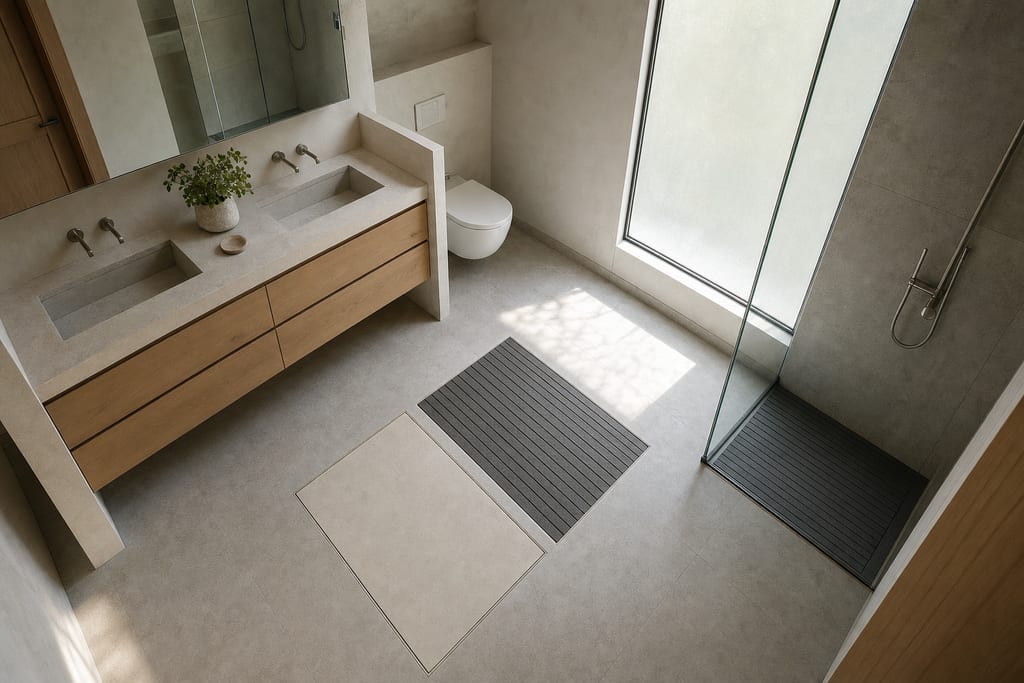
Natureva's stone bath mat collection includes five different carved surface patterns like Tide, Flow, and Rain, each with subtle geometric engravings that add visual interest without being decorative. They come in three neutral colors that fit most bathroom styles, and each mat weighs about 1.8 kg, which keeps it stable on the floor without sliding around.
| Mat Type | Drying Time | Odor Resistance | Maintenance |
|---|---|---|---|
| Stone (Diatomite) | 2-5 minutes | Excellent | Weekly wipe |
| Microfiber | 2-4 hours | Moderate | Weekly wash |
| Cotton | 4-8 hours | Poor | Frequent wash |
Microfiber and Fabric Options That Actually Dry
Not everyone wants a stone mat, and that's fine because some fabric options actually perform well if you know what to look for. The key difference between a mat that stays soggy and one that dries properly comes down to how the fibers are constructed and what materials are used. Microfiber works by creating thousands of tiny synthetic fibers that wick moisture away from the surface, spreading it across a larger area where it can evaporate. The problem is that most microfiber mats are too dense, which traps water inside the material instead of releasing it.
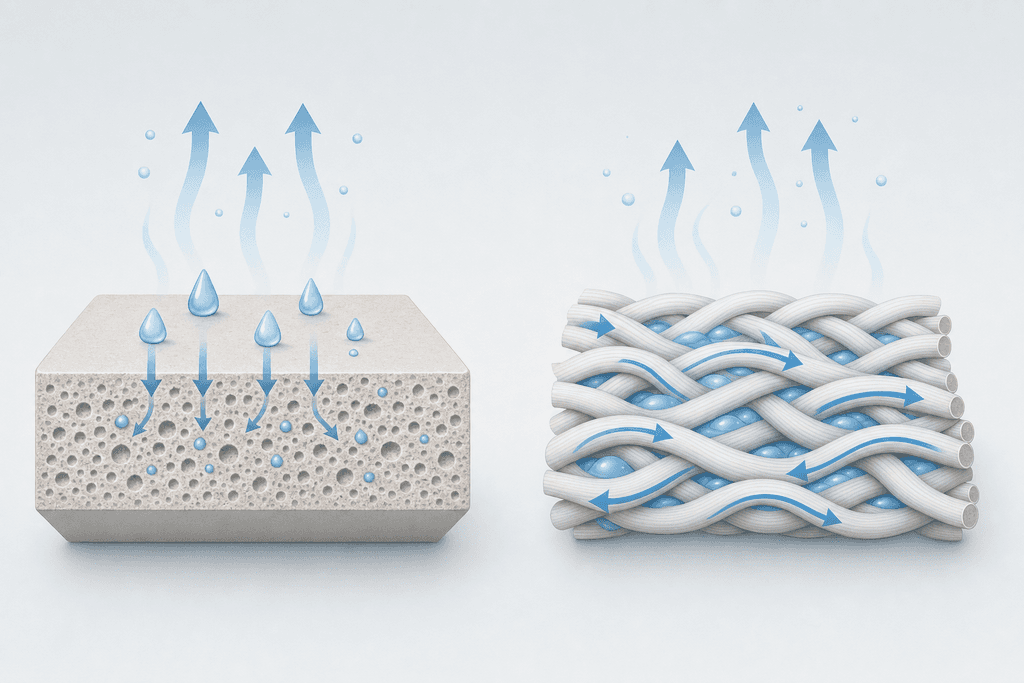
Material density matters more than most people realize. A thicker mat isn't always better because it can hold more water without releasing it. The weave pattern also affects how air moves through the fabric, which directly impacts drying speed.
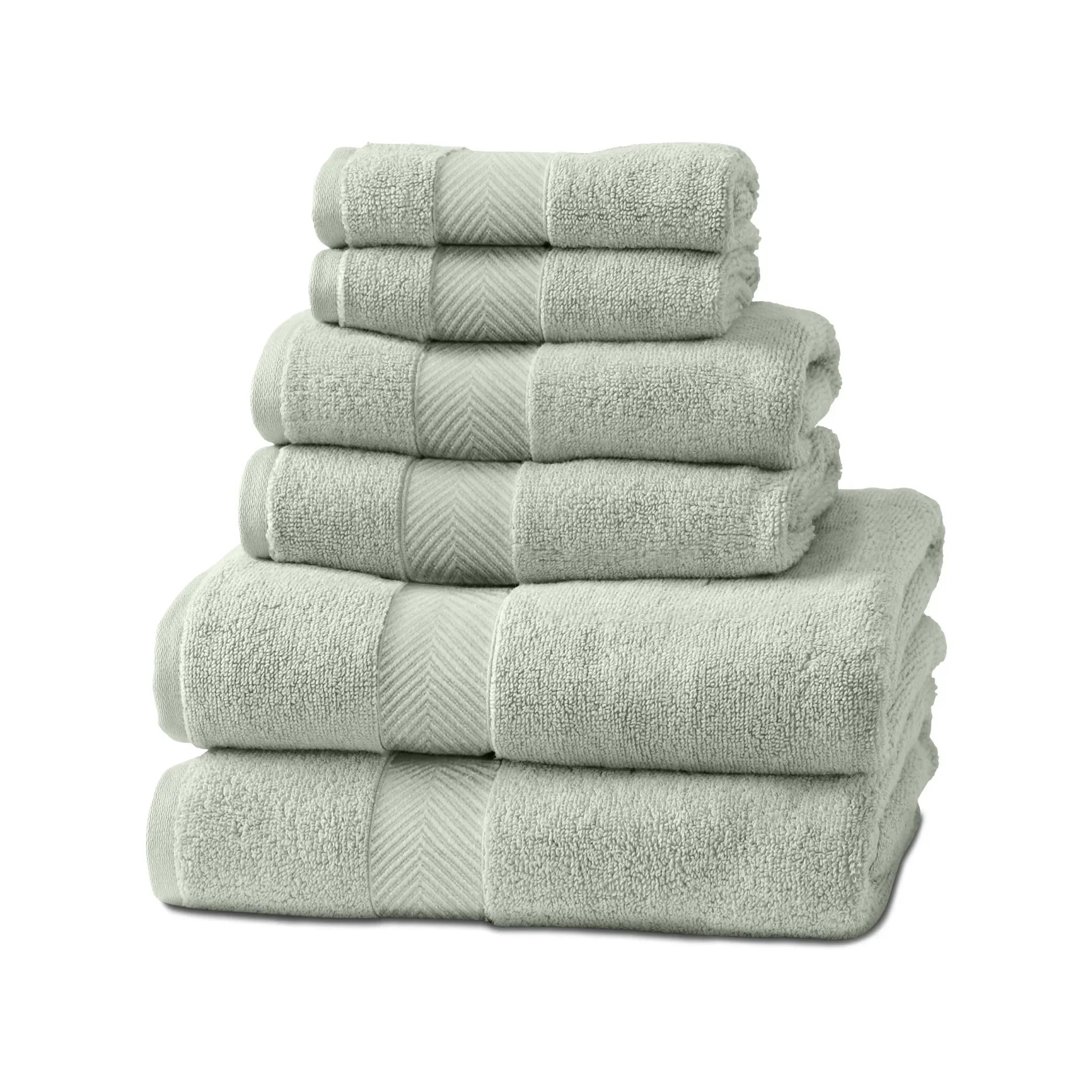
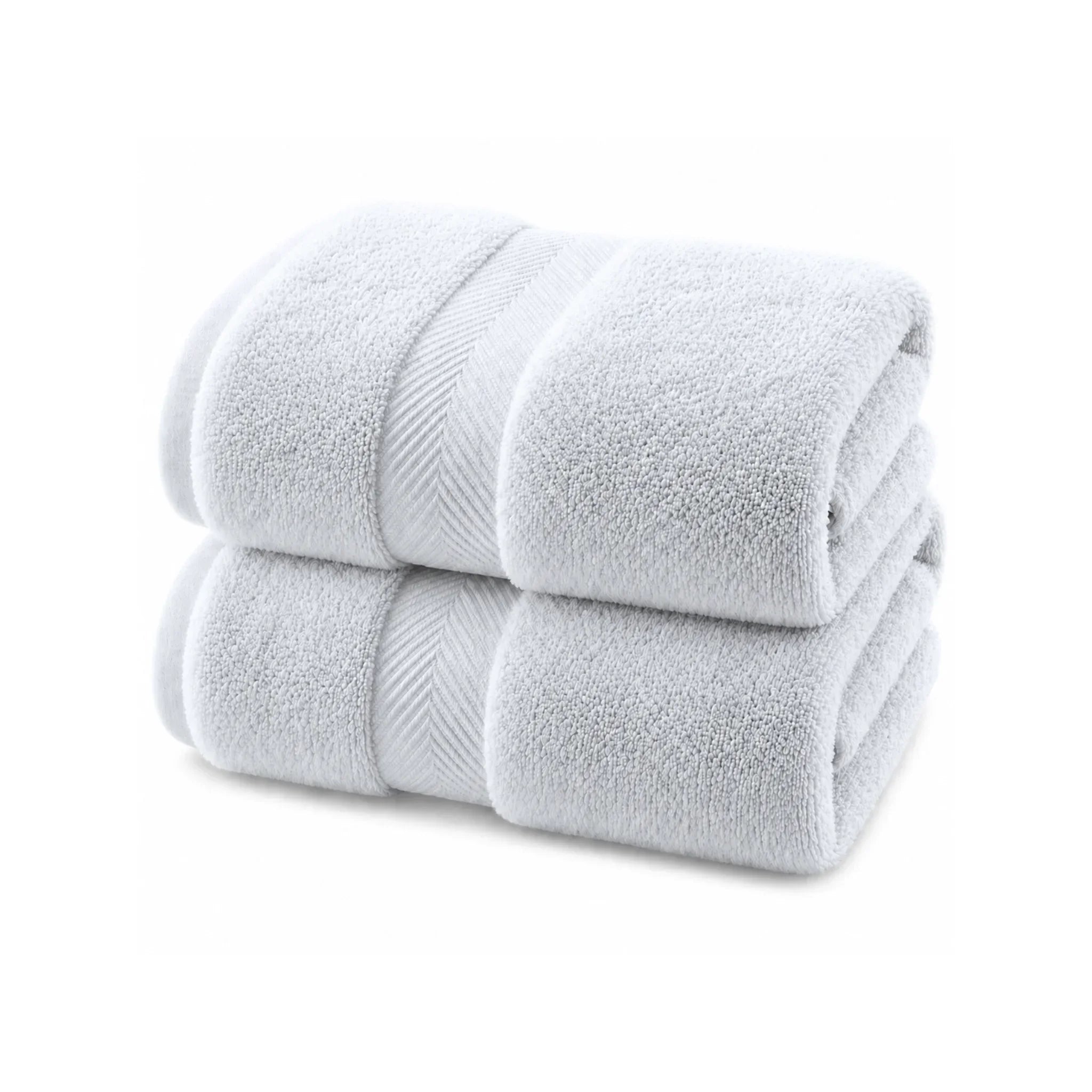
Bamboo-cotton blends dry faster than pure cotton because bamboo fibers are naturally more breathable and less absorbent. Cotton tends to hold onto moisture, which is why traditional bath mats take so long to dry and start smelling after a while. A 70% cotton, 30% bamboo blend gives you the softness of cotton with the quick-drying properties of bamboo, which is why Natureva's bamboo cotton towel set uses this exact ratio.
- Microfiber construction spreads moisture across more surface area
- Bamboo viscose fibers release water faster than pure cotton
- Lower density weaves allow better airflow and evaporation
- Regular washing prevents bacterial buildup in fabric mats
- Fabric makes sense when you want something soft underfoot
The maintenance requirements for fabric mats are higher than stone options. You need to wash them weekly to prevent odor and bacteria growth, and they should be tumble dried on low to maintain their texture. Air drying can make them stiff and less absorbent over time. According to testing by Yahoo Shopping, the best performing fabric mats still take at least two hours to dry completely, which is significantly longer than stone alternatives.
Fabric mats work best in bathrooms with good ventilation or when you have multiple mats to rotate between washes. If your bathroom stays humid or you don't want to deal with frequent laundry, stone options eliminate the maintenance cycle entirely.
Design Features That Prevent Water Buildup
The space underneath your bath mat matters just as much as the surface you step on. When a mat sits flat against the floor with no airflow underneath, moisture gets trapped between the mat and the tile, which can damage floors and create conditions for mold growth. This is why elevation and airflow design are critical features that most people overlook when choosing a bathroom mat. Even the best absorbing material won't help if water pools underneath and never evaporates.
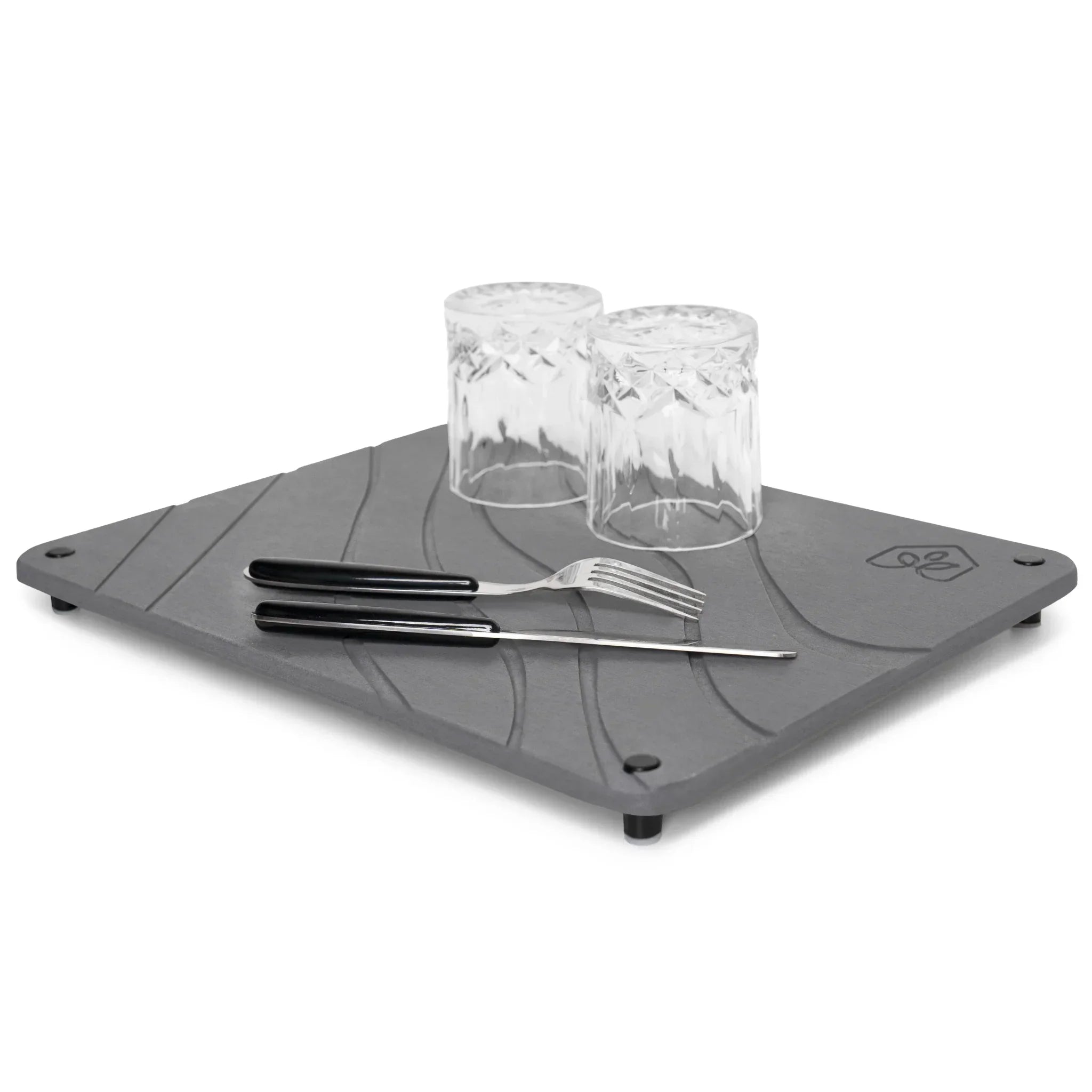
Non-slip bases serve two purposes beyond just keeping the mat in place. They create tiny gaps that allow air to circulate underneath, and they protect your floor from constant moisture contact. Full non-slip base pads on stone bath mats provide stability while maintaining that crucial airflow layer.
- Airflow underneath prevents moisture saturation and floor damage
- Non-slip bases provide stability without blocking drainage
- Mat weight and thickness affect safety on wet surfaces
- Surface textures can channel water for faster drying
- Size and placement should match your bathroom layout
The next generation of home essentials: naturally made, cleaner by design, sustainable by nature.
SHOP ALLSurface patterns aren't just decorative. The carved engravings on stone mats like Aura or Arch create channels that guide water across the surface, increasing the area exposed to air. This speeds up evaporation even more. Textured surfaces also provide better grip when your feet are wet, which reduces slip risk.
Mat thickness affects both safety and performance. A mat that's too thin might slide around, while one that's too thick can create a tripping hazard. The standard 0.9 cm thickness on most quality bath mats provides enough weight for stability without being bulky. Consumer Reports found in their stone bath mat testing that weight distribution matters more than total weight for preventing movement on wet floors.
Size considerations depend on your bathroom layout and how many people use the space. A standard 60 × 39 cm mat works for most single-person bathrooms, while larger households might benefit from multiple smaller mats placed strategically. The key is making sure water doesn't pool on the floor around the mat, which defeats the purpose of having one in the first place.
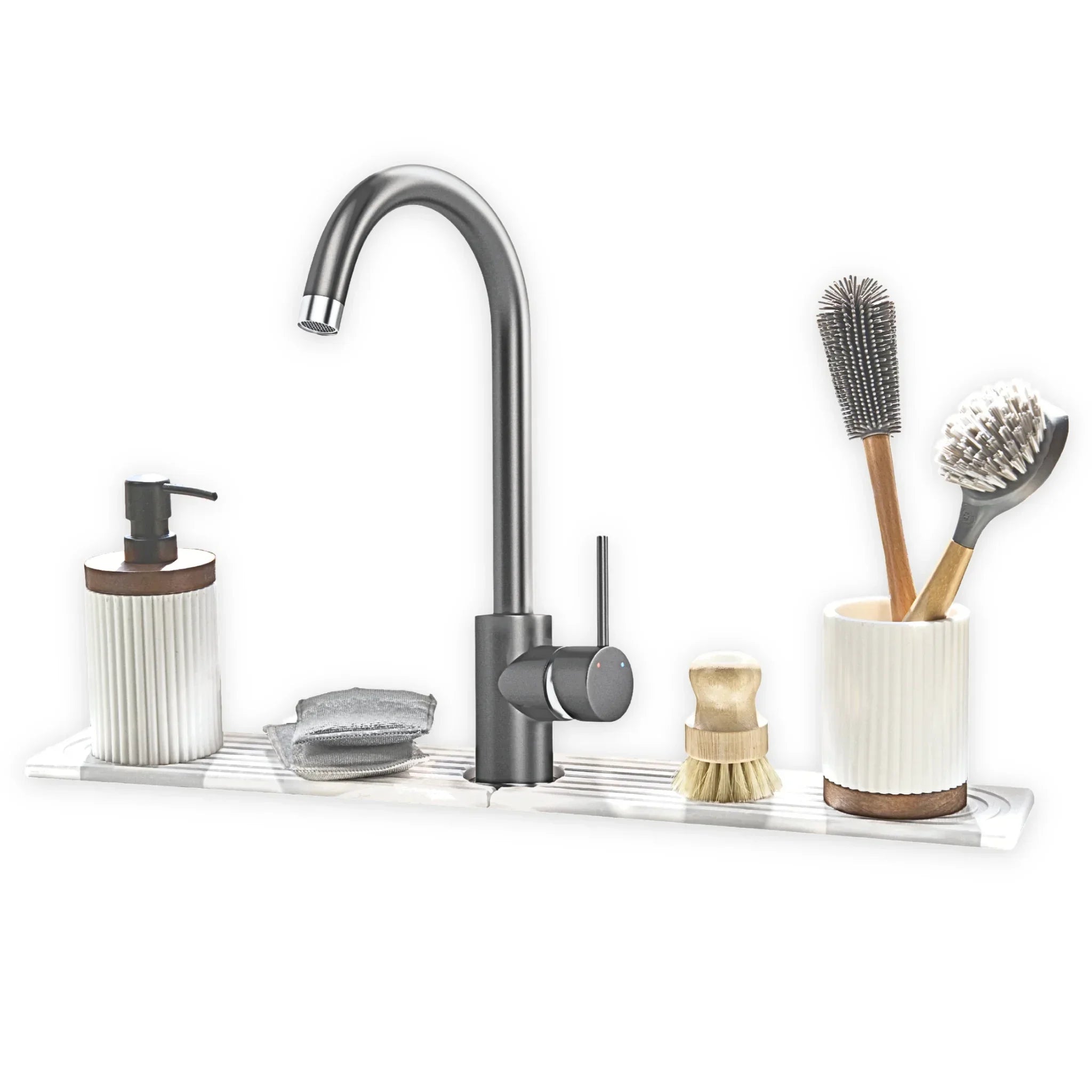
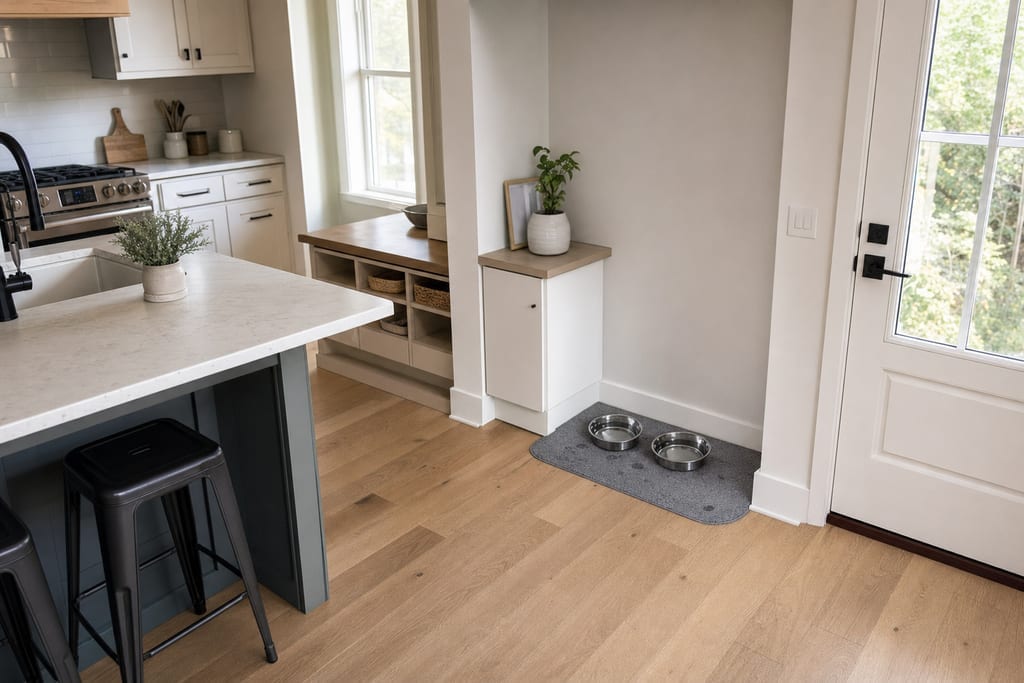
If you're looking at options beyond bath mats, the same principles apply to other moisture-prone areas. Natureva's faucet mats and dish mats use elevated designs with stainless steel legs that create 2.5 cm of clearance underneath, which is enough to keep countertops completely dry even with constant water exposure.
Choosing the Right Mat for Your Bathroom
Most people spend less than two minutes thinking about their bathroom mat before buying one, yet it's something you'll step on twice a day for years. The right choice depends on more than just color or price. Your bathroom's specific conditions, how many people use it, and how much time you want to spend on maintenance all play a role in which mat type will actually work for your space.
Assessing Your Bathroom Environment
Before you pick a mat, look at what's actually happening in your bathroom. High humidity bathrooms need different solutions than well-ventilated ones. Check if your bathroom has a window or exhaust fan that runs regularly, and notice if surfaces stay damp hours after someone showers.
- Bathrooms without windows or weak ventilation need fast-drying materials like stone or microfiber
- Family bathrooms with 3+ users daily require mats that handle constant moisture exposure
- Guest bathrooms with occasional use can work with traditional cotton or decorative options
- Bathrooms prone to mold or mildew benefit from naturally antibacterial materials
Matching Materials to Your Needs
Different mat materials solve different problems. Stone bath mats like Natureva's diatomite options absorb water instantly and dry within minutes, which stops that damp feeling and reduces bacteria growth. Traditional fabric mats stay wet longer but offer more cushioning underfoot.
| Material Type | Drying Time | Maintenance Level | Best For |
|---|---|---|---|
| Stone (Diatomite) | 5-10 minutes | Low | High humidity spaces |
| Microfiber | 2-4 hours | Medium | Moderate traffic |
| Cotton | 4-8 hours | High | Low humidity areas |
| Memory Foam | 6-12 hours | High | Comfort priority |
Budget and Replacement Timeline
Cheap bathroom mats seem like a good deal until you're replacing them every six months. Quality bath mats cost more upfront but last years longer. Stone bathroom mats rarely need replacement if maintained properly, while fabric options typically need washing weekly and replacing annually.
- Budget fabric mats ($10-20) usually last 6-12 months with regular washing
- Mid-range microfiber or memory foam ($25-40) typically last 1-2 years
- Stone bath mats ($50-70) can last 5+ years with basic maintenance
- Premium fabric options ($40-60) need replacement every 2-3 years
Maintenance Reality Check
Be honest about how much time you'll actually spend cleaning your bath mat. Fabric mats need weekly washing and proper drying to avoid mildew. Stone mats just need a quick wipe with vinegar water and occasional sanding to restore absorbency.
- Weekly washing adds up to 52+ loads per year for fabric bathroom floor mats
- Stone options require monthly maintenance at most
- Microfiber bathroom mats need frequent washing to maintain absorption
- Bulk bath mats for multiple bathrooms multiply your cleaning workload
Combining Mat Types Strategically
You don't have to pick just one type for your whole home. Many people use stone shower mats in high-moisture areas and softer options in powder rooms. Pairing a stone bath mat with quality bamboo towels creates a complete moisture management system that actually keeps your bathroom dry.
Bathroom Mat Decision Checklist
- ☐ Measure your bathroom's humidity level (does it stay damp 2+ hours after showering?)
- ☐ Count daily users to determine traffic level
- ☐ Check ventilation quality (window, fan, or neither)
- ☐ Decide your realistic cleaning frequency (weekly, monthly, or minimal)
- ☐ Calculate long-term cost including replacements
- ☐ Consider if you need multiple mats for different bathroom zones
- ☐ Test if your floor type works with non-slip bases or needs extra grip
- ☐ Determine if anyone in your household has mobility concerns requiring softer surfaces
Keeping Your Bathroom Floor Dry
The right bathroom mat does more than just look good sitting next to your tub. It actually keeps your floors dry, reduces the time you spend cleaning mildew off fabric mats, and makes stepping out of the shower safer. Most traditional bath mats trap moisture instead of eliminating it, which creates the perfect environment for bacteria and that musty smell nobody wants in their bathroom.
Fast-drying materials like diatomite stone change how moisture gets handled. Instead of sitting in a damp puddle, water gets absorbed instantly and evaporates within minutes. Our stone bath mats use this natural material to keep surfaces dry without any chemical coatings or treatments.
Airflow matters just as much as the material itself. Mats that sit flat against the floor without any elevation can trap moisture underneath, which defeats the purpose of having a quick-dry surface. That's why proper construction includes non-slip base pads that create just enough space for air to circulate.
When you're choosing between modern bathroom mats, think about function first. A cute design won't help if you're still dealing with soggy fabric every morning. The best stone bath mat options combine practical moisture management with clean, minimal aesthetics that fit into any bathroom style.
Your bathroom floor stays cleaner when water doesn't stick around long enough to cause problems. Less moisture means less scrubbing, fewer laundry loads, and a space that actually feels fresh instead of damp. If you're tired of dealing with wet bathroom mats that never seem to dry, it might be time to rethink what material you're standing on.
Common Questions About Bathroom Mats
Choosing the right bathroom mat involves more than just picking a colour that matches your tiles. Most people have questions about how different materials perform, what maintenance actually looks like in real life, and whether certain mats are safe for everyone in the household. Here are the answers to the most common questions we hear about bathroom mats for wet floors.
How long should a bathroom mat take to dry?
Traditional fabric bath mats can take anywhere from 4 to 24 hours to fully dry depending on humidity and airflow. Microfiber bathroom mats dry faster than cotton, usually within 2 to 6 hours, but they still hold moisture in their fibres during that time. Stone bath mats made from diatomite dry within minutes because the porous material absorbs water instantly and releases it through rapid evaporation. If your current mat is still damp hours after your shower, it's creating the perfect environment for bacteria and mildew to grow.
Are stone bath mats safe for kids and elderly users?
Stone bathroom mats are actually safer than many fabric options because they don't bunch up, slide around, or stay slippery when wet. Most quality stone bath mats include non slip base pads that keep them firmly in place on tile or vinyl floors. The surface dries so quickly that there's less chance of slipping compared to a soaked fabric mat. Natureva stone bath mats have a textured surface with carved patterns that provide grip even when water first hits the mat, and the instant absorption means feet aren't standing in pooled water.
What's the best way to clean different types of bathroom mats?
Fabric bathroom mats need regular machine washing, which sounds simple until you realize how often they should actually be cleaned. Experts recommend washing them weekly to prevent mold and bacteria buildup, and they take up significant space in your laundry routine. Stone bath mats require much less effort. A quick wipe with vinegar water once a week keeps them fresh, and you can rinse any stains under running water. For deeper cleaning or to restore absorbency over time, a light sanding with the included tool reopens the pores. No washing machine, no fabric softener, no waiting for them to dry.
Do bathroom mats need to be replaced regularly?
Fabric bath mats typically need replacement every 1 to 2 years as they lose absorbency, develop permanent stains, or start to smell even after washing. The fibres break down from repeated washing and constant moisture exposure. Stone bathroom mats last significantly longer because they don't degrade the same way. With basic maintenance like occasional sanding to refresh the surface, a quality stone bath mat can last for years without losing its absorption performance or developing odour issues.
Can you use multiple mats in one bathroom?
Yes, and it actually makes sense for larger bathrooms or spaces with multiple wet zones. Many people use a stone bath mat outside the shower or tub where water drips most, then add a stone faucet mat along the sink area to catch splashes. You can also place thin bathroom mats near the toilet or in front of a double vanity. Just make sure each mat serves a specific purpose rather than covering your entire floor, which can trap moisture underneath and create cleaning headaches.
How do you prevent mold and mildew on bathroom mats?
The key is eliminating moisture as quickly as possible. With fabric bathroom rugs and mats, this means washing them frequently, hanging them to dry between uses, and making sure your bathroom has good ventilation. Even then, mold can develop in the fibres or on the bathroom floor underneath. Stone bath mats prevent mold naturally because they don't stay wet long enough for mold to establish itself. The rapid drying process and breathable material mean there's no damp environment for mildew to grow. If you're dealing with recurring mold issues on traditional mats, switching to a stone bathroom mat eliminates the problem at the source rather than just managing symptoms.
The next generation of home essentials: naturally made, cleaner by design, sustainable by nature.
SHOP ALL