
Daily stone coasters Habits That Reduce Table Marks
That white ring on your coffee table didn't appear overnight. Most table damage happens slowly from everyday drink condensation that seeps into wood finishes, and traditional drink coasters often make things worse by trapping moisture instead of absorbing it. The good news is that switching to stone coasters and building a few simple daily habits can stop this damage before it starts.
Table of Contents
What Actually Causes Table Marks
A single cold glass sitting on your wooden table for just 20 minutes can leave a mark that lasts forever. Most people think it's just water, but the real damage happens when moisture sneaks past your furniture's protective finish and gets trapped in the wood fibers below. Once that happens, the wood swells and changes color, creating those ugly white rings we all know too well. The finish itself stays intact, but the wood underneath tells a different story.
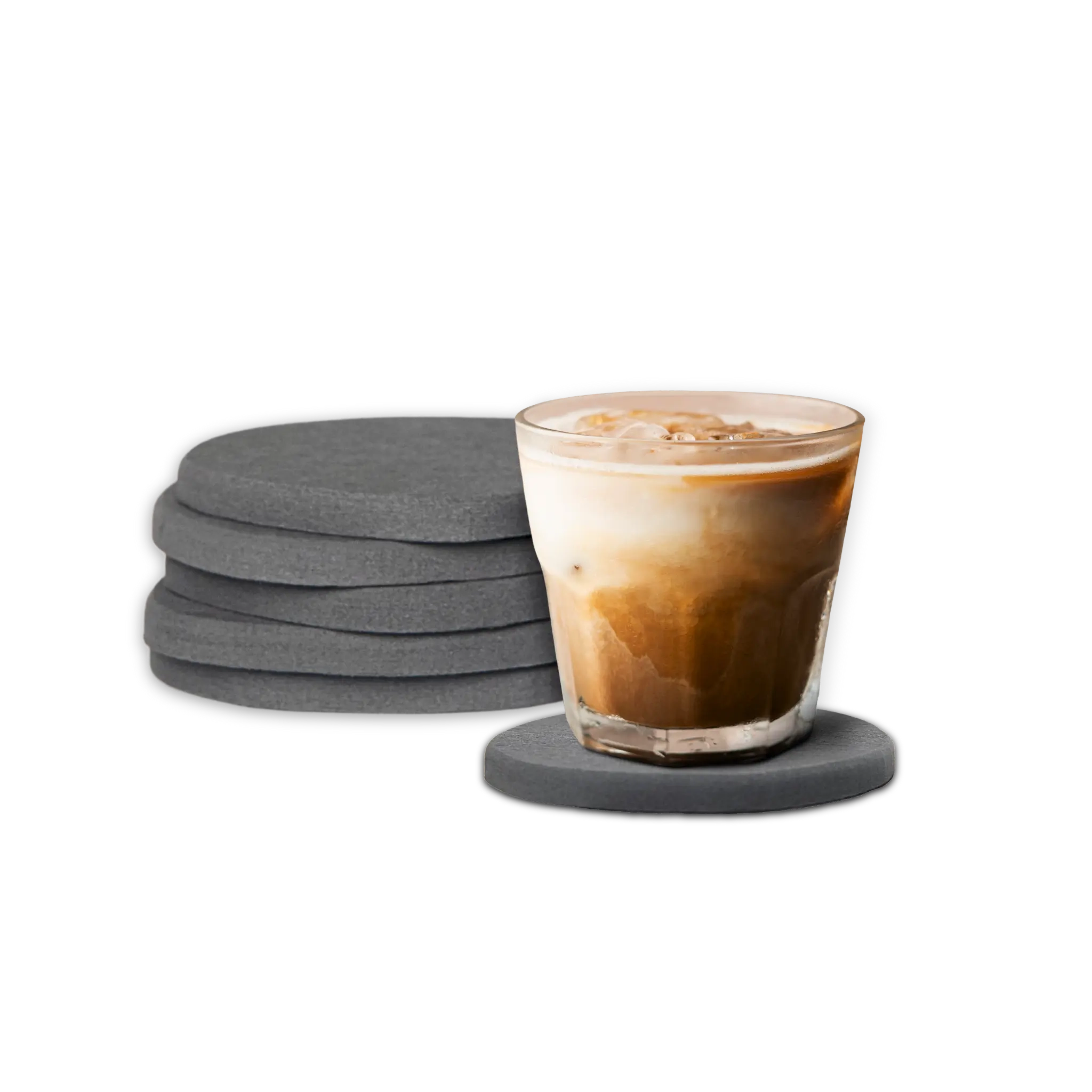
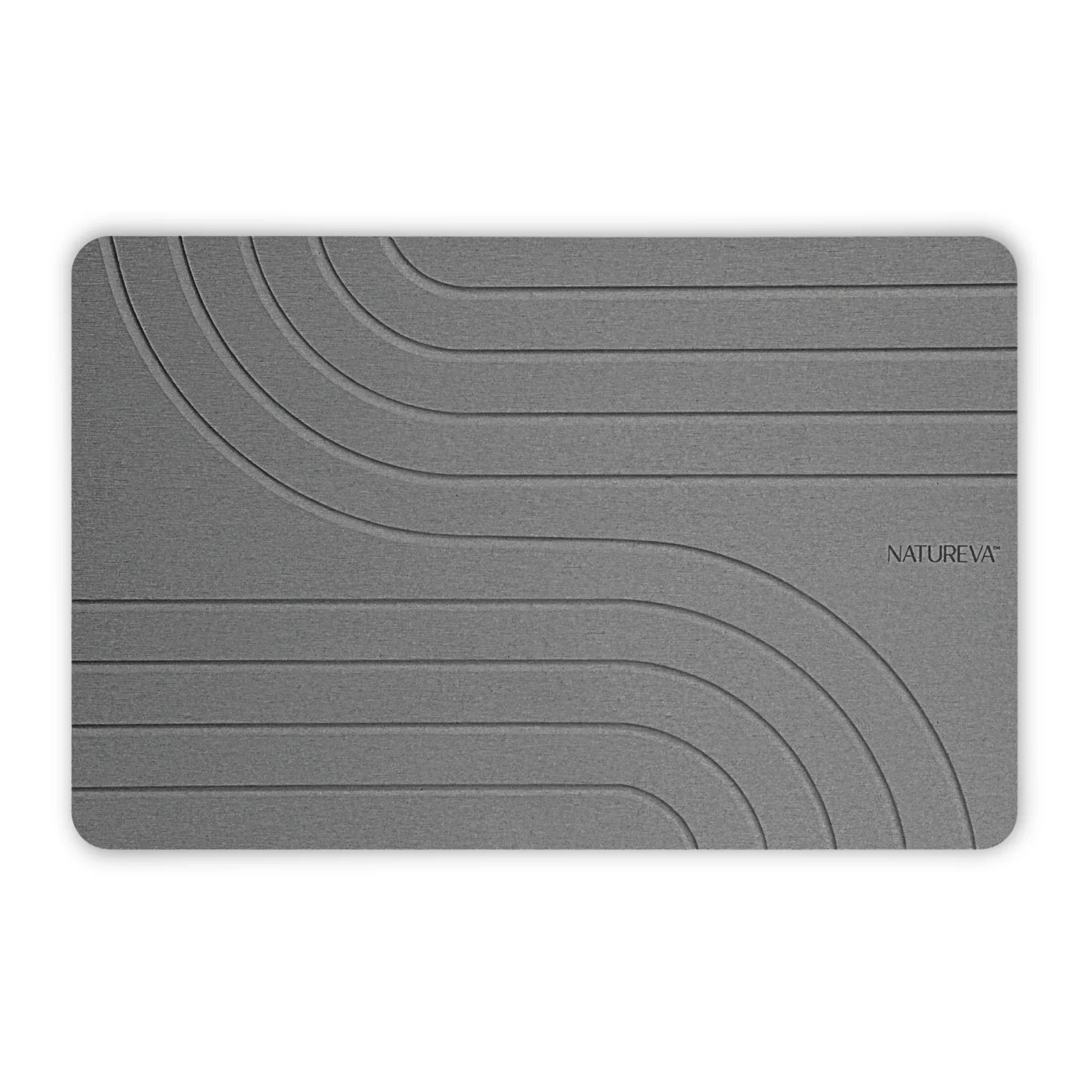
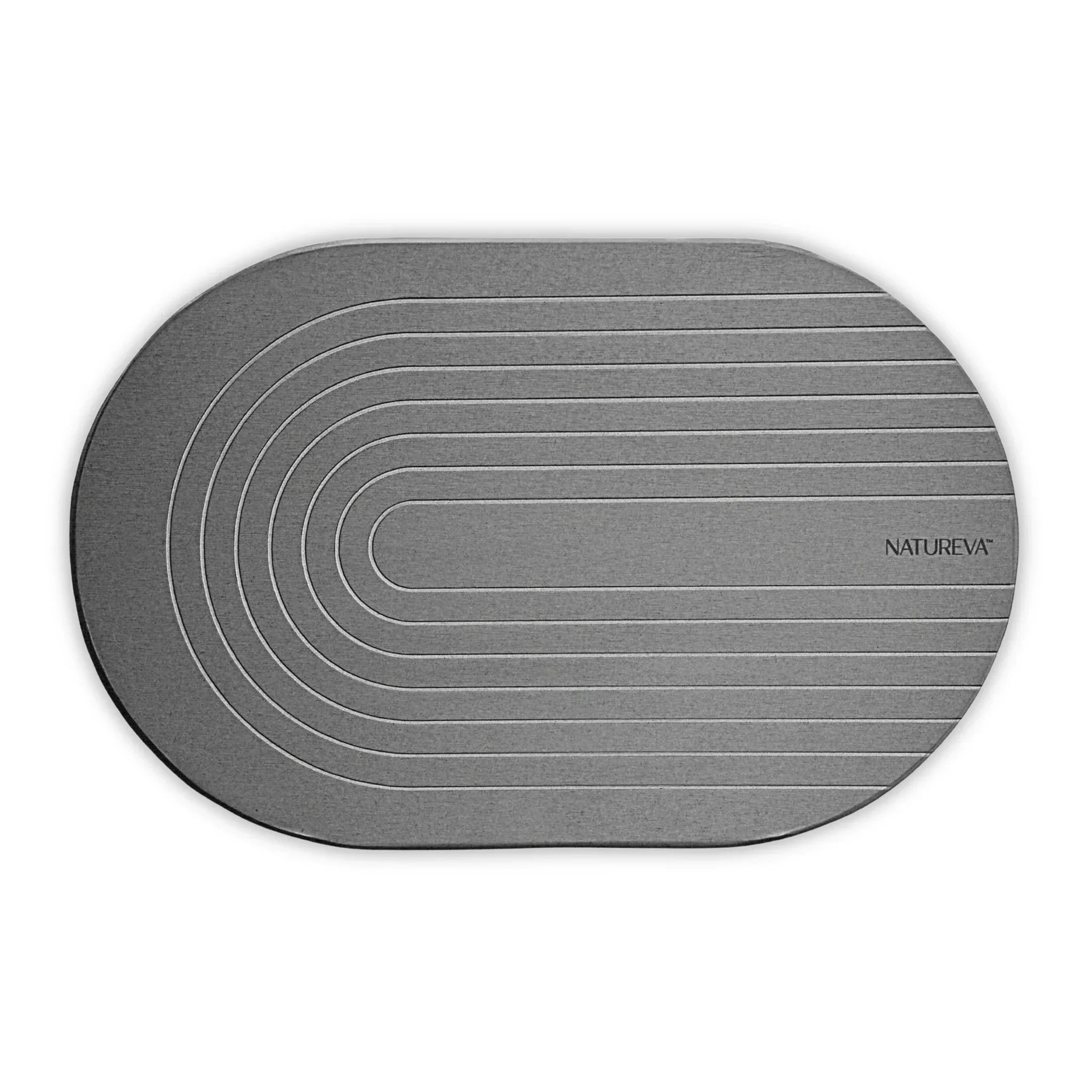
Stone Coasters - Set of 6
How Moisture Attacks Your Furniture
Wood finishes like polyurethane or lacquer act like a shield for your table, but they're not perfect. Tiny gaps and weak spots let moisture seep through, especially when a cold drink creates condensation that pools on the surface. The longer that water sits there, the deeper it goes.
Here's what happens during the damage process:
- Cold drinks create condensation that forms water droplets on the glass exterior
- These droplets drip down and pool on your table surface
- Water finds microscopic cracks in the protective finish
- Moisture penetrates into the wood grain and gets trapped
- The wood fibers swell and turn white or cloudy
Heat Marks Versus Water Rings
Not all table damage looks the same because heat and water attack your furniture differently. Water rings appear white or light-colored because moisture clouds the wood fibers, while heat marks often look darker since they actually burn or darken the finish itself. A hot coffee mug can create a different type of damage than an icy soda can.
The key differences include:
- Water rings stay in the wood layer beneath the finish
- Heat marks damage the finish coating on top
- Water damage appears white or cloudy
- Heat damage looks dark or discolored
Why Some Tables Get Damaged Easier
Your grandmother's antique dining table and your new coffee table from the furniture store face very different risks. Older furniture often has worn finishes with more cracks and weak spots where moisture can sneak in. Cheaper furniture might have thin protective coatings that don't hold up well. Even expensive hardwoods can suffer if the finish isn't applied correctly.
The most vulnerable surfaces are:
- Antique furniture with aged or cracked finishes
- Unfinished or raw wood surfaces
- Tables with water-based finishes instead of oil-based
- Furniture in humid environments where wood expands
- Pieces with light-colored woods that show damage more easily
The Real Cost of Table Damage
Fixing water-damaged furniture isn't cheap, and sometimes it's not even possible. Professional refinishing can cost hundreds of dollars, and that's assuming the damage hasn't gone too deep. Prevention with quality stone coasters costs a fraction of what you'll spend on repairs, which is why products like our Stone Coasters exist in the first place.
| Damage Type | Repair Difficulty | Average Cost | Success Rate |
|---|---|---|---|
| Light water rings | Easy | $0-50 | 90% |
| Deep water stains | Moderate | $100-300 | 60% |
| Heat marks | Moderate | $75-200 | 70% |
| Full refinishing | Hard | $300-800 | 95% |
| Antique restoration | Very Hard | $500-2000+ | Variable |
According to furniture protection experts, most table damage happens gradually from everyday use rather than single accidents. That means your morning coffee routine and evening drinks are slowly destroying your furniture investment. The good news is that simple habits with proper drink coasters can stop this damage before it starts.
Place Coasters Before You Pour
Most water rings happen in the three seconds between setting down a cold drink and remembering you forgot the coaster. That moment of panic when condensation is already pooling on your wood table is too late. The trick is making coaster placement as automatic as breathing, and it starts with thinking one step ahead every single time you reach for a drink.

Strategic placement is everything. Keep stone coasters in spots where drinks naturally land. Your coffee table, nightstand, desk, and kitchen counter are the main culprits for water damage. When coasters live in these high-traffic zones, you don't have to hunt for them when your hands are full.
- Place a coaster set on your coffee table before movie night starts
- Keep two coasters permanently on your nightstand
- Set up a coaster station near your coffee maker
- Put coasters on side tables before guests arrive
- Leave one coaster at your desk workspace
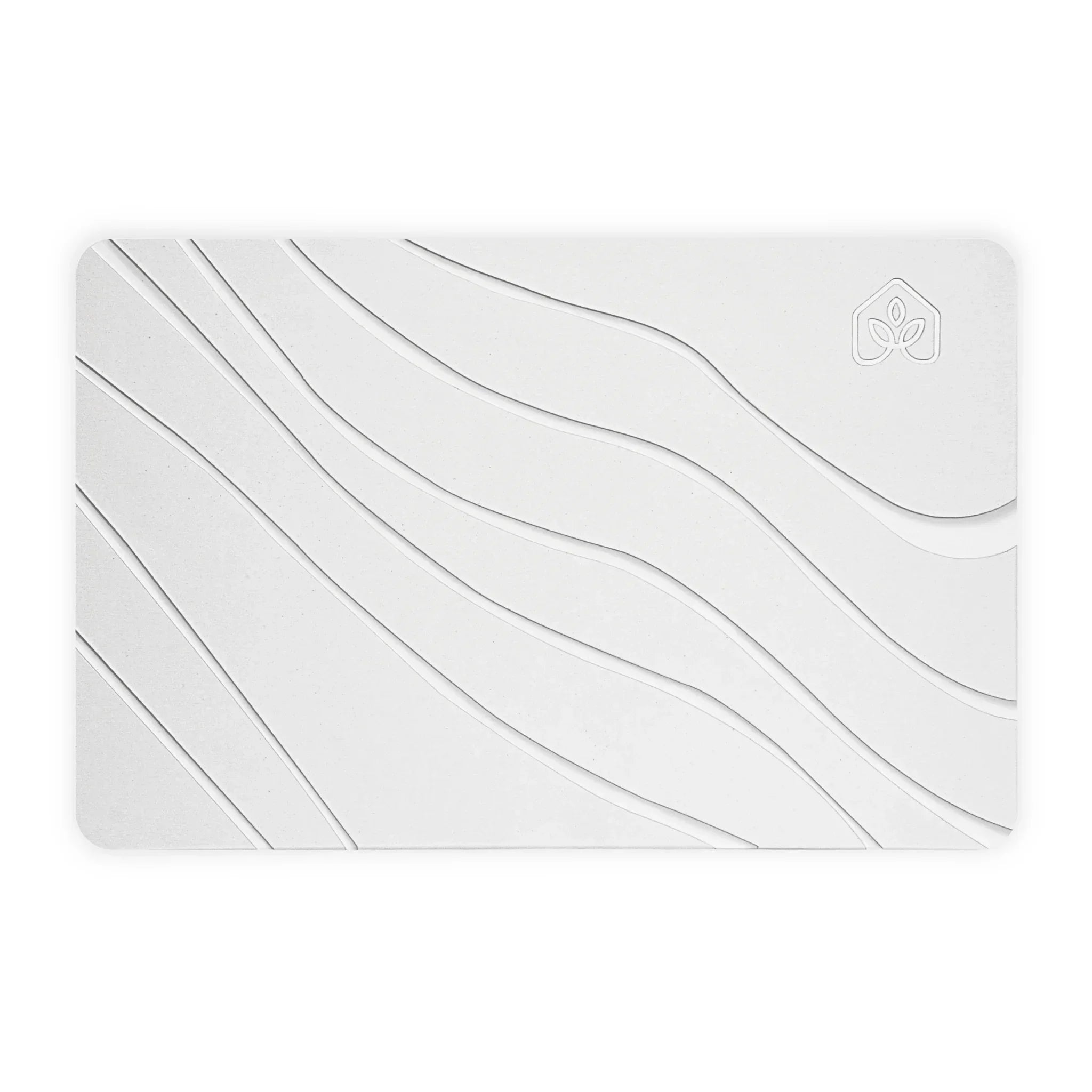
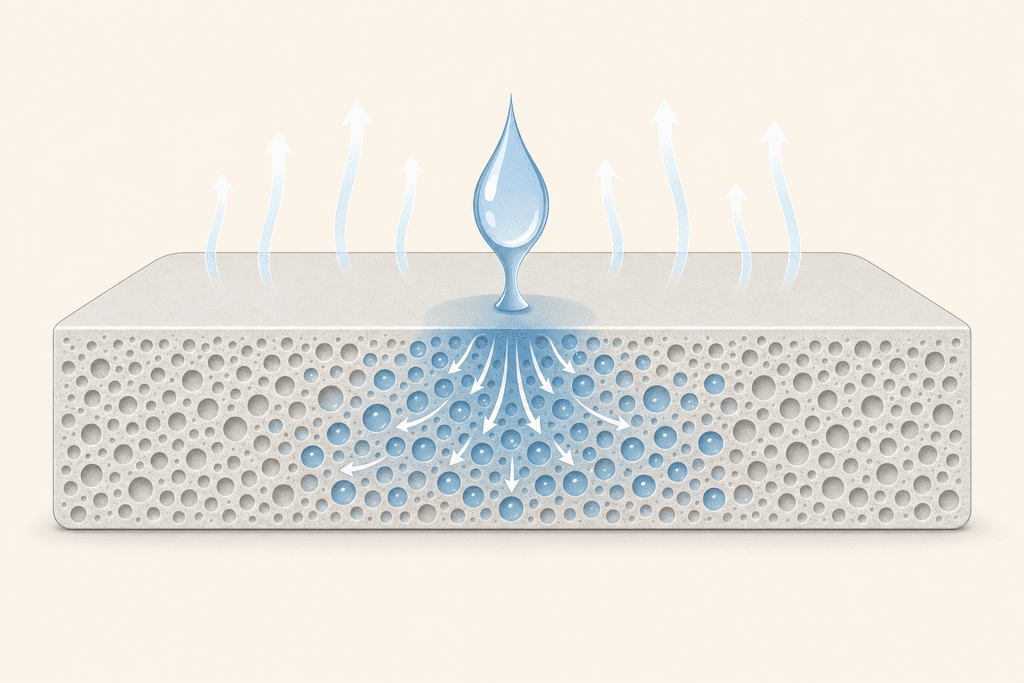
The beauty of diatomaceous earth stone coasters is they start working the instant liquid touches them. Unlike cork or fabric coasters that let moisture sit on top, stone coasters pull water in immediately. This means even if a drop or two hits your table before you get the coaster down, you can slide it under and watch it absorb the mess.
Getting your family on board takes about a week of gentle reminders. Kids especially need visual cues, so creating dedicated coaster spots helps them remember. When everyone knows the coasters live in the same place, they become part of the routine. Our set of 6 stone coasters gives you enough to spread around without running out.
- Morning: Set coasters at breakfast spots before pouring coffee
- Afternoon: Place coasters on your work desk before lunch
- Evening: Arrange coasters on the coffee table before dinner
- Night: Position coasters on nightstands before bedtime water
Clean and Dry Your Coasters Daily
A dirty coaster is basically useless. When the pores of your stone coasters get clogged with dust, oils from hands, or dried residue from sugary drinks, they can't absorb new moisture. You'll notice this when water starts beading on top instead of disappearing into the surface. The good news is that cleaning takes less time than scrolling through one social media post.
The 30-second cleaning method is simple. Run your coaster under warm water while gently rubbing the surface with your fingers. No soap needed for daily cleaning, just water and a light touch. The diatomaceous earth material releases trapped moisture and debris easily when wet.
The next generation of home essentials: naturally made, cleaner by design, sustainable by nature.
SHOP ALLYou'll know your coaster needs attention when it stops feeling dry to the touch or when you see visible stains building up. Quality stone coasters dry themselves within an hour of washing, which is why they're so low-maintenance compared to other materials. Just lean them against something or prop them up so air can circulate.
- Rinse under warm water for 15 seconds
- Gently rub the surface to release trapped particles
- Prop upright to air dry for 30-60 minutes
- Avoid using soap unless dealing with sticky residue
- Never put stone coasters in the dishwasher
The biggest mistake people make is using harsh cleaners or scrubbing too hard. Stone coasters are porous by design, and aggressive cleaning can damage that structure. Stick to water for daily maintenance and save deeper cleaning for monthly touch-ups. Research shows that proper coaster maintenance prevents 95% of water damage to furniture surfaces.
- Check coasters each evening for visible moisture or stains
- Rinse any coasters that feel damp or sticky
- Prop cleaned coasters upright overnight
- Return dry coasters to their stations each morning
Rotate Coasters to Extend Their Life
Think about how you always sit in the same spot on your couch. The same thing happens with drink coasters. That one coaster closest to your favorite chair gets hammered with use while the others barely see action. Over time, your go-to coaster becomes oversaturated and less effective while the others stay fresh. A simple rotation system fixes this imbalance and makes all your coasters last twice as long.
Setting up rotation with six coasters is straightforward. Use three coasters actively while three rest and fully dry out. After two or three days, swap them. This gives each coaster time to release all absorbed moisture completely, which keeps the absorption rate high.
| Days | Active Coasters | Resting Coasters |
|---|---|---|
| Monday-Wednesday | Coasters 1, 2, 3 | Coasters 4, 5, 6 |
| Thursday-Saturday | Coasters 4, 5, 6 | Coasters 1, 2, 3 |
You can tell which coasters need a break by touching them. A coaster that feels cool or slightly damp has absorbed its limit. Even if it looks dry on the surface, the internal structure might be holding moisture. Giving it 48 hours off lets everything evaporate completely.
The math is pretty clear. A single coaster used daily might last 8-12 months before losing effectiveness. With proper rotation, that same coaster can maintain peak performance for 18-24 months. You're essentially doubling your investment by spending five seconds twice a week to swap them around.
Creating a weekly schedule doesn't need to be complicated. Pick a day that's easy to remember, like Sunday evening when you're prepping for the week. Gather your active coasters, give them a quick rinse if needed, and swap in the rested ones. The whole process takes less time than making your morning coffee, and your tables will thank you for it. If you're looking for more ways to protect surfaces around your home, check out our full collection of drink coasters and other diatomite stone products.
Your Tables Deserve Better Protection
The three habits we covered might seem simple, but they make a real difference in keeping your furniture looking good for years. Using stone coasters every single time, placing them before you set down drinks, and keeping them within easy reach are the basics that prevent those annoying water rings and heat marks. Most people know they should use coasters, but the trick is making it so easy that you actually do it without thinking.
Your furniture represents a real investment, and replacing a damaged coffee table or dining set costs way more than a few minutes of daily prevention. Water damage builds up slowly over time, which means you might not notice the problem until it's too late to fix without refinishing or replacing the whole piece.
The right drink coasters make these habits almost automatic. Our Stone Coasters absorb moisture instantly and dry fast, so you never deal with that gross wet coaster situation that makes people skip using them. They work with hot and cold drinks, and the diatomaceous earth material actually pulls water away from your glass instead of just sitting there like regular coasters.
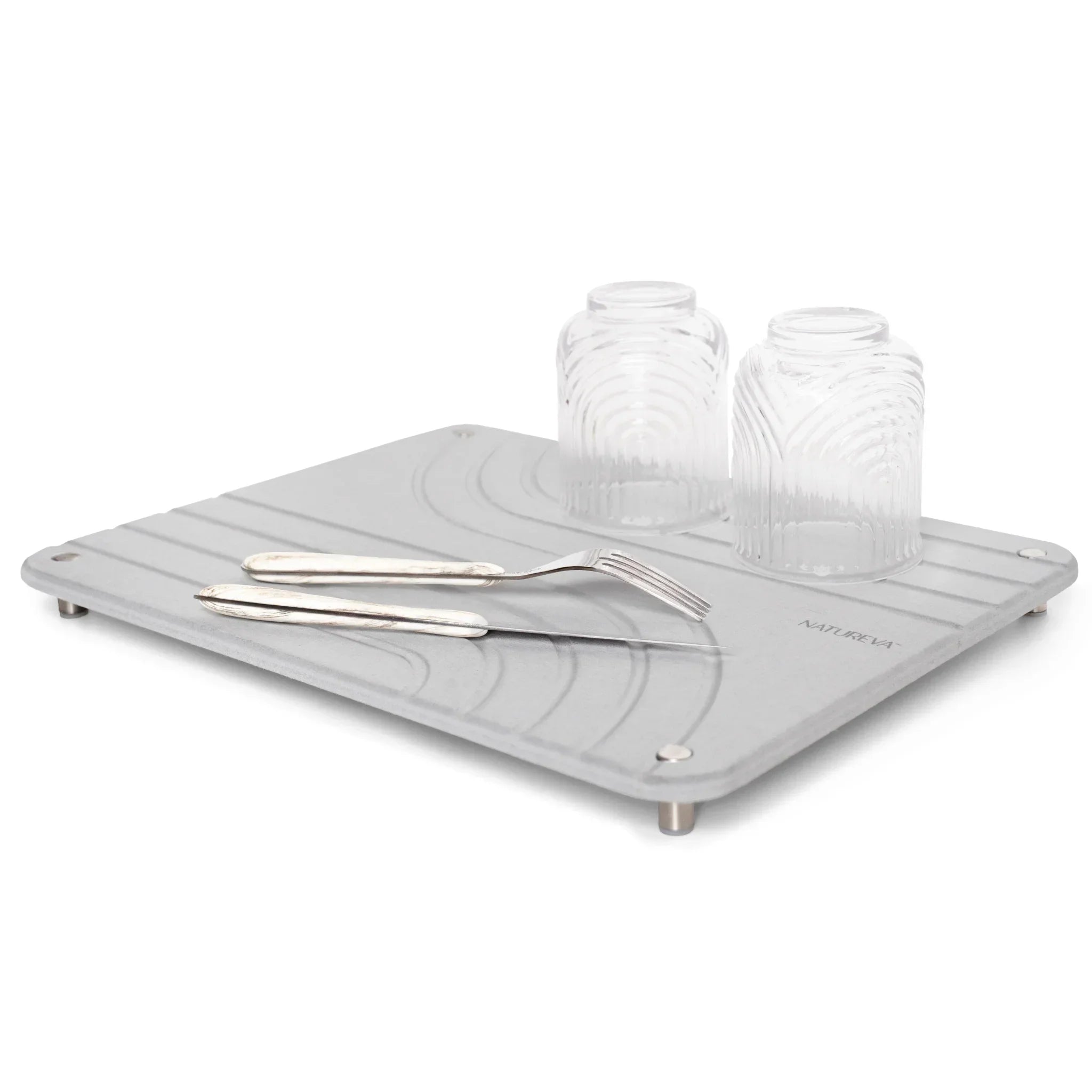
Starting these habits today means you won't be looking at water stains and wondering how they got there six months from now. The same diatomite material works great in other areas too, like our dish mats and bath mats if you want that same protection throughout your home.
You probably have some questions about how stone coasters work and how to care for them, so let's get into those details.
Common Questions About Stone Coasters
Stone coasters are becoming more popular in homes, but people still have lots of questions about how they work. Whether you're thinking about switching from your old cork coasters or just want to know if they're worth the money, these answers should help. The truth is, not all coasters are created equal, and understanding what makes stone coasters different can save you from future table damage.
How quickly do stone coasters absorb moisture?
Stone coasters made from diatomaceous earth absorb water almost instantly. You'll see condensation disappear within seconds of setting your glass down. Our Stone Coasters are designed with rapid absorption technology that keeps moisture from pooling on the surface, which means no more wet rings transferring to your table when you pick up your drink.
Can stone coasters handle hot drinks too?
Yes, stone coasters work great for both hot and cold beverages. The natural stone material can withstand heat from coffee mugs and tea cups without warping or cracking. Unlike fabric coasters that can scorch or cork ones that might leave residue when heated, stone stays stable at high temperatures.
How often should I replace stone coasters?
Stone coasters can last for years with proper care. You don't need to replace them unless they crack or their absorption slows down significantly. Most people find their stone coasters work just as well after a year or two as they did on day one, especially if they clean them regularly and let them dry between uses.
Do stone coasters work on all table surfaces?
Stone coasters protect virtually any table surface including wood, glass, marble, and laminate. The bottom of quality stone coasters should have a smooth finish that won't scratch delicate surfaces. Just make sure the coaster sits flat and doesn't have any rough edges that could cause problems.
What makes stone coasters better than cork or fabric?
The main advantage is absorption speed and drying time. Cork and fabric coasters soak up moisture but stay wet for hours, which can lead to mold and musty smells. Stone coasters dry completely within minutes, so they're ready to use again right away. They're also easier to clean and don't fall apart or fray like fabric options do over time.
How do I clean stubborn stains from stone coasters?
For everyday cleaning, just rinse your stone coasters under water and let them air dry. If you notice stains from coffee or wine, gently scrub with a soft brush and mild soap. For tougher stains, you can use a paste of baking soda and water, let it sit for a few minutes, then rinse thoroughly. Avoid harsh chemicals that might damage the porous stone structure or reduce its absorption ability.
The next generation of home essentials: naturally made, cleaner by design, sustainable by nature.
SHOP ALL