
Soft Cotton Bathroom Mats Worth Buying for Everyday Use
Most bathroom cotton mats stay damp for 6-8 hours after a shower, creating the perfect environment for bacteria and mildew to thrive in your daily routine. Traditional cotton traps moisture deep in its fibers, but bamboo cotton blends like those in Natureva's towel collection dry up to 40% faster while staying soft against your feet. Understanding why your mat choice affects both hygiene and comfort can transform one of the most-used spaces in your home.
Table of Contents
- The Evolution of Bathroom Textiles
- What Makes Bamboo Cotton Superior for Bathrooms
- Daily Use Features That Actually Matter
- Maintaining Softness and Performance Long Term
- Cost Per Use vs Initial Investment
- Making the Switch to Better Bathroom Textiles
- Common Questions About Bamboo Cotton Bathroom Mats
The Evolution of Bathroom Textiles
Most people step out of the shower onto the same type of mat their grandparents used. Standard cotton bathroom mats have been the default choice for over 70 years, sitting in nearly every home despite some pretty obvious problems. They soak up water but then hold onto it for hours, creating damp spots that never quite dry between morning showers. That lingering moisture becomes a breeding ground for mildew, and the musty smell that comes with it is something most of us just accept as normal.
Why Cotton Dominated for So Long
Cotton became the go-to material for bathroom mats because it was cheap, soft, and widely available. Manufacturers could produce them quickly and households could toss them in the washing machine without much thought. But the benefits pretty much stopped there.
Traditional cotton mats come with a list of issues that most people deal with daily:
- They stay wet for 4-6 hours after use, creating slip hazards
- Trapped moisture leads to bacterial growth and odor within days
- They require frequent washing to stay hygienic, using water and energy
- The fabric breaks down quickly from constant wetness and washing cycles
When Bamboo Changed Everything
Around 2010, bamboo viscose started appearing in home textiles as a natural alternative with better performance. The fiber structure of bamboo allows it to wick moisture away from the surface faster than standard cotton, which means it dries quicker and stays fresher longer. Bamboo also has natural properties that resist odor formation, something cotton can't claim on its own.
Modern textile engineers figured out that blending materials could give you the best of both worlds. By combining bamboo viscose with long-staple cotton, you get the softness people expect with significantly improved drying performance. Quality bathroom mats now use these blended fibers to solve the moisture problem that cotton alone never could.
How Different Materials Actually Perform
The difference between materials becomes obvious when you look at actual drying times and absorbency rates. Here's how common bathroom mat materials stack up against each other in real-world conditions:
| Material Type | Drying Time | Absorbency Rate | Odor Resistance |
|---|---|---|---|
| Standard Cotton | 4-6 hours | Medium | Low |
| Bamboo Viscose | 2-3 hours | High | Medium-High |
| Bamboo-Cotton Blend | 2-4 hours | High | Medium-High |
| Microfiber Synthetic | 1-2 hours | Very High | Low |
| Diatomite Stone | Under 1 hour | Instant | Very High |
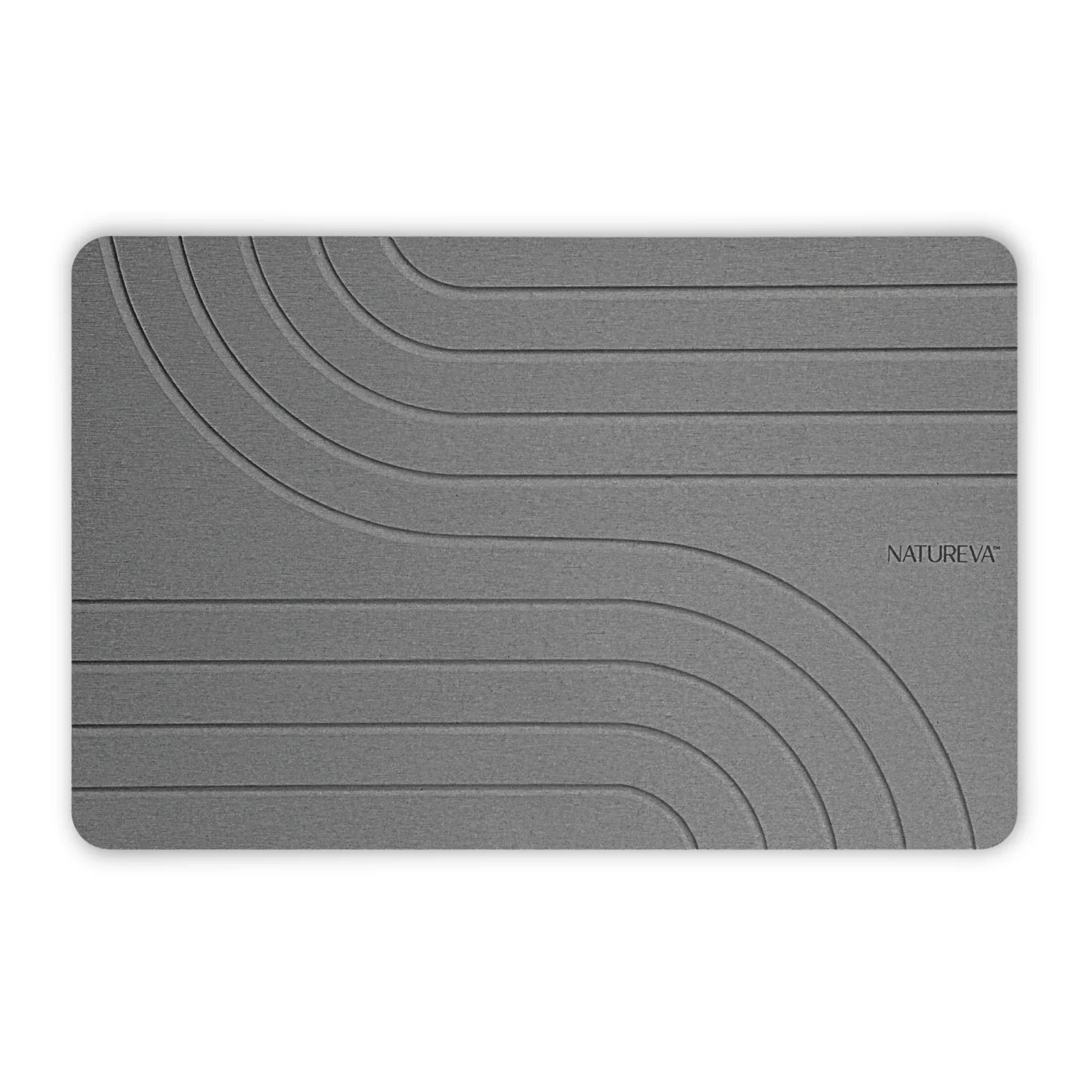
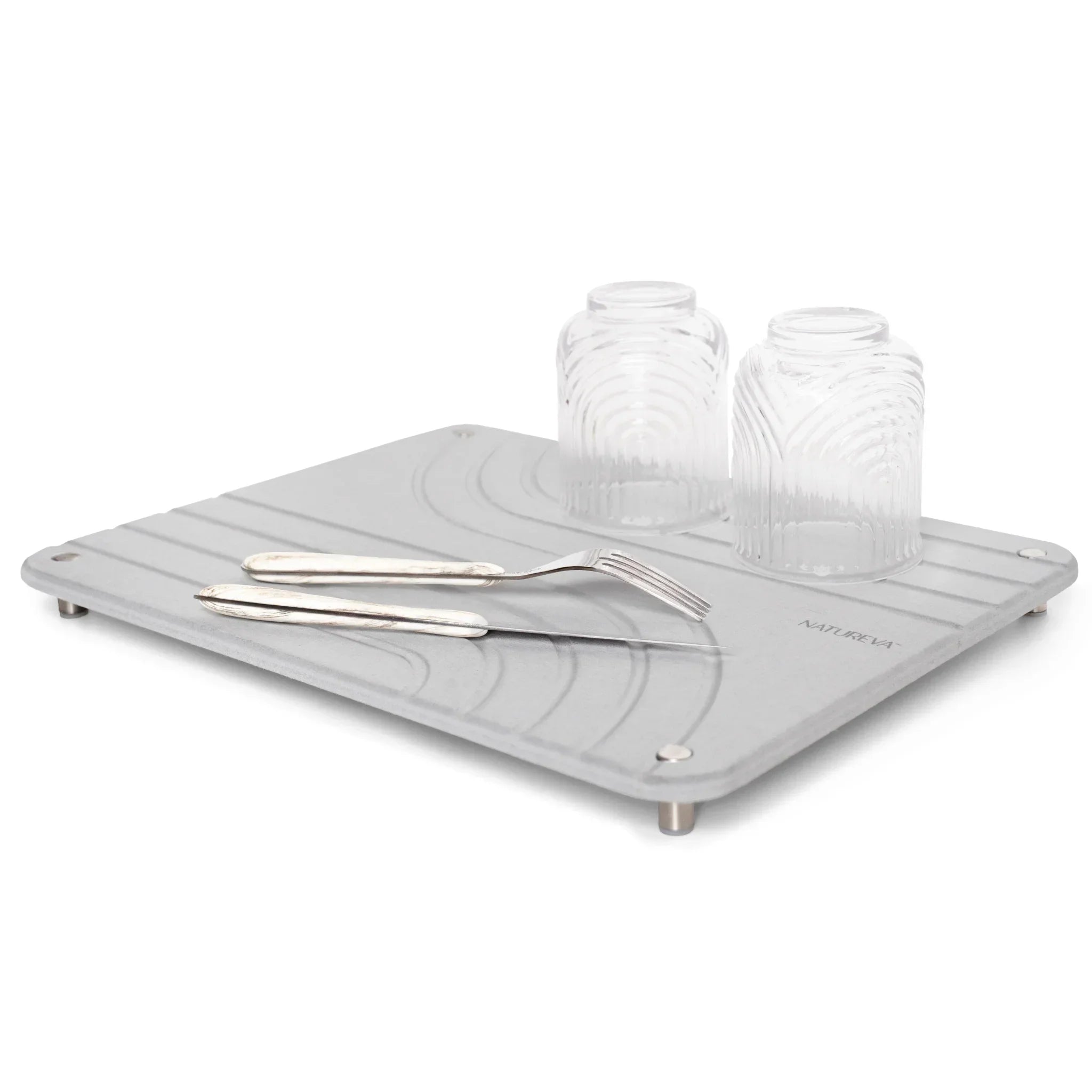
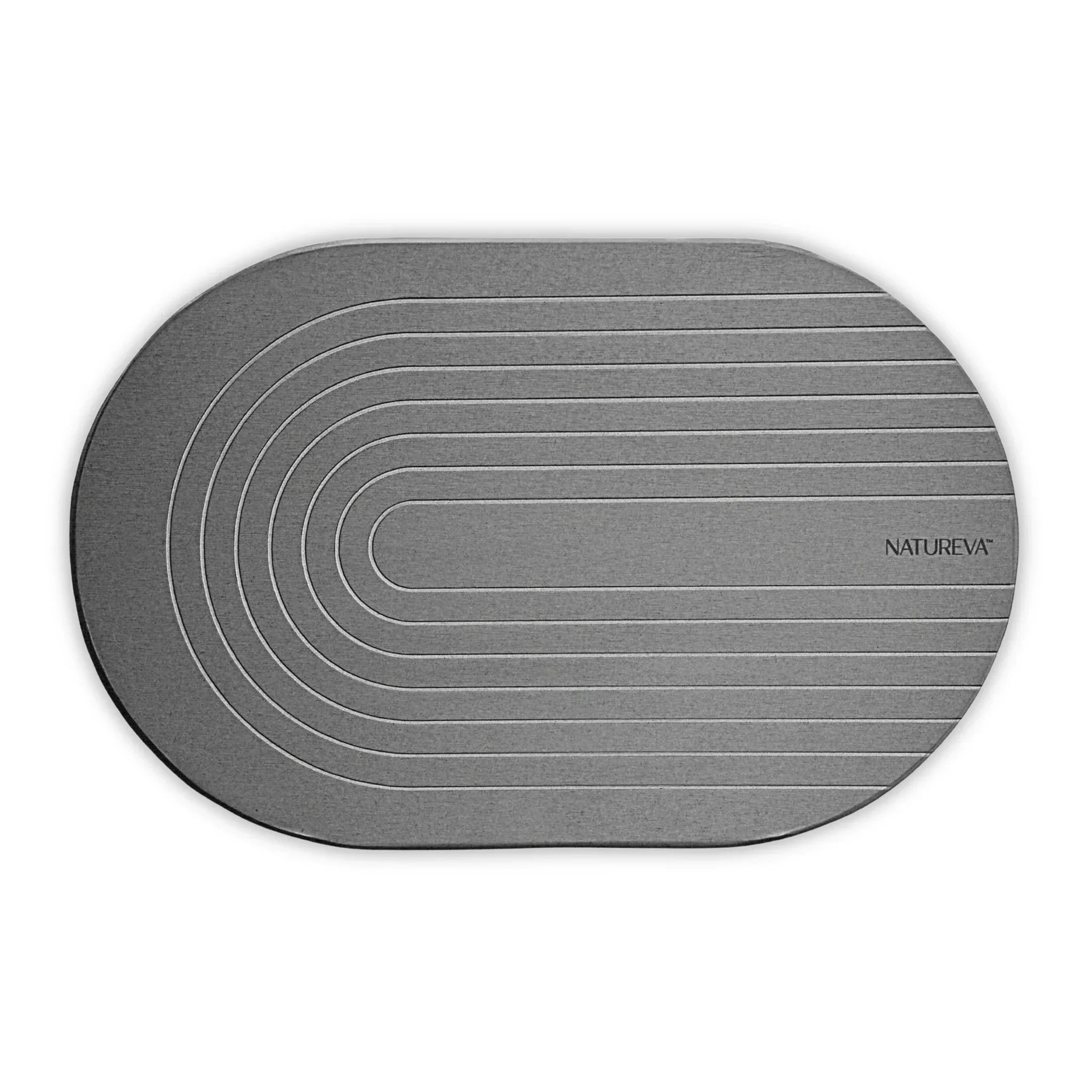
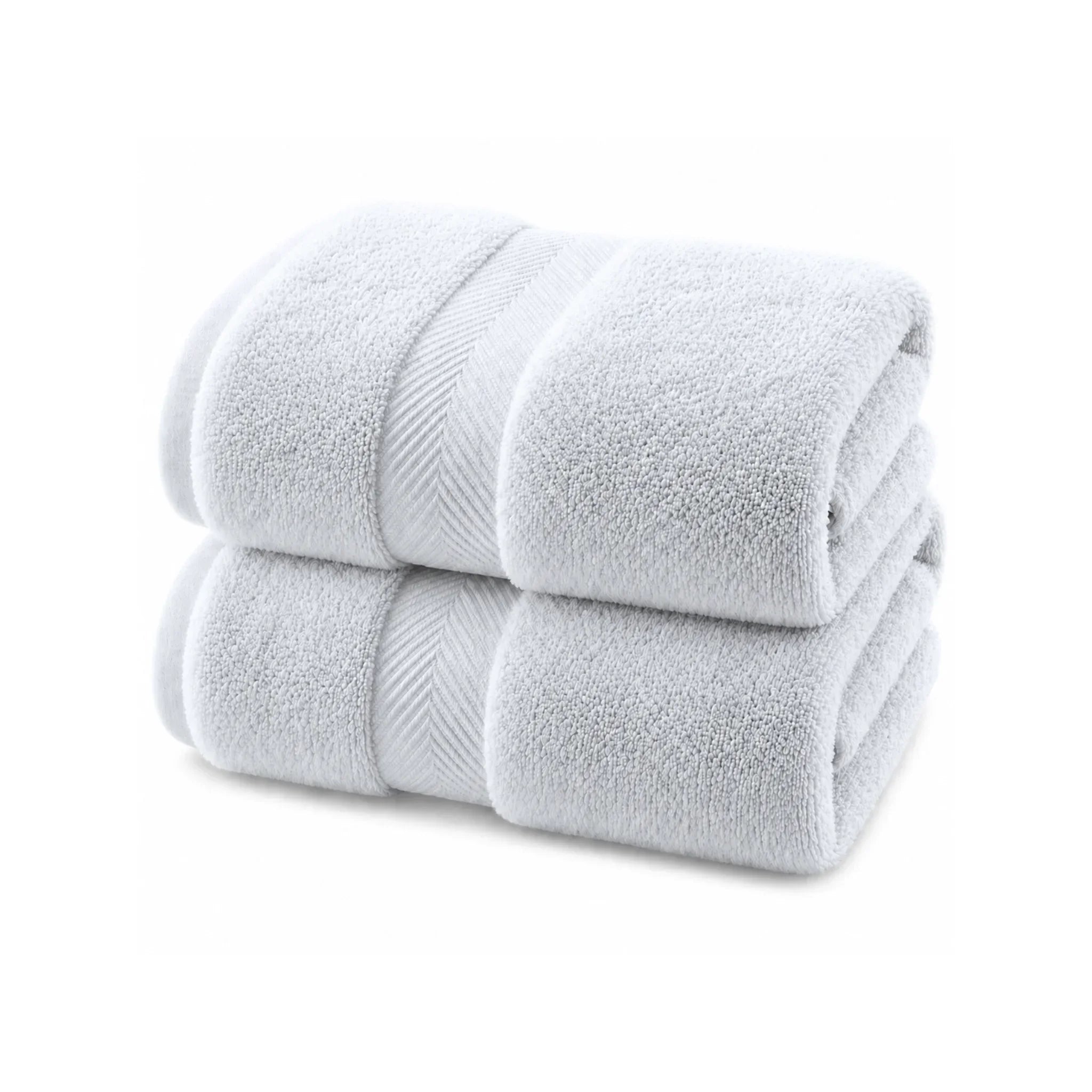
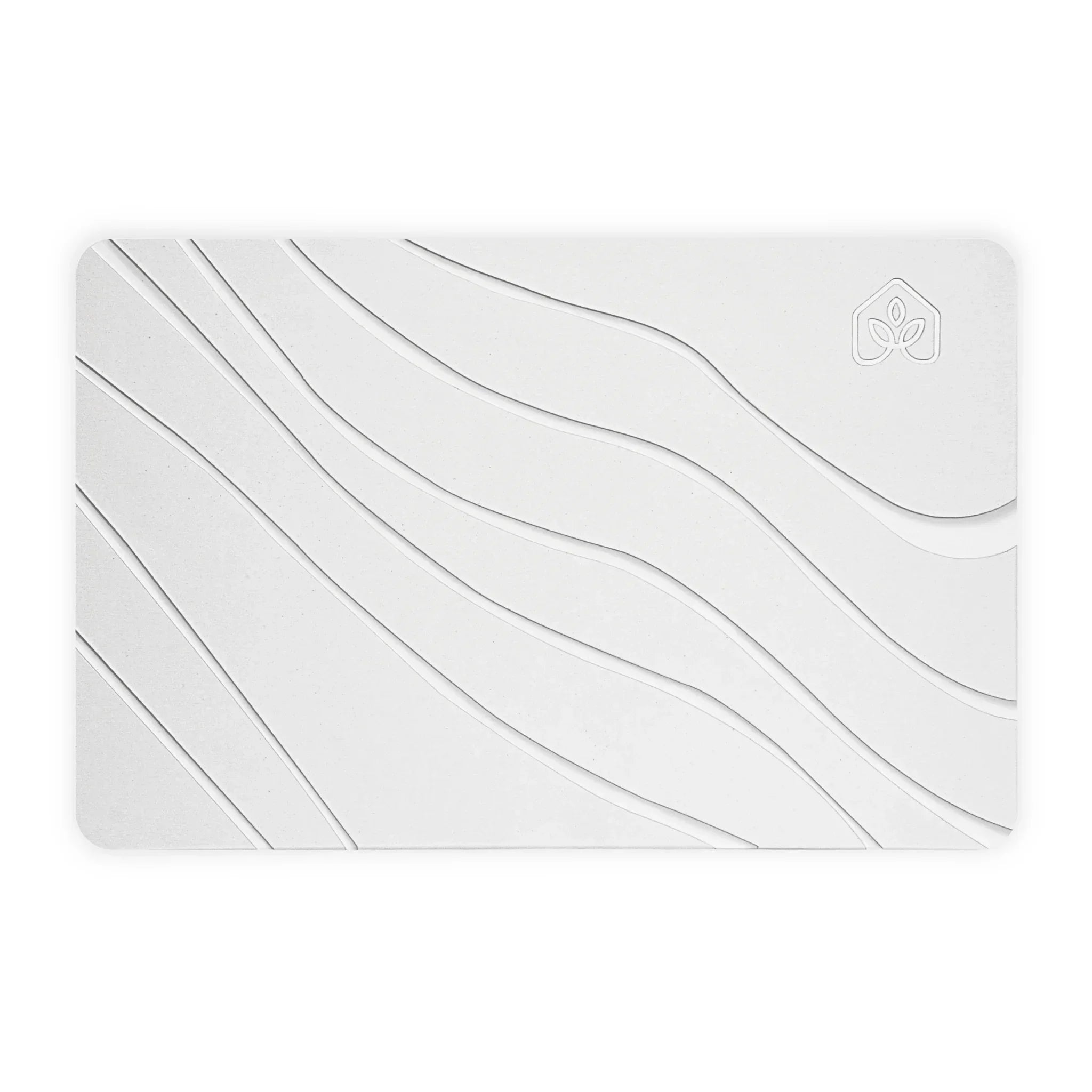
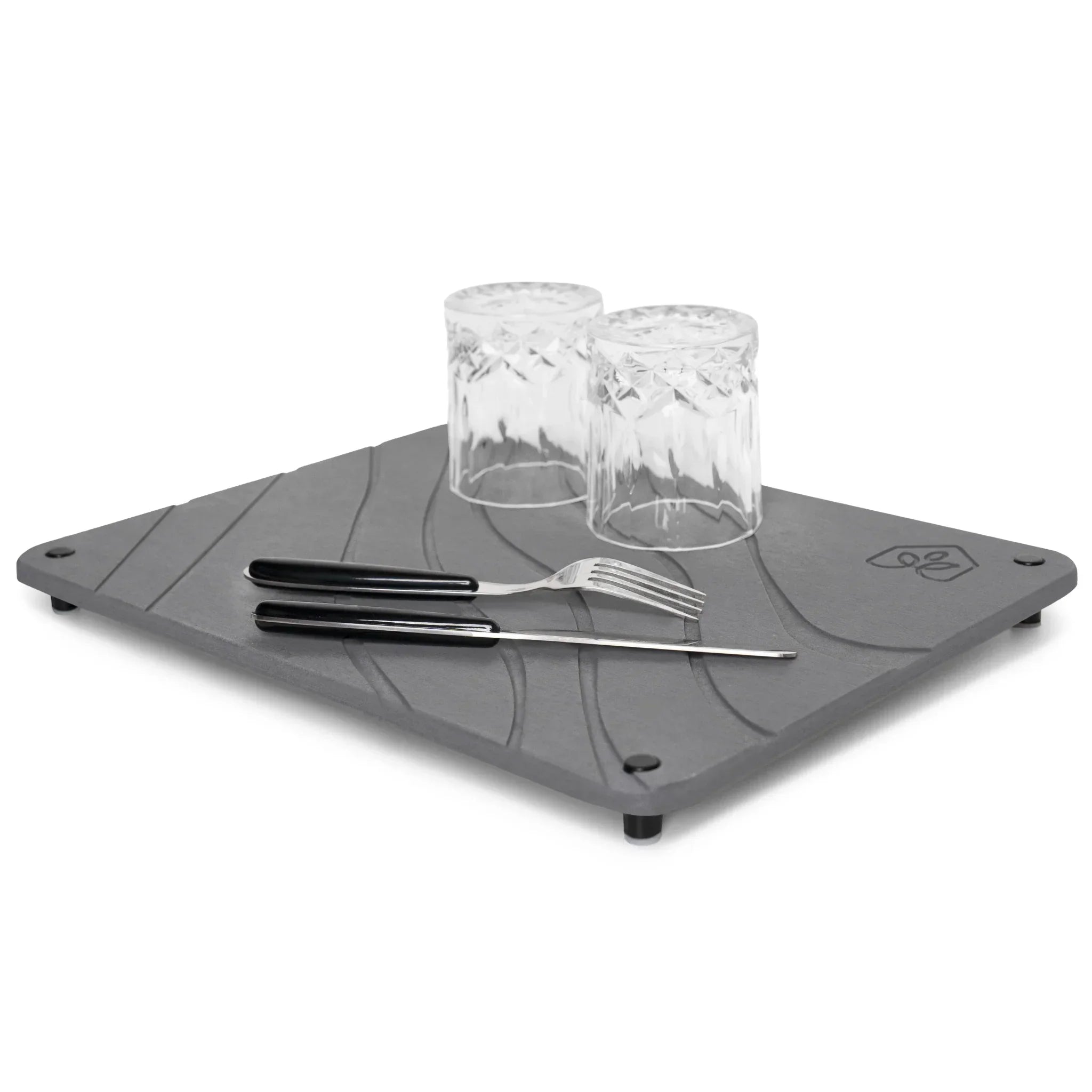
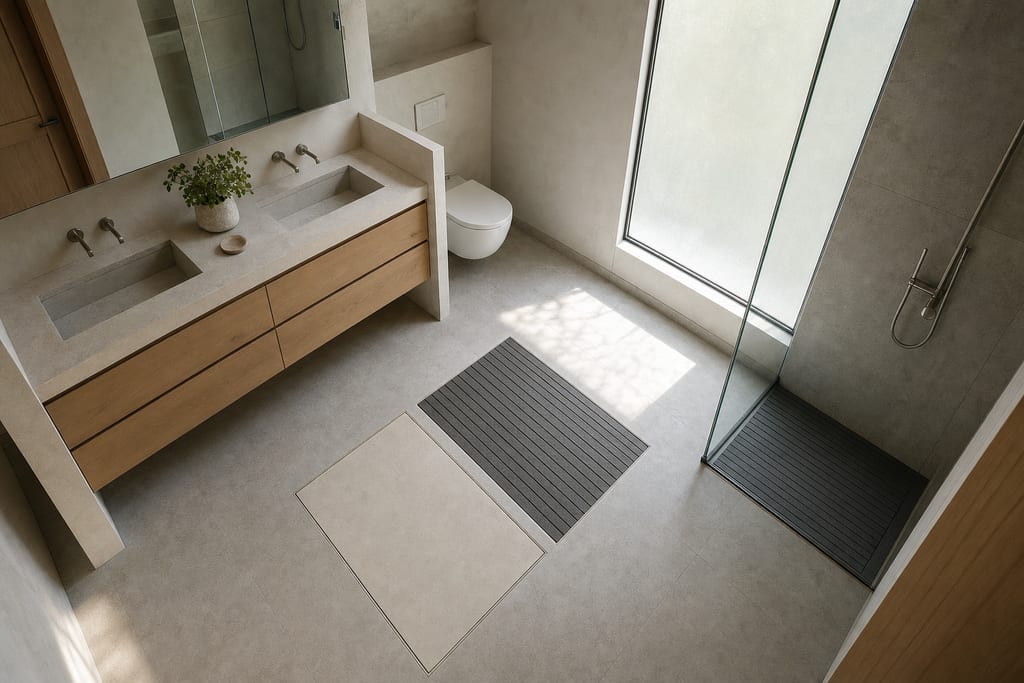
Natureva's bamboo cotton towels use a 70% long-staple cotton and 30% bamboo viscose blend at 700 gsm density, which puts them in the faster-drying category while keeping that plush feel. But for people who want the absolute fastest drying option, stone bath mats made from diatomite absorb water instantly and dry in under an hour, which is why they've become popular alternatives to fabric mats entirely.
The shift toward better materials isn't just about convenience. It's about creating bathrooms that stay cleaner and healthier without requiring constant maintenance. When your mat dries quickly, you're not dealing with the same hygiene issues that come with traditional options.
What Makes Bamboo Cotton Superior for Bathrooms
Most people don't realize that the average bathroom mat stays damp for hours after a shower, creating the perfect breeding ground for mildew and bacteria. Traditional cotton mats absorb water but hold onto it, which is why they often smell musty by midweek. Bamboo cotton blends work differently because they pull moisture away from your feet and release it into the air much faster. The science behind this comes down to how bamboo viscose fibers are structured at a microscopic level, with tiny gaps that allow air to flow through more freely than standard cotton weaves.
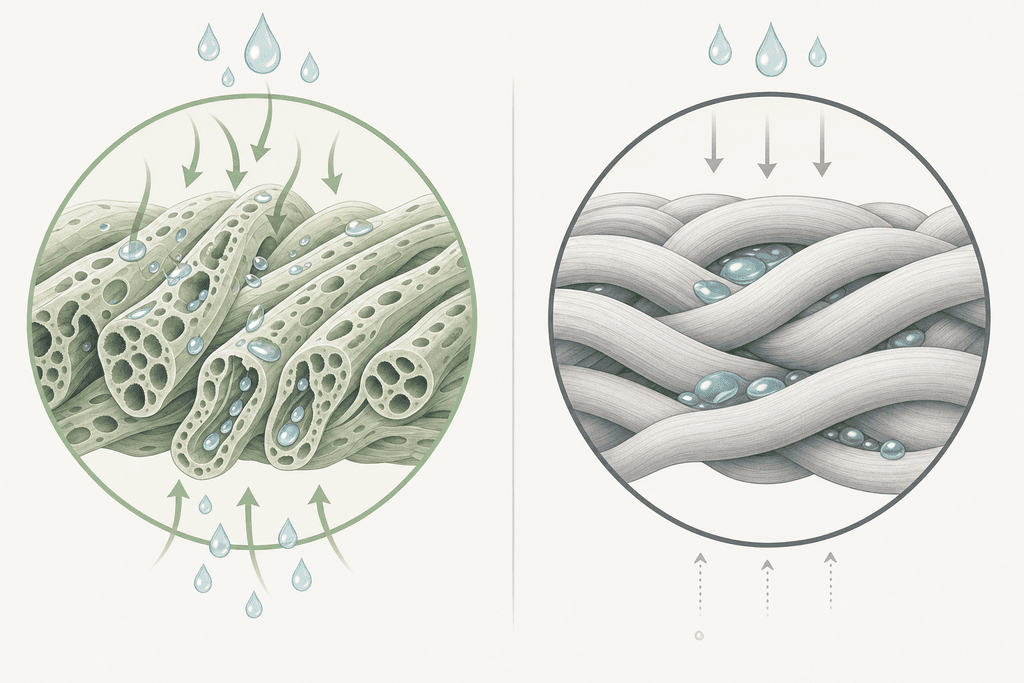
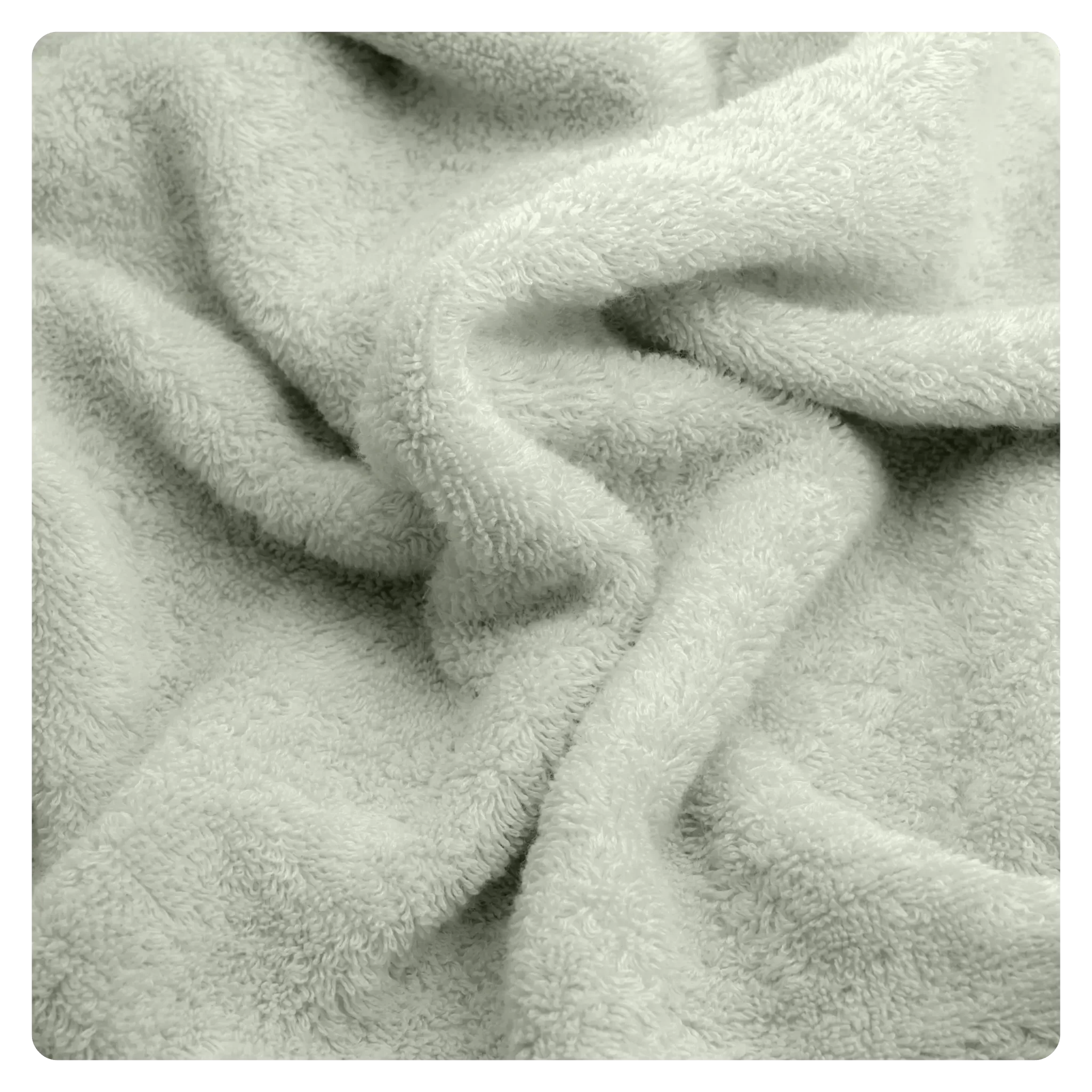
The 70/30 ratio of cotton to bamboo viscose isn't random. Pure bamboo can feel slippery when wet, while 100% cotton gets heavy and stays soggy. This specific blend balances the softness of long staple zero twist cotton with the moisture wicking properties of bamboo, giving you a mat that feels plush underfoot but dries between morning and evening showers.
- Zero twist yarn construction creates exceptional softness without trapping water in dense fiber loops
- 700 gsm density provides luxury hotel quality thickness that still breathes
- Bamboo viscose naturally wicks moisture away from skin faster than cotton alone
- The 70/30 ratio prevents the slippery feel of pure bamboo while maintaining quick dry performance
What makes this particularly useful is how the material performs in real bathroom conditions. High humidity doesn't just come from showers. It lingers in the air, settles on surfaces, and gets absorbed by everything fabric in the room. Bamboo cotton mats release this ambient moisture instead of holding it, which is why they stay fresher longer than standard bathroom cotton mats.
Daily Use Features That Actually Matter
The real test of any bathroom mat isn't how it feels on day one. It's whether it still works after three months of daily showers, weekly washing, and constant exposure to steam and soap residue. Bamboo cotton maintains its softness even after dozens of wash cycles because the zero twist fibers don't break down the way tightly wound cotton threads do. This means the plush feel you get when you first step out of the shower stays consistent, rather than gradually turning rough and flat like cheaper mats tend to do over time.
Quick dry properties do more than just prevent odors. They also mean you're not stepping onto a cold, damp surface when the second person showers in the morning. The mat releases moisture fast enough that it's ready for the next use within an hour or two, depending on your bathroom's ventilation.
| Feature | Bamboo Cotton | Standard Cotton |
|---|---|---|
| Dry Time | 1-2 hours | 4-6 hours |
| Odor Resistance | High | Low |
| Softness After 50 Washes | Maintained | Reduced |
The OEKO-TEX certification matters more than most people think. It's not just about avoiding harsh chemicals. It means the entire production chain has been audited for harmful substances, which is especially important for families with young children who might sit on bathroom mats or people with sensitive skin conditions. You can read more about how bath mat materials affect daily comfort in various bathroom environments.
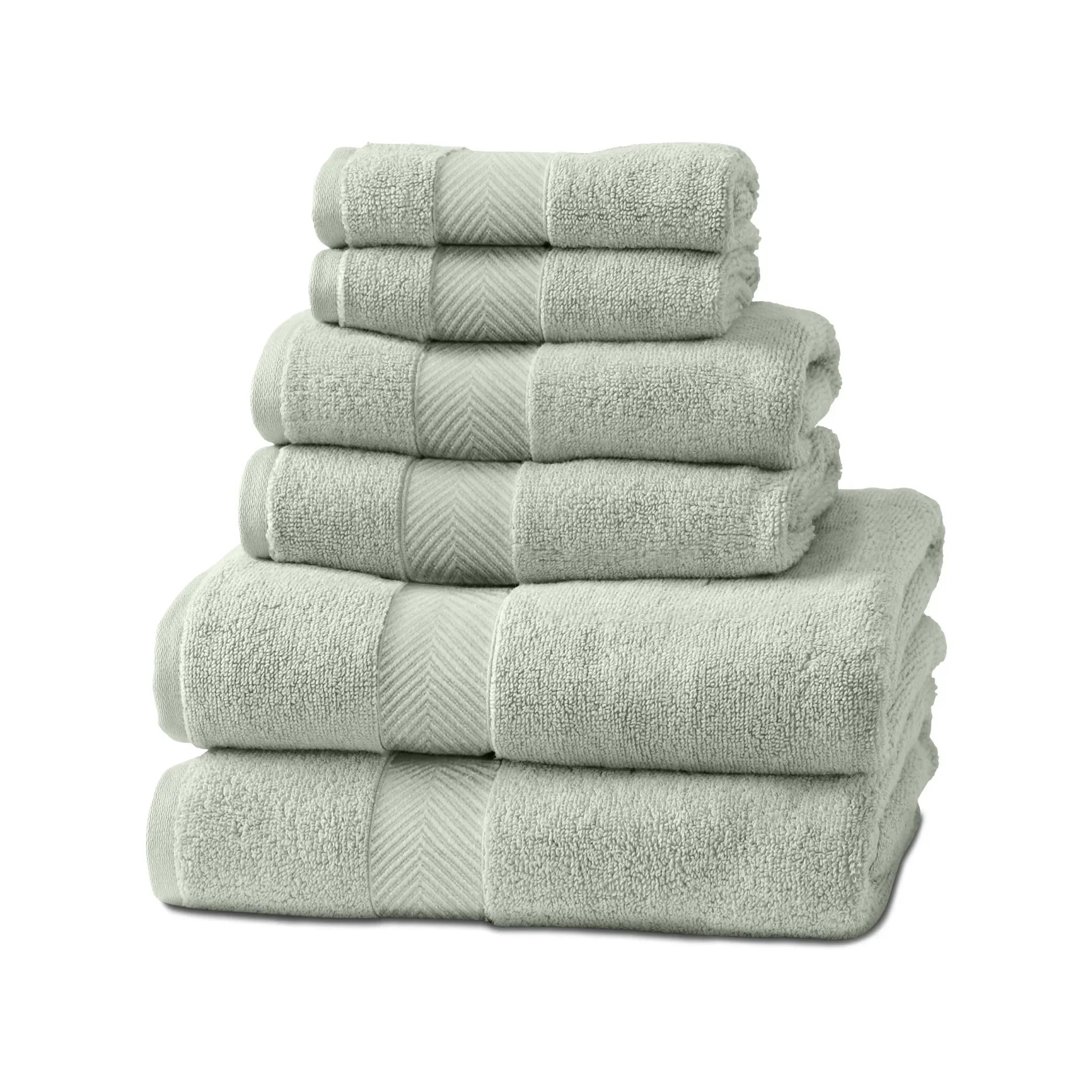
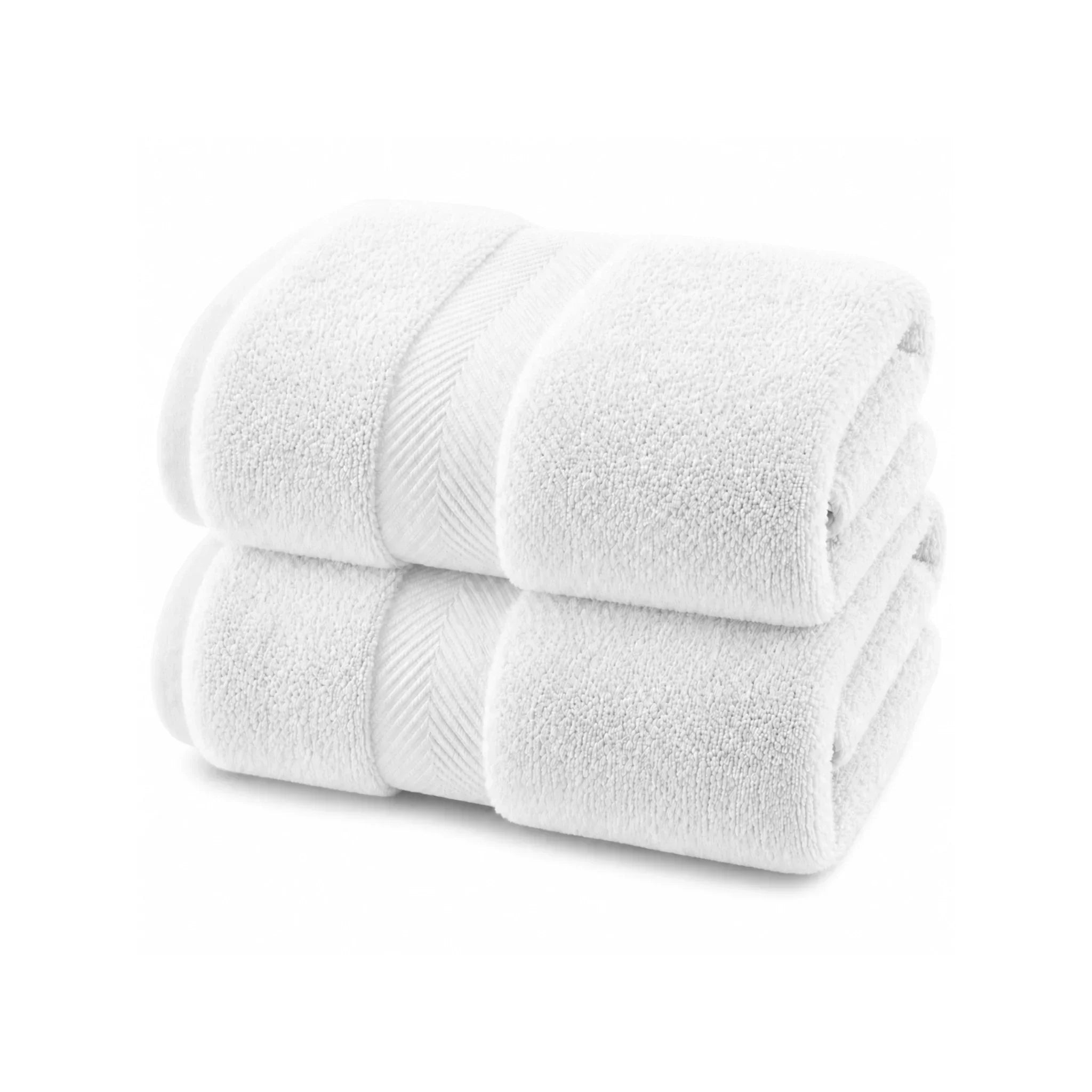
The herringbone border isn't just decorative. It adds structural integrity to the edges where mats typically start to fray first. This woven detail also creates a visual frame that works with minimalist bathroom designs without adding unnecessary pattern or color. Natureva's bamboo cotton towel set includes washcloths, hand towels, and bath towels with this same border treatment, available in colors like Eucalyptus, Graphite, Mist, and Chalk.
Maintaining Softness and Performance Long Term
The next generation of home essentials: naturally made, cleaner by design, sustainable by nature.
SHOP ALLThe way you wash bamboo cotton mats directly affects how long they stay soft and absorbent. Machine washing on a gentle cycle with warm water works best, but the real trick is what you avoid rather than what you add. Fabric softeners coat the fibers with a waxy residue that blocks moisture absorption, which defeats the entire purpose of using quick dry materials. The same goes for bleach, which breaks down bamboo viscose fibers faster than it does standard cotton.
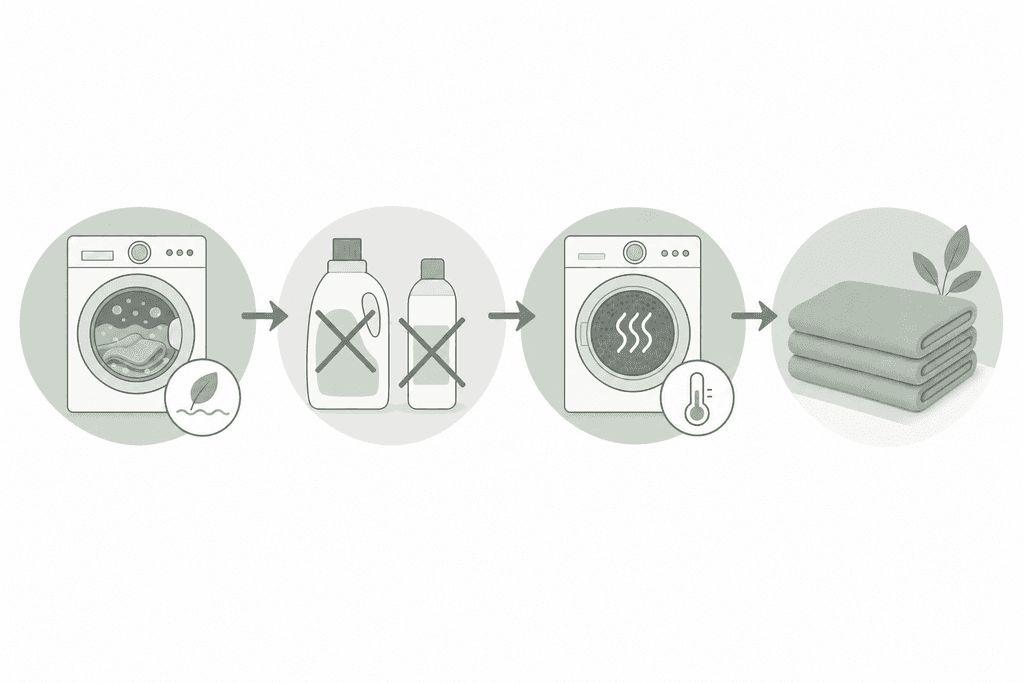
Most people assume air drying is gentler on fabrics, but with bamboo cotton it actually causes stiffness. Tumble drying on low heat keeps the zero twist fibers fluffy and separated, maintaining that plush feel against your feet. The heat also helps complete the drying process that the material's natural wicking started, preventing any lingering dampness that could lead to odors.
- Wash before first use to remove any manufacturing residue and maximize absorbency
- Skip fabric softeners and bleach to protect natural fiber structure
- Tumble dry on low rather than air drying to maintain softness
- Trim loose threads with scissors instead of pulling them
- Wash with similar colors to prevent dye transfer
Some initial linting is normal with zero twist yarns. The loosely spun fibers that create exceptional softness can shed slightly during the first few washes. This decreases with each cycle and doesn't affect the mat's performance or durability. It's a trade off for having that hotel quality plushness without the weight and slow drying time of traditional high pile cotton.
The entire care routine takes less than five minutes of actual hands on time. Toss the mat in with your regular towel load, transfer it to the dryer on low, and you're done. No special treatments, no complicated schedules, no hand washing required. For bathrooms that need more than just soft textiles, Natureva also offers stone bath mats made from diatomite that absorb water instantly and dry within minutes, creating a complete moisture management system when used together with bamboo cotton towels.
Cost Per Use vs Initial Investment
Most people grab the cheapest bathroom cotton mats at the store without thinking about what happens six months later. Those budget options start looking worn, hold onto moisture longer, and end up in the trash while premium options are just getting broken in. The real question isn't what you pay upfront, but what you're actually spending per year of use.
Premium bamboo cotton mats typically cost 2-3 times more than standard cotton alternatives at checkout. But here's where the math gets interesting. Standard cotton mats usually need replacement every 8-12 months due to wear, odor retention, and loss of absorbency. Quality bamboo cotton blends maintain their structure and performance for 24-36 months under the same conditions.
The Hidden Costs of Cheap Mats
Beyond replacement frequency, standard cotton bathroom mats create ongoing expenses that don't show up on the price tag. They take longer to dry between uses, which means more frequent washing to prevent mildew and odor buildup.
- Standard cotton mats require washing every 3-4 days to stay fresh
- Bamboo cotton blends can go 5-7 days between washes due to faster drying
- Extra laundry cycles add up to 40-50 additional washes per year
- Energy and water costs increase by approximately $15-20 annually
The OEKO-TEX certification on premium options like Natureva's bamboo cotton towels also eliminates a risk most people don't consider. Cheaper mats often use chemical treatments for softness or antimicrobial properties that can irritate sensitive skin or break down into harmful residues over time, according to textile safety research.
Two Year Cost Breakdown
| Cost Factor | Standard Cotton | Bamboo Cotton Blend |
|---|---|---|
| Initial Purchase | $30 | $89 (set of 6) |
| Replacements (2 years) | $60 (2 additional) | $0 |
| Extra Laundry Costs | $35 | $0 |
| Total 2-Year Cost | $125 | $89 |
Set purchasing provides even better value since you're covering multiple bathroom needs at once. A six-piece set gives you washcloths, hand towels, and bath towels that all share the same durability and fast-drying benefits. You're not just buying bathroom cotton mats, you're investing in a complete moisture management system that pays for itself through longevity and reduced maintenance.
Making the Switch to Better Bathroom Textiles
Most people don't think twice about their bathroom cotton mats until they're dealing with that damp, musty smell or watching mildew creep into the corners. The truth is, traditional fabric mats trap moisture instead of managing it, which creates the exact conditions bacteria love. Switching to better textiles isn't just about comfort, it's about creating a cleaner space that actually dries between uses.
Quality matters more than you'd think when it comes to daily use items. A cheap mat might save you money upfront, but you'll replace it three times before a good one wears out. Our bamboo cotton towel set uses 70% long staple zero twist cotton and 30% bamboo viscose at 700 gsm density, which means they stay soft and dry faster than standard cotton.
The OEKO-TEX certification isn't just a fancy label either. It means the entire production chain has been tested for harmful substances and meets strict environmental standards. When you're stepping out of the shower onto fabric that touches your skin every single day, knowing it's safe matters.
If you're looking at complete bathroom textile solutions, the investment pays off through durability and that small daily comfort of stepping onto something that actually feels good. Some questions probably come up when you're considering a switch like this, so let's address those next.
Common Questions About Bamboo Cotton Bathroom Mats
Bamboo cotton blends are still relatively new in the bathroom mat space, which means people have plenty of questions about how they actually perform. Most of these questions come down to durability, care requirements, and whether the softness is worth the investment. Here's what you need to know before making the switch from standard bathroom cotton mats.
How long do bamboo cotton mats take to dry compared to regular cotton?
Bamboo cotton blends typically dry about 20 to 30 percent faster than standard cotton mats because bamboo viscose fibres are naturally more breathable and moisture wicking. The exact drying time depends on your bathroom's ventilation and humidity levels, but most users notice their mats feel dry to the touch within a few hours instead of staying damp all day. If you want instant drying instead of just faster drying, stone bath mats like Natureva's diatomite options absorb water on contact and evaporate moisture within minutes.
Are bamboo cotton mats safe for people with sensitive skin?
Yes, bamboo cotton mats are generally gentler on sensitive skin than synthetic or heavily treated fabrics because bamboo viscose has a naturally smooth fibre structure that reduces friction and irritation. Look for OEKO TEX certification to confirm the product has been tested for harmful substances and meets strict safety standards. Natureva's bamboo cotton towels carry MADE IN GREEN by OEKO TEX certification, which guarantees the entire production chain is free from chemicals that could trigger skin reactions.
Do bamboo cotton mats require special washing instructions?
Not really, but a few simple adjustments will keep them softer for longer. Machine wash warm on a gentle cycle and skip the fabric softener, which can coat the fibres and reduce absorbency over time. Tumble dry on low heat instead of air drying, since air drying tends to make bamboo cotton blends feel stiff and rough. Avoid bleach or any products with benzoyl peroxide, as these can break down the bamboo fibres faster than normal wear and tear.
How many washes before bamboo cotton mats lose their softness?
High quality bamboo cotton blends should stay soft for at least 50 to 100 washes if you follow proper care instructions, though some linting and minor texture changes are normal in the first few washes. The key is avoiding harsh detergents and high heat, which degrade natural fibres faster than gentle cycles and low tumble drying. Zero twist yarns like those used in Natureva's towels are especially soft but may shed slightly at first before settling into their long term texture.
What's the difference between bamboo viscose and bamboo rayon?
They're the same thing, just different names for the same manufacturing process that turns bamboo pulp into soft textile fibres. Some brands use "viscose" and others use "rayon," but both refer to a semi synthetic fabric made from natural bamboo cellulose that's been chemically processed into usable yarn. The quality depends more on the production standards and certifications than the name itself, so look for third party testing like OEKO TEX rather than getting hung up on terminology.
The next generation of home essentials: naturally made, cleaner by design, sustainable by nature.
SHOP ALL