
Steps to Clean Drink Coasters Without Leaving Residue
You've probably noticed that sticky ring on your coffee table even though you've been using drink coasters religiously. The problem isn't your furniture or the drinks themselves, but the residue that builds up on dirty coasters and transfers right back onto your surfaces. Learning the right way to clean your coasters without leaving behind soap film or grime means they'll actually do their job of protecting your tables instead of making the problem worse.
Table of Contents
Understanding Different Coaster Materials
Most people don't realize that the white ring left on their table isn't just from water, it's often from the coaster itself. Different drink coasters are made from various materials, and each one reacts differently when it gets wet or dirty. What works perfectly for cleaning one type might actually ruin another or leave behind a sticky, cloudy mess that defeats the whole purpose of using a coaster in the first place.
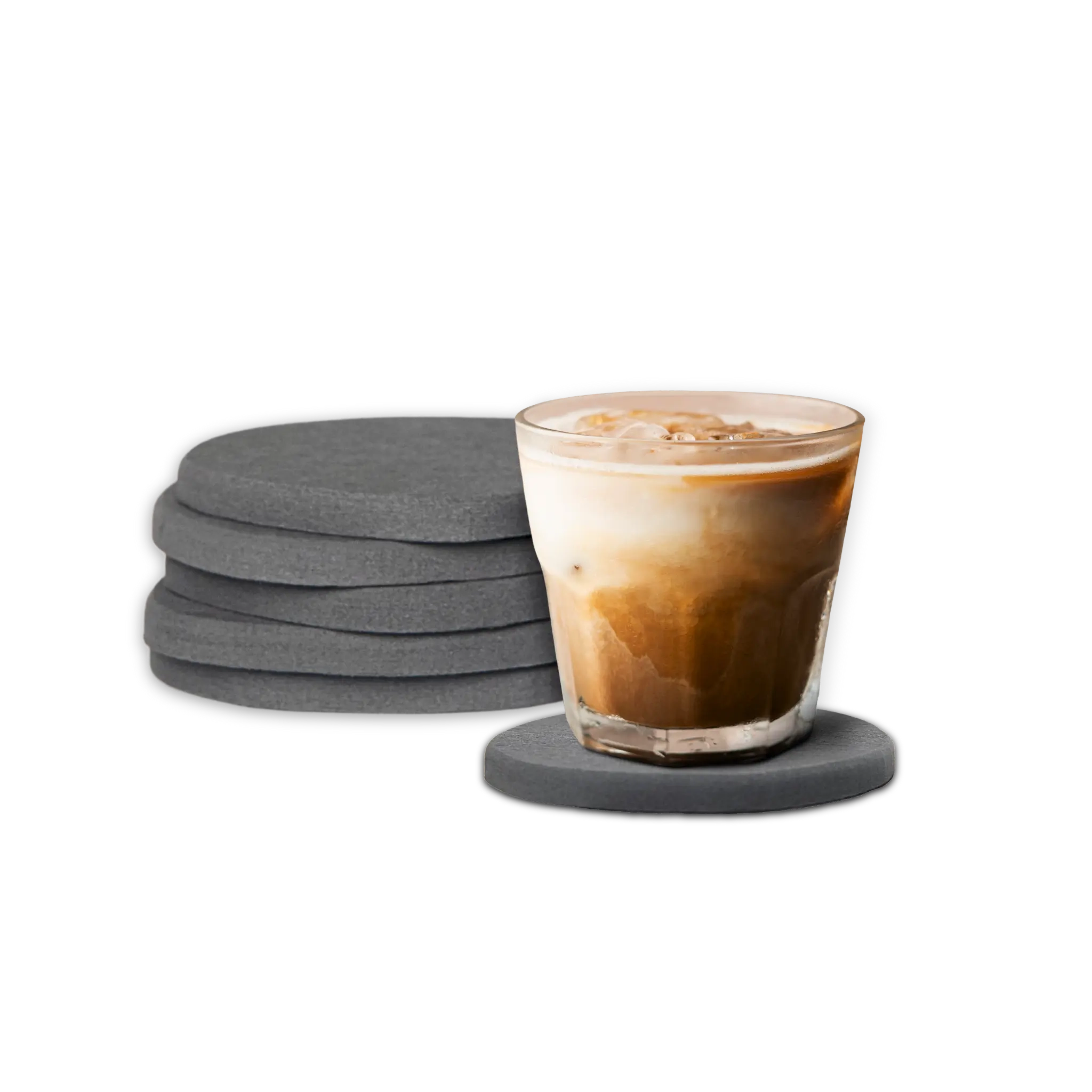
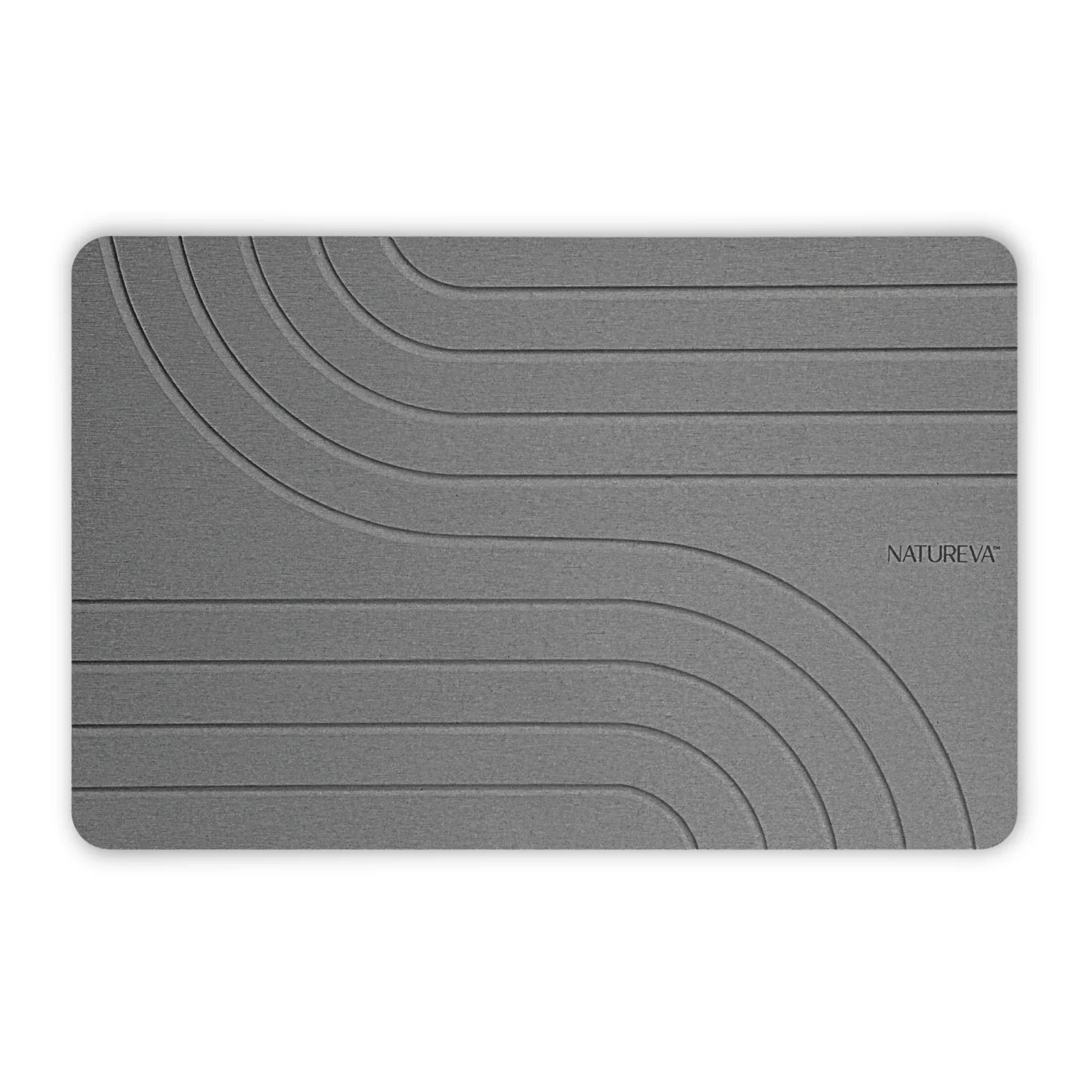
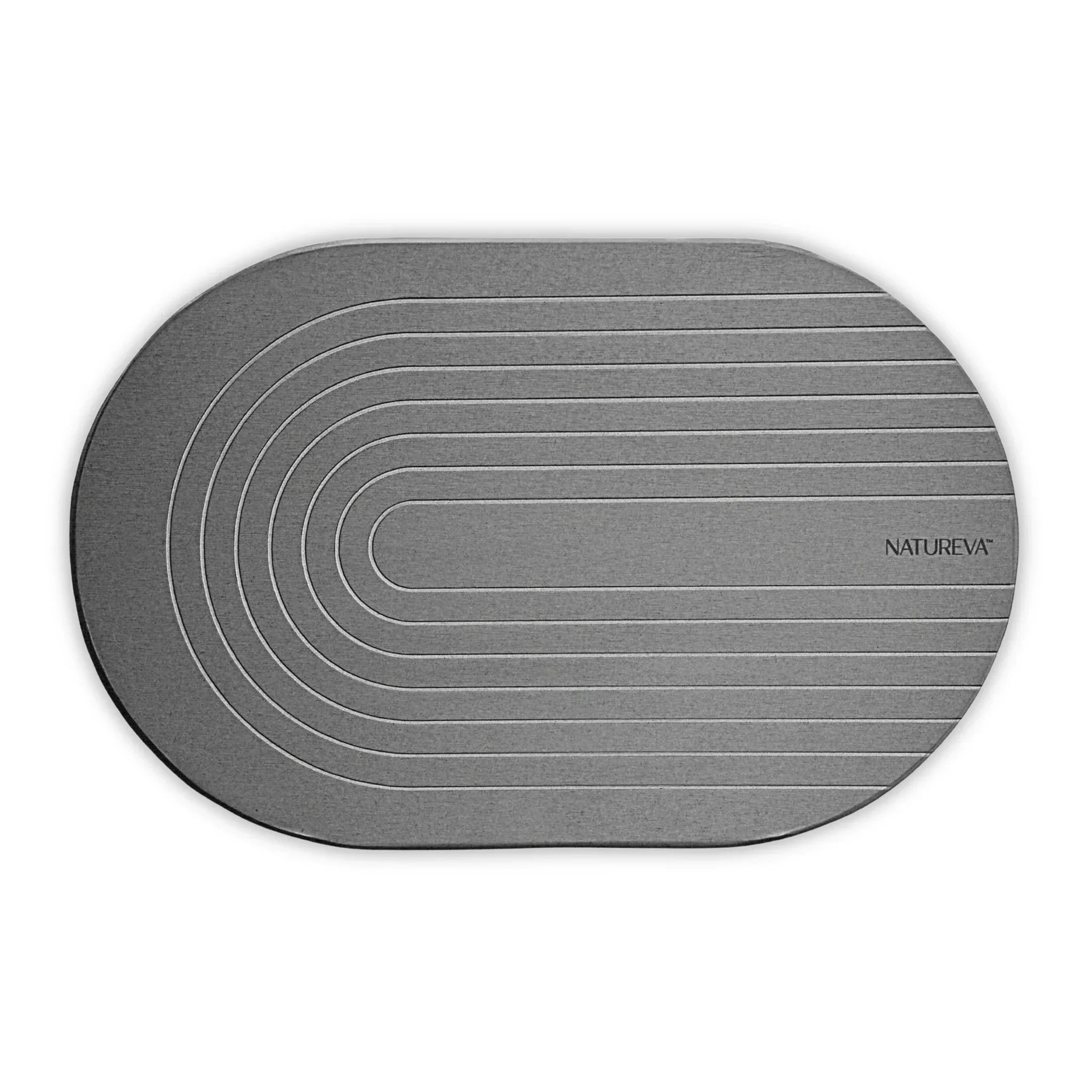
Stone Coasters - Set of 6
Common Coaster Types and Their Quirks
The material your coaster is made from determines everything about how you should clean it. Some materials soak up liquids like a sponge, while others just let water sit on top until it drips onto your furniture anyway.
Here are the most common types you'll find:
- Stone coasters made from materials like diatomaceous earth that absorb moisture quickly
- Wood coasters that can warp or crack if they get too wet
- Cork coasters that crumble over time if cleaned wrong
- Fabric coasters that trap stains and odors
- Silicone coasters that repel water but attract dust and lint
Why Cleaning Methods Matter
Using the wrong cleaning product on your coasters can create more problems than it solves. Soap residue is one of the biggest culprits because it doesn't rinse away completely from porous materials. When soap gets trapped inside a coaster, it creates a film that actually attracts more dirt and moisture over time.
Different materials also have different weak spots:
- Porous materials like stone and cork can trap cleaning solutions deep inside
- Natural materials like wood can split or discolor from harsh chemicals
- Sealed materials like silicone show every fingerprint and water spot
The Absorption Factor
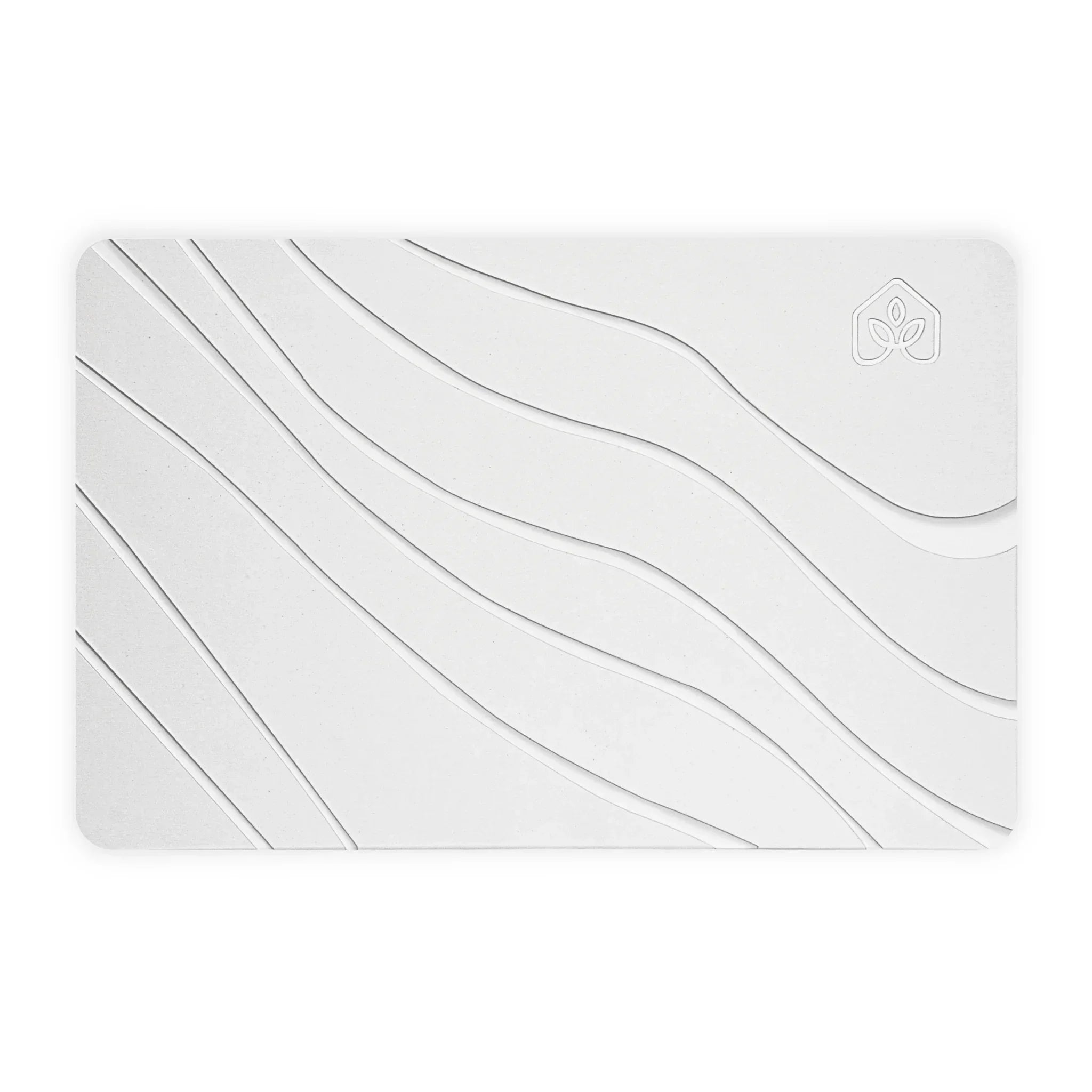
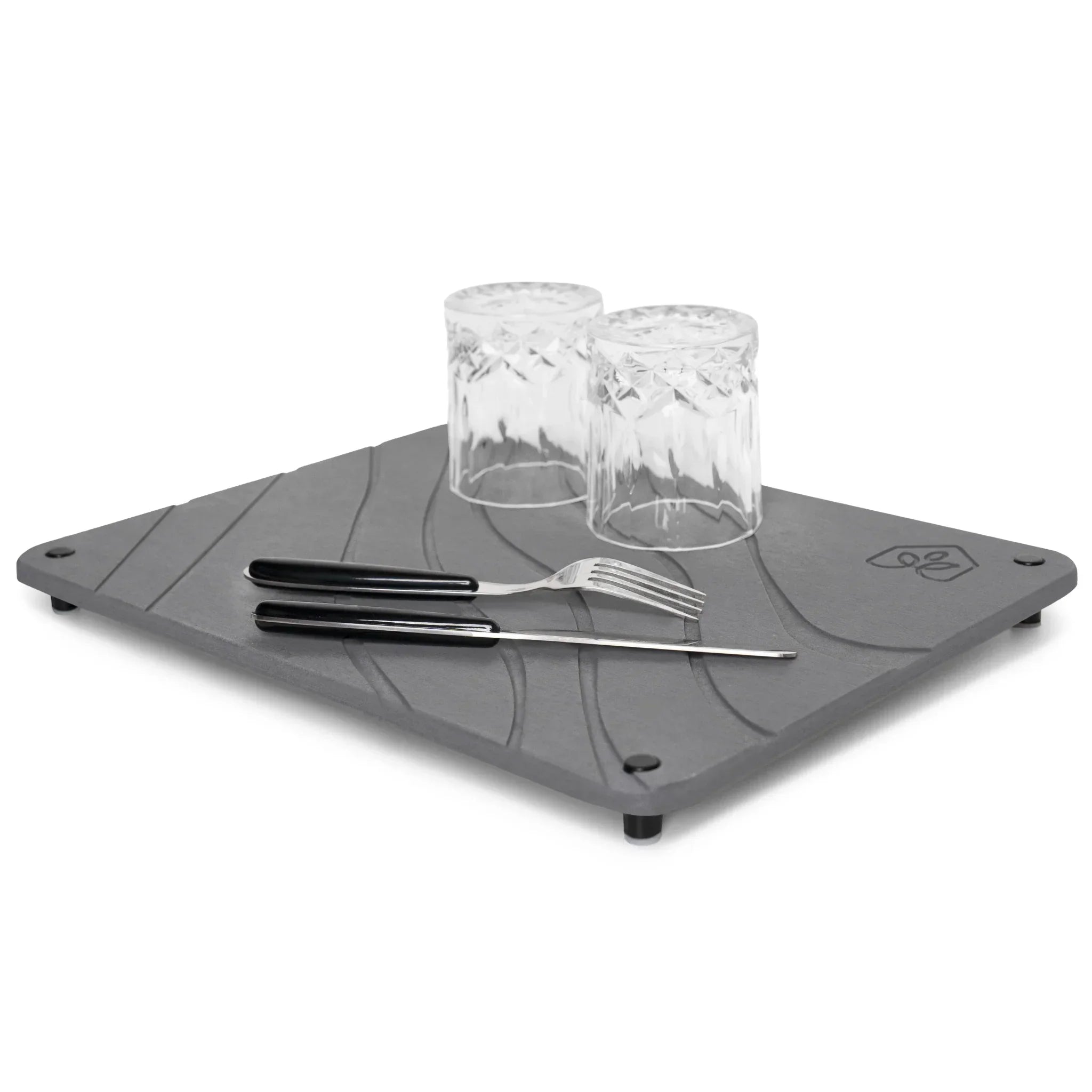
How much liquid a coaster absorbs changes everything about cleaning it. Stone coasters made from diatomaceous earth, like our Stone Coasters at Natureva Home, work differently than other types because they're designed to pull moisture in and dry quickly. This makes them great at their job, but it also means they need special care to avoid trapping soap or cleaning products inside their tiny pores.
According to research on porous materials and moisture absorption, the structure of these materials creates thousands of microscopic channels that can hold onto whatever liquid touches them.
| Material Type | Absorption Level | Main Cleaning Challenge | Drying Time |
|---|---|---|---|
| Stone (Diatomaceous Earth) | Very High | Trapped residue | 1-2 hours |
| Wood | Medium | Warping and stains | 4-6 hours |
| Cork | High | Crumbling texture | 2-3 hours |
| Fabric | Very High | Odor retention | 6-8 hours |
| Silicone | None | Surface streaks | 5-10 minutes |
The key to residue-free cleaning is matching your method to your material. What makes stone coasters special is their natural composition, which allows them to self-clean to some degree through evaporation. But even these need proper maintenance to keep working at their best, especially if you want to avoid that chalky white buildup that eventually appears on heavily used coasters.
Cleaning Stone and Ceramic Coasters
Most people don't realize that the wrong cleaning method can actually ruin their stone coasters forever. The porous structure that makes stone coasters so good at absorbing moisture is also what makes them tricky to clean. When you use harsh chemicals or scrub too hard, you can seal up those tiny holes that do all the work. The good news is that cleaning stone drink coasters the right way is actually easier than you think.
Stone materials like diatomaceous earth need a gentle touch. Water and mild soap are your best friends here, but the key is using very little of each. Think of it like washing your face instead of scrubbing a dirty pot.
- Mix a small amount of mild dish soap with warm water
- Use a soft cloth or sponge, never anything abrasive
- Gently wipe the surface in circular motions
- Rinse thoroughly with clean water to remove all soap
- Let air dry completely before using again
Here's something most people miss about diatomaceous earth coasters. When they start to feel less absorbent over time, you don't need to throw them away. A light sanding with fine-grit sandpaper can refresh the surface and bring back that instant absorption. Our Stone Coasters are made from this material, which naturally resists stains better than regular ceramic or concrete options.
The drying process matters more than you'd expect. Water spots happen when minerals in tap water dry on the surface, leaving behind those annoying white marks. Air drying in a well-ventilated area prevents this problem without any extra work on your part.
Cleaning Wood and Cork Coasters
Wood and cork coasters live in constant fear of water, which is ironic since their whole job is protecting surfaces from wet glasses. These materials can warp, crack, or grow mold if you're not careful with how you clean them. The trick is getting them clean without actually getting them wet, which sounds impossible but isn't. You need to work fast and use as little moisture as possible.
For light cleaning, a barely damp cloth works better than anything else. Wipe quickly and dry immediately with a separate cloth. The coaster should never feel wet to the touch.
- Use a cloth that's damp, not wet
- Add a tiny drop of mild soap only for sticky spots
- Wipe in the direction of the wood grain
- Dry completely with a clean towel right away
- Stand coasters on their edge to finish air drying
Cork is even more delicate than wood. Oil-based residues from lotions or food can soak into cork and create permanent stains. If you notice greasy spots, a small amount of white vinegar on a cloth can help break down the oils. According to cleaning experts, natural materials need special care to maintain their protective finish.
Warping happens when one side of a wood coaster gets wet while the other stays dry. The wet side expands and the coaster curves like a potato chip. Always dry both sides equally, even if you only cleaned one side. This simple step prevents most warping issues.
Cleaning Fabric and Silicone Coasters
The next generation of home essentials: naturally made, cleaner by design, sustainable by nature.
SHOP ALLFabric coasters are basically tiny towels that sit under your drinks, which means they get gross pretty fast. The good news is most fabric coasters can go right in the washing machine. The bad news is that soap residue loves to hide in fabric fibers and create that sticky feeling nobody wants. Silicone coasters seem indestructible, but they have their own quirks when it comes to staying residue-free.
For fabric coasters, use half the detergent you normally would. Seriously, less is more here. Too much soap means more rinsing cycles to get it all out.
- Wash fabric coasters in cold water on gentle cycle
- Use minimal detergent to prevent buildup
- Add an extra rinse cycle if your machine has that option
- Air dry instead of using the dryer to prevent shrinking
- Check for soap smell before putting them back in use
Silicone coasters can handle the dishwasher, but placement matters. Put them on the top rack away from the heating element. The bottom rack gets too hot and can warp even heat-resistant silicone. If you notice a filmy residue after washing, that's leftover detergent or hard water minerals.
The rinse step is where most people mess up with these materials. Thorough rinsing prevents that sticky buildup that makes coasters feel gross even when they're technically clean. For more details on different coaster materials and their care needs, check out this guide to coaster materials.
Stone coasters like the ones made from diatomaceous earth need way less frequent deep cleaning compared to fabric or silicone. The material naturally resists bacterial growth and doesn't trap moisture the way softer materials do.
Preventing Residue Buildup Between Cleanings
The best way to clean coasters is to not let them get dirty in the first place. That sounds obvious, but most people wait until their coasters look disgusting before doing anything about it. A quick wipe every few days takes ten seconds and saves you from those intense scrubbing sessions later. Small habits make a huge difference in how long your drink coasters stay looking new.
Quick daily maintenance beats deep cleaning every time. After you finish your drink, just wipe the coaster with a dry cloth. That's it. This removes condensation before it can leave rings or attract dust.
- Wipe coasters dry after each use
- Rotate between multiple coasters so each one gets rest time
- Store coasters in a dry spot, not in a drawer with damp kitchen towels
- Keep them away from direct sunlight to prevent fading
- Use a coaster holder that allows air circulation
Rotating your coasters is smarter than it sounds. If you have a set of six coasters but only use two regularly, those two will wear out way faster. Switching which ones you use extends the time between deep cleans for all of them. Our Stone Coasters come in sets of six specifically so you can rotate them easily.
Storage location affects how clean coasters stay. A basket on the counter collects dust and cooking grease from the air. A drawer or cabinet keeps them cleaner between uses, but make sure there's airflow so moisture doesn't get trapped. Stone coasters have a natural advantage here because they resist bacterial growth even in less-than-perfect storage conditions.
The simplest habit that makes the biggest difference is just paying attention. When you notice a sticky spot or ring forming, deal with it right then instead of later. Fresh spills wipe away in seconds, but dried residue takes serious effort. This applies to all coaster types, but especially matters for materials like wood and cork that can't handle aggressive cleaning methods.
Keep Your Coasters Clean and Residue-Free
Cleaning drink coasters doesn't have to be complicated, but it does require knowing what you're working with. Cork needs gentle wiping, wood demands careful drying, and ceramic can handle more aggressive scrubbing. The material you choose makes a huge difference in how much time you'll spend maintaining them.
Regular cleaning is your best friend when it comes to preventing that sticky, stubborn residue that builds up over time. A quick wipe after each use takes seconds but saves you from dealing with crusty rings and stains later. Most people skip this step until their coasters look gross, which makes the job ten times harder.
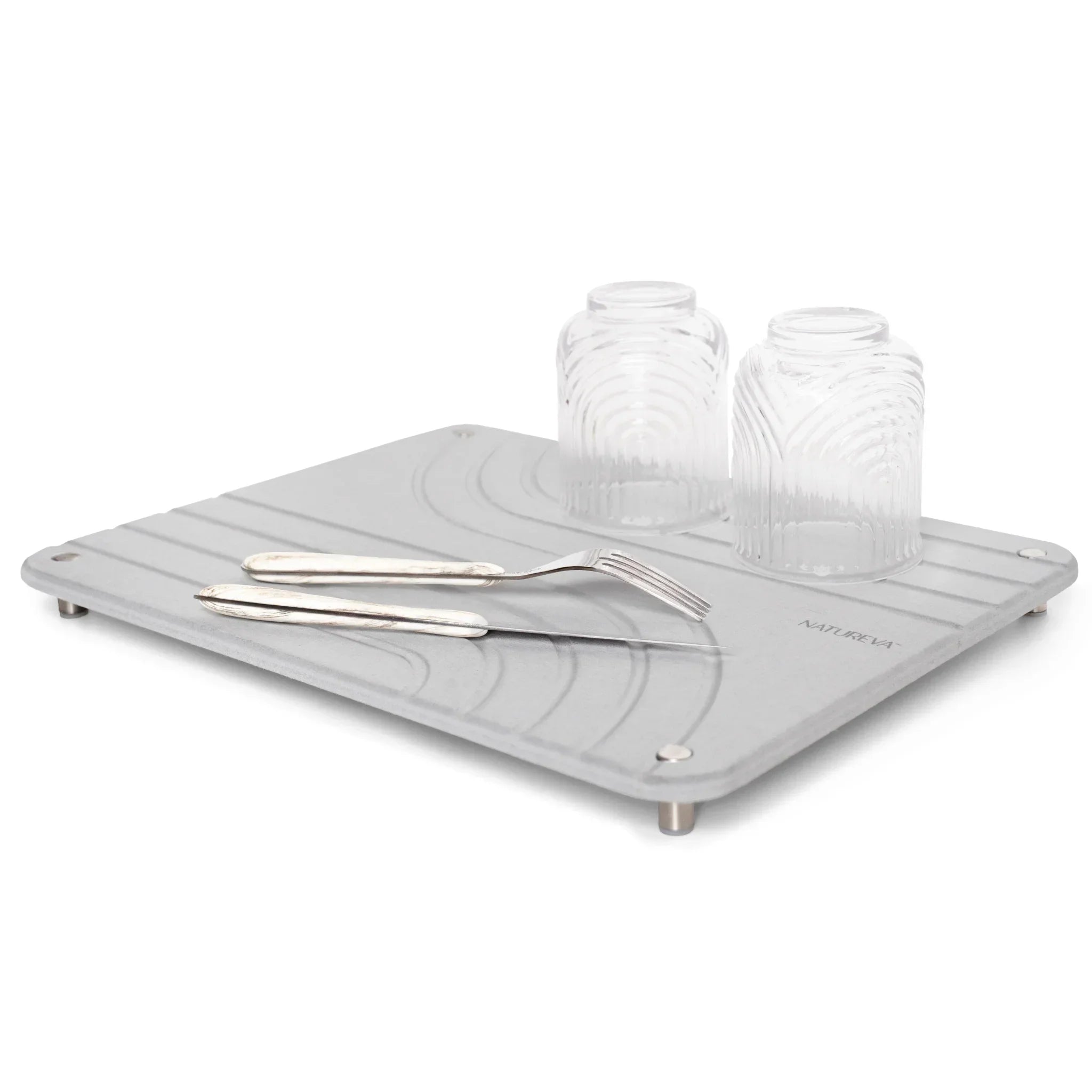
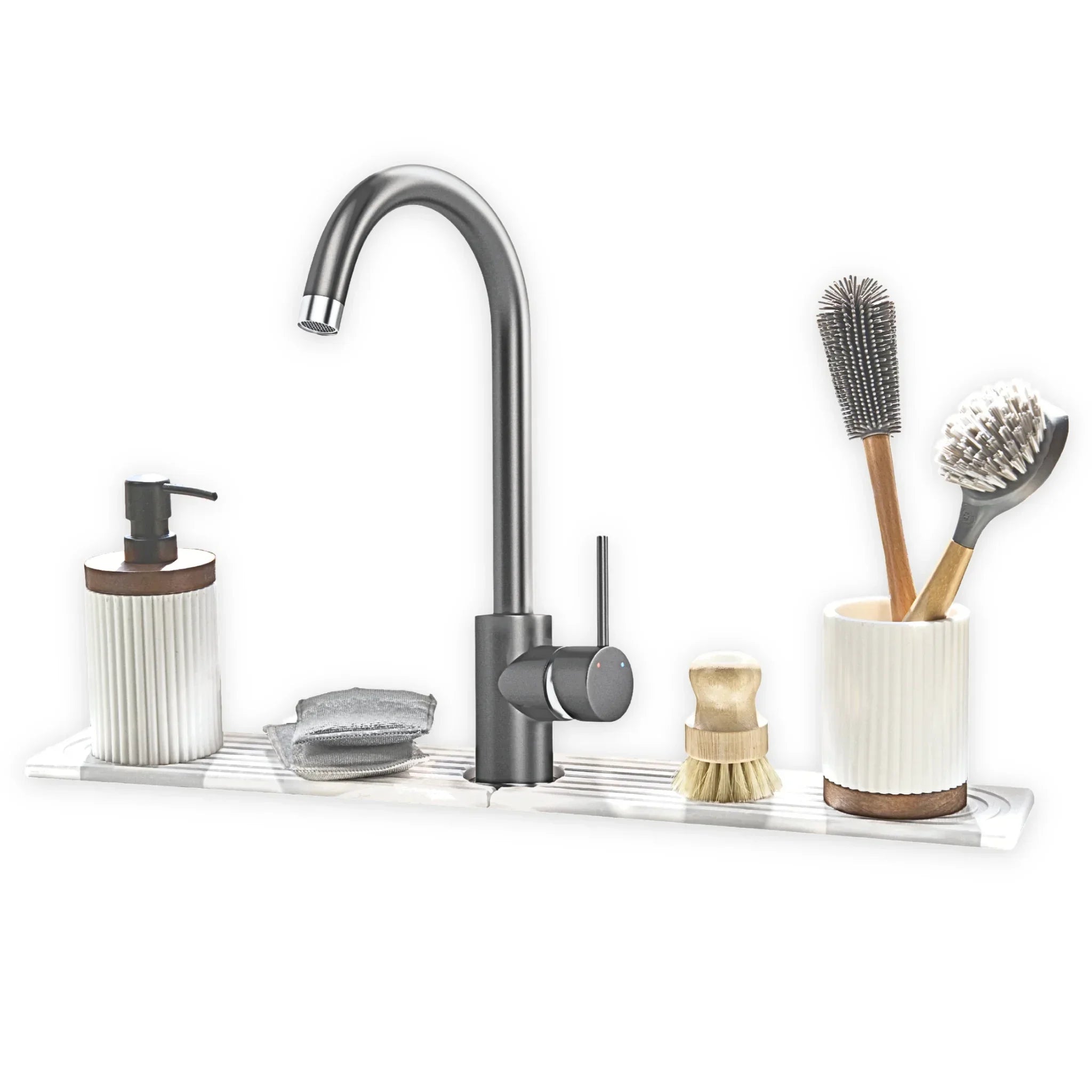
Stone coasters made from diatomaceous earth, like our Stone Coasters, actually clean themselves to some degree because they dry so fast. The same material we use in our bath mats and dish mats works perfectly for drink coasters. Water gets absorbed instead of sitting on the surface, which means less chance for residue to form in the first place.
The bottom line is this: clean coasters protect your furniture better. A coaster covered in old drink rings and sticky spots isn't doing its job anymore. Whether you stick with what you have or switch to something easier to maintain, keeping them clean matters more than most people think.
Still have questions about the best way to care for your specific type of coasters? The answers below cover the most common cleaning challenges people run into.
Common Questions About Cleaning Coasters
Cleaning drink coasters seems simple enough, but most people have questions about doing it right. The wrong cleaning method can damage your coasters or leave them looking worse than before. Here are the most common questions people ask about keeping their coasters clean and residue-free.
How often should you clean drink coasters?
Clean your drink coasters every one to two weeks if you use them daily. If you notice visible stains, sticky spots, or water rings, clean them right away. Stone coasters made from diatomaceous earth need less frequent deep cleaning because they naturally resist moisture buildup.
Can you put coasters in the dishwasher?
Most coasters should not go in the dishwasher. Cork coasters will fall apart, wooden ones will warp, and the high heat damages most materials. Stone coasters can handle gentle hand washing with mild soap and water, but skip the dishwasher to keep them in good shape longer.
How do you remove sticky residue from coasters?
Mix equal parts white vinegar and warm water, then gently scrub the sticky area with a soft cloth. For stubborn residue, let the solution sit for a few minutes before wiping. Avoid harsh chemicals that can damage the coaster surface or leave their own residue behind. A paste of baking soda and water works well for tougher spots without scratching.
What is the best way to dry coasters after cleaning?
Air drying works best for most coasters. Stand them upright or lay them on a clean towel in a well-ventilated area. Never stack wet coasters together because moisture gets trapped between them. Stone coasters dry faster than other materials because of their natural absorption properties.
Why do some coasters leave marks on furniture?
Coasters leave marks when moisture gets trapped underneath them or when they have rough bottoms that scratch surfaces. Cheap coasters often lack proper backing, and some materials hold water instead of absorbing it. This trapped moisture can damage wood finishes and leave rings that defeat the whole purpose of using coasters.
How do stone coasters compare for easy cleaning?
Stone coasters are easier to clean than most other types because they absorb moisture quickly and dry fast. Our Stone Coasters made from diatomaceous earth need just a quick wipe with a damp cloth for regular maintenance. They don't trap water underneath like cork or fabric coasters, which means less residue buildup and fewer cleaning sessions overall. The natural material resists stains better than porous options, and you won't deal with the warping issues that plague wooden coasters.
The next generation of home essentials: naturally made, cleaner by design, sustainable by nature.
SHOP ALL