
Dish Drying Mat vs Rack Which Dries Better and Stays Cleaner
Water pooling around your dish rack or soaking into a fabric mat creates the perfect breeding ground for bacteria, yet most kitchens accept this as normal. The debate between dish drying mat vs rack isn't just about counter space or aesthetics—it's about whether your drying solution is actually keeping things clean or quietly making your kitchen less hygienic. Understanding how each option handles moisture reveals why some materials, like the diatomite stone used in Natureva's dish mats, dry completely within minutes while traditional options stay damp for hours.
Table of Contents
How Traditional Drying Methods Actually Work
Most kitchens rely on one of two methods for drying dishes after washing: the classic dish rack or the fabric drying mat. Both have been around for decades, and both promise to keep your counters dry and your dishes clean. But when you look at how they actually handle moisture, the picture gets a lot messier than you'd expect. The truth is, neither option was designed with modern material science in mind, and that's where the problems start.
Why Dish Racks Trap More Water Than They Drain
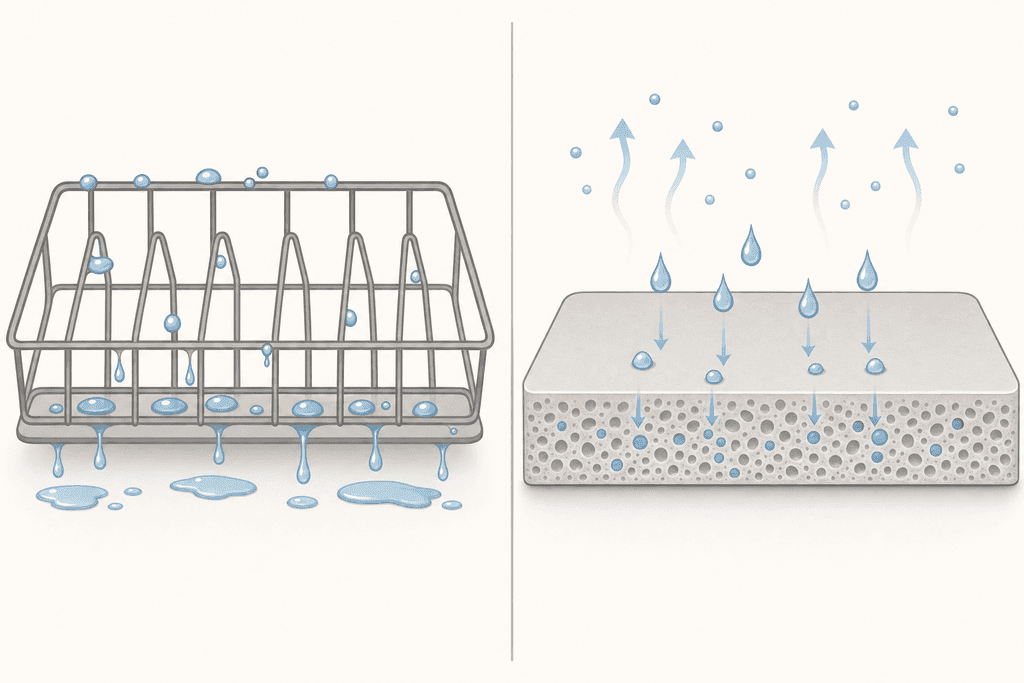
Dish racks work on a simple principle: gravity pulls water down off your plates and bowls, and air circulation helps everything dry. Sounds good in theory. But here's what actually happens: water drips down into a plastic or metal tray at the bottom, where it just sits there. That pooled water becomes a breeding ground for bacteria, and unless you're emptying and cleaning that tray every single day, you're basically creating a small swamp on your counter.
The best dish drying racks try to solve this with better drainage systems, but they still can't eliminate the core problem. Water has to go somewhere, and most racks just collect it rather than actually drying it.
- Water pools in collection trays within hours
- Trays require daily emptying and cleaning
- Metal racks develop rust spots from constant moisture
- Plastic components grow mildew in hidden corners
Fabric Mats Absorb But Can't Release Fast Enough
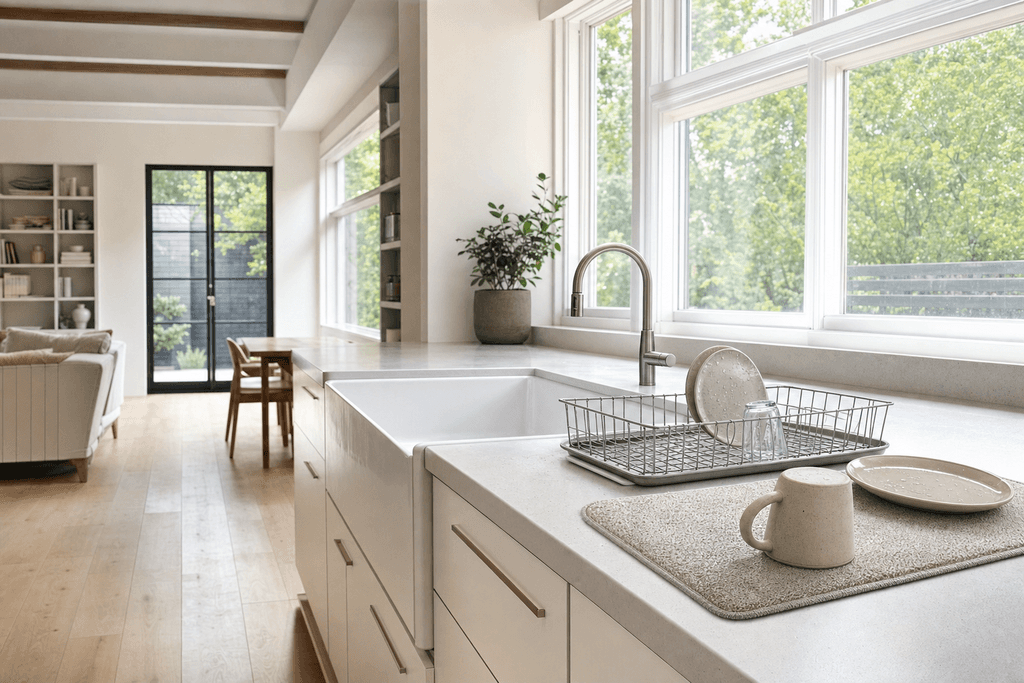
Fabric dish mats seem like a smarter choice at first. They absorb water instead of collecting it, and they're softer on delicate dishes. The problem is that fabric holds onto moisture for hours, sometimes even overnight. While your dishes might dry, the mat underneath stays damp, creating the exact humid environment where bacteria and mold love to grow.
Traditional fabric materials like microfiber or cotton can absorb water quickly, but they lack the ability to release it back into the air at the same speed. You end up with a soggy mat that needs to be washed constantly, and even then, it never feels truly clean.
- Fabric stays damp for 4-8 hours after use
- Requires machine washing every few days
- Develops musty odors between washes
- Stains easily from dish residue and minerals
The Bacteria Problem Nobody Talks About
Here's where both methods fail in the same way: they create environments where bacteria thrive. When moisture sits on a surface for more than a few minutes, bacterial growth accelerates. Studies show that kitchen surfaces with trapped moisture can harbor millions of bacteria within 24 hours. Your dish rack tray and your fabric mat are both guilty of this.
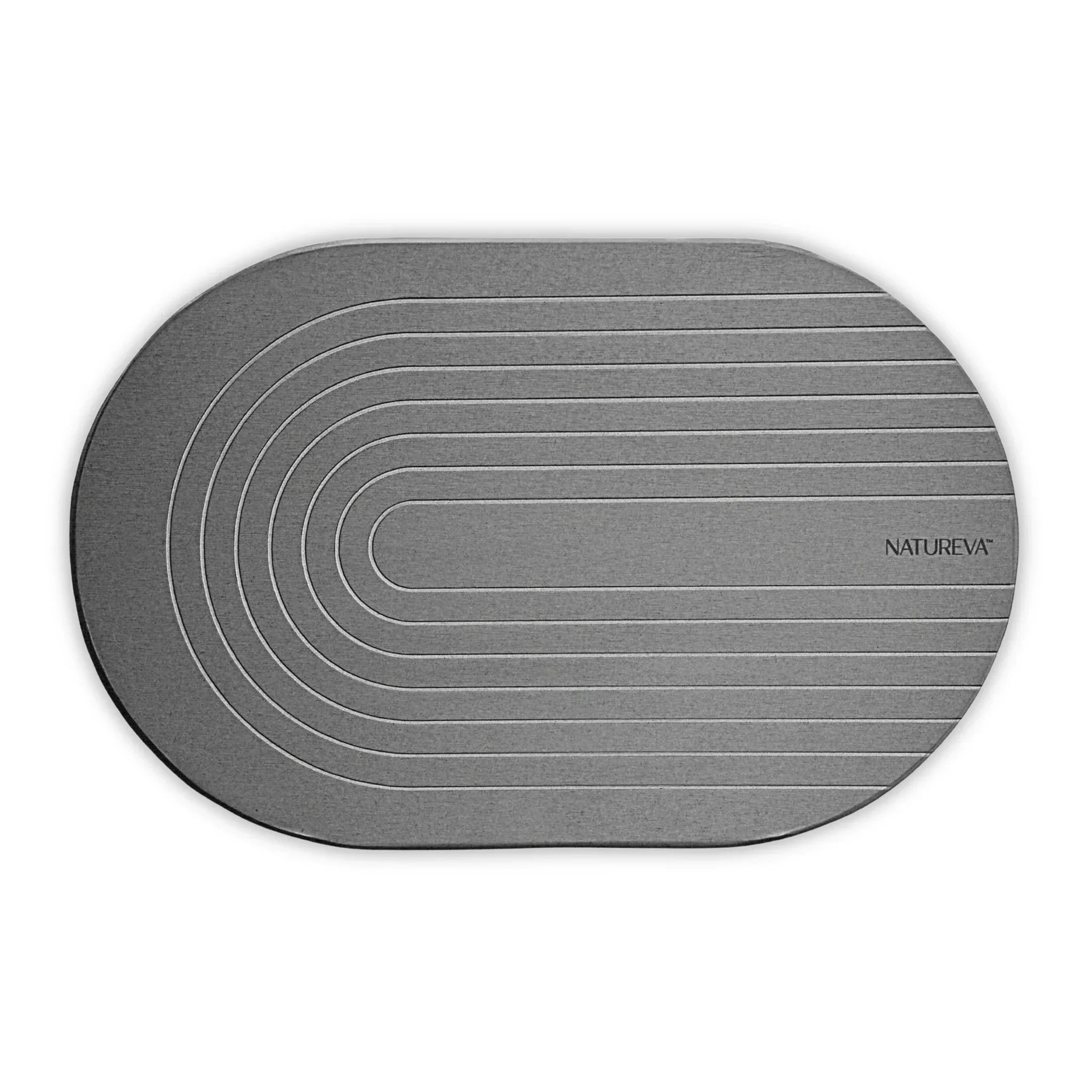
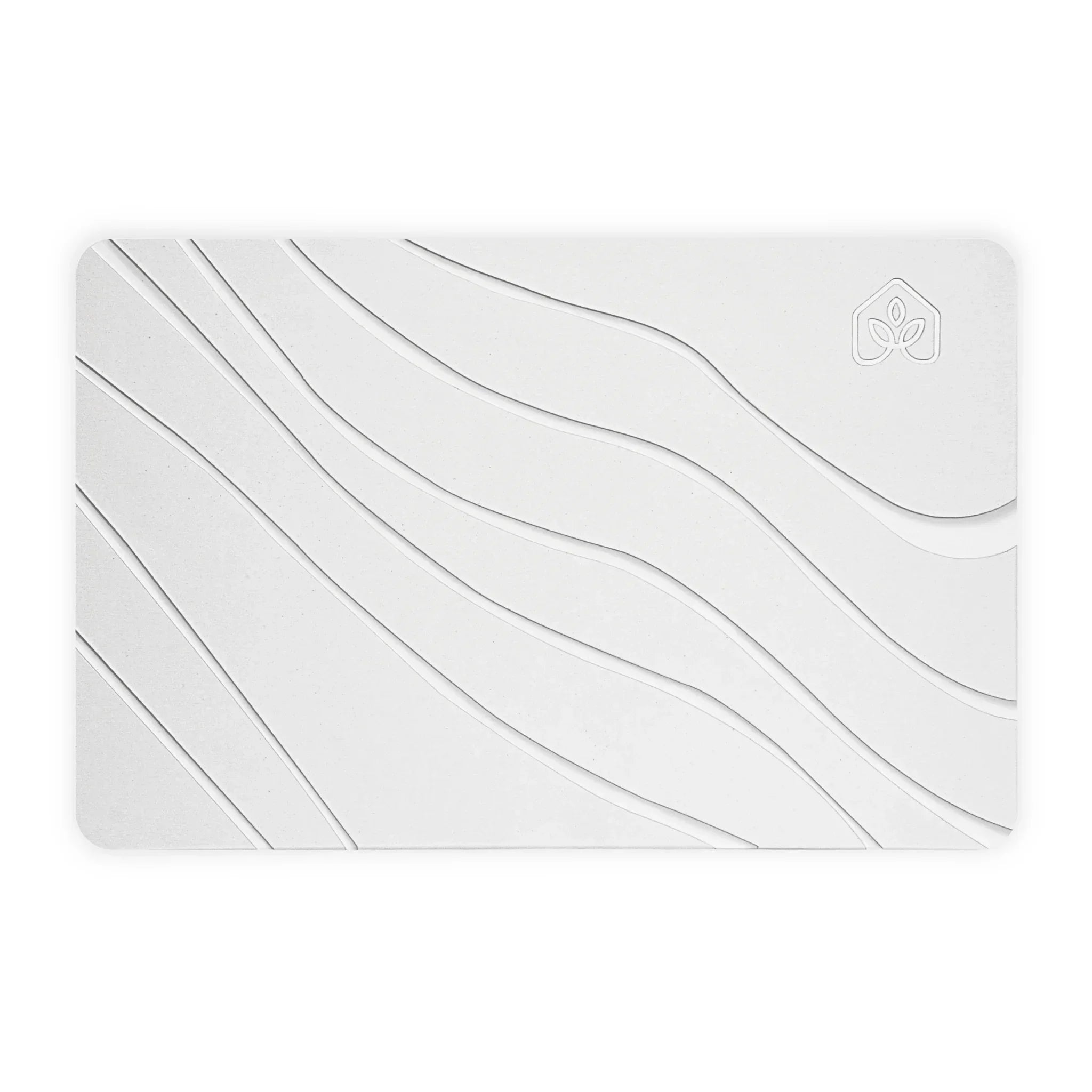
The solution isn't just about absorbing water or draining it away. It's about eliminating moisture completely and quickly. That's where material science makes the difference. Products like our Stone Dish Mat use diatomite, a naturally porous material that absorbs water instantly and releases it through rapid evaporation, leaving surfaces dry within minutes instead of hours.
| Feature | Dish Rack | Fabric Mat |
|---|---|---|
| Water Management | Collects in tray | Absorbs but holds |
| Drying Time | 2-4 hours | 4-8 hours |
| Bacteria Risk | High (pooled water) | High (damp fabric) |
| Maintenance | Daily tray emptying | Frequent washing |
| Odor Development | Common | Very common |
Understanding how traditional drying methods actually work reveals why so many kitchens struggle with moisture problems. The dish drying mat vs rack debate isn't really about which one is better. It's about recognizing that both approaches have fundamental flaws in how they handle water, and that's exactly what newer materials are designed to fix.
Drying Speed: Minutes vs Hours
Most people don't think about how long their dish drying setup actually stays wet. A traditional dish rack lets air move around your plates and cups, which sounds great in theory. But water drips down into that collection tray at the bottom, where it just sits there creating a small pool. You end up emptying that tray every day or two, and the rack itself stays damp for hours after you've put away the dishes.
Fabric dish mats seem like they solve this problem because they soak up water right away. The issue is what happens next. That moisture gets trapped in the fibers and can take anywhere from several hours to a full day to dry out completely, depending on how thick the mat is and how much air circulation your counter gets.
Here's what actually matters about drying time:- Dish racks keep dishes elevated but water pools in trays that need constant emptying
- Fabric mats absorb quickly but hold moisture for 12-24 hours in the material itself
- The longer something stays wet, the more often you're stuck cleaning or maintaining it
- Stone dish mats made from diatomite absorb water on contact and release it back into the air within minutes
- Faster evaporation means bacteria has way less time to start growing
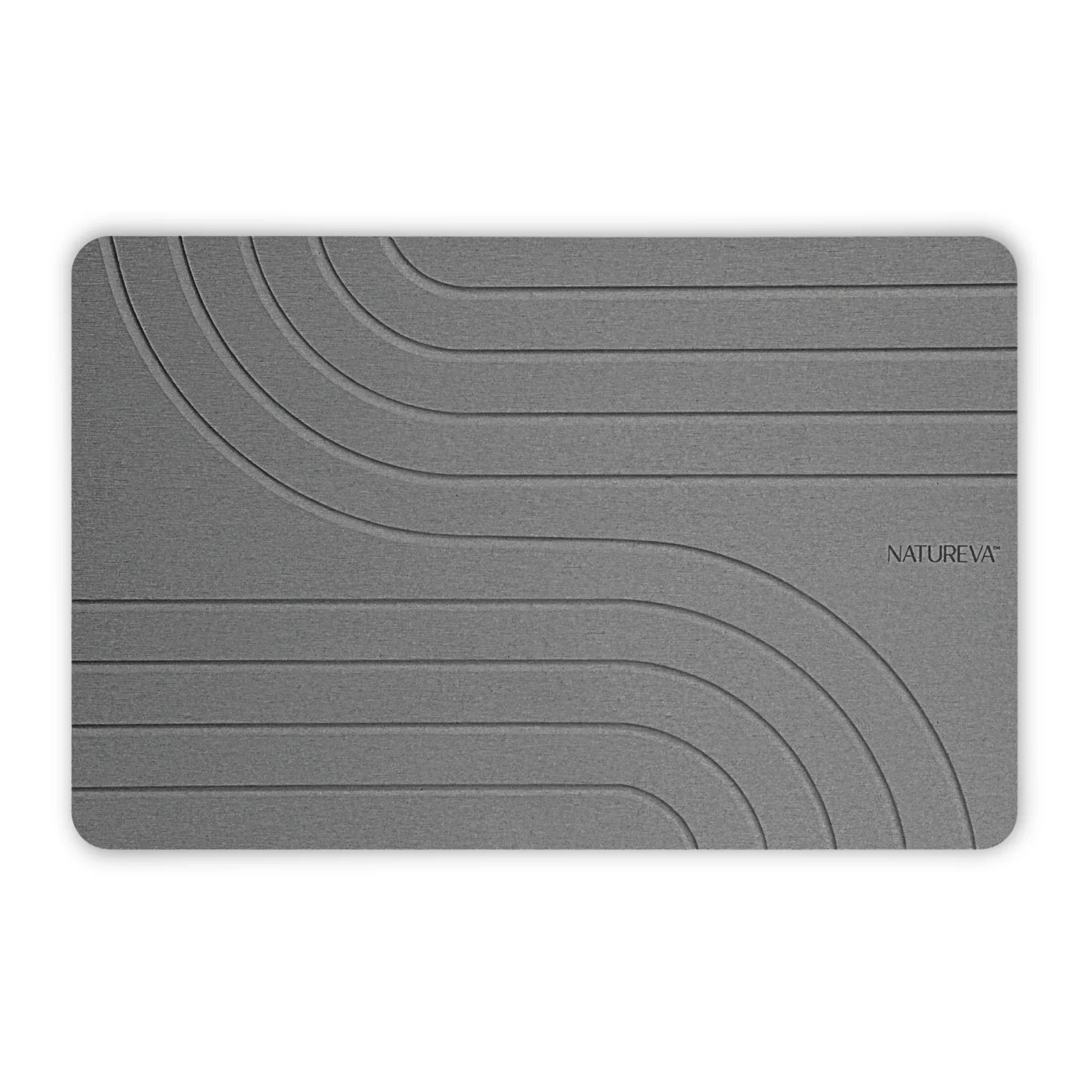
The Natureva stone dish mat works differently than both options. The diatomite material has millions of tiny pores that pull moisture in instantly, then let it evaporate almost as fast. Most of the time, the surface feels dry to the touch within 5-10 minutes after you've placed wet dishes on it.
This isn't just about convenience. When you're dealing with something that touches your clean dishes every single day, how long it stays wet directly affects how clean your kitchen actually is. A dish rack tray that sits with standing water becomes a breeding ground. A fabric mat that's still damp the next morning isn't doing you any favors either.
Hygiene and Bacteria Growth
Bacteria need three things to multiply: warmth, food particles, and moisture. Your kitchen already has the first two covered. The third one depends entirely on what you're using to dry your dishes. When something stays damp for hours or days, you're basically giving bacteria an invitation to set up camp. The numbers get scary fast, with bacterial colonies doubling every 20 minutes in the right conditions.
That slimy film you feel in your dish rack's drip tray? That's biofilm, which is just a polite word for a layer of bacteria and other microorganisms. It forms whenever water sits in one place long enough. You can scrub it away, but it comes back within days because the conditions that created it haven't changed.
The moisture problem breaks down like this:- Bacteria multiply fastest in environments that stay consistently damp
- Dish rack collection trays develop slime and need scrubbing at least once a week
- Fabric mats start smelling musty within 3-5 days as mildew takes hold
- Getting rid of moisture completely works better than any antibacterial spray
- Diatomite's rapid drying prevents bacterial growth without chemicals
Some people try to solve this with antibacterial dish racks or antimicrobial fabric mats. The problem is that these treatments wear off over time, and they don't address the root cause. Bacteria can't thrive if there's no moisture for them to live in. It's that simple.
Stone dish mats take a different approach entirely. Because the surface dries so quickly, bacteria never get the sustained moisture they need to multiply. The material itself isn't treated with chemicals. It just doesn't stay wet long enough for anything to grow. According to research on dish drying materials, moisture elimination is the most effective way to maintain hygiene over time.
Maintenance and Long Term Cleanliness
Nobody wants to add more cleaning tasks to their weekly routine. But that's exactly what happens with most dish drying setups. A dish rack needs its drip tray emptied constantly, and that tray needs a proper scrub with soap at least once a week to keep the slime from building up. The rack itself collects water spots and mineral deposits that require regular attention. Over months of use, the plastic or coated metal starts to degrade, especially around joints where water pools.
Fabric mats have their own maintenance burden. They need to go through the washing machine every few days to prevent odors and mildew. Even with regular washing, they start to break down. The absorbent fibers get compressed and less effective. Stains from coffee cups or wine glasses become permanent. Most fabric mats need replacing every 6-12 months because they just can't handle the constant moisture exposure.
The next generation of home essentials: naturally made, cleaner by design, sustainable by nature.
SHOP ALL- Dish racks demand weekly tray scrubbing plus daily emptying
- Fabric mats need machine washing every 3-5 days to stay fresh
- Both options wear out and need replacement within a year or two
- Stone mats only need a quick wipe with vinegar water once a week
- Elevated designs with airflow underneath prevent moisture from getting trapped
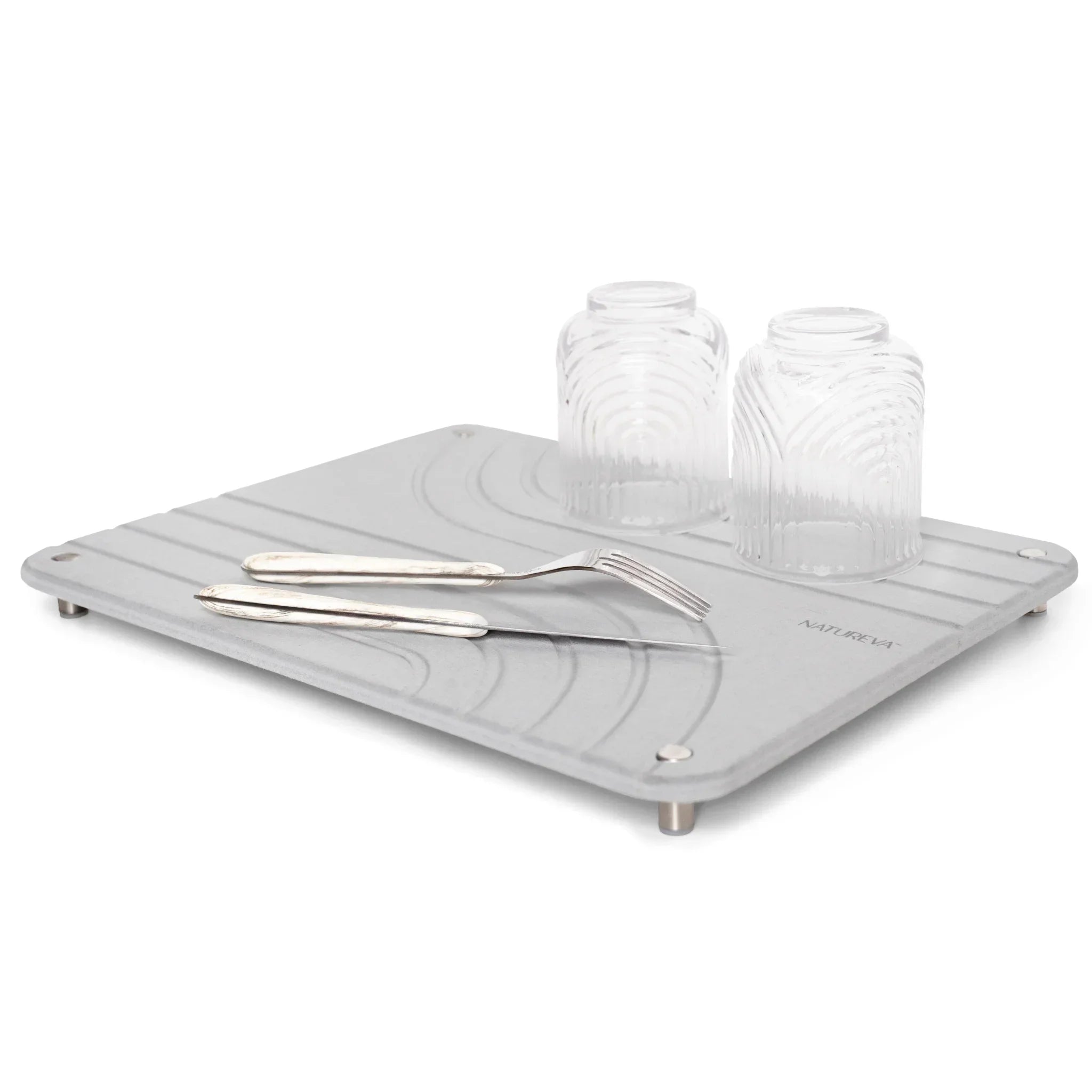
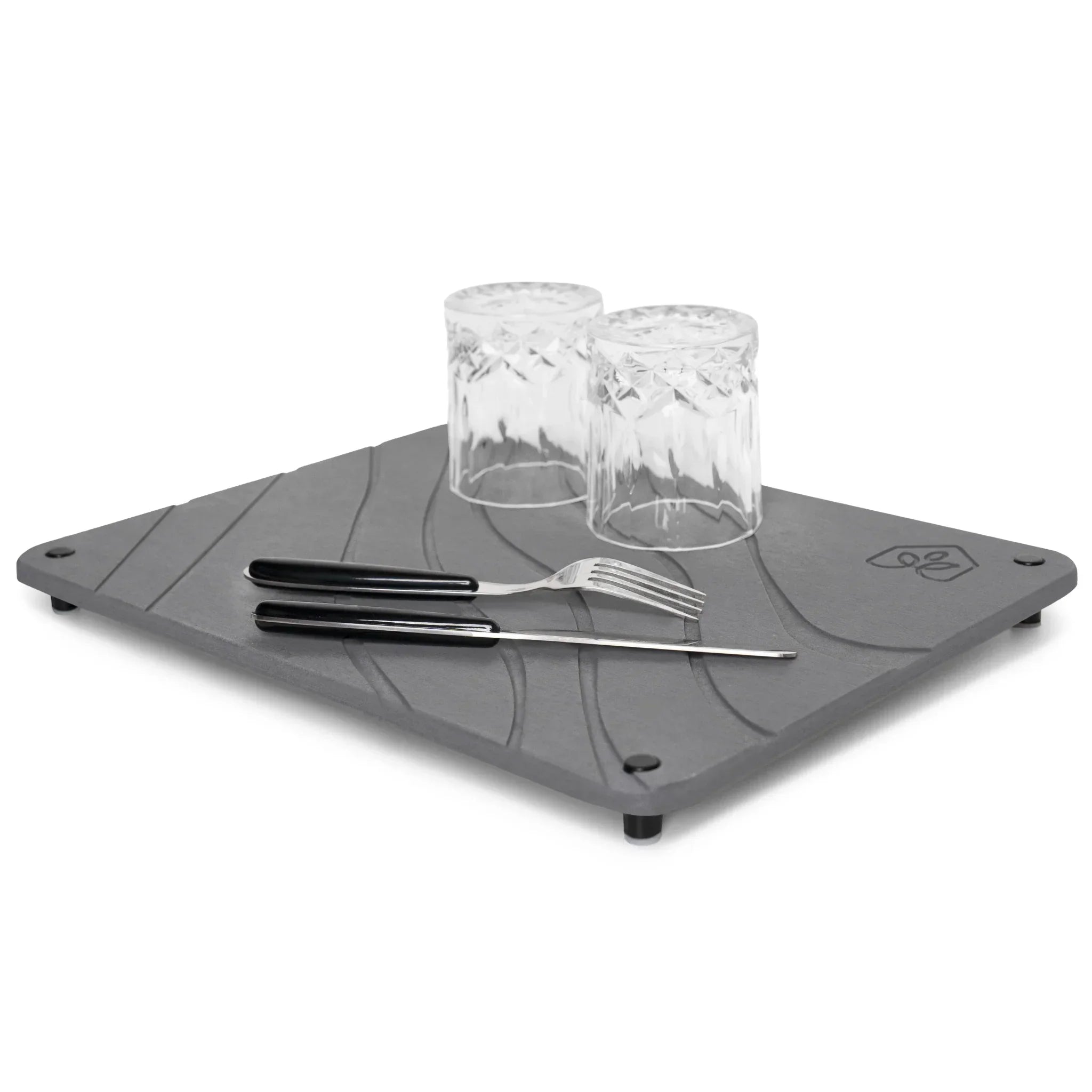
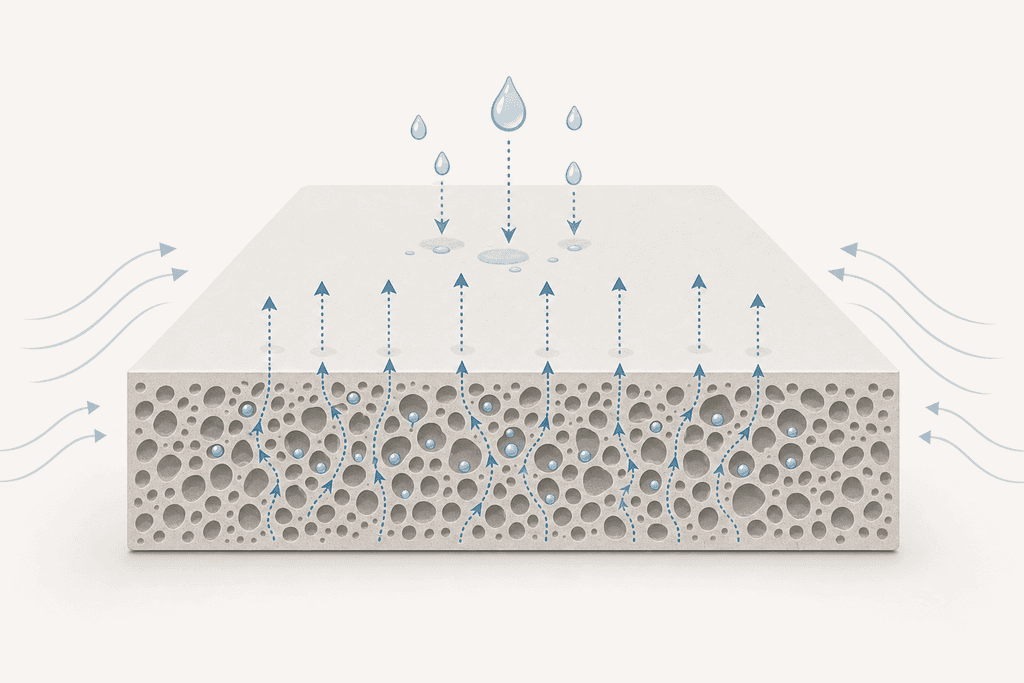
The stone dish mat from Natureva sits on stainless steel legs that lift it 2.5 cm off your counter. This creates airflow underneath so moisture can escape from both sides. The transparent silicone pads under each leg protect your countertop and keep the mat stable when it's wet. Because the material dries so fast and doesn't trap moisture, you're not dealing with slime or mildew.
Weekly maintenance is just a quick wipe with diluted vinegar and water. If you somehow manage to stain the surface, you can rinse it under water or use the included sanding tool to restore the absorbency. That's it. No machine washing, no scrubbing drip trays, no replacing worn out fabric every year.
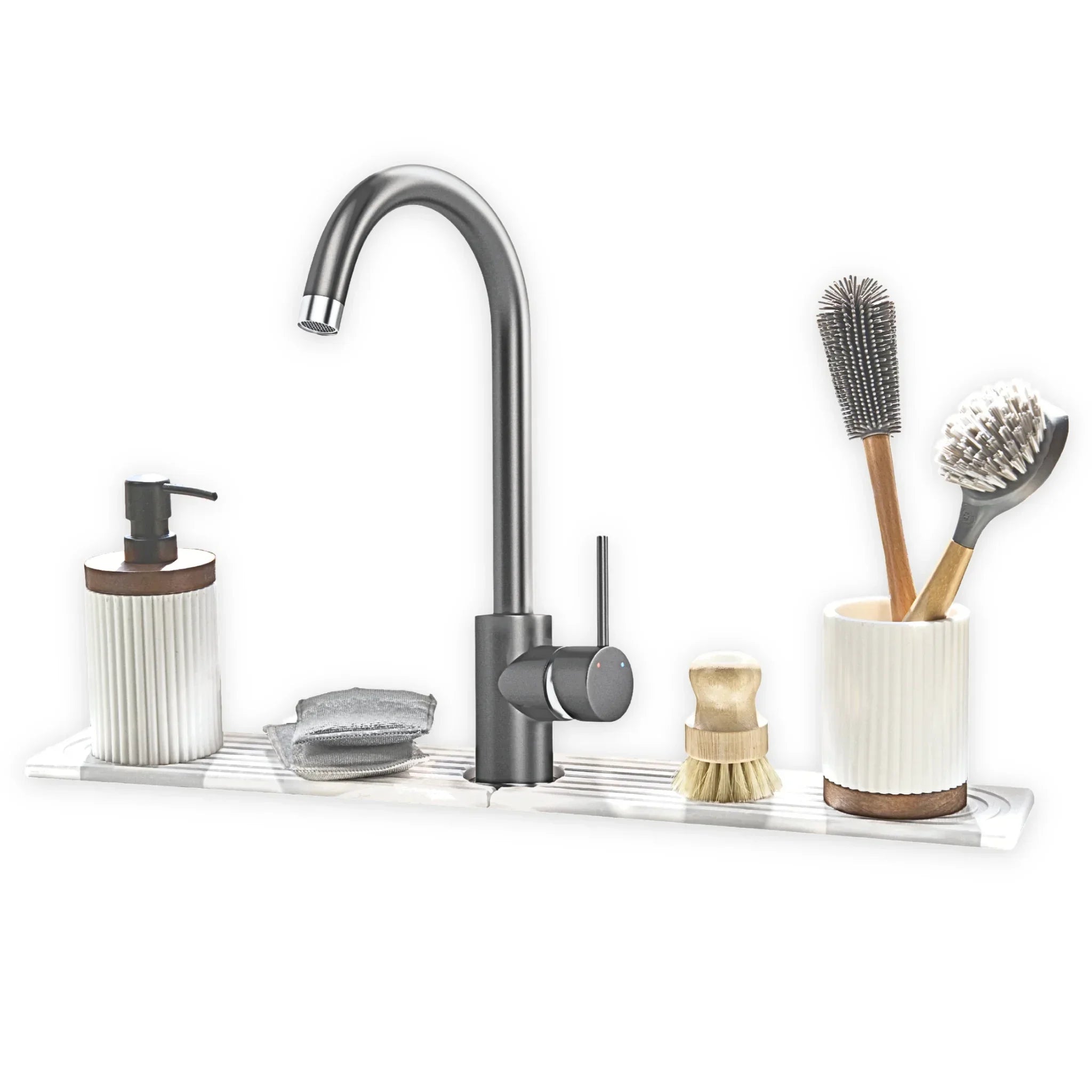
The difference adds up over time. Less maintenance means less time spent on cleaning tasks that don't actually make your home better. It also means the product lasts longer because it's not constantly saturated with moisture. Stone doesn't degrade the way fabric or plastic does. The elevated design with proper airflow is what makes this possible, something you can also see in other moisture managing products like the stone sink caddy that uses the same principle.
When you're choosing between a dish rack and a mat, the question isn't just about which one dries your dishes. It's about which one stays clean with the least amount of work, and which one will still be doing its job a year from now. The answer depends on how the design handles moisture, not just in the moment, but over weeks and months of daily use.
Why Material Science Matters More Than Design
Most people choose between a dish drying mat vs rack based on how it looks or how much counter space it takes up. But the real difference comes down to what the product is actually made from. A sleek stainless steel rack might look modern, but metal can't absorb a single drop of water. It just redirects moisture to wherever gravity takes it, usually pooling on your counter or dripping into a tray that needs constant emptying. The material itself determines whether your kitchen stays dry or becomes a breeding ground for bacteria and mildew.
How Different Materials Handle Moisture
When you compare materials side by side, the performance gaps become obvious. Metal and plastic racks don't manage moisture at all, they just move it around. Fabric mats absorb water into their fibres, but then trap it there for hours, creating damp conditions that smell musty and harbour bacteria.
| Material | Absorption Speed | Drying Time | Bacteria Risk |
|---|---|---|---|
| Metal/Plastic | None | N/A | High (pooling) |
| Fabric | Moderate | 4-8 hours | High (trapped moisture) |
| Diatomite Stone | Instant | 30-60 minutes | Low (rapid evaporation) |
Diatomite works differently because of its microscopic pore structure. These millions of tiny channels pull moisture in immediately on contact, then release it back into the air through natural evaporation. Consumer Reports testing of dish drying solutions shows that materials with high absorbency and quick drying times prevent the bacterial growth that happens with traditional options.
Why Elevation Changes Everything
Even the best absorbing material needs airflow underneath to work properly. Without it, moisture gets trapped between the mat and your counter, creating exactly the problem you're trying to avoid. Elevation creates a ventilation gap that prevents saturation and protects your surfaces from water damage.
- Stainless steel legs lift the surface 2.5 cm off the counter
- Air circulates freely underneath during the drying process
- Silicone pads under the legs prevent scratching and slipping
- The stone never sits in its own moisture
Our stone dish mats combine diatomite's natural absorption with architectural elevation, so water disappears fast and your counters stay protected. The material does the heavy lifting while the design ensures it can actually breathe.
Choosing What Actually Works
The dish drying mat vs rack debate really comes down to how much time you want to spend managing water. Traditional racks work fine if you're the type who empties drip trays every single day and doesn't mind the visual clutter on your counter. Fabric mats are softer on dishes but they need washing every few days or they start smelling like mildew, which defeats the purpose of having clean dishes in the first place.
Stone dish mats like our Flow and Tide versions handle moisture differently. The diatomite absorbs water instantly and releases it back into the air through evaporation, so you're not dealing with puddles or damp fabric. The elevated design on stainless steel legs means air flows underneath, which keeps your countertop dry too.
Your best option depends on your tolerance for dampness and how often you're willing to clean. If you're okay with daily maintenance and don't mind bacteria growing in wet conditions, a rack or fabric mat might work. But if you want something that stays dry without constant attention, stone solves that problem without adding more chores to your routine.
The right choice isn't about which product costs less upfront. It's about which one actually keeps your kitchen drier without making you work harder. Some questions probably came up while reading this, so let's address those next.
Common Questions About Dish Drying
Choosing between a dish drying mat vs rack comes with plenty of practical questions. Most people want to know what actually works in a real kitchen, not just what looks good in product photos. Here are the answers to the most common concerns about both traditional options and newer stone alternatives.
How long does each option take to dry?
Traditional fabric mats can stay damp for hours or even overnight, especially in humid weather. Wire racks dry faster since air circulates around dishes, usually within 30 to 60 minutes depending on what you're drying. Stone dish mats made from diatomite absorb water instantly and release it back into the air within minutes, which means the surface itself stays dry between uses.
Which option requires the least cleaning?
Wire racks need regular scrubbing to remove water spots and buildup in the corners. Fabric mats require weekly washing to prevent mildew and odour, plus they need to be completely dried before storing. Stone mats like the Natureva Flow or Tide dish mat only need a quick weekly wipe with vinegar water and occasional sanding if absorbency drops, making them the lowest maintenance choice overall.
Can stone mats handle heavy pots and pans?
Yes, diatomite stone mats are surprisingly durable despite feeling lightweight. The Natureva stone dish mat weighs about 0.9 kg and can easily support cast iron pans and stacked dishes without cracking. The elevated stainless steel legs distribute weight evenly across the surface, and the composite construction is designed to handle daily kitchen use without breaking down.
What happens if a stone mat gets saturated?
If you place an entire sink full of dripping dishes on a stone mat at once, it can temporarily reach capacity. When that happens, just prop it upright against a wall or cabinet to air dry for 30 minutes. The elevated design with airflow underneath prevents this from happening under normal use, and the mat returns to full absorbency once dry.
How do you clean a diatomite dish mat?
Weekly maintenance involves wiping the surface with a 50/50 vinegar and water solution, then letting it air dry. For stubborn stains, rinse under water or apply hydrogen peroxide and let it sit. If absorbency decreases over time, use the included P320 grit sanding tool to reopen the surface pores and restore performance.
Are elevated designs worth the extra cost?
Elevation makes a significant difference in how well any drying surface performs. The 2.5 cm stainless steel legs on stone dish mats allow air to circulate underneath, which prevents moisture from getting trapped against your countertop and speeds up the evaporation process. It also protects surfaces from water damage and keeps the mat itself from staying damp, which is a common problem with flat fabric mats that sit directly on the counter.
The next generation of home essentials: naturally made, cleaner by design, sustainable by nature.
SHOP ALL