
Five Tile Patterns to Try with a Stone Bath Mat
Your bathroom floor does more than catch water drops. The tile pattern you choose can either make your stone bath mat look like an afterthought or turn it into a stunning design feature that ties your whole bathroom together. The right pairing creates a cohesive look that feels intentional and polished, while the wrong combination can make even the most elegant stone mat fade into the background.
Table of Contents
- Understanding Stone Bath Mats and Floor Harmony
- Classic Subway Tiles for Timeless Appeal
- Geometric Hexagon Tiles for Modern Flair
- Large Format Tiles for Seamless Sophistication
- Herringbone Pattern for Elegant Movement
- Natural Stone Tiles for Organic Harmony
- Wrap-up
- Common Questions About Pairing Tiles with Stone Bath Mats
Understanding Stone Bath Mats and Floor Harmony
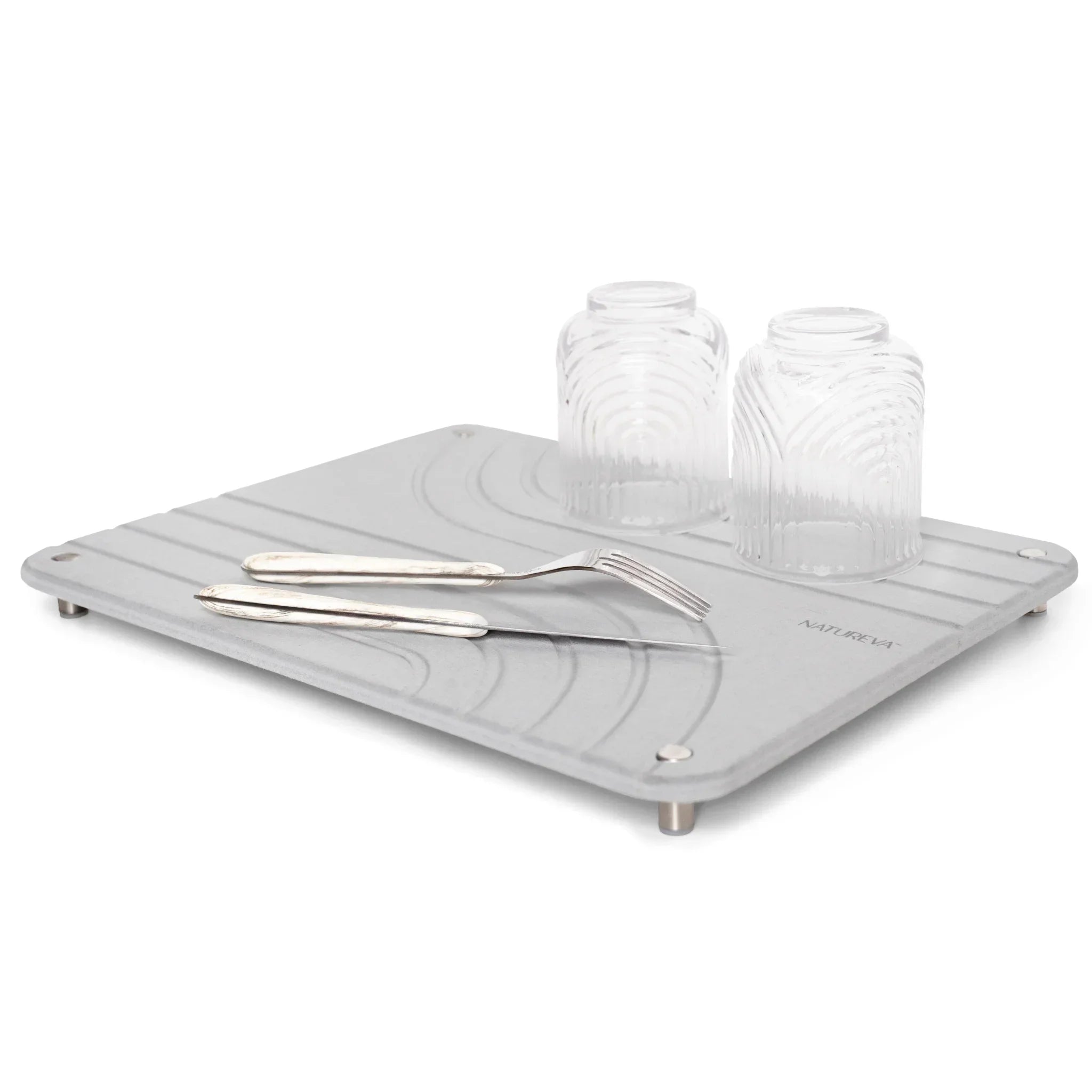
Most people don't realize that their bathroom floor and bath mat are constantly fighting each other. Traditional fabric mats sit there soaking up water like a sponge, staying damp for hours and creating the perfect home for mold and bacteria. A stone bath mat works completely differently because it's made from diatomaceous earth, a natural material that absorbs water instantly and dries in seconds. This quick-dry feature means you're not dealing with that gross, musty smell that fabric mats develop over time.
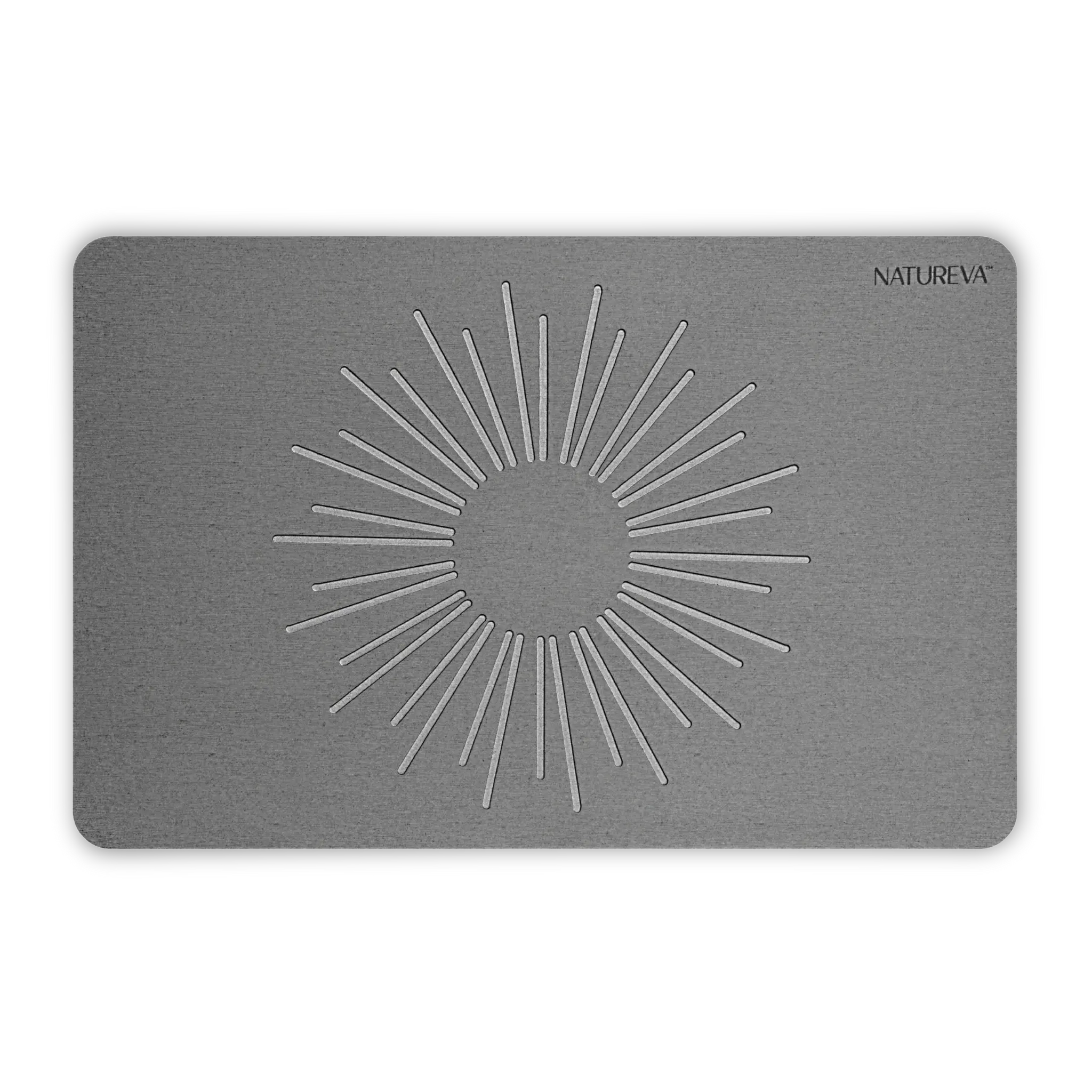
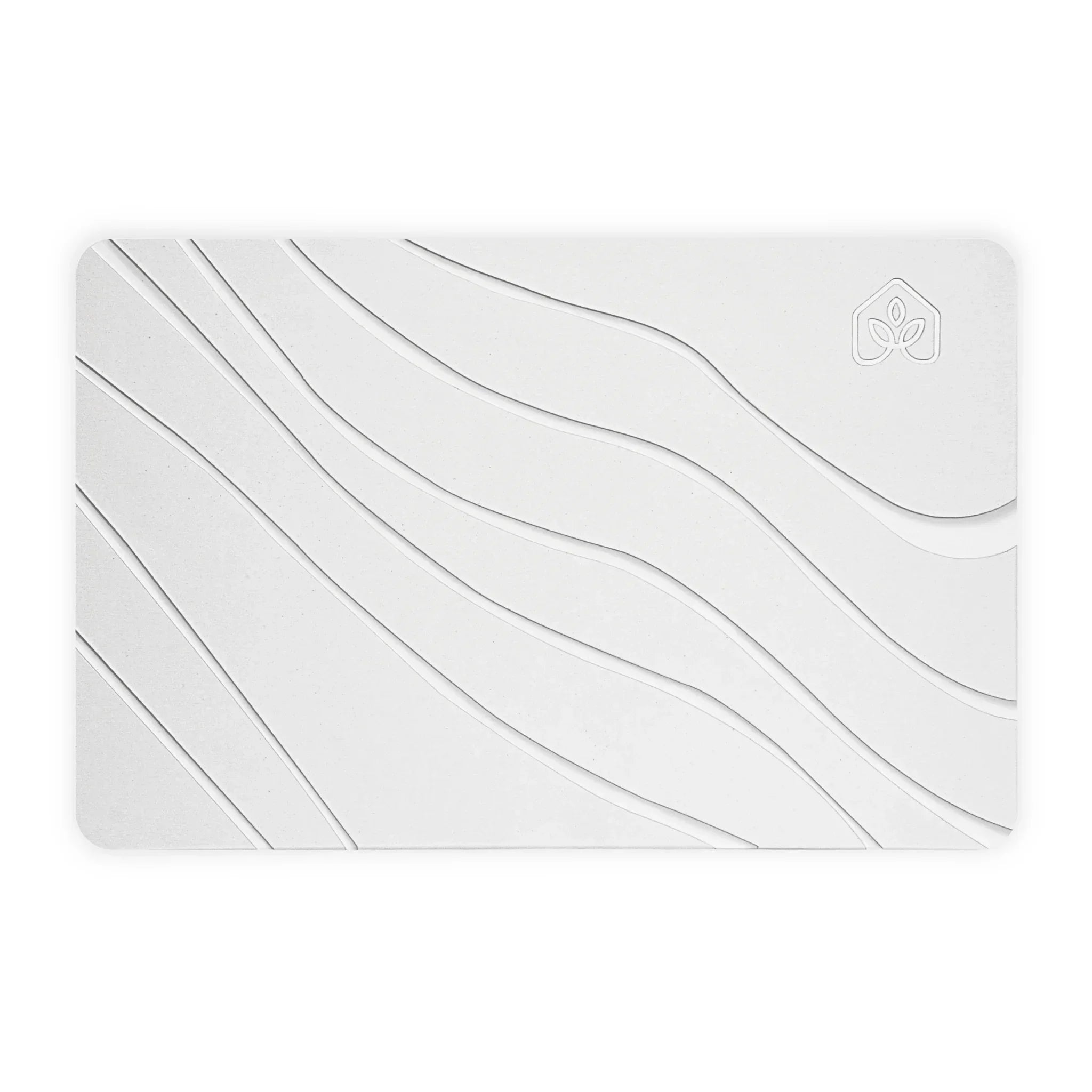
Stone Bath Mat - Aura
Why Stone Mats Change Your Design Approach
The sleek, minimalist look of a stone bath mat creates a totally different vibe than those fluffy fabric mats. Stone mats have clean lines and a modern feel that works best when your floor tiles complement rather than compete with them. Think of it like pairing a simple white t-shirt with jeans - sometimes the basics just work better together.
Here's what makes stone bath mats stand out:
- They stay flat and don't bunch up or slide around
- The surface texture is smooth but not slippery
- They come in neutral tones that match almost any bathroom style
- The edges are defined and geometric, not soft and rounded
Small Spaces Need Smart Choices
Bathrooms are usually the smallest rooms in your home, which means every design choice matters more. When you mix patterns and textures in a tight space, things can look busy and cramped really fast. The key is finding tile patterns that create visual interest without overwhelming the room, especially when you add a stone bath mat into the mix.
| Mat Type | Drying Time | Mold Risk | Design Style |
|---|---|---|---|
| Fabric Mat | 2-4 hours | High | Soft, casual |
| Stone Bath Mat | Under 1 minute | Very low | Modern, clean |
Meet the Natureva Collection
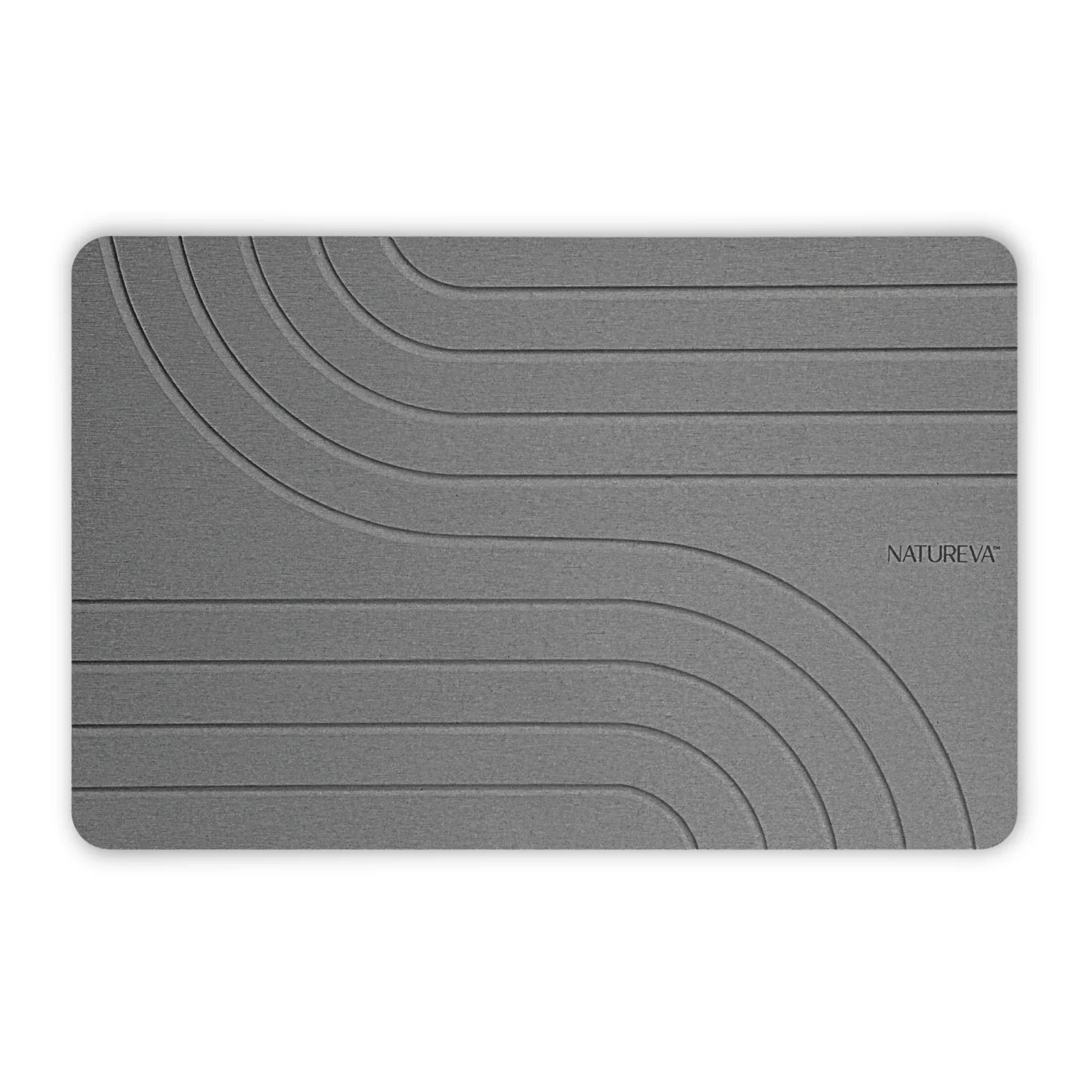
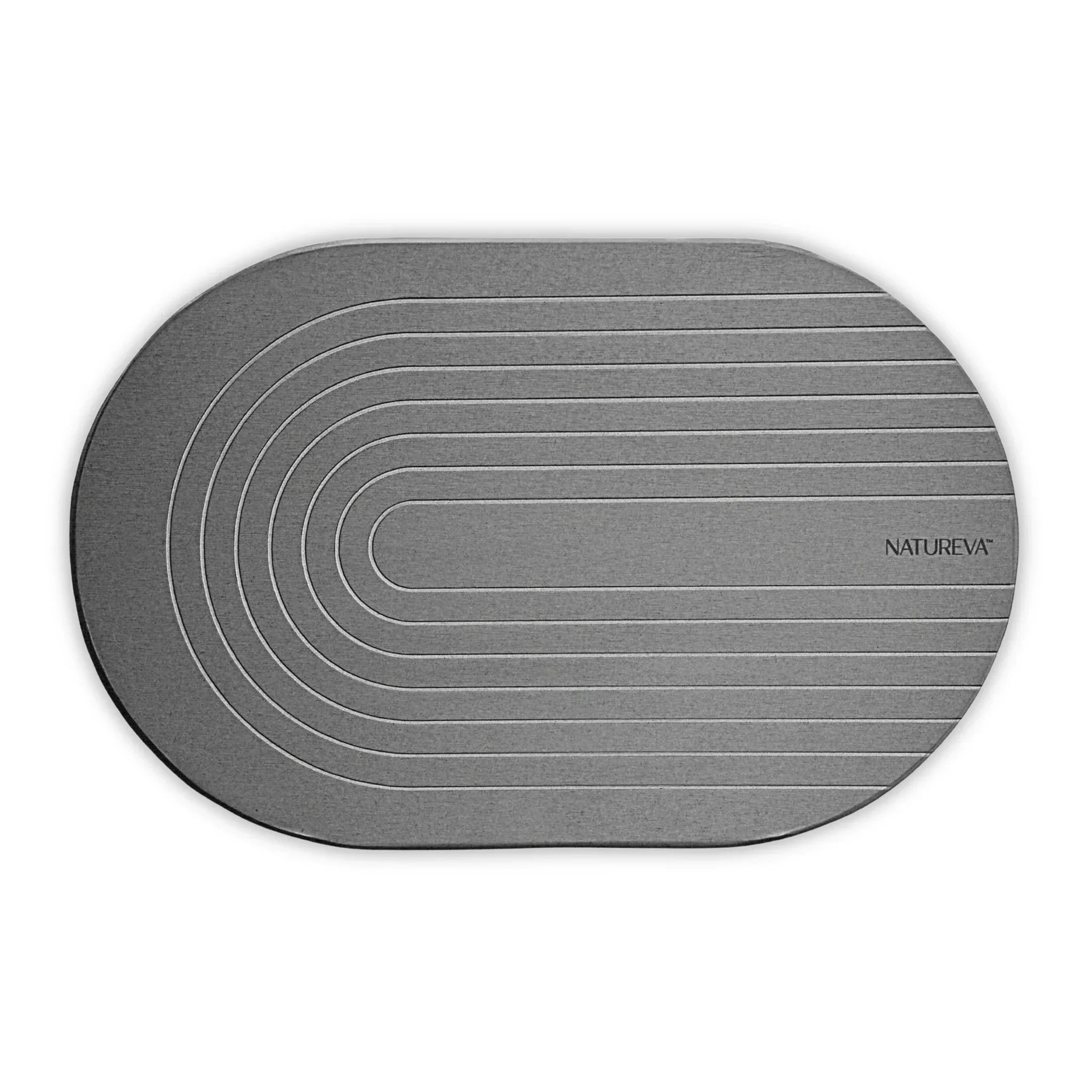
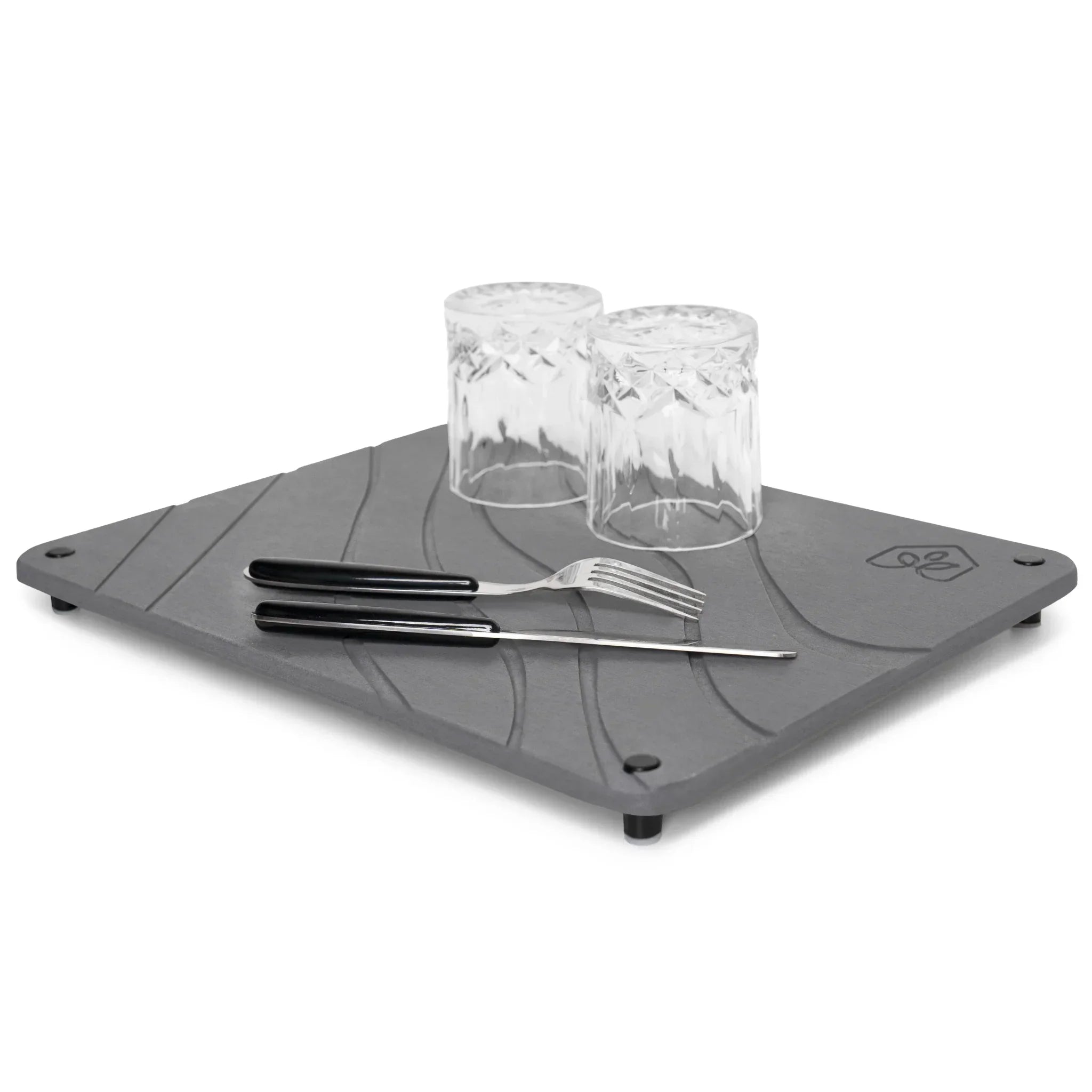
Natureva offers three stone bath mat designs that each bring something different to your bathroom. The Aura design features a simple, classic rectangular shape that works with just about any tile pattern. Tide has gentle wave-like curves along the edges, adding a subtle organic touch. The Arch design includes a curved cutout that creates visual interest while maintaining that clean, modern look.
According to tile design experts, the right floor pattern can make a small bathroom feel larger and more put-together. The trick is knowing which patterns work best with the clean lines of a stone mat. Some tile layouts will make your stone bath mat pop as a focal point, while others create a seamless, cohesive look.
Here's what to consider when matching tiles with your stone mat:
- Scale of the tile pattern compared to the mat size
- Color contrast between tiles and mat
- Direction of tile lines and how they guide the eye
- Texture differences between glossy tiles and matte stone
Classic Subway Tiles for Timeless Appeal
Most bathrooms built in the last century have used subway tiles at some point, and there's a good reason they never go out of style. These rectangular tiles create a clean, simple backdrop that lets your stone bath mat become the star of the show. When you step out of the shower onto a natural diatomaceous earth mat, the contrast between the smooth tiles and the textured stone surface creates an interesting visual break that actually makes your bathroom feel more intentional.
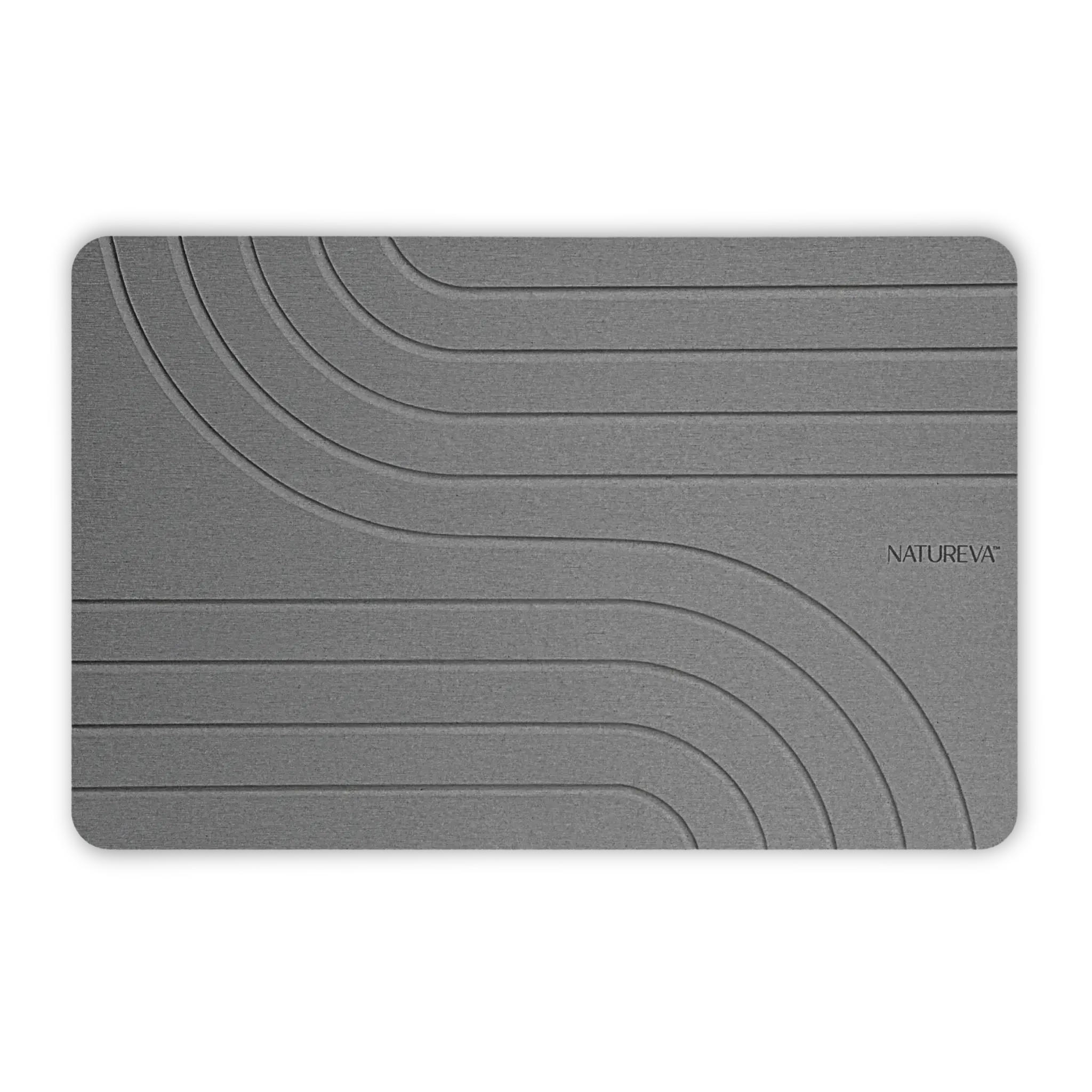
Stone Bath Mat - Tide
The beauty of subway tiles is how they work with minimalist designs without competing for attention. The Aura stone bath mat pairs especially well with this pattern because both share clean, straight lines that feel modern but not trendy.
- White grout creates a bright, airy feel that works in smaller bathrooms
- Gray grout adds subtle definition and hides dirt better over time
- Charcoal grout makes white tiles pop and creates a bold, contemporary look
Horizontal layouts make walls feel wider, while vertical arrangements draw the eye up and make ceilings seem higher. Either way, subway tiles handle moisture like champs, which matters when you're dealing with wet feet and steam.
| Layout Style | Best For | Visual Effect |
|---|---|---|
| Horizontal | Narrow bathrooms | Wider appearance |
| Vertical | Low ceilings | Added height |
| Stacked | Modern spaces | Grid pattern |
Geometric Hexagon Tiles for Modern Flair
Hexagon tiles bring personality to your bathroom floor without overwhelming the space. The six-sided shape creates natural movement that guides your eye around the room, but the pattern still feels organized and intentional. When you place a stone bath mat on hexagonal tiles, you get this nice balance between geometric interest on the floor and the smooth, calming surface of the mat itself.
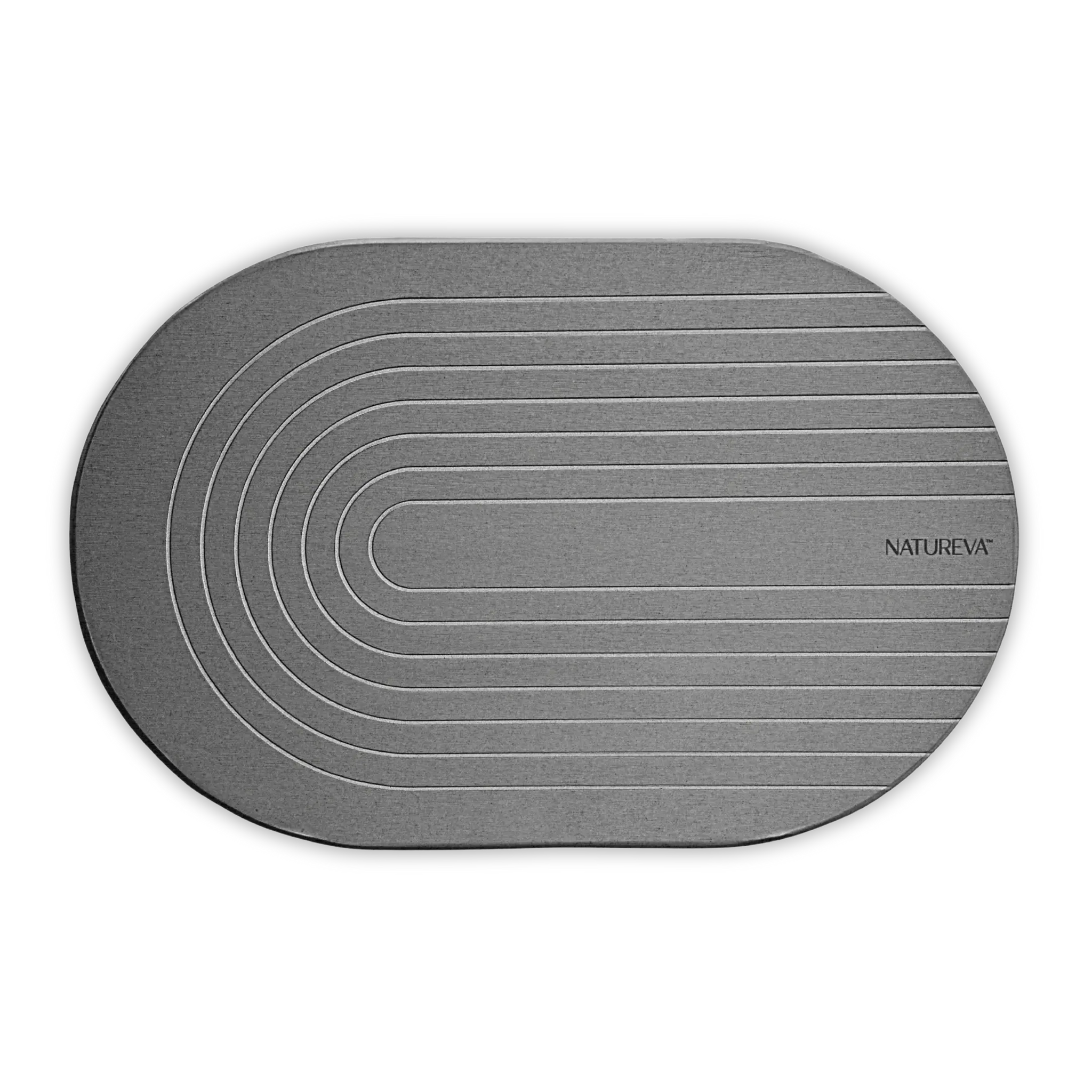
Stone Bath Mat - Arch
Size matters more than you might think with hexagons. Smaller tiles (around 2 inches) create a busy, vintage look that works in larger bathrooms. Bigger hexagons (4-6 inches) feel more modern and won't make a small bathroom feel cramped. The Tide pattern with its wave design actually complements the angular hexagon shape in an unexpected way.
Neutral colors work best if you want the pattern to shine without fighting for attention. White, gray, or beige hexagons let your stone bath mat stand out as a functional art piece. The key is creating flow from your floor tiles to where the mat sits, so the transition feels natural rather than jarring.
- Monochrome hexagons create subtle texture through shape alone
- Two-tone patterns add visual interest without color overload
- Matte finishes prevent slipping in wet areas
- The geometric pattern naturally frames where your mat should go
Large Format Tiles for Seamless Sophistication
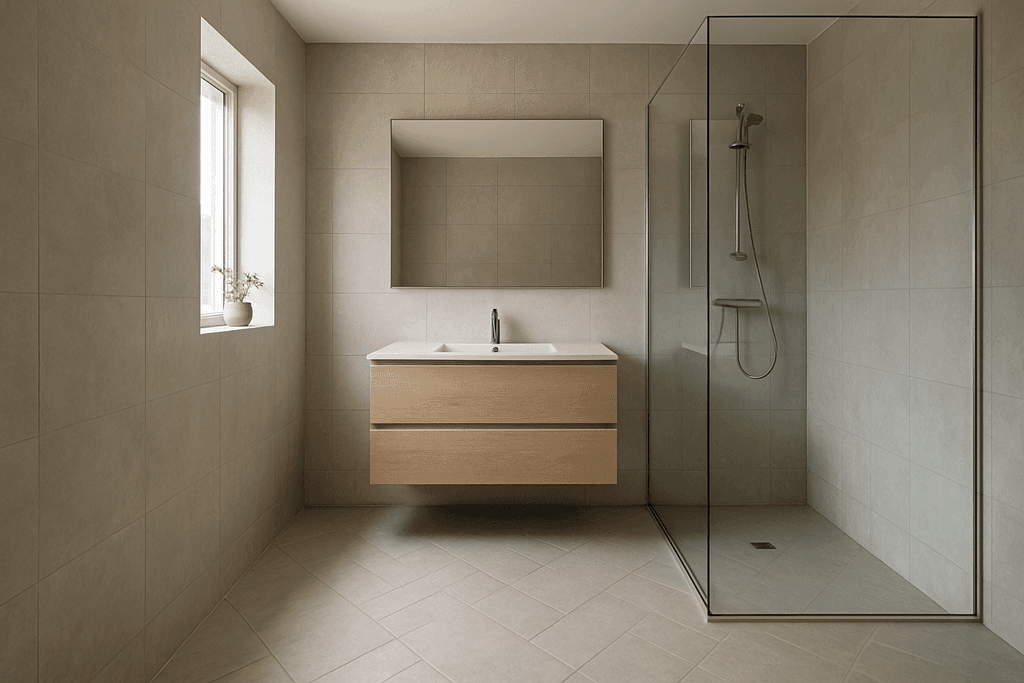
Large format tiles (anything bigger than 12x12 inches) change the whole feel of a bathroom. With fewer grout lines cutting across your floor, the space looks bigger and feels more luxurious. This matters when you're trying to create a spa-like atmosphere where a stone bath mat fits right in. The continuous surface makes your bathroom feel less busy, which lets the natural texture of diatomaceous earth really stand out.
Small bathrooms benefit the most from this trick. When you reduce visual breaks in the flooring, your brain perceives more space than actually exists. The Arch design looks particularly elegant against large tiles because the curved pattern creates a soft contrast against all those straight lines.
| Tile Size | Grout Lines | Maintenance Level |
|---|---|---|
| 12x24 inches | Moderate | Low |
| 24x24 inches | Minimal | Very Low |
| 24x48 inches | Very Few | Minimal |
Porcelain and ceramic both work well for large format tiles in wet areas. They handle moisture without warping, and modern manufacturing means they're less likely to crack than older large tiles. The real win is cleaning - fewer grout lines means less scrubbing and less chance for mold to hide.
The next generation of home essentials: naturally made, cleaner by design, sustainable by nature.
SHOP ALLHerringbone Pattern for Elegant Movement
Herringbone creates this zigzag pattern that adds energy to your bathroom without making it feel chaotic. The diagonal layout naturally draws your eye across the floor, which makes the room feel more dynamic. But here's where it gets interesting - when you place a stone bath mat in the middle of all that movement, it becomes this calm anchor point that grounds the whole design. This pattern goes beyond basic grid layouts while still feeling classic.
Scale is everything with herringbone. In a small bathroom, use smaller tiles (around 3x6 inches) so the pattern doesn't overwhelm the space. Larger bathrooms can handle bigger tiles that make the zigzag more dramatic.
- Neutral herringbone lets your stone bath mat be the focal point
- Bold colors work if you keep the mat design simple
- The diagonal lines make narrow bathrooms feel wider
- All three Natureva designs (Aura, Tide, and Arch) complement this pattern
Installation takes more time and skill than straight patterns, so factor that into your budget. But the visual payoff is worth it. The pattern creates natural zones in your bathroom, and placing your stone bath mat in the right spot enhances that flow rather than interrupting it.
Natural Stone Tiles for Organic Harmony
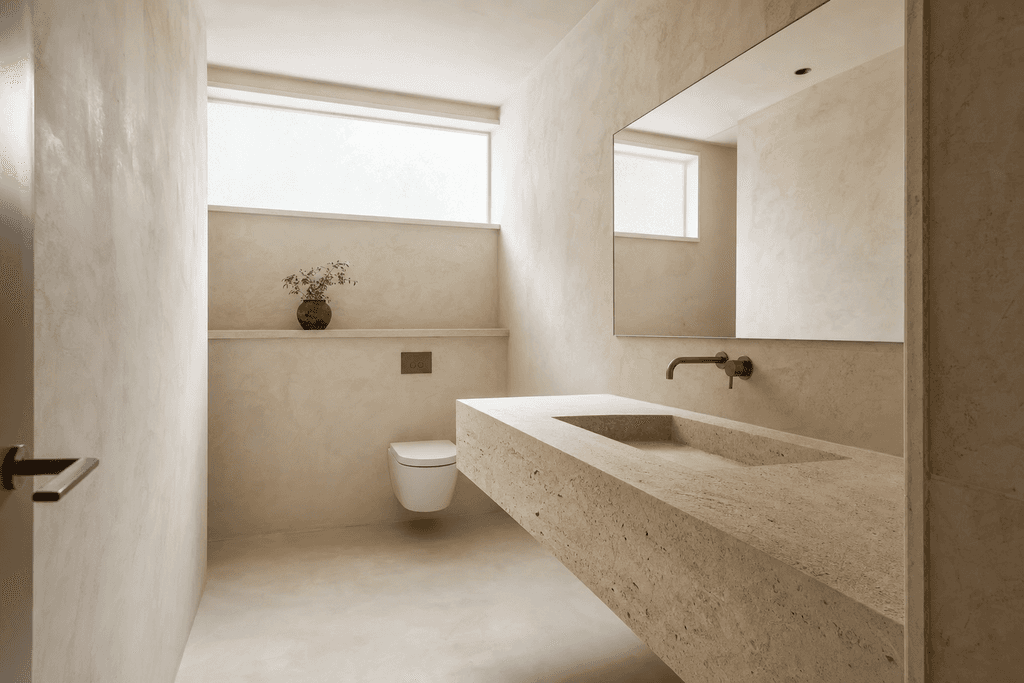
Pairing natural stone tiles with a stone bath mat creates this cohesive look that feels intentional and calming. Both materials come from the earth, so they naturally complement each other in texture and tone. The rough, varied surface of stone tiles contrasts nicely with the smooth, engineered surface of diatomaceous earth. This combination turns your bathroom into a spa-like retreat where everything feels connected. Natural stone bathroom tiles offer endless possibilities for creating this organic atmosphere.
Texture variation is key here. Floor tiles might have a tumbled or honed finish that shows natural imperfections, while your stone bath mat from Natureva has that perfectly smooth surface that dries in seconds. The contrast works because both materials share that earthy, natural quality.
| Stone Type | Water Resistance | Maintenance |
|---|---|---|
| Slate | Excellent | Low |
| Travertine | Good (sealed) | Moderate |
| Marble | Fair (sealed) | High |
| Limestone | Good (sealed) | Moderate |
Slate and travertine work best for bathroom floors because they handle moisture well and don't get too slippery when wet. The natural color variations in these stones mean no two bathrooms look exactly alike.
- Seal natural stone tiles every 1-2 years to prevent water damage
- Choose honed or textured finishes over polished for better traction
- Neutral stone colors let your diatomaceous earth mat stand out
- The organic feel creates a calming atmosphere that reduces stress
The beauty of this combination is how the materials work together functionally too. Stone tiles stay cool underfoot, while your stone bath mat absorbs water instantly and prevents that cold, wet feeling you get with fabric mats. Both materials resist mold and bacteria naturally, which matters in humid bathroom environments. You can explore more options in our bath mat collection to find the perfect match for your natural stone tiles.
Wrap-up
So there you have it. Five tile patterns that each bring something different to your bathroom. The herringbone adds movement and energy, subway tiles keep things clean and timeless, hexagons create visual interest, large format tiles make small spaces feel bigger, and geometric patterns let you express your personal style. The best part is that a stone bath mat works beautifully with any of these options because it brings its own subtle texture without competing with your tile choice.
When you're planning your bathroom design, think about how everything works together. Your tiles set the foundation, but the accessories you choose matter just as much. Our Aura, Tide, and Arch designs each have their own look, so you can match the vibe you're going for. The natural diatomaceous earth material complements both modern and traditional tile patterns without looking out of place.
Function matters too. While fabric mats can clash with certain tile patterns or hide their beauty when they bunch up, a stone bath mat stays flat and lets your tile work shine through. It absorbs water instantly and dries in seconds, which means you're not dealing with a soggy mess that covers up the flooring you spent time choosing.
The right combination of tiles and bath mat creates a bathroom that looks intentional and feels comfortable. You probably have some questions about making these patterns work in your specific space, so let's address those next.
Common Questions About Pairing Tiles with Stone Bath Mats
Choosing the right tile pattern for your bathroom is just the start. Once you add a stone bath mat into the mix, you might have some questions about how everything works together. The good news is that stone bath mats are pretty flexible when it comes to pairing with different tile types and styles. Here are the most common questions people ask when they're planning their bathroom setup.
Do stone bath mats scratch tile floors?
Stone bath mats won't scratch your tile floors when used normally. The bottom surface is smooth and sits flat against the tile. Just make sure to place it gently rather than dragging it across the floor, and you'll be fine. If you're worried about any movement, you can add small rubber pads underneath for extra grip.
What tile colors work best with stone bath mats?
Neutral tile colors like white, gray, beige, and soft earth tones pair beautifully with stone bath mats. The natural gray tone of diatomaceous earth looks clean against lighter tiles and adds subtle contrast against darker ones. The key is choosing tiles that don't compete with the mat's minimalist aesthetic. Our Natureva Stone Bath Mats in Aura, Tide, and Arch designs work especially well with geometric or simple tile patterns that let the mat's texture stand out.
Can you use stone bath mats on heated floors?
Yes, stone bath mats work perfectly fine on heated bathroom floors. The diatomaceous earth material won't be damaged by the warmth, and the heat can actually help the mat dry even faster after use. Some people even prefer this setup because stepping onto a slightly warm stone surface feels more comfortable than cold tile.
How do you clean tiles around a stone bath mat?
Cleaning is actually easier with a stone bath mat than traditional fabric ones. Since the mat absorbs water instantly and dries within seconds, you won't have puddles spreading across your tile floor. Just lift the mat occasionally and wipe down the tiles underneath with your regular bathroom cleaner. The mat itself only needs a quick rinse or light sand every few weeks to maintain its absorption.
What is the best tile finish for bathroom floors?
Matte or textured tile finishes work best in bathrooms because they're less slippery when wet. Glossy tiles look nice but can be dangerous around wet areas. A matte finish also complements the natural texture of a stone bath mat better than shiny surfaces. Look for tiles with a slight texture or grip rating suitable for wet areas.
Should tiles and bath mat be the same color?
Not necessarily. A slight contrast usually looks better and helps define different zones in your bathroom. If you have light gray tiles, a stone bath mat in a similar but slightly different shade creates visual interest without clashing. The mat becomes a design feature rather than disappearing into the floor. Think of it like choosing a rug for any other room in your house.
The next generation of home essentials: naturally made, cleaner by design, sustainable by nature.
SHOP ALL