

Three Ways Plant Pot Trays Stop Pot Ring Marks
You water your favorite houseplant, and a few hours later there's an ugly white ring on your wooden table that won't wipe away. Those water marks happen because moisture seeps through drainage holes and sits between the pot and your furniture, slowly damaging the finish. Plant pot trays solve this problem by catching excess water before it ever touches your surfaces, and options like our Stone Plant Saucers use natural absorption to keep everything completely dry.
Table of Contents
Why Plant Pots Leave Marks in the First Place
Water damage from plant pots happens more often than most people think. Every time you water your plants, moisture finds its way out through drainage holes at the bottom of the pot. That water has to go somewhere, and if you don't have proper plant pot trays underneath, it ends up sitting on your furniture, floors, or windowsills. The longer that water sits there, the more damage it causes to whatever surface is underneath.
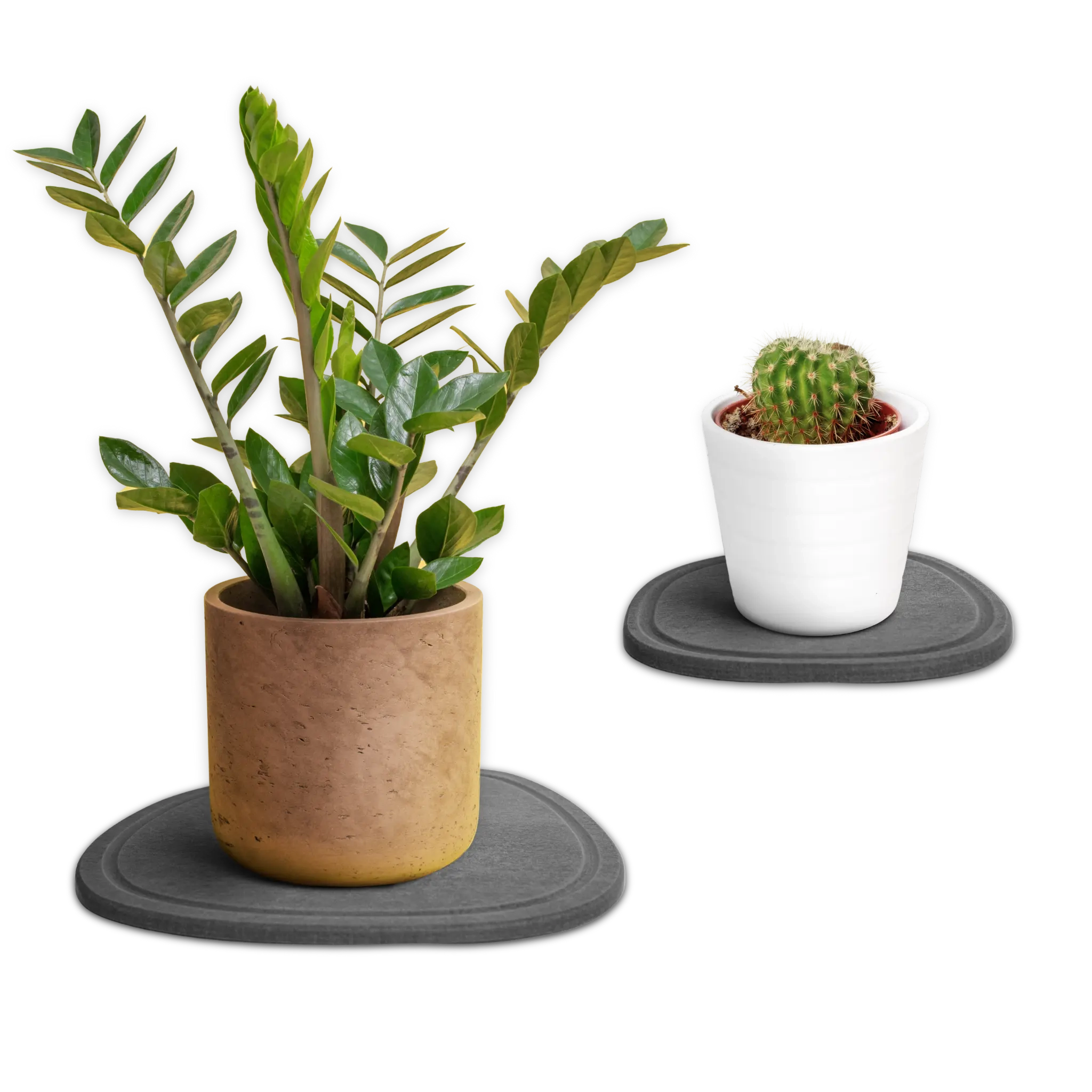
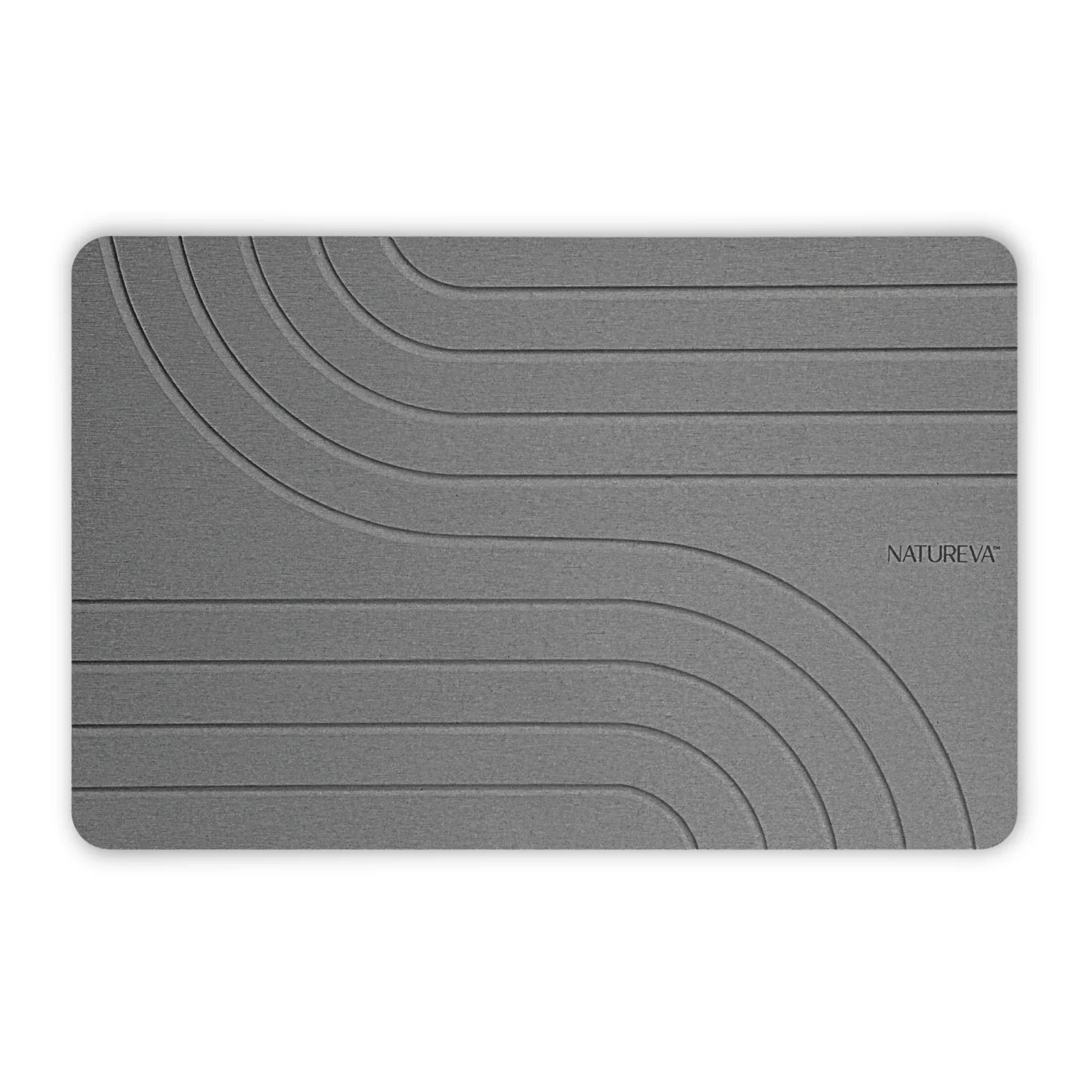
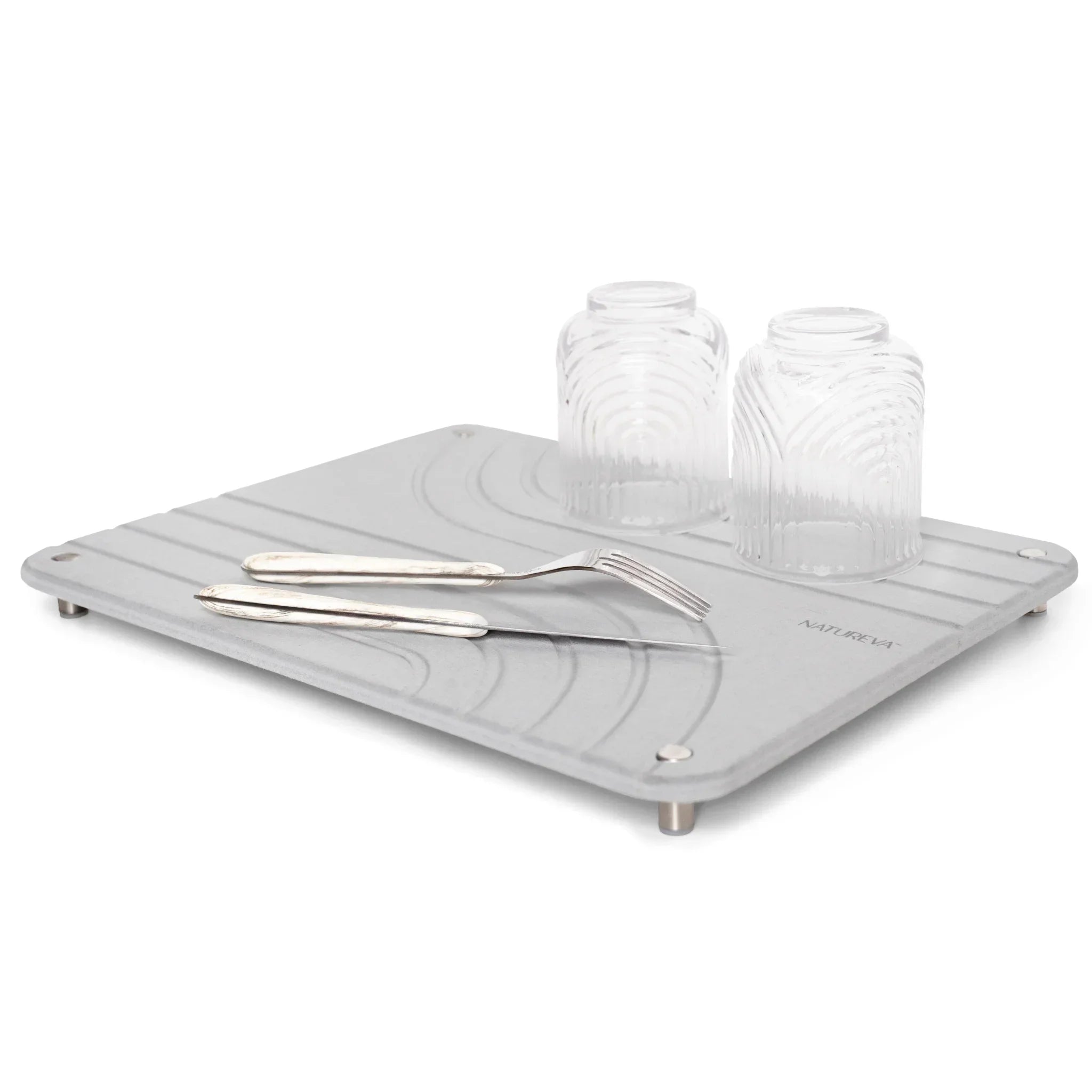
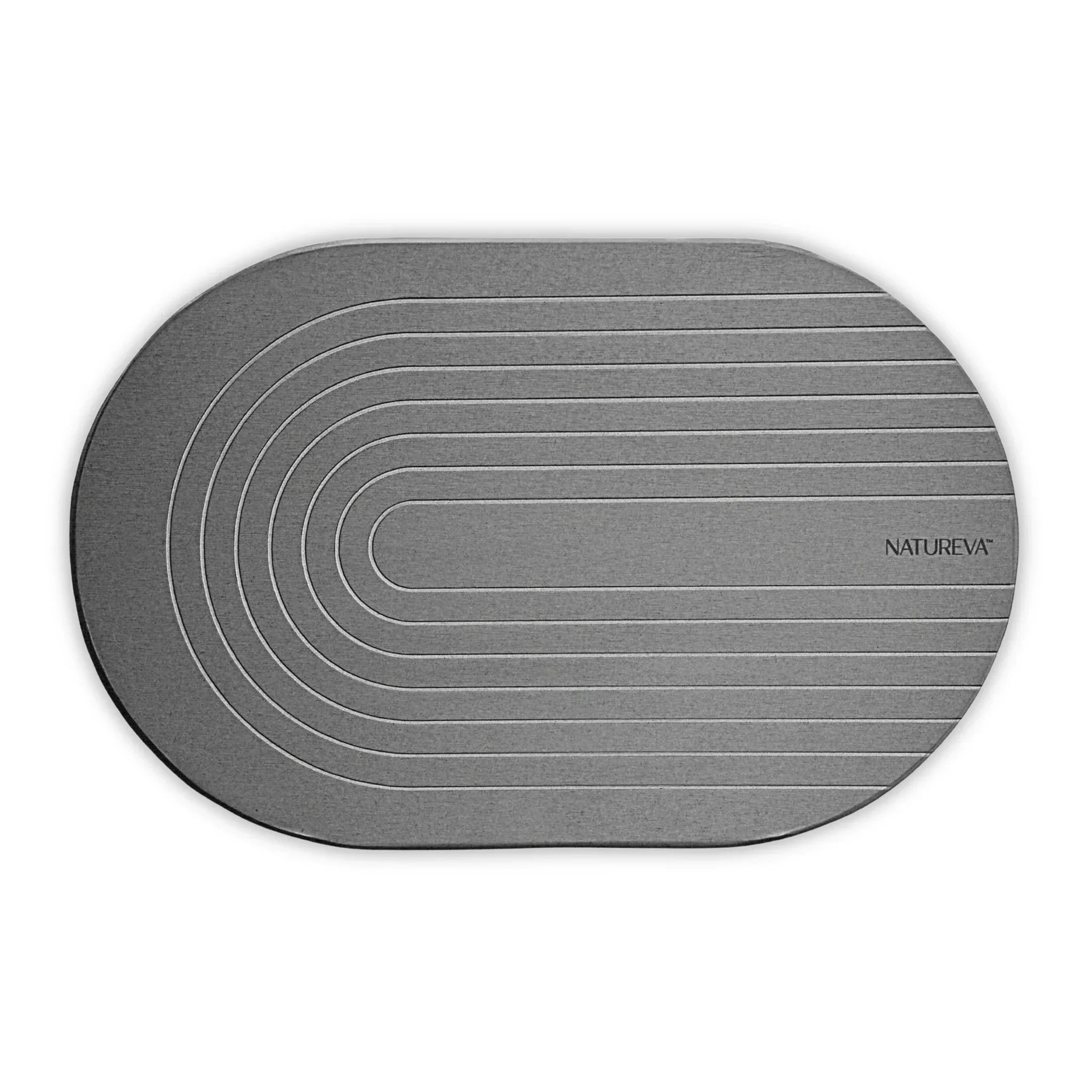
Stone Plant Saucers - Set of 2
How Water Escapes From Your Pots
Plant pots are designed to let water drain out, which is great for your plants but not so great for your surfaces. Here's what actually happens when you water your plants:
- Water flows through the soil and exits through drainage holes at the bottom
- Porous materials like terracotta and clay absorb water and slowly release it through the pot walls
- Condensation forms on the outside of pots, especially in humid conditions
- Overflow from overwatering creates puddles that spread beyond the pot's base
The problem gets worse with certain pot materials. Terracotta and unglazed ceramic pots are like sponges that soak up moisture and sweat it out onto your surfaces.
Water Stains Versus Mineral Deposits
Not all pot rings are created equal. Understanding the difference helps you pick the right solution. Water stains are dark marks left behind when moisture soaks into wood or fabric, while mineral deposits appear as white, crusty rings from dissolved minerals in tap water.
- Water stains penetrate porous surfaces and can become permanent
- Mineral deposits build up over time as water evaporates
- Hard water areas see more mineral ring problems
- Both types of damage get worse without proper plant pot trays
Why Regular Trays Fail
Most people grab a cheap plastic saucer and think they're protected. They're not. Standard plastic trays just collect water in a pool, and that standing water still causes problems.
- Plastic trays trap moisture underneath, creating a humid microclimate
- Water spills over the edges when you move the pot
- Condensation forms on the bottom of plastic trays
- Standing water attracts bugs and promotes mold growth
Our Stone Plant Saucers work differently because they absorb excess water instantly instead of letting it pool. The natural diatomaceous earth material pulls moisture in and promotes quick evaporation.
Surfaces at Risk
Different materials react to water damage in different ways. Some surfaces show damage immediately, while others take weeks or months to reveal the full extent of the problem.
| Surface Type | Damage Speed | Stain Visibility | Repair Difficulty |
|---|---|---|---|
| Hardwood Floors | Fast | High | Very Hard |
| Painted Wood | Medium | High | Hard |
| Laminate | Very Fast | Medium | Nearly Impossible |
| Marble/Stone | Slow | Medium | Medium |
| Tile | Slow | Low | Easy |
| Carpet/Fabric | Fast | Very High | Very Hard |
Wood surfaces take the worst beating from plant pot water damage. The moisture seeps into the grain and causes swelling, warping, and permanent discoloration that no amount of cleaning can fix.
Moisture Absorption Keeps Surfaces Bone Dry
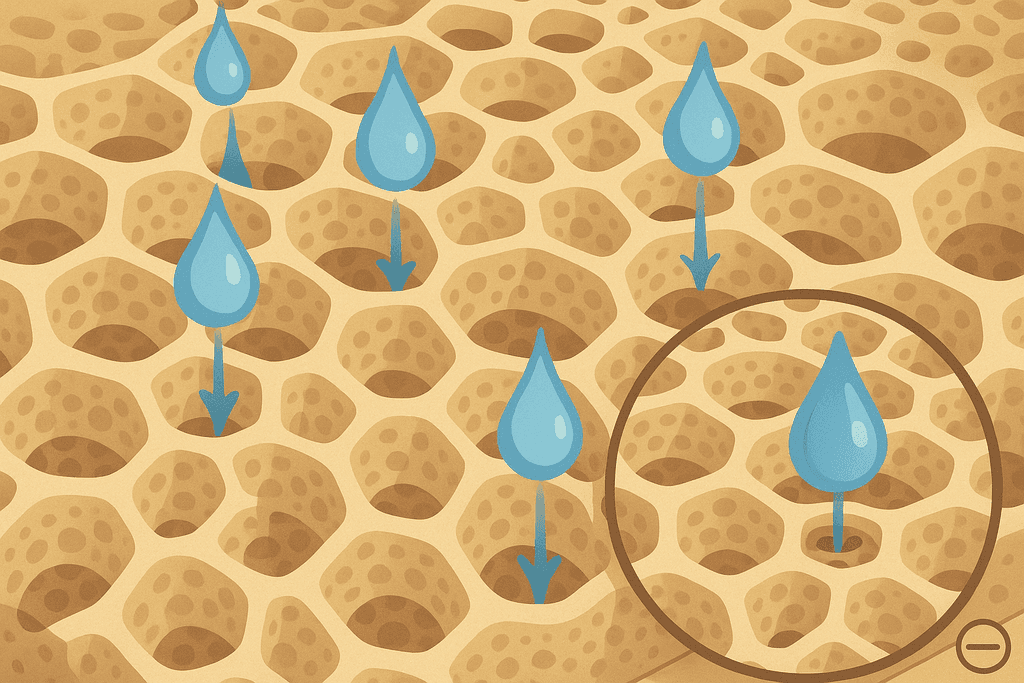
Water rings on your favorite wooden table or floor are one of those annoying problems that sneak up on you. You water your plants, a little excess drips into the tray, and before you know it, there's a stubborn white mark that won't go away. The secret to preventing this isn't just catching the water, it's what happens to that water once it hits the tray. Absorbent materials work differently than regular plastic trays because they actually pull moisture away from your surfaces instead of just holding it there.
Moisture Absorption Keeps Surfaces Bone Dry
Think of it like the difference between a sponge and a plastic bag. Diatomaceous earth, the material used in our Stone Plant Saucers, contains millions of microscopic pores that act like tiny vacuum cleaners for water. When excess moisture hits the surface, these pores instantly draw it in and away from whatever's underneath. Most people don't realize that instant absorption matters way more than slow drainage when it comes to protecting your surfaces.
- Diatomite absorbs water at a microscopic level through capillary action
- Traditional plastic trays only create a barrier but leave water sitting
- Natural materials can hold significant amounts of water without feeling wet to the touch
- The absorption happens in seconds, not minutes or hours
Different tray materials have wildly different absorption capacities. Plastic holds zero water and just lets it pool. Ceramic might absorb a tiny bit if it's unglazed. But diatomite can absorb up to 150% of its weight in water, which means your surfaces stay protected even during heavy watering sessions. According to Horticulture Magazine, preventing water contact is the most effective way to stop staining on decks and furniture.
Physical Barriers Block Water From Ever Reaching Your Surfaces
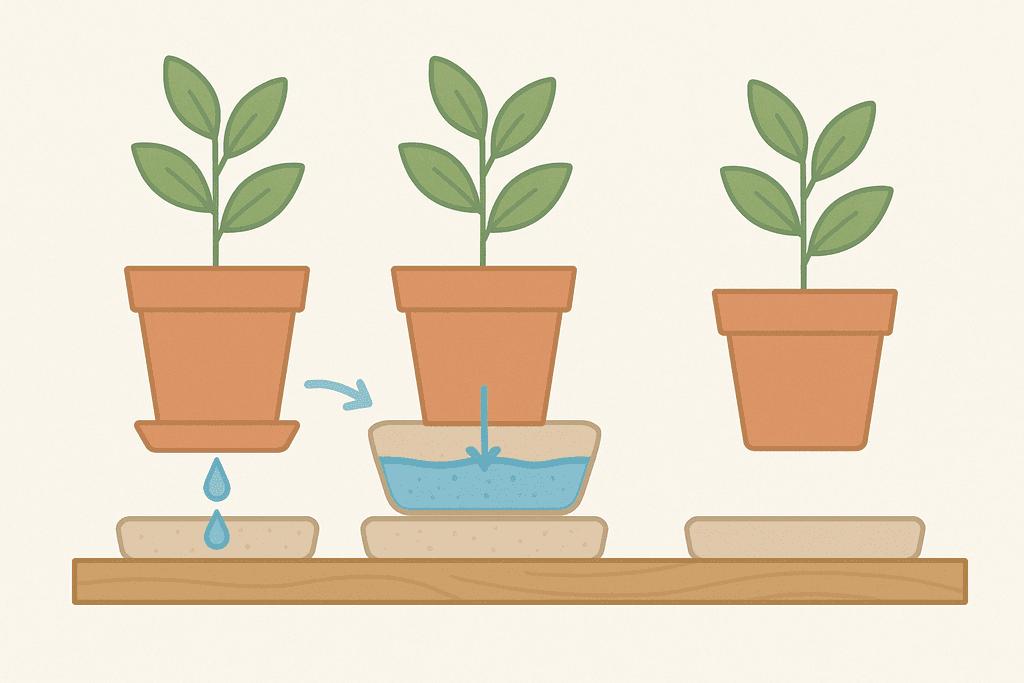
Even the best absorption won't help if water can escape around the edges of your tray. This is where the physical design of plant pot trays becomes critical. Complete coverage under the entire pot base means there's no gap where water can sneak through and create those dreaded ring marks. You need a tray that's actually bigger than your pot's footprint, not one that's the exact same size.
Physical Barriers Block Water From Ever Reaching Your Surfaces
The next generation of home essentials: naturally made, cleaner by design, sustainable by nature.
SHOP ALLThe raised edges on quality trays do more than just look nice. They contain overflow when you accidentally water too much or when a sudden rainstorm hits your outdoor plants. Material thickness plays a bigger role than most people think because thin trays can actually allow moisture to seep through over time, especially on porous surfaces like wood.
| Tray Type | Edge Height | Coverage Area | Protection Level |
|---|---|---|---|
| Standard Plastic | Low (0.25 inches) | Exact pot size | Basic |
| Ceramic Saucer | Medium (0.5 inches) | Slightly larger | Moderate |
| Stone Diatomite | Optimal (0.6 inches) | Full coverage | Maximum |
Matching your tray size to your pot diameter isn't complicated, but it matters. A good rule is to go at least one inch wider than your pot on all sides. This gives you room for water to spread out without escaping, and it creates a visual buffer that actually looks better too. The combination of proper sizing and absorbent material gives you double protection against water damage.
Rapid Evaporation Eliminates Standing Water Problems
Here's something most people don't think about until it's too late. Standing water in plant pot trays creates way more problems than just potential ring marks. That stagnant moisture becomes a breeding ground for mold, bacteria, and even mosquitoes if you're keeping plants outdoors. The longer water sits in a tray, the more likely it is to eventually find its way onto your surfaces through humidity, condensation, or simple overflow. Quick-drying trays solve problems you didn't even know you had.
Porous materials like diatomite promote air circulation in ways that solid materials simply can't. Those millions of tiny pores don't just absorb water, they also release it back into the air through evaporation. This is where natural materials beat plastic every single time. Our Stone Plant Saucers use this natural process to stay dry and ready for the next watering, which means your surfaces never deal with prolonged moisture exposure.
- Standing water can damage surfaces through condensation even without direct contact
- Porous materials allow air to flow through and speed up drying
- Faster evaporation means less time for mold and bacteria to grow
- Natural diatomite dries 3-5 times faster than traditional materials
The connection between evaporation speed and surface protection is pretty straightforward. The faster your tray dries, the less time moisture has to cause damage. Think about how a wet glass leaves a ring on wood, but only if it sits there for a while. Quick evaporation breaks that cycle completely. Plus, you don't have to remember to empty trays after every watering, which honestly nobody does anyway.
If you're looking for other ways to protect your surfaces from moisture, check out our drink coasters that use the same diatomite technology. The same principles that keep your plants from damaging furniture work just as well for your morning coffee. You can learn more about how this material works on our how it works page.
Protecting Your Home While Keeping Plants Happy
So there you have it. Plant pot trays work in three main ways to stop those annoying ring marks on your furniture and floors. They absorb the water that drains through your pots, create a physical barrier between wet surfaces and your nice wood table, and help moisture evaporate faster so nothing sits around getting moldy. When you pick the right tray, you get all three of these benefits working together.
The thing is, not all plant pot trays are created equal. Some cheap plastic ones just hold water in a puddle, which doesn't really solve the problem. You want something that actually soaks up the moisture and dries quickly. Our Stone Plant Saucers use natural diatomaceous earth that pulls water in through millions of tiny pores, then lets it evaporate naturally.
The best part is that protecting your surfaces also helps your plants stay healthier. When water doesn't sit around in puddles, you avoid root rot and fungus issues. Your plants get the drainage they need, and your furniture stays mark-free.
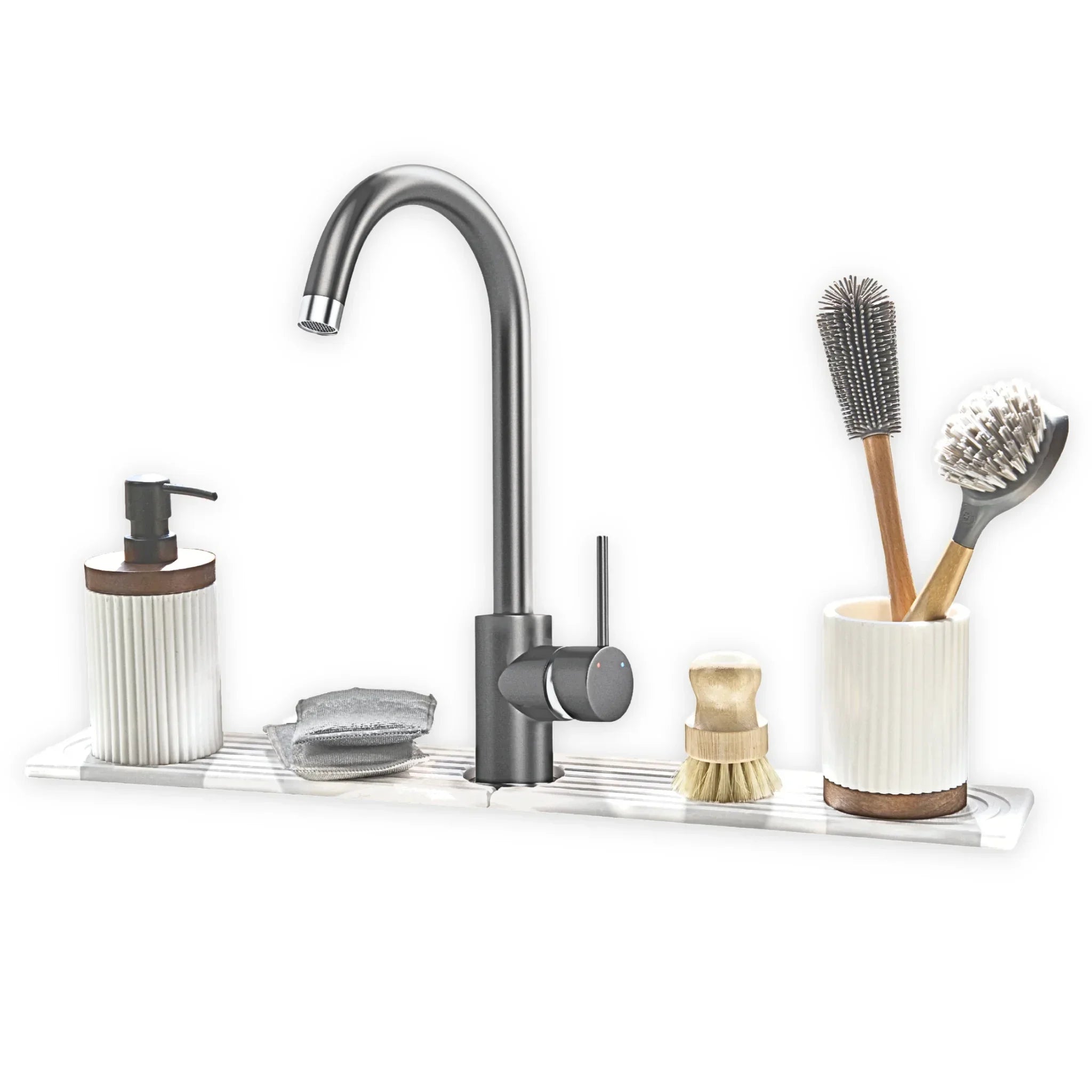
If you're dealing with water damage in other parts of your home, the same diatomite material works great for kitchen accessories and bathroom items too. But we'll get into more specific questions about plant trays below.
Common Questions About Plant Pot Trays
Choosing the right plant pot trays can feel confusing with so many options out there. People often wonder if they really need them, how to pick the right size, and whether the pricier versions actually make a difference. These questions come up a lot because water damage from plants is one of those problems you don't think about until it's already happened. Here are the answers to the most common questions about keeping your surfaces safe from those annoying water rings.
How often should I clean or replace my plant pot trays?
Regular plastic or ceramic trays need cleaning every week or two to prevent mold and mineral buildup. Stone trays made from diatomaceous earth, like our Stone Plant Saucers, actually stay cleaner longer because they absorb and evaporate water quickly instead of letting it sit. Most trays last for years if you clean them regularly, but absorbent stone trays can last even longer since they resist the gross buildup that ruins other materials.
Do all plants need trays or just certain types?
Any indoor plant needs a tray unless you want water stains on your furniture. Outdoor plants in the ground obviously don't need them, but potted plants on decks, patios, or balconies benefit from trays too. Plants that need frequent watering or tend to drain a lot are the biggest culprits for creating water rings.
What should I do if water rings have already formed?
Water rings on wood can sometimes be removed with a mix of equal parts vinegar and olive oil, rubbed gently with the grain. For stubborn marks, a paste of baking soda and water might work, but deep stains often become permanent. The best approach is preventing new rings from forming by using proper plant pot trays going forward.
How do I choose the right tray size for different pots?
Your tray should be slightly wider than your pot's base, usually about an inch larger in diameter. This catches all the drainage without looking oversized or awkward. Measure your pot's bottom diameter before buying, and remember that a tray that's too small defeats the entire purpose since water will just spill over the edges anyway.
Are expensive trays worth the investment?
Cheap plastic trays crack easily and still let water pool on your surfaces, which means you're not really solving the problem. Stone trays cost more upfront but they actually absorb excess water instead of just collecting it. The price difference usually pays for itself when you consider not having to replace cheap trays every year or repair water-damaged furniture.
Can I use household items instead of proper trays?
Old plates or shallow bowls work in a pinch, but they don't absorb water so you'll still get condensation underneath. Towels or cloth absorb water but stay wet for too long, creating mold problems. Purpose-made plant pot trays are designed to handle the specific challenge of plant drainage, which is why they work better than improvised solutions.
The next generation of home essentials: naturally made, cleaner by design, sustainable by nature.
SHOP ALL