

Four Steps to Keep Bath Towels Fluffy Longer
You pull a fresh towel from the dryer and it feels like cardboard instead of the cloud-soft fabric you bought just months ago. Most people think this means it's time to buy new bath towels, but the truth is you're probably just making a few common washing mistakes that destroy the fibers. The good news is that four simple changes to your laundry routine can bring back that fluffy, luxurious feel and make your towels last for years.
Table of Contents
What Makes Towels Lose Their Fluff
Most people think their bath towels just wear out naturally over time, but that's only part of the story. The real culprits behind stiff, scratchy towels are hiding in your laundry routine. Every time you wash your towels, you might actually be coating them with invisible layers of residue that make them less soft and less absorbent. Understanding what damages towel fibers helps you avoid these mistakes and keep your towels feeling like new for years.

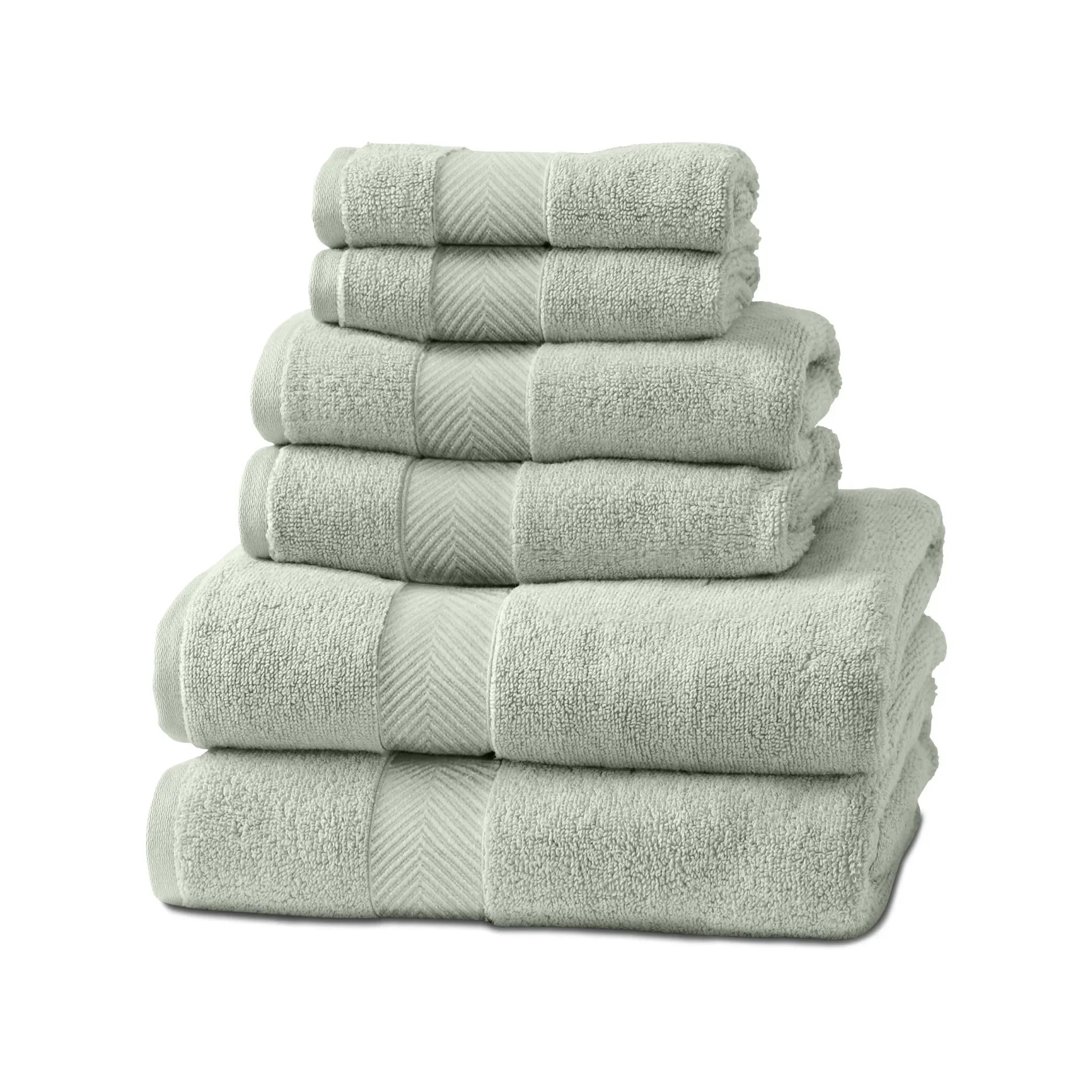
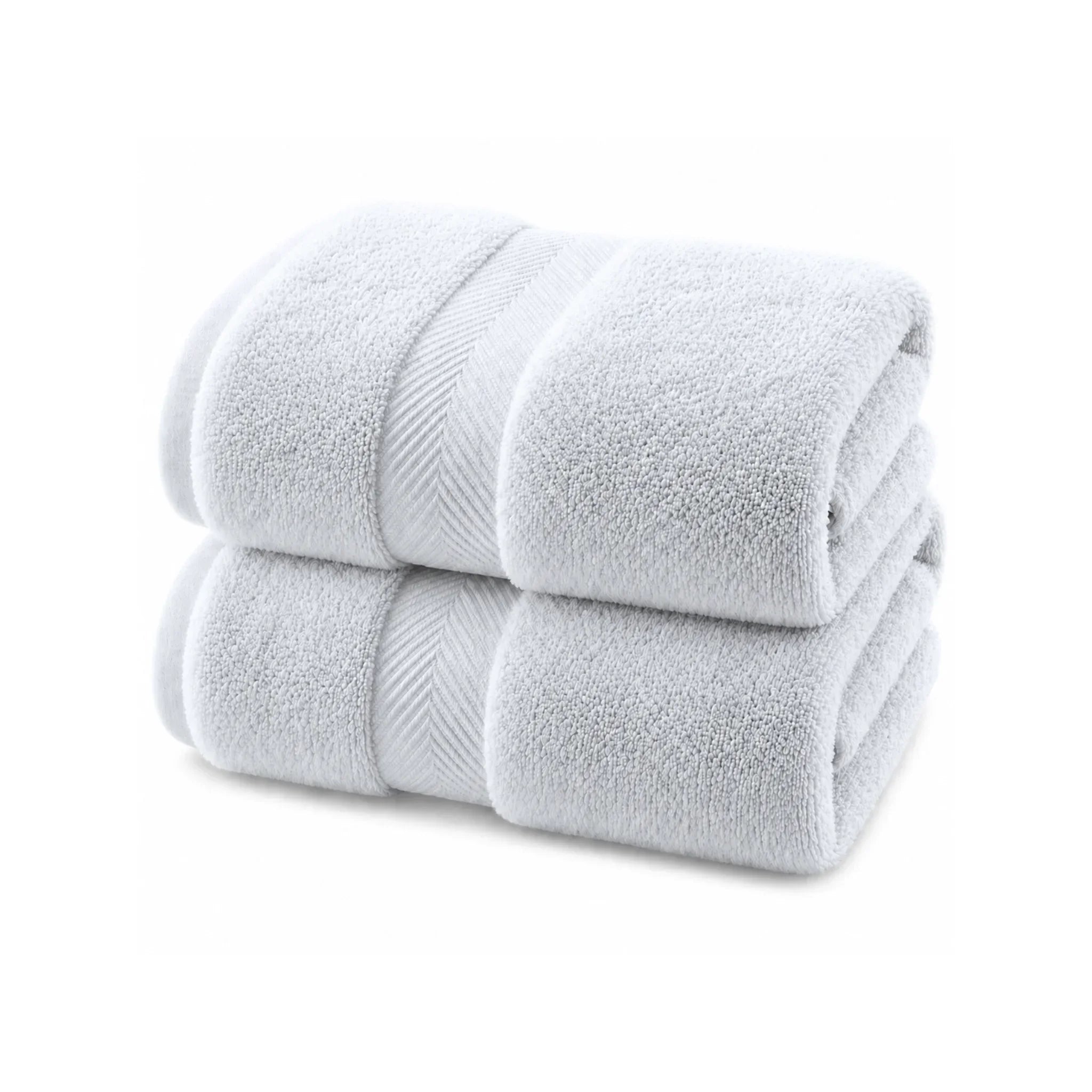
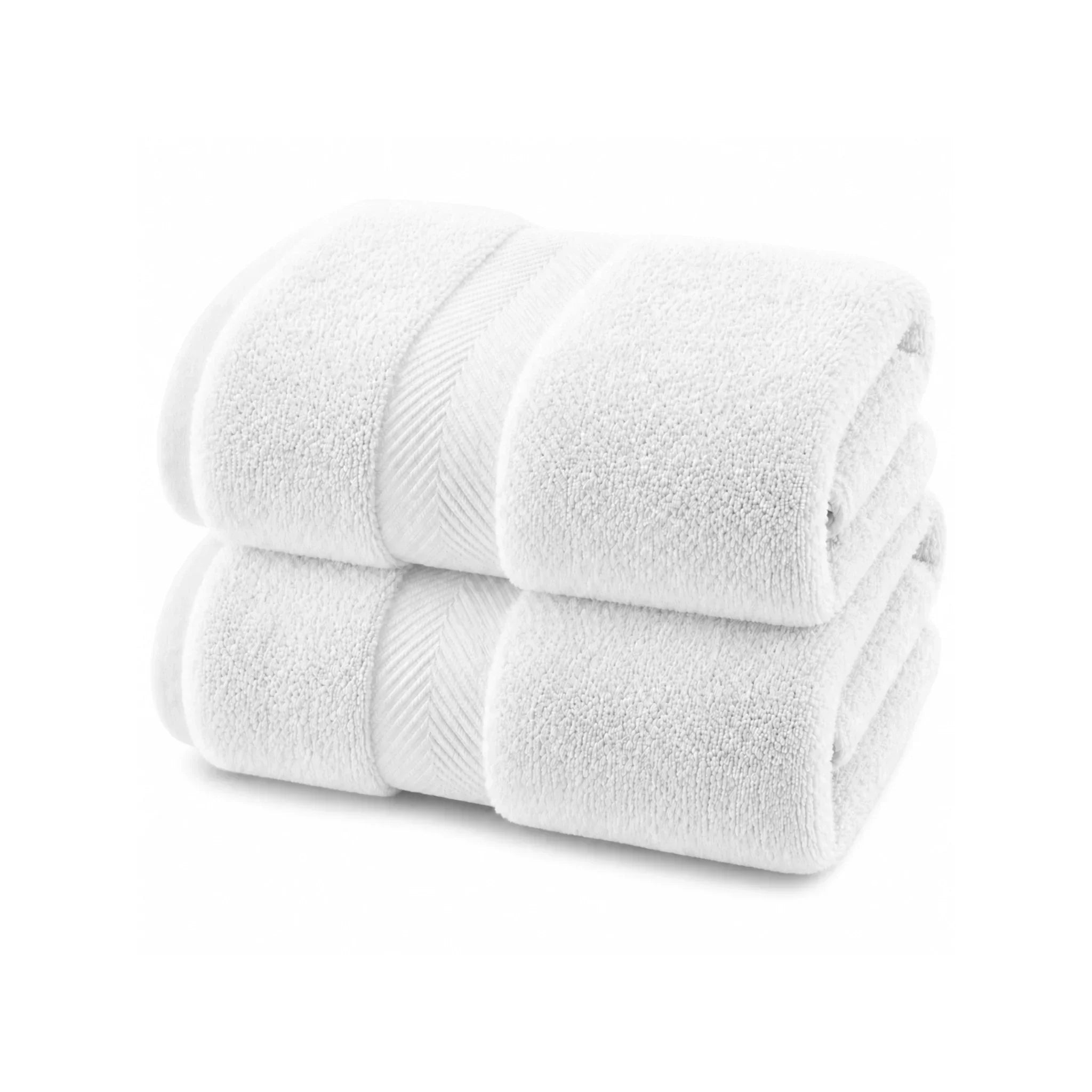
Bamboo Cotton Towels - Set of 6
The Buildup Problem
Detergent residue is one of the biggest reasons bath towels lose their softness. When you use too much detergent or don't rinse thoroughly, tiny particles stick to the cotton fibers and create a stiff coating. This buildup gets worse with every wash cycle, turning your once-fluffy towels into rough, cardboard-like fabric.
Fabric softener seems like it should help, but it actually makes things worse. The waxy coating it leaves behind might feel smooth at first, but it clogs up the spaces between fibers where water should go. That's why softened towels often feel slippery but don't actually dry you off well anymore.
- Hard water minerals settle deep into fabric and create a crusty texture
- Detergent needs hot water to dissolve completely, or it leaves residue
- Each wash adds another layer of buildup if you're not rinsing properly
- The coating traps moisture and makes towels smell musty faster
Heat and Fiber Damage
High dryer temperatures do permanent damage to cotton fibers that you can't undo. The intense heat breaks down the natural structure of the cotton, making it brittle and rough. Once heat damages the fibers, no amount of special washing will bring back the original softness.
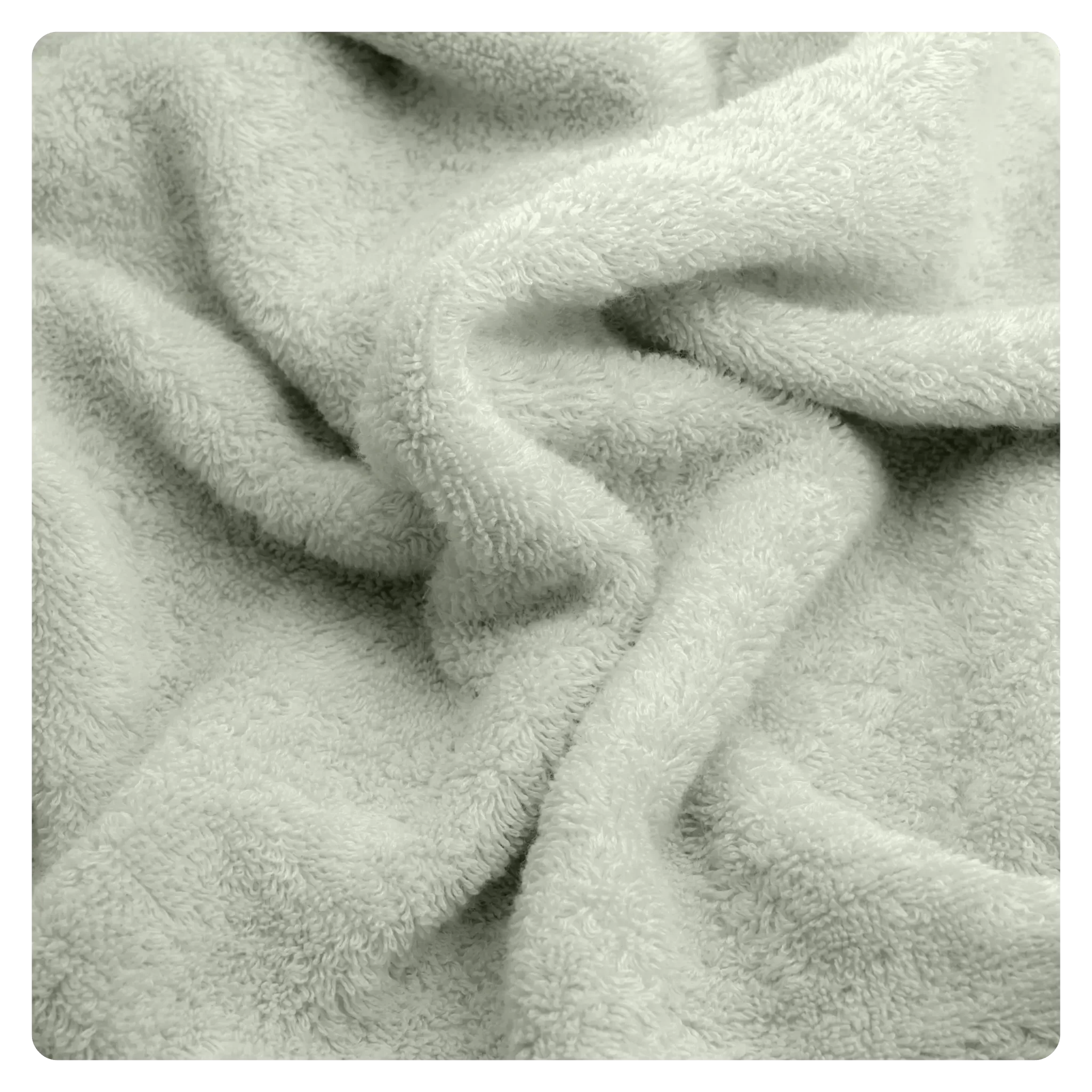
Quality materials handle these challenges better than cheap alternatives. Our Bamboo Cotton Towels blend bamboo viscose with long-staple cotton, which naturally resists the kind of damage that ruins regular towels. The bamboo fibers stay soft even after many washes, while the cotton maintains its absorbency.
- Cotton fibers shrink and twist when exposed to high heat
- Overdrying removes natural oils that keep fibers flexible
- Bamboo blends maintain their structure better than pure cotton
Common Towel-Damaging Culprits
Different laundry mistakes cause different types of damage. Some make your towels stiff, others make them less absorbent, and some do both. Here's what each common culprit does to your bath towels:
| Culprit | What It Does | Main Effect |
|---|---|---|
| Too Much Detergent | Coats fibers with residue | Stiffness and roughness |
| Fabric Softener | Creates waxy buildup | Reduced absorbency |
| Hard Water | Deposits minerals in fabric | Scratchy, crusty texture |
| High Heat Drying | Breaks down fiber structure | Permanent brittleness |
| Infrequent Washing | Allows oils to set in | Odor and stiffness |
According to Wirecutter's guide on cleaning towels, washing your towels every three to four uses prevents buildup from body oils and dead skin cells. Regular washing with the right technique matters more than buying expensive towels. The good news is that most towel damage is preventable once you know what causes it.
Step One: Use Less Detergent Than You Think
Your bath towels might be getting stiffer because you're actually washing them too well. Most people pour way too much detergent into their washing machines, thinking more soap means cleaner towels. The truth is, using 2-3 times more detergent than needed is the fastest way to ruin your towels. That extra soap doesn't just disappear during the rinse cycle.
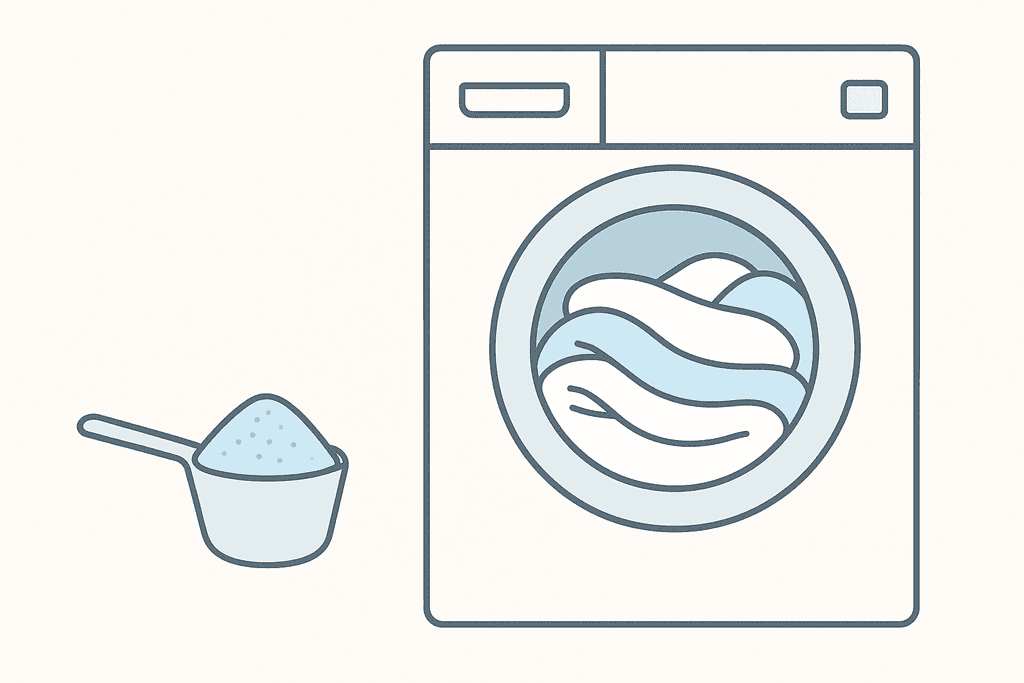
Step One: Use Less Detergent Than You Think
When you use too much detergent, it can't rinse out completely. The leftover residue gets trapped deep in the towel fibers, building up wash after wash. This buildup doesn't just sit there doing nothing either. It actually attracts dirt and makes your towels feel stiff and scratchy instead of soft and fluffy.
- Use only 1-2 tablespoons of detergent for a full load of towels
- High-efficiency washers need even less, sometimes just 1 tablespoon
- Check your detergent bottle for the actual recommended amount
- If you have soft water, you can use even less than the bottle suggests
- Hard water might need slightly more, but still less than you think
The measuring cap that comes with your detergent often has multiple lines on it. That top line isn't always the amount you should use. Start with the lowest measurement line and see how your towels come out. You'll probably be surprised that they're just as clean with half the soap.
Step Two: Skip the Fabric Softener Completely
Here's something most people don't know about fabric softener and towels. That bottle promising cloud-like softness is actually destroying your towels' ability to do their job. Fabric softener works by coating every fiber with a thin layer of chemicals that make things feel smooth to the touch. But there's a problem with coating towel fibers. Those same chemicals that make towels feel soft also make them repel water instead of absorbing it.
Think about it. You step out of the shower and grab a towel that's been treated with fabric softener. It might feel silky, but it just pushes water around your skin instead of soaking it up. Experts agree that fabric softener permanently damages towel absorbency by creating a waxy buildup that never fully washes out.
| Method | Absorbency | Softness | Cost |
|---|---|---|---|
| Fabric Softener | Poor | Temporary | High |
| White Vinegar | Excellent | Natural | Very Low |
| Quality Towels | Excellent | Long-lasting | One-time |
The good news is that quality towels like bamboo cotton blends stay naturally soft without any additives. Our Bamboo Cotton Towels are made with 30% bamboo viscose and 70% long-staple cotton, which means they maintain their softness and absorbency for years without fabric softener.
The next generation of home essentials: naturally made, cleaner by design, sustainable by nature.
SHOP ALLStep Three: Add White Vinegar to Your Rinse Cycle
White vinegar might seem like an odd thing to put in your washing machine, but it's actually one of the best-kept secrets for fluffy towels. Unlike fabric softener that coats fibers, vinegar dissolves all the buildup that's making your towels stiff. It breaks down detergent residue, mineral deposits from hard water, and any leftover fabric softener from previous washes. The acidity in vinegar works like a gentle reset button for your towels.
Adding vinegar to your wash is simple. Pour half a cup into your fabric softener dispenser, or add it during the final rinse cycle if your machine doesn't have a dispenser. This method is recommended by textile care experts because it's safe for all fabric types and actually improves towel performance over time.
- Measure 1/2 cup of plain white vinegar (not apple cider or other types)
- Pour it into the fabric softener dispenser before starting your wash
- Run your normal wash cycle with the reduced detergent amount
- Let towels complete the full rinse cycle
- Dry as usual
One concern people have is the smell. Nobody wants their bath towels smelling like a salad. But here's the thing: the vinegar smell completely disappears once your towels dry. You won't smell it at all. What you will notice is how much softer and fluffier your towels feel, especially if they've been stiff for a while.
Step Four: Dry Smart with Lower Heat and Air
The way you dry your towels matters just as much as how you wash them. High heat might get your laundry done faster, but it's slowly destroying your towels with every cycle. Heat breaks down cotton fibers at a molecular level, making them brittle and rough. Those fluffy loops that make towels absorbent start to flatten and fray when exposed to too much heat. Over time, this damage is permanent and can't be reversed no matter what washing tricks you try.
Before you even put towels in the dryer, give them a good shake. Hold each towel by the corners and snap it a few times in the air. This simple action fluffs up the fibers and helps them dry more evenly. Medium or low heat takes longer but preserves your towels for years instead of months.
- Set your dryer to medium or low heat instead of high
- Shake each towel vigorously before putting it in the dryer
- Remove towels while they're still slightly damp to prevent over-drying
- Add 3-4 wool dryer balls to naturally increase fluffiness
- Avoid overloading the dryer so towels have room to tumble
Wool dryer balls are worth mentioning because they work really well with bath towels. They bounce around in the dryer, physically separating the towel fibers and creating more air circulation. This means your towels dry faster even on lower heat and come out noticeably fluffier. Plus, they last for years and replace dryer sheets completely.
If you're starting with quality towels like the ones in our bath towel collection, these four steps will keep them feeling luxurious for much longer. The bamboo cotton blend is naturally more durable than regular cotton, so it holds up even better when you follow these care instructions. Taking a few extra minutes to wash and dry your towels properly means you won't need to replace them nearly as often.
Your Towels Can Feel New Again
The truth is, keeping your bath towels fluffy doesn't require fancy products or complicated routines. These four steps work together like a simple recipe, and once you get the hang of it, the whole process becomes second nature. Skip the fabric softener, wash with less detergent, dry on low heat, and give your towels a good shake before tossing them in the dryer. That's really all there is to it.
Small changes in your washing routine create dramatic improvements in how your towels feel. You might be surprised at how much softer your current towels become after just one or two washes using these methods. The difference is especially noticeable with quality materials.
Speaking of quality, our bamboo cotton towels respond particularly well to proper care because they're made with 30% bamboo viscose and 70% long-staple zero-twist cotton. This blend naturally stays softer and more absorbent when you treat it right. But even if you're working with older towels, these steps still make a real difference.
The best part is that soft, fluffy bath towels are achievable without buying expensive specialty detergents or treatments. You probably already have everything you need in your laundry room. If you're curious about other ways to keep your bathroom fresh and functional, check out our bathroom collection for more practical solutions.
Now let's tackle some common questions about towel care that come up all the time.
Common Questions About Towel Care
Taking care of bath towels seems simple enough, but a few common questions pop up when you're trying to keep them soft and fluffy for years. These answers will help you avoid the mistakes that turn perfectly good towels into scratchy rags. Whether you're dealing with brand new towels or trying to rescue old ones, knowing the right approach makes all the difference.
How often should I wash bath towels?
You should wash bath towels after three to four uses. This gives you enough time between washes without letting bacteria and mildew build up in the damp fibers. If your towels aren't drying completely between uses, wash them more frequently.
Will vinegar damage my washing machine?
White vinegar is safe for your washing machine when used in normal amounts, like half a cup per load. It actually helps clean the machine by removing detergent buildup and mineral deposits. Just avoid using it in every single load, and you'll be fine.
Can I use these steps on old stiff towels?
Yes, these care steps can help revive old towels that have gone stiff and scratchy. A vinegar wash followed by a baking soda cycle works wonders on towels with years of buildup. That said, towels that are truly worn out with thinning fabric won't bounce back completely, but you'll still see improvement in how they feel.
How long do towels last with proper care?
Quality bath towels should last two to five years with proper care. The lifespan depends on the towel quality and how often you use them. Our Bamboo Cotton Towels hold up particularly well because the bamboo viscose and long-staple cotton blend resists breakdown better than standard cotton.
What makes bamboo cotton towels different?
Bamboo cotton towels combine the absorbency of cotton with bamboo's natural quick-drying properties. This means they spend less time damp, which reduces the musty smell problem and keeps them fresher between washes. The bamboo fibers also stay softer through more wash cycles than regular cotton towels.
Should I wash new towels before using them?
Always wash new towels before their first use to remove manufacturing residues and excess dye. This first wash also helps set the fibers and actually improves absorbency. Skip the fabric softener on this first wash so the towels can reach their full absorption potential right from the start.
The next generation of home essentials: naturally made, cleaner by design, sustainable by nature.
SHOP ALL