
Article: How to Choose Washable Bathroom Floor Mats
How to Choose Washable Bathroom Floor Mats
Not every washable bathroom floor mat belongs in a washing machine, and that is actually the first decision to make. A diatomite stone bath mat never goes in the wash at all. It wipes clean with a damp cloth and air dries within minutes on its own, because the stone absorbs water on contact instead of soaking it up like fabric does. If you prefer a soft textile underfoot, bamboo cotton bath mats and towels are fully machine washable on a normal gentle cycle, and they dry faster than standard cotton thanks to the fibre blend.
Both options solve the same problem of a damp, mildew-prone bathroom floor, just through different mechanisms. One relies on a porous mineral surface that releases moisture into the air, the other relies on absorbent fibres you wash and dry like any towel. The mats below are sorted by size, shape, material, and price, so you can match one to your bathroom layout and your laundry habits without second-guessing the choice.
Table of Contents
Compare Mat Types Before You Filter
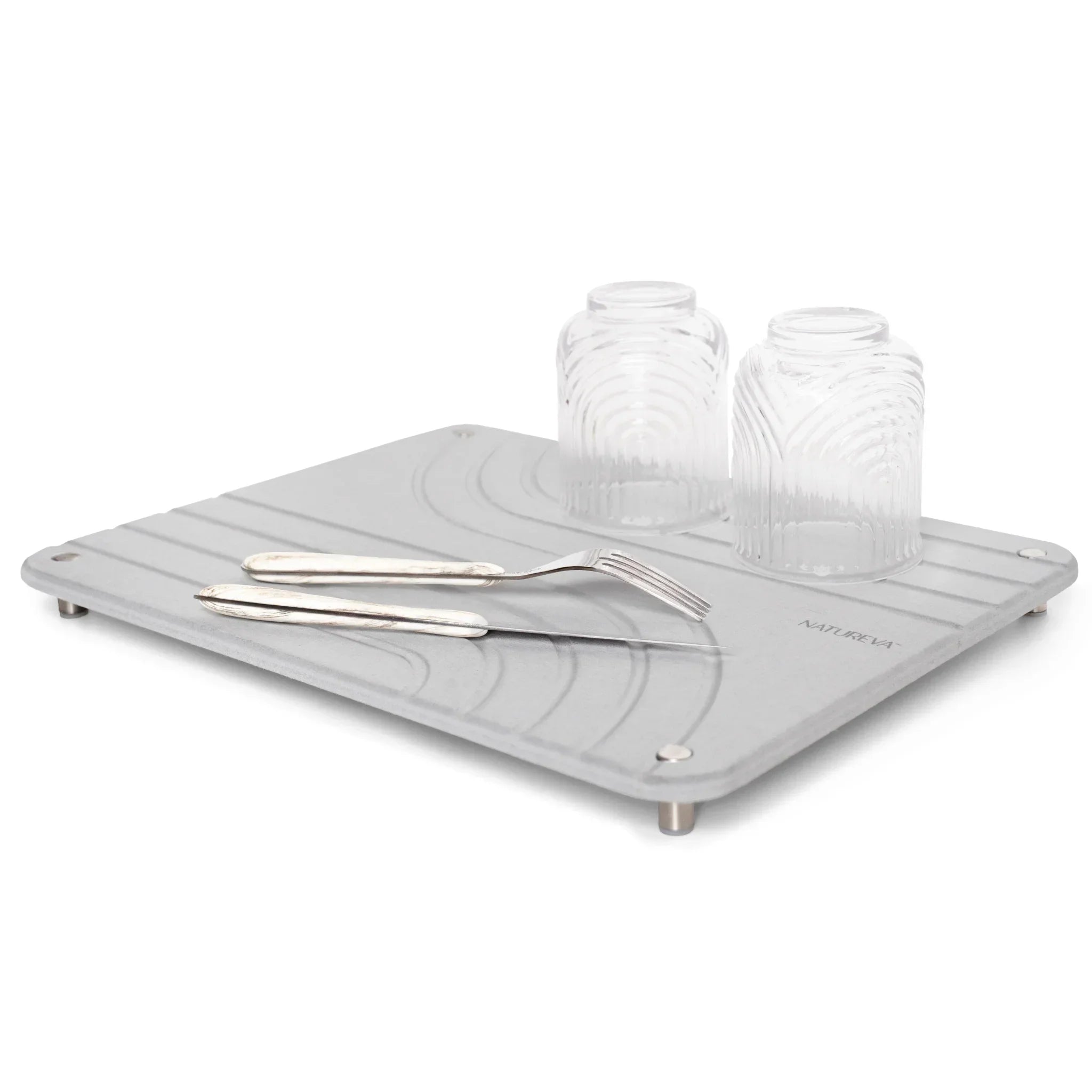
Stone and bamboo cotton solve the same damp-floor problem with two different care routines, and knowing which one fits your laundry habits is the fastest way to narrow your choice. Stone mats never touch a washing machine. A wipe with a damp cloth once a week keeps the surface clean, and the stone bath mat range dries in under 8 minutes after a shower, as confirmed by an independent Homes To Love test.
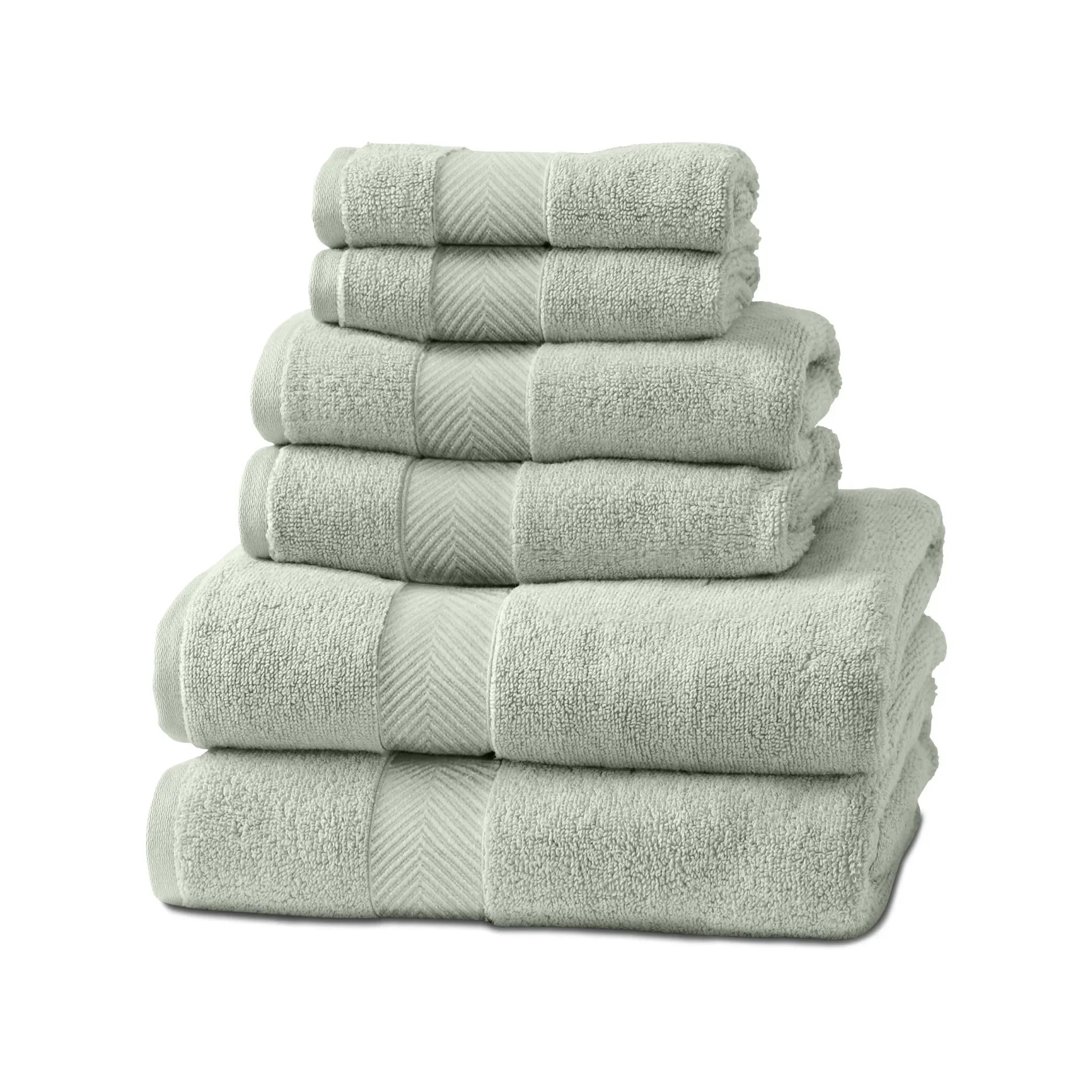
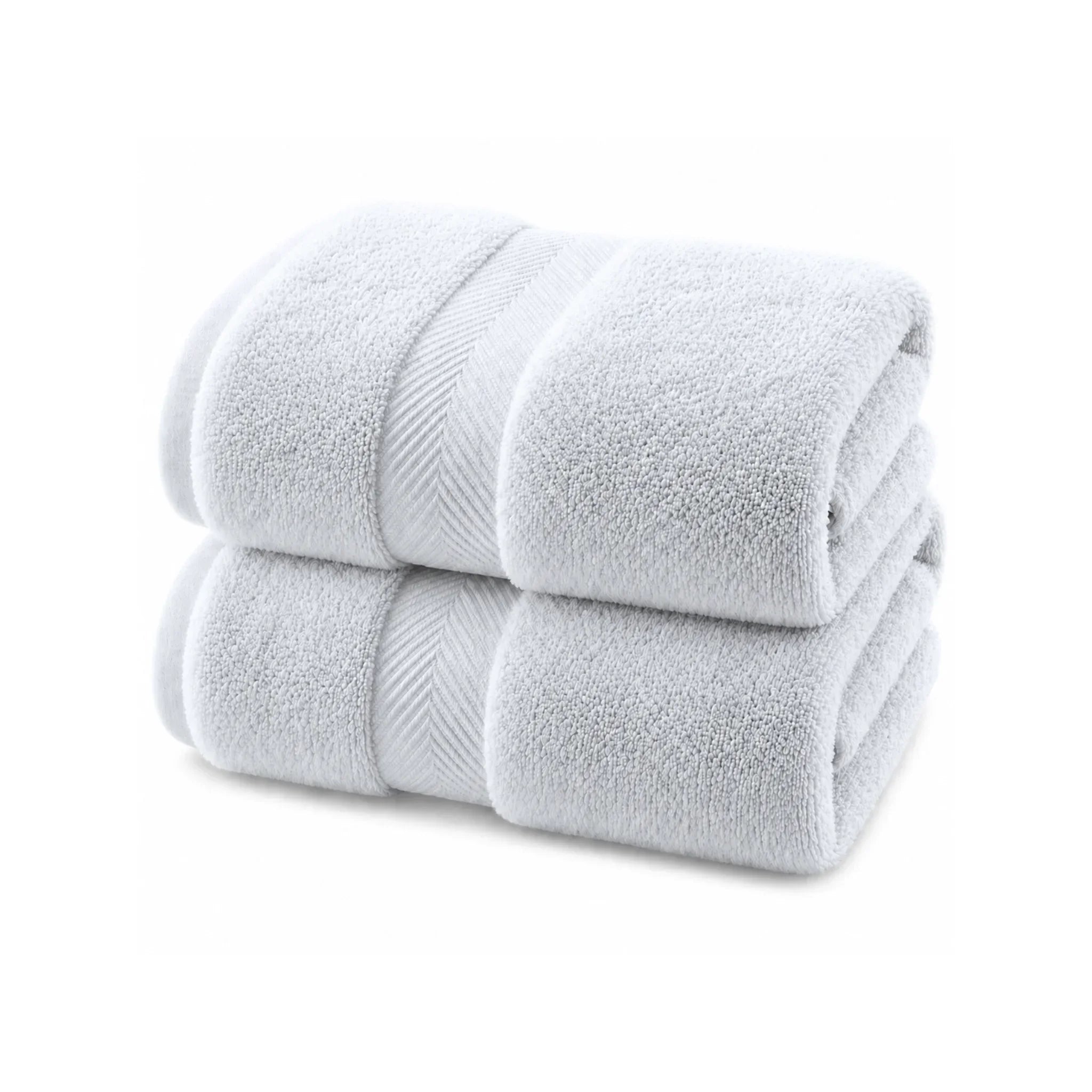
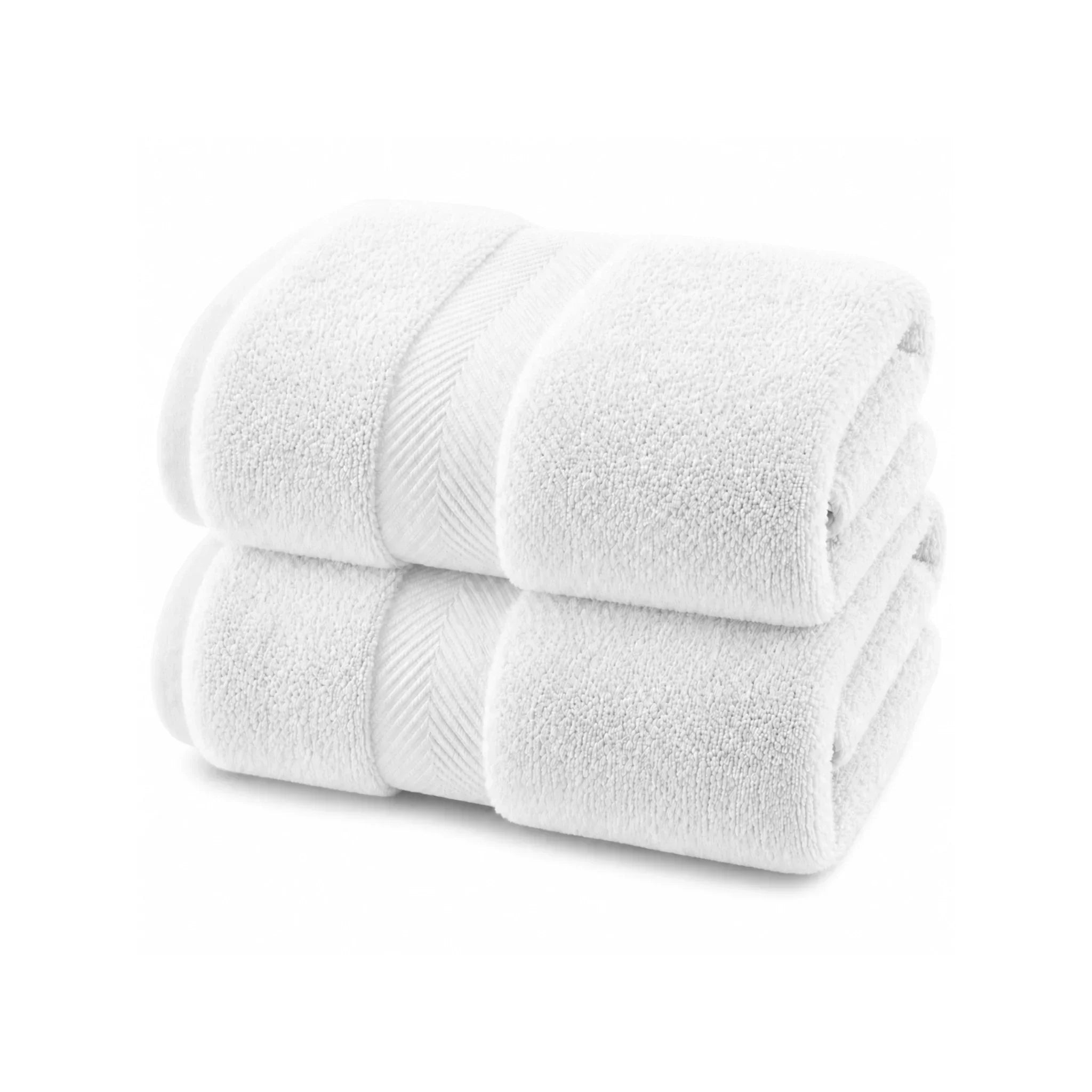
Bamboo cotton goes the other direction. The bamboo cotton towel set is machine washable on a gentle warm cycle, and the 70% cotton, 30% bamboo viscose blend sheds water faster than standard cotton towels once it comes out of the dryer.
Price, size, and slip resistance also split along the same line. Stone sits flat and heavy on the floor with a non-slip base pad built in, while bamboo cotton has no base pad because it is meant to be wrung out and washed like any towel.
| Mat type | Wash method | Dry time | Price | Non-slip base |
|---|---|---|---|---|
| Stone bath mat | Wipe clean only | Under 8 minutes | $59 | Yes, full base pad |
| Bamboo cotton towel set of 6 | Machine wash, gentle warm | Faster than standard cotton | $89 | No, lies flat |
| Bamboo cotton bath sheet set of 2 | Machine wash, gentle warm | Faster than standard cotton | $99 | No, lies flat |
If you want a deeper look at what separates a good stone mat from a weak one before you buy, the breakdown in five diatomite bath mat features to check before buying covers thickness, density, and base pad quality in more detail.
Shop Washable Bathroom Floor Mats By Pattern And Size
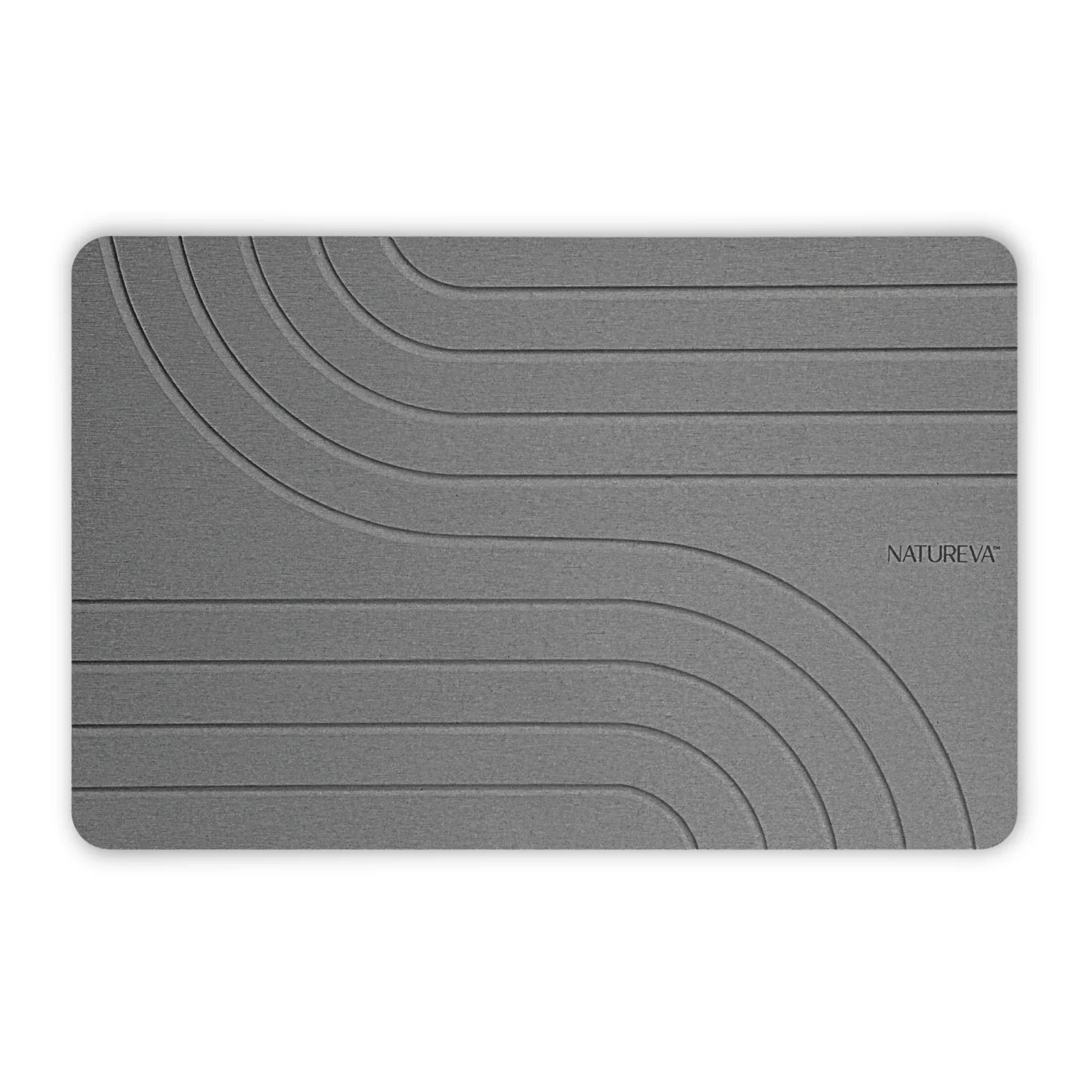
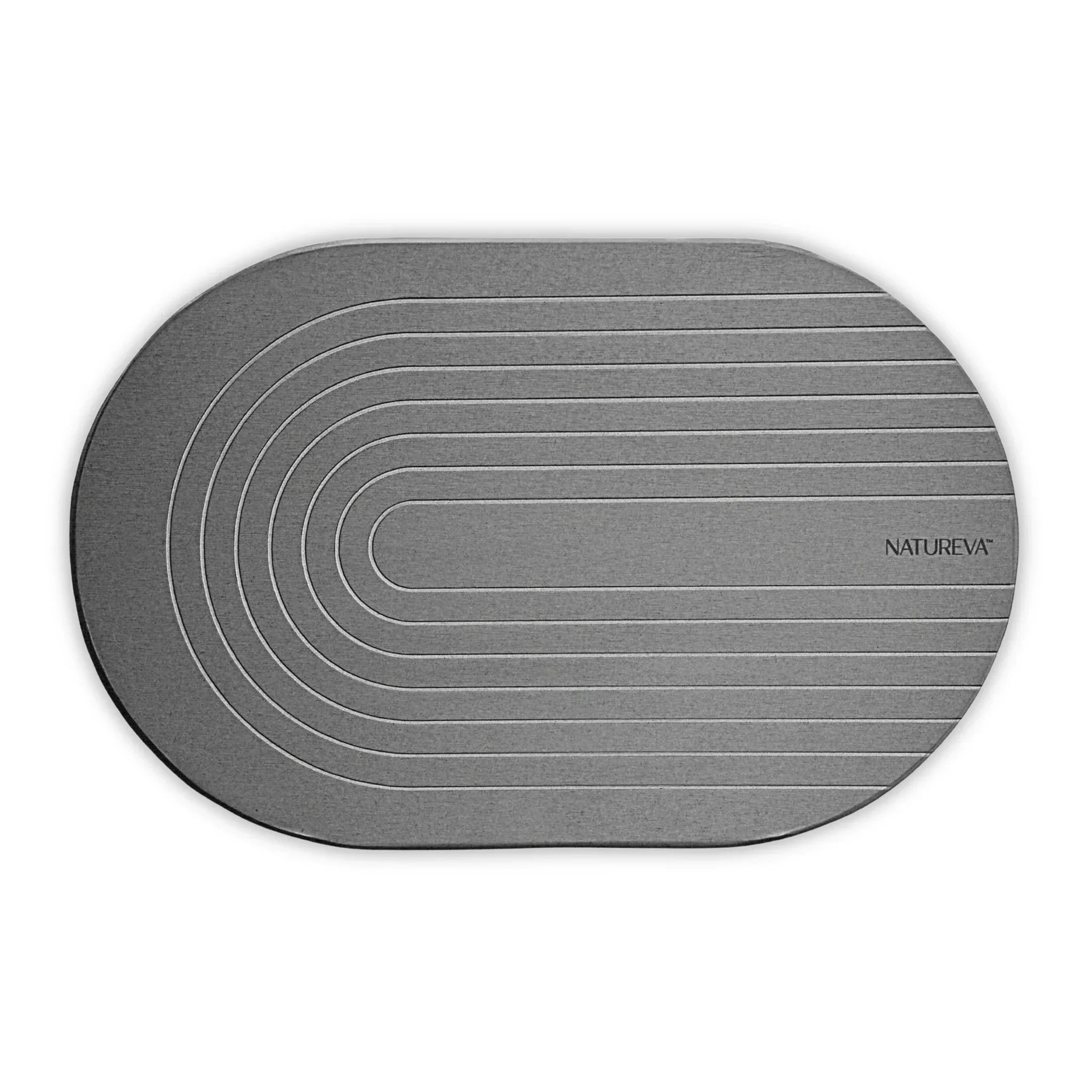
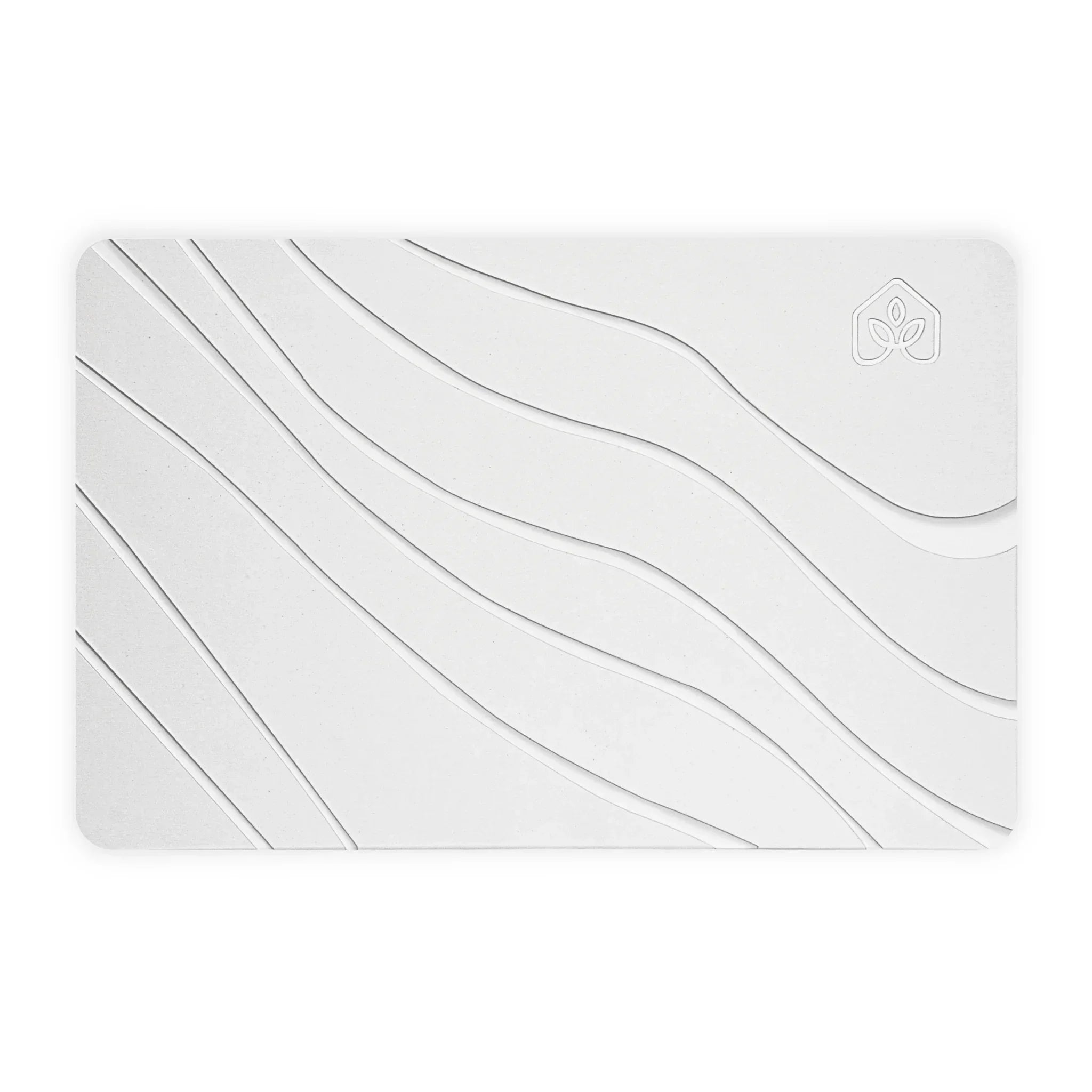
Each stone pattern comes in the same 60 x 39 cm footprint, so the choice comes down to look, not fit. Tide carries soft horizontal shoreline bands, Flow runs diagonal wave contours, Rain scatters sparse vertical droplet lines, and Arch bends the whole design into an oval. All four ship in Graphite, Slate, or Chalk, and all four cost $59.
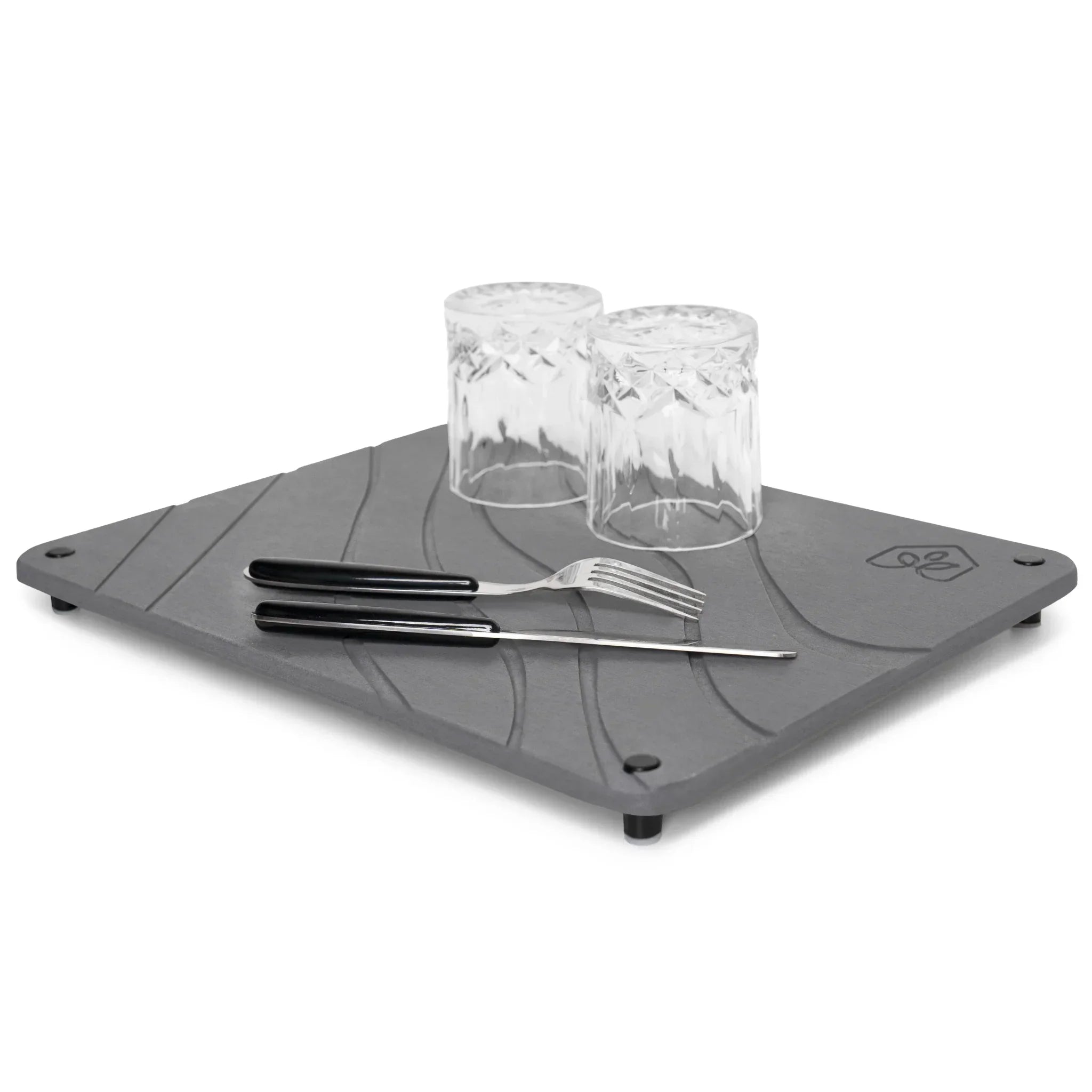
Weight is the one spec that splits the group apart. The three rectangular mats sit at roughly 1.8 kg, while the oval Arch comes in lighter at 1.55 kg since the curved shape uses less stone. Every mat in the range includes the same sanding tool and a full non-slip base pad, no exceptions.
| Pattern | Shape | Weight |
|---|---|---|
| Tide | Rectangular | 1.8 kg |
| Flow | Rectangular | 1.8 kg |
| Rain | Rectangular | 1.8 kg |
| Arch | Oval | 1.55 kg |
None of these go in a washing machine. A weekly wipe with a damp cloth keeps the surface clean, and the mat dries within minutes once feet step off it, so there is no cycle to plan around. Start with the Rain pattern if you want the most understated texture of the four.
Round Out The Set With Faucet Mats And Caddies
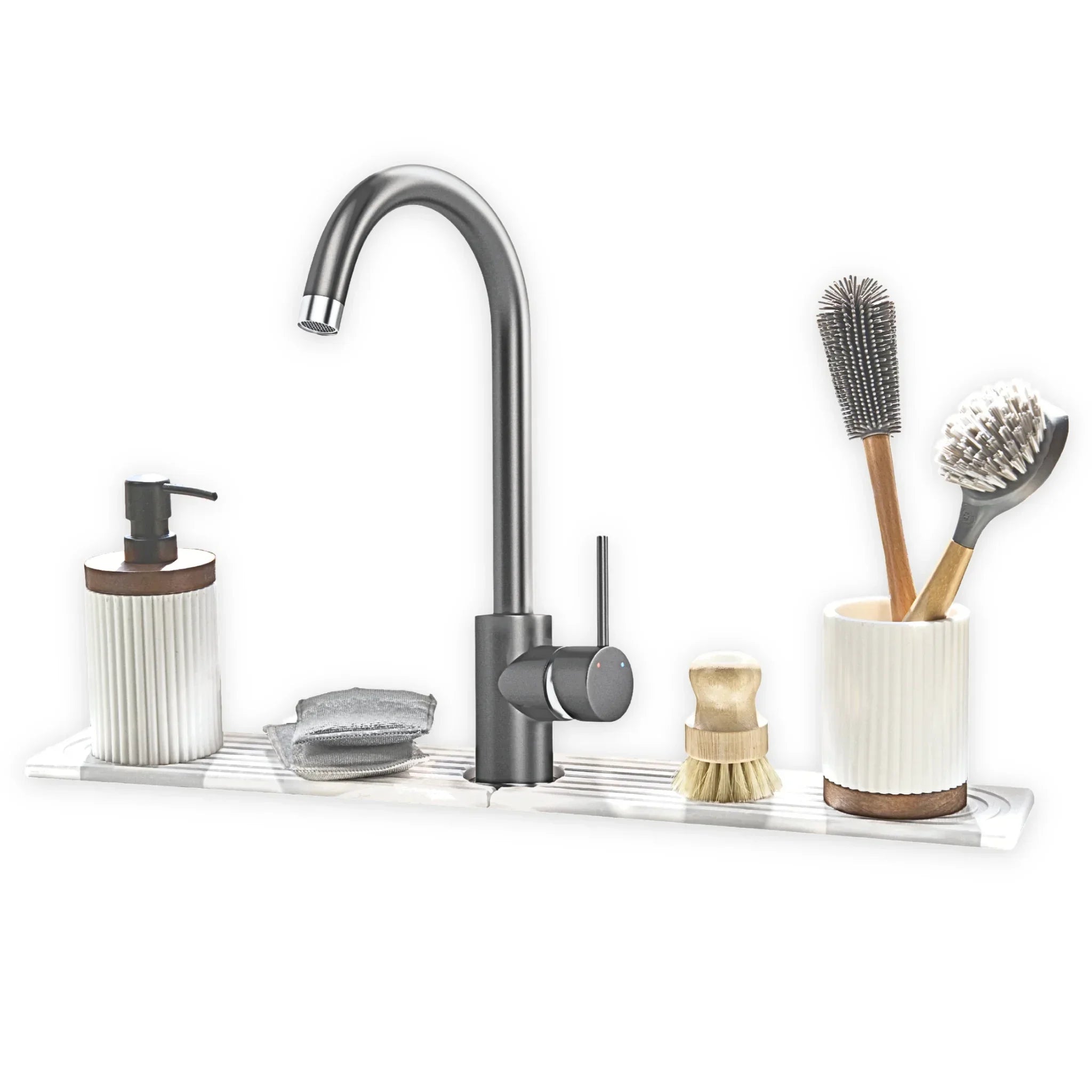
A faucet mat catches the splash that lands behind the tap before it pools on the counter. The Arch pattern stretches into a narrow 60 x 10 cm strip, priced at $29, carrying the same contour lines as the oval bath mat scaled down to a runner shape.
A sink caddy handles the drips from bottles and sponges instead. It comes in Flow or Rain, sits 2.5 cm above the counter on stainless steel legs, and costs $25. Three pieces complete a coordinated bathroom setup:
- Bath mat on the floor for the step out of the shower
- Faucet mat behind the tap to catch splashback
- Sink caddy under bottles to keep the counter dry
All three ship in Graphite, Slate, or Chalk, so one colour choice carries through the whole room without hunting for a matching shade later. Pairing the faucet mat with the sink caddy means nothing on the counter stays wet long enough to leave a ring.
The next generation of home essentials: naturally made, cleaner by design, sustainable by nature.
SHOP ALLFilter By Size Absorbency And Non-Slip Base
Three measurements decide which stone piece fits a given spot. The standard bath mat footprint is 60 x 39 cm, the sink caddy is a compact 25 x 10 cm, and the faucet strip runs 60 x 10 cm along the base of the tap. Matching the footprint to the floor or counter space is the first filter to run before anything else.
Absorbency works differently depending on the material. Diatomite dries in under 8 minutes after a shower, while bamboo cotton holds more water per load and needs a wash cycle to fully dry out again. Non-slip grip is built in either way: bath mats and the pet mat ship with a full base pad, and caddies rely on silicone pads sized to the exact diameter of their steel legs.
- Measure the floor or counter space against the mat's footprint
- Decide if a wipe-clean routine or a wash cycle fits your week
- Check that the base pad or leg pads match the surface you're placing it on
Stone Or Fabric, See Which Wins Your Bathroom
Fabric mats need a wash every week to stay sanitary, and even then they stay damp between cycles because the fibres hold water instead of releasing it. Rubber and silicone mats resist water on the surface, but moisture collects underneath where the mat meets the floor, creating the same damp conditions fabric creates, just hidden from view.
Stone skips both problems by skipping the wash cycle entirely. A damp cloth wipe once a week is the only upkeep it needs, and the surface dries within minutes, leaving no damp environment for odour or mould to form underneath or on top. The differences break down like this:
- Fabric mats: machine wash weekly, stay damp between washes
- Rubber or silicone mats: surface resists water, moisture traps underneath
- Stone mats: wipe clean, dry within minutes, no wash cycle at all
Independent lab reviews back the same pattern, as noted in Consumer Reports' bath mat testing, where moisture retention is consistently the deciding factor between materials.
Pick Pore Speed Or Plush Feel
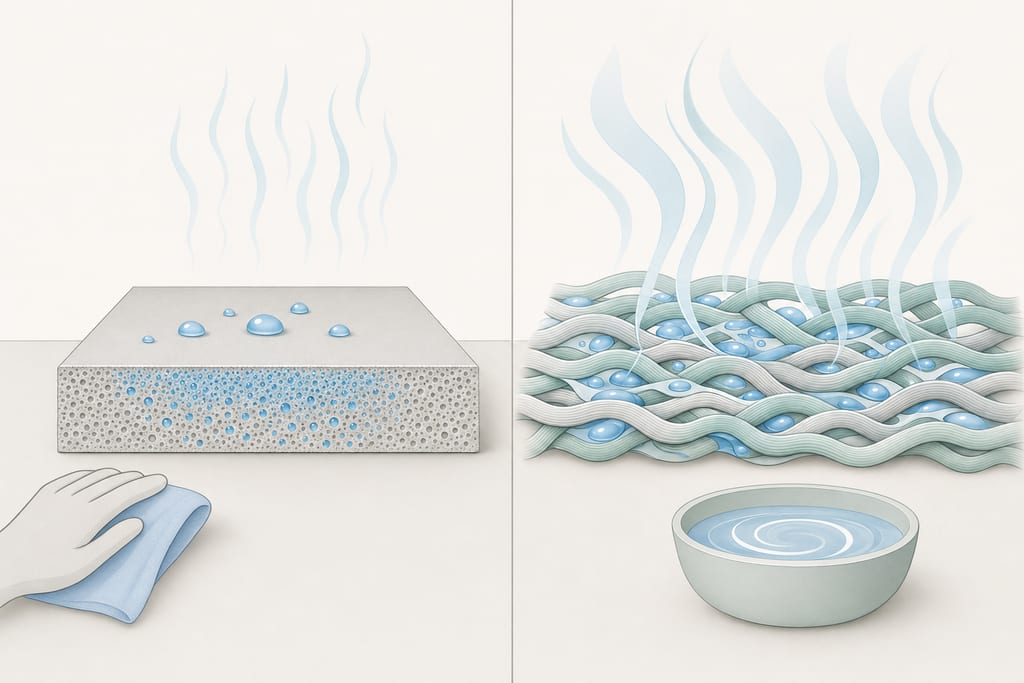
The decision under all of this is what the pores are actually doing. Diatomite is riddled with millions of microscopic channels that pull water in on contact and push it back out through evaporation, so the surface never holds a puddle long enough to soak through.
A woven fibre works the opposite way. Fabric only absorbs at the surface, so once the top layer is saturated the water has nowhere to go until a dryer or open air pulls it out, which is why a towel-style mat still feels damp long after the shower is off.
That gap is not a guess. An independent test by Homes To Love measured a stone mat drying fully in under 8 minutes, a result the pore structure makes possible and surface absorption cannot match.
Choose based on what you want from the floor each morning:
- Pick pore speed if you want a mat that is dry before you've finished brushing your teeth
- Pick plush fibre if a soft, towel-like step matters more to you than fast turnaround
- Pick pore speed if you share a bathroom with more than one person showering back to back
Either choice solves the damp-floor problem described earlier in this guide, but only one of them does it without a wash cycle. The diatomite bath mat range is built around that pore mechanism, while a plush fabric mat trades drying speed for a softer feel underfoot.
Choose Your Mat And Finish The Order
Match the footprint to your floor, pick stone if you want a wipe-clean routine, pick bamboo cotton if you'd rather wash and dry it, then add it to cart. Orders over $100 ship free, so pairing a bath mat with a faucet mat or caddy often clears that line in one checkout instead of two separate orders. Natureva ships from Australia or Canada depending on where you live, with tracking and delivery in 2 to 8 business days. Once it arrives, the only upkeep is a weekly wipe for stone or a gentle wash cycle for bamboo cotton, so the choice you make at checkout is the only decision this floor needs for a long time.
The next generation of home essentials: naturally made, cleaner by design, sustainable by nature.
SHOP ALLWashable Bathroom Mat Questions
Can a stone bathroom mat go in the washing machine?
No. A diatomite stone mat is a rigid slab, not a textile, so it cannot go through a wash cycle or a spin cycle. Putting it in a machine would crack the material and tear the base pad underneath. The correct care routine is a weekly wipe with a damp cloth, which keeps the surface clean without ever touching a machine.
What counts as washable if the mat never touches a machine?
Washable just means the surface can be cleaned and reused instead of thrown out, not that it has to go through a laundry cycle. A stone mat is washable in the sense that it wipes clean with water and dries on its own, the same way a countertop or tile floor does. The bamboo cotton range is washable in the more familiar sense, going through a gentle machine cycle like a normal towel.
Does a stone mat need special soap or detergent to clean?
No special detergent is needed. A warm damp cloth handles routine cleaning, and cleaning vinegar lifts most residue without damaging the surface. Coloured soaps should be avoided since they can stain the porous stone. For a deeper mark or a stubborn stain, hydrogen peroxide or a gentle rinse under water takes care of it.
What happens if the mat gets fully soaked and doesn't dry between uses?
A fully saturated mat should be stood upright to air dry rather than left flat on the floor, since standing it up exposes more surface area to air. If a mat stops drying as fast as it used to, that usually means the surface pores have clogged with soap residue or mineral buildup. Natureva includes a P320 grit sanding tool with every stone product to reopen those pores and restore full absorbency.