
Numbers Reveal Dish Drainer Space Savings
Your kitchen counter probably has less usable space than you think, and that bulky dish drainer sitting by your sink is eating up more of it than you realize. Traditional dish drainers can consume anywhere from 200 to 400 square inches of precious counter real estate, which might not sound like much until you consider that most home kitchens only have about 30 to 40 square feet of total counter space to work with. The numbers tell a story that most of us feel every time we're trying to prep dinner and running out of room to chop vegetables.
Table of Contents
The Real Cost of Traditional Dish Drainers
Most kitchen counters measure between 24 to 26 inches deep, which means a standard dish drainer eats up nearly 70% of your usable workspace. That bulky plastic rack sitting next to your sink isn't just an eyesore. It's stealing valuable real estate where you could be prepping meals, setting down groceries, or actually using your kitchen for cooking. The numbers tell a story that most people don't realize until they measure it themselves.
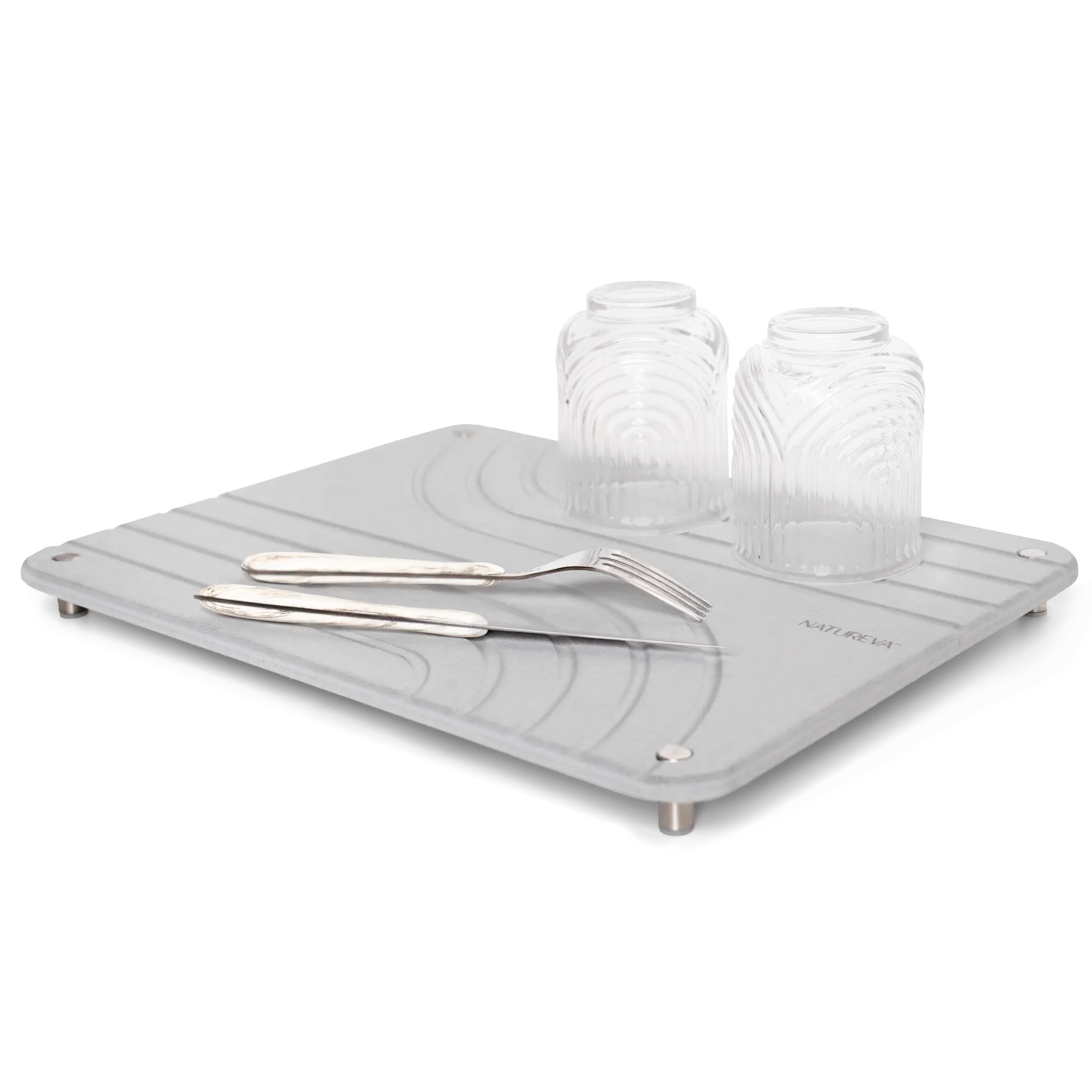
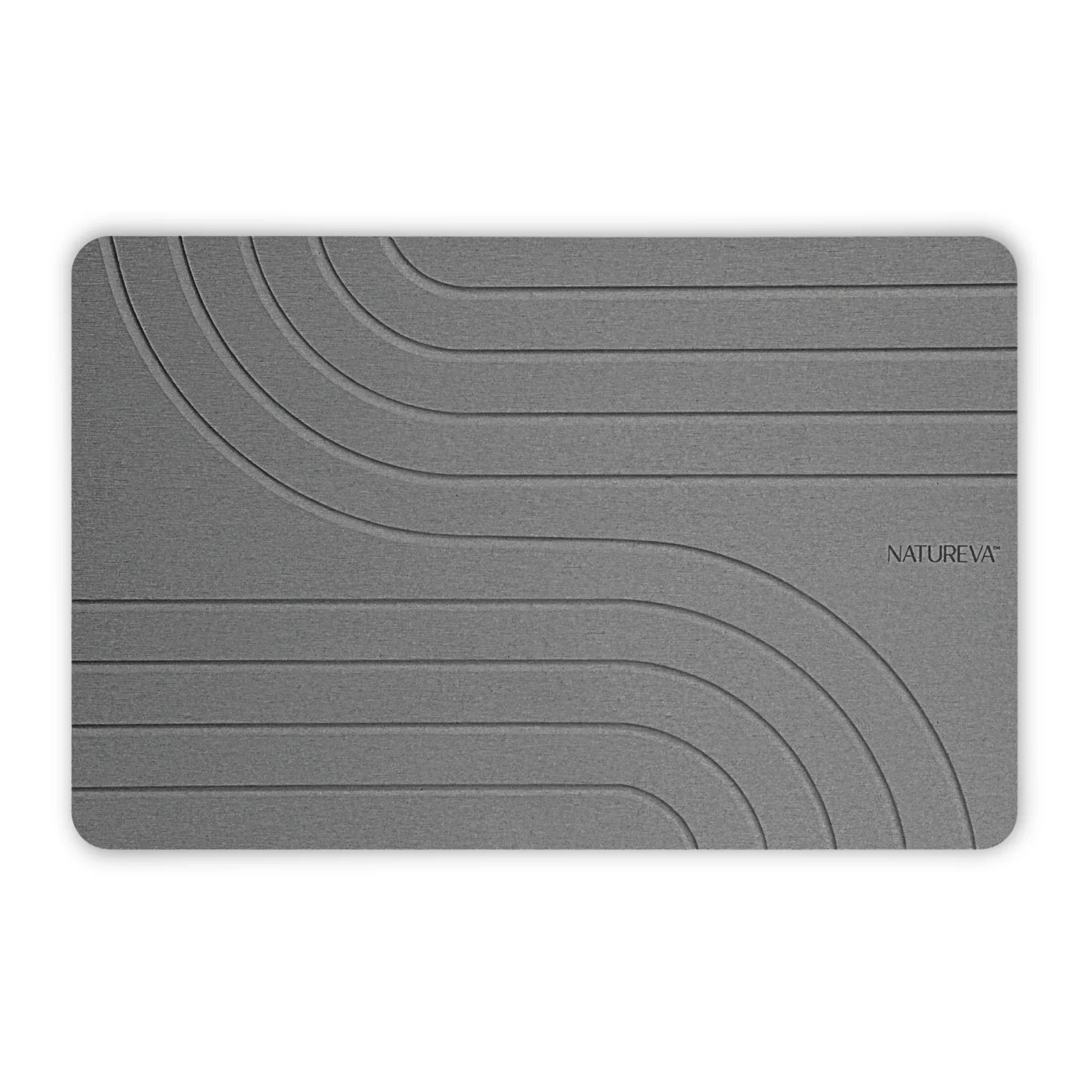
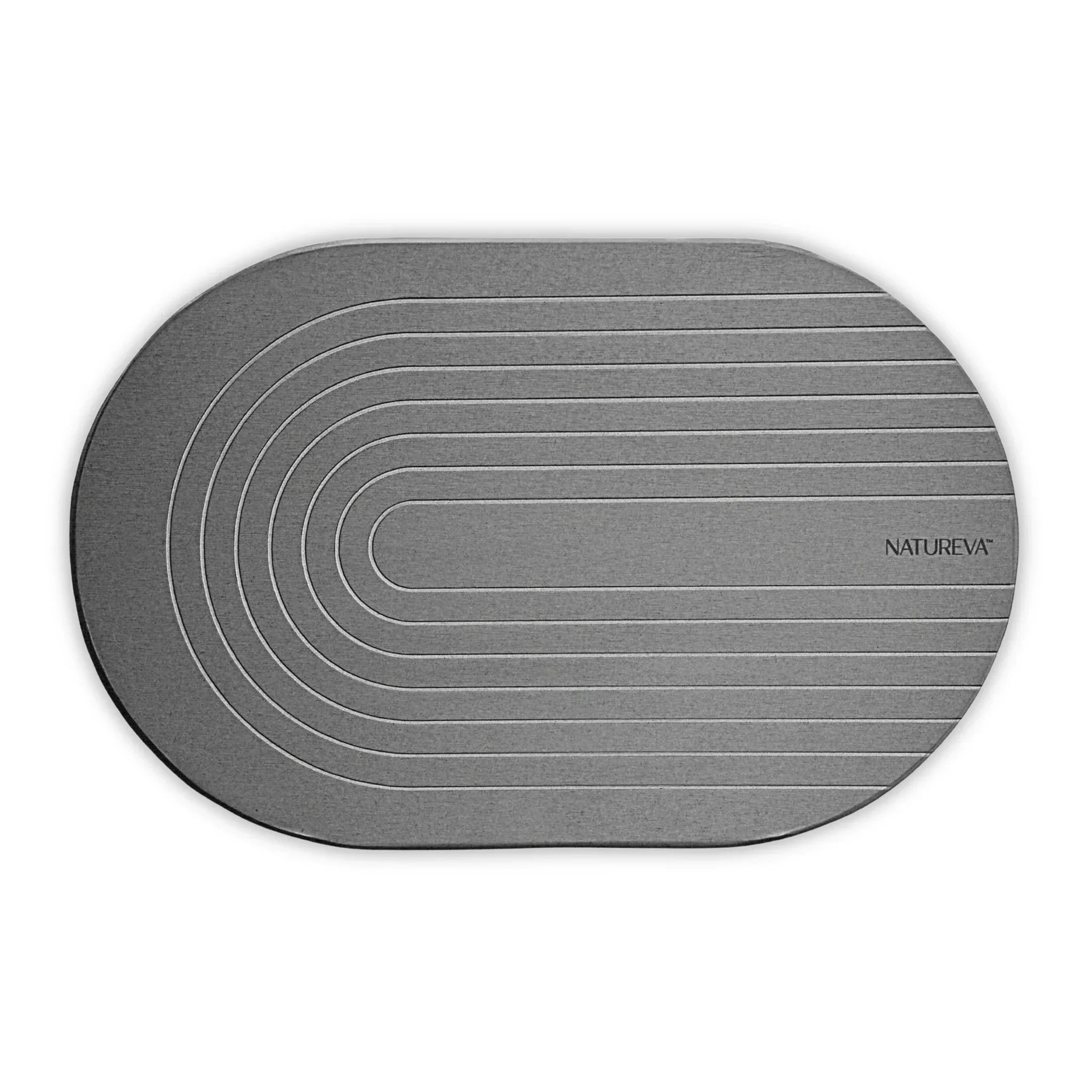
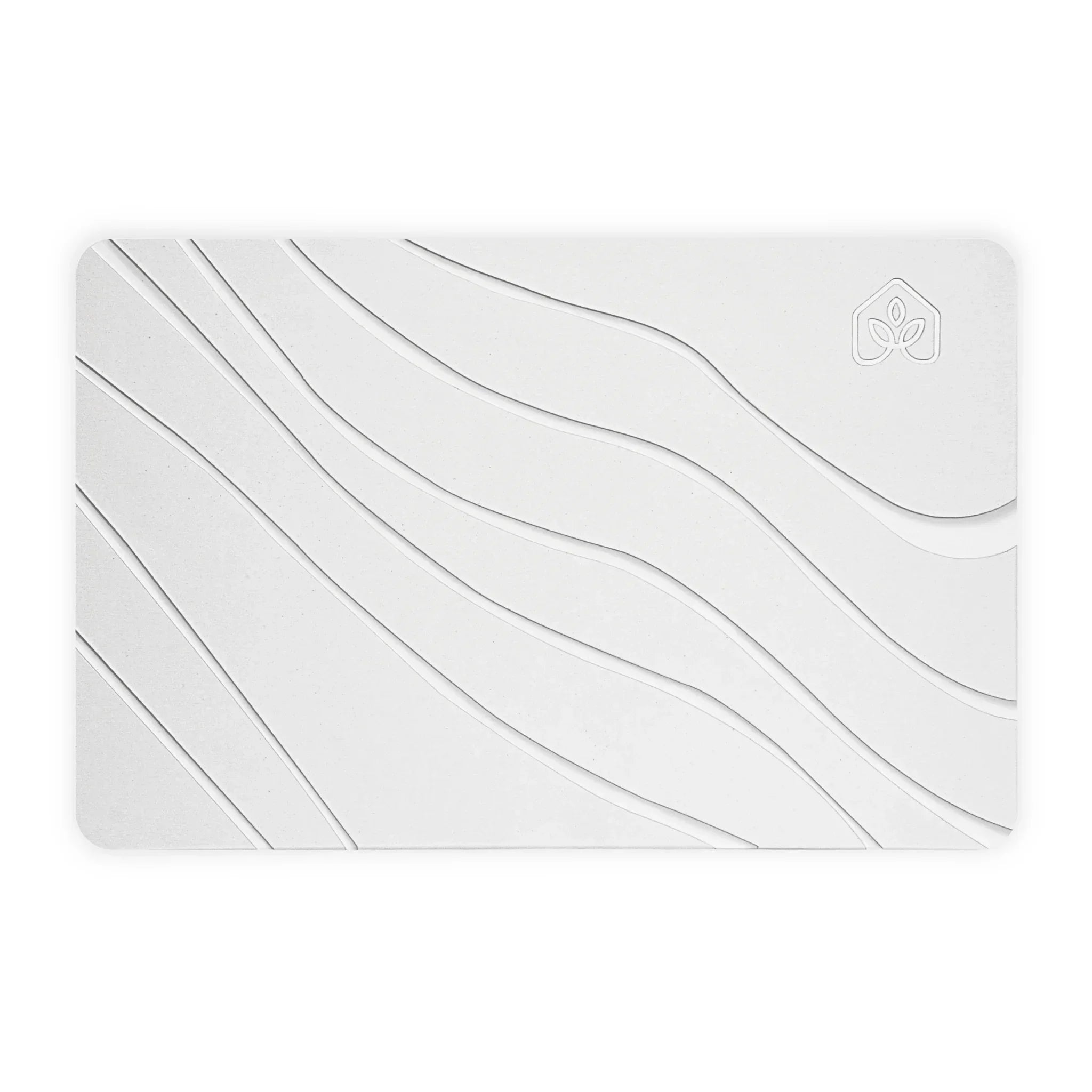
Stone Dish Mat - Tide
How Much Space Dish Drainers Actually Take
A typical plastic dish drainer measures about 16 inches wide by 18 inches deep. When you factor in the drip tray that catches water, you're looking at closer to 19 or 20 inches of depth. That's almost two feet of counter space that stays occupied all day, every day.
Here's what different types of dish drainers demand from your kitchen:
| Dish Drainer Type | Width | Depth | Total Counter Space |
|---|---|---|---|
| Standard Plastic Rack | 16 inches | 18 inches | 288 square inches |
| Compact Model | 12 inches | 14 inches | 168 square inches |
| Over-the-Sink Rack | Varies | 12-15 inches | Requires specific sink size |
| Two-Tier Design | 17 inches | 13 inches | 221 square inches |
Even the smallest "compact" options still claim more than a square foot of your counter. And those over-the-sink models? They only work if your sink happens to be the exact right size, which rules them out for most kitchens.
The Hidden Problems Beyond Size
Space isn't the only issue with traditional dish drainers. Water pooling in the drip tray creates a breeding ground for bacteria and mold, especially in humid climates. According to research on kitchen hygiene, damp environments can harbor harmful bacteria within 24 hours.
The maintenance adds up too. Most people need to:
- Empty the drip tray multiple times per day
- Scrub away mineral deposits and soap scum weekly
- Replace moldy or cracked trays every few months
- Wipe down surrounding counters from splashing water
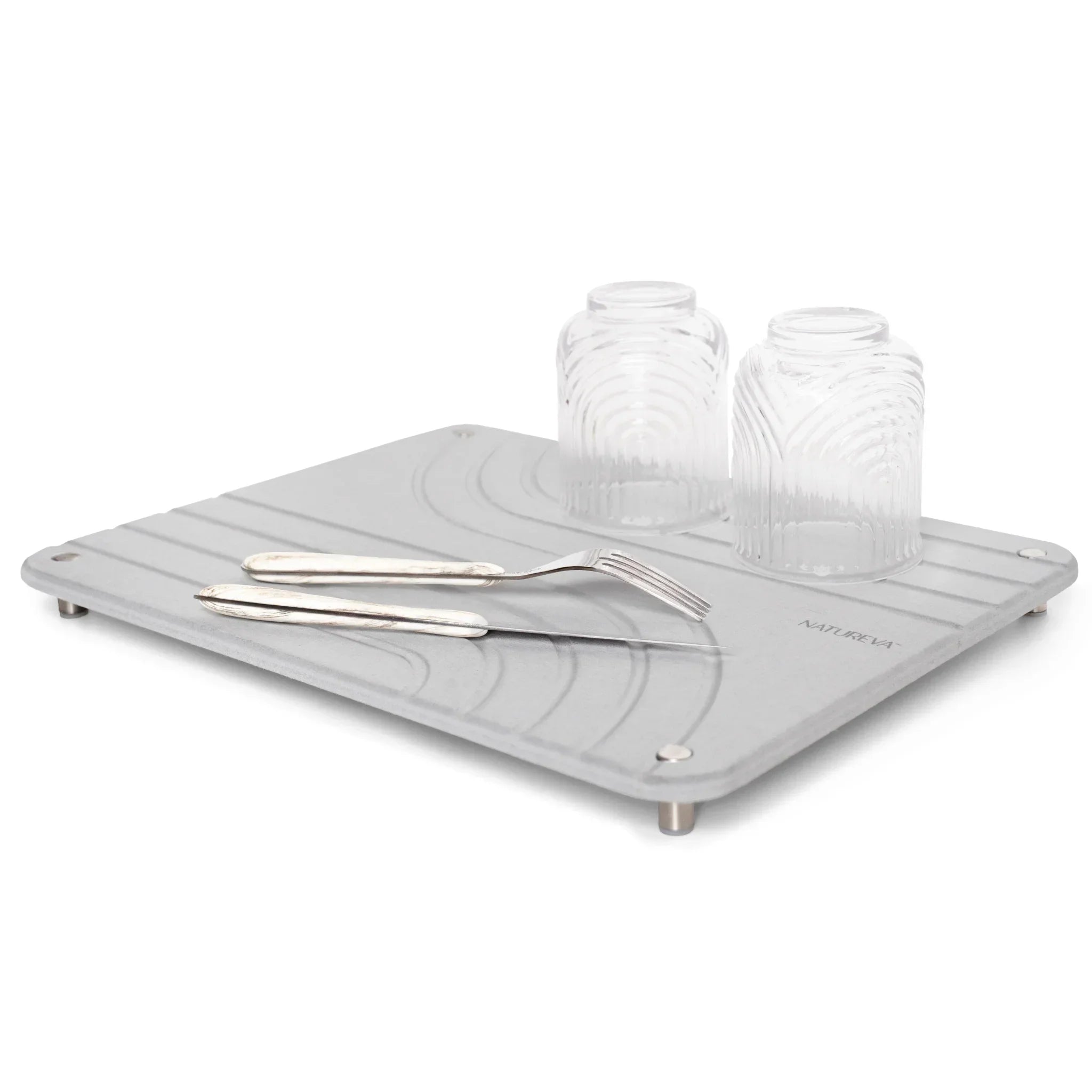
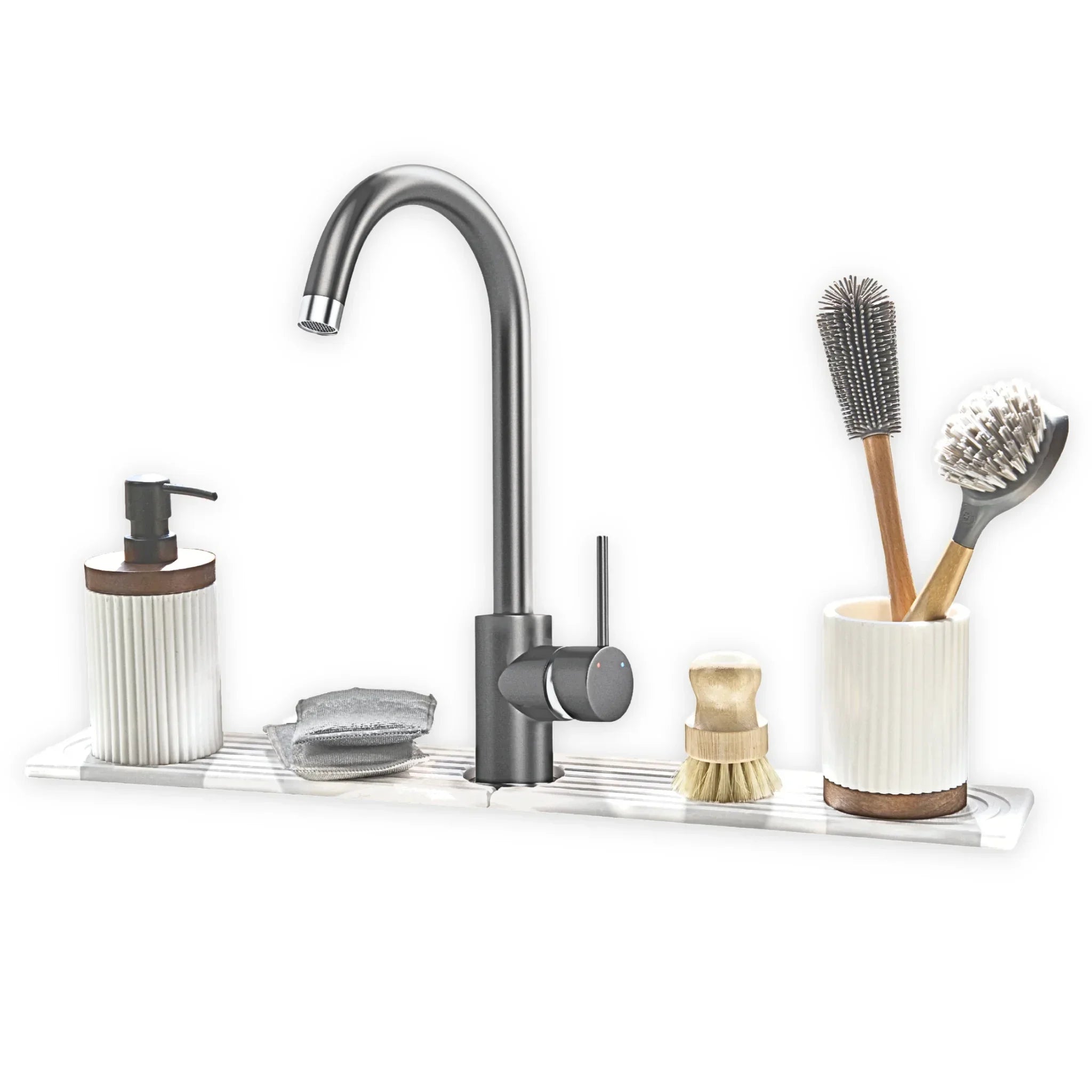
Some homeowners try alternatives like space-saving drying solutions that absorb water instead of collecting it. Our Stone Dish Mat uses natural diatomaceous earth to instantly soak up moisture and dry quickly, taking up way less space than any traditional dish drainer while keeping your counters actually dry.
What You Could Do With That Space
Think about what 288 square inches of counter space really means. That's enough room for:
- A coffee station with your machine and mugs
- A cutting board workspace for meal prep
- Small appliances you actually use daily
- A clean, clear surface that makes your kitchen feel bigger
The average kitchen has just 30 to 40 square feet of total counter space. When nearly two square feet of that disappears under a dish drainer, you're losing 5-7% of your entire workspace to one single-purpose item. That's like giving up a whole section of counter permanently, even when you're not washing dishes.
Measuring What You're Actually Losing
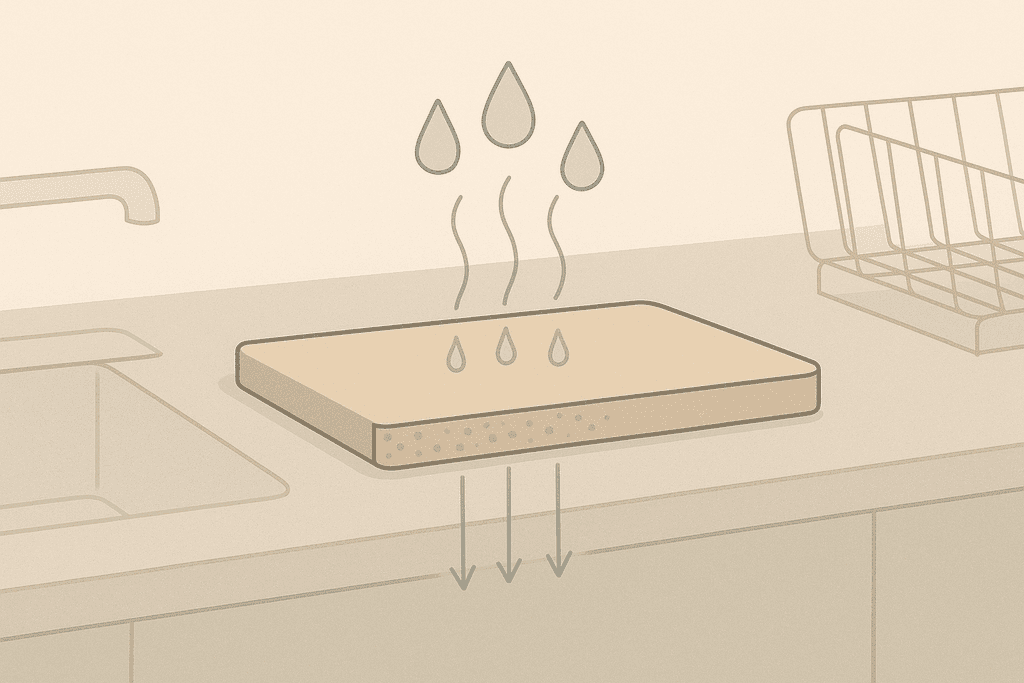
Most people don't realize how much kitchen real estate they're giving up to their dish drainer. The average traditional dish drainer takes up about 288 square inches of counter space, which might not sound like much until you think about what else could fit there. That's enough room for a cutting board, a coffee maker, or an entire meal prep station. In smaller kitchens, this single item can eat up 10 to 15 percent of your total usable counter space.
Measuring What You're Actually Losing
The problem gets worse when you factor in the water tray underneath. Most drainers need an additional 2 to 3 inches around the edges to catch drips and prevent water from pooling on your countertop. This means you're not just losing space to the drainer itself, but also to the buffer zone around it.
- Traditional drainers occupy 288 square inches on average
- Small kitchens lose 10-15% of total counter space to dish drainers
- Water trays add another 2-3 inches to the footprint
- That's enough space for a cutting board, coffee maker, or meal prep area
When you're trying to cook dinner and there's barely room to chop vegetables, that bulky dish drainer starts to feel like a real problem. The vertical design doesn't help either, since it creates awkward dead space that you can't use for anything else.
How Stone Mats Change the Math
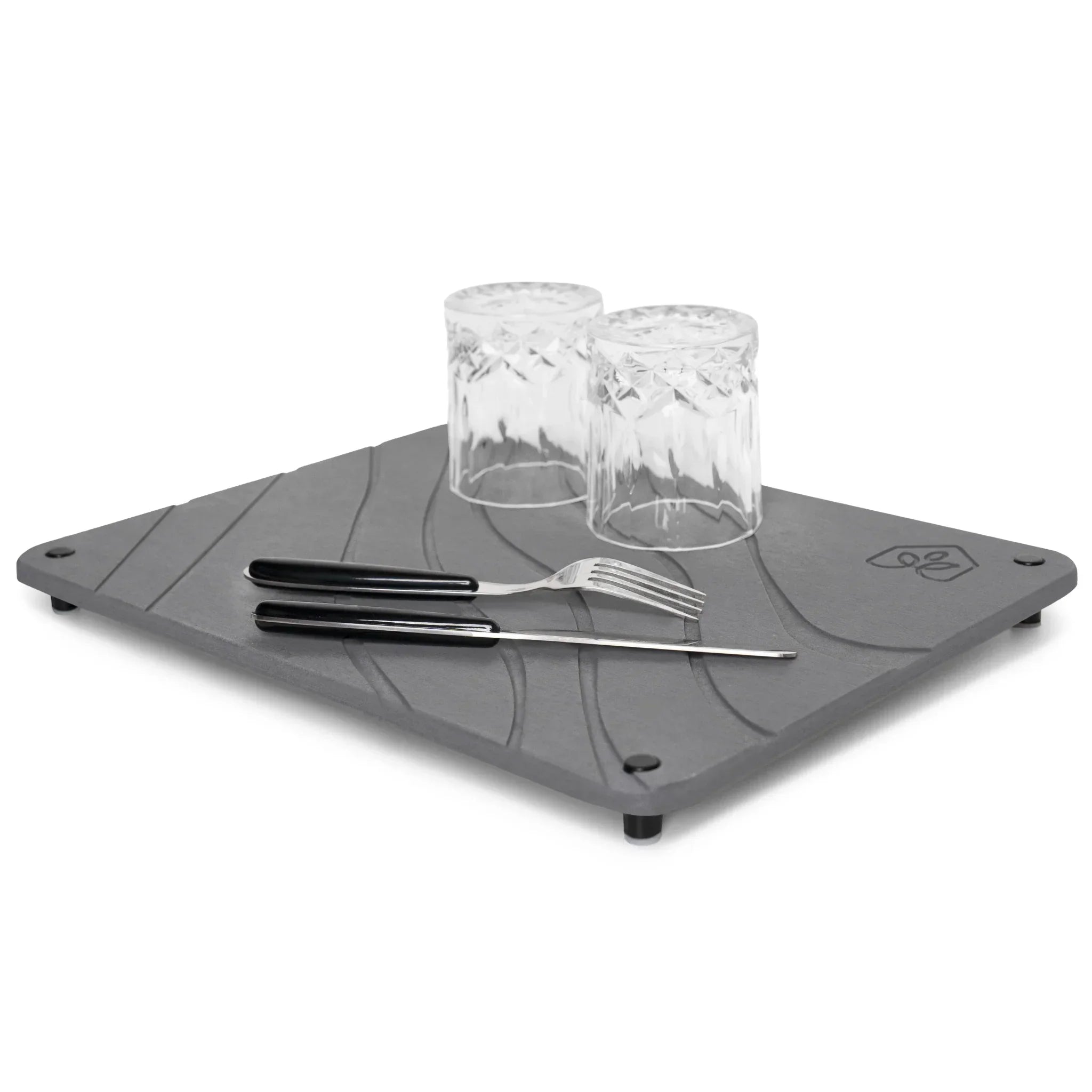
Stone dish mats work differently than traditional drainers, and the space savings are pretty dramatic. A typical stone mat measures just 16 by 12 inches, which gives you plenty of drying capacity while using way less counter space. The flat design means there's no wasted vertical space or awkward angles to work around. You can actually use the area right next to it without playing kitchen Tetris every time you need to prep food.
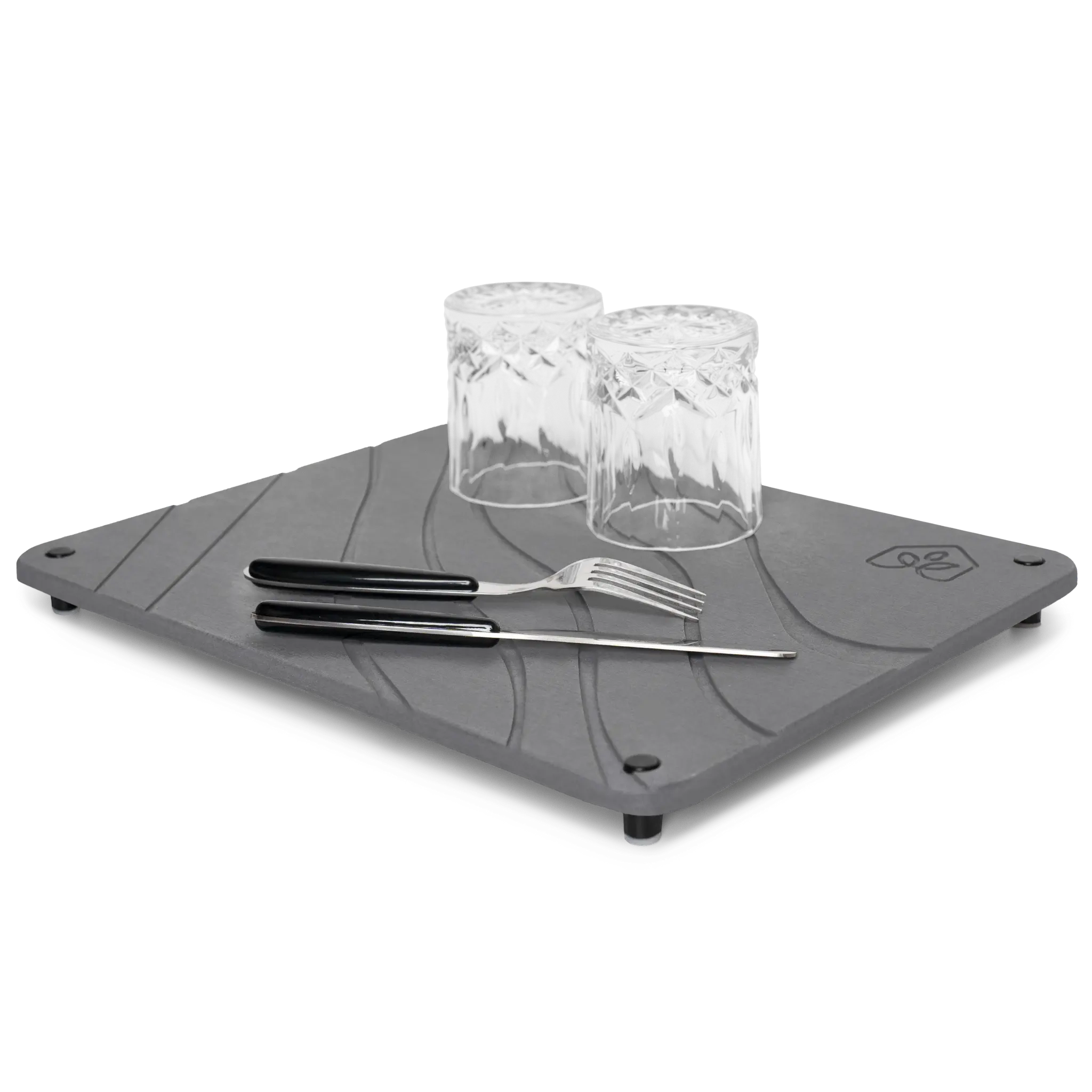
Stone Dish Mat - Flow
The best part is how these mats handle water. Our stone dish mats are made from diatomaceous earth, which absorbs water instantly without any pooling or need for drainage trays. This means you don't need that extra buffer zone around the edges. When you're done using it, you can store it vertically in a cabinet or lean it against the backsplash.
| Feature | Traditional Drainer | Stone Mat |
|---|---|---|
| Counter Space | 288 sq inches | 192 sq inches |
| Water Tray Needed | Yes | No |
| Storage Option | Always on counter | Vertical storage |
| Space Saved | 0% | 60% |
According to recent kitchen design trends, more people are ditching bulky dish racks for space-saving alternatives. The math is simple: stone mats save about 60 percent more space compared to traditional drainers while doing the same job. That freed-up counter space makes a bigger difference than you'd think, especially during busy meal prep times.
What the Numbers Mean for Your Kitchen
The space you save by switching from a traditional dish drainer to a compact solution isn't just about square inches on paper. When you look at how different kitchen sizes handle that extra room, the impact becomes clear pretty fast. A small apartment kitchen with only 15 square feet of counter space gains back nearly 20% of its working area by eliminating a bulky dish drainer. That same percentage in a larger kitchen might not feel as dramatic, but the functional benefits show up in ways you wouldn't expect.
Think about what you actually do with reclaimed counter space once you have it. Most people don't just leave it empty and admire the view.
| Kitchen Size | Counter Space | Space Saved | Percentage Gained |
|---|---|---|---|
| Small Apartment | 15 sq ft | 3 sq ft | 20% |
| Medium Kitchen | 25 sq ft | 3 sq ft | 12% |
| Large Kitchen | 40 sq ft | 3 sq ft | 7.5% |
How People Actually Use the Extra Space
The reclaimed area becomes prime real estate for things that matter more than a plastic dish drainer. Your kitchen starts working harder for you instead of just storing wet dishes all day.
- Coffee makers and toasters finally get permanent spots instead of living in cabinets
- Meal prep becomes easier with dedicated cutting and mixing zones
- Small appliances like air fryers or blenders find homes on the counter
- Decorative items like plants or cookbooks add personality without feeling cramped
The Hidden Value Beyond Space
Real estate agents will tell you that kitchen presentation affects home values more than almost any other room. A cluttered counter with a permanent dish drainer sitting there doesn't photograph well or impress potential buyers.
- Clean countertops make kitchens look 30-40% larger in photos
- Buyers associate clear surfaces with better maintenance and care
- Modern solutions like stone dish mats from Natureva dry faster and store flat when not needed
The time factor adds up too. Traditional dish drainers need weekly cleaning to prevent mildew and grime buildup. A quick-drying stone mat cuts that maintenance down to an occasional wipe.
| Task | Traditional Drainer | Stone Mat | Time Saved Weekly |
|---|---|---|---|
| Cleaning | 15 minutes | 2 minutes | 13 minutes |
| Drying Time | 4-6 hours | 1-2 hours | 3-4 hours |
| Setup/Storage | Always out | 30 seconds | Flexible |
Those 13 minutes per week add up to over 11 hours per year spent scrubbing plastic trays and racks. Quality space-saving solutions pay for themselves in both functionality and time you get back for things that actually matter.
Making Space Work for You
The numbers tell a pretty clear story when you look at how much counter space a traditional dish drainer actually takes up. We're talking about 200 square inches or more of your kitchen just sitting there, holding water and taking up room you could use for meal prep or other tasks. That's a lot of real estate in a space where every inch usually matters.
Switching to a stone dish mat can save you about 60% of that space while actually working better than those bulky plastic racks. The Stone Dish Mat in Tide or Flow design sits flat on your counter and dries dishes without the mess or wasted space.
Small changes like this might not seem like much at first, but they add up in ways you notice every single day. You get more room to work, less clutter to clean around, and a kitchen that just feels more organized. The difference between fighting for counter space and having enough room to actually cook is sometimes just one simple swap.
When you think about how often you use your kitchen, investing in solutions that save space while improving function makes sense. The right tools don't just look better on your counter, they make the whole space work harder for you. And if you're wondering about specific measurements for your own setup or how these mats compare to other options out there, the answers might surprise you.
Common Questions About Dish Drainer Space
Switching from a traditional dish drainer to a space-saving alternative brings up a lot of practical questions. People want to know if they're really getting the same functionality in a smaller footprint, and whether the trade-offs are worth it. Here are the most common questions we hear about dish drainer space and how stone mats compare to bulky plastic racks.
How much space does a typical dish drainer need?
Most standard dish drainers take up between 250 and 400 square inches of counter space, which is roughly the size of a large cutting board. The bigger models with utensil holders and cup racks can claim even more real estate. A stone dish mat like our Natureva options uses about 200 square inches and lies completely flat, so you're not dealing with vertical space issues either.
Can stone mats hold as many dishes as traditional drainers?
Stone mats work differently than traditional drainers because you're laying dishes flat or leaning them against each other rather than slotting them into a rack. You can typically fit 4-6 plates, several bowls, and multiple cups on a standard-sized mat. The key difference is that dishes dry faster on stone mats, so you can do multiple rounds of drying in the same time it takes a dish drainer to handle one load.
Do stone dish mats really dry faster?
Yes, and the science backs it up. Diatomaceous earth contains millions of microscopic pores that pull moisture away from dishes and evaporate it into the air. Most dishes are touch-dry within 5-10 minutes on a stone mat, compared to 30-60 minutes in a traditional dish drainer where water just sits and pools.
How do you clean and maintain a stone dish mat?
Rinse your stone mat with water once a week and let it air dry completely. If you notice the absorption slowing down, a light sanding with fine-grit sandpaper reopens the pores. That's pretty much it. No scrubbing mildew out of plastic crevices or dealing with rusty metal racks.
Are stone mats suitable for small kitchens?
Stone mats are actually ideal for small kitchens because they don't permanently occupy counter space. You can store them vertically in a cabinet or lean them against the backsplash when not in use. Traditional drainers are bulky and awkward to move, so they usually just live on your counter forever.
What's the lifespan of a stone dish mat compared to plastic drainers?
A quality stone dish mat can last 2-3 years with regular use, while plastic drainers typically need replacing every 12-18 months due to mildew, warping, or rust on metal components. The upfront cost might be similar, but stone mats maintain their function and appearance much longer without the gross factor that comes with aging plastic.
The next generation of home essentials: naturally made, cleaner by design, sustainable by nature.
SHOP ALL