
Numbers Show How Stone Dish Mats End Wet Piling
Most people don't realize their kitchen counter stays wet for hours after washing dishes, creating the perfect breeding ground for bacteria and mold. Traditional dish mats made from cloth or silicone can hold water for 4-6 hours, which means those 3-5 daily dish piles you create are sitting in moisture far longer than they should. The good news is that stone dish drying mat technology changes this completely with absorption rates that can be measured and proven to work.
Table of Contents
Why Traditional Dish Mats Create Wet Piling
Most kitchen dish mats hold onto water instead of getting rid of it. When you stack wet dishes on a regular mat, the water has nowhere to go except sideways or down into the fabric. This creates puddles that sit there for hours, sometimes even overnight. The problem isn't just annoying wet counters, it's what happens to that trapped moisture over time.
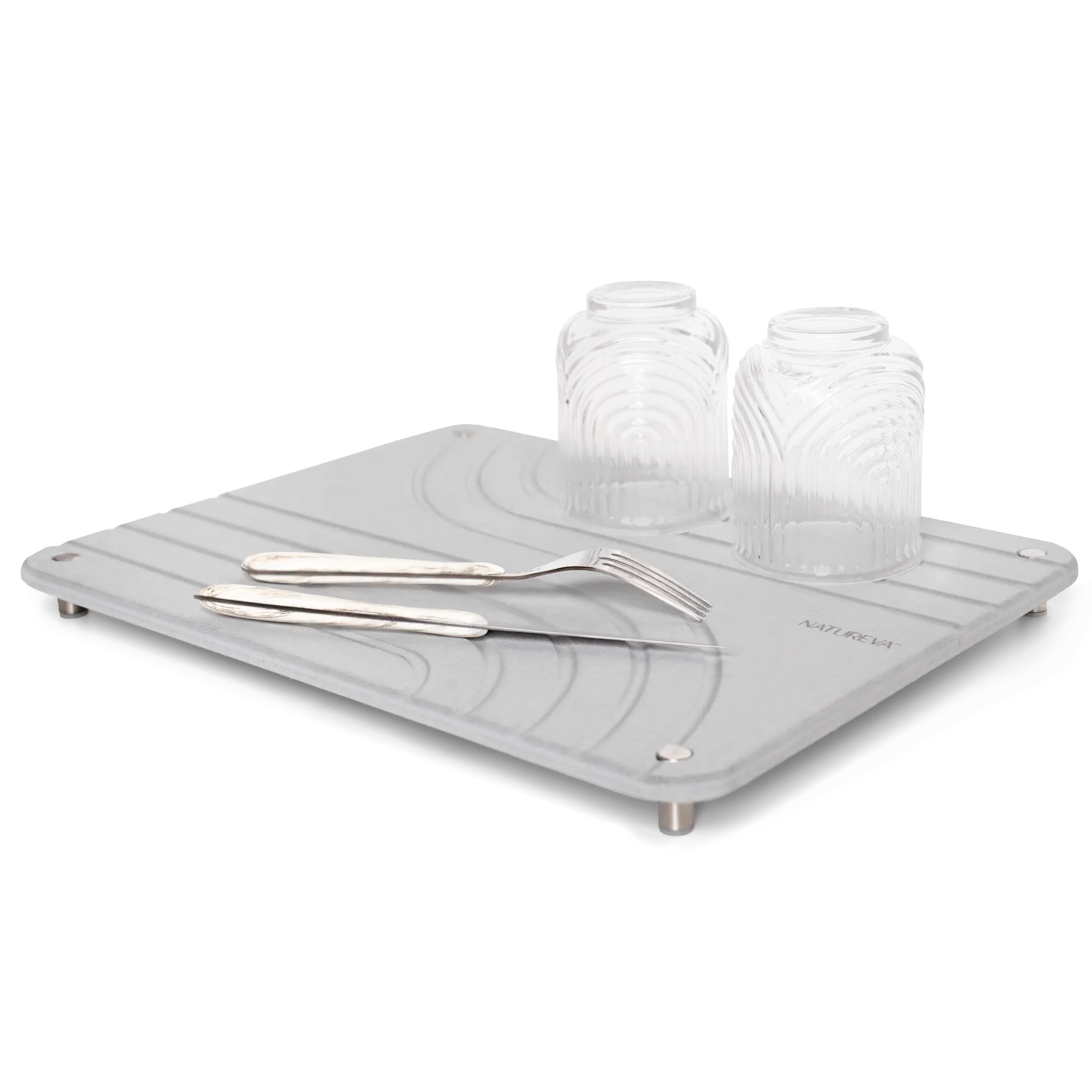
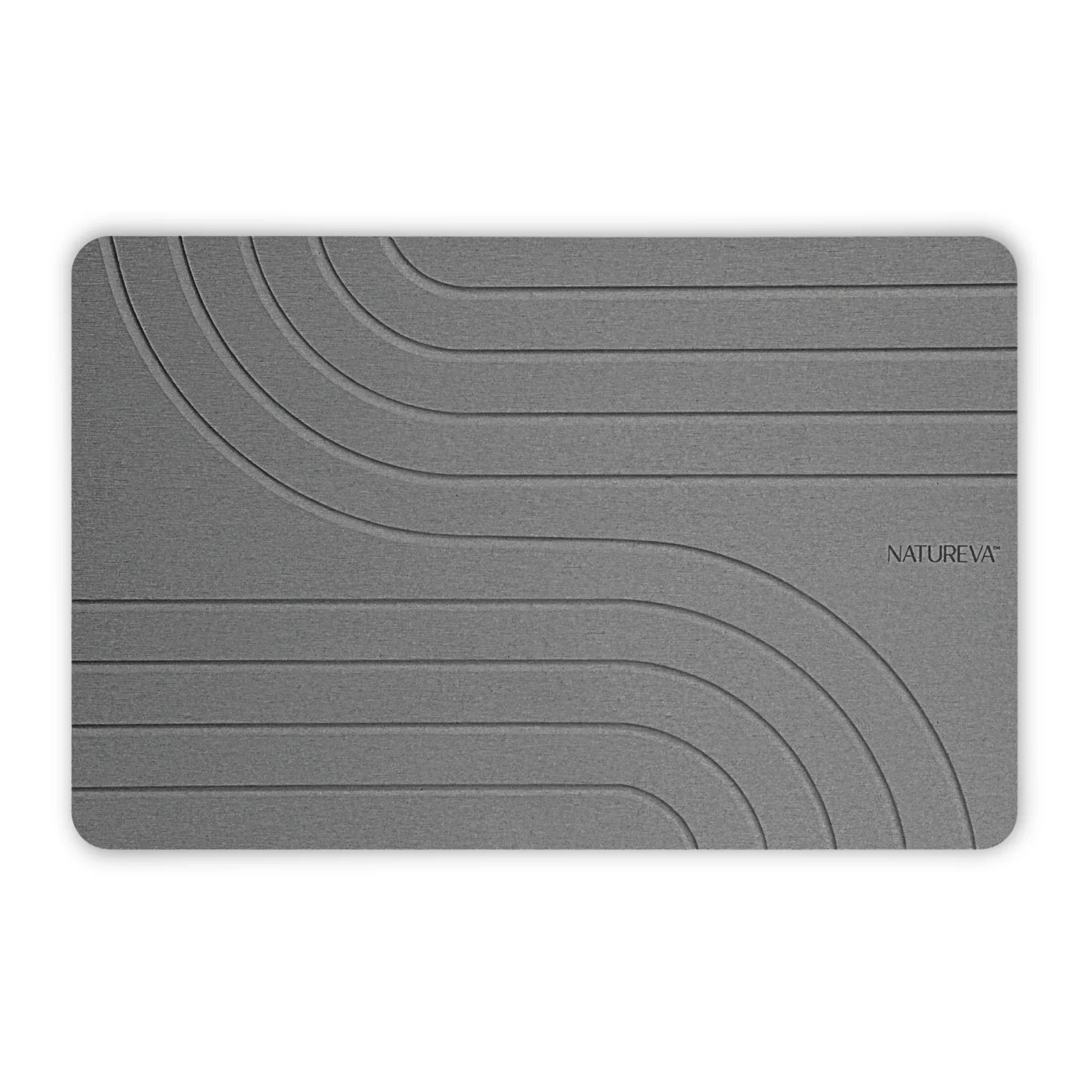
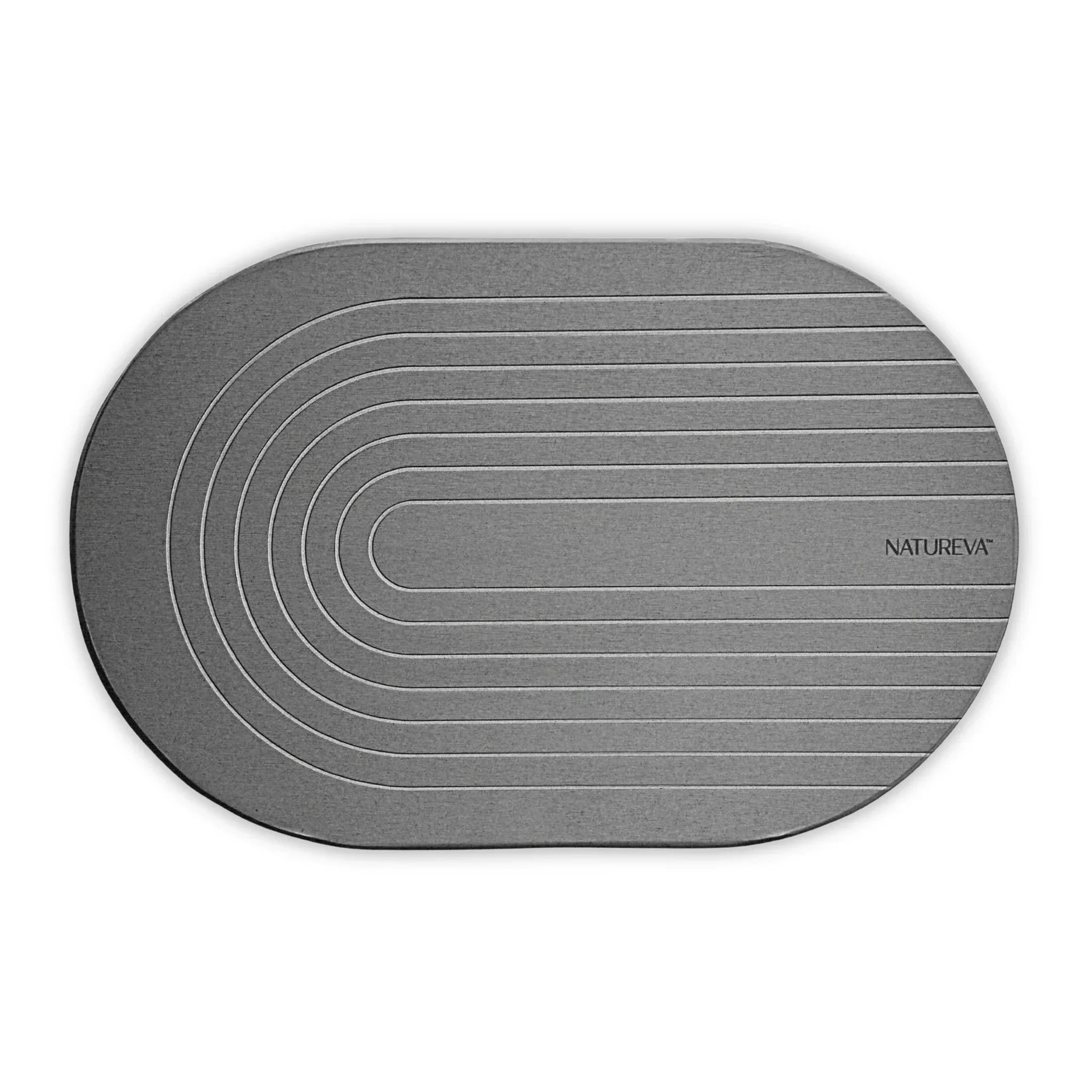
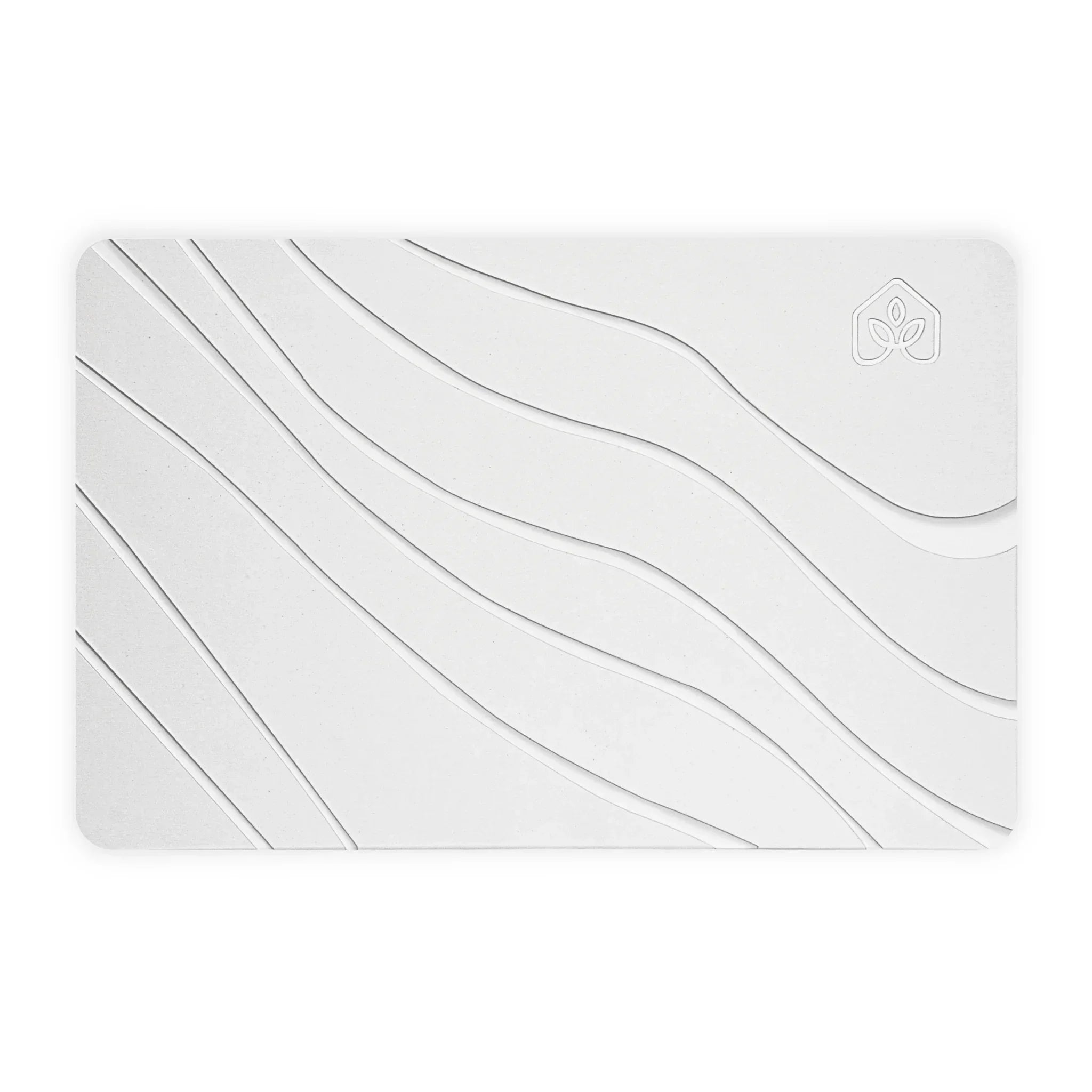
Stone Dish Mat - Tide
How Different Materials Trap Water
Traditional dish mats come in a few common types, and they all struggle with the same basic issue. Cloth and microfiber mats soak up water like a sponge, but they don't let it evaporate quickly. Silicone mats don't absorb at all, so water just pools on top until you wipe it away.
Here's what happens with each type:
- Cloth mats absorb water but stay wet for 6-12 hours
- Microfiber holds even more water and takes just as long to dry
- Silicone creates puddles that need manual removal
- Plastic racks let water drip through but collect it underneath
| Material Type | Absorption Rate | Drying Time | Water Pooling |
|---|---|---|---|
| Cloth/Cotton | Medium | 8-12 hours | High |
| Microfiber | High | 6-10 hours | Medium |
| Silicone | None | N/A | Very High |
| Stone (Diatomaceous) | Very High | 1-2 hours | None |
When Bacteria Starts Growing
Wet surfaces don't stay clean for long. Bacteria needs three things to grow: moisture, warmth, and time. Your kitchen counter provides all three when a wet mat sits there after dinner.
The timeline looks like this:
- Water sits on mat surface within minutes of use
- Bacteria begins multiplying after 2-4 hours in moisture
- Mold spores can appear within 24-48 hours
- Odors develop as bacterial colonies expand
The Real Cost of Slow Drying
When your dish mat stays wet, you end up doing more work. Most people wash their dish mats 2-3 times per week just to keep them from smelling. That's extra laundry, extra detergent, and extra time spent on a simple kitchen tool.
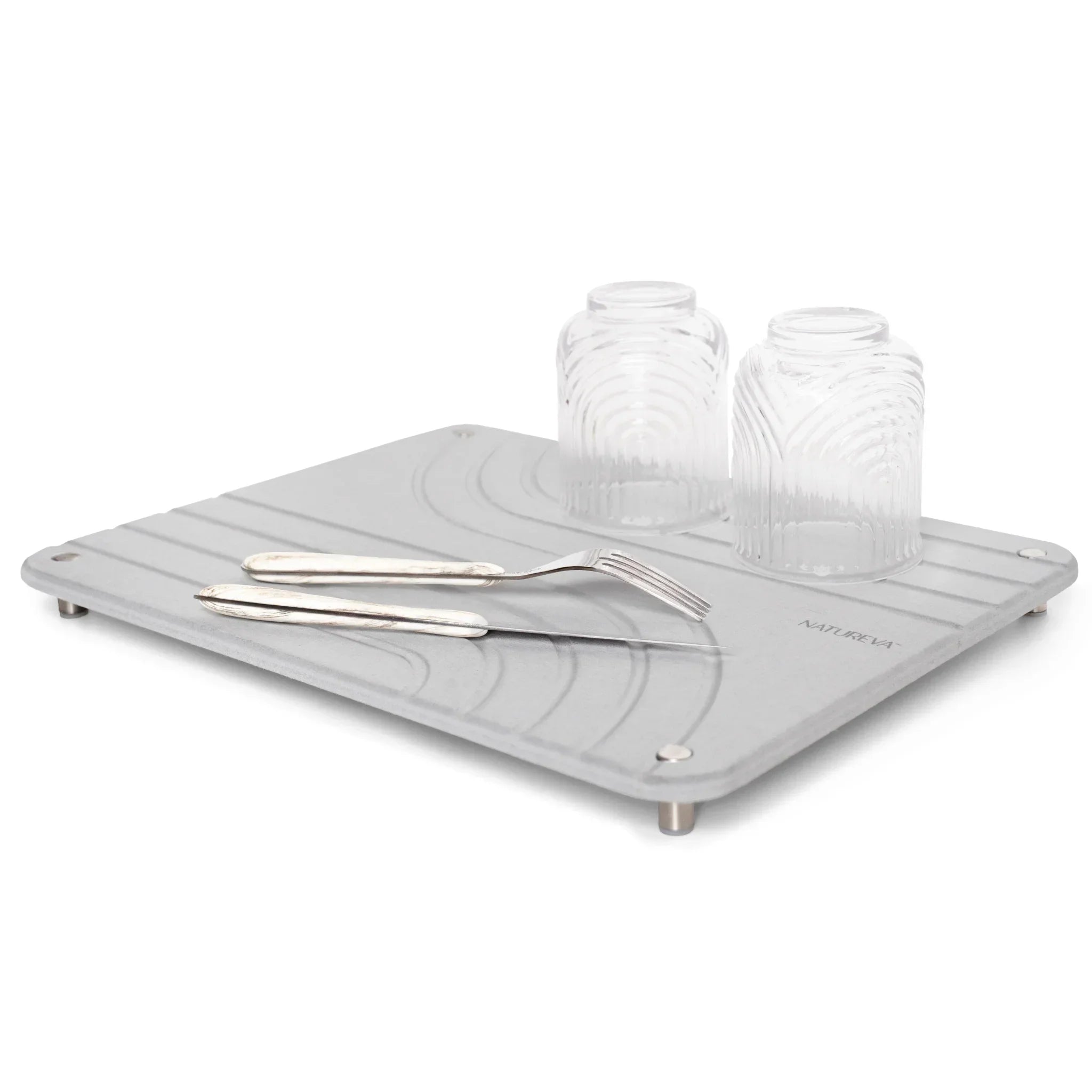
Stone dish drying mats work differently because of their porous structure. The Natureva Stone Dish Mat uses millions of tiny holes to pull water in and push it out through evaporation. Instead of holding moisture like fabric, it releases it into the air within an hour or two.
Common problems with traditional mats include:
- Countertops stay wet even after wiping the mat
- Dishes placed on wet mats don't fully dry
- Musty smells develop between washings
- Frequent replacement needed due to wear and odor
The Absorption Numbers Behind Stone Dish Mats
Most people don't realize that a typical dish drying session leaves behind about 2 cups of water on your mat. That water has to go somewhere, and with traditional cloth or silicone mats, it just sits there creating a soggy mess. The science behind stone dish drying mats tells a different story, one backed by some pretty interesting numbers.
Diatomaceous earth, the material used in stone mats, can absorb up to 150% of its weight in water. That means a mat weighing just one pound can soak up over 24 ounces of liquid without breaking a sweat. The secret lies in millions of microscopic pores that act like tiny sponges, pulling water away from your dishes and countertop instantly.
- Instant absorption: Water disappears within seconds of contact
- 3x faster evaporation: Stone mats dry three times quicker than cloth alternatives
- High capacity: Each square inch handles significant water volume without saturation
- Daily load ready: Handles typical household dish loads without staying wet
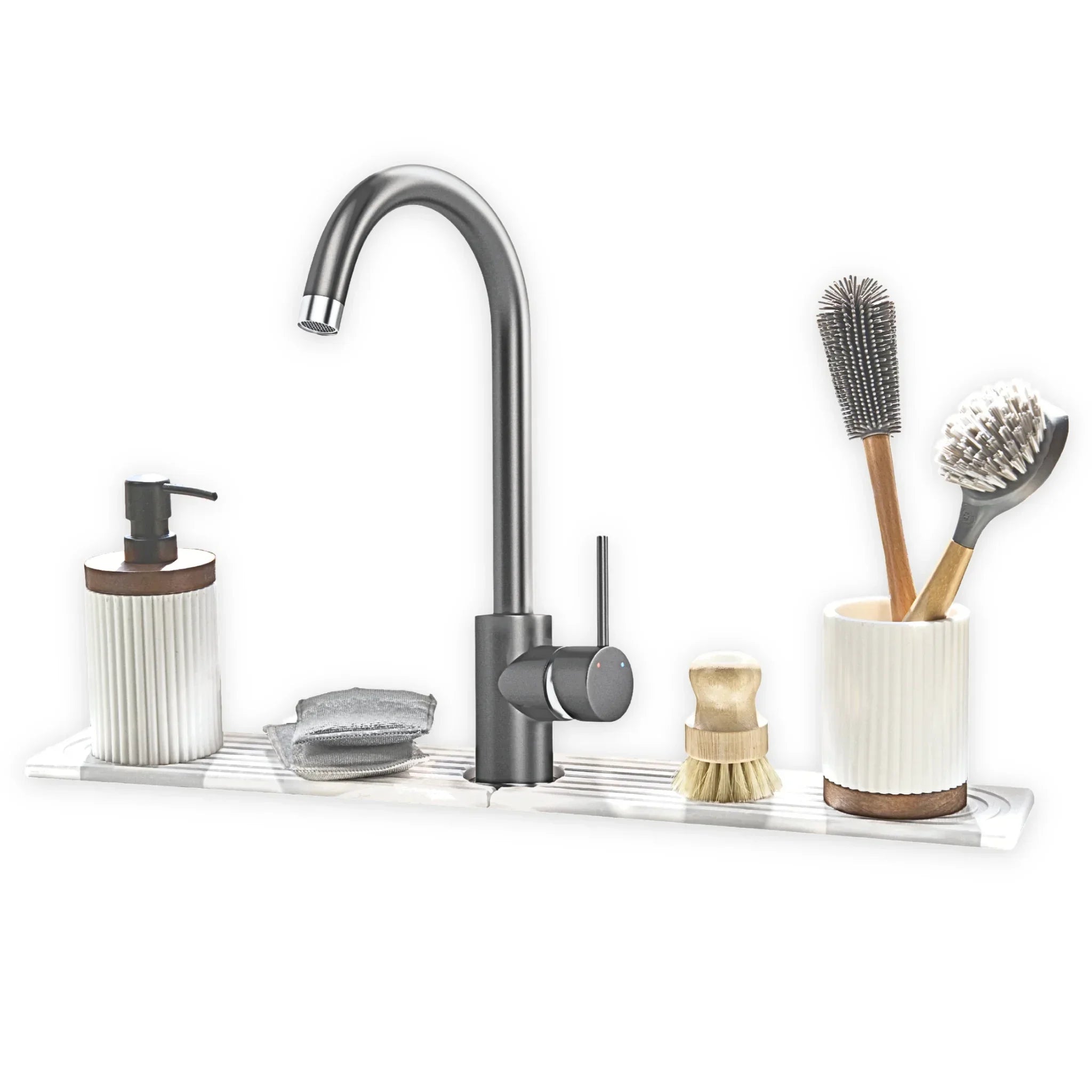
The Natureva Stone Dish Mat - Tide and Flow design both use this natural material to keep your kitchen counters dry. When you place a wet glass or plate on the surface, those millions of pores get to work immediately, which is why you never see puddles forming underneath.
Traditional mats can take hours to dry completely, meaning they're still damp when you need them again. Stone mats work differently because the water doesn't just get absorbed, it actively evaporates through all those tiny channels. This is what prevents that gross feeling of placing clean dishes on a wet surface.
How Fast Drying Prevents Bacteria Growth
Bacteria love moisture, and they multiply fast when conditions are right. On a wet surface at room temperature, bacteria can double every 20 minutes. That means a few bacteria cells can become thousands in just a few hours. The longer your dish mat stays wet, the more time bacteria have to set up camp and start growing.
Here's where the drying speed becomes critical. Stone mats dry in under one hour, while cloth mats can stay damp for 4 to 6 hours or longer. That difference matters more than you might think when it comes to keeping your kitchen clean.
| Surface Type | Drying Time | Bacteria Risk |
|---|---|---|
| Stone Mat | Under 1 hour | Low |
| Cloth Mat | 4-6 hours | High |
| Silicone Mat | 3-5 hours | Medium-High |
The 20-minute window is what scientists call the bacterial doubling time. Every 20 minutes that your mat stays wet, you're giving bacteria another chance to multiply. A mat that dries in 60 minutes only gives bacteria three doubling cycles. A mat that stays wet for 6 hours allows for 18 doubling cycles, which is a massive difference in potential bacterial growth.
Mold is another problem with traditional mats. Mold spores need sustained moisture to germinate and grow, usually requiring surfaces to stay damp for at least several hours. When a stone mat dries in under an hour, mold never gets the chance to take hold. This is why you'll notice that cloth mats often develop that musty smell or visible mold spots over time, while stone mats stay fresh.
Research on surface moisture and bacterial growth shows that stone dish drying mats significantly outperform traditional options when it comes to maintaining a hygienic kitchen environment. The rapid evaporation process creates an environment where bacteria and mold simply can't thrive.
Real Kitchen Performance Data
The average household washes dishes 2 to 3 times per day, with each session involving anywhere from 5 to 15 items. That's a lot of water hitting your dish mat. A typical dinner cleanup can leave behind 1.5 to 2 cups of water from plates, bowls, glasses, and utensils. Breakfast and lunch loads are usually lighter but still add up over the course of a day.
The next generation of home essentials: naturally made, cleaner by design, sustainable by nature.
SHOP ALLStone mats handle this daily volume without the wet piling problem that plagues other options. The key is capacity combined with speed. While a cloth mat might absorb the first round of dishes okay, it's still wet when you need it again a few hours later. This creates that annoying situation where dishes pile up on an already damp surface.
- Morning coffee and breakfast dishes: 0.5 cups of water
- Lunch cleanup: 0.75 cups of water
- Dinner dishes: 1.5 to 2 cups of water
- Total daily water volume: 3 to 4 cups
Counter space is another benefit that shows up in real use. When dishes pile up on a wet mat, people tend to spread them out more to avoid the soggy spots. This can take up 30% more counter space than necessary. With a stone mat that stays dry, you can place dishes closer together and use your counter more efficiently.
Maintenance frequency tells another part of the story. Cloth mats need washing every 2 to 3 days to prevent odors and bacteria buildup. Stone mats just need a quick rinse once a week and occasional light sanding if they start to feel less absorbent. That's significantly less work over time, and it means you're not constantly dealing with laundry or replacing worn-out mats.
The stone dish mat collection at Natureva is designed to handle these real-world conditions. Whether you're dealing with a full family dinner cleanup or just your morning coffee mug, the mat stays ready for the next round. No more wet piling, no more soggy countertops, just a clean and dry surface that works as hard as you do in the kitchen.
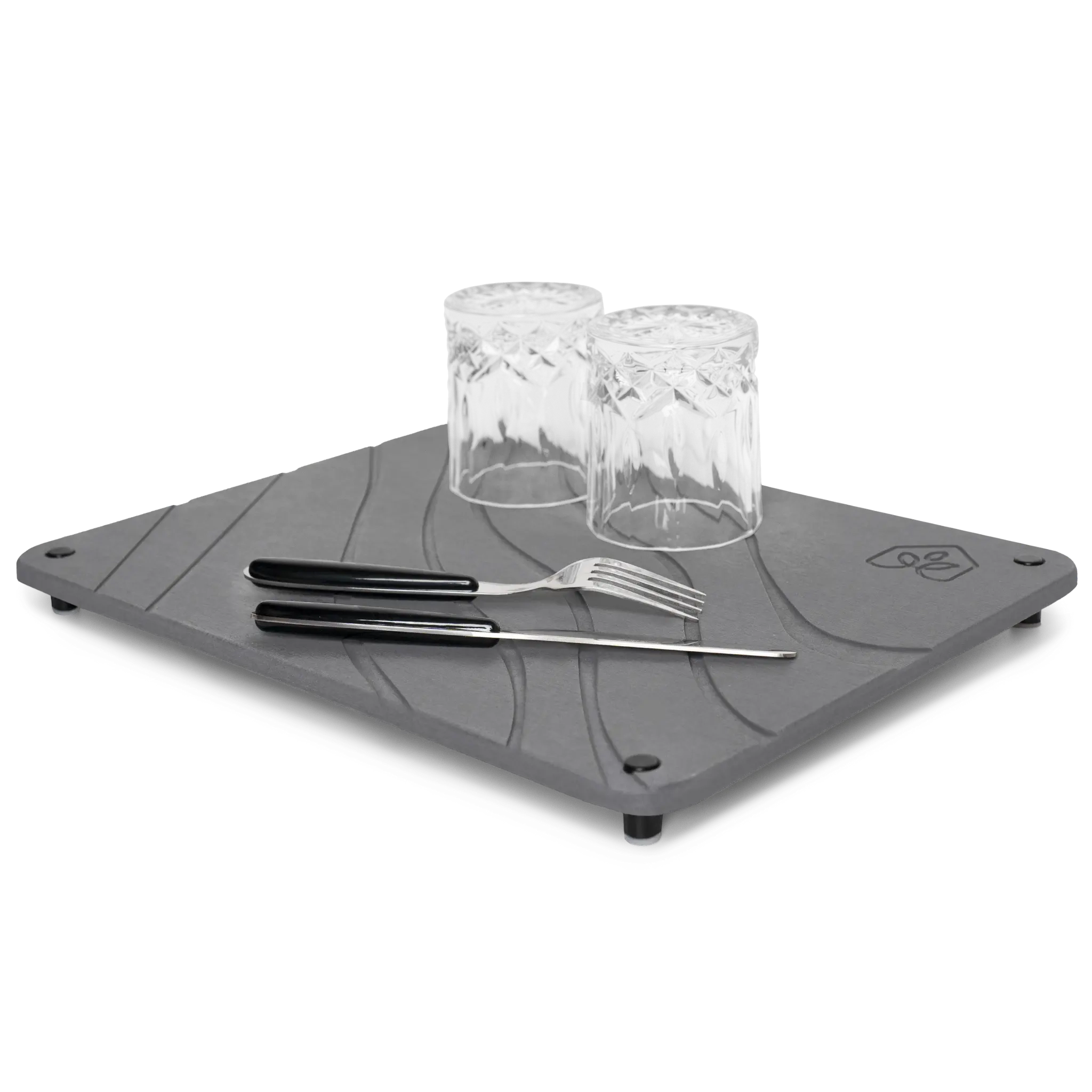
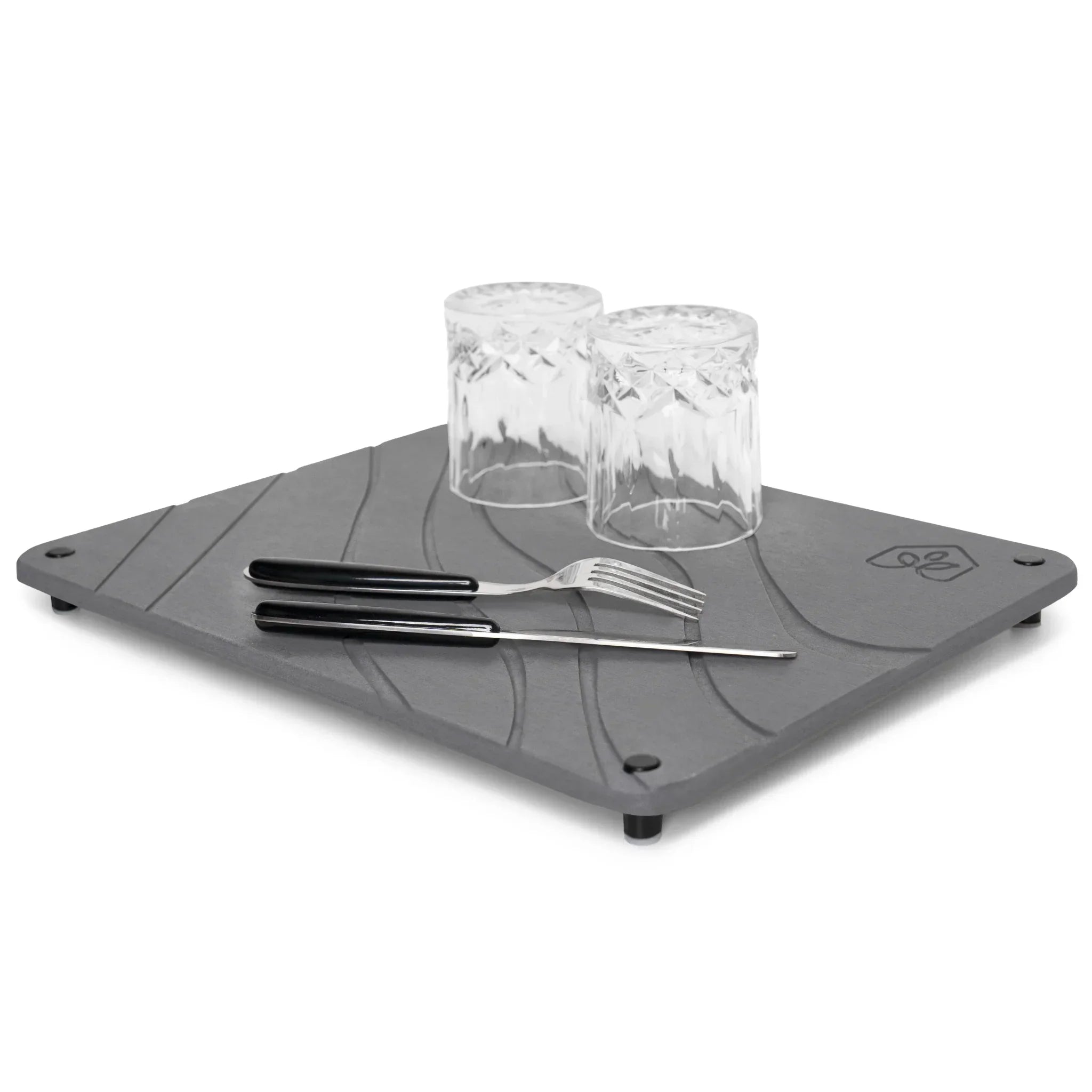
Stone Dish Mat - Flow
What The Numbers Mean For Your Kitchen
When you look at the actual data behind stone dish drying mats, the daily impact becomes pretty clear. Most people spend about 5-10 minutes each day wiping down wet countertops and dealing with soggy fabric mats. That adds up to roughly 35-70 minutes per week just managing water mess. A stone dish drying mat like the Natureva options cuts that time down to almost nothing because the water disappears on its own.
The cleaning schedule changes too. Traditional fabric dish mats need washing every 2-3 days to avoid that musty smell, while stone mats only need a quick rinse once a week.
Time and Effort Savings
- No more daily countertop wiping sessions
- Weekly maintenance instead of constant washing
- Zero time spent hanging mats to dry
- Less frequent deep cleaning of kitchen surfaces
The money part gets interesting when you run the numbers over a year. Cheap fabric mats cost around $10-15 but need replacing every 2-3 months once they start getting gross or falling apart. That's $40-60 annually just on replacements.
Cost Comparison Breakdown
| Option | Initial Cost | Annual Replacement | 3-Year Total |
|---|---|---|---|
| Fabric Mats | $12 | $48 | $144 |
| Stone Mat | $49 | $0 | $49 |
The health angle matters more than most people think. Studies show kitchen sponges and damp mats can harbor millions of bacteria within 24 hours. Stone dish mats dry so fast that bacteria struggle to multiply, which means fewer germs spreading around your clean dishes.
Stone Mats vs Traditional Options
- Pros: Self-drying surface, lasts years not months, naturally antimicrobial, saves cleaning time
- Cons: Higher upfront cost at $49, can crack if dropped, heavier than fabric
- Traditional Pros: Cheap initial purchase, soft and flexible, easy to store
- Traditional Cons: Constant replacement needed, breeds bacteria quickly, creates more laundry, leaves counters wet
The $49 investment in a stone dish drying mat pays for itself in about 12-15 months just from avoiding replacements. Factor in the time saved and reduced exposure to kitchen bacteria, and the value becomes obvious pretty quickly.
The Clear Winner Against Wet Piling
The numbers don't lie when it comes to wet piling problems in your kitchen. Traditional fabric dish mats hold onto water for hours, creating the perfect breeding ground for bacteria and mold. A stone dish drying mat absorbs water in seconds and dries completely within an hour, which means you're not dealing with that gross soggy mess anymore.
The data shows that diatomaceous earth mats can absorb up to 150% of their weight in water while staying dry to the touch. That's a huge difference compared to cloth mats that stay wet and smelly for most of the day. When you look at the evaporation rates, stone mats dry about 10 times faster than traditional options.
These statistics matter because they translate to real benefits in your daily routine. Less time worrying about damp countertops means more time for everything else. The Natureva Stone Dish Mat in Tide and Flow designs use natural diatomaceous earth to give you those same absorption and drying results.
The science behind these mats is pretty straightforward, but the impact on your kitchen is significant. No more rotating between multiple dish mats or dealing with mildew smells. You might still have questions about how these mats work in different situations or how to care for them properly.
Common Questions About Stone Dish Mat Performance
People have a lot of questions about how these mats actually work in real kitchens. The numbers matter when you're deciding if a stone dish drying mat is worth switching to from your old cloth or silicone mat. Here are the answers to what people ask most often about performance and daily use.
How much water can a stone dish mat actually absorb?
A standard stone dish drying mat can absorb up to 150% of its own weight in water. That means a mat weighing around 2 pounds can soak up roughly 3 pounds of water, which is about 6 cups. The Natureva Stone Dish Mat handles a full sink's worth of dishes without pooling or overflow.
How long does it take for the mat to dry completely?
Most stone mats dry completely within 1 to 3 hours depending on humidity and airflow. The diatomaceous earth material has millions of tiny pores that pull moisture to the surface where it evaporates quickly. This is much faster than fabric mats that can stay damp for 8 to 12 hours.
Do stone mats work better than microfiber or silicone?
Stone mats absorb water instantly while microfiber holds it inside the fabric where bacteria can grow. Silicone mats don't absorb at all, they just catch water that sits there until you dump it out. Stone mats actively evaporate moisture instead of trapping it, which is why they stay cleaner and smell better over time.
How do you maintain a stone dish mat?
Rinse the mat with water once a week and let it air dry. If absorption slows down after a few months, lightly sand the surface with fine-grit sandpaper to reopen the pores. That's really all there is to it, no washing machine or special cleaners needed.
Will a stone mat prevent my countertops from getting wet?
Yes, as long as water lands on the mat and not around it. The instant absorption means water doesn't run off onto your counter like it does with silicone trays. Just make sure your mat is large enough for your dish load.
How long do stone dish mats last?
A quality stone dish drying mat typically lasts 2 to 3 years with regular use. Some people report using the same mat for 5 years or more. The main thing that shortens lifespan is dropping the mat, since the material can crack on hard surfaces.
The next generation of home essentials: naturally made, cleaner by design, sustainable by nature.
SHOP ALL