

Steps To Prevent Sink Splash With Faucet Mats
Every time you wash dishes or rinse vegetables, water splashes around your faucet and sits there for hours, slowly damaging your countertop and creating that grimy ring you're always scrubbing. Most people think it's just part of having a sink, but the truth is that constant moisture leads to mold, stains, and even warped surfaces over time. A stone faucet mat placed around your faucet base absorbs water instantly and dries fast, which means your counter stays protected without any extra work from you.
Table of Contents
Why Your Sink Area Stays Wet
Every time you wash your hands or rinse a dish, tiny water droplets fly everywhere around your sink. The water hits your faucet, bounces off the basin, and sprays onto your counter in a pattern that seems impossible to control. This happens because water doesn't just fall straight down when it hits a surface. It splashes at angles based on how fast it's moving and what it hits first.
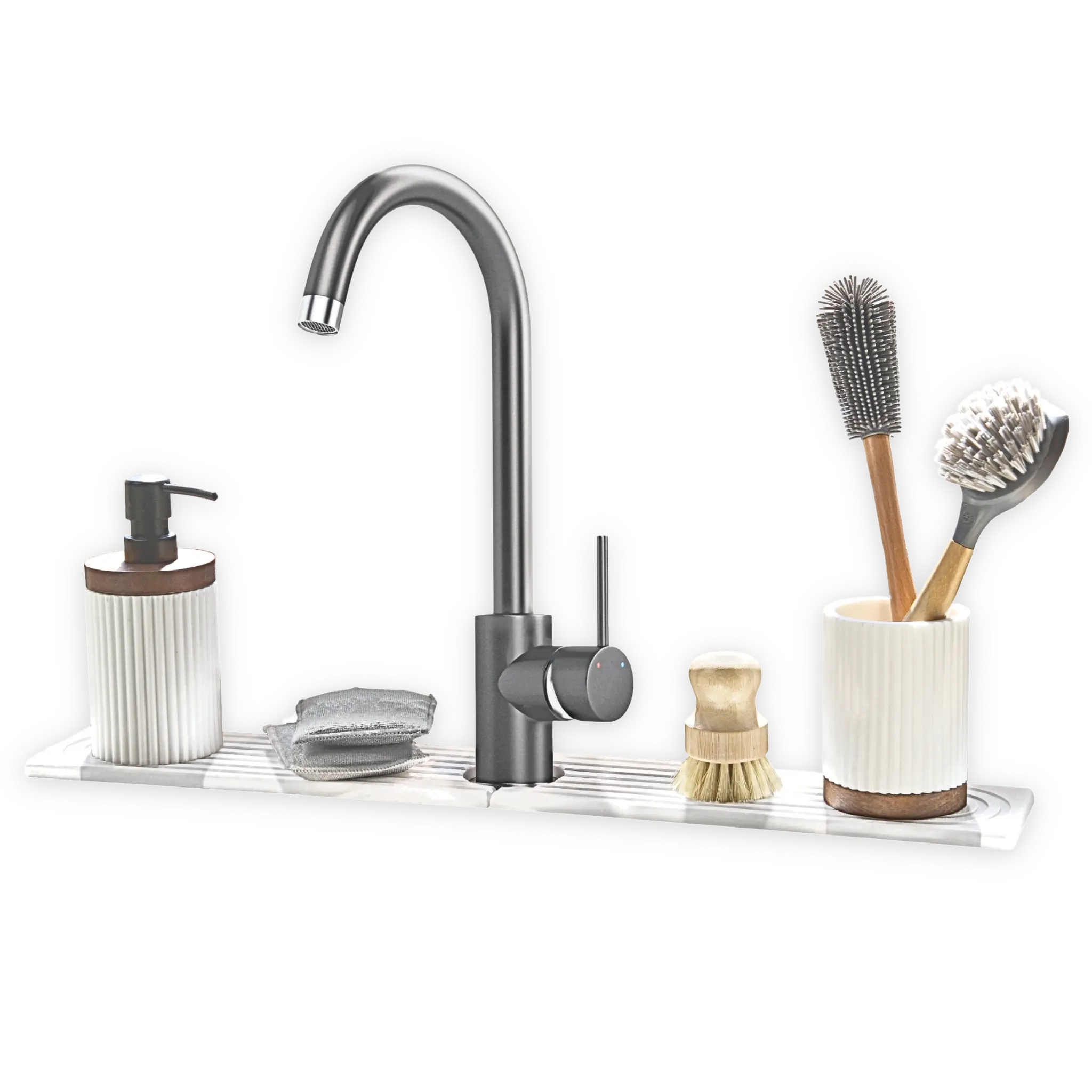
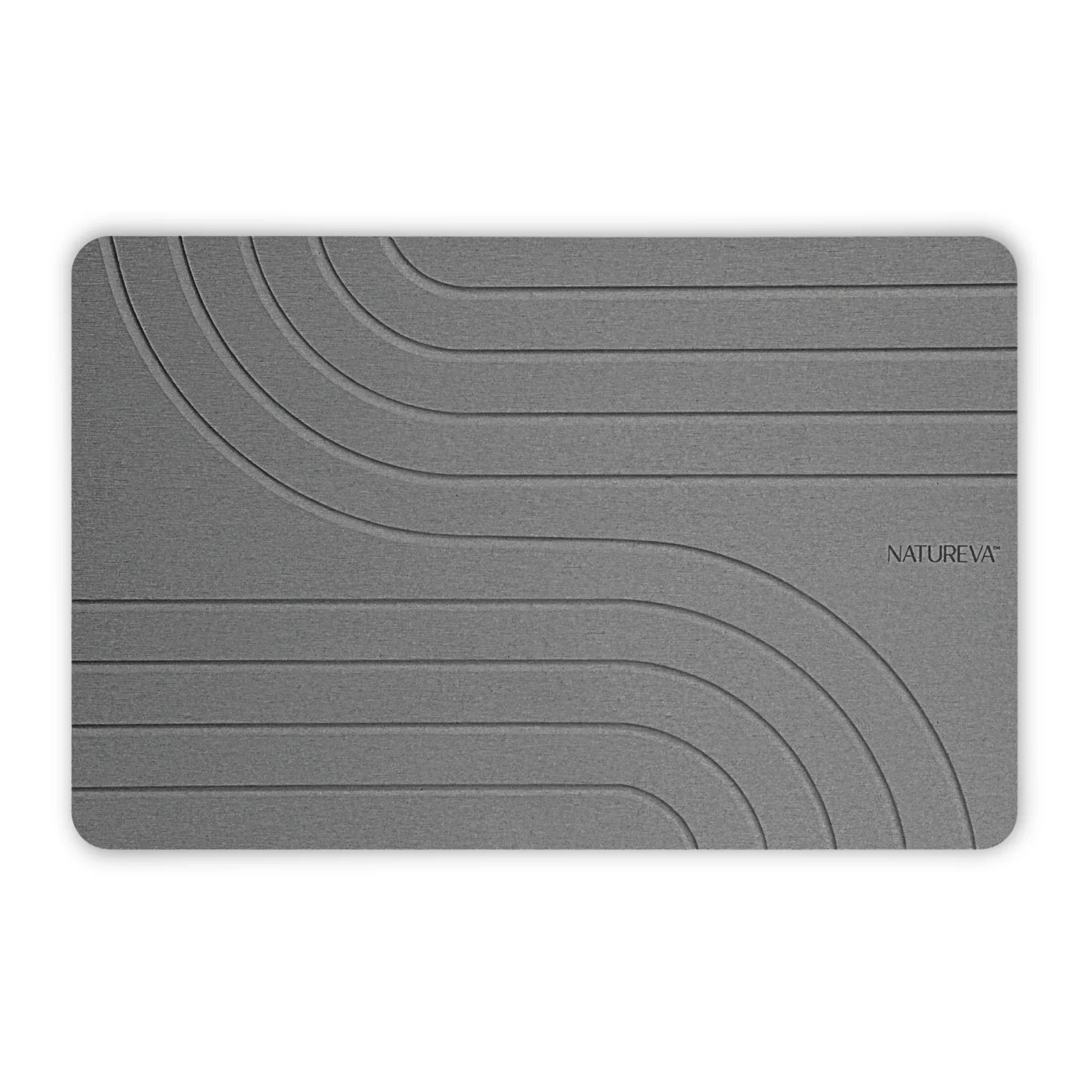
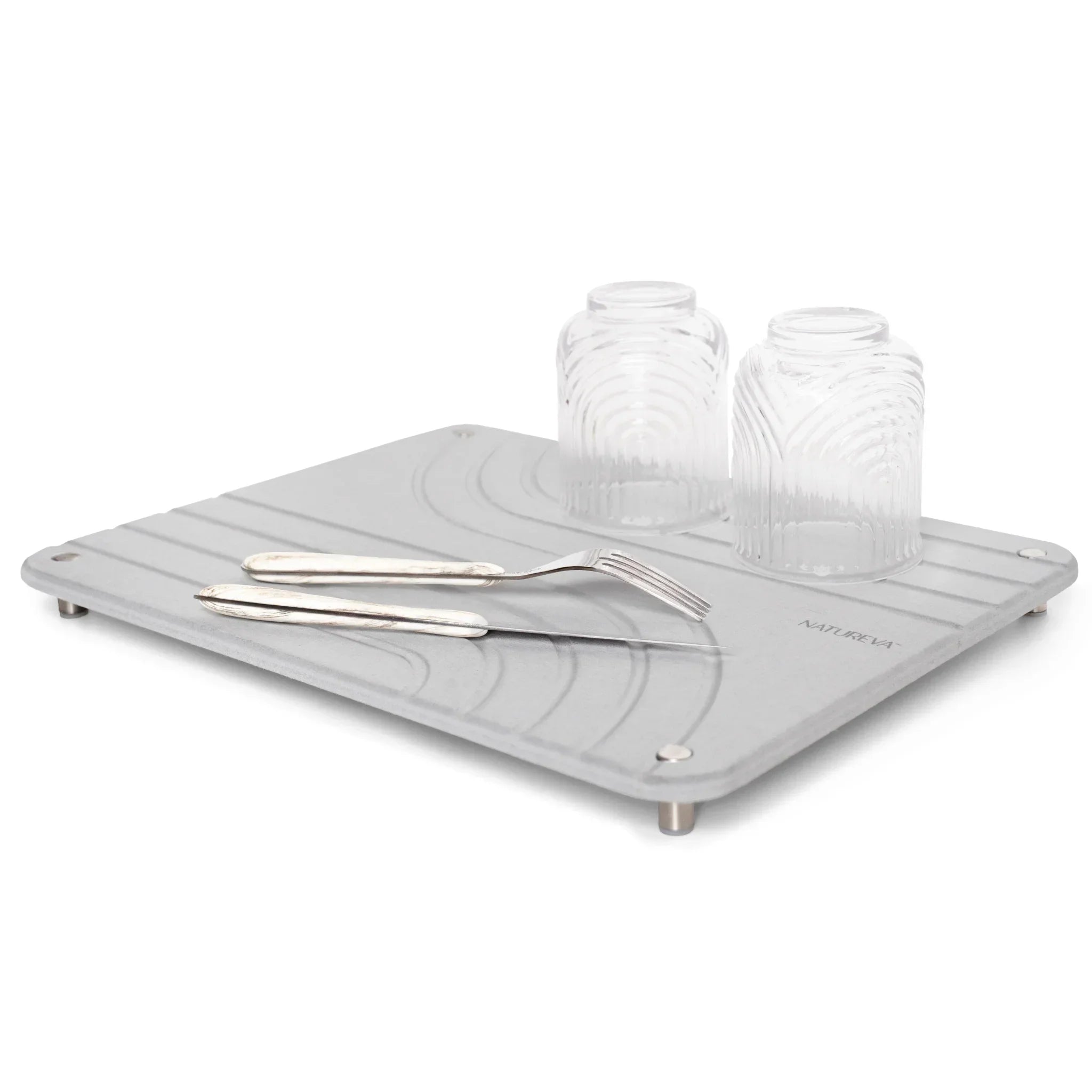
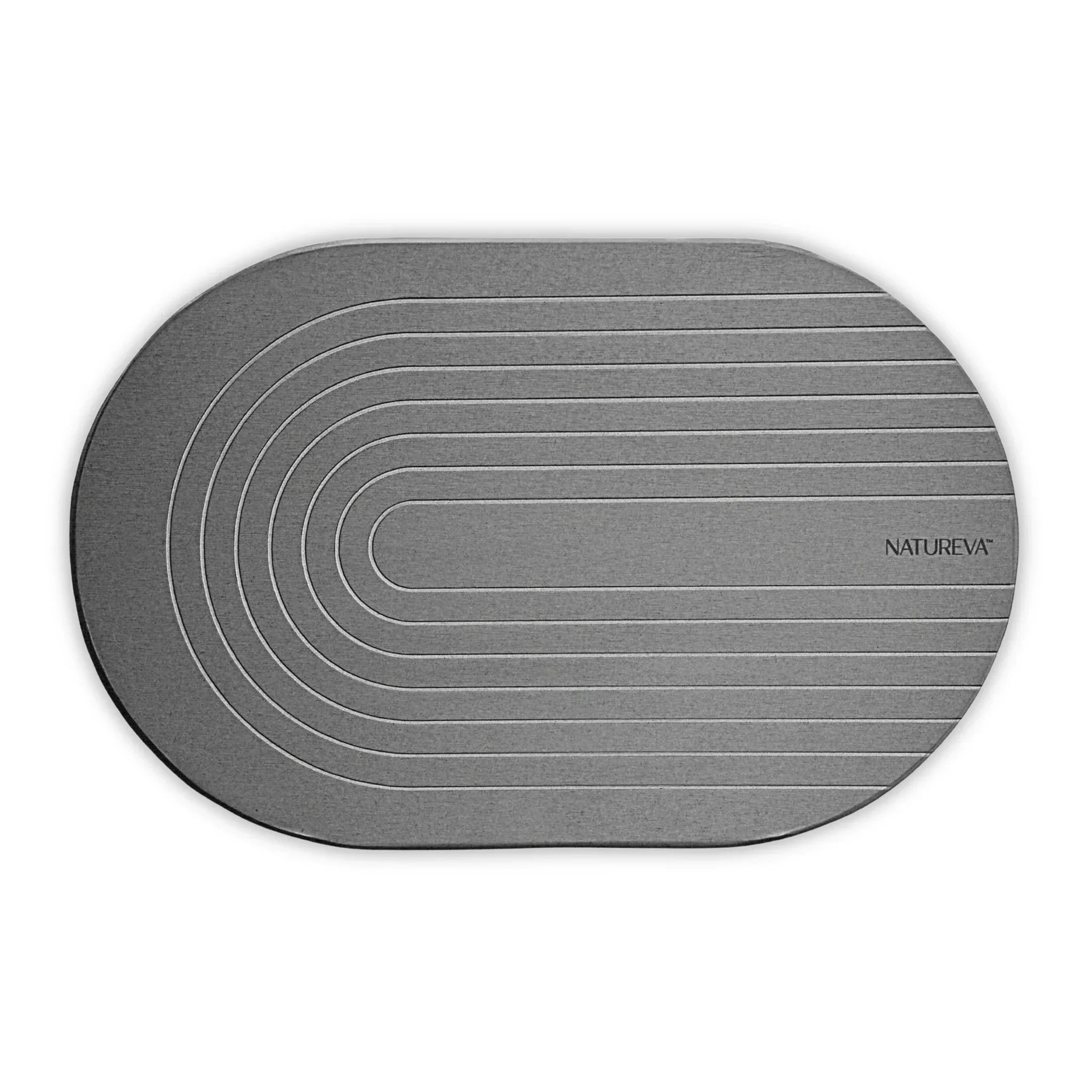
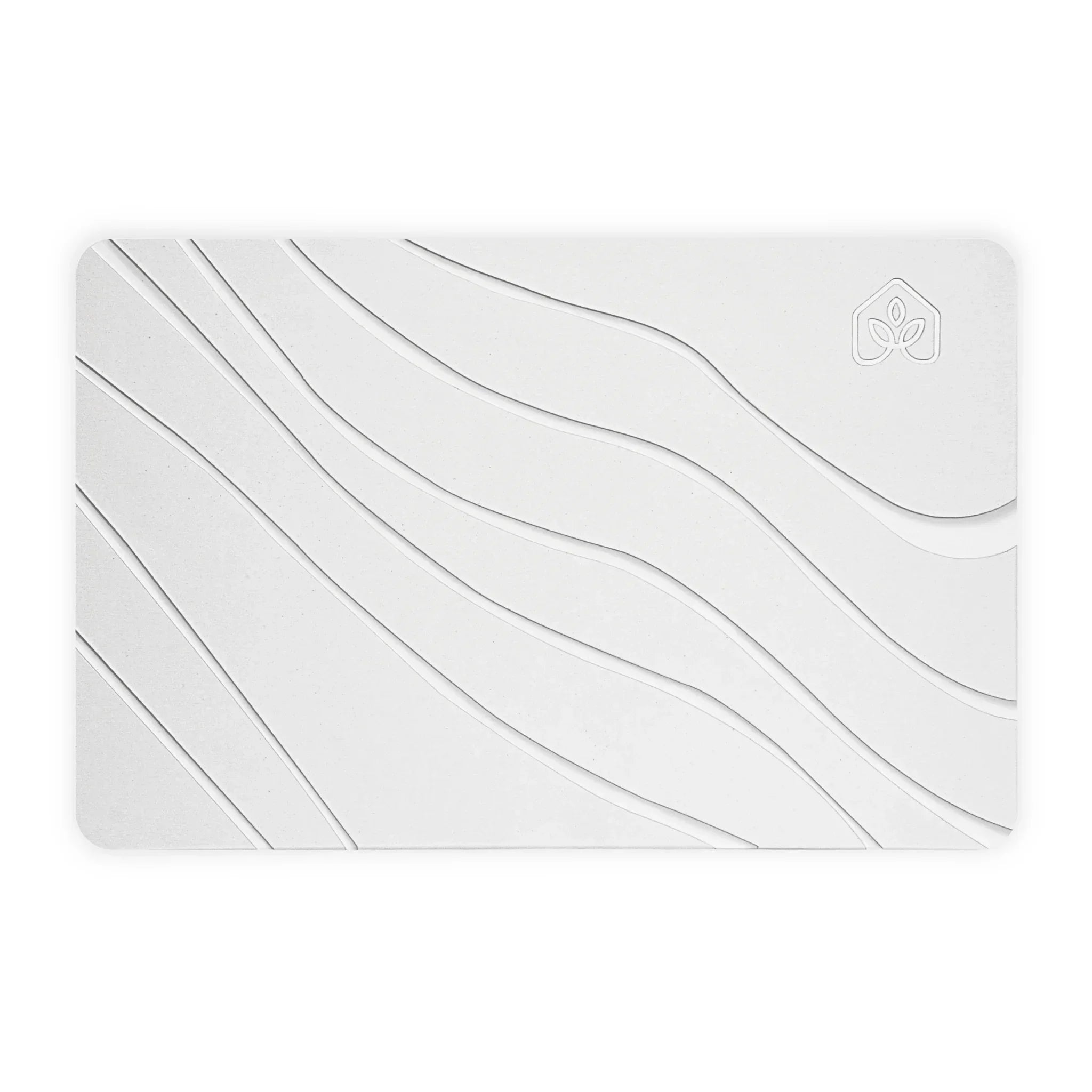
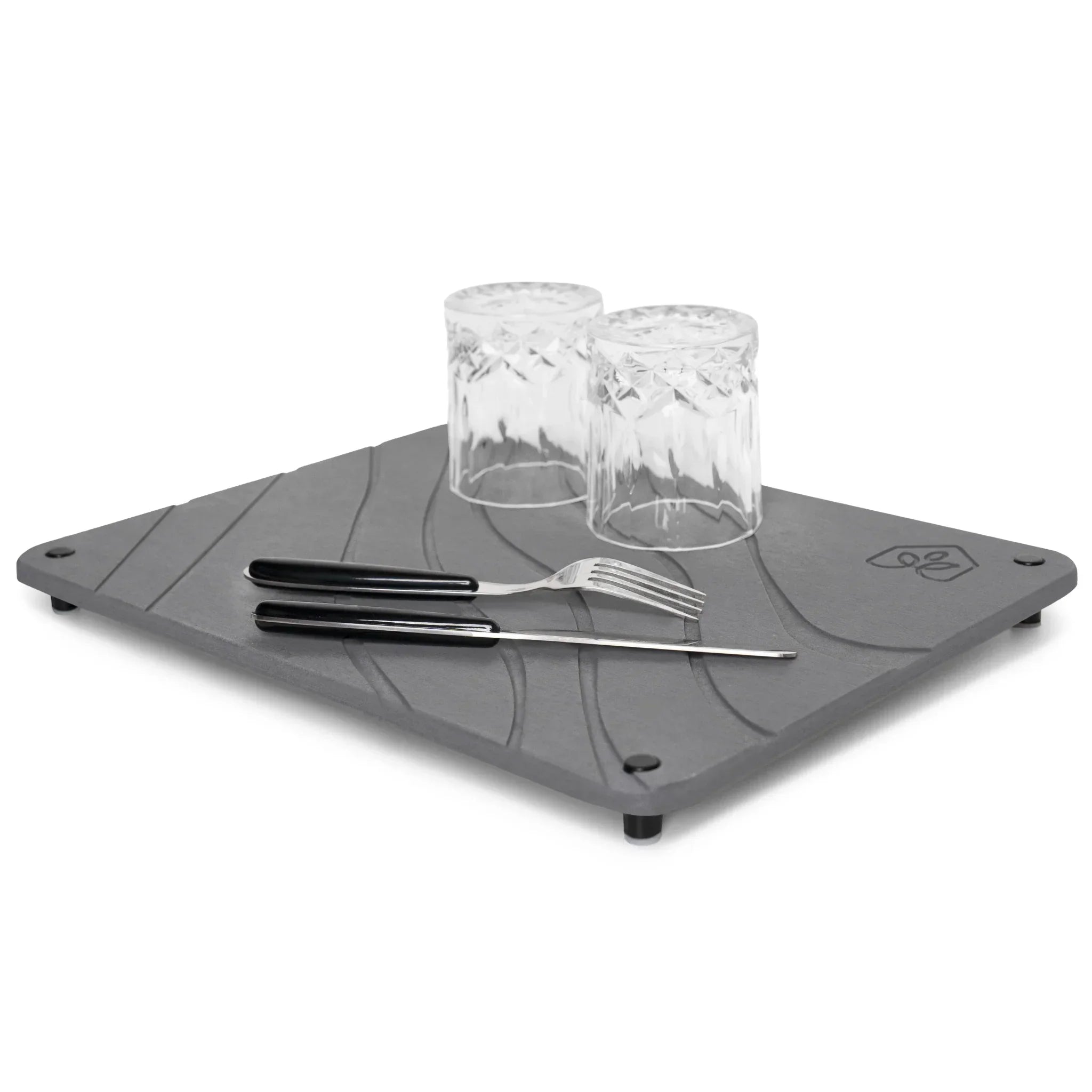
Stone Faucet Mat - Arch
How Water Moves Around Your Sink
Water behaves differently depending on what surface it lands on. When it hits your sink at full speed from the faucet, it can splash up to 18 inches away from the impact point. The harder the surface, the more it bounces and spreads.
Here's what happens with common sink materials:
- Stainless steel sinks create the most splash because they're super smooth and hard
- Porcelain and ceramic surfaces bounce water almost as much as metal
- Granite and stone countertops look tough but don't absorb any water at all
- Laminate counters actually repel water, making puddles sit on top instead of soaking in
The Absorption Problem
Most materials around your sink are designed to be water-resistant, not water-absorbent. There's a big difference between these two things. Water-resistant materials push water away to protect themselves from damage, while water-absorbent materials soak up moisture quickly.
Your countertops are sealed to resist water, which means every drop just sits there until you wipe it up. That's why you always see puddles forming around the base of your faucet, no matter how careful you try to be.
| Material | Absorption Rate | Drying Time |
|---|---|---|
| Granite Counter | 0% | Never (evaporates) |
| Regular Cotton Towel | Medium | 4-6 hours |
| Rubber Mat | 0% | Never (evaporates) |
| Microfiber Cloth | Medium-High | 2-3 hours |
| Stone Faucet Mat | Very High | 15-30 minutes |
Why Towels Make Things Worse
You might think keeping a towel by your sink solves the problem. But regular towels and mats actually create new issues. They soak up water but then stay wet for hours, becoming perfect spots for bacteria and mold to grow.
Common problems with traditional solutions include:
- Wet towels develop musty smells within a day or two
- Fabric mats trap moisture underneath, damaging countertops over time
- Rubber mats don't absorb anything and just move water around
- You have to wash towels constantly to keep them fresh
The real solution needs to absorb water instantly and dry out fast. Materials like diatomaceous earth, which our Stone Faucet Mat uses, can soak up their weight in water and dry in under an hour. This keeps your sink area actually dry instead of just moving the wetness to a different spot.
Choose the Right Absorbent Material
Water pooling around your faucet isn't just annoying. It creates a breeding ground for mildew, damages countertops, and makes your whole sink area look messy no matter how much you clean. The secret to stopping this problem isn't wiping more often or using more towels. It's about choosing a material that actually works with water instead of just sitting in it. Most people reach for fabric mats or rubber pads, but these materials trap moisture rather than eliminate it, which is exactly what you don't want.
Diatomaceous earth changes everything because of how it's structured at a microscopic level. This natural stone material is made from fossilized algae, and its surface is covered in millions of tiny pores that pull water in instantly. When water hits a stone faucet mat made from diatomaceous earth, it doesn't sit on top like it does with fabric. The liquid gets absorbed into those microscopic channels within seconds.
Key differences between materials:- Fabric mats hold water in their fibers and stay damp for hours, creating odor problems
- Rubber pads repel water entirely, so splashes just pool on the surface
- Diatomaceous earth absorbs water instantly and releases it through evaporation in minutes
- Microfiber options absorb well but dry slowly and need frequent washing
The science behind quick drying matters more than most people realize. When a material absorbs water but can't release it, you end up with a constantly damp surface. Diatomaceous earth's porous structure doesn't just pull water in. It also allows air to circulate through those same channels, which means the moisture evaporates naturally and quickly.
This is why the Stone Faucet Mat works so differently than traditional options. The diatomaceous earth composition means your sink area actually stays dry between uses instead of just moving the water around. You're not dealing with a soggy mat that needs constant replacement or washing.
Position Your Protection Strategically
Even the best absorbent material won't help if it's not catching the water in the first place. Most sink splash happens in predictable patterns, but these patterns change based on your faucet type, sink depth, and how you use the space. A high-arc faucet creates different splash zones than a low-profile one. Deep farmhouse sinks behave differently than shallow undermount models. The key is watching where water actually lands during your normal routine, not where you think it should go.
The highest splash zones are usually right behind the faucet base and on both sides where the water stream hits the sink basin. These are your priority areas. Some water also splashes forward when you're washing larger items or filling pots, so coverage in front of the faucet matters too.
Placement checklist for maximum protection:The next generation of home essentials: naturally made, cleaner by design, sustainable by nature.
SHOP ALL- Run your faucet at normal pressure and watch where droplets land on the counter
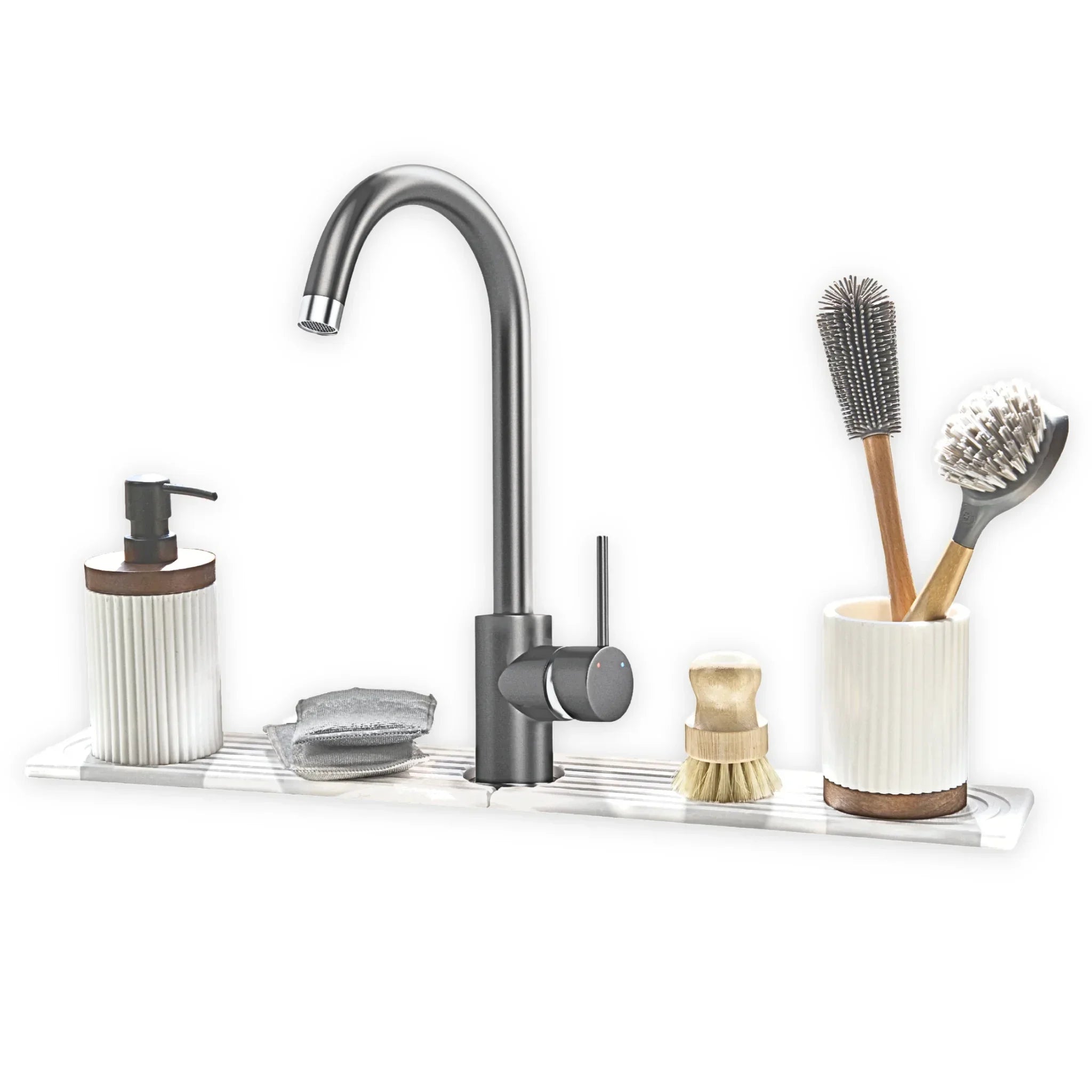
- Place your mat centered behind the faucet base, covering the wet spots you identified
- Make sure the mat extends far enough to catch side splashes from the basin
- Test the placement by washing your hands normally and adjust if needed
- Consider adding a second mat on the opposite side for double-basin sinks
Different sink setups need different approaches. Single-basin sinks usually need one well-placed mat behind the faucet. Double-basin configurations might benefit from mats on both sides, especially if you use both basins regularly. Corner sinks create unique splash patterns that require angled placement.
The arch design of many stone faucet mats actually helps with positioning because it naturally fits around the faucet base. This isn't just about looks. The curved shape provides coverage where water tends to splash most while keeping the mat stable and in place during daily use.
Maintain Your Splash Prevention System
A stone faucet mat doesn't need much maintenance, but the little bit it does need makes a huge difference in how long it lasts and how well it works. The good news is that diatomaceous earth is naturally antimicrobial, so you're not dealing with the mildew issues that plague fabric mats. The material itself resists bacterial growth, which means your daily maintenance is surprisingly simple. Most people overthink this part and end up doing more work than necessary.
Your daily routine takes about ten seconds. After you're done using the sink for the day, just wipe the mat surface with a dry cloth to remove any soap residue or debris. That's it. The mat will dry on its own because of how the material works.
Simple weekly maintenance routine:- Rinse the mat under running water to clear absorbed minerals
- Wipe with a soft cloth or sponge if there's visible buildup
- Let it air dry completely before putting it back (usually takes 30-60 minutes)
- Lightly sand the surface with fine-grit sandpaper if absorption seems slower
You'll know your mat needs refreshing when water takes longer to absorb than it used to. This happens because minerals from tap water can gradually fill those microscopic pores. A quick sanding with 400-grit sandpaper opens up the surface again and restores full absorption power.
Signs that indicate replacement time include cracks, chips, or areas where the material has worn thin. Most quality diatomaceous earth mats last 1-2 years with regular use, which is significantly longer than fabric alternatives that need replacing every few months. The care and cleaning guidelines can help extend this lifespan even further.
When you're not using your mat for extended periods, store it in a dry place away from direct sunlight. The material can handle temperature changes just fine, but prolonged UV exposure can cause fading. Proper storage means your mat will be ready to perform whenever you need it, whether that's daily use or occasional protection during specific tasks.
Your Splash-Free Sink Starts Today
Stopping sink splash really comes down to three simple things. First, adjust your water pressure so it's not blasting out like a fire hose. Second, position your faucet properly and be mindful of how you're using it. Third, and probably the easiest fix, add a stone faucet mat to catch those sneaky water droplets before they spread everywhere.
The thing about stone faucet mats is they work without you having to think about them. Made from diatomaceous earth, our Stone Faucet Mat absorbs water instantly and dries fast, so you're not dealing with soggy fabric or constant cleanup. It just sits there doing its job while you go about your day.
Once you get your splash situation under control, you'll notice how much cleaner your counters stay. No more water rings on the counter or puddles creeping toward your dish soap. Your whole kitchen feels tidier without any extra effort on your part.
The best part is these aren't complicated changes that require a plumber or special tools. You can tackle sink splash today with stuff you probably already have, plus one simple addition that makes a real difference. Most people wonder why they waited so long to fix something that bothered them every single day.
Common Questions About Sink Splash Prevention
Switching to a stone faucet mat brings up a lot of questions, especially if you've been dealing with wet counters and soggy towels for years. People want to know if these mats actually work better than what they're already using, and whether they're worth the switch. Here are the answers to the most common questions we hear about keeping your sink area dry and protected.
How quickly do stone faucet mats dry compared to towels?
Stone faucet mats made from diatomaceous earth dry in just a few minutes, while regular towels can stay damp for hours. The porous stone structure pulls moisture away from the surface almost instantly and releases it into the air much faster than fabric. You won't find yourself dealing with that musty smell that comes from towels that never fully dry between uses.
Can faucet mats handle heavy daily use?
Yes, quality stone mats are built to handle constant water exposure without breaking down. Our Stone Faucet Mat - Arch holds up to daily dishwashing, hand washing, and all the splashing that comes with a busy kitchen. The material doesn't degrade like fabric or develop mold like some other absorbent materials do over time.
Do stone mats work with all sink types?
Stone faucet mats work with undermount sinks, drop-in sinks, farmhouse sinks, and pretty much any configuration you have. They sit on your counter around the faucet base, so the sink style doesn't matter. The key is choosing a size and shape that fits your counter space and covers the areas where water tends to pool.
How often should you clean a faucet mat?
A quick rinse once a week keeps most stone mats working perfectly. If you notice the absorption slowing down, a gentle scrub with water removes any buildup in the pores. Some brands like Dorah Home suggest monthly deep cleaning, but with normal use, weekly maintenance is usually enough to keep things fresh.
Are stone faucet mats safe for granite or marble countertops?
Stone mats are completely safe for all countertop materials including granite and marble. The bottom surface is smooth and won't scratch your counters like rough materials might. Plus, by keeping water off your countertops, these mats actually protect expensive stone surfaces from water damage and staining that can happen with constant moisture exposure.
What size mat do you need for standard sinks?
Most standard kitchen sinks work well with mats that are around 12 to 16 inches wide. The mat should cover the area directly around your faucet where most splashing happens. Measure the space between your faucet and the edge of your counter to make sure you get adequate coverage without the mat hanging over the edge or looking cramped.
The next generation of home essentials: naturally made, cleaner by design, sustainable by nature.
SHOP ALL