

Stone Bath Mat vs Fabric Bath Mat: Which is Better for Your Bathroom?
Choosing the right bath mat goes beyond colour and size. Absorbency, hygiene, durability, and how much upkeep you're willing to do all factor into whether a mat actually performs or just sits there looking the part.
Stone bath mats and fabric bath mats take fundamentally different approaches to the same job. One absorbs water into soft fibres and holds it there; the other wicks moisture through a porous mineral structure and releases it within minutes. Those differences have real consequences for cleanliness, maintenance, and the lifespan of your mat.
This side-by-side comparison covers every meaningful category, so you can make the right call for your bathroom, your household, and how you want to live in your space.
What Are Stone Bath Mats Made From?
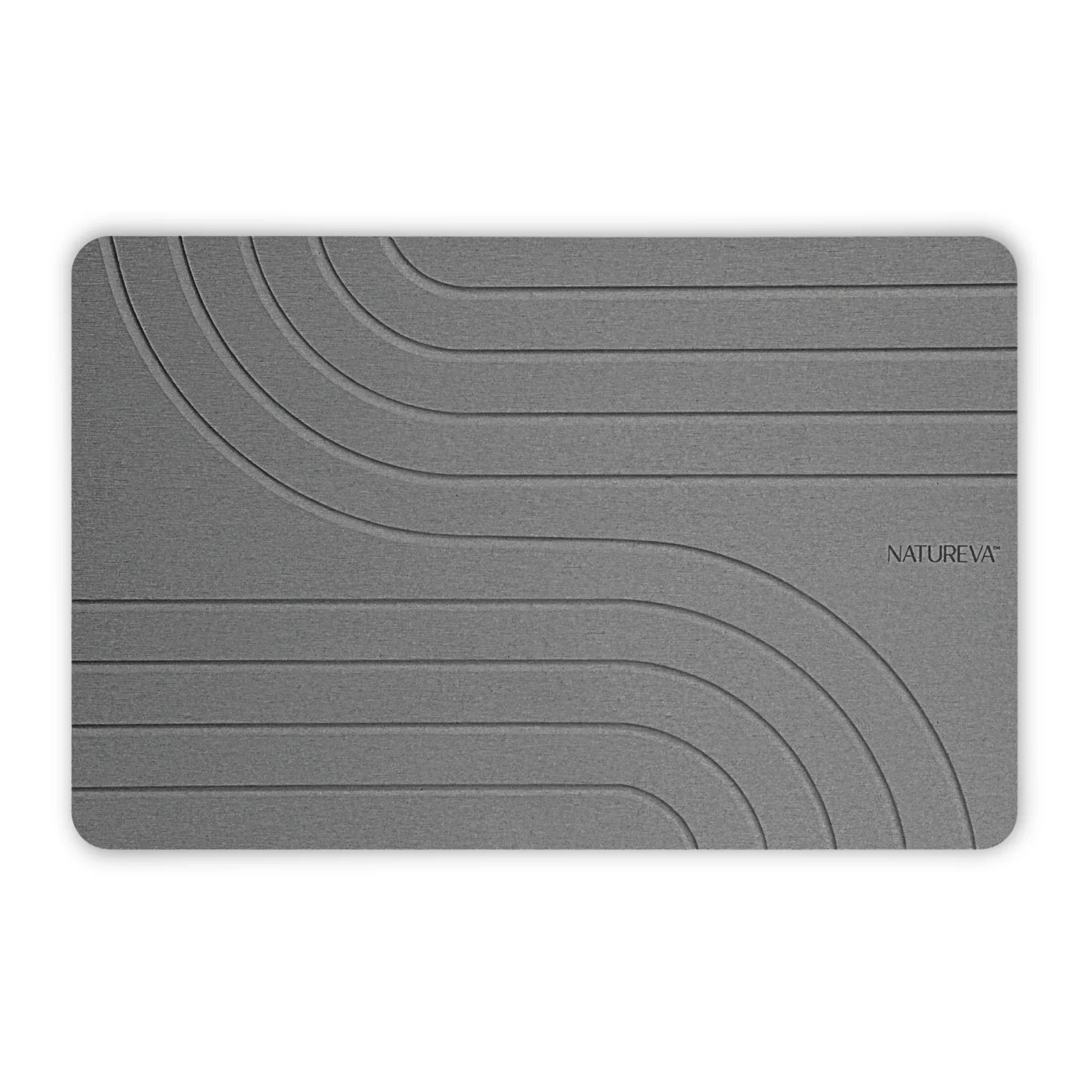
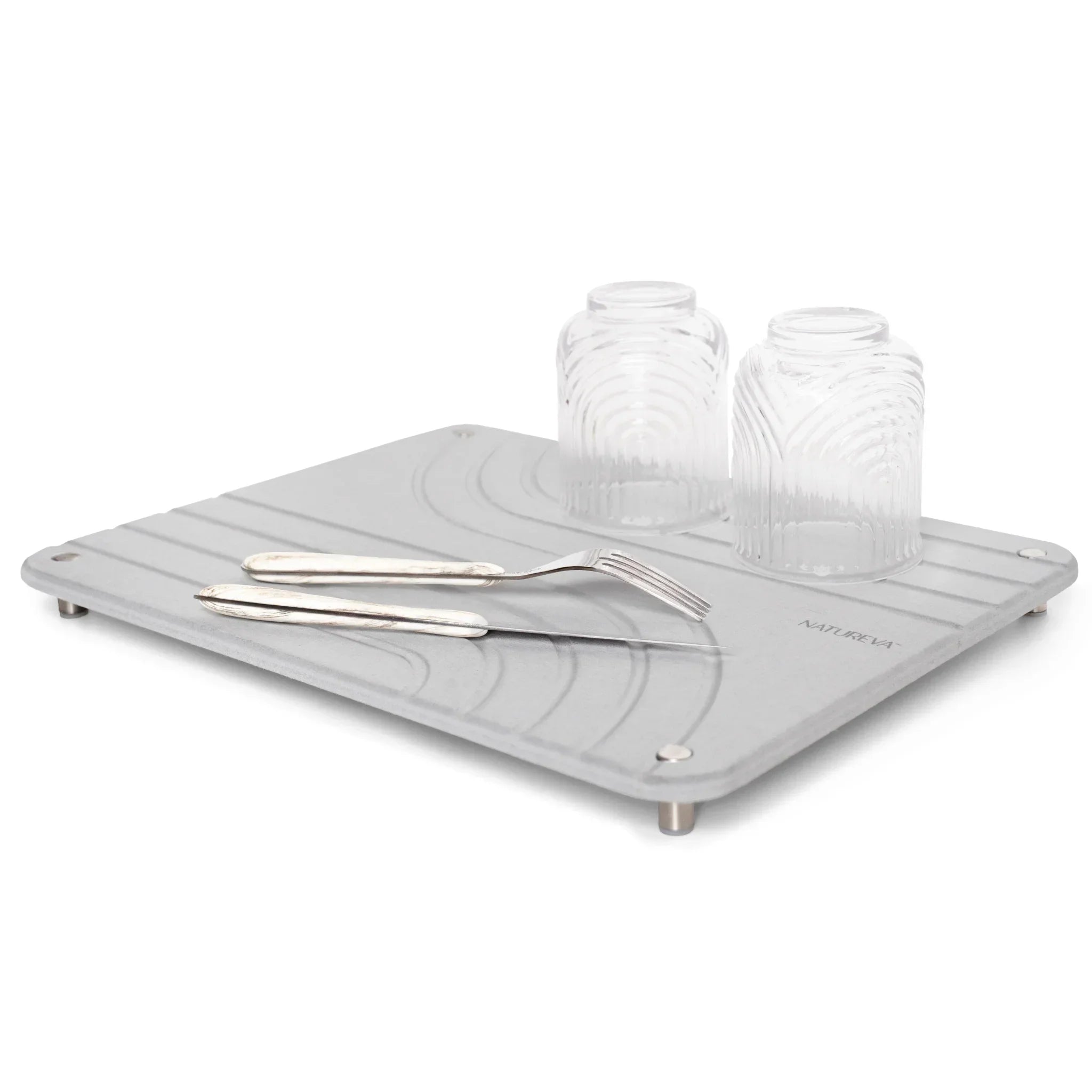
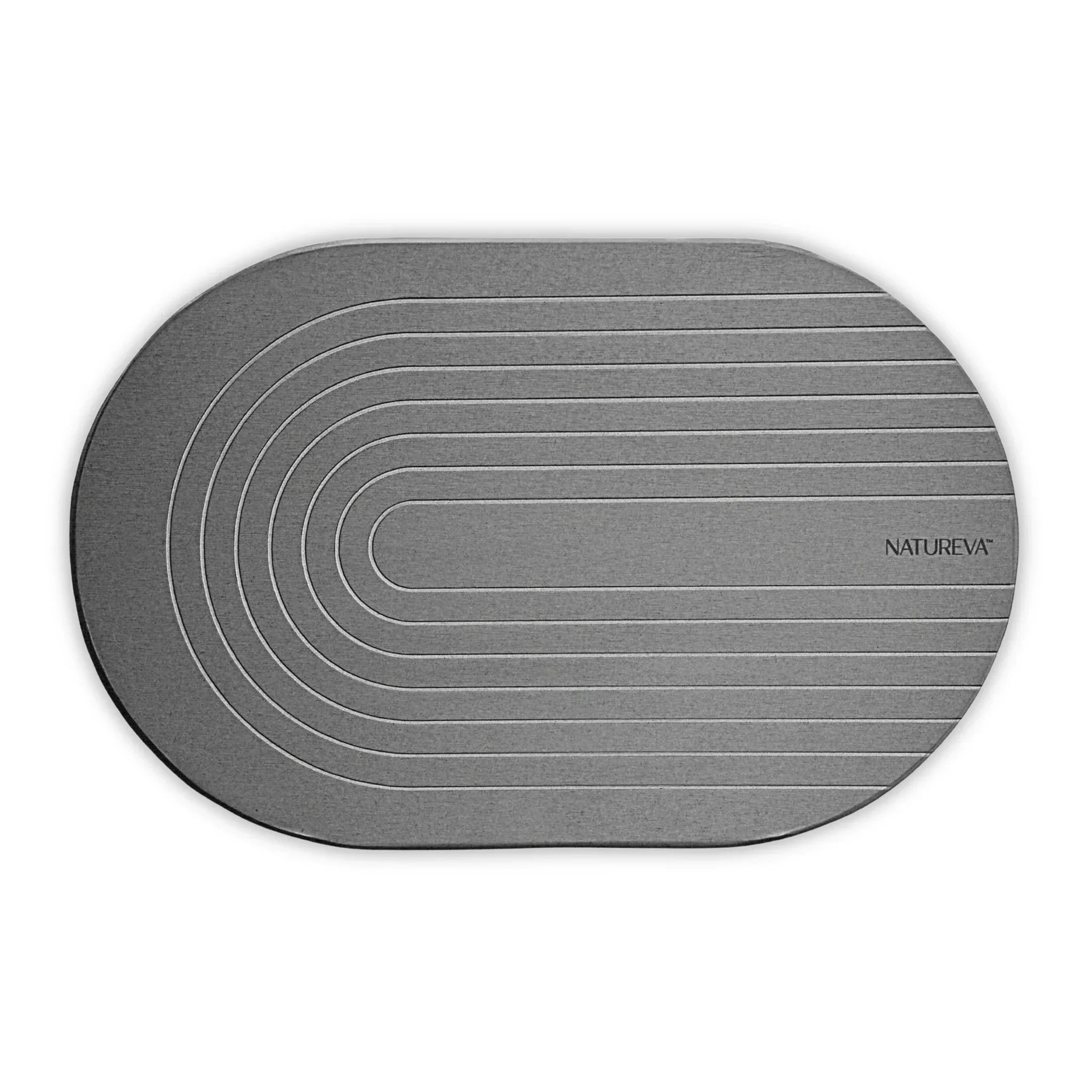
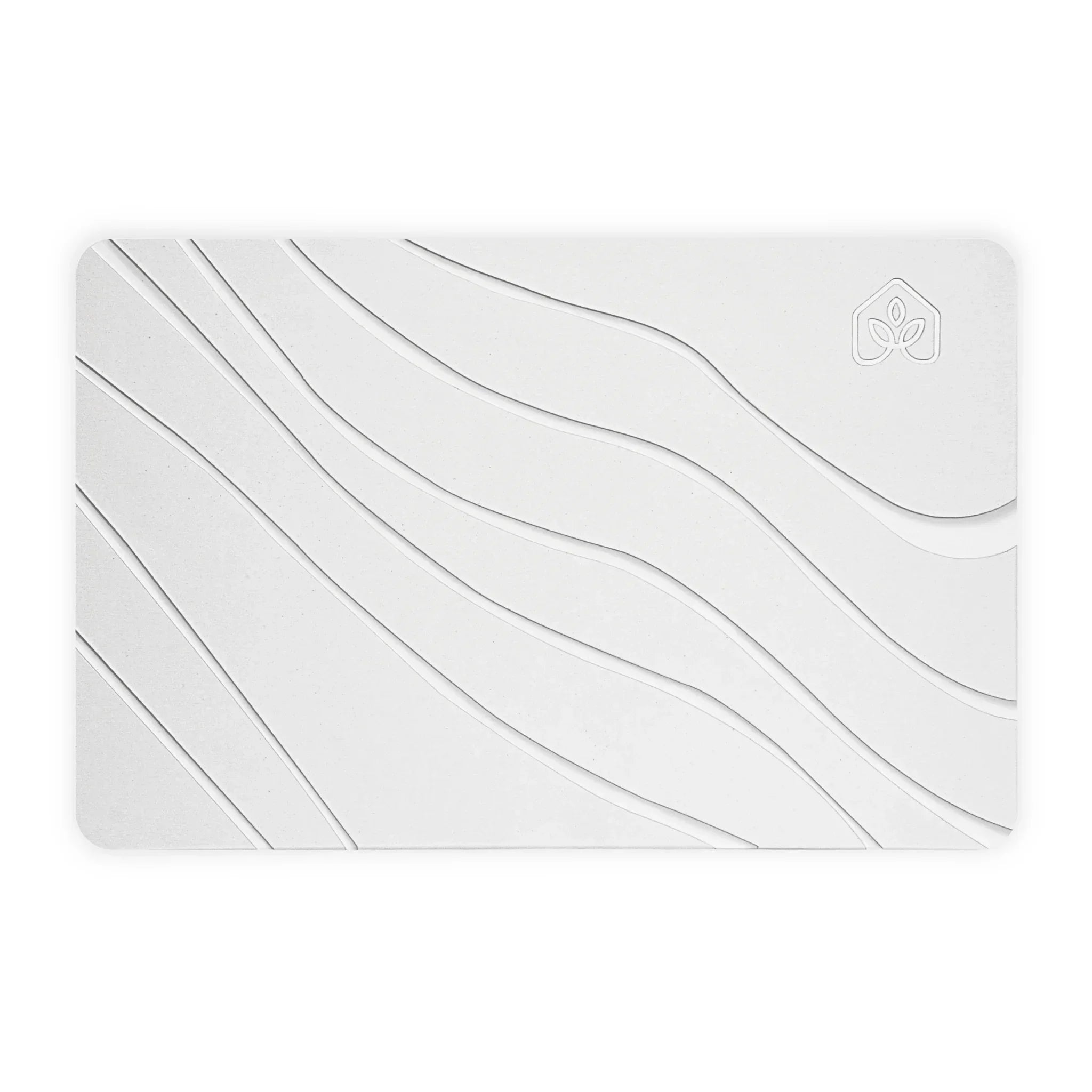
Most stone bath mats are made from diatomaceous earth: a naturally occurring sedimentary rock formed from the fossilised remains of microscopic algae called diatoms. It’s non-toxic, abundant, and porous at the microscopic level, which gives stone mats their signature performance characteristics.
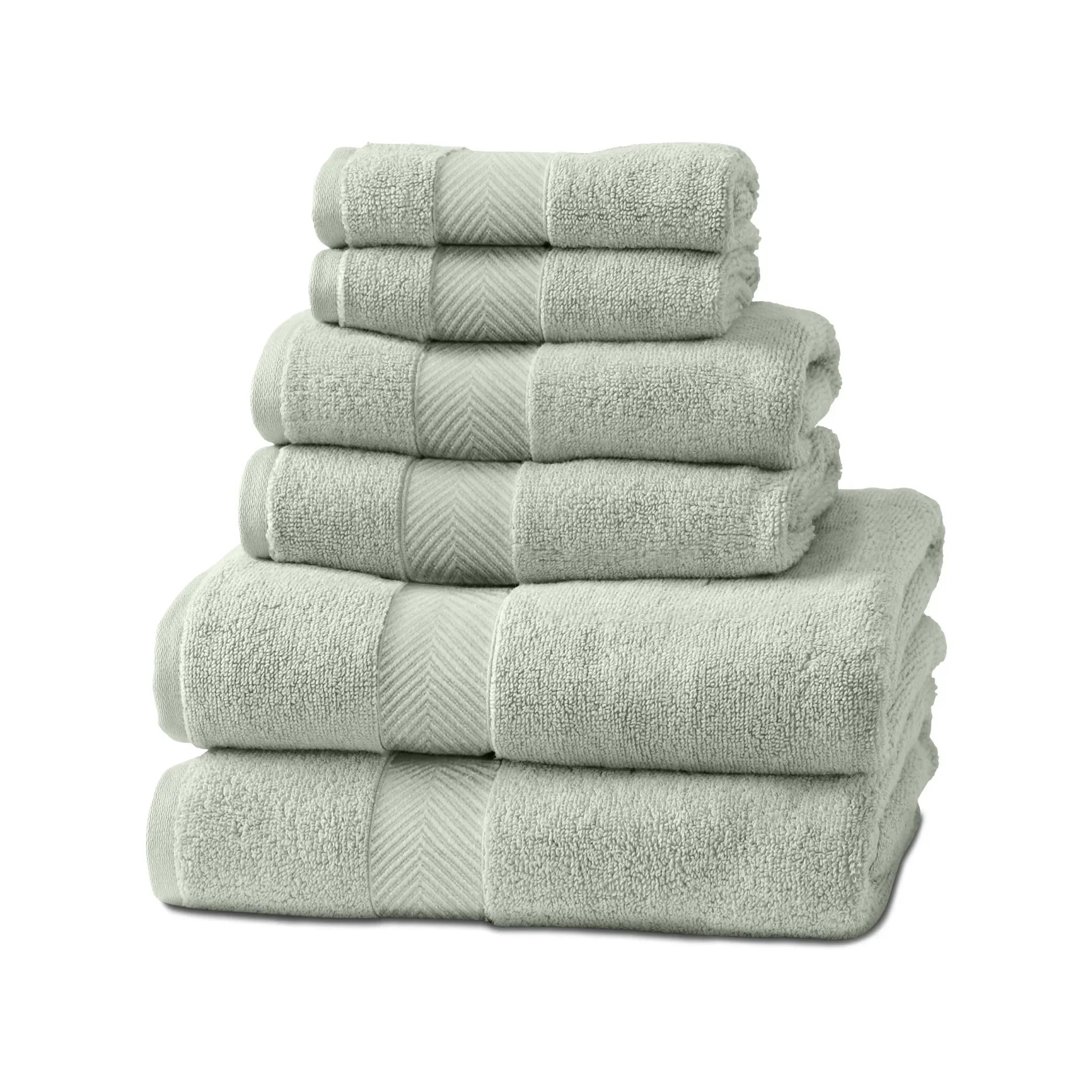
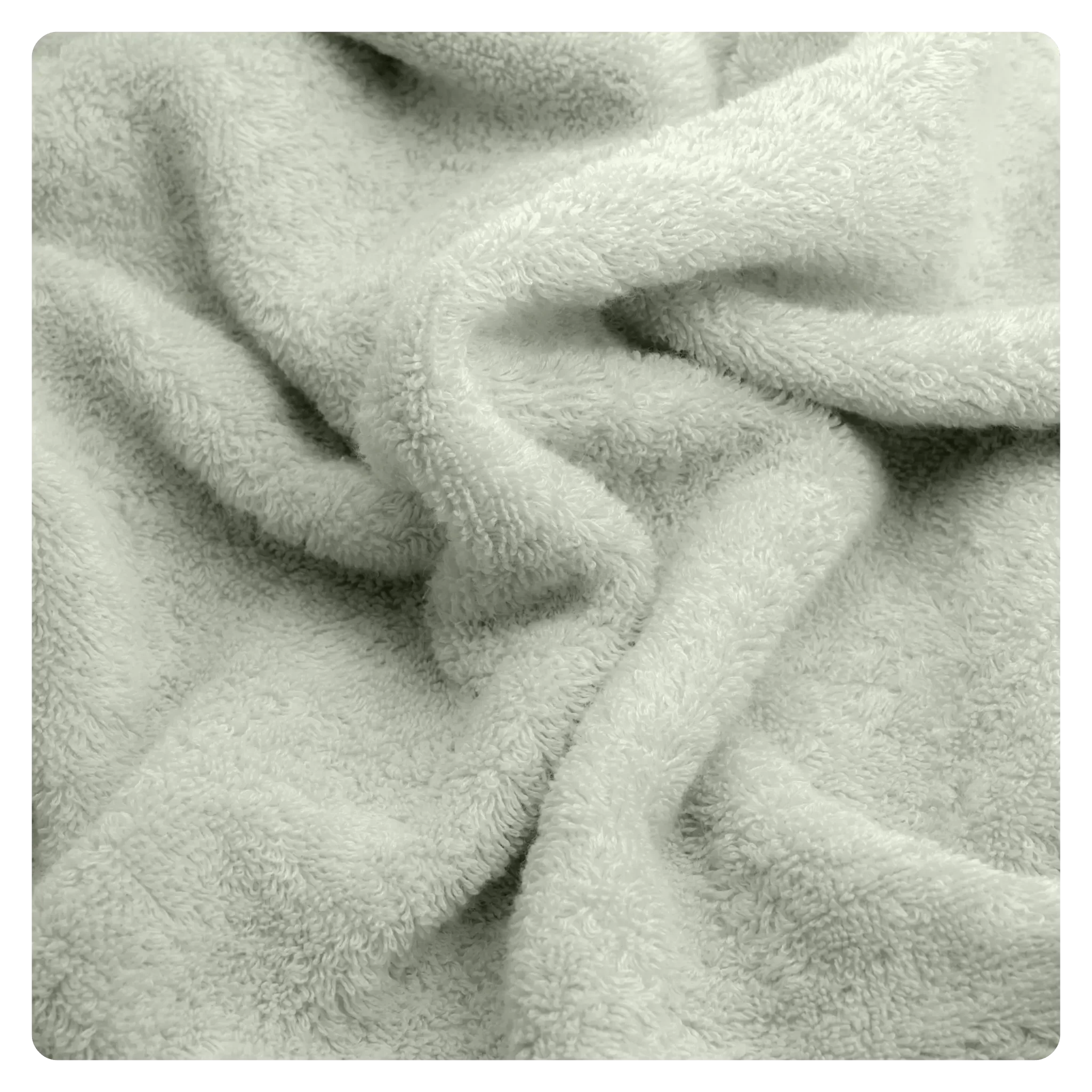
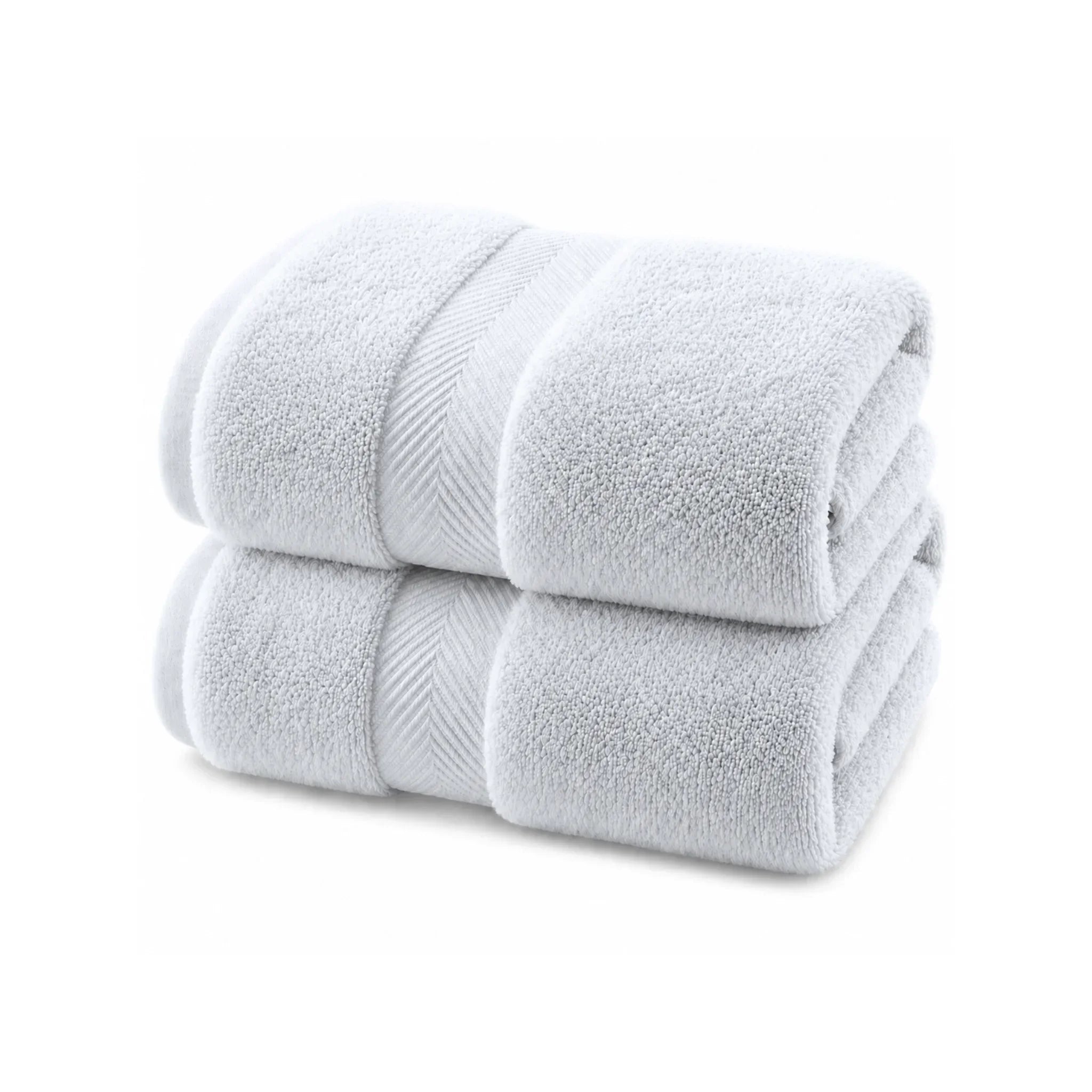
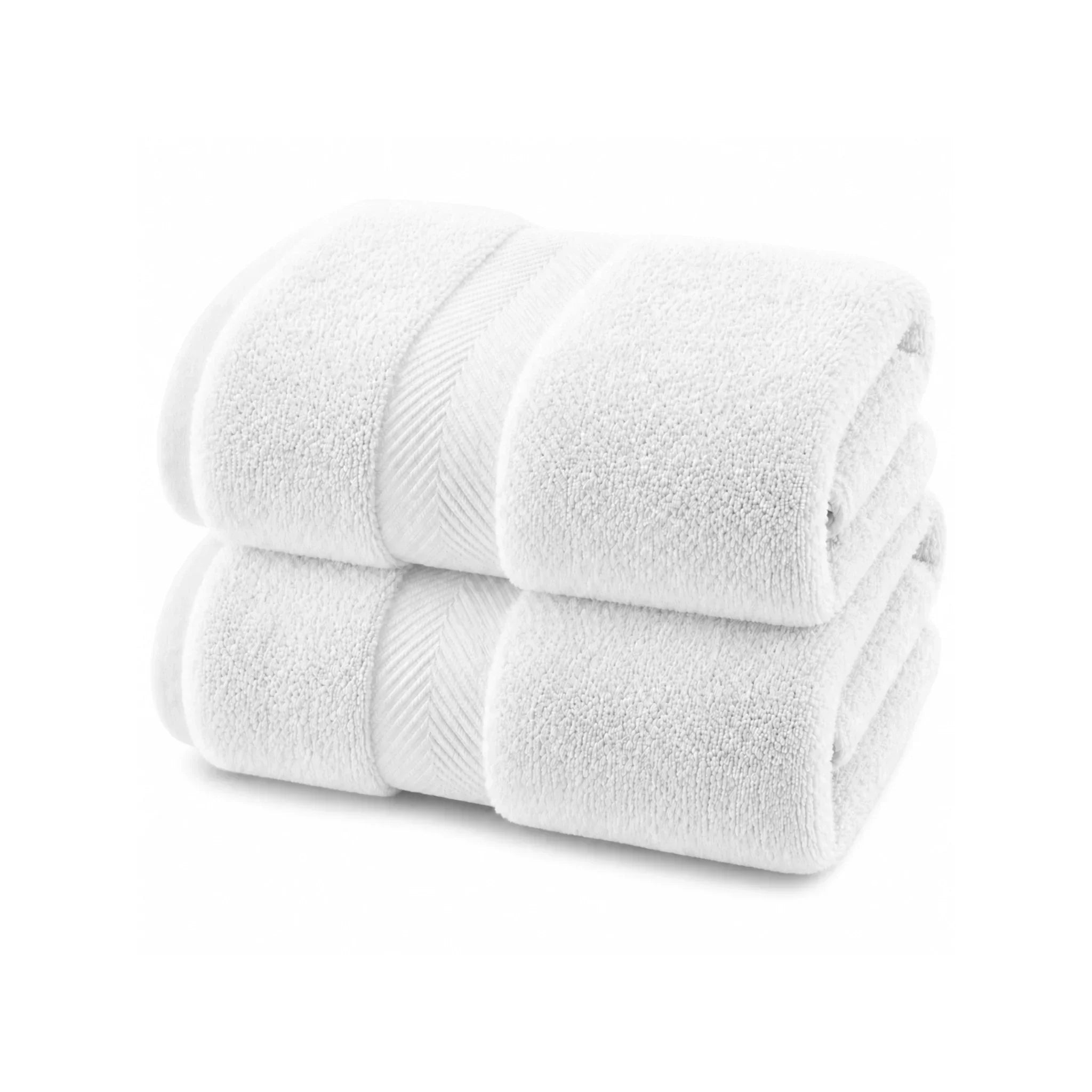
Fabric mats, by contrast, are typically made from cotton, microfiber, or polyester blends – soft, familiar materials that absorb water into their fibres and hold it there.
Stone Bath Mat vs Fabric: The Full Comparison
|
Category |
Stone Bath Mat |
Fabric Bath Mat |
|
Absorbency |
Instant – water disappears into micropores within seconds |
Good, but fibres retain moisture |
|
Drying Speed |
Dries in minutes |
Can take hours or all day |
|
Hygiene |
Naturally antimicrobial; resists mould and mildew |
Prone to bacterial build-up between washes |
|
Durability |
Years with proper care |
6–12 months before fading, fraying (depending on quality) |
|
Eco-Friendliness |
Natural material; long lifespan reduces waste |
Synthetic options create microplastic waste; cotton is resource-intensive |
|
Maintenance |
Wipe clean; light sanding every few months |
Machine wash weekly |
|
Comfort |
Firm – some find it cooling underfoot |
Soft and cushioned |
|
Cost |
Higher upfront; lower long-term |
Lower upfront; ongoing replacement cost |
Absorbency
This is where the stone bath mat vs fabric comparison starts to diverge significantly. Stone mats made from diatomaceous earth draw moisture into millions of tiny pores through capillary action – you'll see water vanish from the surface within seconds of stepping on it. There's no pooling or spreading.
Fabric mats absorb water too, but into their fibres, which means they're holding onto it rather than releasing it. A cotton or microfiber mat that's already been used once might feel noticeably damp the next time you step on it, particularly in a bathroom with limited airflow.

Drying Speed
A stone mat typically returns to a dry surface within minutes. Because moisture moves through the porous structure and evaporates, the mat is usually ready for the next person well before they need it, which can make a world of difference in busy households with multiple, back-to-back showers.
Fabric mats can take anywhere from a few hours to a full day to dry properly, depending on the bathroom's humidity and ventilation. In a poorly ventilated bathroom, a fabric mat may never fully dry between uses.
Hygiene: Mould and Mildew
This is arguably the most important category. Warm, damp fabric is an ideal environment for bacteria, mould, and mildew – and a fabric bath mat sits in exactly those conditions, often on the floor, for extended periods.
Stone mats sidestep most of that risk. Because they dry so quickly, they don't give microorganisms the sustained moisture they need to grow. The composition of diatomaceous earth also creates an inhospitable environment for bacterial proliferation.
That said, stone mats aren't entirely maintenance-free. Pores can clog over time, reducing absorbency and creating surface build-up if not occasionally refreshed.
Durability
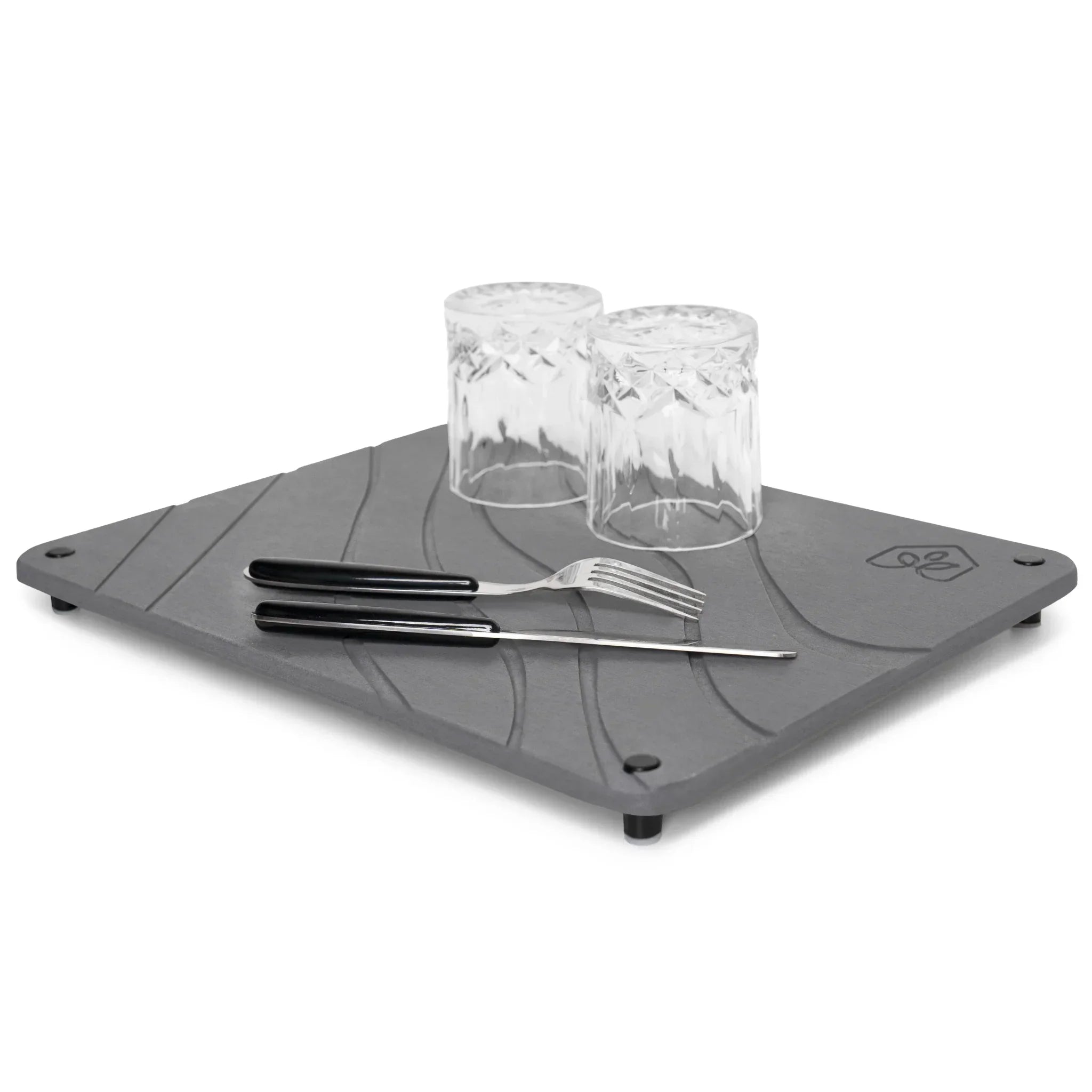
A well-maintained stone bath mat can last several years. There's no fraying, no rubber backing cracking, no colour fading in the wash. The main risk is cracking if the mat is dropped or handled roughly – it is, after all, a compressed mineral slab.
Fabric mats typically need to be replaced every 6 to 12 months. Repeated washing breaks down fibres, flattens pile, and degrades backing materials. The long-term cost adds up quickly.
Eco-Friendliness
Stone mats have a genuine environmental edge here. Diatomaceous earth is a natural, abundant material, and a mat that lasts several years generates far less waste than replacing fabric mats annually. You're also cutting out the water and energy cost of regular machine washing.
Fabric mats vary widely. Cotton is a natural fibre, but highly water-intensive to produce. Synthetic microfiber options shed microplastics with every wash – a growing concern for waterway health.
Maintenance
Stone mats need a wipe-down with a damp cloth for day-to-day cleanliness. Every few months, a light sand with fine-grit paper reopens the pores and restores full absorbency.
Fabric mats need to be washed at least weekly, or more often in a high-traffic household. Skipping that routine is where hygiene problems start.
Which Mat Should You Choose?
For most homeowners who prioritise cleanliness, low maintenance, and longevity, stone wins the stone bath mat vs fabric comparison clearly. It dries faster, stays cleaner between washes, lasts longer, and carries less environmental cost over time.
Fabric mats still have a place – they're softer underfoot, come in a wider range of sizes and styles, and work well in lower-traffic bathrooms where comfort is the priority.
But if you've ever peeled a damp mat off your floor, or noticed that faint musty smell creeping in, the switch to stone is worth making.
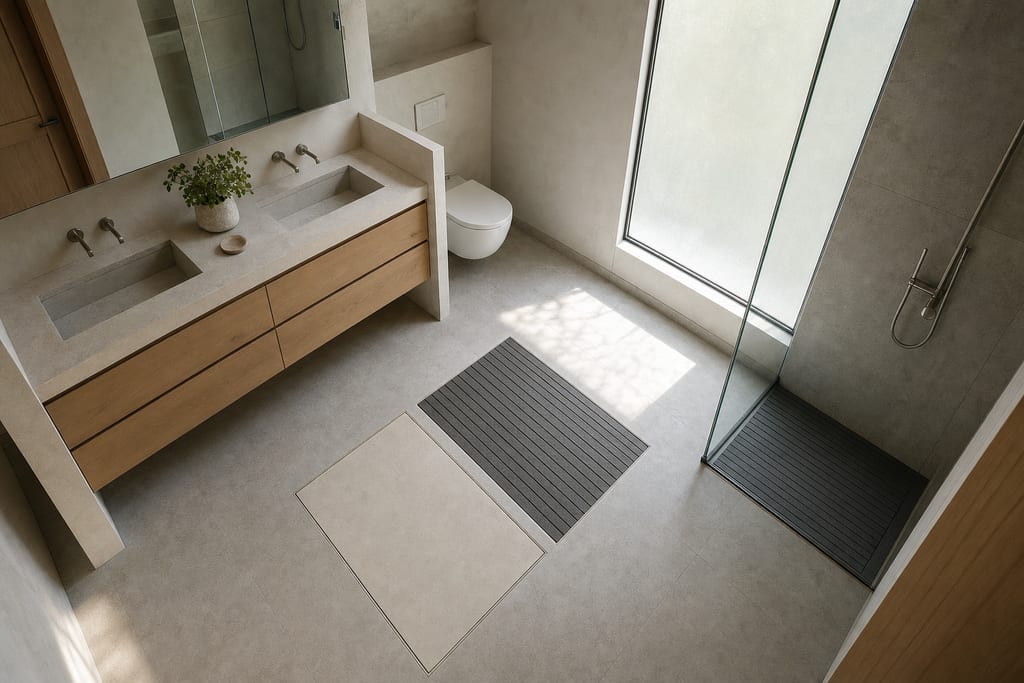
Natureva's stone bath mats are crafted from premium diatomaceous earth and designed to sit naturally in a modern bathroom – functional, clean, and built to last. Browse the full range and find the right fit for your space.