Article: Stone Dry Bath Mats for Bathrooms Explained
Stone Dry Bath Mats for Bathrooms Explained
Fabric bath mats can stay damp for hours after a shower, creating the perfect environment for mildew and that musty smell no one wants in their bathroom. A stone dry mat bathroom solution works differently because it's made from diatomite, a naturally porous fossilised material that absorbs water on contact and releases it back into the air within minutes. Natureva's stone bath mats use this same mineral-rich material to keep your bathroom floor dry and hygienic without the constant washing and replacement cycle of traditional fabric mats.
How long does it take for a stone bath mat to dry?
Stone bath mats made from diatomite dry completely within 60 seconds to 3 minutes after use due to their highly porous structure that absorbs moisture and releases it through rapid evaporation. This quick-drying property eliminates the damp, musty conditions common with traditional fabric bath mats.
What is diatomite stone made of?
Diatomite is a naturally occurring sedimentary rock composed of fossilized remains of diatoms, single-celled algae with silica-based skeletons that lived millions of years ago. The material contains up to 80-90% silica and features millions of microscopic pores per square inch, giving it exceptional absorbent properties.
How do you clean a stone bath mat?
Stone bath mats require cleaning every 2-4 weeks by gently sanding the surface with fine-grit sandpaper (220-400 grit) to remove soap residue and restore absorbency, followed by rinsing with water and air drying. This simple maintenance process reopens the pores and extends the mat's lifespan to 2-3 years with regular use.
Table of Contents
The Science Behind Diatomite Stone
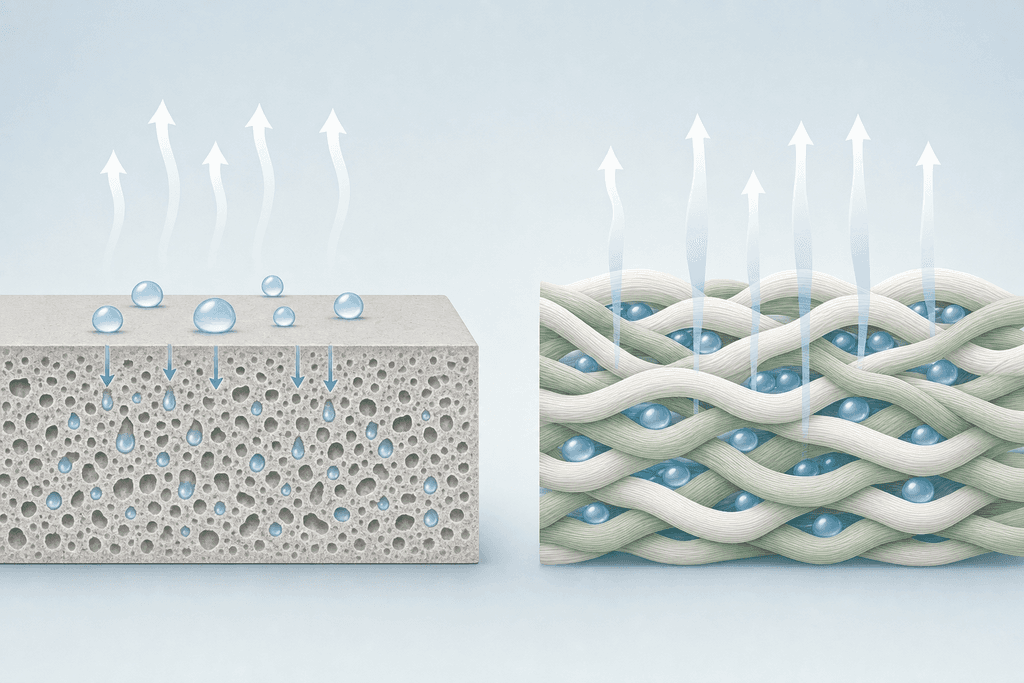
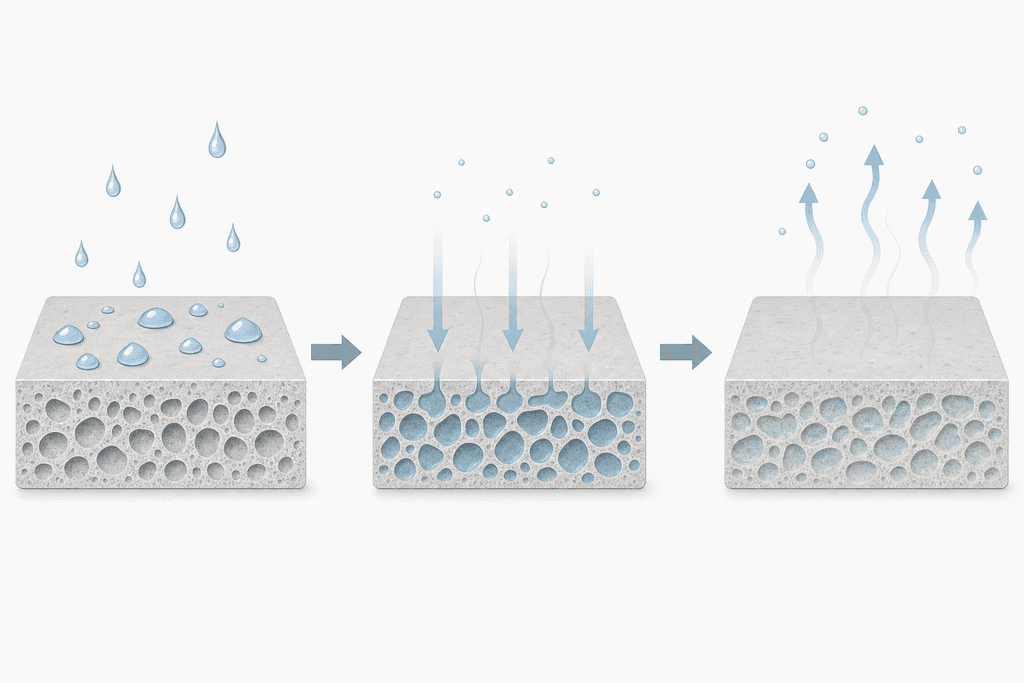
Most people step out of the shower onto a damp fabric mat that stays wet for hours, creating the perfect environment for mould and mildew. Stone dry bath mats work completely differently because they're made from diatomite, a naturally occurring material with a unique internal structure. Diatomite is formed from fossilised microscopic algae called diatoms that lived millions of years ago in ancient lakes and oceans. When these tiny organisms died, their silica-based skeletons accumulated on the ocean floor and eventually compressed into the porous mineral we use today. The result is a material filled with millions of microscopic pores that absorb water on contact and release it back into the air through rapid evaporation.
How the Porous Structure Works
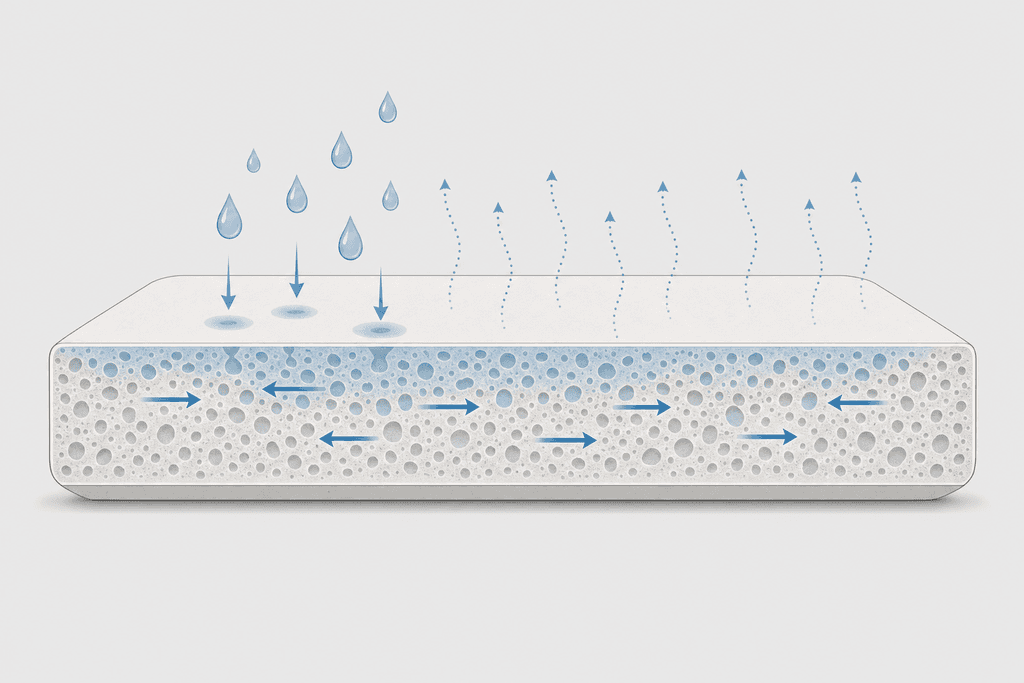
The magic happens at a microscopic level that you can't see with your eyes. Each tiny pore in diatomite acts like a miniature sponge, pulling moisture away from your feet the moment you step onto the surface. Unlike fabric that traps water in its fibres or rubber that just sits there wet, diatomite's open pore structure allows air to flow through continuously. This airflow is what makes the evaporation happen so fast, often within minutes instead of hours.
Here's what makes diatomite different from other bathroom mat materials:
- Absorbs water instantly through millions of microscopic pores instead of slowly soaking it up like fabric
- Releases moisture into the air through natural evaporation rather than holding it inside the material
- Stays dry to the touch because water moves through it instead of sitting on the surface
- Reduces the damp conditions where mould and mildew develop by eliminating standing moisture
Natural Material Versus Synthetic Alternatives
Synthetic moisture-wicking fabrics try to move water away from the surface, but they still hold that moisture somewhere in the material. Microfibre mats might feel less soggy than regular cotton, but they're still damp underneath and need frequent washing to stay fresh. Rubber and silicone mats don't absorb anything at all, they just let water pool on top until it eventually evaporates or drips onto your floor. Diatomite solves the moisture problem by eliminating it completely rather than just moving it around or covering it up.
Stone bath mats from Natureva combine diatomaceous earth with recycled paper, compressed into a solid slab without any synthetic coatings or chemical treatments. The material stays hygienic through its rapid drying mechanism, not through added antibacterial chemicals. According to testing by Consumer Reports, quality stone mats can dry completely within minutes of use, making them a practical choice for busy bathrooms where multiple people shower throughout the day.
Composition and Construction
Not all stone bath mats are created equal, and the composition matters for both performance and safety. The base material is diatomaceous earth, but how it's processed and what it's combined with affects how well the mat works and how long it lasts. Quality stone mats use a composite of diatomite and recycled paper that's compressed under high pressure to create a dense, durable surface.
| Material Component | Purpose | Benefit |
|---|---|---|
| Diatomaceous Earth | Primary absorbent | Instant water absorption |
| Recycled Paper | Binding agent | Structural stability |
| No coatings | Maintains porosity | Maximum airflow |
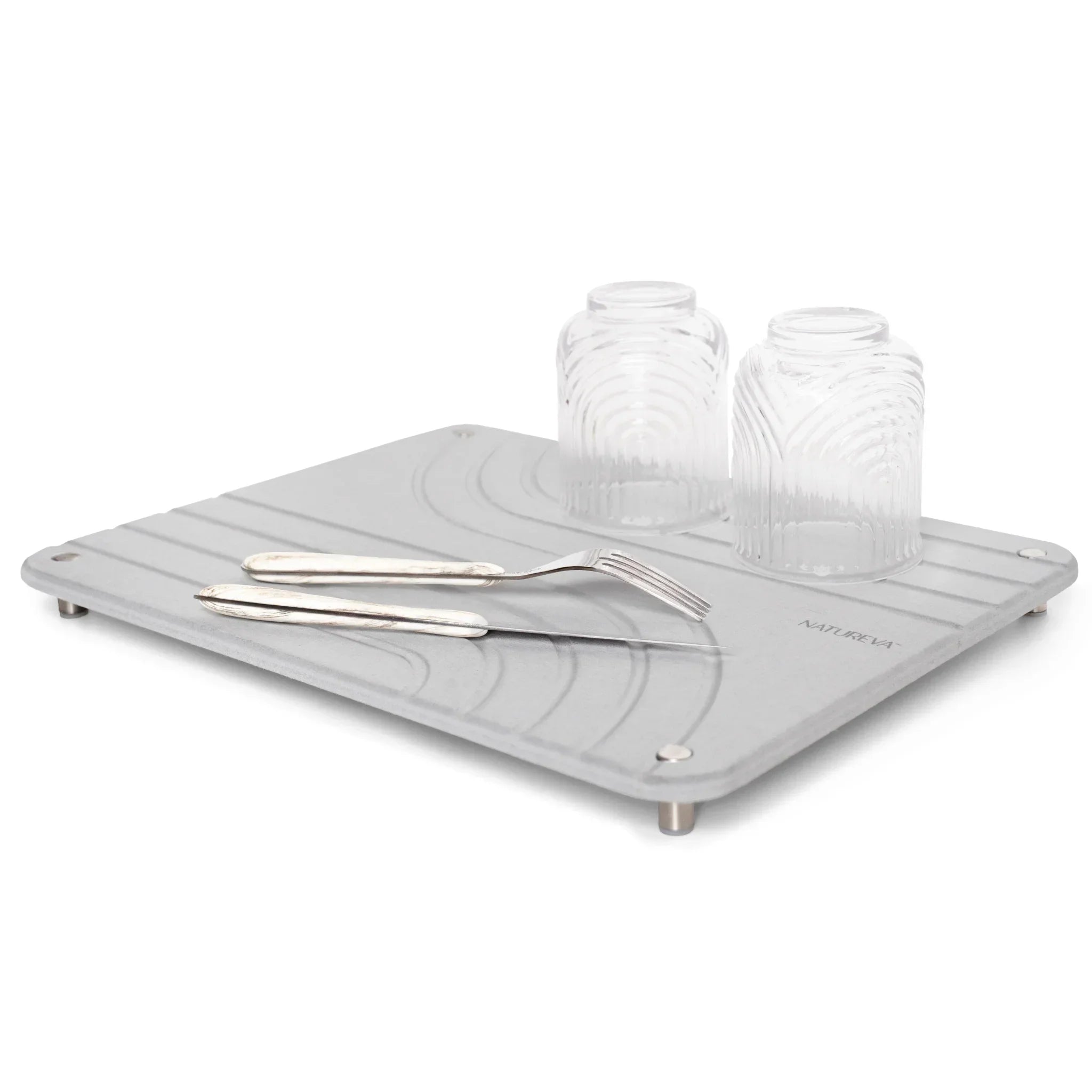
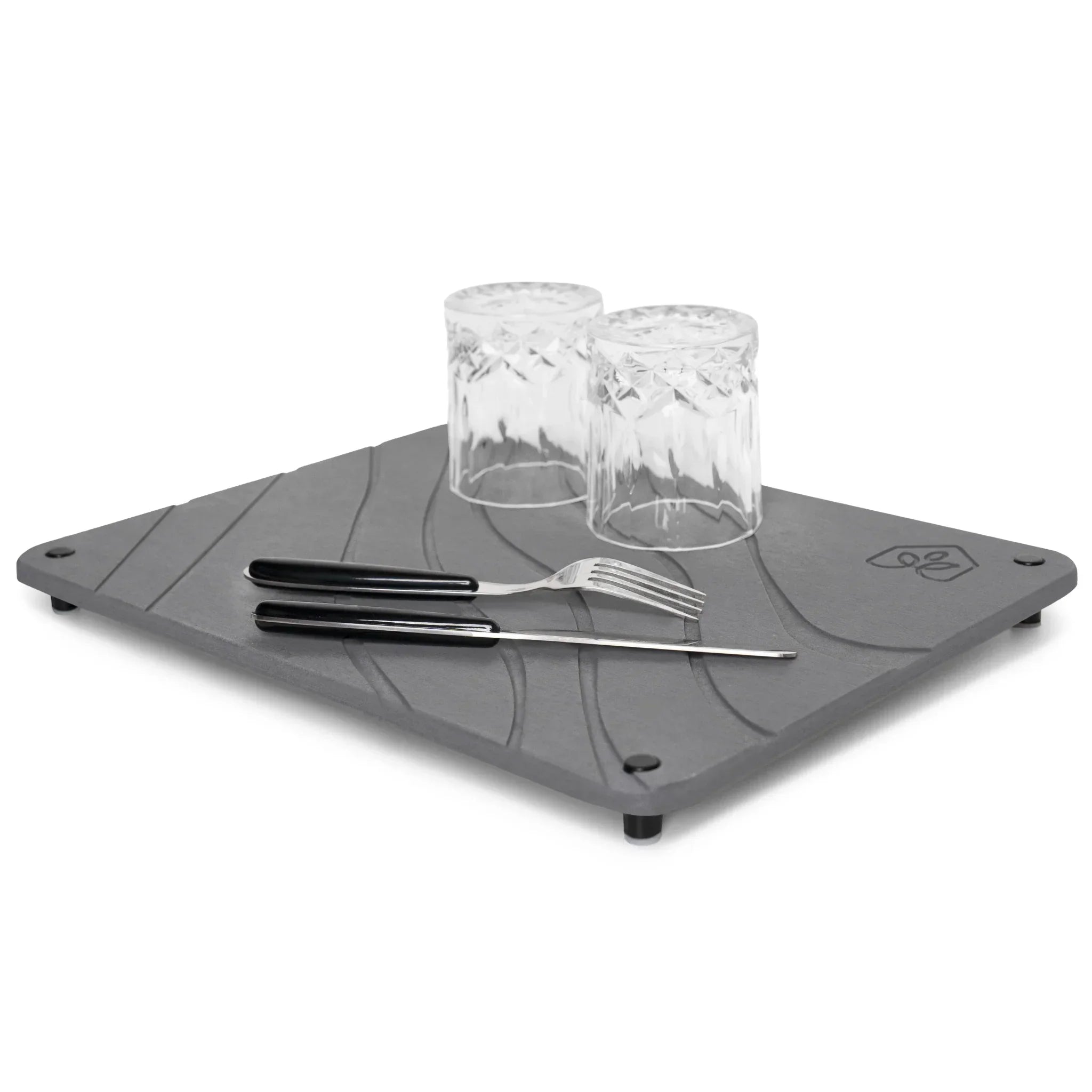
The absence of synthetic coatings is actually what makes these mats work so well. Any sealant or finish would block the pores and prevent the absorption that makes stone mats useful in the first place. Natureva's stone bath mats are tested and certified asbestos-free by a NATA-accredited Australian laboratory, addressing safety concerns that have affected some diatomite products from unverified sources. The mats weigh around 1.8 kg and measure approximately 60 × 39 cm, giving them enough mass to stay stable on the floor without sliding around when wet.
How Stone Dry Bath Mats Work
Stone dry bath mats are made from diatomite, a naturally occurring material created from fossilised microscopic algae called diatoms. The internal structure of diatomite contains millions of microscopic pores that act like tiny sponges, pulling moisture away from your feet the moment you step onto the surface. This isn't just absorption though, it's a complete moisture management system that works differently than anything fabric or rubber can do.
When water hits the stone surface, it gets absorbed instantly into those microscopic pores, then releases back into the air through rapid evaporation. The entire process happens in minutes, not hours. Most stone mats dry completely within 8 to 10 minutes after use, leaving no damp surface behind.
- Instant absorption pulls water away from bare feet on contact
- Rapid evaporation releases moisture into the air within minutes
- No damp environment means fewer conditions where mould and mildew develop
- Chemical-free construction stays clean through drying, not additives
The difference between absorption and trapping matters more than most people realise. Fabric mats absorb water but then hold onto it for hours, creating a damp environment. Stone mats absorb and release, which is why they stay hygienic by design. Baptist Health notes that this fast-drying characteristic reduces the damp conditions where bacteria and mould typically thrive.
Because the material itself doesn't trap moisture, there's no need for chemical treatments or synthetic coatings. The stone stays clean through its natural drying mechanism, not through additives that wear off over time.
| Mat Type | Drying Time | Maintenance | Hygiene |
|---|---|---|---|
| Stone | 8-10 minutes | Weekly wipe | Fast-drying surface |
| Fabric | 4-8 hours | Constant washing | Damp environment |
| Rubber | 2-4 hours | Weekly scrub | Moisture trapped underneath |
| Microfibre | 6-12 hours | Frequent washing | Holds moisture |
Stone vs Fabric Bath Mats
The most obvious difference between stone and fabric bath mats is how long they stay wet. A fabric mat can take anywhere from four to eight hours to dry completely, depending on bathroom humidity and airflow. During that time, it's sitting there damp, collecting whatever lands on it. Stone mats dry in under ten minutes, which changes everything about how clean your bathroom stays.
Maintenance requirements tell the real story. Fabric mats need to be thrown in the washing machine every few days to stay fresh. That's extra laundry, extra detergent, extra energy, and extra time. Stone mats need a quick wipe with warm water and cleaning vinegar once a week. That's it.
Hygiene Differences
When a fabric mat stays damp for hours after every shower, it creates the exact conditions where mould and mildew develop. You've probably noticed that musty smell that fabric mats get after a few weeks, even with regular washing. That's moisture that never fully leaves the fibres. Stone mats eliminate that problem entirely because they don't stay wet long enough for those conditions to form.
- Stone dries in minutes, fabric stays damp for hours
- Stone needs a weekly wipe, fabric needs constant washing
- Stone maintains a stable surface, fabric bunches and slides
- Stone lasts years with minimal care, fabric wears out quickly
Durability is another area where stone wins clearly. Fabric mats start to fray, fade, and lose their absorbency after months of use and washing. The fibres break down, the backing deteriorates, and eventually you're replacing them. Stone mats are solid diatomite slabs that don't degrade. If the surface ever loses absorbency from buildup, the included sanding tool reopens the pores and restores full performance.
Design and Safety
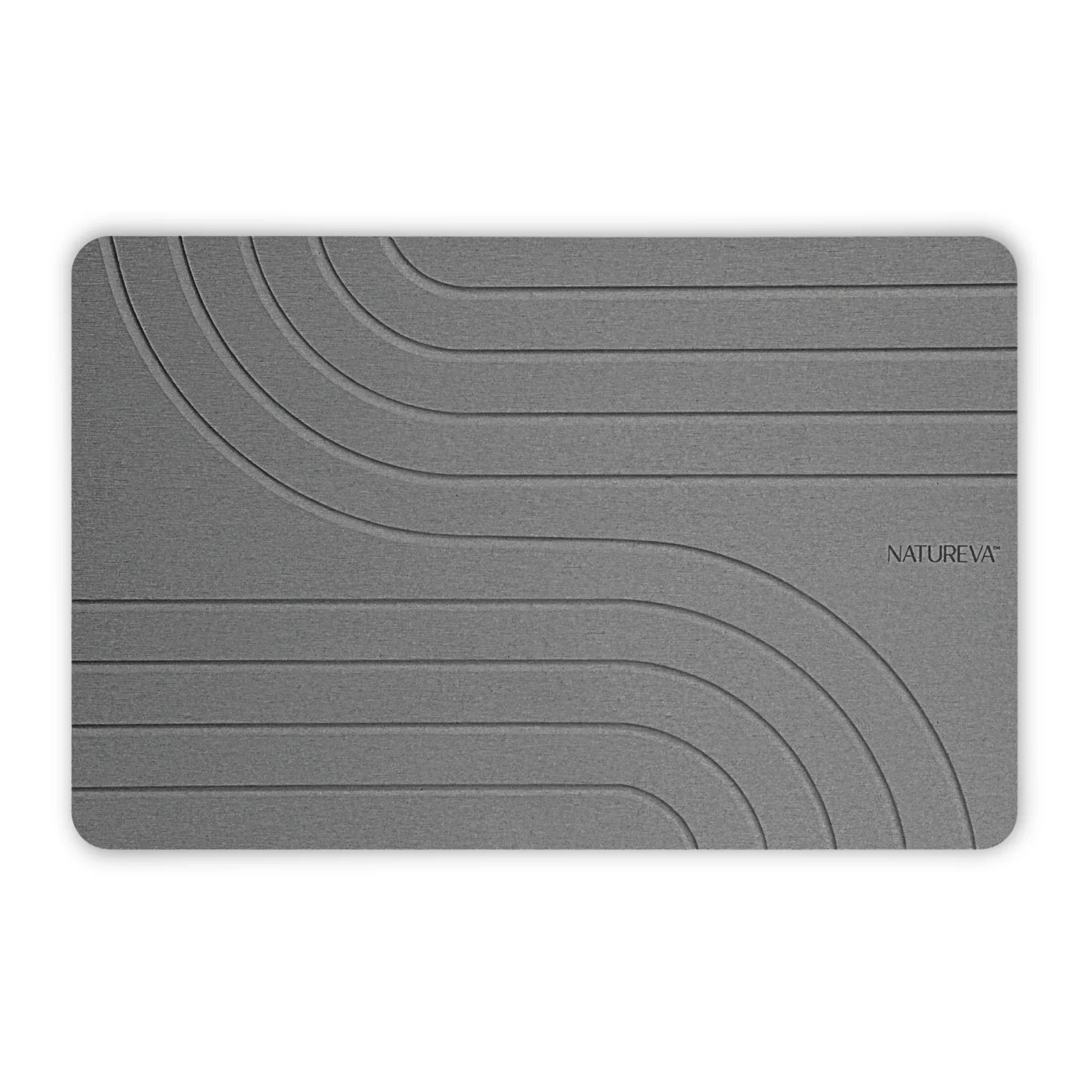
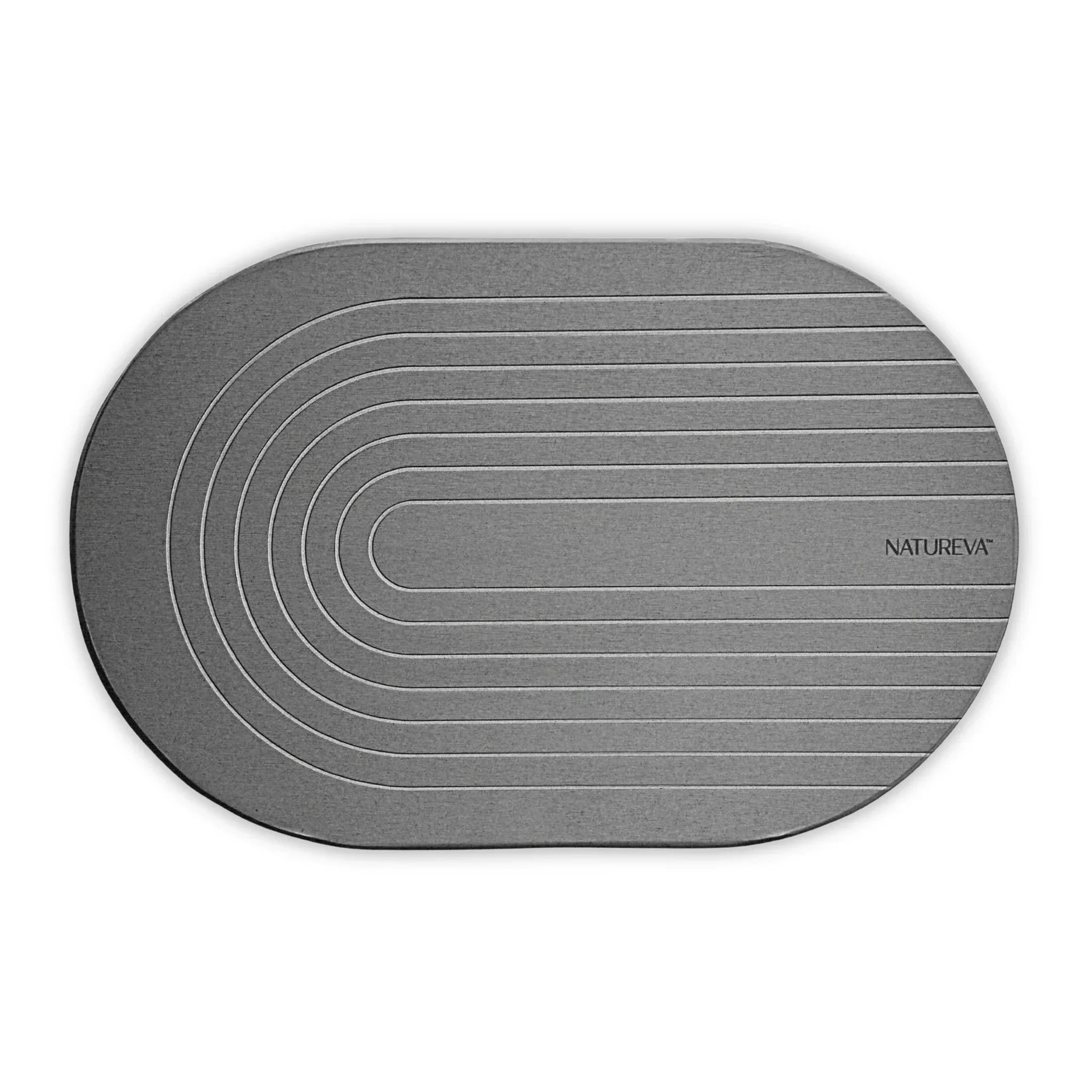
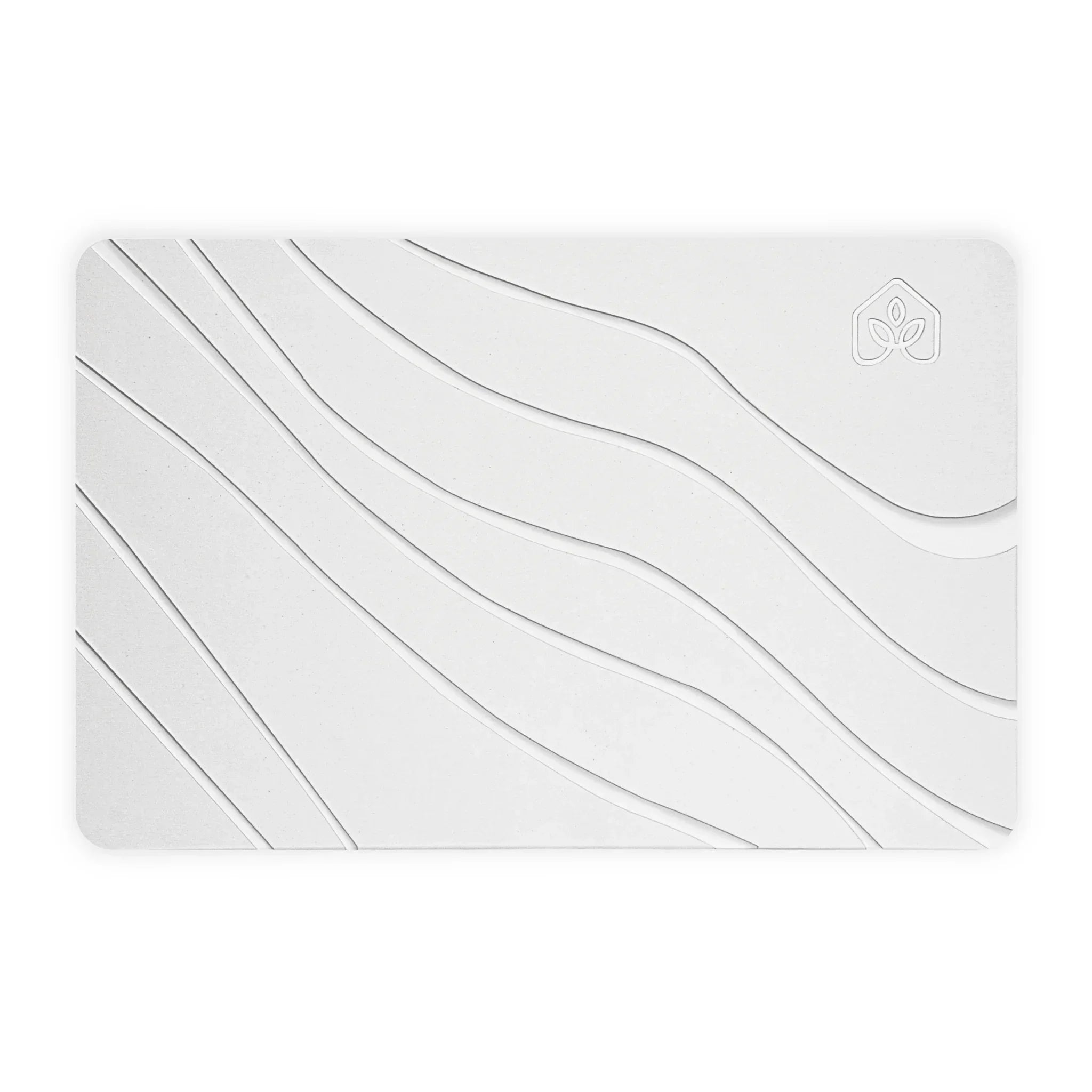
From a design perspective, stone mats integrate into modern bathrooms in a way fabric never quite manages. They look intentional, not temporary. The carved patterns like Tide, Flow, and Rain add subtle texture without competing with your bathroom aesthetic.
Safety matters too. Fabric mats bunch up, slide around, and curl at the edges when they get wet. Stone mats stay flat and stable with a non-slip base pad that keeps them exactly where you place them. For older adults or anyone concerned about bathroom falls, that stability makes a real difference.
| Feature | Stone Bath Mat | Fabric Bath Mat |
|---|---|---|
| Drying | 8-10 minutes | 4-8 hours |
| Cleaning | Weekly wipe | Frequent washing |
| Lifespan | Years | Months |
| Stability | Flat, non-slip | Bunches, slides |
Choosing and Using Stone Bath Mats
Picking the right stone bath mat comes down to design preference and bathroom layout. The carved patterns each have their own visual rhythm, from the horizontal shoreline curves of Tide to the sparse vertical lines of Rain. All four designs, Tide, Flow, Arch, and Rain, perform identically in terms of absorption and drying. The choice is purely about which pattern fits your space.
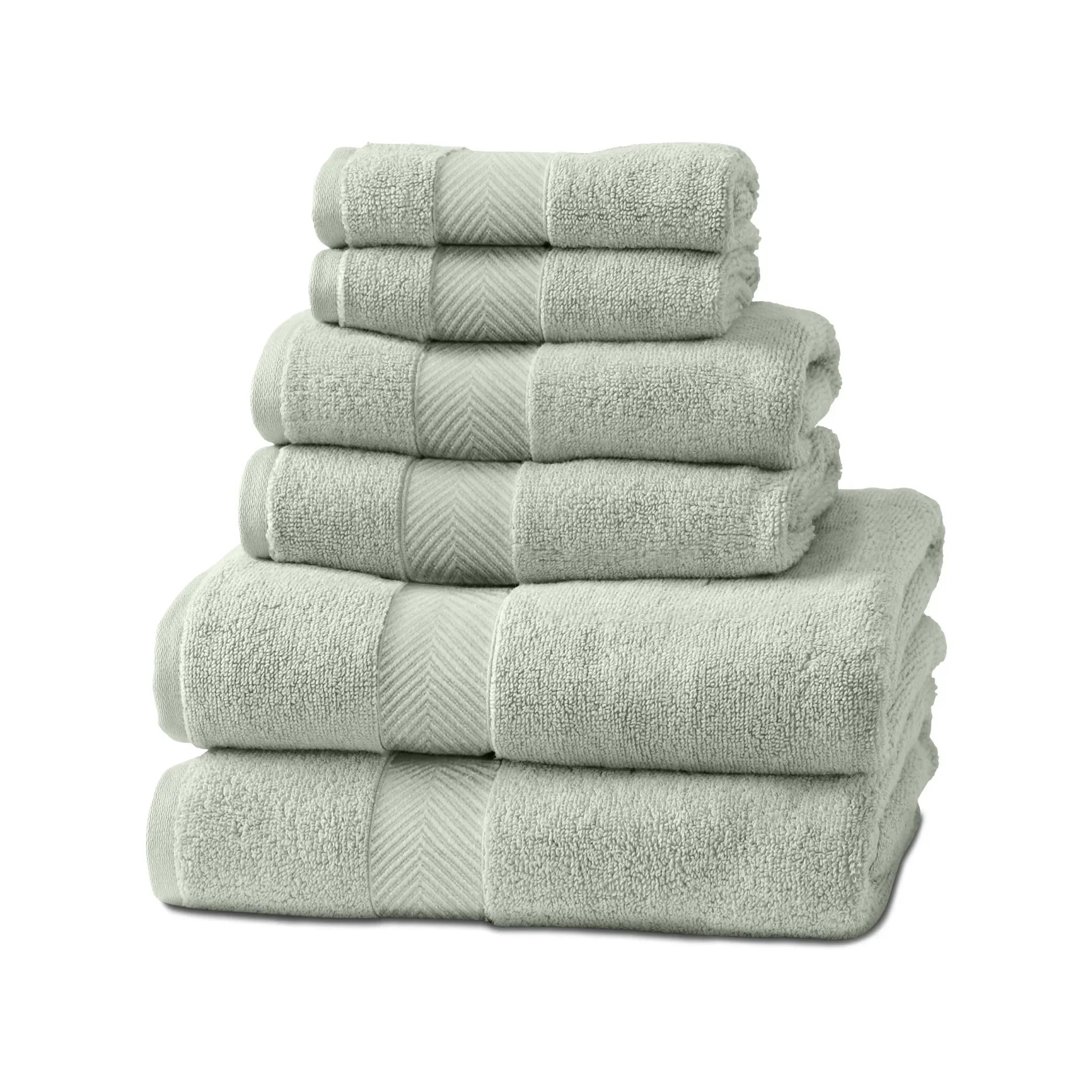
Colour selection matters for cohesion. Graphite works in darker, more dramatic bathrooms. Slate sits in the middle as a soft grey that pairs with almost anything. Chalk brings a clean, bright look to lighter spaces. You can coordinate these with bamboo cotton towels in matching tones for a complete bathroom system.
Placement and Performance
Place the mat directly outside your shower or tub where your feet land first. The non-slip base pad keeps it stable on tile, vinyl, or timber floors. Because the mat weighs approximately 1.8 kg, it doesn't shift around like lighter mats do. That weight is part of what makes it feel solid and permanent rather than temporary.
- Position where feet land first after showering
- Ensure the non-slip base pad sits flat on the floor
- Allow airflow around the mat for optimal evaporation
- Avoid placing directly against walls or in tight corners
Maintenance is straightforward. Once a week, wipe the surface with a warm damp cloth and cleaning vinegar. Avoid coloured soaps that can leave residue. If you notice any stains, rinse the mat under water or use hydrogen peroxide for deeper marks. The included P320 grit sanding disc restores absorbency if the surface ever feels less responsive. Just sand lightly in circular motions to reopen the pores.
The next generation of home essentials: naturally made, cleaner by design, sustainable by nature.
SHOP ALLWhat to Expect
The mat feels solid underfoot, not squishy or soft like fabric. The carved patterns add subtle texture that's comfortable on bare feet. When you first step on it wet, you'll notice the water disappears almost immediately. Within a few minutes of stepping off, the surface is dry to the touch.
Stone bath mats work best in bathrooms with normal airflow. If your bathroom has no ventilation, any mat will struggle to dry properly, but stone still outperforms fabric significantly. For more details on what to look for when choosing a stone mat, check out five diatomite bath mat features to check before buying.
The complete stone bath mat collection includes all four carved patterns in three colours, so you can find the exact combination that works for your bathroom. Each mat includes the sanding tool and non-slip base pad, and ships free on orders over $100 within Australia.
Why Stone Mats Fit Modern Bathrooms
Australian homeowners are spending less time cleaning and more time choosing products that simply work better from the start. The shift toward stone dry mat bathroom solutions reflects a broader change in how people approach home design. Modern bathrooms now prioritize natural materials that require minimal upkeep while delivering consistent performance. Stone bath mats align perfectly with this movement because they eliminate the constant washing cycle that fabric mats demand.
Design Trends Driving the Shift
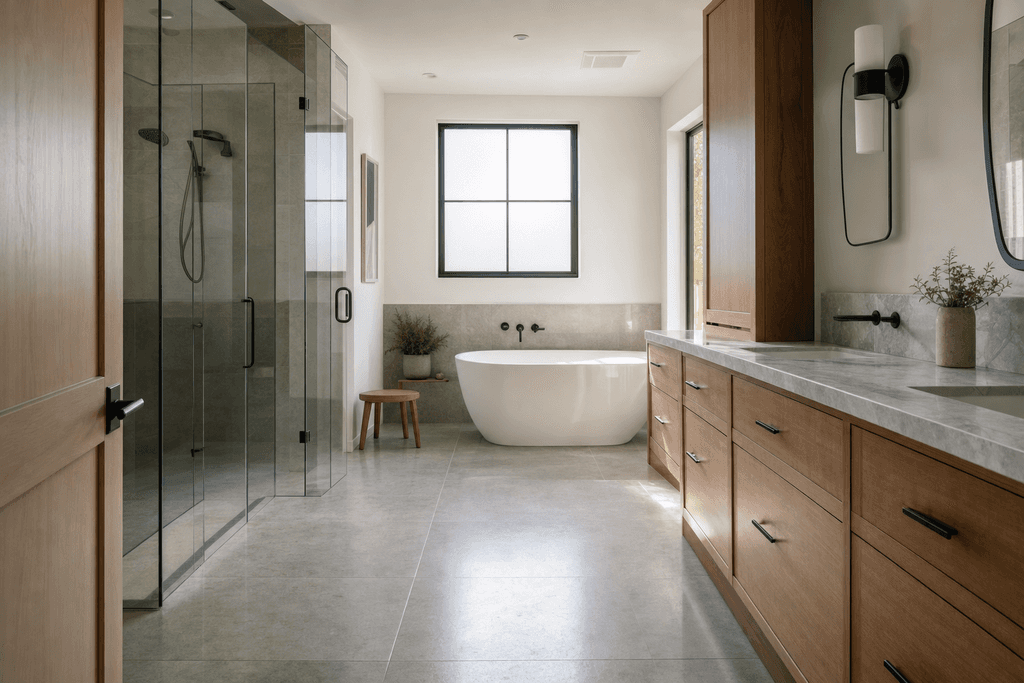
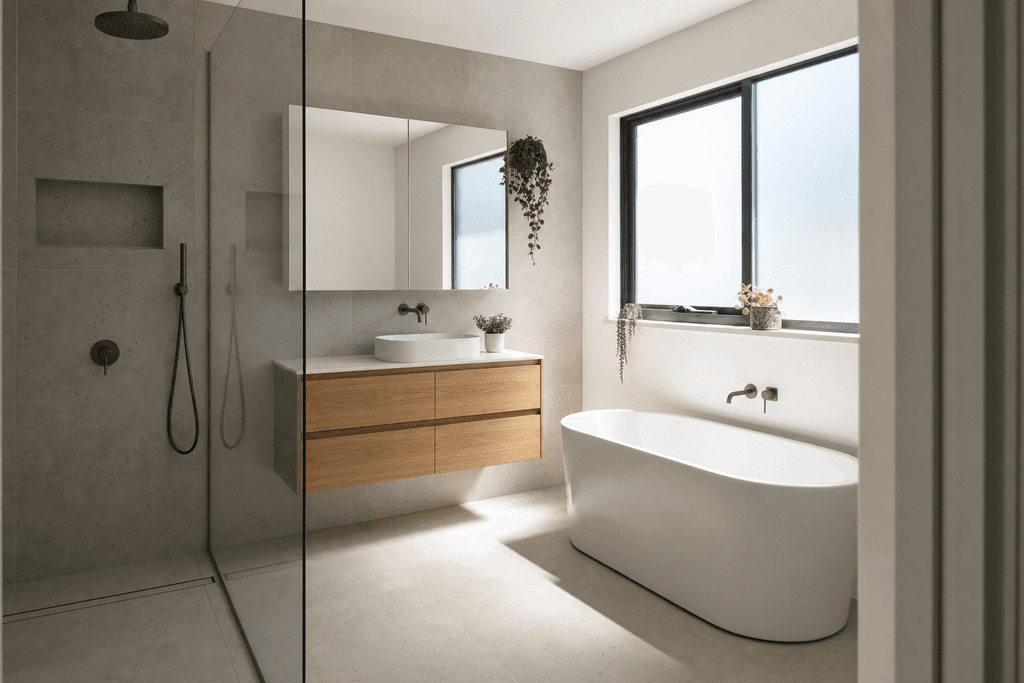
Minimalist and Japandi aesthetics have reshaped bathroom design across Australia. These styles favor clean lines, neutral palettes, and materials that feel grounded in nature. Stone mats fit seamlessly into this visual language without competing for attention.
- Natural stone surfaces complement timber vanities and matte black fixtures
- Carved geometric patterns add subtle texture without visual clutter
- Neutral colorways like graphite, slate, and chalk match modern renovation palettes
- Solid construction creates a permanent fixture feel rather than a temporary accessory
The Australian-designed approach behind products like Natureva's stone bath mats considers local climate conditions and design preferences. High humidity in coastal areas makes fast-drying surfaces particularly valuable.
Sustainability Through Durability
Fabric bath mats typically last 12 to 18 months before showing wear, mildew stains, or permanent dampness. Stone mats can last years with basic maintenance. This longevity reduces replacement frequency and the environmental cost of manufacturing new products.
| Product Type | Typical Lifespan | Washing Frequency |
|---|---|---|
| Fabric Mat | 12-18 months | Weekly |
| Stone Mat | 3+ years | Monthly wipe |
The reduction in washing requirements saves water and energy over time. According to Choice Australia, each washing machine cycle uses approximately 50-150 liters of water depending on the machine type.
Safety Considerations for All Ages
Older adults and people with mobility concerns face real risks from bath mats that bunch, slide, or curl when wet. Stone mats stay flat and stable because of their weight and non-slip base construction. The solid surface provides consistent footing without the shifting that fabric mats create.
- Non-slip base pads prevent movement on wet tile floors
- Solid construction eliminates bunching or folding hazards
- Instant water absorption reduces slippery surface conditions
- Stable weight distribution creates predictable footing
The complete breakdown of stone mat benefits and limitations shows how these products address specific household frustrations that traditional mats simply can't solve through better materials alone.
Wrap-up
Stone dry bath mats solve the damp floor problem that fabric and rubber mats can't fix. The diatomite material absorbs water instantly when you step out of the shower, then releases that moisture back into the air through rapid evaporation. Within minutes, the surface is completely dry again. This drying mechanism is what keeps the mat hygienic by design, since mould and mildew need damp conditions to develop in the first place.
Compared to traditional fabric mats that stay wet for hours and need constant washing, a stone dry mat for your bathroom requires almost no maintenance. You wipe it down weekly with a damp cloth and cleaning vinegar, and that's about it. No more throwing soggy mats in the washing machine every few days or dealing with that musty smell that never quite goes away.
The safety factor matters too. Stone mats sit flat and stable on the floor with a non-slip base, while fabric mats bunch up, slide around, or curl at the edges when wet. For anyone worried about slips in the bathroom, especially older adults or families with young kids, that stability makes a real difference.
Our Tide, Flow, Rain, and Arch bath mats bring this natural material approach into modern bathrooms without compromising on design. They're carved with minimalist patterns that fit into contemporary interiors, available in Graphite, Slate, and Chalk to match different colour schemes. The look is clean and architectural, not bulky or industrial.
If you're still deciding whether stone is right for your space, check out five diatomite bath mat features to check before buying or read the complete guide to diatomite for more detail on how the material actually works. The short version is this: stone wins when you want a bathroom floor that stays dry, clean, and low-maintenance without extra effort.
Common Questions About Stone Bath Mats
Stone bath mats are still relatively new to many Australian homes, so it's normal to have questions about how they work and whether they're right for your bathroom. These mats function differently than traditional fabric options, which means the way you use and care for them is different too. Understanding the basics helps you get the most out of a stone dry mat bathroom setup. Here are the most common questions people ask before making the switch.
Are stone bath mats safe and certified?
Safety matters when you're bringing any new material into your home, especially one you'll be standing on barefoot every day. Natureva stone bath mats are tested and certified asbestos-free by a NATA-accredited Australian laboratory, with regular testing to maintain that standard. NATA is Australia's peak accreditation body for laboratory testing, so this certification carries real weight. Not all diatomite products on the market can say the same, which is why checking for proper certification matters.
How long do stone bath mats take to dry?
The drying speed is what makes stone mats different from fabric. Water absorbs into the porous surface immediately when you step on it, then evaporates back into the air within minutes. Independent testing by Australia's Homes To Love publication confirmed the Natureva Stone Bath Mat dried fully in under 8 minutes. That's significantly faster than fabric mats, which can stay damp for hours and create the conditions where mould and mildew develop.
Do stone bath mats work in humid bathrooms?
Yes, and that's actually where they perform best. The natural porosity of diatomite means it keeps working even when the air around it is humid. Fabric mats struggle in these conditions because they rely on air circulation to dry, but stone releases moisture through evaporation regardless of humidity levels. If your bathroom tends to stay damp or doesn't have great ventilation, a stone dry mat bathroom setup makes more sense than fabric.
How do you clean and maintain a stone bath mat?
Maintenance is simpler than most people expect. Wipe the mat weekly with a warm damp cloth and cleaning vinegar to keep the surface clear. Avoid coloured soaps that can stain the porous material. If the mat ever stops absorbing water as quickly as it used to, use the included sanding tool to reopen the surface pores and restore full absorbency. That's it.
Are stone bath mats slippery when wet?
No, the surface texture provides grip even when wet. Natureva mats also include a full non-slip base pad underneath to keep the mat stable on tile or other smooth bathroom floors. This combination makes them safer than fabric mats that can bunch, slide, or curl when they get wet.
What happens if the mat stops absorbing water?
If you notice the mat isn't absorbing as quickly as it used to, it usually means the surface pores have become clogged with soap residue or body oils. The included P320 grit sanding disc fixes this by gently removing the top layer and reopening the pores. It takes just a minute or two and brings the mat back to full performance.
The next generation of home essentials: naturally made, cleaner by design, sustainable by nature.
SHOP ALL