

How Absorbent Is Bamboo for Towels, Mats, and Daily Use
Bamboo fibres can absorb up to 40% more moisture than traditional cotton, yet most people assume cotton towels are the most absorbent option available. This natural advantage comes from bamboo's unique microscopic structure, which creates tiny channels that pull water away from your skin faster than standard materials. Understanding how bamboo's absorbency works helps explain why blended towels, like Natureva's bamboo-cotton collection, dry you off more efficiently while staying fresher between washes.
Table of Contents
What Makes Bamboo Naturally Absorbent
Bamboo fibres contain millions of tiny gaps and hollow spaces that work like microscopic sponges. When you look at bamboo under a microscope, you'll see these fibres aren't solid like plastic or metal. Instead, they're filled with air pockets that pull water in and hold it temporarily before releasing it back into the air. This natural structure is what makes bamboo so good at managing moisture, whether it's in a towel, a mat, or clothing.
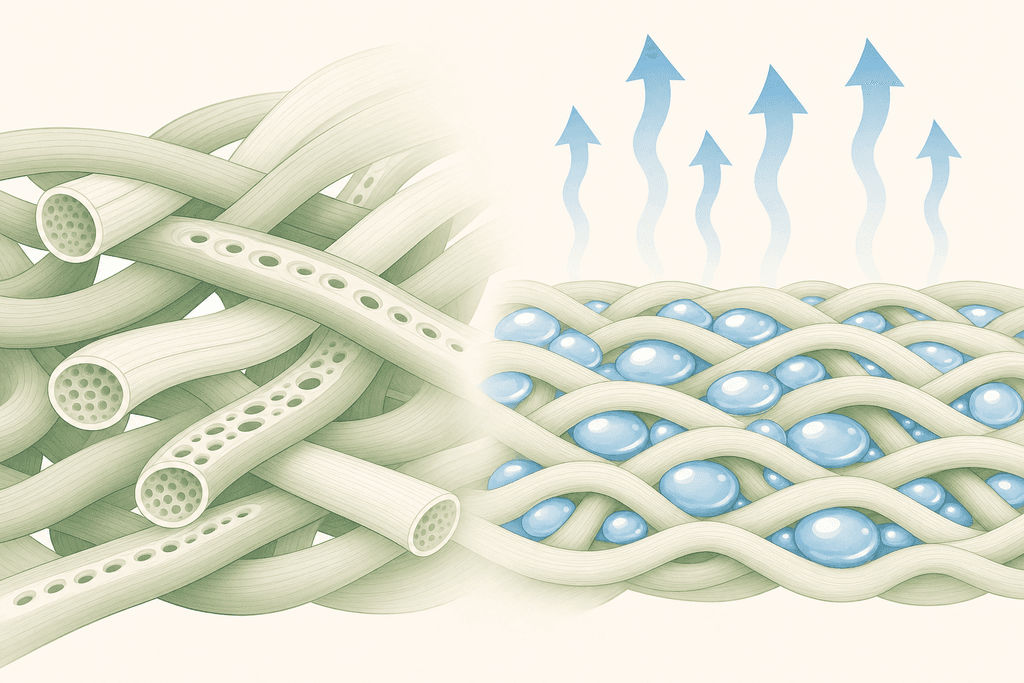
The way bamboo gets turned into fabric matters a lot for how well it absorbs water. Raw bamboo stalks are hard and woody, but when they're processed into bamboo viscose, the fibres keep their porous structure while becoming soft enough to weave into textiles. The viscose process breaks down bamboo into a pulp and then reforms it into threads that maintain those moisture-loving properties. This is why bamboo towels, like our Natureva bamboo cotton towel set, can dry you off quickly while staying soft against your skin.
How Bamboo Fibres Pull Moisture Away
Bamboo doesn't just sit there and get wet. It actively wicks moisture away from whatever it touches. Think of it like a paper towel that pulls up a spill, except bamboo does this naturally without any chemical treatments. The hollow channels inside each fibre create pathways for water to travel through, spreading moisture across a larger surface area where it can evaporate faster.
- Hollow fibre structure creates natural ventilation channels
- Micro-gaps between fibres increase surface area for absorption
- Capillary action pulls moisture away from skin or surfaces
- Natural wicking spreads water for faster evaporation
According to research from the National Center for Biotechnology Information, bamboo fibres demonstrate superior moisture management compared to many synthetic materials. The cross-sectional structure of bamboo viscose shows distinct pores that contribute to its breathability and quick-drying characteristics.
Bamboo Versus Cotton Versus Blends
Pure cotton absorbs water well, but it tends to hold onto that moisture for longer periods. Pure bamboo dries faster but can feel less substantial. That's why blends often work best for everyday use. When you combine bamboo with cotton, you get the absorption power of cotton with the quick-drying benefits of bamboo.
| Material Type | Absorption Rate | Drying Speed | Softness Level |
|---|---|---|---|
| 100% Cotton | High | Slow | Medium |
| 100% Bamboo Viscose | Medium-High | Fast | Very High |
| 70/30 Cotton-Bamboo | High | Medium-Fast | High |
The 70/30 blend used in Natureva towels hits a sweet spot where you get strong initial absorption from the cotton combined with bamboo's natural ability to release moisture quickly. This means your towel is ready to use again sooner, and it's less likely to develop that musty smell that happens when fabric stays damp too long. For more details on keeping these properties working well over time, check out our guide on how to maintain bamboo bath towels.
Why Processing Method Matters
Not all bamboo fabric is created equal. The way manufacturers process bamboo into textile fibres affects how well the final product absorbs moisture. Mechanical processing preserves more of bamboo's natural structure but creates rougher fabric, while chemical processing (viscose method) produces softer material that still maintains good absorbency.
- Bamboo stalks are harvested and broken down into pulp
- The pulp is dissolved and extruded through fine holes to create fibres
- These fibres are spun into yarn while maintaining their porous structure
- The yarn is woven or knitted into fabric that retains moisture-wicking properties
The viscose process used for quality bamboo textiles keeps those microscopic gaps intact even after all that processing. That's why a bamboo towel can feel silky smooth but still dry you off effectively. The fibres haven't lost their natural ability to move moisture around, they've just been made more comfortable to use.
Bamboo Towels Absorb and Dry Faster
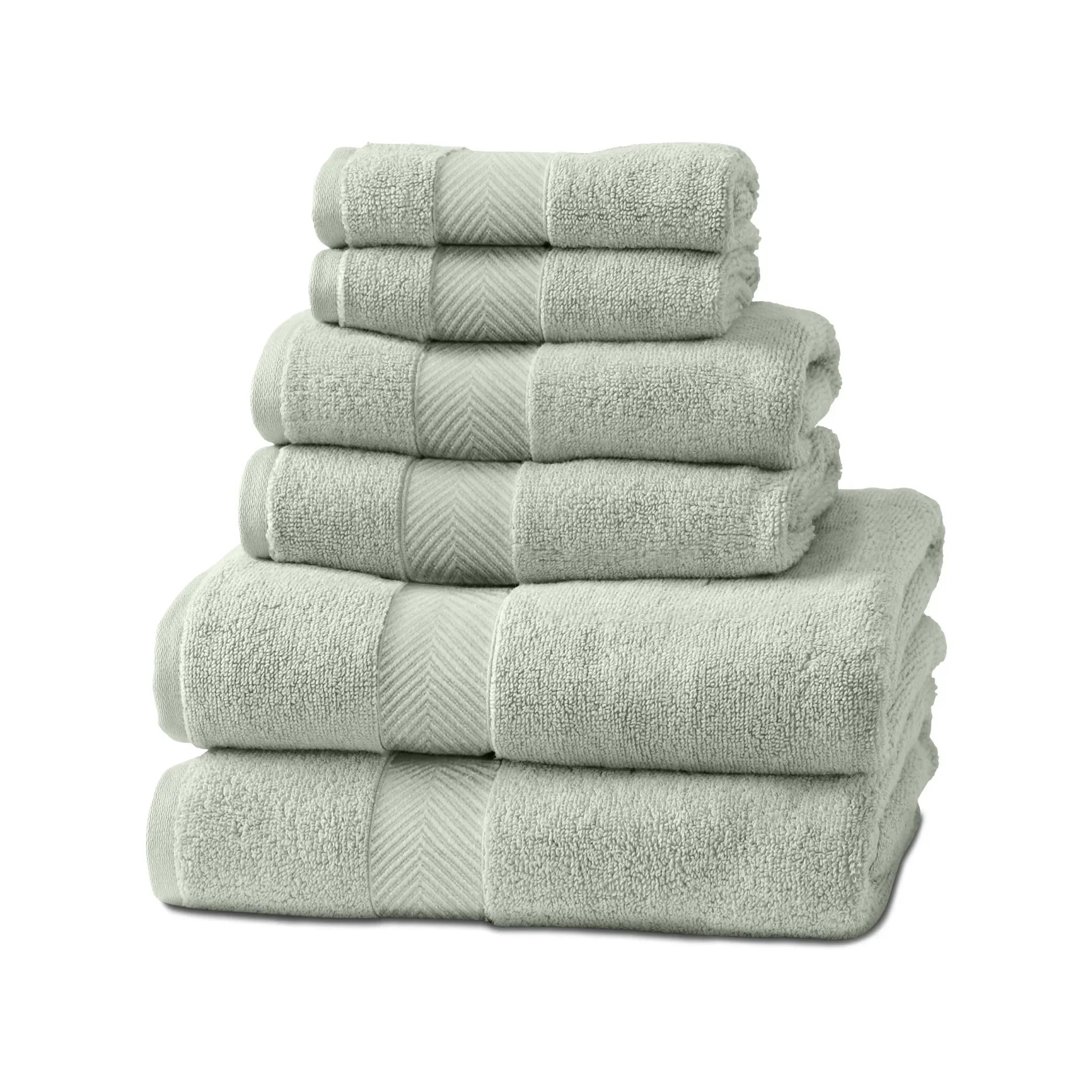
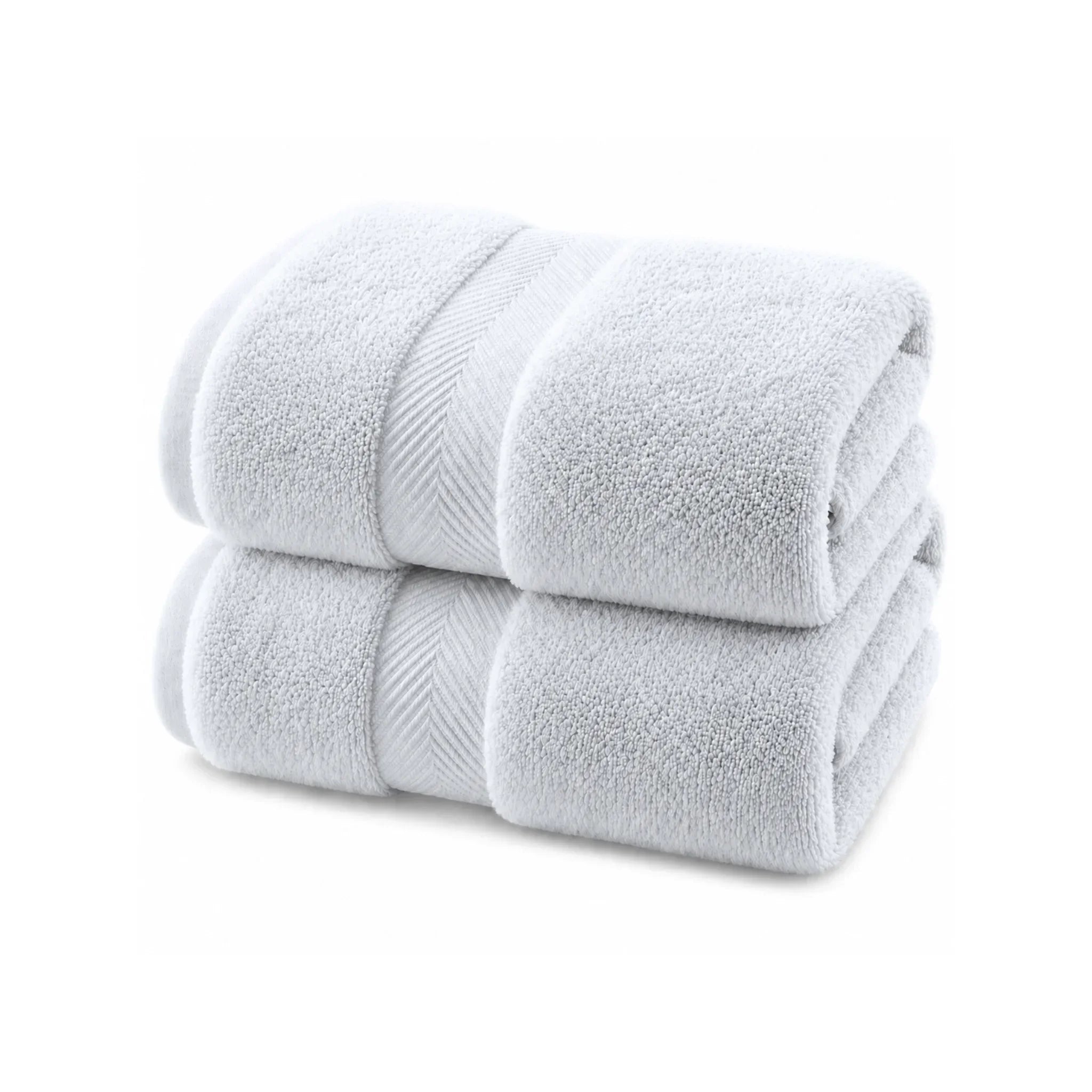
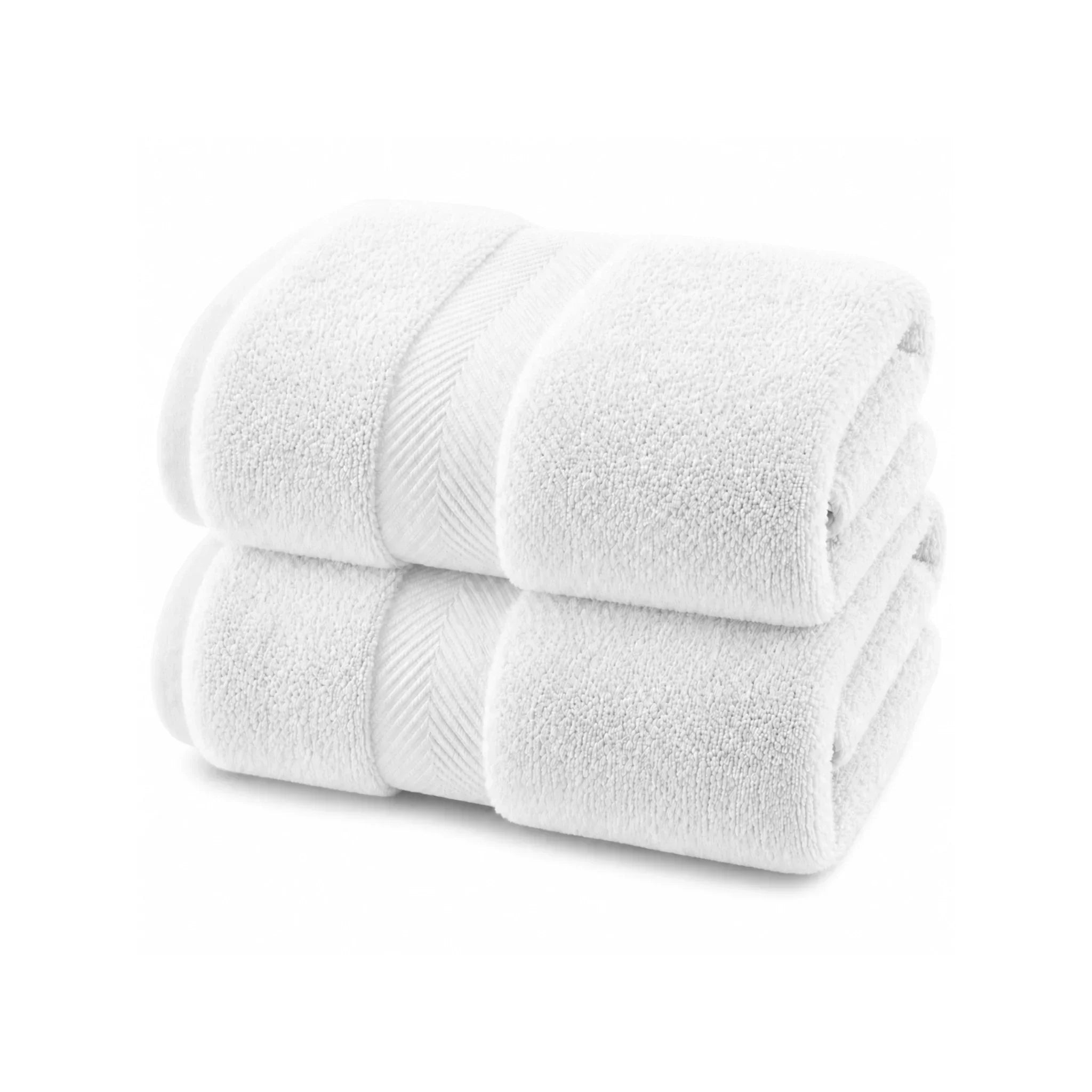
Most people don't realize that bamboo towels can dry up to 50% faster than regular cotton towels, which means less time waiting for damp towels to be ready again. The secret lies in how bamboo fibres are structured at a microscopic level. When blended with cotton in the right ratio, bamboo creates a textile that pulls moisture away from your skin quickly while staying soft enough for daily use. Our Natureva bamboo cotton towel set uses a 70% long staple zero twist cotton and 30% bamboo viscose blend that balances both qualities without compromise.
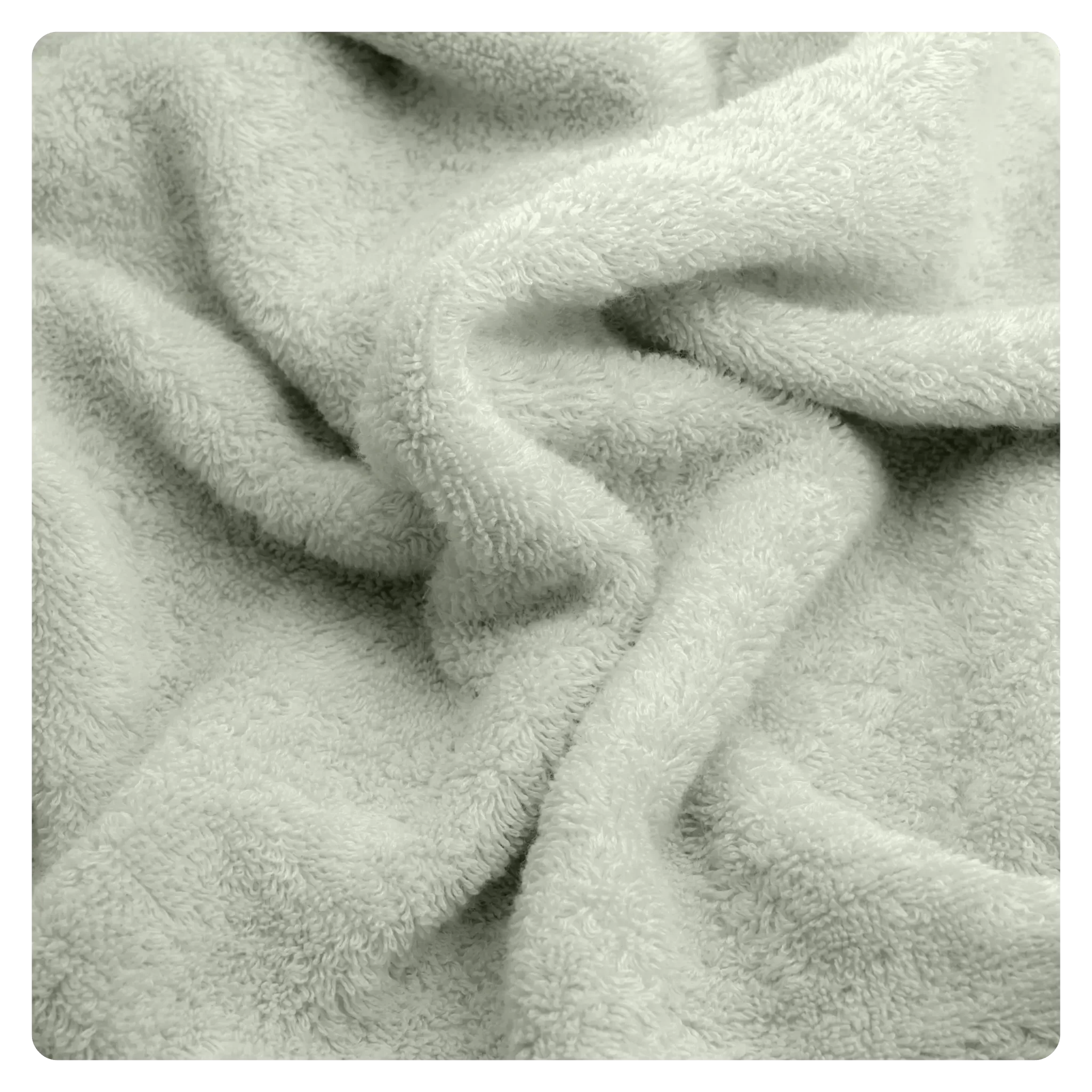
The zero twist construction is what makes these towels different from standard options. Instead of tightly wound fibres, the yarns stay loosely spun, which creates more surface area for water absorption. This means when you step out of the shower or dry your hands in the kitchen, the towel grabs moisture instantly rather than just pushing it around on your skin.
- 700 gsm density provides a plush, substantial feel without making towels heavy or slow to dry
- Bamboo viscose fibres are naturally hollow, creating tiny channels that wick moisture away efficiently
- Long staple cotton adds durability and softness that improves with each wash
- Natural antibacterial properties in bamboo help towels stay fresher between washes, even in humid bathrooms
The 700 gsm weight hits a sweet spot that most towel manufacturers miss. Too light and towels feel thin and scratchy. Too heavy and they take forever to dry, which leads to that musty smell nobody wants. Research on bamboo fibre towels shows that the material's natural structure allows for better airflow through the fabric, which is why drying time drops so dramatically compared to pure cotton alternatives.
How Bamboo Performs in Kitchen and Bath
The real test of any towel happens during actual daily use, not in a lab. When you're drying dishes after dinner or wrapping your hair after a shower, you need something that works immediately. Bamboo towels absorb water on contact, which means you're not rubbing the same wet spot over and over trying to get dry. The fibres pull moisture in rather than just spreading it around, which is especially noticeable when drying hands multiple times throughout the day.
What surprises most people is how well bamboo towels perform even when they're slightly damp. Regular cotton towels lose most of their absorbency once they've soaked up some water, but bamboo maintains its ability to absorb moisture because of how quickly it releases what it's already holding. This makes a huge difference in busy households where towels get used by multiple people before they're washed.
| Use Case | Bamboo Performance | Standard Cotton |
|---|---|---|
| Hand drying | Instant absorption | Requires rubbing |
| Post-shower | Dries skin quickly | Leaves dampness |
| Dish drying | No water streaks | Pushes water around |
| Humid conditions | Stays fresh | Develops odour |
Humid environments are where bamboo really shows its value. Bathrooms without great ventilation or kitchens that see a lot of cooking steam can turn regular towels into breeding grounds for bacteria and mildew. Bamboo's natural antibacterial properties aren't just marketing talk. The material genuinely resists the conditions that cause towels to smell sour, which means you can go longer between washes without that unpleasant bathroom smell.
The OEKO-TEX certification on our towel set matters more than most people think. It means the entire production chain has been tested for harmful substances, which is important when you're using these towels on your face, on kids after bath time, or to dry dishes that touch food. Studies on bamboo absorbent materials confirm that properly manufactured bamboo textiles maintain their safety and performance characteristics through hundreds of wash cycles.
Caring for Bamboo to Keep It Absorbent
The biggest mistake people make with bamboo towels is treating them like regular cotton. Fabric softeners are the enemy of absorbency because they coat fibres with a waxy residue that blocks water from being absorbed. This applies to both liquid softeners and dryer sheets. If your towels start feeling slippery or water beads up on the surface instead of soaking in, fabric softener is usually the culprit. Skip it entirely and your towels will stay absorbent for years.
Tumble drying on low heat actually helps maintain the soft texture that makes bamboo towels comfortable to use. Some people assume air drying is always better, but bamboo towels can become stiff when line dried because the fibres contract as they dry slowly. A quick tumble on low fluffs them back up and keeps that plush feel intact.
- Wash warm with similar colours before first use to remove any manufacturing residue
- Avoid bleach completely as it breaks down bamboo fibres faster than cotton
- Skip products with benzoyl peroxide (common in acne treatments) as they can discolour towels
- Tumble dry on low rather than air drying to maintain softness
- Trim loose threads with scissors instead of pulling them, which can damage the weave
The next generation of home essentials: naturally made, cleaner by design, sustainable by nature.
SHOP ALLSome linting during the first few washes is completely normal and not a sign of poor quality. The zero twist construction that makes these towels so absorbent also means some loose fibres will shed initially. This decreases with each wash cycle and doesn't affect performance. Innovations in bamboo textile manufacturing have improved this over the years, but some initial shedding is still part of how the material works.
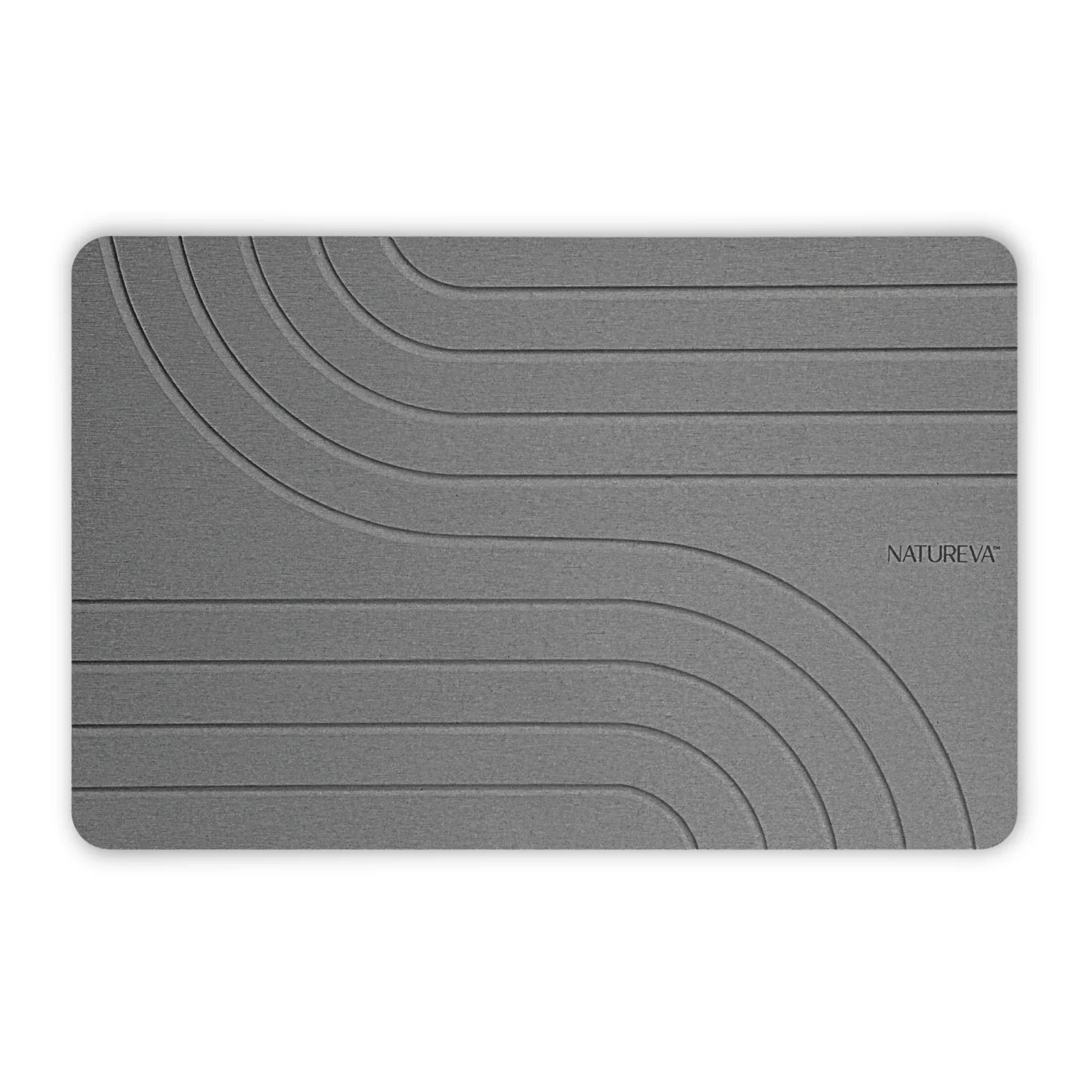
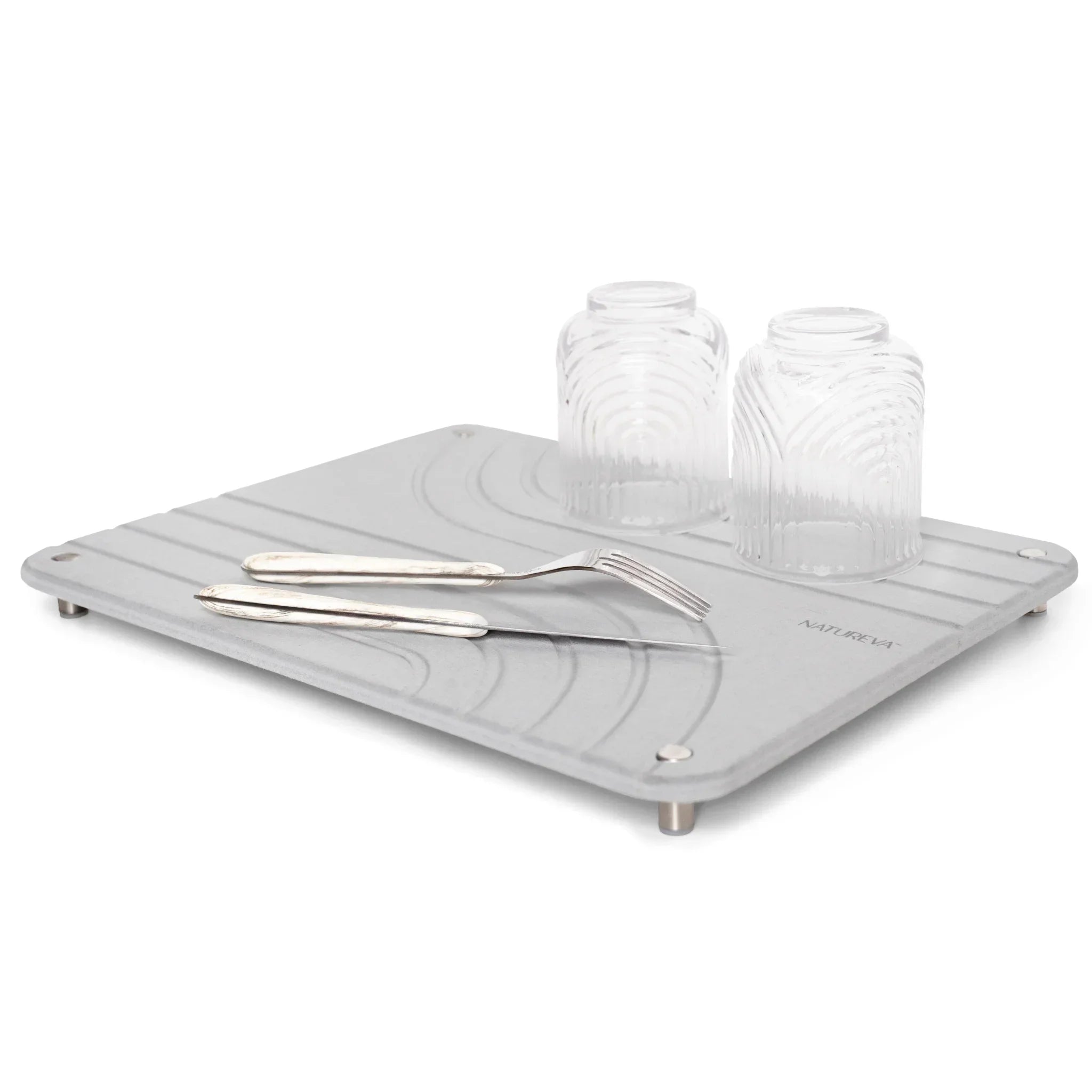
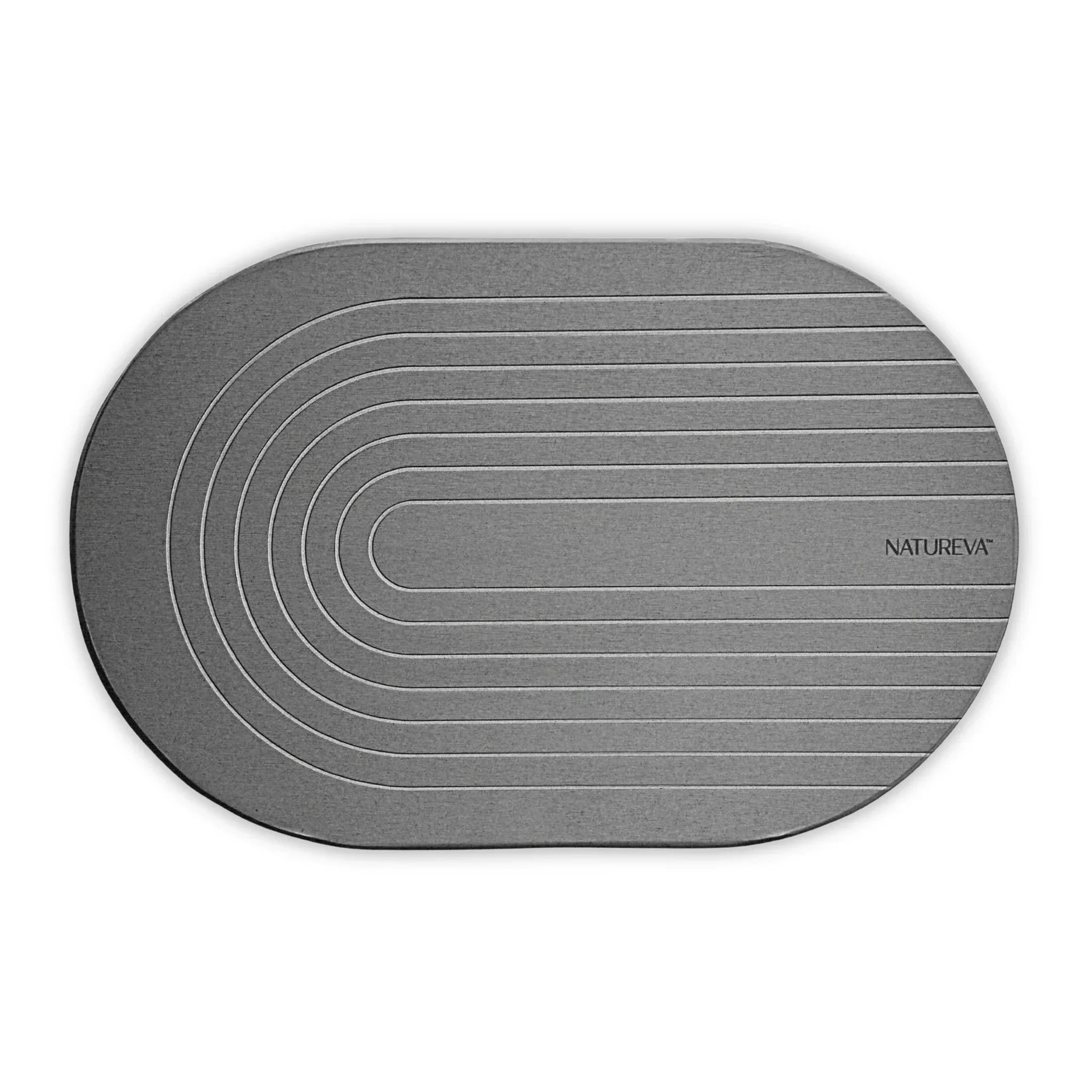
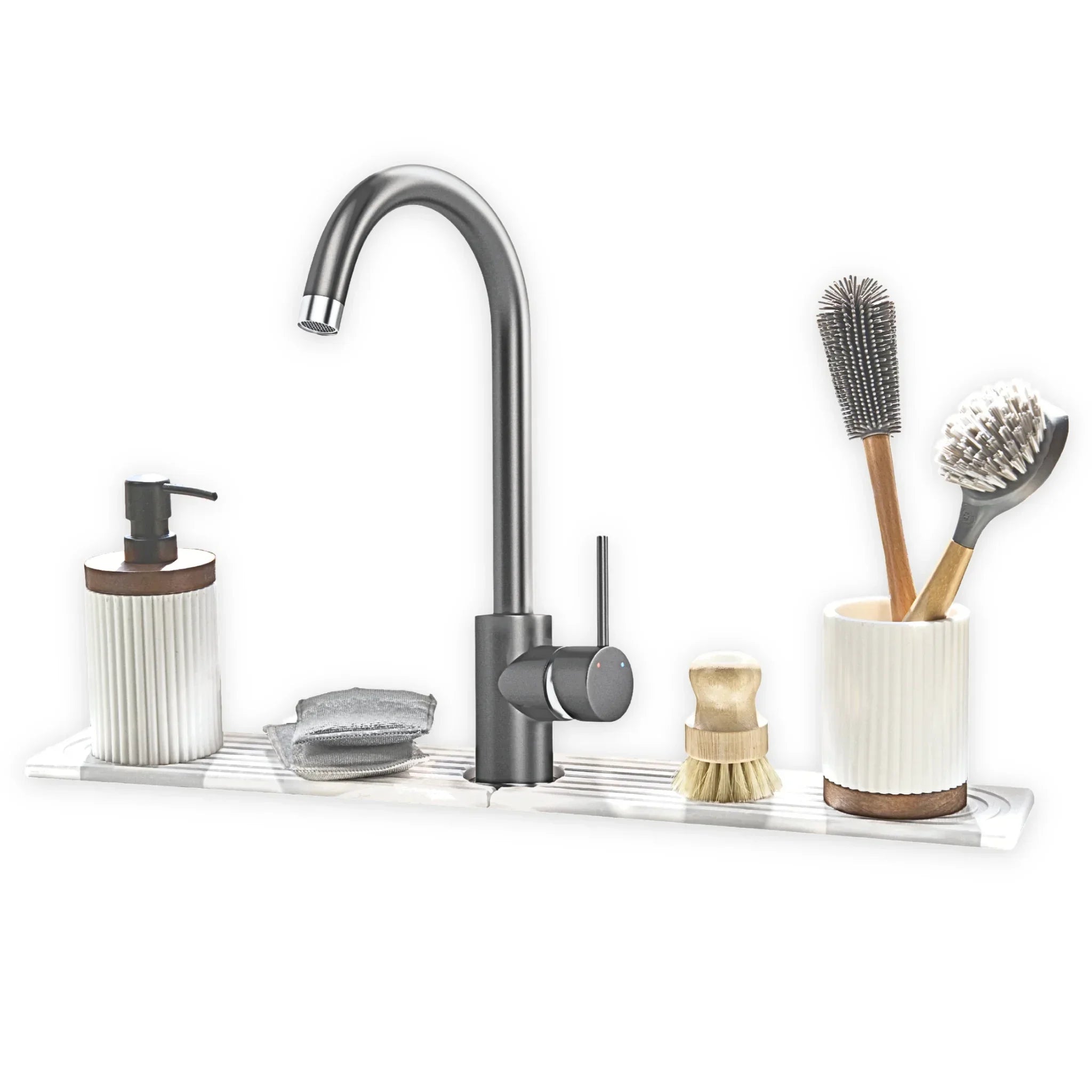
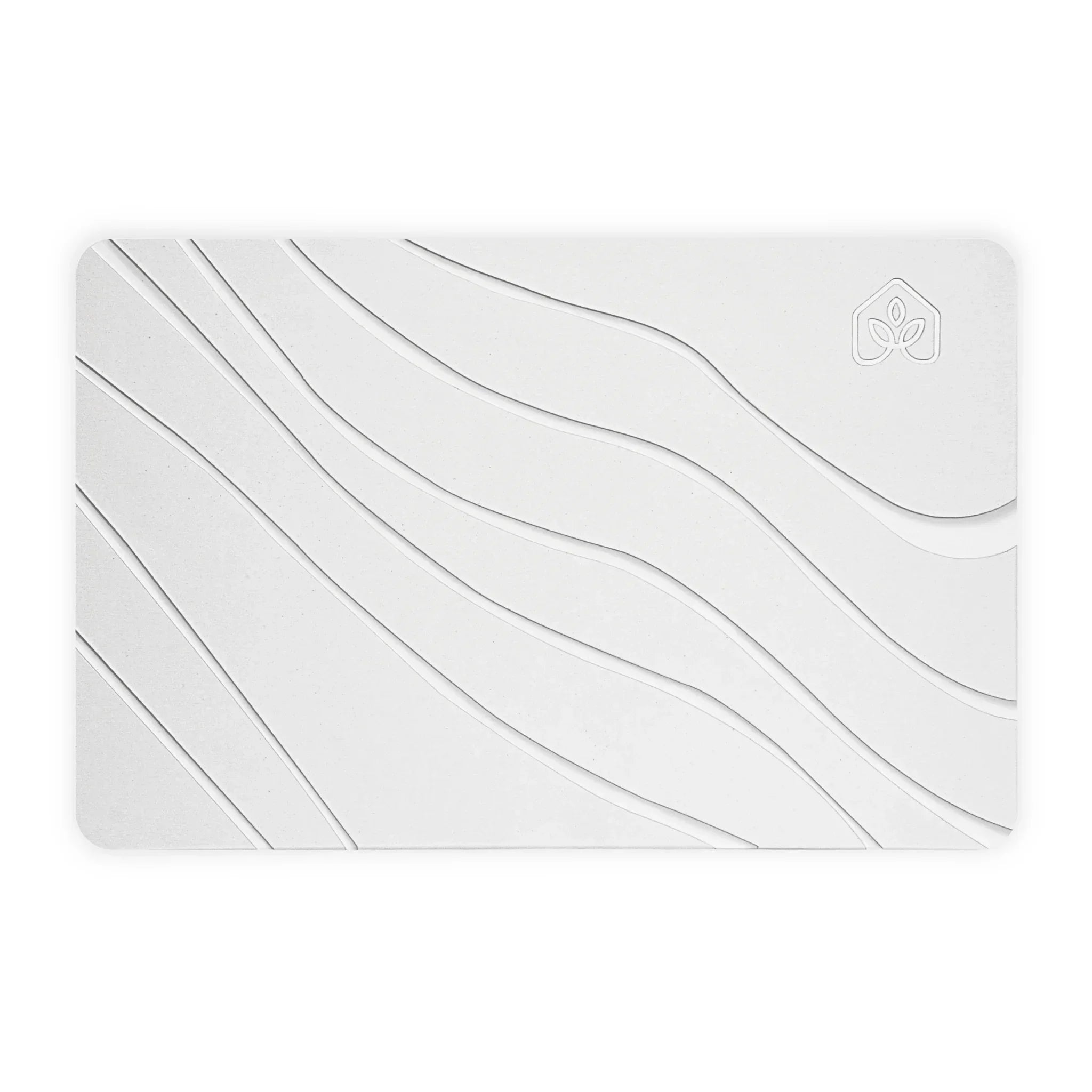
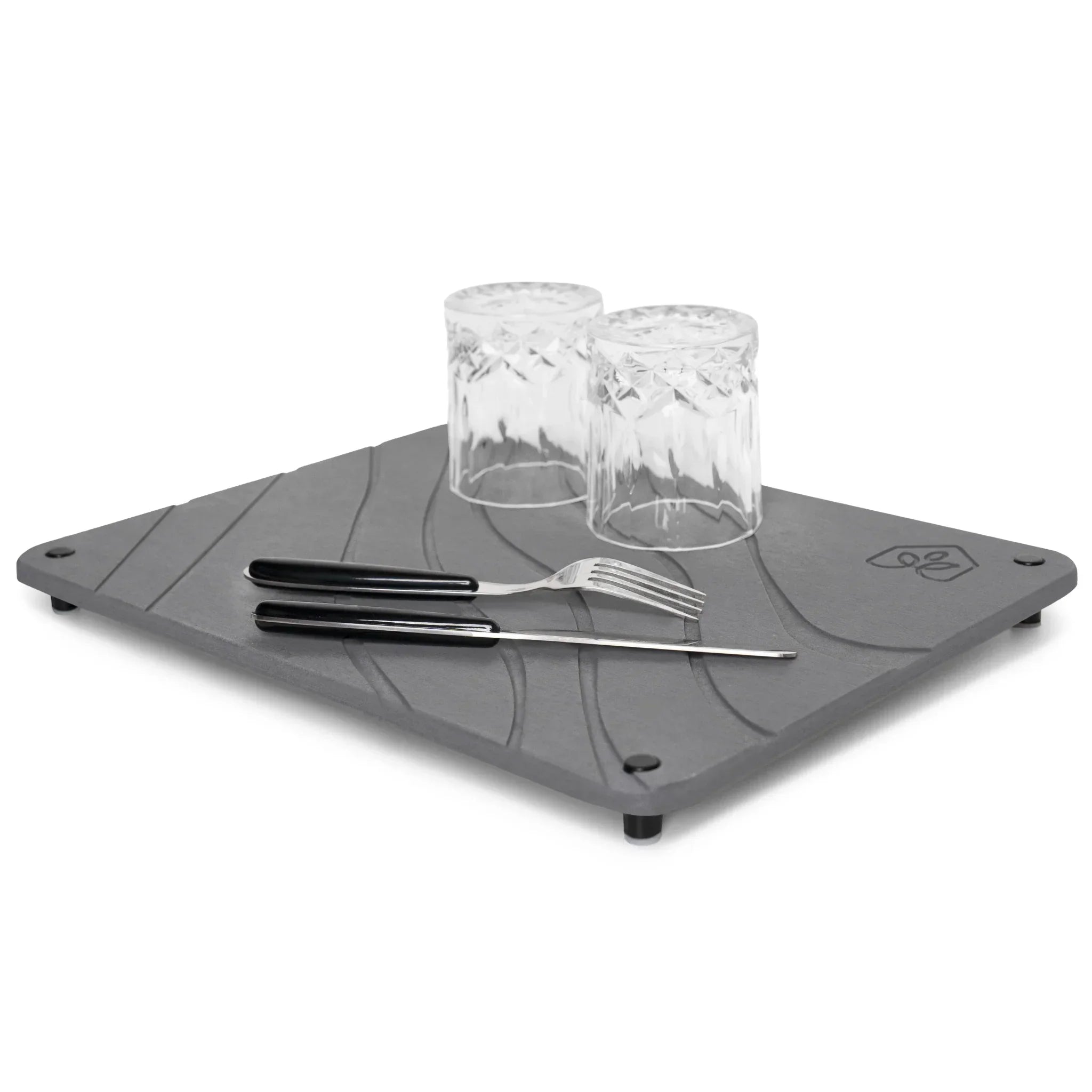
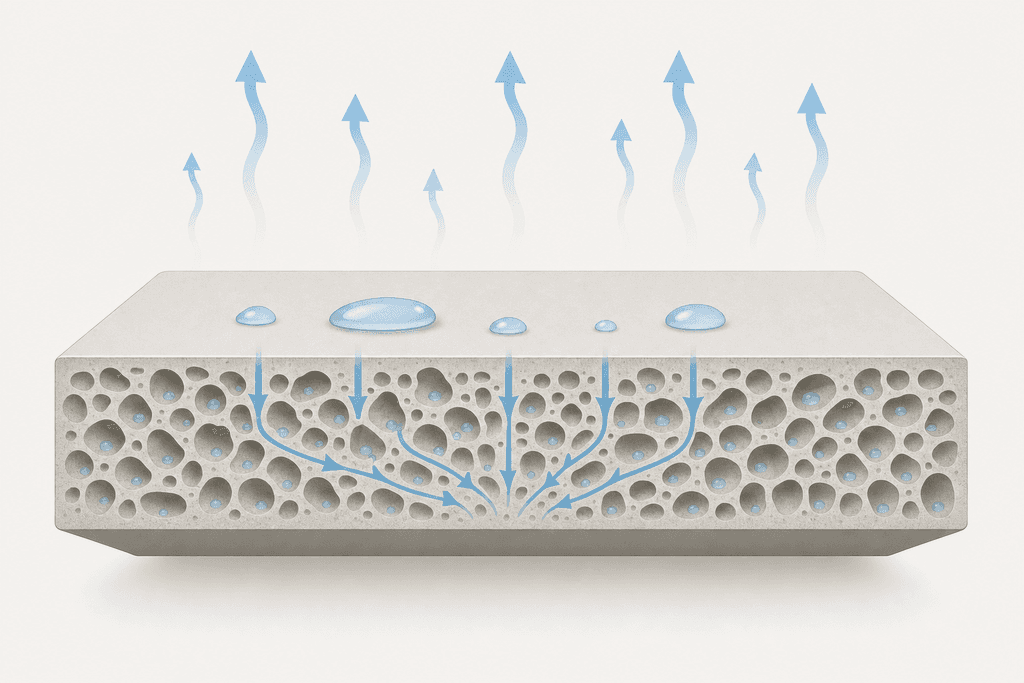
If you want your bathroom or kitchen to stay consistently dry without constantly washing towels, pairing bamboo textiles with other moisture-managing materials makes sense. Our stone faucet mat and diatomite dish mat handle the excess water that drips off dishes and hands, while bamboo towels take care of the actual drying. Together, they create a system where moisture doesn't stick around long enough to cause problems.
When Bamboo Works Better Than Cotton
The question of whether is bamboo absorbent enough really depends on your household situation. While both materials soak up water effectively, bamboo pulls ahead in specific environments where moisture management matters most. Homes with poor ventilation, frequent laundry cycles, or skin sensitivity issues see the biggest difference. The faster drying time isn't just convenient, it actually changes how clean your towels stay between washes.
High Humidity Environments
Bathrooms without windows or exhaust fans create the perfect breeding ground for mildew. Cotton towels in these spaces stay damp for hours, sometimes never fully drying between uses. Bamboo's natural structure releases moisture back into the air much faster, which means less musty smell and fewer bacteria colonies forming in the fabric.
- Coastal homes with constant humidity benefit from bamboo's quick-dry properties
- Basement bathrooms with limited airflow stay fresher with bamboo textiles
- Apartments with shared ventilation systems need materials that don't trap moisture
- Tropical climates where nothing seems to dry completely see real performance differences
Families With Frequent Laundry Needs
Large households doing multiple loads per week need towels that dry fast enough to reuse. Cotton towels often sit in the hamper still damp, creating odor problems before wash day arrives. Bamboo towels dry within hours rather than overnight, which matters when you're cycling through towels quickly.
| Household Type | Cotton Performance | Bamboo Performance |
|---|---|---|
| Families with kids | Slow drying, frequent washing | Quick turnaround, less laundry |
| Gym users | Stays damp in bag | Dries faster, less odor |
| Small bathrooms | Mildew risk increases | Better moisture release |
Sensitive Skin and Antibacterial Benefits
People with eczema or allergies react to bacteria buildup in damp towels. Bamboo's naturally antibacterial properties come from how quickly it dries, not chemical treatments. This makes a real difference for anyone whose skin flares up from traditional towels. Our Bamboo Cotton Towels combine 70% long staple cotton with 30% bamboo viscose, giving you the softness of cotton with bamboo's moisture-managing benefits.
- Dermatologist-recommended for sensitive skin conditions
- OEKO TEX certified means no harmful chemical residues
- Faster drying reduces bacterial growth between washes
Eco-Conscious Households
Bamboo grows without pesticides and regenerates quickly after harvesting. Cotton farming uses significant water and chemical inputs by comparison. If you're trying to reduce your environmental impact, bamboo's sustainability profile matters as much as its absorbency. According to textile industry research, bamboo towels maintain absorbency while using fewer resources during production.
Bamboo Delivers Real Absorbency Benefits
So is bamboo absorbent? The short answer is yes, and it actually performs better than regular cotton in most situations. Bamboo fibers can absorb about 40% more moisture than cotton alone, which makes a real difference when you're drying off after a shower or wiping up kitchen spills. The structure of bamboo allows it to pull water away from your skin faster, and then release that moisture into the air more quickly. This faster drying time isn't just convenient, it actually prevents the damp, musty smell that happens when towels stay wet too long.
The best results come from bamboo-cotton blends that combine bamboo's absorbency with cotton's softness. Our bamboo cotton towel set uses a 30% bamboo and 70% cotton mix at 700 gsm density, which gives you both performance and comfort without compromise. The bamboo handles the moisture management while the long staple cotton keeps everything soft against your skin.
Taking care of bamboo towels is pretty straightforward. Wash them on a gentle cycle without fabric softener, tumble dry on low, and they'll maintain their absorbency for years. The key is avoiding products that coat the fibers, since that blocks their natural ability to absorb water.
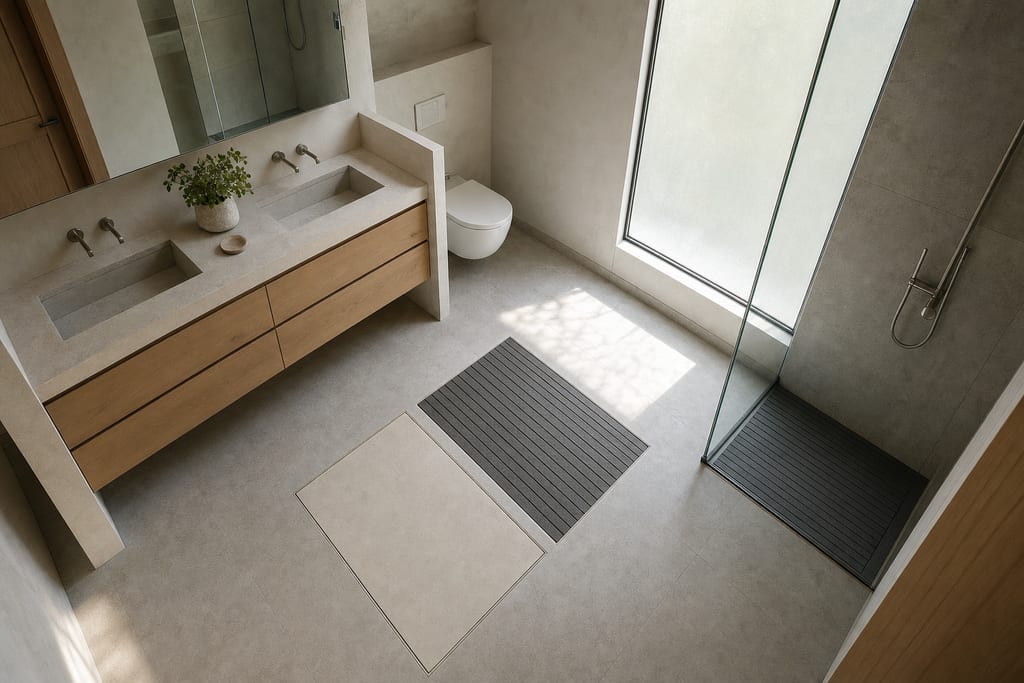
Whether you're looking at towels for daily use or exploring other moisture managing products like our stone bath mats, understanding how materials handle water makes a difference in how clean and dry your home stays. Bamboo's natural properties make it one of the better options available right now.
Common Questions About Bamboo Absorbency
Bamboo towels work differently than what most people are used to, and that brings up a lot of questions. The material absorbs moisture in its own way, dries at a different pace, and needs slightly different care than standard cotton. Here's what you actually need to know about using bamboo towels day to day.
Is bamboo more absorbent than cotton?
Bamboo viscose can absorb about 40% more moisture than regular cotton because of how the fibres are structured at a microscopic level. The material pulls water in quickly and holds it without feeling heavy or waterlogged. That's why bamboo blends, like the 70% cotton and 30% bamboo mix in Natureva's towel set, give you fast absorption with a soft feel that dries faster than pure cotton.
How long do bamboo towels take to dry?
Bamboo towels typically dry 30 to 50% faster than standard cotton towels. The fibres release moisture back into the air more efficiently, so they don't stay damp as long. If you hang them in a well ventilated space, most bamboo towels will be dry within a few hours instead of sitting wet overnight.
Do bamboo towels stay absorbent after washing?
Yes, as long as you skip fabric softener and bleach. Those products coat the fibres and block their natural ability to absorb water. Wash bamboo towels in warm water on a gentle cycle and tumble dry on low heat. The absorbency actually improves slightly after the first few washes once any manufacturing residue is gone.
Why do bamboo towels feel different from cotton?
Bamboo viscose has a smoother, silkier texture compared to the fluffier feel of traditional cotton. The fibres are finer and less coarse, which is why bamboo towels feel softer against your skin. Some people describe it as almost slippery when new, but that smoothness is what makes them gentle on sensitive skin.
Can you use fabric softener on bamboo towels?
No, and this is important. Fabric softener leaves a waxy coating on bamboo fibres that reduces absorbency over time. It also breaks down the natural structure of the material faster. Stick to mild detergent and skip the softener completely if you want your towels to keep working properly.
Are bamboo towels good for sensitive skin?
Bamboo is naturally hypoallergenic and less irritating than many synthetic materials or rough cotton weaves. The smooth fibres don't scratch or aggravate skin conditions like eczema. Natureva's bamboo cotton towels are OEKO TEX certified, which means they've been tested for harmful substances and are safe for even the most sensitive skin types.
The next generation of home essentials: naturally made, cleaner by design, sustainable by nature.
SHOP ALL