
Best Bath Mats That Absorb Water and Dry Quickly
Most fabric bath mats stay damp for hours after your shower, creating that cold, soggy feeling nobody wants to step on. This trapped moisture doesn't just feel unpleasant—it creates the perfect environment for mildew, bacteria, and that musty smell that lingers in your bathroom. The good news is that newer materials like diatomite stone and bamboo blends can absorb water instantly and dry in minutes, completely eliminating the wet mat problem that traditional options can't solve.
Table of Contents
Materials That Actually Dry Fast
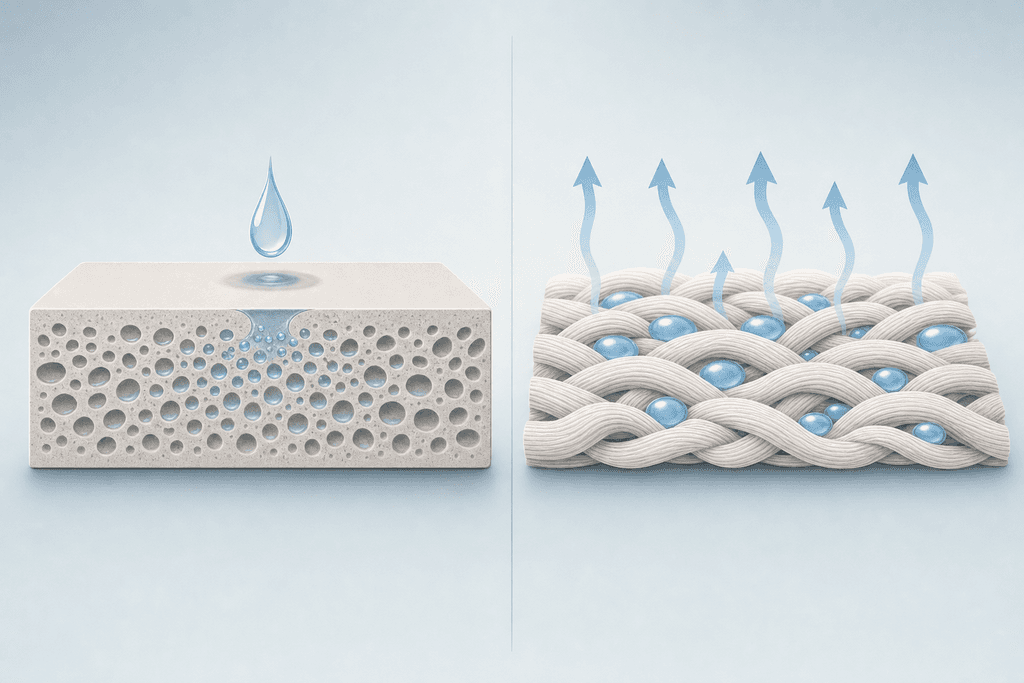
Most people don't realize that a soggy bath mat sitting on your floor for hours isn't just annoying. It's creating the perfect environment for mold, mildew, and bacteria to grow right where you step out of the shower. The material your bath mat is made from determines whether it dries in minutes or stays damp until your next shower. Not all materials are created equal when it comes to managing moisture, and the difference between a fast-drying mat and a slow one often comes down to how the material is structured at a microscopic level.
Diatomite stone works differently than any fabric you've used before. This natural material is made from fossilized algae that lived millions of years ago, and its structure is filled with tiny pores you can't see with your eyes. When water hits the surface, it gets pulled into these microscopic channels instantly, then evaporates back into the air within minutes. The stone stays dry to the touch almost immediately after you step off it.
- Bamboo-cotton blends combine the softness of cotton with bamboo's natural moisture-wicking properties
- Material structure matters more than thickness when it comes to drying speed
- Natural materials like diatomite and bamboo often dry faster than synthetic microfiber
- Pore size and density in stone materials determine how quickly water moves through and evaporates
- Fiber composition in towels affects how water spreads across the surface versus soaking deep into layers
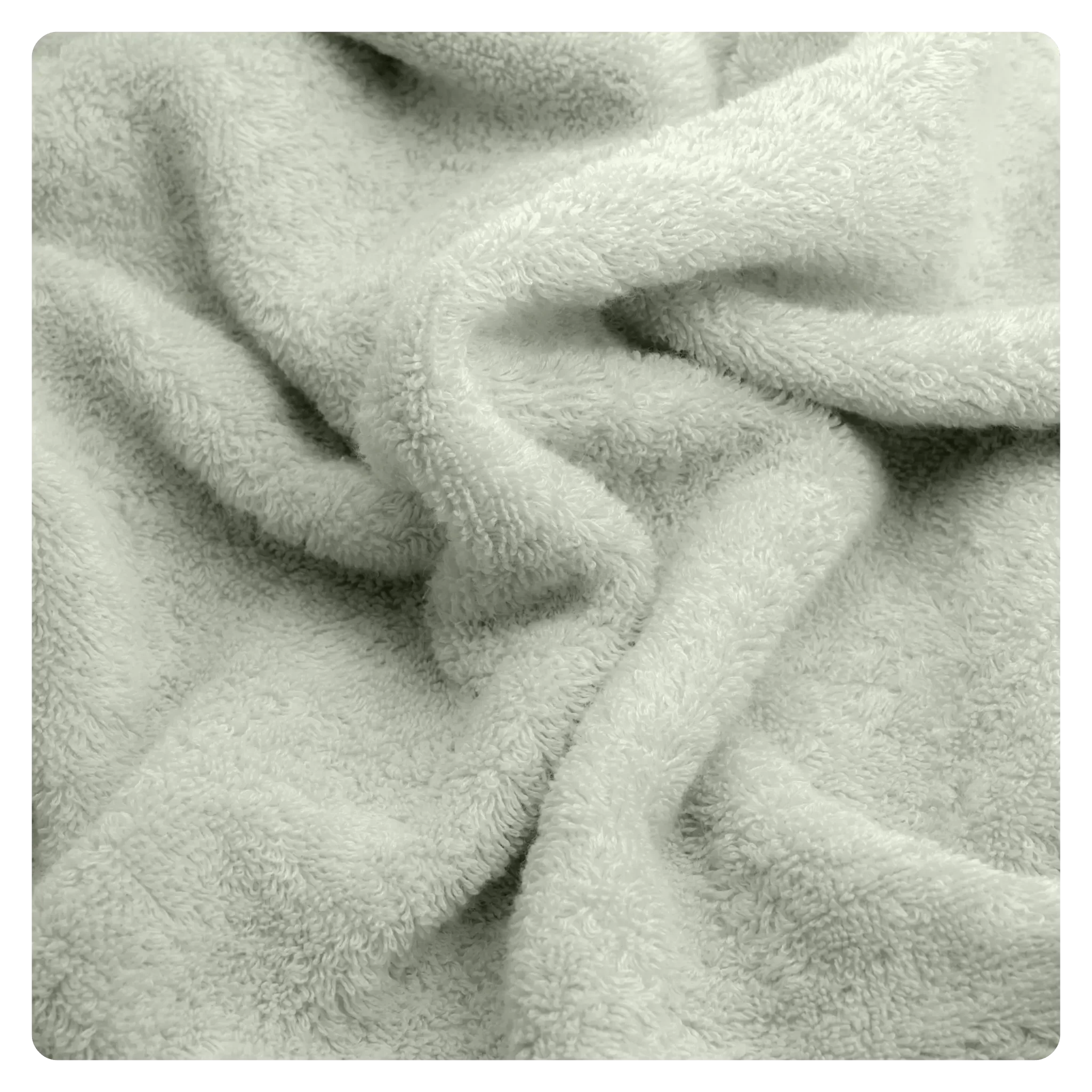
The way bamboo-cotton towels handle water is completely different from stone. Instead of absorbing into pores, the bamboo fibers wick moisture away from your skin and spread it across a larger surface area. This means the water can evaporate faster because it's not trapped in one thick, wet spot. A 70% cotton and 30% bamboo blend at 700 gsm density gives you softness without the long drying times of pure cotton.
| Material Type | Absorption Speed | Drying Time | Maintenance Level |
|---|---|---|---|
| Diatomite Stone | Instant | 2-5 minutes | Low |
| Bamboo-Cotton Blend | Fast | 30-60 minutes | Medium |
| Pure Cotton Terry | Medium | 2-4 hours | High |
| Microfiber Synthetic | Fast | 45-90 minutes | Medium |
What most people miss is that thicker doesn't always mean better. A super plush bath mat might feel luxurious, but all that extra material just holds more water for longer. The best materials balance absorption capacity with the ability to release moisture quickly back into the air.
Features That Keep Your Bathroom Floor Dry
The design of your bath mat matters just as much as what it's made from. You could have the most absorbent material in the world, but if water gets trapped underneath or air can't circulate, you're still going to end up with a damp mess. The right features work together to move water away from your floor and speed up evaporation. Some of these design elements are obvious when you see them, but others work quietly in the background to keep things dry.
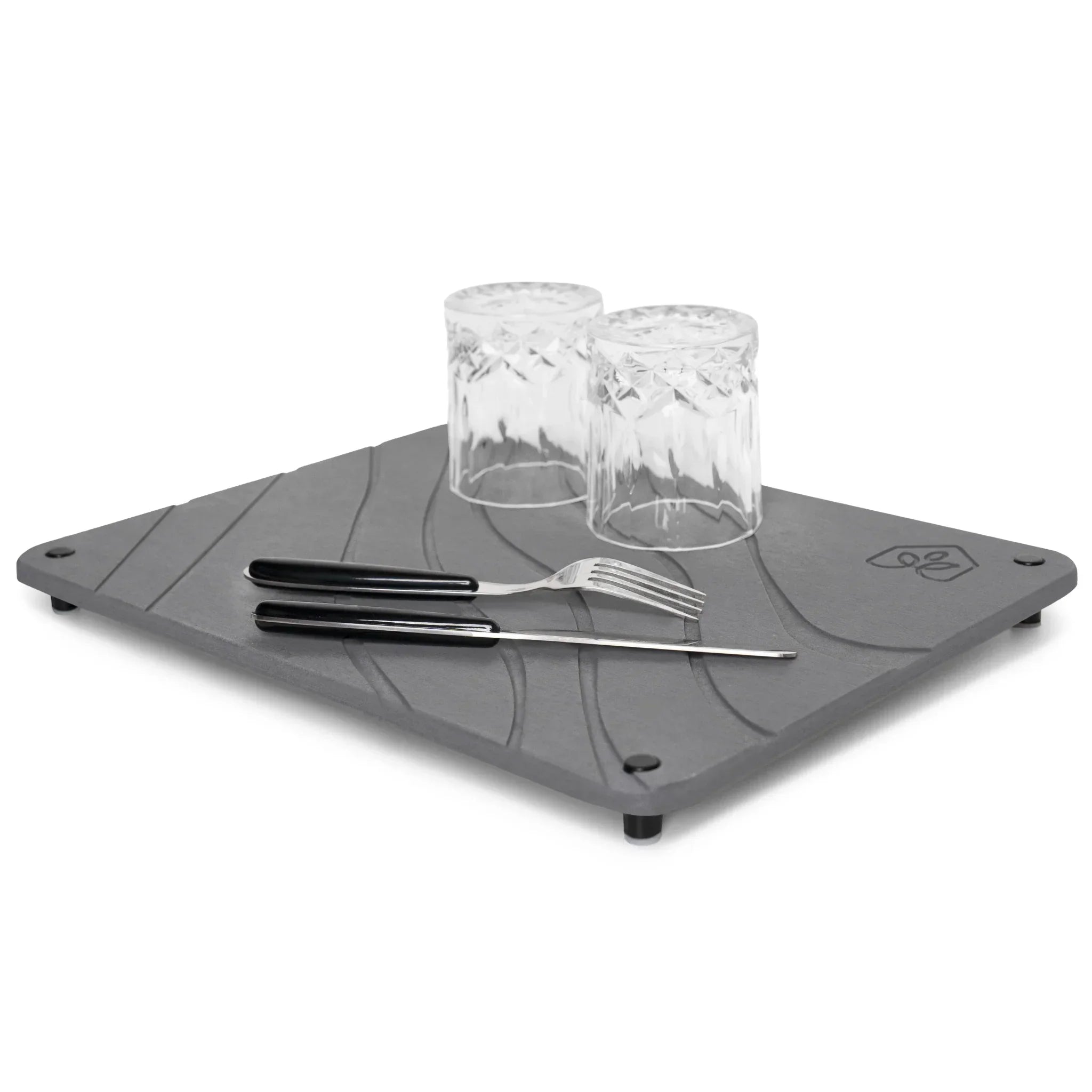
Non-slip bases do more than just keep your mat from sliding around. The best ones create a small gap between the mat and your floor, letting air flow underneath. This prevents moisture from getting trapped in that space where mold loves to grow. Our stone bath mats include a full non-slip base pad that provides stability while allowing the bottom surface to breathe.
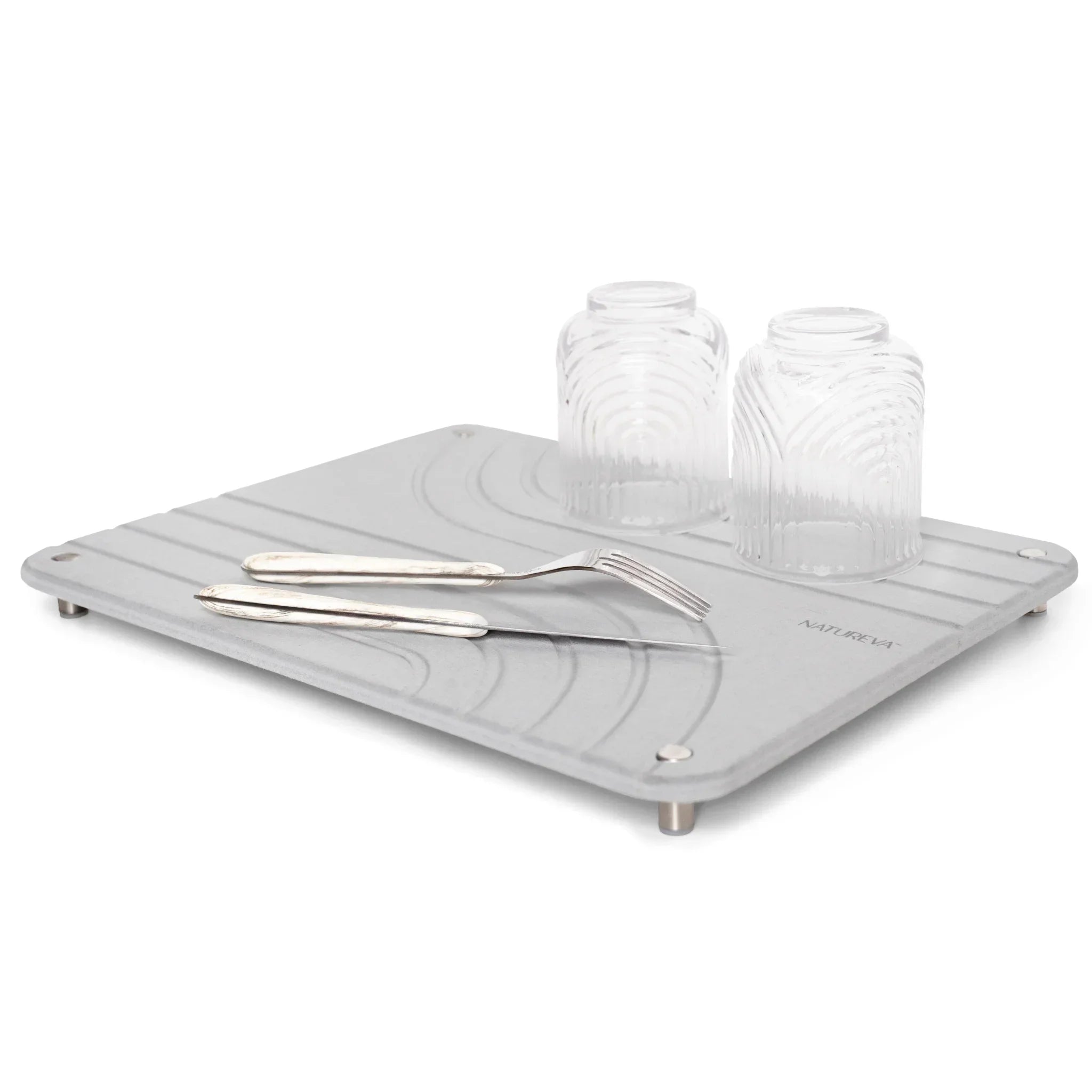
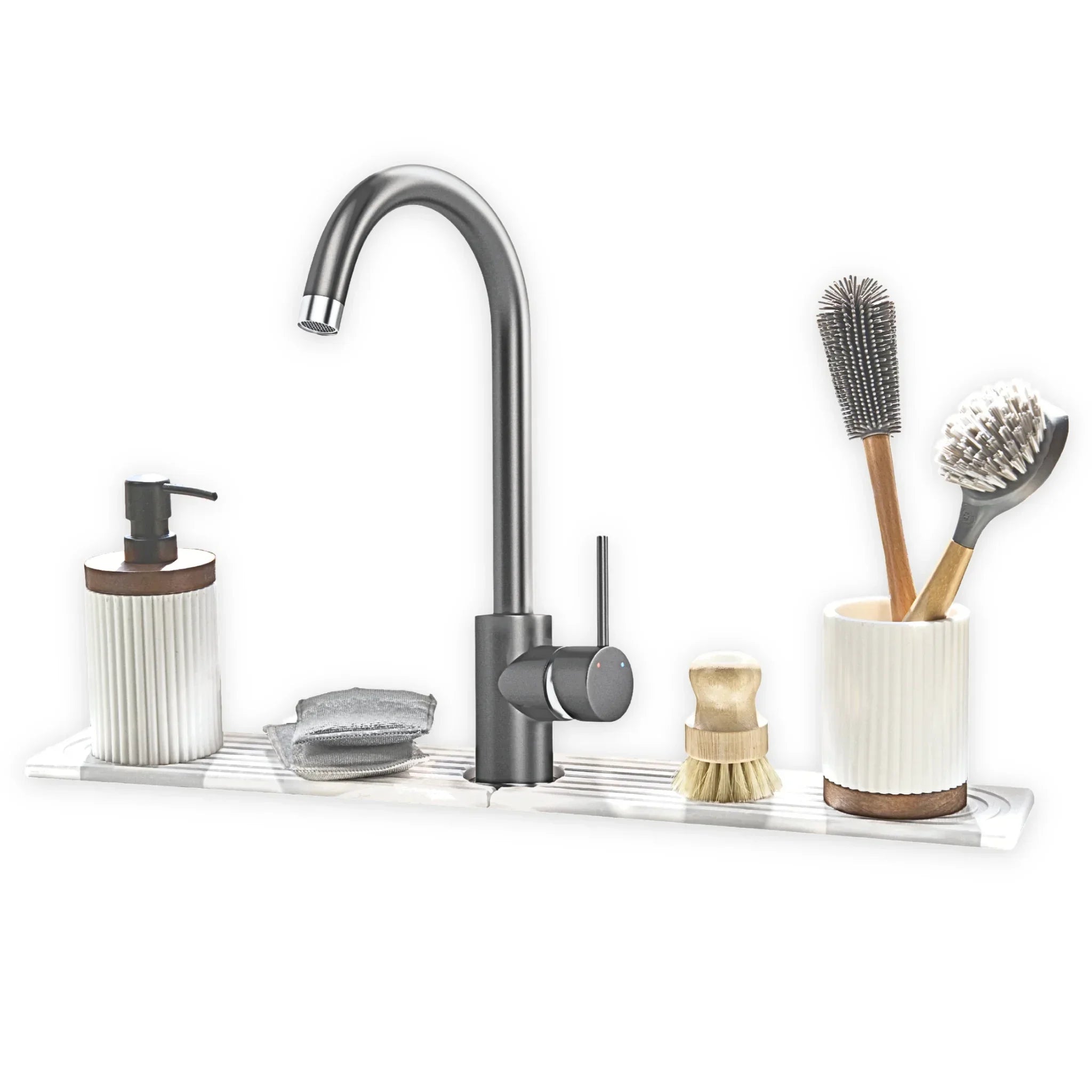
Elevation takes this concept even further. When a mat sits completely flat on the floor, any moisture that makes it to the bottom has nowhere to go. Raised designs with airflow space underneath solve this problem by creating a channel for air to move freely. This is why products like sink caddies and dish mats use stainless steel legs to lift them 2.5 cm off the surface.
- Surface patterns can guide water flow and increase the contact area between moisture and air
- Proper thickness balances how much water the mat can handle with how fast it dries
- Weight and stability prevent tipping or sliding when you step on wet surfaces
- Carved channels or contours help water spread evenly instead of pooling in one spot
- Transparent silicone pads protect floors while maintaining grip in wet conditions
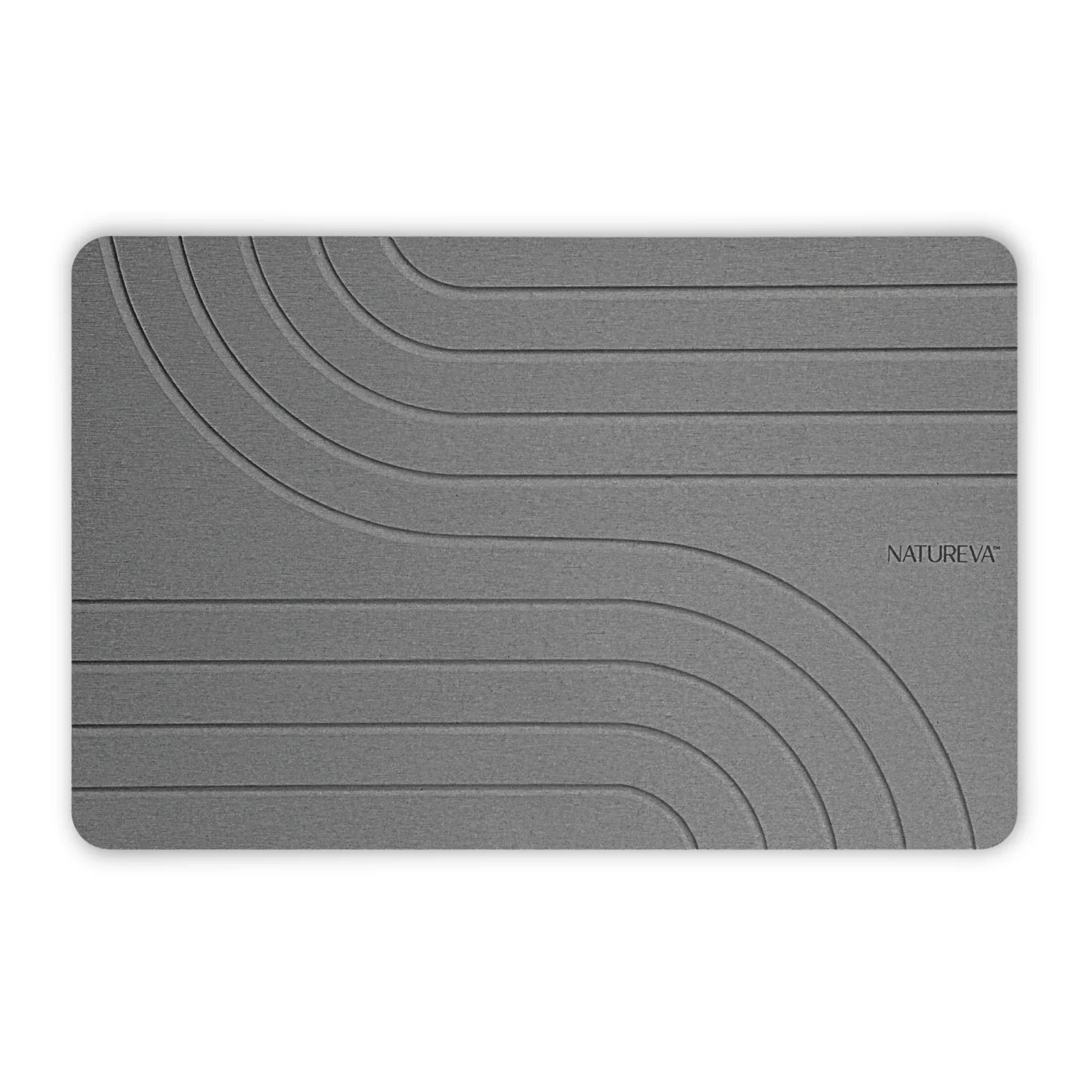
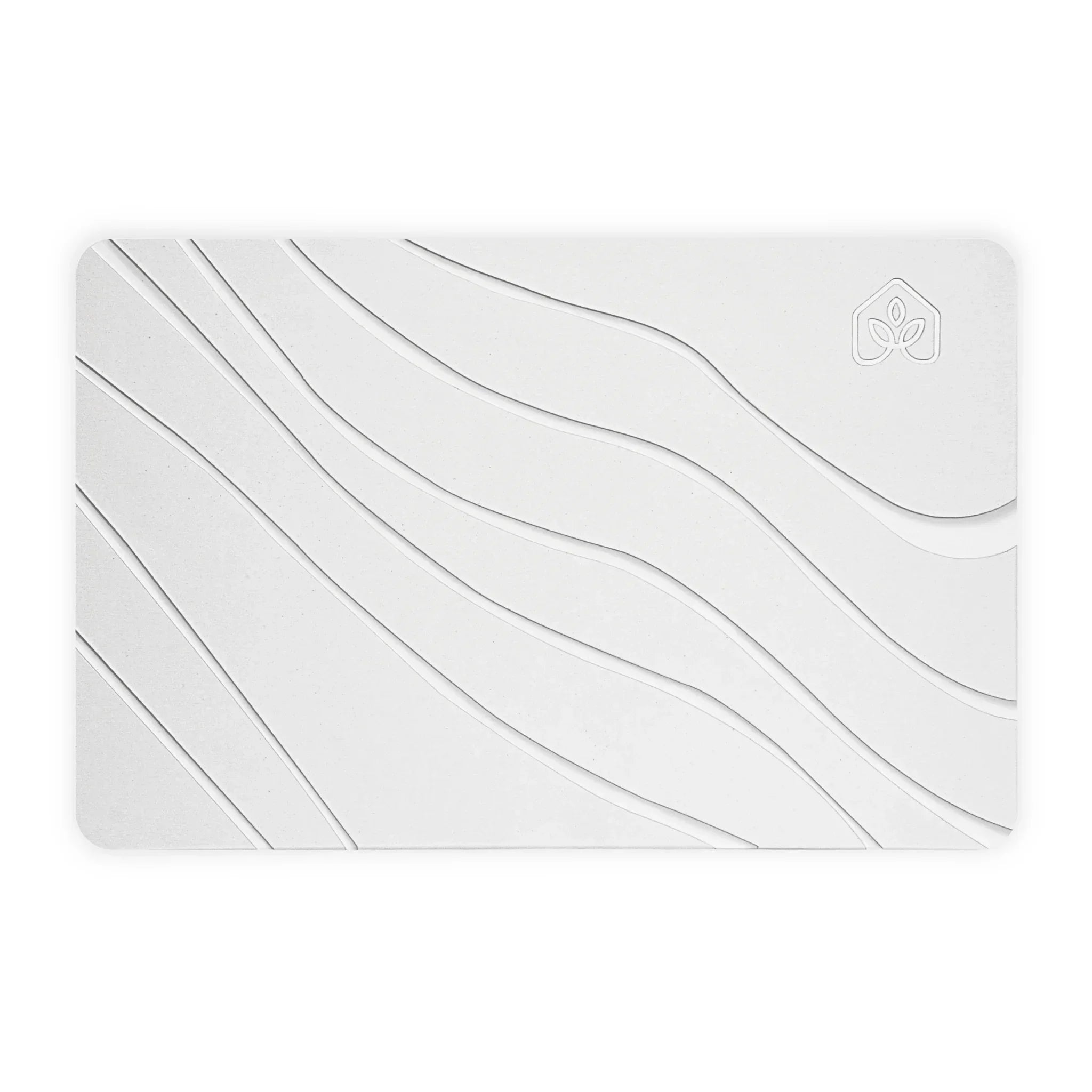
The surface texture of your mat affects performance more than you'd think. Smooth surfaces might look sleek, but they don't give water anywhere to go. Engraved patterns like the horizontal contours on our Tide bath mat or the diagonal waves on the Flow design create pathways for water to spread out. More surface area exposed to air means faster evaporation.
Here's what to look for when you're choosing a bath mat that actually stays dry:
- Check if there's space between the mat and floor for airflow
- Look for materials that release moisture instead of trapping it
- Make sure the base provides grip without blocking air circulation
- Consider whether the weight is stable enough to stay put when wet
- See if the surface design helps water spread or just sits in puddles
The combination of these features determines whether you're stepping onto a dry surface or a soggy sponge. Materials like diatomite work best when paired with proper airflow design, which is why our bath mat collection focuses on both the stone composition and the engineering underneath.
Comparing Your Best Options
When you're actually shopping for a bath mat that absorbs water and dries quickly, the options can feel overwhelming. Stone mats, bamboo towels, microfiber rugs, memory foam with quick-dry covers. Each type claims to be the best, but they all work in completely different ways. The truth is that what works best depends on what you value most, whether that's drying speed, softness, maintenance, or longevity. Understanding the real-world performance of each option helps you make a choice you won't regret.
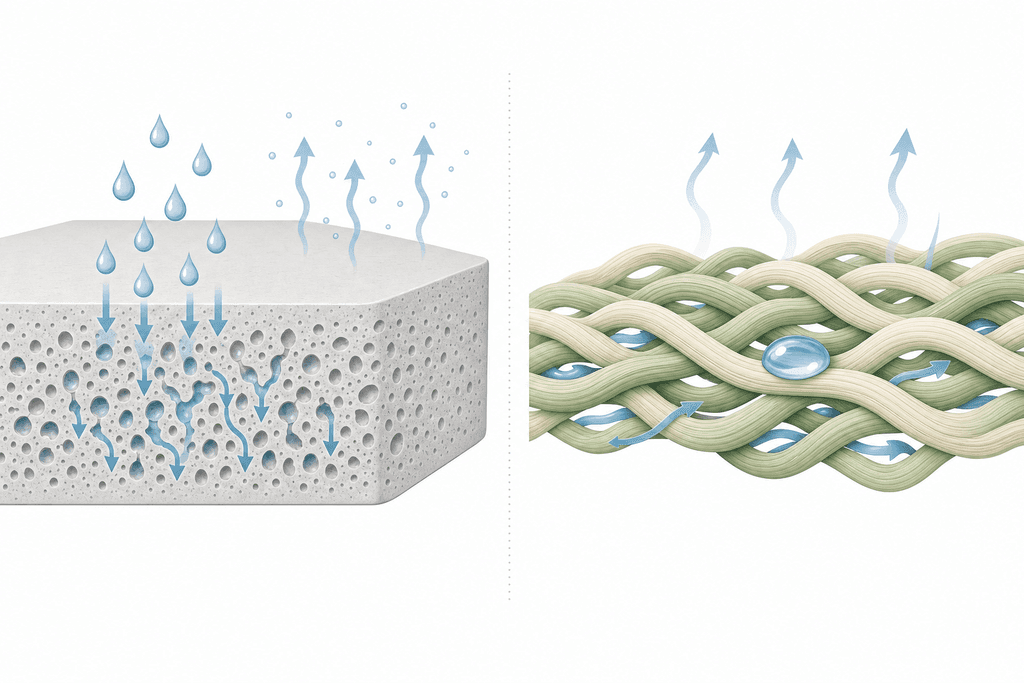
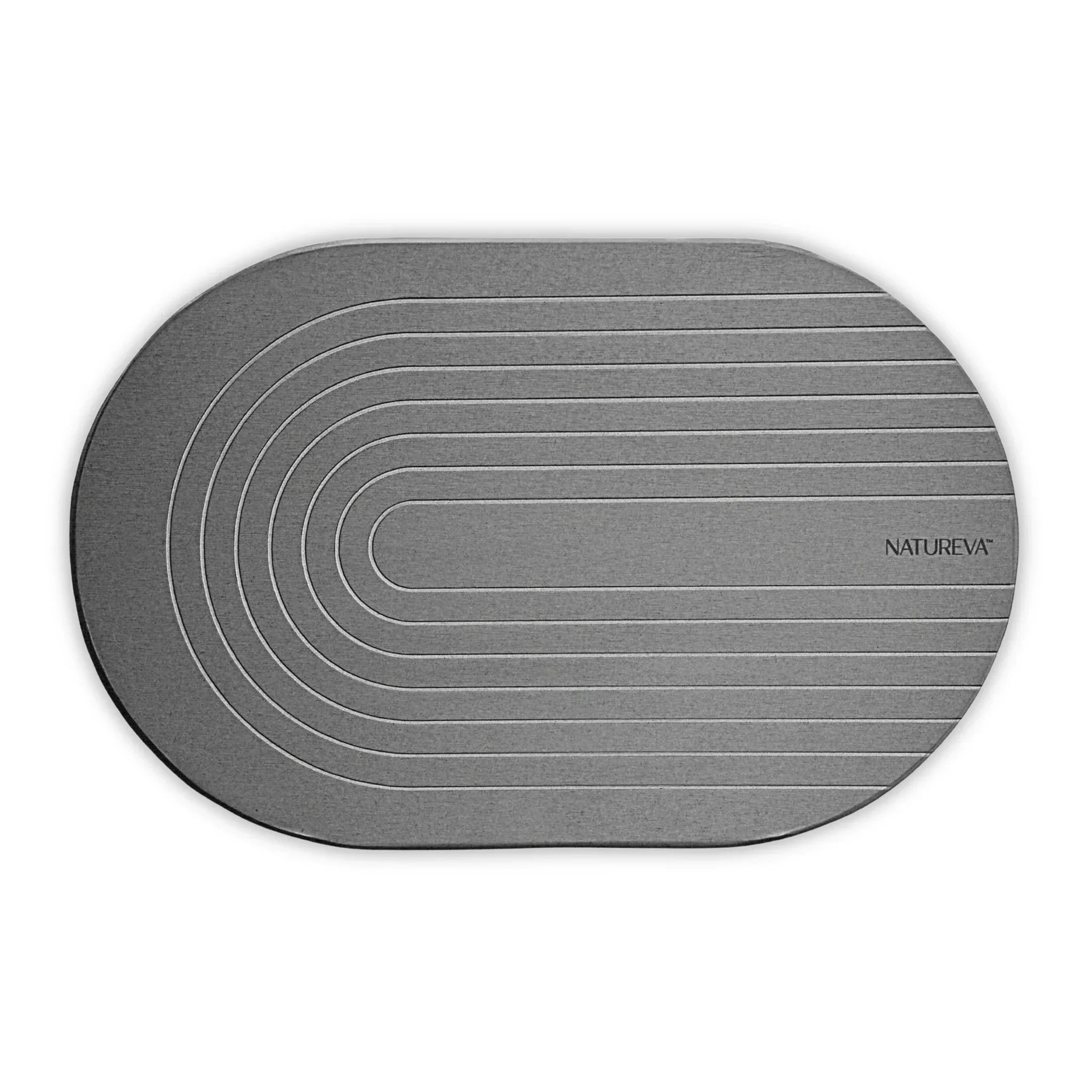
Stone bath mats are the fastest-drying option available, and it's not even close. Our diatomite mats dry within 2 to 5 minutes after use because the water doesn't just sit on the surface. It gets absorbed into millions of microscopic pores and evaporates almost immediately. You can step on it, step off, and by the time you're done brushing your teeth, it's dry again. The Rain design with its vertical line pattern and the Aura design with radial engraving both perform the same way, just with different visual styles.
- Price range: Stone mats typically cost between $50-$80, with our mats at $59
- Lifespan: Can last years with proper care and occasional sanding to restore absorbency
- Maintenance: Weekly vinegar wipe and air drying when saturated
- Best for: People who want the absolute fastest drying time and don't need softness
The next generation of home essentials: naturally made, cleaner by design, sustainable by nature.
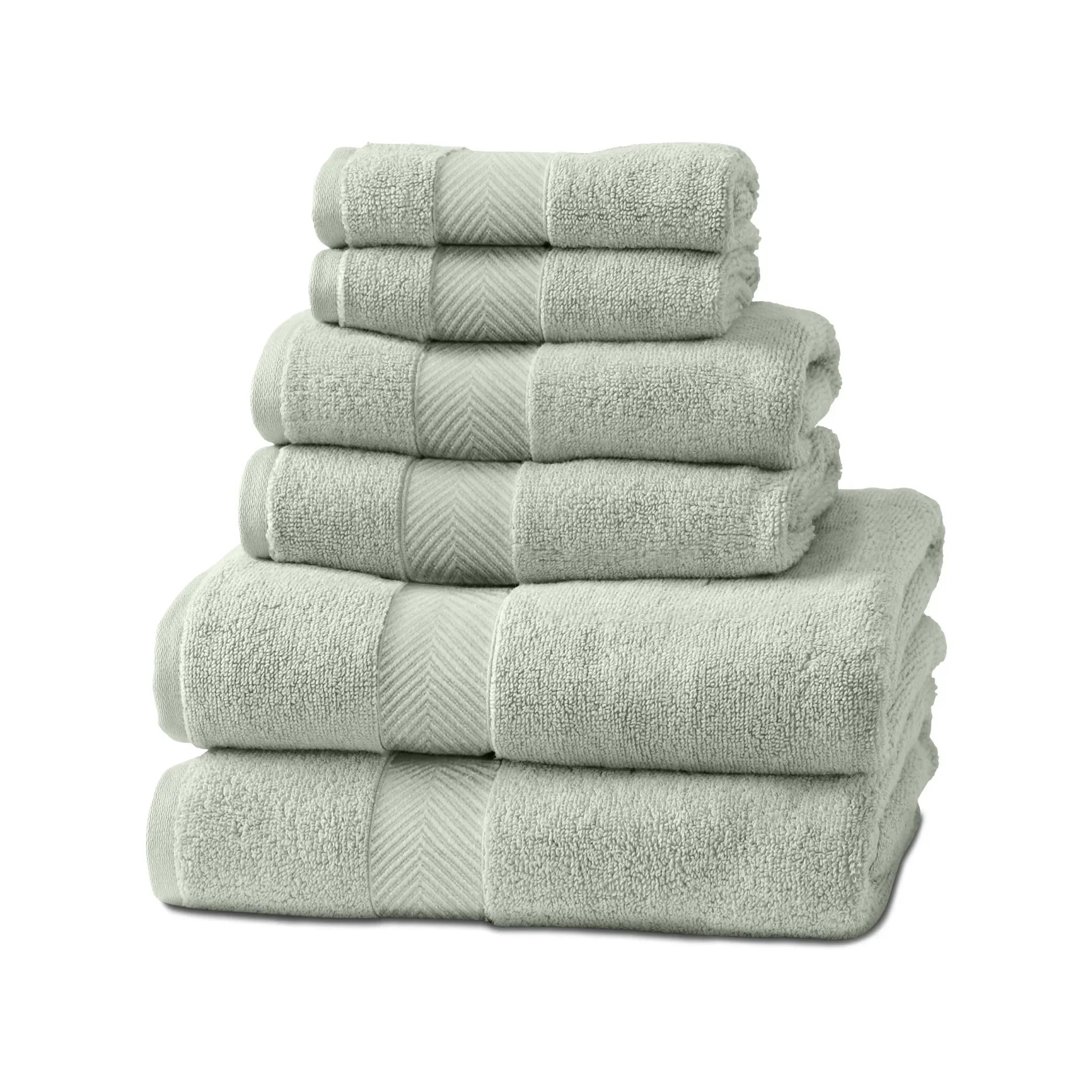
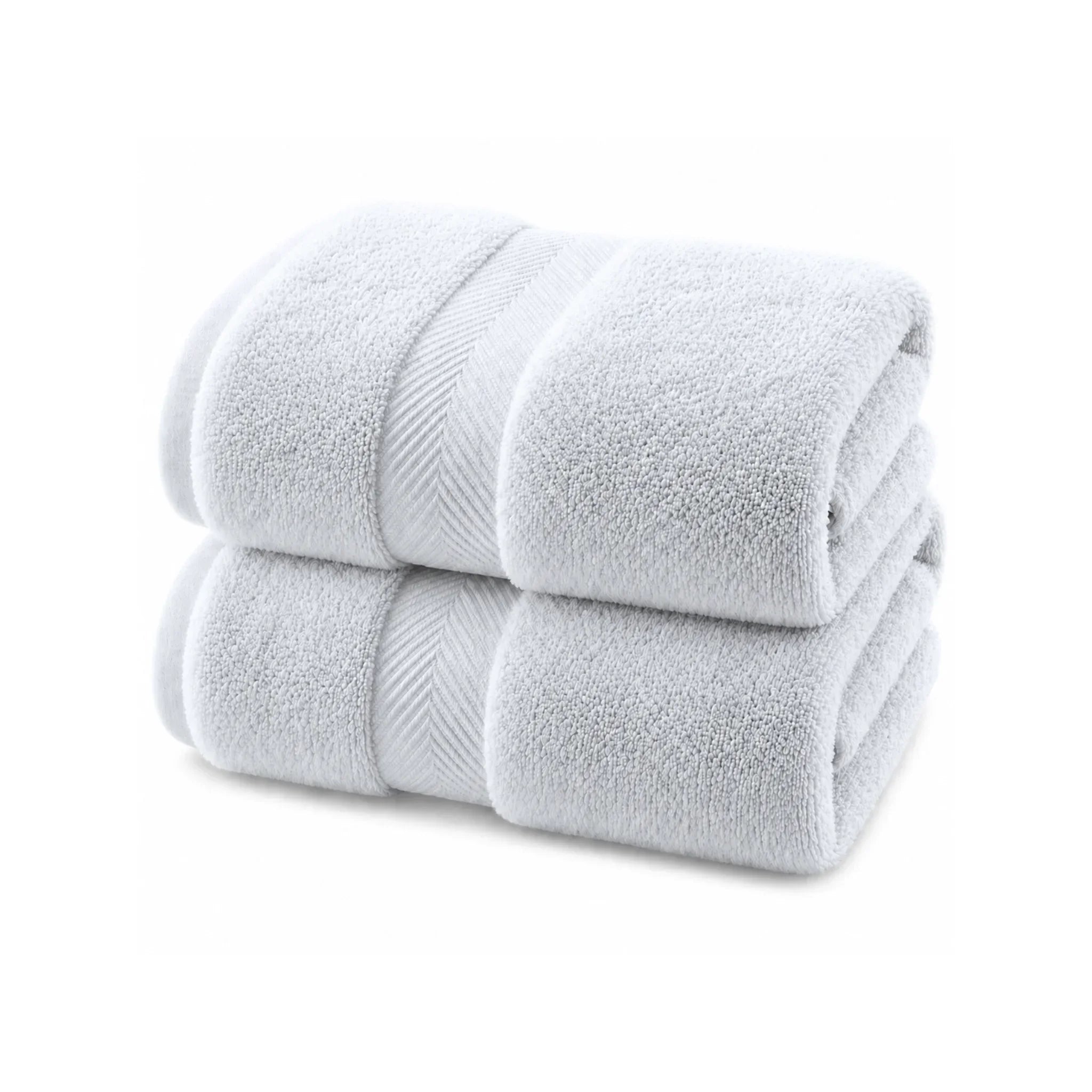
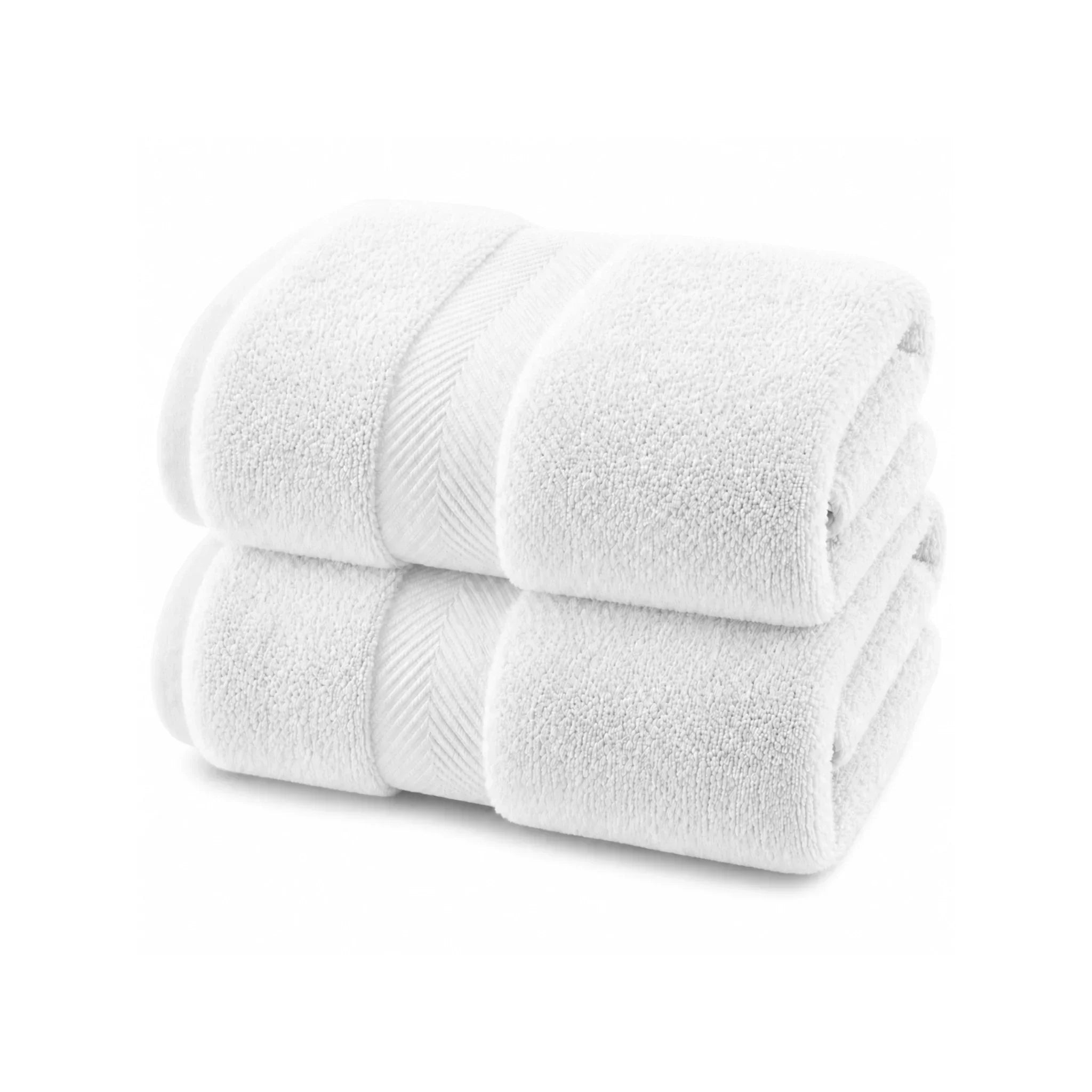
SHOP ALLBamboo-cotton towels offer a middle ground between performance and comfort. Our bamboo-cotton towel set uses a 70% cotton and 30% bamboo blend that dries faster than pure cotton but still feels soft and plush. These dry in about 30 to 60 minutes when laid flat or hung up, which is significantly better than traditional terry cloth that can stay damp for hours. The bamboo fibers naturally wick moisture away, spreading it across the fabric so air can reach more of the wet surface at once.
| Mat Type | Drying Time | Softness | Price Range | Durability |
|---|---|---|---|---|
| Stone (Diatomite) | 2-5 min | Firm | $50-$80 | Excellent |
| Bamboo-Cotton | 30-60 min | Very Soft | $70-$120 | Good |
| Premium Microfiber | 45-90 min | Soft | $30-$60 | Fair |
| Cotton Terry | 2-4 hours | Soft | $20-$50 | Good |
Premium microfiber options from brands like those mentioned in expert reviews dry faster than cotton but slower than stone or bamboo blends. They're usually the most affordable option, but they tend to wear out faster and can develop odors if they don't dry completely between uses. The synthetic fibers don't have the natural antibacterial properties that bamboo and diatomite offer.
Here's the honest breakdown of stone versus fabric options:
Stone Mats:
- Pros: Fastest drying, naturally antibacterial, long-lasting, low maintenance, never smells musty
- Cons: Firm surface, can crack if dropped, needs occasional sanding, heavier than fabric
Fabric Options:
- Pros: Soft and cushioned, familiar feel, machine washable, lighter weight
- Cons: Slower drying, requires regular washing, can develop odors, wears out faster
The maintenance requirements vary quite a bit too. Stone mats need a weekly vinegar wipe and occasional sanding with the included tool to keep the pores open. Fabric mats need to be washed regularly, which means more laundry and more wear on the fibers over time. If you're looking at bathroom solutions that reduce cleaning time, stone makes more sense. If you want something soft under your feet and don't mind throwing it in the wash, bamboo-cotton towels work well.
According to testing by consumer experts, stone bath mats consistently outperform fabric options in drying speed and odor resistance. The same principles apply to other moisture-managing products like dish mats and faucet mats, where keeping surfaces dry prevents bacterial growth and keeps your home cleaner overall.
What Makes Diatomite Stone Different
Most people don't realize their bath mat is basically a wet sponge sitting on the floor for hours. Traditional fabric mats trap moisture in their fibers, creating the perfect environment for bacteria and mildew to grow. Diatomite stone works completely differently because of its unique geological structure. These mats are made from fossilized algae called diatoms that lived millions of years ago, and their microscopic skeletons left behind millions of tiny pores that act like natural absorption channels.
The science behind how these mats work is surprisingly simple. When water hits the surface, it gets pulled into those microscopic channels instantly. Then instead of staying trapped like in fabric, the water evaporates naturally through airflow without needing any heat or sunlight. This happens in minutes, not hours.
- Water absorption occurs within seconds of contact with the stone surface
- Complete drying typically happens in 5-10 minutes depending on humidity levels
- The porous structure allows continuous air circulation through the material
- No external heat source or direct sunlight needed for the evaporation process
Here's where things get interesting for anyone tired of washing bath mats every week. Stone mats eliminate the entire washing and drying cycle that fabric mats require. You never throw them in the laundry because they don't hold onto moisture long enough for bacteria to establish colonies. A quick wipe with vinegar water once a week is all the maintenance they need.
The antibacterial properties aren't from chemicals either. It's purely mechanical. Bacteria need moisture to survive and multiply, but when the surface dries in minutes, there's simply no time for growth. According to research on absorbent bath mat materials, this rapid drying characteristic significantly reduces odor formation compared to traditional options.
- Bacterial growth requires sustained moisture over several hours
- Rapid evaporation creates an inhospitable environment for microorganisms
- No chemical treatments or antimicrobial coatings needed
Durability is another factor most people overlook when buying bath mats. Fabric mats typically last 1-2 years before they start falling apart or losing absorbency. Stone mats like our Natureva bath mats can last 5+ years with basic care. The solid diatomite construction doesn't break down from repeated water exposure, and if the surface ever loses absorbency, a quick sand with the included tool reopens the pores. You're essentially buying one mat instead of replacing fabric versions multiple times.
Finding Your Perfect Fast-Drying Mat
Choosing a bath mat that absorbs water and dries quickly comes down to understanding your bathroom's specific needs. If you deal with high humidity, multiple family members stepping out of the shower back to back, or just hate the feeling of damp fabric under your feet, the material you pick matters more than you might think. Stone mats made from diatomite offer instant absorption that traditional fabric can't match, while bamboo-cotton blends give you familiar softness with better moisture management than regular cotton towels.
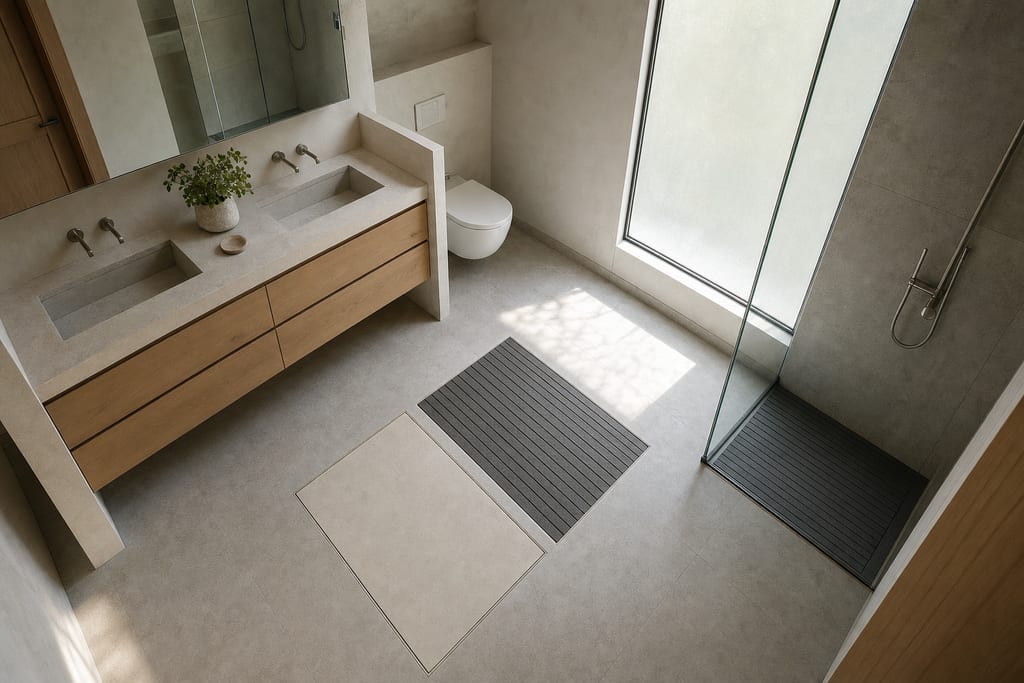
The stone bath mat collection works particularly well in busy bathrooms where water needs to disappear fast. Our Tide, Flow, Rain, Aura, and Arch designs all use the same diatomite composite that pulls moisture from your feet in seconds and releases it back into the air just as fast.
For those who prefer textile options, the bamboo cotton towel set provides a middle ground between performance and comfort. The key difference between budget mats and quality moisture-managing products shows up after a few months of use, when cheap materials start holding onto water and developing that musty smell no amount of washing seems to fix.
Your bathroom setup might benefit from combining both approaches. Stone underfoot where water hits hardest, soft towels for drying off. Either way, investing in materials designed specifically to handle moisture means less time dealing with damp floors and more time enjoying a bathroom that actually stays dry.
Common Questions About Fast-Drying Bath Mats
Switching to a fast-drying bath mat raises plenty of practical questions, especially if you've only ever used traditional fabric options. The technology behind materials like diatomite is still relatively new to most households, and understanding how these mats actually work in daily use makes a big difference. Whether you're concerned about safety, maintenance, or just how quickly these things actually dry, here's what you need to know before making the switch.
How long does a diatomite mat take to dry completely?
A diatomite stone mat typically dries within 60 to 90 seconds after use. The porous structure pulls moisture from your feet instantly and releases it into the air through rapid evaporation. Unlike fabric mats that can stay damp for hours, stone mats feel dry to the touch almost immediately after you step off.
Are stone bath mats safe for children and elderly users?
Yes, when used properly. Stone mats like Natureva's bath mats include full non-slip base pads that keep them firmly in place on tile or smooth floors. The surface itself provides good traction when wet, but the mat should always be placed on a flat, stable surface. For elderly users or anyone with mobility concerns, the instant drying actually reduces slip risk compared to soggy fabric mats.
How do you clean and maintain fast-drying mats?
Stone mats need minimal maintenance. A weekly wipe with diluted vinegar and water keeps them fresh. If you notice any staining from coloured soaps or products, rinse the mat under water or use hydrogen peroxide for deeper marks. Over time, if absorption slows down, the included sanding tool reopens the surface pores and restores performance. Just avoid fabric softeners or harsh chemicals, and let the mat air dry upright if it gets fully saturated.
Do bamboo-cotton mats really dry faster than regular cotton?
They do. Bamboo viscose blended with cotton creates a more breathable fabric structure that releases moisture faster than 100% cotton. The 70/30 bamboo-cotton blend in products like Natureva's towels combines softness with improved drying time, though they still won't match the instant evaporation of stone materials. They're a good middle ground if you prefer textile options.
What happens if a stone mat gets saturated?
If a stone mat absorbs more water than it can evaporate quickly, it will feel damp to the touch. This usually only happens in very humid environments or with excessive water exposure. The fix is simple: stand the mat upright against a wall to let air circulate around both sides. It'll dry completely within a few hours and return to full absorbency.
Can you use bath mats on heated floors?
Yes, both stone and fabric fast-drying mats work fine on heated floors. The gentle warmth can actually help speed up evaporation for stone mats. Just make sure any non-slip pads or silicone feet are heat-safe, which they typically are for standard radiant floor temperatures. Avoid placing any mat directly on extremely hot surfaces above normal floor heating ranges.
The next generation of home essentials: naturally made, cleaner by design, sustainable by nature.
SHOP ALL