
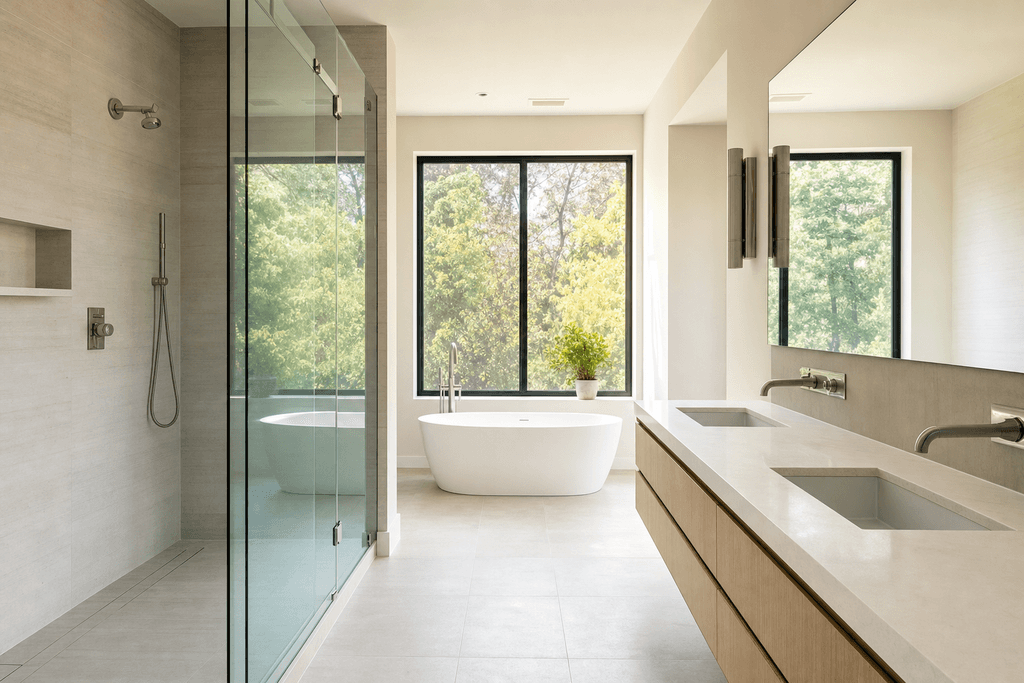
Why Stone Bath Mats Absorb Water Fast and Stay Dry
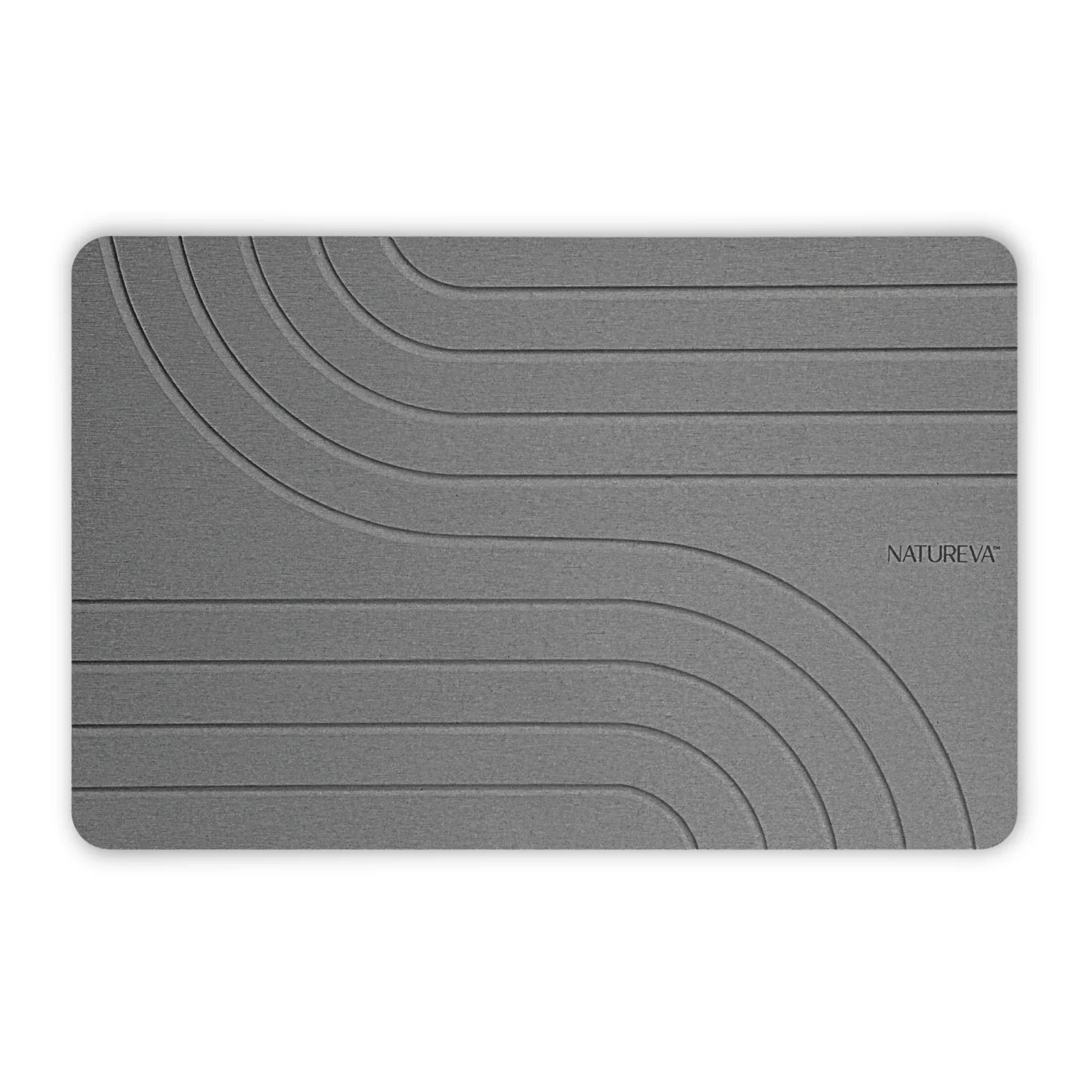
Stepping out of the shower onto a soaking wet bath mat that stays damp for hours is more than just unpleasant. Traditional fabric mats trap moisture deep in their fibers, creating the perfect breeding ground for bacteria and mildew while leaving your floors wet and your feet never quite dry. A stone bath mat that absorbs water works differently, using fossilized algae with millions of microscopic pores to pull moisture from your feet and release it back into the air within minutes, which is exactly how Natureva's diatomite bath mats keep your bathroom cleaner and drier without any of the usual hassle.
Table of Contents
What Makes Diatomite Different from Regular Materials
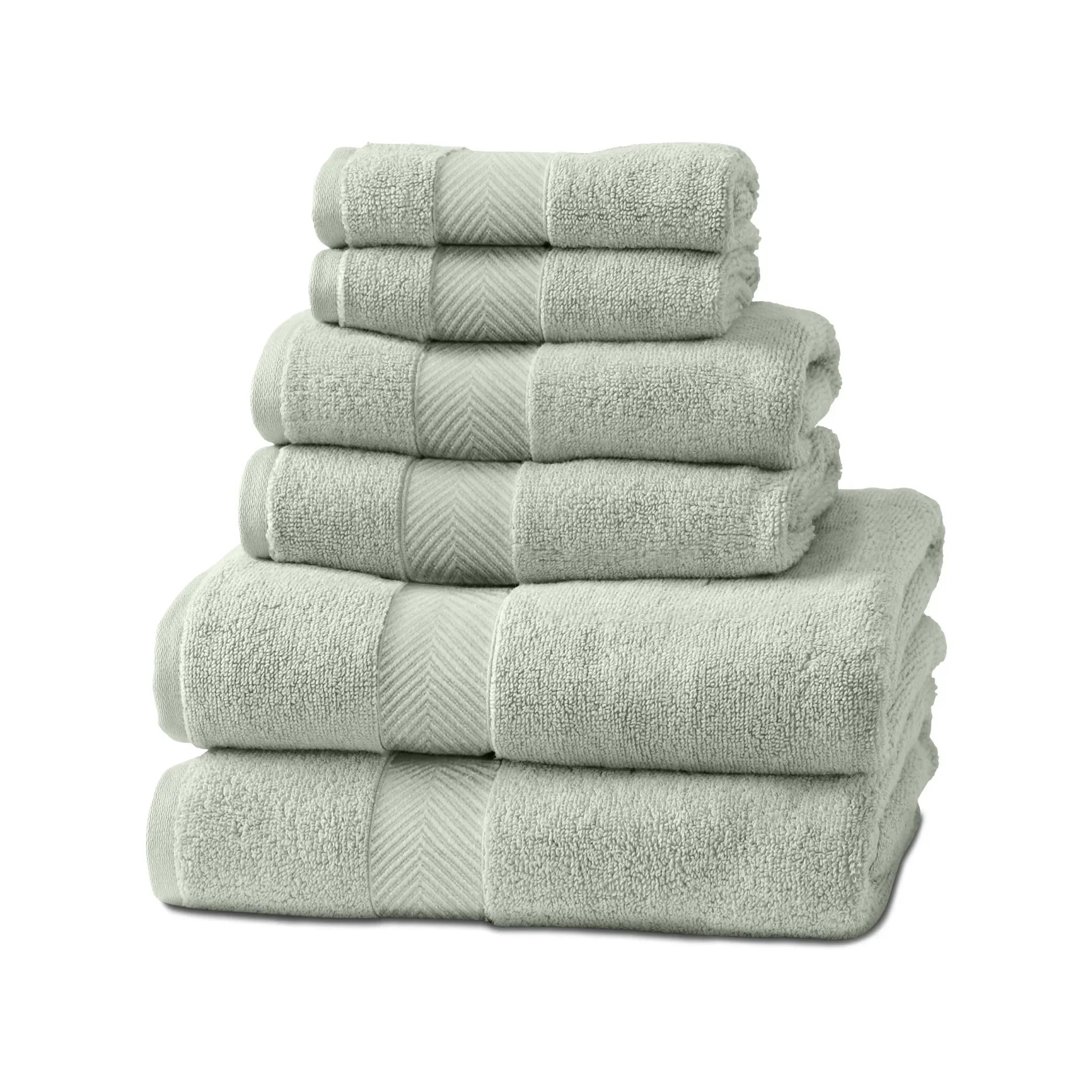
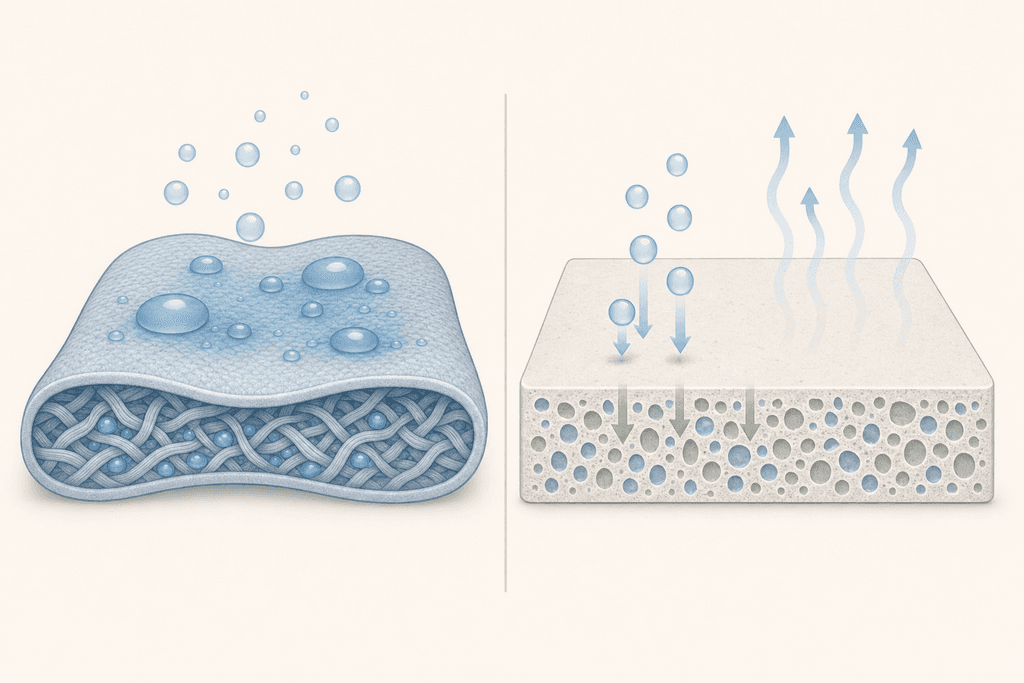
Most people step out of the shower onto a soggy fabric mat that stays damp for hours, creating the perfect breeding ground for mildew and bacteria. Traditional bath mats made from cotton, microfiber, or memory foam trap moisture in their fibers, which means they need constant washing and take forever to dry. Stone bath mats work completely differently because they're made from diatomite, a natural material that absorbs water instantly and releases it back into the air within minutes. This isn't just a small improvement, it's a totally different approach to managing bathroom moisture.
Where Diatomite Comes From
Diatomite forms from the fossilized remains of tiny algae called diatoms that lived in ancient oceans and lakes millions of years ago. When these microscopic organisms died, their silica-based shells accumulated on the sea floor and eventually turned into a chalky, porous rock. The result is a material filled with millions of microscopic holes that you can't see with your naked eye but that make all the difference in how it handles water.
These tiny pores act like a network of channels that pull moisture away from the surface immediately. The internal structure of diatomite gives it an absorption capacity that fabric materials simply can't match because water doesn't sit on top or soak into fibers, it gets drawn into the stone itself and evaporates through natural airflow.
How Stone Mats Compare to Traditional Options
The difference between a stone bath mat that absorbs water and a regular fabric mat becomes obvious when you look at actual performance data. According to testing by Consumer Reports, stone mats dry significantly faster than their fabric counterparts, which matters for both convenience and hygiene.
| Material Type | Absorption Time | Drying Time | Bacteria Resistance |
|---|---|---|---|
| Fabric Bath Mat | 5-10 seconds | 4-6 hours | Low (stays damp) |
| Memory Foam Mat | 3-8 seconds | 3-5 hours | Low (traps moisture) |
| Stone Bath Mat | Instant | 15-30 minutes | High (rapid drying) |
Stone mats like our Natureva bath mats don't rely on chemicals or special coatings to stay clean. The naturally antibacterial properties come from the material's ability to dry so quickly that bacteria and mold don't have time to grow. When moisture disappears within half an hour instead of sitting around all day, you eliminate the damp environment that microbes need to thrive.
Why Rapid Drying Matters for Your Bathroom
The speed at which a bath mat dries affects more than just convenience. A mat that stays wet creates several problems that most people don't think about until they become obvious issues.
- Damp mats develop musty odors within days, even with regular washing
- Moisture trapped in fabric fibers encourages mold growth in bathroom corners and grout lines
- Wet mats feel cold and unpleasant underfoot, especially in winter months
- Constant dampness shortens the lifespan of the mat and requires frequent replacements
Diatomite solves these problems by working with physics instead of fighting it. The porous structure allows air to circulate through the material, carrying moisture away naturally without any need for heat or sunlight. This means your bathroom floor stays drier, smells fresher, and requires less maintenance overall.
How Microscopic Pores Create Instant Absorption
Step out of the shower and onto a stone bath mat that absorbs water, and you'll notice something different right away. The water disappears almost instantly, like the mat is pulling moisture straight from your feet. This isn't magic or some chemical coating doing the work. It's actually millions of microscopic pores inside the material acting like tiny sponges, each one working together to handle the water.
The secret is in the diatomite itself. This material comes from fossilized algae that lived millions of years ago, and their remains created a structure filled with countless tiny holes. When water hits the surface, capillary action pulls it into these pores immediately, spreading it throughout the internal structure. Think of it like a paper towel, but way more efficient and built into solid stone.
- Millions of microscopic pores create a massive internal surface area for water to spread across
- Capillary action works instantly, pulling moisture into the stone the moment your feet touch down
- Large surface area inside the pores speeds up evaporation by exposing water to air circulation
- Air circulation underneath prevents the mat from getting saturated and keeps the bottom dry
- Composite construction maintains strength while maximizing the absorption capacity
What happens next is where stone really beats fabric. Once the water is inside those pores, it doesn't just sit there. The same pore structure that pulled the water in now releases it back into the air through evaporation. Because there's so much surface area inside the mat, this happens fast. Research shows that this rapid drying process also limits bacteria growth, since microbes need moisture to thrive.
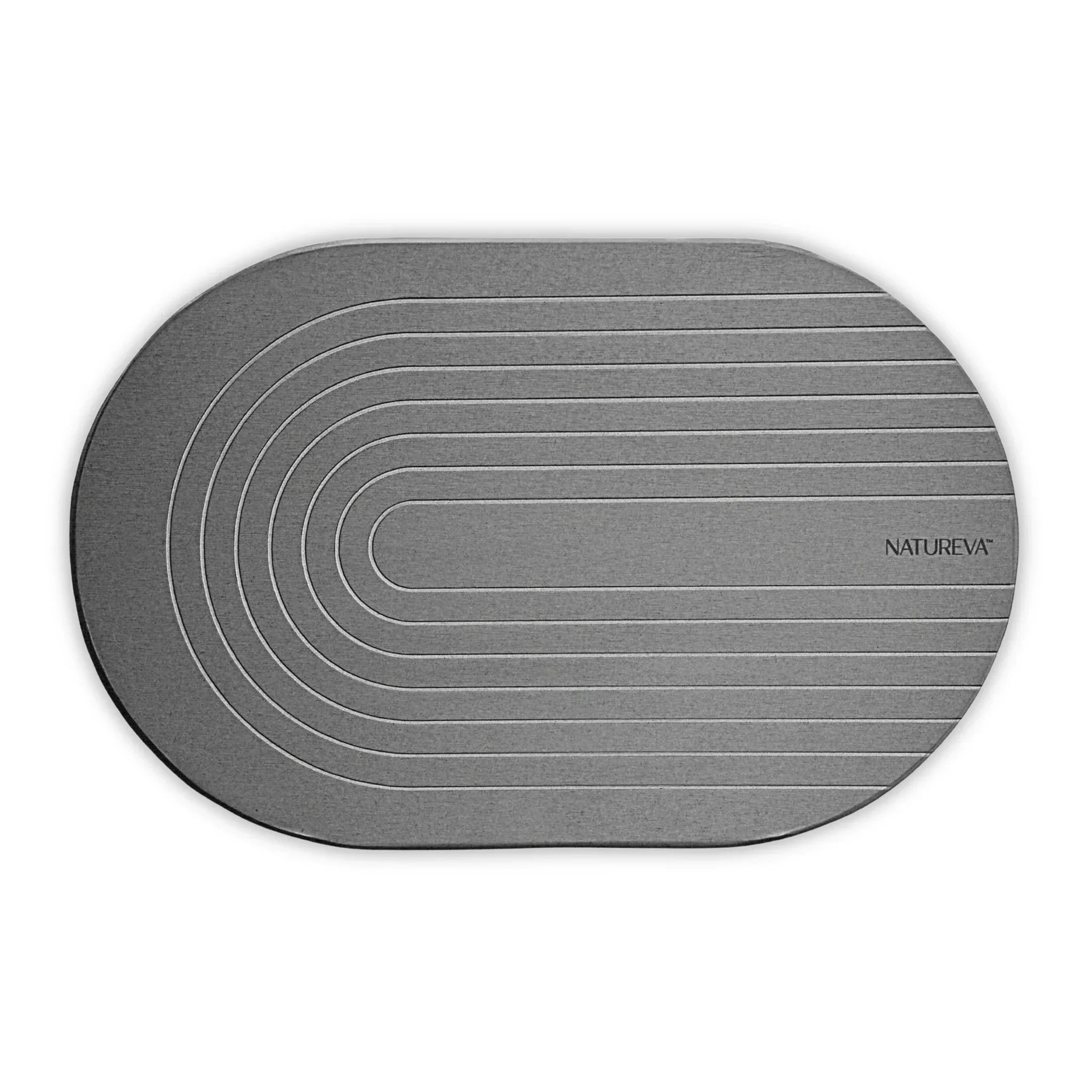
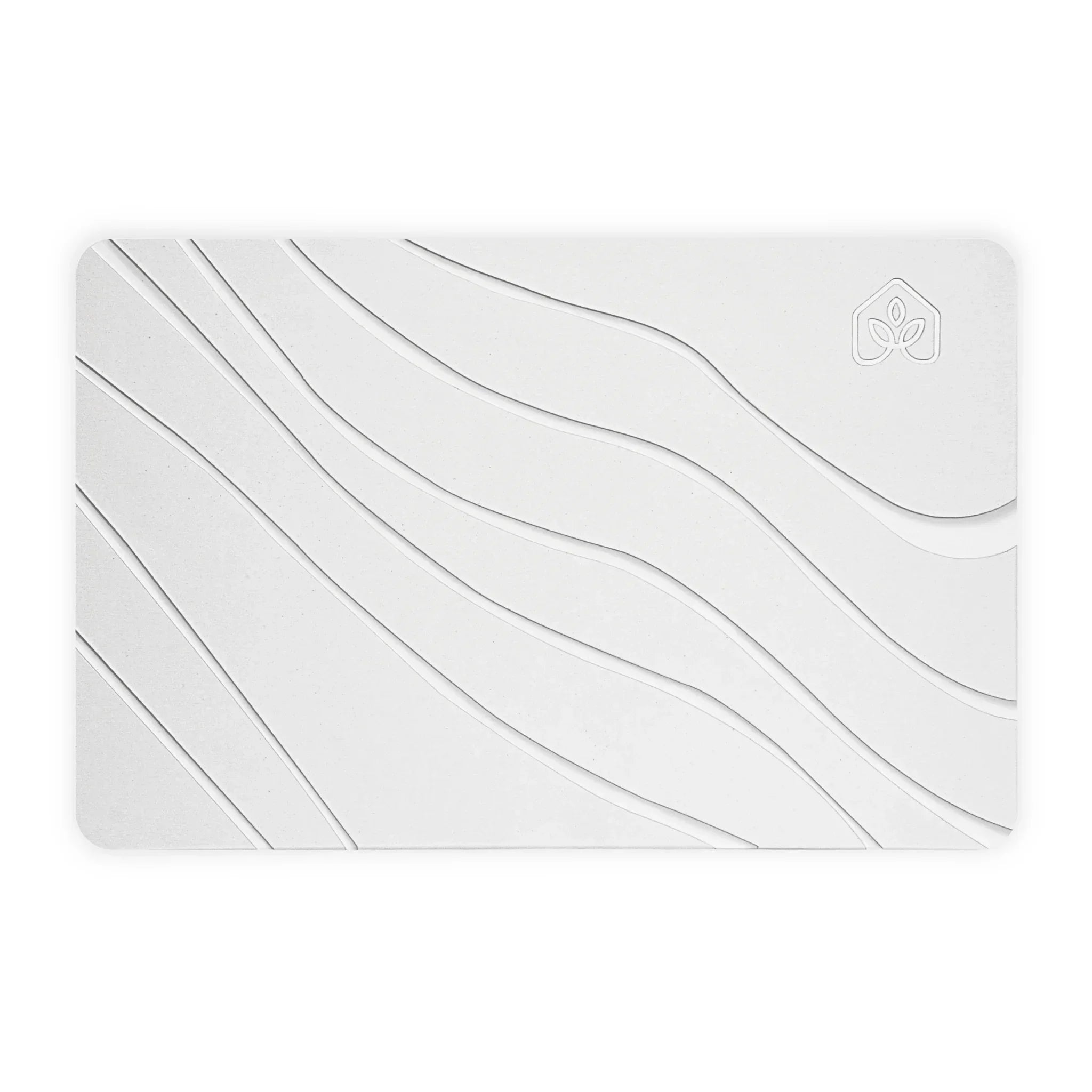
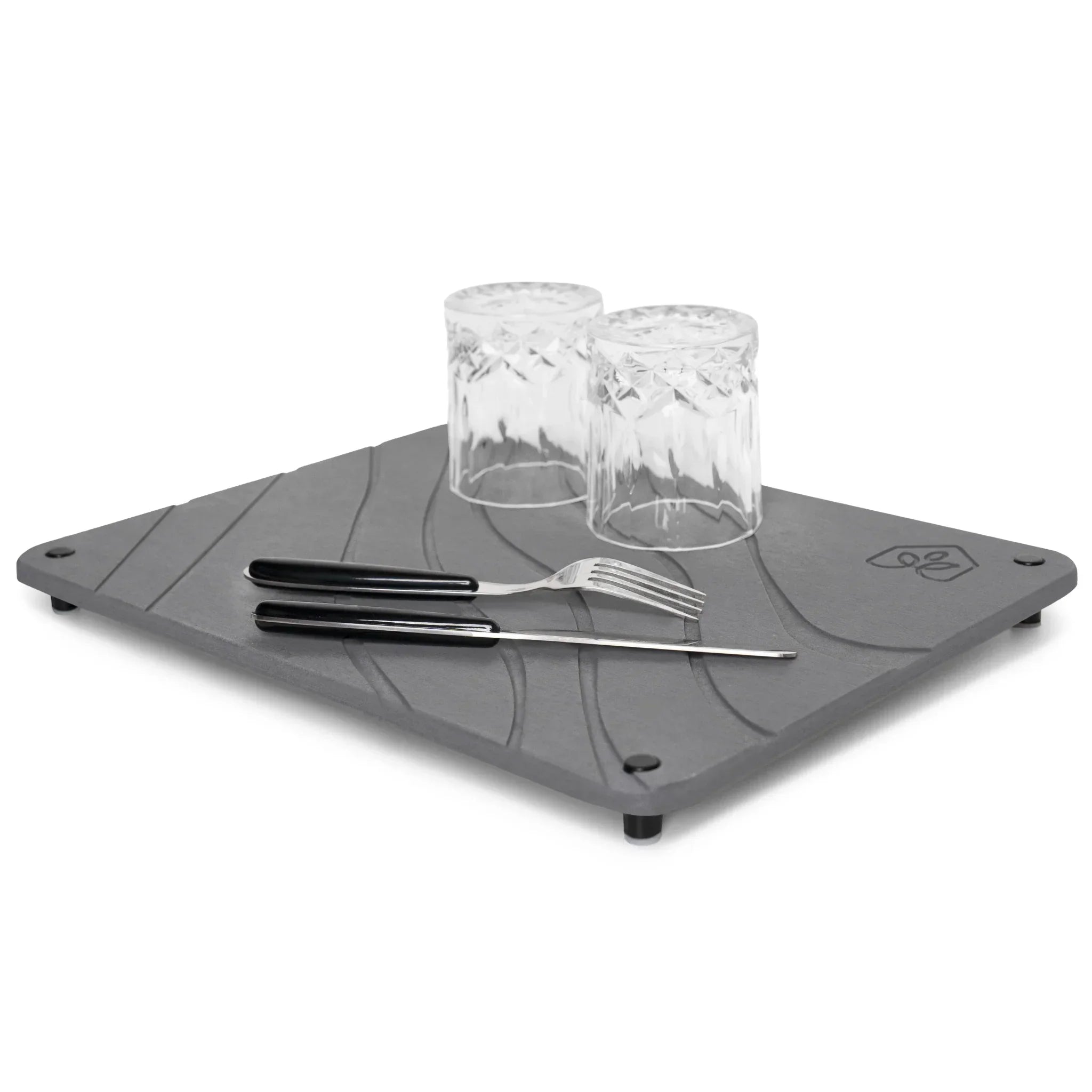
The Natureva stone bath mats use this exact principle, combining diatomaceous earth with recycled paper to create a composite that's both durable and highly absorbent. The non-slip base pad underneath creates a small gap between the mat and your floor, allowing air to flow and preventing moisture from getting trapped.
Why Stone Mats Stay Dry While Fabric Stays Wet
Traditional fabric bath mats have a fundamental problem with how they handle water. The fibers in cotton or microfiber mats trap moisture between the threads, creating little pockets where water sits and waits to evaporate. This is why your fabric mat feels damp hours after your shower, and why it starts to smell musty after a few days. The water is literally stuck in there with nowhere to go quickly.
Stone mats work completely differently. Instead of trapping water, the open pore structure allows continuous airflow through the material. Water gets absorbed into the pores, spreads out across that massive internal surface area, and then evaporates into the surrounding air. There's no fabric weave holding it hostage.
| Feature | Stone Mat | Fabric Mat |
|---|---|---|
| Drying Time | Minutes | Hours |
| Water Storage | Temporary in pores | Trapped in fibers |
| Airflow | Continuous through material | Blocked by dense weave |
| Odor Development | Minimal | Common |
The elevated design makes a bigger difference than most people realize. That non-slip base pad on stone bath mats isn't just for safety. It lifts the mat slightly off the floor, creating airflow underneath that prevents the bottom from staying wet. Fabric mats sit flat against the floor, trapping moisture between the mat and the surface below.
No synthetic coatings means no moisture trapping, which is another advantage stone has over some treated fabric mats. Some companies add water-resistant coatings to fabric mats, but these actually slow down drying by preventing water from evaporating through the material. Stone mats have no coatings at all, just the natural diatomite composite doing its job.
Temperature and humidity do affect how fast any mat dries. A stone mat in a humid bathroom will take longer to evaporate water than one in a dry climate. But even in humid conditions, stone still outperforms fabric because the pore structure keeps working regardless of the environment.
The next generation of home essentials: naturally made, cleaner by design, sustainable by nature.
SHOP ALLKeeping Your Stone Mat Performing at Peak Absorption
Even the best stone bath mat that absorbs water will slow down over time if you don't maintain it. The microscopic pores can get clogged with soap residue, body oils, and mineral deposits from hard water. When this happens, you'll notice the mat doesn't absorb as quickly as it used to. The good news is that bringing back that instant absorption is pretty straightforward.
A weekly vinegar water wipe prevents most buildup before it becomes a problem. Mix equal parts white vinegar and water, wipe down the surface, and rinse. This simple step keeps the pores open and clear. It takes about 30 seconds and saves you from dealing with absorption issues later.
- Wipe the mat weekly with a vinegar water solution
- Rinse any soap or shampoo spills immediately under running water
- Avoid using colored soaps directly on the mat surface
- Stand the mat upright to air dry if it becomes fully saturated
- Use the included sanding tool when absorption noticeably slows
Colored soaps are worth avoiding because they can stain the mat and block pores at the same time. If you do get a stain, rinse it under water right away. For stubborn marks, hydrogen peroxide works well, or you can use the sanding tool that comes with every Natureva mat.
That sanding tool is your reset button. It's a P320 grit disc, about 10 cm in diameter, designed specifically to reopen surface pores. When you notice the mat absorbing slower than usual, a quick light sanding restores the original performance. You're essentially removing the top layer of clogged pores and exposing fresh ones underneath. Most users find they only need to do this every few months, depending on usage.
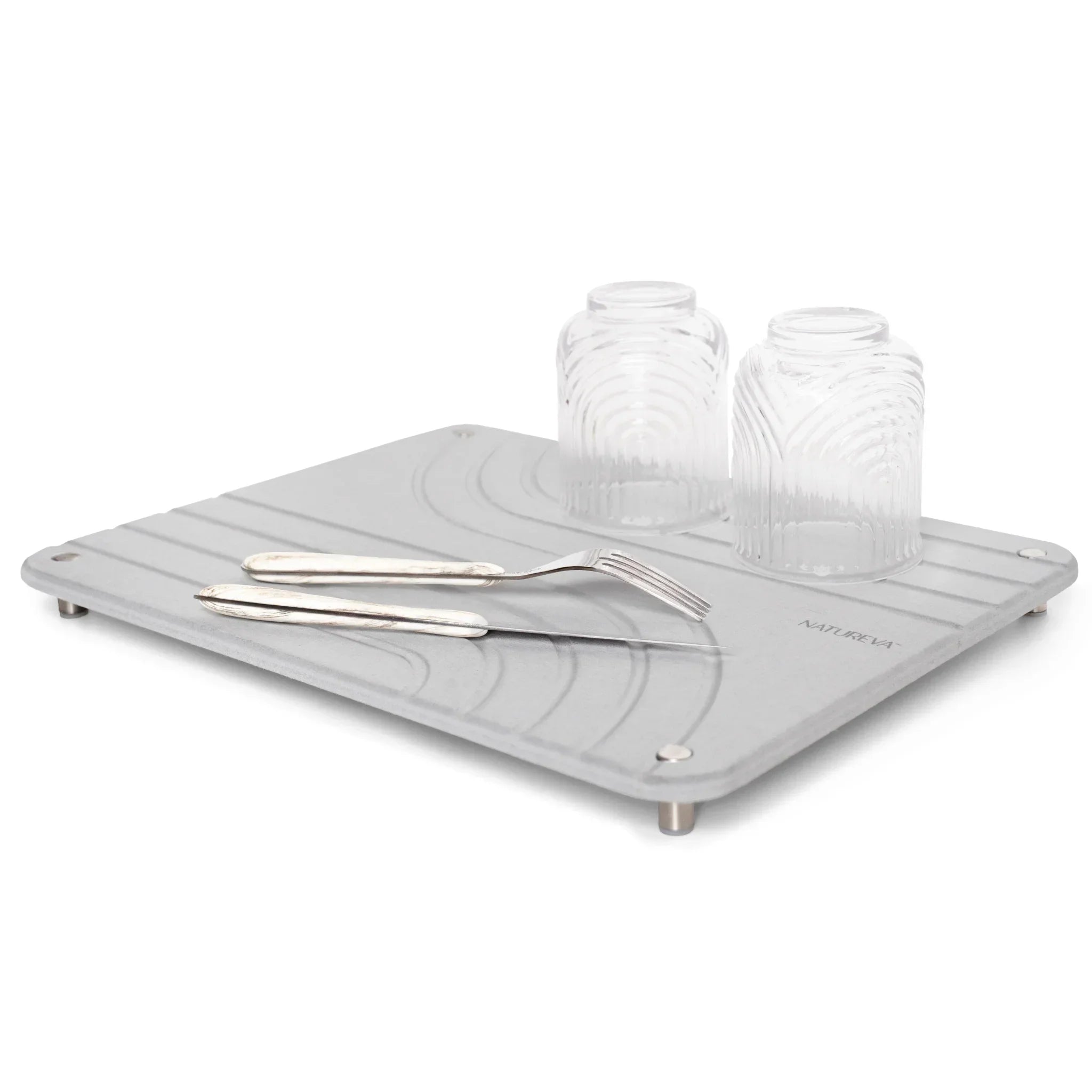
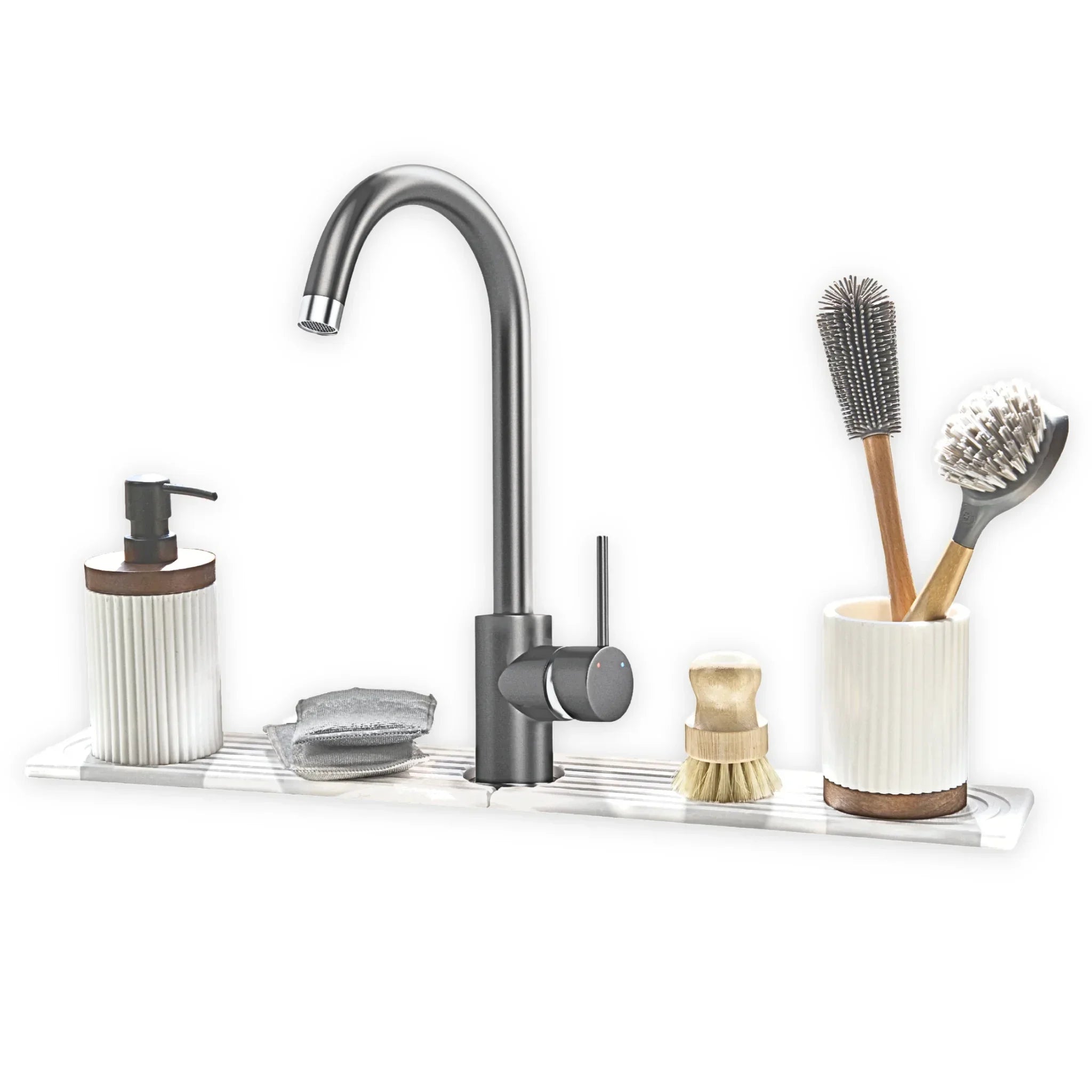
If your mat gets completely saturated from multiple showers in a row, stand it upright against a wall to dry. This exposes both sides to air and speeds up the evaporation process. The same principle applies to other diatomite products like the stone dish mat or sink caddy, which benefit from occasional upright drying too.
With basic maintenance, these mats keep performing for years. The material doesn't break down like fabric does, and the absorption capability stays consistent as long as you keep those pores clear. It's less work than washing fabric mats every week, and you never have to deal with that damp, musty smell that fabric develops.
Dry Feet, Dry Floors, Zero Hassle
The problem with traditional fabric bath mats has always been the same. They stay wet for hours, they smell musty after a few days, and they need constant washing just to stay somewhat clean. A stone bath mat that absorbs water works differently because of how the material is built. Those millions of microscopic pores in diatomite pull moisture in instantly and release it back into the air within minutes, which means your feet dry off fast and the mat itself never stays damp long enough for bacteria or odours to develop.
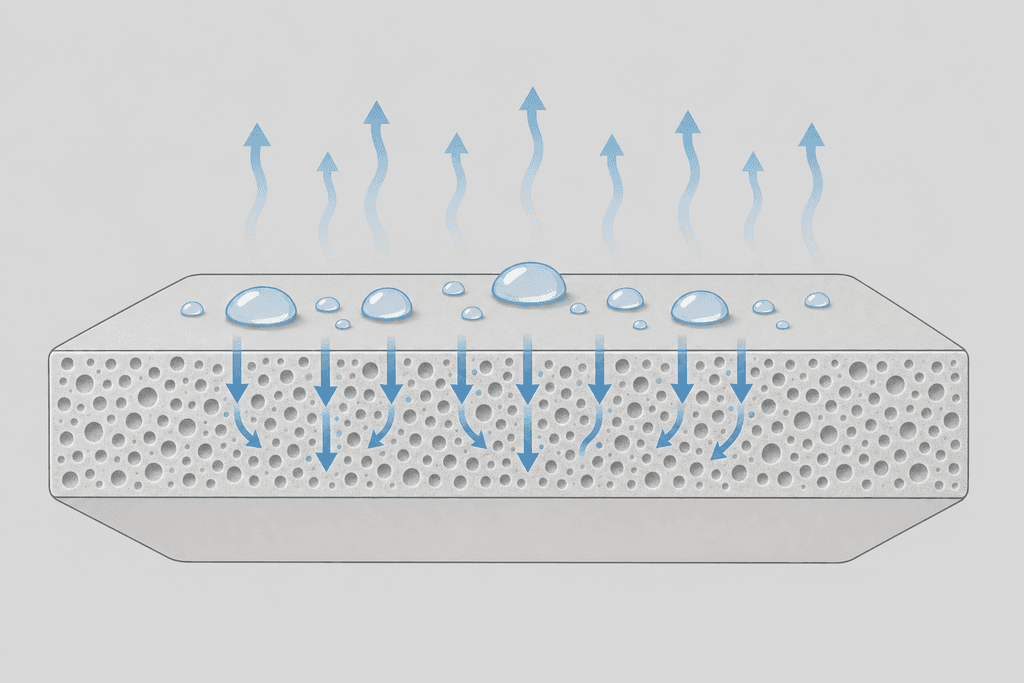
The science behind it is simple but effective. When water hits the surface, it gets absorbed into the porous structure and evaporates naturally without any chemical coatings or synthetic treatments. That's why Natureva's stone bath mats stay dry to the touch even after multiple people use them back to back.
Maintenance is minimal too. A quick wipe with vinegar water once a week keeps the surface clean, and if absorption ever slows down after months of use, the included sanding tool reopens the pores in about 30 seconds. No washing machines, no dryer cycles, no fabric softener needed.
If you're tired of dealing with soggy mats that never quite dry out, switching to a diatomite stone option removes that entire problem from your routine. The same material works just as well in other wet areas too, like dish mats or sink caddies, anywhere moisture tends to linger longer than it should.
Still have questions about how stone bath mats work or how to care for them? The answers below cover the most common things people ask.
Common Questions About Stone Bath Mat Absorption
Stone bath mats work differently than anything most people have used before, which naturally brings up questions. The material itself is pretty unique, and understanding how it behaves helps you get the most out of it. These are the questions that come up most often from people considering a switch from fabric mats or wondering if a stone bath mat that absorbs water will actually work in their space.
How long does it take for a stone bath mat to dry completely?
Most stone bath mats dry within minutes after use, not hours. The diatomite structure pulls moisture into millions of microscopic pores and releases it back into the air almost immediately. You'll notice your feet feel dry the moment you step on it, and the surface itself usually feels completely dry within 5 to 10 minutes depending on your bathroom's airflow and humidity levels.
Will a stone bath mat work in a humid bathroom?
Yes, though performance depends on ventilation. Stone bath mats rely on evaporation, so a bathroom with decent airflow will see better results than one that stays steamy all day. If your bathroom tends to stay humid, cracking a window or running a fan after showers helps the mat release moisture faster. Even in humid conditions, the mat still absorbs water instantly, it just takes a bit longer to fully dry between uses.
What happens if the mat stops absorbing water as well?
Reduced absorption usually means the surface pores have become clogged with soap residue, oils, or mineral deposits. This is normal over time and easy to fix. A quick sand with the included P320 grit sanding tool reopens the pores and restores full absorbency. You can also rinse the mat under water and let it dry upright, or wipe it down weekly with a vinegar water solution to prevent buildup in the first place.
Can multiple people use the mat in a row without it staying wet?
Yes, as long as there's a minute or two between users. The mat absorbs water fast, but it needs a moment to release that moisture into the air before it's ready for the next person. In a busy household where everyone showers back to back, you might notice slight dampness if there's no gap between uses. For most families, though, the mat handles multiple users without issue.
Do stone bath mats need to be replaced like fabric mats?
No, stone bath mats last significantly longer than fabric versions. There's no fabric to break down, no mold to grow, and no permanent staining that ruins the material. With basic maintenance like occasional sanding and regular cleaning, a stone bath mat that absorbs water can last for years. Natureva's stone bath mats are built from compressed diatomite and recycled paper with no synthetic coatings, so they stay functional as long as you take care of the surface.
What if I spill something other than water on the mat?
The mat will absorb it just like water, but you'll want to rinse it off quickly. Coloured liquids like soap, shampoo, or anything with dye can leave stains if they sit too long. Most spills rinse away easily under running water, and for stubborn marks, a bit of hydrogen peroxide or light sanding usually does the trick. The material itself won't trap bacteria or odour the way fabric does, which makes cleanup simpler overall.
The next generation of home essentials: naturally made, cleaner by design, sustainable by nature.
SHOP ALL