

Three Bath Towels Tests for Sensitive Skin
Your favorite bath towels might be the hidden reason behind that persistent redness or itching you can't explain. Up to 30% of people deal with skin irritation from their towels without realizing the connection, often blaming soap or skincare products instead. Three quick tests can help you figure out if your towels are causing problems and guide you toward options that work better for sensitive skin.
Table of Contents
What Makes Skin Sensitive to Bath Towels
Your skin is covered by a protective moisture barrier that keeps irritants out and hydration in. When this barrier gets weak or damaged, your skin becomes sensitive and reacts to things that wouldn't normally bother you. Bath towels touch a lot of your body every single day, so if they contain harsh materials or chemicals, they can trigger reactions like redness, itching, or dryness. The rough texture of some towels can actually scratch this protective layer, making the problem worse over time. Think of it like rubbing sandpaper on a sunburn - even gentle materials can feel rough when your skin is already struggling.

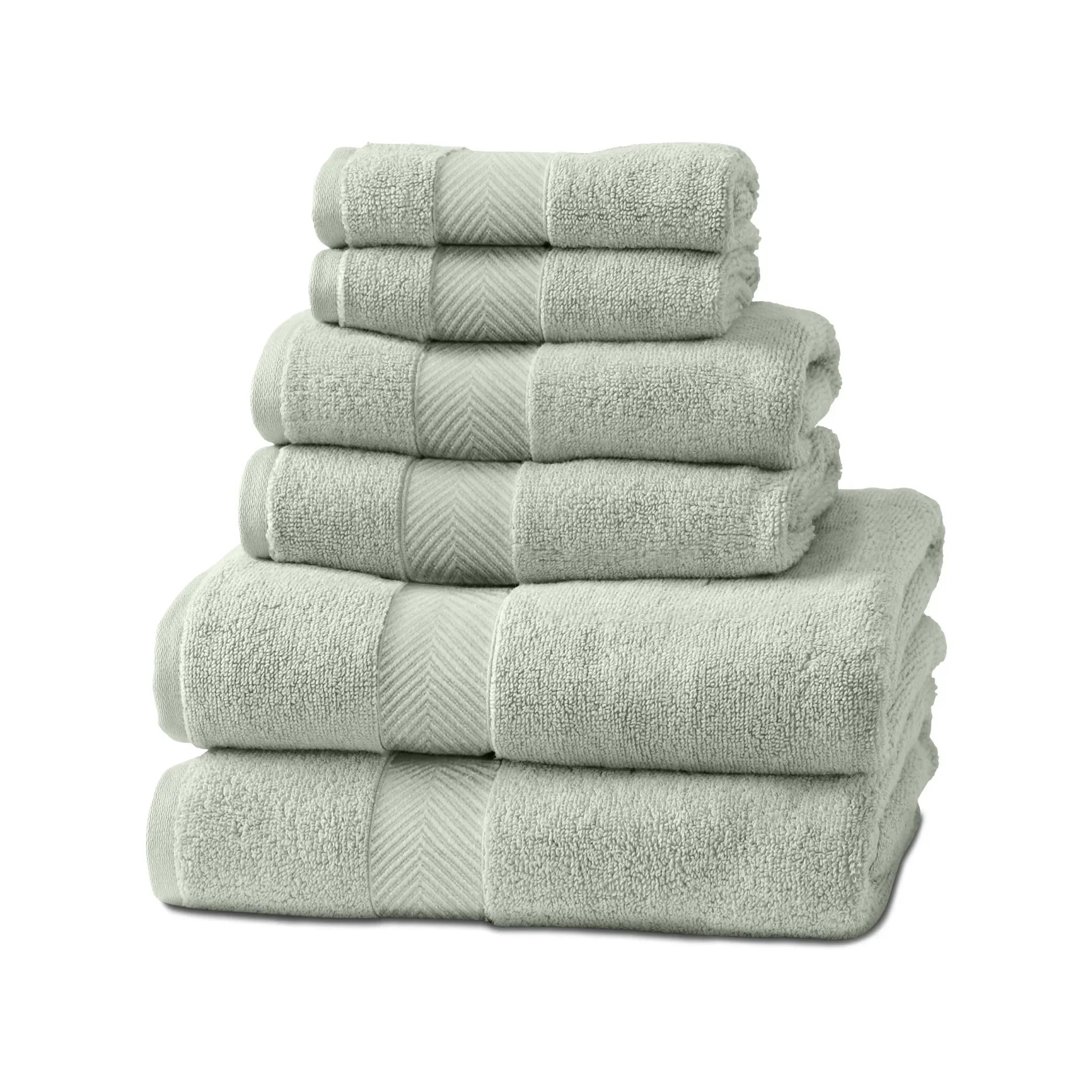
Bamboo Cotton Towels - Set of 6
Common Towel Irritants
Not all bath towels are created equal when it comes to sensitive skin. Some materials and treatments are known troublemakers that cause reactions in people who otherwise have no skin issues.
| Irritant | Found In | Effect on Skin |
|---|---|---|
| Formaldehyde | Wrinkle-resistant treatments | Redness and rashes |
| Synthetic dyes | Brightly colored towels | Itching and irritation |
| Fabric softeners | Pre-treated towels | Allergic reactions |
| Short-staple fibers | Low-quality cotton | Rough texture, scratching |
| Polyester blends | Budget towels | Trapped moisture, breakouts |
Why Natural Fibers Work Better
Natural materials like bamboo and long-staple cotton are gentler on sensitive skin for several reasons. They don't require as many chemical treatments during manufacturing, which means fewer irritants touching your body.
Here's what makes natural fibers different:
- They have smoother, longer fibers that don't scratch or irritate
- They breathe better, preventing moisture buildup that can cause breakouts
- They're naturally hypoallergenic without added chemicals
- They get softer with each wash instead of rougher
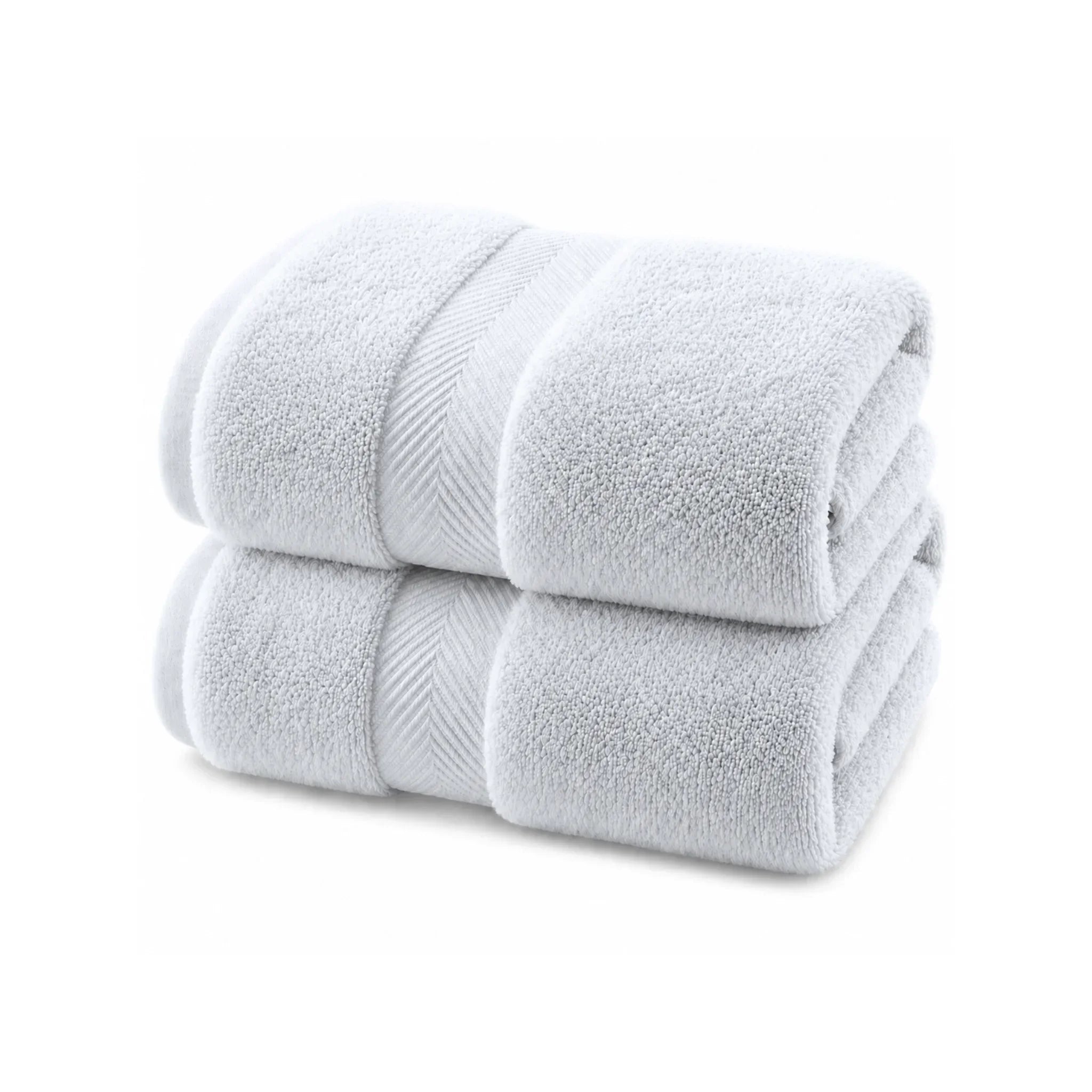
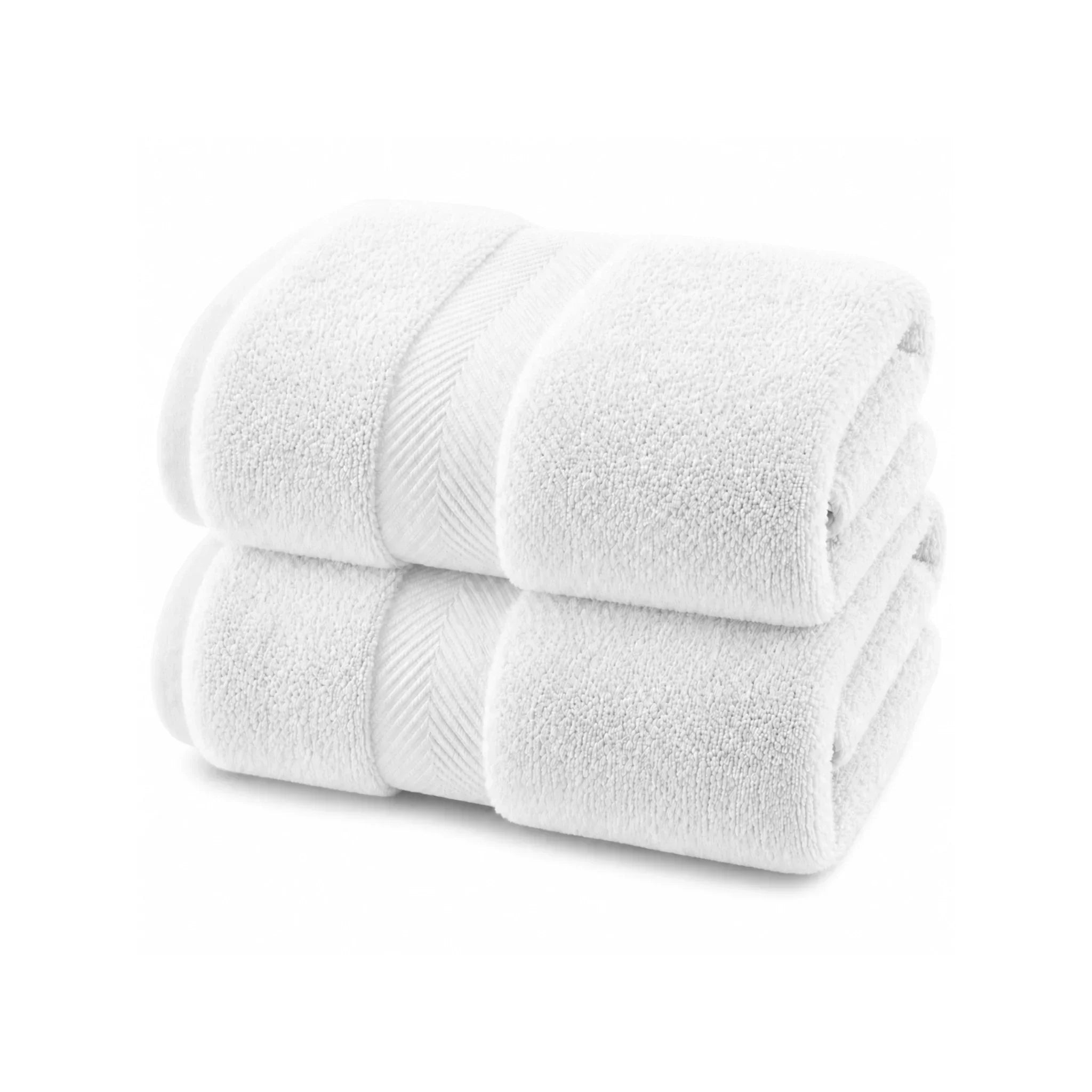
Our Bamboo Cotton Towels combine 30% bamboo viscose with 70% long-staple zero-twist cotton for this exact reason. The blend gives you the natural benefits without harsh treatments.
Keeping Towels Clean Matters Too
Even the gentlest towel can become an irritant if it's not washed properly. Bacteria, dead skin cells, and product residue build up in towel fibers over time. According to Everyday Health, you should wash your bath towels after three to five uses to prevent bacterial growth.
Smart washing habits for sensitive skin include:
- Using fragrance-free, hypoallergenic detergent
- Skipping fabric softeners that leave chemical residue
- Washing new towels before first use to remove manufacturing chemicals
Understanding what triggers your skin helps you make better choices when shopping for bath towels. The right material can make the difference between daily irritation and comfortable, healthy skin.
The Touch Test: Finding Softness That Lasts
Most people with sensitive skin have learned the hard way that not all bath towels are created equal. Before you even get a towel wet, you can learn a lot about how it will treat your skin by doing a simple touch test. This test reveals the fiber quality and potential irritation before you buy, which can save you from days of uncomfortable reactions. Run your hand slowly across the towel's surface, paying attention to how it feels against your palm and the back of your hand. You're looking for a smooth, plush texture without any rough patches or stiff areas that might scratch delicate skin.
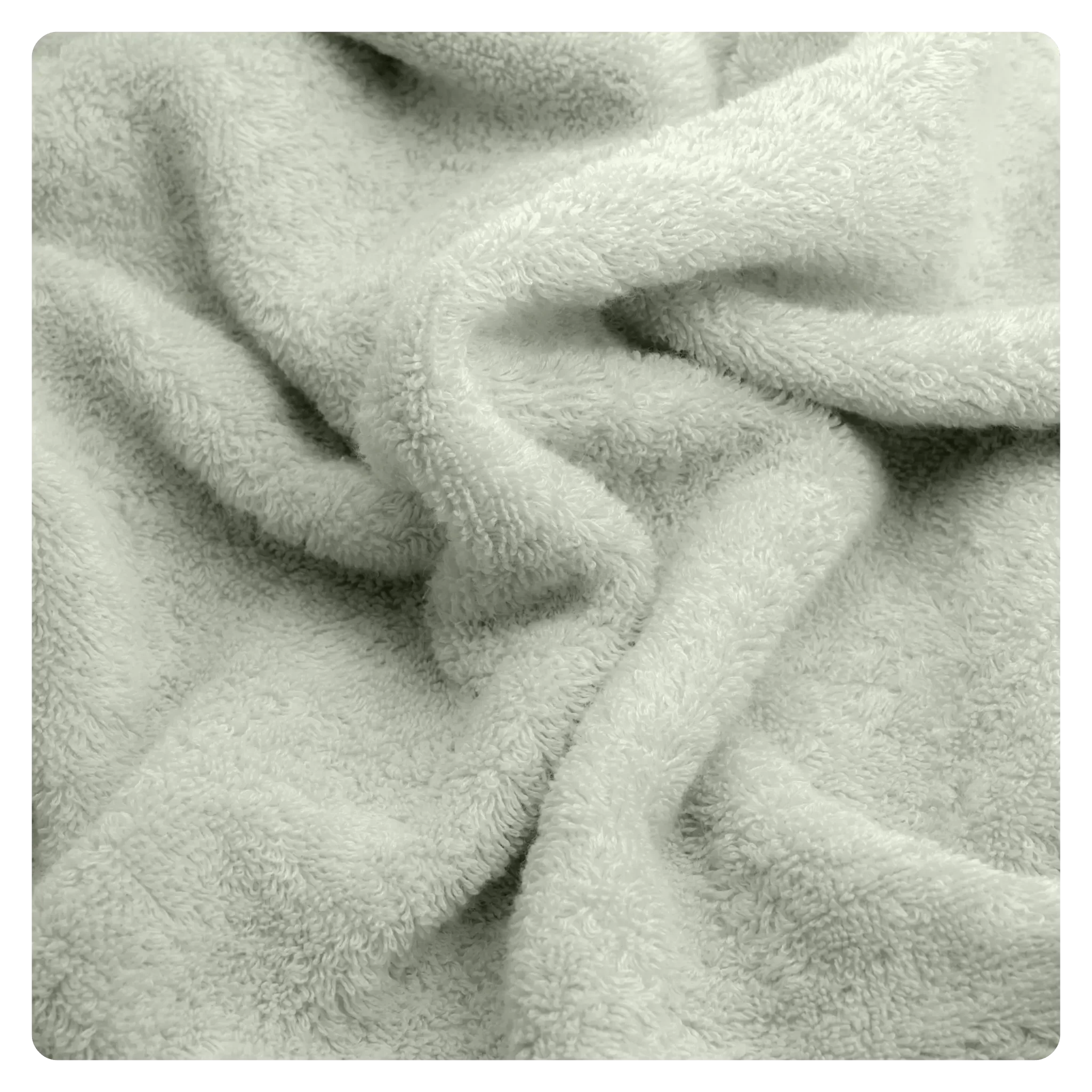
Zero-twist cotton and bamboo blends offer superior softness compared to regular towels because of how the fibers are constructed. Traditional towels twist the cotton fibers tightly together, which makes them durable but also rougher on skin. Zero-twist construction keeps the fibers loose and fluffy, creating a gentler surface.
- Feel for consistent softness across the entire towel surface
- Check the edges and hems for rough stitching or stiff borders
- Press the towel against your cheek, which is more sensitive than your hands
- Look for any scratchy fibers poking out from the weave
- Compare multiple towels side by side if possible
Here's something most people don't realize: rough towels can cause micro-abrasions on sensitive skin even if you don't see visible damage. These tiny scratches break down your skin's protective barrier over time, making you more vulnerable to irritation from other products. Our Bamboo Cotton Towels use zero-twist construction specifically to prevent this problem, combining 30% bamboo viscose with 70% long-staple cotton for lasting softness.
The touch test isn't just about initial softness though. A towel might feel great in the store but turn rough after a few washes if the fibers are low quality. Long-staple fibers maintain their texture better than short-staple varieties because they don't break down as quickly during washing and drying.
The Absorption Test: Speed and Efficiency Matter
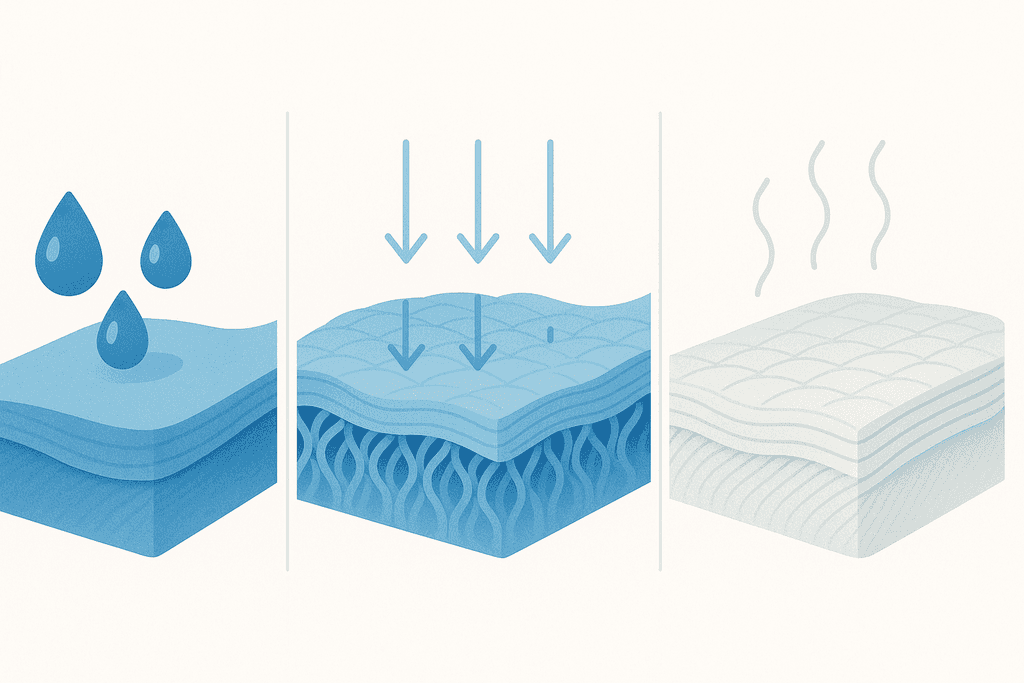
Poor absorption means more rubbing, which irritates sensitive skin more than almost anything else you can do with a towel. When a towel doesn't soak up water quickly, you end up dragging it across your skin multiple times, creating friction that leads to redness and discomfort. The water drop test shows how quickly a towel absorbs moisture, and it's surprisingly easy to do at home. Simply place a few drops of water on the towel's surface and watch what happens in the first few seconds.
The Absorption Test: Speed and Efficiency Matter
Long-staple cotton fibers absorb better than short-staple varieties because they create more surface area for water to cling to. The longer fibers also form a more open weave structure that allows moisture to penetrate deeper into the towel instead of just sitting on top.
The next generation of home essentials: naturally made, cleaner by design, sustainable by nature.
SHOP ALL- Place 3-4 drops of water on a dry section of the towel
- Count how many seconds it takes for the water to disappear
- Good towels should absorb within 3-5 seconds
- Check if any water beads up or rolls off the surface
- Test multiple spots to ensure consistent absorption
Bamboo viscose naturally wicks moisture away from skin, which is why it works so well in towel blends. According to dermatologists who study skin care, keeping skin dry after bathing helps prevent bacterial growth and irritation. The bamboo fibers in our towels pull water into the fabric quickly, so you're not left with that damp, clammy feeling.
Quick-drying towels prevent bacteria growth that can trigger reactions in people with sensitive skin. Research on towel handling and microbial contamination shows that towels staying damp for extended periods become breeding grounds for bacteria. A towel that dries fast between uses stays cleaner and causes fewer skin problems over time.
The Irritation Test: 24-Hour Skin Response Check
Even if a towel passes the touch and absorption tests, your skin might still react to it in ways that aren't immediately obvious. A 24-hour test period reveals delayed reactions that can show up hours after you've used the towel. Some people develop redness or itching that doesn't appear until the next morning, which is why this test matters so much. Test on a small area first before using the towel on your whole body, like your inner forearm or behind your knee where skin tends to be more sensitive.
Chemical residues from manufacturing can cause reactions even in natural fibers like cotton and bamboo. Washing new towels before first use removes potential irritants left over from the production process.
- Watch for redness that appears within 2-6 hours after use
- Check for itching or tingling sensations that develop gradually
- Look for dry patches or flaking skin the next day
- Notice any small bumps or raised areas on the skin
- Pay attention to how your skin feels compared to before using the towel
Studies like tolerability assessments of wash products show that skin reactions can be subtle at first. Your skin might feel slightly tight or uncomfortable without showing visible signs of irritation. These early warning signs tell you to stop using that particular towel before the reaction gets worse.
The good news is that truly gentle bath towels exist, and they make a real difference for people dealing with sensitive skin. Our bath towel collection focuses on materials that pass all three of these tests consistently. The combination of bamboo viscose and zero-twist cotton creates a towel that's soft enough for daily use, absorbent enough to minimize rubbing, and gentle enough to avoid triggering reactions.
Finding Your Perfect Sensitive Skin Towel
These three tests take less than five minutes total, but they can save you from months of ongoing irritation. The touch test shows you how the fabric feels against your skin right away. The absorption test tells you if the towel will actually dry you off without rubbing. The irritation test reveals whether you'll end up with red, itchy skin after every shower. Most people skip these simple checks and end up stuck with bath towels that make their sensitive skin worse.
Natural fiber blends like bamboo and cotton typically perform best across all three tests. Synthetic materials might feel soft at first, but they often trap moisture and create friction that irritates sensitive skin over time. The Bamboo Cotton Towels use a blend of 30% bamboo viscose and 70% long-staple zero-twist cotton, which passes all three tests without the harsh chemicals found in some other options.
Investing in quality towels designed for sensitive skin pays off long-term because you're not constantly dealing with redness or discomfort. The right towel should feel soft without being fuzzy, absorb quickly without needing multiple passes, and cause zero irritation even on your most sensitive days. When a towel checks all these boxes, you'll notice the difference every single time you step out of the shower.
If you still have questions about choosing the right towels for your skin type, the answers below cover the most common concerns people have when shopping for sensitive skin solutions.
Common Questions About Towels and Sensitive Skin
If you have sensitive skin, you probably have a lot of questions about choosing the right bath towels. The wrong towel can turn your post-shower routine into an itchy nightmare, while the right one makes all the difference. Here are the answers to the most common questions we hear from people dealing with sensitive skin issues.
How often should I replace towels if I have sensitive skin?
You should replace your bath towels every one to two years, or sooner if they start feeling rough or smell musty even after washing. Towels break down over time and can harbor bacteria that irritate sensitive skin. If your towels fail the softness test or take forever to dry, it's probably time for new ones.
Can I make my current towels softer for sensitive skin?
Yes, but it takes some effort and the results aren't always permanent. Try washing your towels in hot water with white vinegar instead of detergent to strip away buildup. Skip the fabric softener completely since it actually makes towels less absorbent and can irritate skin. You can also try adding a half cup of baking soda to your wash cycle to help soften fibers naturally.
What's the best way to wash towels for sensitive skin?
Wash your bath towels in hot water with a gentle, fragrance-free detergent. Avoid fabric softeners and dryer sheets since they leave a coating that can irritate sensitive skin and reduce absorbency. Dry them on medium heat and remove them promptly to prevent that stiff, scratchy feeling.
Are expensive towels always better for sensitive skin?
Not necessarily, but price often reflects quality materials and construction. What matters most is the fiber content and how the towel is made. Our Bamboo Cotton Towels use a blend of bamboo viscose and long-staple cotton that's naturally gentle on skin, and they're priced reasonably at $89 for a set of six. Some cheaper towels use short fibers that get rough quickly, while some expensive ones are just overpriced marketing.
Why do some towels feel rough after washing?
Towels get rough for a few reasons, and most of them are fixable. Hard water leaves mineral deposits in the fibers that make them stiff and scratchy. Using too much detergent creates buildup that has the same effect. Overdrying your towels in the dryer also damages the fibers and makes them feel like sandpaper. The quality of the cotton matters too since short-staple fibers break down faster than long-staple ones.
The next generation of home essentials: naturally made, cleaner by design, sustainable by nature.
SHOP ALL