
Three Caddy for Sink Options That Stay Dry
That puddle around your dish soap bottle isn't just annoying—it's a breeding ground for bacteria and mold that most sink caddies actually make worse. Traditional plastic and metal trays trap water instead of eliminating it, leaving you with a slimy mess that needs constant cleaning. Our diatomite stone sink caddies work differently by absorbing water instantly and drying within minutes, which means your caddy for sink stays genuinely dry between uses.
Table of Contents
What Makes a Sink Caddy Actually Stay Dry
Most people don't realize that the average kitchen sink area stays wet for hours after each use, creating the perfect breeding ground for bacteria and mold. Traditional sink caddies made from plastic, metal, or silicone don't actually solve this problem because they trap water instead of getting rid of it. The water just sits there in puddles, making your sponges and brushes smell funky within days. What you really need is a caddy for sink storage that actively removes moisture, not just holds it.
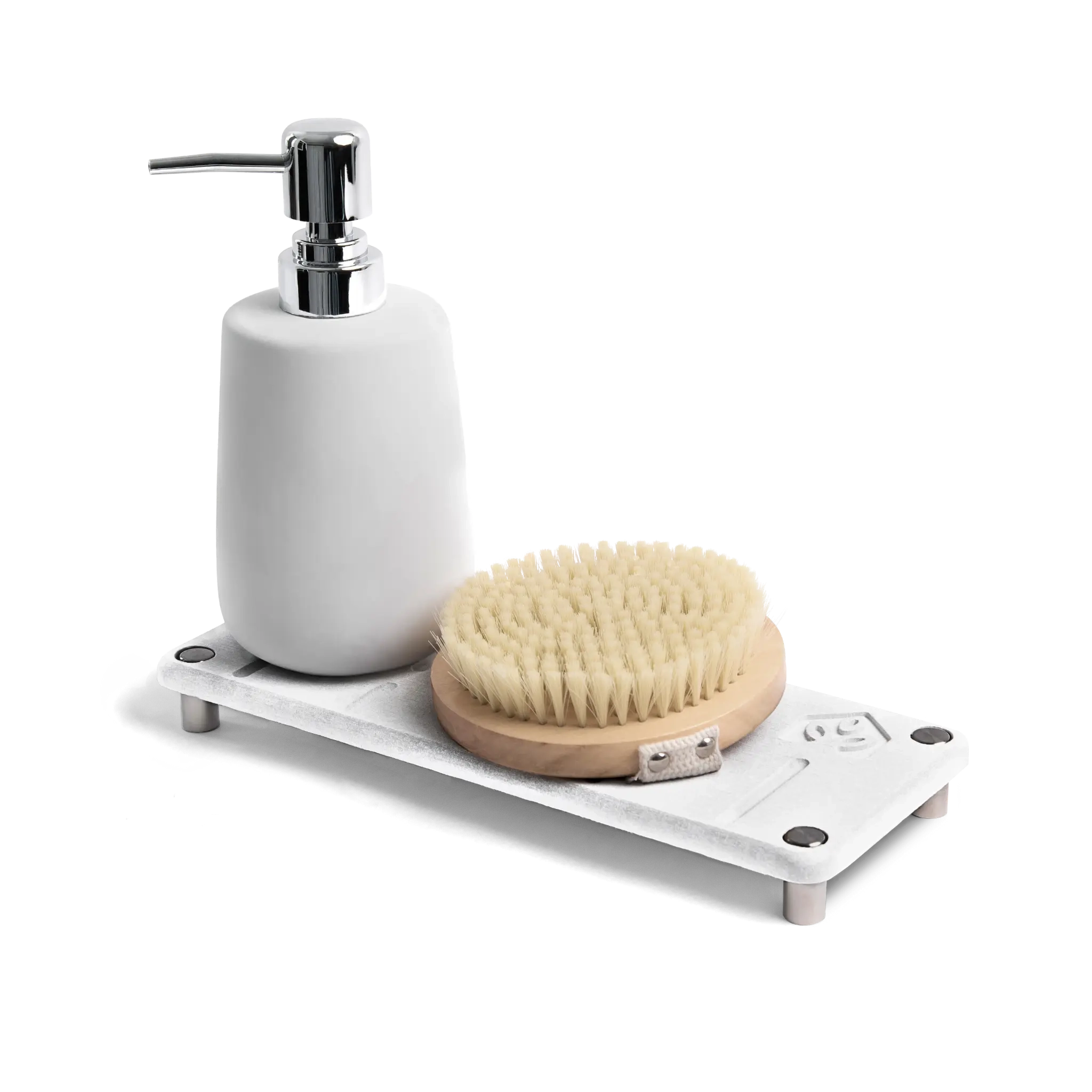
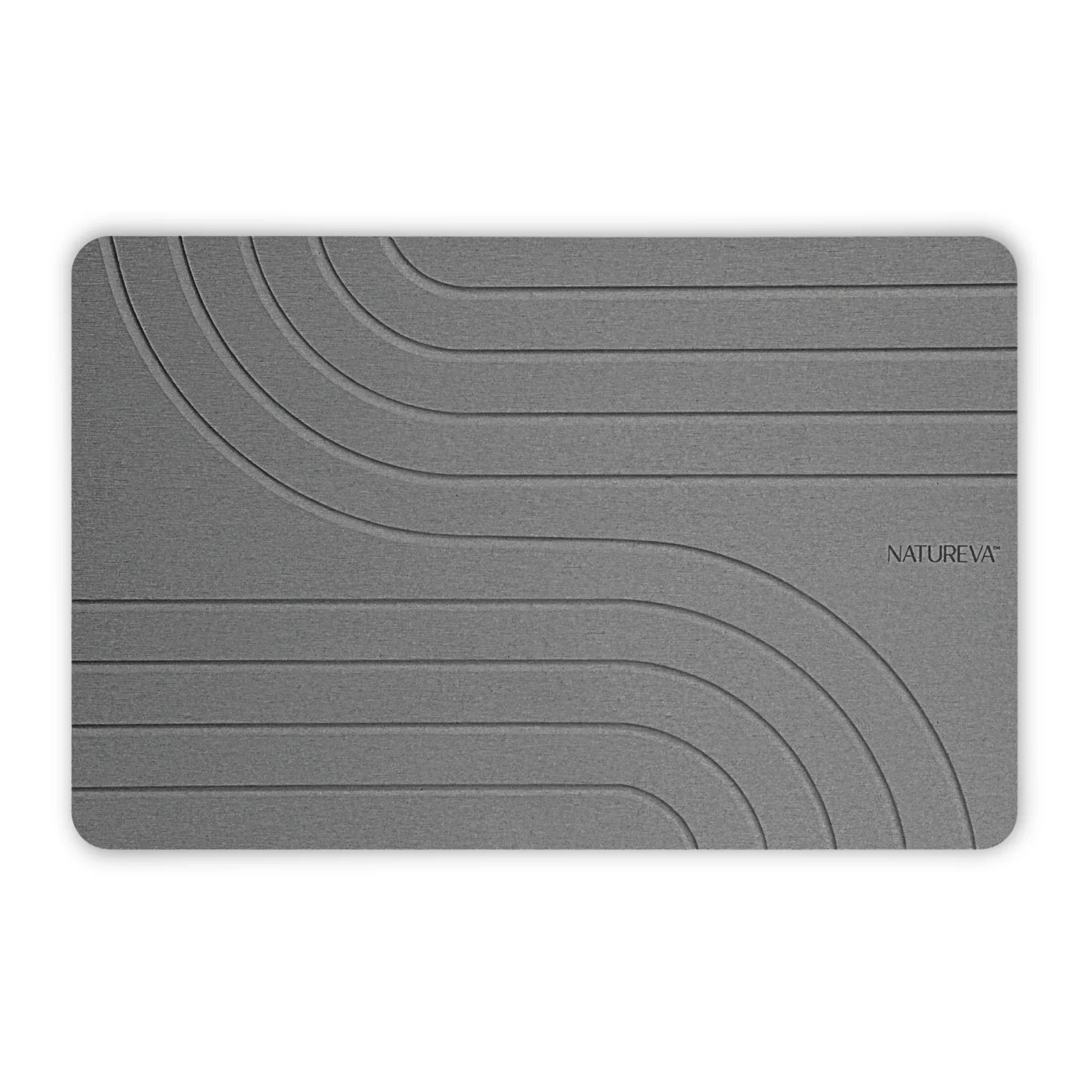
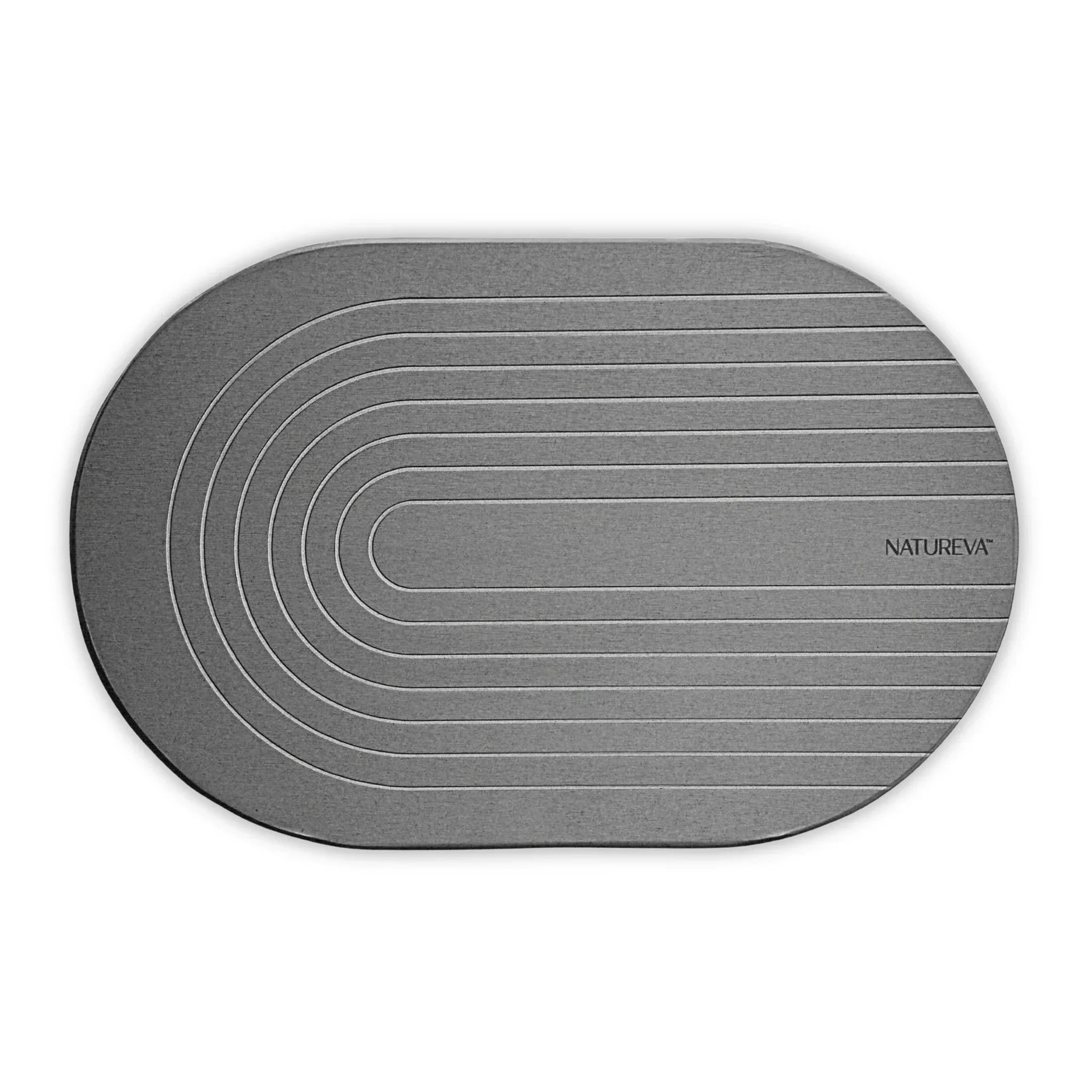
Stone Sink Caddy - Rain
How Water Absorbing Materials Work
Diatomaceous earth, also called diatomite, is a natural stone material made from fossilized algae that lived millions of years ago. This material has tiny pores all throughout it that suck up water like a super-powered sponge. But here's the cool part: unlike a regular sponge that holds onto water, diatomite releases the moisture back into the air through evaporation.
The science behind it is pretty simple. When water touches the stone surface, it gets pulled into those microscopic holes through capillary action. Then the large surface area inside all those tiny pores helps the water evaporate quickly, usually within an hour or two.
- Diatomite can absorb up to 150% of its own weight in water
- The porous structure allows air to flow through for faster drying
- Natural evaporation happens without any electricity or heat needed
- The material stays dry to the touch even while absorbing moisture
Why Traditional Materials Fail
Most sink caddies are made from materials that were never designed to handle water properly. Plastic and metal might look nice at first, but they create more problems than they solve. Water pools on these surfaces because the materials are non-porous, meaning water has nowhere to go except to sit there and grow bacteria.
| Material Type | Water Absorption | Drying Time | Mold Risk |
|---|---|---|---|
| Plastic Caddy | None | 4-6 hours | High |
| Metal Caddy | None | 3-5 hours | High |
| Silicone Caddy | Minimal | 2-4 hours | Medium |
| Diatomite Stone | Instant | 30-60 minutes | Very Low |
The difference between water-trapping and water-absorbing materials comes down to what happens after water makes contact. Water-trapping materials like plastic just let moisture sit on the surface, while water-absorbing materials like diatomite pull it in and release it as vapor.
The Hidden Cost of Moisture
That damp area around your sink isn't just annoying. It's actually causing real problems in your kitchen. Bacteria multiply fastest in warm, wet environments, and your sink caddy provides exactly that when it stays wet all day.
- Mold spores can start growing within 24-48 hours of constant moisture
- Bacteria like E. coli and Salmonella thrive on wet surfaces near food prep areas
- Musty odors develop when organic matter breaks down in damp conditions
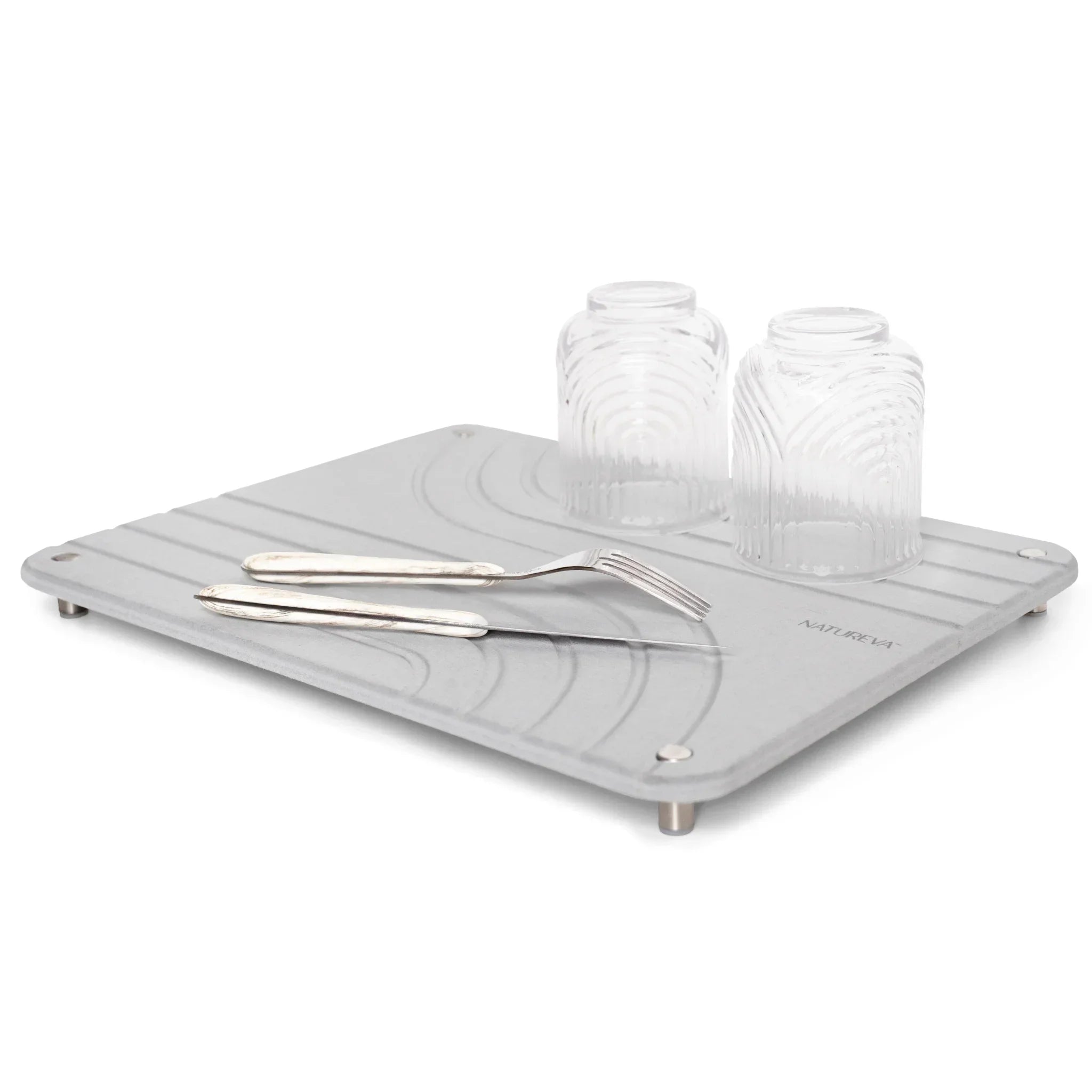
Natural stone materials offer a better solution because they work with physics instead of against it. Our Stone Sink Caddy uses diatomite to absorb water instantly and dry out completely between uses. This keeps your cleaning tools fresh and your countertop actually dry, not just less wet.
- Stone stays naturally antimicrobial when kept dry
- No chemical coatings or treatments needed
- Lasts for years without degrading or losing absorption power
The key difference is that stone-based caddies actively fight moisture instead of just tolerating it. When you understand how these materials work, it becomes clear why a proper caddy for sink organization needs to be made from something that breathes and dries naturally.
Stone Sink Caddy Rain Design
Most people don't realize that the average kitchen sponge holds more bacteria than a toilet seat, and a big reason is the wet, soggy mess it sits in all day. The Stone Sink Caddy in Rain design tackles this problem head-on with a pattern that looks like gentle raindrops frozen in stone. The minimalist aesthetic works with pretty much any kitchen style, from modern farmhouse to sleek contemporary. What makes this caddy different is the material itself, natural diatomaceous earth that actually pulls water away from your dish soap, sponges, and brushes instead of letting them marinate in their own puddles.
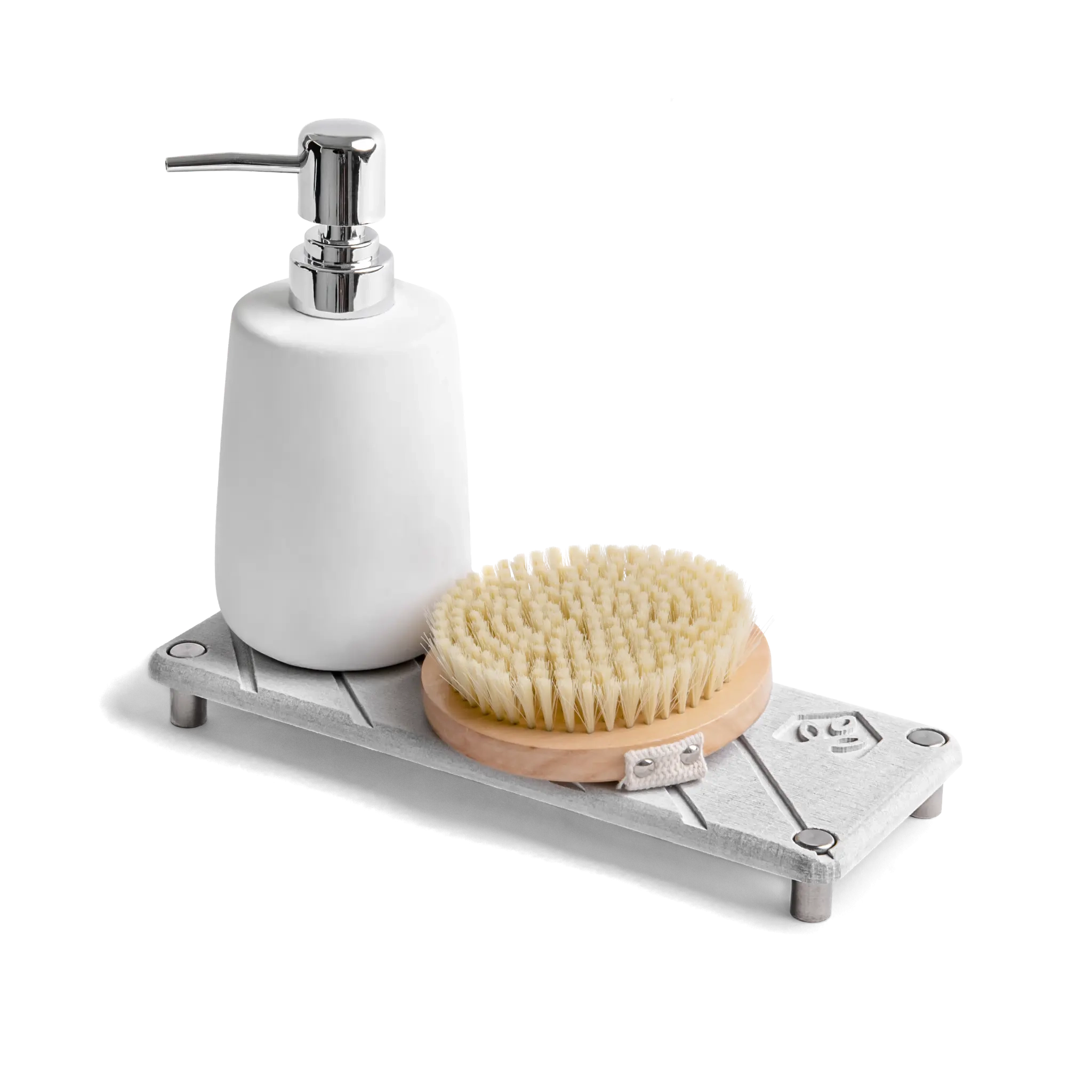
Stone Sink Caddy - Flow
The Rain pattern features subtle circular indentations that aren't just for looks. These grooves help channel water across the surface where it gets absorbed almost instantly, then evaporates within seconds thanks to the porous nature of the stone.
- Instant absorption means no more water rings on your countertop
- Self-drying surface that doesn't need wiping down after every use
- Prevents mold and bacteria growth unlike plastic or silicone trays
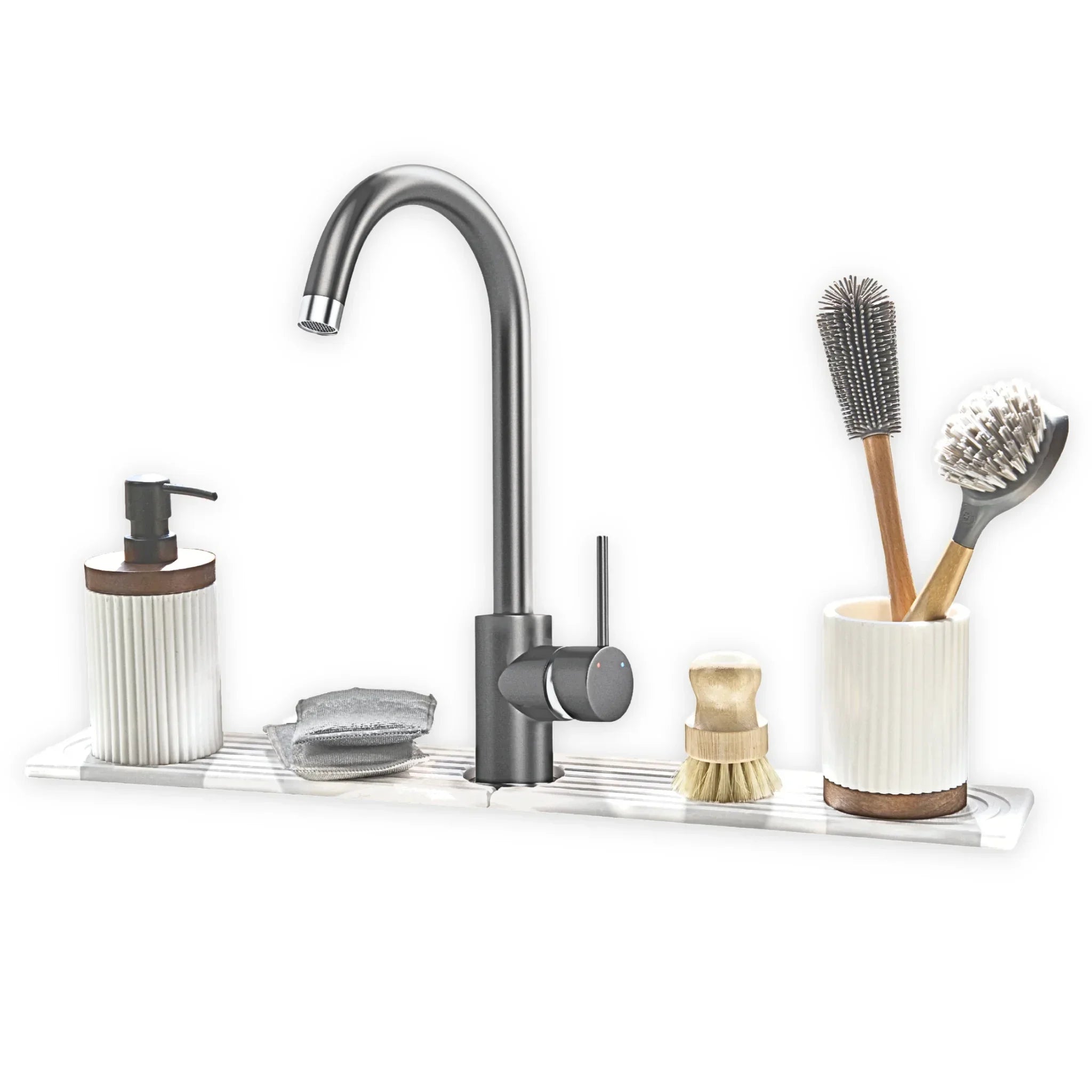
- Fits standard dish soap bottles plus multiple sponges and brushes
According to research on sink caddy effectiveness, traditional plastic caddies can actually make the bacteria problem worse by trapping moisture. The Rain caddy sits nicely next to most sink configurations, whether you have a single basin or double setup. The compact size means it doesn't hog counter space, but it's roomy enough to hold everything you need within arm's reach.
Stone Sink Caddy Flow Design
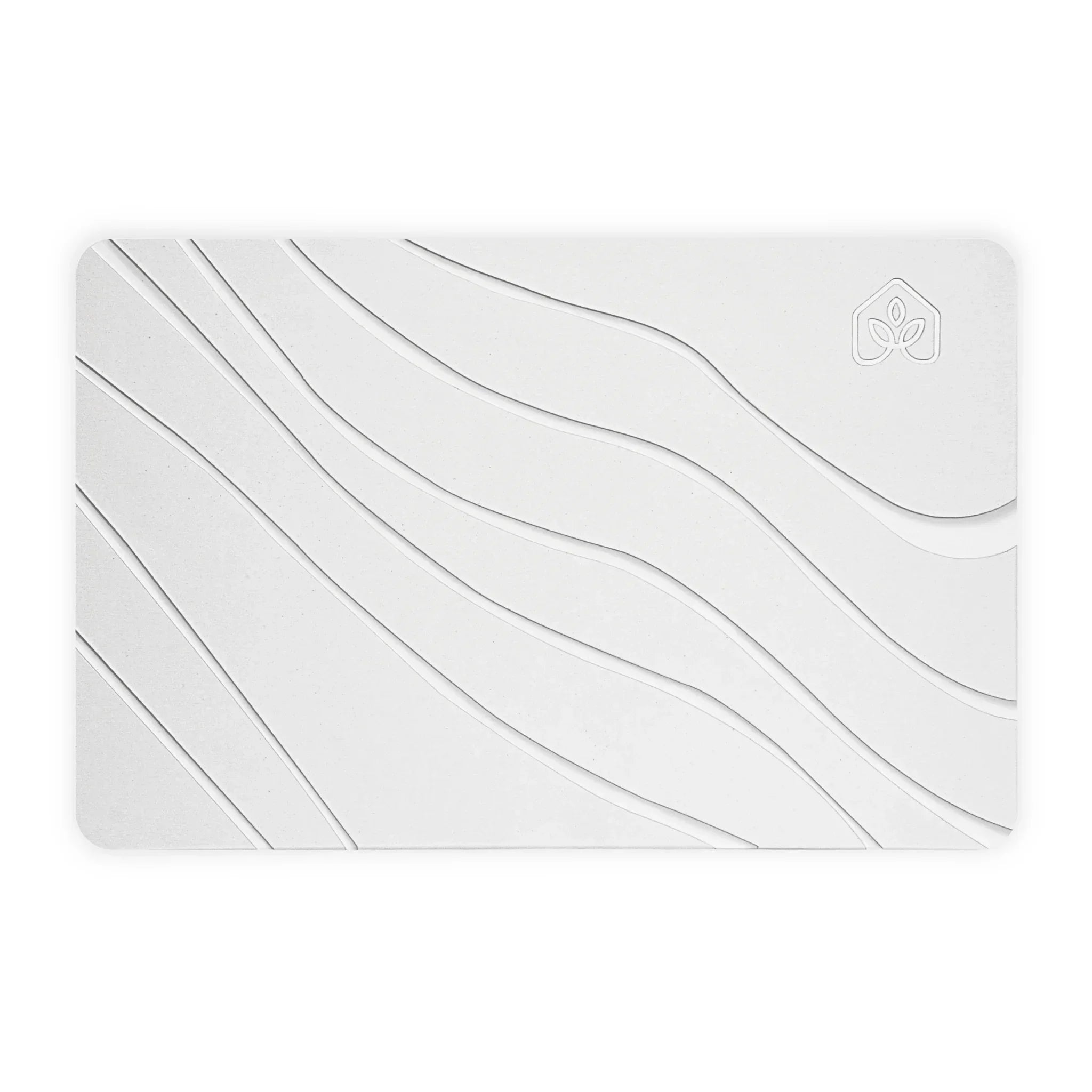
The Flow design takes a different visual approach with wavy lines that look like water currents carved into the surface. If your kitchen leans more toward coastal, zen, or organic styles, this pattern might speak to you more than the Rain version. Both caddies use the exact same diatomite stone material, so the performance is identical, it really comes down to which design catches your eye. The Flow pattern has a slightly more dynamic feel that can add visual interest to a plain countertop.
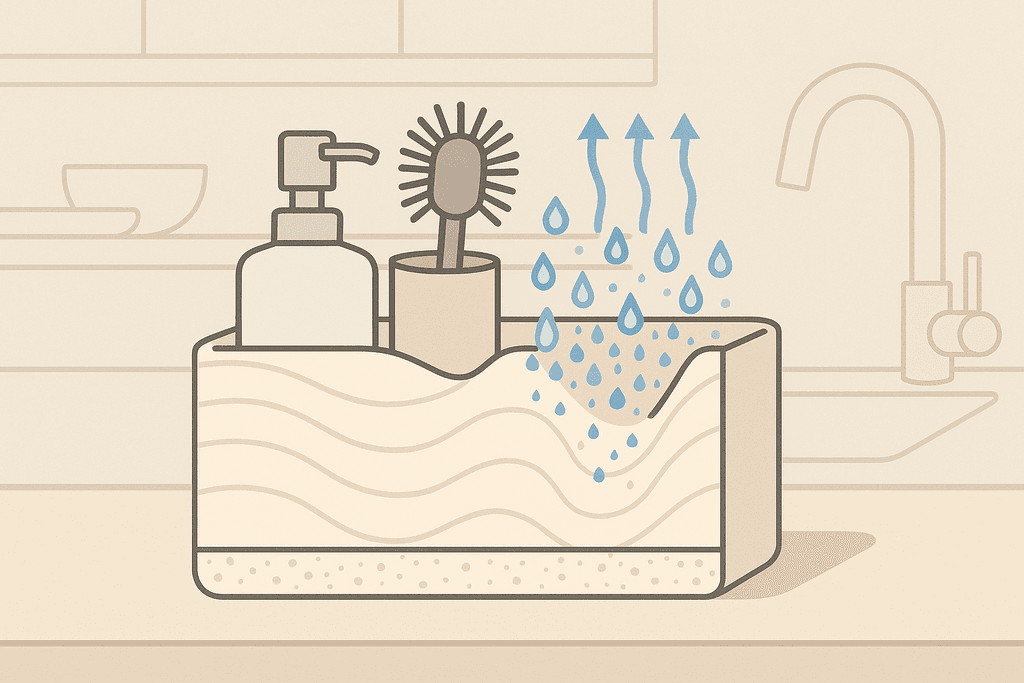
Stone Sink Caddy Flow Design
What's interesting about diatomite stone is that it's made from fossilized algae, which sounds weird but creates millions of tiny pores that act like a sponge. The material absorbs up to 150% of its weight in water, then releases it through evaporation without any effort on your part.
The next generation of home essentials: naturally made, cleaner by design, sustainable by nature.
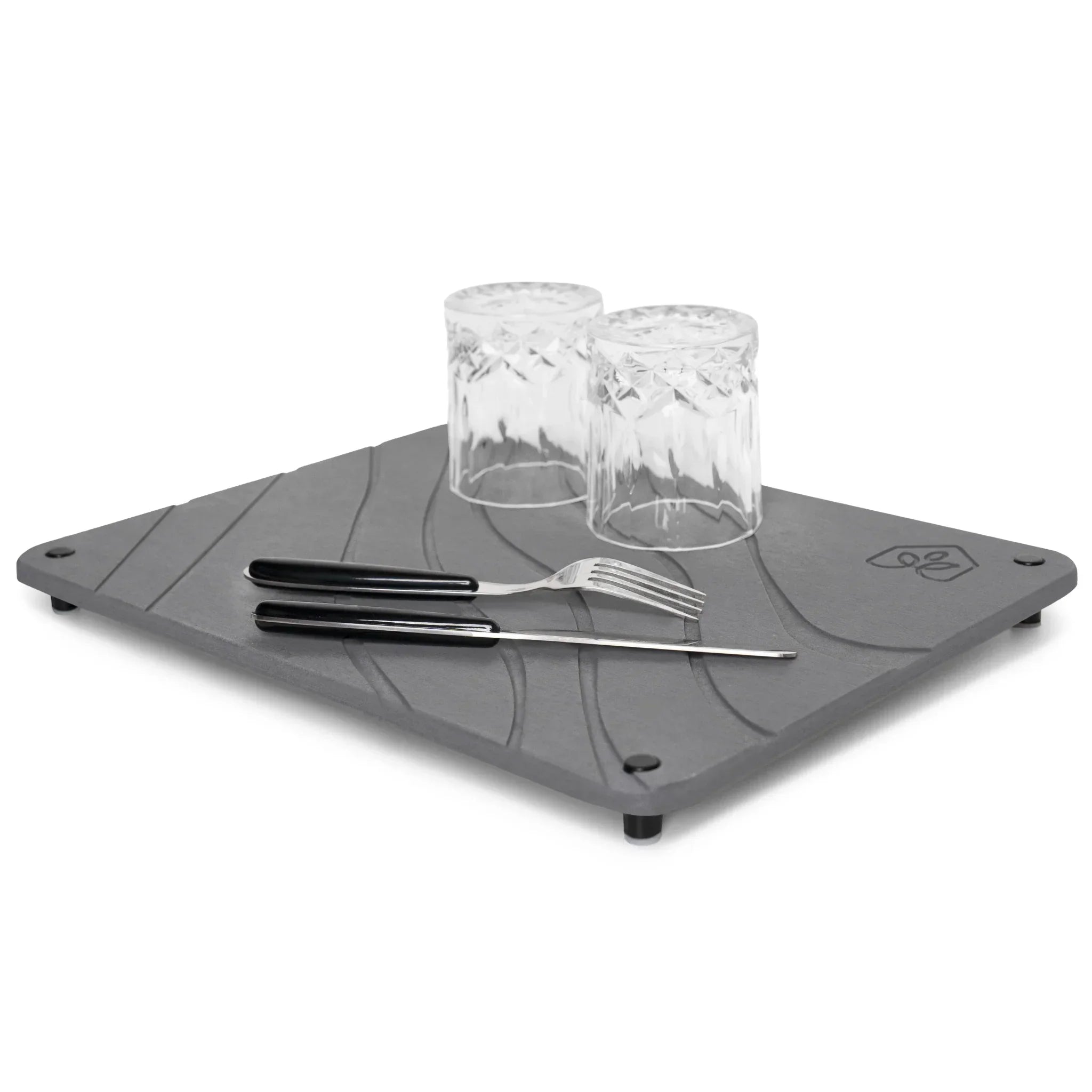
SHOP ALLThis means you never have to dump out gross water or scrub away soap scum buildup. The Flow caddy holds the same amount of items as the Rain version, with enough space for a dish soap bottle, hand soap if you keep it by the sink, plus your scrub brushes and sponges. Some people even use it for their dish cloth between uses.
- Natural material that lasts for years without breaking down
- No chemical treatments or synthetic coatings needed
- Easy maintenance with just occasional light sanding if needed
- Eco-friendly alternative to plastic organizers that end up in landfills
The durability factor is worth mentioning because most people go through multiple plastic caddies over the years as they crack, stain, or get too gross to salvage. Sustainable kitchen solutions like diatomite stone can handle daily use without showing wear. If the surface ever feels less absorbent after months of use, a quick rub with fine sandpaper brings it back to life.
Choosing the Right Caddy for Your Sink Setup
Picking between Rain and Flow mostly comes down to personal taste since both perform the same job equally well. Start by measuring the space next to your sink where you'd place a caddy for sink storage. Most people have about 8-12 inches of counter space available, which works perfectly for either design. Think about what you actually keep by your sink on a daily basis, if you're a minimalist with just dish soap and one sponge, both options give you plenty of room. If you're someone who likes having multiple brushes, a scrubber, and backup sponges handy, you'll still fit everything comfortably.
The pattern choice really shines when you consider your overall kitchen vibe. Rain works beautifully in modern, Scandinavian, or minimalist kitchens where clean lines matter. Flow fits naturally in coastal, bohemian, or nature-inspired spaces where organic shapes feel at home.
| Feature | Rain Design | Flow Design |
|---|---|---|
| Pattern Style | Circular raindrops | Wavy water lines |
| Best For | Modern, minimalist kitchens | Coastal, organic styles |
| Absorption Rate | Instant | Instant |
| Price | $25 | $25 |
Color coordination is simple since both come in a neutral stone tone that matches basically everything. The natural beige-gray color doesn't clash with stainless steel sinks, white porcelain, or even black granite countertops. At $25 for either design, you're looking at a one-time purchase that replaces the cycle of buying cheap plastic organizers every year or two. Experts recommend keeping sponges dry between uses to extend their life and reduce bacteria, which is exactly what these caddies do automatically.
The long-term value becomes obvious when you consider that traditional caddies need replacing once they get moldy or cracked. Our kitchen collection includes other diatomite products like dish mats and faucet mats that work together to keep your whole sink area dry and clean. Whether you go with Rain or Flow, you're getting the same quality material that does what it promises without any fuss.
Keep Your Sink Area Dry and Organized
A wet countertop around your sink doesn't have to be something you just live with. The right caddy for sink items can actually solve this problem instead of just hiding it. Traditional plastic or metal trays just collect water and create a breeding ground for mold and bacteria, which isn't great for anyone's kitchen or bathroom.
That's where diatomite stone makes a real difference. Both the Rain and Flow designs absorb water instantly and dry within seconds, so your countertop stays clean and your soap, sponges, and brushes aren't sitting in puddles. The natural material actively evaporates moisture, which helps prevent that gross buildup you see with regular trays.
At $25, you're getting something that actually works differently than what you probably have now. The health benefits alone make it worth considering, since keeping moisture away from your sink area means less chance for mold and bacteria to grow. Plus, you can choose between two designs that look good but work exactly the same way.
If you're interested in other ways to keep water off your surfaces, check out our kitchen collection for more diatomite stone options. The same material works just as well for dish drying and other wet areas around your home.
You might still have some questions about how these caddies work or how to take care of them. Let's cover the most common ones.
Common Questions About Sink Caddies
Switching to a diatomite stone caddy for sink areas brings up some practical questions. Most people wonder how these natural stone trays actually work in daily use, especially compared to the plastic or silicone options they're used to. Here are the answers to the most common questions we hear about stone sink caddies and what makes them different from traditional options.
How long does the caddy take to dry after getting wet?
The diatomite stone absorbs water instantly on contact and typically dries completely within 30 to 60 minutes depending on humidity levels. Unlike plastic trays that just hold water in place, the stone actually pulls moisture in and releases it through evaporation. Our Stone Sink Caddy in both Rain and Flow patterns uses this natural process to stay dry between uses.
Can you clean a diatomite stone caddy?
Yes, cleaning is simple and keeps the absorbency working properly. Rinse the caddy under water and let it air dry, or wipe it down with a damp cloth for quick cleaning. If you notice the absorption slowing down over time, lightly sand the surface with fine-grit sandpaper to open up the pores again. This brings back the original absorbent quality without needing special cleaners or treatments.
Will the caddy work with all types of sink accessories?
Stone sink caddies work with most common kitchen and bathroom items like soap dispensers, dish brushes, sponges, and hand soap bottles. The flat surface accommodates different shapes and sizes, though very heavy items might leave temporary marks on the stone surface. The key benefit is that whatever you place on it stays dry underneath, which prevents that gross slippery film you get with regular trays.
How long does a stone sink caddy last?
With normal use and occasional cleaning, a quality diatomite stone caddy for sink areas typically lasts one to two years. The lifespan depends on how often you clean it and whether you maintain the surface. Some brands like Dorah Home and Dry Sorb offer similar products, but durability varies based on the stone density and manufacturing quality.
Is diatomite stone safe for food contact areas?
Diatomite is a natural material made from fossilized algae and is generally safe for use around food preparation areas. The stone itself doesn't harbor bacteria the way plastic can because it stays dry and doesn't create the moist environment bacteria need to grow. Many people use these caddies near their kitchen sink for exactly this reason.
What's the difference between Rain and Flow patterns besides appearance?
The Rain and Flow patterns are purely aesthetic choices and both perform identically in terms of water absorption and drying speed. Both versions use the same diatomite stone material and offer the same functional benefits. Choose based on which design fits better with your kitchen or bathroom style, since the performance stays consistent across both options.
The next generation of home essentials: naturally made, cleaner by design, sustainable by nature.
SHOP ALL