
Best Bath Mats That Soak Up Water and Keep Floors Dry
A bath mat that soaks up water fast will pull a puddle dry in under a minute, while a soaked fabric mat can stay wet for four hours or more, feeding mold the whole time. That gap matters more than any tag on the mat that says "quick dry." Fiber mats and stone mats both claim fast absorption, but they work in completely different ways and dry at different speeds once the shower is off.
Stone mats, usually made from diatomaceous earth, pull moisture into the surface and let it evaporate within seconds. Fiber mats, including microfiber and chenille, soak water into the weave but hold onto it until air or a dryer pulls it back out. A mat that looks dry on top can still be damp underneath for hours, which is where most bathroom mold actually starts.
Table of Contents
Why Floor Dryness Matters More Than You Think
Mold spores need two things to grow: a damp surface and time. On a wet mat or bathroom floor, that window is short. Mold can take hold within 24 to 48 hours, which is faster than most people check under their mat.
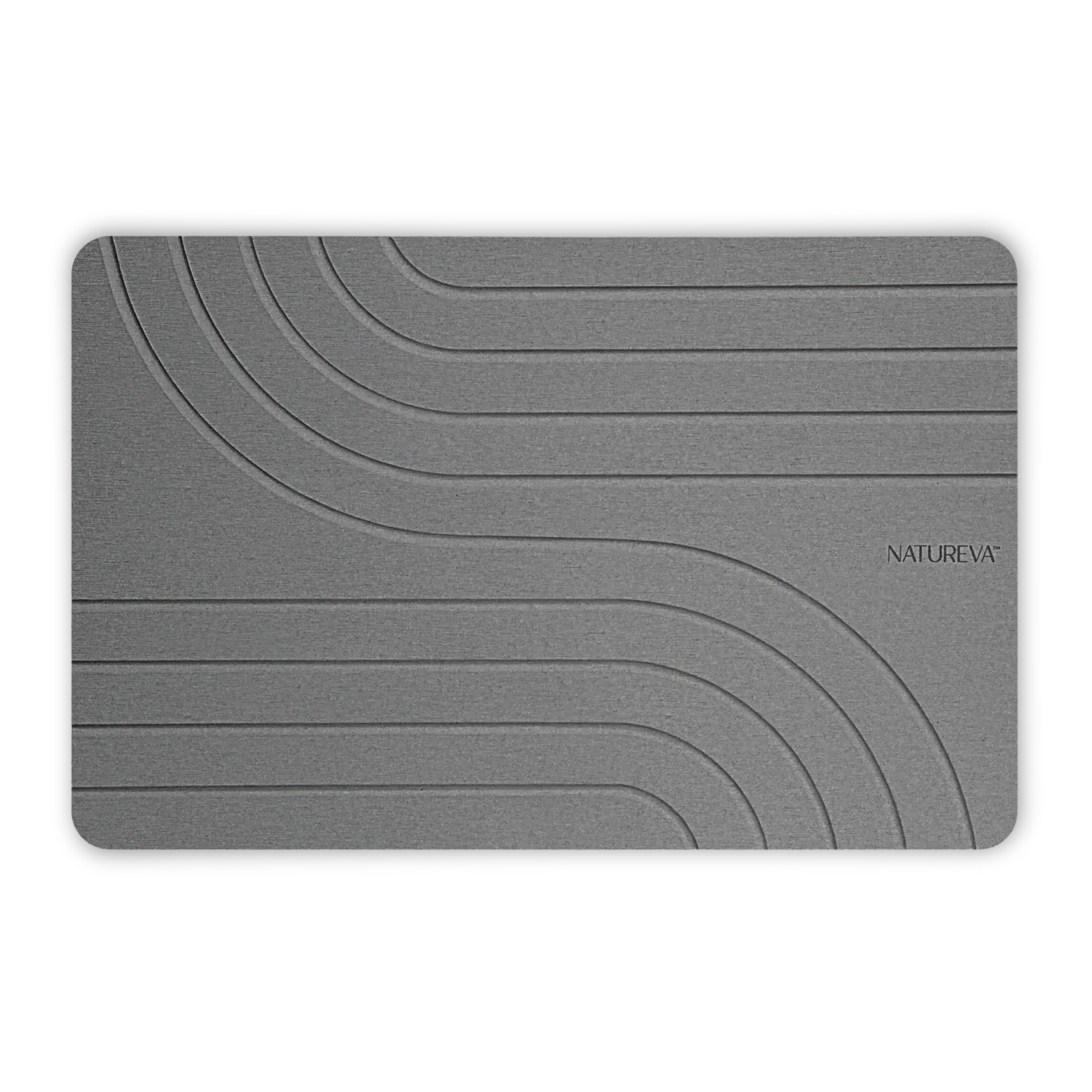
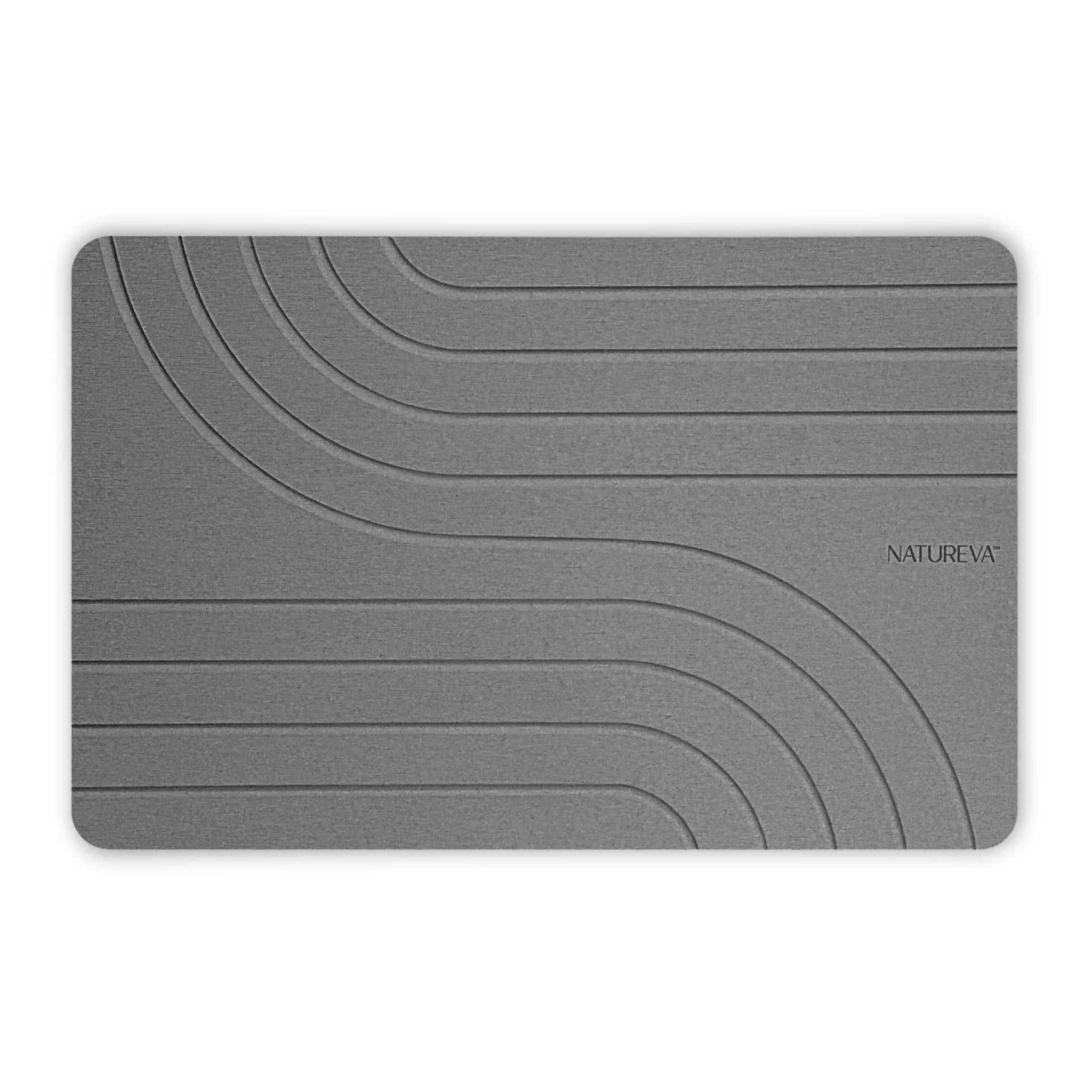
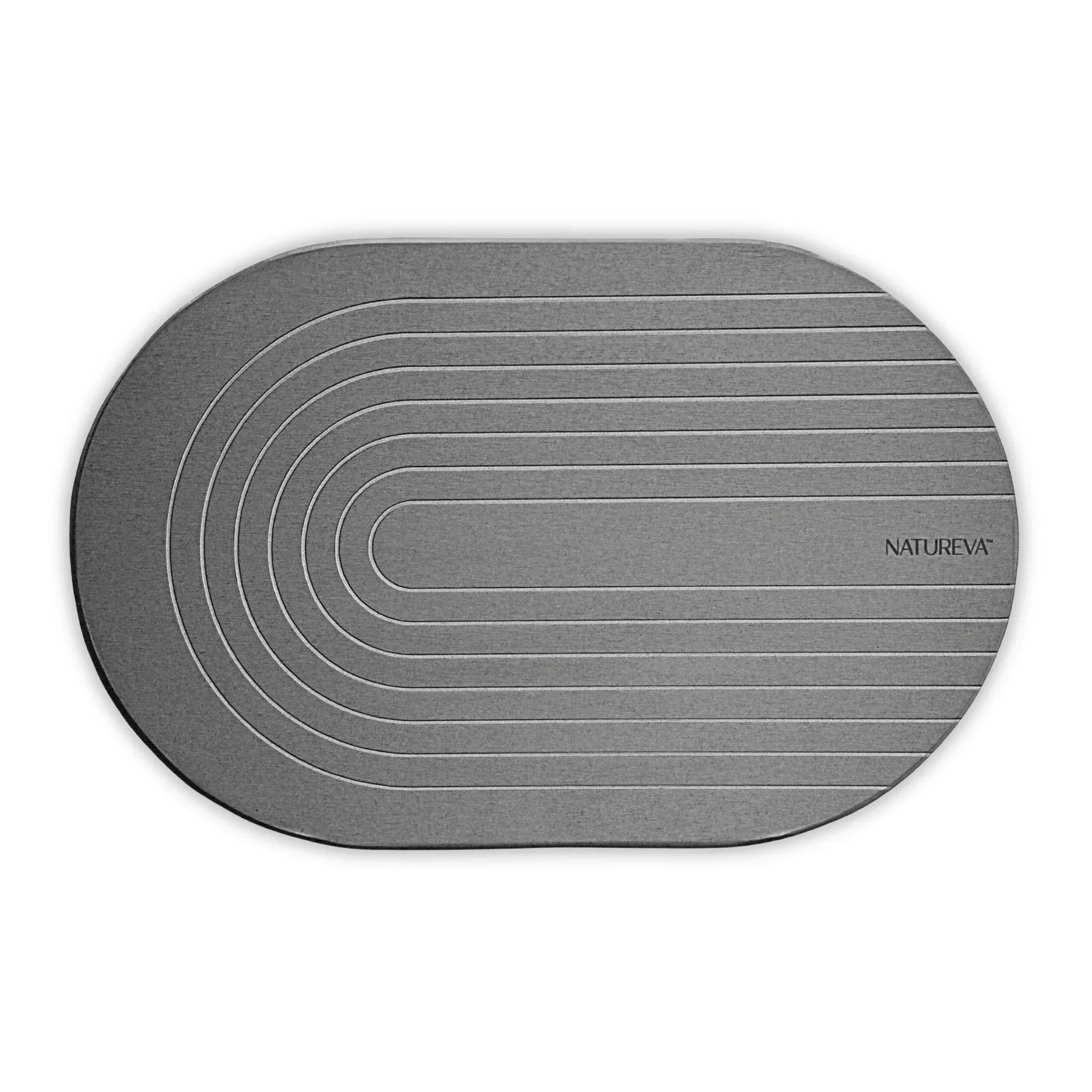
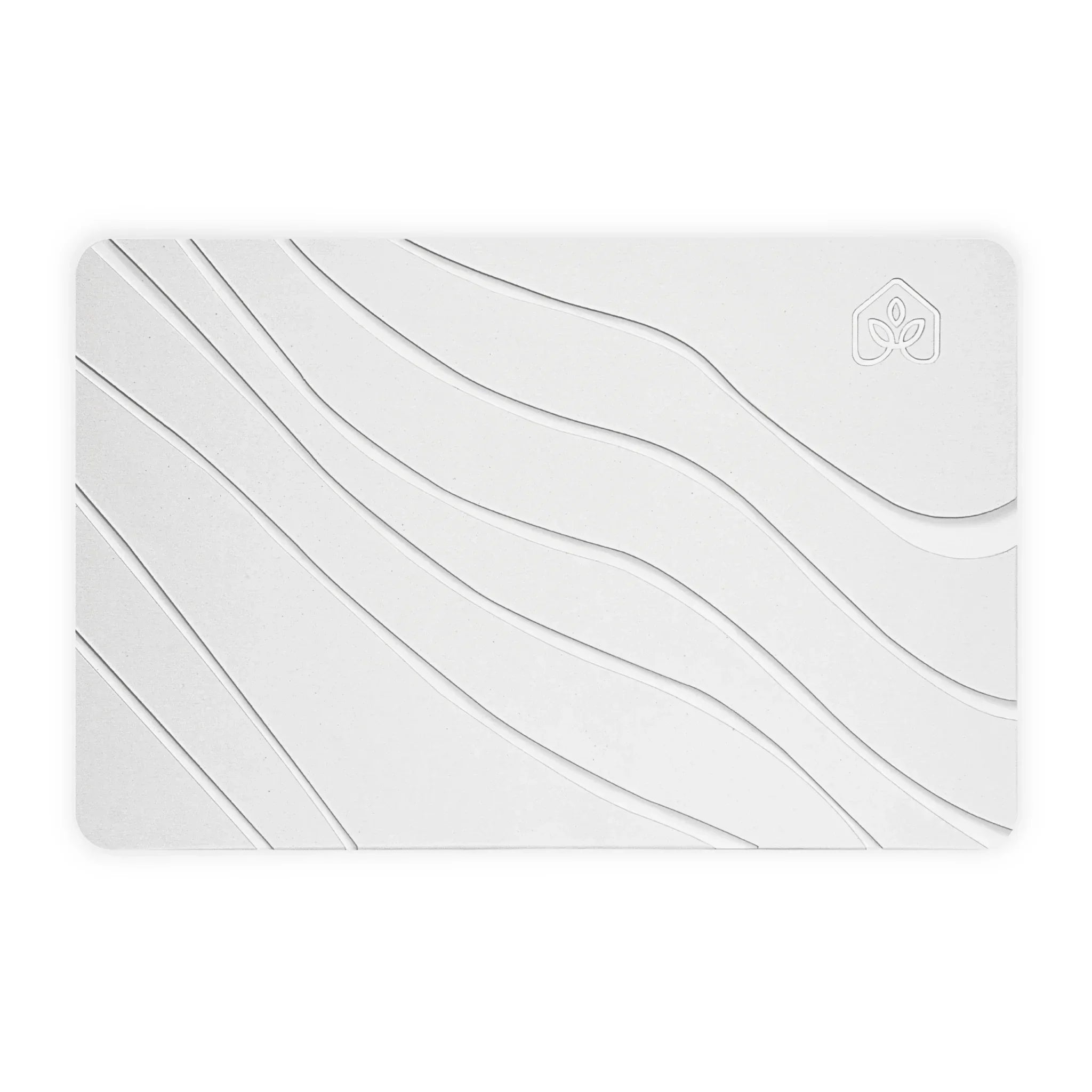
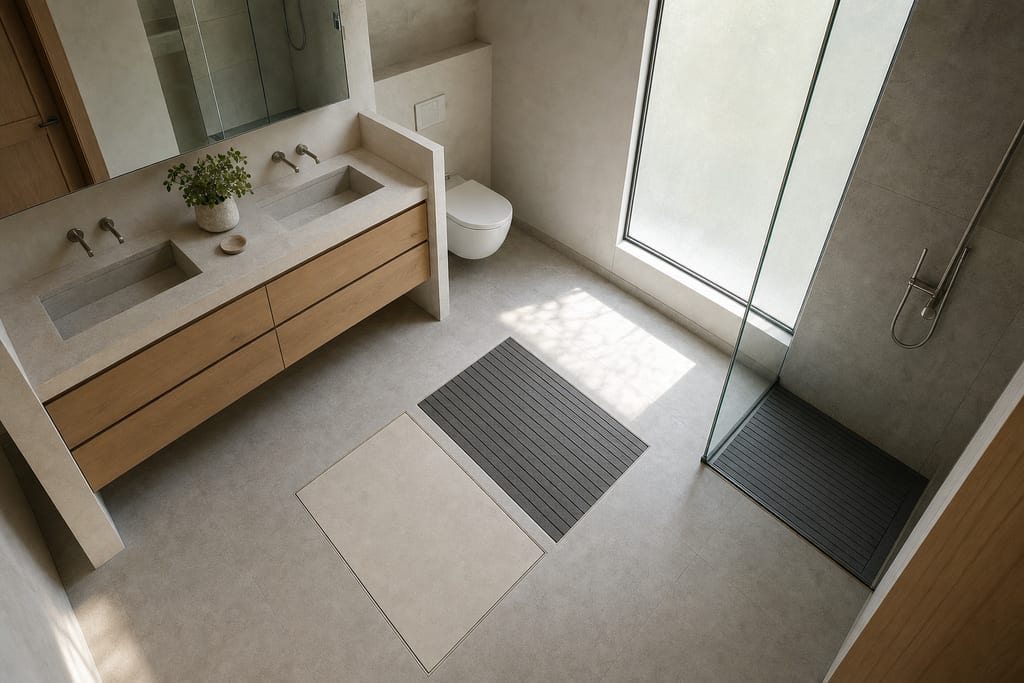
Stone Bath Mat - Tide
Wet floors cause more than smell. Water on tile or vinyl cuts friction, and bathroom slips are one of the most common home injuries reported by hospitals. A mat that stays soaked keeps that risk alive long after the shower is off, since water tracked onto the floor around a damp mat does not dry any faster than the mat itself.
Different mat materials hold onto water for very different lengths of time, which changes how long mold and slip risk actually last in your bathroom.
| Mat Material | Typical Moisture Retention | Slip Risk While Wet |
|---|---|---|
| Cotton or chenille | 4 to 8 hours | High |
| Microfiber | 2 to 4 hours | Moderate to high |
| Rubber-backed foam | 1 to 3 hours | Moderate |
| Diatomite stone | Under 1 minute | Low |
The faster a surface dries, the less time bacteria and mold spores have to settle in. That's why drying speed, not just absorption, is the number worth watching when you compare mats, a point covered in more detail in five diatomite bath mat features to check before buying.
Best Bath Mats That Soak Up Water Fast Now
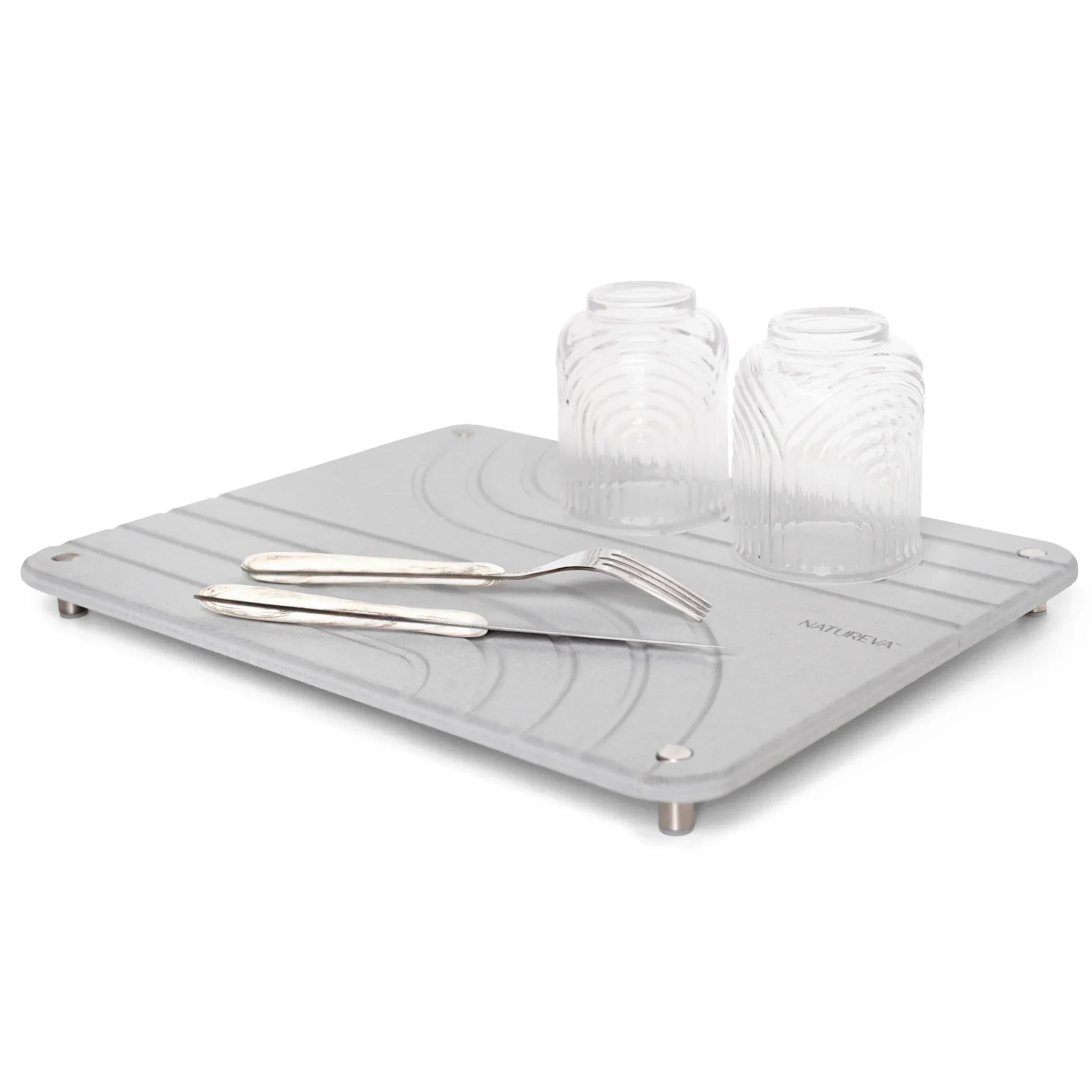
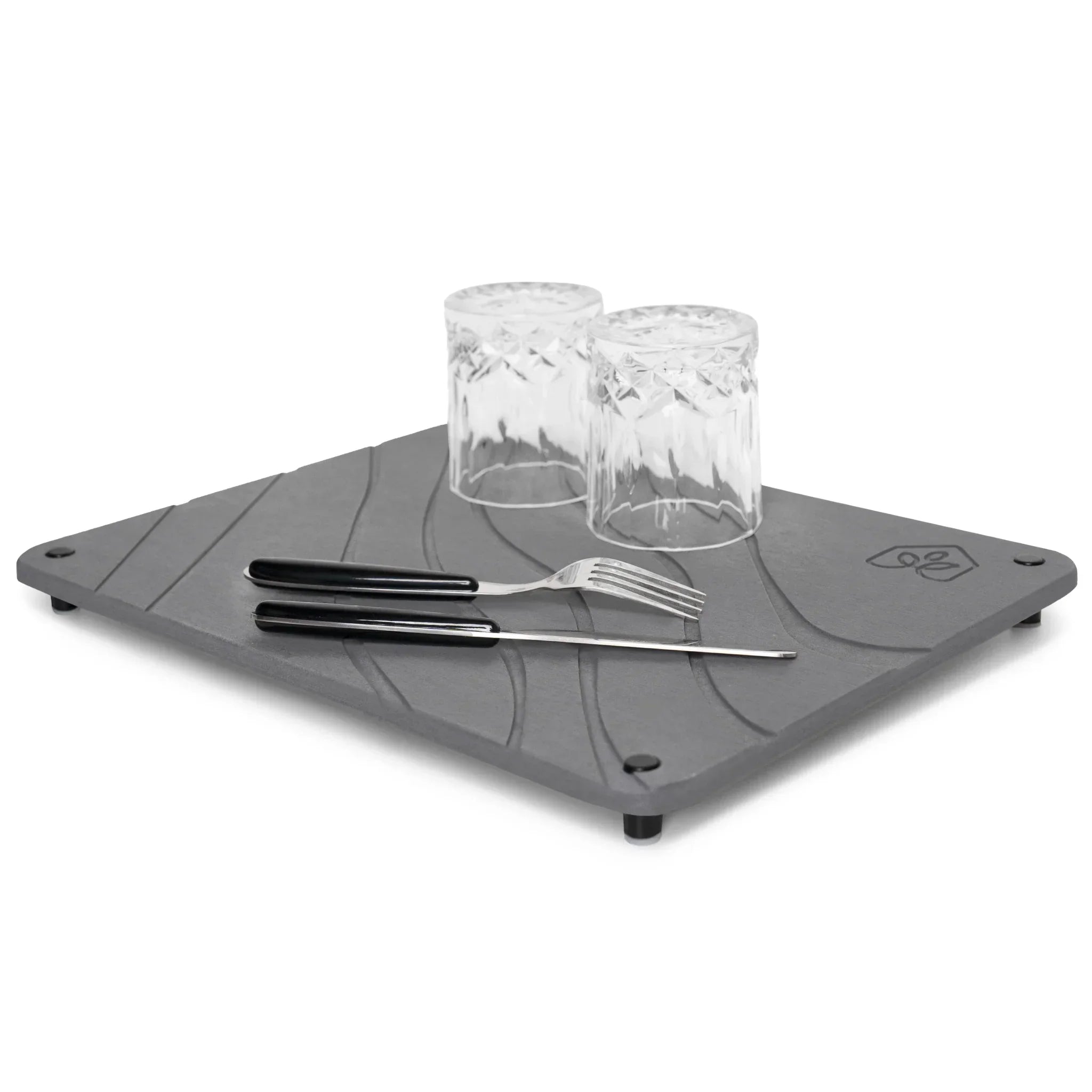
The best pick depends on your bathroom size and your budget, not just the marketing on the box. For an all-around winner, the Natureva Tide stone mat covers most needs: a flat, non-slip surface that dries within seconds after a shower. Larger bathrooms do better with a wider stone mat, while small powder rooms need a compact footprint that still soaks up a full puddle.
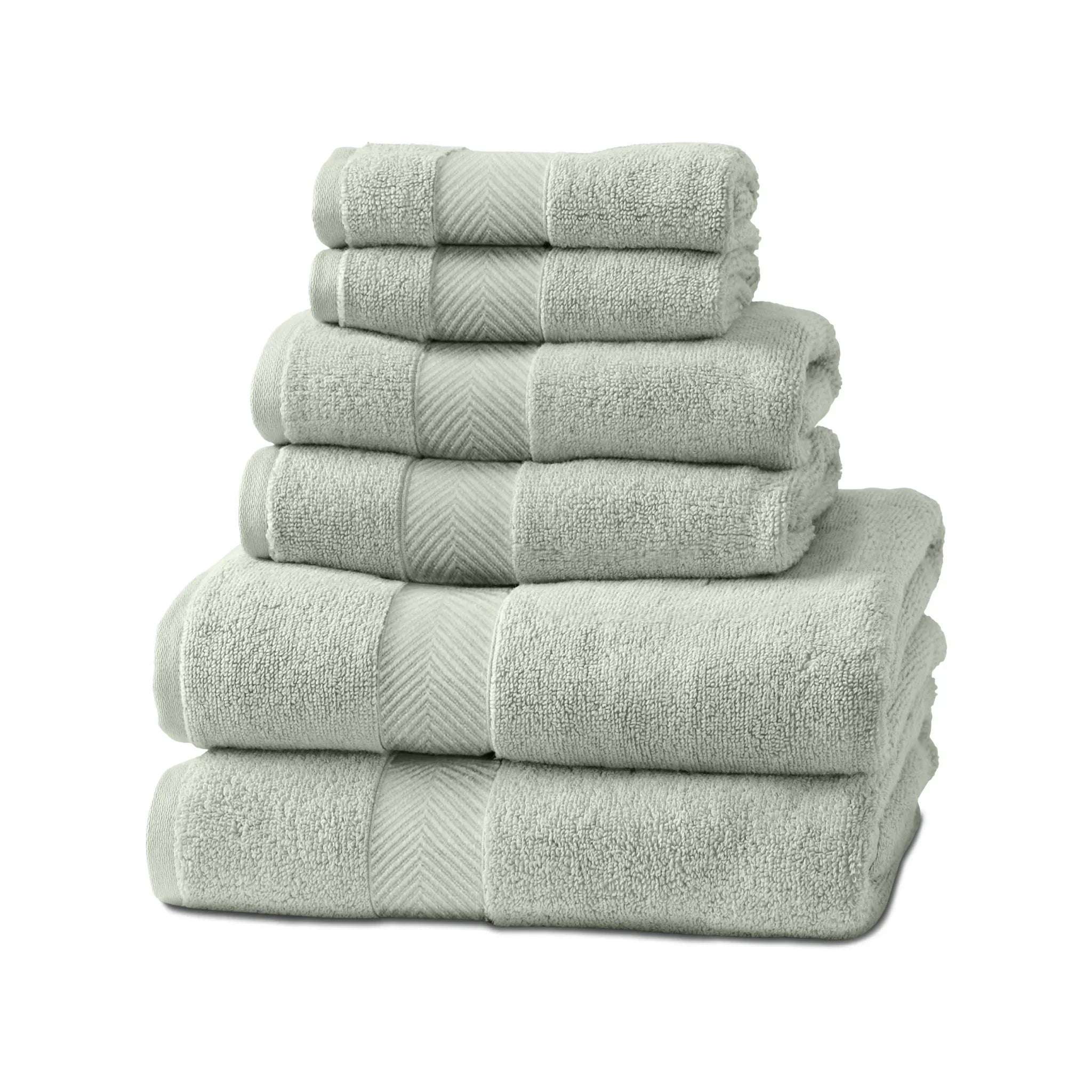
Budget shoppers can find a decent microfiber mat for under $25, though it will stay damp far longer than stone. Anyone who wants a plant-based option should look at chenille or bamboo cotton, which skip synthetic fibers but still need regular washing. Soft fabric fans who want a quick-dry feel underfoot should stick with microfiber over cotton terry, since terry holds water the longest of any fabric type.
| Pick | Price | Best For |
|---|---|---|
| Natureva Tide | $59 | All-around use |
| Natureva Arch | $59 | Larger bathrooms |
| Natureva Rain | $59 | Small bathrooms |
| Microfiber mat | Under $25 | Tight budget |
| Chenille or bamboo cotton | $20 to $40 | Eco-conscious buyers |
How Stone Mats Compare to Microfiber and Memory Foam
Stone, microfiber, and memory foam all absorb water, but they do not dry at the same speed. Diatomite stone pulls moisture into its surface almost instantly and releases it as vapor, so the mat is dry within seconds of stepping off it. Microfiber soaks up water well at first but stays damp for 30 to 60 minutes, since the fibers hold water until air pulls it back out.
Memory foam is the slowest of the group. It traps water inside its foam cells and can take several hours to dry fully, which is longer than most people leave their bathroom door open. Chenille lands in the middle, with decent absorbency but a drying time closer to microfiber than stone, based on one bath mat review that tested several materials side by side.
- Diatomite stone: dry in seconds
- Microfiber: damp for 30 to 60 minutes
- Chenille: slower than microfiber, faster than foam
- Memory foam: often several hours to dry
The next generation of home essentials: naturally made, cleaner by design, sustainable by nature.
SHOP ALLWhy Some Mats Dry Fast and Others Stay Soggy
Dry time comes down to what the material does with water once it lands on the surface. Diatomaceous earth is full of microscopic pores that pull water inside the mat and push it back out as vapor, which is why stone mats never feel wet to the touch. Woven fabric works the opposite way, trapping water between threads instead of moving it anywhere, so the mat stays saturated until a dryer or open air slowly pulls the moisture out.
Memory foam behaves differently again. It compresses under your foot, forcing water deeper into the foam cells where it gets stuck until the whole mat is squeezed or set out to dry. Surface texture also matters: a flat, porous surface spreads water thin so it evaporates fast, while a thick pile holds it in pockets.
- Diatomite: tiny pores pull water in, release it as vapor
- Fabric weave: traps water between threads
- Memory foam: compresses and holds water in its cells
- Surface texture: flat surfaces dry faster than thick pile
Keeping Your Bath Mat Absorbent for Years
A stone mat loses some absorbency over time if the surface gets sealed with soap film or skin oil, but a few simple habits keep it working. Wipe the mat dry with a cloth after heavy use, especially if several people shower back to back. Every few months, go over the surface lightly with fine sandpaper to open the pores back up and restore absorbency.
Fabric mats need a different routine. Wash them weekly to stop bacteria and mold from building up in the fibers, since damp fabric left unwashed for days is where most bathroom odor starts. Whatever mat you own, stand it up or hang it between uses so air reaches both sides instead of just the top.
- Wipe stone mats dry with a cloth after use
- Sand stone mats lightly every few months
- Wash fabric mats weekly
- Air out any mat fully between uses
Choosing Based on Who Actually Uses Your Bathroom
Shower frequency matters more than style when you pick a mat. A bathroom used by four people twice a day sees far more water than a guest bathroom used once a week, and that gap should decide what you buy, not the color scheme.
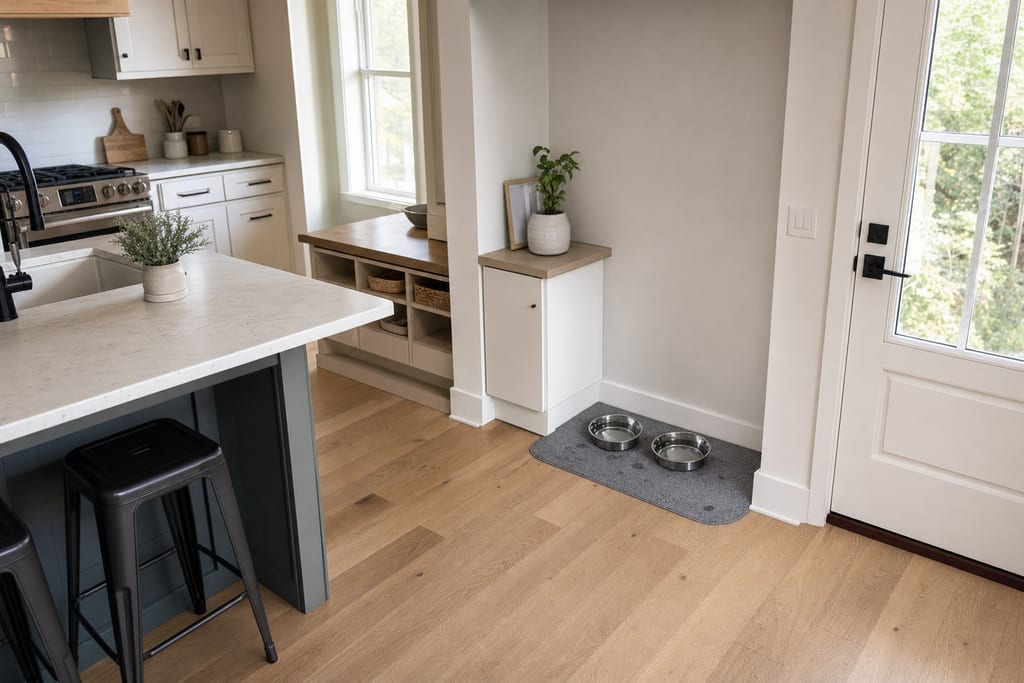
Households with kids or pets need a surface that handles muddy paws, bath splashes, and spills without turning into a scrub job. Stone holds up here because it does not trap hair or grime in a weave the way fabric does, and a quick wipe is usually enough between cleanings.
Guest bathrooms see light, occasional use, so a $20 microfiber mat is a reasonable call. It will stay damp longer than stone after each use, but if nobody is showering there daily, that slower dry time rarely becomes a problem.
Price per year tells a different story than price on the tag. A $59 stone mat that lasts years and needs no replacement often costs less over time than buying a $20 microfiber mat every six months once it wears out or stays musty.
| Bathroom Type | Shower Frequency | Better Fit | Main Trade-Off |
|---|---|---|---|
| Main or kids' bathroom | Multiple times daily | Stone | Higher upfront cost |
| Guest bathroom | Weekly or less | Microfiber | Slower dry time, but rarely used |
| Pet wash area | Daily or several times a week | Stone | Needs occasional sanding |
| Shared household bathroom | Daily, multiple users | Stone | Replace sooner if surface chips |
Picking the Mat That Matches Your Bathroom
Count how many people shower in that bathroom each day and measure the floor space before you buy anything. A single-user guest bath can get away with a cheaper fabric mat, but a bathroom with daily, back-to-back showers needs something that dries between uses, not hours later. Look at cost per year, not the price tag alone, since a mat you replace every few months adds up faster than one that lasts. For a wider floor, the Arch gives more coverage; for a tight footprint, the Rain fits better; for most households, the Tide handles daily traffic without a second thought. Measure first, then match the mat to how your bathroom actually gets used.
The next generation of home essentials: naturally made, cleaner by design, sustainable by nature.
SHOP ALLCommon Questions About Bath Mats
Will a stone bath mat feel cold on bare feet in winter?
Stone mats run slightly cooler than fabric at first touch, since stone does not trap body heat the way fibers do. The feeling fades within a few seconds as your foot warms the surface. Most people notice it more the first week of cold weather than after that, since the material does not actually hold cold, it just starts at room temperature.
Can a stone mat crack if it's dropped or stepped on hard?
Diatomite stone can chip or crack if it's dropped on a hard edge, like the rim of a tub, or if it lands flat from a height onto tile. Normal foot traffic, even from a full-grown adult, will not damage it. The risk is from a sharp impact on a corner, not everyday weight or wet footsteps.
Do I need a non-slip pad under a stone bath mat?
No, a stone mat usually does not need a separate non-slip pad. The flat, textured surface is designed to grip bare feet once it's wet, and the mat itself has enough weight to stay put on most bathroom floors. A pad only helps if your floor is uneven or has a very slick glaze.
How long does a stone bath mat typically last compared to fabric?
A stone mat can last several years with the sanding routine covered earlier, while most fabric mats wear out or stay musty within six months to a year of daily use. Natureva's Tide, Arch, and Rain mats are all built from the same diatomite material, so the lifespan holds across any size you pick. Fabric mats wear from washing cycles, while stone wears from surface sealing, which is slower and easier to reverse.