
Diatomite Mat Side Effects Explained and How to Avoid Them
Diatomite mats have become a popular alternative to fabric bath mats, but some users report unexpected issues like dust, breakage, or reduced absorbency over time. Most diatomite mat side effects stem from improper care or low-quality products that lack safety certification, not from the material itself. Understanding how diatomite works and what to watch for helps you avoid these problems while enjoying the fast-drying, hygienic benefits that make stone mats worth the switch.
What are the most common side effects of diatomite mats?
The most common side effects of diatomite mats include respiratory irritation from inhaling silica dust during cleaning or handling, skin dryness from prolonged contact with the highly absorbent surface, and potential mold growth if the mat remains damp in poorly ventilated areas. These effects are preventable through proper ventilation, gentle cleaning methods, and allowing the mat to dry completely between uses.
Do diatomite bath mats contain asbestos?
Food-grade and bath-grade diatomite mats manufactured after 2019 do not contain asbestos when sourced from reputable suppliers who test for contamination, as modern diatomite is mined from freshwater deposits that are naturally asbestos-free. However, diatomite from certain geological formations can contain trace amounts of naturally occurring asbestos, making third-party testing certification essential when purchasing diatomite products.
How often should you replace a diatomite bath mat?
A diatomite bath mat should be replaced every 12 to 18 months with regular use, or sooner if it develops cracks, loses its absorbency, shows visible mold growth, or emits odors that persist after cleaning. Signs of deterioration include a chalky surface texture, reduced drying speed, and structural weakness that causes pieces to break off easily.
Table of Contents
Understanding Diatomite as a Material
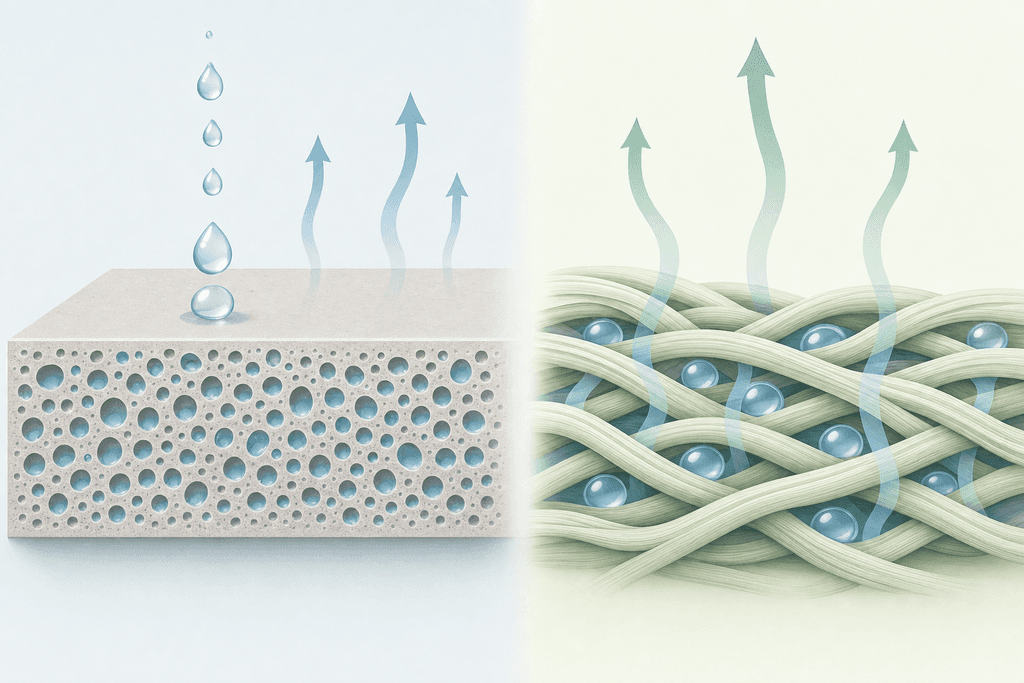
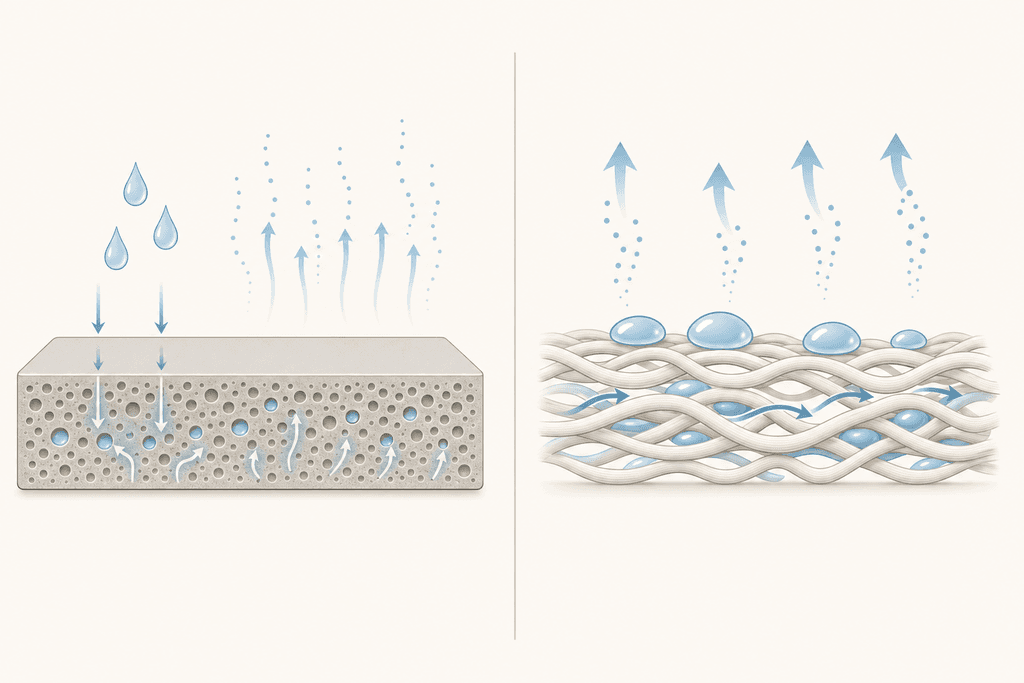
Diatomite starts its life millions of years ago as tiny algae called diatoms that lived in ancient oceans and lakes. When these microscopic organisms died, their silica-based skeletons settled on the bottom and compressed over time into thick deposits of sedimentary rock. What makes this material special is its structure, filled with millions of tiny holes that act like a sponge but work much faster than anything fabric-based. The moment water touches diatomite, it gets pulled into these microscopic pores and then releases back into the air through natural evaporation, which is why stone mats dry so quickly compared to traditional bathroom rugs.
Not all diatomite products are created equal, though. The quality of the source material matters a lot, and this is where things get tricky for buyers. Some diatomite deposits around the world contain naturally occurring asbestos fibres mixed in with the fossilised algae, which is a serious health concern if those fibres become airborne or break down over time. This is why certified testing from accredited laboratories has become so important in this product category.
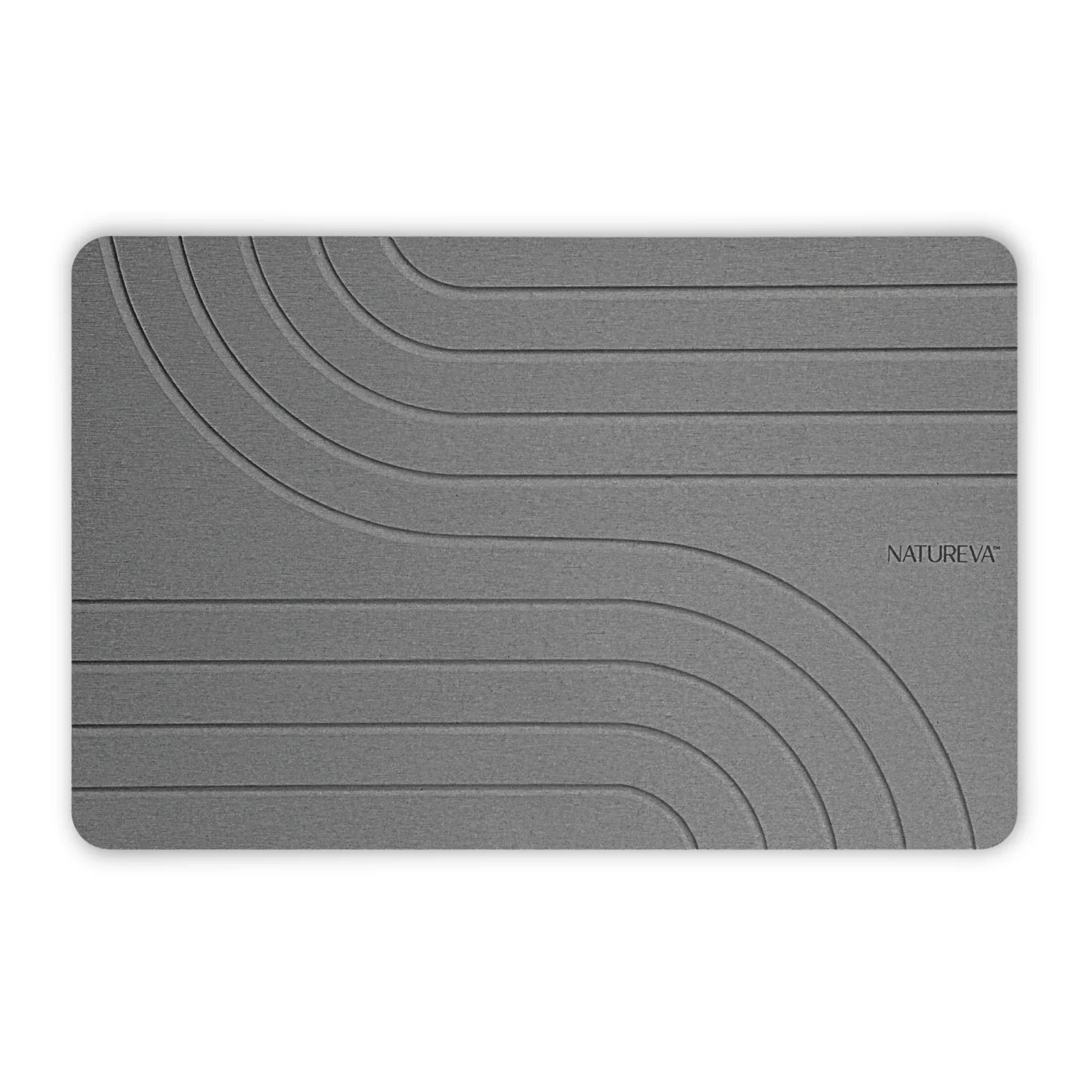
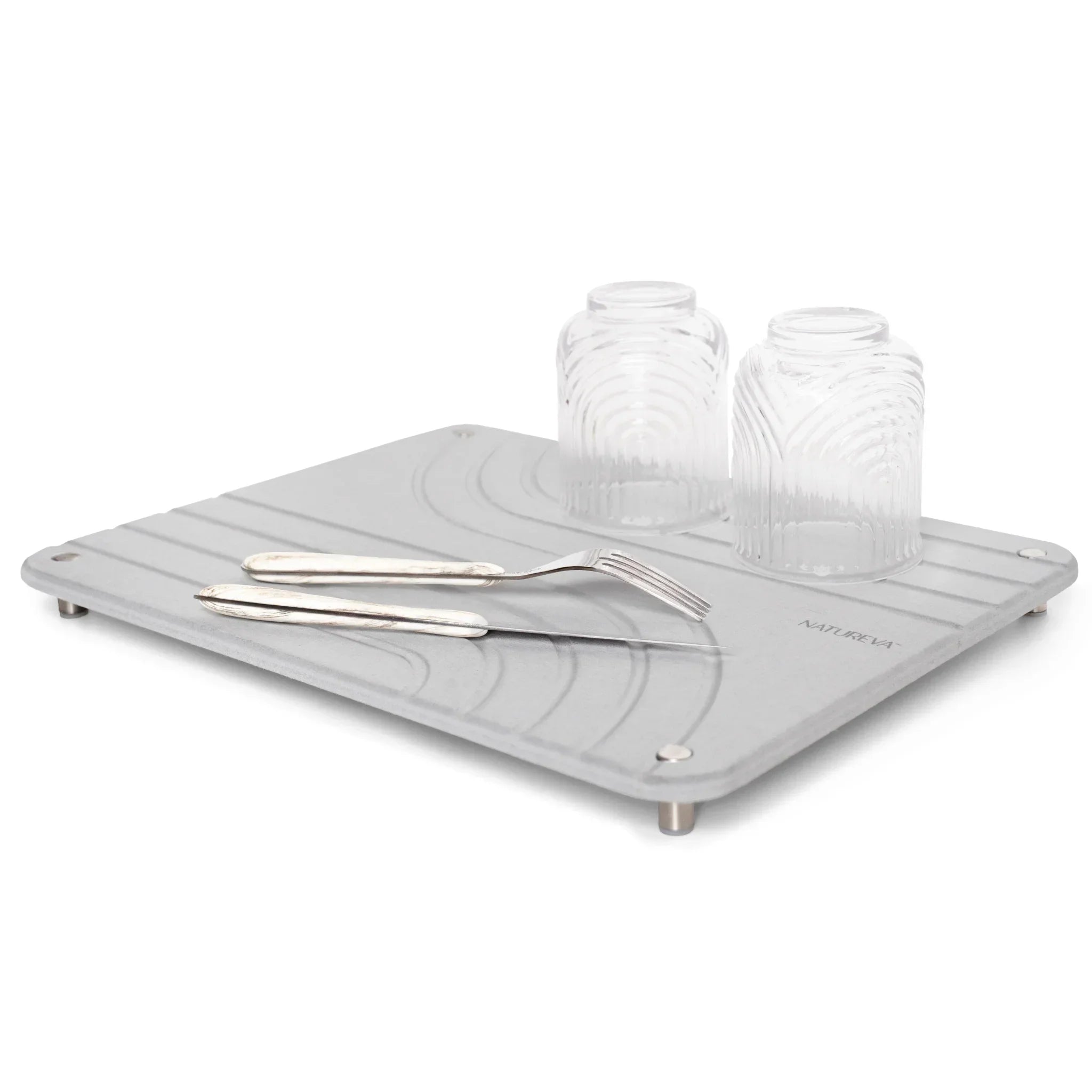
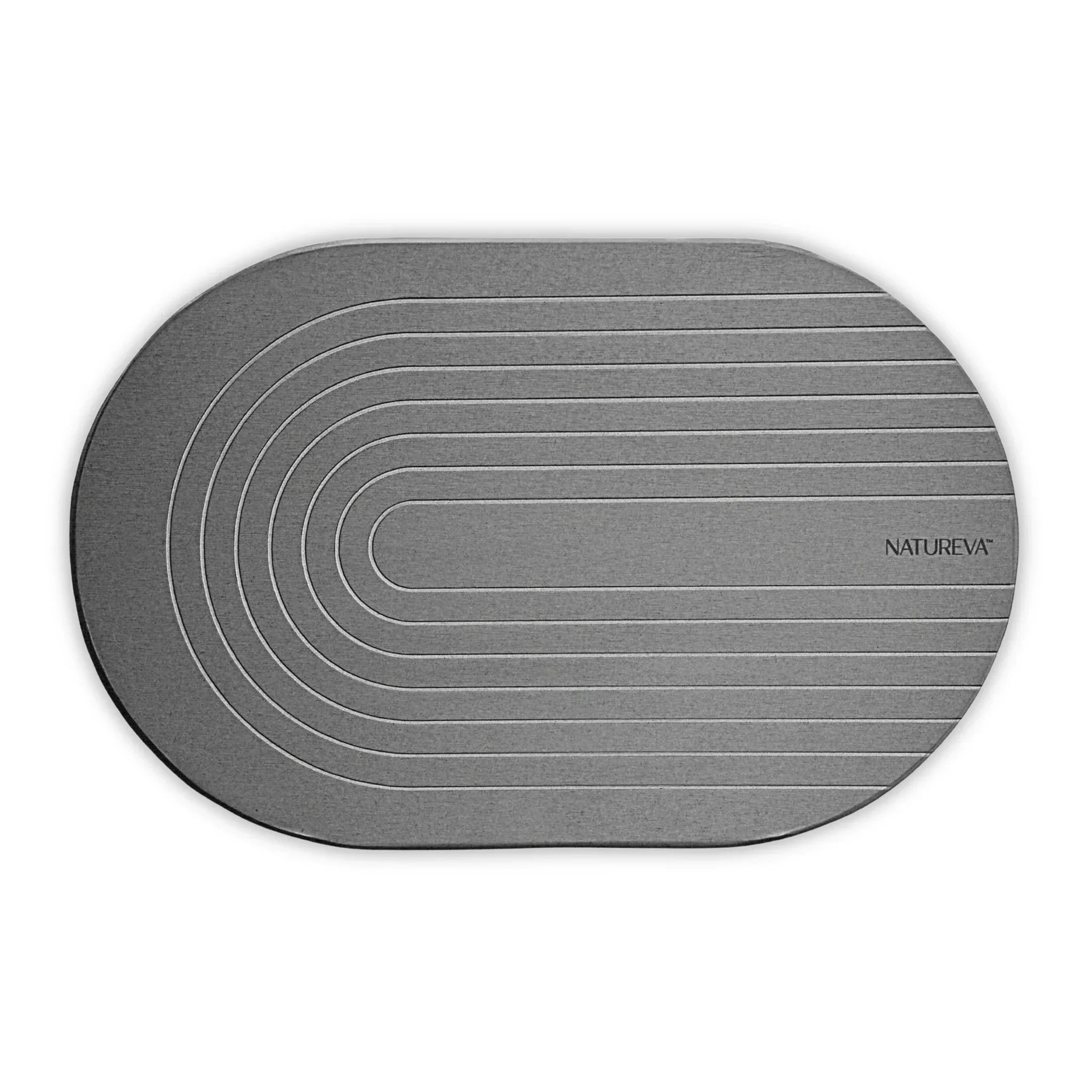
In Australia, NATA-accredited testing is the gold standard for verifying that diatomite products are completely asbestos-free. NATA stands for the National Association of Testing Authorities, and they're the peak body that makes sure testing labs meet strict standards. When a product carries NATA-accredited certification, it means the material has been independently verified by experts who know exactly what to look for. Our stone bath mats and all diatomite products at Natureva Home carry this certification and are regularly tested to maintain that standard.
What Makes Certified Products Different
The difference between certified and uncertified diatomite products goes beyond just a piece of paper. Here's what actually changes:
- Certified products come from verified quarries with documented geological testing
- Independent laboratories test samples using electron microscopy and other advanced methods
- Regular retesting ensures ongoing safety as production continues
- Full traceability means you know exactly where the material originated
Uncertified products might use diatomite from unknown sources, skip independent testing entirely, or rely on manufacturer self-certification that hasn't been verified by third parties. Some brands import directly from overseas suppliers without conducting Australian safety testing, which leaves a gap in the safety chain. The material composition and sourcing directly affects both performance and safety over the product's lifetime.
| Feature | Certified Products | Uncertified Products |
|---|---|---|
| Laboratory Testing | NATA-accredited independent labs | None or self-reported |
| Source Verification | Documented quarry records | Unknown or unverified |
| Asbestos Screening | Electron microscopy analysis | Not confirmed |
| Ongoing Testing | Regular retesting schedule | One-time or never |
| Traceability | Full supply chain documentation | Limited or none |
The porous structure that makes diatomite so effective at moisture absorption is the same feature that requires careful material sourcing. Those millions of tiny holes work beautifully for drying your feet after a shower, but only when the base material is clean and safe to begin with.
Common Side Effects and Why They Happen
Diatomite mats absorb water instantly because they're made from fossilised algae with millions of microscopic pores, but those same pores can create a few unexpected issues if you don't know what to watch for. Most side effects are minor and completely avoidable once you understand what causes them. The material itself is safe when sourced from certified suppliers, but the way you use and maintain it makes all the difference.
Dust particles are the most common complaint during the first few uses. When diatomite is cut, shaped, or sanded, fine powder settles into the pores and releases gradually as the mat dries and contracts. This is normal manufacturing residue, not a defect. Breakage happens because diatomite is rigid stone, not flexible rubber, so dropping it from counter height onto tile can crack or split the slab. Skin dryness occurs when you stand on the mat too long with wet feet since the porous surface actively pulls moisture away from your skin, which is exactly what makes it work so well for drying floors.
| Side Effect | Cause | Severity |
|---|---|---|
| Dust exposure | Manufacturing residue in pores | Low |
| Breakage | Drops or impact on hard surfaces | High |
| Skin dryness | Prolonged contact with wet skin | Low |
| Reduced absorbency | Clogged pores from soap or oils | Medium |
| Surface staining | Coloured products or standing water | Low |
Reduced absorbency develops over weeks or months when soap residue, body oils, or lotions build up inside the pores and block airflow. The mat stops drying as fast and starts feeling damp to the touch. Surface staining shows up as discoloured patches when you use products with dyes near the mat or let coloured liquids sit without wiping them away. Both issues are reversible with proper cleaning.
The Asbestos Question in Diatomite Products
Asbestos contamination is the most serious concern with diatomite products, and it's not theoretical. Some diatomite deposits naturally contain asbestos fibres because both materials form in similar geological conditions. When manufacturers source raw diatomite from unverified quarries or skip testing to cut costs, those fibres can end up in finished products. Multiple diatomite bath mats have been recalled in Australia and other markets after testing revealed asbestos presence, which is why certification matters more than price.
Uncertified products from unknown sources carry the highest risk because there's no way to verify what's actually in the material. Products sold through unregulated marketplaces or brands without transparent supply chains often lack any testing documentation. NATA-accredited testing verifies that diatomite products contain no detectable asbestos fibres, and NATA (National Association of Testing Authorities) is Australia's peak accreditation body for laboratory testing, so the certification carries legal weight.
- Asbestos fibres can be present in raw diatomite depending on the quarry location
- Inhalation of asbestos causes serious long-term health risks including lung disease
- NATA-accredited labs test for asbestos using internationally recognised methods
- Regular retesting maintains safety standards as new batches are produced
- Certified products eliminate this concern entirely when sourced from verified suppliers
Our stone bath mats and all diatomite products are tested and certified asbestos-free by a NATA-accredited Australian laboratory, with regular testing to maintain that standard across production runs. This isn't a one-time check but an ongoing commitment to material safety. You can read more about stone bath mat safety standards and what to look for when evaluating any diatomite product.
Preventing Side Effects Through Proper Care
Most diatomite mat side effects disappear completely when you follow a simple care routine that takes less than five minutes per week. The material is low maintenance by design, but it does need occasional attention to keep the pores open and the surface clean. Start by rinsing your new mat under warm water before first use to flush out any manufacturing dust trapped in the pores, then let it air dry upright for an hour.
Weekly cleaning with warm water and cleaning vinegar prevents soap scum and oil buildup that clogs the porous structure. Wipe the surface with a damp cloth, rinse under the tap if needed, and let it dry standing against a wall. Avoid coloured soaps, body washes, or lotions near the mat because dyes seep into the pores and cause permanent staining that won't sand out.
The included sanding tool restores full absorbency when the mat starts feeling less responsive. The P320 grit sandpaper disc (approximately 10 cm diameter) reopens clogged pores by removing the top layer of buildup. Rub in small circles across the entire surface, rinse away the dust, and the mat will absorb like new. Most people need to sand every 3-6 months depending on use frequency.
- Rinse new mats under warm water before first use to remove dust
- Wipe weekly with warm water and cleaning vinegar to prevent buildup
- Keep coloured soaps and lotions away from the mat surface
- Sand the surface when absorbency slows using the included tool
- Air dry upright when fully saturated to maintain structural integrity
- Handle with two hands when moving to prevent drops
Air drying upright matters when the mat becomes fully saturated after multiple uses without drying time. Lean it against a wall or shower edge so air circulates on both sides. This prevents the base from staying damp and maintains the material's structure. Handle the mat with care during cleaning since dropping it onto tile or concrete can cause cracks that compromise the entire slab.
When to Replace Your Diatomite Mat
Quality diatomite mats last 2-5 years with proper care, but eventually the material reaches the end of its functional life. Knowing the difference between fixable wear and actual failure saves you from replacing a mat that just needs maintenance. Deep cracks that penetrate through the entire thickness indicate structural failure that can't be repaired, and the mat should be replaced immediately since broken pieces can separate and create a tripping hazard.
Persistent odour that doesn't resolve after cleaning and sanding suggests deep contamination inside the pore structure that can't be reached from the surface. This happens when the mat stays damp for extended periods or gets exposed to mould growth. Complete loss of absorbency even after thorough sanding means the internal pore network has collapsed or filled with material that won't come out, so the mat can no longer function as designed.
- Surface scratches and minor wear are cosmetic and don't affect performance
- Light staining from hard water or minerals is normal and expected
- Slight colour variation develops naturally as the material ages
- Small chips on edges don't compromise the mat if the main surface is intact
The next generation of home essentials: naturally made, cleaner by design, sustainable by nature.
SHOP ALLMost issues people think require replacement actually just need proper cleaning or sanding. Our stone bath mat collection includes the restoration tool with every mat specifically so you can extend its life without buying a new one. If you're looking at diatomite products for the first time, check out the key features to verify before buying to make sure you're getting a product that will last.
How Diatomite Compares to Other Mat Materials
Every bath mat material comes with its own set of problems, and understanding these trade-offs helps you choose what works best for your home. Fabric mats trap moisture in their fibres, creating a breeding ground for mould and mildew that develops within days of regular use. Rubber mats start to break down after months of exposure to water and soap, with their textured surfaces collecting bacteria in grooves that are nearly impossible to clean thoroughly. Silicone mats stay wet longer than you'd expect and become dangerously slippery when water pools on their smooth surface, requiring constant wiping and washing to stay safe.
Common Problems with Traditional Mat Materials
The issues with conventional bath mats aren't just annoying. They're hygiene problems that require constant attention.
- Fabric mats need washing every few days to prevent odour and visible mould growth
- Rubber mats develop permanent discolouration and surface degradation within 6-12 months
- Silicone mats require daily wiping and weekly deep cleaning to remove soap scum buildup
- Microfibre mats lose absorbency over time and start to smell even when they look clean
| Mat Type | Main Issue | Maintenance Frequency |
|---|---|---|
| Fabric | Mould and odour | Wash every 3-4 days |
| Rubber | Surface degradation | Replace every 6-12 months |
| Silicone | Slippery when wet | Wipe daily, wash weekly |
| Diatomite | Requires careful handling | Wipe weekly with vinegar |
Why Diatomite Avoids Moisture-Related Hygiene Issues
Diatomite mats stay hygienic through rapid drying rather than chemical treatments. The material absorbs water instantly and releases it back into the air within minutes, leaving no damp environment for odour or mould to form. According to testing by New York Magazine's Strategist, diatomite mats dry completely in under 10 minutes, which is significantly faster than any fabric or rubber alternative.
The trade-off is simple. You handle diatomite mats with more care to avoid drops and impacts, but you skip the constant washing cycle that fabric and rubber mats demand. Our Natureva stone bath mats need only a weekly wipe with warm water and cleaning vinegar, and the included sanding tool restores full absorbency if the surface ever feels less responsive.
- No machine washing or drying required
- No fabric softener, bleach, or special detergents needed
- No waiting hours for the mat to dry between uses
- No musty smell developing in humid bathrooms
Making Diatomite Work for Your Home
Most diatomite mat side effects come down to two things: buying from uncertified sources or skipping basic care. The material itself works exactly as it should when you start with a safe product and maintain it properly. Weekly cleaning with warm water and vinegar takes about two minutes, and the included sanding tool fixes any absorption issues in less time than it takes to throw a fabric mat in the wash. For most households, that's a fair trade for a surface that stays dry and hygienic by design without trapping moisture or growing mildew.
The serious safety concerns around asbestos contamination only apply to products that haven't been tested by accredited labs. Our stone bath mats are NATA-certified asbestos-free and regularly tested to maintain that standard, which removes the biggest risk from the equation entirely. Once you know your product is safe, the remaining side effects are just maintenance issues that simple habits prevent.
Surface staining happens when you leave coloured liquids sitting too long or use the wrong cleaning products. Reduced absorption means the pores need reopening with the P320 grit sanding disc that comes with every mat. Cracking or breaking usually means the mat got dropped or stored somewhere damp without airflow. None of these are flaws in the material, they're just what happens when stone products don't get the care they need.
If you want to dig deeper into what makes a quality diatomite product, check out the five features to check before buying or read the complete guide to diatomite for the full material science breakdown. The fast-drying performance and low-maintenance design still beat fabric, rubber, and silicone alternatives for most modern homes, as long as you start with certified products and follow basic care steps.
Common Questions About Diatomite Mat Safety
If you're thinking about getting a diatomite mat or already own one, you probably have some questions about safety and care. These mats work differently than fabric or rubber options, so it makes sense to wonder about things like dust, skin reactions, and what happens if something goes wrong. Here are the answers to the most common concerns people have about diatomite mat side effects and how to use these products safely in your home.
Is diatomite dust harmful to breathe?
Small amounts of dust during normal use aren't a concern for most people. The dust you might see when sanding your mat is just the natural material being abraded, similar to chalk dust. If you're sanding frequently or have respiratory sensitivities, just do it in a well-ventilated area or outdoors, and wipe the surface clean afterward.
Can diatomite mats cause skin irritation?
Diatomite itself is a natural mineral and doesn't typically cause skin reactions. If you notice any irritation, it's usually because the surface has become too rough from wear or needs cleaning. A quick wipe with warm water and vinegar, or a light sanding to smooth the surface, usually fixes the issue. Natureva stone mats are made from diatomite and recycled paper with no chemical coatings, so there's nothing synthetic touching your skin.
How do I know if my mat contains asbestos?
This is probably the biggest safety question people have, and it's a valid one. Some diatomite products from unverified sources have been recalled due to asbestos contamination. The only way to know for sure is if the brand provides NATA-accredited laboratory certification, which is Australia's peak testing standard. Natureva stone products are tested and certified asbestos-free by a NATA-accredited lab, and we regularly retest to maintain that standard. If a brand doesn't mention third-party testing, that's a red flag.
What should I do if my mat breaks?
Diatomite mats can crack or break if dropped on a hard surface, but they're not dangerous when this happens. Just sweep up the pieces and dispose of them in your regular trash. The material is inert and safe to handle. If you want to keep using a cracked mat, you can, but it won't absorb as evenly and might have rough edges.
How often should I sand my diatomite mat?
Most people only need to sand their mat every few months, or when they notice it's not absorbing water as quickly as it used to. The included sanding tool reopens the microscopic pores that get clogged with soap residue, oils, and minerals from water. It takes about 30 seconds and brings the mat back to like-new performance.
Are diatomite mats safe for children and pets?
Yes, they're safe for the whole household. The non-slip base keeps the mat stable, which actually makes it safer than fabric mats that bunch up or slide around on wet floors. Kids and older adults benefit from the solid, stable surface. For pets, the Stone Pet Mat is designed specifically for feeding stations and absorbs water spills without creating a damp mess that attracts bacteria or smells.
The next generation of home essentials: naturally made, cleaner by design, sustainable by nature.
SHOP ALL