

Five Fast Steps to Fresher Bath Towels Daily
You step out of the shower feeling clean, wrap yourself in a bath towel, and catch a whiff of something musty that definitely wasn't there yesterday. That sour smell isn't from dirt or sweat, it's from moisture trapped in the fabric where bacteria multiply within hours of a single use. The good news is that keeping bath towels fresh doesn't mean washing them after every shower, it just takes a few simple daily habits that target the real problem: how quickly your towels dry.
Table of Contents
- What Makes Towels Go From Fresh to Funky
- Step One: Hang Towels Properly After Every Use
- Step Two: Create Airflow in Your Bathroom
- Step Three: Choose Fast Drying Towel Materials
- Step Four: Rotate Towels Every Two to Three Days
- Step Five: Wash Towels the Right Way
- Fresh Towels Without the Laundry Pile
- Common Questions About Keeping Towels Fresh
What Makes Towels Go From Fresh to Funky
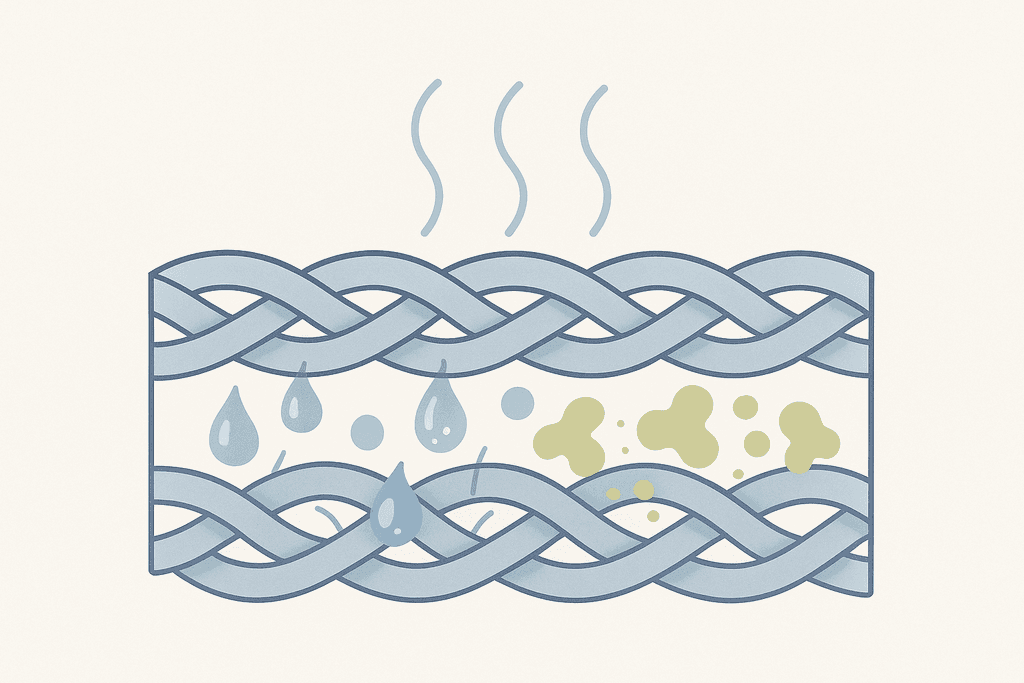
A clean towel can start smelling musty in less than 24 hours, and the reason comes down to basic biology. When you dry off after a shower, your bath towels absorb water along with dead skin cells, body oils, and traces of soap. This damp environment becomes a perfect breeding ground for bacteria and mildew, which multiply rapidly in warm, humid conditions. The smell you notice isn't dirt, it's actually the waste products these microorganisms leave behind as they feast on the organic matter trapped in your towel fibers.
Why Bathroom Conditions Make Everything Worse
Your bathroom is probably the most humid room in your home, especially right after someone showers. That steam doesn't just disappear, it settles on every surface including your hanging towels. Most bathrooms don't have great air circulation either, which means moisture just sits there with nowhere to go.
Here's what happens in a typical bathroom:
- Humidity levels spike to 70-90% during and after showers
- Poor ventilation keeps moisture trapped for hours
- Towels hung on bars or hooks overlap and block airflow
- Multiple family members use the same towels before they fully dry
- Warm temperatures speed up bacterial growth
Not All Towel Materials Dry the Same
The fabric your bath towels are made from plays a huge role in how long they stay damp. Traditional 100% cotton towels are super absorbent, which sounds great until you realize that means they hold onto moisture for a really long time. Some materials dry in just a few hours while others can stay damp for half a day or more.
| Material Type | Average Drying Time | Moisture Retention | Odor Risk |
|---|---|---|---|
| 100% Cotton | 8-12 hours | Very High | High |
| Microfiber | 2-4 hours | Low | Medium |
| Linen | 4-6 hours | Medium | Medium |
| Bamboo Cotton Blend | 3-5 hours | Medium-Low | Low |
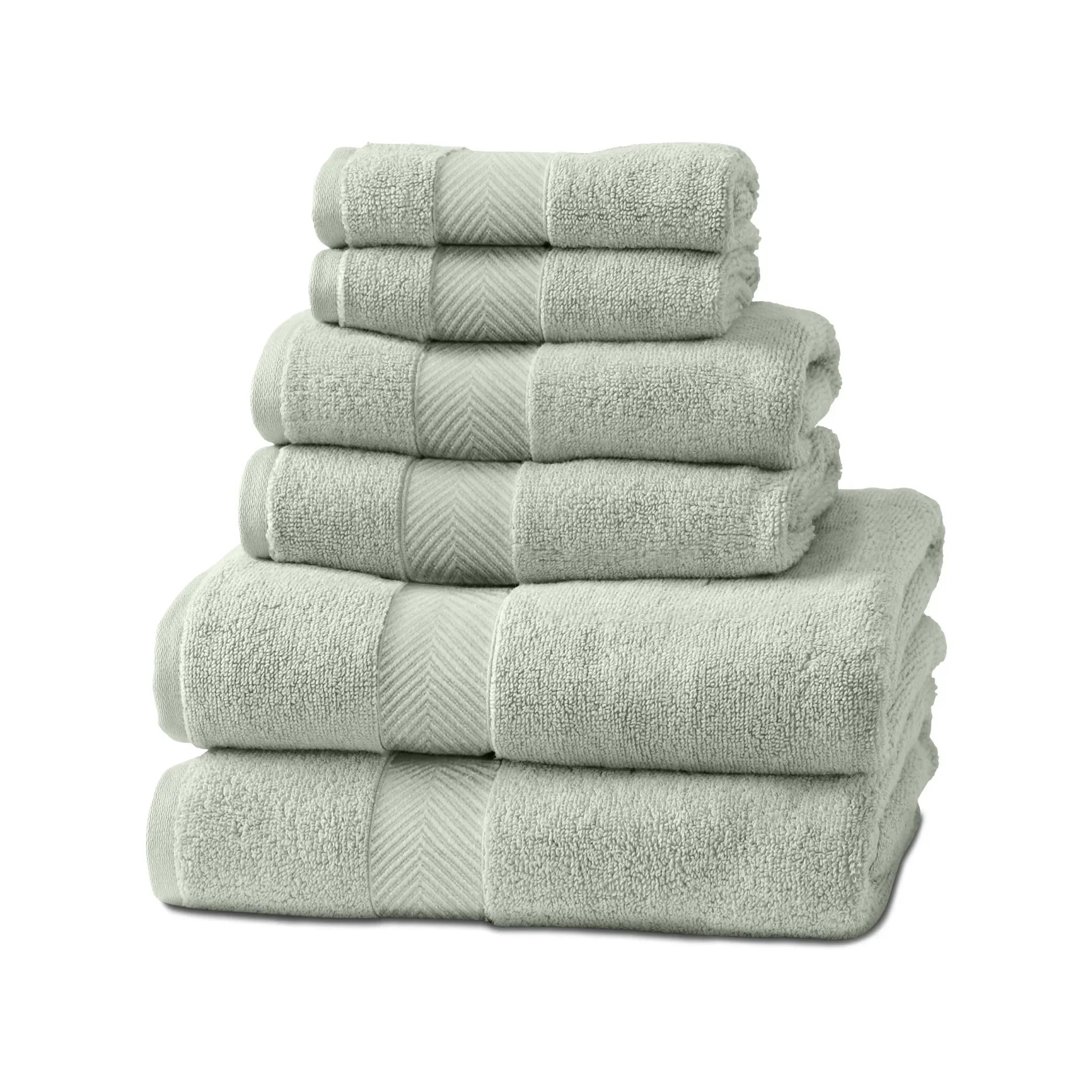
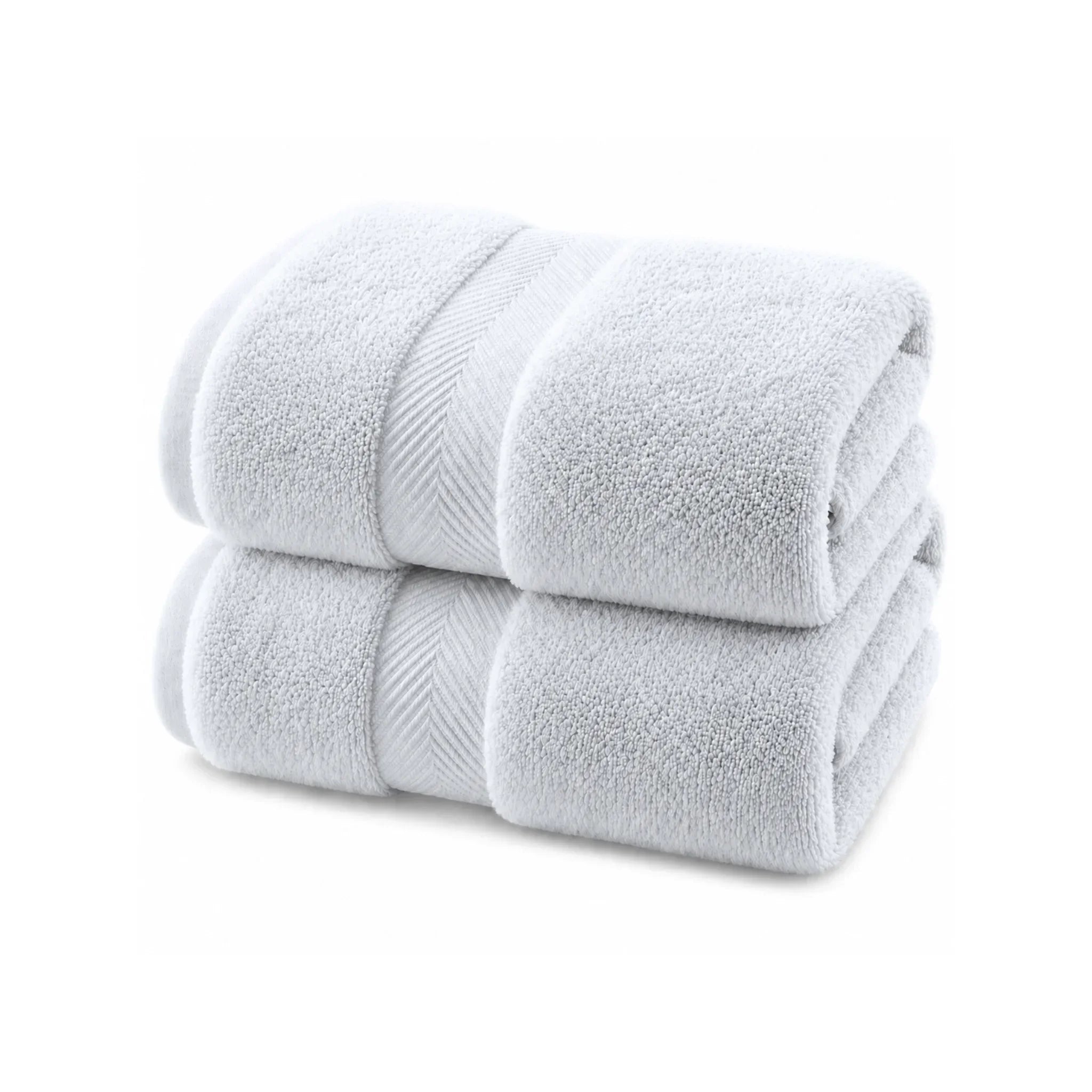
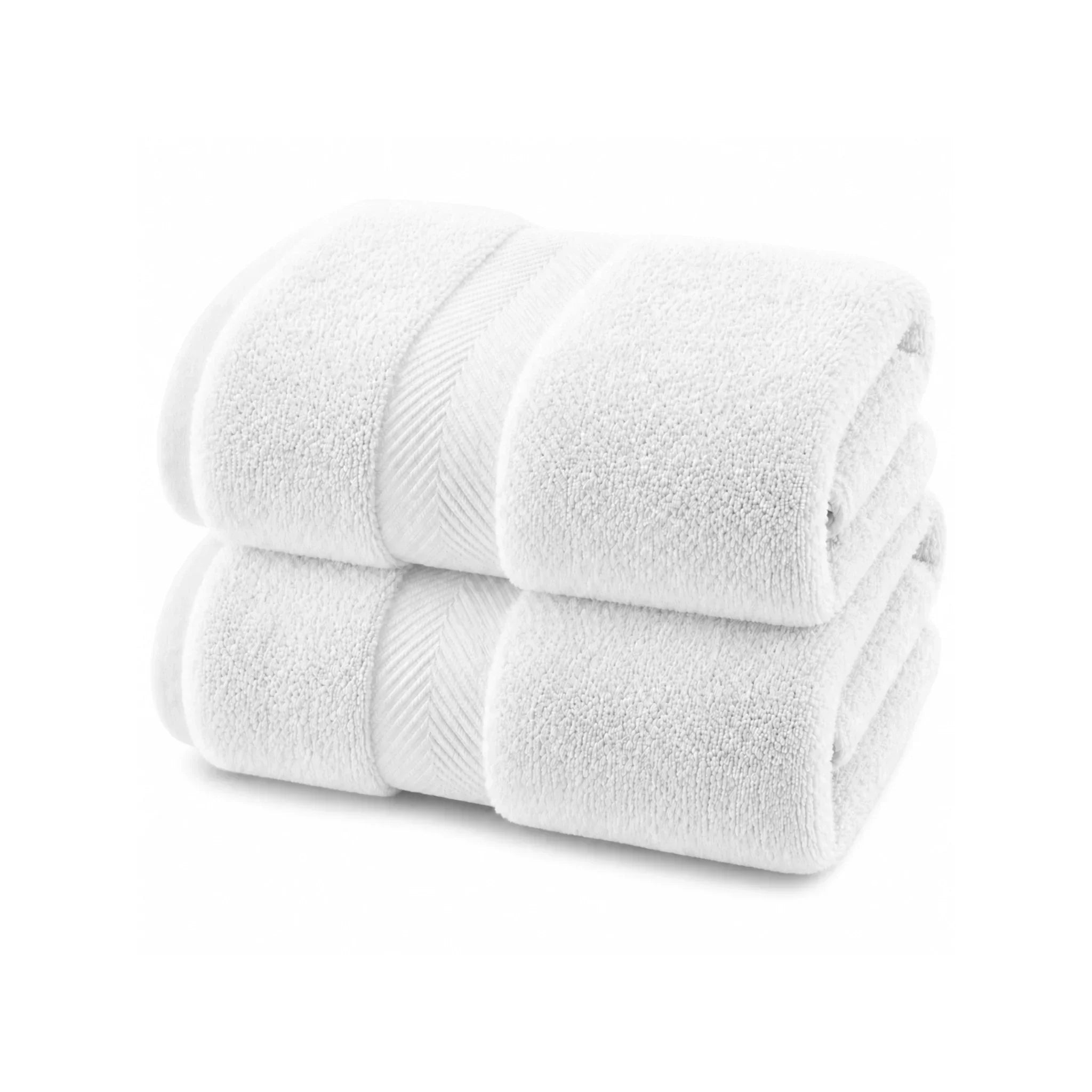
Bamboo blended towels like our Natureva bamboo cotton towels dry faster than pure cotton because bamboo fibers naturally wick moisture away and release it into the air more efficiently. The 70% cotton and 30% bamboo viscose blend gives you the softness you want with better drying performance than traditional options.
The Moisture Bacteria Cycle
Once bacteria start growing in your damp towels, they create their own little ecosystem. The longer a towel stays wet, the more time these microorganisms have to multiply. By the time you use that towel again, you might be rubbing thousands of bacteria colonies back onto your clean skin.
The cycle looks like this:
- You use a towel and it absorbs water plus organic matter
- The damp towel hangs in a humid bathroom with limited airflow
- Bacteria and mildew spores already present in the air land on the moist fabric
- Warm, wet conditions let these organisms multiply rapidly
- Within 8-12 hours, bacterial colonies produce noticeable odors
Breaking this cycle means getting your bath towels to dry faster and more completely between uses. The faster moisture evaporates, the less time bacteria have to set up shop in your towel fibers. That's why material choice and bathroom conditions matter so much for keeping things fresh.
Step One: Hang Towels Properly After Every Use
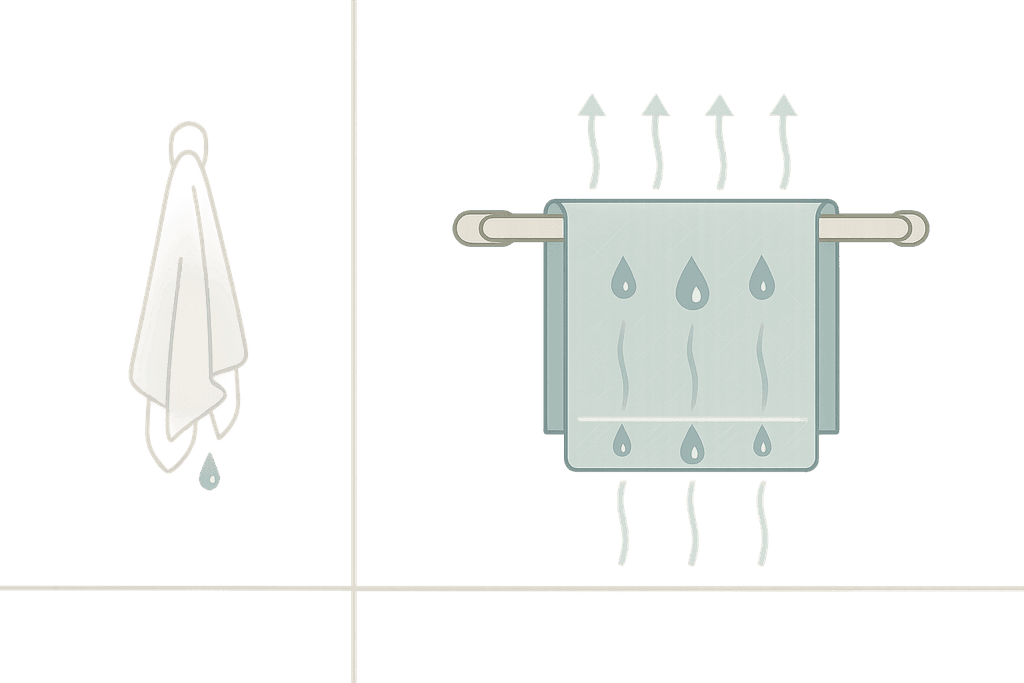
Most people grab their bath towel after a shower and toss it over a hook or fold it in half on a bar. That simple habit is why your towels smell musty by day two. When fabric bunches together, moisture gets trapped in the folds and creates the perfect environment for bacteria to multiply. The fix is easier than you think, but it requires breaking a habit you've probably had for years.
Step One: Hang Towels Properly After Every Use
The key is giving your towel room to breathe. Spread it completely across a towel bar instead of folding it. If you only have hooks, consider switching to a bar or at least alternating which section of the towel touches the wall. Before you hang anything, give your towel a good shake to fluff up the fibers and release trapped water.
- Spread towels fully across bars instead of folding them in half
- Avoid hooks that bunch fabric together in one spot
- Leave at least a few inches of space between multiple towels on the same bar
- Shake out towels vigorously before hanging to separate fibers and release moisture
- Position the towel so both sides get equal air exposure
If you have multiple people sharing one bathroom, this gets trickier. You might need to install a second bar or use a ladder-style towel rack that gives each towel its own level. The investment pays off when your towels actually dry between uses instead of staying damp all day.
Step Two: Create Airflow in Your Bathroom
A steamy bathroom after a hot shower feels relaxing, but all that humidity has nowhere to go except into your towels, bath mat, and walls. Without proper ventilation, you're basically asking your towels to dry in a rainforest. The moisture hangs in the air for hours, settling back into fabric that was just starting to dry. This is where most people lose the battle for fresh towels without even realizing it.

Step Two: Create Airflow in Your Bathroom
Your exhaust fan is more important than you think. Run it for at least 20 minutes after every shower, not just while you're in there. If your bathroom doesn't have a fan, crack a window or leave the door open. Even a small amount of air movement makes a massive difference in how fast things dry.
- Run your exhaust fan for 20 minutes minimum after showers, even if it seems excessive
- Open windows or doors whenever possible to create cross-ventilation
- Position towel bars away from direct shower spray zones
- Consider adding a small portable fan in windowless bathrooms
- Keep the bathroom door open between uses unless privacy is an issue
Some bathrooms are just poorly designed for airflow. If you're dealing with a windowless space or a fan that barely works, a small clip-on fan pointed at your towel bar can solve the problem for under twenty dollars. It sounds simple because it is.
Step Three: Choose Fast Drying Towel Materials
Not all towels are created equal when it comes to drying speed. Traditional 100% cotton towels are soft and absorbent, but they hold onto moisture longer than almost any other fabric. That's great when you're drying off, but terrible when you're trying to keep things fresh between washes. The material you choose has more impact on towel freshness than most people realize, and switching to a faster-drying blend can cut your drying time by nearly half.
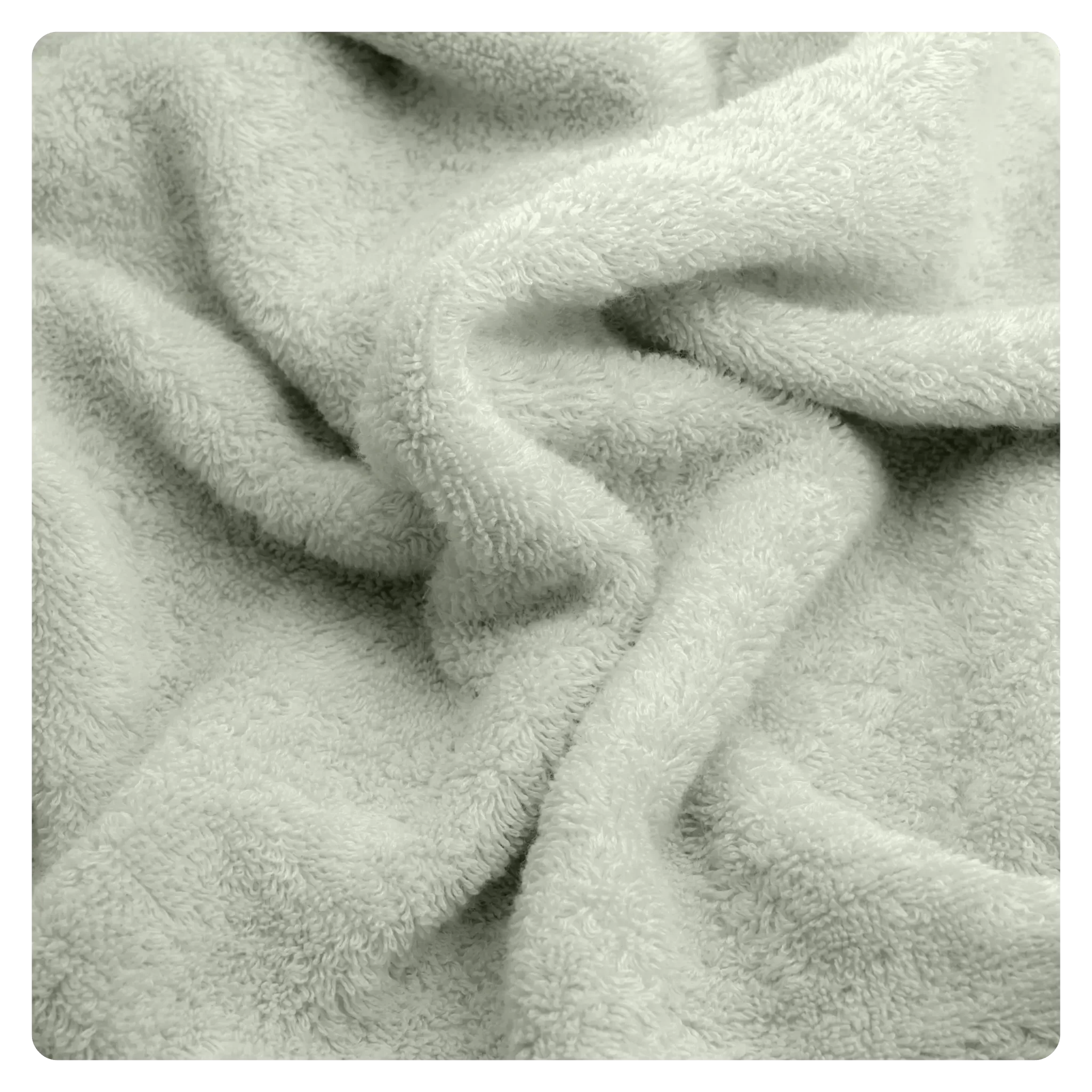
Bamboo viscose blends dry 30 to 40 percent faster than pure cotton while maintaining the softness you actually want. The bamboo fibers naturally wick moisture away and release it into the air more efficiently. When combined with zero-twist cotton yarns, you get a towel that's both plush and practical.
Our bamboo-cotton towel set uses a 70% long staple zero-twist cotton and 30% bamboo viscose blend at 700 gsm density. That specific combination balances absorbency with rapid moisture release, so your towels actually dry between uses instead of staying damp. The zero-twist construction creates more space between fibers for airflow, which is exactly what you need for faster drying.
The next generation of home essentials: naturally made, cleaner by design, sustainable by nature.
SHOP ALL- Traditional 100% cotton holds moisture the longest of common towel materials
- Bamboo viscose blends dry 30-40% faster than pure cotton
- Zero-twist yarns increase both absorbency and airflow through the fabric
- 700 gsm density provides plushness without excessive thickness that traps water
- OEKO-TEX certification ensures no harmful chemicals that could trap odors
The difference becomes obvious after a few weeks of use. While your old cotton towels are still damp hours later, a good bamboo blend will be completely dry and ready to use again.
Step Four: Rotate Towels Every Two to Three Days
Using the same towel for a week straight is a recipe for musty smells, no matter how well you hang it or ventilate your bathroom. Even fast-drying towels need a break. The trick is having enough towels on hand that you can rotate them without doing laundry every other day. Most people either use one towel until it smells or wash towels way too frequently, wasting water and wearing out the fabric faster than necessary.
A good rotation system keeps towels fresher while actually reducing how often you do laundry. Use each towel two to three times before washing, making sure it dries completely between uses. Keep two to three sets per person so you always have a fresh option ready.
- Use each towel 2-3 times maximum before washing
- Keep 2-3 complete sets per person for seamless rotation
- Hang used towels to dry completely between uses, not in a hamper
- Wash towels before they develop any odor, not after
- Color-code towels for different family members to track usage easily
If you have kids who claim they "just used it once" when the towel has clearly been on the floor for three days, color coding solves that problem instantly. Everyone gets their own color from the bath towel collection, and there's no more confusion about whose towel is whose.
Step Five: Wash Towels the Right Way
You can do everything right with hanging and rotating, but if you wash your towels incorrectly, they'll never stay fresh. The biggest mistake people make is using fabric softener, thinking it keeps towels soft. What it actually does is coat the fibers with a waxy residue that traps moisture and bacteria. That coating is why your towels stop absorbing water properly and start smelling sour even when they're technically clean.
Skip the fabric softener completely. Wash on a warm, gentle cycle with regular detergent and nothing else. Avoid bleach and any products containing benzoyl peroxide, which can damage bamboo-cotton blends and cause discoloration over time.
- Wash on warm with a gentle cycle to protect fibers
- Never use fabric softener, it traps moisture and bacteria in the fabric
- Avoid bleach and benzoyl peroxide products that damage bamboo blends
- Tumble dry on low heat to maintain softness and fluffiness
- Never air-dry bamboo-cotton blends, it causes permanent stiffness
- Wash similar colors together to prevent fading and color transfer
Air-drying sounds eco-friendly, but it makes bamboo-cotton towels stiff and rough. The low heat from a dryer keeps the fibers soft without damaging them. Some initial linting is normal with zero-twist yarns, but it decreases with each wash as the loose fibers work their way out.
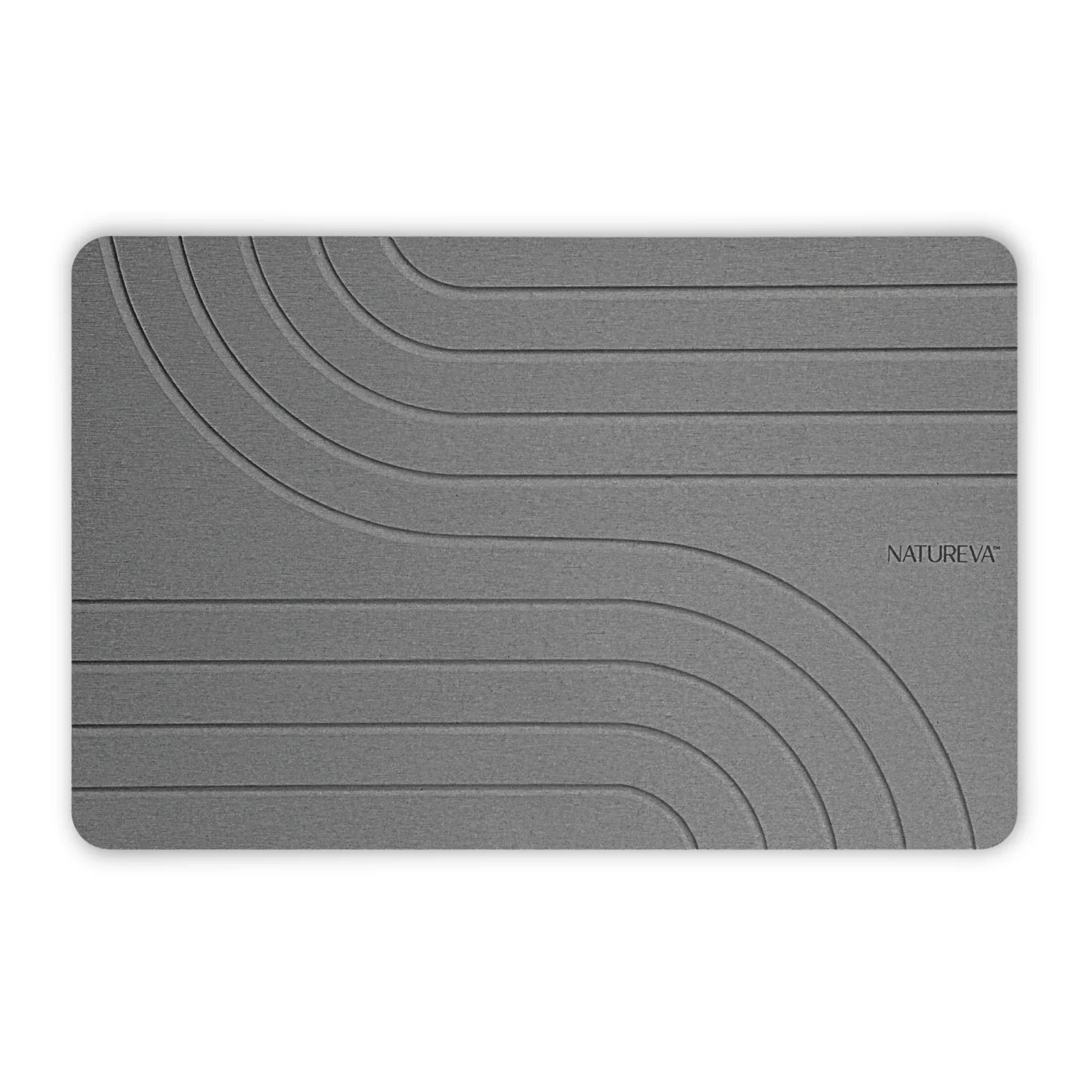
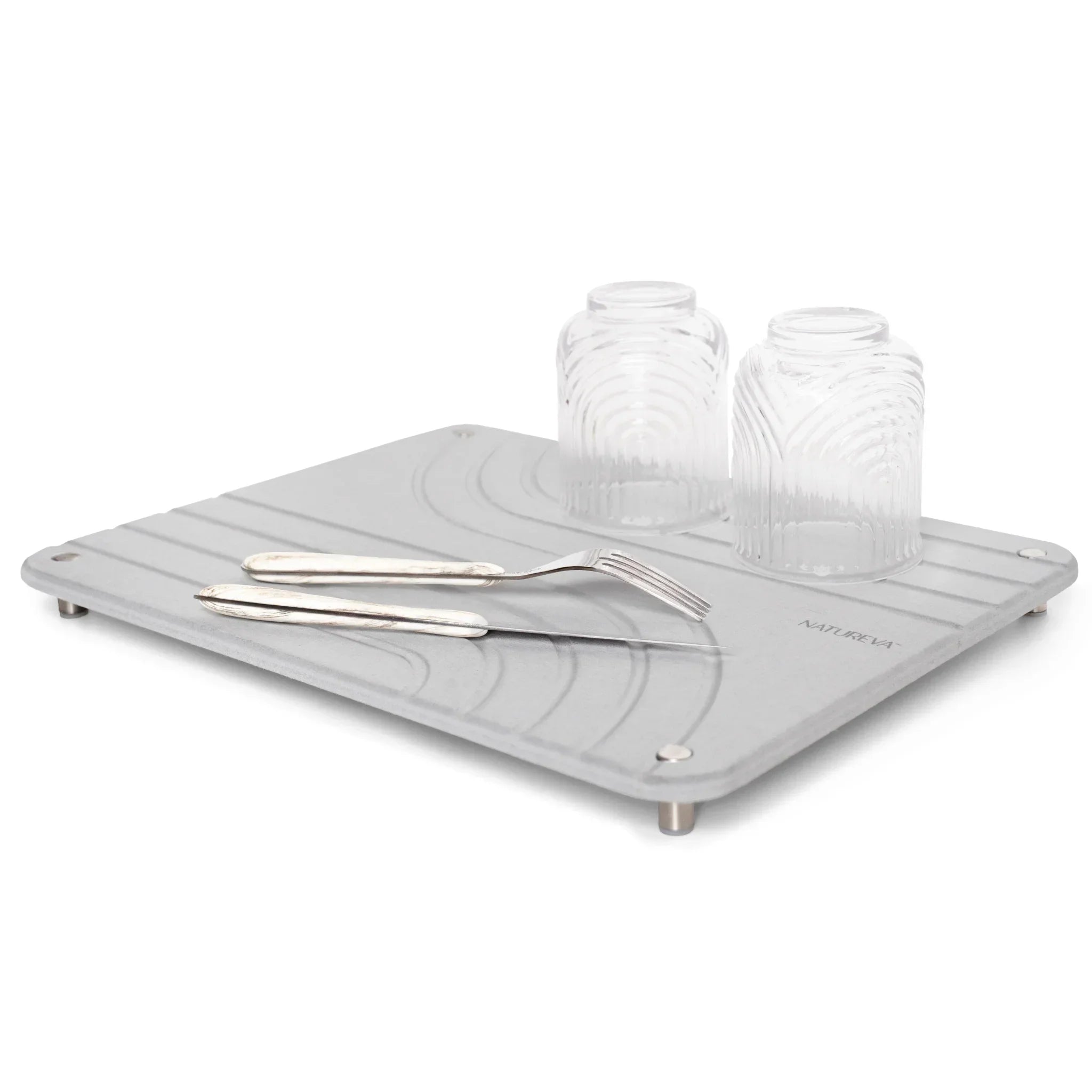
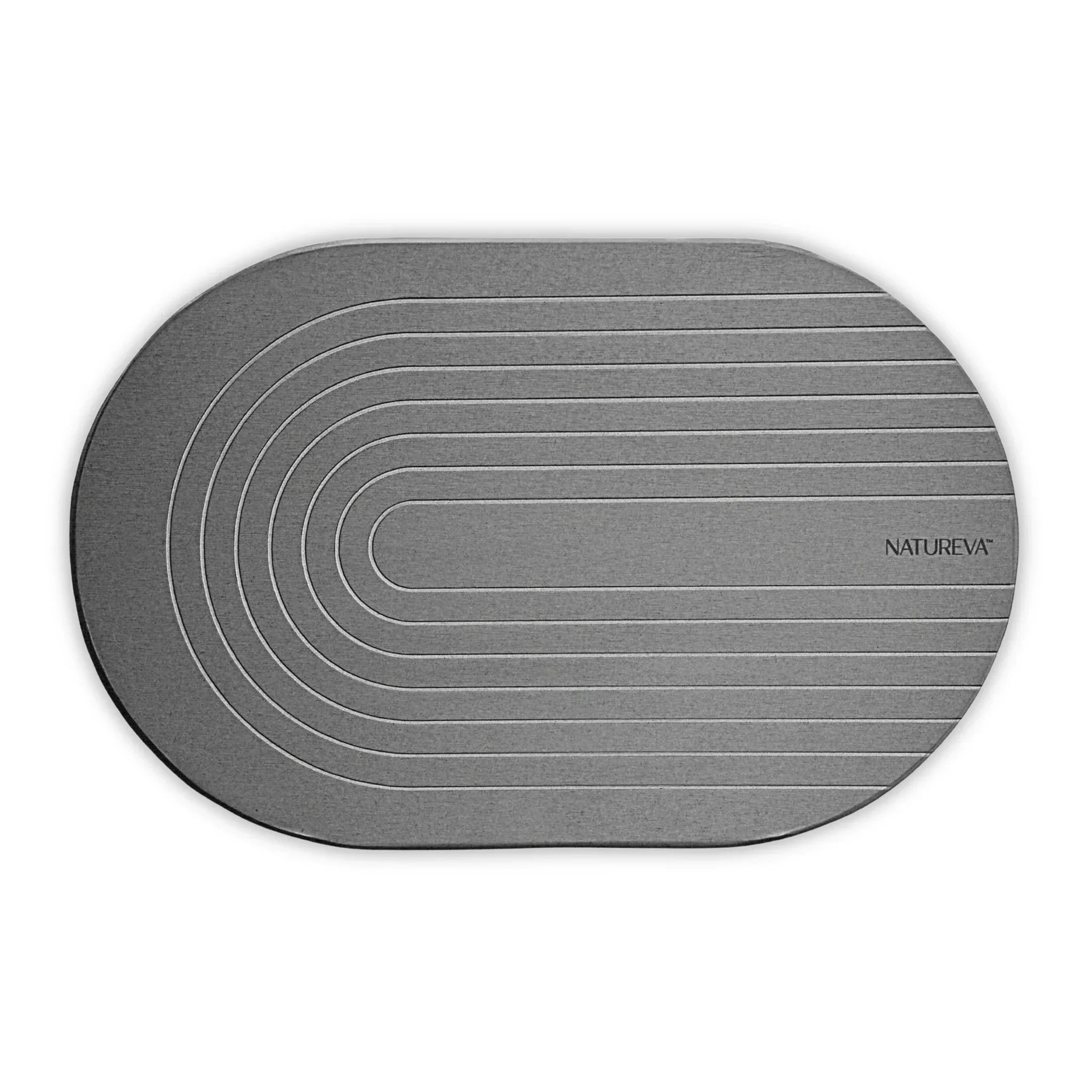
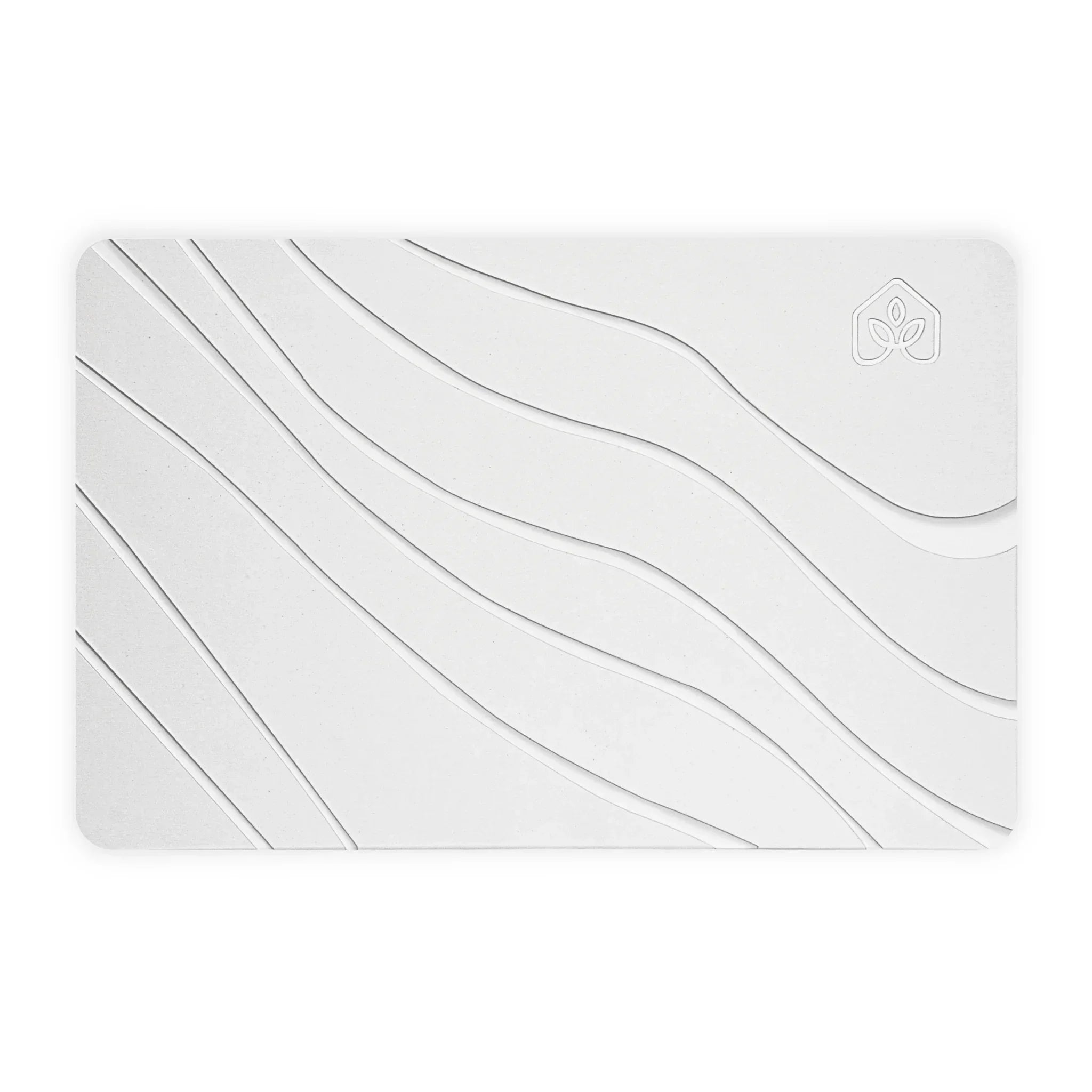
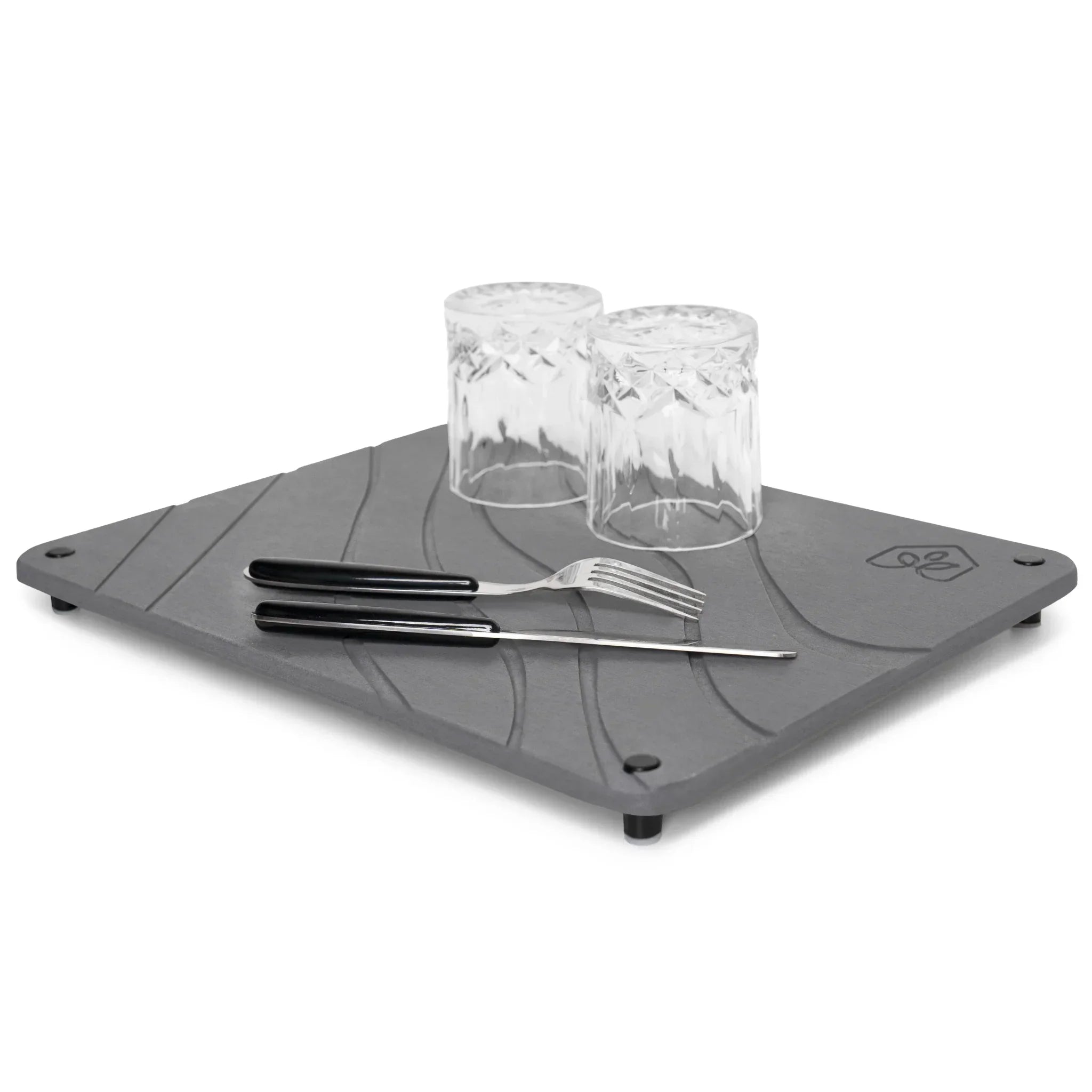
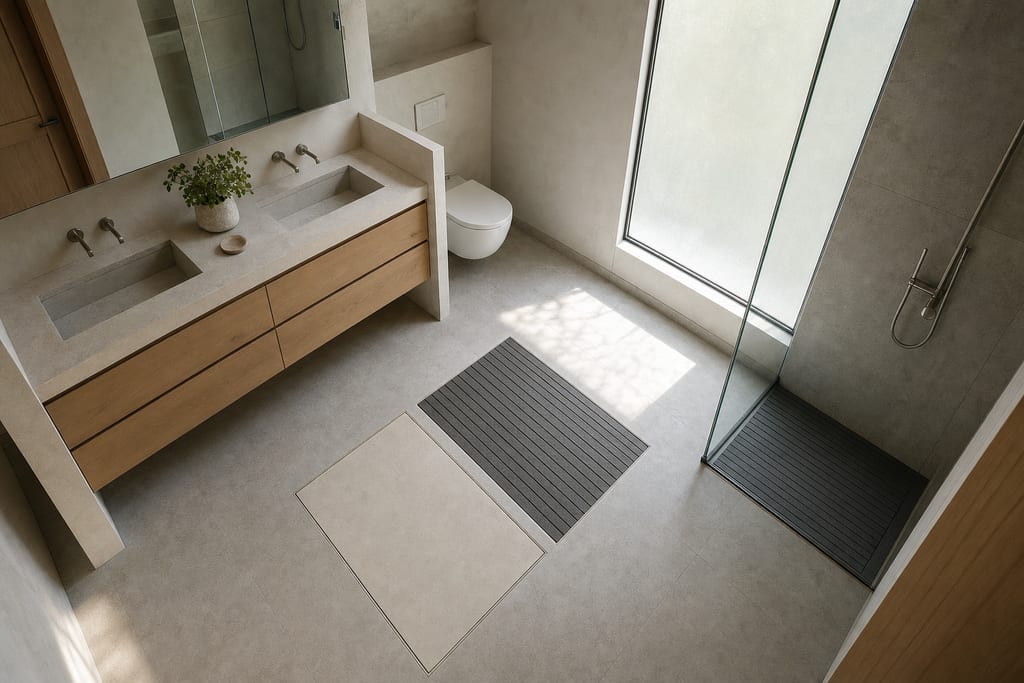
Between your towels and other moisture-prone areas, managing bathroom humidity becomes a lot easier when you have the right tools. Our bathroom collection includes fast-drying stone bath mats that absorb water instantly and dry within minutes, so you're not dealing with damp fabric on the floor either. The whole system works together to keep things fresher with less effort.
Fresh Towels Without the Laundry Pile
Keeping bath towels fresh doesn't mean washing them every single day. Most towel odor problems come from one thing: trapped moisture. When towels can't dry properly between uses, bacteria starts growing in the damp fabric, and that's when the musty smell kicks in. The five steps we covered all work together to solve this moisture problem before it starts.
Proper hanging makes the biggest difference. A towel bunched up on a hook stays wet for hours, sometimes all day. Spread it out on a bar or rack and it dries faster, which means less time for bacteria to settle in.
The material you choose matters too. Our bamboo cotton towel set uses a 70% cotton and 30% bamboo blend that dries noticeably faster than standard cotton towels. That bamboo viscose pulls moisture away from the fibers, so even thick 700 gsm towels don't stay damp.
Rotation keeps things simple. Two or three towels per person means you're not scrambling for clean ones mid-week. And when you do wash, skipping fabric softener actually helps towels stay absorbent and dry faster over time.
Fresh towels are really about managing moisture, not fighting it with constant laundry. Get the drying part right and everything else falls into place. You might still have questions about how often to actually wash towels or what to do if they already smell musty.
Common Questions About Keeping Towels Fresh
Towel care seems simple until you're stuck with a musty smell that won't quit or fabric that feels stiff as cardboard. Most people either wash their bath towels too often or not nearly enough, and the confusion around proper care leads to towels that wear out faster than they should. These questions come up constantly because the advice floating around online often contradicts itself, leaving you wondering if you're doing it right. Here's what actually matters when it comes to keeping your towels fresh without overthinking it.
How often should you wash bath towels?
Every three to four uses is the sweet spot for most households. If your towels are drying completely between uses, they can handle a few rounds before bacteria starts building up. Humid bathrooms or shared towels need washing more frequently, sometimes after every use.
Why do towels smell even after washing?
That sour smell usually means bacteria or mildew got trapped in the fabric and survived the wash cycle. It happens when towels stay damp too long, when you use too much detergent that doesn't rinse out fully, or when your washing machine itself needs cleaning. Skipping fabric softener helps too since it coats fibers and traps moisture inside.
What's the fastest way to dry a towel?
Spread it out flat or hang it where air can hit both sides. Bunched up towels on a hook take forever to dry and create the perfect environment for that musty smell to develop. A low tumble dry after washing speeds things up, and materials like bamboo blends naturally release moisture faster than standard cotton.
Are bamboo towels really better than cotton?
Bamboo blends dry faster and resist odor buildup better than pure cotton because the fibers don't hold onto moisture as stubbornly. Our Bamboo Cotton Towels mix 70% long staple cotton with 30% bamboo viscose, which gives you softness plus quicker drying times. They're also naturally more resistant to bacteria growth, which means fewer washes and longer freshness between laundry days.
How many towel sets does one person need?
Two full sets per person covers you comfortably. One set in use, one set clean and ready to swap in. If you wash towels weekly, two sets prevent that scramble when laundry day gets pushed back.
Can you fix towels that already smell musty?
Yes, but it takes a reset wash. Run them through a hot cycle with a cup of white vinegar and no detergent, then wash again with a small amount of detergent. The vinegar breaks down the buildup causing the smell. If that doesn't work, the bacteria might be too deep in the fibers and it's time for new towels.
The next generation of home essentials: naturally made, cleaner by design, sustainable by nature.
SHOP ALL