
Diatomaceous Earth Bath Mat: How It Works, What to Look For, and Whether It's Worth It
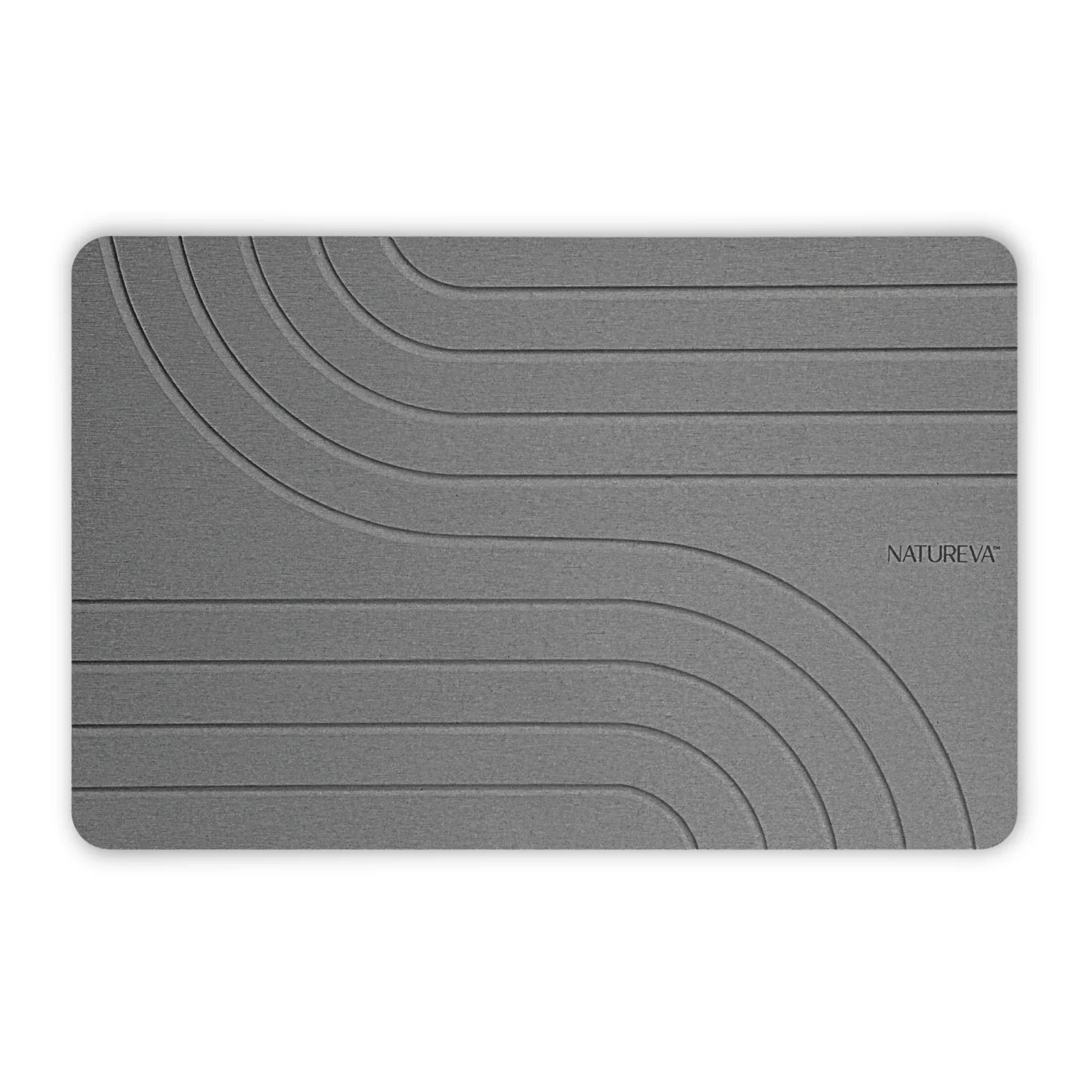
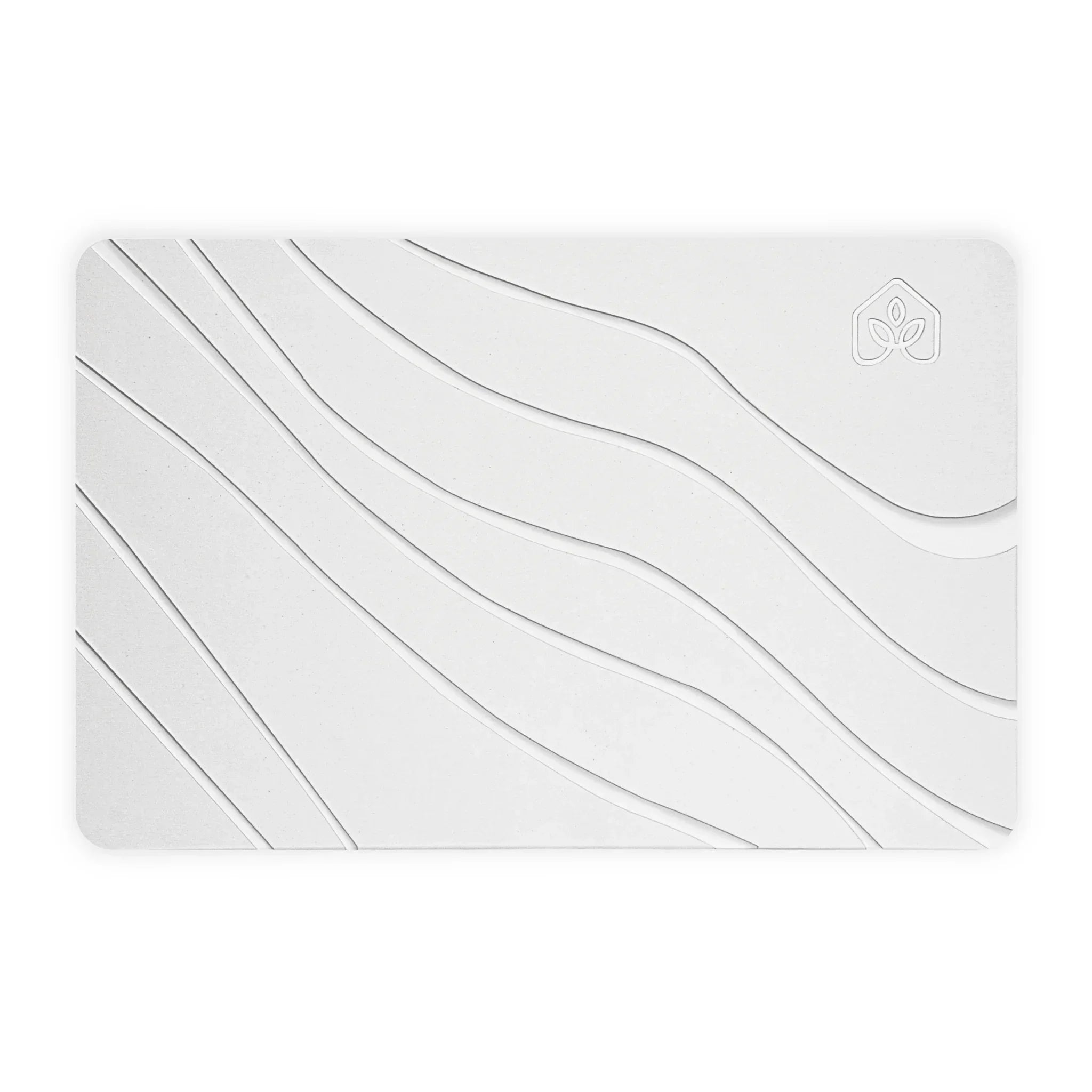
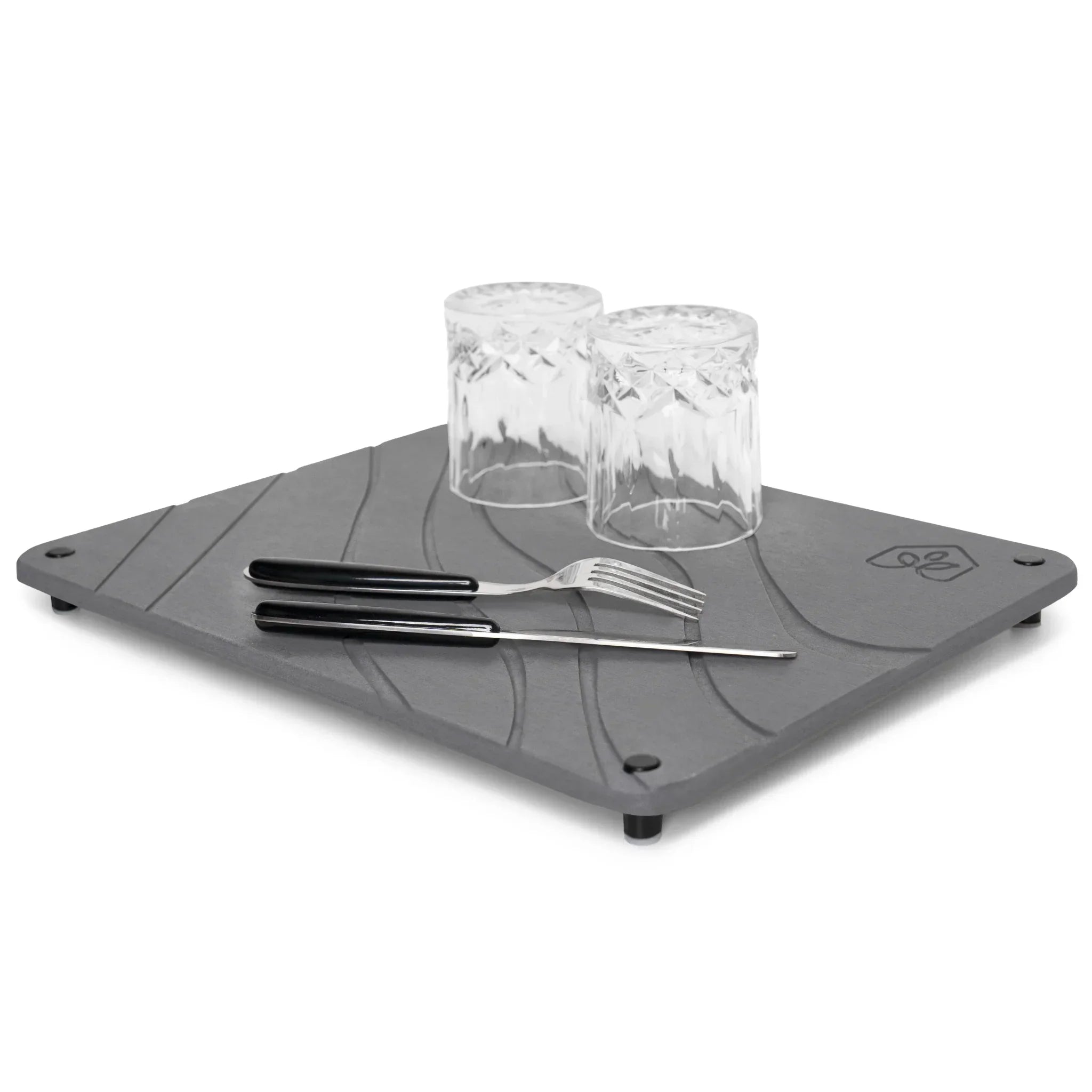
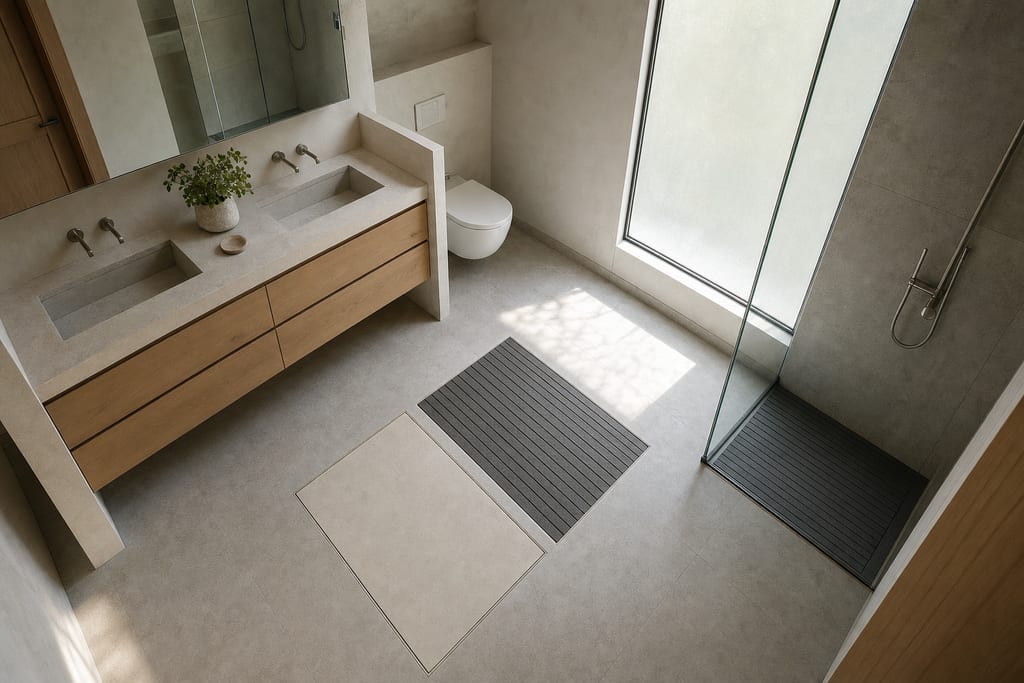
A diatomaceous earth bath mat looks like a thin slab of stone, but it does something no fabric mat can: it absorbs water the instant your feet touch it and dries itself within minutes. No washing, no musty smell, no bacteria breeding in damp fibers. The material is made from fossilized algae that's been around for millions of years, and it's quickly replacing traditional bath mats in homes that are tired of dealing with soggy, high maintenance alternatives. Here's everything you need to know before buying one.
Table of Contents
How a Diatomaceous Earth Bath Mat Works
Diatomaceous earth is a natural mineral formed from the fossilized remains of tiny aquatic organisms called diatoms. Over millions of years, their silica rich skeletons accumulated on ocean and lake floors, creating a chalky, porous rock called diatomite. When this material is compressed into a bath mat, it retains millions of microscopic pores that give it remarkable absorption properties.
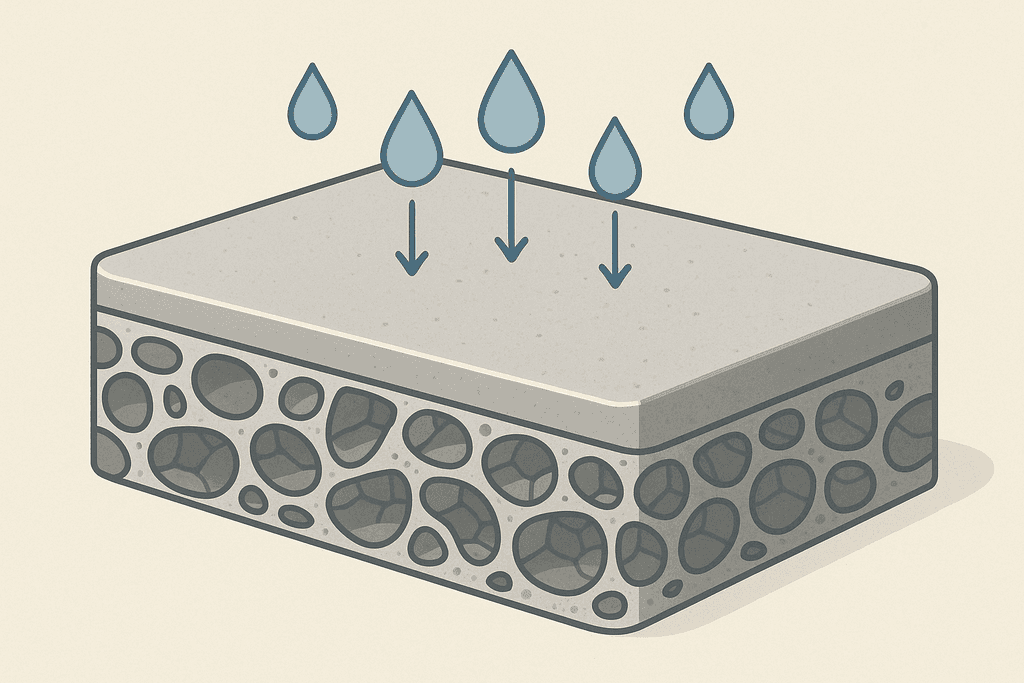
The porous structure of diatomaceous earth pulls water in and evaporates it rapidly
When water hits the surface of a diatomaceous earth bath mat, those pores pull moisture in through capillary action instantly. But unlike fabric that traps water between fibers for hours, the porous structure allows air to flow through and evaporate the moisture from both sides at once. The result is a surface that feels dry to the touch within seconds of stepping off it, even after you've stepped out of the shower with soaking wet feet.
This is why you can literally watch your wet footprints disappear in real time. The water doesn't just sit there. It's actively being pulled into the material and released back into the air. To understand more about the sensation and science behind it, our guide on what a stone bath mat is and how it works covers the full breakdown.
The Material Composition
A quality diatomaceous earth bath mat isn't pure diatomite. It's a composite of diatomaceous earth and recycled paper, compressed into a dense slab that feels like smooth stone. This construction keeps the material breathable while making it sturdy enough for daily use. There are no synthetic coatings, chemical sealants, or artificial binders involved.
- Diatomaceous earth provides the porous absorption structure
- Recycled paper acts as a natural binder that holds the composite together
- No chemical additives means the surface stays naturally antibacterial through rapid drying
- The composite is dense enough to feel solid but light enough to remain porous
This chemical free construction matters because it means the antibacterial properties don't wear off over time. There are no coatings to degrade or treatments to reapply. The mat resists bacteria simply because it dries so fast that microorganisms never get the sustained moisture they need to grow. Our diatomite bath mat collection uses this exact composite across every design.
Benefits Over Fabric and Silicone Mats
The difference between a diatomaceous earth bath mat and a traditional fabric mat becomes obvious the first time you use one. But the real advantages go beyond just faster drying. Here's how diatomite compares to the alternatives across the things that actually matter in daily bathroom use:
| Feature | Diatomaceous Earth Mat | Fabric / Microfiber Mat | Silicone Mat |
|---|---|---|---|
| Water Absorption | Instant on contact | Slow, stays damp for hours | None (water pools on surface) |
| Drying Time | 30 to 60 seconds | 4 to 8 hours | N/A (must wipe dry) |
| Bacteria and Mold | Naturally resistant (stays dry) | Breeds in trapped moisture | Low but water pools |
| Odor | None | Musty smell within days | Minimal |
| Maintenance | Monthly vinegar wipe | Weekly machine washing | Wipe after each use |
| Lifespan | 3 to 5 years | 6 to 12 months | 1 to 2 years |
| Stability | Stays flat, won't bunch or slide | Shifts, bunches, curls at edges | Can slide on wet tile |
The practical benefits add up quickly in daily life. No more tossing mats in the washing machine every week. No more stepping onto someone else's damp mat after a shared morning shower. No more that familiar musty smell that creeps in after a few days. A diatomaceous earth bath mat stays dry, stays clean, and stays in place without any ongoing effort.
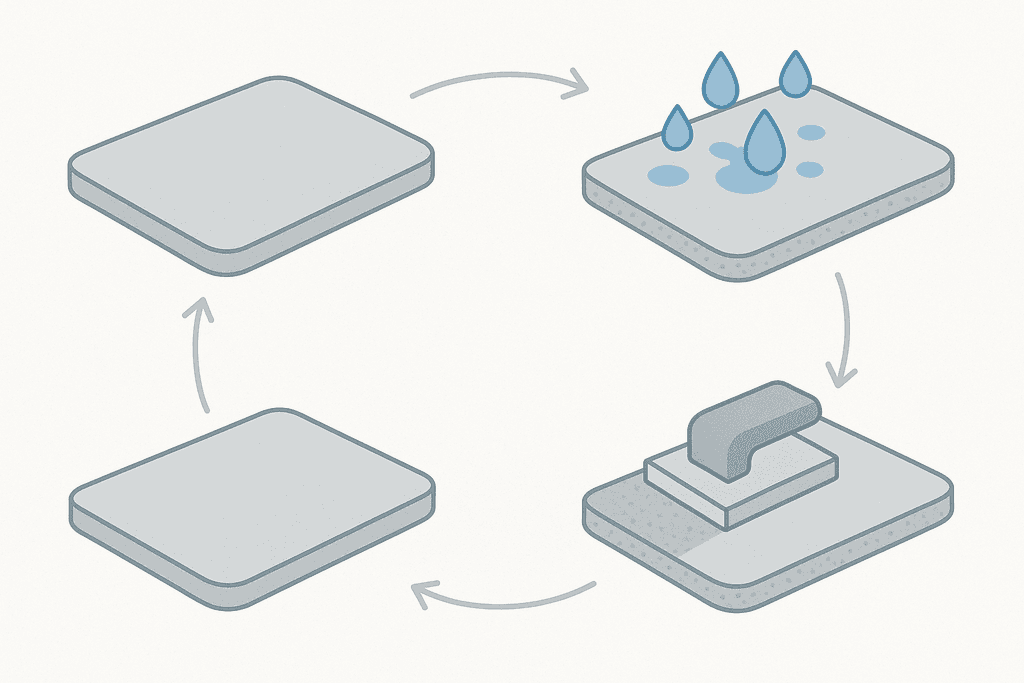
Built to maintain performance through years of daily use
For a deeper look at what the daily experience actually feels like, see our post on what makes a diatomite bath mat feel different.
What to Look for When Buying One
Not every diatomaceous earth bath mat is built the same. The quality varies significantly depending on material sourcing, construction, and safety features. Here's what separates a mat that will last years from one that cracks or stops absorbing within months.
Material density and thickness. Higher quality diatomite has more pores per square inch, which means faster absorption and better durability. Mats thinner than 0.7 cm tend to crack under normal weight over time. Look for mats in the 0.9 to 1.0 cm range for the best balance of performance and durability.
Non slip base design. This is where cheap mats cut corners most often. Small rubber dots or corner grips don't distribute weight evenly and can peel off over time. A full coverage non slip pad keeps the mat stable on tile, vinyl, or stone floors, even when you're stepping onto it with wet feet.
| Feature | What to Look For | Red Flags |
|---|---|---|
| Thickness | 0.9 cm or thicker | Under 0.7 cm (cracks easily) |
| Non Slip Base | Full coverage pad | Corner dots or thin strips |
| Composition | Diatomite + recycled paper, no synthetics | Synthetic binders or coatings |
| Restoration Tool | Sanding disc included | No way to restore absorbency |
| Weight | 1.5 to 2.0 kg (stable, dense) | Very light (low density, less porous) |
Included restoration tools. Over time, the surface pores of any diatomaceous earth bath mat will gradually clog with mineral deposits and soap residue. Quality mats come with a sanding tool (P320 grit) that lets you refresh the surface in minutes and restore full absorbency. If a mat doesn't include one, it's a sign the manufacturer doesn't expect it to last long enough to need one.
Chemical free construction. Avoid mats with synthetic coatings or chemical treatments. These might make the mat feel smoother initially, but they trap moisture instead of allowing it to evaporate, which defeats the whole purpose. The best mats rely entirely on the natural pore structure for absorption and antibacterial performance.
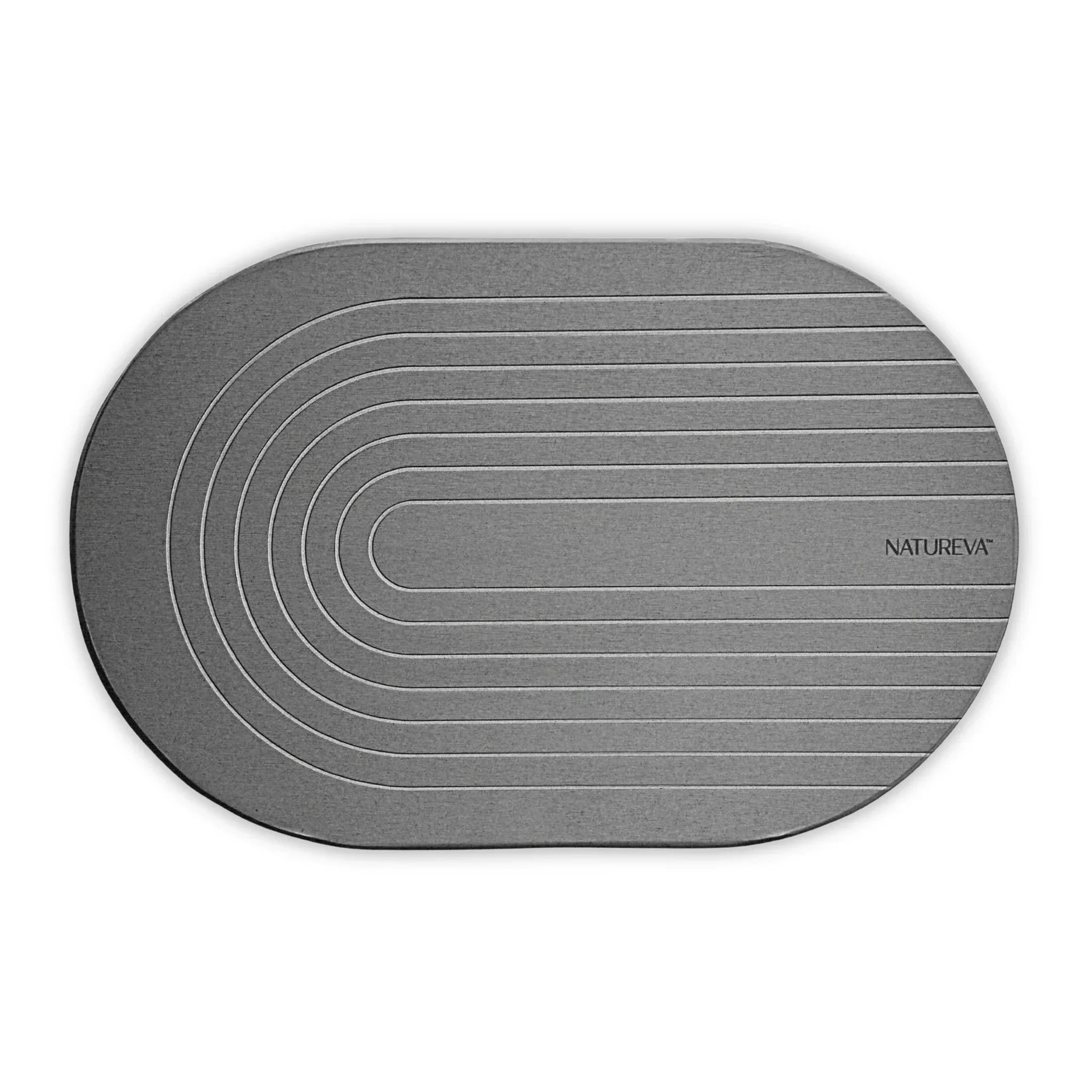
Our Natureva stone bath mats are 0.9 cm thick, weigh approximately 1.8 kg, and come with full non slip base pads and a P320 sanding disc. The 2026 buying guide covers additional factors to consider when choosing between different options.
How to Care for a Diatomaceous Earth Bath Mat
Caring for a diatomaceous earth bath mat is far simpler than maintaining a fabric one, but the approach is completely different. The porous surface that makes it absorb water so well also means it reacts badly to the wrong cleaning products. Here's the full care routine.
The next generation of home essentials: naturally made, cleaner by design, sustainable by nature.
SHOP ALL- Mix equal parts white vinegar and water
- Dampen a soft cloth with the solution
- Wipe the surface gently, following any engraved patterns
- Let it air dry flat or prop upright if saturated
- Use the included P320 sanding disc in light circular motions
- Cover the entire surface, focusing on high traffic areas
- Wipe away dust with a damp cloth
- Splash water on the surface to test — it should disappear within seconds
What to never use: bleach, fabric softener, oil based cleaners, coloured soaps, dishwashers, or washing machines. These either clog the pores permanently or break down the composite material. For the full detailed cleaning guide, see our post on how to clean a stone bath mat without damage. Additional long term care tips are covered in seven easy care tips for stone bath mat longevity.
You can also visit our care and cleaning page for product specific instructions and our how it works page for a visual walkthrough of the absorption process.
Are They Worth the Investment
A diatomaceous earth bath mat typically costs between $50 and $80, which feels steep compared to a $15 fabric mat from the store. But when you do the actual maths over time, the numbers tell a different story.
| Cost Factor | Diatomaceous Earth Mat ($59) | Fabric Mat ($15 to $20) |
|---|---|---|
| Lifespan | 3 to 5 years | 6 to 12 months |
| Replacements over 3 years | None | 3 to 6 mats ($45 to $120) |
| Weekly washing costs | None | Water, energy, detergent x 156 weeks |
| Maintenance | Vinegar wipe + occasional sand | Machine wash every week |
| Total 3 year cost | ~$59 | $45 to $120 + laundry costs |
Beyond the financial comparison, there's the time factor. No more weekly laundry cycles for bath mats, no more remembering to hang them to dry, no more dealing with the musty smell that builds between washes. A diatomaceous earth bath mat is effectively a set and forget solution that handles itself.
For a more detailed cost breakdown, our post on whether stone bath mats are really worth it compares specific designs and long term value.
Find the Right Mat for Your Bathroom
A diatomaceous earth bath mat is one of those rare products where the upgrade genuinely delivers on every front: faster drying, less maintenance, better hygiene, and lower long term cost. The material has been around for millions of years, and the science behind why it works is simple. Porous stone absorbs water instantly and evaporates it back into the air, leaving a surface that stays dry, clean, and odor free without any effort from you.
The key is choosing one that's built properly. Look for dense diatomite construction, a full non slip base, chemical free composition, and an included restoration tool. These are the features that separate a mat lasting years from one that cracks or stops absorbing within months.
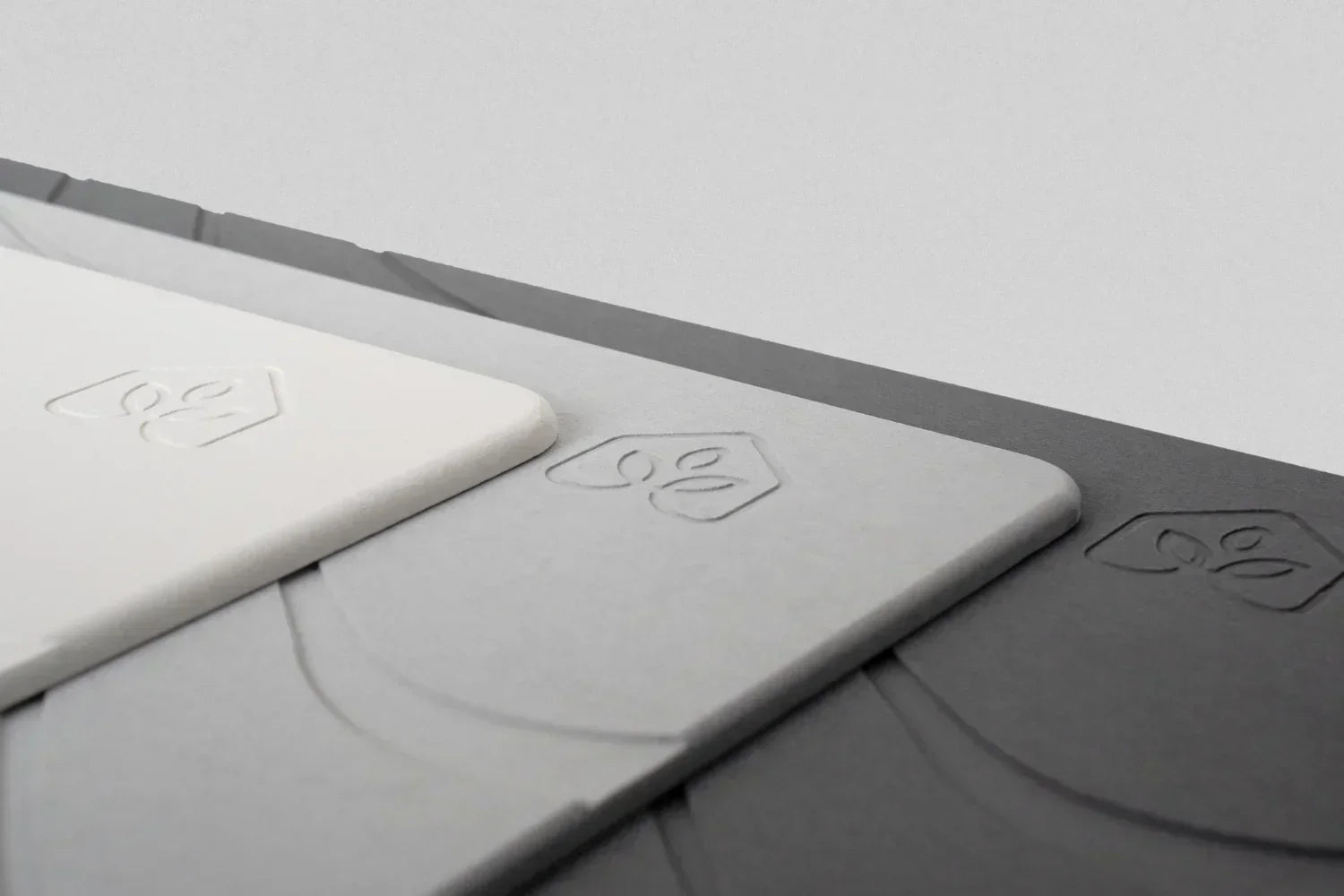
Our Natureva diatomite bath mat collection includes designs like the Tide, Flow, Arch, and Rain, each offering the same absorption performance with a different aesthetic. Every mat comes with a non slip base pad and sanding tool included.
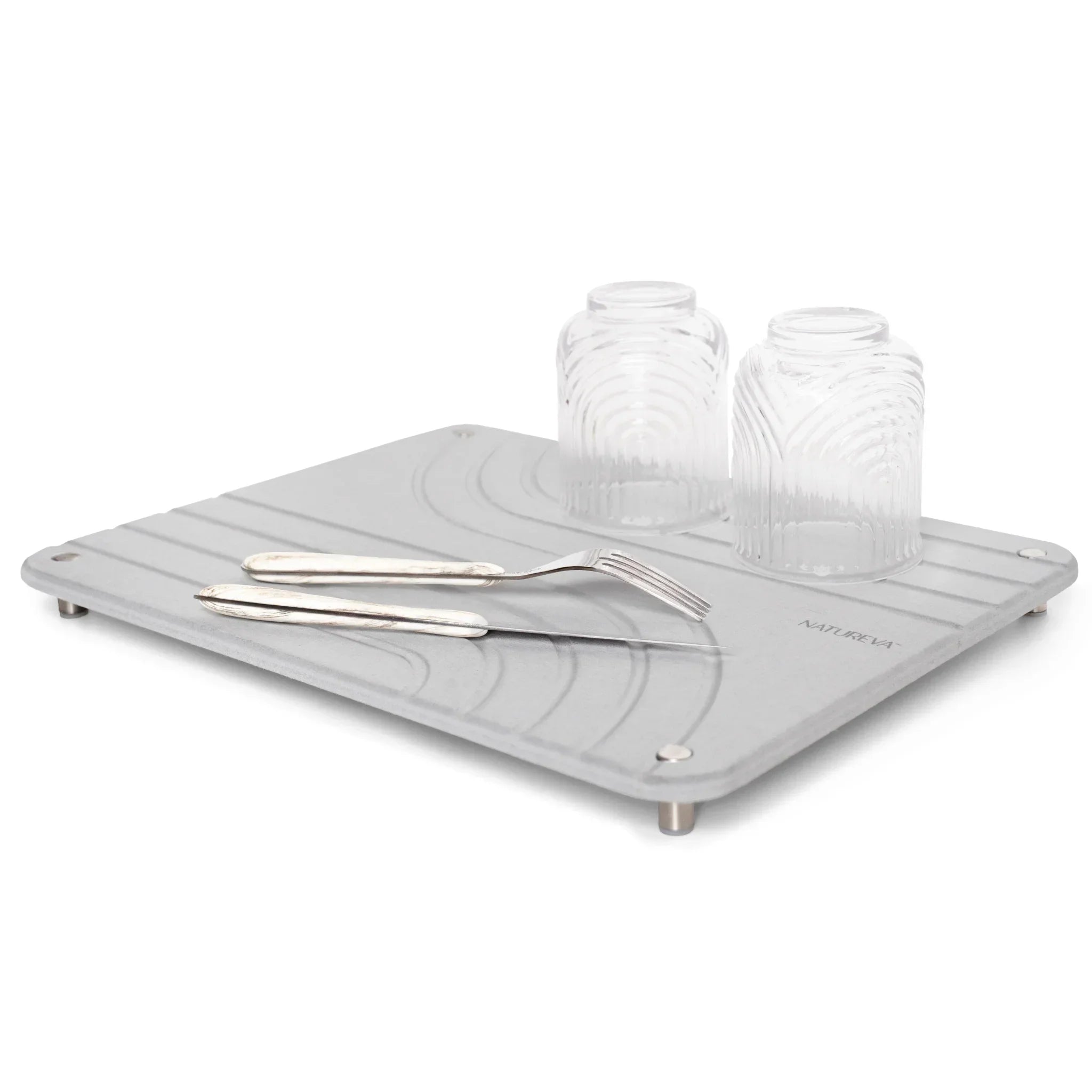
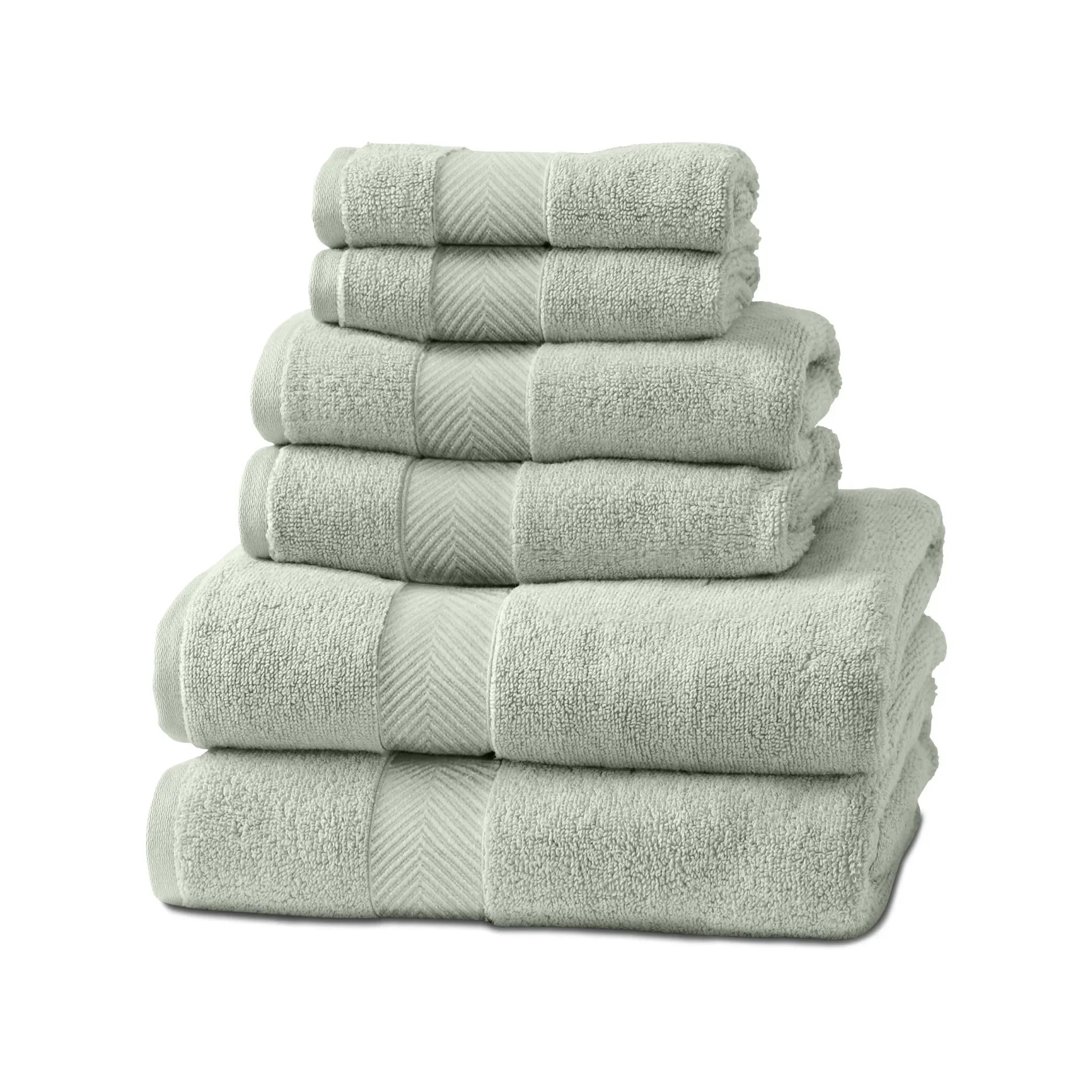
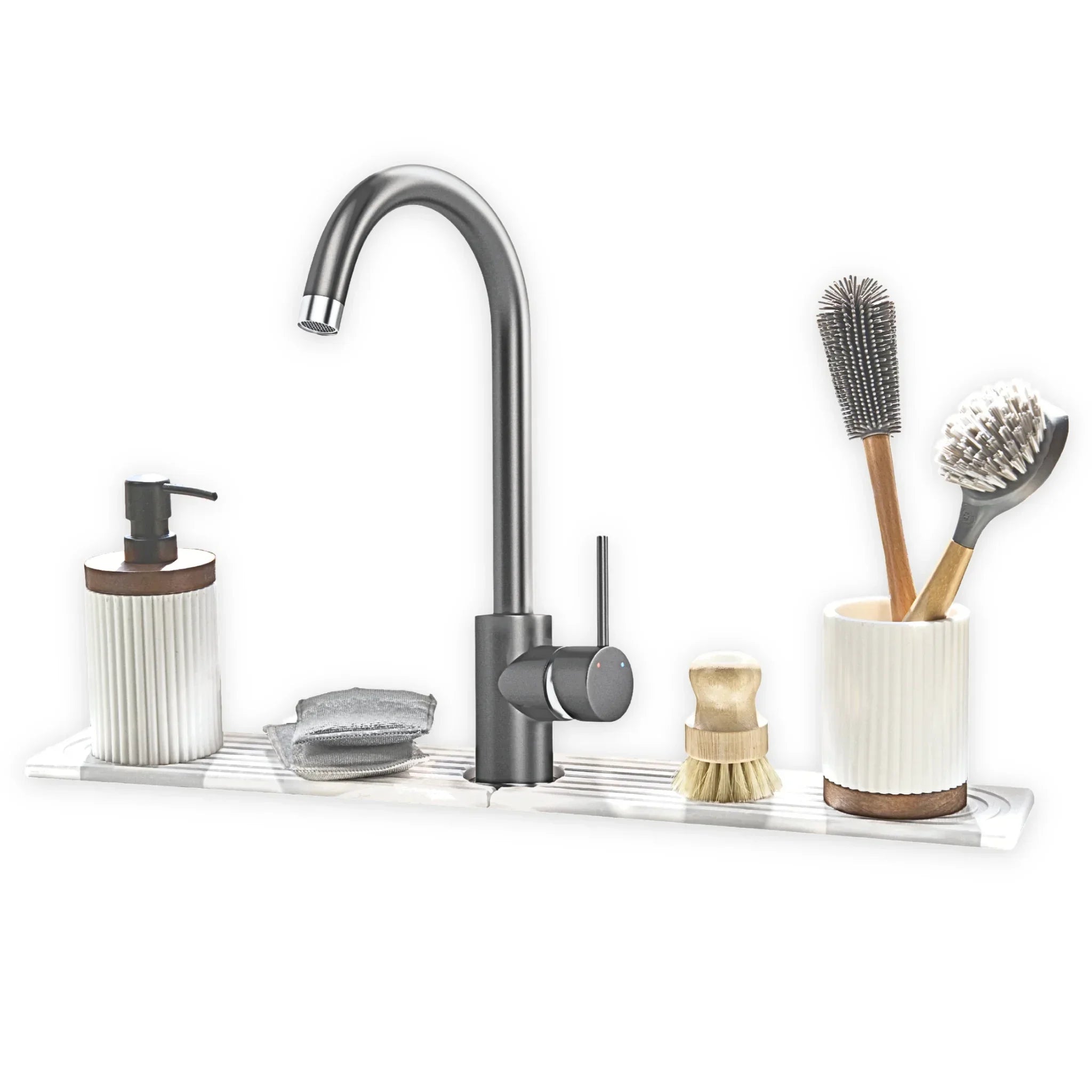
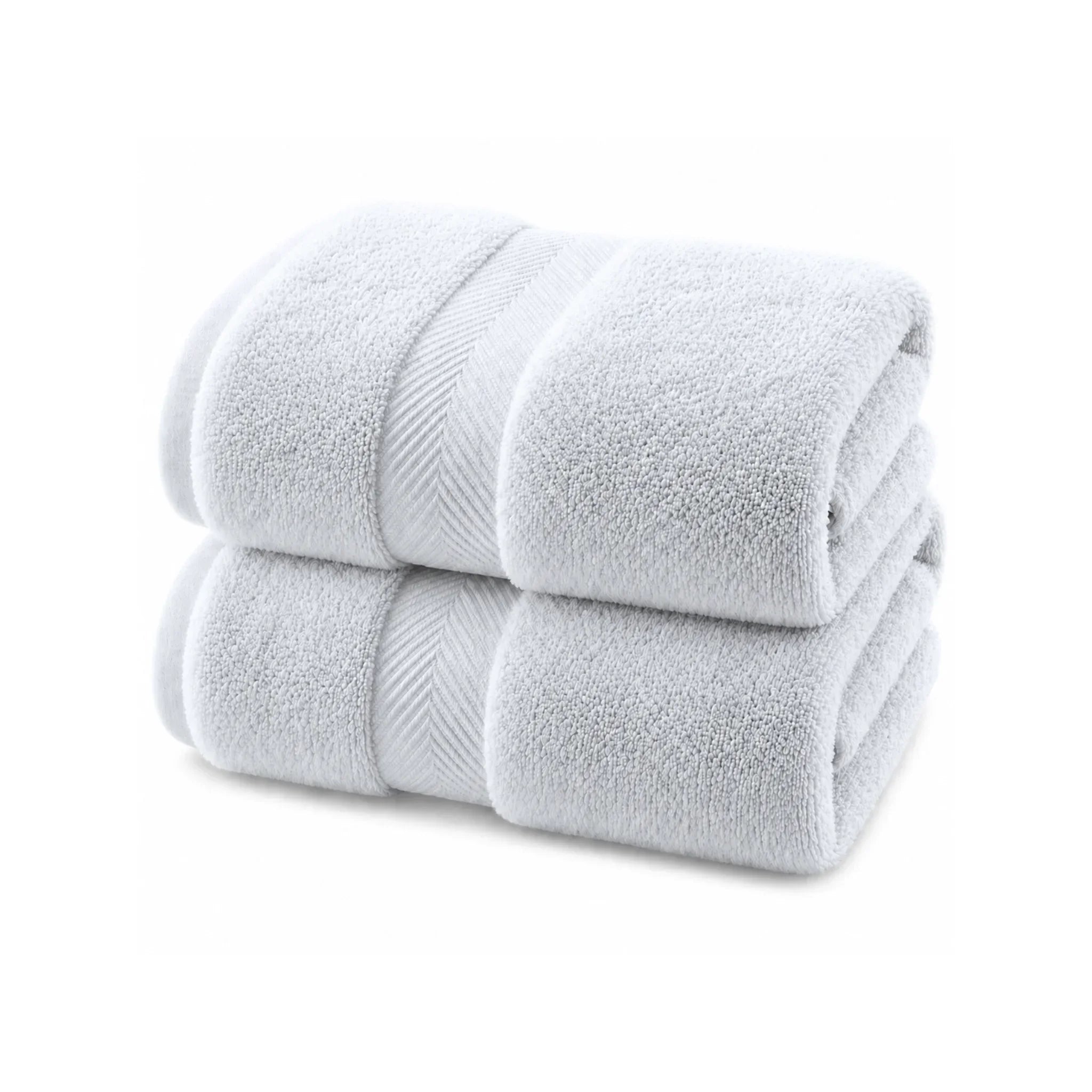
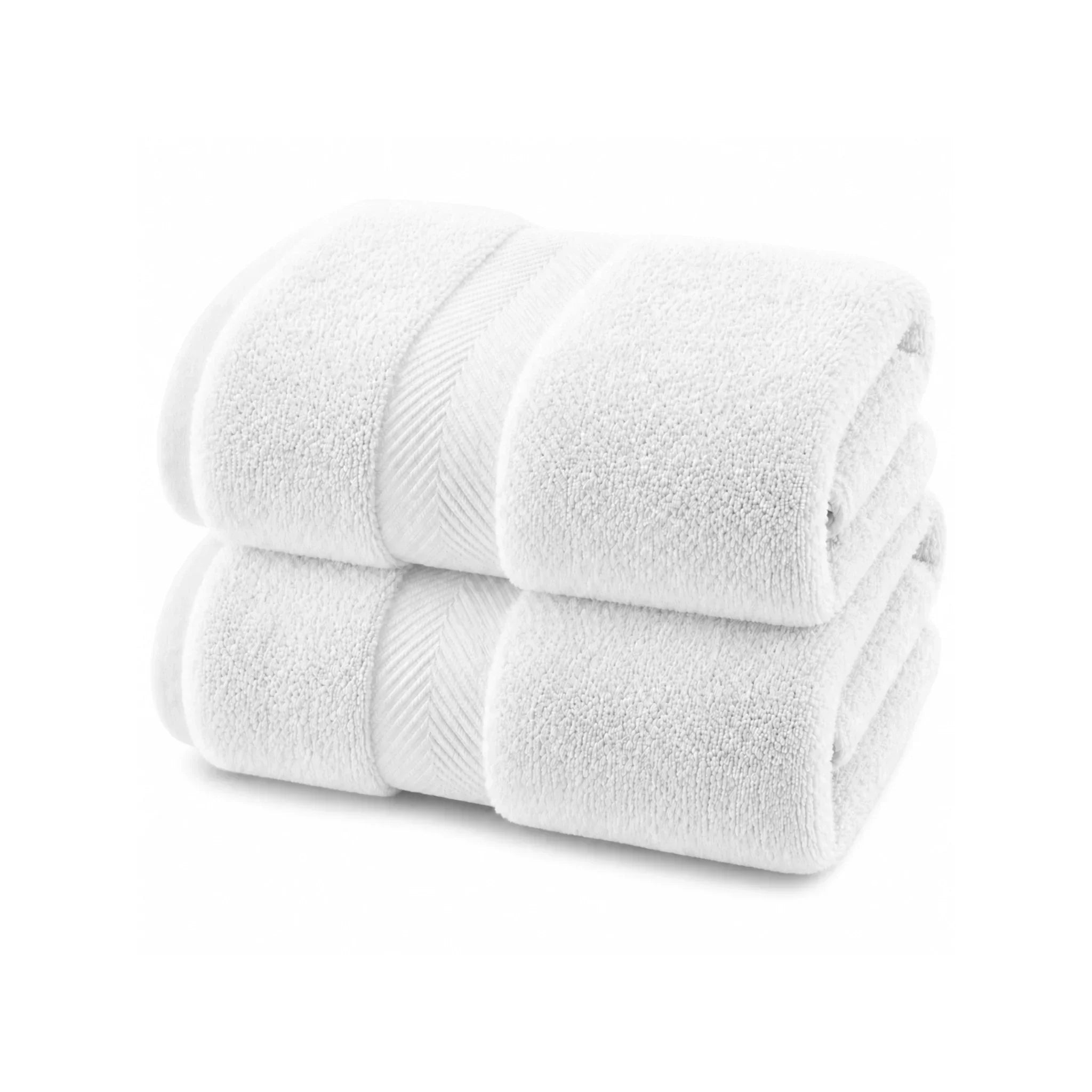
If you're also looking to bring the same diatomite technology into your kitchen, our kitchen collection includes dish mats, sink caddies, and faucet mats that all use the same natural material and care routine. You can also pair your mat with bamboo cotton towels for a fully natural, low maintenance bathroom setup.
Common Questions About Diatomaceous Earth Bath Mats
If you're considering switching from fabric to a diatomaceous earth bath mat, here are the questions most people ask before making the decision.
What exactly is a diatomaceous earth bath mat made of?
It's a compressed composite of diatomaceous earth (fossilized algae) and recycled paper. No synthetic chemicals, coatings, or artificial binders. The diatomite provides the absorption through millions of microscopic pores, while the recycled paper holds the composite together in a solid, stone like slab.
Is diatomaceous earth safe to stand on with bare feet?
Yes. The diatomaceous earth used in bath mats is food grade quality and completely non toxic. The surface is smooth and slightly textured, similar to fine sandstone. It's comfortable to stand on and warms to body temperature within seconds of contact.
How long does a diatomaceous earth bath mat last?
With basic care, 3 to 5 years of daily use. The included sanding tool restores absorption when the surface pores clog over time, effectively renewing the mat every few months. This is significantly longer than fabric mats which typically need replacing every 6 to 12 months.
Will it crack or break?
Quality diatomaceous earth bath mats are dense and durable enough for daily use. They can crack if dropped from height onto a hard surface, similar to a ceramic plate, but normal use won't cause any issues. Mats thicker than 0.9 cm are significantly more resistant to cracking than thinner alternatives.
Does it feel cold on bare feet?
It feels cool to the touch initially, similar to tile flooring. Most people find this refreshing rather than uncomfortable. The surface warms to body temperature within a few seconds of standing on it, so the cool sensation is brief.
Can multiple people use it back to back?
Yes. Because the mat dries within 30 to 60 seconds, each person steps onto a dry surface even during a busy morning bathroom routine. This is one of the biggest practical advantages over fabric, where the second user always gets the damp leftover experience.
How do I clean it?
A weekly wipe with equal parts white vinegar and water is all it needs. Never use bleach, fabric softener, or oil based cleaners as these clog the pores. For stubborn stains, hydrogen peroxide works well. Full cleaning instructions are covered in our stone bath mat cleaning guide.
Is it safe on all floor types?
With a proper non slip base pad, yes. Quality mats like Natureva's include a full coverage pad that works on tile, vinyl, stone, and laminate floors without scratching or leaving residue. The mat weighs approximately 1.8 kg, which adds natural stability on top of the grip from the base pad.
The next generation of home essentials: naturally made, cleaner by design, sustainable by nature.
SHOP ALL