

Four Easy Caddy for Sink Placements to Try
That wet ring around your dish soap bottle says everything about where you placed your caddy for sink. Most people just drop their sponge holder or soap tray wherever there's space, but that random spot usually creates more mess than it solves. The right placement can actually keep your counter dry and your cleaning tools exactly where you need them, which is why materials like the diatomaceous earth in our Stone Sink Caddy work best when positioned strategically.
Table of Contents
What Makes a Good Caddy for Sink
Most people don't think twice about the tray sitting next to their sink until they notice the puddles, the weird smell, or the slimy residue underneath. A caddy for sink storage seems like a simple thing, but the material it's made from makes all the difference between a clean counter and a breeding ground for bacteria. Traditional caddies made from plastic or metal look nice at first, but they have a major flaw that most people overlook. They trap water instead of getting rid of it, which creates the perfect environment for mold and mildew to grow.
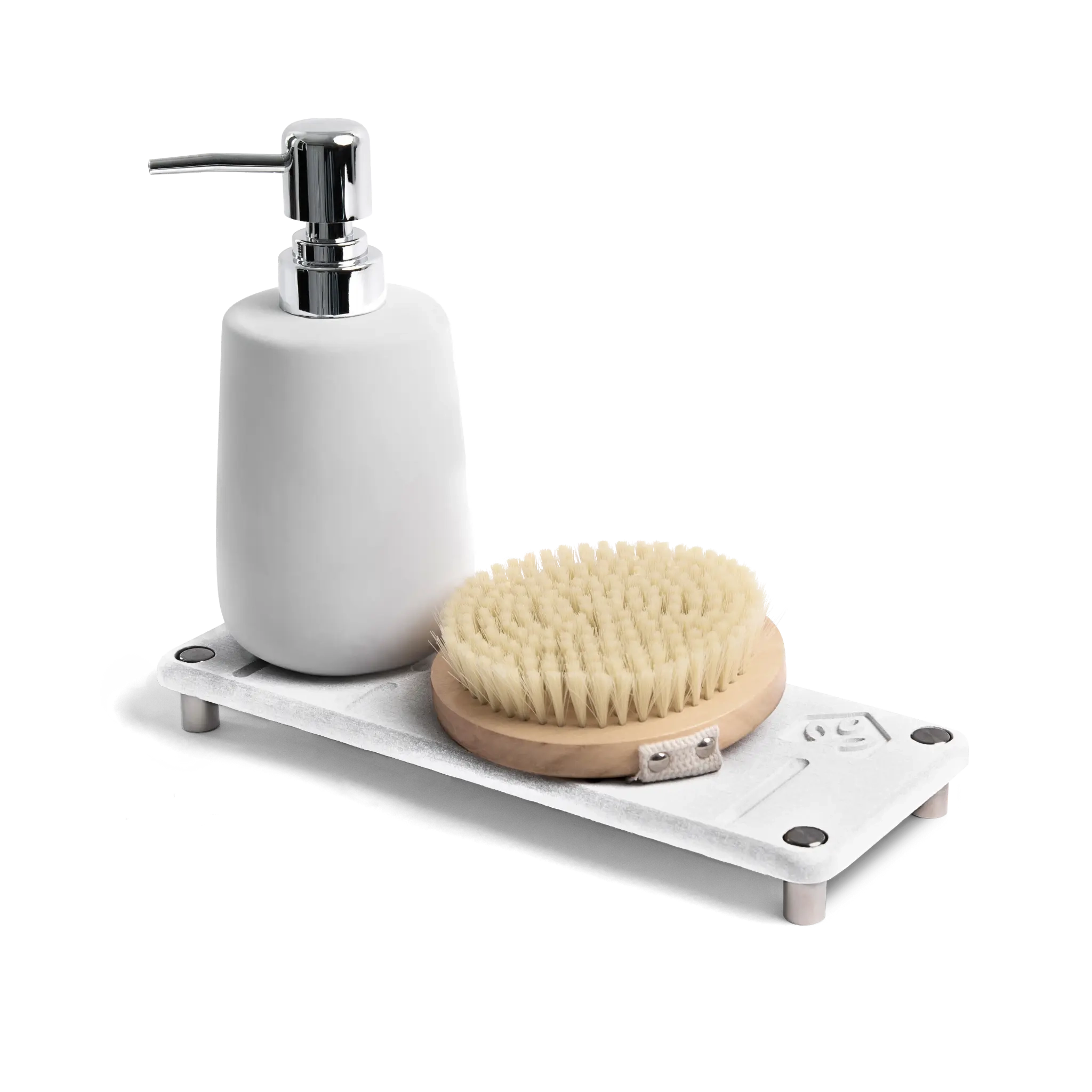
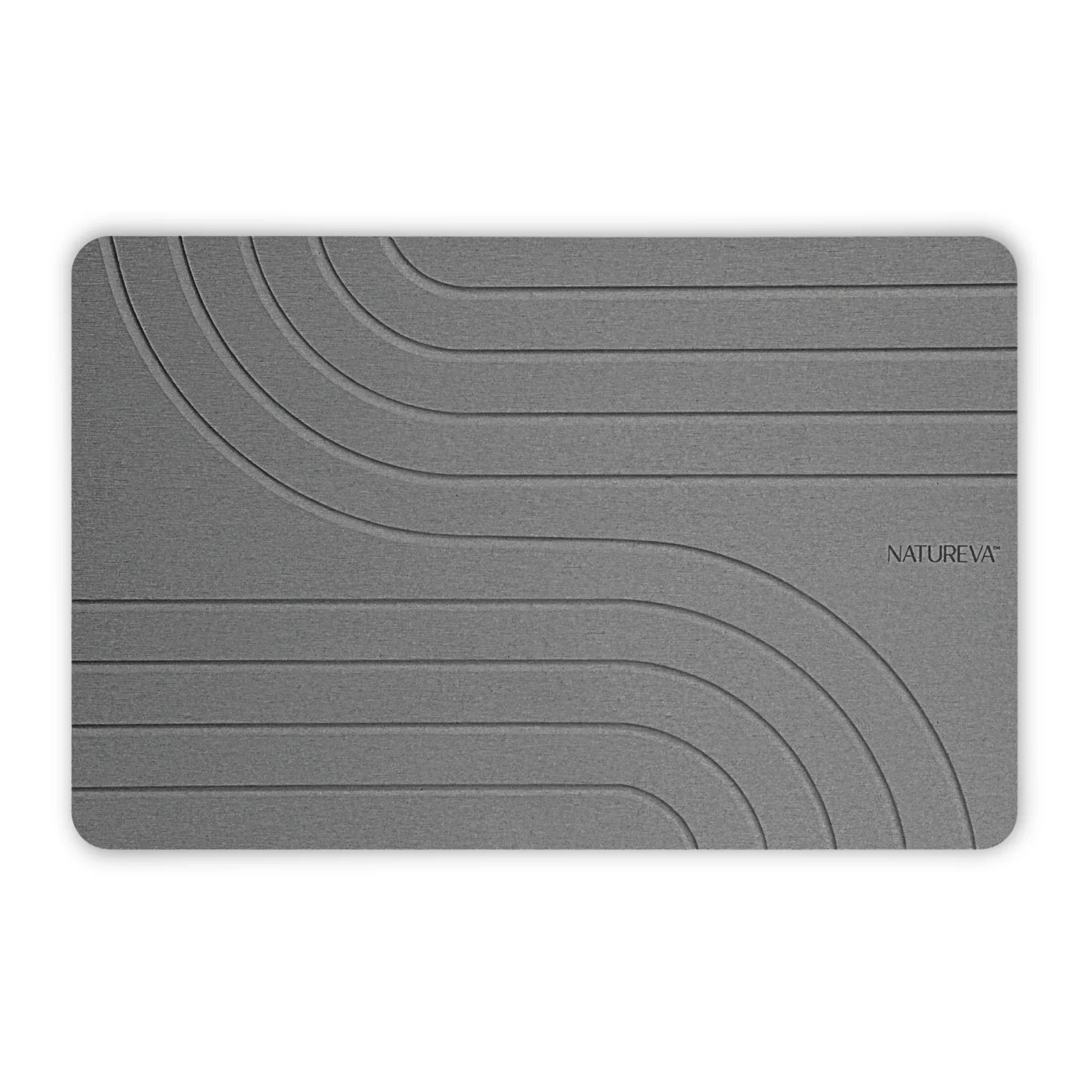
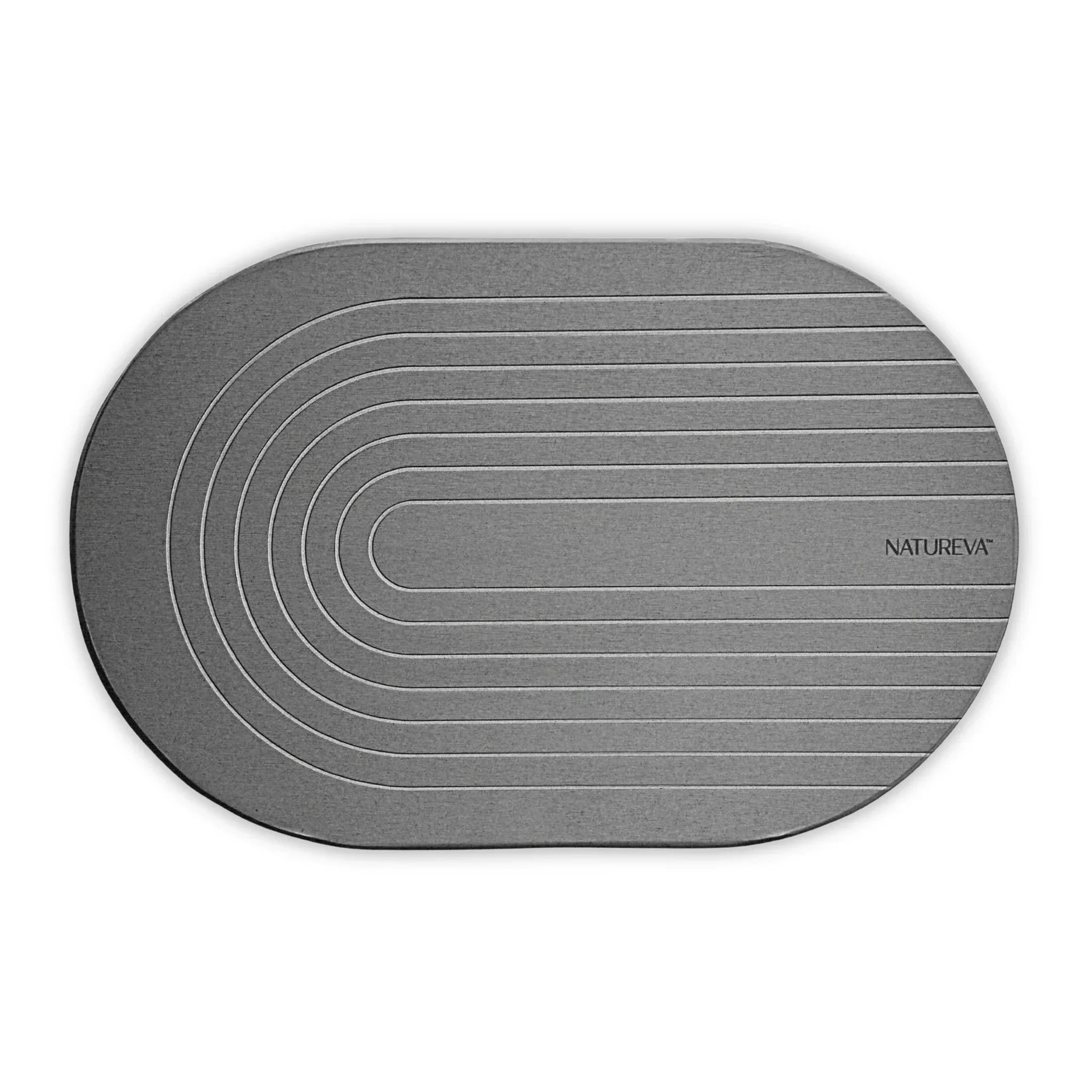
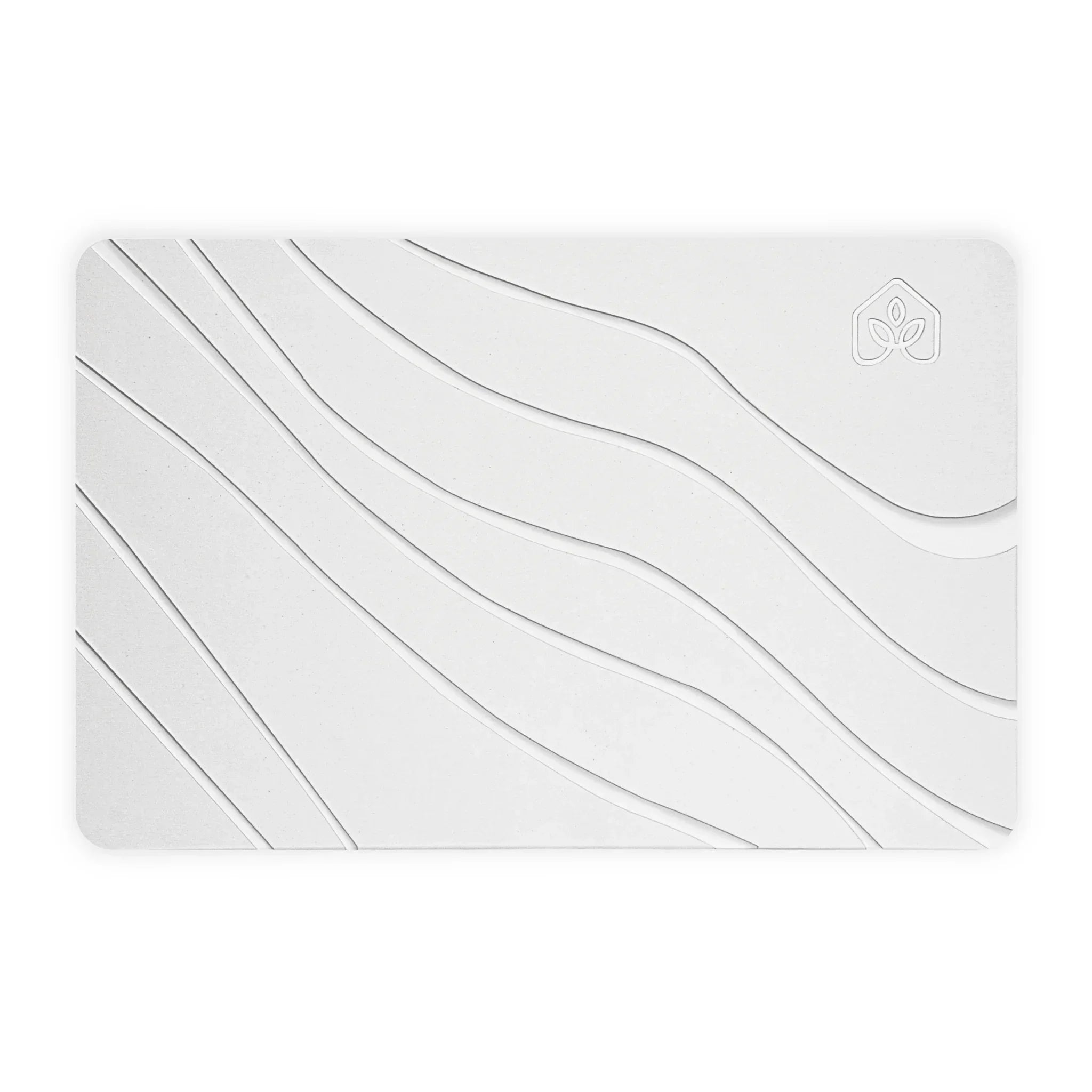
Stone Sink Caddy - Rain
Why Traditional Caddies Fall Short
Walk into any kitchen store and you'll see rows of sink caddies made from the same old materials. They might come in different colors or shapes, but they all share the same problem.
- Plastic caddies develop a slimy film within days of use
- Metal versions rust or corrode when constantly exposed to water
- Both materials require frequent cleaning to prevent bacterial growth
- Water sits in the bottom, creating puddles that damage countertops
According to Epicurious, the right sink caddy can actually make doing dishes easier by keeping everything organized and dry. The key is finding one that works with water instead of against it.
How Diatomaceous Earth Changes Everything
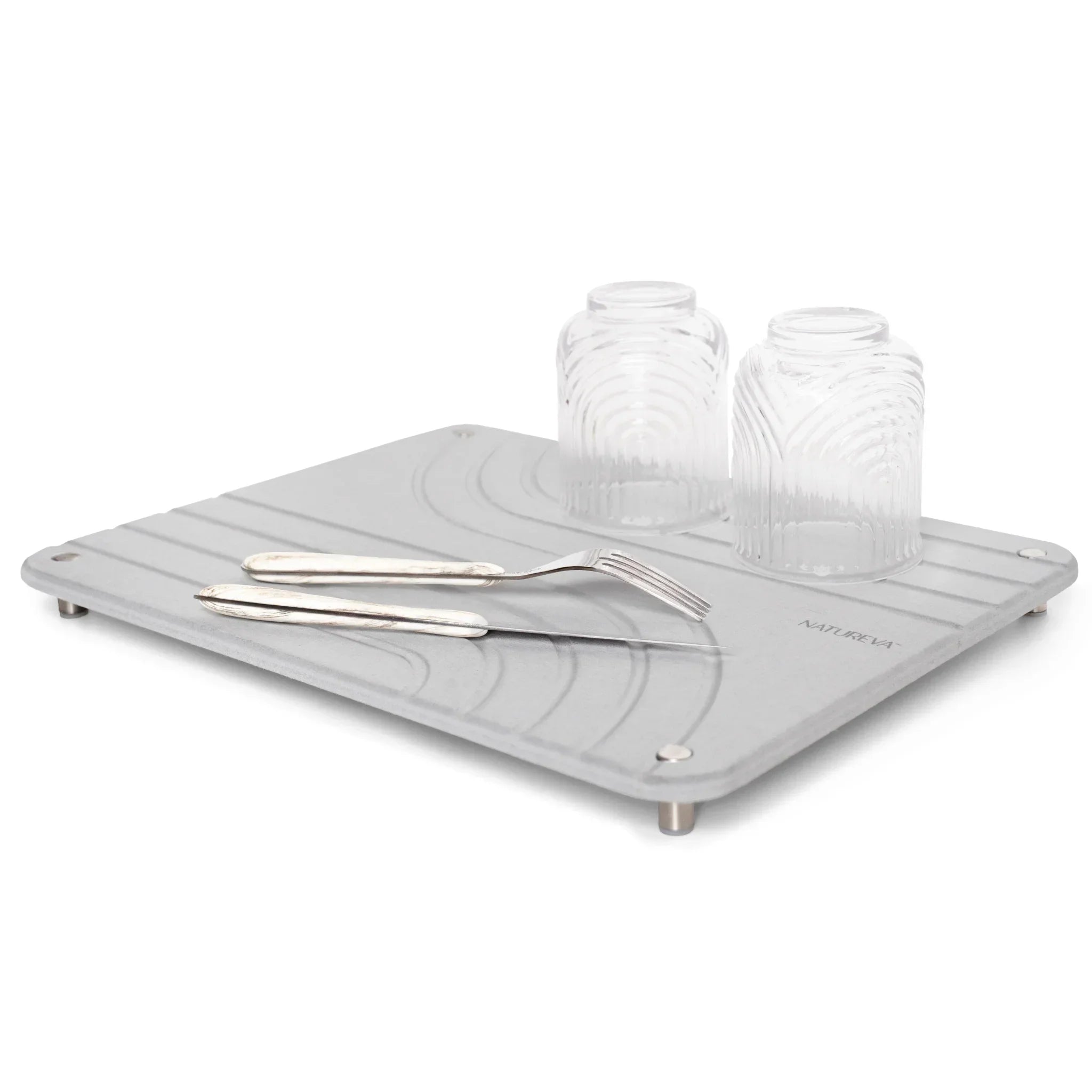
Diatomaceous earth is a natural material made from fossilized algae that has microscopic pores covering its surface. These tiny holes act like thousands of little sponges, pulling water away from whatever sits on top of the caddy. Our Stone Sink Caddy uses this material to keep your counter dry without any extra effort on your part.
| Feature | Plastic/Metal Caddies | Diatomaceous Earth Caddies |
|---|---|---|
| Water Management | Traps and pools water | Absorbs and evaporates |
| Drying Time | Stays wet for hours | Dries in seconds |
| Mold Prevention | Requires frequent cleaning | Naturally prevents growth |
| Maintenance | Weekly scrubbing needed | Minimal upkeep required |
| Counter Protection | Can cause water damage | Keeps surface dry |
Size and Placement Matter Too
Even the best material won't help if your caddy doesn't fit your space properly. A caddy that's too small won't hold everything you need, while one that's too large takes up valuable counter space.
- Measure your sink area before choosing a caddy size
- Consider what items you'll store (soap, sponges, brushes)
- Think about whether you want it next to or behind your faucet
The design also affects how well water drains and evaporates. Flat surfaces work better than ones with raised edges that trap moisture. Where you place your caddy for sink items can make it more or less effective at staying dry and clean.
Right Next to Your Faucet
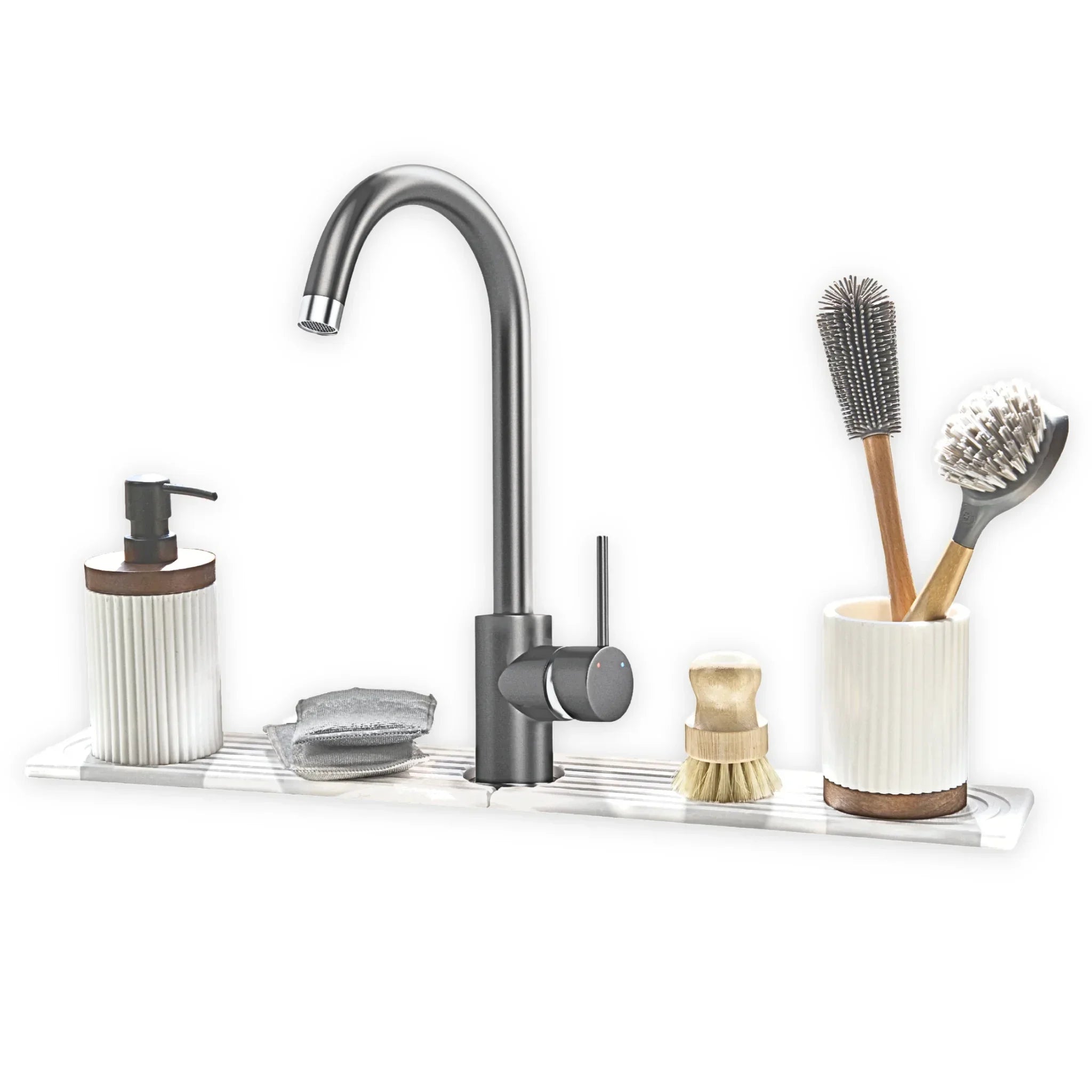
Most people never think twice about where they put their dish soap and sponge, but that little spot right next to your faucet is actually prime real estate. This is where water drips land after you wash your hands, rinse dishes, or fill up a glass. It's also the spot you reach for most often during the day. When you place a caddy for sink right here, you're working with your natural habits instead of against them.
This placement catches the most water drips from daily use, which is exactly why you need something that handles moisture well. Traditional plastic or metal caddies just let water pool underneath, creating that gross slimy feeling nobody likes.
- Perfect for soap dispensers, dish brushes, and sponges that get used constantly
- Works best with rectangular caddies that fit along the counter edge
- Keeps everything within arm's reach while you're working at the sink
- The Stone Sink Caddy in Rain or Flow design fits perfectly in this high-traffic zone
The diatomaceous earth material actually absorbs water instantly and dries within seconds, so you never get that puddle situation. According to The Spruce's testing of sink caddies, absorbent materials significantly outperform traditional options for this exact placement.
Benefits of Faucet Side Placement
| Benefit | Why It Matters |
|---|---|
| Immediate access | No reaching across counter |
| Natural drip zone | Water lands here anyway |
| High visibility | Never forget to refill soap |
Between the Sink and Stove
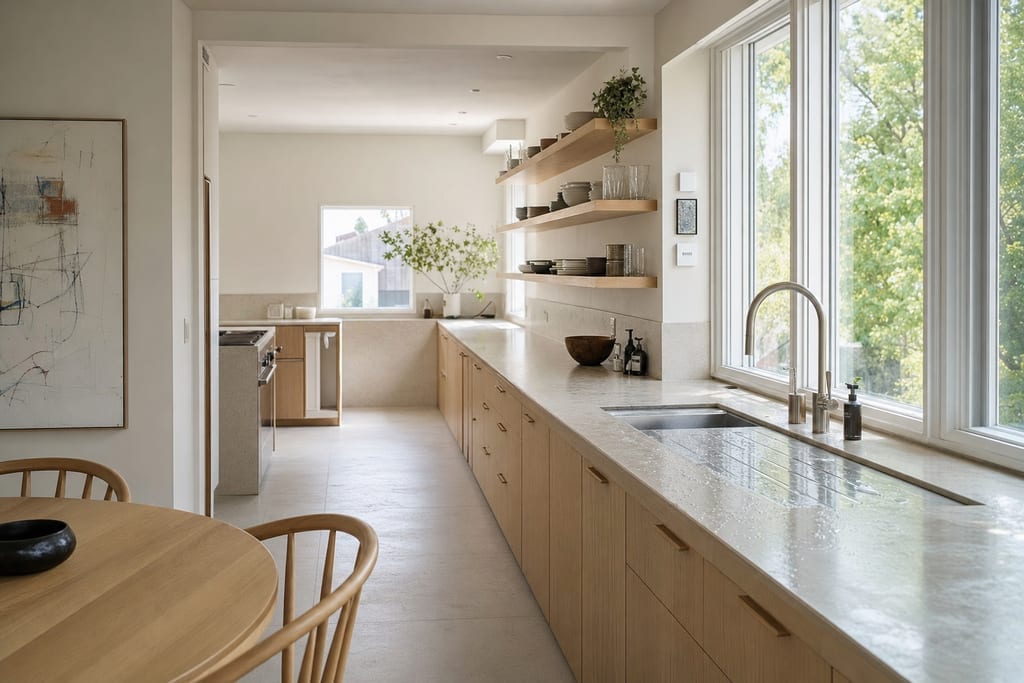
That stretch of counter between your sink and stove gets used more than you probably realize. You're constantly moving between these two zones while cooking, grabbing a sponge to wipe up a spill or washing your hands before touching food again. Creating a functional bridge between your two most-used kitchen zones makes everything flow better. This middle ground keeps cleaning supplies handy without cluttering up your main prep space.
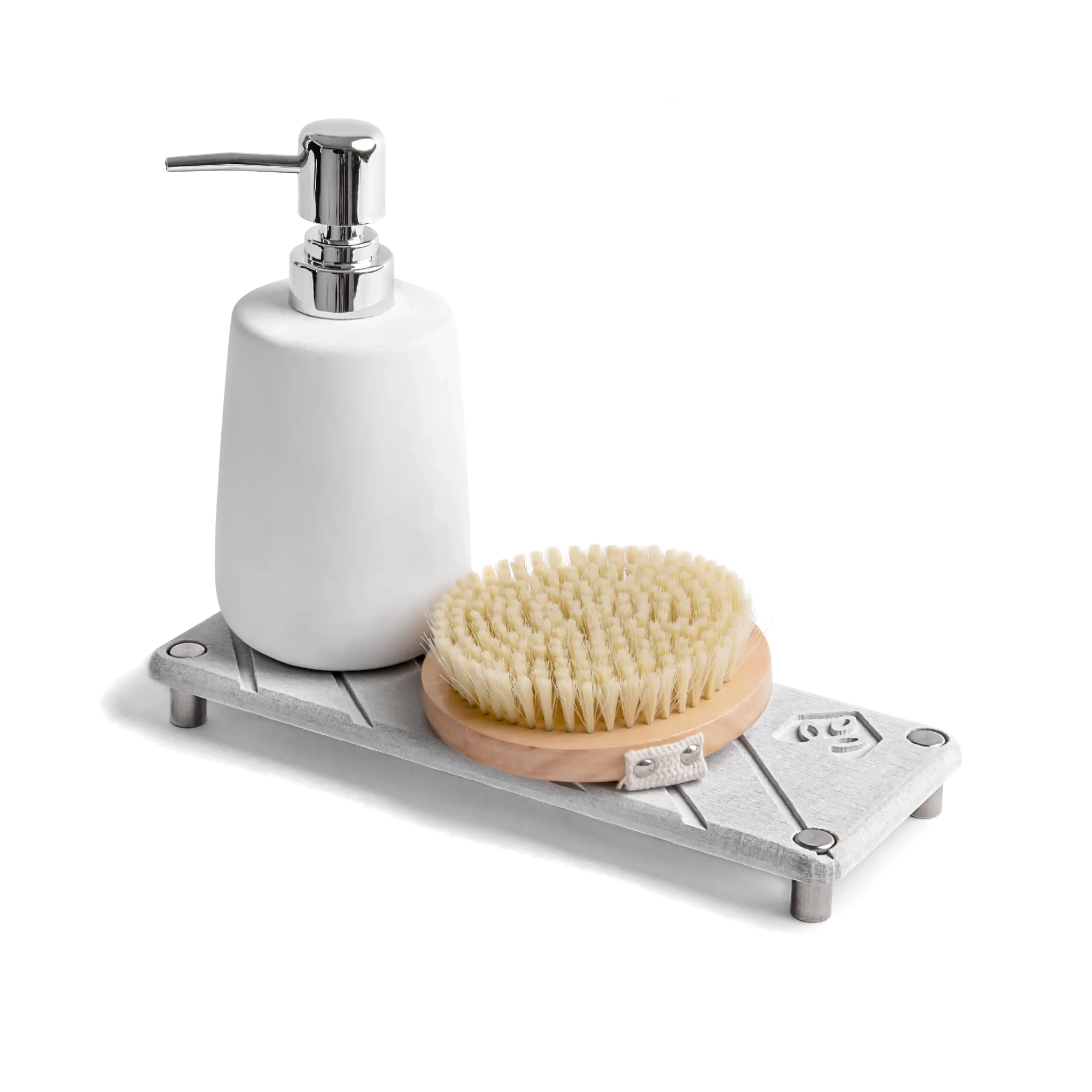
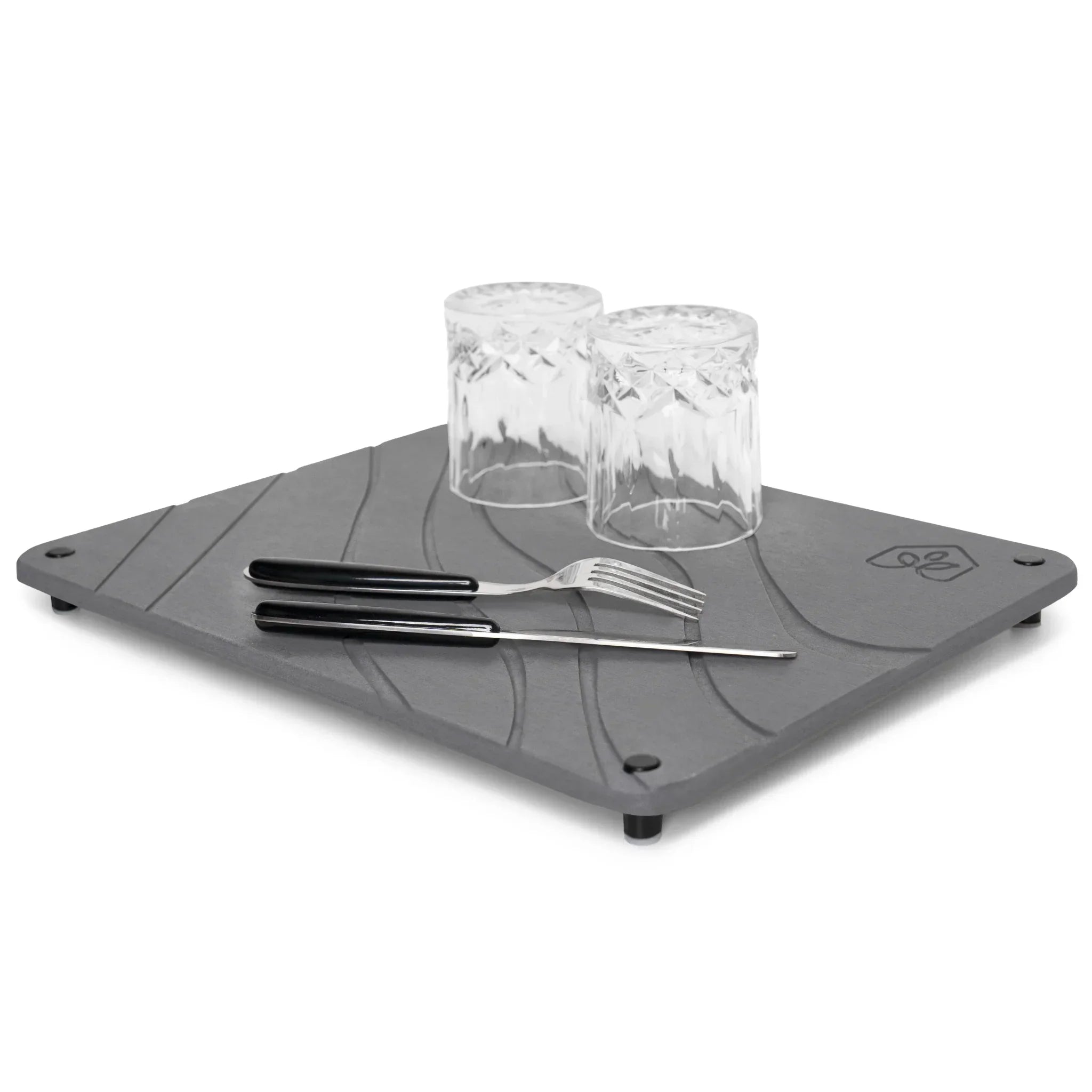
Stone Sink Caddy - Flow
This spot works especially well if you cook a lot. You can quickly grab dish soap for a fast cleanup without dripping water across your entire counter. Plus, keeping wet items away from the sink edge means they won't get knocked over when you're juggling pots and pans.
- Ideal for items you need while cooking like dish soap for quick cleanups
- This placement works great in galley kitchens or smaller spaces
- Prevents cross-contamination by keeping cleaning tools separate from food prep areas
- The absorbent stone material means no water trails between zones
Many kitchen organization experts recommend this placement for its versatility. You might also want to check out our full kitchen collection for other ways to keep this area organized.
Corner Sink Placement
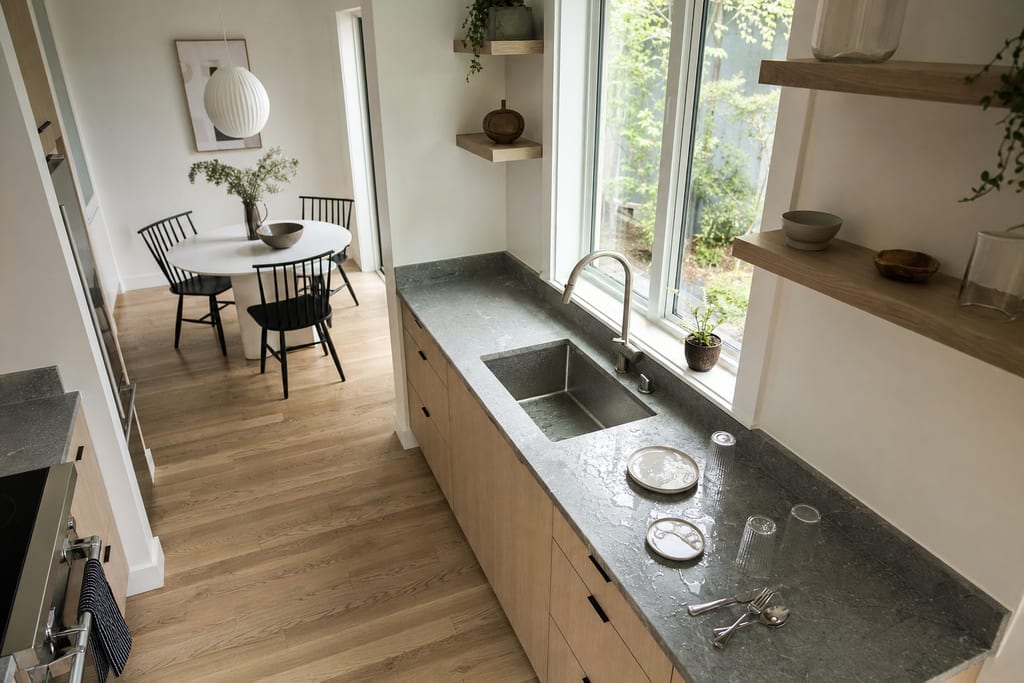
Corner sinks are tricky because they create these weird triangular spaces that most people just ignore. But that awkward spot is actually perfect for a caddy for sink. Corner sinks often have awkward dead space that a caddy can utilize without getting in your way. Instead of letting that area collect random junk or stay empty, you can turn it into useful storage.
The key is angled placement. You want the caddy tucked into the corner but still easy to reach when you need it. Angled placement keeps items accessible without blocking the main work area, which matters more than you'd think when you're trying to wash a big pot or cutting board.
The next generation of home essentials: naturally made, cleaner by design, sustainable by nature.
SHOP ALL- Perfect for storing backup sponges, scrub brushes, and cleaning tools
- The absorbent stone material prevents water from pooling in the corner
- Maximizes space in kitchens where every inch counts
- Creates a designated spot for items that usually end up scattered around
Corner placement also helps with the moisture problem that plagues these areas. Water naturally runs toward corners, and if you're using a regular caddy, that moisture just sits there. Our Stone Sink Caddy actually pulls that water away and evaporates it, which helps prevent mold and bacteria growth in a spot that's usually hard to keep clean.
Behind the Faucet Against the Backsplash
Most people never even consider the space behind their faucet, but it's one of the smartest places for a caddy. This placement maximizes counter space by using the back wall area that usually just sits empty. You get all the benefits of having your supplies organized without losing any of your main work surface. It's especially useful in smaller kitchens where counter space is limited.
There's another benefit most people don't think about. This spot protects your backsplash from water damage and soap splatter, which can stain tile grout or damage painted walls over time. The caddy acts as a barrier while still keeping everything you need within reach.
- Best for items you use regularly but not constantly
- Creates a cleaner, more organized visual appearance from the front
- Keeps hand soap, lotion, or backup sponges out of the way but accessible
- Works well with faucet mats for complete backsplash protection
According to evidence-based selection criteria for sink caddies, backsplash placement ranks high for maintaining a clean aesthetic while maximizing functionality.
Quick Checklist for Optimizing Backsplash Placement
- Measure the depth of your counter behind the faucet first
- Make sure the caddy doesn't interfere with faucet movement
- Choose items that you reach for daily but not every few minutes
- Consider pairing with other sink organization solutions for a complete setup
- Check that you can still easily clean behind the faucet
The beauty of these four placements is that you can actually use more than one. Many people find that combining the faucet-side spot with the backsplash area gives them the perfect balance of convenience and organization. The key is choosing a caddy that actually handles water properly, which is where the diatomaceous earth material makes a real difference compared to what most competitors offer.
Finding Your Perfect Caddy Spot
The truth is, there's no single perfect spot for your caddy for sink that works for everyone. Your best placement depends on how you use your sink, where water tends to pool, and what items you need to keep handy. What works great in a double sink setup might not make sense for a single basin, and your morning routine probably looks different from your neighbor's.
Here's what actually matters: try each placement for about a week and pay attention to what feels natural. Do you find yourself reaching for your sponge without thinking, or are you constantly adjusting where things sit? The right spot should make your routine easier, not harder.
The good news is that a quality diatomaceous earth caddy like our Stone Sink Caddy - Rain or Stone Sink Caddy - Flow works well in any of these positions. Unlike plastic or silicone trays that trap water underneath, the stone material actively absorbs and evaporates moisture no matter where you place it. This means less mold, fewer bacteria, and a cleaner counter overall.
Small changes in placement can make a surprisingly big difference in keeping your sink area dry and organized. Sometimes moving your caddy just a few inches to the left or right changes everything about how water drains and how easy it is to grab what you need. You might also want to check out our kitchen collection for other ways to keep water under control around your sink.
Still have questions about which placement might work best for your specific setup? We've got answers coming up next.
Common Questions About Sink Caddy Placement
Choosing the right spot for your caddy for sink can feel tricky at first. You want it close enough to be useful but not in the way of your daily routine. These common questions help clear up any confusion about placement, sizing, and care so you can make the most of your sink area.
How do I know which placement is right for my sink?
Think about where water splashes most and where you naturally set down wet items like sponges or soap dispensers. The best placement keeps these items within arm's reach while catching drips before they spread across your counter. If you have a double sink, try placing your caddy between the two basins or next to your most-used side.
Can I use multiple caddies in different spots?
Absolutely, and many people find this works better than one large tray. You might keep one caddy for sink placement near your dish soap and another by the faucet for scrub brushes. Using two smaller caddies gives you more flexibility than trying to fit everything on one tray, especially in compact kitchens where counter space matters.
How does a stone caddy stay dry compared to plastic?
Stone caddies made from diatomaceous earth actually absorb water into their porous surface and release it through evaporation. Plastic trays just collect water in puddles that sit there until you dump them out. Our Stone Sink Caddy pulls moisture away from your items and dries naturally, which means less standing water and fewer chances for mold or that slimy feeling you get with plastic.
What size caddy works best for small sinks?
Compact sinks need slim caddies that don't eat up your limited counter space. Look for designs that are long and narrow rather than wide and square. A caddy that fits along the back edge of your sink or tucks into a corner keeps essentials organized without blocking your workspace.
How often should I clean my sink caddy?
Stone caddies need a light cleaning about once a week, or whenever you notice the surface feels less absorbent. Just rinse it with water and let it air dry completely. If it starts absorbing slower over time, a gentle sand with fine-grit sandpaper refreshes the surface and brings back that quick-dry quality.
Will a stone caddy damage my countertop?
Stone caddies have a smooth bottom surface that won't scratch most countertops when you set them down normally. They're much gentler than you'd expect because the diatomaceous earth material is softer than granite or quartz. Just avoid dragging them across delicate surfaces, and they'll sit safely on any standard kitchen counter.
The next generation of home essentials: naturally made, cleaner by design, sustainable by nature.
SHOP ALL