

How Much Quicker Stone Bath Mats Dry Than Cotton Rugs
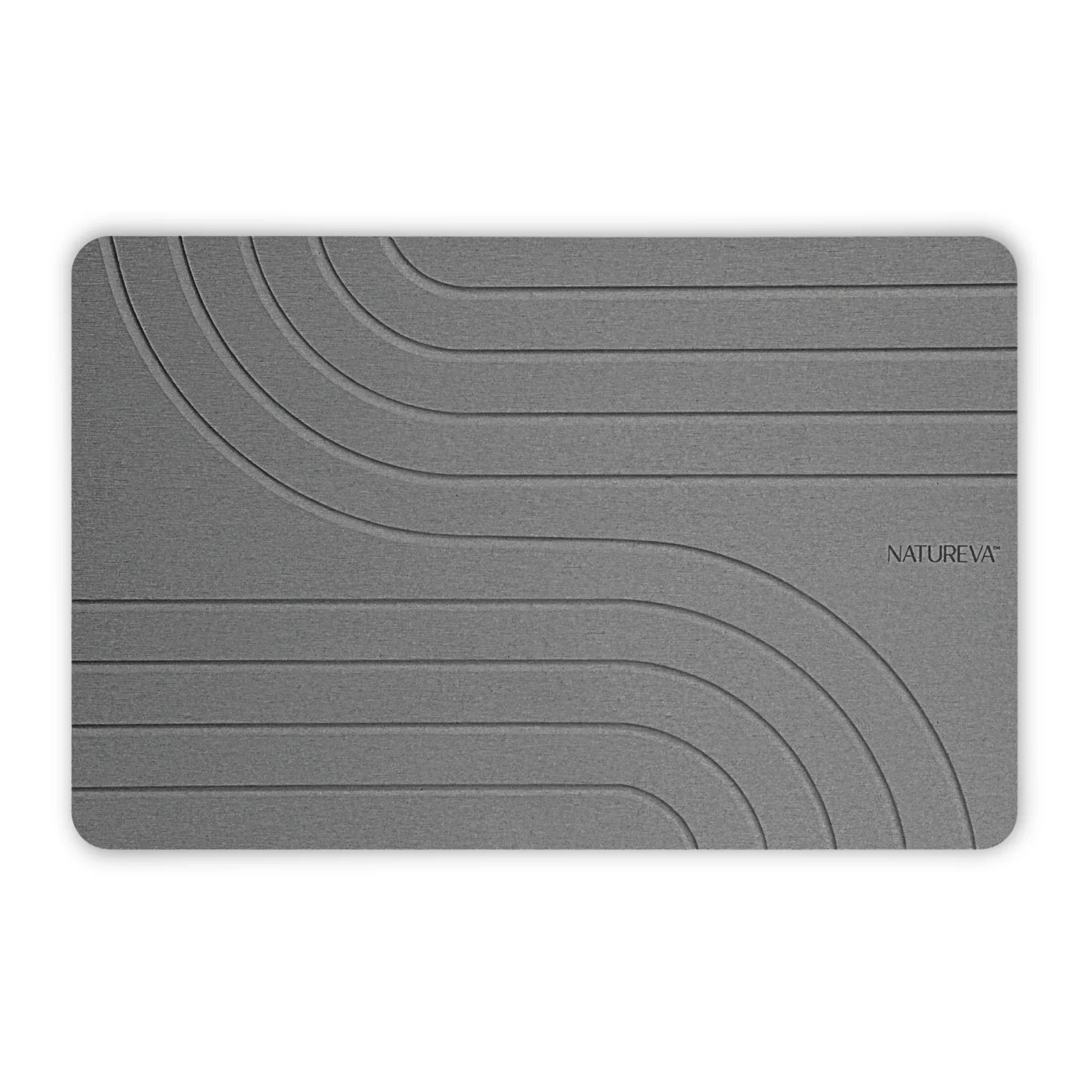
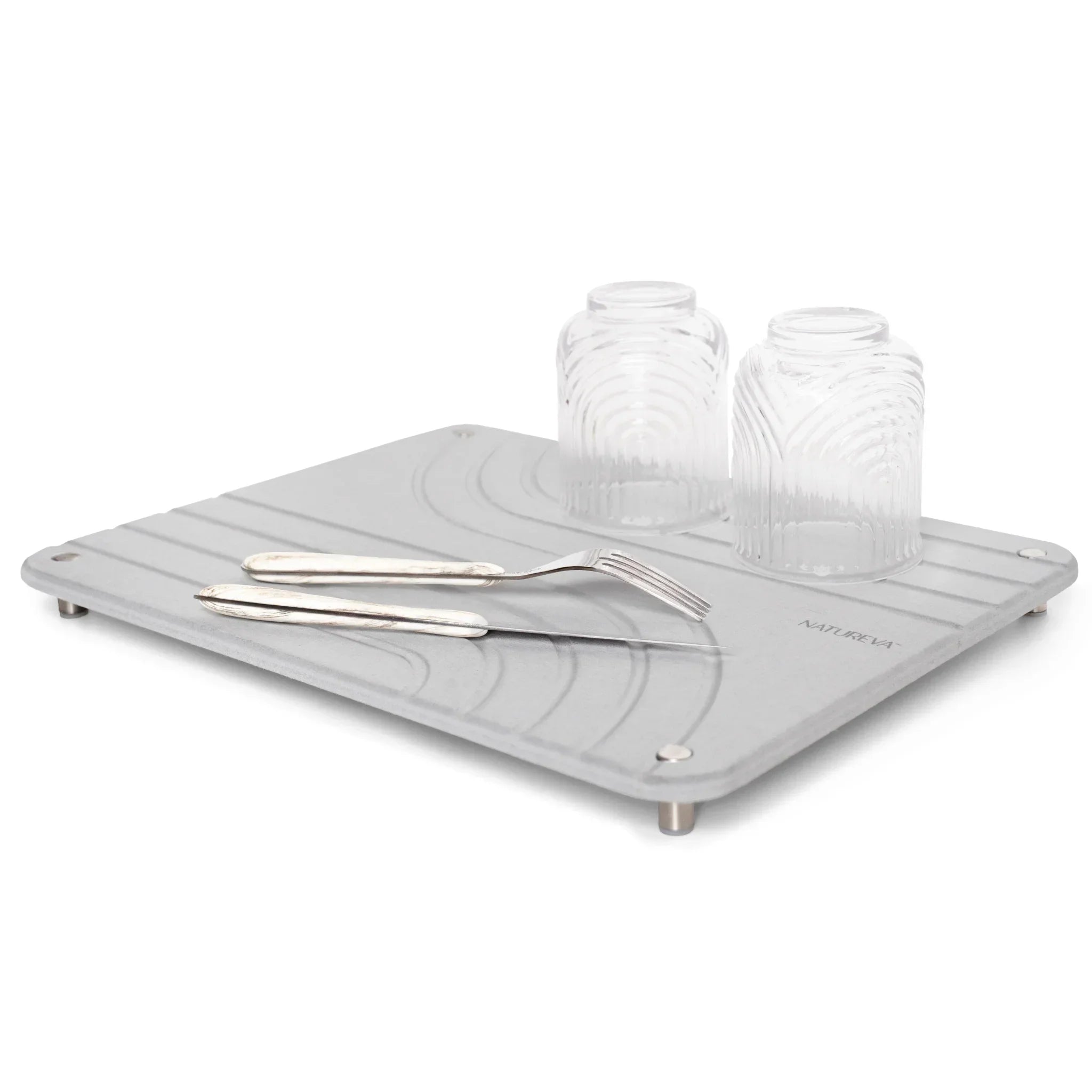
That soggy bath mat under your feet isn't just unpleasant—it's staying wet for over an hour after your shower, creating the perfect home for bacteria and mold. Traditional cotton rugs trap moisture deep in their fibers, but a stone bath mat works completely differently. Our Natureva Stone Bath Mat uses natural diatomaceous earth to absorb water instantly and dry in about 60 seconds, which is roughly 60 times faster than cotton alternatives.
Table of Contents
Why Drying Time Actually Matters
Most people don't think twice about their bathroom mat staying damp for hours after a shower. But here's something that might change your mind: a wet bath mat can harbor over 60,000 bacteria per square inch within just 24 hours. That soggy feeling under your feet isn't just unpleasant, it's actually creating a perfect home for mold, mildew, and bacteria that can affect your health and make your bathroom smell musty.
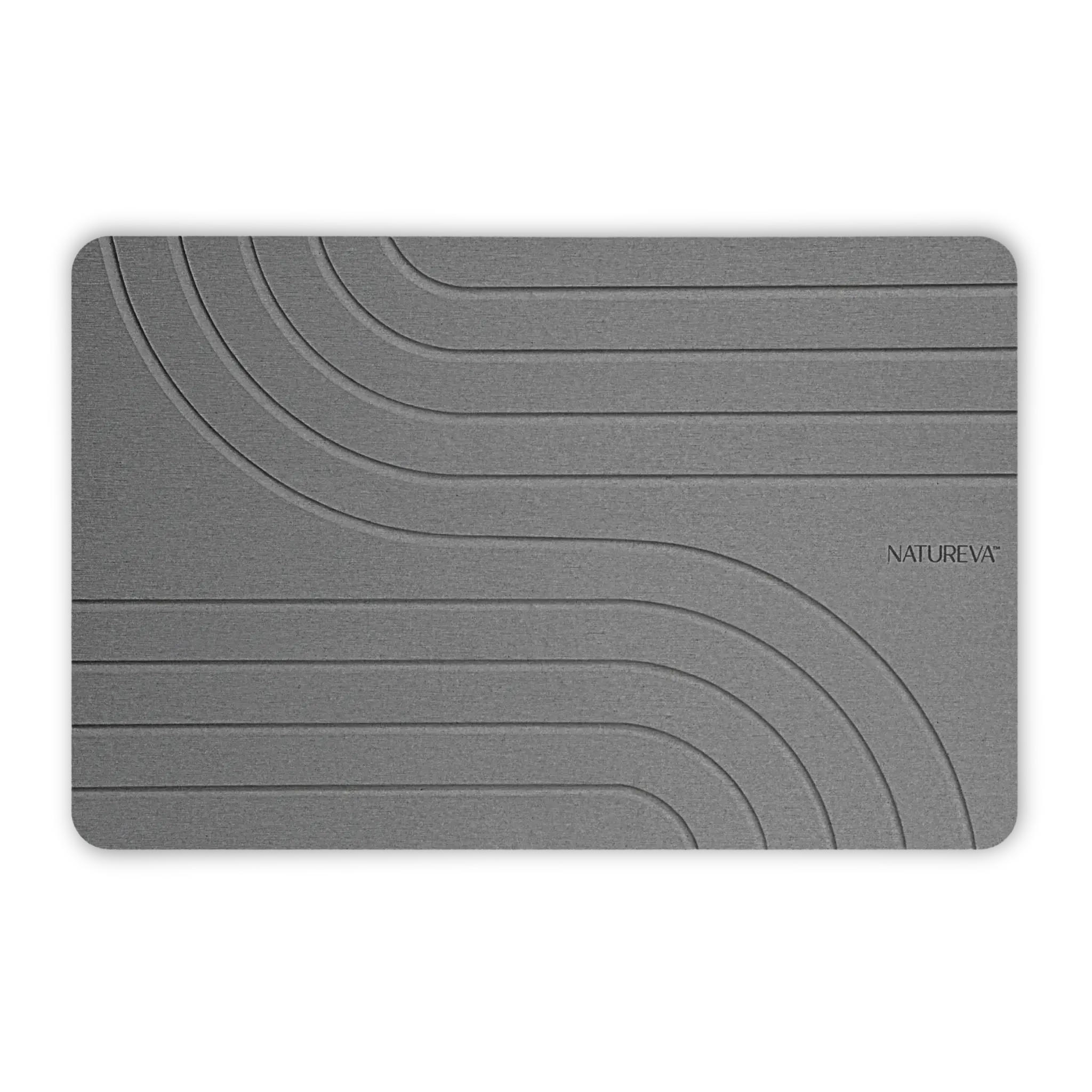
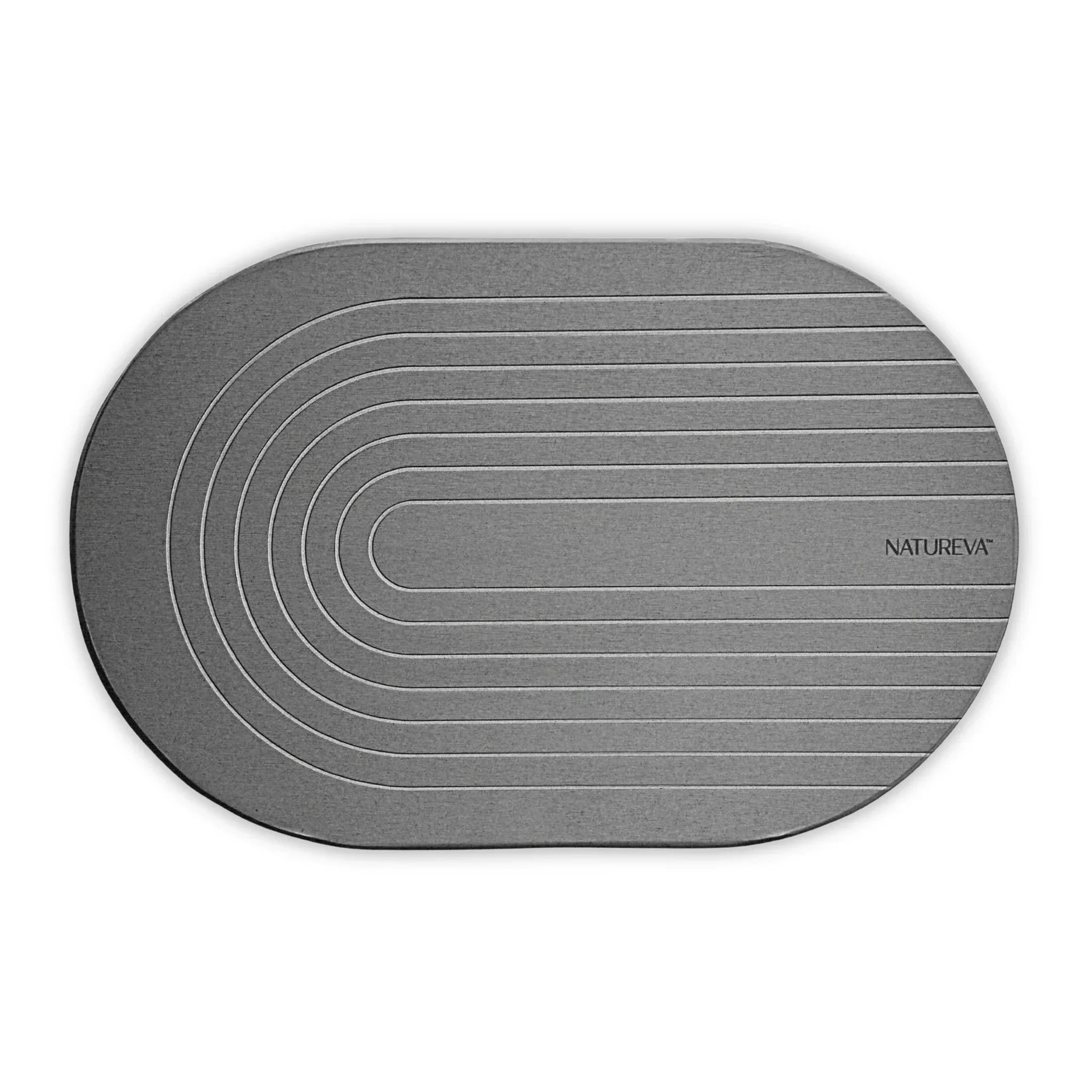
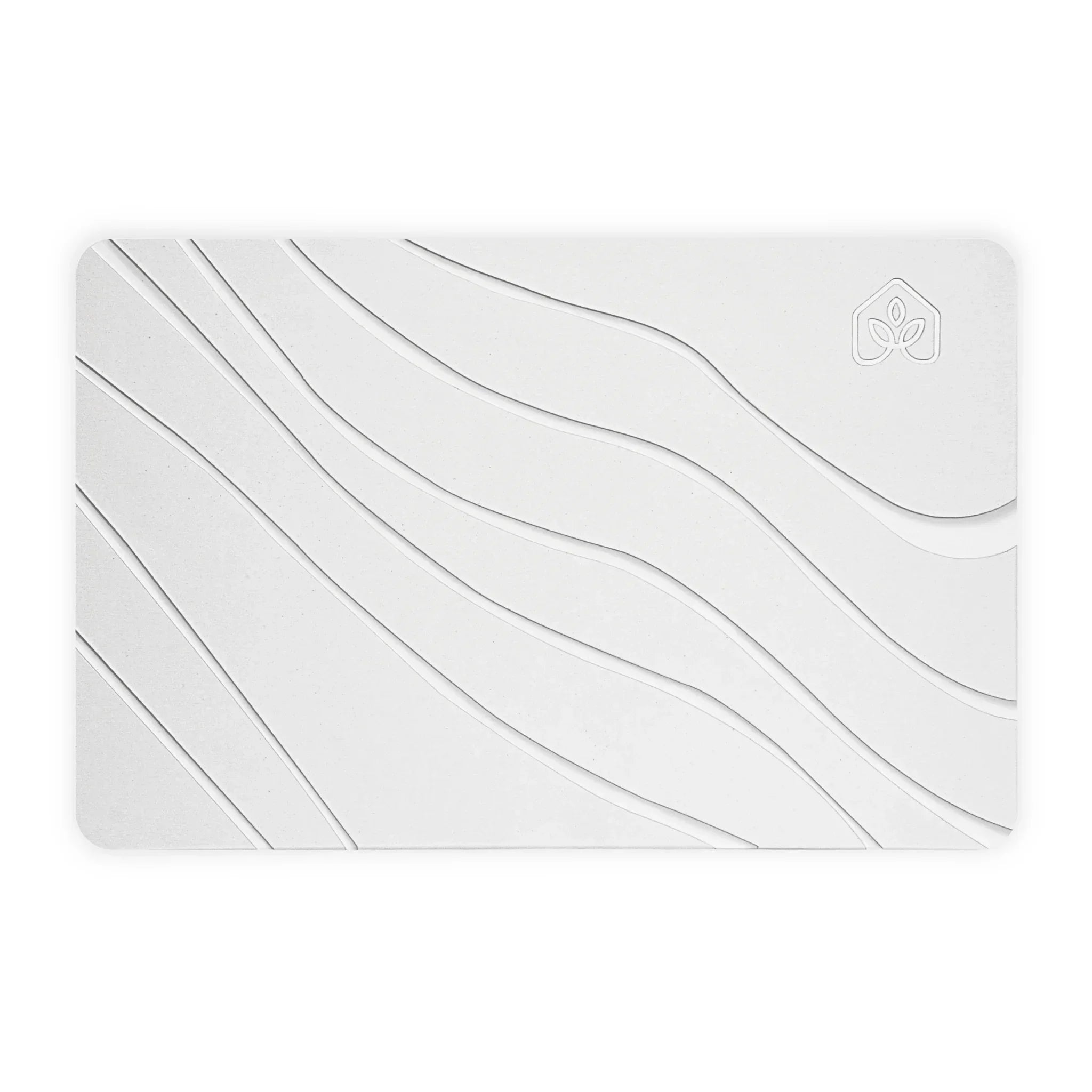
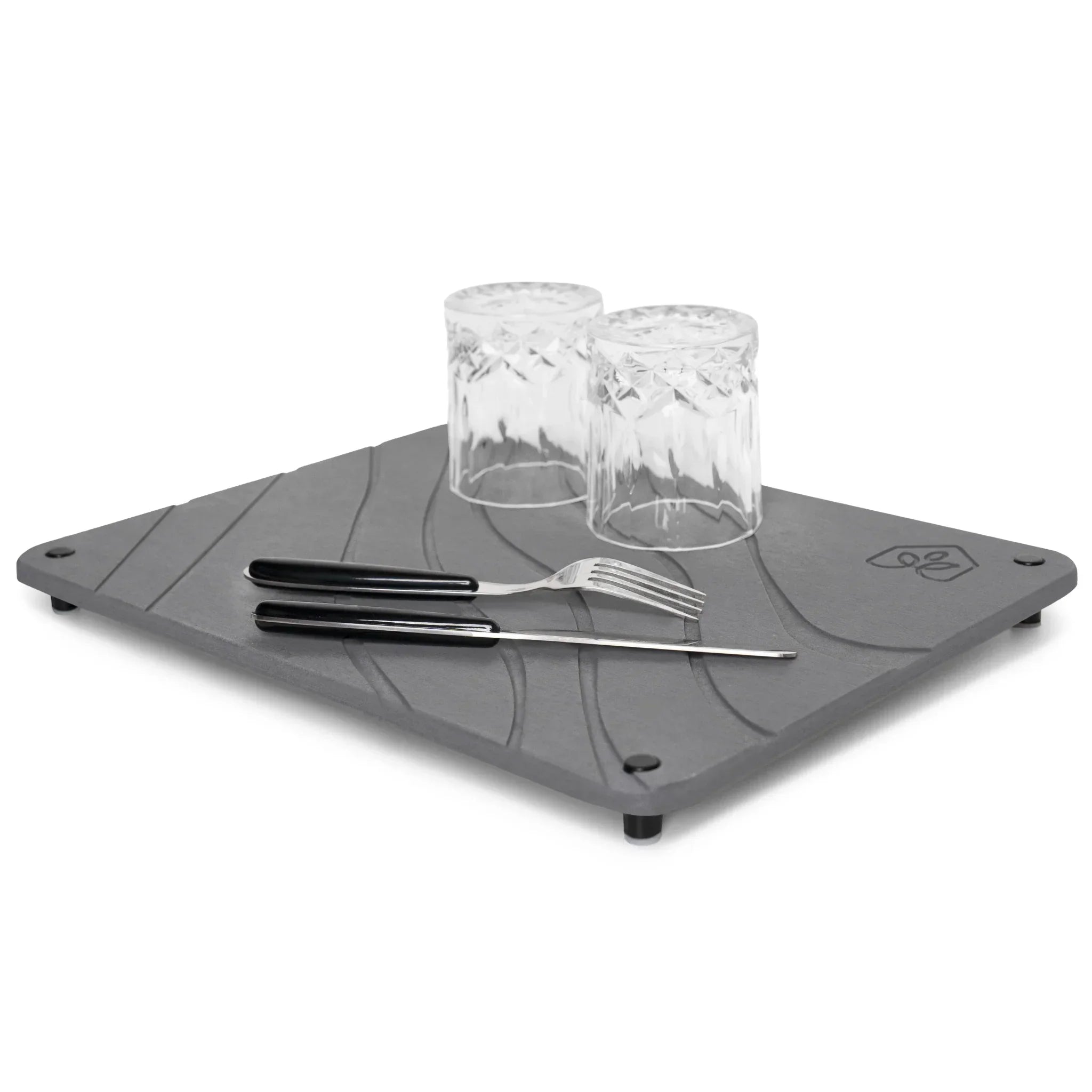
Stone Bath Mat - Tide
The Problem with Traditional Cotton Mats
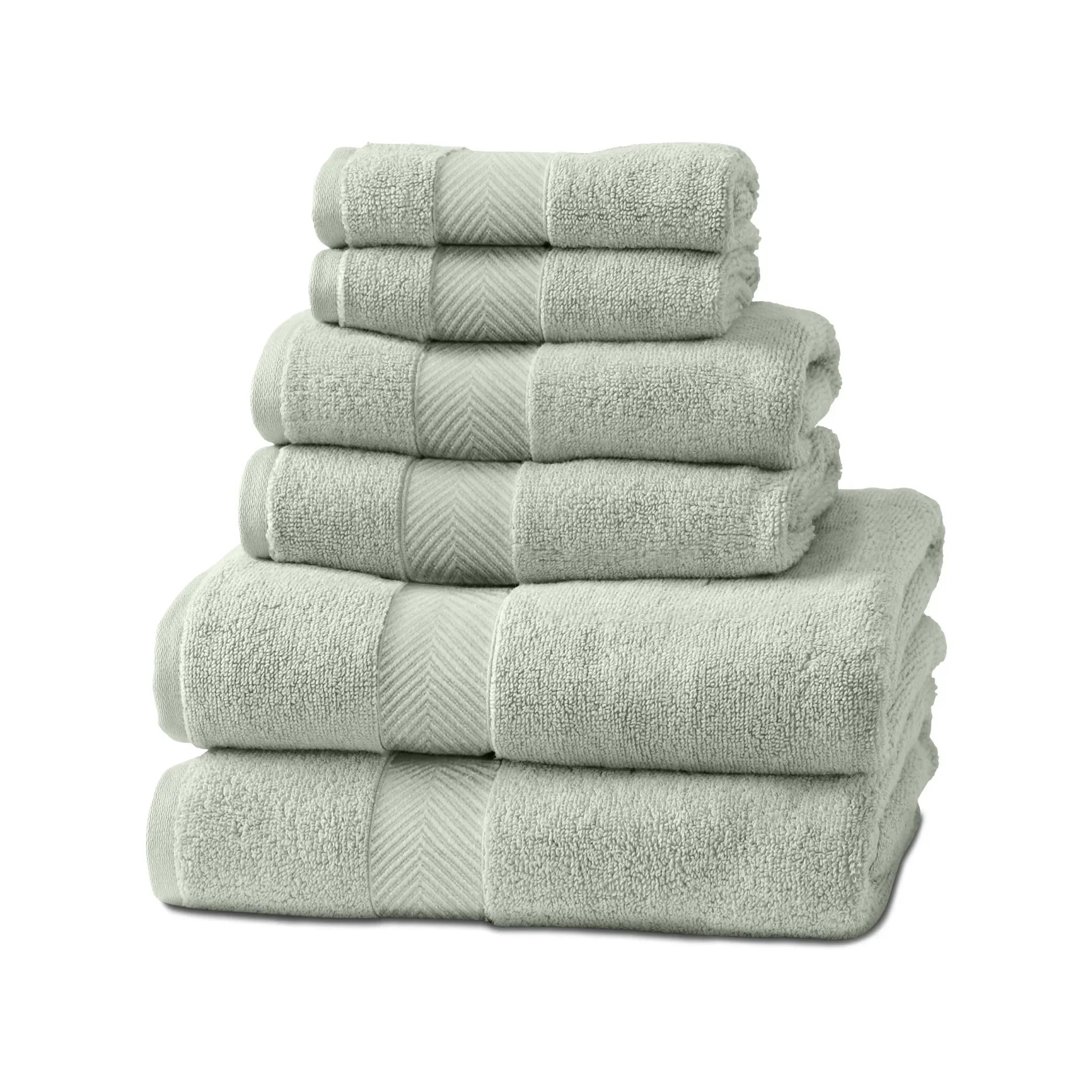
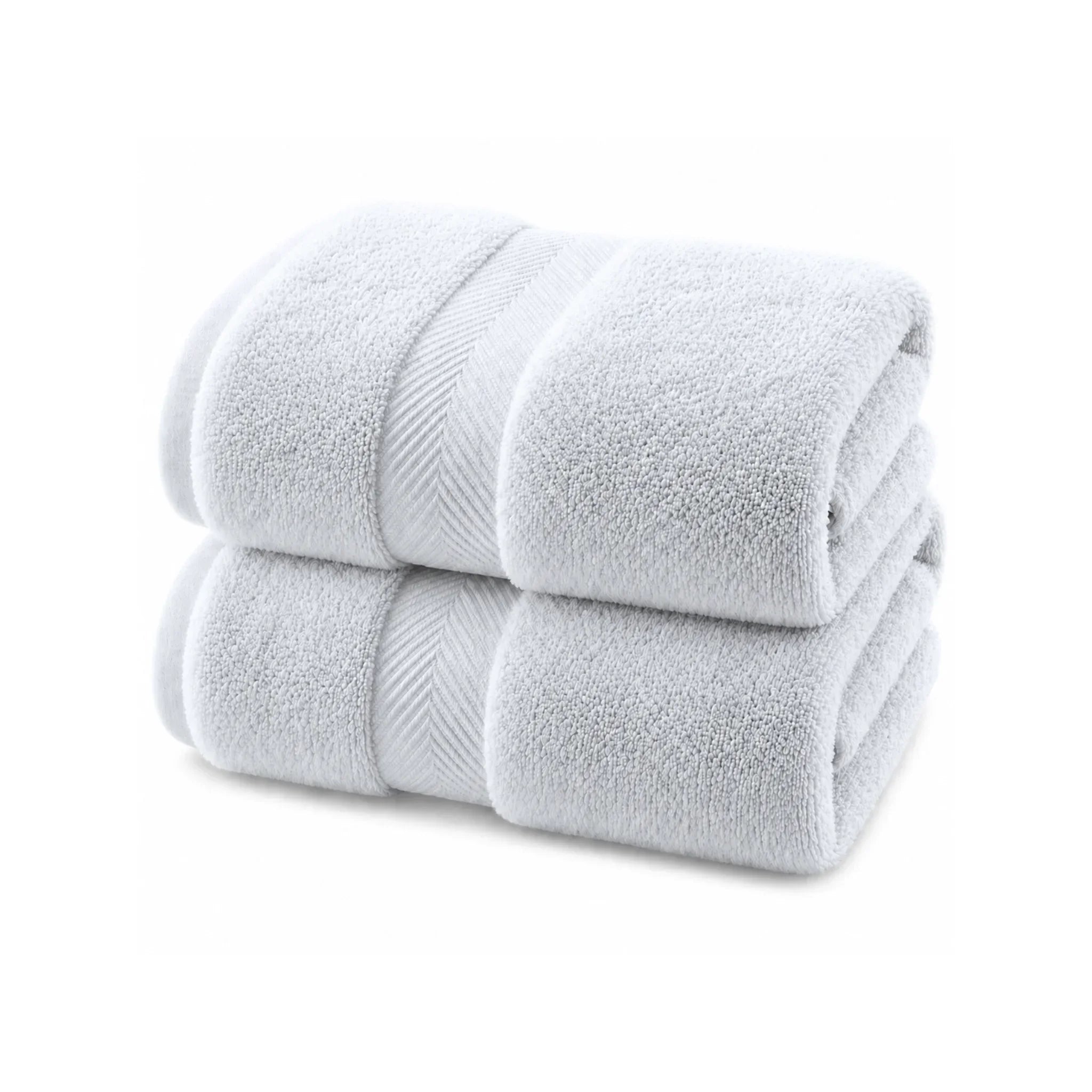
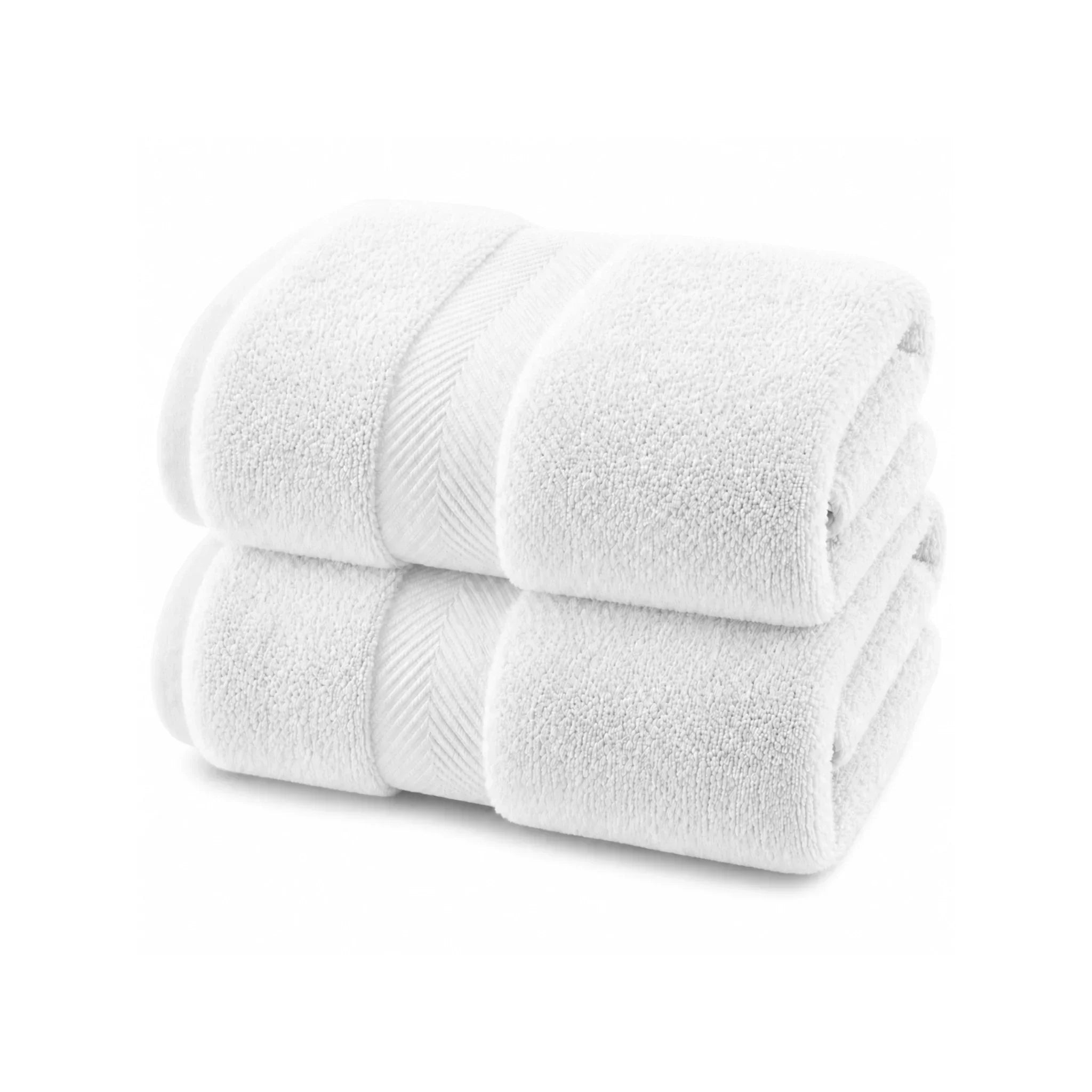
Cotton bath mats work like tiny sponges, but not in a good way. The fibers trap water deep between the threads, where air can't reach to help it dry. This means your mat stays wet for hours, sometimes even days if your bathroom doesn't get much airflow.
Here's what happens when moisture sticks around too long:
- Mold spores start growing within 24-48 hours of constant moisture exposure
- Bacteria multiply rapidly in damp, warm bathroom environments
- Unpleasant musty odors develop as microorganisms break down organic matter
- The mat becomes a breeding ground for dust mites and other allergens
How Stone Bath Mats Work Differently
Stone bath mats use diatomaceous earth, which is basically fossilized algae that's millions of years old. Sounds fancy, but the science is pretty simple. The material is naturally full of tiny holes that pull water in and let air flow through, which means the water evaporates super fast instead of sitting there getting gross.
The key differences come down to structure:
- Diatomaceous earth has millions of microscopic pores that absorb moisture instantly
- Air circulates through the stone material, speeding up evaporation
- The hard surface doesn't trap water like fabric fibers do
Comparing Drying Performance
The difference in drying time between materials is pretty dramatic. According to research on bath mat materials, stone options like our Natureva Stone Bath Mat dry in minutes while cotton can take hours.
| Material Type | Average Drying Time | Moisture Retention | Bacteria Risk |
|---|---|---|---|
| Cotton Bath Mat | 4-6 hours | High | High |
| Stone Bath Mat | 3-5 minutes | Minimal | Low |
| Microfiber Mat | 2-3 hours | Moderate | Moderate |
These numbers matter because every minute your mat stays wet is another minute bacteria can grow. The comparison between stone and regular bath mats shows just how much of a difference material choice makes for bathroom hygiene.
The 60-Second Difference That Changes Everything
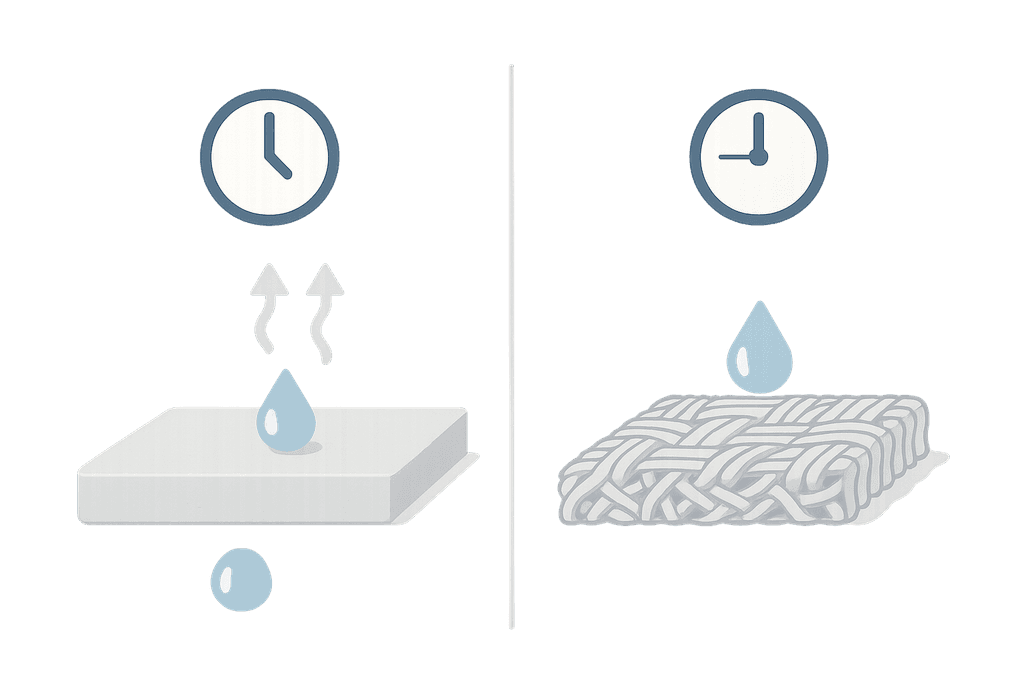
Most people don't think about how long their bathroom mat stays wet after a shower. But here's something that might surprise you: while you're getting dressed and ready for your day, that cotton rug under your feet is still soaking wet. Stone bath mats dry in 60 seconds or less, while traditional cotton rugs can take anywhere from 60 to 90 minutes to fully dry. That's not just a small difference. It's the kind of gap that actually matters for your bathroom's cleanliness.
The 60-Second Difference That Changes Everything
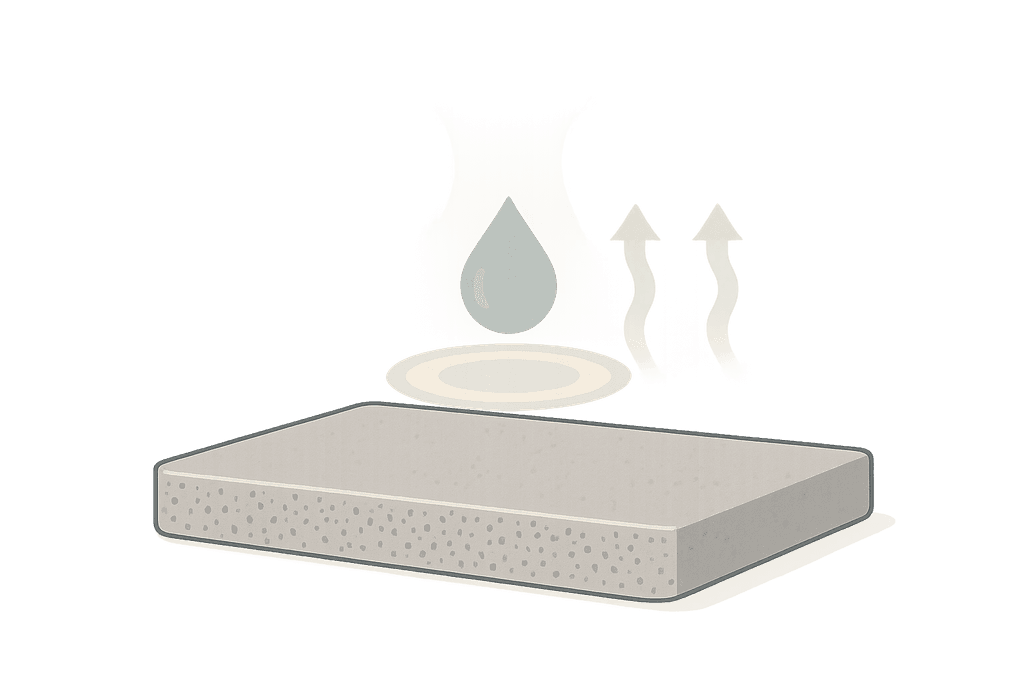
The secret is in the material itself. Diatomaceous earth, the natural stone used in products like the Natureva Stone Bath Mat, has millions of tiny pores that pull water in instantly and release it back into the air just as fast. Cotton fibers, on the other hand, trap water between their threads and hold onto it. The water has nowhere to go except to slowly evaporate over time.
How Different Materials Handle Moisture:- Stone mats use natural capillary action to absorb water instantly
- Water evaporates from the surface within 60 seconds of stepping off
- Cotton fibers absorb water but trap it deep in the material
- Humid bathrooms slow down cotton drying even more
- Stone performance stays consistent regardless of humidity levels
According to research on stone bath mat benefits, the porous structure of diatomaceous earth creates a surface area that's exponentially larger than what you see with your eyes. This means more contact points for water molecules and faster evaporation. Your bathroom's humidity level barely affects this process because the stone doesn't rely on air circulation alone to dry.
What Happens While Your Cotton Rug Stays Wet
That hour-plus window when your cotton mat is damp creates the perfect environment for things you definitely don't want in your bathroom. Bacteria can double every 20 minutes in damp conditions, which means the population can grow exponentially while you're eating breakfast or commuting to work. The warm, moist fibers of a cotton rug are basically a five-star hotel for microorganisms.
What Happens While Your Cotton Rug Stays Wet
But bacteria are just the beginning. If your mat doesn't fully dry between uses, which happens more often than you'd think, mold spores start to colonize within 24 to 48 hours. These aren't just unsightly dark spots. They release compounds that create that musty smell you might have noticed in older bathroom rugs.
| Time Elapsed | Bacterial Growth | Risk Level |
|---|---|---|
| 0-20 minutes | Initial population | Low |
| 20-40 minutes | 2x growth | Moderate |
| 40-60 minutes | 4x growth | High |
| 60-90 minutes | 8x growth | Very High |
The odor you smell isn't actually from the bacteria themselves. It's from their waste products as they feed on skin cells, soap residue, and other organic matter trapped in the wet fibers. Wet surfaces also attract dust and dirt more easily, which means your cotton mat is collecting more grime than a dry surface would. This creates a cycle where you need to wash the mat more frequently, which costs money and time, and eventually breaks down the cotton fibers faster.
How Stone Mats Stop Problems Before They Start
The best way to deal with bathroom bacteria and mold isn't to fight them after they appear. It's to remove the conditions they need to survive in the first place. Stone bath mats prevent puddles and slips by absorbing water instantly, but more importantly, they deny bacteria the prolonged moisture they need to multiply. When water evaporates in under a minute, there's simply no time for microbial populations to establish themselves.
Diatomaceous earth also has natural antimicrobial properties that cotton lacks. The material's structure is actually sharp at a microscopic level, which damages bacterial cell walls. Combined with the rapid drying time, this creates an environment where bacteria struggle to survive. Health experts at Baptist Health note that stone mats can be a more hygienic option for bathrooms compared to traditional fabric alternatives.
Long-Term Benefits of Stone vs Cotton:- No washing required for stone mats, just occasional light sanding
- Cotton mats need weekly washing to stay fresh
- Stone maintains its absorption for years with proper care
- Cotton degrades and loses absorbency after repeated wash cycles
- Stone mats don't develop odors or discoloration over time
The Natureva Stone Bath Mat stays fresh without the constant washing cycle that cotton demands. You're not spending money on laundry detergent or electricity to run the washing machine every week. You're also not dealing with a mat that gets thinner and less effective over time. Stone mats maintain their performance for years because the material doesn't break down from use the way fabric does.
This shift away from traditional bathroom rugs is gaining attention for good reason. As recent home decor trends show, more people are discovering that faster drying times mean cleaner bathrooms with less effort. Whether you choose the Tide design or another pattern, the core benefit remains the same: a bathroom floor that stays dry and clean without the maintenance headaches of cotton.
The next generation of home essentials: naturally made, cleaner by design, sustainable by nature.
SHOP ALLThe Real Cost of Slow-Drying Bath Mats
Most people don't realize they're spending hundreds of dollars every year just keeping their bathroom mats clean and functional. When you add up the water bills, electricity for the dryer, detergent costs, and eventual replacements, those fluffy cotton rugs start looking pretty expensive. The average household washes their bath mat once or twice a week, which means you're running 50 to 100 extra loads of laundry annually just for that one item. And that's assuming you only have one bathroom in your house.
Breaking Down the Numbers
Let's look at what you're actually spending. A typical cotton bath mat costs between $15 and $40, but needs replacing every 6 to 12 months once it starts smelling musty or falling apart.
| Expense Type | Cotton Mat (Annual) | Stone Bath Mat (One-Time) |
|---|---|---|
| Initial Purchase | $20-40 (2 replacements) | $59 |
| Washing Costs | $75-150 | $0 |
| Detergent | $25-35 | $0 |
| Total Year 1 | $120-225 | $59 |
| Total Year 3 | $360-675 | $59 |
The math gets even worse when you factor in your time. Each wash cycle takes about 15 minutes of your attention between loading, unloading, and folding.
Hidden Health Costs
Beyond your wallet, there's a bigger problem lurking in those damp cotton fibers. Mold exposure from bathroom textiles can trigger respiratory issues, allergies, and skin irritation according to health experts at the CDC. Even if you can't see the mold, it's growing in those fibers every time your mat stays wet for hours.
- Increased allergy symptoms and respiratory irritation
- Skin reactions from bacteria buildup in damp fabric
- Musty odors that spread throughout your bathroom
- Higher risk for family members with asthma or immune issues
Our Natureva Stone Bath Mat solves this by drying in seconds instead of hours, which means bacteria and mold never get the chance to grow. You're not just saving money on laundry.
The Convenience Factor
Think about all the mental energy you spend managing bathroom laundry. You need to remember to wash it, actually do the washing, and make sure it's dry before guests arrive.
- No more emergency trips to the laundry room before company comes over
- Never worry about stepping onto a damp, cold mat again
- Skip the awkward bathroom floor puddles completely
When you compare the practical differences between diatomaceous earth and cotton options, the stone bath mat wins on almost every measure. The upfront cost pays for itself in less than a year, and you get a cleaner, healthier bathroom in the process.
Making the Switch to Faster Drying
The numbers tell a pretty clear story. A stone bath mat dries 60 times faster than your typical cotton rug, which means less time sitting in a damp, bacteria-friendly environment. That difference adds up when you think about how many times you step out of the shower each week. Your bathroom stays cleaner, smells better, and you don't have to deal with that musty smell that cotton mats develop after a few days.
The Natureva Stone Bath Mat offers this faster-drying benefit at $59, which is comparable to what you'd pay for a decent cotton bath rug. The main difference is how it performs over time. While cotton mats need frequent washing and eventually wear out, stone mats keep working the same way month after month.
It's one of those simple bathroom upgrades that you notice every single day. No more stepping onto a wet mat from someone else's shower. No more throwing damp rugs in the wash twice a week. Just a dry surface that's ready whenever you need it.
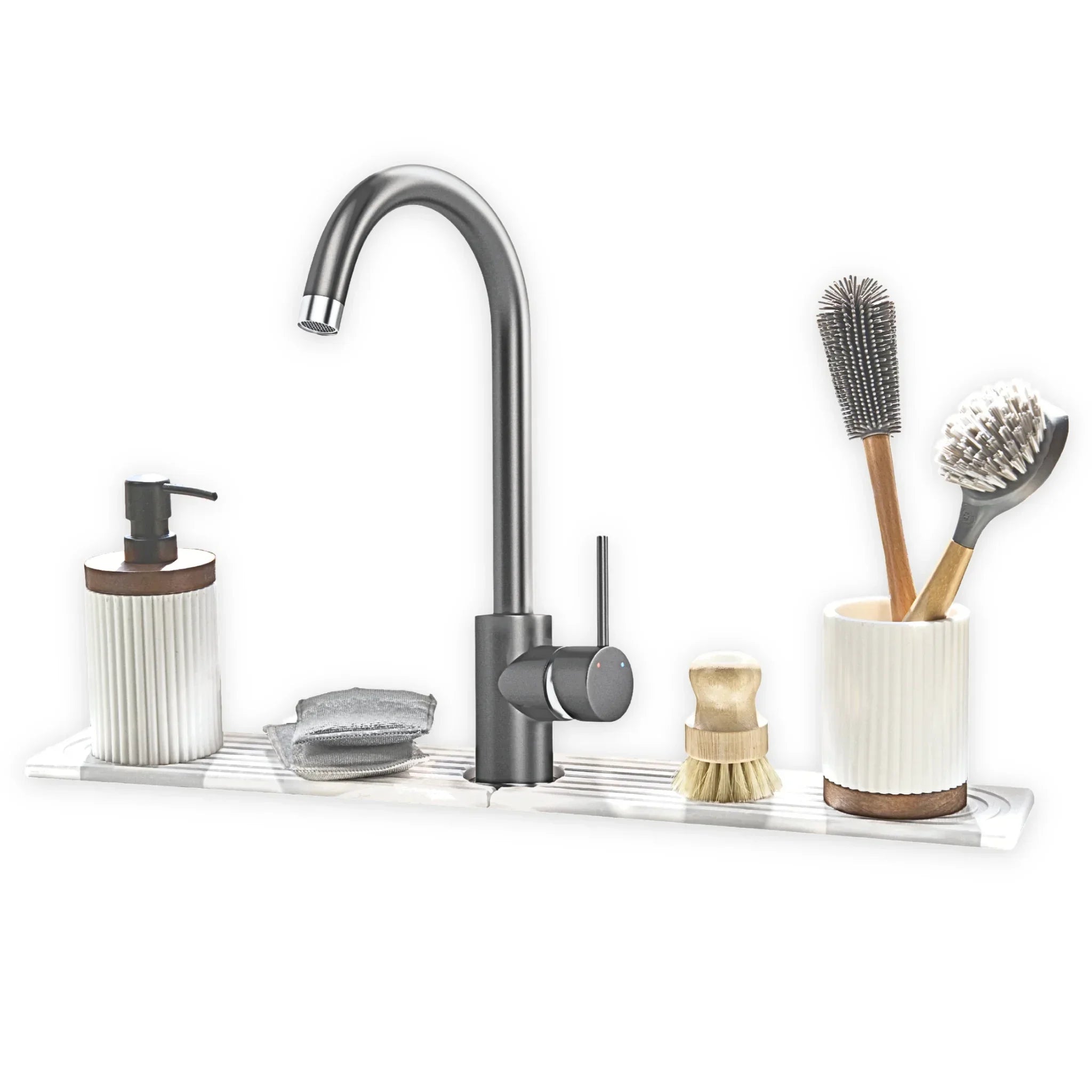
If you're curious about how diatomaceous earth actually works or want to know more about caring for your stone mat, there's more to explore. The same material works great in other areas too, like kitchen applications where quick drying matters. But first, let's answer some common questions people have about making the switch.
Common Questions About Stone Bath Mat Drying
Stone bath mats are still pretty new to most people, so it makes sense that you'd have questions about how they actually work. The drying speed sounds almost too good to be true, and the whole concept is different from what we've used for decades. Here are the answers to the most common questions people ask before making the switch from their old cotton rugs.
How long does a stone bath mat actually take to dry?
A stone bath mat made from diatomaceous earth dries in about 60 seconds or less after you step off it. The water doesn't just sit on the surface like it does with fabric rugs. Instead, the porous stone pulls moisture in and then releases it into the air through evaporation almost immediately.
Do stone mats work in humid bathrooms?
Yes, stone bath mats still work well in humid environments, though they might take an extra minute or two to fully dry compared to a well-ventilated space. The natural evaporation process of diatomaceous earth doesn't rely on low humidity to function. Even in steamy bathrooms without windows, the mat will be completely dry and ready for the next person within a few minutes at most.
How do you clean a stone bath mat?
Cleaning a stone bath mat is actually easier than washing cotton rugs. Just wipe it down with a damp cloth when you notice any dirt or soap residue building up. For deeper cleaning, you can use fine sandpaper to gently buff the surface, which also helps restore its absorbency over time.
Will a stone mat stay dry between multiple family members using it?
Absolutely. This is where stone mats really shine compared to traditional options. Even if three or four people shower back-to-back during the morning rush, the mat dries between each use. Our Stone Bath Mat - Tide handles this perfectly since it resets itself in under two minutes, so nobody has to step onto a soggy surface.
Can stone mats develop mold like cotton rugs?
Stone bath mats are naturally resistant to mold and mildew because they don't stay wet. Mold needs moisture to grow, and since these mats dry so quickly, they create an environment where bacteria and mold simply can't thrive. Cotton rugs stay damp for hours, which is why they start smelling musty after a few weeks of use.
How long do stone bath mats last compared to cotton?
A quality stone bath mat typically lasts 2-3 years with proper care, while cotton bath rugs usually need replacing every 6-12 months as they become worn, stained, or permanently musty. The upfront cost is higher for stone, but you'll actually save money over time since you're not constantly buying replacements. Plus, you won't be throwing soggy fabric mats in the wash every week.
The next generation of home essentials: naturally made, cleaner by design, sustainable by nature.
SHOP ALL