

How to Spot Quality in a Bath Towel Set Online
You click "add to cart" on a gorgeous bath towel set, wait eagerly for delivery, and then unwrap what feels like sandpaper wrapped around cardboard. Without being able to touch, smell, or test towels before buying online, most people end up wasting money on sets that pill after three washes or stay damp for hours. Learning to decode product descriptions and spot real quality markers can save you from disappointment and help you find towels that actually last, like our Bamboo Cotton Towels that blend absorbency with quick-drying performance.
Table of Contents
What Makes a Towel Actually Good
A towel's job seems simple enough, but the science behind how it works is pretty interesting. When you step out of the shower, water clings to your skin in tiny droplets. A good towel pulls that water away through something called capillary action, where the fibers create tiny spaces that draw moisture in and hold it. The better a towel does this job, the faster you dry off and the more comfortable you feel.
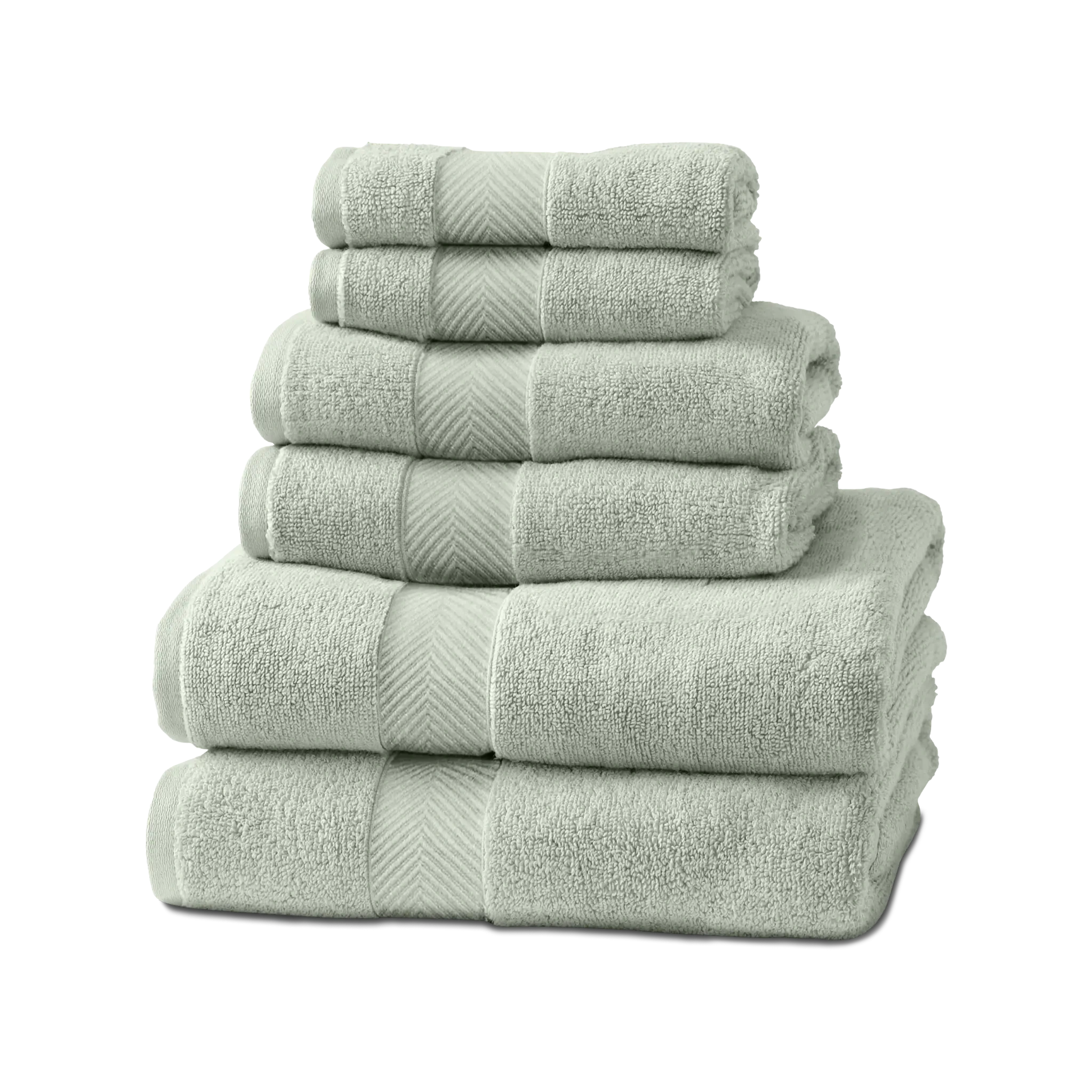
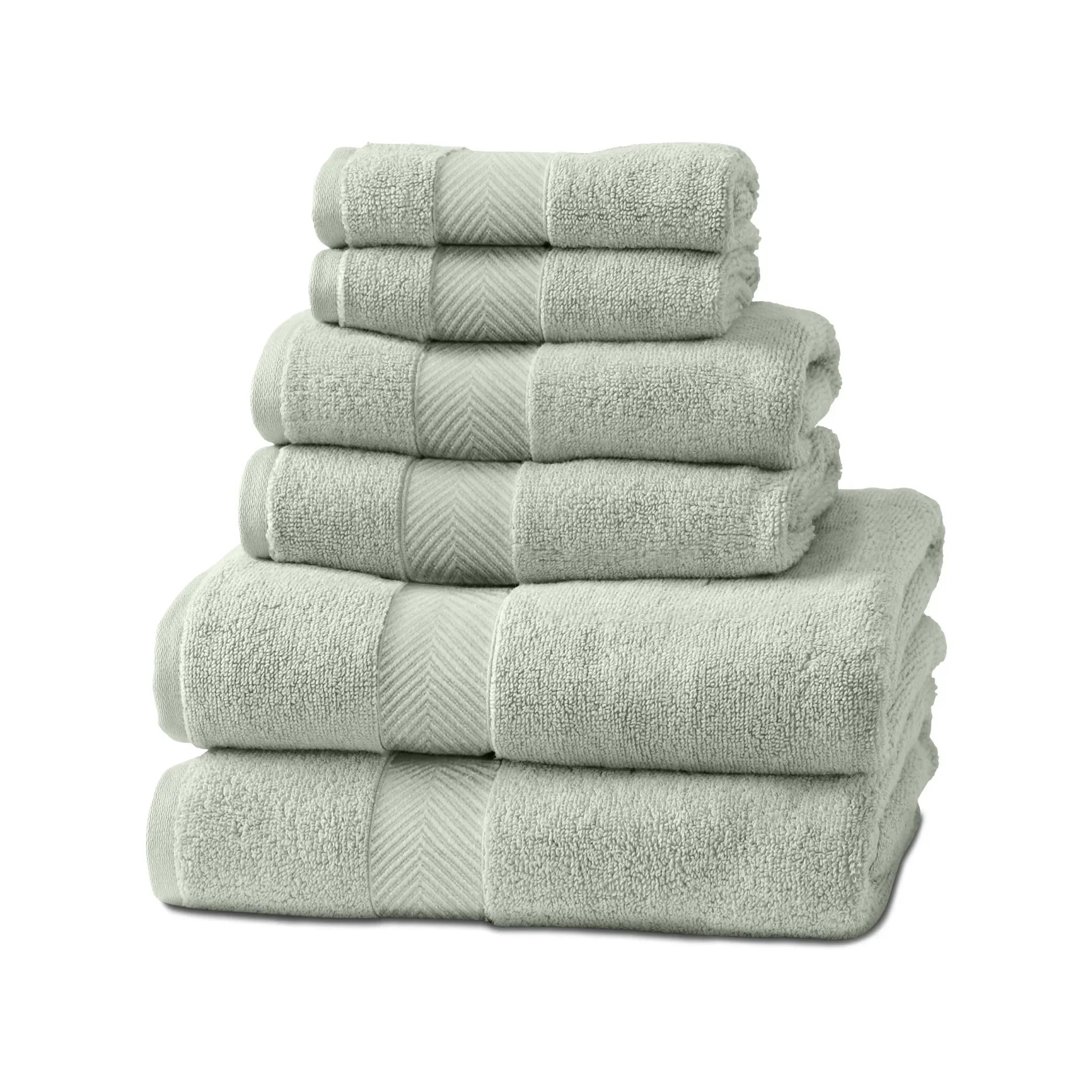
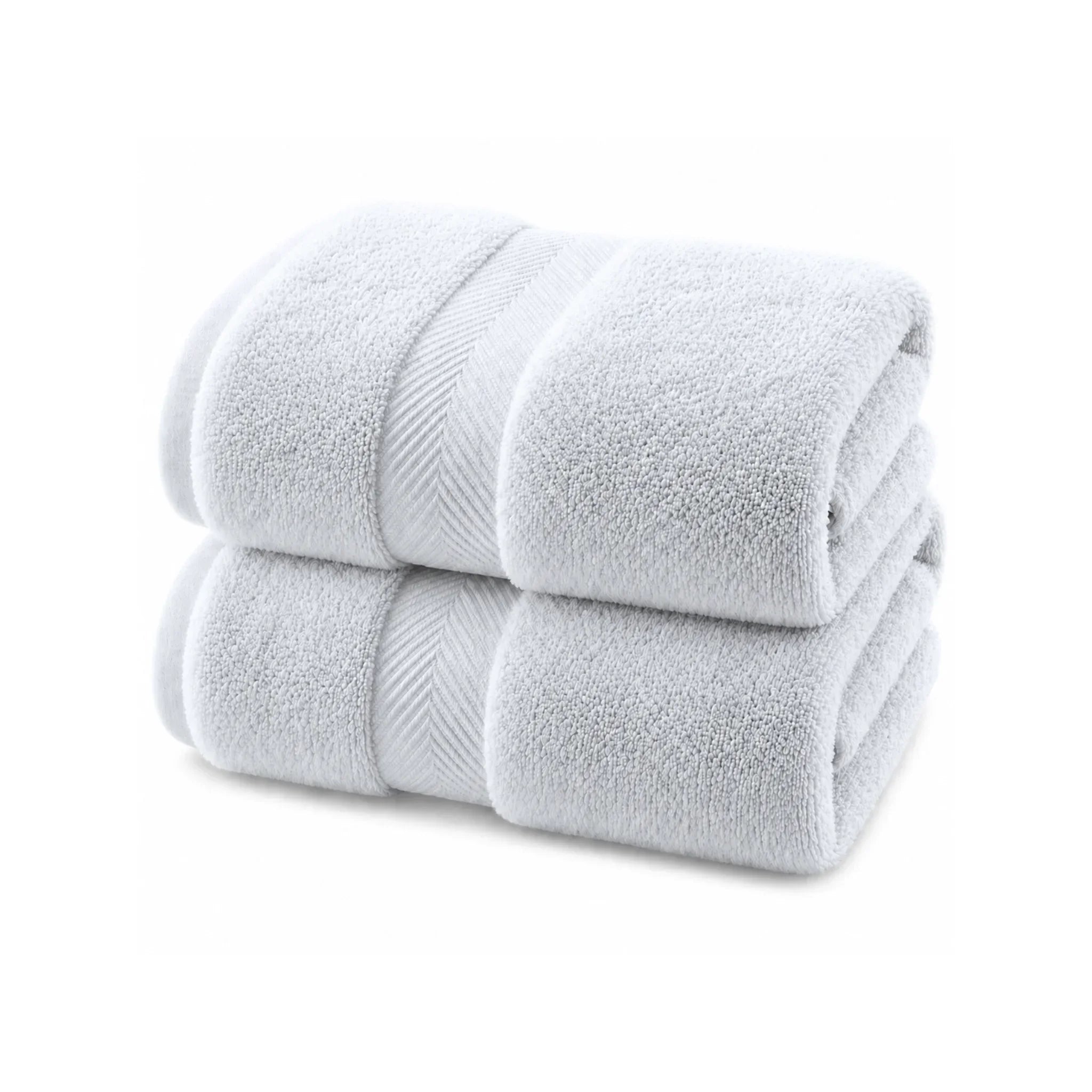
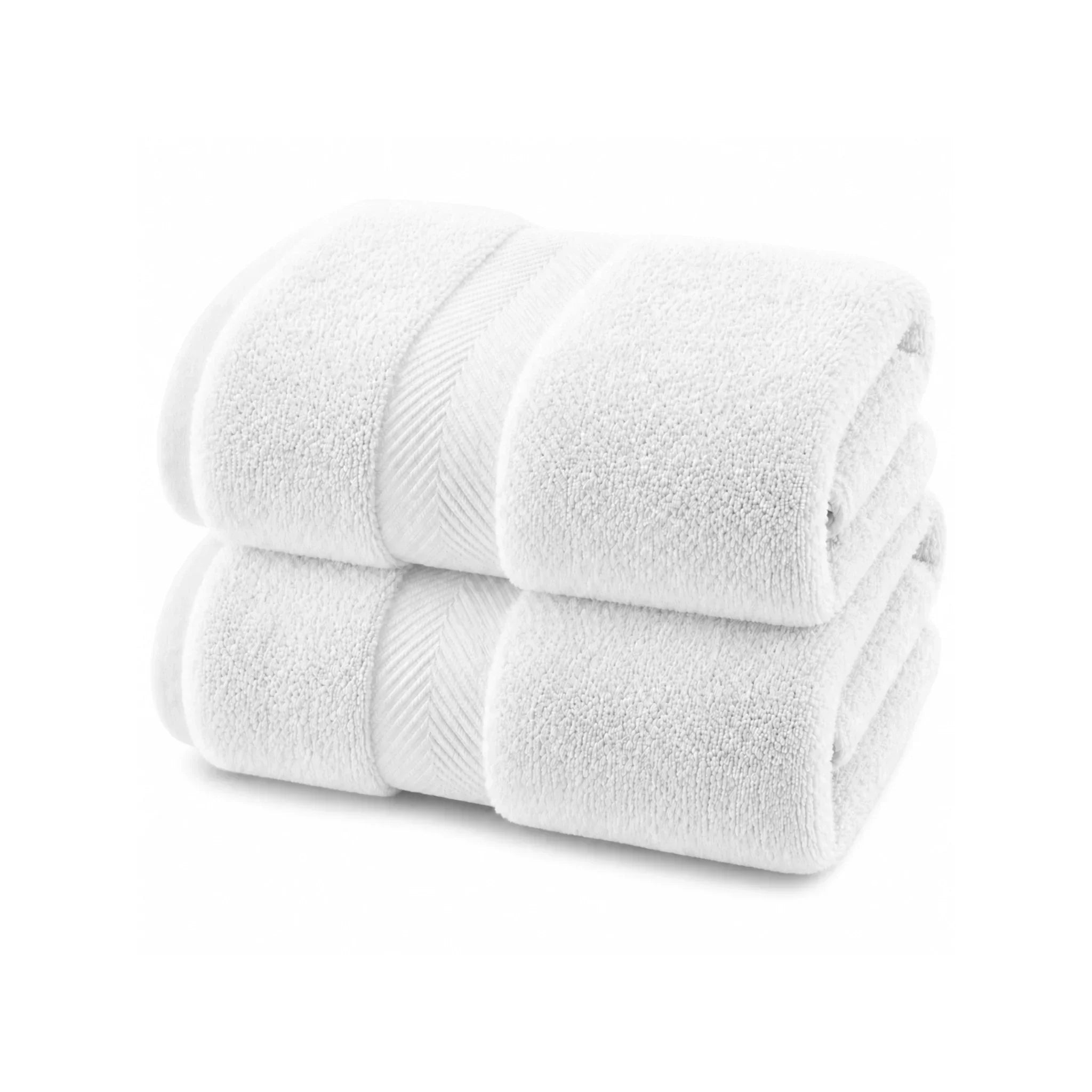
Bamboo Cotton Towels - Set of 6
How Towel Fibers Work
Not all fibers absorb water the same way. Some materials naturally pull in moisture while others just push it around on your skin. The fiber type matters, but so does how those fibers are twisted and woven together.
- Natural fibers like cotton have hollow centers that suck up water like tiny straws
- Bamboo viscose creates even more surface area for water to cling to
- Synthetic fibers often repel water instead of absorbing it
- The length of the fiber affects how soft and durable the towel feels
Cheap Versus Quality Construction
Walk into any store and you'll see bath towel sets at wildly different prices. The difference isn't just marketing. Cheap towels use short fibers that shed easily and lose their shape after a few washes. They might feel okay at first, but they fall apart quickly.
Quality towels use longer fibers that stay twisted together better. The weaving process matters too. Some manufacturers use shortcuts that make towels look fluffy but perform poorly. According to towel construction experts, the way fibers are twisted and looped determines how well a towel holds up over time.
Why Towels Turn Scratchy
Ever wonder why some towels feel like sandpaper after a month? It comes down to fiber damage and chemical buildup. When short fibers break during washing, they create rough edges that scratch your skin. Fabric softener and detergent residue also coat the fibers, blocking their ability to absorb water.
- Hard water deposits make fibers stiff and crunchy
- High heat in the dryer breaks down natural fibers faster
- Poor quality dyes can make fabric feel rough
Common Towel Materials Compared
Different materials bring different benefits to your bath towel set. Here's what you need to know about the most common options.
| Material | Absorbency | Softness | Drying Speed | Durability |
|---|---|---|---|---|
| 100% Cotton | High | Medium-High | Slow | Good |
| Bamboo Viscose | Very High | Very High | Fast | Good |
| Bamboo-Cotton Blend | Very High | Very High | Medium-Fast | Excellent |
| Microfiber | Medium | Low | Very Fast | Fair |
| Linen | Medium | Low-Medium | Fast | Excellent |
Blended materials often perform better than single-fiber towels. Our Bamboo Cotton Towels combine bamboo viscose with long-staple cotton to get the best of both worlds. The bamboo adds extra softness and quick-drying properties while the cotton provides strength and absorbency. This mix helps towels stay fluffy and effective wash after wash.
- Pure cotton towels absorb well but take forever to dry
- Bamboo blends dry faster and feel softer against skin
- Microfiber works for travel but doesn't feel as nice
- Long-staple fibers last longer than short-staple versions
Material Composition Tells the Real Story
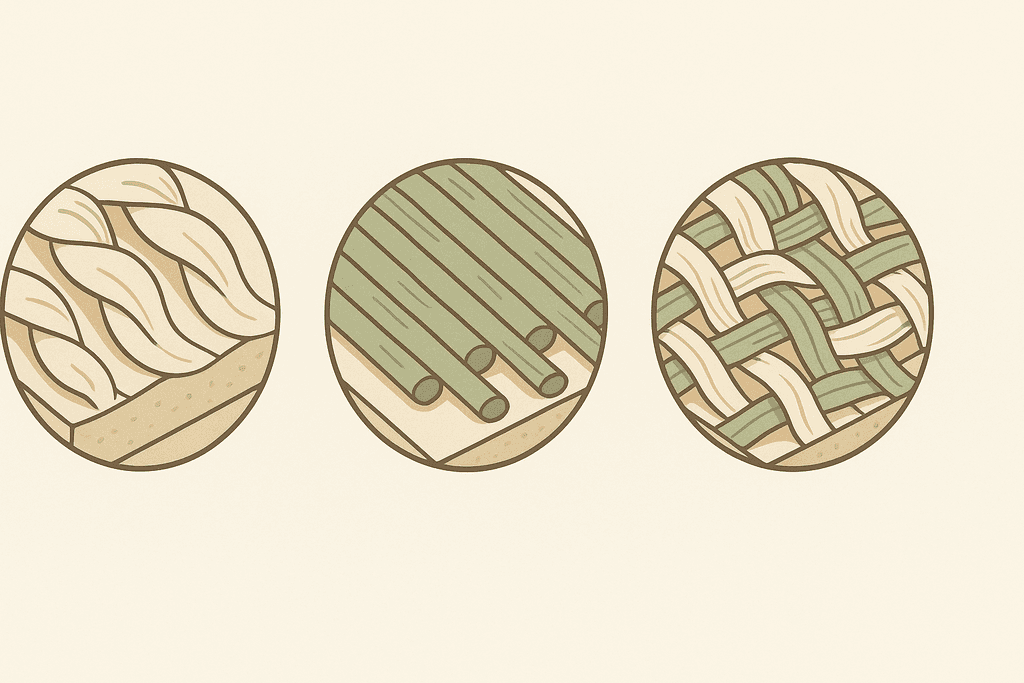
Most people think all cotton towels are basically the same, but the type of cotton used makes a huge difference in how your towel performs. When you're shopping for a bath towel set online, the material description is your first clue about quality. Long-staple cotton, which includes Egyptian, Turkish, and Pima varieties, has longer fibers that create softer, more durable towels. These fibers are twisted together to form stronger threads that resist pilling and fraying over time. The length of the cotton fiber directly impacts how the towel feels against your skin and how well it holds up after dozens of washes.
Material Composition Tells the Real Story
Zero-twist cotton is another term you'll see in product descriptions, and it's worth understanding. Unlike traditional towels where fibers are tightly twisted together, zero-twist cotton uses a special manufacturing process that keeps the fibers loose and fluffy. This creates an incredibly soft texture and better absorbency because there's more surface area to soak up water.
| Material Type | Absorbency | Softness | Drying Speed |
|---|---|---|---|
| 100% Cotton | High | Medium-High | Slow |
| Bamboo Blend | Very High | Very High | Fast |
| Synthetic Blend | Low-Medium | Low | Very Fast |
| Turkish Cotton | High | High | Medium |
Bamboo blends have become popular for good reason. When you see a towel made from bamboo viscose mixed with cotton, you're looking at a material that combines the best of both worlds. The bamboo adds extra absorbency and helps towels dry faster, which means less musty smell and fewer trips through the dryer. Our Bamboo Cotton Towels use a 30% bamboo viscose and 70% long-staple zero-twist cotton blend that balances these benefits perfectly.
Pay attention to how material percentages are listed in product descriptions. A towel that's 80% cotton and 20% polyester will feel and perform very differently than one that's 100% natural fibers. Synthetic materials like polyester can make towels less absorbent and more prone to holding onto odors, even though they dry quickly. Understanding these material differences helps you make better choices when comparing options online.
The next generation of home essentials: naturally made, cleaner by design, sustainable by nature.
SHOP ALLGSM Weight and What Numbers Actually Mean
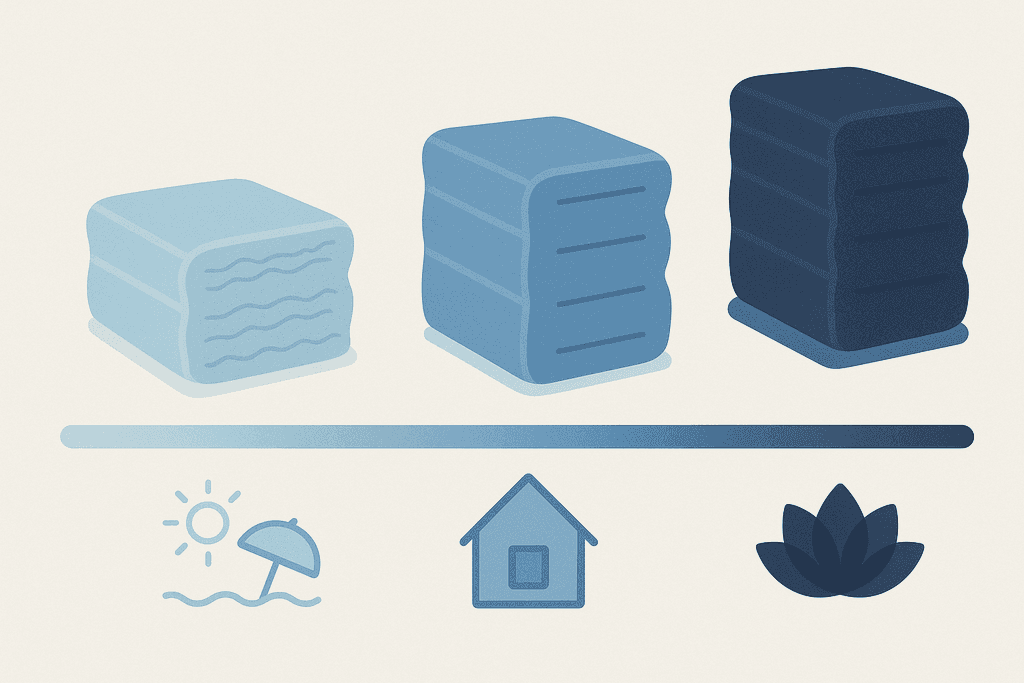
GSM stands for grams per square meter, and it's basically a measurement of how dense and heavy a towel is. When you see this number in product specifications, it tells you how much fabric is packed into each square meter of the towel. A higher GSM generally means a thicker, more plush towel, but the relationship between weight and quality isn't as simple as "heavier equals better." The ideal GSM depends on what you're looking for and how you plan to use your towels.
GSM Weight and What Numbers Actually Mean
For bath towels, most quality options fall between 400 and 700 GSM. Towels in the 400-600 GSM range offer a good balance of absorbency and quick drying, making them practical for everyday use. Anything above 600 GSM starts to feel really luxurious and plush, like what you'd find at a high-end hotel. Hand towels typically range from 300-400 GSM since they don't need to be as thick.
- 300-400 GSM: Lightweight, quick-drying, best for gym or travel
- 400-600 GSM: Medium weight, versatile for daily use
- 600-700 GSM: Heavy, plush, spa-like feel
- 700+ GSM: Very heavy, takes longer to dry
Here's something most people don't consider: heavier towels take longer to dry between uses and in the laundry. If you live in a humid climate or have a small household where towels get used frequently, a medium-weight towel around 500 GSM might actually work better than an ultra-plush 800 GSM option. The drying time affects both convenience and hygiene, since damp towels can develop that musty smell faster.
When a product listing doesn't include GSM information at all, that's usually a red flag. Quality towel manufacturers know this specification matters to informed buyers, so they include it prominently. Missing GSM details might mean the manufacturer is hiding a lower-quality product or simply doesn't understand what buyers need to know.
Construction Details That Separate Good from Great
The way a towel is put together matters just as much as what it's made from. When you're looking at product photos online, zoom in on the edges and hems if the listing allows it. Double-stitched hems are a sign that the manufacturer cares about longevity because these reinforced edges prevent fraying and unraveling after repeated washing. A towel might feel amazing when it's brand new, but poor construction means it'll start falling apart within months. Quality stitching keeps the towel intact through years of use and dozens of wash cycles.
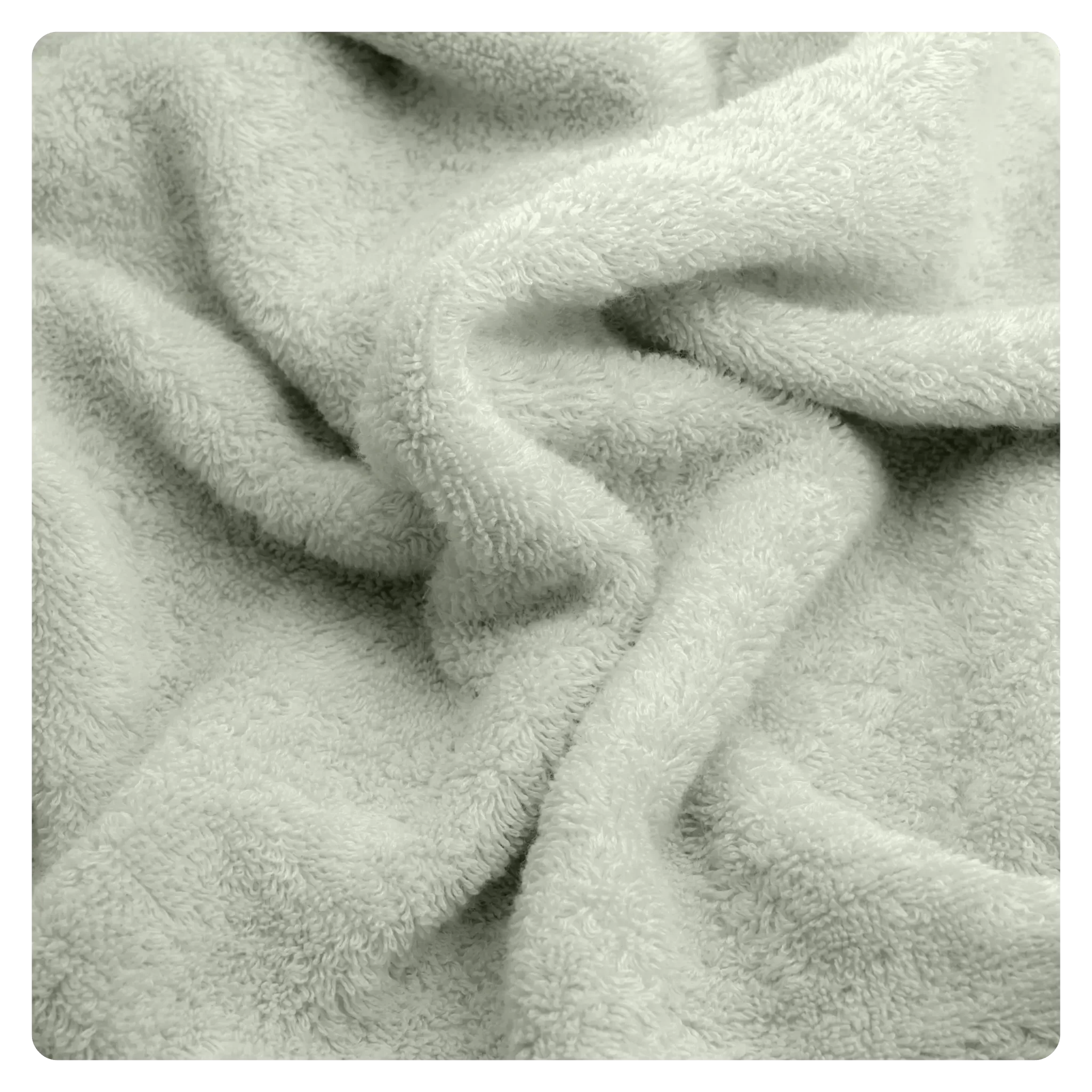
Loop density is harder to judge from photos, but it's worth looking for close-up shots that show the towel's surface. Tightly packed loops with consistent spacing indicate better manufacturing quality and durability. These loops are what actually touch your skin and absorb water, so their density affects both comfort and function.
- Check for double-stitched or reinforced hems in product images
- Look for close-up photos showing loop density and consistency
- Read descriptions mentioning edge reinforcement or binding
- Check if the listing mentions weave type (terry, waffle, etc.)
- Look for details about how edges are finished
The weave pattern affects how a towel performs too. Traditional terry cloth has those familiar loops on both sides, which creates maximum absorbency. Some towels use different weave patterns on each side or incorporate flat-weave sections for faster drying. Product descriptions should explain the weave type and why it was chosen, not just list it as a technical detail.
When evaluating listings, pay attention to whether the seller provides detailed construction information. Quality towel manufacturers are proud of their construction methods and will tell you about reinforced edges, hem types, and finishing techniques. If a listing only shows you the towel from far away with vague descriptions, that's usually because there's nothing special about the construction to highlight. The best bath towel sets combine quality materials with thoughtful construction details that you can actually see in the product photos and read about in the specifications.
Wrap-up
Shopping for a bath towel set online doesn't have to feel like a guessing game. The three main things to check are the material blend (look for long-staple cotton or bamboo blends), the GSM weight (aim for 500-700 for that sweet spot between absorbency and quick-drying), and what other buyers are actually saying in their reviews. These indicators tell you way more than any product photo ever could.
Here's something most people don't think about until it's too late. Cheap towels might save you money today, but you'll be replacing them in six months when they start falling apart or feeling like sandpaper. Quality towels last years, not months, which means you're actually spending less over time.
The Natureva Bamboo Cotton Towels hit all these quality markers with their 30% bamboo viscose and 70% long-staple zero-twist cotton blend. They're designed to stay soft and absorbent through hundreds of washes, which is exactly what you want when you're investing in towels online.
Next time you're browsing bath towel sets, you'll know exactly what to look for. Check the specs, read between the lines of customer reviews, and don't fall for towels that seem too cheap to be true. Your future self will thank you every time you step out of the shower.
Still have questions about choosing the right towels? We've got answers coming up.
Common Questions About Buying Towels Online
Shopping for towels without touching them first can feel like a gamble. You're making decisions based on photos and descriptions, hoping the towels that arrive actually match what you expected. These questions come up again and again when people shop for a bath towel set online, so let's clear up the confusion with some straight answers.
How can you tell if towels will stay soft after washing?
Look for towels made with long-staple cotton or bamboo blends, as these fibers naturally resist getting rough over time. Zero-twist construction is another good sign because the loose weave stays fluffy even after multiple washes. Avoid towels with fabric softener already applied, since that coating washes out and leaves you with scratchy results.
Are expensive towels really worth the price difference?
Higher-priced towels usually use better materials and construction methods that actually last longer. A quality bath towel set might cost more upfront, but you won't need to replace them every year like cheaper options. The real test is whether the towels maintain their absorbency and softness after dozens of washes, which budget towels rarely do.
What should you do if towels don't meet expectations?
Check the return policy before buying, and wash the towels according to instructions before deciding they're not right. Most quality brands offer returns within 30 days if you're not satisfied. Keep your receipt and original packaging just in case, since some companies require them for returns.
How many towels do you actually need in a set?
A good rule is two towels per person, plus two extras for guests. Sets of six towels work well for most households since you can rotate them while some are in the wash. Our Bamboo Cotton Towels come in a set of 6, which gives you enough to stay stocked without overfilling your linen closet.
Are bamboo towels better than pure cotton?
Bamboo blends combine the best of both materials, offering the absorbency of cotton with the quick-drying benefits of bamboo. Pure cotton towels can take forever to dry and sometimes develop that musty smell. Bamboo viscose naturally resists bacteria and dries faster, which means fresher towels between washes.
How do you care for quality towels to make them last?
Wash towels in warm water without fabric softener, which actually blocks the fibers from absorbing water properly. Tumble dry on medium heat instead of high, since excessive heat breaks down the fibers over time. Washing towels separately from clothes with zippers or hooks prevents snags that can ruin the fabric.
The next generation of home essentials: naturally made, cleaner by design, sustainable by nature.
SHOP ALL