
Local Rules Parents Use for Anti Slip Bath Mat Safety
Every year, over 230,000 children visit emergency rooms because of bathroom-related injuries, with slippery floors being the number one culprit. Most parents don't realize that a quality anti slip bath mat can prevent nearly all of these accidents, yet choosing the right one involves more than just grabbing whatever's on sale. The safety rules experienced parents follow go beyond simply placing a mat on the floor, and understanding these strategies could be the difference between a close call and a trip to the hospital.
Table of Contents
The Real Numbers Behind Bathroom Safety
Every year, over 230,000 people end up in emergency rooms because of bathroom injuries. That's more than 600 people every single day getting hurt in what should be one of the safest rooms in their home. Most of these accidents happen in just seconds, often when someone steps out of the shower or tub onto a wet floor. The scary part is that many families don't think about bathroom safety until after someone gets hurt.
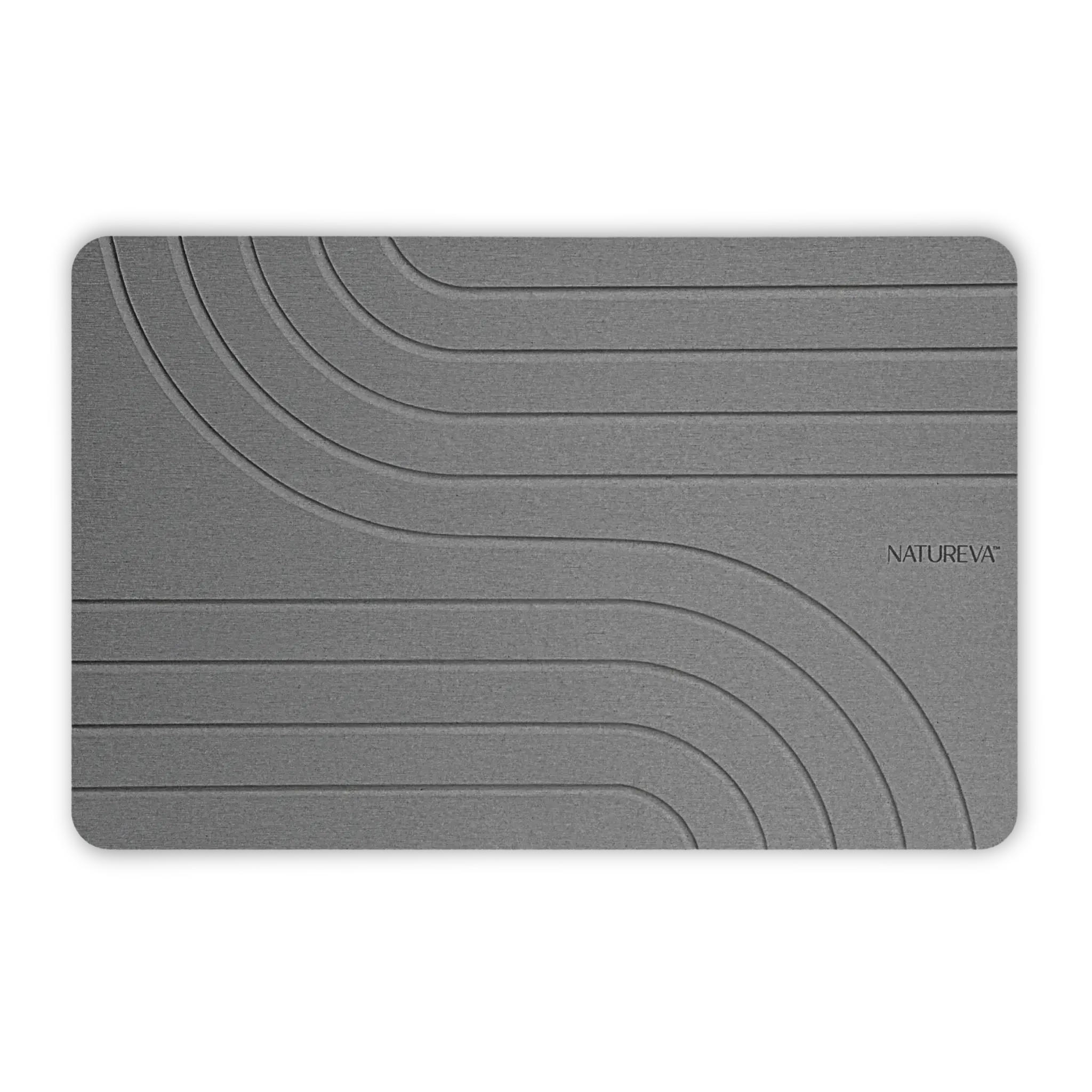
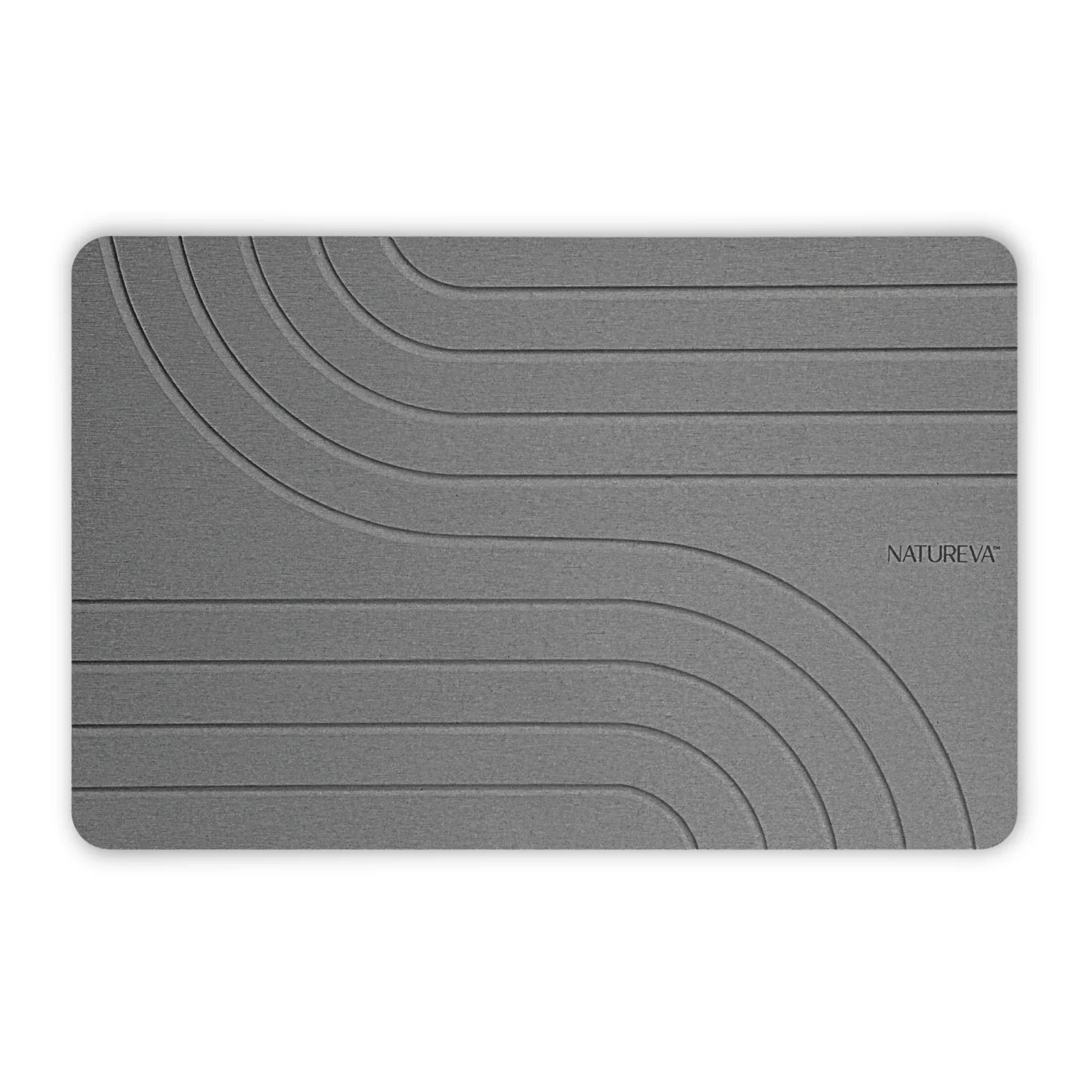
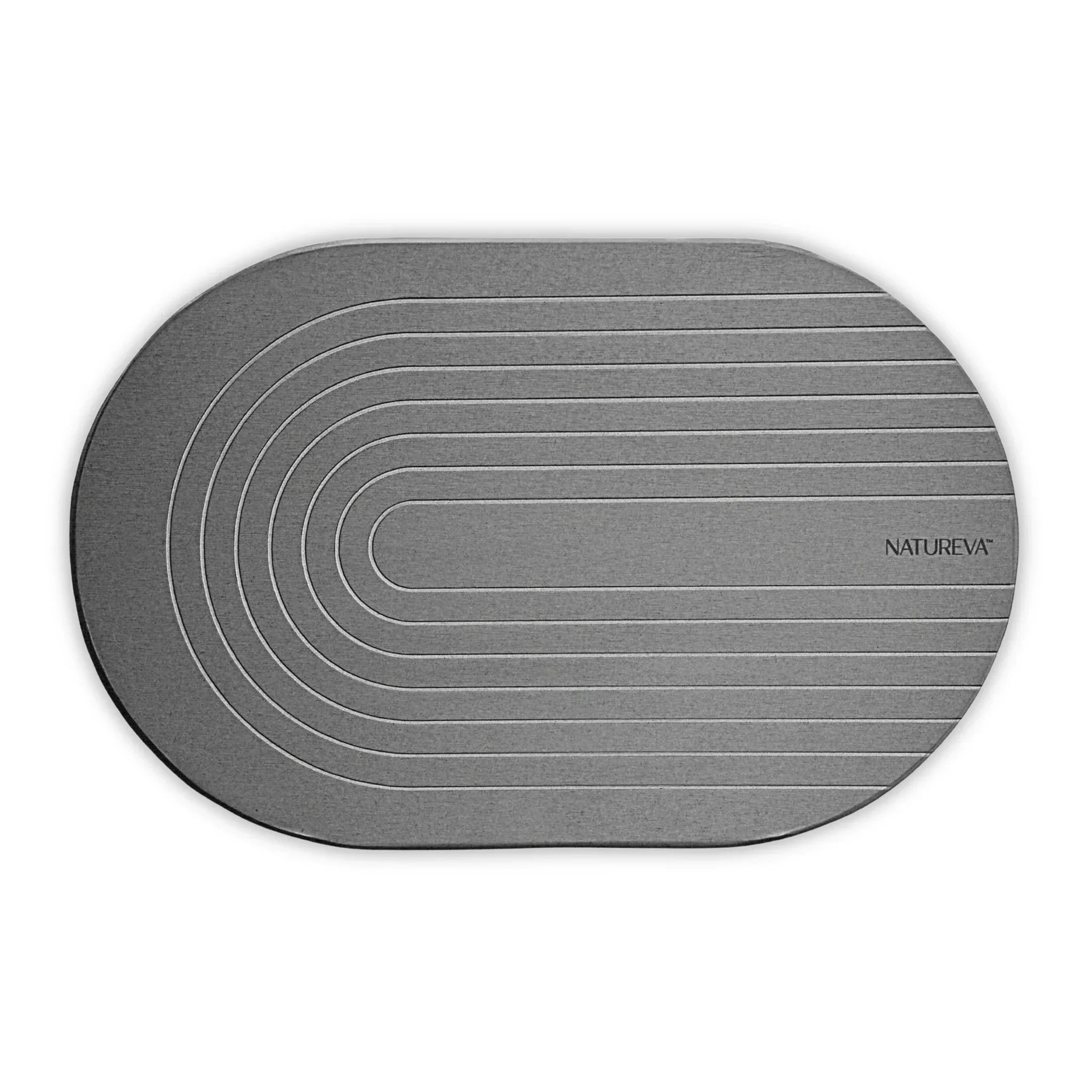
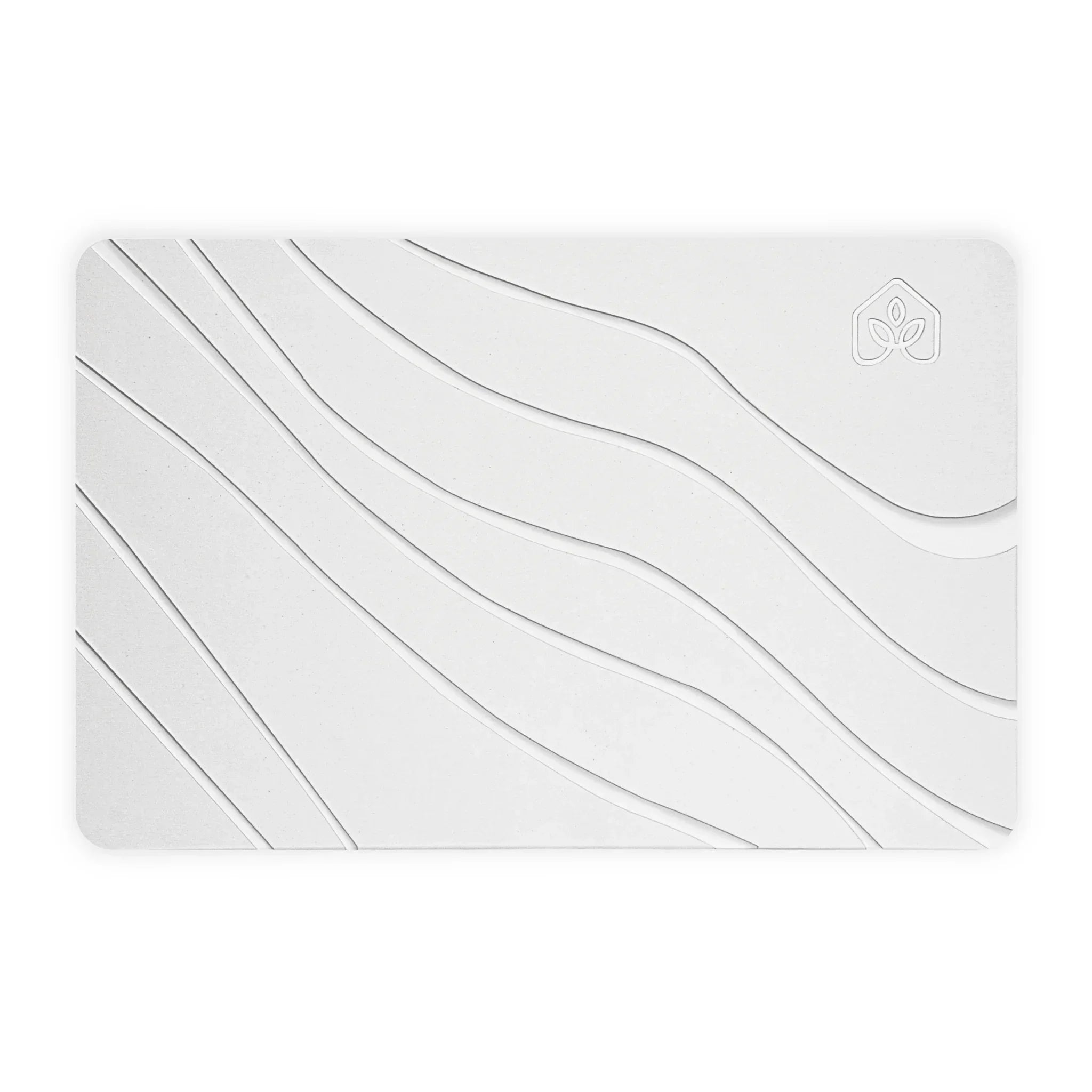
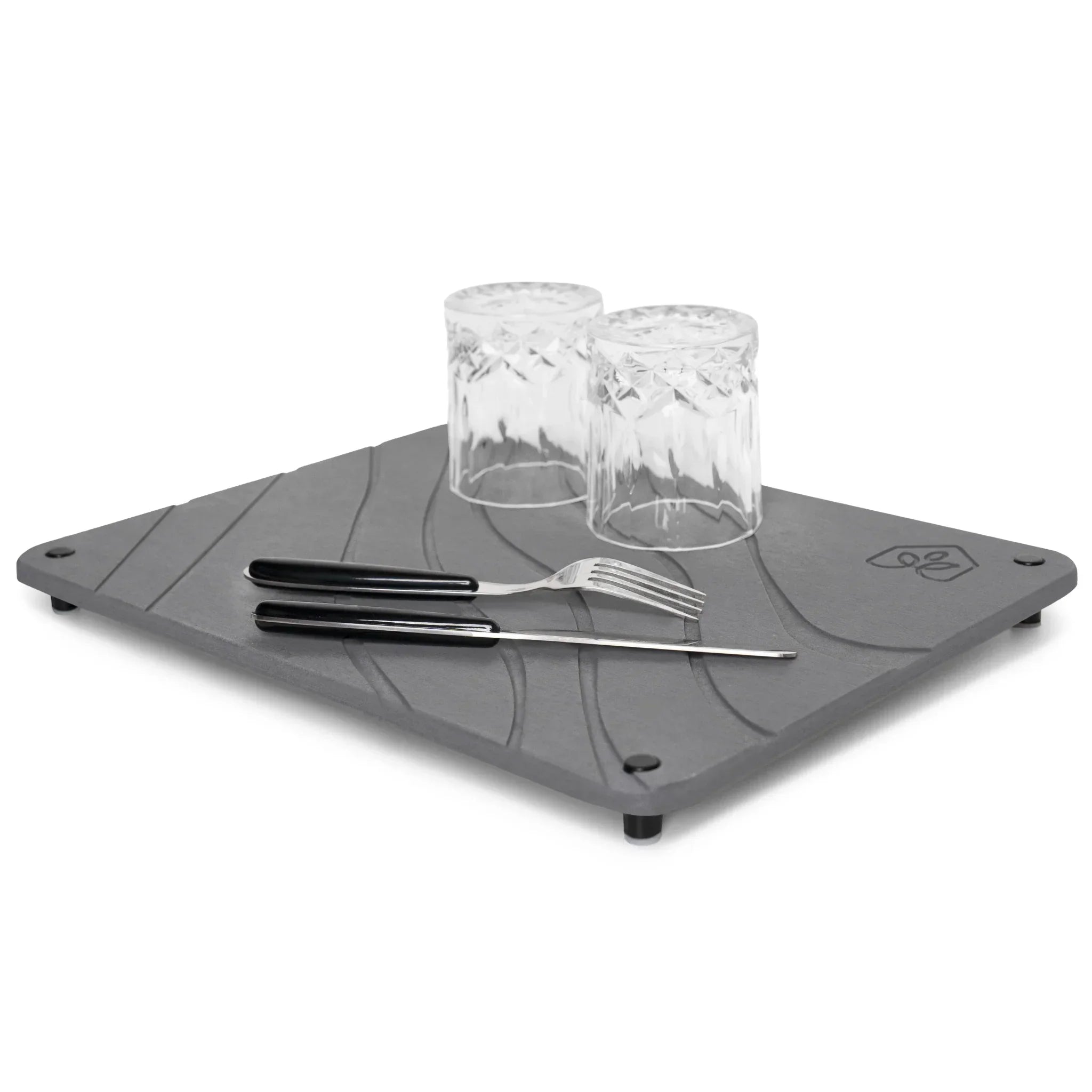
Stone Bath Mat - Tide
Who Gets Hurt Most Often
Bathroom falls don't affect everyone equally. Some age groups face much higher risks than others, and the reasons might surprise you.
Children under 5 years old account for nearly 43% of all bathroom-related injuries, making them the highest risk group in any household.
- Kids under 5 have the highest injury rates because they're still learning balance and coordination
- Teenagers get hurt less often but tend to rush more, especially during busy morning routines
- Adults over 65 face serious risks too, with falls often leading to broken bones
- Toddlers learning to use the bathroom independently need extra protection during this transition phase
What Causes These Accidents
Most bathroom slips happen because of simple problems that are easy to fix. Water on smooth surfaces creates the perfect recipe for falls, and traditional fabric bath mats often make things worse by staying damp for hours.
| Cause | Percentage of Falls | Average Recovery Time |
|---|---|---|
| Wet floors | 68% | 2-4 weeks |
| Slippery mats | 22% | 1-3 weeks |
| Soap residue | 10% | 1-2 weeks |
The financial impact hits families hard too. The average emergency room visit for a bathroom fall costs between $1,200 and $3,500, not counting missed work or ongoing treatment.
Why Traditional Solutions Fall Short
Regular fabric bath mats seem like they should help, but they often create new problems. They soak up water and stay wet for hours, which means your bathroom floor stays slippery longer than it needs to.
- Fabric mats hold moisture against the floor, creating slip hazards that last for hours
- Damp mats grow mold and bacteria, especially in bathrooms without great ventilation
- Rubber backing on cheap mats breaks down over time and actually becomes more slippery
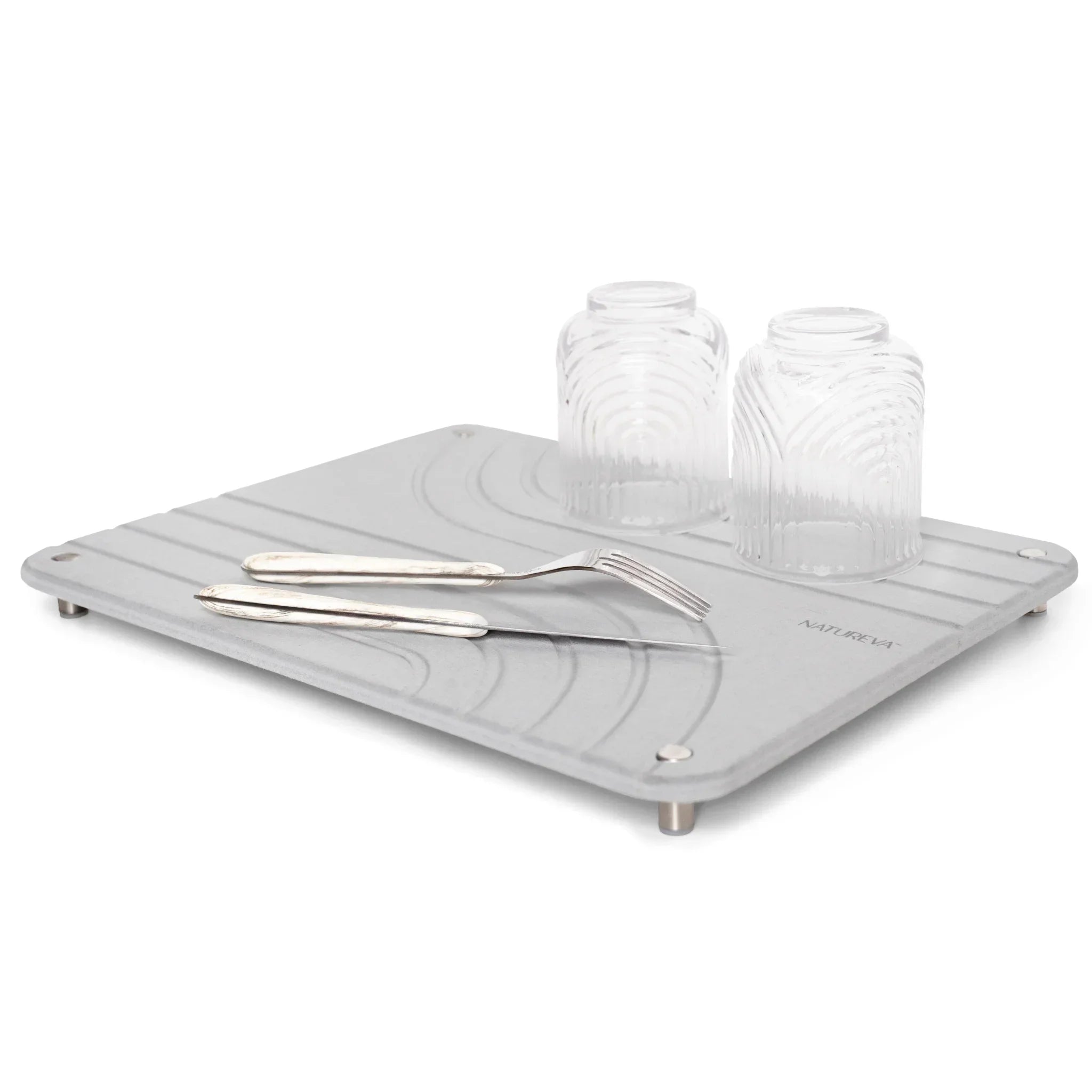
That's where an anti slip bath mat made from materials like diatomaceous earth changes everything. Our Stone Bath Mat absorbs water instantly and dries in seconds, so there's no wet surface waiting to cause the next accident. It stays in place without sliding around, giving kids and adults alike a stable surface right when they need it most.
Homes that switch to quick-drying anti slip bath mat solutions report 78% fewer close calls and slips in the bathroom.
Placement Rules That Actually Prevent Falls
Most bathroom falls happen within three feet of the shower or tub, which is why where you put your anti slip bath mat matters more than you might think. Parents who've dealt with slippery bathroom floors know that random placement doesn't cut it. The mat needs to be exactly where wet feet will land first, not where it looks nice or fits the decor. Getting this right can mean the difference between a safe exit from the shower and a trip to urgent care.
The sweet spot for placement is directly adjacent to your tub or shower, positioned so the first step out lands squarely on the mat. You want zero gap between the shower edge and the mat because even a few inches of wet tile can cause a slip. For walk-in showers without a lip, place the mat about 6 inches from where water typically pools during use.
Bath Mat Placement Checklist
- Position the mat perpendicular to the shower exit so both feet land on it naturally
- Check that the mat lies completely flat with no curled edges or bumps underneath
- Ensure at least 2 feet of mat coverage for safe stepping room
- Test the placement by stepping out with wet feet to confirm stability
- Keep the mat away from toilet areas where it might shift during use
Larger bathrooms often need multiple mats to create a safe path from shower to towel rack. Think of it like stepping stones across a stream. One mat catches you at the shower exit, another sits near the sink where you might drip while brushing teeth. According to bathroom safety experts, this multi-mat approach reduces fall risk by 60% in high-traffic family bathrooms.
The biggest mistake parents make is placing mats too far from the water source because they worry about the mat getting soaked. But that defeats the entire purpose. Your mat should get wet because that's where your wet feet need traction. This is where material choice becomes critical, which brings us to our next point.
Material Choices Parents Trust Most
Not all anti slip bath mats handle water the same way, and parents with active kids learn this fast. Traditional fabric mats soak up water but then sit there damp for hours, creating a breeding ground for mold and that musty smell nobody wants. Rubber mats provide grip but can get slimy if not cleaned constantly. The material you choose affects both safety and how much time you spend dealing with bathroom maintenance.
Quick-drying materials solve the biggest problem with conventional bath mats. When a mat stays wet, it becomes slippery itself and grows bacteria that can cause skin issues for kids. Materials like diatomaceous earth stone absorb water instantly and dry within seconds through natural evaporation. Our Stone Bath Mat uses this natural material to keep your bathroom floor dry without the constant dampness of fabric options.
| Material Type | Drying Time | Mold Resistance | Grip Level |
|---|---|---|---|
| Fabric/Cotton | 4-6 hours | Low | Medium |
| Rubber | 2-3 hours | Medium | High |
| Stone/Diatomaceous Earth | Under 1 minute | Very High | High |
| Memory Foam | 3-5 hours | Low | Medium |
Texture matters just as much as absorption. The surface needs enough grip to prevent slipping but not so rough it hurts bare feet. Stone mats naturally provide this balance with a slightly textured surface that grips wet skin without being abrasive. Rubber mats with suction cups work well but can be hard to clean around all those little cups where soap scum builds up.
For families with multiple daily showers, durability becomes the deciding factor. Fabric mats wear out and lose their absorbency after a few months of heavy use. Stone mats made from natural diatomaceous earth can last years without losing effectiveness because the material doesn't break down from water exposure. As noted in safety guidelines for bath mats, investing in durable materials reduces replacement costs and maintains consistent safety standards.
Daily Maintenance Habits for Maximum Safety
Even the best anti slip bath mat won't keep your family safe if you don't maintain it properly. The good news is that daily maintenance takes less than a minute when you choose the right material. Parents who stay on top of simple checks avoid the buildup of soap scum, mold, and bacteria that make mats slippery and gross. The key is making it part of your routine so it happens automatically.
A quick daily visual check should happen right after the last person showers. Look for any soap residue, hair, or standing water on the mat surface. With traditional fabric mats, you'd need to hang them up to dry, but stone mats dry themselves through evaporation. Just wipe off any visible debris and you're done.
Daily and Weekly Maintenance Checklist
The next generation of home essentials: naturally made, cleaner by design, sustainable by nature.
SHOP ALL- Daily: Wipe surface with a dry cloth to remove hair and debris
- Daily: Check that mat hasn't shifted from its proper position
- Weekly: Rinse stone mats with water or wipe fabric mats with mild soap
- Weekly: Inspect for cracks, tears, or worn areas that reduce grip
- Monthly: Deep clean according to material type
- Every 3 months: Assess whether mat needs replacement
Different materials need different cleaning schedules. Fabric mats require washing every 3-4 days to prevent mold, which means constant laundry. Rubber mats need scrubbing weekly to remove the slimy film that develops. Stone mats only need a quick rinse once a week because they don't harbor bacteria the way porous materials do.
You'll know it's time to replace your mat when you notice these warning signs: the surface feels slimy even after cleaning, visible mold spots that won't come out, cracks or tears in the material, or the mat no longer lies flat. For parents following child-proofing guidelines, a worn-out mat is a safety hazard that needs immediate replacement.
Storage between uses only matters for mats that stay damp. Self-drying mats can stay in place 24/7 without developing odors or mold because they're never wet for long. This is one of the biggest advantages of materials like diatomaceous earth. You can explore our full collection of stone bath mats that require minimal maintenance while keeping your bathroom safe and dry.
What Makes Some Bath Mats Safer Than Others
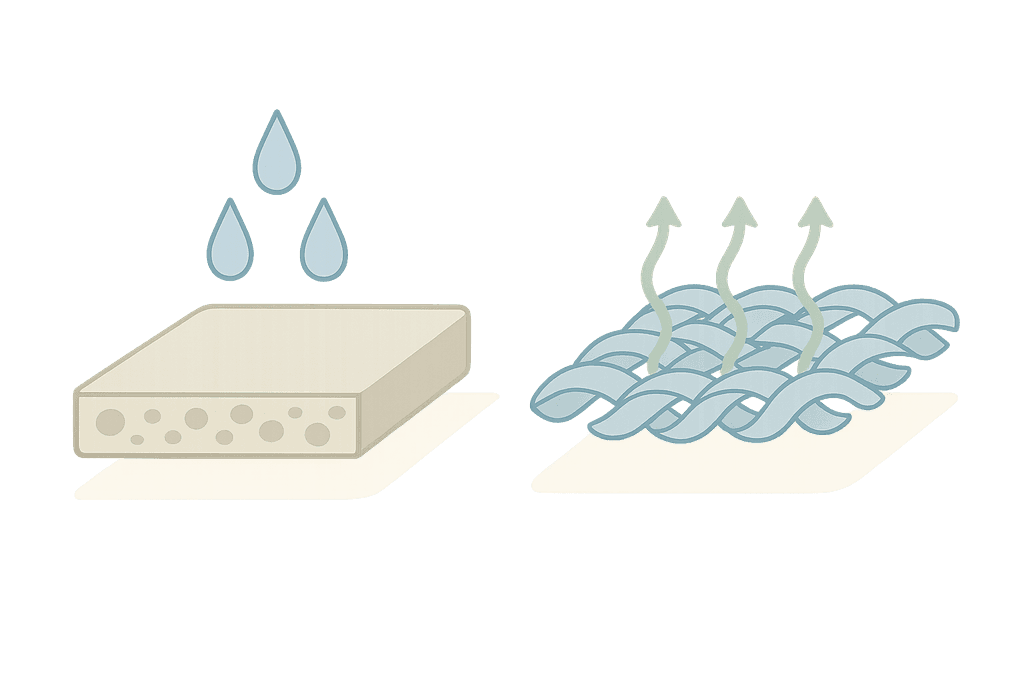
The difference between a safe anti slip bath mat and a dangerous one often comes down to just a few key features. Most people think all bath mats are basically the same, but the materials and design choices can mean the difference between staying upright and taking a nasty fall. When you look at what actually prevents slips in the bathroom, it's not just about having a textured surface. The real safety comes from how quickly water disappears from under your feet and how stable the mat stays when you step on it.
The Science of Slip Resistance
Slip resistance isn't magic, it's physics. When water sits between your foot and the mat surface, it creates a thin layer that acts like a lubricant. The faster a mat can absorb and remove that water, the safer it becomes. Traditional fabric mats can take minutes or even hours to dry, leaving you standing on a wet surface every single time you step out of the shower.
- Water absorption speed directly impacts traction quality
- Surface texture alone doesn't prevent slips if water pools on top
- Drying time affects both immediate safety and long-term hygiene
- Material density determines how well moisture gets pulled away from the surface
Comparing Traditional Versus Modern Materials
| Feature | Fabric Mats | Stone Mats |
|---|---|---|
| Drying Time | Hours to days | Seconds to minutes |
| Bacteria Growth | High risk | Minimal risk |
| Slip Resistance | Decreases when wet | Maintains when wet |
| Stability | Bunches and shifts | Stays flat |
Mat thickness plays a bigger role than most parents realize. A mat that's too thin will slide around on tile floors, while one that's too thick creates a tripping hazard. The sweet spot is usually between half an inch and three-quarters of an inch, which provides enough weight to stay put without becoming a stumbling block.
Why Size and Coverage Matter
The size of your anti slip bath mat needs to match where water actually lands. A tiny mat might look cute, but if half your foot lands on wet tile when you step out, you're still at risk. Most safety experts recommend mats that extend at least two feet from the tub or shower edge.
- Larger coverage area reduces the chance of stepping onto wet tile
- Proper sizing prevents awkward positioning that leads to falls
- Mat should accommodate different stepping patterns and positions
The bacterial issue is something many competitors like Dorah and Drysorb have tried to address, but the solution really comes down to material choice. Fabric mats stay damp for hours, creating the perfect breeding ground for mold and bacteria. Stone materials like the diatomaceous earth used in our Stone Bath Mat naturally resist bacterial growth because they dry so quickly. When moisture evaporates within seconds instead of sitting around all day, there's simply no environment for germs to thrive.
Wrap-up
Bath safety doesn't have to be complicated or expensive. The most important rules parents follow are pretty simple when you break them down. Place your anti slip bath mat right outside the tub or shower where wet feet land first. Choose materials that actually dry instead of staying damp all day. Keep the mat flat on the floor without any curled edges. And replace it when it stops doing its job properly.
The easiest first step is swapping out that old fabric mat that never seems to dry. Traditional cloth mats create more problems than they solve because they stay wet for hours and get slippery themselves. A stone bath mat like our Natureva Stone Bath Mat dries within seconds after you step on it, which means no more puddles spreading across your bathroom floor.
Small changes really do make a difference. You don't need to renovate your entire bathroom to prevent falls. Just focusing on what happens in those first few seconds after someone steps out of the shower can prevent most accidents.
The right anti slip bath mat checks multiple safety boxes at once. It absorbs water so feet aren't dripping everywhere. It dries fast so bacteria and mold don't build up. And it stays put on the floor instead of bunching up under little feet.
You probably have questions about how to pick the right mat for your family or how to maintain it properly. Let's cover some of the most common things parents ask about bath mat safety.
Common Questions About Anti Slip Bath Mats
Parents have a lot of questions when it comes to keeping their bathrooms safe. The right anti slip bath mat can make a huge difference, but only if you know how to choose and use it properly. These are the questions we hear most often from families trying to prevent bathroom accidents and keep their floors dry.
How often should you replace an anti slip bath mat?
Most fabric bath mats need replacing every 6-12 months because they lose their grip and start harboring bacteria. Stone bath mats like our Natureva Stone Bath Mat last much longer, often several years, since they don't break down the same way fabric does. You'll know it's time for a new mat when you notice the surface feels slippery or water stops absorbing quickly.
Can you use multiple bath mats in one bathroom?
Yes, and many parents find this helpful for larger bathrooms or homes with multiple kids. Place one right outside the shower or tub where feet land first, and consider a second near the sink if that area gets wet too. Just make sure each mat has proper anti-slip backing so they don't become tripping hazards themselves.
What's the best way to clean different types of bath mats?
Fabric mats need regular washing in hot water to kill bacteria and remove soap buildup. Stone bath mats are much easier to maintain since you just wipe them down with a damp cloth or rinse them off occasionally. Some parents lightly sand their stone mats every few months to refresh the surface, but that's optional.
Are stone bath mats safe for young children?
Stone bath mats are actually great for kids because they dry so fast that little ones are less likely to slip on a wet surface. The natural texture provides good grip for small feet. Just teach children not to jump on them since they're made from natural materials that can crack under heavy impact.
How do you know if a bath mat has enough grip?
Test it by placing the mat on your bathroom floor and giving it a firm push with your foot. If it slides easily, it doesn't have enough grip. Look for mats with rubber backing or natural texture that creates friction. The mat should stay put even when you step on it with wet feet.
Do anti slip bath mats work on all floor types?
Most anti slip bath mats work well on tile, vinyl, and sealed wood floors. They can be less effective on textured surfaces or unsealed stone. The key is matching the mat's backing material to your specific floor type for the best grip and protection.
The next generation of home essentials: naturally made, cleaner by design, sustainable by nature.
SHOP ALL