
Your Dish Mat Is Growing Mould. A Stone Drying Mat Fixes That.
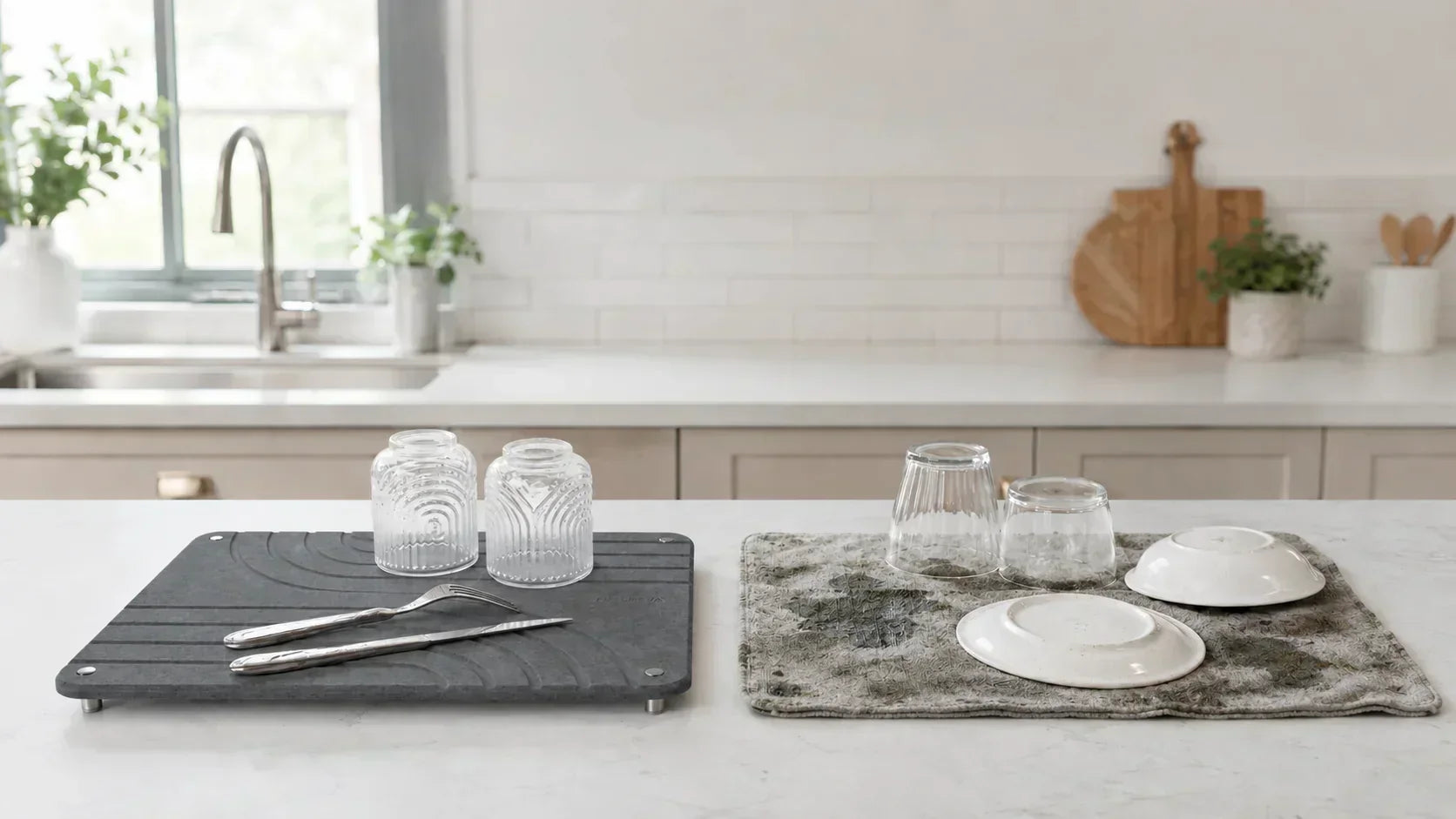
You scrub every plate, rinse every glass, and set them on your dish mat to dry. But that fabric mat sitting next to your sink? It never actually dries. It stays damp for hours, sometimes overnight, quietly growing mould and bacteria on the very surface where you place your clean dishes. A stone dish drying mat changes the equation completely. It absorbs water on contact, dries in minutes, and gives bacteria nothing to feed on. No more soggy counters, no more musty smells, no more scrubbing the thing that was supposed to keep your kitchen clean.
Table of Contents
What Makes Stone Dish Mats Different
The material inside a stone dish drying mat has been forming for millions of years. Diatomaceous earth comes from the fossilized remains of diatoms, tiny aquatic organisms with shells made of silica. Over time, those shells accumulated on ancient ocean floors and compressed into a natural stone riddled with millions of microscopic pores. Each one of those pores works like a miniature vacuum, pulling water off your dishes and away from your counter the moment it makes contact.
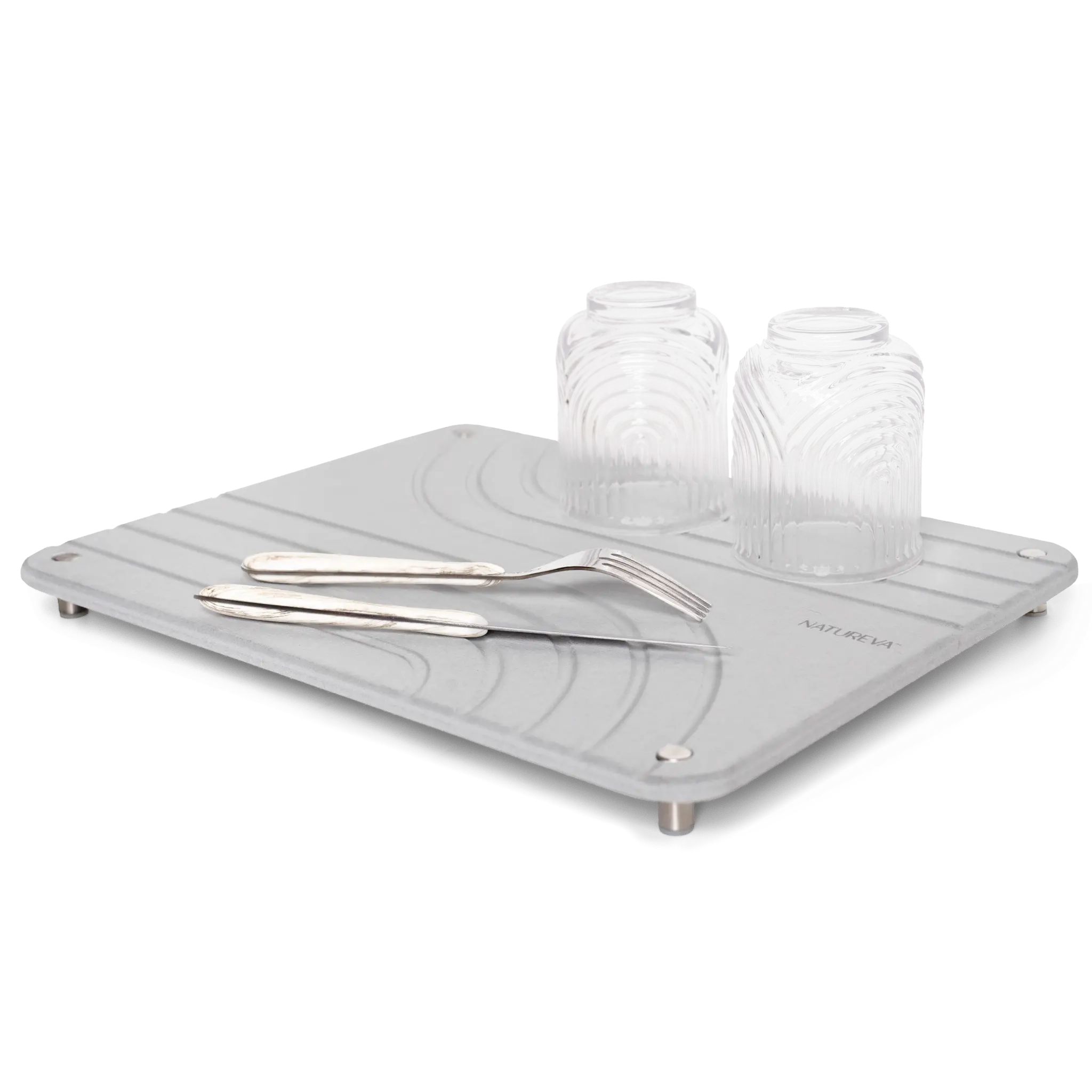
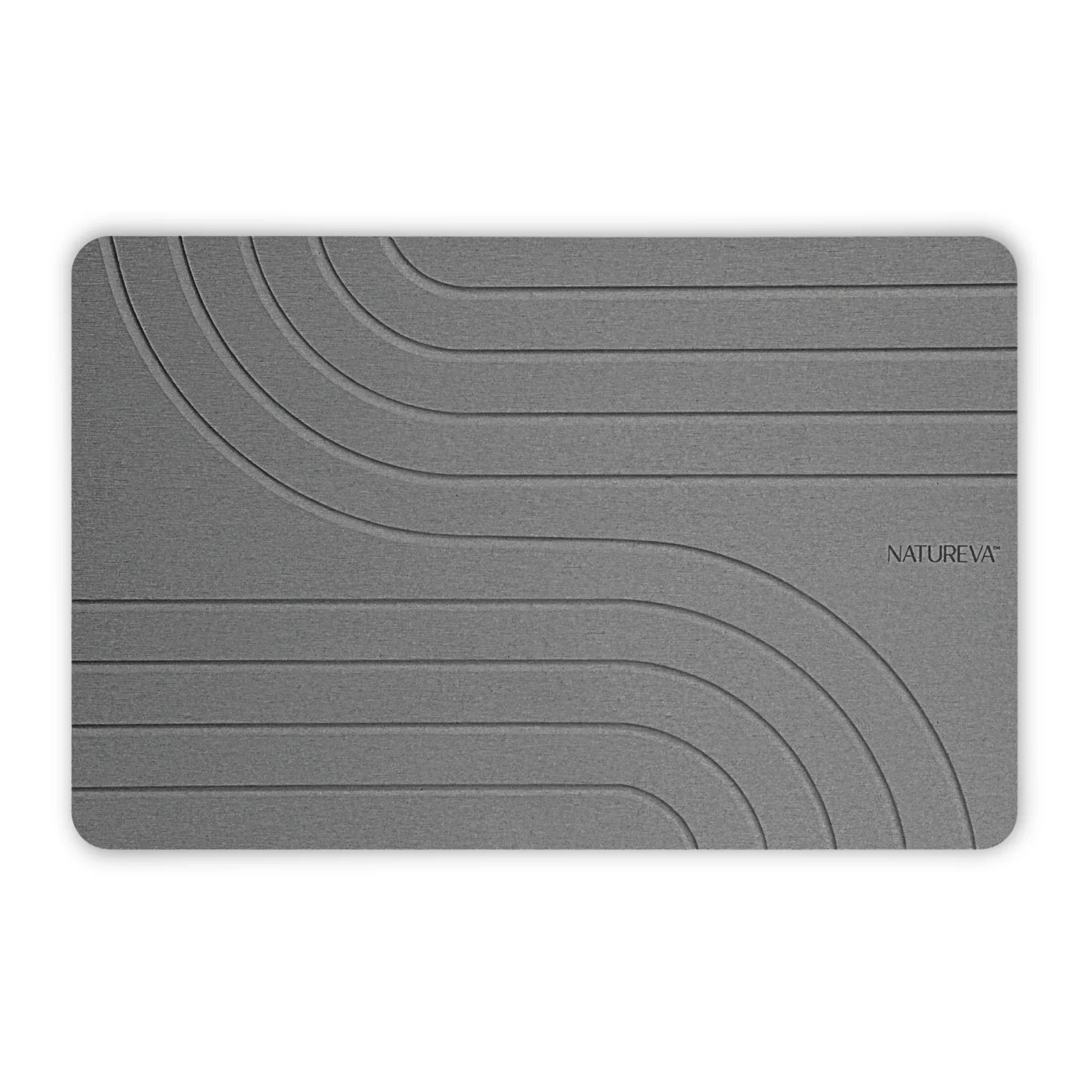
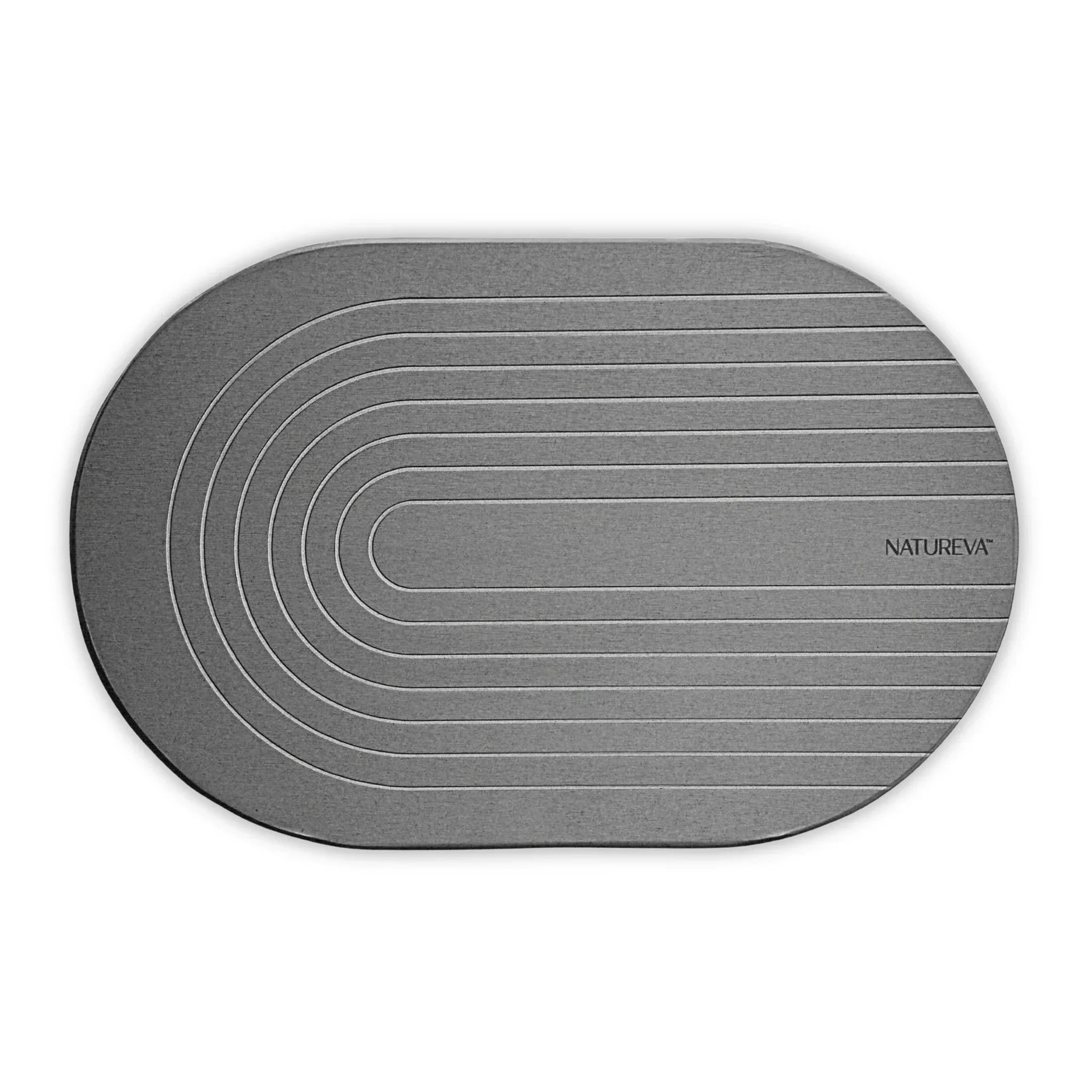
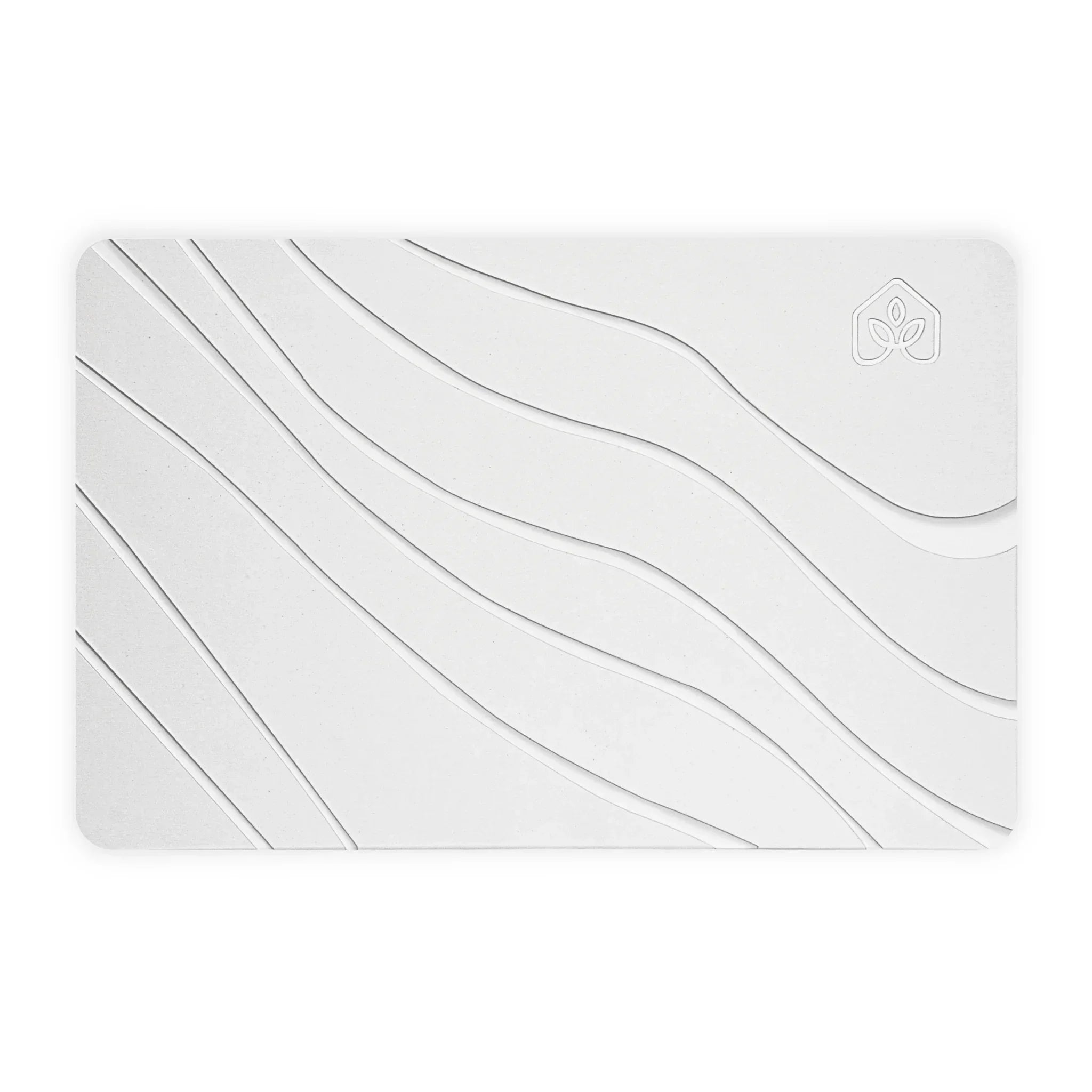
Stone Dish Mat - Tide
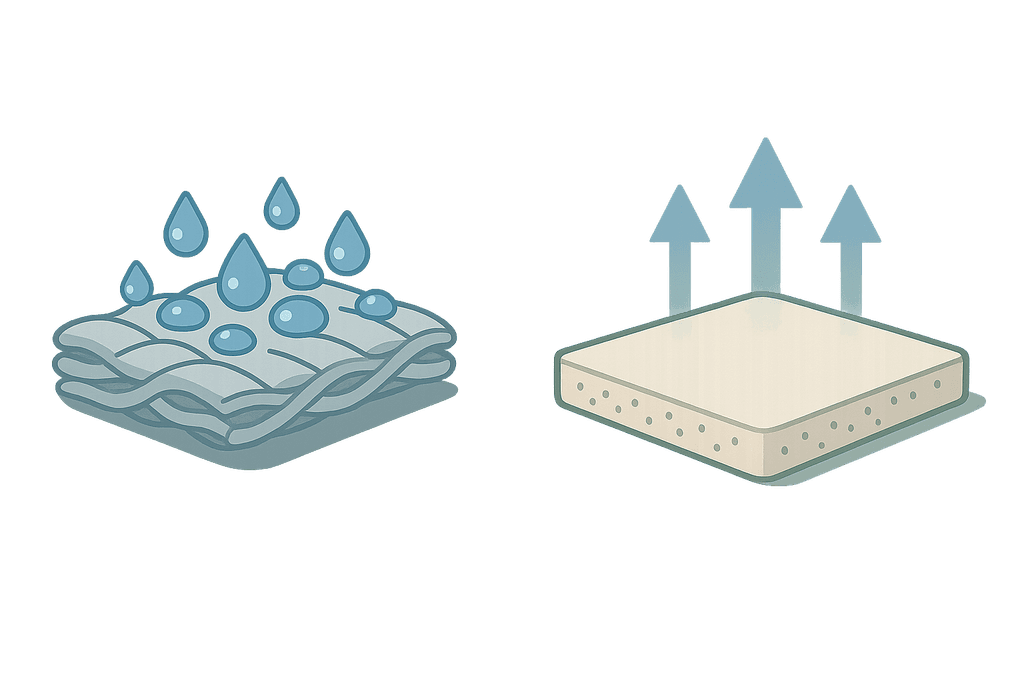
That's the core difference between stone and everything else on the market. A fabric mat absorbs water and holds it there, trapped in the fibres, staying wet long enough for microorganisms to set up shop. A stone mat absorbs water and then pushes it back out through evapouration. Air moves through the porous structure naturally, carrying moisture away far faster than any woven material ever could.
How Absorption Really Works
The science is simple but powerful. The pores in diatomaceous earth create capillary action, the same natural force that lets plants pull water from the soil up through their roots. When water lands on the mat's surface, here's what happens:
- Water gets drawn into the microscopic pores instantly through capillary action
- Air circulates through the porous structure and carries moisture away
- The surface dries within minutes, not hours
- No standing water remains, so bacteria and mould lose the moisture they need to survive
Our Stone Dish Mat uses this natural process to keep your kitchen cleaner without chemicals, coatings, or special treatments.
Comparing Your Options
Once you see the numbers side by side, the gap between mat types becomes hard to ignore. Brands like Dorai Home and Dry Sorb also sell stone mats, and while the basic science is the same across all diatomaceous earth products, the quality of the material and the craftsmanship vary significantly.
| Feature | Traditional Fabric/Rubber Mats | Stone Dish Drying Mat |
|---|---|---|
| Drying Time | 4 to 8 hours | 15 to 30 minutes |
| Water Capacity | Holds water in fibres | Absorbs and evapourates continuously |
| Mould Risk | High (stays damp) | Low (dries quickly) |
| Maintenance | Needs frequent washing | Wipe clean or light sand |
| Lifespan | 6 to 12 months | 2 to 3 years |
Why Mould Can't Survive on Stone
Mould and bacteria need three conditions to thrive: moisture, warmth, and time. A traditional dish mat delivers all three. It sits in your warm kitchen, stays soaked for hours, and gives microorganisms exactly the environment they need to multiply. By the time you notice that musty smell, you've already been placing clean dishes on a contaminated surface for weeks.
Stone mats eliminate the most critical factor. The rapid evapouration means moisture never lingers long enough for colonies to take hold. On top of that, diatomaceous earth has a naturally high pH that most bacteria find inhospitable. The combination of fast drying and unfriendly surface chemistry creates an environment where mould and mildew simply cannot establish themselves. Most people notice the difference within the first few days.
The Dirty Truth About Your Current Dish Mat
Think about what your dish mat actually does all day. You pile wet dishes on it, water soaks in, and then it just sits there. For hours. That damp fabric next to your sink right now is probably still holding moisture from last night's dishes, and it's been accumulating bacteria the entire time. The mat you bought to keep your kitchen clean is doing the opposite.
The Hidden Problems with Traditional Dish Mats
Fabric dish mats function like sponges that never fully wring out. They trap water deep in their fibres and take hours to dry, creating ideal conditions for microbial growth. You wash your dishes to get them spotless, then set them on a mat where mould is actively growing. That musty smell you've been ignoring? That's the mat telling you it has become a breeding ground.
- Fabric mats hold moisture for hours and develop that unmistakable sour, musty odour
- Silicone and plastic mats trap water underneath, leaving hidden puddles on your counter
- Bacteria and mould multiply in the warmth and constant dampness
- You end up replacing them every few months or running them through the wash constantly
Silicone and plastic mats might seem like a smarter option since water can't actually soak into them. But they create a different problem. Water pools across the surface and slides underneath, leaving your countertop wet anyway. You end up wiping the counter down more often than if you had no mat at all.
How Stone Dish Mats Eliminate the Problem
A stone dish drying mat doesn't just manage water differently. It removes the entire cycle of dampness, odour, and bacterial growth that you've been dealing with. Made from natural diatomaceous earth, the mat contains millions of microscopic pores that pull moisture inward the moment a wet dish touches the surface. Water vanishes within seconds. Your counter stays bone dry.
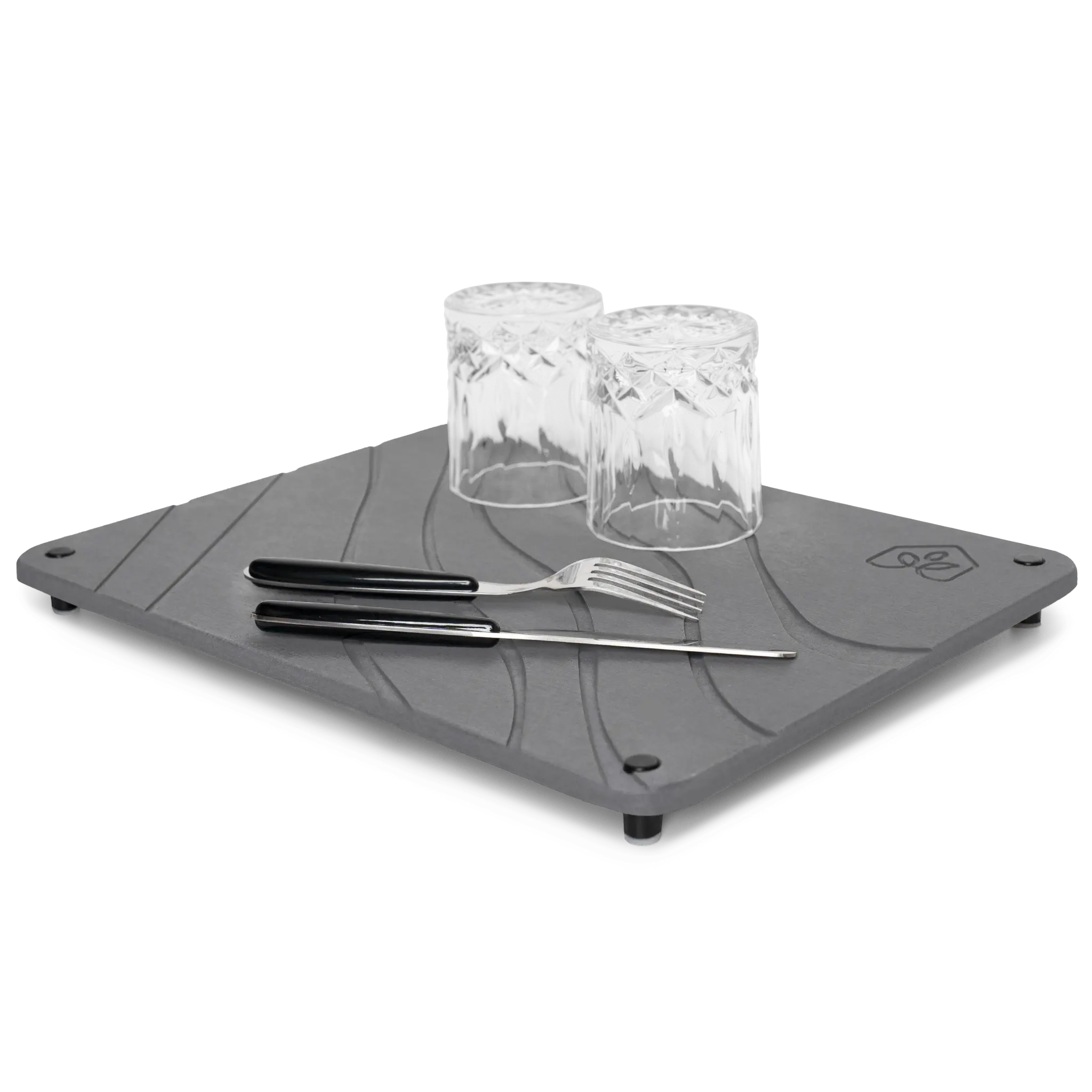
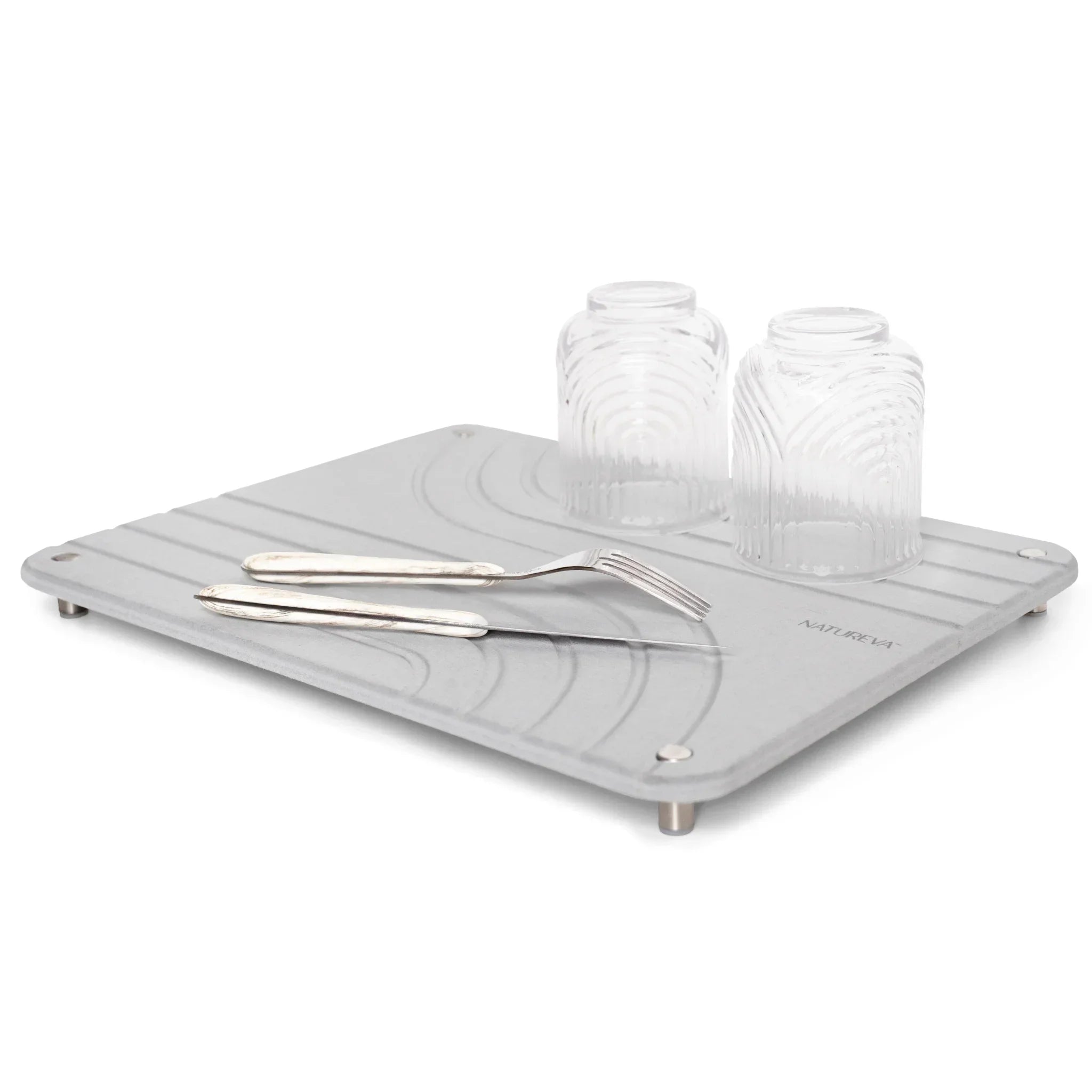
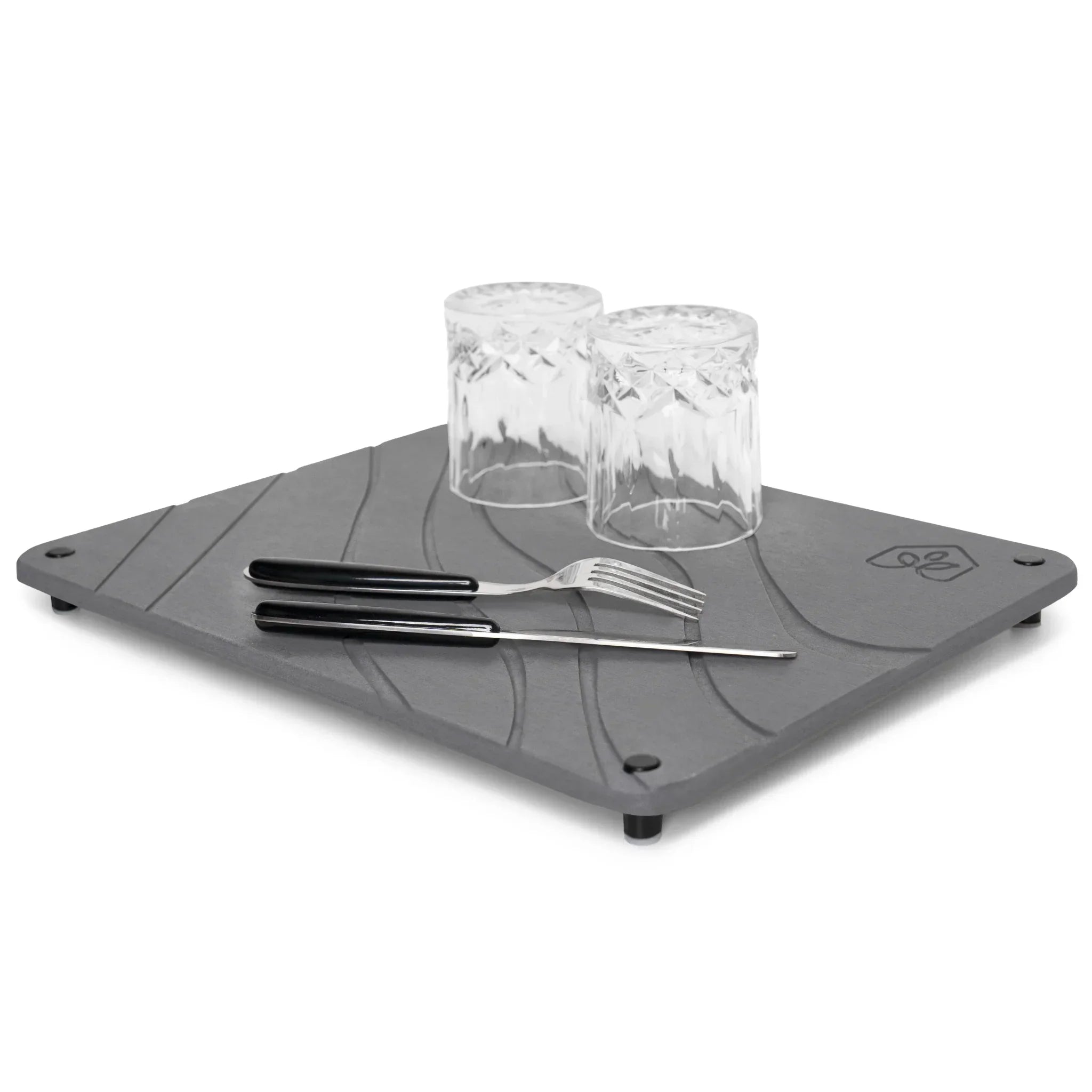
Stone Dish Mat - Flow
The next generation of home essentials: naturally made, cleaner by design, sustainable by nature.
SHOP ALLThe process is elegant in its simplicity. Those millions of pores don't just absorb water. They actively push it back out through evapouration. Within minutes of removing your dishes, the mat feels completely dry to the touch. No puddles sitting for hours. No damp patches lingering into the next morning.
The natural antimicrobial properties of diatomaceous earth mean bacteria and mould never get the conditions they need. The surface stays fresh week after week without developing that familiar musty funk. You don't need to toss it in the washing machine or wonder whether it's time to throw it out and buy another one.
- Water disappears on contact, keeping your counter completely dry
- The mat itself dries within minutes after you remove your dishes
- No machine washing required, just a quick wipe when needed
- Clean, minimal designs that look intentional on your countertop
Our Stone Dish Mat in Tide pattern and Flow pattern pair this practical technology with designs that belong in a modern kitchen. They don't look like something you're trying to hide next to the sink. They look like part of the setup.
Switching to a Stone Dish Mat
Making the switch is straightforward, but a few details are worth knowing so you get the most out of it. The quality of the diatomaceous earth matters more than most people expect. Cheaper versions use lower grade material that absorbs poorly and deteriorates faster. Look for a mat that's thick enough to feel solid and durable, but not so heavy that it becomes awkward to move when you clean your counter.
Where you place the mat affects how well it performs. Set it where you naturally put wet dishes, usually right beside the sink. Leave a small gap between the mat and the backsplash so air can circulate freely around it. That airflow is what drives the evapouration, so don't box it in between appliances or push it flush against the wall.
Getting Started Checklist
- Remove your old dish mat and clean the counter surface underneath
- Place the stone mat in your preferred spot with a bit of breathing room around it
- Use it just as you normally would for dishes, glasses, and utensils
- Wipe it down with a damp cloth whenever you notice any residue building up
- Let it air dry fully between heavy uses
Maintenance is almost nonexistent compared to fabric mats. A quick wipe with a damp cloth every few days keeps the surface clean. If you notice the absorption slowing after months of daily use, a light pass with fine grit sandpaper refreshes the pores. It takes about two minutes and restores the mat to its original performance.
At $49, a stone mat costs more upfront than a fabric alternative. But consider how the math works over time. Fabric mats wear out, start smelling, and need constant laundering. Most people replace them two or three times a year. A stone dish mat lasts for years with virtually zero ongoing cost. No detergent, no replacement cycle, no wasted time on maintenance.
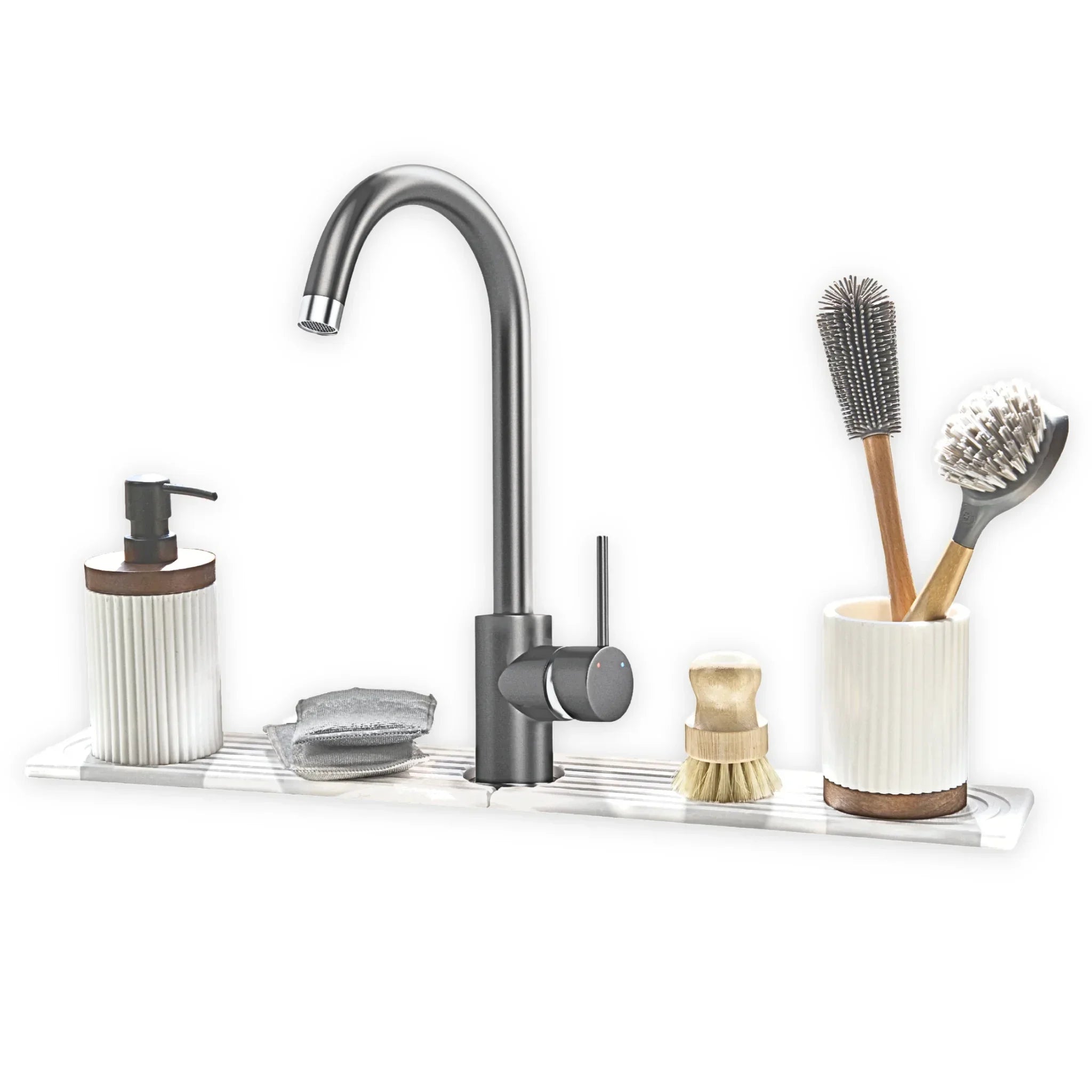
The same diatomaceous earth technology works throughout the rest of your kitchen too. Explore our full kitchen collection to see how stone mats keep other surfaces dry and hygienic. From faucet mats that catch drips around the base of your tap to sink caddies that keep sponges dry between uses, the principle stays the same: water in, moisture out, surface stays dry.
Stop Putting Clean Dishes on a Dirty Mat
A damp dish mat might feel like a minor inconvenience, but it's quietly undermining all the effort you put into washing your dishes in the first place. That soggy fabric mat has been growing bacteria for hours by the time you stack your next round of clean plates on it. A stone dish drying mat breaks that cycle. It absorbs water instantly, dries in minutes, and never gives mould the foothold it needs. The difference is something you'll feel the very first time you touch a dry mat where a wet one used to sit.
The part that surprises most people is how little a stone dish drying mat asks of you in return. No weekly washing. No wrestling a sopping mat into the laundry. No sniff tests to decide if it's time to replace it. The diatomaceous earth handles the moisture on its own, and your counter stays dry and clean without you having to think about it.
Our Stone Dish Mat in Tide and Stone Dish Mat in Flow deliver the same rapid drying performance in two distinct designs, so you can pick whichever fits your kitchen. It's a small swap that solves a problem most people didn't realize they could fix this easily.
If you're ready to stop placing clean dishes on a dirty surface, this is the simplest upgrade you can make. Below are answers to the most common questions people have before they make the switch.
Common Questions About Stone Dish Mats
Stone dish drying mats work on a completely different principle than the fabric mats most kitchens use, so it makes sense to have questions before buying one. Here are clear answers to what people ask most often.
How long does a stone dish mat take to dry?
Most stone dish drying mats dry within 30 minutes to an hour, depending on how much water they absorbed. The millions of microscopic pores in the diatomaceous earth pull moisture from the surface and release it into the surrounding air naturally. You'll notice the mat feels dry to the touch far sooner than a traditional fabric mat, which can stay damp for the better part of a day.
Can stone dish mats break or crack?
They can crack if you drop them onto a hard floor or apply heavy, focused pressure to the edges. For everyday dish drying, they're completely durable. Handle them the way you would a quality cutting board and they'll last for years without issue. Just don't stand on them or use them as a stepping surface.
How do you clean a stone dish drying mat?
Rinse it under running water and use a soft brush or sponge if anything is stuck on. Stand it upright or prop it against something so it can air dry. If absorption slows over time, a light pass with fine grit sandpaper opens up the pores and restores full performance. The whole process takes a couple of minutes.
Will the mat scratch my countertop?
A well made stone dish mat should have a smooth base or protective pads on the bottom. Our Natureva Stone Dish Mats feature a non slip base designed to sit safely on granite, marble, quartz, and laminate countertops without leaving marks. Just check that no grit or debris is trapped underneath before placing it down.
How much weight can a stone dish mat hold?
Stone dish drying mats can comfortably hold your everyday dishes, glasses, mugs, and most cookware. Most mats support several pounds as long as the weight is spread across the surface. Avoid stacking heavy cast iron in a single spot, but normal dish drying loads are never a problem.
What's the difference between the Tide and Flow patterns?
Tide and Flow are two different surface designs. Both perform identically and offer the same absorption power. Choose whichever pattern fits your kitchen's look. The grooves in both designs serve a functional purpose too, channeling water across the surface and accelerating the drying process.
The next generation of home essentials: naturally made, cleaner by design, sustainable by nature.
SHOP ALL