

Steps to Maintain Stone Sink Caddy Absorbency
You set down a cold glass of lemonade on your coffee table, and within minutes there's a puddle forming underneath it. That moisture isn't just annoying—it can leave permanent white rings on wood furniture that are nearly impossible to remove. The good news is that the right drink coasters can stop this problem completely, and some work way better than others.
Table of Contents
Why Glasses Sweat in the First Place
Ever notice how a cold glass of lemonade seems to create its own little puddle on your table? That's condensation at work, and it happens because of a simple temperature difference. When warm air touches the cold surface of your glass, the water vapor in the air turns into liquid droplets. It's the same reason your bathroom mirror fogs up after a hot shower, just in reverse.
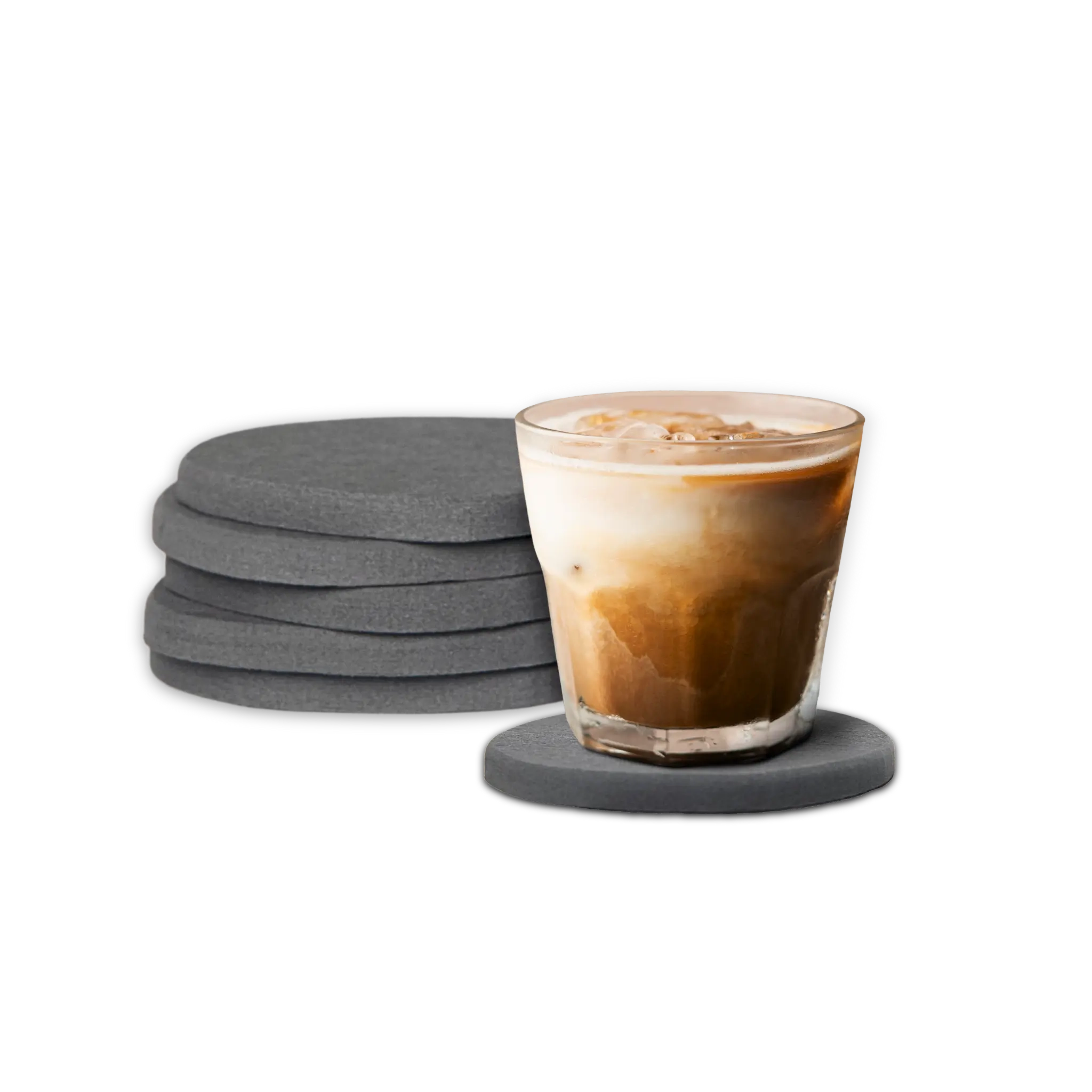
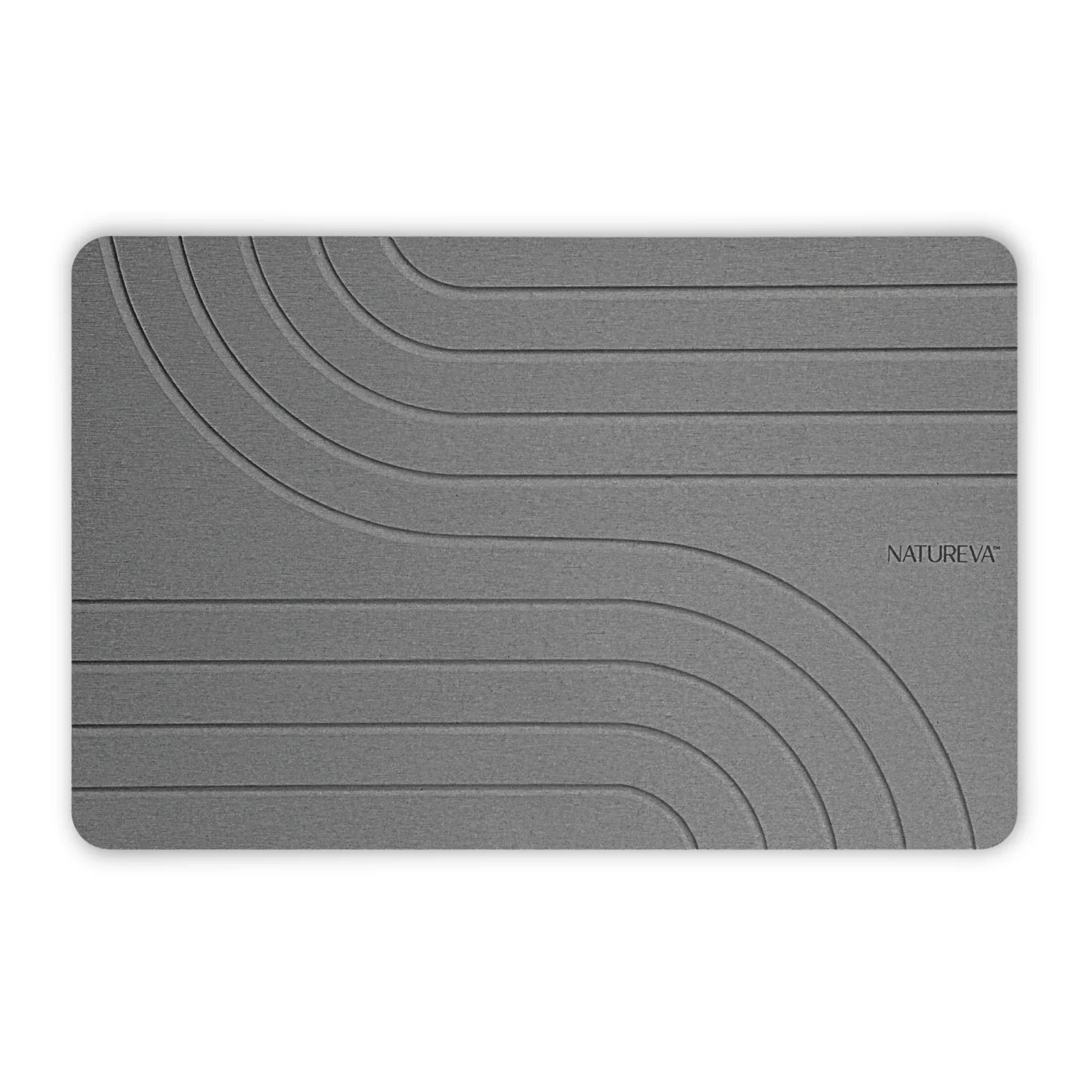
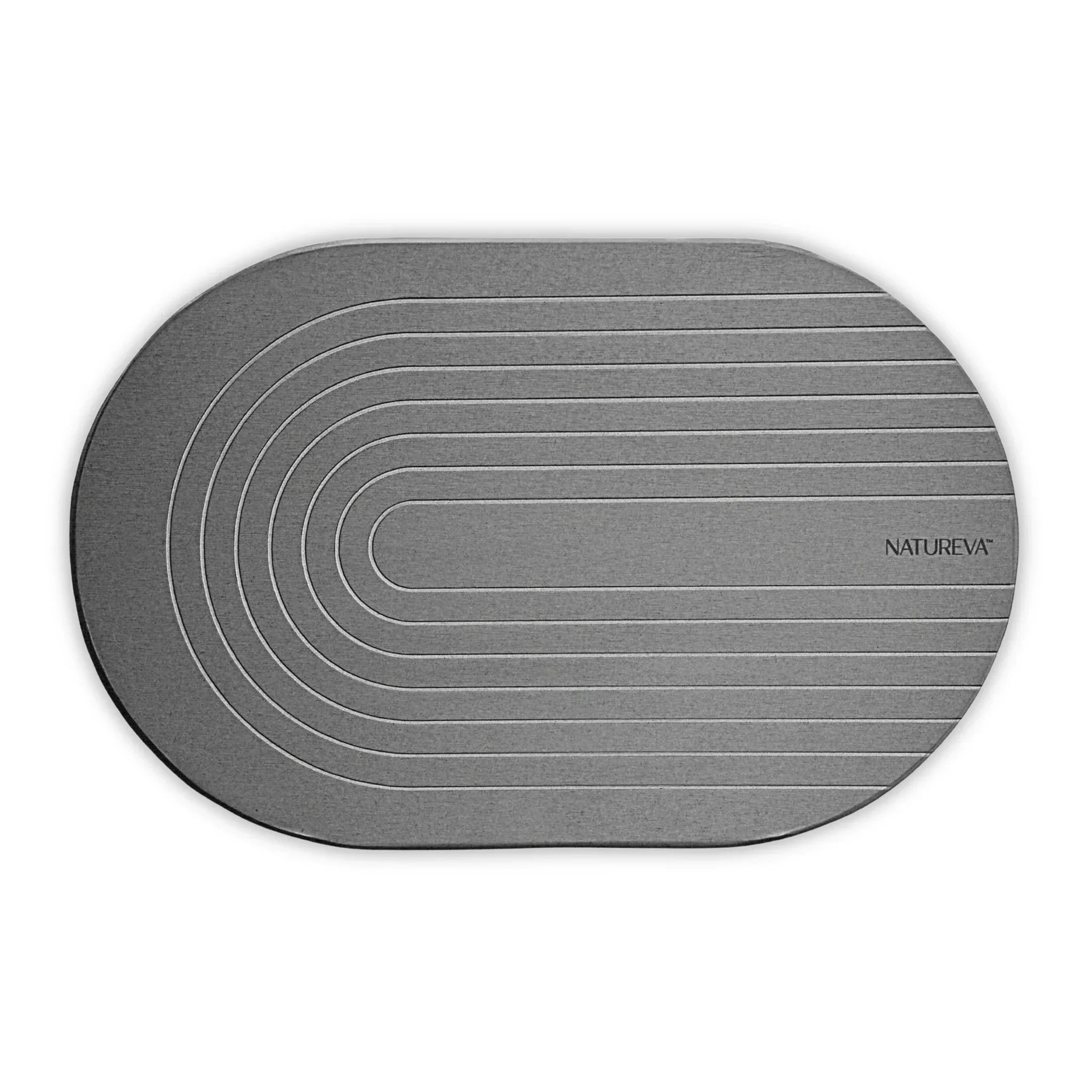
Stone Coasters - Set of 6
The Science Behind Sweaty Glasses
The air around us always contains water vapor, even when we can't see it. When this warm, moisture-filled air meets something cold like your iced tea glass, the temperature drop causes the vapor to condense into visible water drops. Think of it like magic, except it's just physics doing its thing.
Here's what affects how much your glass sweats:
- The temperature gap between your drink and the room
- How humid your indoor air is
- What type of drink you're having
- How long the glass sits out
Humidity Makes Everything Worse
The amount of moisture in your air plays a huge role in how much condensation forms. On a muggy summer day, your glass will sweat way more than on a dry winter afternoon. That's because humid air is packed with water vapor just waiting to turn into droplets.
| Indoor Humidity Level | Condensation Rate | Typical Season |
|---|---|---|
| 30-40% | Low | Winter |
| 40-50% | Moderate | Spring/Fall |
| 50-60% | High | Summer |
| 60%+ | Very High | Humid Climates |
Different Drinks, Different Problems
Not all drinks create the same amount of condensation. Ice-cold beverages with lots of ice cubes will sweat more than room-temperature drinks. The colder your drink, the more dramatic the temperature difference, which means more water pooling on your furniture.
Some conditions that make the problem worse include:
- Running your air conditioning while drinking cold beverages
- Living in coastal or humid areas
- Poor air circulation in your home
- Keeping drinks out for extended periods
This is where drink coasters become essential. Our Stone Coasters use diatomaceous earth to absorb moisture instantly, keeping those puddles off your tables. Without proper protection, that condensation can damage wood finishes, leave water rings, and create a mess that's tough to clean up.
What Makes a Coaster Actually Work
You set down a cold glass of water on your coffee table, and within minutes there's a puddle forming underneath. That ring of moisture isn't just annoying, it can actually damage wood finishes and leave permanent marks on your furniture. The right coaster stops this from happening, but not all coasters are created equal. What separates a good coaster from one that just pushes water around comes down to a few key features that most people never think about.
The absorption capacity of a coaster determines how much liquid it can actually hold before it becomes useless. Some coasters just create a barrier between your glass and table, which means the water still pools on top. Others actually pull that moisture away from your glass and trap it inside the material itself.
- Material porosity affects how quickly moisture gets absorbed into the coaster
- Surface area and thickness determine overall performance and how much water can be handled
- Drying time between uses matters because a saturated coaster can't do its job
- The speed of absorption prevents water from running off onto your table
Think about traditional cork or wood coasters. They might absorb a little bit of moisture, but they take forever to dry out. Fabric coasters soak up water but then they're wet and gross until you wash them. The material itself makes all the difference in whether your coaster actually protects your surfaces or just delays the inevitable water damage.
Stone Coasters and Super Absorption
Stone coasters made from diatomaceous earth work differently than anything you've probably used before. This material comes from fossilized algae that lived millions of years ago, and it has microscopic pores all through it. When water touches the surface, those tiny holes pull the moisture in almost instantly. It's the same reason diatomaceous earth gets used in water filters and other industrial applications where absorption matters.
The science behind it is pretty straightforward. Diatomaceous earth can absorb its own weight in water, which means even your sweatiest glass of iced tea doesn't stand a chance. The pores trap water molecules and hold them inside the stone instead of letting them sit on top or seep through to your table.
| Material Type | Absorption Speed | Drying Time | Reusability |
|---|---|---|---|
| Stone (Diatomaceous Earth) | Instant | 1-2 hours | High |
| Cork | Slow | 6-8 hours | Medium |
| Wood | Very Slow | 12+ hours | Low |
| Fabric | Fast | Requires washing | Low |
Natural evaporation is where stone coasters really shine. Because air can move through those same microscopic pores, the water doesn't just sit trapped inside forever. It gradually evaporates back into the air, which means your coaster dries itself out and gets ready for the next drink. Our Stone Coasters use this same diatomaceous earth material to handle even the heaviest condensation from your coldest drinks.
Cork coasters might seem eco-friendly, but they get waterlogged and stay damp. Wood coasters look nice but they can warp or develop mold if they stay wet too long. Fabric coasters need constant washing. Stone coasters absorb instantly and dry naturally, which means you can actually use them day after day without any special maintenance.
Keeping Your Furniture Safe and Dry
Having good coasters only helps if you actually use them correctly. The biggest mistake people make is placing the coaster after they've already set down their drink. By then, condensation has already formed on the glass and dripped onto your table. Put the coaster down first, then place your drink on top of it. This seems obvious but you'd be surprised how many water rings happen just from this simple timing issue.
Different surfaces need different levels of protection. Wood furniture is the most vulnerable because moisture can penetrate the finish and cause permanent staining or warping. Glass tables show every water mark even if they don't get damaged. Marble and stone countertops can develop etching from acidic drinks combined with moisture.
Coaster Care Checklist
The next generation of home essentials: naturally made, cleaner by design, sustainable by nature.
SHOP ALL- Wipe coasters clean if they get sticky from sugary drinks
- Let them air dry completely between heavy use sessions
- Replace coasters if they develop cracks or stop absorbing well
- Use multiple coasters during parties so each one has time to dry
- Store coasters in a dry place when not in use
Extra-sweaty drinks like iced beverages or frozen cocktails produce way more condensation than room temperature drinks. For these, you want a coaster with serious absorption power. A thin cork coaster will be soaked through in minutes, but stone coasters can handle the moisture without breaking a sweat themselves.
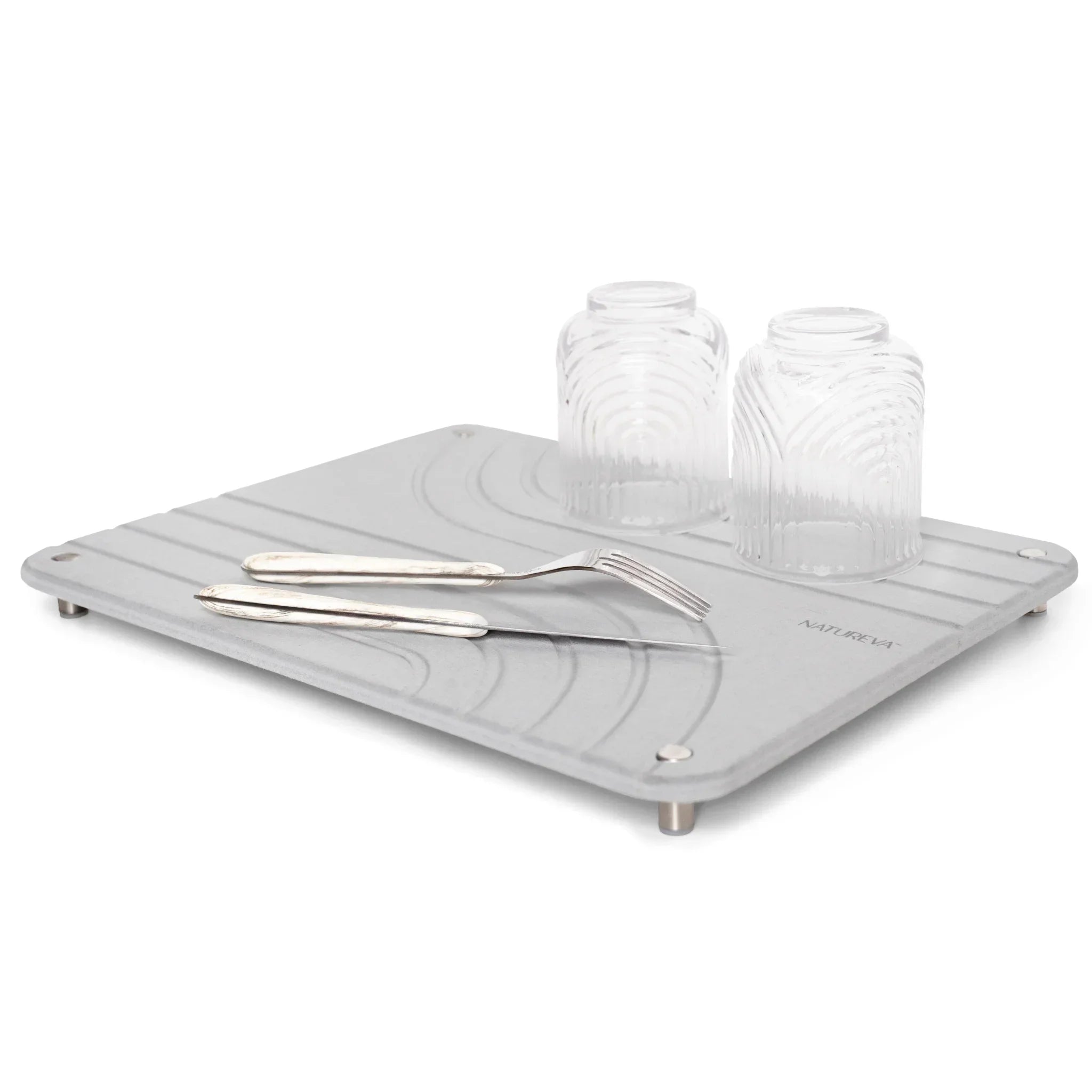
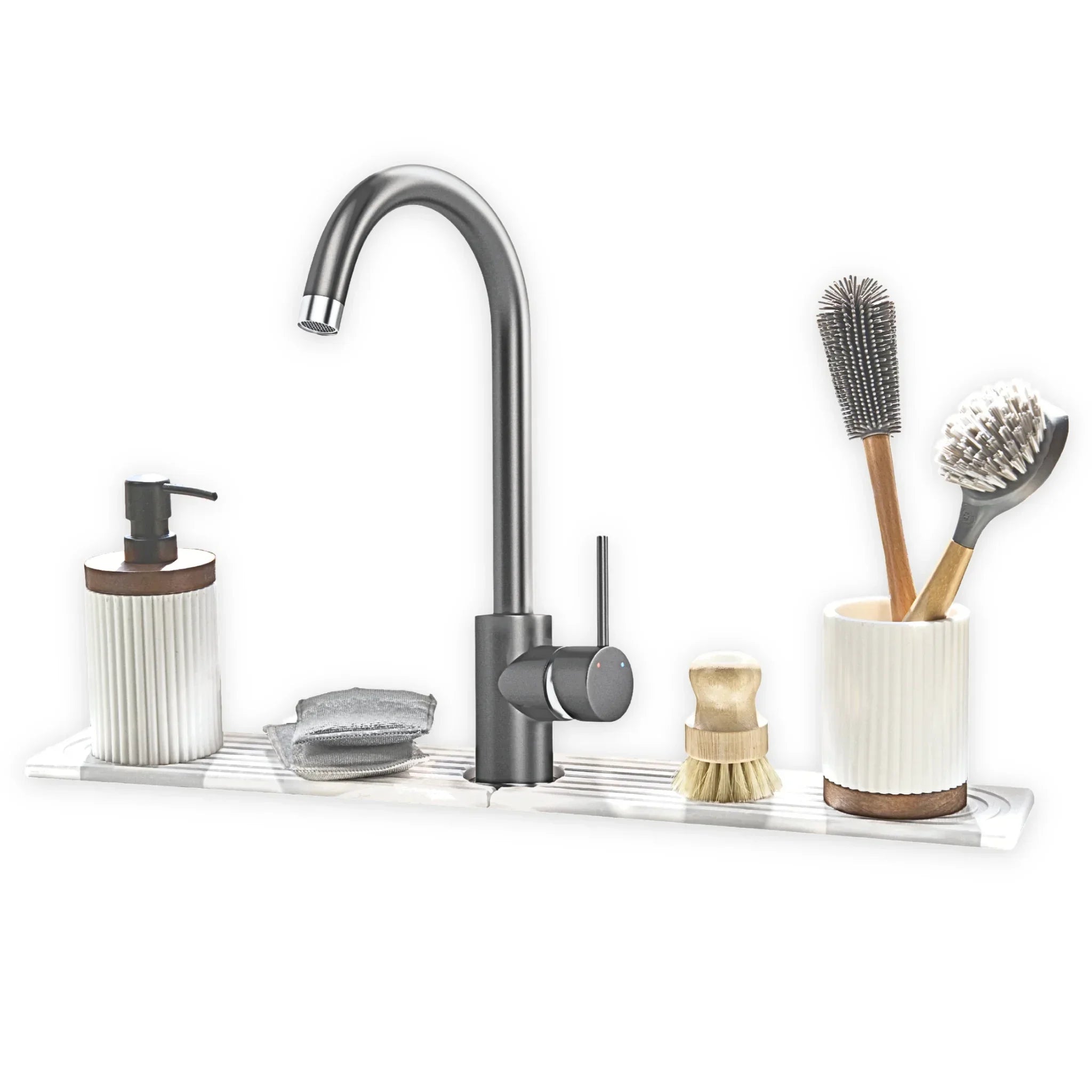
The same diatomaceous earth technology works throughout your home too. You'll find it in products like our bath mats and dish mats for the same reason it works so well in drink coasters. Anywhere you need fast absorption and natural drying, this material just makes sense. Your furniture will thank you for making the switch to coasters that actually work instead of just looking decorative.
The Real Cost of Not Using Coasters
When you add up the actual numbers, skipping drink coasters becomes an expensive habit. A single water ring on a wooden table can cost anywhere from $50 to $200 to repair professionally, and that's assuming the damage hasn't penetrated too deep into the finish. Most homeowners don't realize they're slowly destroying their furniture until the damage becomes visible and permanent. The condensation from just one cold glass can sit on a surface for hours, seeping into wood grain and leaving behind marks that won't buff out with regular cleaning products.
What Furniture Damage Actually Costs
The financial impact goes beyond simple repair bills. Real estate agents consistently report that homes with visible water damage on surfaces sell for less, even when the damage seems minor to homeowners.
- Professional furniture refinishing ranges from $200 to $500 per piece
- Replacing a damaged coffee table averages $300 to $1,500 depending on quality
- Water-stained countertops can decrease home resale value by 2-5%
- DIY repair kits cost $15-40 but rarely match the original finish
The time factor matters too. Wiping up condensation rings multiple times per day adds up to hours each month spent on preventable cleaning.
Comparing Protection Versus Neglect
| With Quality Coasters | Without Coasters |
|---|---|
| One-time $29 investment | $200+ annual damage costs |
| Instant moisture absorption | Constant surface wiping needed |
| Furniture stays pristine | Visible rings and stains |
| Maintains home value | Decreased resale appeal |
The math becomes pretty clear when you compare a set of stone coasters to even one furniture repair job. Our Stone Coasters use diatomaceous earth that absorbs moisture in seconds, which means condensation never reaches your surfaces in the first place. The material dries quickly between uses, so you're not dealing with soggy coasters that defeat their own purpose.
The Hidden Costs Nobody Talks About
Beyond the obvious damage, there are costs that sneak up on you over time. That beautiful dining table you inherited becomes less special when it's covered in overlapping water marks.
- Reduced enjoyment of your living spaces due to constant worry
- Embarrassment when guests notice damaged surfaces
- Need to cover furniture with tablecloths to hide stains
- Lower quality of life from preventable home maintenance stress
Investing in proper protection now saves you from these compounding problems later. The difference between a $29 solution and hundreds in repairs makes the choice straightforward for anyone who values their furniture and peace of mind.
Wrapping Up
The right drink coasters do more than just catch a few drops of water. They protect your furniture from water rings, heat damage, and the kind of wear that adds up over years of daily use. A good coaster pays for itself by preventing the need to refinish or replace expensive tables and countertops.
Material matters when it comes to handling condensation. Regular cork or fabric coasters might look nice, but they often just move moisture around instead of absorbing it. Stone coasters made from diatomaceous earth actually pull water away from your glass and dry quickly between uses.
The best part is that effective coasters work quietly in the background. You set your glass down and forget about it, which is exactly how it should be. No sticky rings on the bottom of your cup, no wet spots spreading across your coffee table.
Think of coasters as a small investment that protects a much larger one. Your furniture cost hundreds or thousands of dollars, while a set of quality drink coasters runs around thirty bucks. The math makes sense when you consider what water damage can do over time.
If you're curious about how diatomaceous earth works in other parts of your home, check out our kitchen collection or explore how the absorption technology works. But you probably have some questions about caring for these coasters and making them last.
Common Questions About Coasters
People have a lot of questions about drink coasters, especially when it comes to choosing the right ones for their home. The market has plenty of options, from cork to silicone to stone, and it can get confusing fast. We've gathered the most common questions we hear about coasters and how they actually work with sweaty glasses. These answers should help you figure out what works best for your space.
How often should I clean or replace my coasters?
Stone coasters made from diatomaceous earth need cleaning about once a week if you use them daily. Just rinse them under water and let them air dry completely. Cork and fabric coasters usually need replacing every 6-12 months because they start to break down or get stained, but stone coasters can last for years with proper care since the material doesn't degrade like organic options.
Can coasters really handle extremely cold drinks?
Yes, but not all coasters handle them equally well. The coldest drinks create the most condensation, which is where absorption matters most. Stone coasters excel here because they can absorb moisture quickly and release it through evaporation. Regular cork or wood coasters often get saturated and stop working after one or two cold drinks, leaving you with wet rings on your table anyway.
What makes stone coasters better than other materials?
Stone coasters made from diatomaceous earth have tiny pores that pull moisture away from your glass almost instantly. Cork absorbs slowly and stays wet, silicone just creates a barrier without absorbing anything, and ceramic looks nice but doesn't absorb at all. Our Stone Coasters use this natural absorption to keep surfaces dry while also drying themselves out between uses, which means they're ready to go again quickly.
How can I tell if my coaster is actually absorbing moisture?
Put a few drops of water on your coaster and watch what happens. A good absorbent coaster will soak up the water within seconds, and you'll see the wet spot start to fade as it dries. If water just sits on top or beads up, your coaster isn't absorbing anything. You can also check the bottom of your glass after a few minutes - if there's still a water ring forming on the coaster's surface, it's not doing its job.
Do coasters work on all surface types?
Coasters protect any surface, but some surfaces need them more than others. Wood furniture shows water damage quickly, so coasters are essential there. Glass and granite tables are more forgiving, but condensation can still pool and drip onto floors or create slip hazards. Stone surfaces ironically benefit from coasters too, since constant moisture can dull their finish over time. The key is matching your coaster's grip to your table - smooth stone coasters work great on most surfaces without scratching.
The next generation of home essentials: naturally made, cleaner by design, sustainable by nature.
SHOP ALL