

Steps to Wash Cotton Bath Towels Without Lint
You pull a fresh batch of cotton bath towels from the dryer, expecting them to feel clean and soft, but instead they're covered in a fuzzy layer of lint that sticks to everything. This frustrating problem happens because cotton fibers naturally shed during washing, especially when you're not using the right techniques. The good news is that a few simple changes to how you wash and dry your towels can eliminate lint completely, keeping them looking newer for longer.
Table of Contents
Why Cotton Towels Shed Lint
Every time you pull cotton bath towels from the dryer, you probably notice that lint trap is full of fluffy fibers. This happens because cotton is a natural material made up of thousands of tiny fibers that can break loose during washing and drying. When these fibers come free, they create that annoying lint you see on your clothes and clogging up your dryer. The good news is that not all cotton towels shed the same amount, and understanding why this happens can help you pick better towels and wash them the right way.
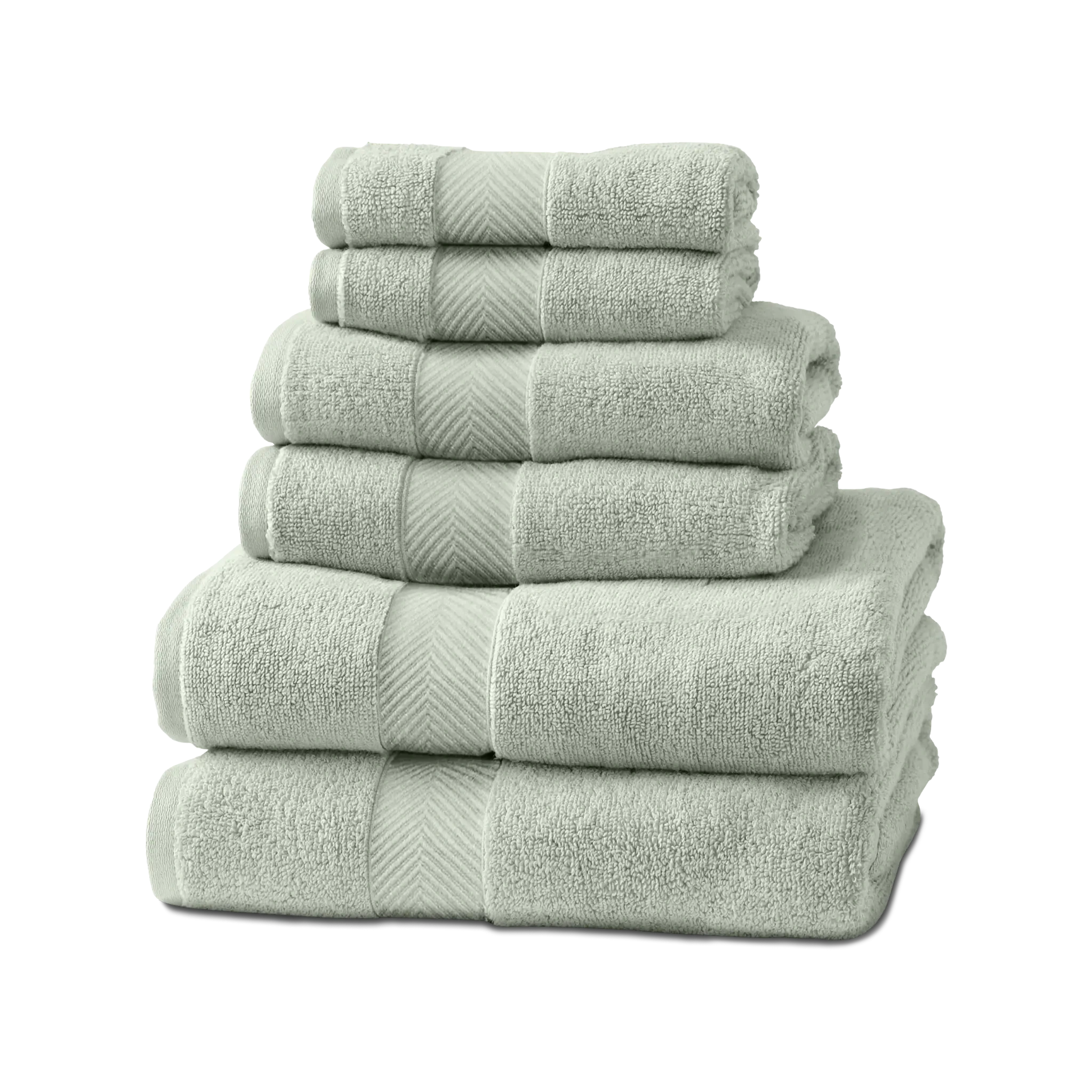
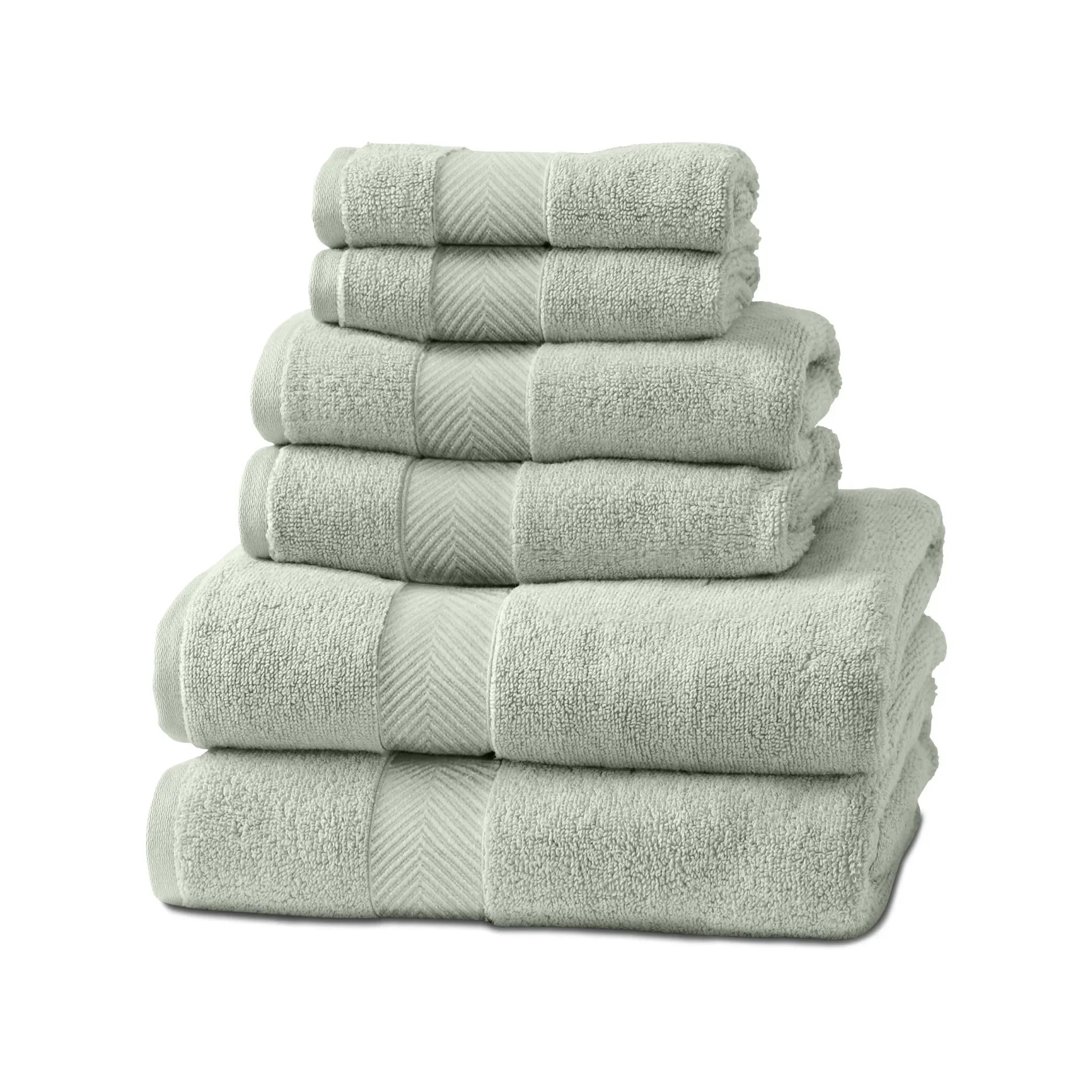
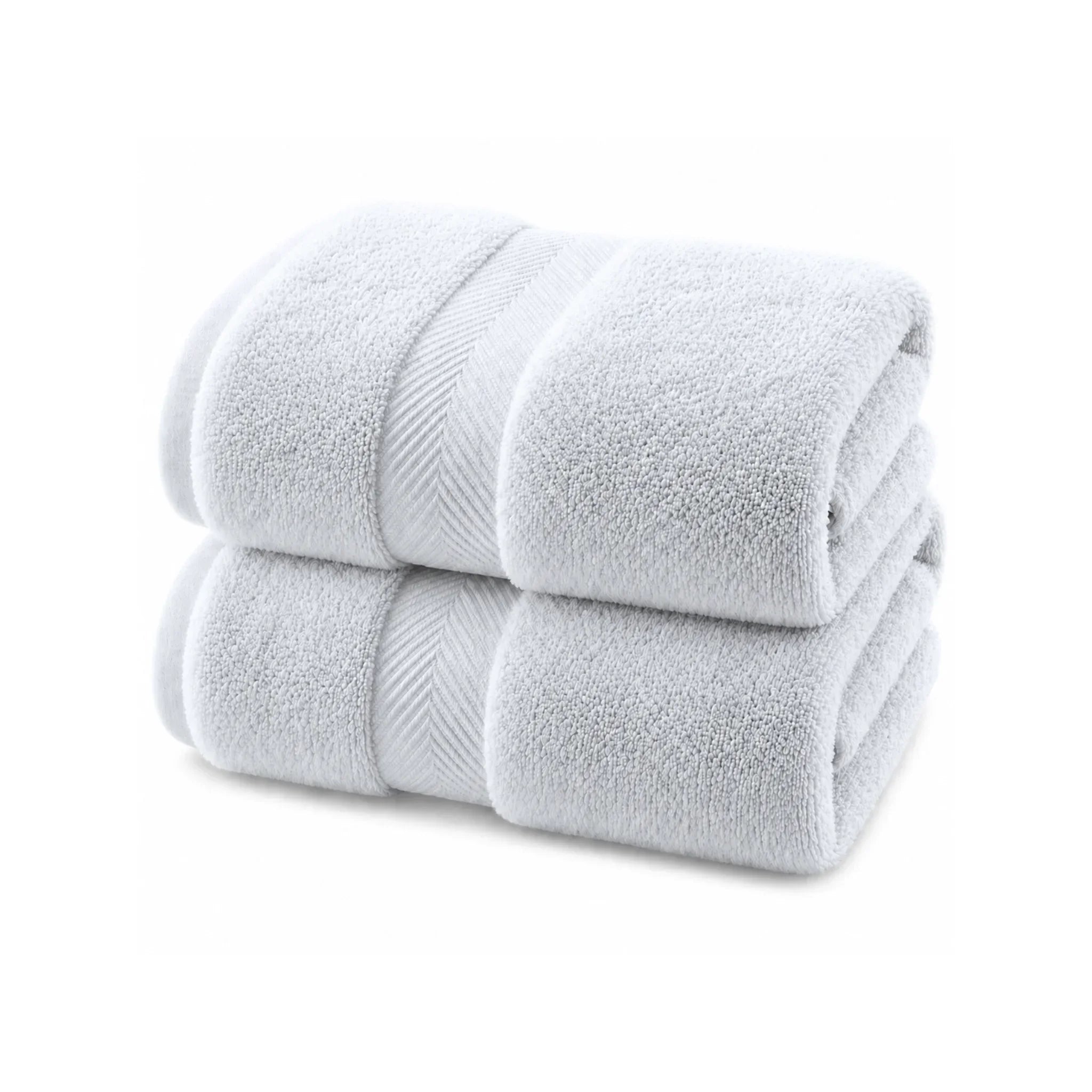
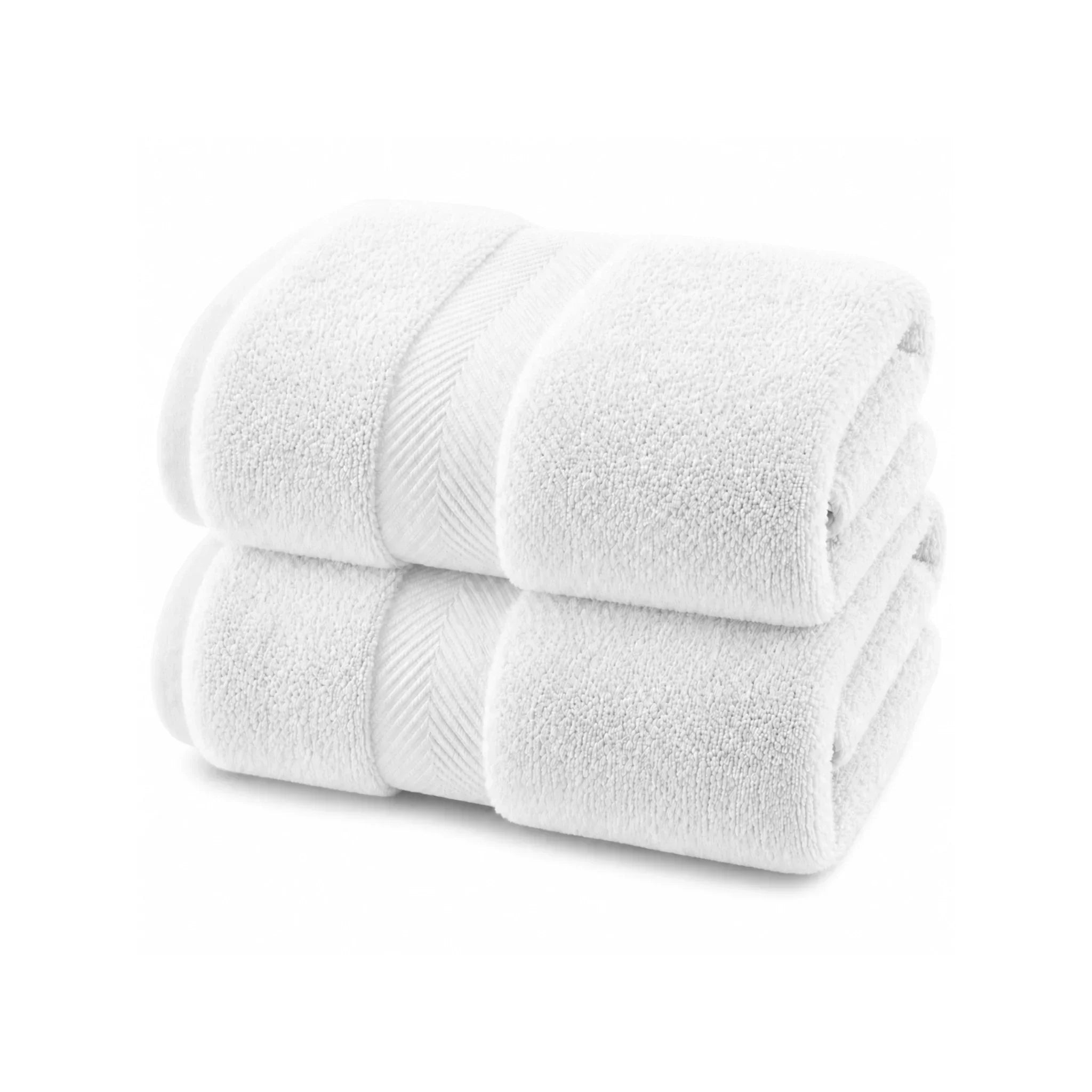
Bamboo Cotton Towels - Set of 6
How Cotton Fibers Naturally Break Free
Cotton fibers are twisted together to make yarn, and that yarn gets woven into your towels. During the washing process, a few things happen that cause these fibers to come loose. The tumbling action in your washer and dryer puts stress on the fibers, and some of them just can't hold on anymore.
Here's what causes cotton bath towels to shed:
- The mechanical action of washing machines pulls at the fiber ends
- Heat from the dryer weakens the bonds between fibers
- Friction between towels in the wash creates loose particles
- Chemical reactions from detergents can break down fiber strength over time
Quality Matters More Than You Think
Not all cotton is created equal, and that makes a huge difference in how much lint you'll deal with. Long-staple cotton has longer individual fibers, which means they're twisted together more securely and don't come loose as easily. Regular cotton uses shorter fibers that are more likely to break free and create lint.
Premium towels like our Bamboo Cotton Towels use long-staple zero-twist cotton, which means less lint in your dryer and on your clothes. The bamboo blend also adds durability while keeping things soft.
Different cotton types and washing methods produce very different amounts of lint:
| Cotton Type | Lint Level (New) | Lint Level (After 10 Washes) | Best Washing Method |
|---|---|---|---|
| Regular Cotton | High | Medium | Cold water, low heat |
| Long-Staple Cotton | Medium | Low | Warm water, medium heat |
| Bamboo-Cotton Blend | Low | Very Low | Warm water, low heat |
| Egyptian Cotton | Medium | Low | Cold water, low heat |
Why New Towels Are the Worst Offenders
Brand new cotton bath towels always shed more lint than older ones, and there's a simple reason for this. During manufacturing, cutting and sewing leaves loose fiber ends all over the towel. These loose ends are just waiting to come off in your first few washes.
What happens with new towels:
- Manufacturing processes leave excess fibers on the surface
- Cut edges haven't been washed yet to remove loose particles
- Sizing chemicals used in production start breaking down
According to textile care experts, the first three washes are when you'll see the most lint. After that, things settle down as the loose fibers work their way out. But if you're still seeing tons of lint after several washes, it might be time to look at how you're washing them.
The way you wash your towels can either make the lint problem better or much worse. Hot water opens up the fibers more than cold water, which can release more lint. Overloading your washer creates extra friction that pulls fibers loose. Even the type of detergent you use plays a role in how much your towels shed.
Pre-Wash Preparation That Prevents Lint
Most people don't realize that lint problems start before you even turn on the washing machine. The way you prepare your cotton bath towels makes a huge difference in how much fuzz ends up on your clothes, bathroom floor, and basically everywhere else. Getting this part right means you'll spend way less time picking lint off everything later.
The biggest mistake is washing towels with the wrong items. Clothes made from fleece, flannel, or anything fuzzy will shed fibers that stick to your towels like magnets. Then those towels transfer that lint to you after every shower.
Here's what to do before washing:- Shake out each towel over a trash can or outside to remove loose fibers and debris
- Separate towels completely from lint-producing fabrics like sweatshirts and blankets
- Check all pockets in any items you're washing to remove tissues or paper
- Sort by color and weight so heavy towels aren't rubbing against lighter ones
- Wash new towels separately for the first 2-3 washes since they shed the most
That first wash for new towels deserves special attention. New cotton towels naturally shed excess fibers as part of the manufacturing process. Running them through a cycle alone with just a bit of detergent helps get rid of those loose fibers before they become a problem.
The Perfect Wash Cycle Settings
Your washing machine has more settings than most people ever use, but a few specific ones matter a lot for keeping cotton bath towels lint-free. The water temperature, detergent amount, and cycle type all play a role in whether your towels come out clean or covered in fuzz. Getting these settings wrong can actually create more lint than you started with.
Warm water works best for cotton towels because it cleans effectively without damaging the fibers like hot water can. Cold water doesn't rinse away detergent residue as well, which leads to buildup that makes towels stiff and more likely to shed.
| Setting | Best Choice | Why It Matters |
|---|---|---|
| Water Temp | Warm (90-110°F) | Cleans without fiber damage |
| Detergent | Half recommended amount | Prevents residue buildup |
| Cycle Type | Normal or Gentle | Reduces friction and shedding |
| Load Size | Medium (not packed) | Allows proper rinsing |
Here's something that surprises most people: using too much detergent actually causes more lint. The extra soap doesn't rinse out completely and leaves a film on the towel fibers. This residue makes fibers stick together and break off more easily. Use about half the amount the detergent bottle suggests.
Fabric softener might make towels smell nice, but it's terrible for lint control. The coating it leaves on fibers reduces absorbency and creates a surface where lint sticks. Skip it completely if you want truly lint-free results.
Try adding white vinegar instead:- Pour 1/2 cup of white vinegar in the fabric softener dispenser
- It breaks down detergent residue naturally
- Helps towel fibers stay separate and fluffy
- Won't leave any vinegar smell after drying
Load size matters more than you'd think. Cramming too many towels in the washer means they can't move freely or rinse properly. Proper washing requires adequate water flow and agitation to remove all the soap and loose fibers. Fill the drum about halfway for best results.
Drying Methods for Lint-Free Results
The next generation of home essentials: naturally made, cleaner by design, sustainable by nature.
SHOP ALLThe dryer is where most lint actually shows up, even though the problem started in the wash. How you dry your cotton bath towels determines whether they stay soft and lint-free or turn into fiber-shedding nightmares. The good news is that a few simple changes to your drying routine can solve most lint issues for good.
Machine drying on medium heat works better than high heat for preventing lint. High temperatures can damage cotton fibers and make them brittle, which causes more shedding over time. Air drying sounds like it would be gentler, but it often leaves towels stiff and scratchy.
Before you even start the dryer, check one critical thing. A clogged lint trap doesn't just create a fire hazard - it also means lint has nowhere to go except back onto your towels. Clean it before every single load.
Follow this drying checklist:- Clean the lint trap completely
- Set dryer to medium heat (not high)
- Add 3-4 wool dryer balls to reduce static
- Dry for 40-60 minutes until just barely dry
- Remove towels immediately when done
- Clean lint trap again after the cycle
Dryer sheets are another product that seems helpful but actually makes lint worse. They leave a waxy coating on towel fibers that reduces absorbency and attracts more lint. Wool dryer balls work way better because they physically separate the towels as they tumble, which reduces static without any chemical coating.
Over-drying is a sneaky problem that most people don't notice. When towels get too dry, the fibers become brittle and start breaking off. Pull them out when they're still slightly damp to the touch, then let them finish air drying on a towel bar. This keeps fibers strong and flexible.
Long-Term Care for Lint-Free Towels
Even with perfect washing and drying, cotton bath towels won't stay lint-free forever if you don't maintain them properly. Regular care keeps fibers in good shape and prevents the buildup that leads to shedding. The quality of your towels also plays a bigger role than most people realize in how much lint you'll deal with over time.
Wash bath towels every 3-4 uses to prevent bacteria and detergent buildup. Waiting too long between washes allows oils and residue to coat the fibers, which makes them stiff and more prone to breaking. But washing too often wears them out faster.
Every few months, your towels need a deep clean to remove buildup that regular washing misses. Run them through a hot water cycle with just 1 cup of white vinegar and no detergent. Then run a second cycle with 1/2 cup of baking soda. This strips away all the accumulated residue and refreshes the fibers.
Signs it's time to replace your towels:- They smell musty even after washing
- The fabric feels rough or scratchy
- You see visible thinning or holes
- They're shedding lint constantly no matter what you do
- Water beads up instead of absorbing
Storage matters too. Fold towels loosely and store them in a dry, well-ventilated space. Cramming them into tight spaces compresses the fibers and can create permanent creases that shed more lint. Make sure they're completely dry before putting them away to prevent mildew.
The truth is that some towels just shed less lint from day one. Higher quality towels with longer fibers naturally produce less lint because the fibers are stronger and less likely to break. Bamboo cotton blends like the Natureva Bamboo Cotton Towels combine long-staple cotton with bamboo viscose, which creates a more durable fiber structure that resists shedding.
| Towel Type | Lint Level | Durability |
|---|---|---|
| Regular Cotton | High | 1-2 years |
| Long-Staple Cotton | Medium | 2-3 years |
| Bamboo Cotton Blend | Low | 3-5 years |
Quality towels cost more upfront but save you money and frustration over time. They maintain their absorbency longer, shed less lint, and don't need replacing as often. The bamboo cotton blend we use in our towels stays soft and lint-free through hundreds of washes because the zero-twist construction keeps fibers intact.
Your Path to Perfectly Clean Towels
Getting rid of lint on your cotton bath towels really comes down to a few simple steps. Wash new towels separately before their first use, skip the fabric softener completely, and use white vinegar in the rinse cycle instead. Keep your dryer lint trap clean, shake out your towels before drying, and don't overload your machines. These small changes make a huge difference in how your towels look and feel over time.
The quality of your towels matters too. Cheaper towels with short fibers will shed no matter what you do, while our bamboo cotton towels use long-staple zero-twist cotton that naturally produces less lint. The 30% bamboo viscose blend also helps them dry faster, which means less time in the dryer and less wear on the fibers.
Try these washing methods on your next laundry day and see what happens. You might be surprised how much cleaner your towels come out when you follow the right steps. Most people never realize their washing routine is actually creating the lint problem they're trying to solve.
Investing in better towels and taking care of them properly means they'll last years instead of months. Check out our full collection of bath towels to see what works best for your bathroom setup.
Still have questions about keeping your towels lint-free? The answers below cover the most common problems people run into.
Common Questions About Washing Cotton Towels
Washing cotton bath towels seems simple enough, but most people run into the same frustrating problems. These questions come up all the time, and the answers can save you from dealing with linty, scratchy towels that don't dry properly. Let's clear up the confusion so your towels stay soft and lint-free for years.
Why do my towels still have lint after washing?
Your towels are probably shedding lint because they're new, you're using too much detergent, or you're washing them with the wrong items. New cotton bath towels naturally shed excess fibers for the first few washes, which is totally normal. Overloading your washer or using fabric softener can also trap lint in the fibers instead of rinsing it away.
Can I use fabric softener on cotton towels?
Skip the fabric softener completely if you want absorbent towels. Softener coats the cotton fibers with a waxy residue that makes towels feel soft but actually blocks them from soaking up water. It also traps lint and makes towels smell musty faster. White vinegar works better as a natural softener without ruining absorbency.
How do I get rid of lint already on my towels?
Run your towels through a rinse cycle with a cup of white vinegar and no detergent. The vinegar breaks down detergent buildup and releases trapped lint. You can also toss them in the dryer on air fluff with a couple of dryer balls to shake loose any stubborn fuzz. A lint roller works in a pinch for spot cleaning, but washing is the real fix.
What's the best detergent for cotton towels?
Liquid detergent works better than powder because it dissolves completely and rinses out cleaner. Look for detergents without added dyes or heavy fragrances, since those leave residue on cotton bath towels. Use half the amount the bottle recommends because most people use way too much, which causes buildup and lint problems.
How often should I wash bath towels?
Wash your bath towels after three to four uses, or sooner if they start smelling off. Damp towels grow bacteria and mildew quickly, especially in humid bathrooms. Hanging them properly to dry between uses helps them last longer between washes.
Do bamboo cotton towels shed less lint?
Bamboo cotton blends typically shed less than pure cotton because the bamboo fibers are naturally smoother and longer. Our Natureva Bamboo Cotton Towels combine bamboo viscose with long-staple cotton, which means fewer loose fibers from the start. They also dry faster than regular cotton, so there's less time for lint to build up in the dryer.
The next generation of home essentials: naturally made, cleaner by design, sustainable by nature.
SHOP ALL