
Quick Dry Bathroom Mats That Stay Drier Between Showers
Most fabric bath mats stay damp for hours after your morning shower, creating a soggy surface that never quite feels clean or comfortable. That lingering moisture isn't just unpleasant, it's actually feeding bacteria and mildew growth in one of the most used spots in your bathroom. Quick dry bathroom mats solve this problem by absorbing water instantly and evaporating it within minutes, keeping your floors drier and more hygienic between showers.
Table of Contents
How Quick Dry Bath Mats Actually Work
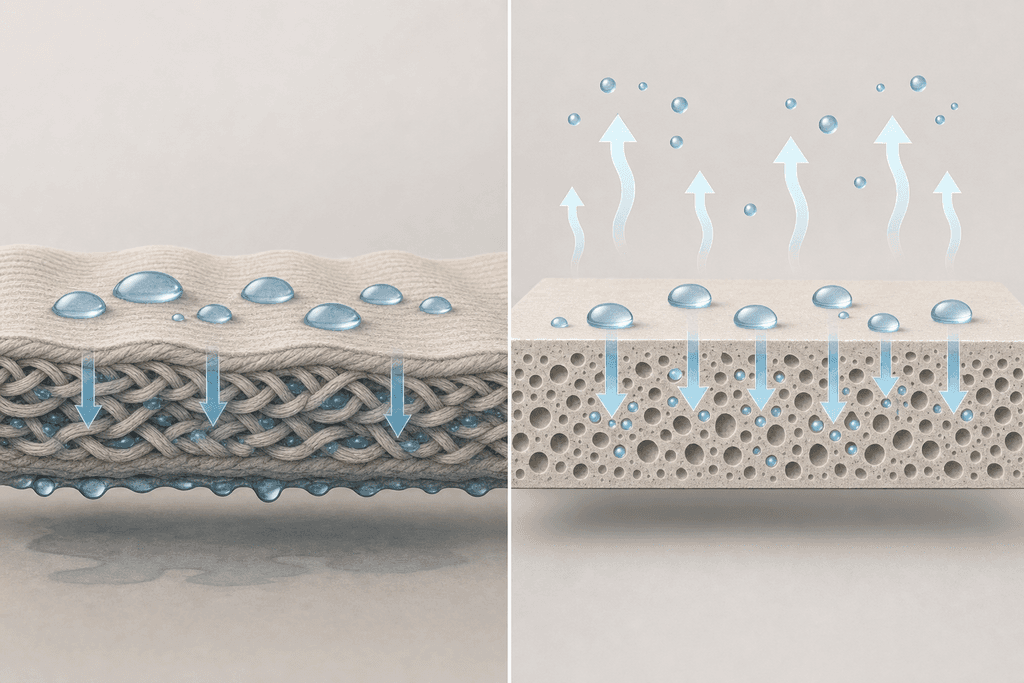
Most fabric bath mats stay damp for hours after your shower, creating a breeding ground for bacteria and that musty smell nobody wants in their bathroom. The difference with quick dry bathroom mats comes down to what they're made from. Diatomite stone mats use a completely different approach to handling moisture. Instead of absorbing water into fabric fibers that take forever to dry, the material pulls moisture into millions of microscopic pores and releases it back into the air almost immediately.
Diatomite itself is pretty interesting when you look at where it comes from. This material formed from fossilized microscopic algae called diatoms that lived millions of years ago. When these tiny organisms died, their silica-based skeletons accumulated on ocean floors and lake beds, eventually becoming the porous mineral we use today.
- Instant absorption happens the moment your wet feet touch the surface
- Rapid evaporation occurs through the stone's porous structure within minutes
- Natural antibacterial properties result from moisture elimination, not chemical treatments
- Composite construction combines diatomite with recycled paper for durability
The porous structure is what makes everything work. Each tiny pore acts like a miniature air channel, pulling water away from the surface and spreading it throughout the stone's internal network. As air circulates around and through the mat, that trapped moisture evaporates quickly. Most stone bath mats dry completely within 10 to 15 minutes, compared to the hours or even days fabric mats need.
What's worth noting is that the antibacterial effect isn't from chemicals sprayed on the surface. The stone stays naturally cleaner because bacteria need moisture to grow, and a surface that dries this fast simply doesn't give them the damp environment they require.
Benefits Beyond Just Drying Faster
The speed at which these mats dry is impressive, but that's just the starting point. When your bath mat that dries quickly stays consistently dry between uses, you're actually solving several bathroom problems at once. Traditional fabric mats create this cycle where they're always slightly damp, which means they're always hosting bacteria and developing that characteristic bathroom smell. Stone mats break that cycle completely.
Think about how often you wash your current bath mat. Probably once a week if you're diligent, maybe less if you're honest. Quick dry bath mats need significantly less maintenance because they're not staying wet long enough to get gross. A simple weekly wipe with vinegar water keeps them fresh, which saves water, energy, and your time.
| Feature | Stone Mat | Fabric Mat |
|---|---|---|
| Drying Time | 10-15 minutes | 4-24 hours |
| Washing Frequency | Wipe weekly | Machine wash weekly |
| Odor Development | Minimal | Common |
| Lifespan | Years | 6-12 months |
The environmental angle matters too. Chemical-free construction means these mats are safer for people with sensitive skin or allergies. There are no synthetic coatings, no moisture-trapping finishes, and no harsh treatments. The material does its job through physics, not chemistry.
Safety is another benefit people don't always consider. The non-slip base provides stability without trapping moisture underneath, which means your floor stays dry and you're not creating a slip hazard. According to Consumer Reports' bath mat testing, slip resistance and quick drying are two of the most important safety features to look for.
Choosing the Right Quick Dry Mat for Your Space
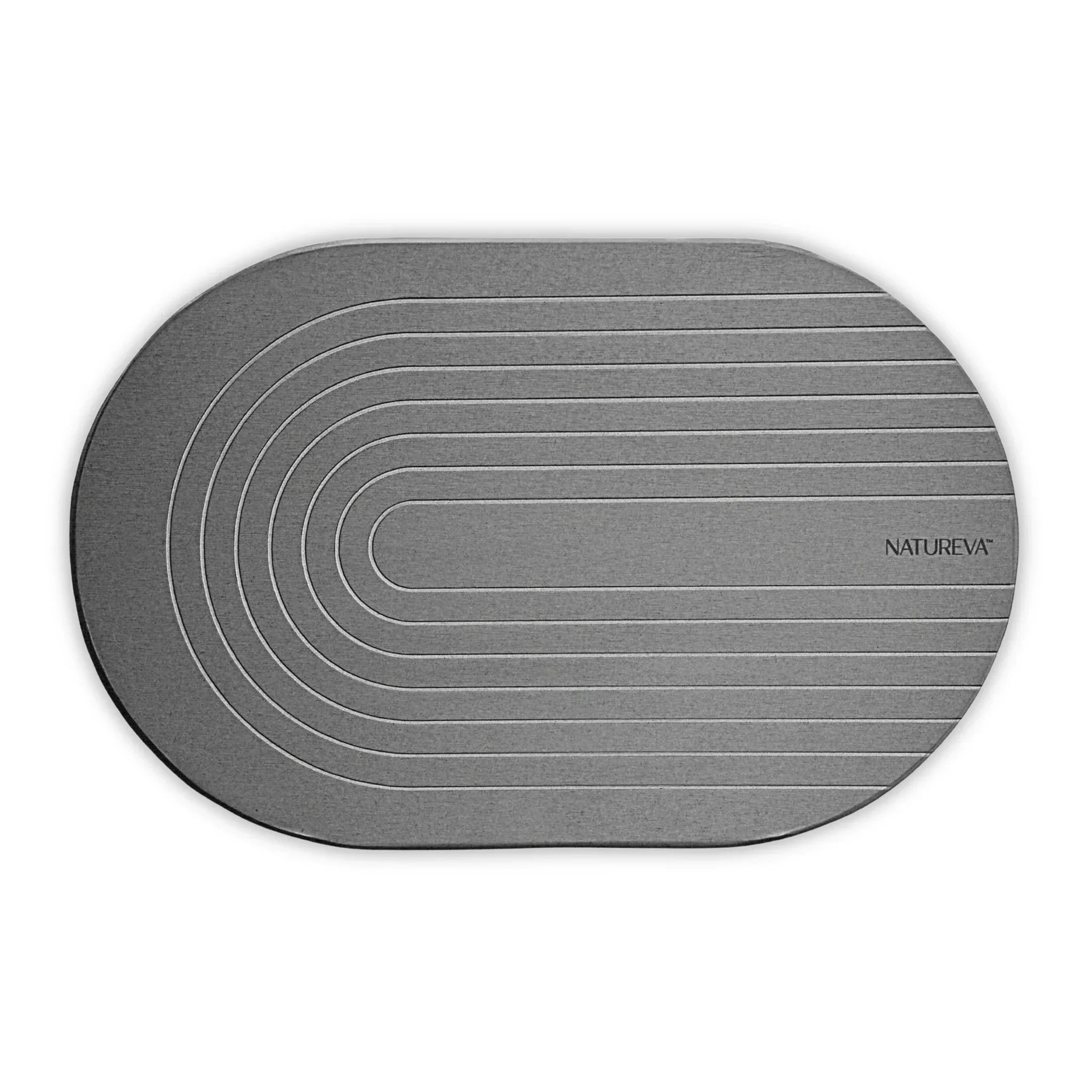
Not all bathrooms are the same, and your mat choice should match your actual space. Standard rectangular mats work for most shower and tub exits, measuring around 60 × 39 cm, which gives you enough coverage without taking over a small bathroom. If you're working with a curved shower entrance or a tighter floor plan, oval designs fit those spaces better while still providing the same drying performance.
The next generation of home essentials: naturally made, cleaner by design, sustainable by nature.
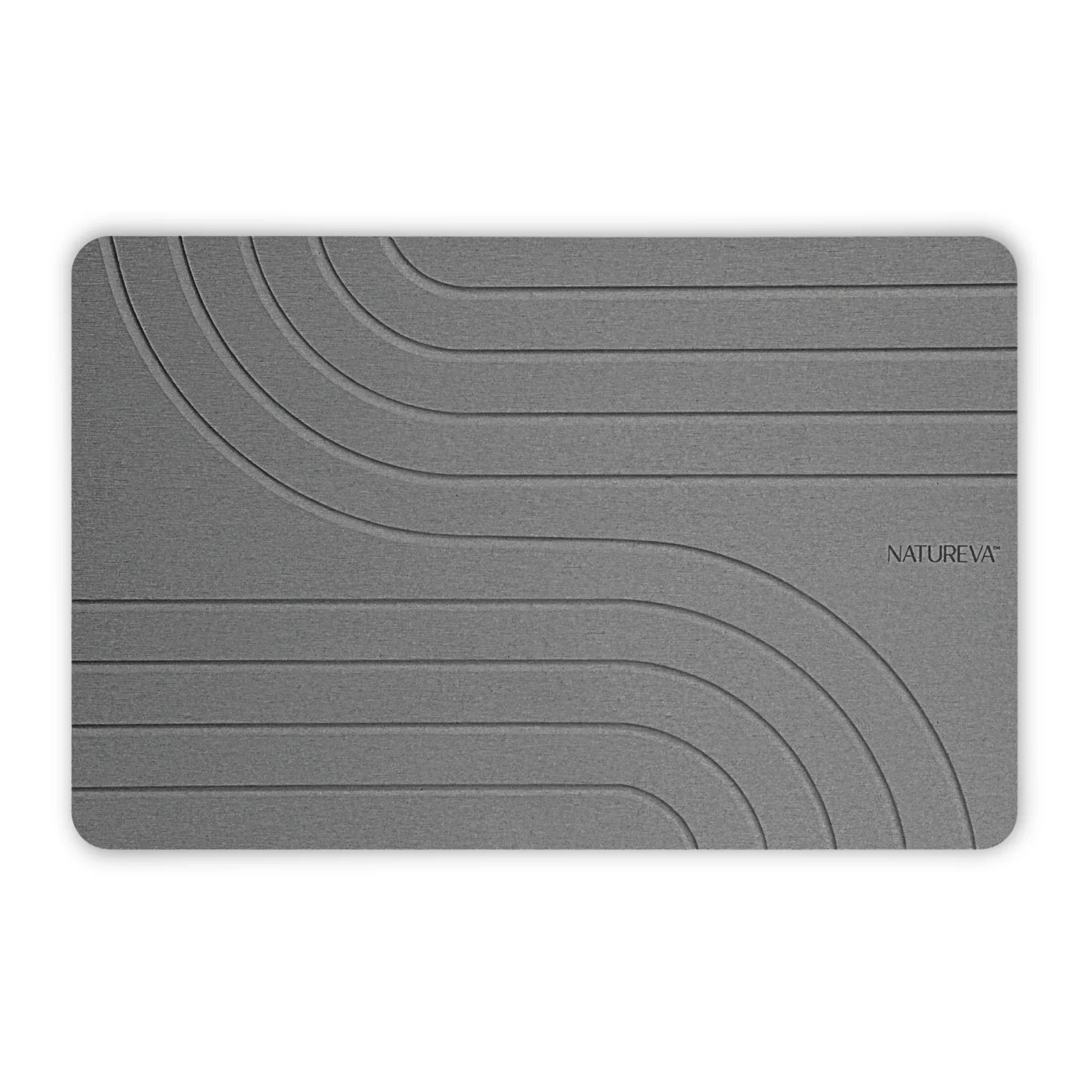
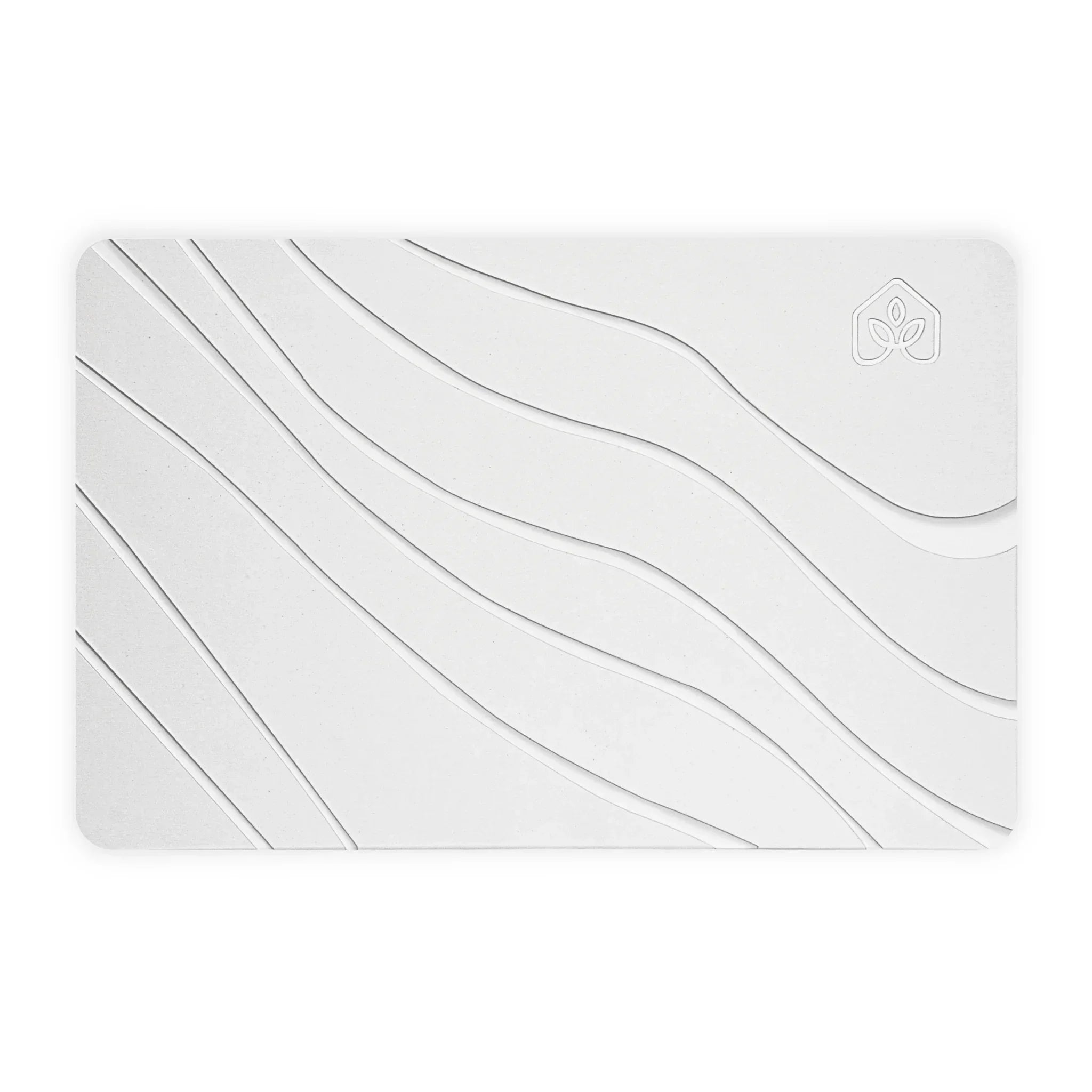
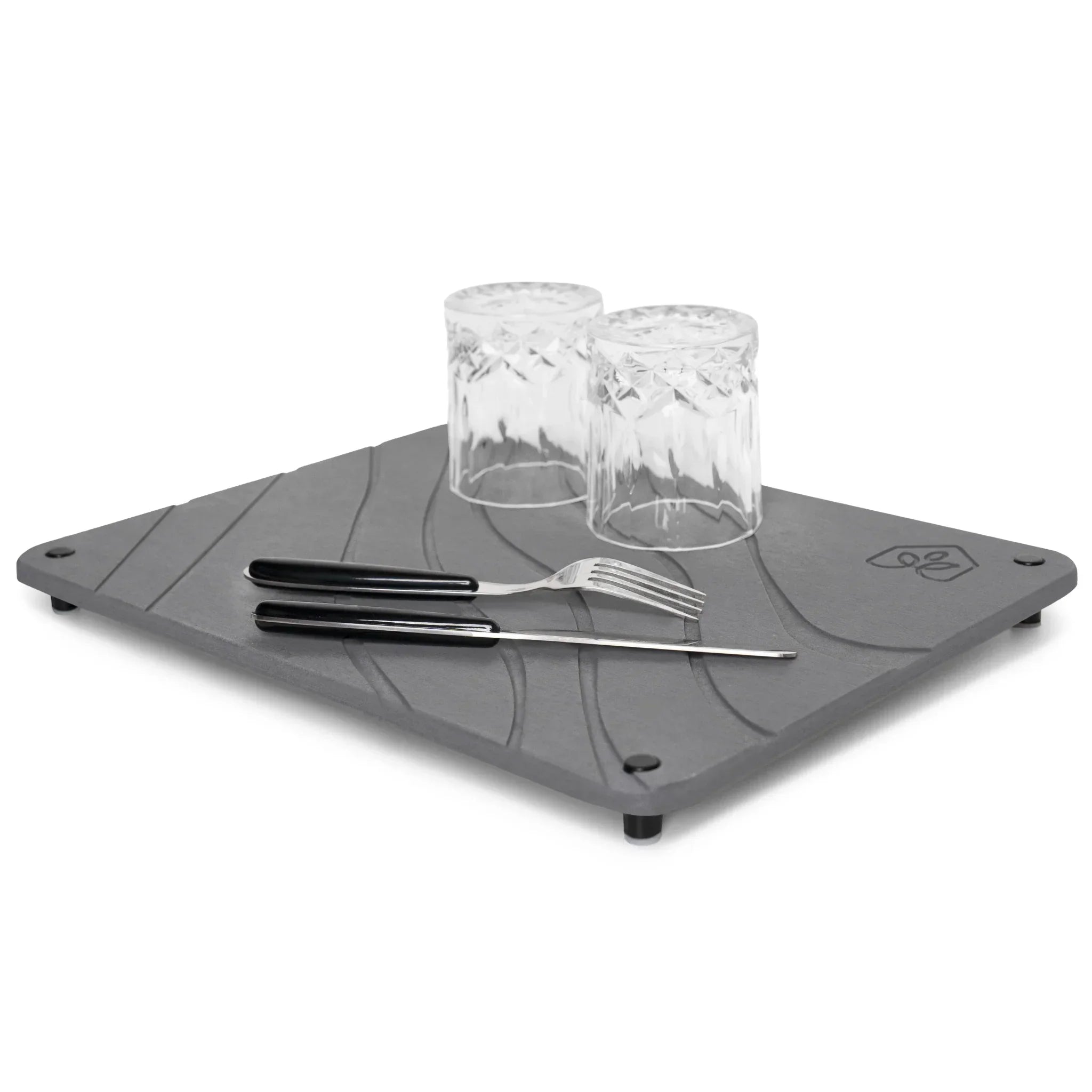
SHOP ALLThe surface patterns available make more difference than you might think. Each carved design isn't just decorative, it actually affects how water moves across the surface. Natureva's stone bath mats come in five distinct patterns that each handle water slightly differently.
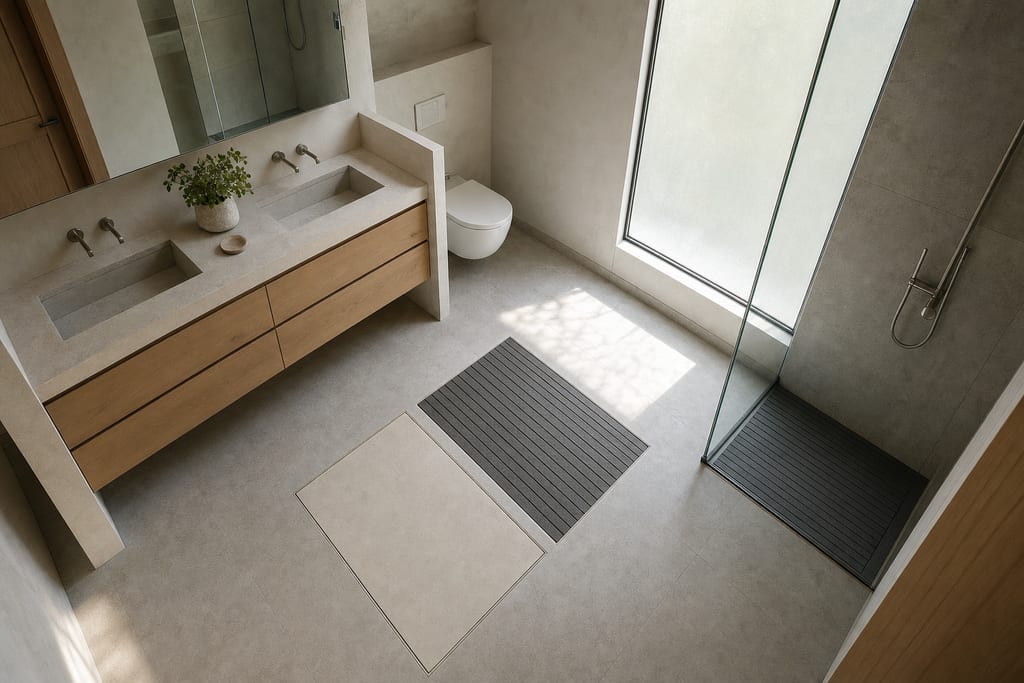
- Tide features horizontal contour bands that guide water across the surface
- Flow uses diagonal wave patterns for a more dynamic look
- Rain has sparse vertical segments that create a minimalist grid
- Arch follows rounded contour lines in an oval shape
- Aura radiates outward from a central point in a sunburst pattern
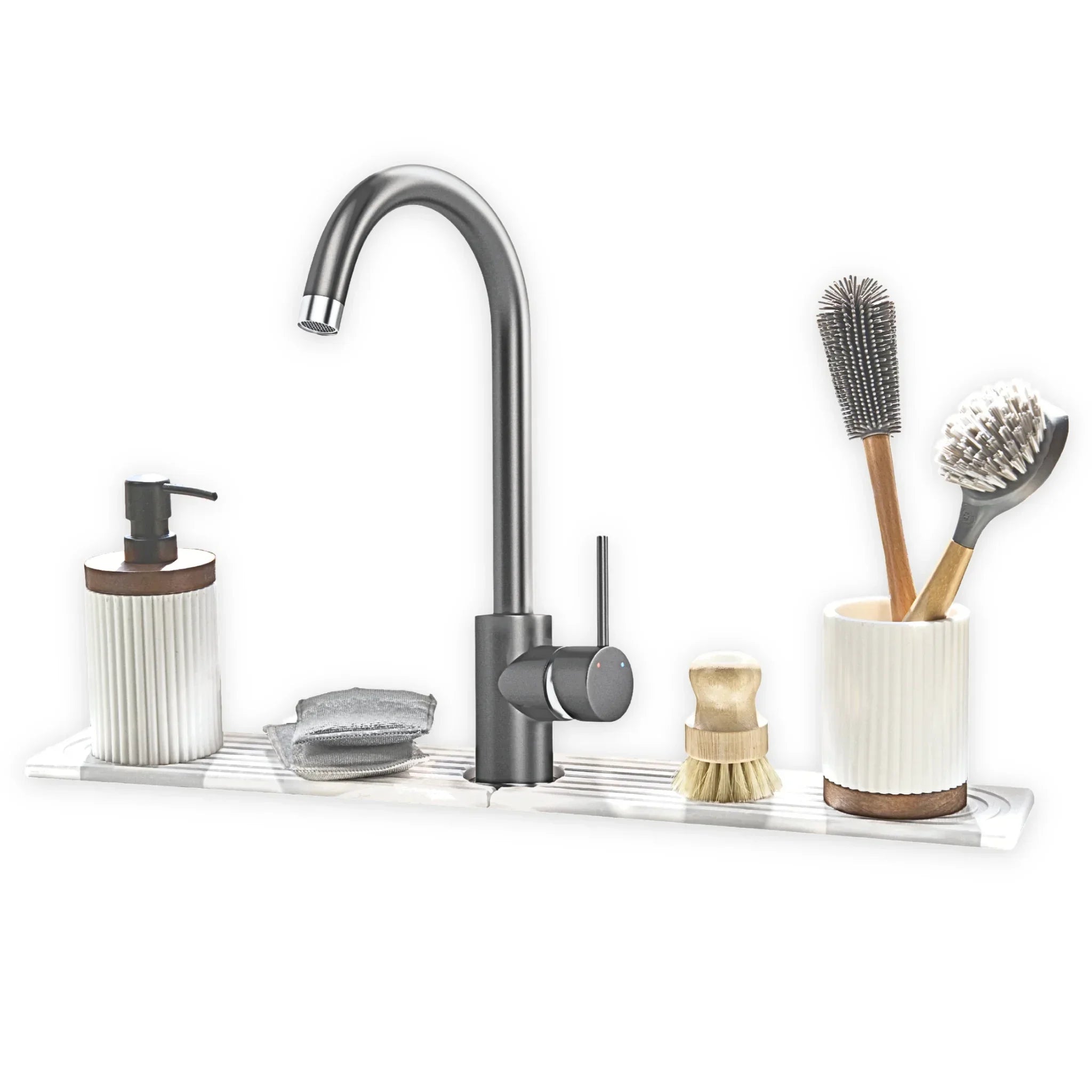
Color selection matters for coordination with your existing bathroom. Graphite works in modern spaces with dark fixtures, Slate fits neutral color schemes, and Chalk brightens up darker bathrooms. The colors are consistent across the entire Natureva range, so if you add a faucet mat or sink caddy later, everything matches.
Placement is more important than most people realize. Proper airflow underneath the mat is what allows the evaporation process to work efficiently. The non-slip base pad creates just enough elevation for air to circulate, which is why you shouldn't place these mats on carpet or textured surfaces that block that airflow. Yahoo's bath mat testing found that placement and ventilation significantly impact drying performance across all mat types.
Keeping Your Quick Dry Mat Performing Like New
Even the best fast drying bath mat needs some basic care to maintain its absorption capacity over time. The good news is that maintenance is way simpler than dealing with fabric mats. A weekly vinegar water wipe removes soap residue and mineral buildup that can gradually clog those microscopic pores. Just mix equal parts white vinegar and water, wipe down the surface, and you're done.
Soap is actually the biggest enemy of stone bath mats. Colored soaps especially can leave stains in the porous surface that are hard to remove. Rinsing fresh stains immediately under running water prevents them from setting in. If you do get a stubborn mark, hydrogen peroxide works without the harsh chemicals found in commercial cleaners.
- Wipe with vinegar water solution weekly
- Rinse any soap or product spills immediately
- Use the included sanding tool when absorption slows
- Air dry upright if the mat becomes saturated
- Apply hydrogen peroxide to deeper stains as needed
The sanding tool that comes with each mat is there for a reason. Over months of use, surface pores can become compressed or clogged, which reduces absorption speed. Light sanding with the included P320 grit disc reopens those pores and restores the mat to like-new performance. You'll know it's time when water stops absorbing as quickly as it used to.
If your mat gets saturated from heavy use, like multiple people showering back-to-back, just prop it upright against a wall to dry. The increased air exposure speeds up evaporation and gets it ready for the next use. This is especially helpful in humid climates where even quick-dry materials need a little extra help sometimes.
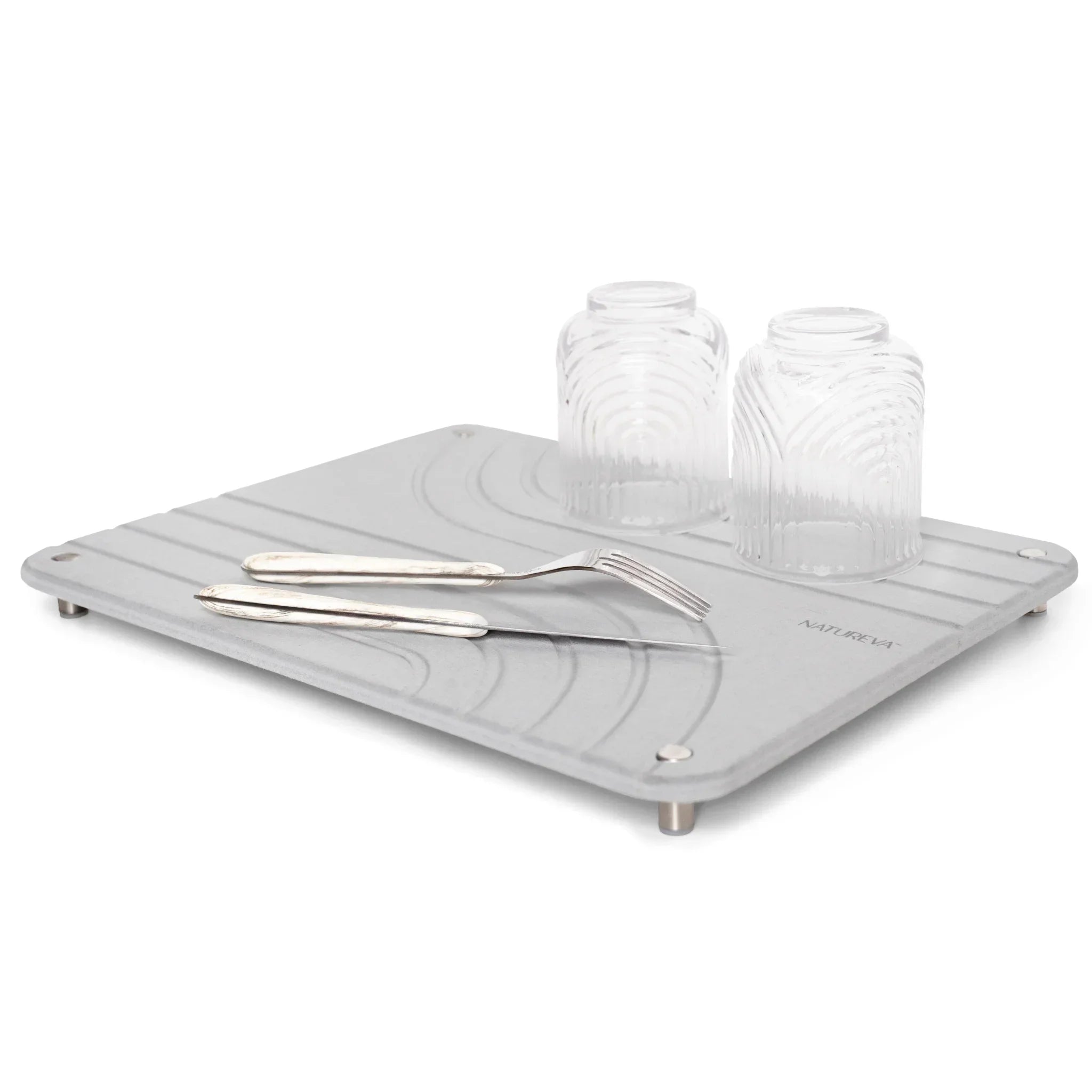
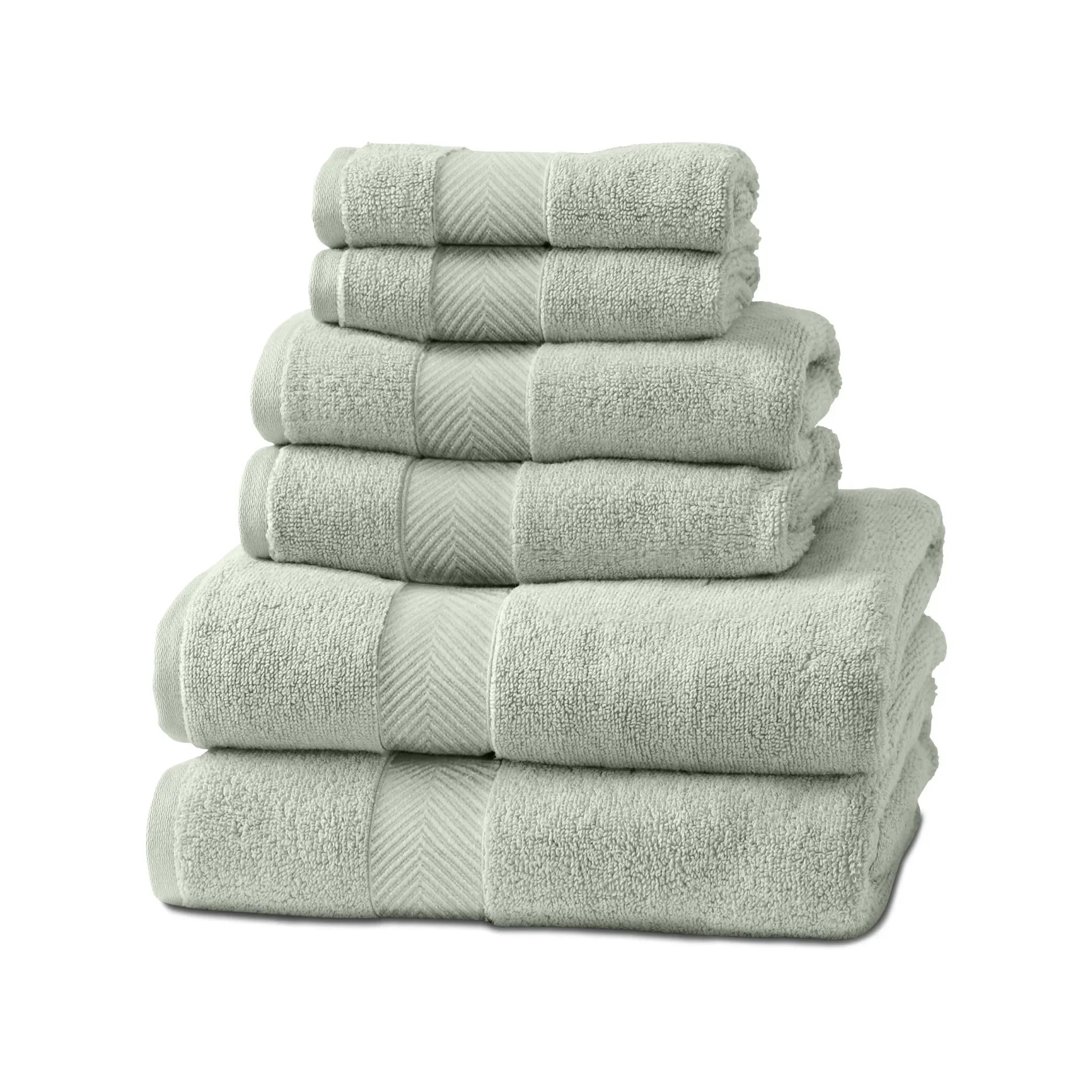
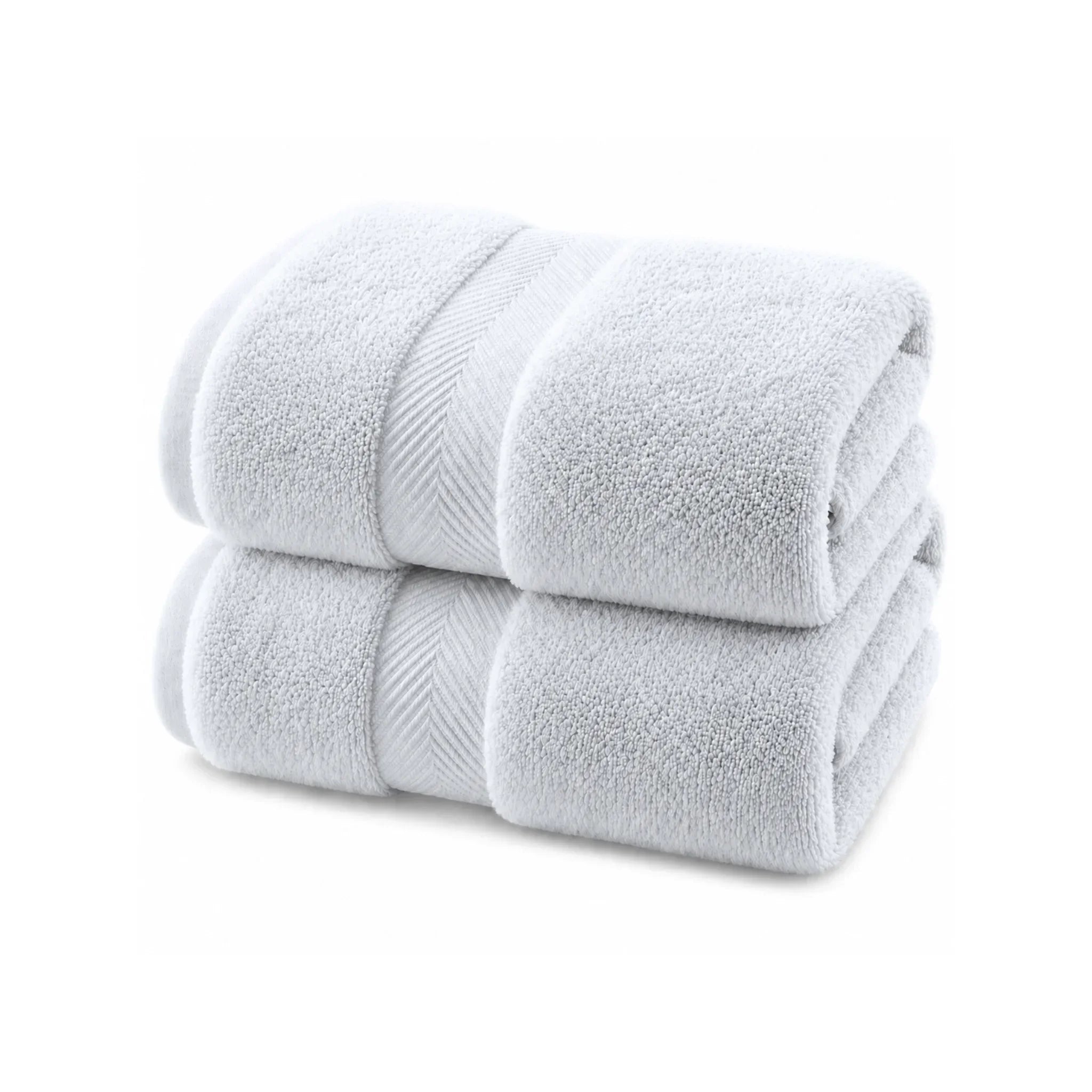
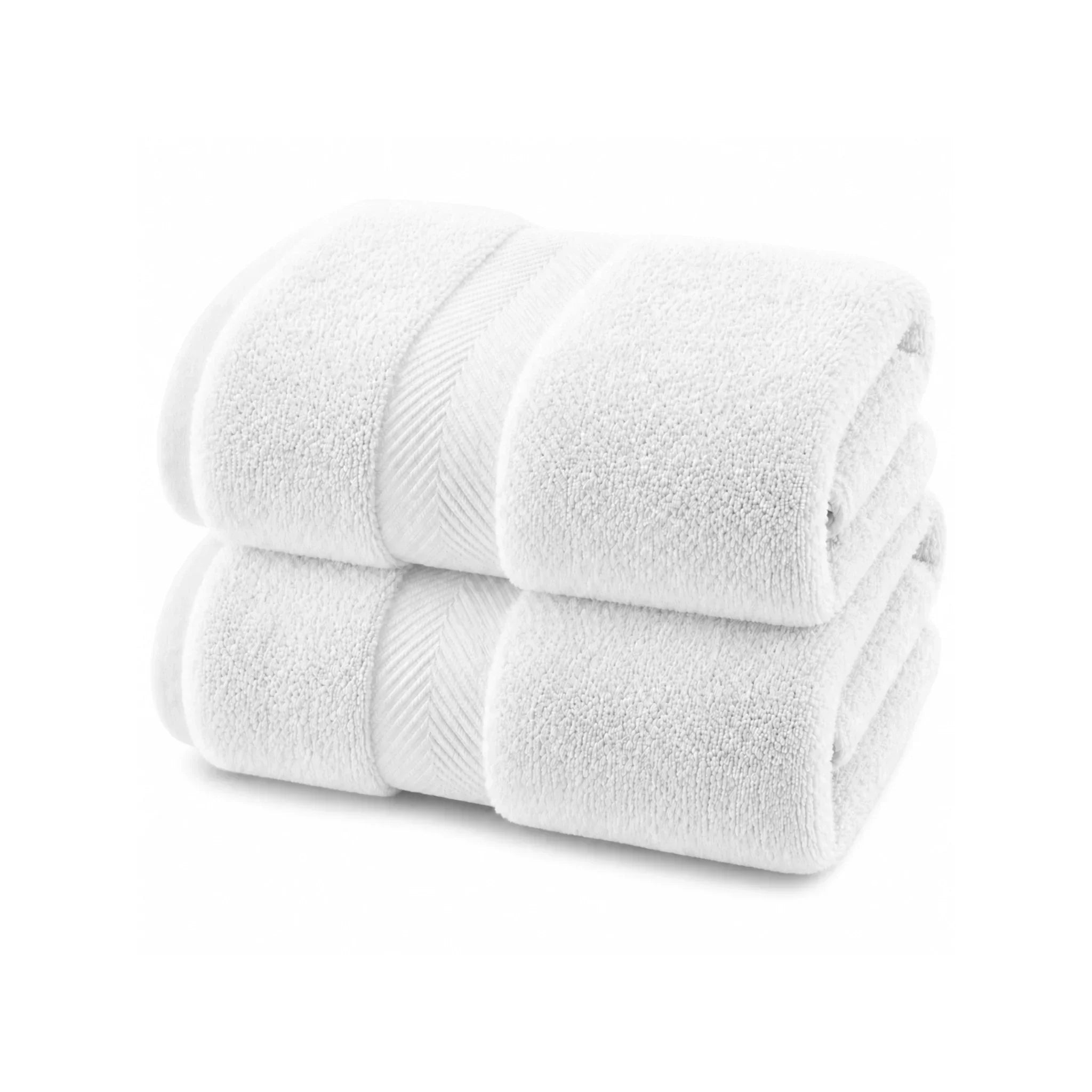
The complete bath mat collection includes everything you need for maintenance right in the box. Whether you choose the Rain, Tide, Flow, Aura, or Arch design, the care routine stays the same. And if you're looking to extend the quick-dry approach to other areas, the dish mat collection and bamboo cotton towels work on the same moisture-managing principles throughout your home.
Making the Switch to Drier Bathrooms
The difference between a traditional fabric mat and a quick dry bathroom mat comes down to one thing: how long moisture sticks around. Fabric mats hold water in their fibers for hours, sometimes days, creating that cold damp feeling every time you step out of the shower. Stone bath mats work differently because they absorb water instantly and release it back into the air within minutes, not hours. That means the surface stays dry between uses, which is exactly what most people want but rarely get from their current setup.
Diatomite technology isn't complicated. The material has millions of microscopic pores that pull moisture in and let air pass through, so evaporation happens fast. Our Tide, Flow, and Rain bath mats use this same principle, with carved surface patterns that guide water while keeping the design minimal.
The hygiene benefit is probably the most overlooked part. When a surface dries quickly, bacteria and mold have less time to settle in. There are no chemical treatments involved, just natural moisture management that keeps things cleaner without extra effort.
Switching from fabric to stone might feel like a big change, but most people notice the difference after the first use. The mat feels dry when you step on it, the bathroom floor stays cleaner, and there's no more damp smell lingering in the corner. If you've been dealing with soggy mats for years, it's worth considering what a fast drying bathroom mat could actually do for your daily routine.
Below, we've answered some of the most common questions about how these mats work and what to expect when you make the switch.
Common Questions About Quick Dry Bath Mats
Switching to a fast drying bath mat raises practical questions about how they work in real life. Most people want to know if these mats can keep up with busy households, how they feel underfoot, and whether they actually stay dry between uses. Here are the answers to the most common questions about quick dry bathroom mats.
How long does it take for a diatomite bath mat to dry completely?
A diatomite bath mat typically dries within 30 to 60 seconds after you step off it. The porous stone structure pulls moisture from your feet instantly and releases it into the air through rapid evaporation. You'll notice the wet footprints disappear almost as fast as they appear, which is why these mats work so well in humid bathrooms where fabric mats stay damp for hours.
Can quick dry mats handle multiple showers per day?
Yes, bathroom mats quick dry enough to handle back-to-back showers without staying soggy. The stone surface resets between uses because it doesn't trap water like fabric does. Natureva's stone bath mats are designed for families and shared bathrooms where multiple people shower within short time frames. As long as the mat has airflow underneath and isn't sitting in a puddle, it stays ready for the next person.
Do stone bath mats feel cold on bare feet?
Stone mats feel cool at first touch but quickly adjust to room temperature. They don't feel icy like tile floors because the diatomite material isn't as thermally conductive as ceramic or marble. Most people find the sensation neutral and prefer it over stepping onto a wet fabric mat that feels clammy and cold from trapped moisture.
How do you clean a quick dry bathroom mat?
Wipe the mat weekly with a damp cloth and a bit of vinegar water to remove soap residue and body oils. For deeper cleaning, rinse the mat under water and let it air dry upright. If you notice any staining or reduced absorbency, use the included sanding tool to refresh the surface and reopen the pores. Avoid coloured soaps and lotions that can leave marks on the stone.
Will the mat slip on tile floors?
No, fast drying bath mats designed with non-slip bases stay firmly in place on tile, vinyl, and other smooth bathroom floors. Natureva stone bath mats include a full non-slip base pad that grips the floor without adhesives or suction cups. The mat stays put even when wet, which matters most when you're stepping out of the shower.
How long do diatomite bath mats last?
A quality bath mat that dries quickly can last several years with proper care. The stone material doesn't break down like fabric or foam, and regular sanding restores absorbency when needed. Durability depends on maintenance and usage, but most diatomite mats outlast traditional fabric mats that develop mildew, odours, and wear patterns within months.
The next generation of home essentials: naturally made, cleaner by design, sustainable by nature.
SHOP ALL