
Stone vs Bamboo Bath Mat Which Dries Faster and Stays Cleaner
A damp bath mat doesn't just feel unpleasant under your feet, it creates the perfect breeding ground for bacteria and mildew that most people don't even realize is there. The difference between a mat that dries in minutes versus one that stays wet for hours comes down to the material itself, and that choice affects everything from how often you need to wash it to whether it starts smelling musty by day three. Stone diatomite mats like Natureva's bath mats absorb and release moisture almost instantly, while bamboo materials tend to hold water much longer, which changes the entire hygiene equation in your bathroom.
Table of Contents
How Bath Mat Materials Actually Work
Most people think all bath mats work the same way, but the truth is that different materials handle water in completely opposite ways. When you step out of the shower, your feet are dripping wet and need somewhere to go. The question isn't just whether a mat can soak up that water, but how fast it can get rid of it afterward. That's where the real difference between stone and bamboo becomes obvious, and why understanding the science matters for keeping your bathroom cleaner.
The Diatomite Difference
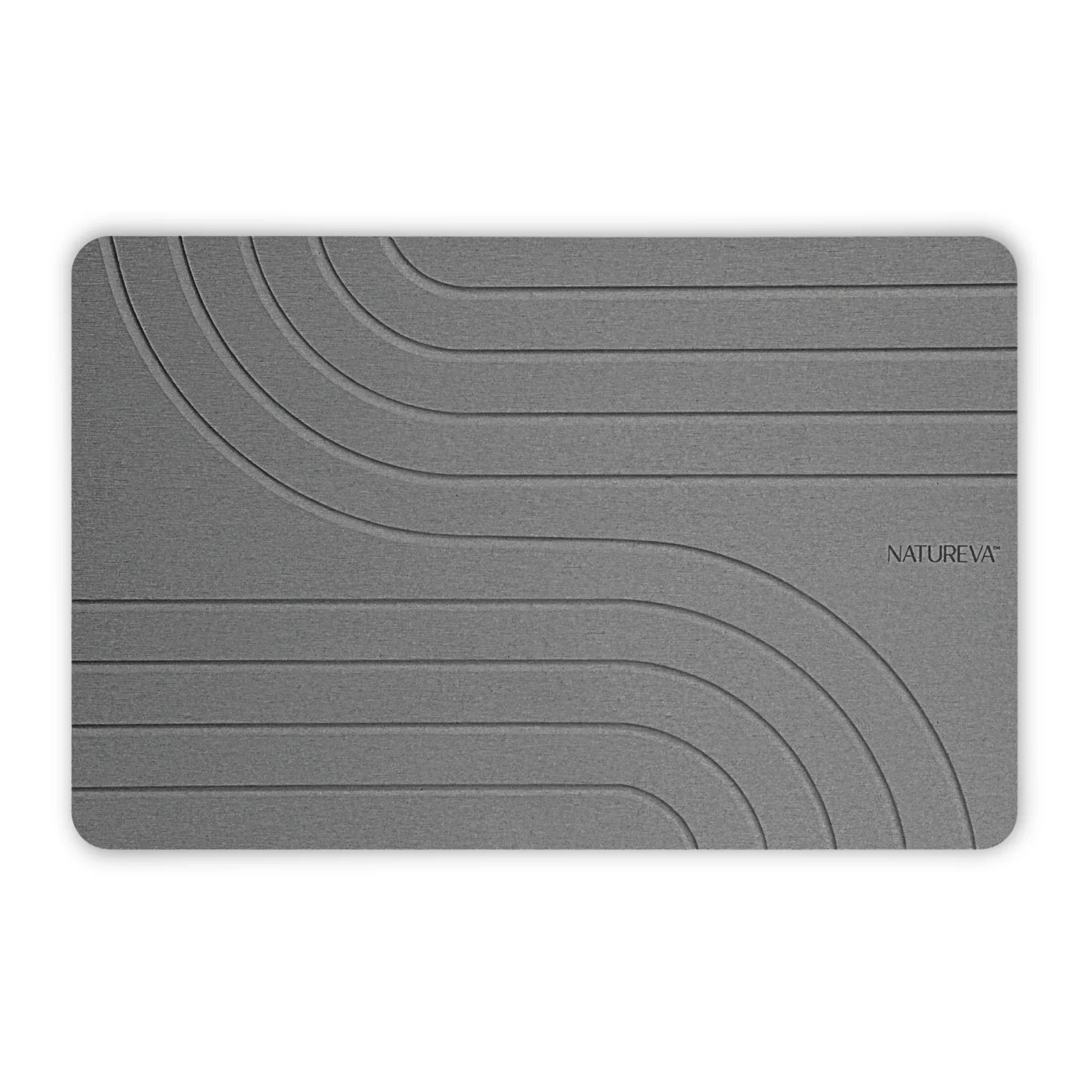
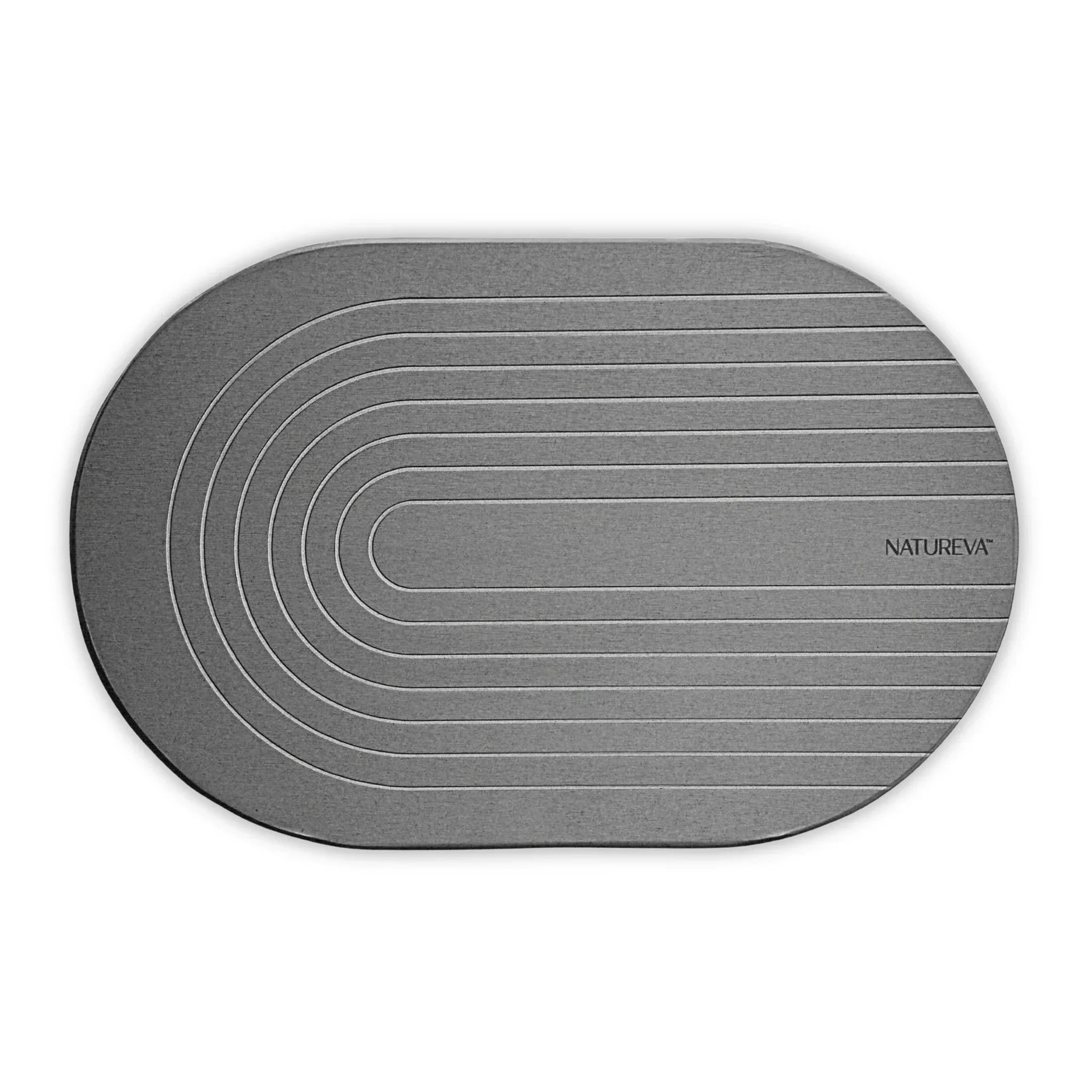
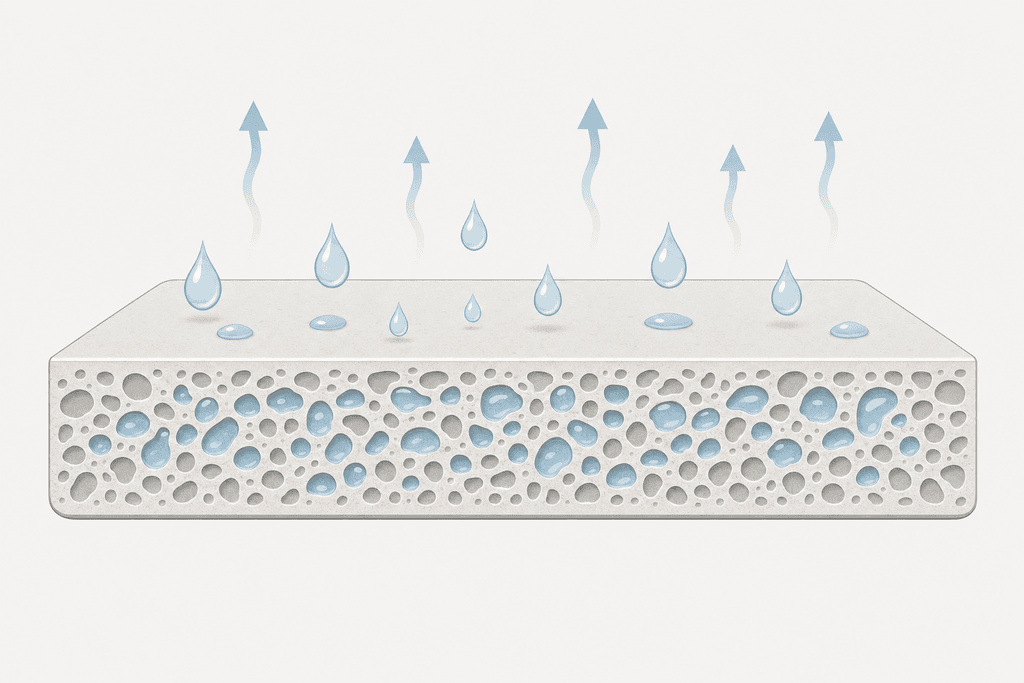
Stone bath mats made from diatomite work through millions of microscopic pores that pull water in instantly. These tiny holes act like a network of tunnels, spreading moisture throughout the material the second your foot touches down. But here's what makes diatomite special: those same pores don't trap the water. Instead, they release it back into the air through rapid evaporation, which means the surface dries in minutes instead of hours.
The porous structure does more than just absorb. It creates airflow at a microscopic level, letting moisture escape from every angle. That's why Natureva's stone bath mats feel dry to the touch within moments of use, even in humid bathrooms where fabric mats would stay damp for hours.
How Bamboo Holds Moisture
Bamboo bath mats work differently because they're made from woven fibers that absorb water into their structure. The fibers swell when wet, holding moisture inside until it slowly evaporates from the surface. This process takes much longer because the water has to work its way out through layers of material. Even fast-drying bamboo blends can stay damp for several hours after a single shower.
The fiber construction also means bamboo mats need airflow underneath to dry properly. Without it, moisture gets trapped between the mat and floor, creating the exact conditions where mildew starts to grow. Some brands try to solve this with special weaves or treatments, but the basic problem remains: bamboo fibers are designed to hold water, not release it quickly.
Why Evaporation Speed Matters
The real issue isn't how much water a bath mat can absorb. It's how long that water sticks around afterward. Bacteria and mold need moisture to grow, and they thrive in environments that stay damp for extended periods. A mat that dries in five minutes gives bacteria almost no time to multiply. A mat that stays wet for five hours creates a perfect breeding ground.
Research shows that bacteria growth accelerates significantly in consistently moist environments, which is why traditional fabric bath mats develop that musty smell over time (source: National Center for Biotechnology Information study on moisture and bacterial growth). The faster a surface dries, the less opportunity microorganisms have to establish colonies. This is exactly why diatomite has become popular for bathroom products, it eliminates the moisture problem at the source rather than just managing it.
| Property | Diatomite Stone | Bamboo Fiber |
|---|---|---|
| Absorption Method | Microscopic pores | Fiber swelling |
| Drying Time | 5-10 minutes | 3-6 hours |
| Moisture Release | Rapid evaporation | Slow surface drying |
| Bacterial Growth Risk | Minimal | Moderate to high |
| Requires Airflow | No | Yes |
Material Structure Comparison
Understanding the physical makeup of each material explains why they perform so differently. Diatomite is essentially fossilized algae compressed into a solid form, creating a structure that's both rigid and breathable. The material doesn't change shape when wet, which means it maintains consistent performance over time. There's no degradation from repeated wetting and drying cycles because the stone itself doesn't absorb moisture into its molecular structure.
Bamboo mats rely on textile construction, which means individual fibers woven or pressed together. Each fiber acts like a tiny sponge, expanding when wet and contracting when dry. This constant expansion and contraction eventually breaks down the material, leading to fraying, thinning, and reduced absorbency. The woven structure also creates gaps where water can pool, especially if the mat isn't perfectly flat or if it's placed on an uneven surface.
- Diatomite maintains structural integrity through thousands of wet-dry cycles
- Bamboo fibers degrade over time from repeated moisture exposure
- Stone surfaces stay flat and stable regardless of humidity levels
- Fabric mats can warp, curl, or develop permanent damp spots
The construction differences also affect maintenance requirements. Stone mats like Natureva's bath mats can be wiped clean and air dried upright when needed, with occasional sanding to restore surface absorbency. Bamboo mats require regular washing, complete drying between uses, and eventual replacement when fibers break down. The simpler maintenance routine of stone translates to less work and longer product life, which matters when you're using something multiple times every single day.
Drying Speed: Minutes vs Hours
Most people don't think about how long their bath mat stays wet until they step on a cold, damp surface hours after their morning shower. The difference between stone and bamboo bath mats comes down to one simple thing: how fast water disappears. Stone diatomite mats dry completely in about 5 to 10 minutes, while bamboo mats can stay damp for 2 to 4 hours depending on your bathroom's humidity level. That's not a small difference when multiple people use the same bathroom.
The secret lies in what's happening at a microscopic level. Diatomite stone contains millions of tiny pores that pull water in instantly and release it back into the air through rapid evaporation. Think of it like a sponge with thousands of tiny air channels running through it. Bamboo, on the other hand, absorbs water into its fibres where it sits trapped until it slowly evaporates from the surface.
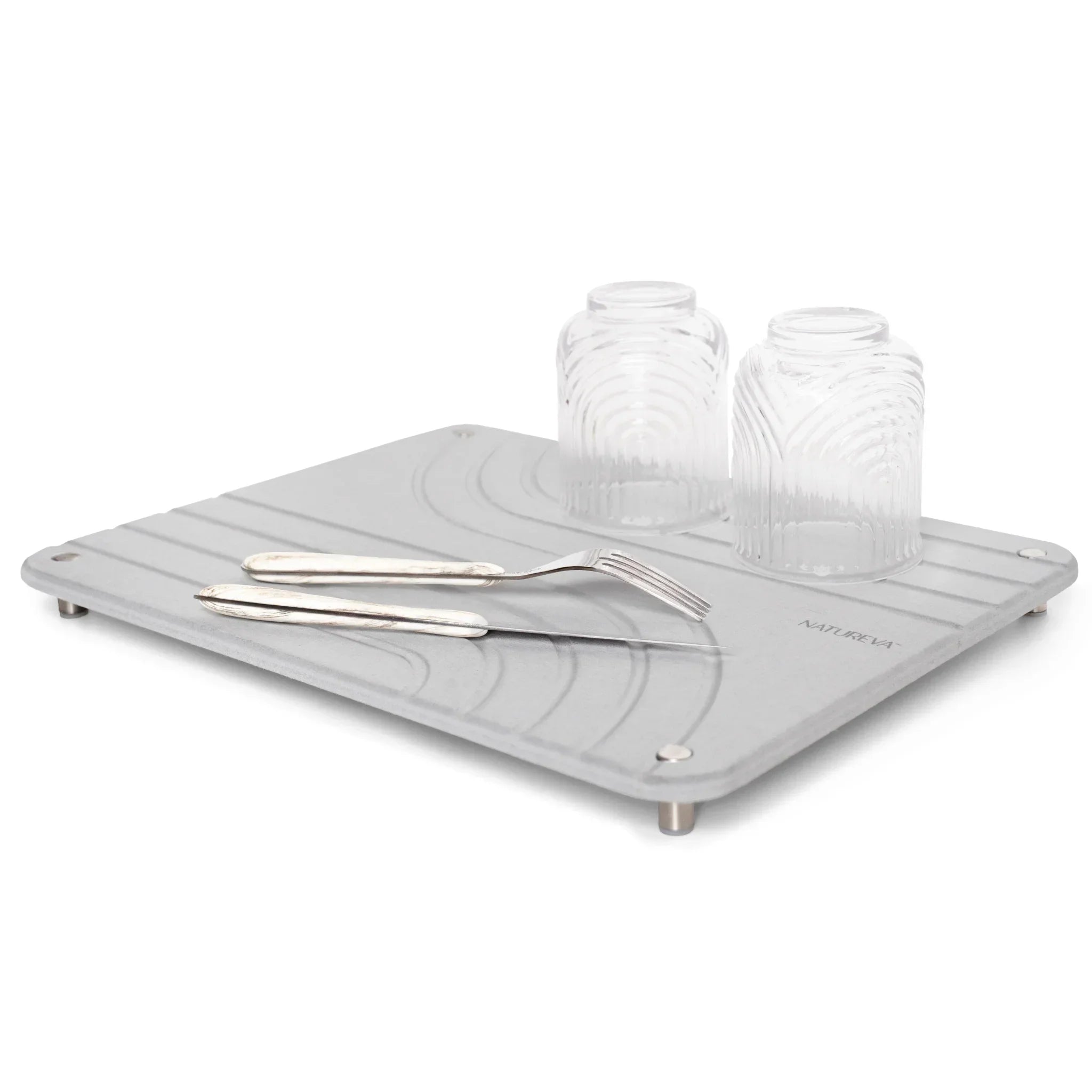
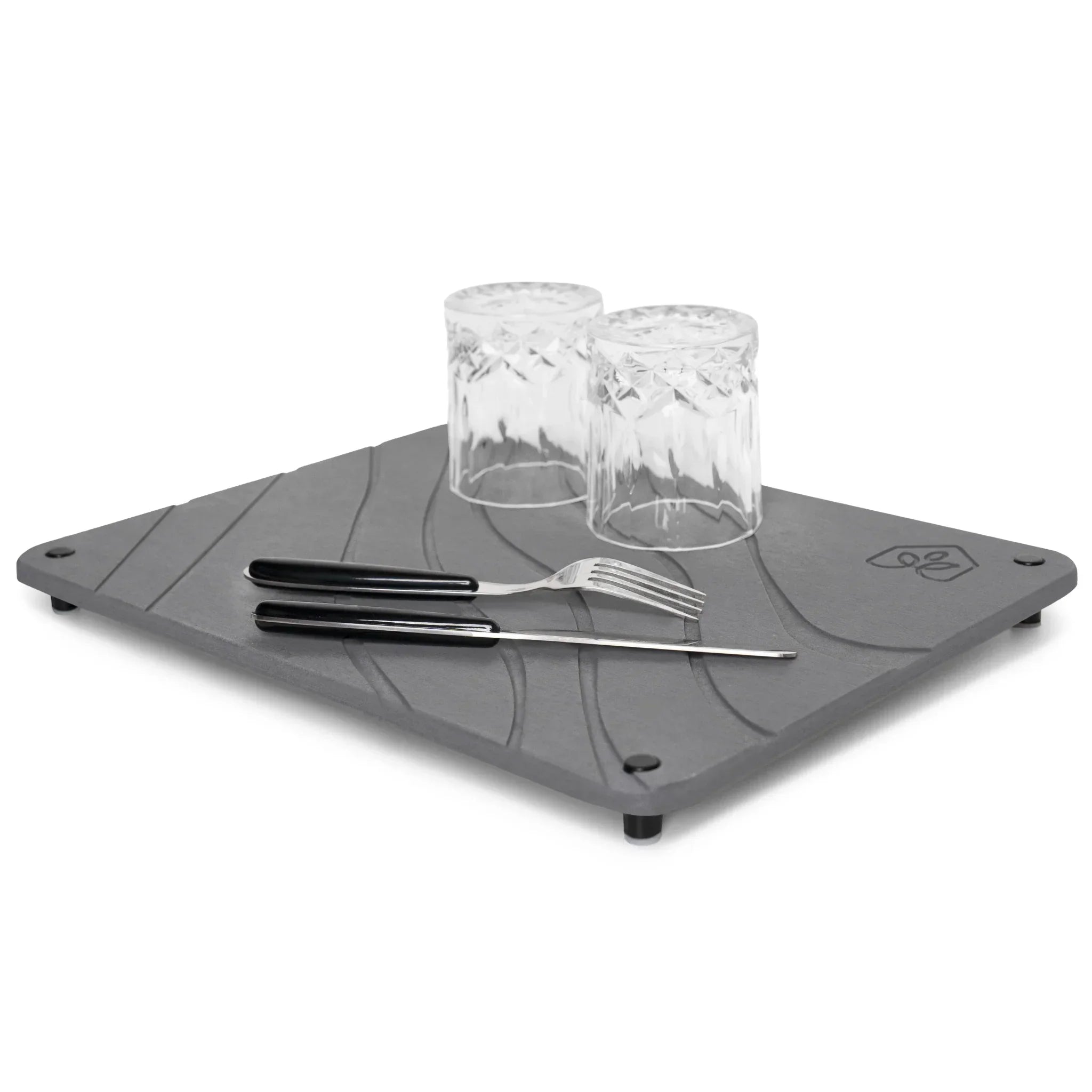
Airflow plays a different role for each material. Stone mats work best when air can circulate underneath, which is why Natureva stone bath mats include non-slip base pads that create slight elevation. Bamboo mats need even more airflow since they hold moisture longer, but most people leave them flat on the floor where air can't reach the bottom surface.
- Stone dries in 5-10 minutes through porous evaporation
- Bamboo stays damp for 2-4 hours depending on conditions
- Surface area matters less than internal structure
- Humidity slows bamboo drying significantly
- Stone performance stays consistent across different climates
This timing difference matters most for families. When someone showers at 7am and another person needs the bathroom at 7:30am, a stone mat is completely dry and ready. A bamboo mat is still holding onto moisture from the first person. Consumer Reports testing confirms that stone bath mats maintain their quick-dry performance even with back-to-back use.
Bacteria and Odour: What Grows in Damp Spaces
Bacteria need three things to multiply: warmth, organic material, and moisture. Your bathroom has the first two covered, so the only variable you can control is how wet your bath mat stays. Stone mats eliminate the moisture bacteria need within minutes, while bamboo mats provide an ideal damp environment for hours after each use. That's why bamboo mats develop that musty smell over time, even with regular washing.
The difference isn't about one material being treated with antibacterial chemicals and the other not. Stone mats are naturally antibacterial because they don't stay wet long enough for bacteria to establish colonies. Bamboo's extended dampness creates the perfect breeding ground for the microorganisms that cause odours and potential health concerns.
| Material | Damp Duration | Bacterial Growth Risk | Odour Development |
|---|---|---|---|
| Stone Diatomite | 5-10 minutes | Minimal | Rare |
| Bamboo | 2-4 hours | High | Common |
Mildew is another issue that shows up in slow-drying materials. Those black spots you sometimes see on fabric bath mats are mildew colonies that formed because the material stayed damp too long between uses. Baptist Health notes that quick-drying surfaces reduce exposure to these common bathroom contaminants.
Stone mats don't develop the typical bath mat smell because they're dry before bacteria can multiply. Bamboo mats might smell fresh when new, but that changes after a few weeks of use. The organic fibres hold onto moisture and provide food for bacteria, creating a cycle that's hard to break without constant washing and complete drying.
Maintenance Reality: Weekly Care vs Daily Hassle
The real cost of a bath mat isn't just the purchase price. It's the time you spend keeping it clean and functional over months of use. Stone mats need a quick vinegar water wipe once a week and occasional sanding to restore absorbency when you notice it slowing down. That's about 2 minutes of maintenance per week. Bamboo mats require frequent washing, complete drying between uses, and replacement every 6 to 12 months as the fibres break down and lose their structure.
Bamboo mats need to be hung up to dry after every use if you want to prevent mildew and odours. Most people don't do this because it's inconvenient, which is why bamboo mats develop problems faster than expected. Even when you do hang them, they take hours to dry completely, and you need somewhere to hang them where they won't drip on your floor.
- Stone: weekly vinegar wipe, occasional sanding
- Bamboo: wash every 1-2 weeks, hang dry after each use
- Stone sanding takes 30 seconds and restores full performance
- Bamboo washing takes 1+ hours including dry time
- Stone mats last years with proper care
- Bamboo mats need replacement within a year
The next generation of home essentials: naturally made, cleaner by design, sustainable by nature.
SHOP ALLYou can tell when a stone mat needs attention because water stops absorbing as quickly. That's when you use the included sanding tool to reopen the surface pores. The P320 grit sanding disc removes the thin layer of buildup and brings the mat back to like-new performance. It's a simple fix that takes less time than loading a bamboo mat into the washing machine.
Bamboo shows its age differently. The fibres start to fray, the mat loses its shape, and no amount of washing brings back that fresh feeling. Material comparisons show that natural fibre mats degrade faster than mineral-based options. The hidden time cost adds up when you factor in weekly washing, drying time, and annual replacement.
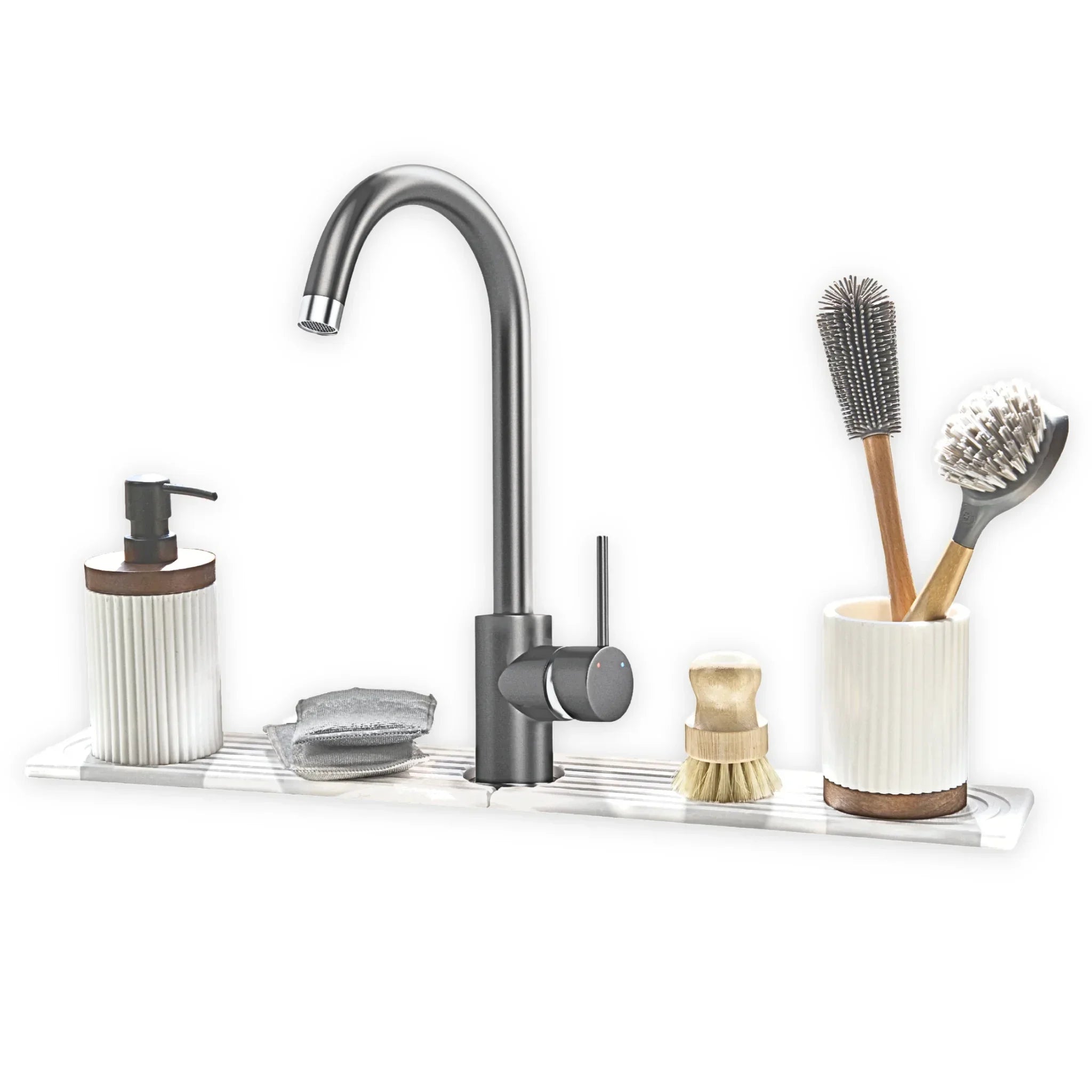
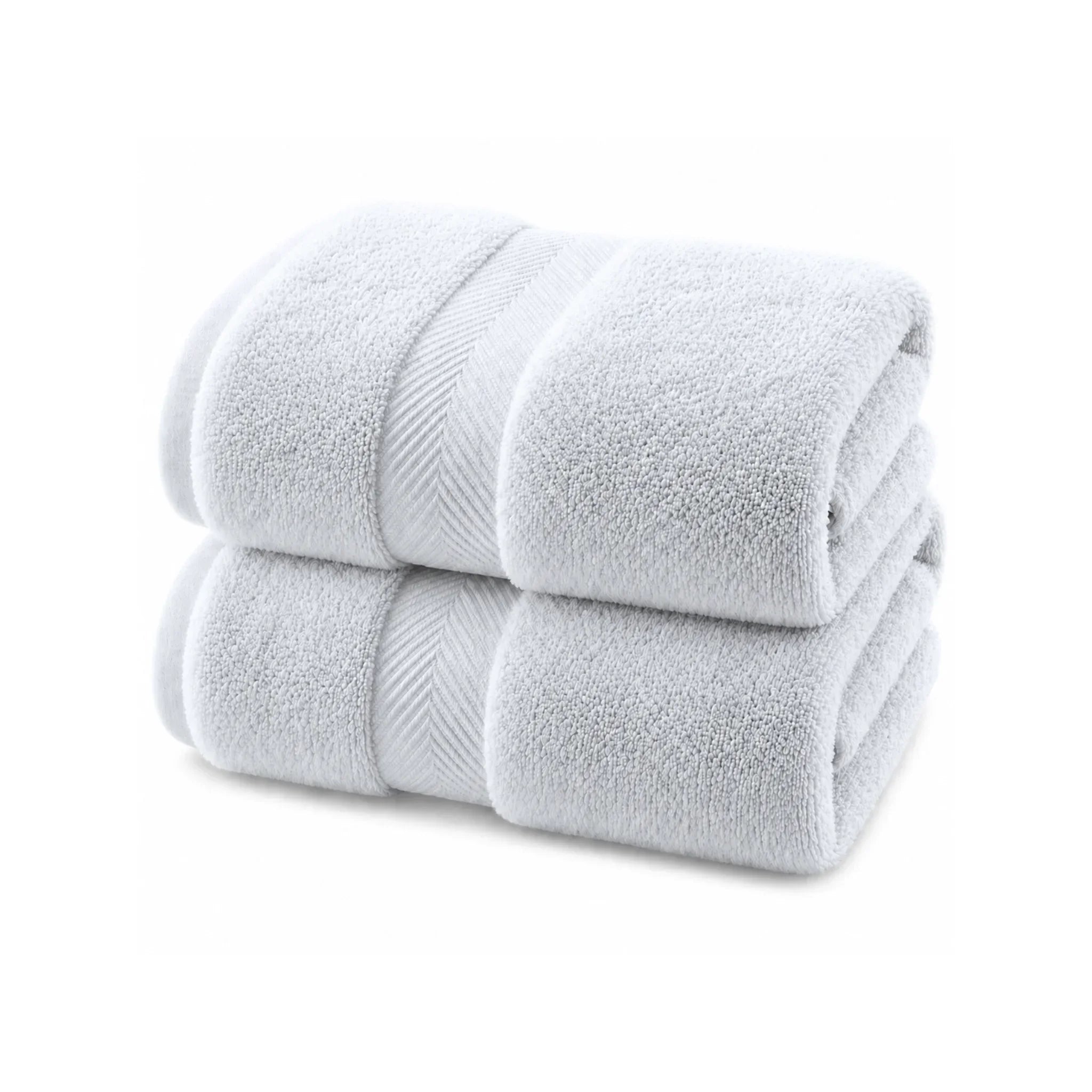
Our Tide, Flow, Arch, Rain, and Aura stone bath mats all include the restoration sanding tool because we know maintenance matters. The same quick-dry technology extends to our dish mats, faucet mats, and pet mat. For textiles, our bamboo cotton towel sets offer fast-drying performance without the maintenance headaches of traditional bath mats.
The Real Cost of Staying Damp
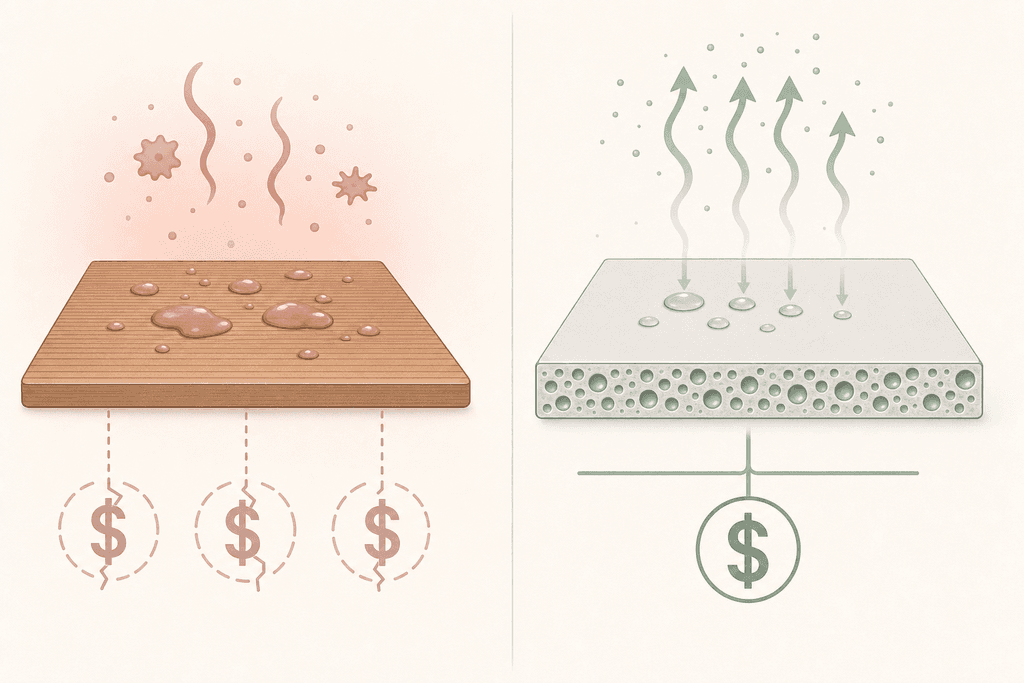
Most people think about bath mats as a one-time purchase, but the reality is far different when you factor in replacement cycles and hidden costs. A typical bamboo bath mat needs replacing every 6 to 12 months due to mildew, odor buildup, and material breakdown from constant moisture exposure. Over a three-year period, you're looking at buying three to six bamboo mats at roughly $30 to $50 each, which adds up to $90 to $300 in total spending. Stone bath mats, like the ones from Natureva Home, can last years with minimal maintenance and a simple sanding refresh when needed, making the initial $59 investment actually cheaper over time.
The time factor is something most people don't calculate until they're living with it daily. Bamboo mats require regular washing, drying, and rotation to prevent mold growth, which means you're either hanging a wet mat somewhere in your bathroom or running extra laundry cycles. Stone mats dry within minutes after use and only need a quick vinegar wipe weekly, saving hours of maintenance work each month.
Long Term Cost Breakdown
| Time Period | Bamboo Mat Cost | Stone Mat Cost |
|---|---|---|
| Year 1 | $40 - $50 | $59 |
| Year 2 | $80 - $100 | $59 |
| Year 3 | $120 - $150 | $59 |
| Maintenance Hours | 36+ hours | 6 hours |
Health Implications You Can't Ignore
Bathrooms are already humid environments, and adding a material that stays damp for hours creates the perfect breeding ground for problems. Prolonged moisture exposure in bathroom textiles leads to bacterial growth, mold spores, and that musty smell that never quite goes away no matter how much you clean. According to research on indoor air quality, damp textiles in bathrooms can contribute to respiratory issues and allergic reactions, especially in homes with poor ventilation.
- Mold and mildew thrive in materials that stay wet for extended periods
- Bacteria multiply rapidly on damp fabric surfaces between uses
- Musty odors indicate active microbial growth in your bathroom
- Respiratory irritation increases with prolonged exposure to bathroom mold
The Convenience Factor Matters More Than You Think
There's something genuinely frustrating about stepping onto a damp bath mat hours after someone else showered. With bamboo and fabric options, this is just accepted as normal, but it doesn't have to be. Stone mats from brands like Natureva absorb water instantly and release it back into the air within minutes, meaning every person who uses the bathroom gets a dry surface. This isn't just about comfort, it's about maintaining a cleaner bathroom environment overall.
- No more rotating multiple mats to ensure a dry surface
- No laundry cycles dedicated to washing bath mats
- No hanging wet mats over the tub or shower rod
The choice between stone vs bamboo bath mat ultimately comes down to whether you want to manage moisture or let the material do it for you. One requires constant attention and replacement, while the other handles the problem naturally through its porous structure. The math and the daily experience both point in the same direction.
Choosing Dry Over Damp
When you compare stone vs bamboo bath mat performance, the difference comes down to how each material handles water. Stone diatomite absorbs moisture instantly and releases it back into the air within minutes, while bamboo needs hours to fully dry and often stays damp between uses. That gap matters more than you might think, because a damp mat creates the exact conditions where bacteria and mildew thrive. The science behind diatomite's microscopic pore structure isn't just interesting, it actually solves the core problem most bathroom mats create.
Bamboo still has a place if you need something softer underfoot or prefer a wood aesthetic. But if your priority is keeping your bathroom floor dry and reducing that musty smell that builds up over time, the material choice becomes pretty clear.
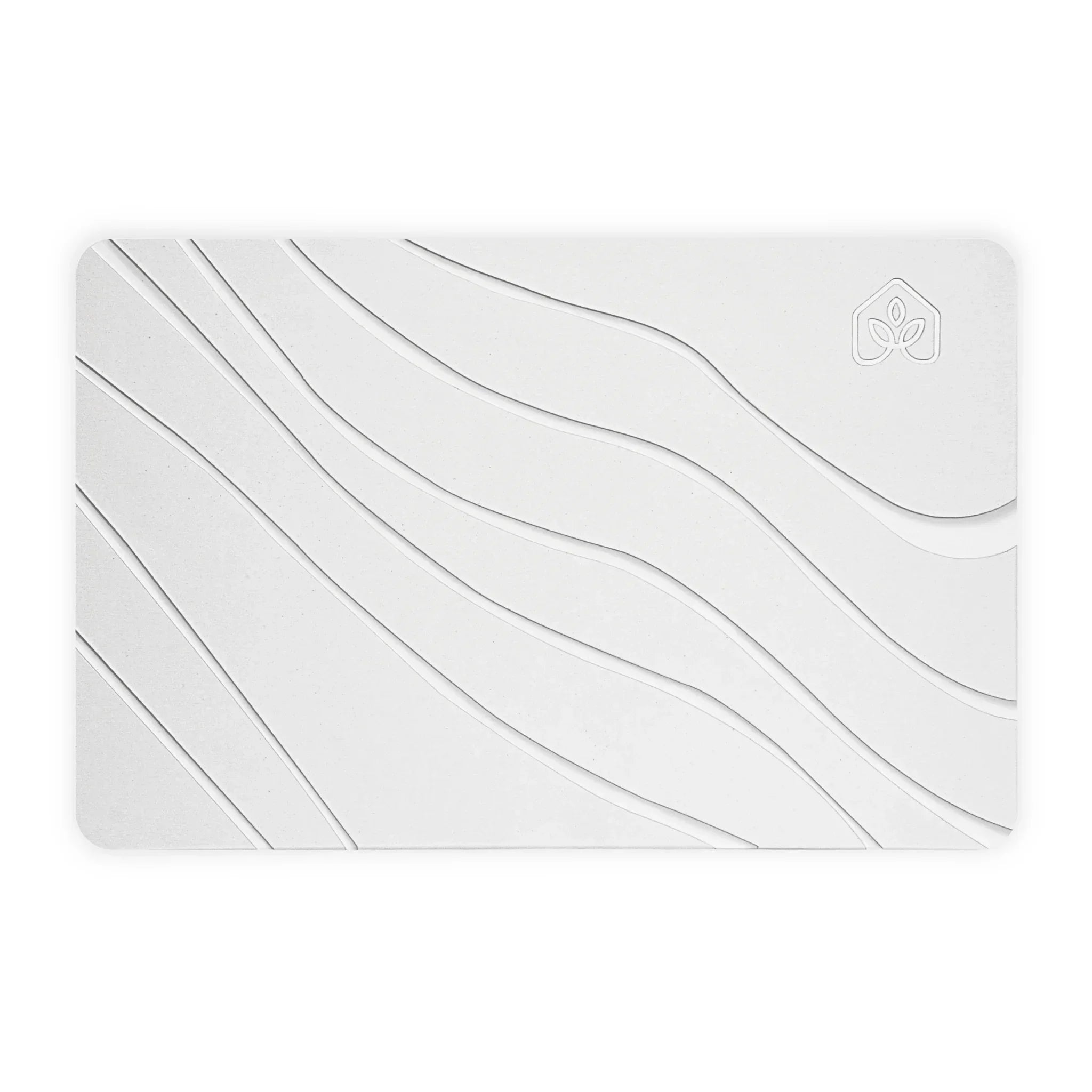
Our stone bath mats use that same diatomite composite to pull water off your feet the moment you step out of the shower. The surface stays dry enough to use again within minutes, not hours. You can choose from five different carved patterns like Rain, Tide, or Flow, depending on what fits your space.
The connection between material performance and daily comfort is simple. Faster drying means less moisture sitting around your bathroom, which means fewer problems down the line.
Common Questions About Bath Mat Materials
Choosing between stone and bamboo bath mats brings up a lot of practical questions. Most people want to know how these materials actually feel, whether they're safe for everyone in the household, and what happens when things don't go as planned. Here are the answers to the most common concerns about both options.
How does a stone bath mat feel compared to bamboo?
Stone mats feel solid and cool underfoot, similar to stepping onto a smooth tile floor. Bamboo mats have a warmer, slightly textured surface that feels more like wood. The stone surface stays consistently firm and flat, while bamboo can develop slight warping over time with moisture exposure. Neither material is soft or cushioned like fabric, but stone provides a more stable, grounded feeling that some people prefer after a shower.
Are stone bath mats safe for kids and elderly users?
Stone mats like the Natureva Tide or Flow designs include a full non slip base pad that keeps the mat firmly in place on wet floors. The surface itself provides good traction when wet because water absorbs instantly rather than pooling on top. Bamboo mats can become slippery when saturated since water sits on the surface longer. For households with young children or elderly family members, the instant drying nature of stone actually reduces slip risk compared to materials that stay wet.
What happens if a stone mat gets completely saturated?
If a stone mat absorbs more water than it can evaporate quickly, it will feel damp to the touch and won't absorb new moisture effectively. This usually only happens in extremely humid environments or if multiple people use it back to back without airflow. The fix is simple: stand the mat upright against a wall or in a well ventilated area for a few hours. Once the internal moisture evaporates, full absorbency returns. Bamboo mats don't have this recovery option since they don't actively release moisture.
How do you restore absorbency in a stone bath mat?
Every Natureva stone bath mat includes a P320 grit sanding tool designed specifically for this purpose. Light sanding reopens the microscopic pores on the surface that can get clogged with soap residue or mineral deposits over time. It takes about 30 seconds of gentle circular motion across the surface. Rinse the mat afterward, let it dry, and the absorption returns to like new performance. Bamboo mats can't be restored this way since their structure doesn't rely on surface porosity.
Do bamboo mats ever fully dry in humid climates?
Bamboo struggles in high humidity because it relies entirely on air evaporation, which slows dramatically when the surrounding air is already moisture saturated. In coastal or tropical environments, bamboo mats often stay damp for hours or even days between uses. This creates the perfect environment for mold and mildew growth. Stone mats still dry faster in these conditions because their porous structure actively pulls moisture away from the surface, even when ambient humidity is high.
How long do stone and bamboo bath mats typically last?
Stone bath mats can last several years with proper care, including weekly vinegar wipes and occasional sanding to maintain absorbency. The material doesn't degrade from water exposure since it's designed to handle constant moisture. Bamboo mats typically need replacement within 12 to 18 months as the wood fibers break down from repeated wetting and drying cycles. Warping, cracking, and permanent discoloration are common signs that a bamboo mat has reached the end of its usable life.
The next generation of home essentials: naturally made, cleaner by design, sustainable by nature.
SHOP ALL