
Are Stone Bath Mats Worth It for Daily Bathroom Use
Fabric bath mats can stay damp for hours after a single shower, creating the perfect breeding ground for bacteria and that musty smell no amount of washing seems to fix. Stone bath mats made from diatomite promise a different approach: they dry in minutes, resist odour buildup, and eliminate the constant cycle of washing and replacing soggy fabric. If you've ever wondered is a stone bath mat worth it for everyday bathroom use, the answer depends on how much value you place on hygiene, convenience, and long-term durability over the familiar comfort of traditional options.
Table of Contents
What Makes Stone Bath Mats Different
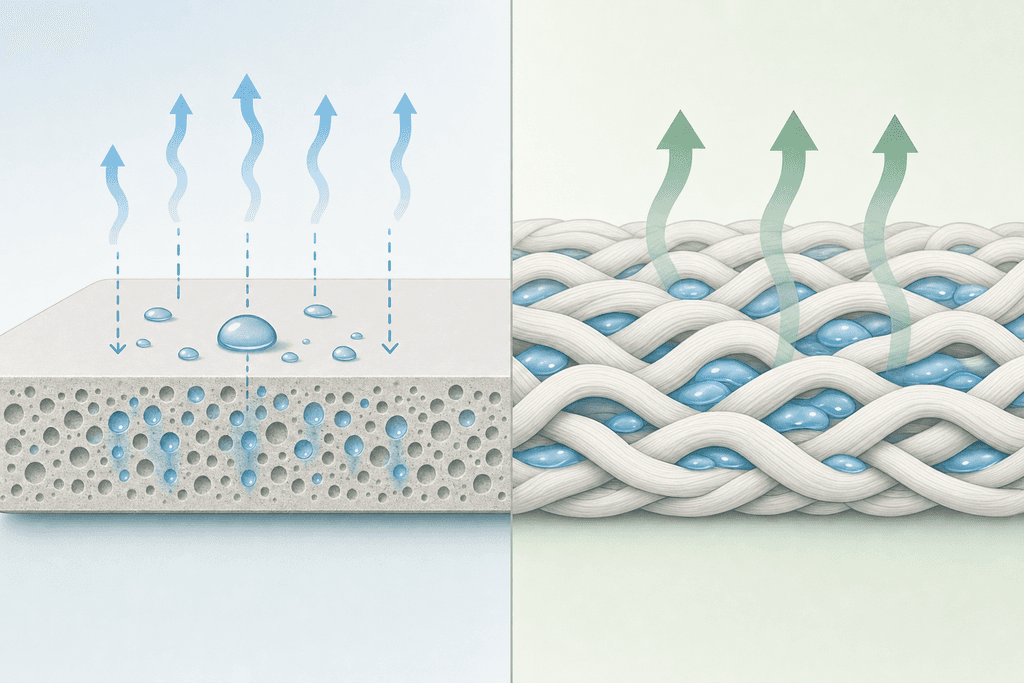
Most people step out of the shower onto fabric mats that stay damp for hours, creating the perfect breeding ground for mildew and bacteria. Stone bath mats work completely differently because they're made from diatomite, a natural material that's been around for millions of years but only recently found its way into bathrooms. The science behind how these mats work is actually pretty simple once you understand what diatomite really is.
The Science of Diatomite
Diatomite comes from fossilised algae called diatoms that lived in ancient oceans and lakes. When these tiny organisms died, their silica-based skeletons piled up on the ocean floor over millions of years, eventually forming the mineral-rich material we use today. What makes diatomite special is its internal structure, which looks like a microscopic sponge filled with millions of tiny pores.
These pores give diatomite some pretty useful properties for bathroom use:
- Absorbs water instantly on contact, pulling moisture away from your feet
- Releases water back into the air through rapid evaporation
- Stays dry to the touch within minutes instead of hours
- Prevents the damp conditions where bacteria and mould typically grow
How Stone Mats Stay Clean Naturally
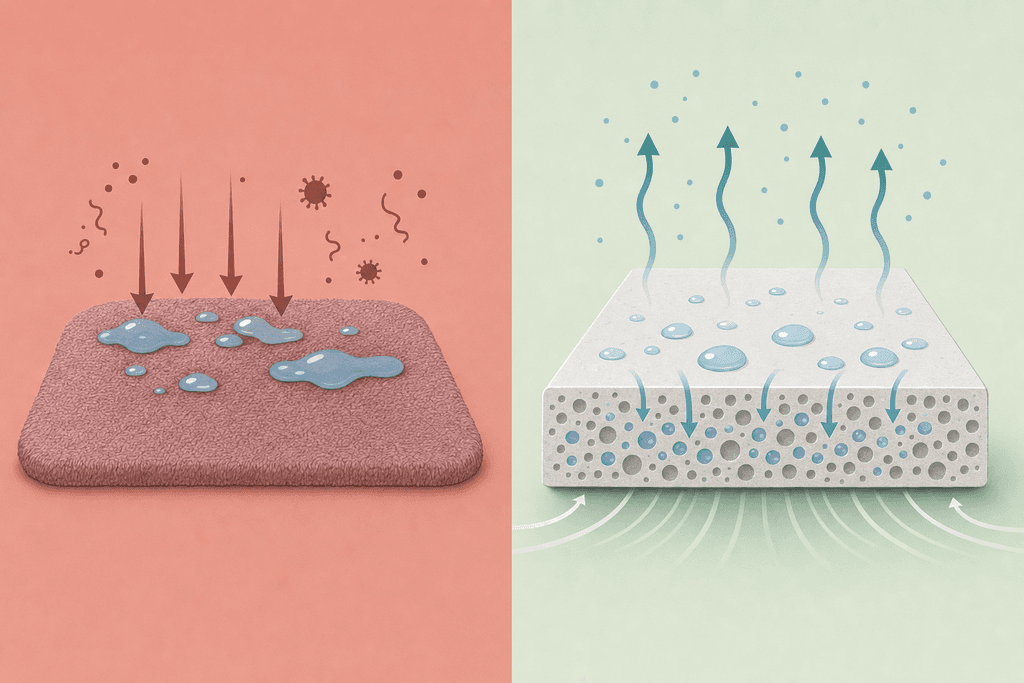
The antibacterial properties of stone bath mats don't come from chemicals or special coatings. Instead, they work by simply not staying wet long enough for bacteria to thrive. Traditional fabric mats can stay damp for 4-6 hours after use, giving bacteria plenty of time to multiply. Stone mats dry in a fraction of that time, which naturally limits bacterial growth without any harsh additives.
Brands like Dorah Home and Dry Sorb have popularised this material in recent years, but the technology itself isn't new. According to The Qualis Collection's guide to stone bath mats, diatomite has been used in filtration and industrial applications for decades because of its absorbent properties.
Composite Construction Explained
Modern stone bath mats aren't made from pure diatomite because that would be too brittle and expensive. Instead, manufacturers combine diatomaceous earth with recycled paper to create a composite material that's both durable and functional. This mixture gets compressed into dense, stone-like slabs that feel solid underfoot but remain lightweight enough to move around easily.
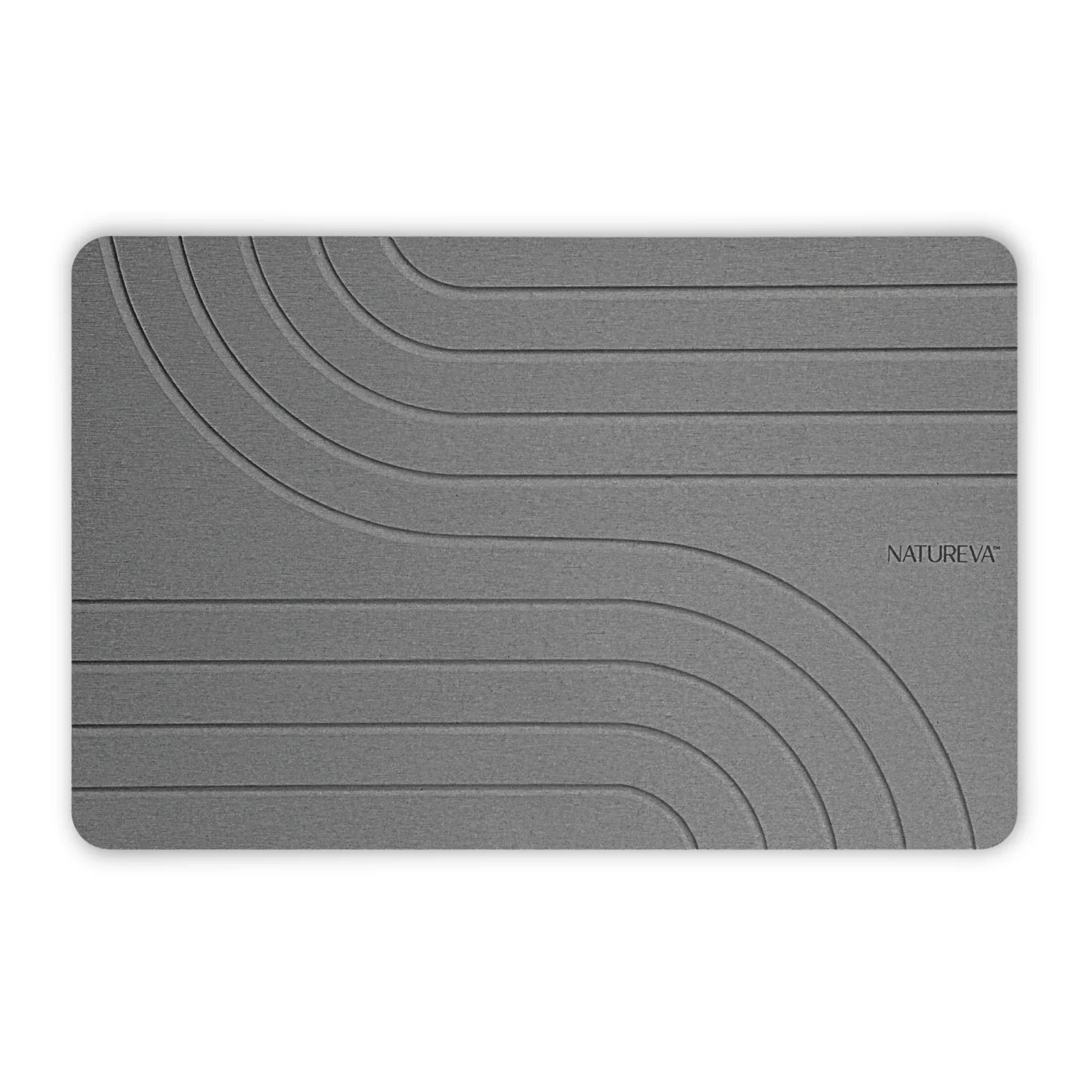
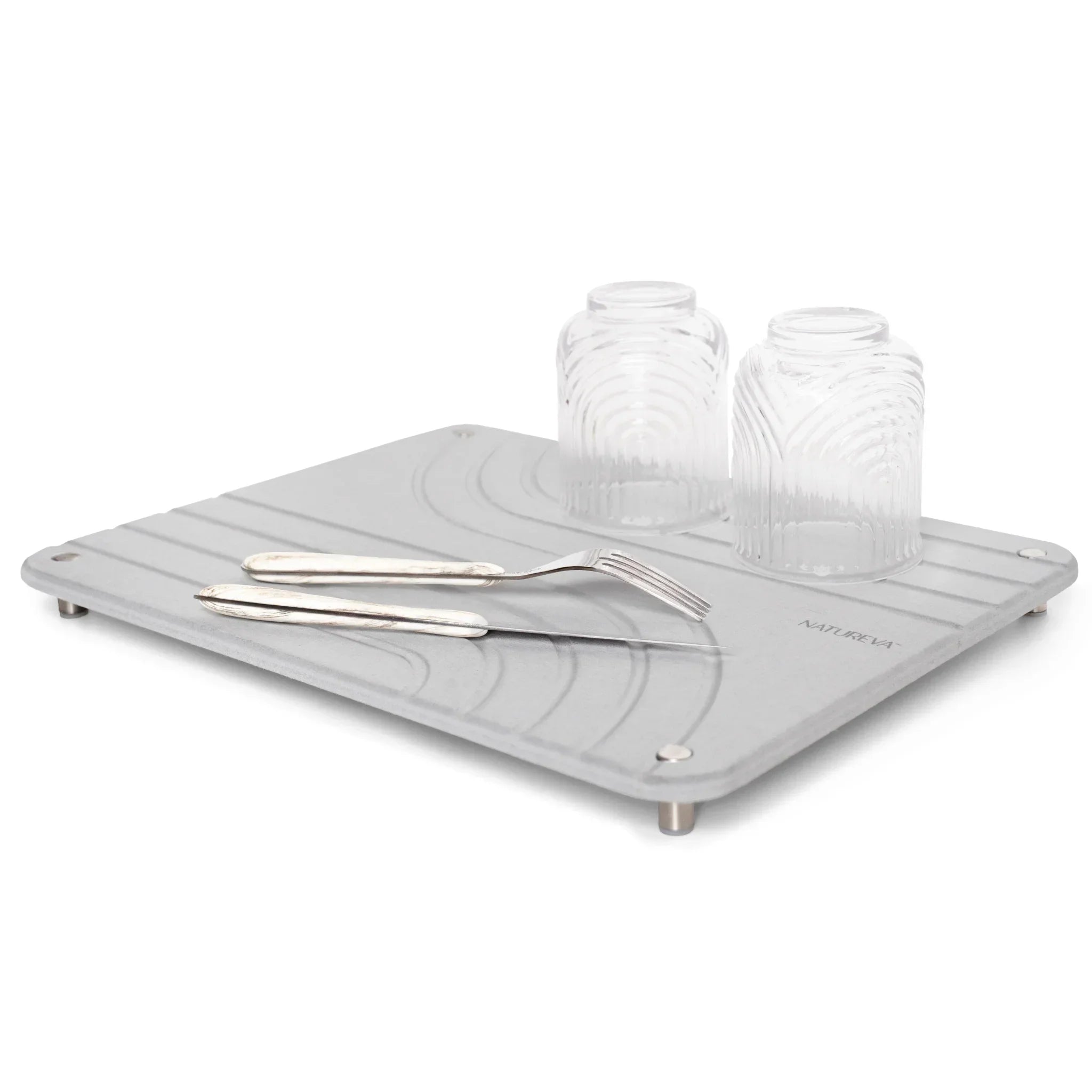
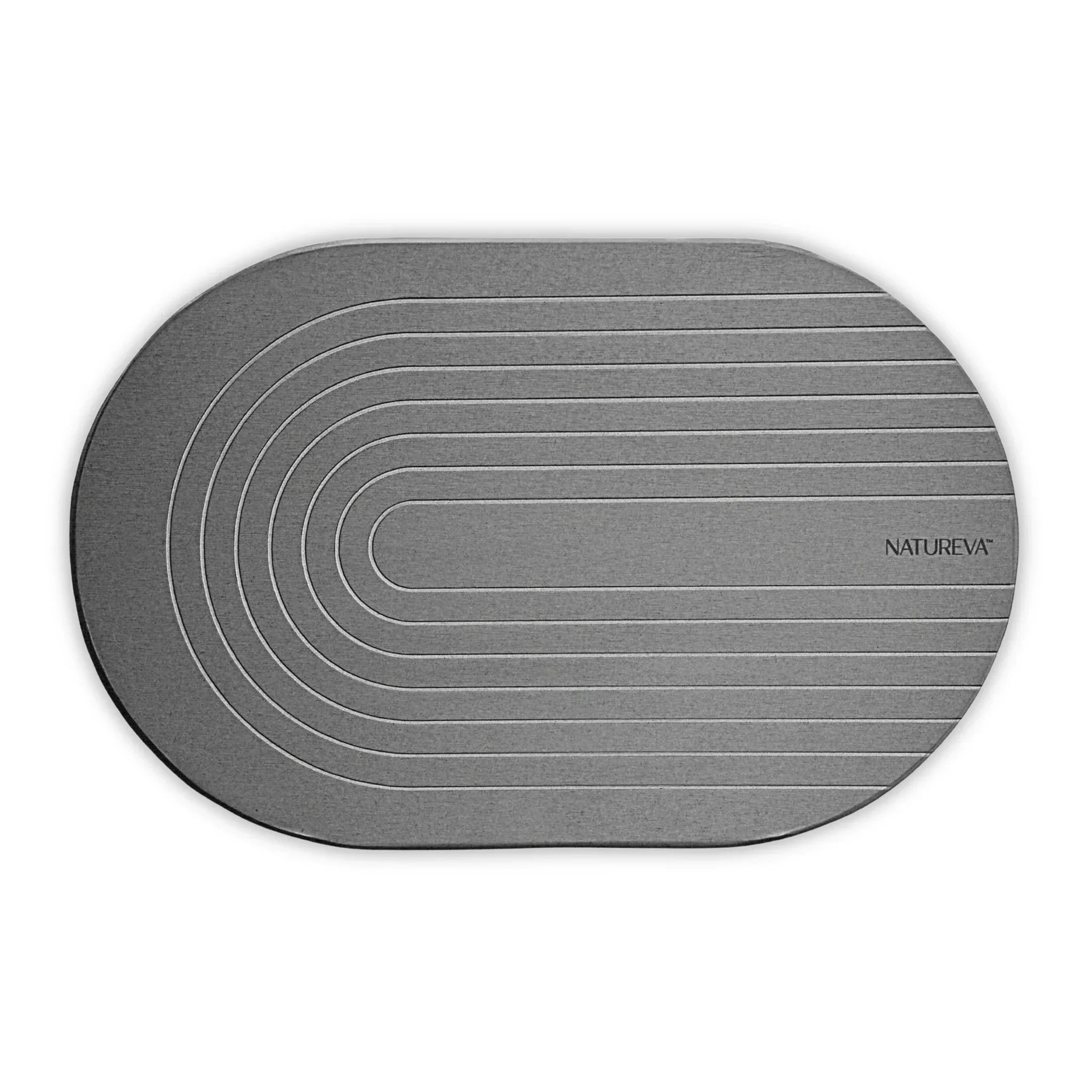
The construction process avoids synthetic coatings or moisture-trapping finishes that would interfere with the material's natural drying ability. For example, Natureva's stone bath mats use this chemical-free composite approach, keeping the surface porous and breathable. The result is a mat that performs consistently without breaking down or losing absorbency over time.
| Material Property | Stone Bath Mat | Fabric Bath Mat |
|---|---|---|
| Drying Time | 5-10 minutes | 4-6 hours |
| Weight | 1.5-2 kg | 0.3-0.5 kg |
| Lifespan | 2-3 years | 6-12 months |
| Washing Required | Never | Weekly |
Real Performance in Daily Bathroom Conditions
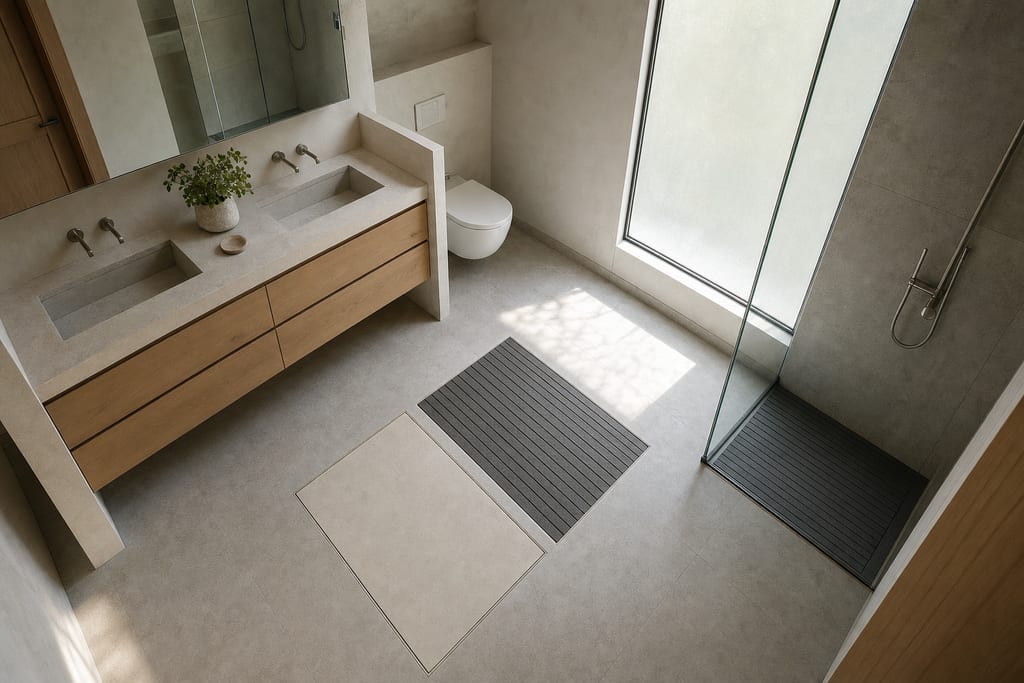
Most fabric bath mats stay damp for hours after a single shower, creating a soggy mess that tracks water through your house. Stone bath mats work differently because they're made from diatomite, a material with millions of microscopic pores that pull moisture in and release it back into the air almost immediately. When you step onto a stone mat with wet feet, the water disappears within seconds instead of soaking into fabric that stays wet until evening.
The difference becomes obvious when multiple people shower back-to-back. A fabric mat gets progressively wetter and colder with each person, but a stone mat handles the load without staying soggy. The surface dries within minutes between showers, so the third person stepping out doesn't have to stand on a cold, saturated mat. This matters more than you'd think in busy households where everyone showers within the same hour.
- Instant absorption means no wet footprints tracking through the house
- Mat surface dries within minutes instead of hours
- Handles multiple showers back-to-back without staying soggy
- Non-slip base keeps mat secure on tile floors
- Weight and solid construction prevent bunching or sliding
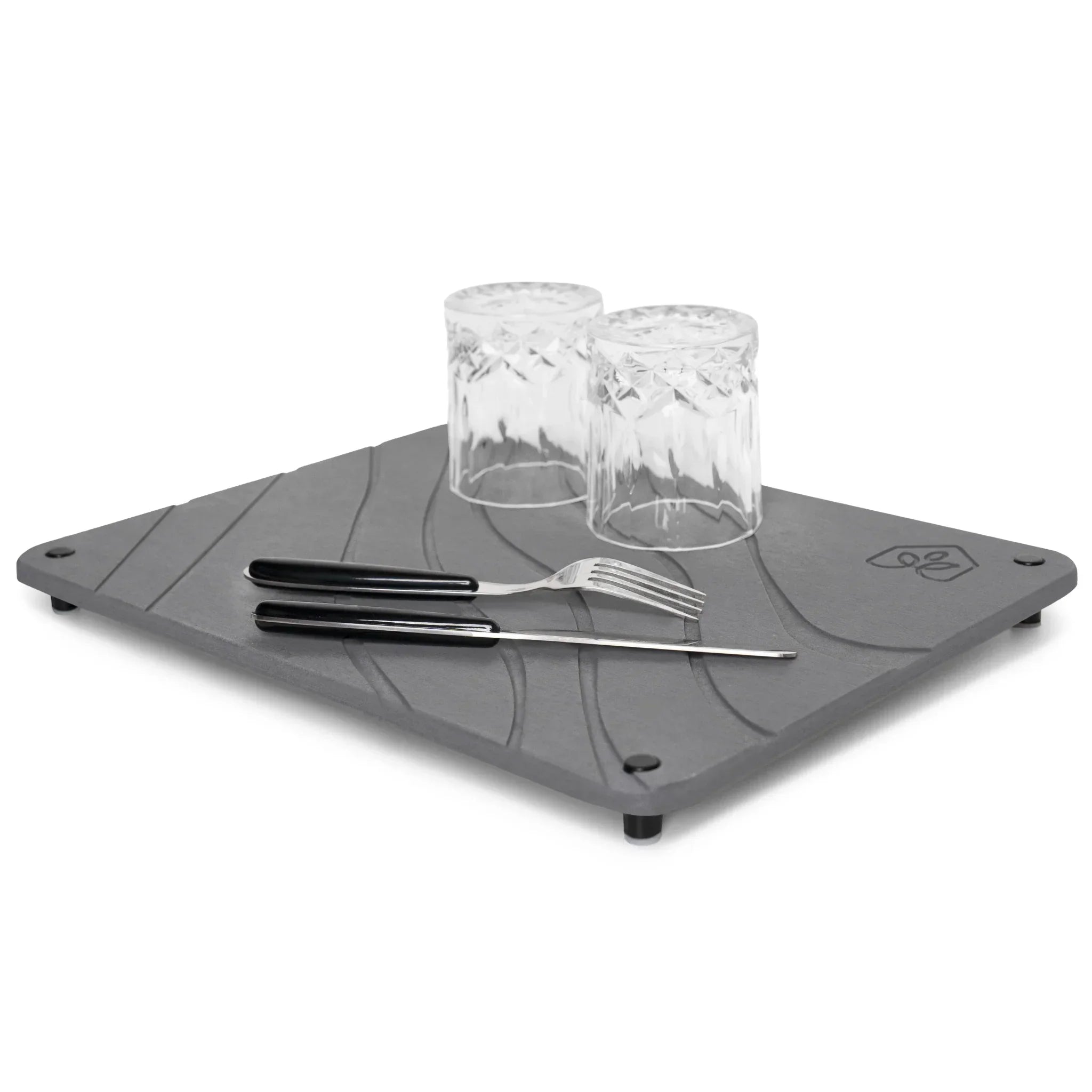
The weight of a stone mat also changes how it sits on your bathroom floor. At around 1.8 kg, it stays exactly where you place it without bunching up or sliding around when you step on it. The full non-slip base pad grips tile floors securely, which matters when you're stepping out of a shower with wet feet and need stable footing.
| Factor | Stone Mat | Fabric Mat |
|---|---|---|
| Drying Time | 2-5 minutes | 4-8 hours |
| Multiple Users | Stays dry | Gets progressively wetter |
| Floor Tracking | None | Wet footprints common |
| Mat Movement | Stays in place | Bunches and slides |
| Weight | ~1.8 kg | ~0.3 kg |
According to Baptist Health, the rapid drying properties of stone mats make them particularly useful in humid environments where traditional mats struggle to dry completely. This isn't just about convenience. It's about whether your bathroom floor stays dry enough to walk on without slipping or tracking water into other rooms.
Hygiene Benefits That Actually Matter
Bacteria need moisture to grow, and fabric bath mats provide exactly that environment for hours every day. When a mat stays damp from morning until night, it becomes a breeding ground for microorganisms that cause odours and potential health concerns. Stone mats eliminate this problem not through chemical treatments, but by removing the damp environment bacteria need in the first place. The material dries so quickly that bacteria simply don't have time to establish themselves.
The musty smell that develops in fabric mats after a few weeks comes from bacterial growth in trapped moisture. Stone mats don't develop this smell because they're dry most of the day. Even in bathrooms with poor ventilation or high humidity, the rapid evaporation keeps the surface clean without any chemical additives or antibacterial coatings.
- Rapid drying eliminates the damp environment bacteria need to thrive
- No musty smell development even in humid bathrooms
- Reduces mould and mildew growth around bathroom floors
- Chemical-free antibacterial properties through material science
- Weekly vinegar wipe maintains freshness without harsh cleaners
Mould and mildew around bathroom floors often start under or around constantly damp bath mats. When moisture sits on tile grout for hours every day, it creates conditions where mould spores can take hold. A stone mat that dries within minutes doesn't contribute to this problem the way fabric alternatives do. The area around the mat stays drier, which means less scrubbing and fewer harsh cleaning products needed to maintain your bathroom.
Maintenance is simpler than you'd expect. A quick wipe with diluted vinegar water once a week keeps the surface fresh and prevents any buildup. There's no need for bleach, antibacterial sprays, or other harsh chemicals because the material's natural properties handle hygiene through rapid moisture elimination. Research on stone bath mat benefits shows that this passive antibacterial approach works better than chemical treatments that wear off over time.
Durability and Long-Term Value
Fabric bath mats typically last six months to a year before they start falling apart, losing absorbency, or developing permanent stains and odours. You end up replacing them multiple times, which adds up quickly when you factor in the cost of buying new mats plus the time spent washing and drying them weekly. Stone mats last for years with minimal maintenance, which changes the math on whether the upfront cost makes sense. At $59, a stone mat costs more initially but eliminates the cycle of repeated purchases.
The included sanding tool addresses the one maintenance issue stone mats have. Over time, soap residue or minerals from hard water can clog the microscopic pores that make the mat absorbent. A quick sand with the included P320 grit tool reopens these pores and restores full absorbency in about two minutes. This simple maintenance step extends the mat's lifespan indefinitely, unlike fabric mats that degrade permanently with use.
- Stone mats last years versus months for fabric alternatives
- Included sanding tool restores absorbency when surface clogs
- No washing machine cycles or dryer wear and tear
- Minimal maintenance with weekly vinegar water wipe
- Initial $59 investment eliminates repeated fabric mat purchases
There's no washing machine wear to worry about, no dryer cycles that shrink or damage the mat, and no detergent costs. The time savings alone matter when you consider how often fabric mats need washing to stay fresh. Stone mats just sit there doing their job without requiring constant attention or maintenance routines.
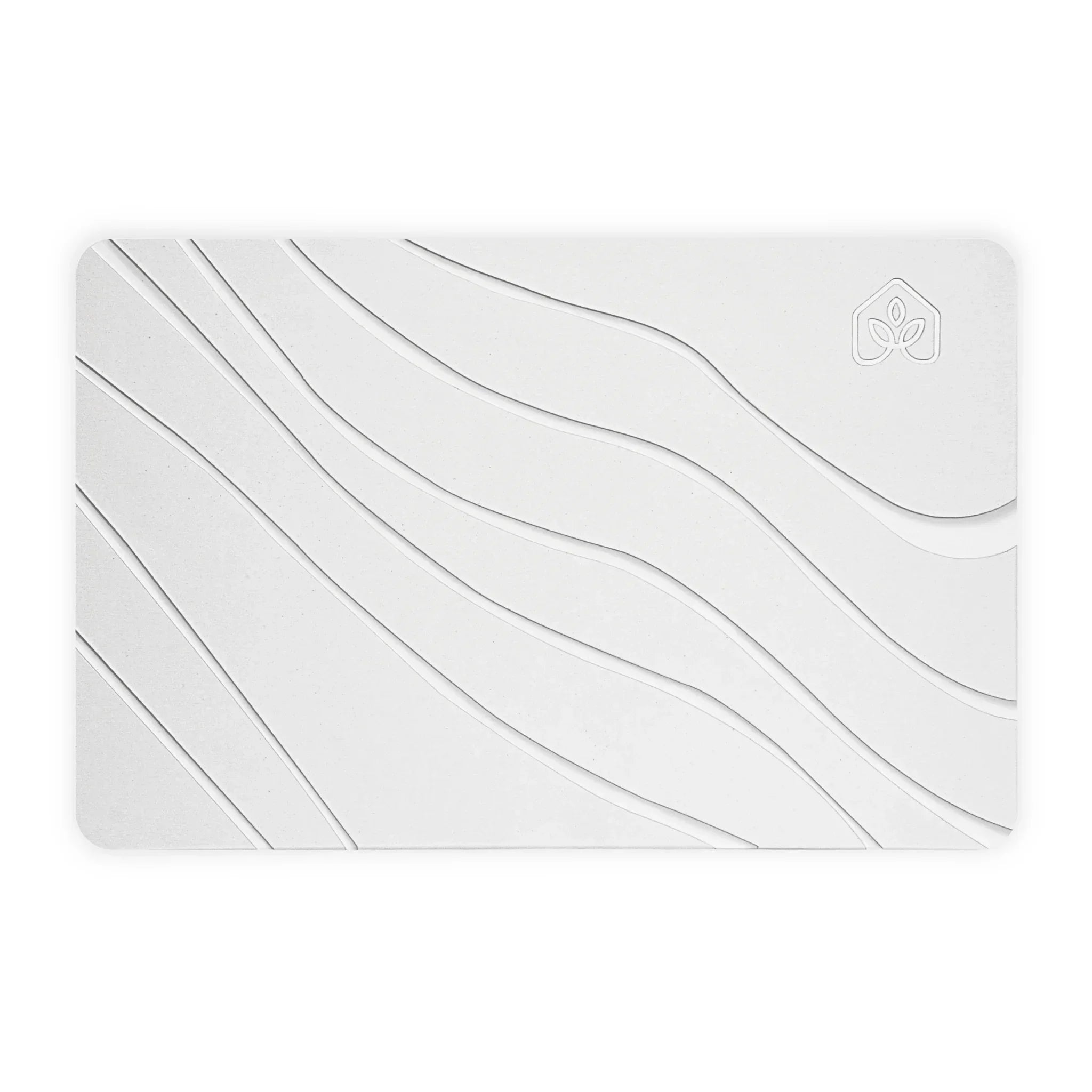
Natureva stone bath mats come in five design patterns (Tide, Flow, Arch, Rain, and Aura) with three colour options (Graphite, Slate, and Chalk). The engraved patterns aren't just decorative. They add texture that helps with grip and water channeling across the surface.
| Advantages | Limitations |
|---|---|
| Dries in minutes | Heavier than fabric |
| Lasts for years | Can crack if dropped |
| No washing needed | Feels cold initially |
| Naturally antibacterial | Requires occasional sanding |
| Stays in place | Higher upfront cost |
The next generation of home essentials: naturally made, cleaner by design, sustainable by nature.
SHOP ALLAccording to Consumer Reports testing, stone bath mats consistently outperform fabric alternatives in absorption speed and long-term durability. The question isn't whether stone mats work better. It's whether the benefits justify switching from what you're used to. For daily use in busy bathrooms, the answer depends on how much you value dry floors, reduced maintenance, and not having to replace your bath mat every few months.
If you're looking for similar moisture-managing solutions in other areas of your home, the same diatomite material works well in dish mats for kitchen counters and faucet mats for sink areas. The performance principles stay consistent across different applications.
Who Benefits Most from Stone Bath Mats
Not every household needs the same bathroom solution, and stone bath mats aren't a universal fit despite their growing popularity. The question of whether is a stone bath mat worth it really depends on your specific living situation and daily routines. Some homes will see immediate benefits while others might find traditional fabric mats still work fine for their needs.
High Traffic Households
Families with multiple people using the same bathroom throughout the day face a constant problem. Traditional fabric mats stay damp for hours, creating that unpleasant soggy feeling when the next person steps out of the shower. Stone mats like Natureva's Tide or Flow designs dry within minutes between uses, which means everyone gets a clean, dry surface.
- Busy morning routines with back-to-back showers
- Shared bathrooms between roommates or family members
- Guest bathrooms that need to stay fresh between visitors
- Households where laundry time is already stretched thin
Climate and Environment Factors
Humidity makes everything worse when it comes to bathroom moisture. Coastal areas, tropical climates, and poorly ventilated bathrooms create the perfect conditions for mould growth on fabric mats. Stone bath mats address this issue by eliminating the damp environment where bacteria and mildew thrive.
- Homes in humid or coastal regions
- Bathrooms without windows or proper ventilation fans
- Basement bathrooms with limited air circulation
Health and Lifestyle Considerations
People with allergies or respiratory sensitivities often struggle with traditional bathroom textiles. The constant moisture in fabric mats creates allergen hotspots that can trigger symptoms. Stone mats eliminate this concern through their rapid drying properties, which naturally prevent the conditions where allergens develop.
- Individuals with mould or mildew allergies
- Households prioritizing low-maintenance cleaning routines
- Minimalist homes where design consistency matters
- Renters looking to reduce laundry frequency and costs
When Fabric Might Still Make Sense
Stone mats aren't ideal for every situation. Homes with very young children who might slip or need softer landing surfaces should consider the firmness of stone. The solid surface also means less cushioning compared to plush fabric options, which some people prefer for comfort reasons.
Making the Switch Worth It
So is a stone bath mat worth it for daily use? If you're tired of damp fabric mats that smell weird after a few weeks, then yes. The upfront cost of around $59 might seem steep compared to a $15 fabric mat, but you're not replacing it every few months when it starts getting musty. Stone mats like our Natureva bath mat collection dry in minutes instead of hours, which means less time for bacteria and odors to develop.
The real value shows up in how little maintenance they need. A quick vinegar wipe once a week and occasional sanding when absorption slows down is pretty much it. No washing machine cycles, no hanging mats over the tub to dry, no wondering if that smell is ever going away.
Stone mats work best for people who want their bathroom to stay cleaner with less effort. If you have kids tracking water everywhere or just hate stepping on a cold wet mat in the morning, the instant dry surface solves both problems. The material itself handles moisture better than anything fabric-based can.
Whether you go with the Tide pattern, Flow design, or the oval Arch shape, the performance stays consistent. The carved patterns aren't just for looks, they help water evaporate faster across the surface.
If you're still using fabric mats and dealing with that damp bathroom floor situation every day, it might be time to see what the difference actually feels like.
Common Questions About Stone Bath Mats
Before you commit to a stone bath mat, you probably have some practical questions about how they hold up in real life. These aren't cheap fabric mats you can toss in the wash, so it makes sense to know what you're getting into. Here are the most common concerns people have when they're trying to figure out if a stone bath mat is worth it for their home.
How long does a stone bath mat actually last?
A quality stone bath mat can last several years with proper care. The diatomite material doesn't break down like fabric or foam, and the absorption doesn't wear out over time. If the surface starts absorbing slower after heavy use, you can restore it with the included sanding tool to reopen the pores. Most people find their stone mats outlast multiple sets of traditional bath mats.
Do stone mats feel cold on bare feet?
Stone mats feel cool to the touch initially, similar to tile flooring, but they quickly adjust to room temperature. The sensation isn't uncomfortable for most people, and many actually prefer the clean, solid feel compared to soggy fabric. If you live in a very cold climate, you might notice the coolness more in winter months, but the fast drying benefit usually outweighs this minor drawback.
What happens if the mat stops absorbing water?
When a stone mat stops absorbing as quickly, it usually means the surface pores are clogged with soap residue or body oils. A quick wipe with vinegar water or a light sanding with the included tool brings back the absorption in just a few minutes. This maintenance takes less time than washing and drying a fabric mat, and you only need to do it every few weeks depending on use.
Can stone mats crack or break with daily use?
Stone bath mats are surprisingly durable despite being made from compressed diatomite. They can handle normal daily stepping without issues. However, they can crack if dropped from height or if something heavy falls directly on them. The Natureva stone bath mats are about 0.9 cm thick and weigh around 1.8 kg, giving them enough density to withstand regular bathroom use without breaking.
How do you clean a stone bath mat properly?
Cleaning a stone mat is simpler than washing fabric mats. Wipe it down weekly with a vinegar and water solution to prevent buildup. For stains, rinse under water or use hydrogen peroxide for tougher marks. When the mat gets saturated from cleaning, just prop it upright to air dry. You never need to throw it in the washing machine or wait days for it to dry.
Are stone mats safe for elderly family members?
Stone mats come with non slip base pads that keep them firmly in place on bathroom floors. The instant drying surface means there's no wet, slippery fabric to step on, which actually reduces slip risk compared to traditional mats that stay damp. The solid, stable surface provides better footing than soft mats that can bunch up or shift underfoot, making them a safer choice for anyone concerned about bathroom falls.
The next generation of home essentials: naturally made, cleaner by design, sustainable by nature.
SHOP ALL