
Bath Stone Benefits for Faster Drying and Less Bathroom Damp
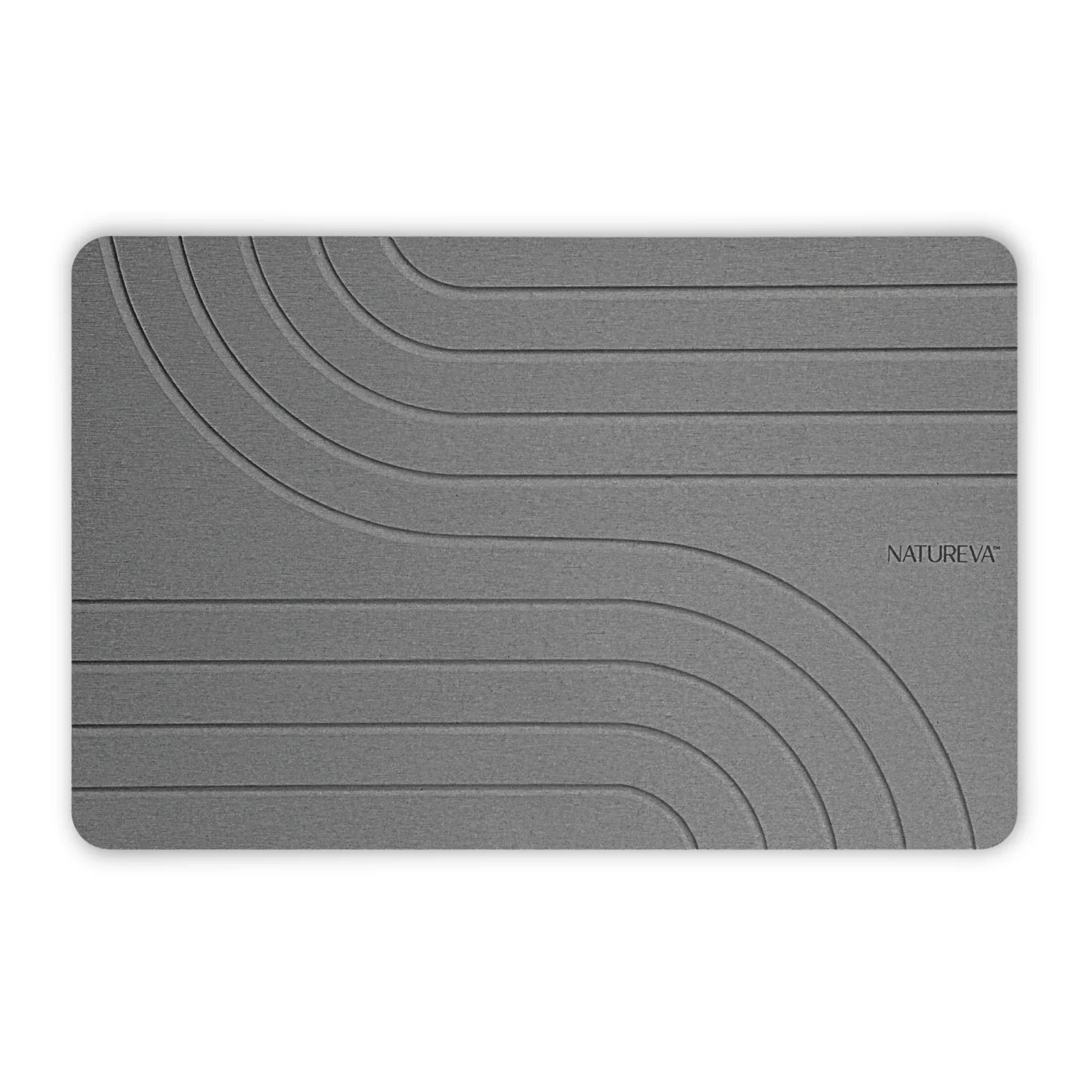
Stepping out of the shower onto a soggy bath mat that's still damp from this morning is one of those small frustrations that never seems to go away. Traditional fabric mats hold onto moisture for hours or even days, creating the perfect breeding ground for mould and that musty smell you can't quite scrub away. Bath stone works differently by absorbing water instantly and releasing it back into the air within minutes, which is why products like Natureva's stone bath mats stay dry between uses instead of trapping dampness against your bathroom floor.
Table of Contents
What Makes Bath Stone Different
Most bathroom mats hold onto water like a sponge, staying damp for hours after you step out of the shower. Bath stone works the opposite way. It's made from diatomite, a natural material formed from fossilised microscopic algae called diatoms that lived millions of years ago. When these tiny organisms died, their silica-based skeletons settled on ocean floors and compressed into the porous mineral we use today.
The Science of Instant Absorption
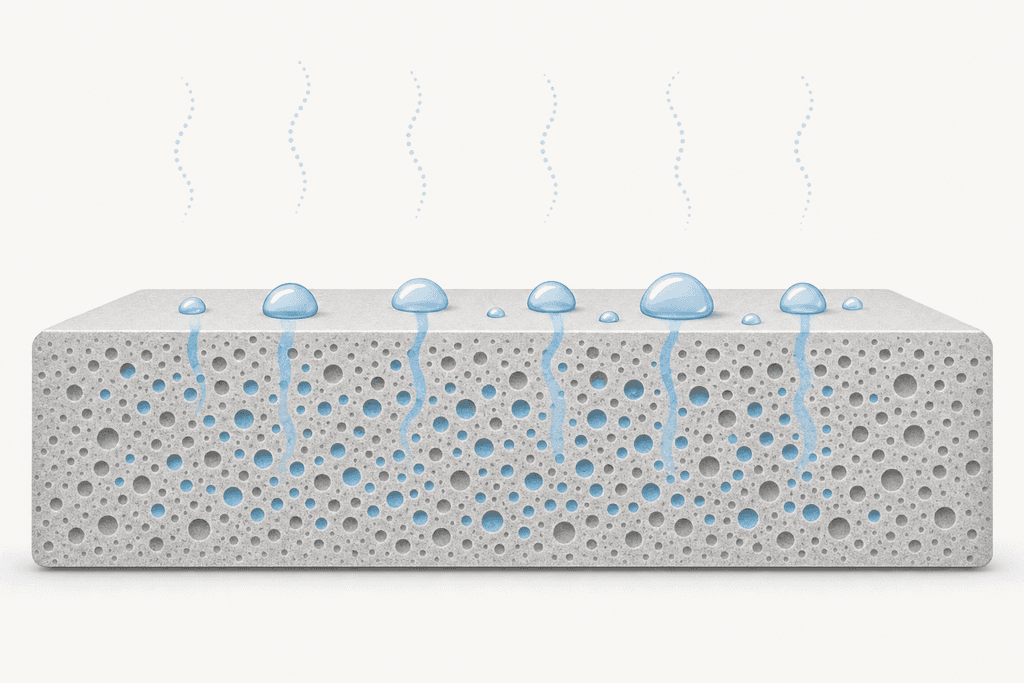
The secret is in the structure. Diatomite contains millions of microscopic pores that create channels throughout the material, similar to how a honeycomb has tiny air pockets. When water touches the surface, it gets pulled into these pores immediately through capillary action. Then something interesting happens that fabric mats can't do.
Instead of trapping moisture inside, bath stone releases water back into the air through evaporation. The same pores that absorb water also let air flow through, which speeds up drying time dramatically. Within minutes, the surface feels dry again. Natureva's stone bath mats use this natural process without any chemical coatings or treatments.
How Different Materials Handle Moisture
Traditional bathroom mats work against you when it comes to staying dry. Fabric mats soak up water but hold it in their fibres, creating a breeding ground for mildew. Rubber-backed mats trap moisture between the floor and the mat itself. Bath stone solves both problems by absorbing and releasing moisture quickly.
| Material Type | Absorption Time | Drying Time | Moisture Retention |
|---|---|---|---|
| Bath Stone | Instant | 5-10 minutes | None |
| Cotton Fabric Mat | 2-3 seconds | 4-6 hours | High |
| Microfiber Mat | 1-2 seconds | 2-4 hours | Medium-High |
| Rubber Mat | None (water pools) | 1-2 hours | Surface only |
Natural Antibacterial Properties
Here's where bath stone gets really practical. Bacteria and mould need moisture to grow, and they thrive in damp environments. Because diatomite dries so fast, it creates conditions where these organisms struggle to survive. This isn't about adding antibacterial chemicals to the material.
The antibacterial effect comes purely from how quickly the stone dries out. Research from environmental science studies shows that surfaces staying dry for extended periods naturally limit bacterial growth (National Center for Biotechnology Information). When a surface stays wet, bacteria multiply rapidly. When it dries within minutes, that growth cycle gets interrupted before it starts.
Brands like Dorah Home have popularized bath stone mats in recent years, but the material science behind diatomite has been understood for decades. The key difference between products comes down to composite quality and design features like non-slip bases and proper thickness for durability.
How Bath Stone Stops Bathroom Damp
Most bathroom mats stay wet for hours after you step out of the shower, creating a breeding ground for mould and bacteria. Bath stone works differently because of its unique internal structure. Made from diatomite, a material formed from fossilised microscopic algae, these mats contain millions of tiny pores that pull water away from the surface the moment your feet touch it.
Water absorbs into the stone surface within seconds of contact, which means you're not standing on a soggy mat while you dry off. The real magic happens next. Unlike fabric mats that trap moisture in their fibres, bath stone releases that water back into the air through rapid evaporation. We're talking minutes, not hours.
- Moisture evaporates back into the air in minutes, leaving the surface dry and ready for the next person
- Elevated design with airflow underneath prevents saturation and keeps the mat from staying damp
- Non-slip base pads allow air circulation while keeping the mat stable on tile or wood floors
- The stone never stays wet long enough for mould or bacteria to grow
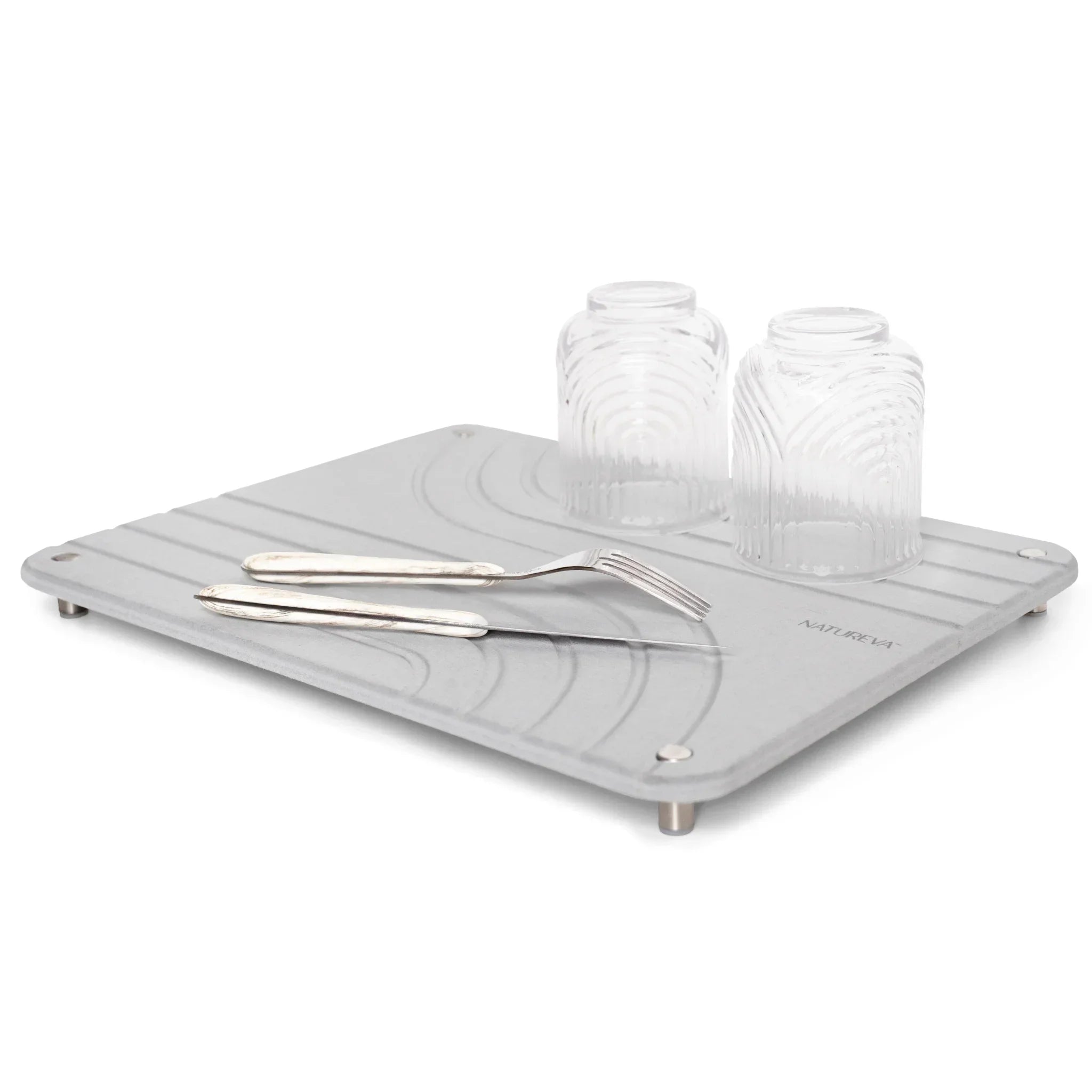
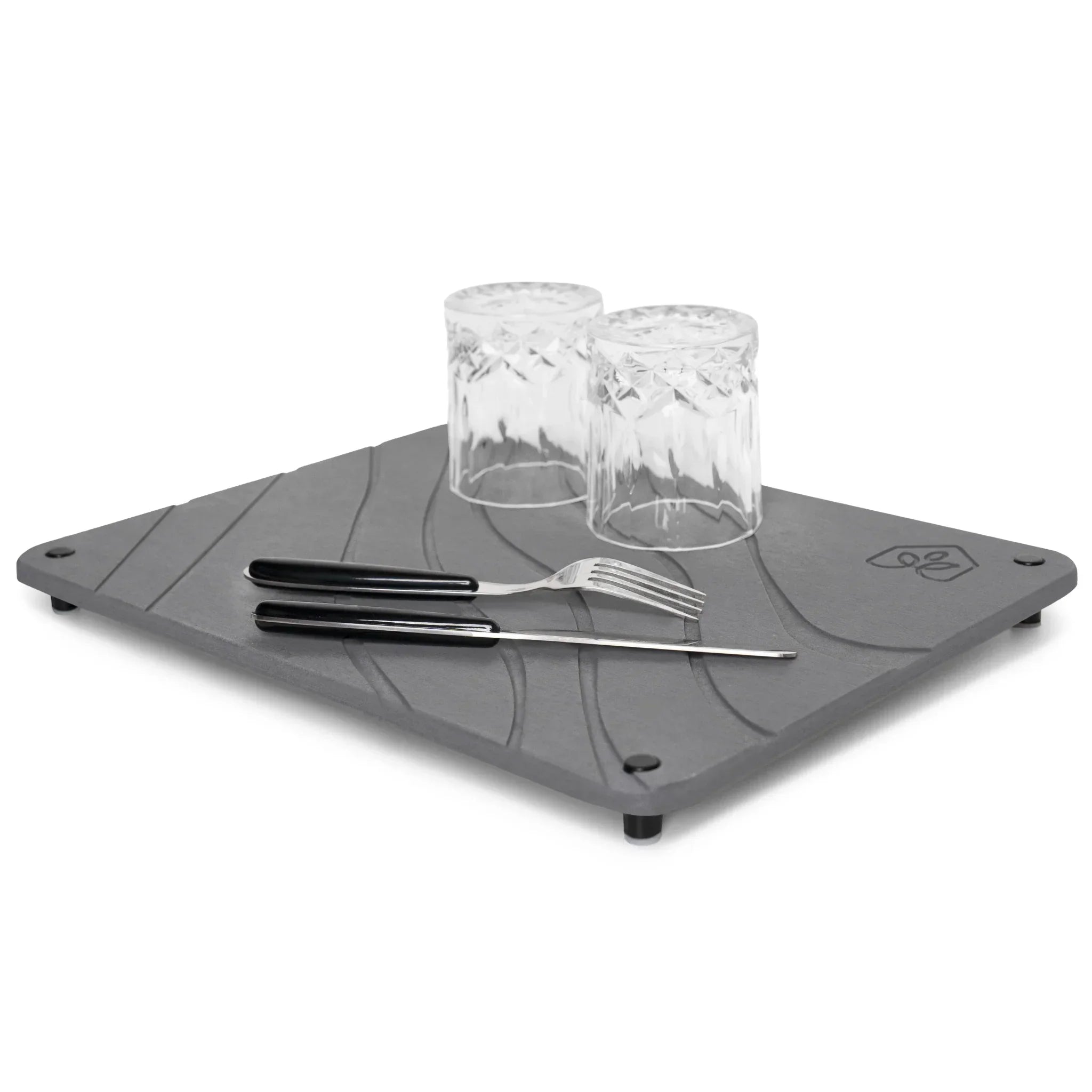
The design matters just as much as the material. Our stone bath mats sit slightly elevated off the floor with full non-slip base pads underneath. This creates airflow that speeds up drying even more. The mat doesn't trap moisture against your floor, which protects both the mat and your bathroom surfaces from water damage.
According to Baptist Health, traditional fabric bath mats can harbour bacteria and mould if they don't dry completely between uses. Bath stone eliminates this problem entirely because it physically can't stay wet long enough for these issues to develop.
Real Benefits You'll Notice Immediately
The first time you use a bath stone mat, you'll notice something odd. You step out of the shower onto what feels like a solid surface, and within seconds the water is gone. No cold, wet fabric squishing under your feet. No damp spot that stays there until someone else uses the bathroom. Just a dry surface that's ready to use again right away.
Step out of the shower onto a dry surface every time, even if someone just used it five minutes before you. This alone changes how your bathroom feels throughout the day.
- No more musty smells from damp mats sitting on the floor for hours
- Less frequent bathroom cleaning needed because moisture isn't sitting around creating problems
- Reduced mould growth on walls and floors near wet areas
- Bathroom stays fresher between deep cleans
- No laundry required for bath mats, which saves time and water
The smell difference is what most people mention first. Fabric mats develop that damp, musty odour even when you wash them regularly. Bath stone doesn't have this problem because it never stays wet. The material itself is naturally antibacterial, not because of chemical treatments, but because bacteria need moisture to grow and the stone simply doesn't provide it.
You'll also notice your bathroom floor stays drier. When a fabric mat sits there soaking wet, that moisture spreads to the surrounding area. Bath stone contains the water and releases it into the air instead of letting it seep across your floor. This means less mopping and fewer water stains on grout or wood.
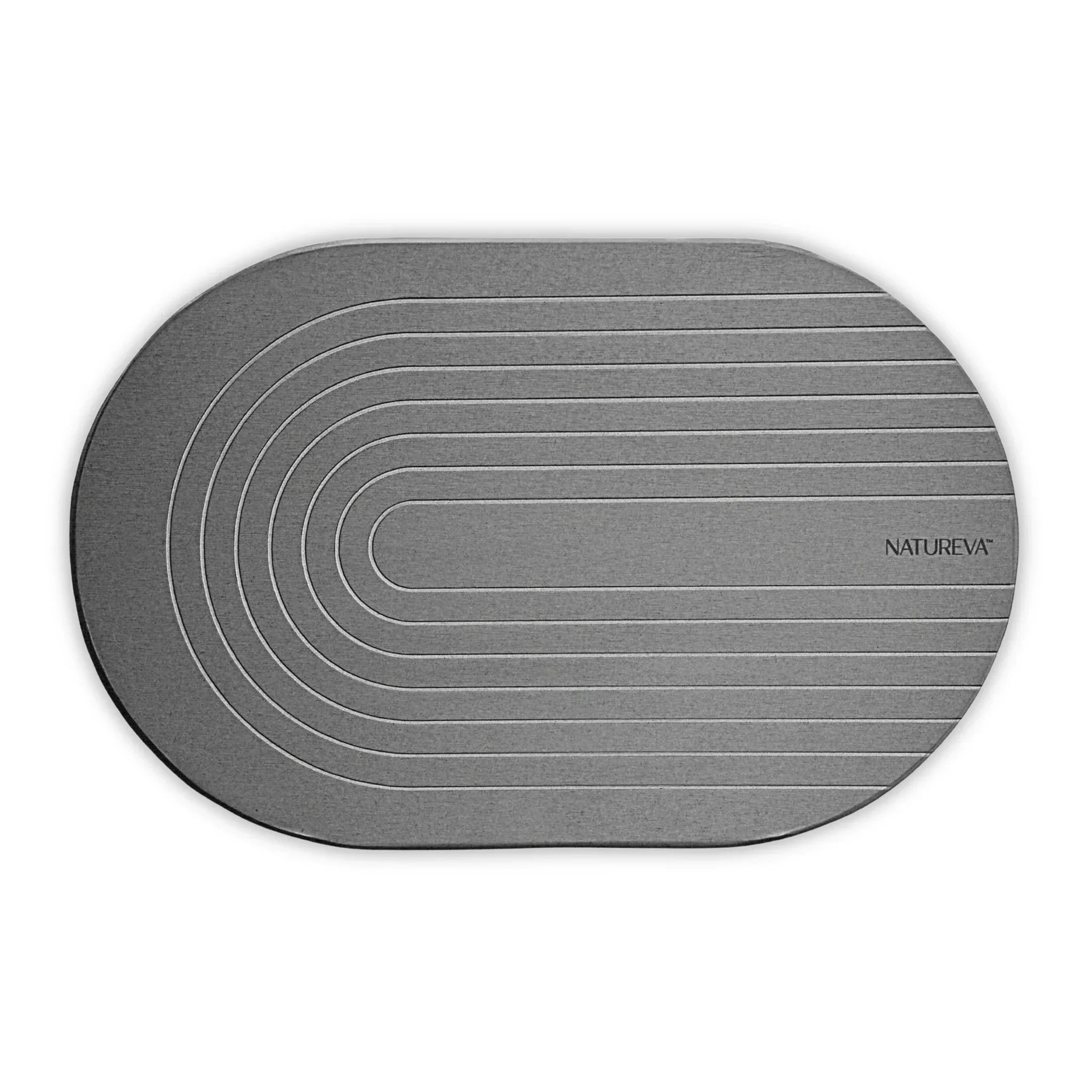
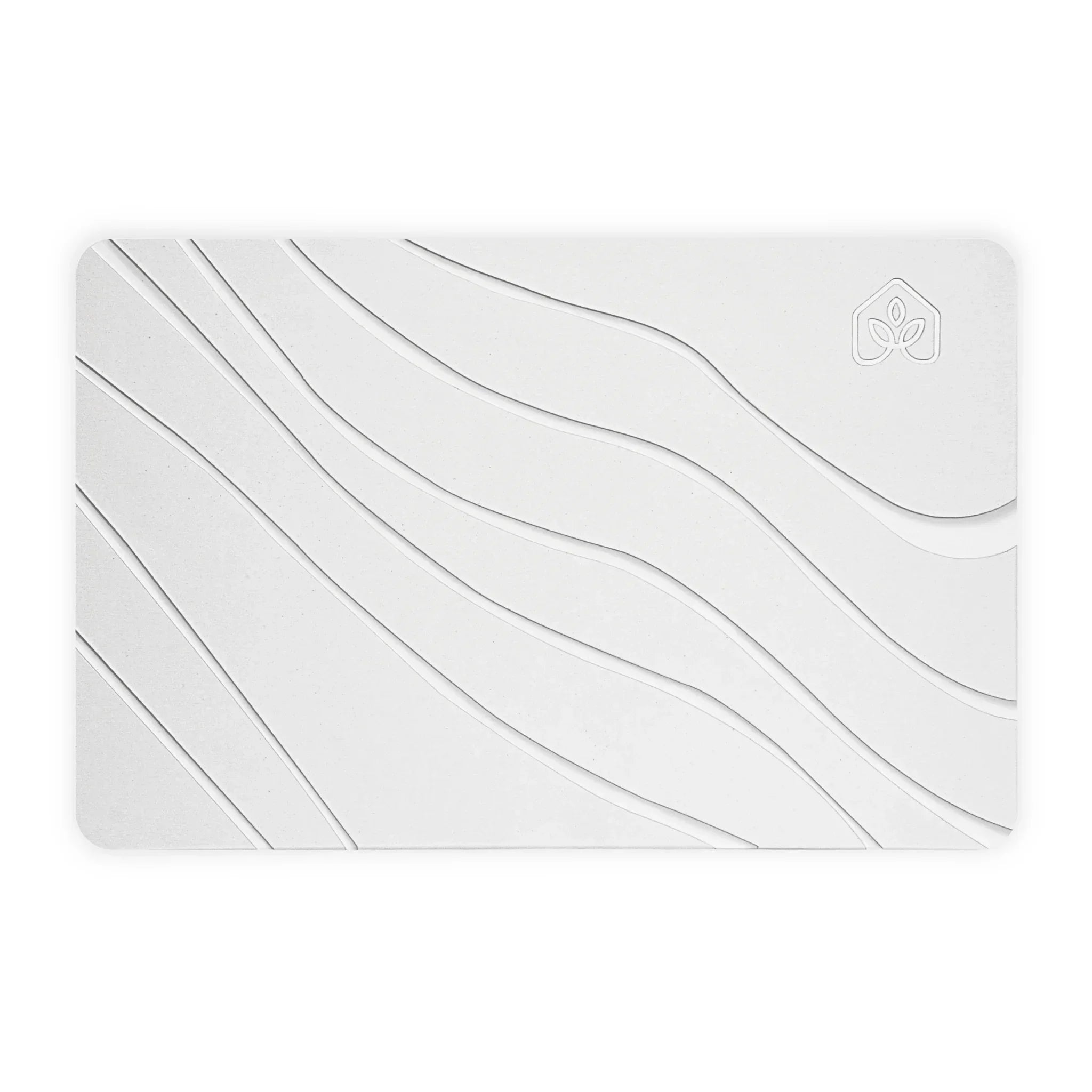
Our Tide, Flow, Rain, Arch, and Aura bath mats all work the same way, just with different surface patterns. The carved designs aren't just decorative. They create channels that help water spread across the surface for faster absorption.
Consumer Reports notes in their stone bath mat testing that these mats perform consistently well for moisture management compared to traditional options. The key is that the material does the work, not you.
The next generation of home essentials: naturally made, cleaner by design, sustainable by nature.
SHOP ALLKeeping Your Bath Stone Working Like New
Bath stone is low maintenance, but it's not zero maintenance. The porous surface that makes it work so well can get clogged over time with soap residue, body oils, and mineral deposits from hard water. When this happens, the mat absorbs water more slowly. The good news is that fixing this takes about two minutes.
Weekly vinegar water wipe keeps the surface clean and prevents buildup before it becomes a problem. Mix equal parts white vinegar and water, wipe down the mat, and rinse it under the tap. That's it.
- Rinse any soap residue under water immediately after you notice it
- Use the included sanding tool to restore absorbency if the mat starts feeling slower
- Air dry upright when fully saturated to let both sides breathe
- Avoid coloured soaps that can stain the porous surface
- Hydrogen peroxide removes deep marks without harsh chemicals
Every bath stone product comes with a sanding tool. It's a small disc of P320 grit sandpaper, about 10 cm across. When you notice the mat isn't absorbing as quickly as it used to, lightly sand the surface in circular motions. This reopens the pores and brings the absorbency back to like-new performance. You're not damaging the mat, you're just removing the thin layer of buildup that's blocking the pores.
According to Gaia Ecological, proper maintenance extends the life of bath stone significantly. Most people only need to sand their mat every few months, depending on water hardness and usage.
| Task | Frequency | Time Required |
|---|---|---|
| Vinegar wipe | Weekly | 2 minutes |
| Surface sanding | Every 2-3 months | 3 minutes |
| Deep cleaning | As needed | 5 minutes |
If you get a stain from coloured soap or hair dye, don't panic. Hydrogen peroxide works on most marks without damaging the stone. Pour a small amount directly on the stain, let it sit for a few minutes, then rinse. For stubborn stains, you can sand that specific area.
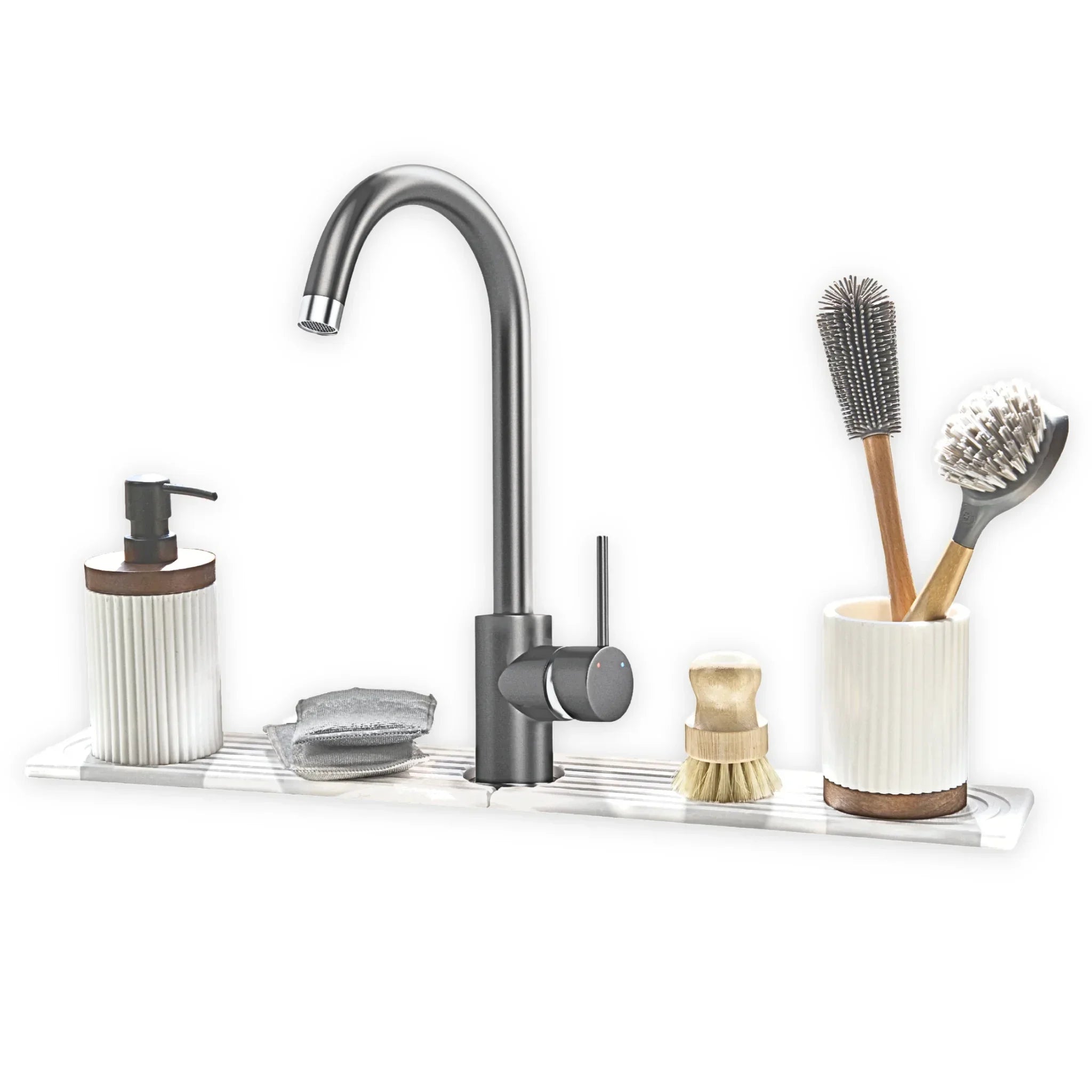
The same care applies to our other stone products like the sink caddies, dish mats, and faucet mats. They all use the same diatomite material and respond to the same maintenance routine. Keep them clean, sand when needed, and they'll keep working for years.
A Drier Bathroom Starts Here
Bath stone works because it tackles the actual problem, not just the symptoms. Most bathroom mats trap water and create the perfect environment for mildew and bacteria to grow. Bath stone does the opposite by absorbing moisture instantly and releasing it back into the air through millions of microscopic pores. This means your bathroom stays drier, smells fresher, and feels cleaner without any extra work on your part.
The material itself is naturally antibacterial, not because of added chemicals, but because it dries so fast that bacteria simply can't thrive. Our stone bath mats are made from diatomaceous earth and recycled paper, compressed into a solid slab that feels sturdy underfoot but stays lightweight and breathable. You step out of the shower, the water disappears within moments, and the mat is ready for the next person.
Unlike fabric mats that need constant washing or replacement, bath stone lasts for years with minimal care. A quick weekly wipe with vinegar water keeps it fresh, and if it ever loses absorbency, the included sanding tool brings it back to life. Whether you choose the Rain, Tide, or Arch design, you're getting the same rapid drying performance that eliminates the root cause of bathroom damp.
The difference is noticeable from day one. No more soggy mats, no more musty smells, and no more wondering if your bathroom floor is actually clean.
Common Questions About Bath Stone
Bath stone mats work differently than fabric or rubber alternatives, which means people naturally have questions about how they perform in real bathroom conditions. The material itself absorbs moisture instantly through millions of microscopic pores, but understanding exactly how fast it dries and whether it suits your specific situation matters before making the switch. These are the questions that come up most often from people considering a diatomite bath mat for their home.
How long does bath stone take to dry completely?
Most bath stone surfaces feel dry to the touch within 60 seconds after stepping off. Complete internal drying happens within a few minutes as moisture evaporates through the porous structure. The Natureva stone bath mats use this same rapid evaporation process, which is why they stay dry between uses even in busy bathrooms.
Will bath stone work in a humid climate?
Bath stone performs well in humid environments because it doesn't rely on air alone to dry. The material actively releases moisture through evaporation rather than just sitting wet like fabric mats do. Proper airflow underneath the mat helps speed up the process, which is why products like Natureva's bath mats include non slip base pads that create slight elevation.
Can multiple people use it back to back?
Yes, bath stone handles consecutive use without staying soggy. Each person's footprints dry within a minute or two, so the surface resets quickly. Families with morning bathroom rushes find this especially useful compared to fabric mats that stay damp all day.
How do you clean stains from bath stone?
Light stains usually rinse off under water. For stubborn marks, a weekly wipe with diluted vinegar works well, or you can use hydrogen peroxide for deeper discoloration. Sanding the surface with fine grit sandpaper reopens the pores and removes stains while restoring absorbency. Natureva includes a sanding tool with every stone product for this exact purpose.
Does bath stone need to be replaced?
Bath stone lasts years with basic maintenance. The material doesn't break down like fabric or develop mold like rubber backed mats. Occasional sanding refreshes the surface when absorption slows, which extends the lifespan significantly without needing replacement.
Is bath stone safe for children and elderly users?
The textured surface and instant drying actually reduce slip risk compared to wet fabric mats. Non slip backing keeps the mat stable on tile floors, which matters for anyone with balance concerns. The solid construction doesn't bunch or shift underfoot like traditional bath mats sometimes do.
The next generation of home essentials: naturally made, cleaner by design, sustainable by nature.
SHOP ALL