
Can Stone Bath Mats Grow Mold and How Do You Prevent It
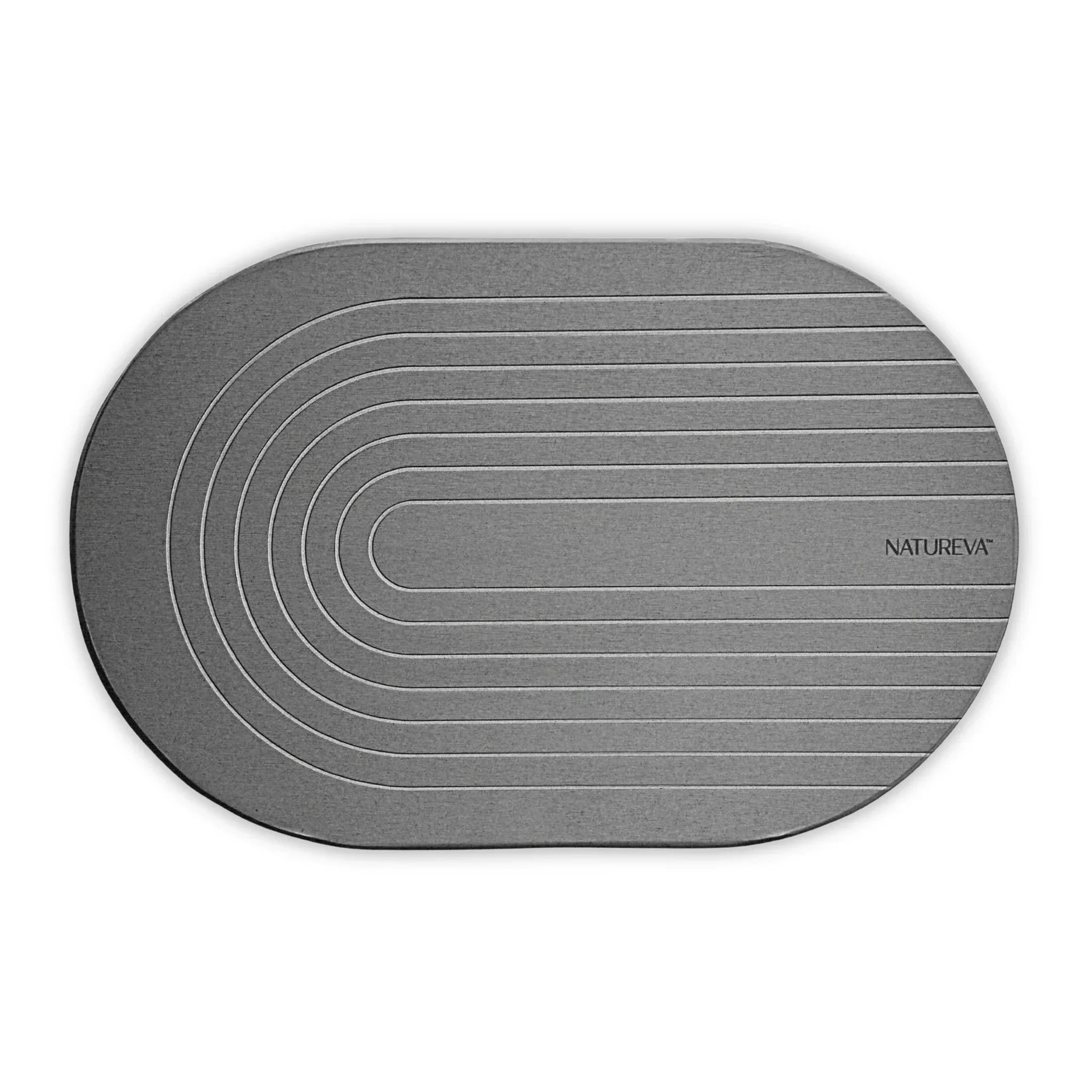
You step out of the shower onto your stone bath mat expecting a dry surface, but instead notice dark spots forming along the edges. Stone bath mats like those from Natureva are designed to resist mold through rapid moisture evaporation, but they aren't completely immune under certain conditions. The good news is that understanding why mold appears and how to prevent it means you can keep your mat clean, dry, and hygienic for years.
Table of Contents
Why Diatomite Naturally Resists Mold Growth
Most people don't realize that a regular fabric bath mat can stay damp for up to 24 hours after a single shower. That's a full day of sitting in moisture, which is exactly what mold spores need to grow. Stone bath mats made from diatomite work completely differently because of how the material is built at a microscopic level. The secret is in the structure itself, not in any chemical coating or treatment.
How Diatomite Absorbs and Releases Water
Diatomite comes from fossilized algae called diatoms that lived millions of years ago. When you look at it under a microscope, you'll see millions of tiny holes throughout the material. These microscopic pores pull water in instantly when your wet feet touch the surface, then release it back into the air through evaporation within minutes.
Here's what makes this process special:
- Water spreads through the pores instead of pooling on top
- Air flows through the material, speeding up drying time
- The surface feels dry to the touch within 5-10 minutes
- No moisture gets trapped inside like it does with fabric
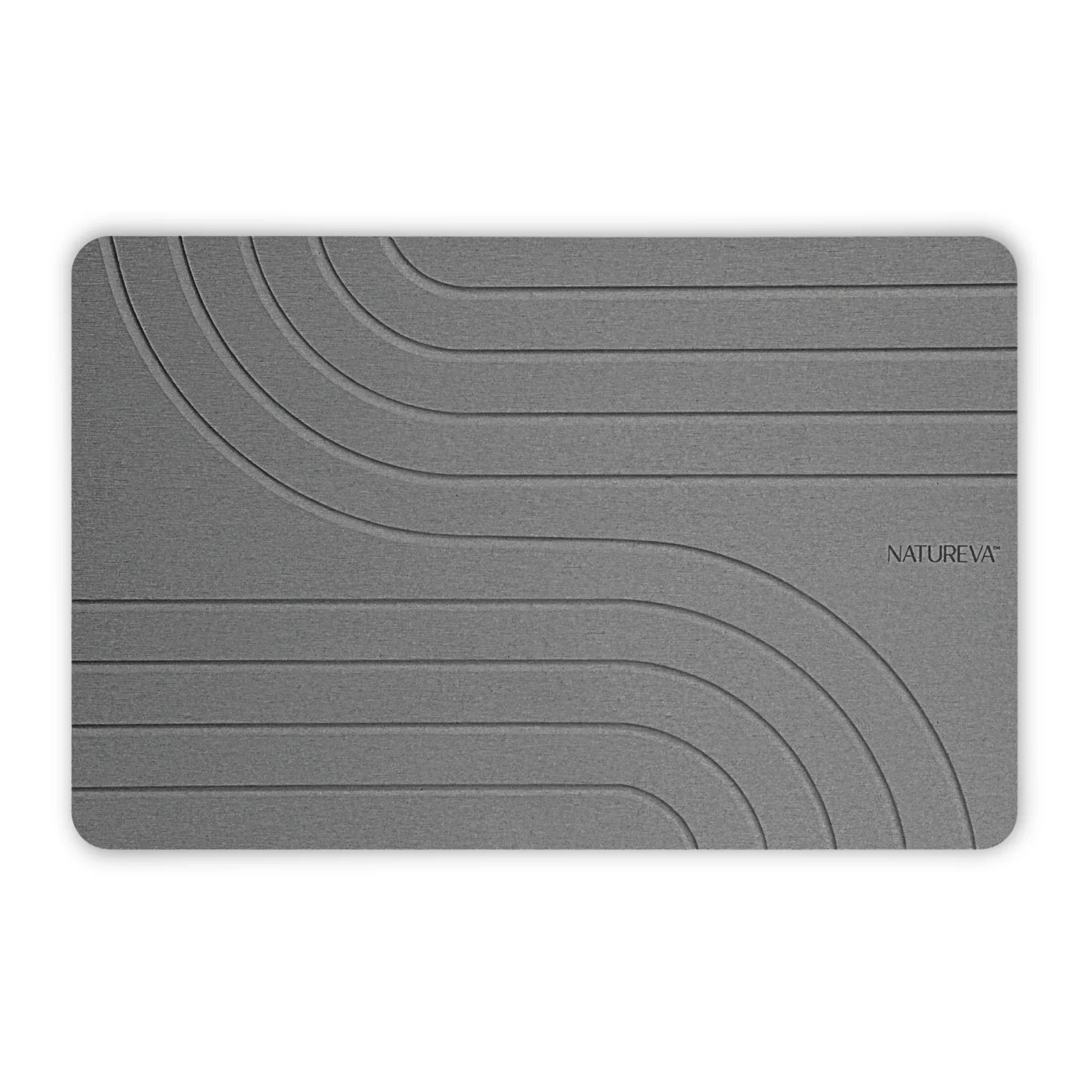
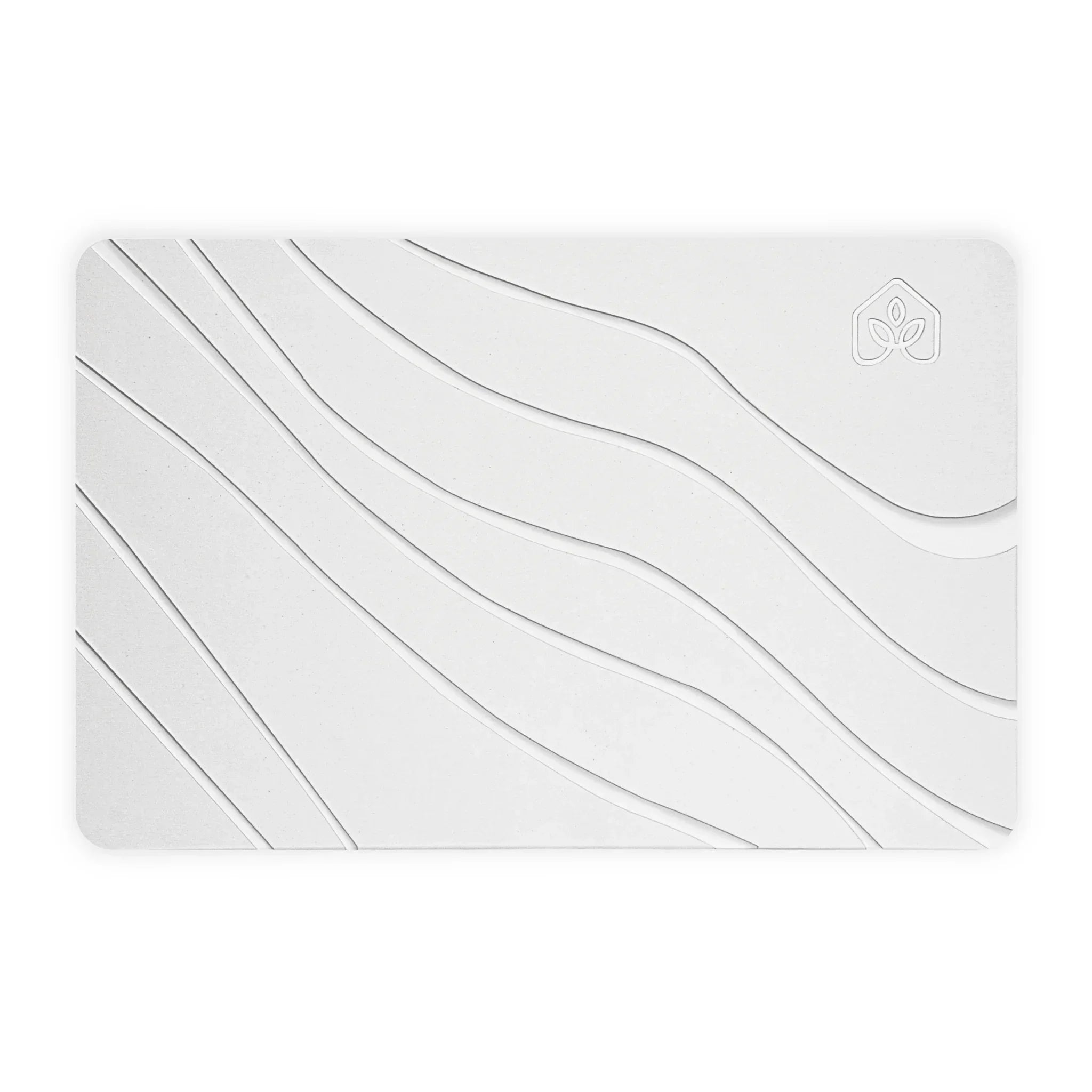
Our Natureva stone bath mats use this natural diatomite structure without adding any synthetic coatings that would block the airflow. The material does all the work on its own.
Comparing Moisture Retention Times
The difference between stone and fabric becomes obvious when you measure how long each material stays wet. Traditional bath mats hold onto water for hours, creating the perfect environment for mold and bacteria to multiply.
| Bath Mat Type | Drying Time | Moisture Retention | Mold Risk |
|---|---|---|---|
| Cotton Fabric | 12-24 hours | High | High |
| Microfiber Fabric | 8-12 hours | Medium-High | Medium-High |
| Memory Foam | 18-36 hours | Very High | Very High |
| Diatomite Stone | 5-15 minutes | Very Low | Very Low |
According to research on moisture and mold growth, mold needs consistent dampness for at least 24-48 hours to establish colonies (CDC guidelines on mold prevention). Stone mats dry so quickly that they never give mold spores enough time to settle in.
No Chemicals Needed
Some bath mat companies add antimicrobial chemicals to their products to fight bacteria and mold. Diatomite doesn't need this approach because it solves the root problem instead of masking it. When moisture disappears within minutes, there's simply nothing left for microorganisms to feed on.
The benefits of this natural approach include:
- No chemical smell or residue on your feet
- Safe for kids and pets who might touch the surface
- Performance doesn't fade over time like chemical treatments do
- Better for the environment without synthetic additives
Some competitors in the stone bath mat space have raised concerns about diatomite durability and maintenance requirements (as discussed in this industry comparison). While it's true that stone mats need different care than fabric, the tradeoff is a surface that stays naturally dry and mold-free without constant washing.
When Stone Bath Mats Can Develop Mold
Stone bath mats are made from diatomite, a material that naturally resists mold because it dries so fast. But here's the thing: even the best materials can develop problems if the conditions are right. Mold doesn't grow because the mat is flawed. It grows when moisture gets trapped and can't escape. The good news is that understanding what causes this makes prevention pretty straightforward.
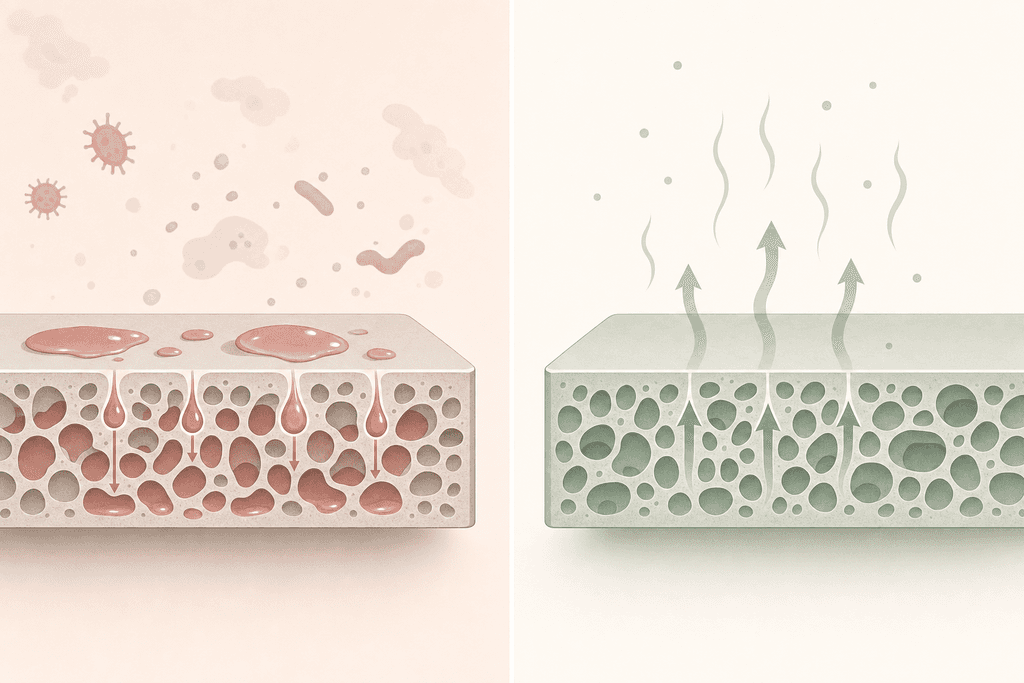
The main culprit is oversaturation from excessive water exposure. When too many people use the mat back-to-back, or if someone stands on it for extended periods, the material can't keep up with the moisture load. Think of it like a sponge that's already full. It needs time to release that water into the air.
- Poor bathroom ventilation traps humidity around the mat, creating a damp environment where mold thrives
- Placement on carpet or rugs blocks airflow underneath, preventing proper evaporation
- Soap residue and body oils gradually clog the microscopic pores that make diatomite work
- Colored soaps and products leave behind buildup that creates a breeding ground for mold
According to Baptist Health, mold grows best in environments with high humidity and poor air circulation. Your bathroom probably checks both boxes if you don't have a fan or window. The mat itself isn't the problem. The environment around it is what matters most.
Most issues happen when people treat stone mats like traditional fabric ones. They leave them flat on the floor 24/7, never clean them, and wonder why they stop working. The material needs airflow to function properly, which is why our mats include a non-slip base pad that creates slight elevation underneath.
Simple Prevention Steps That Actually Work
Prevention is easier than you think. Most people overcomplicate this, but keeping your stone bath mat mold-free comes down to a few basic habits. The key is working with the material's natural properties instead of against them. When you understand how diatomite functions, the maintenance becomes almost automatic.
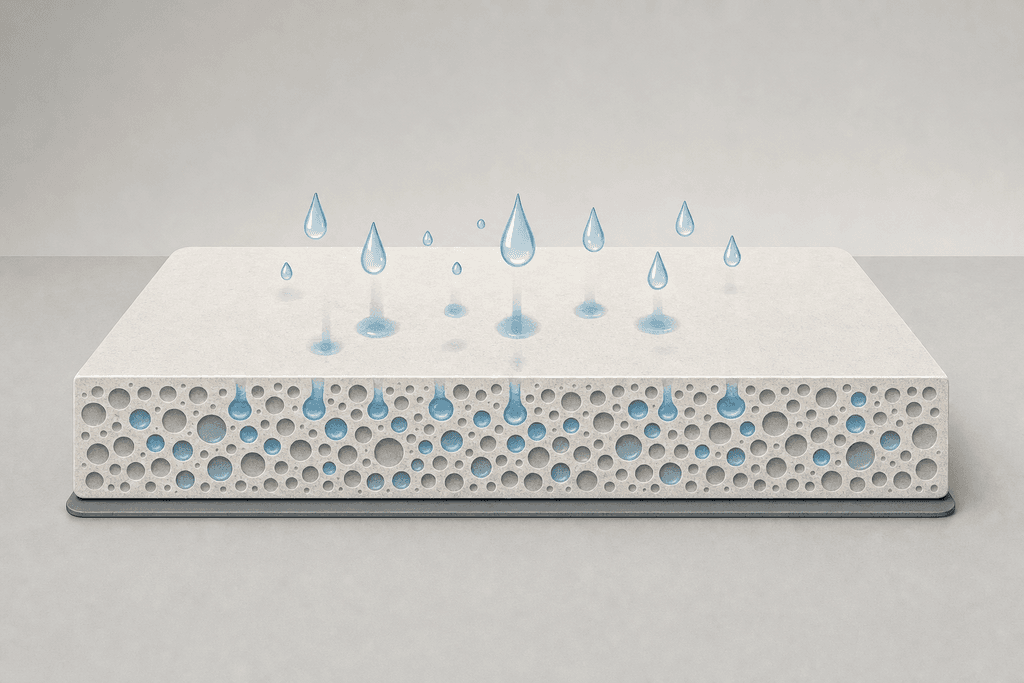
Place your mat on hard, flat surfaces like tile, vinyl, or sealed wood. Never put it on carpet or bath rugs. The non-slip base pad that comes with every Natureva bath mat creates just enough space for air to circulate underneath. This tiny gap makes a huge difference in how quickly moisture evaporates.
Your bathroom needs proper ventilation. Run the exhaust fan during showers and for at least 20 minutes after. If you don't have a fan, crack a window. Stagnant humid air is mold's best friend, and even the best stone mat can't fight that battle alone.
- Wipe down your mat weekly with a diluted vinegar solution (one part vinegar to three parts water)
- Avoid using colored soaps directly on the mat surface, as they leave residue
- Stand the mat upright against a wall if it becomes oversaturated from heavy use
- Keep the area around the mat clear so air can flow freely
The weekly vinegar wipe takes about 30 seconds. Just spray it on, wipe it down, and you're done. This simple step prevents soap scum and body oil buildup before it becomes a problem. Prevention always beats restoration when it comes to maintaining absorbency.
If you notice the mat isn't drying as fast as it used to, that's your signal to take action. Don't wait until you see visible mold. The beauty of diatomite is that it tells you when it needs attention by losing performance. Our Flow bath mat and other designs all work the same way, so these prevention steps apply across the board.
The next generation of home essentials: naturally made, cleaner by design, sustainable by nature.
SHOP ALLHow to Remove Mold and Restore Your Mat
Finding mold on your stone bath mat isn't the end of the world. The same porous structure that makes diatomite absorb water also makes it easy to clean and restore. Unlike fabric mats that trap mold deep in their fibers, stone mats keep everything on the surface where you can actually deal with it. The restoration process is straightforward and uses tools you probably already have.
Rinse visible mold under running water immediately. Don't scrub with soap, just use water pressure to wash it away. For stubborn spots that won't rinse off, apply hydrogen peroxide directly to the affected area. Let it sit for 10 minutes, then rinse again. The peroxide kills mold at the root without damaging the diatomite material.
Here's where the included sanding tool becomes essential. Every Natureva stone product comes with a P320 grit sanding disc in a light grey color. This isn't just a nice extra. It's designed specifically to reopen the microscopic pores that get clogged over time. As explained by diatomaceous earth bath mat manufacturers, these pores are what make the material work, and keeping them clear is crucial.
- Sand the surface in circular motions with light to medium pressure
- Focus on areas that feel less absorbent or show staining
- Wipe away the dust with a damp cloth after sanding
- Air dry the mat completely upright before using it again
The sanding process removes the top layer of buildup and exposes fresh diatomite underneath. You'll notice the mat feels slightly rougher and looks cleaner. This restoration can be done multiple times throughout the mat's life, which is why proper care extends its usability for years.
After deep cleaning, always stand your mat upright to dry. Leaning it against a wall or shower door allows maximum airflow on both sides. Some people worry about sanding too much, but the mat is approximately 0.9 cm thick, so you have plenty of material to work with. Regular light sanding beats waiting until you need aggressive restoration.
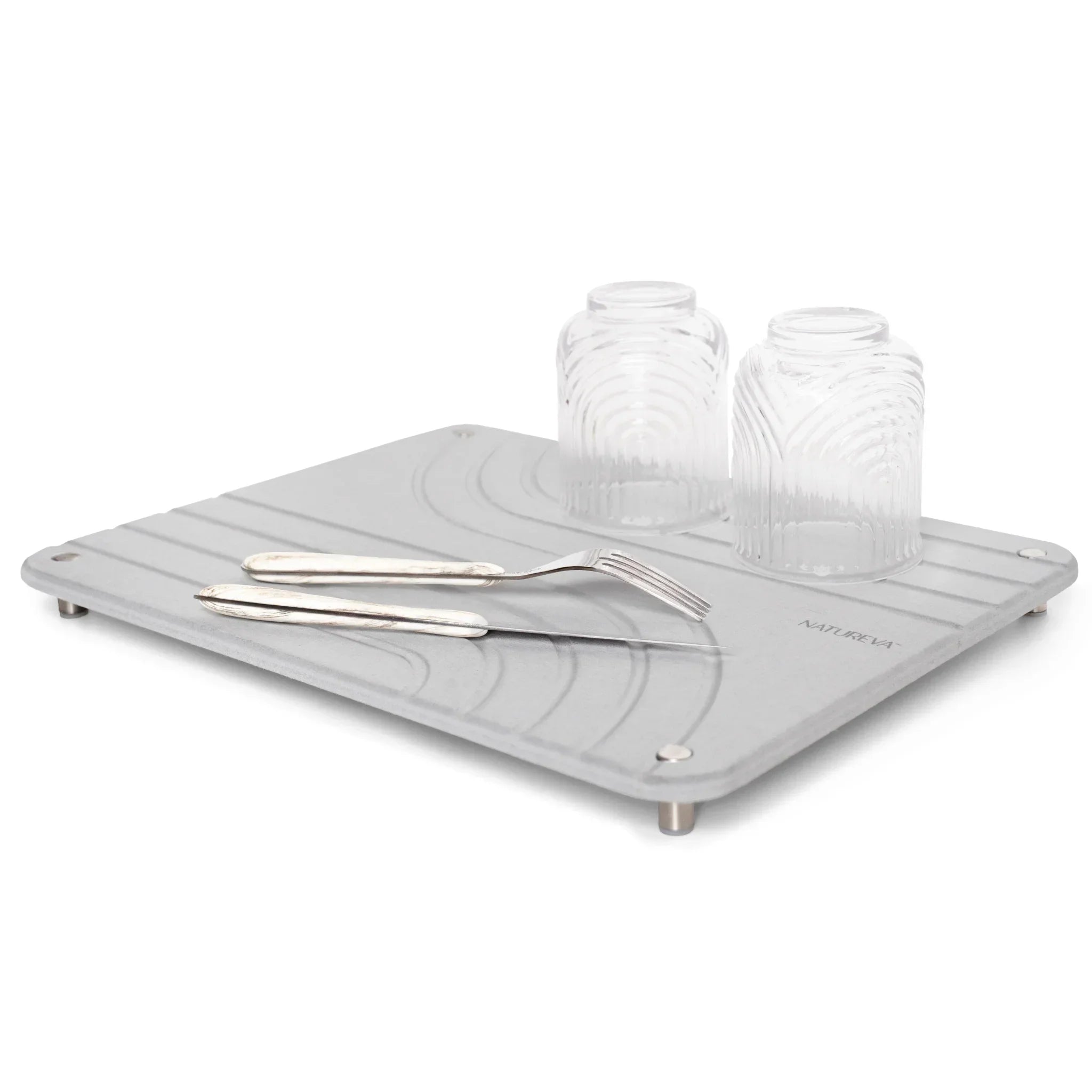
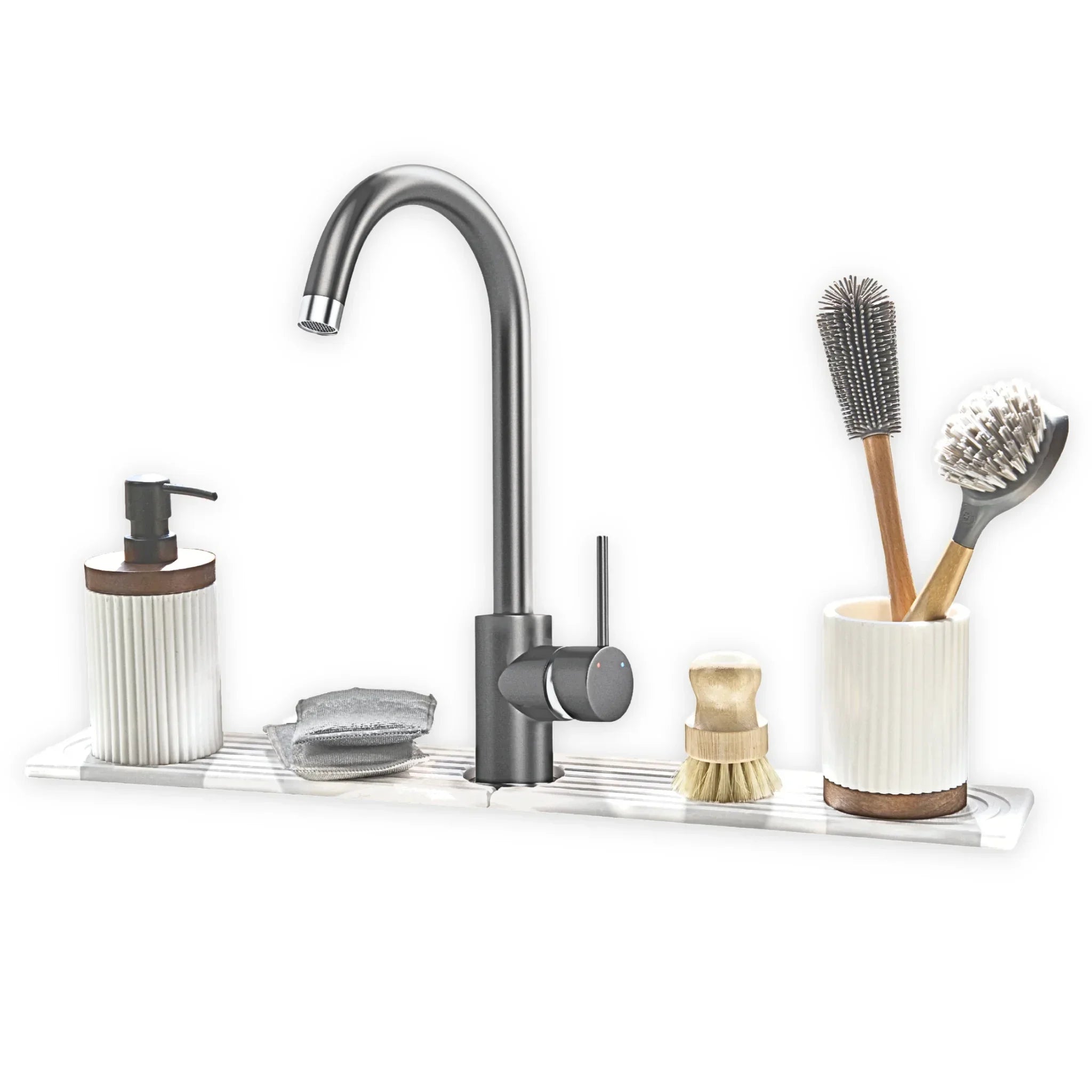
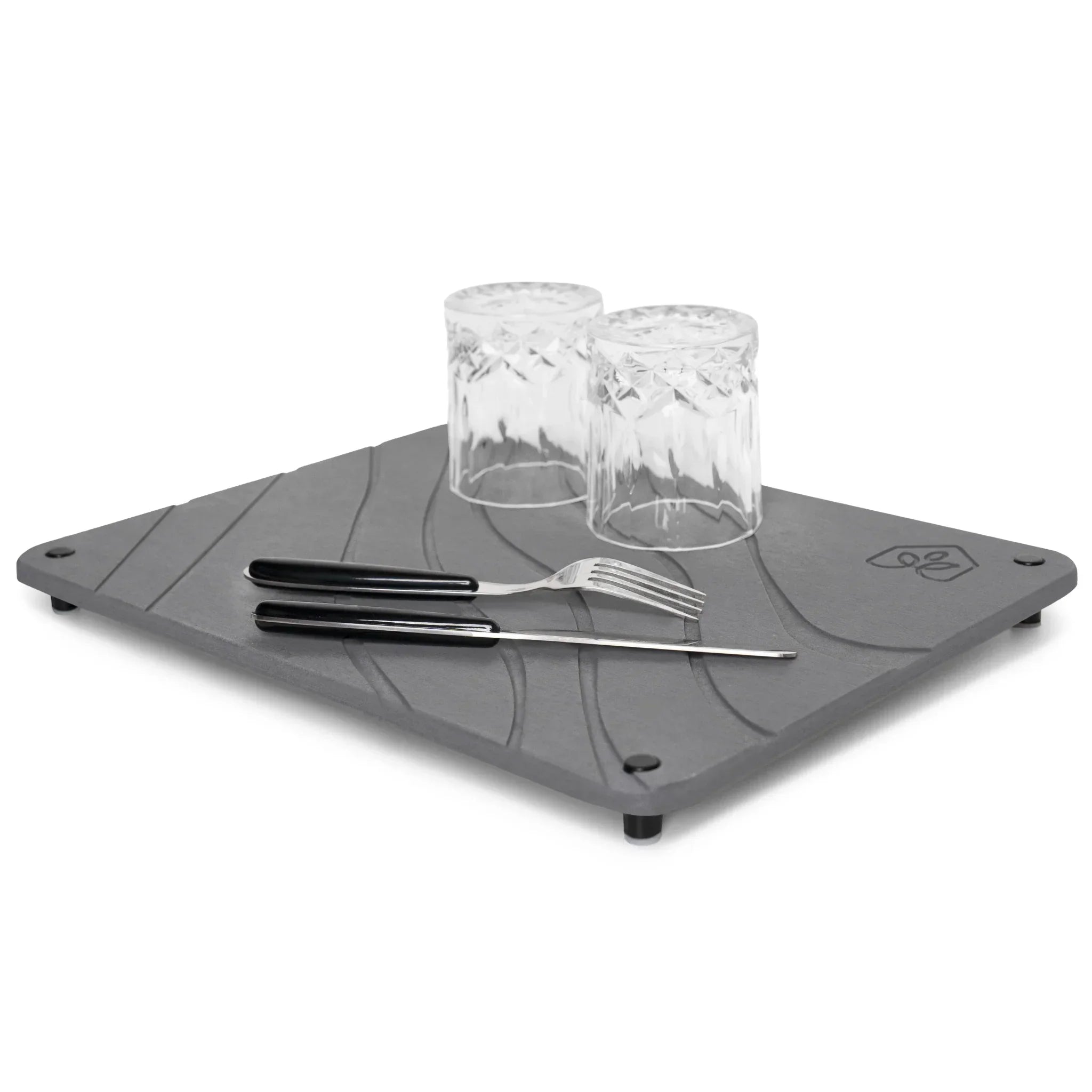
The same care principles apply to our other diatomite products like the sink caddy and dish mat. They all use the same composite material and respond to the same maintenance routine. Once you learn how to care for one stone product, you know how to care for them all.
Common issues with stone bath mats, as noted by industry experts, usually stem from neglected maintenance rather than material failure. The difference between a mat that lasts two years and one that lasts five often comes down to these simple restoration steps. Your mat is designed to be maintained, not replaced at the first sign of wear.
Keeping Your Stone Bath Mat Mold Free
The short answer is that stone bath mats don't grow mold when you treat them right. The material itself fights against mold naturally because it dries so fast that moisture never sticks around long enough for anything gross to grow. Most mold problems happen when people block the airflow underneath or forget to wipe them down once a week. If you keep the mat elevated and give it a quick vinegar wipe every seven days, you're basically eliminating the conditions mold needs to survive.
The beauty of diatomite is that it does most of the work for you. Our stone bath mats absorb water instantly and release it back into the air within minutes, which means the surface stays dry between uses. That rapid drying cycle is what keeps bacteria and mold from setting up camp.
But even the best material needs a little help. Placement matters more than most people think. If your bathroom has zero ventilation or you're stacking wet towels on top of the mat, you're creating a moisture trap that even diatomite can't handle forever.
The maintenance routine is simple enough that it becomes second nature after a few weeks. A weekly wipe with diluted vinegar, proper airflow underneath, and occasional sanding when absorption slows down. That's really all it takes to keep your mat working like new for years. The same care applies to our other diatomite products like sink caddies and dish mats, which all rely on that same rapid drying principle.
If you're still wondering about specific situations or how to fix existing problems, the questions below cover the details most people ask about.
Common Questions About Stone Bath Mats and Mold
Stone bath mats are still relatively new to most households, which means people have plenty of questions about how to care for them properly. The good news is that maintaining these mats is actually simpler than dealing with traditional fabric options. Here are the most common concerns people have when it comes to keeping their stone mats clean and mold-free.
How often should I clean my stone bath mat?
A quick weekly wipe with vinegar water is all you need for regular maintenance. This simple routine prevents soap buildup and keeps the surface pores open for maximum absorption. If you notice the mat drying slower than usual, it's time for a light sanding with the included restoration tool.
Can I use bleach on a stone bath mat?
Skip the bleach and stick with gentler options like hydrogen peroxide or white vinegar instead. Harsh chemicals can damage the porous structure of diatomite and reduce its natural absorption abilities. For stubborn stains, hydrogen peroxide works just as well without the risk of material breakdown.
Is mold on a stone bath mat dangerous?
Any mold growth in your bathroom should be addressed quickly, whether it's on stone, fabric, or tile. The main health concern comes from breathing in mold spores, which can trigger allergies or respiratory issues in sensitive individuals. Stone mats like Natureva's bath mats are naturally resistant to mold because they dry so quickly, but if mold does appear, clean it immediately with hydrogen peroxide.
How long do stone bath mats last?
With proper care, a quality stone bath mat can last several years without losing its absorption power. The key is regular cleaning and occasional sanding to refresh the surface. Most durability issues come from neglect rather than normal wear and tear.
What's the best way to dry a stone bath mat?
Stone mats are designed to dry themselves through evaporation, but if yours feels saturated, prop it upright against a wall in a well-ventilated area. Airflow is your best friend when it comes to drying. Never store a damp stone mat flat in a closed space, as this traps moisture and creates the exact conditions mold loves.
Can I use my stone bath mat if it has mold on it?
Clean the mold off first before using the mat again. A hydrogen peroxide treatment followed by thorough drying will eliminate surface mold safely. If the mold has penetrated deep into the material or keeps returning despite proper cleaning, it's time to replace the mat entirely.
The next generation of home essentials: naturally made, cleaner by design, sustainable by nature.
SHOP ALL