
First Steps to a Cleaner Sink with Sink Caddies
That puddle of water around your dish soap isn't just annoying—it's creating the perfect breeding ground for bacteria and mold on your countertop. Most people don't realize that traditional plastic trays actually make the problem worse by trapping moisture underneath, which is why sink caddies made from absorbent materials have become a game-changer for keeping kitchen surfaces truly dry and clean.
Table of Contents
What Makes Sink Caddies Different
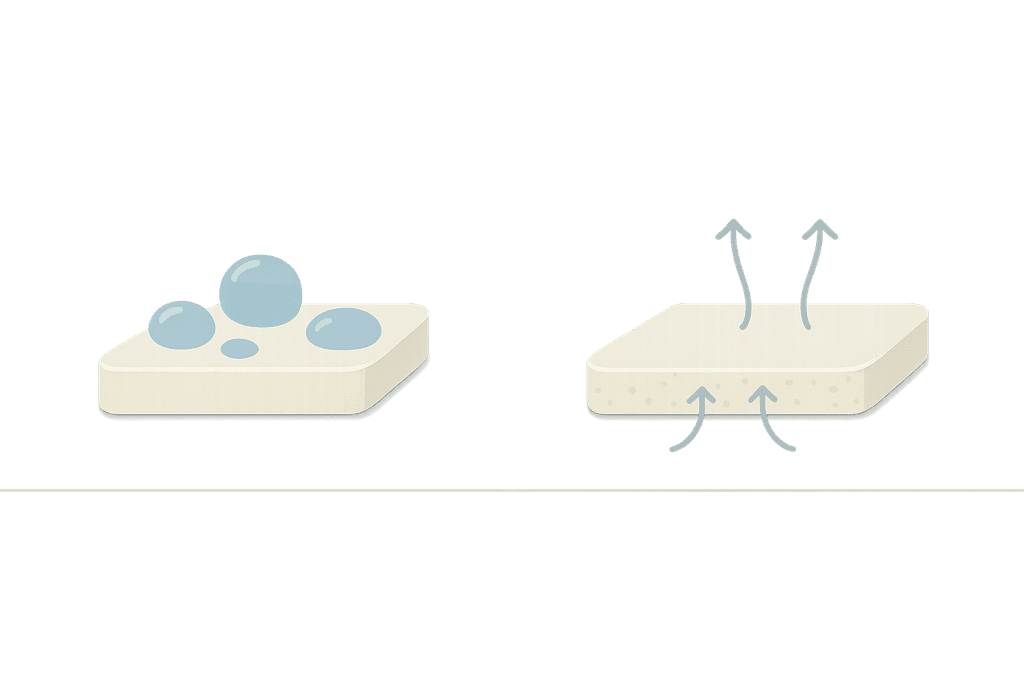
Most people don't realize that the puddle of water sitting under their dish soap is actually a breeding ground for bacteria. Traditional plastic or metal trays just collect moisture and hold it there, creating the perfect environment for mold and mildew to grow. But modern sink caddies made from diatomaceous earth work completely differently. Instead of trapping water, they absorb it instantly and then release it back into the air through evaporation. This means your sink area stays dry, and those gross bacterial colonies never get a chance to form.
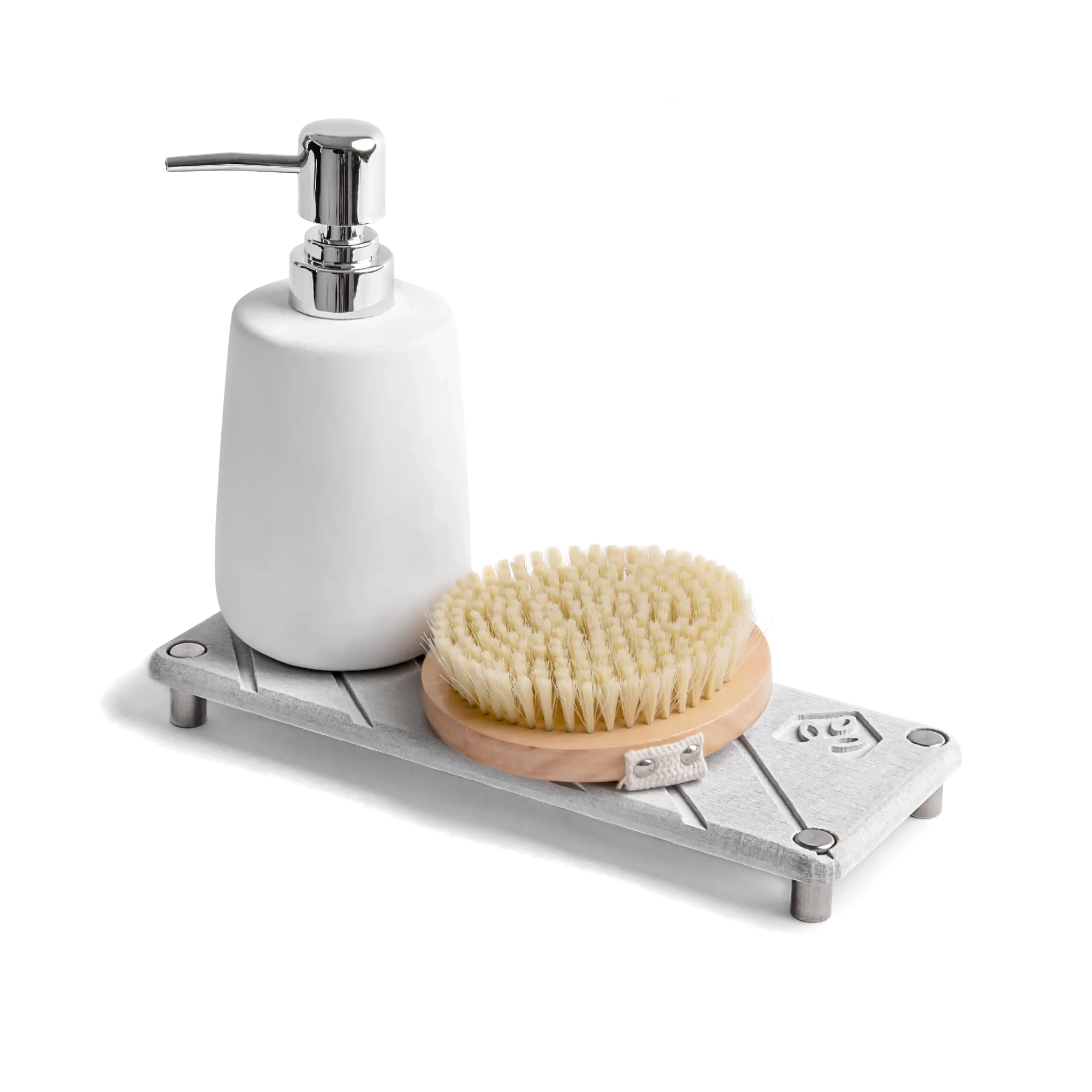
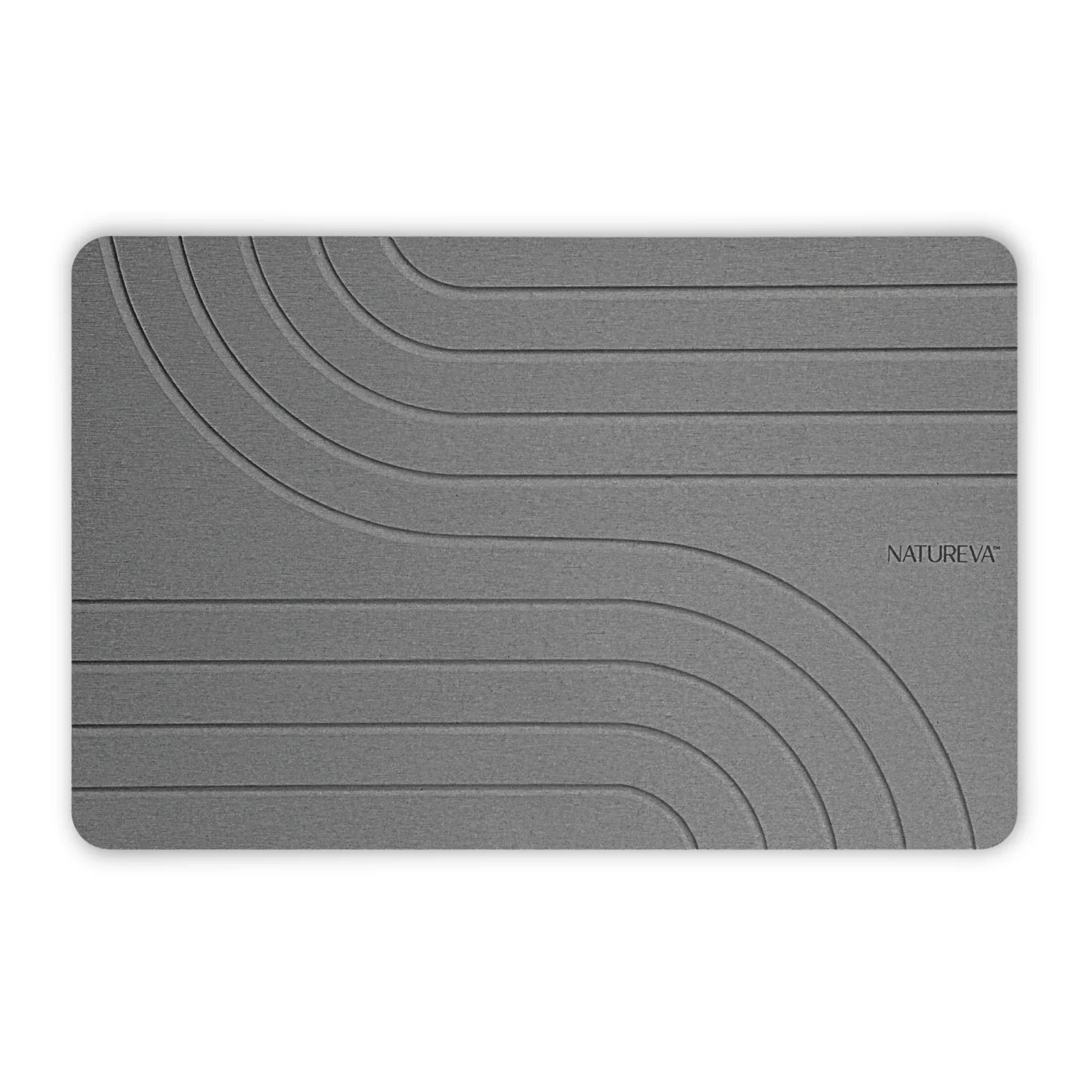
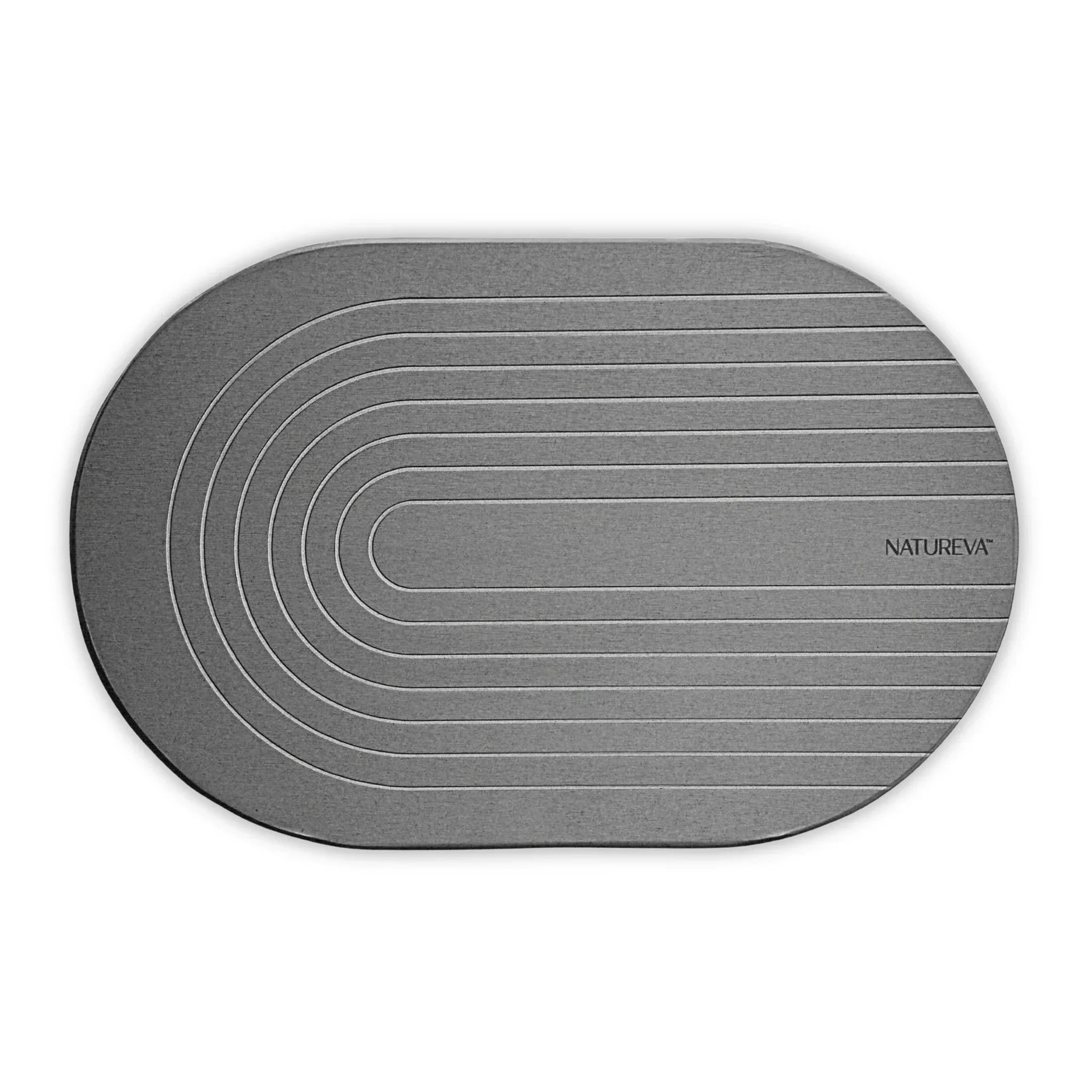
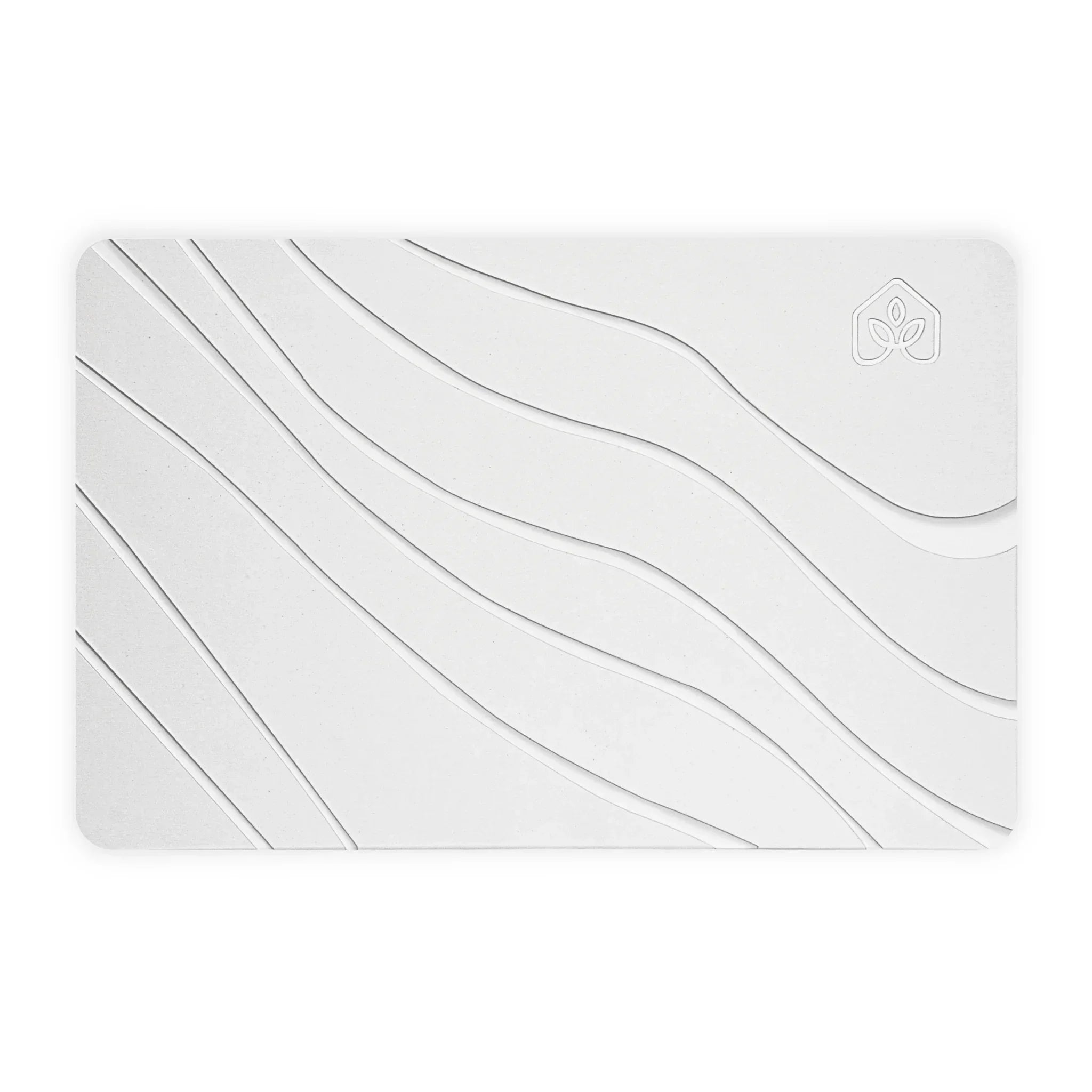
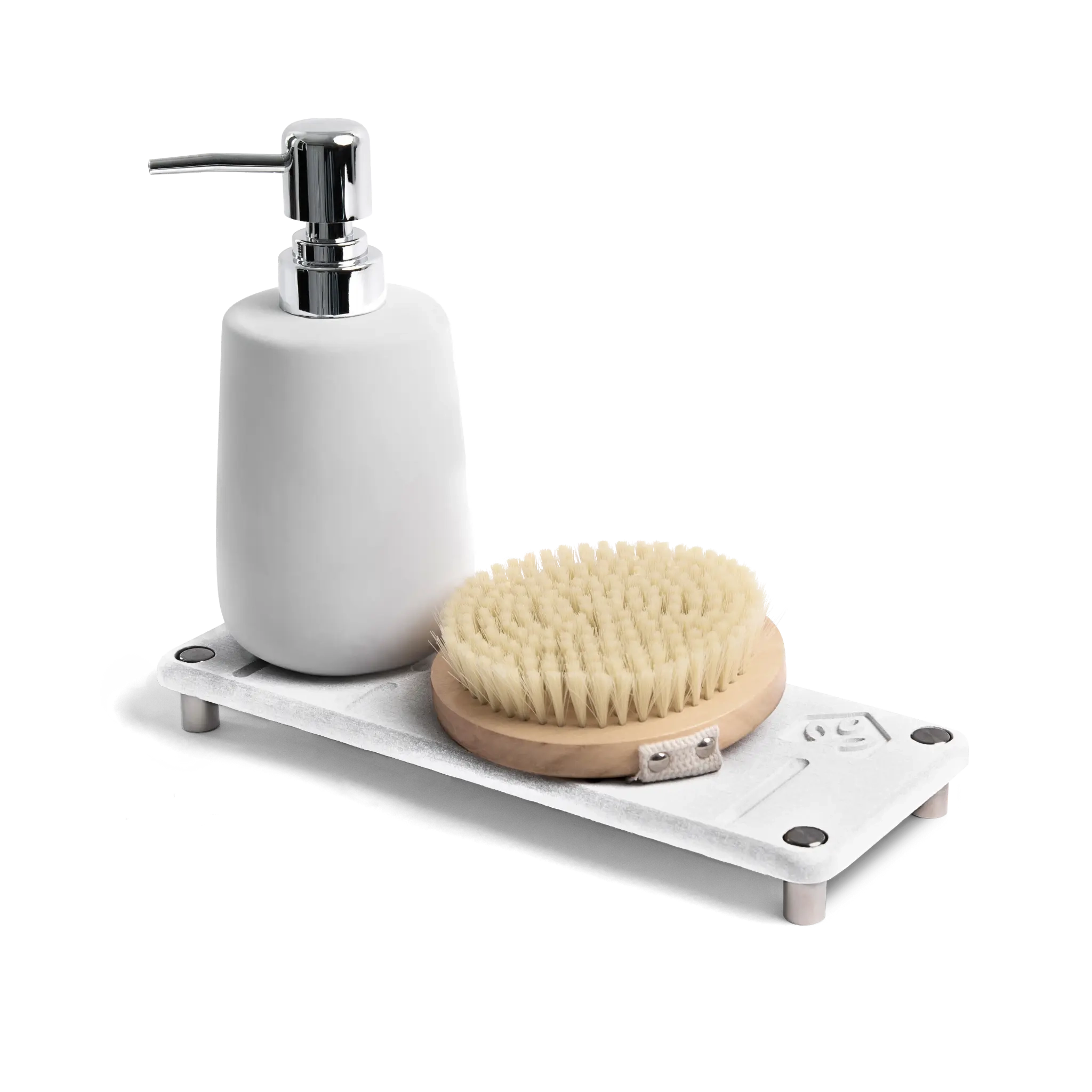
Stone Sink Caddy - Flow
The secret is in the material itself. Diatomaceous earth is a natural stone that's incredibly porous at a microscopic level. When water touches the surface, it gets pulled into thousands of tiny channels within the stone. The water then evaporates within seconds, leaving the surface dry and ready to absorb more moisture.
Traditional Trays vs. Stone Sink Caddies
| Feature | Traditional Trays | Stone Sink Caddies |
|---|---|---|
| Water Management | Collects and traps moisture | Absorbs and evaporates instantly |
| Bacteria Growth | High risk in standing water | Naturally prevents growth |
| Maintenance | Needs frequent emptying and cleaning | Self-drying, minimal upkeep |
| Benchtop Protection | Can leak and damage surfaces | Keeps surfaces completely dry |
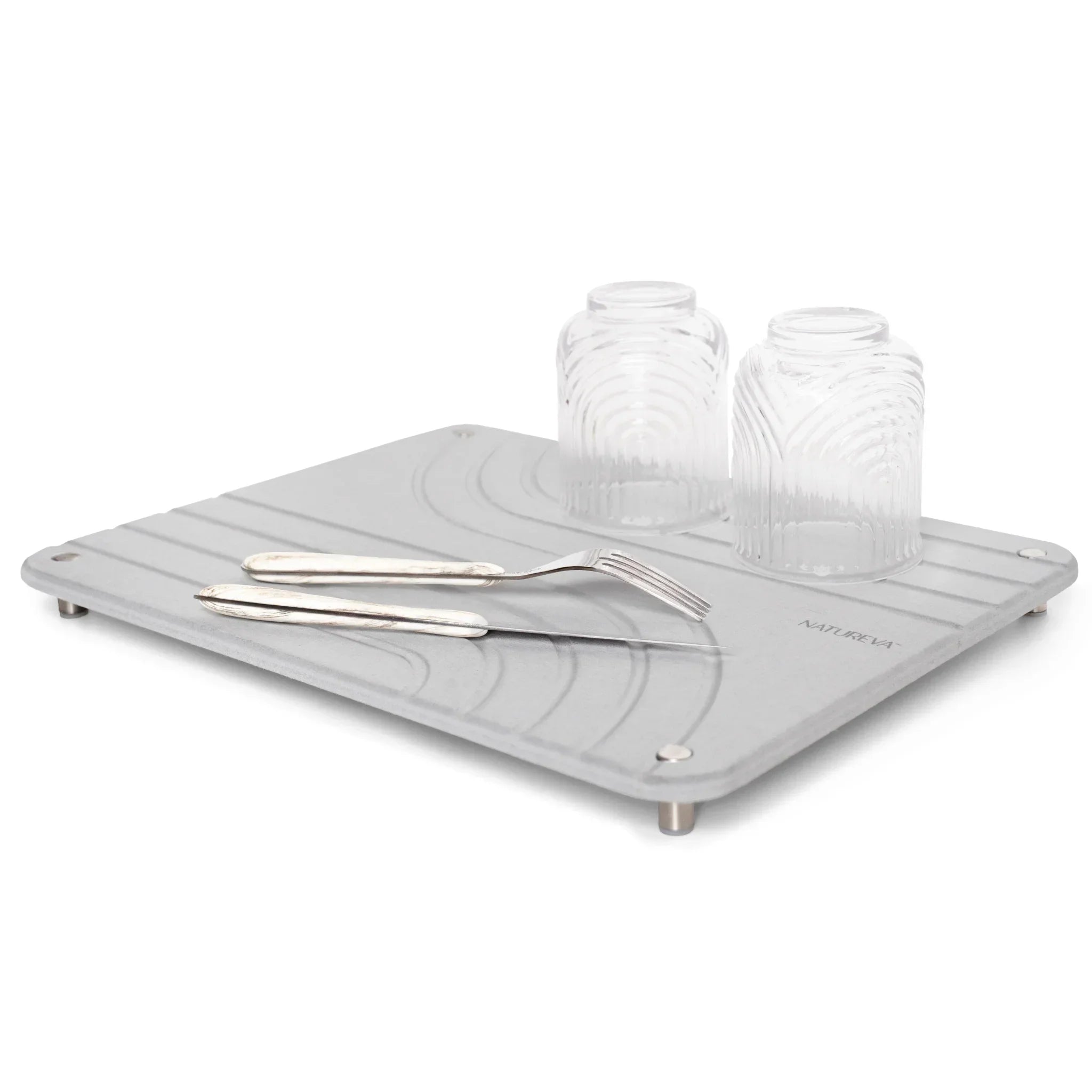
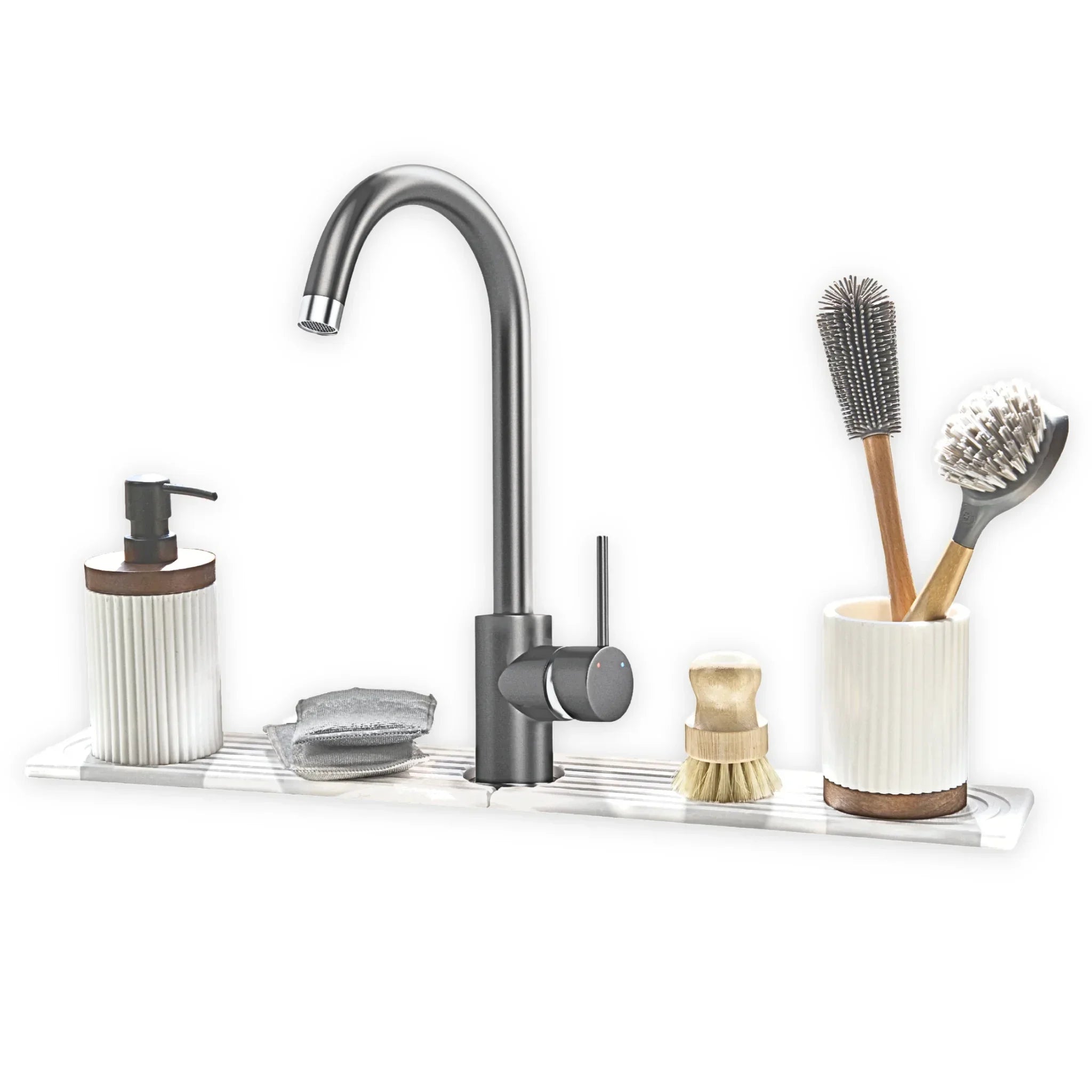
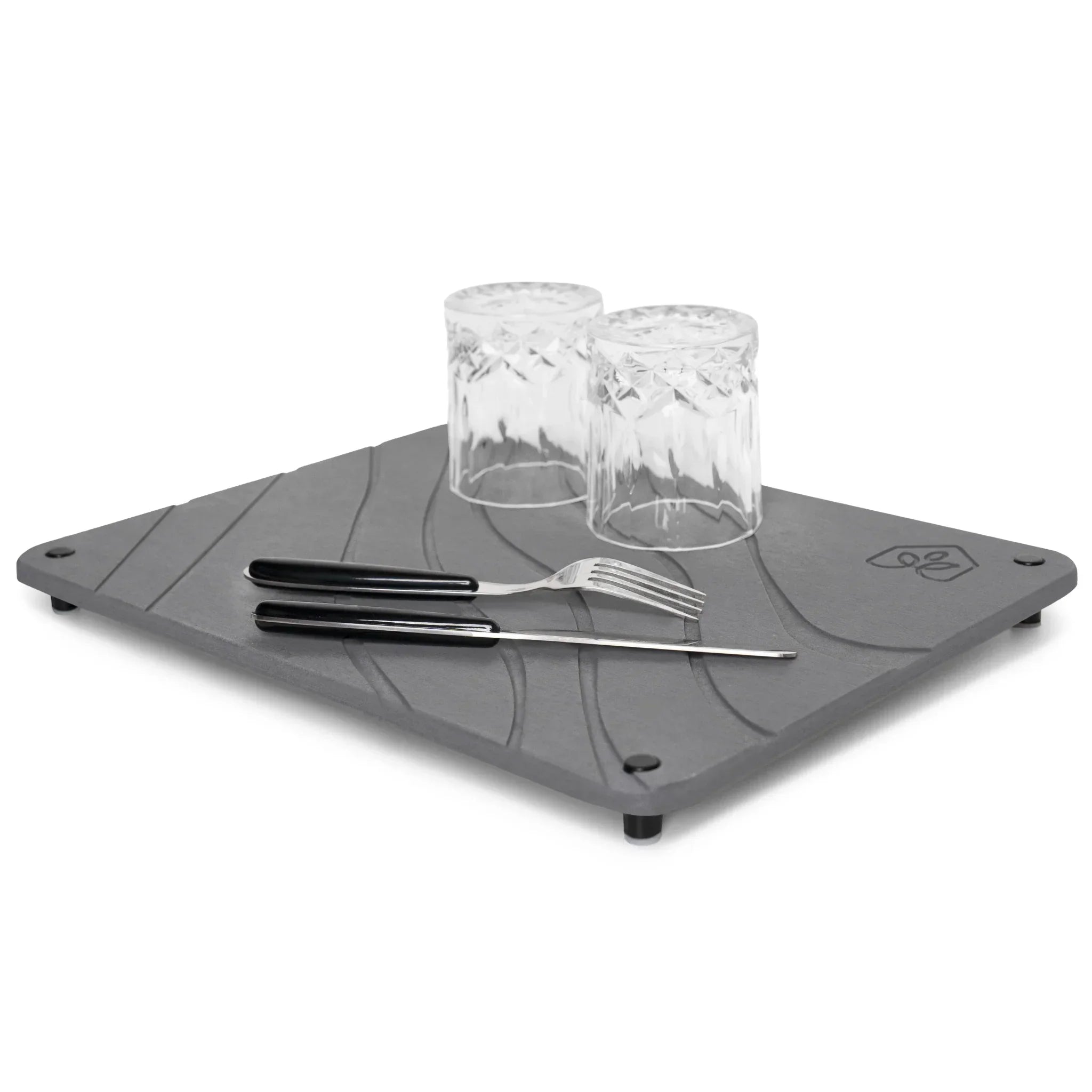
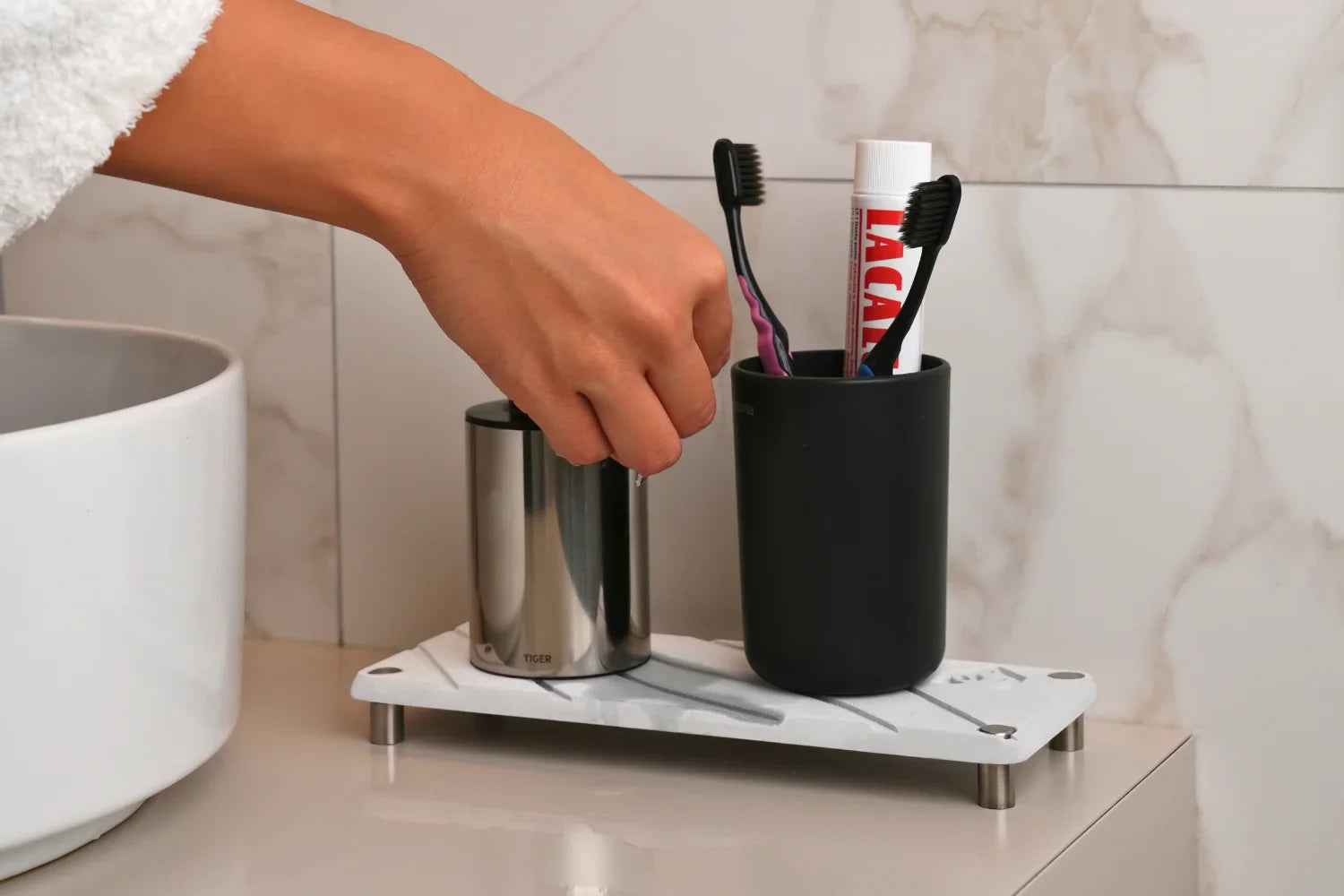
The Natureva Stone Sink Caddy uses this same diatomaceous earth technology. It's designed to handle all the drips from your soap bottles, wet sponges, and dish brushes without creating that slimy mess you're used to seeing. The natural antibacterial properties of the stone mean you're not just moving the problem around, you're actually solving it at the source.
Setting Up Your Sink Caddy for Maximum Effectiveness
Where you place your sink caddy matters more than you might think. The best spot is right next to your sink, close enough that water drips onto the caddy instead of your counter, but not so close that it gets splashed constantly during dishwashing. Most people find that positioning it about 2-3 inches from the sink edge gives them easy access while keeping the caddy from getting soaked unnecessarily. You want it within arm's reach so you actually use it, but out of the direct splash zone.
The way you arrange items on your caddy affects how well it works. Think about what you use most often and put those items toward the front. Space things out so air can circulate between them, which helps everything dry faster.
Setup Checklist for Your Sink Caddy
- Position the caddy 2-3 inches from your sink edge for optimal access and splash protection
- Place your most-used items (dish soap, hand soap) in the front row
- Keep sponges and brushes toward the back where they can drain freely
- Leave at least half an inch of space between each item for air circulation
- Make sure the caddy sits on a flat, stable surface
- Test the placement by using it for a day and adjust as needed
The next generation of home essentials: naturally made, cleaner by design, sustainable by nature.
SHOP ALLNot everything belongs on a sink caddy. Items that work best are things that get wet regularly, like soap dispensers, dish brushes, sponges, and scrubbers. Things like dry dish towels or paper products should stay in drawers or on hooks. The caddy is specifically designed for wet items that need to drain, so use it for that purpose and you'll see the best results.
Maintenance is surprisingly simple. The stone naturally stays clean because it doesn't hold moisture, but you should still give it a quick rinse once a week. If you notice the absorption slowing down, a light sanding with fine-grit sandpaper will refresh the surface. You can learn more about proper care on our care and cleaning page.
Keeping Your Sink Area Clean Long Term
The real benefit of sink caddies shows up in your daily routine. When you finish washing dishes, take five seconds to shake excess water off your sponge before putting it back on the caddy. This small habit prevents water from pooling and keeps everything working smoothly. Same goes for soap bottles – wipe the bottom quickly before setting them down. These tiny actions add up to a much cleaner sink area over time, and they become automatic after about a week.
Keeping Your Sink Area Clean Long-Term
A quick wipe-down routine takes less than a minute but makes a huge difference. Once a day, usually after dinner cleanup, run a dry cloth across your counter and around the sink area. This catches any stray water drops before they can cause problems. The stone caddy handles most of the moisture, but this extra step keeps your whole sink zone looking fresh.
Simple Daily Habits That Work
- Shake excess water from sponges and brushes before placing them on the caddy
- Wipe soap bottle bottoms before setting them down
- Do a 30-second counter wipe after evening dishes
- Check that items aren't touching or crowded together
- Empty any standing water immediately (though the stone should prevent this)
Your sink caddy will last for years with minimal care. Watch for signs that it needs attention, like water taking longer to absorb or the surface feeling slick. These usually mean it's time for a quick cleaning or light sanding. Most people find they only need to do this every few months, depending on how hard their water is and how much they use the caddy.
Creating a cleaning schedule doesn't have to be complicated. Weekly rinse, monthly deep clean, quarterly surface refresh – that's really all it takes. The beauty of diatomaceous earth products like the Stone Sink Caddy is that they're naturally low-maintenance. You'll spend way less time cleaning than you would with traditional trays that need constant emptying and scrubbing. If you're interested in other diatomaceous earth products for your home, check out our kitchen collection for more options that work the same way.
Your Path to a Cleaner Sink Starts Simple
Getting control of the mess around your sink doesn't require a complete kitchen makeover or expensive renovations. Sink caddies solve two problems at once by keeping your soap, sponges, and brushes organized while preventing water from pooling on your countertop. The key difference is in what material you choose, since traditional plastic or metal caddies just collect water instead of dealing with it.
Stone sink caddies made from diatomaceous earth actually absorb moisture and dry quickly, which means no more gross puddles or that slimy feeling when you reach for your dish soap. Our Stone Sink Caddy - Rain and Stone Sink Caddy - Flow both handle this naturally without any extra work on your part.
The long-term benefits go beyond just a tidier look. When water doesn't sit around, you're also cutting down on the conditions that let mold and bacteria thrive. That matters more than most people realize, especially in a space where you're handling food and dishes every day.
Making this one small change to your kitchen setup takes about thirty seconds, but the difference shows up every single time you use your sink. Sometimes the simplest solutions are the ones that actually stick. You might be wondering about specific care instructions or how these compare to other options you've seen, which is exactly what we'll cover next.
Common Questions About Sink Caddies
Choosing the right sink caddy can feel overwhelming when you're staring at dozens of options online. Most people have the same questions before they buy, and honestly, the answers aren't always easy to find. We've put together the most common questions we hear from customers who want to keep their sinks cleaner and more organized. These answers should help you figure out if a sink caddy is right for your kitchen or bathroom setup.
How often do sink caddies need cleaning?
Most sink caddies need a quick rinse every week or two to stay fresh. Traditional plastic or silicone caddies can trap water and soap residue, which means they need more frequent scrubbing to prevent that slimy buildup. Stone sink caddies made from diatomaceous earth are different because they dry so quickly that bacteria and mold have less chance to grow, so you can usually go longer between deep cleans.
Can sink caddies handle heavy items like dish soap bottles?
Yes, but it depends on the material and design. Cheap plastic caddies might crack or warp under heavier bottles, especially if they're constantly wet. Stone caddies are surprisingly sturdy and can easily hold dish soap bottles, hand soap pumps, and scrub brushes without any issues. Just make sure the caddy you choose has enough surface area to distribute the weight evenly.
What's the difference between stone and plastic sink caddies?
The biggest difference is how they handle water. Plastic and silicone caddies sit in puddles and need constant emptying or wiping down. Stone caddies made from diatomaceous earth actually absorb water and let it evaporate naturally, which keeps your countertop drier and cleaner. Stone options also tend to look more modern and blend better with most kitchen designs compared to bulky plastic trays.
How long do diatomaceous earth sink caddies last?
A quality stone sink caddy can last for years with proper care. The material doesn't break down like plastic or get gross and discolored over time. If you notice the absorption slowing down after many months of use, a light sanding with fine sandpaper can refresh the surface and bring back its quick-drying properties.
Will a sink caddy work with my sink setup?
Most sink caddies are designed to sit on the counter next to your sink rather than in it, so they work with pretty much any sink style. The key is measuring your available counter space before you buy. Our Stone Sink Caddy comes in compact designs like Rain and Flow that fit even smaller countertops without taking up too much room.
How do you clean a stone sink caddy?
Cleaning a stone sink caddy is simple. Just rinse it under warm water and let it air dry completely. For tougher stains or buildup, you can use a soft brush with a bit of mild soap, but avoid harsh chemicals that might damage the natural stone. Never put it in the dishwasher since the high heat and detergents can break down the material over time.
The next generation of home essentials: naturally made, cleaner by design, sustainable by nature.
SHOP ALL