
Five Absorbent Mat Placements That Always Dry Fast
That damp, musty smell coming from your bathroom floor isn't just unpleasant—it's a sign your fabric bath mat is holding onto moisture for way too long. Most people blame the mat itself, but the truth is that where you place your absorbent mat matters just as much as what it's made of. Understanding both the right material and the best spots to use it can transform those soggy problem areas into dry, fresh spaces throughout your home.
Table of Contents
What Makes an Absorbent Mat Dry Quickly
A damp bath mat sitting on your bathroom floor can grow over 60,000 bacteria colonies in just 48 hours. That's because most traditional fabric mats work like sponges, soaking up water and then holding onto it for hours. The problem isn't just about wet feet or a soggy floor. It's about what happens when moisture gets trapped in those fibers with nowhere to go.
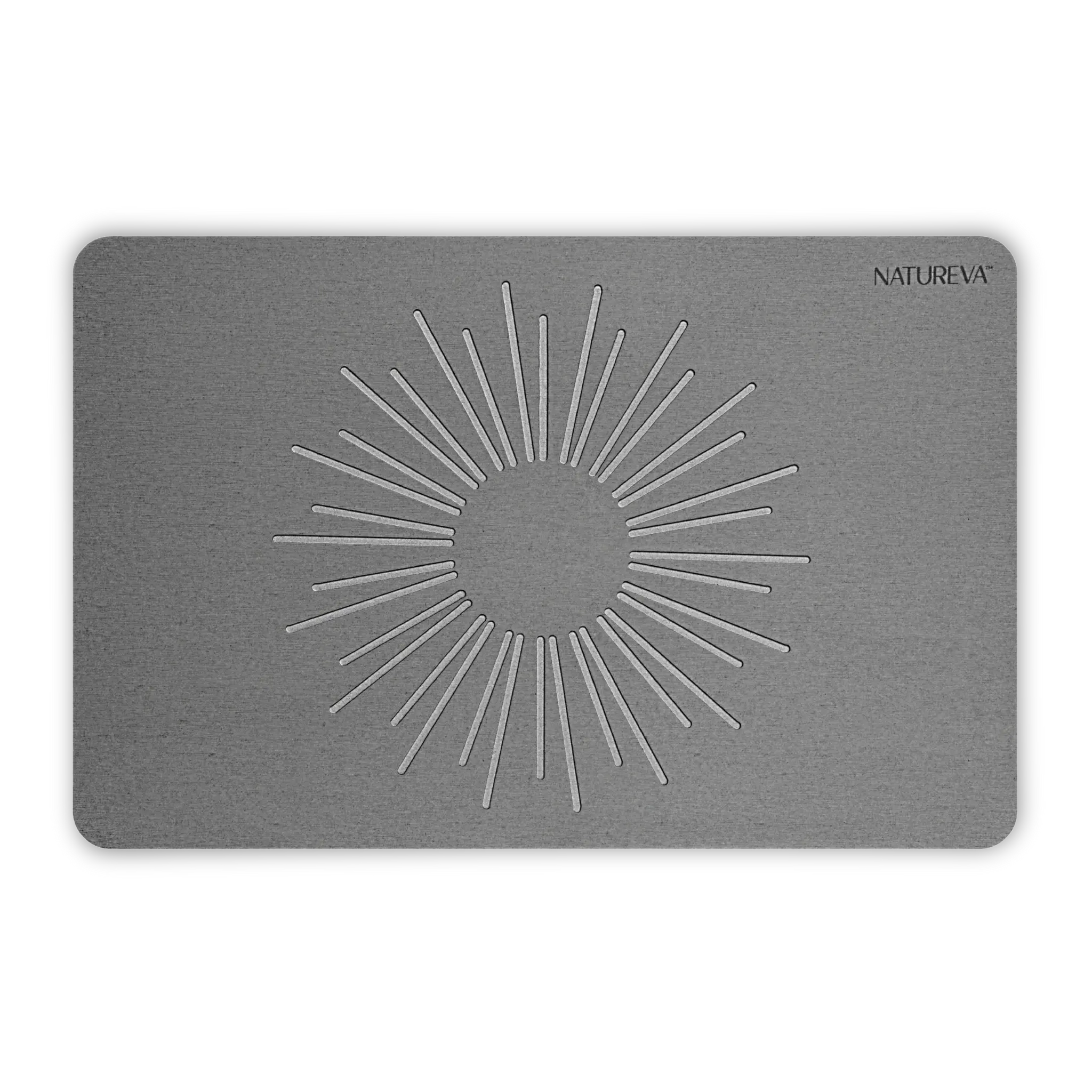
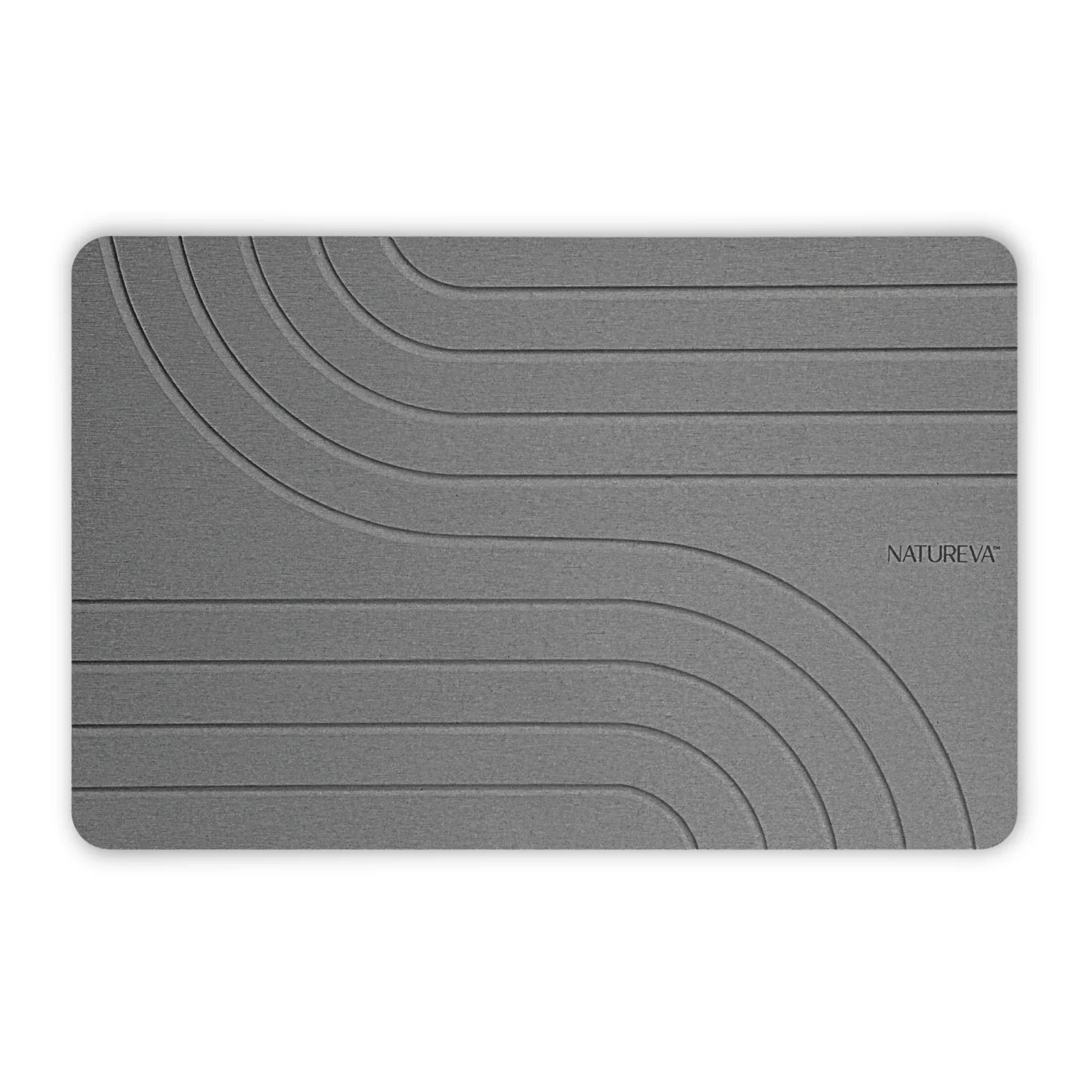
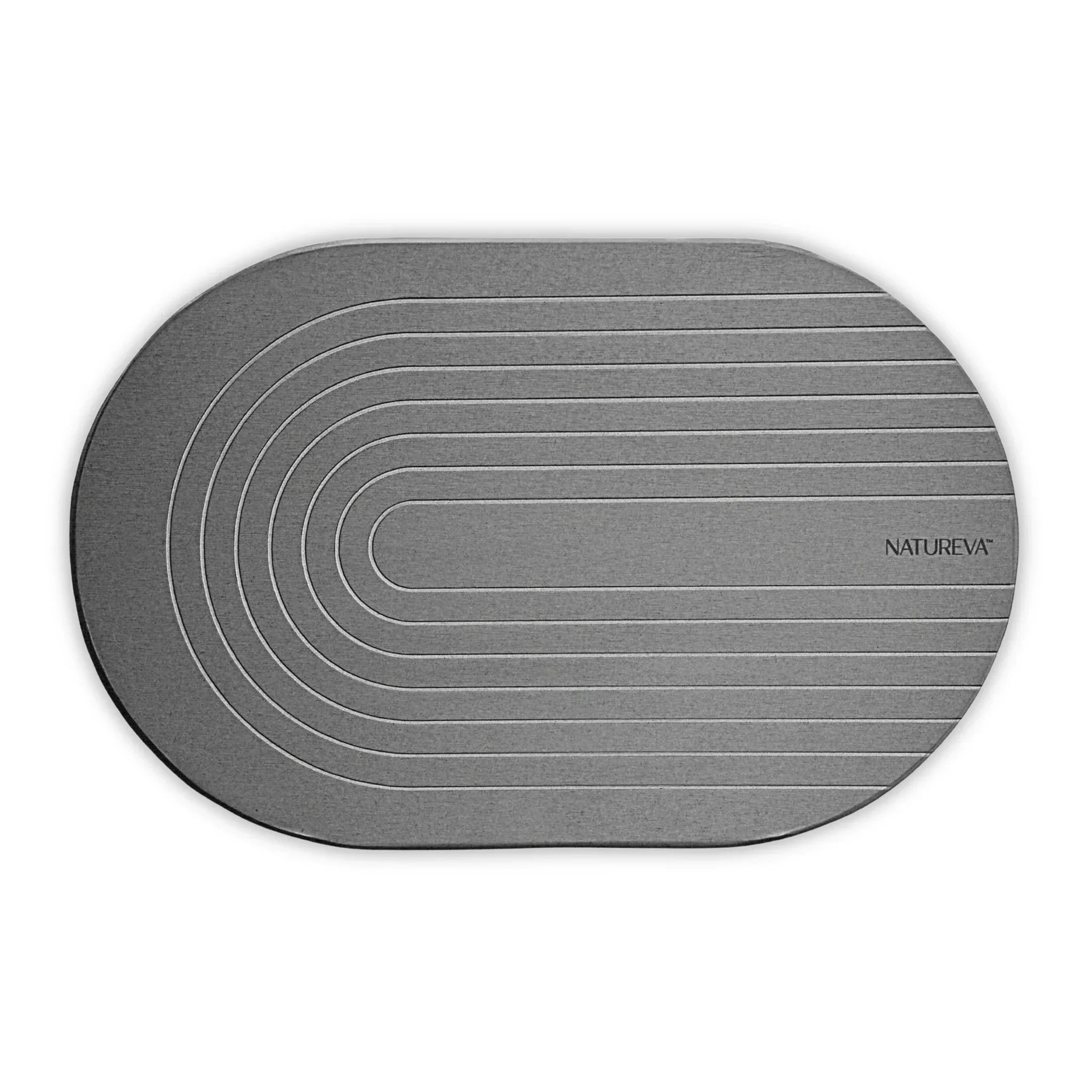
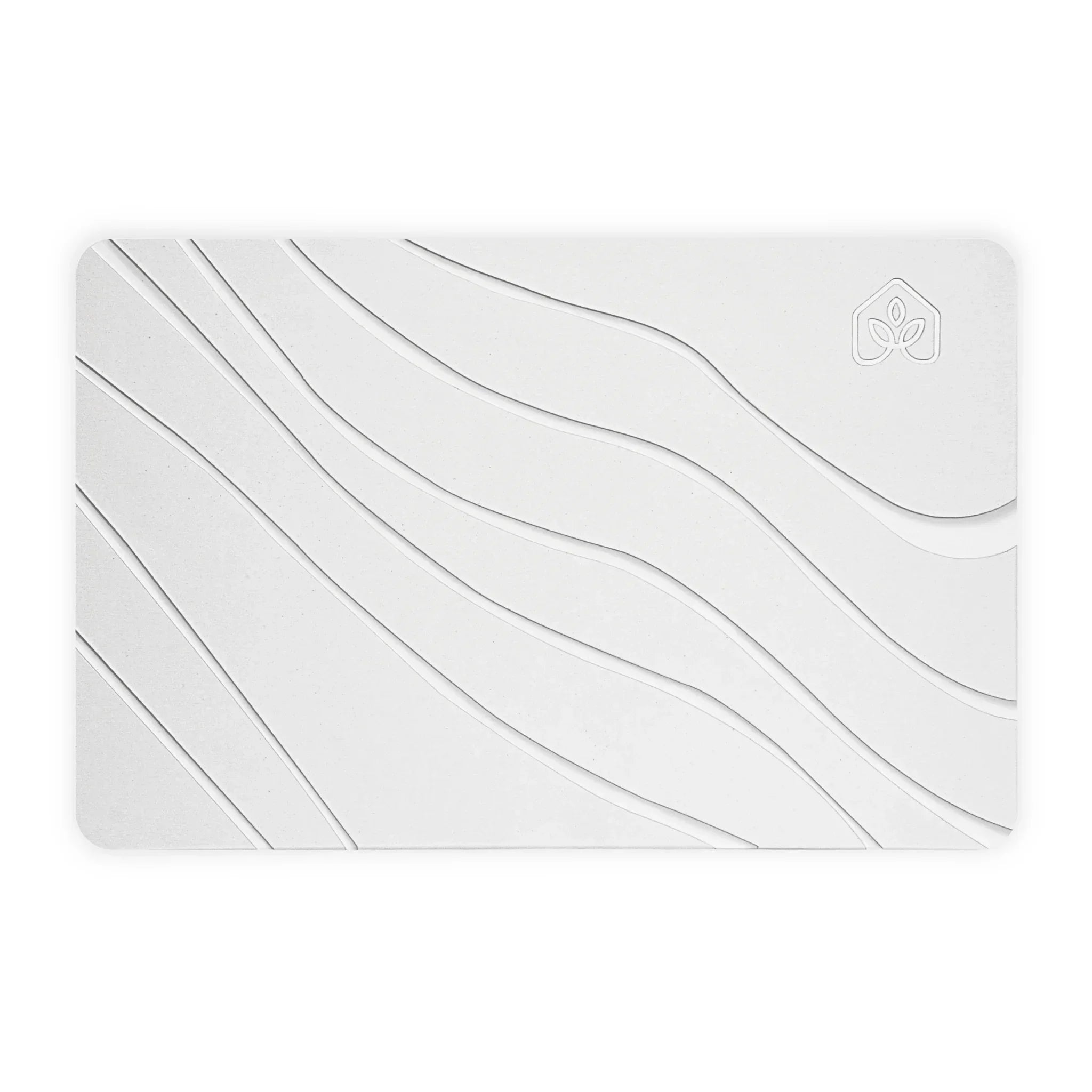
Stone Bath Mat - Aura
How Water Absorption Really Works
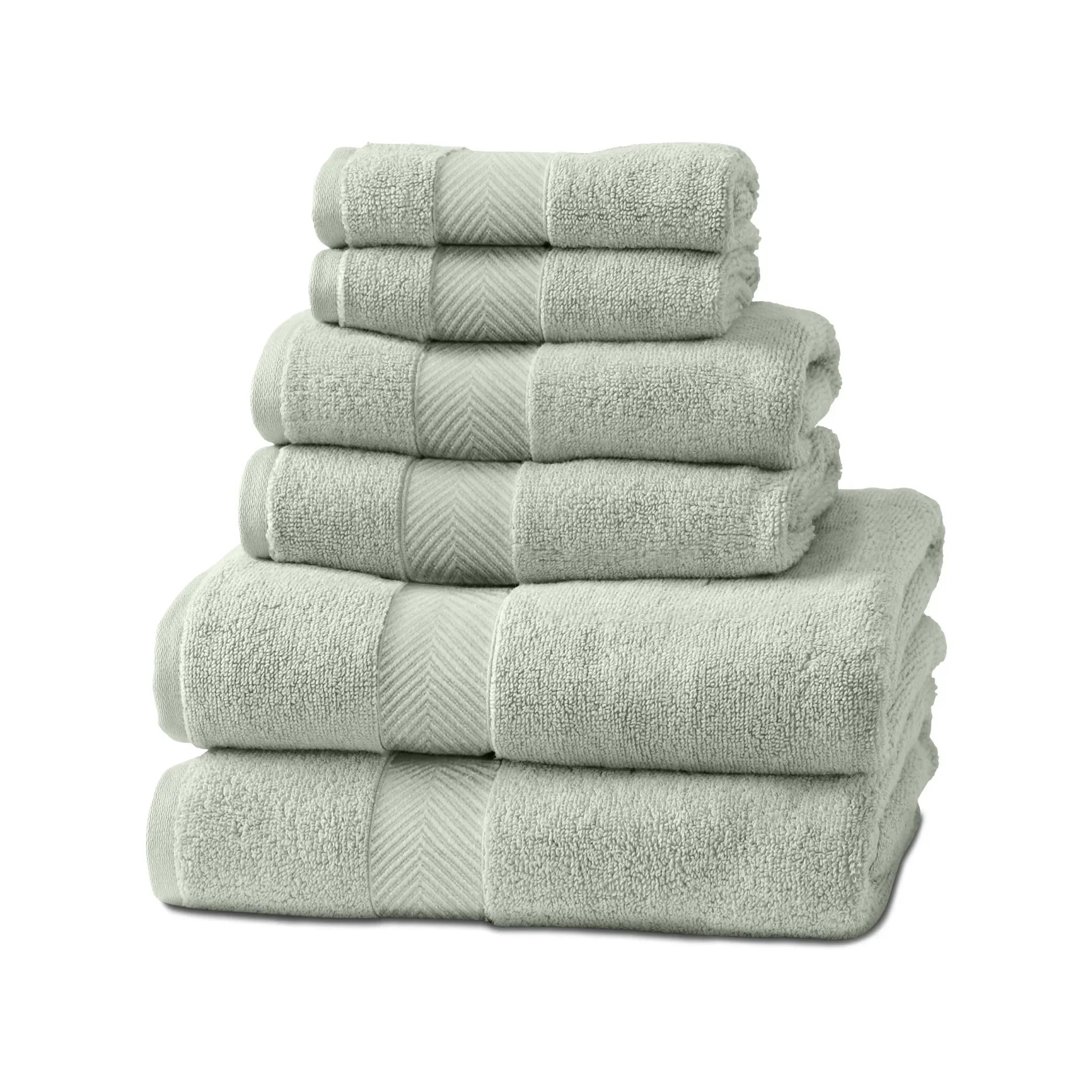
When you step out of the shower, water needs somewhere to go. Traditional fabric mats absorb water into their fibers, but they can't release it quickly because the material itself holds moisture. Think of it like a towel that never fully dries between uses. The water sits there, creating the perfect environment for mold and bacteria to grow.
Stone mats made from diatomaceous earth work completely differently. The material has millions of tiny pores that pull water in through capillary action, then release it into the air almost immediately. Our Stone Bath Mat collection uses this natural process to dry in under 60 seconds.
The Fabric Mat Problem
Most people don't realize their bathroom mat is working against them. Here's what happens with standard fabric options:
- Water gets trapped between woven fibers and stays wet for 4-6 hours
- Moisture creates breeding grounds for bacteria, mold, and mildew
- Damp fabric develops musty odors that spread through the bathroom
- Regular washing is needed but doesn't solve the core moisture problem
Even anti-microbial treatments on fabric mats only slow down bacterial growth. They don't stop the mat from staying wet in the first place.
Why Stone Mats Dry Faster
Diatomaceous earth is fossilized algae with a porous structure that's naturally designed to move water. When you step on a stone absorbent mat, water moves through those microscopic channels and evaporates into the air. The surface feels dry to the touch within seconds, not hours.
But here's the catch. Even the best absorbent mat needs proper airflow to work at peak performance. Proper mat placement affects both safety and function, which is why location matters just as much as material.
| Feature | Fabric Mats | Stone Mats |
|---|---|---|
| Drying Time | 4-6 hours | Under 60 seconds |
| Bacteria Growth | High risk | Minimal risk |
| Odor Development | Common | Rare |
| Washing Frequency | Weekly | Monthly wipe down |
| Surface Feel | Stays damp | Dry in seconds |
Airflow and Placement Matter
The fastest-drying absorbent mat still needs air circulation to work properly. Stone mats release moisture through evaporation, which means the surrounding air needs to carry that moisture away. Poor placement can slow down even the best materials.
Here's what affects drying speed beyond the mat material itself:
- Room ventilation and air movement patterns
- Distance from walls and other surfaces
- Humidity levels in the bathroom
- Whether the mat sits on tile, wood, or other flooring
The right spot can make your mat dry twice as fast as the wrong one.
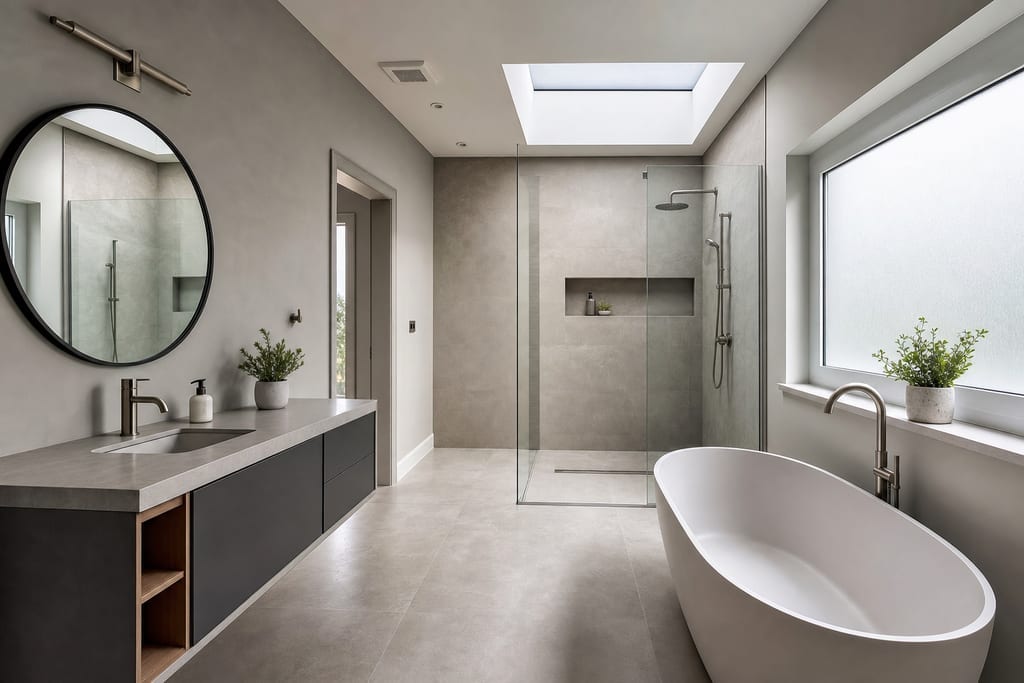
Right Outside the Shower or Tub
Most people step out of the shower onto a soaking wet mat that stays damp for hours. This spot gets hit with more water than anywhere else in your home, and it happens multiple times a day. The problem isn't just the water itself, but what happens when that moisture sits there with nowhere to go. Traditional fabric mats trap water in their fibers, creating a breeding ground for mold and bacteria that you're stepping on with bare feet.
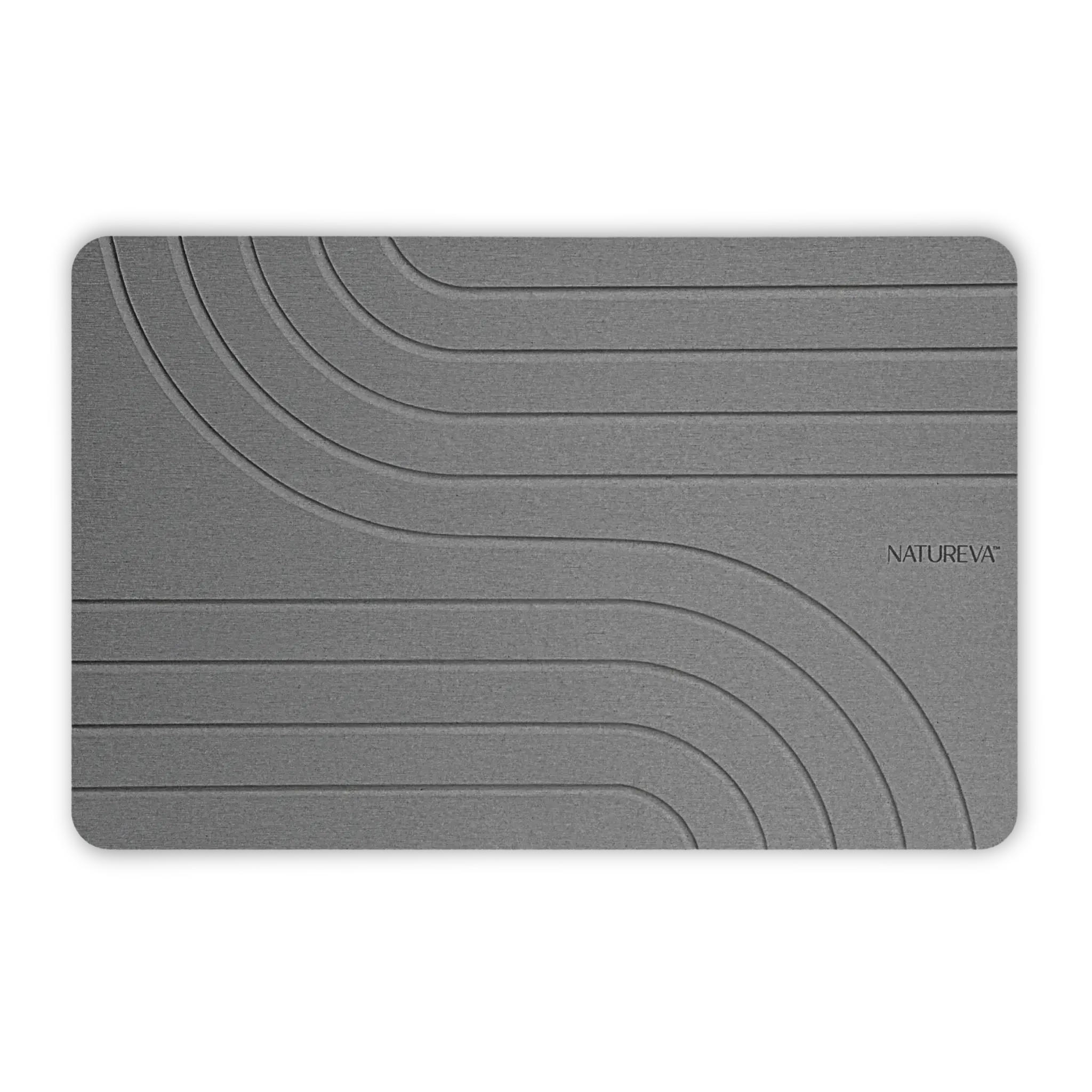
Stone Bath Mat - Tide
The secret to keeping this area dry comes down to proper positioning and the right material. Most people make the mistake of pushing their mat right up against the shower curtain or door, which blocks airflow completely.
- Leave at least 2-3 inches between your mat and the shower curtain
- Position the mat where bathroom vents can reach it
- Avoid placing it in corners where air doesn't circulate
- Keep it away from walls that trap moisture
Stone bath mats made from diatomaceous earth handle this high-moisture location better than anything else. The Stone Bath Mat - Aura absorbs water instantly and dries within seconds because the material actively evaporates moisture instead of holding onto it. According to research on absorbent mat water control, stone mats can handle significantly more water volume than fabric alternatives while maintaining their dry surface.
In Front of the Bathroom Sink
Water splashes from hand washing, teeth brushing, and face washing add up to more moisture than you'd think. Every time someone turns on the faucet, tiny droplets spread across the counter and drip onto the floor. These small amounts of water seem harmless, but they create slippery spots that are easy to miss until someone slips.
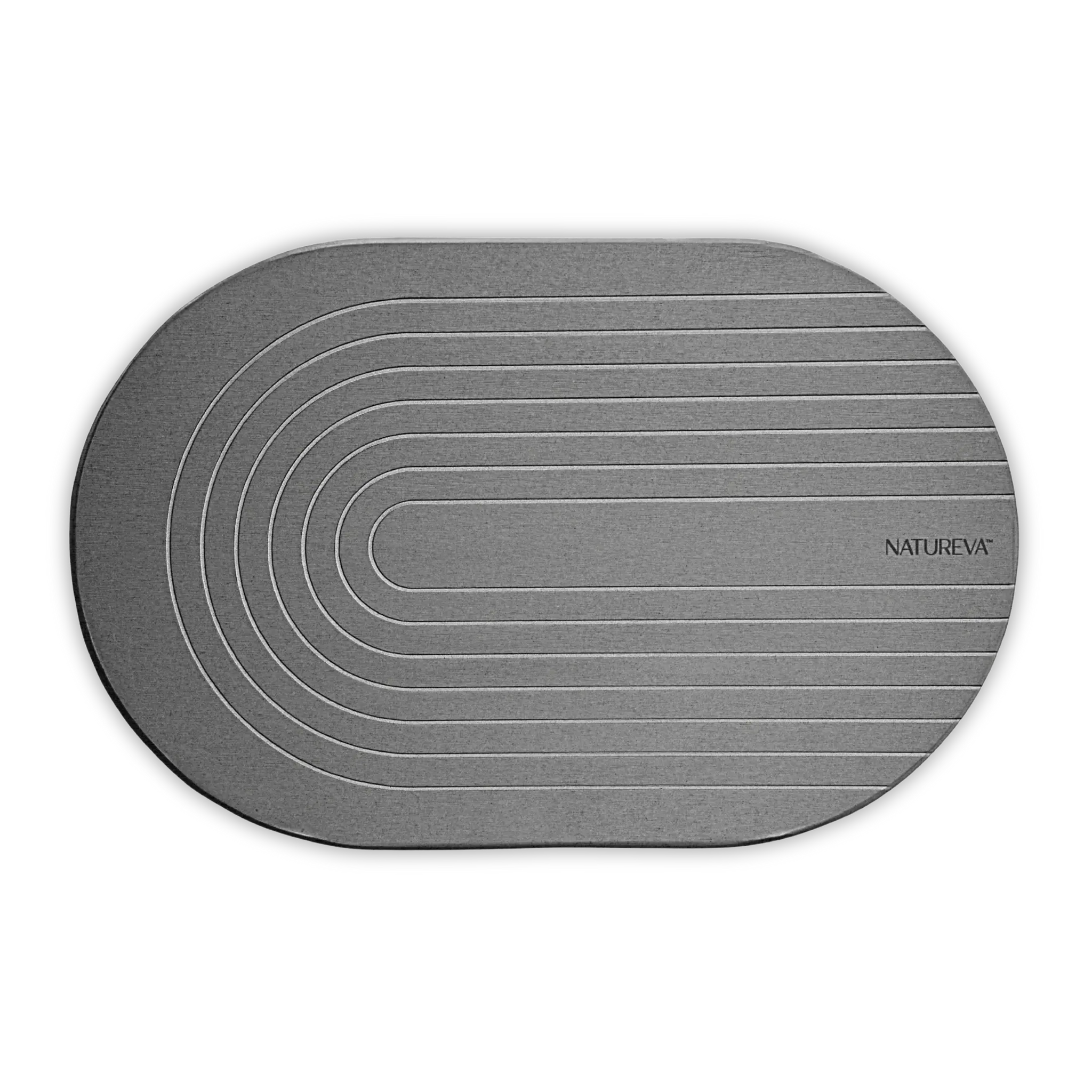
Stone Bath Mat - Arch
The space under your sink cabinet affects how quickly water dries in this area. Cabinets block airflow from below, which means moisture has fewer escape routes. An absorbent mat in this spot needs to dry fast on its own without relying on air circulation from underneath.
Stone mats excel here because they handle constant small splashes differently than fabric. Instead of absorbing water into fibers that stay wet, the porous surface of diatomaceous earth pulls moisture in and releases it through evaporation. The Stone Bath Mat - Tide works perfectly in front of sinks because it stays dry even with repeated splashing throughout the day.
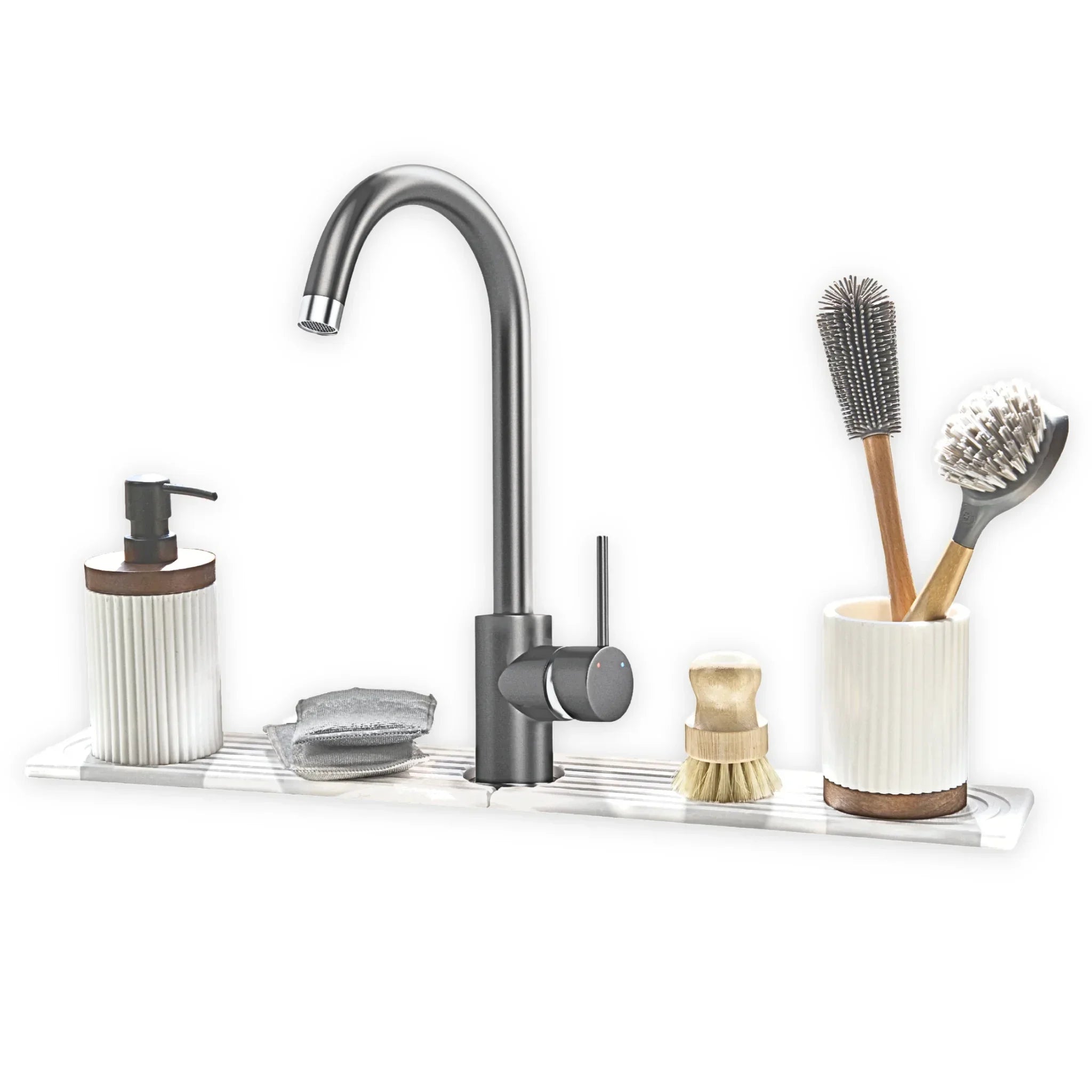
Next to the Kitchen Sink
Kitchens deal with just as much water as bathrooms, but people rarely think about putting an absorbent mat there. Dish washing creates constant splashes, and water drips from wet hands, dishes, and produce. That puddle next to your sink isn't just annoying, it's a safety hazard that makes floors slippery and damages cabinets over time.
The next generation of home essentials: naturally made, cleaner by design, sustainable by nature.
SHOP ALLStanding water near kitchen sinks causes more problems than most people realize. It seeps into the gaps between flooring, warps wood cabinets, and creates spots where bacteria thrive. Traditional kitchen rugs absorb the water but then sit there soaking wet, which means you're walking on a damp surface every time you cook or clean.
- Place the mat directly in front of the sink where you stand most often
- Make sure it doesn't block your path to the stove or refrigerator
- Choose a size that covers your primary work zone
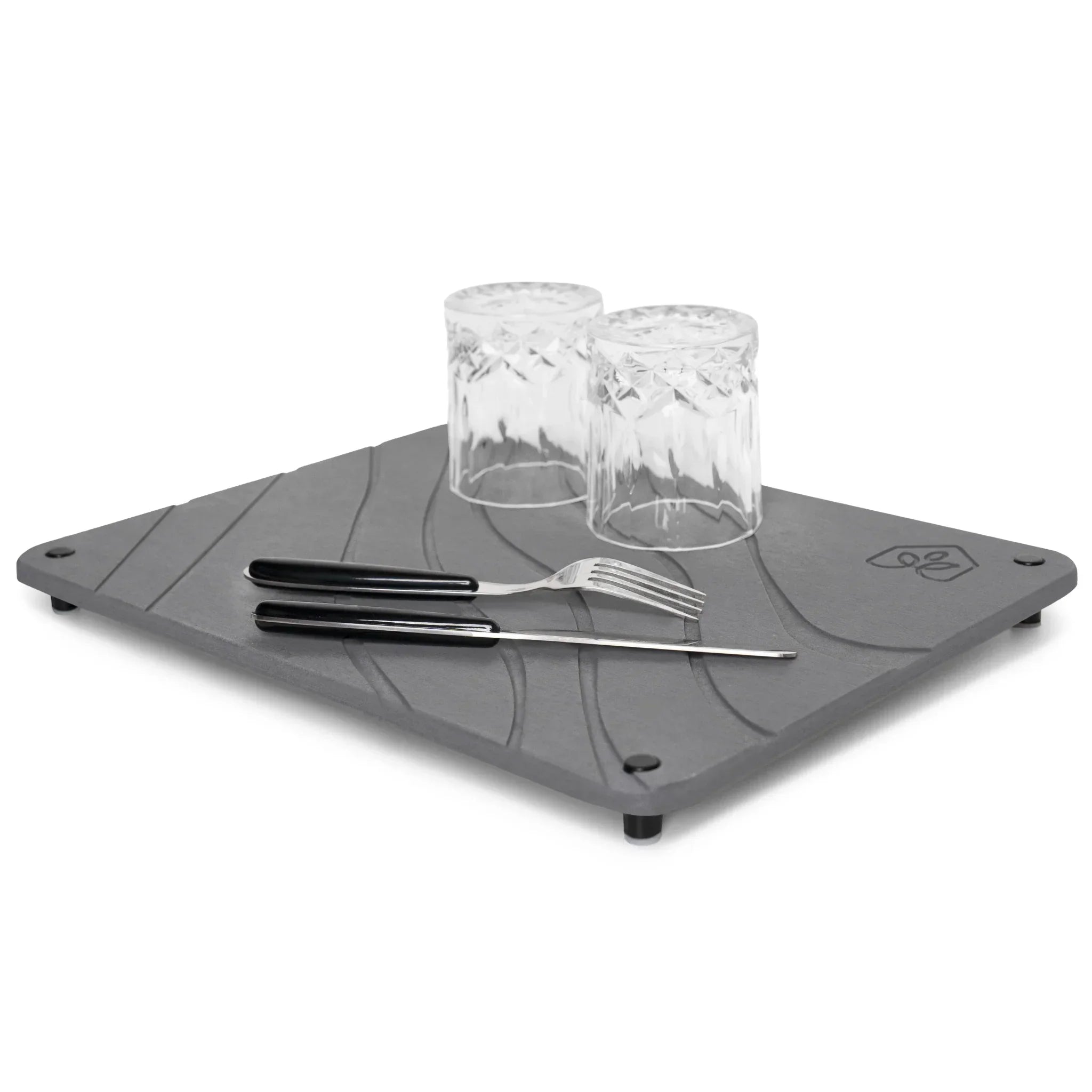
- Position it to catch splashes from the dish rack too
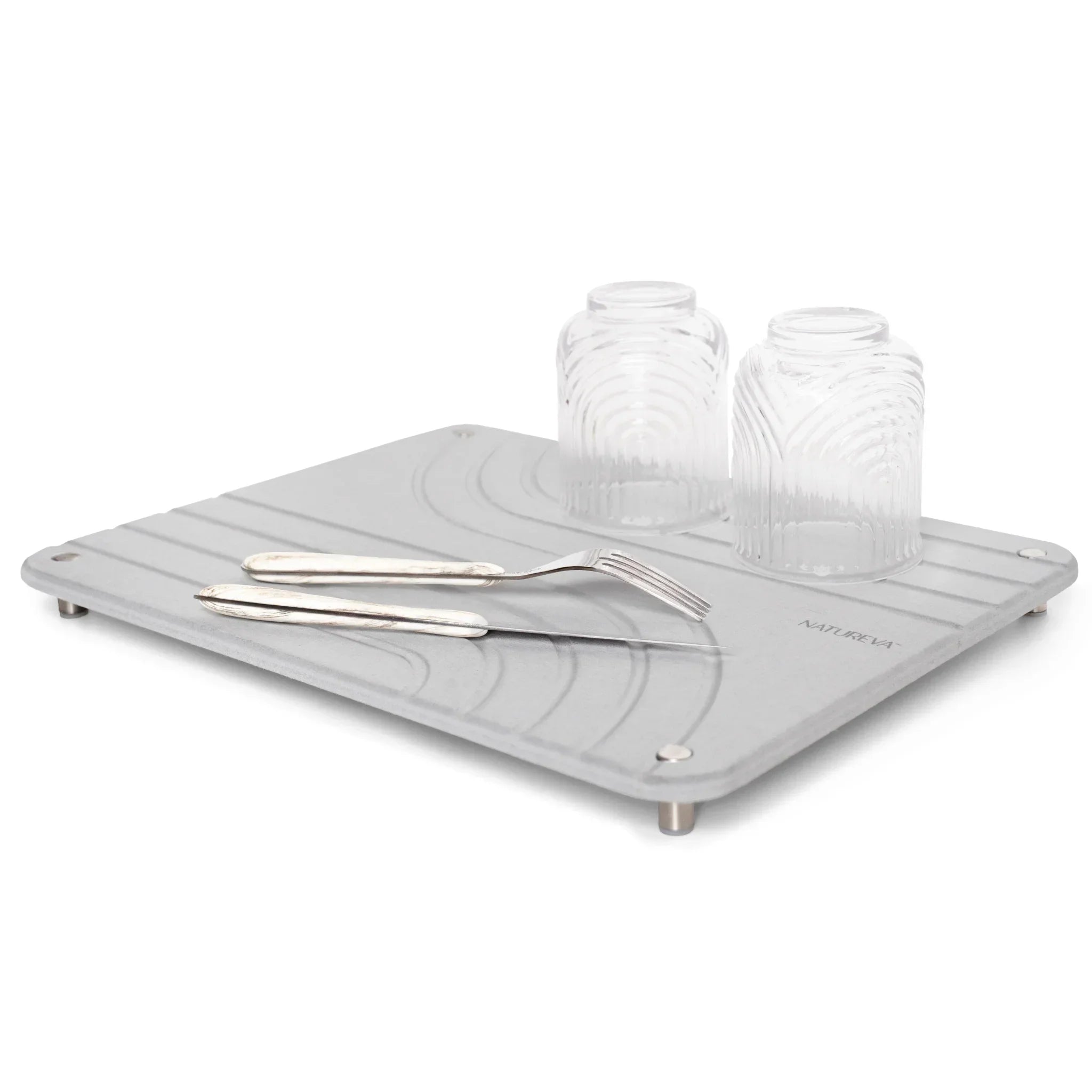
Stone mats handle dish-washing splashes and spills without staying wet. The material dries so fast that you can spill water on it, wipe your feet, and it's ready for the next splash within seconds. Plus, cleaning a stone mat in the kitchen is simple because you can just wipe it down or rinse it off without worrying about throwing it in the wash.
By the Entryway or Mudroom
Wet shoes and boots bring in more moisture than any other source in your home. Rain, snow, and mud get tracked inside every single day during certain seasons, and that water sits in your entryway for hours. Traditional door mats soak up the moisture and stay damp for days, especially during winter when wet footwear is constant. Studies on entrance mat effectiveness show that proper mat placement can significantly reduce moisture spread throughout a building.
The advantage of using a stone mat in this high-traffic area comes down to how quickly it recovers between uses. When one person walks in with wet shoes, the mat absorbs that moisture and dries before the next person arrives.
Strategic placement matters more in entryways than anywhere else. You want to catch moisture before it spreads into your home, which means positioning the mat where people naturally step when they first walk in. During winter, consider using the Stone Bath Mat - Arch near your door because it handles snow and slush without turning into a soggy mess.
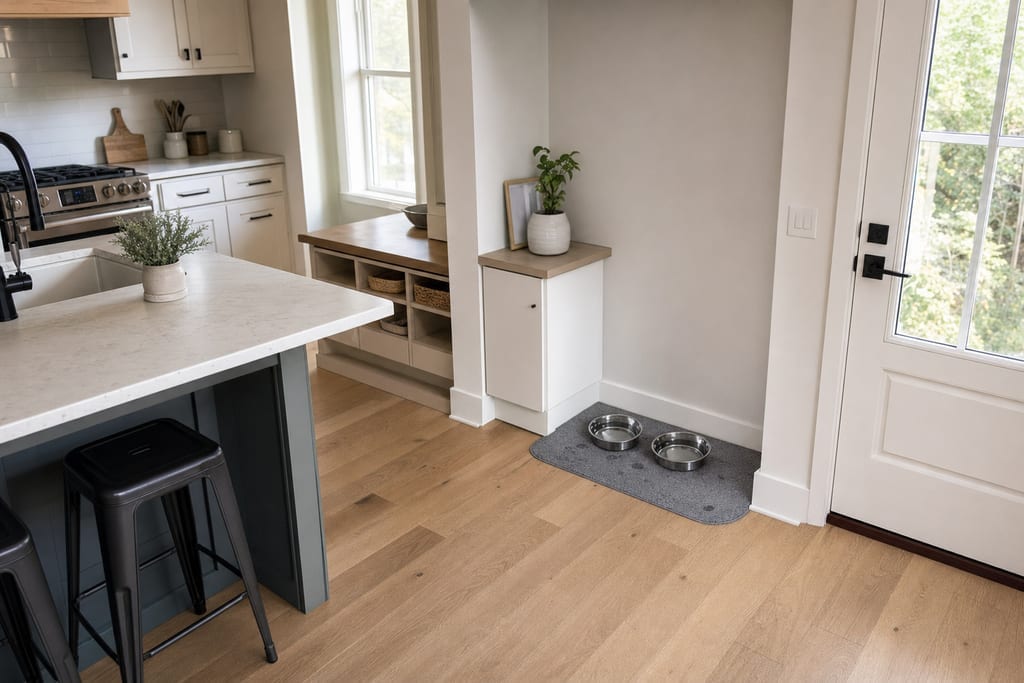
Near Pet Water Bowls and Feeding Stations
Pet water bowls create a constant moisture problem that never really goes away. Dogs splash water when they drink, cats are surprisingly messy, and both leave puddles that spread across your floor. Traditional mats under pet bowls absorb the water and then stay wet all day, which creates the perfect environment for bacteria to grow in a spot where your pet eats and drinks.
The problem gets worse because pet areas need frequent cleaning. Fabric mats need to be washed regularly, which means you're constantly dealing with wet, heavy mats that take forever to dry. Stone mats solve this by staying dry even with messy drinkers, and they're easy to clean with just a quick wipe or rinse.
- Place the mat under and slightly beyond the water bowl
- For large dogs, use a bigger mat to catch wider splash zones
- Position it where your pet naturally stands while drinking
- Keep it away from food bowls if possible to avoid mixing water and food debris
The stone pet mat handles this job perfectly because it dries within seconds after your pet drinks. You can check out more options in our pet collection to find the right size for your furry friend's feeding station.
Keep Your Home Dry and Fresh
So there you have it. Five spots where an absorbent mat can make a real difference in keeping your floors dry and your home cleaner. Whether it's right outside the shower, by the bathroom sink, in front of the kitchen sink, near your pet's water bowl, or by entryways, the right placement matters more than most people think.
But here's the thing about placement. Even the best spot won't help much if your mat stays wet for hours. Traditional fabric mats just sit there holding moisture, which is why they start smelling funky after a while. That's where the material makes all the difference.
Our stone bath mats are made from natural diatomaceous earth that actually pulls water away from your feet and dries within seconds. The same technology works across our whole line, from dish mats to pet mats. No more stepping on damp fabric or dealing with that musty smell.
The best part is how simple it is. You place the mat where water tends to pool, and it does its job without any extra work from you. No throwing it in the wash every few days or hanging it up to dry.
If you're tired of dealing with soggy mats that never seem to fully dry, it might be time to try something different. The right absorbent mat in the right spot can change how you think about those wet areas in your home. You probably have questions about how these mats work and how to care for them, so let's get into those.
Common Questions About Absorbent Mat Placement
Choosing the right absorbent mat is one thing, but knowing how to use it properly is another. Most people have questions about how these mats actually work in real-world conditions. Here are the answers to the most common questions we hear about stone bath mats and their placement around your home.
How long should a bath mat take to dry?
A good absorbent mat should dry within minutes, not hours. Traditional fabric mats can stay damp for 4-6 hours or even longer in humid conditions, which creates the perfect environment for bacteria and mold. Stone mats made from diatomaceous earth, like our Natureva Stone Bath Mat collection, dry in just 60-90 seconds because the material actively evaporates moisture instead of just soaking it up.
Can I use stone mats on heated floors?
Yes, stone mats work perfectly fine on heated floors. The gentle warmth actually helps them dry even faster than usual. Just make sure your heated floor isn't set above 85°F, as extreme heat over long periods can affect the mat's durability. Most bathroom floor heating systems stay well below this temperature anyway.
Do stone mats work in humid climates?
Stone mats actually shine in humid environments where fabric mats struggle the most. The diatomaceous earth material doesn't rely on air circulation alone to dry. It pulls moisture into its porous structure and releases it through evaporation, which works even when the air feels thick and damp. People in coastal areas and tropical climates often find these mats work better than any fabric option they've tried.
How do I clean a stone bath mat?
Cleaning is simple and takes less than a minute. Just rinse the mat under water and let it air dry, or wipe it down with a damp cloth for light cleaning. For deeper cleaning, use fine-grit sandpaper to gently buff the surface once every few months. This removes any buildup and restores the mat's absorption power. Never use soap or harsh chemicals, as they can clog the pores.
Are stone mats safe for kids and elderly?
Stone mats are generally safe for all ages because they provide a stable, non-slip surface when wet. The textured surface actually offers better grip than soggy fabric mats that can bunch up and create tripping hazards. However, the mat is firm rather than cushioned, so if someone has balance issues, you might want to pair it with a non-slip backing or place it in a low-risk area.
Can I use multiple mats in one bathroom?
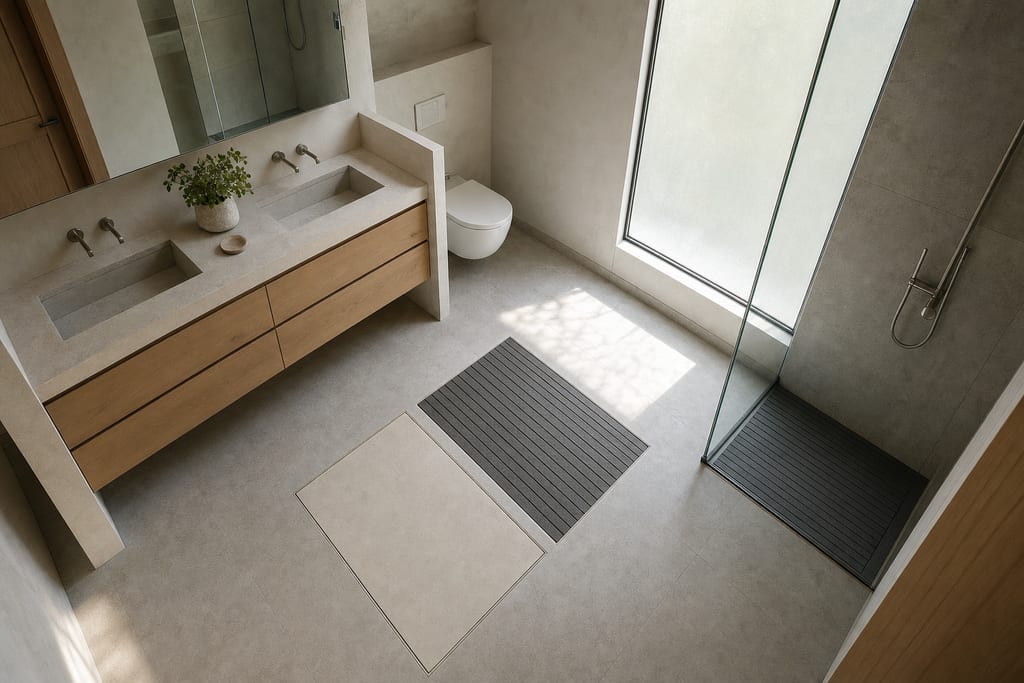
Absolutely, and it's actually a smart strategy for larger bathrooms or spaces with multiple wet zones. You can place one mat outside the shower, another by the sink, and even one near the bathtub. Since each mat dries independently and quickly, you won't end up with a damp, musty bathroom like you would with multiple fabric mats. Just make sure each mat has enough space around it for proper air circulation.
The next generation of home essentials: naturally made, cleaner by design, sustainable by nature.
SHOP ALL