
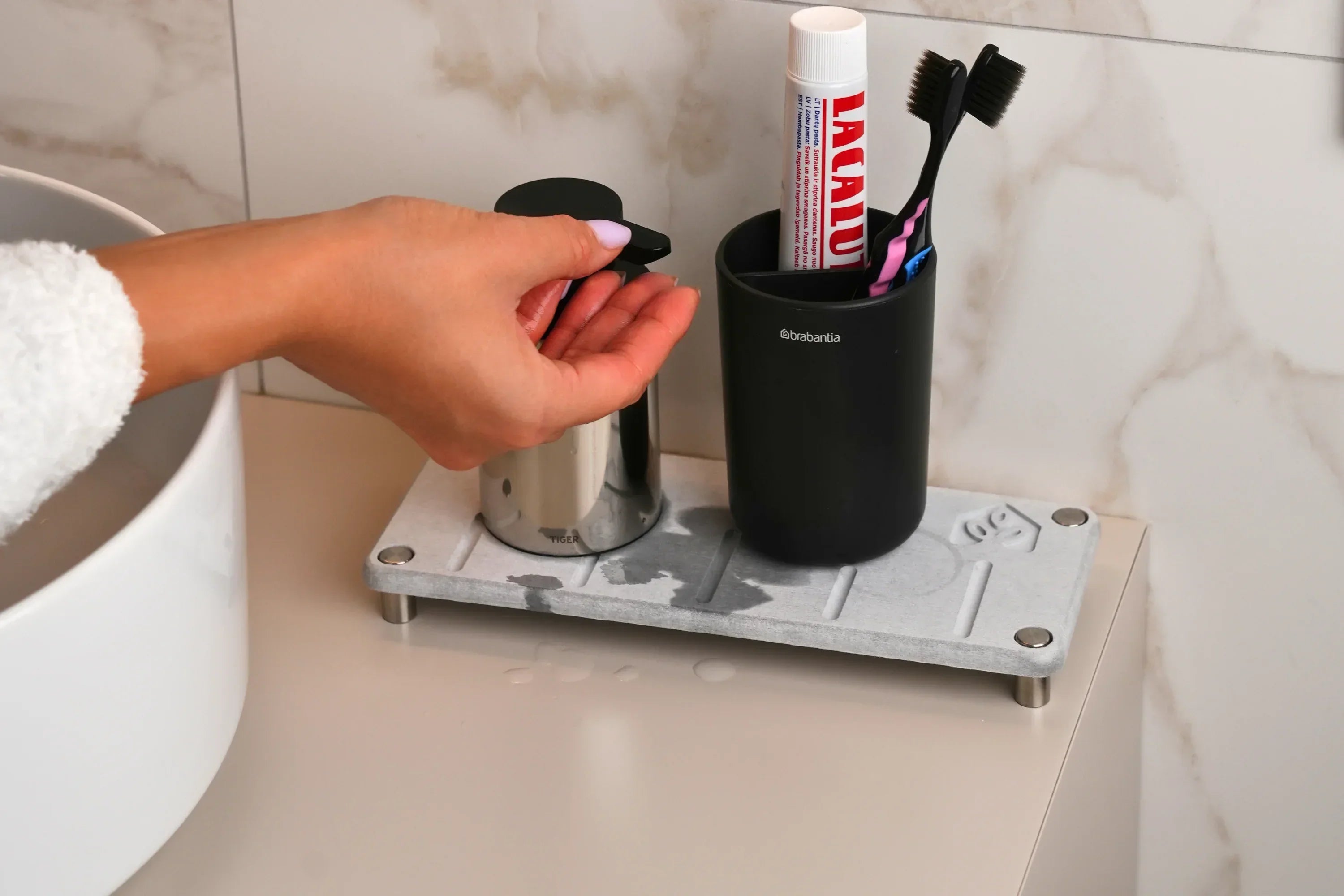
Five Bathroom Trays That Keep Counters Dry
That puddle around your soap dispenser isn't just annoying—it's a breeding ground for mould and mildew that most people don't even notice until it's too late. Traditional bathroom trays actually make the problem worse by trapping moisture underneath, while modern water-absorbing options like our Stone Sink Caddy actively pull water away and dry within seconds. The right bathroom trays can transform your counter from a constantly damp mess into a clean, dry surface that stays fresh between cleanings.
Table of Contents
Why Your Bathroom Counter Stays Wet
A single hot shower can push bathroom humidity levels up to 80%, and that moisture doesn't just disappear when you turn off the water. The steam settles on every surface, from mirrors to countertops, creating the perfect environment for water to pool around your soap dispensers and toothbrush holders. Most people don't realise their bathroom stays this humid for hours after they leave, which explains why counters never seem to fully dry.
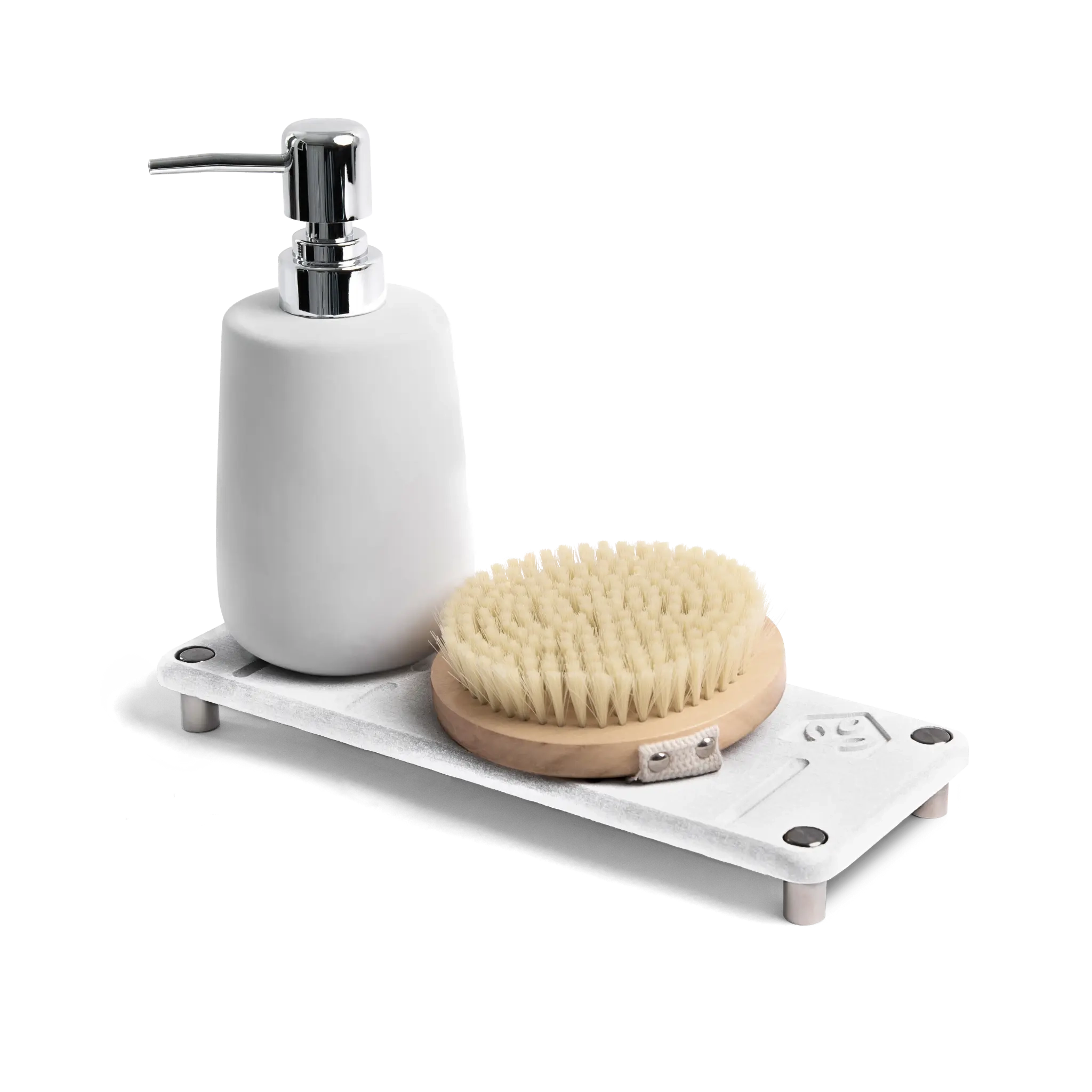
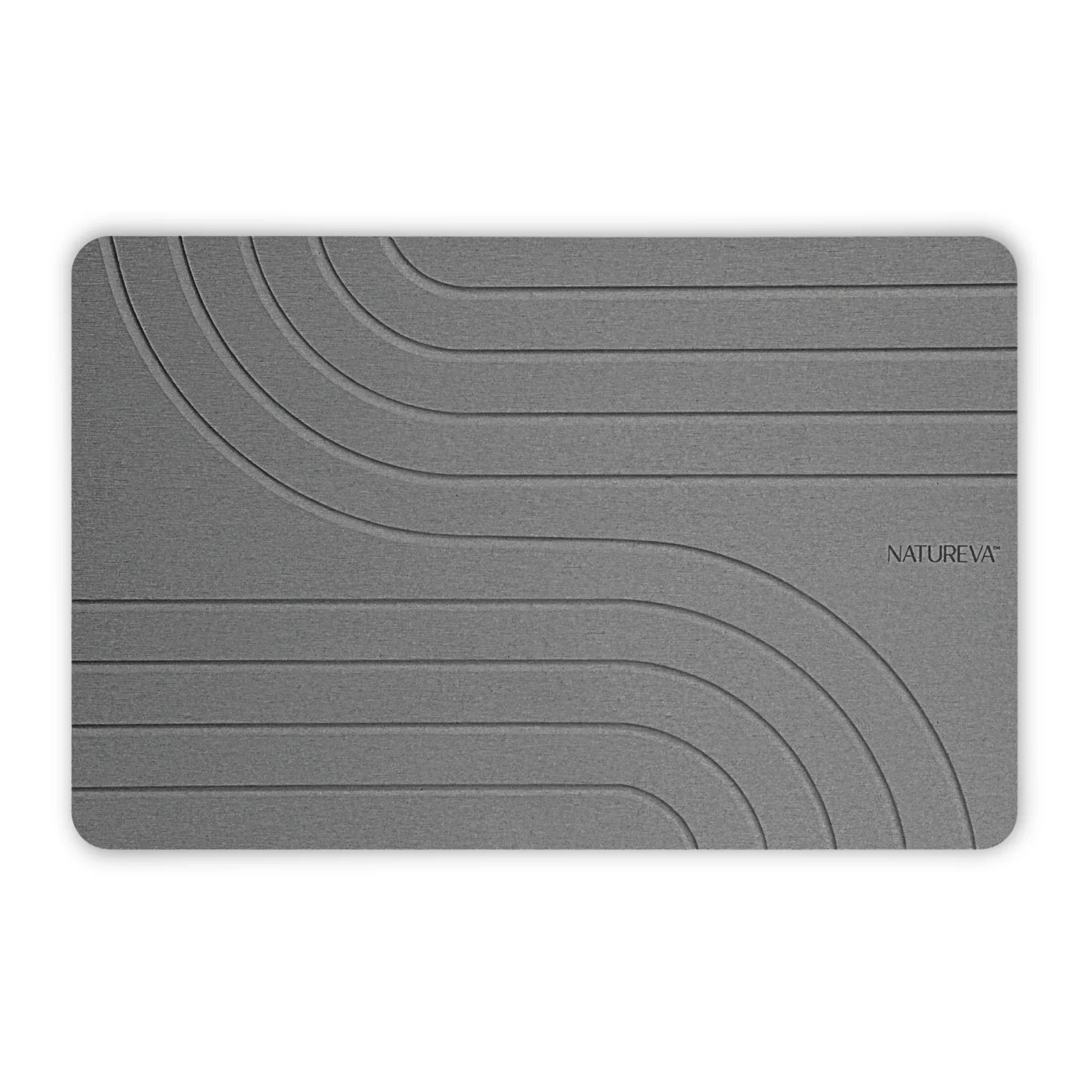
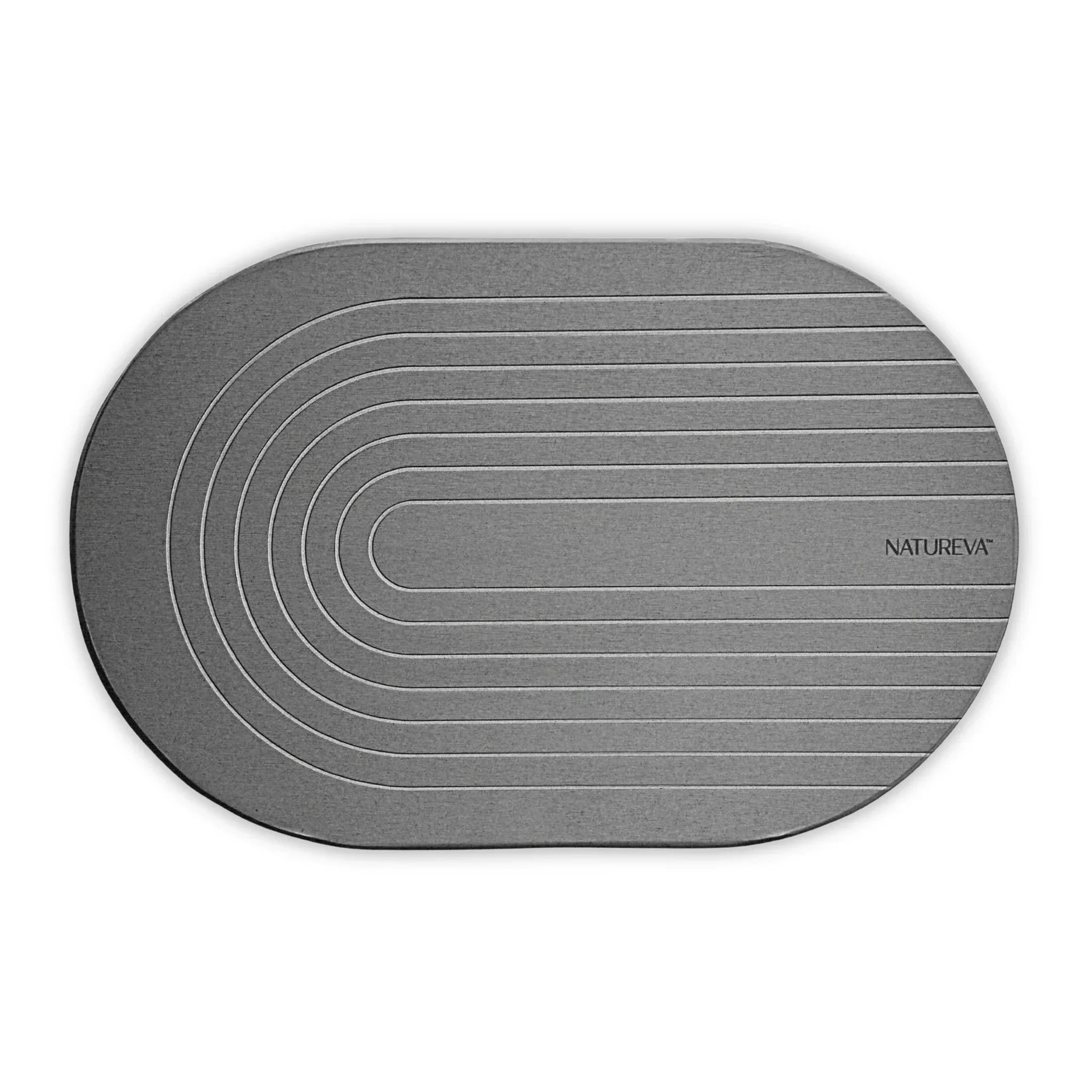
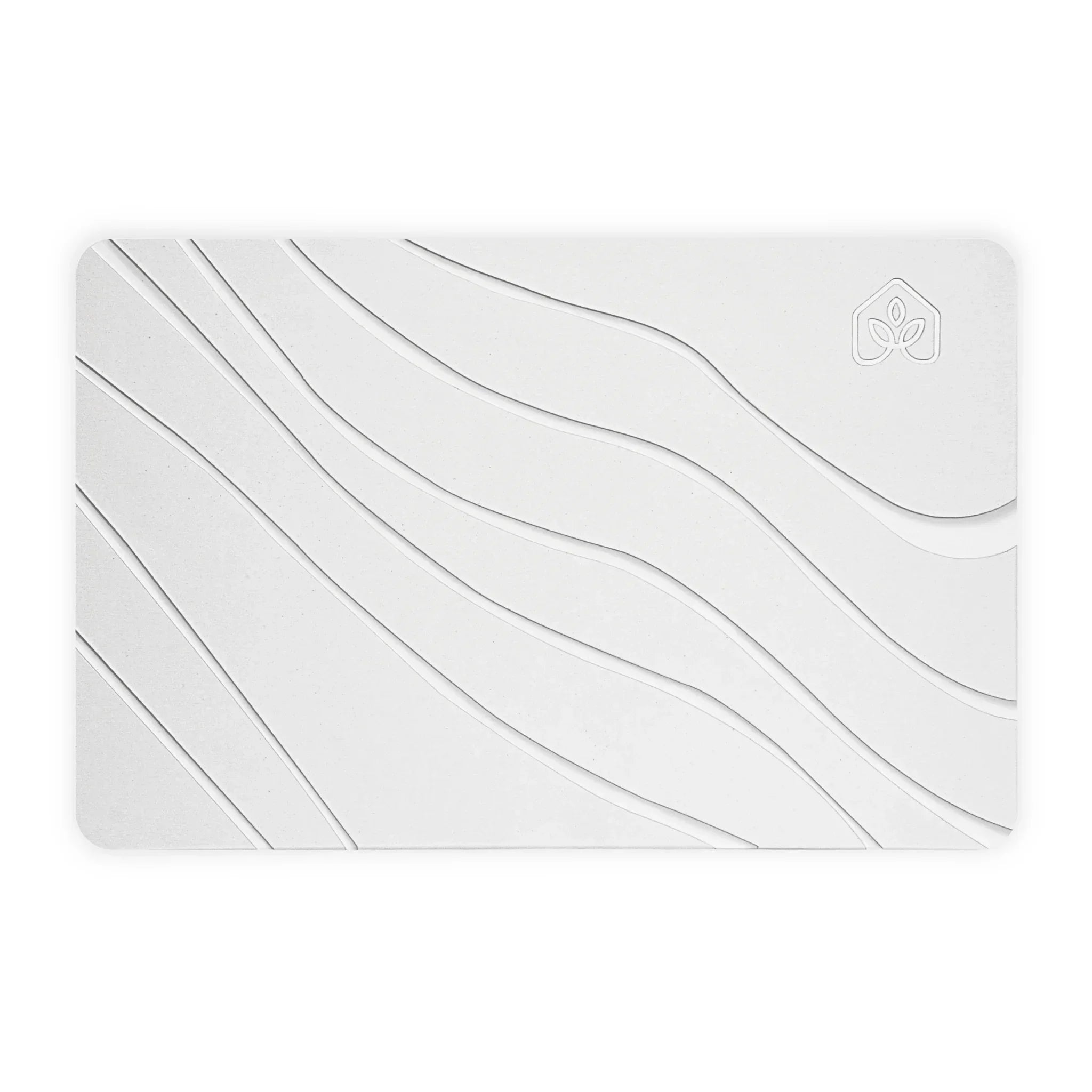
Stone Sink Caddy - Rain
The Humidity Problem Nobody Talks About
Your bathroom is basically a mini rainforest after someone showers. The numbers tell the whole story, and they're pretty surprising when you see them laid out.
| Condition | Humidity Level | Drying Time |
|---|---|---|
| During shower | 70-80% | N/A |
| After shower | 50-60% | 2-4 hours |
| Normal room | 30-40% | Minutes |
That high humidity means water doesn't evaporate like it should. Instead, it just sits there, creating puddles around everything you set on the counter.
Where All That Water Comes From
It's not just shower steam making your counters wet. Every item you use daily adds to the problem in ways you might not notice.
- Soap dispensers drip after each pump, leaving small puddles that spread
- Wet toothbrushes leak water down their handles when you set them down
- Hand soap bars sit in their own melted residue
- Lotion bottles collect condensation on their bottoms
- Razors and shavers drip for minutes after rinsing
According to EPA research on indoor moisture, these constant small water sources cause more long-term damage than occasional big spills.
Why Regular Trays Make Things Worse
Most people buy a plastic or ceramic tray thinking it'll solve the problem. The truth is these traditional bathroom trays just collect water instead of dealing with it. The water sits in the tray, touching your items constantly, which creates even more problems than having no tray at all.
- Plastic trays trap moisture underneath, leading to mould growth you can't see
- Ceramic dishes hold water like tiny pools that never evaporate
- Metal trays rust and stain both themselves and your counter
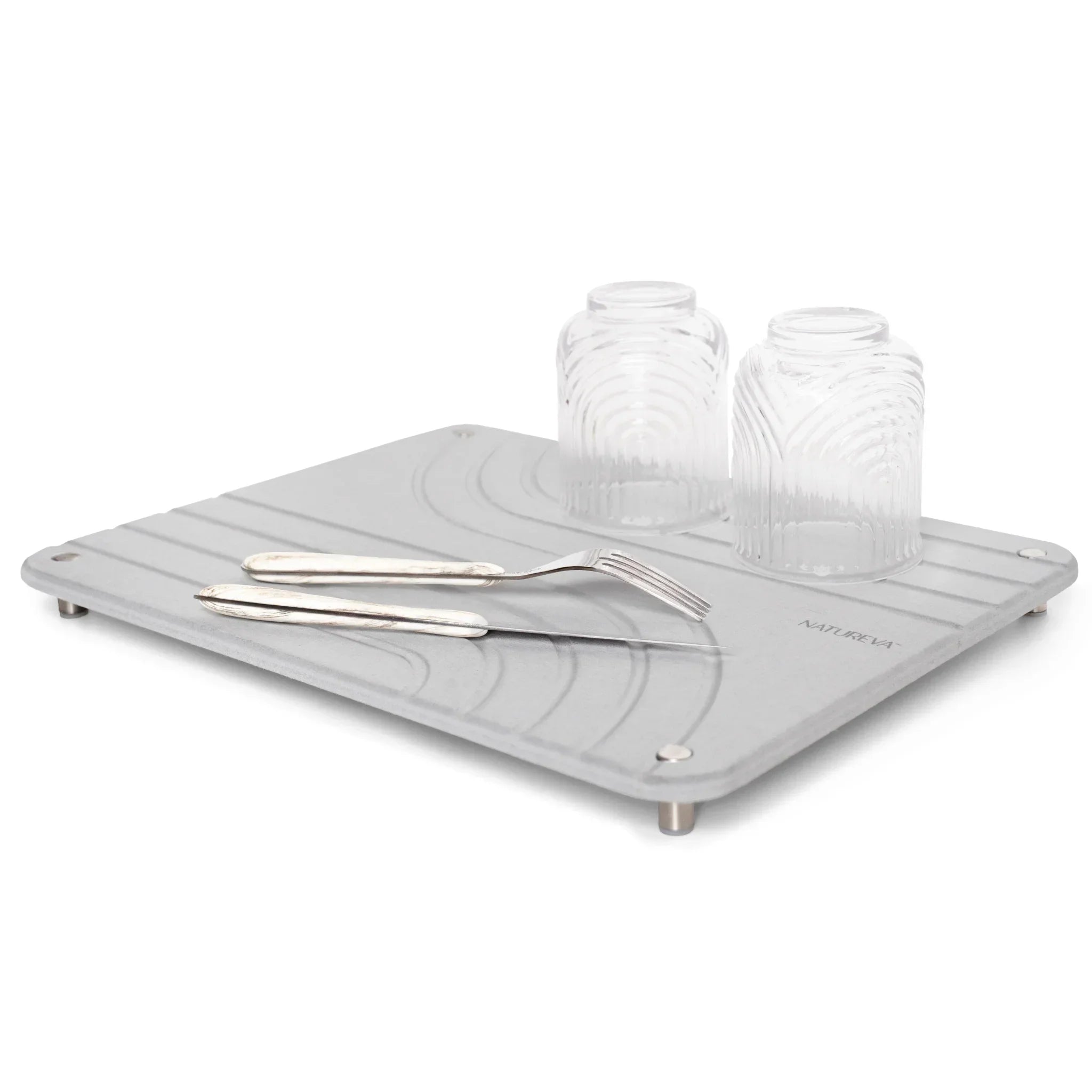
Some newer absorbent stone options have emerged, but many still struggle with proper water evaporation. Our Stone Sink Caddy uses diatomaceous earth that actually pulls water away and dries within seconds, which is why it works differently than trays that just contain the mess. The key difference is active evaporation versus passive collection.
Diatomaceous Earth Stone Trays
Water puddles around your soap dispenser are more than just annoying. They create the perfect breeding ground for mould and bacteria, and they make your bathroom look messy no matter how much you clean. The problem with most bathroom trays is that they just collect water instead of actually dealing with it. But there's a type of tray that works differently, and it's made from something you might not expect.
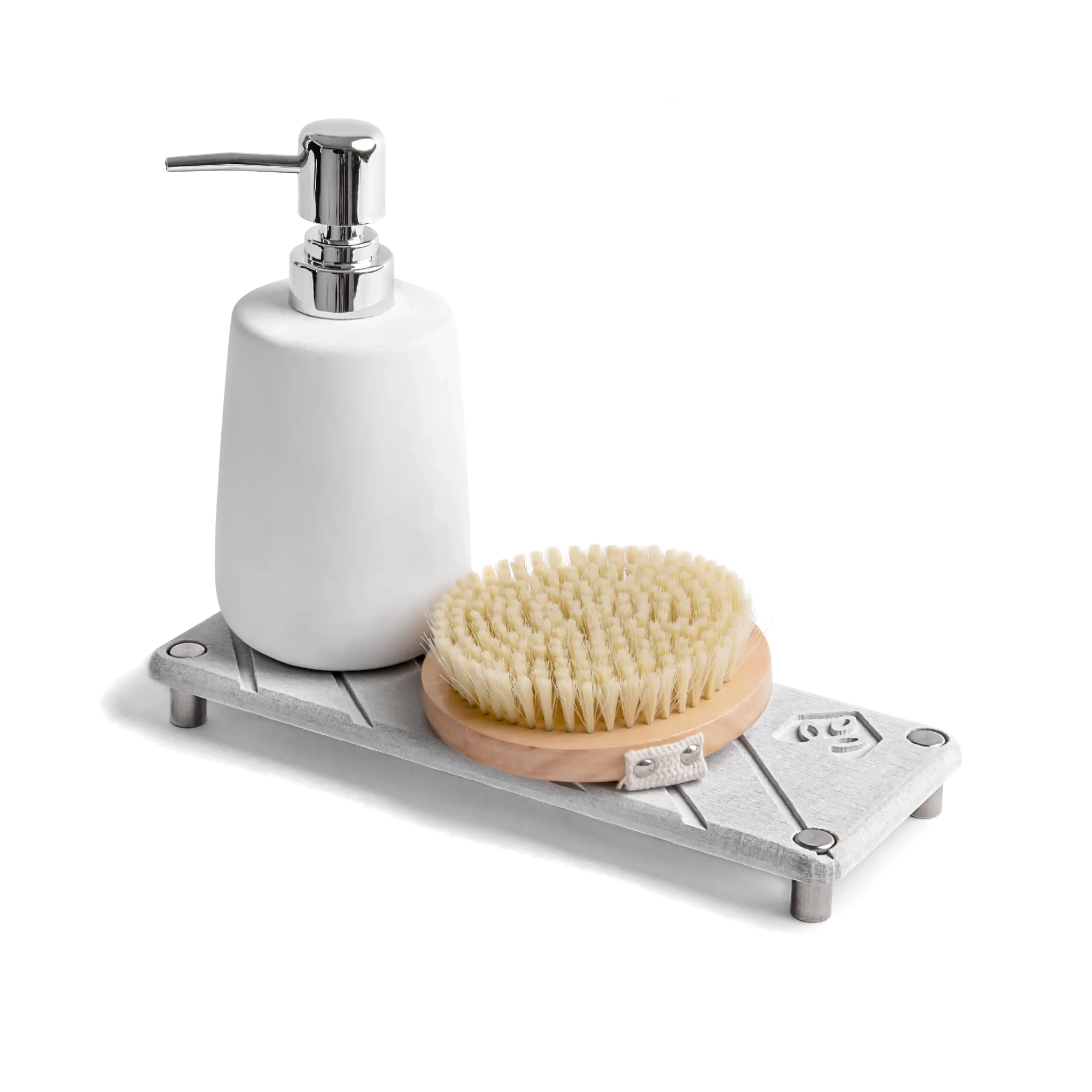
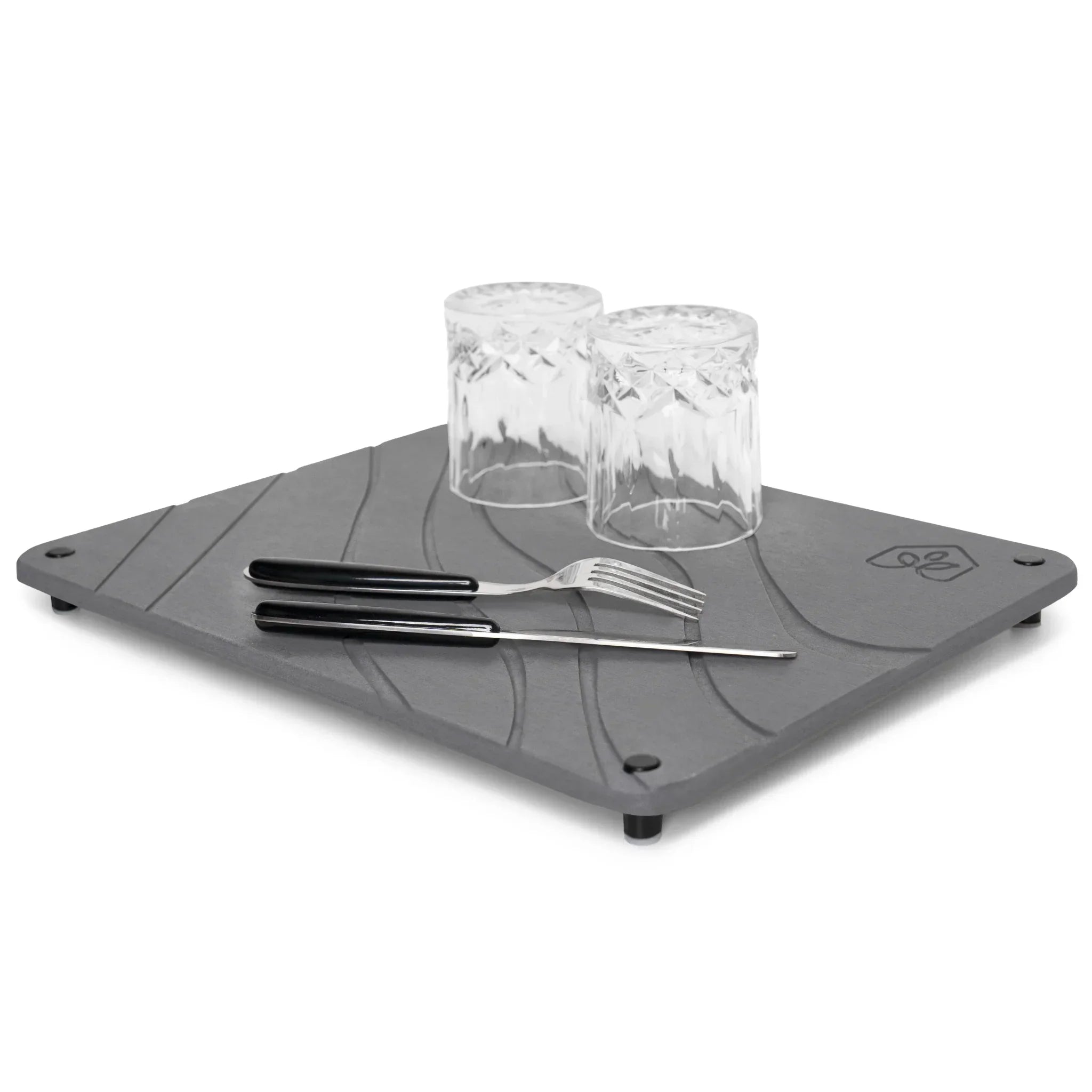
Stone Sink Caddy - Flow
Diatomaceous earth trays are made from fossilized algae that lived millions of years ago. The stone has millions of tiny pores that pull water in through capillary action, but instead of staying wet, the water evaporates through those same pores in about 60 seconds. This means your counter stays dry and your bathroom items don't sit in puddles.
| Feature | Diatomaceous Earth | Traditional Trays |
|---|---|---|
| Water Absorption | Instant | None |
| Drying Time | 60 seconds | Pools indefinitely |
| Mould Prevention | Natural | Requires cleaning |
| Maintenance | Minimal | Regular emptying |
Our Stone Sink Caddy in Rain pattern and Flow pattern both use this technology at $25 each. The natural properties of the stone prevent mould and bacteria growth without any chemicals or special treatments. You just set your soap, toothbrush holder, or other bathroom items on top and forget about it.
The stone actively evaporates water instead of trapping it, which is why it works so much better than plastic or ceramic trays. You'll notice the difference within the first day of using it.
Bamboo Slat Trays with Drainage
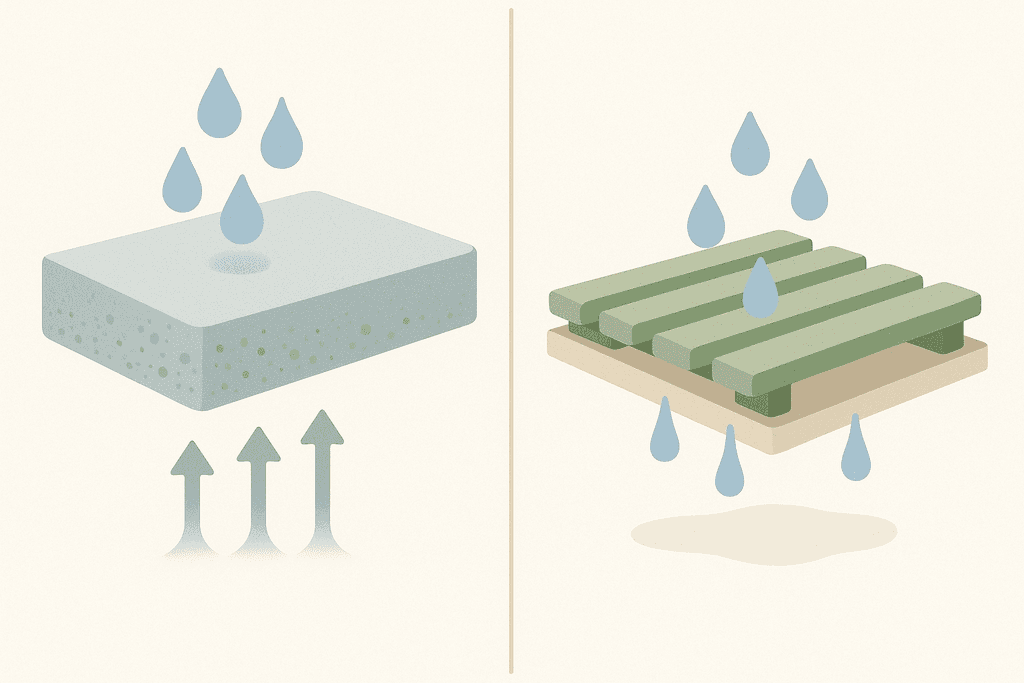
Bamboo trays take a different approach to keeping things dry. Instead of absorbing water, they let it drain through gaps between wooden slats. The items sit elevated on top while water drips down to a lower layer or directly onto your counter. Bamboo naturally resists moisture better than regular wood, which is why you see it used in bathrooms and kitchens so often.
Bamboo Slat Trays with Drainage
The slat design works well for items that drip a lot, like shampoo bottles or soap bars fresh from the shower. Water doesn't pool around your items because it falls through the gaps. The problem is that the water has to go somewhere, and usually that means it ends up on your counter anyway.
- Natural bamboo resists moisture and mould better than plastic
- Slats keep items elevated so air can circulate underneath
- Eco-friendly material that's sustainable and renewable
- Works best when you put an absorbent mat underneath to catch drips
- Needs regular cleaning between the slats to prevent soap buildup
Bamboo trays are a decent middle-ground option if you want something natural. They're better than solid trays that trap water, but they don't actually solve the moisture problem. You'll still need to wipe down your counter or use something underneath to catch the drips.
Silicone Drainage Mat Trays
Silicone mats are the flexible option that fits any space. They have raised bumps or ridges that keep your bathroom items lifted off the surface, so water can flow underneath. You can cut them to size, roll them up for storage, and throw them in the dishwasher when they get grimy. They're usually the cheapest option you'll find for bathroom trays.
The raised pattern channels water away from your items, but here's the catch. That water just pools underneath the mat, sitting there until you remember to dump it out. If you forget for a few days, you've got a puddle of stagnant water that starts to smell and grow things you don't want in your bathroom.
The next generation of home essentials: naturally made, cleaner by design, sustainable by nature.
SHOP ALL- Flexible material bends to fit any counter space or drawer
- Dishwasher safe for easy cleaning
- More affordable than stone or bamboo options
- Water collects underneath and needs regular emptying
- Can develop mildew smell if not cleaned often
Silicone mats work if you're diligent about maintenance. But most people buy them hoping for a set-it-and-forget-it solution, and that's not what you get. Drainage trays only work when paired with regular cleaning routines.
Mesh Metal Trays
Stainless steel mesh trays bring an industrial look to your bathroom while letting air flow freely around your items. The open weave design means water drips straight through instead of pooling anywhere on the tray itself. These trays are popular in modern bathrooms where people want that minimalist metal aesthetic. They're rust-resistant and last for years without breaking down.
The airflow is the best feature of mesh trays. Your soap dries faster, your toothbrush holder doesn't get that slimy ring around the bottom, and everything feels cleaner. But just like bamboo trays, the water still ends up on your counter. You're trading one problem for another.
- Rust-resistant stainless steel construction lasts for years
- Open mesh promotes maximum air circulation
- Modern look fits contemporary bathroom designs
- Water drips through but pools on counter below
- Best for items that need to dry quickly between uses
Metal mesh trays work well in bathrooms where you can place them over a sink or in a shower caddy where drainage isn't an issue. On a counter though, you'll still be wiping up water regularly.
Cork-Based Absorbent Trays
Cork trays absorb moisture naturally while providing a soft surface that won't scratch your bathroom items. The material comes from tree bark that regrows, making it another eco-friendly option. Cork has natural antimicrobial properties that help resist mould, which is why it's been used in bathrooms for decades. The soft texture also protects delicate items like glass bottles or ceramic soap dishes from chipping.
Cork absorbs light moisture pretty well, but it's much slower than diatomaceous earth stone. If you set a wet soap bar on cork, it might take 10-15 minutes to fully absorb the water. With heavy use, cork trays start to break down and need replacement every 6-12 months. The material can also develop dark water stains that don't come out.
- Natural cork material absorbs light moisture gradually
- Soft surface protects delicate bathroom items
- Antimicrobial properties naturally resist mould growth
- Slower absorption compared to stone options
- Needs replacement every 6-12 months with regular use
Cork works for people who want something natural and don't mind replacing it periodically. It's not the most effective solution for wet bathroom items, but it's better than trays that don't absorb anything at all.
The best bathroom trays actually deal with water instead of just moving it around. Stone options like our sink caddies absorb and evaporate moisture in seconds, while other materials require more maintenance or don't fully solve the problem. Your choice depends on how much effort you want to put into keeping your bathroom counter dry and clean.
Finding Your Perfect Bathroom Tray
The right bathroom tray makes a bigger difference than most people realise. Water damage on counters can cost hundreds to repair, and those puddles around your soap and toothbrush create the perfect breeding ground for mould and bacteria. A good tray stops both problems before they start, which is why choosing the right material matters so much.
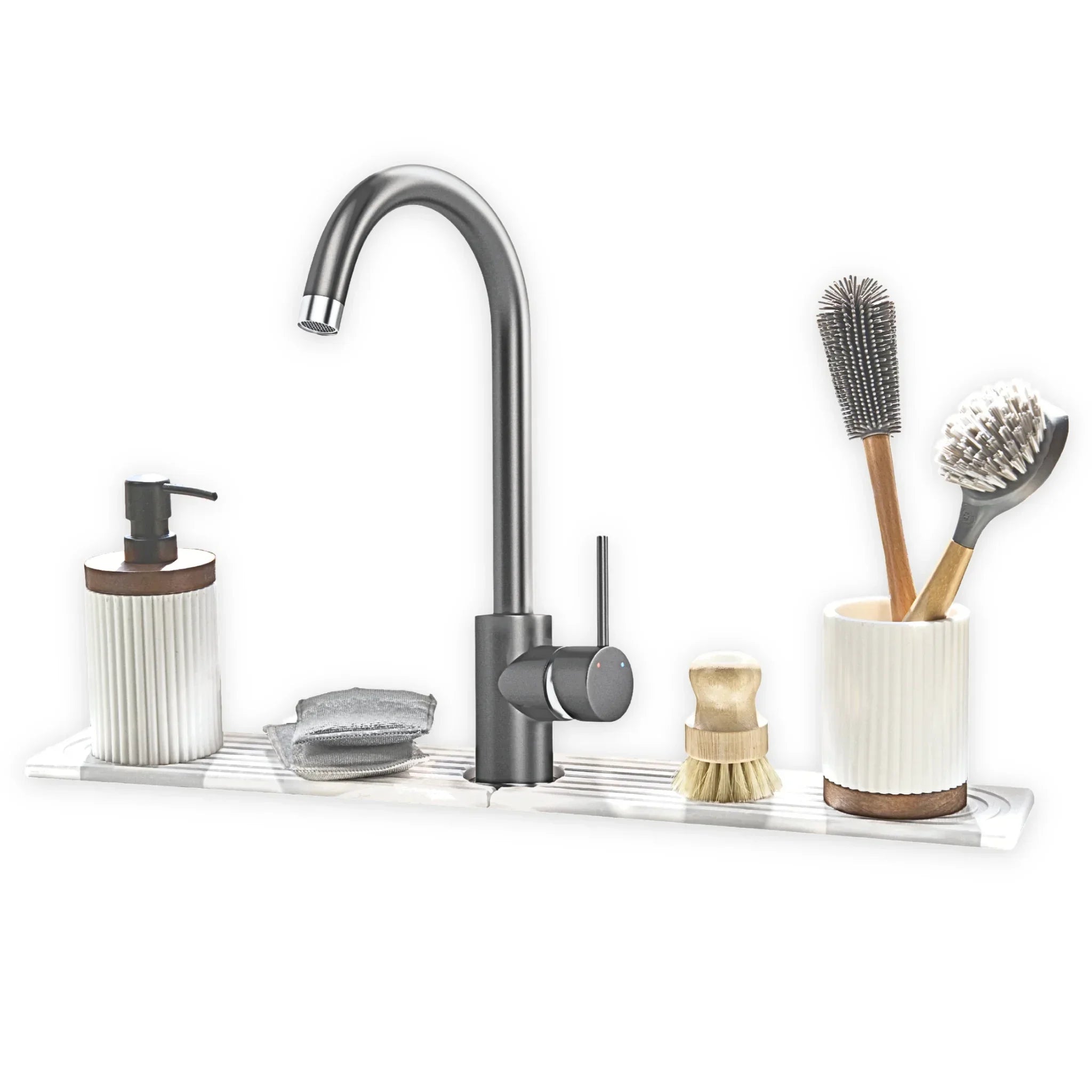
Diatomaceous earth bathroom trays stand out because they actually absorb water instead of just collecting it. Traditional plastic or ceramic trays leave your items sitting in puddles, but stone options like our Stone Sink Caddy pull moisture away and dry within seconds. This same technology works throughout your home, from stone bath mats that keep your bathroom floor dry, to dish mats and faucet mats that protect your kitchen counters.
Think about your bathroom's specific needs when picking a tray. High humidity bathrooms need faster drying power, while smaller counters require compact designs. The investment pays off quickly when you consider the cost of replacing water-damaged countertops or dealing with mould issues.
Stone bathroom trays combine practical water absorption with clean, modern design. They work harder than regular trays while looking better on your counter. The question isn't whether you need a tray, but which type will actually keep your bathroom dry and clean long-term.
Still have questions about which tray works best for your space or how to care for diatomaceous earth products? The answers below cover everything you need to know.
Common Questions About Bathroom Trays
Choosing the right bathroom tray involves more than just picking something that looks nice on your counter. People often wonder about maintenance, durability, and whether these trays actually work in real bathroom conditions. Here are the most common questions we hear about bathroom trays and what you need to know before buying one.
How often do bathroom trays need cleaning?
Most bathroom trays need a quick wipe-down once a week to remove soap residue and water spots. Traditional plastic or ceramic trays can develop buildup faster since they don't absorb moisture. Diatomaceous earth trays like our Stone Sink Caddy require less frequent cleaning because they naturally dry and resist bacteria growth, though you should still rinse them every couple of weeks to maintain their absorbency. Check our care and cleaning guide for detailed maintenance tips.
Can these trays handle heavy soap dispensers?
Yes, quality bathroom trays are designed to support everyday bathroom items including full soap dispensers and bottles. Stone-based trays are particularly sturdy and won't crack or warp under normal use. Just make sure the tray you choose has enough surface area to distribute the weight evenly across multiple items.
Do absorbent trays work in high-humidity bathrooms?
Absorbent trays made from diatomaceous earth work well even in humid environments because they don't just collect water, they actively evaporate it. The key is choosing a tray with proper ventilation underneath. The moisture needs somewhere to go, and a well-designed tray will allow air circulation to speed up the drying process regardless of bathroom humidity levels.
How long do diatomaceous earth trays last?
A good diatomaceous earth tray should last several years with proper care. The material doesn't break down quickly, but it can lose some absorbency over time if not maintained. Light sanding with fine-grit sandpaper every few months can restore the surface and bring back its water-absorbing properties. This makes them more cost-effective than replacing plastic trays that crack or discolour.
What's the best size tray for a standard bathroom counter?
For most bathroom counters, a tray between 20 to 30 centimetres long works perfectly without taking up too much space. Consider what you'll actually store on it before buying. If you only need room for a soap dispenser and toothbrush holder, a smaller tray keeps things tidy. For families sharing a bathroom, a longer tray gives everyone space for their essentials without the counter looking cluttered.
The next generation of home essentials: naturally made, cleaner by design, sustainable by nature.
SHOP ALL