

Five Cat Food Mat Surfaces That Stop Mess Tracking
Most cat owners don't realize their cat food mat is actually spreading mess instead of stopping it. The wrong surface material traps moisture and food particles that stick to your cat's paws, turning every meal into a tracking nightmare throughout your home. Understanding how different mat surfaces handle spills and moisture is the key to finally keeping your floors clean.
Table of Contents
Why Mat Surface Material Actually Matters
Most cat owners don't think twice about what their cat food mat is made from until they're scrubbing mystery stains for the third time that week. The truth is, the material your mat is made from determines whether you'll spend five minutes or thirty minutes cleaning up after every meal. Different surfaces interact with water, kibble crumbs, and wet food in completely different ways, and understanding these differences can save you hours of frustration.
Stone Pet Mat
How Materials Handle Spills and Moisture
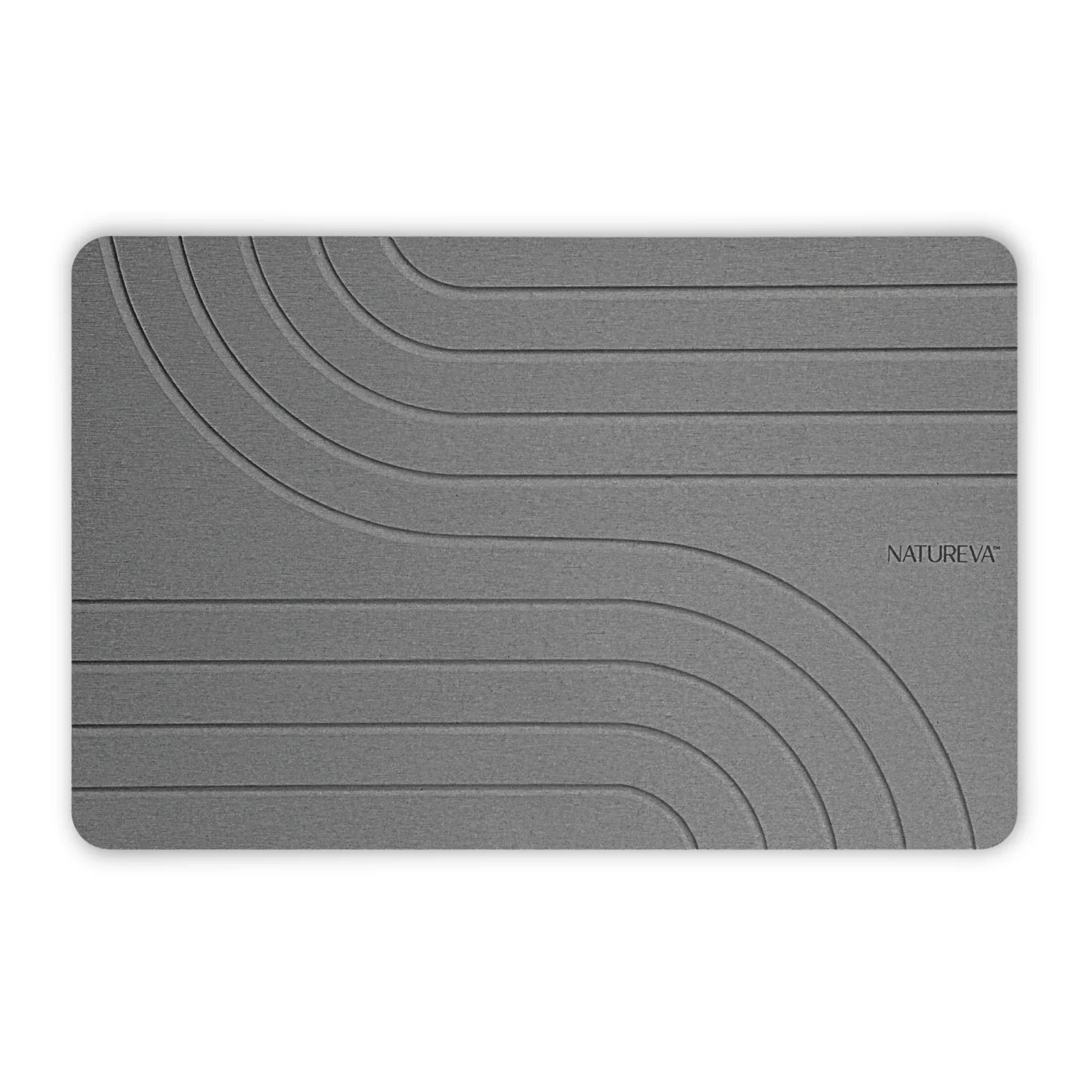
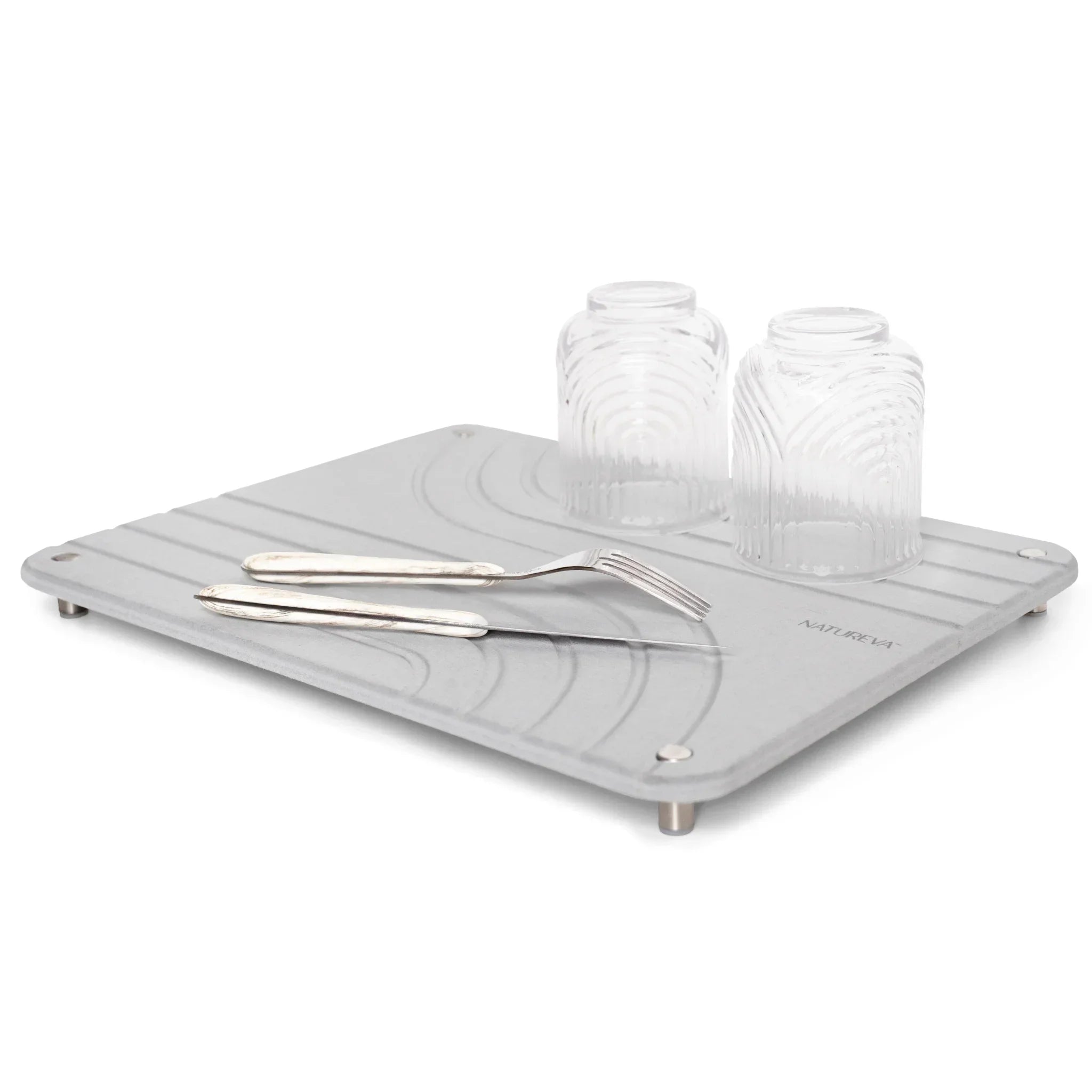
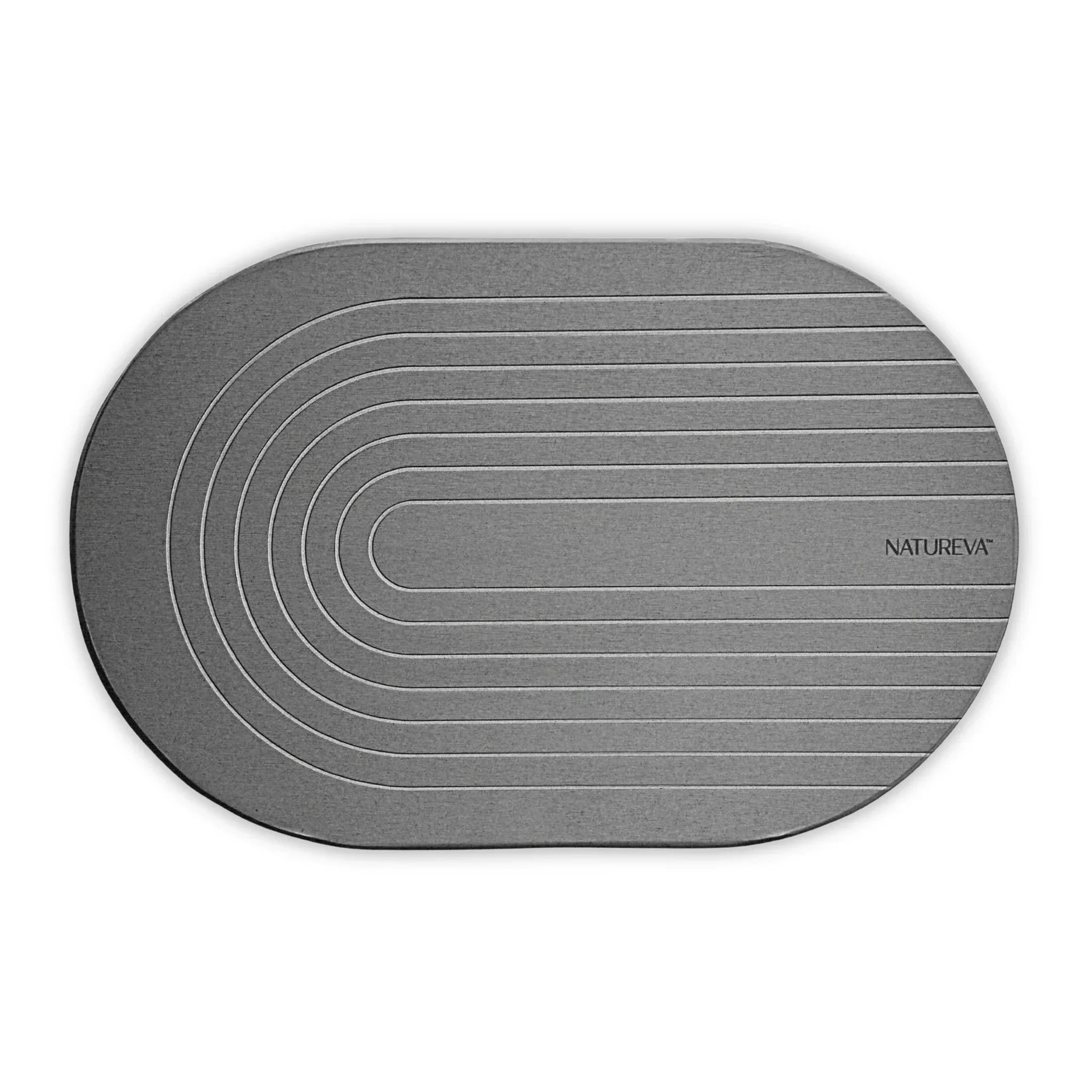
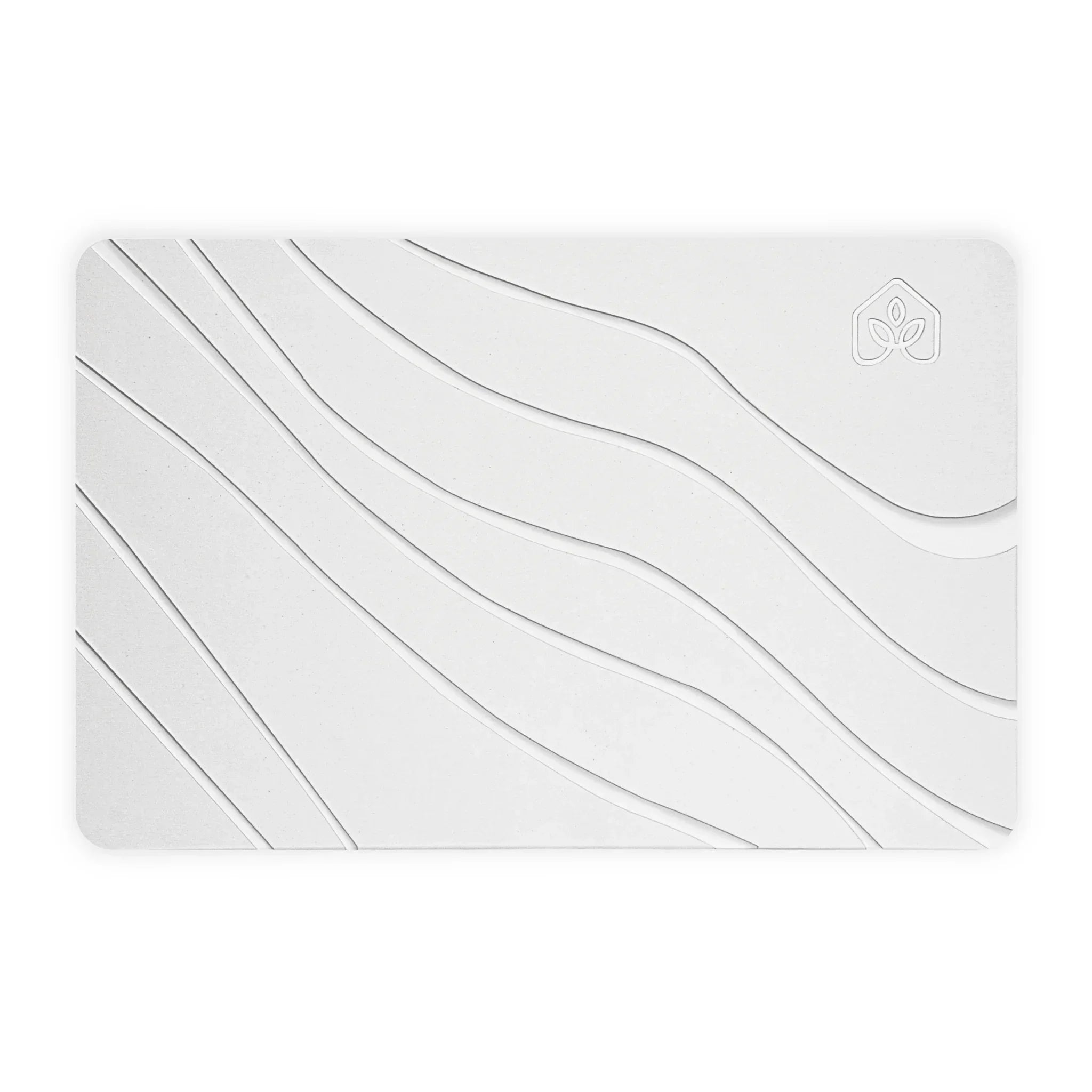
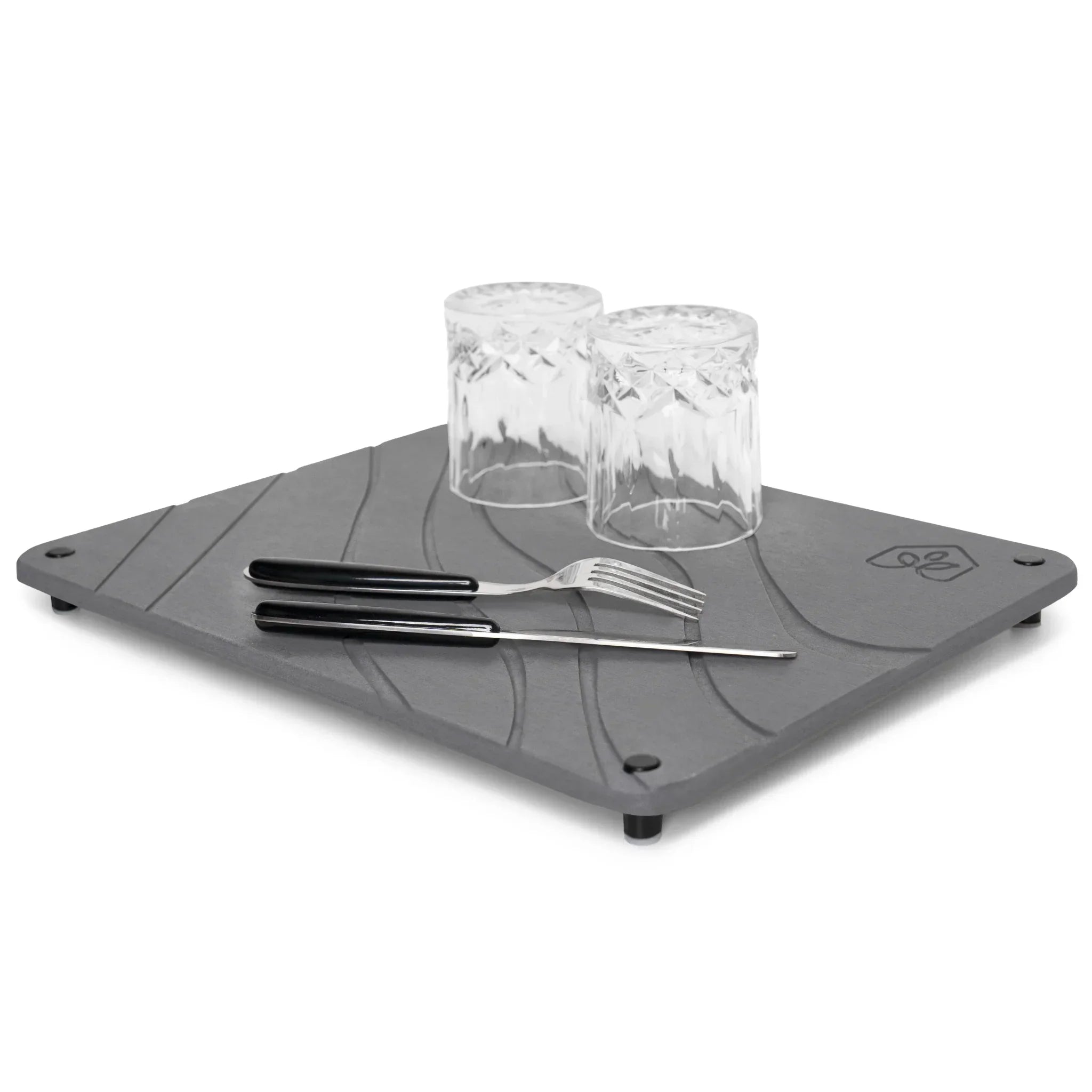
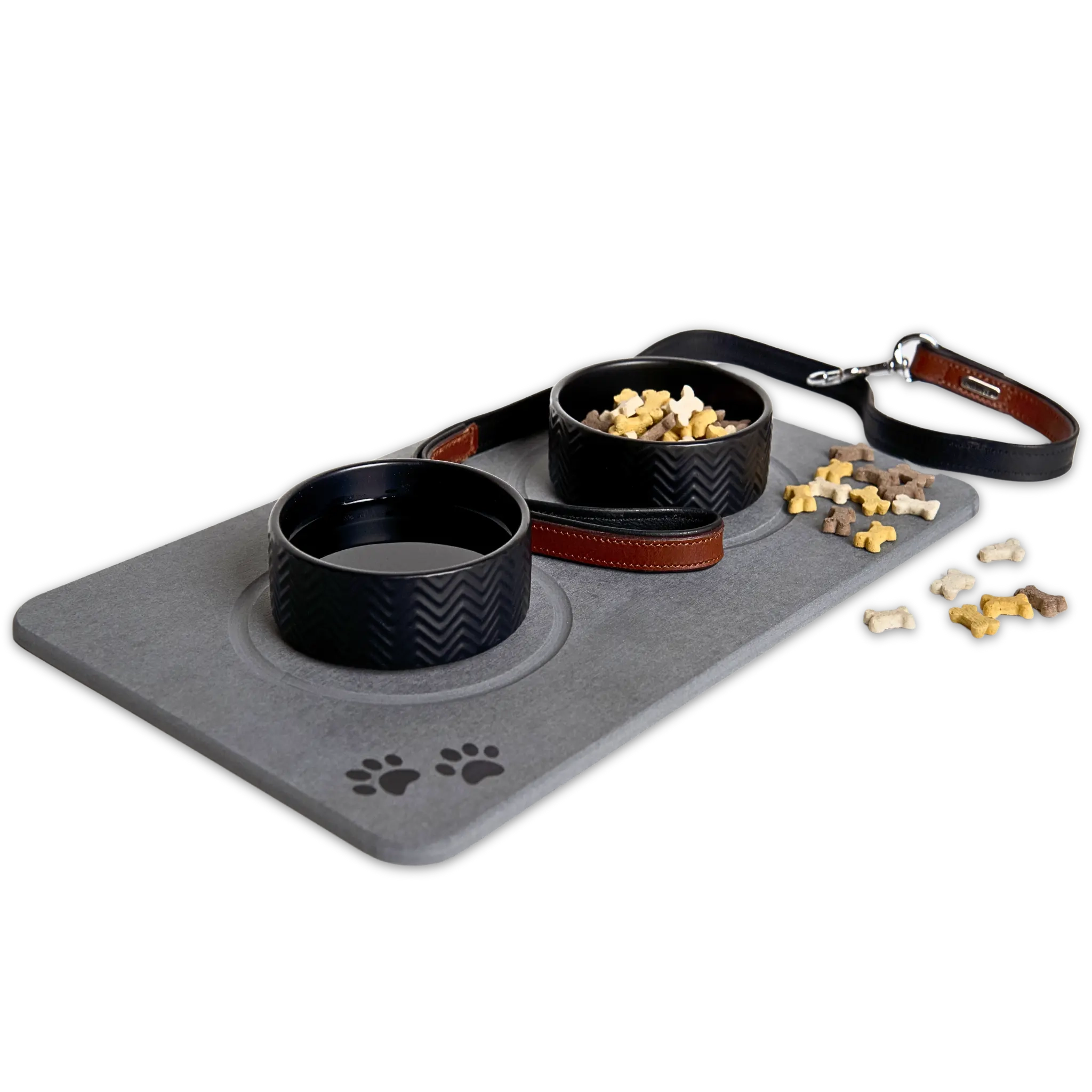
When your cat knocks over their water bowl or drools while eating, the mat's porosity becomes your best friend or worst enemy. Porous materials like diatomaceous earth absorb liquid almost instantly, while non-porous surfaces like silicone let spills spread across your floor. The Natureva Stone Pet Mat uses natural diatomaceous earth with millions of tiny pores that pull moisture away from the surface in seconds.
Materials with high moisture retention create the perfect breeding ground for bacteria and mold. A damp mat sitting under your cat's food bowl for hours turns into a science experiment you definitely don't want in your kitchen.
- Porous materials absorb spills before they spread to your floors
- Non-porous surfaces require immediate wiping or water pools underneath
- Moisture-retaining mats need daily washing to prevent bacterial growth
- Quick-drying materials like stone naturally evaporate water through air circulation
Surface Texture and Paw Tracking
The texture of your cat food mat directly affects how much mess ends up on your floors. Smooth surfaces let food particles and litter stick to wet paws, which then get tracked throughout your home. Textured surfaces can trap debris, but they're also harder to clean if the material doesn't dry quickly.
- Smooth mats allow easy wiping but don't prevent tracking
- Heavily textured surfaces trap food but collect grime in grooves
- Slightly textured, absorbent materials catch spills without harboring debris
Cleaning Frequency by Material Type
Some materials demand daily washing while others only need a quick wipe every few days. This difference comes down to how the material handles moisture and whether bacteria can thrive on its surface. According to expert cleaning guidelines, mats that stay damp require more frequent sanitizing to prevent odors and bacterial buildup.
| Material Type | Absorption Speed | Drying Time | Cleaning Frequency |
|---|---|---|---|
| Diatomaceous Stone | Instant | Under 1 hour | Every 3-4 days |
| Silicone | None | Requires wiping | Daily |
| Fabric/Microfiber | Moderate | 4-6 hours | Daily |
| Rubber | None | Requires wiping | Daily |
| Plastic | None | Requires wiping | Every 2 days |
Materials that dry quickly naturally resist bacterial growth, which means less scrubbing and fewer smells. The science is simple but the impact on your daily routine is huge.
Silicone Mats: Flexible But Flawed
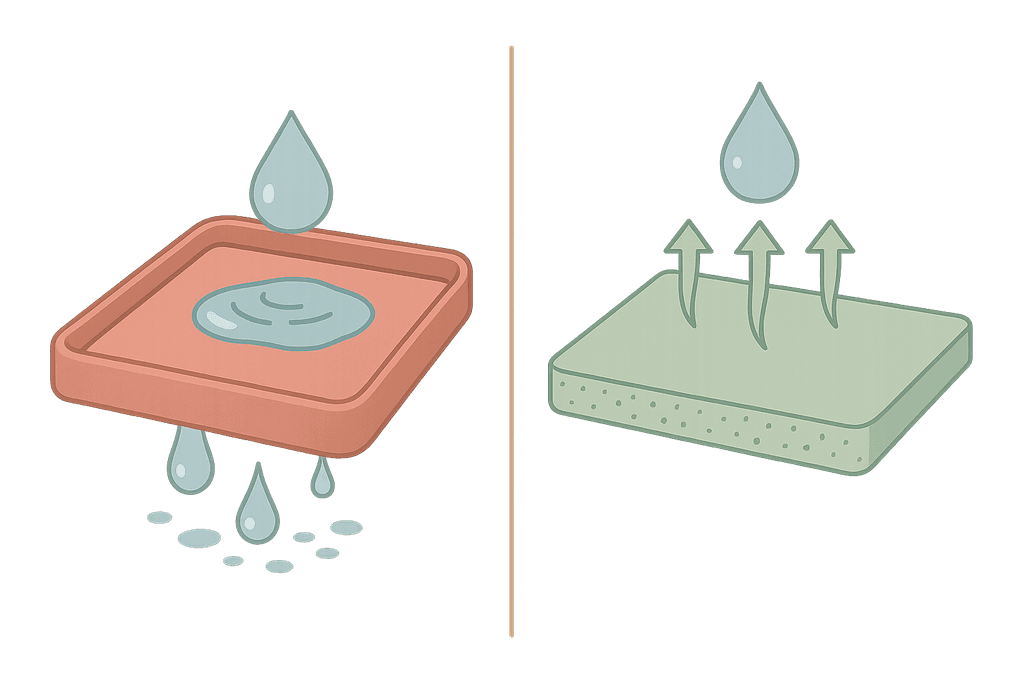
Most cat owners reach for silicone mats first because they seem like the obvious choice. These flexible mats create a waterproof barrier with raised edges that contain spills, which sounds perfect until you actually use one for a few days. The problem isn't what silicone does, it's what it doesn't do. While the mat keeps water from reaching your floor, it also keeps water sitting right there on the surface, waiting for your cat's paws.
Silicone Mats: Flexible But Flawed
The smooth surface means water pools instead of absorbing, creating little puddles that turn your cat's paws into tracking devices. Food particles slide around easily, which seems convenient for wiping up, but the water situation gets worse with every meal.
- Waterproof barrier contains spills within raised edges
- Pooling water creates paw-soaking puddles on smooth surface
- Increased tracking despite containing the initial mess
- Immediate wiping required after every meal to prevent paw prints
- Best for neat eaters who are messy drinkers only
You'll find yourself wiping down the mat after every single feeding time. Miss one session and you'll discover wet paw prints trailing through your kitchen, living room, and probably on your bed. The mat technically works, but it creates almost as much work as having no mat at all.
| Pros | Cons |
|---|---|
| Contains spills effectively | Water pools on surface |
| Easy to wipe clean | Requires constant wiping |
| Dishwasher safe | Increases paw tracking |
| Flexible and portable | Creates more cleanup work |
Rubber and Fabric: The Absorption Problem
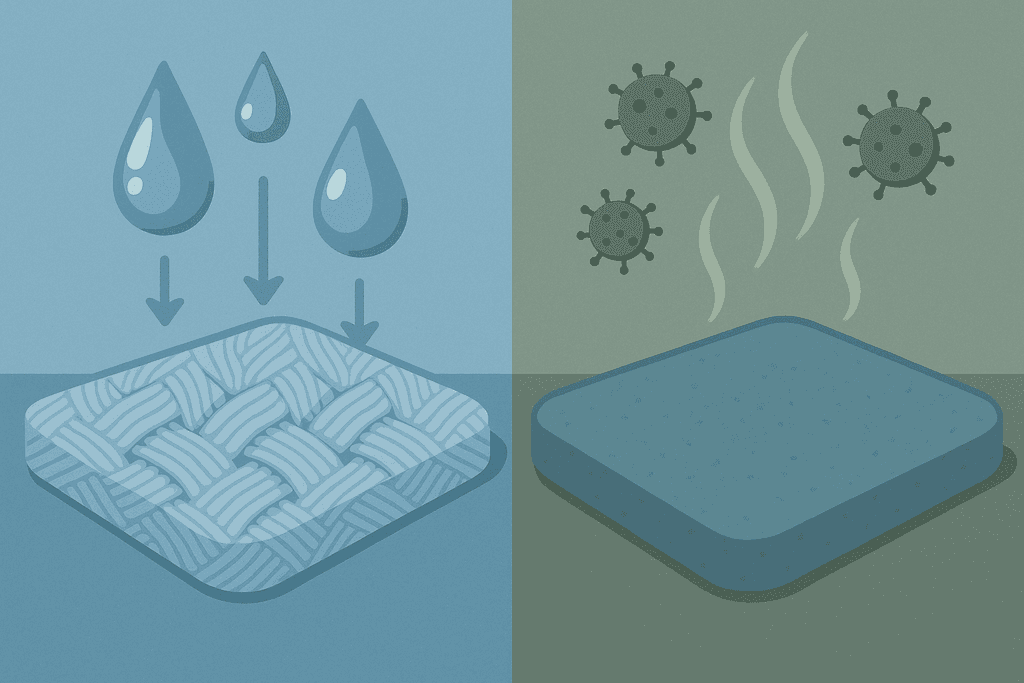
Fabric mats with rubber backing seem like they'd solve the pooling water issue that silicone creates. They do absorb spills quickly, which feels like progress at first. But absorption without evaporation just moves the problem from the surface to inside the mat itself. The water sits there, trapped between the fabric top and rubber bottom, staying wet for hours after your cat finishes eating.
Rubber and Fabric: The Absorption Problem
That trapped moisture becomes a bacteria breeding ground within 24 hours, especially in the warm spots where your cat's food bowl sits. The rubber backing does prevent floor damage, but it also prevents air circulation underneath.
Cats have sensitive noses and paws. Most cats will actually avoid walking on damp surfaces, which means they'll step around the mat instead of on it. This defeats the entire purpose of having a cat food mat in the first place. According to research on feline feeding behavior, cats prefer clean, dry feeding areas for their mental well-being.
- Quick absorption but stays wet for hours
- Rubber backing traps moisture against the mat
- Bacteria growth starts within 24 hours
- Cats avoid damp surfaces, stepping around the mat
- Machine washing needed 2-3 times weekly
- Heavy when wet and difficult to move for cleaning
The maintenance becomes exhausting. You'll need to wash these mats multiple times per week to prevent odors, and they're surprisingly heavy when soaked with water. Lifting a wet fabric mat to clean underneath it is nobody's idea of fun.
The next generation of home essentials: naturally made, cleaner by design, sustainable by nature.
SHOP ALLPlastic Mats: Cheap But Counterproductive
Hard plastic mats cost less than other options, which explains their popularity. But their non-absorbent surface actually increases mess tracking throughout your home rather than reducing it. Water beads up and rolls right off the plastic, spreading across your floors in unpredictable directions. What you save in money, you lose in effectiveness.
Food particles scatter easily when cats paw at their bowls, and the lightweight design means the mat slides around during feeding time. Static electricity attracts dust and fur to the surface, creating a grimy layer that needs constant attention.
- Water rolls off and spreads across floors
- Food scatters when cats paw their bowls
- Static attracts dust and fur buildup
- Lightweight mats slide during feeding
- Creates more problems than it solves
The low price point tempts many cat owners, but plastic mats often create more tracking problems than having no mat at all. You'll spend more time cleaning up after the mat than you would have spent just wiping the floor.
Stone Mats: The Absorption and Evaporation Solution
Diatomaceous earth stone mats solve the core problem that other materials can't address. They both absorb moisture instantly and actively evaporate it through millions of microscopic pores. The natural stone material soaks up spills on contact, but unlike fabric mats, it doesn't stay wet. Within minutes, the moisture evaporates into the air, leaving a consistently dry surface.
This means your cat walks away with dry paws that don't track mess through your home. The same porous structure that enables rapid drying also prevents bacteria and mold growth, since microorganisms need sustained moisture to thrive.
| Material | Absorption | Drying Time | Tracking Prevention |
|---|---|---|---|
| Silicone | None | N/A | Poor |
| Fabric | High | 4-6 hours | Poor |
| Plastic | None | N/A | Very Poor |
| Stone | High | 5-10 minutes | Excellent |
Our Natureva Stone Pet Mat uses this natural diatomaceous earth technology to keep feeding areas consistently dry. The heavier weight prevents sliding during enthusiastic eating sessions, and you only need occasional wiping rather than constant washing. Similar stone technology works throughout your home in our bathroom collection and kitchen products.
The difference becomes obvious within the first day of use. No more wet paw prints trailing through your house, no more daily washing cycles, and no more choosing between a messy floor and a bacteria-filled mat. The stone surface stays dry enough that cats actually walk on it instead of around it, which is what a cat food mat should do in the first place.
Choosing Your Cat's Perfect Mat Surface
The cat food mat you pick makes a bigger difference than most people think. A regular fabric mat might soak up water, but then it just sits there being wet and gross for hours. That's when you start getting mold problems and that weird smell that never quite goes away. The material matters because some surfaces just move the problem around instead of actually solving it.
Here's what most cat owners miss. Absorption is only half the battle. If your mat can't dry itself out between meals, you're basically creating a bacteria playground right where your cat eats. Not great.
Stone-based options like our diatomite stone pet mat work differently because they absorb and evaporate at the same time. The millions of tiny pores pull moisture in and then release it into the air naturally. You get a dry surface in minutes, not hours.
Think about how your cat eats before you buy anything. Some cats are neat eaters who barely make a mess. Others look like they're trying to redecorate your kitchen with every meal. Your cleaning tolerance matters too. If you hate doing laundry, skip the fabric mats entirely.
The right surface stops mess from spreading through your home in the first place. Check out our full pet collection to see which option fits your situation best. You might have questions about how these different materials actually work in real life, which is exactly what we'll cover next.
Common Questions About Cat Food Mat Surfaces
Choosing the right cat food mat means understanding how different materials work in real life. These questions come up all the time from cat owners trying to figure out which surface actually handles their specific mess situation. The answers might surprise you, especially if you've been struggling with the wrong type of mat for your cat's habits.
How often should I clean different types of cat food mats?
Silicone and rubber mats need washing every 2-3 days since they don't absorb moisture and just trap it on the surface. Fabric mats should go in the wash weekly or they start smelling pretty bad. Stone mats like our Stone Pet Mat are different because they self-dry through evaporation, so you only need to rinse them once a week or when you notice buildup.
Can stone mats crack or break with normal use?
Stone mats are surprisingly durable for everyday feeding situations. They can crack if dropped from counter height or if something heavy falls on them, but normal cat activity won't damage them. The key is placing them on flat surfaces and avoiding extreme temperature changes, which some cheaper versions from brands like Drysorb don't always warn you about.
Do cats actually care about mat texture?
Most cats don't show strong preferences for mat texture, but some are picky about certain materials. Cats with sensitive paws sometimes avoid rough silicone nubs or overly textured surfaces. Smooth stone surfaces tend to be universally accepted since they feel similar to tile or hardwood floors that cats already walk on.
What works best for cats who splash water everywhere?
Water-splashing cats need serious absorption power that silicone and rubber just can't provide. Fabric mats absorb but stay wet for hours, creating a breeding ground for bacteria. Stone mats made from diatomaceous earth absorb water instantly and dry within minutes, which stops the puddles before they spread across your floor.
How do you properly clean a stone cat food mat?
Rinse stone mats under warm water and use a soft brush for stuck-on food bits. Never use soap or cleaning chemicals because the porous surface absorbs them and they're hard to rinse out completely. Let the mat air dry standing upright, and it'll be ready to use again in about an hour.
Are fabric mats safe for cats with allergies?
Fabric mats can trap allergens, dust, and mold if they stay damp between washings. Cats with sensitivities might react to detergent residue left in the fibers too. Natural stone materials are hypoallergenic and don't harbor the same issues since they don't stay wet long enough for mold growth to start.
The next generation of home essentials: naturally made, cleaner by design, sustainable by nature.
SHOP ALL