
What Absorbent Mat Buyers Should Check Before Purchase
That damp, musty smell coming from your bathroom floor isn't just unpleasant—it's a sign that your fabric bath mat is harboring bacteria and mold in its fibers. Most people don't realize their bath mat choice directly affects their home's hygiene, how often they need to clean, and even their risk of slipping after a shower. Before you buy your next absorbent mat, understanding a few key factors can save you from these common problems and help you find a solution that actually keeps your bathroom cleaner and safer.
Table of Contents
The Evolution of Bathroom Absorbent Mats
Most people don't think twice about their bathroom mat until they step onto a cold, damp surface that hasn't dried since yesterday's shower. For over 50 years, cotton and microfiber mats have been the go-to choice for bathrooms everywhere, but they come with problems that most of us just accept as normal. These traditional mats soak up water, sure, but then they sit there wet for hours, creating the perfect home for bacteria and mold. The bathroom floor stays protected, but at what cost to your health and comfort?
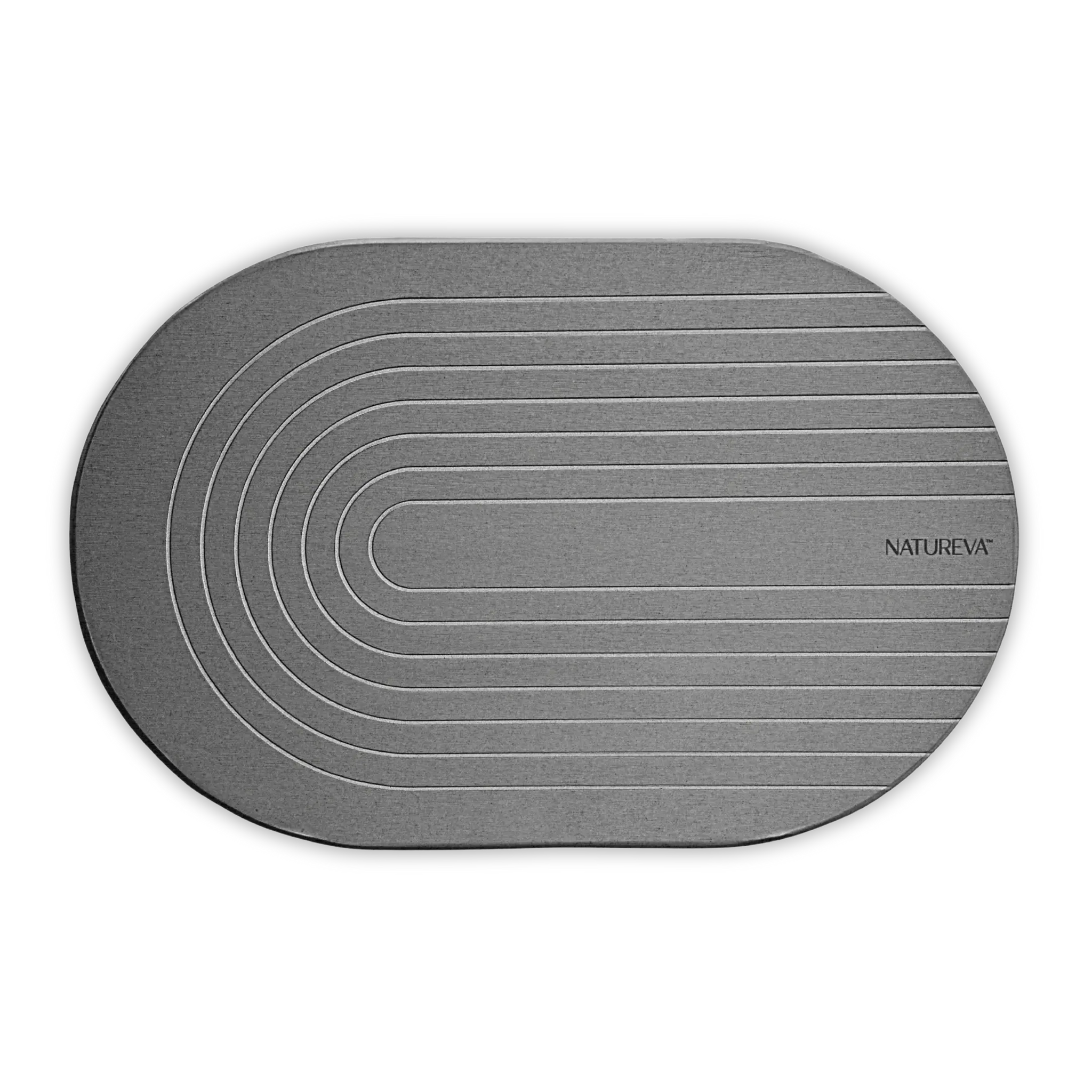
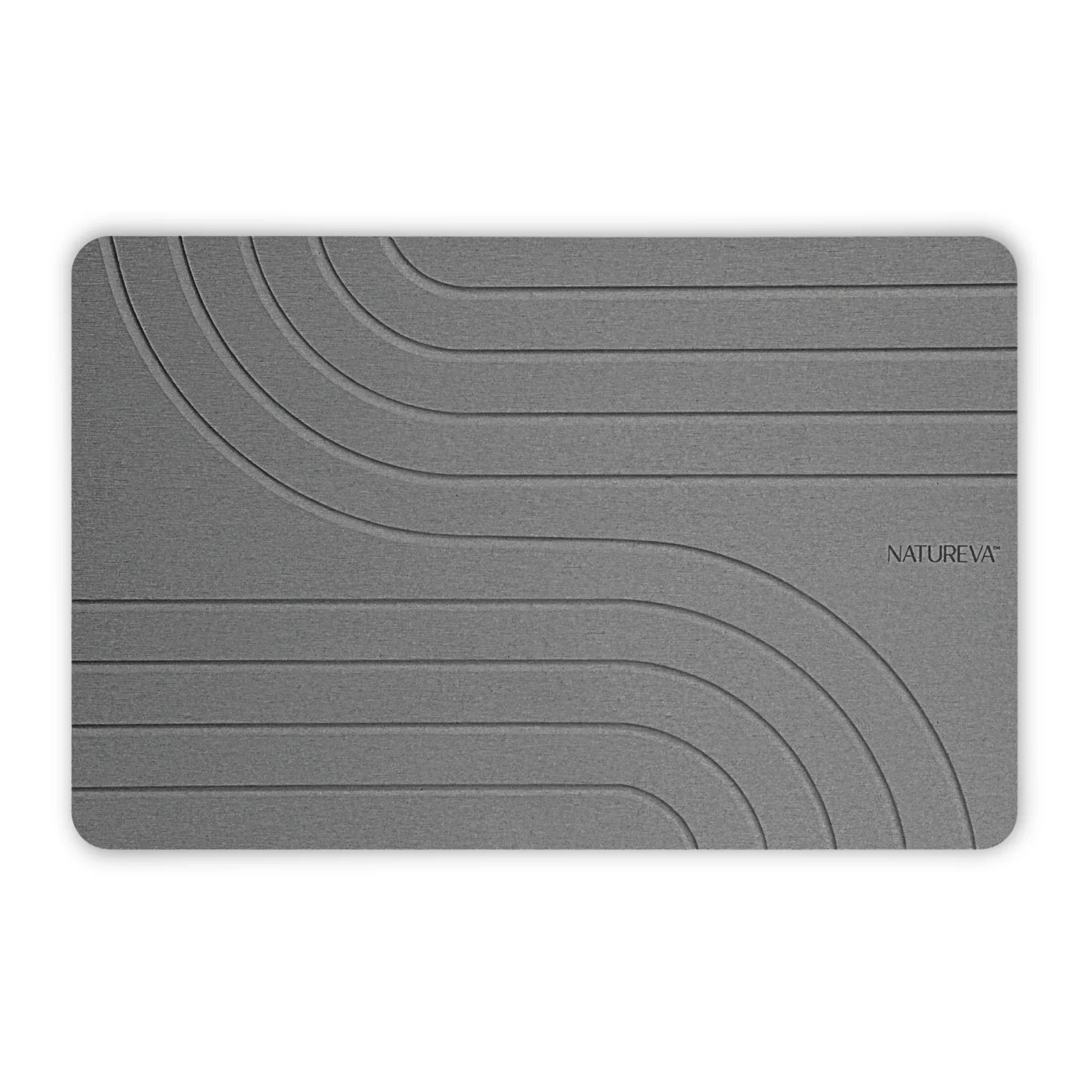
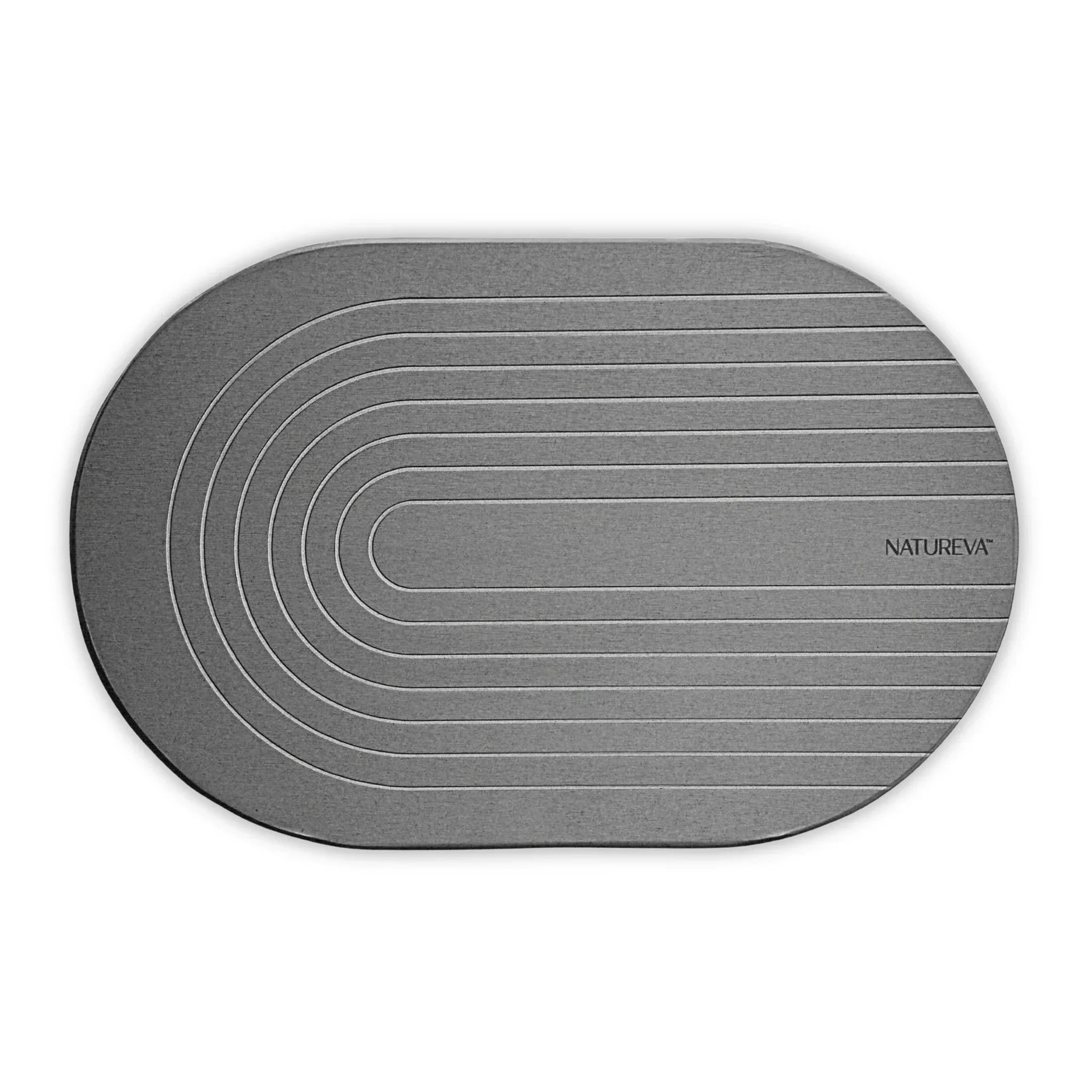
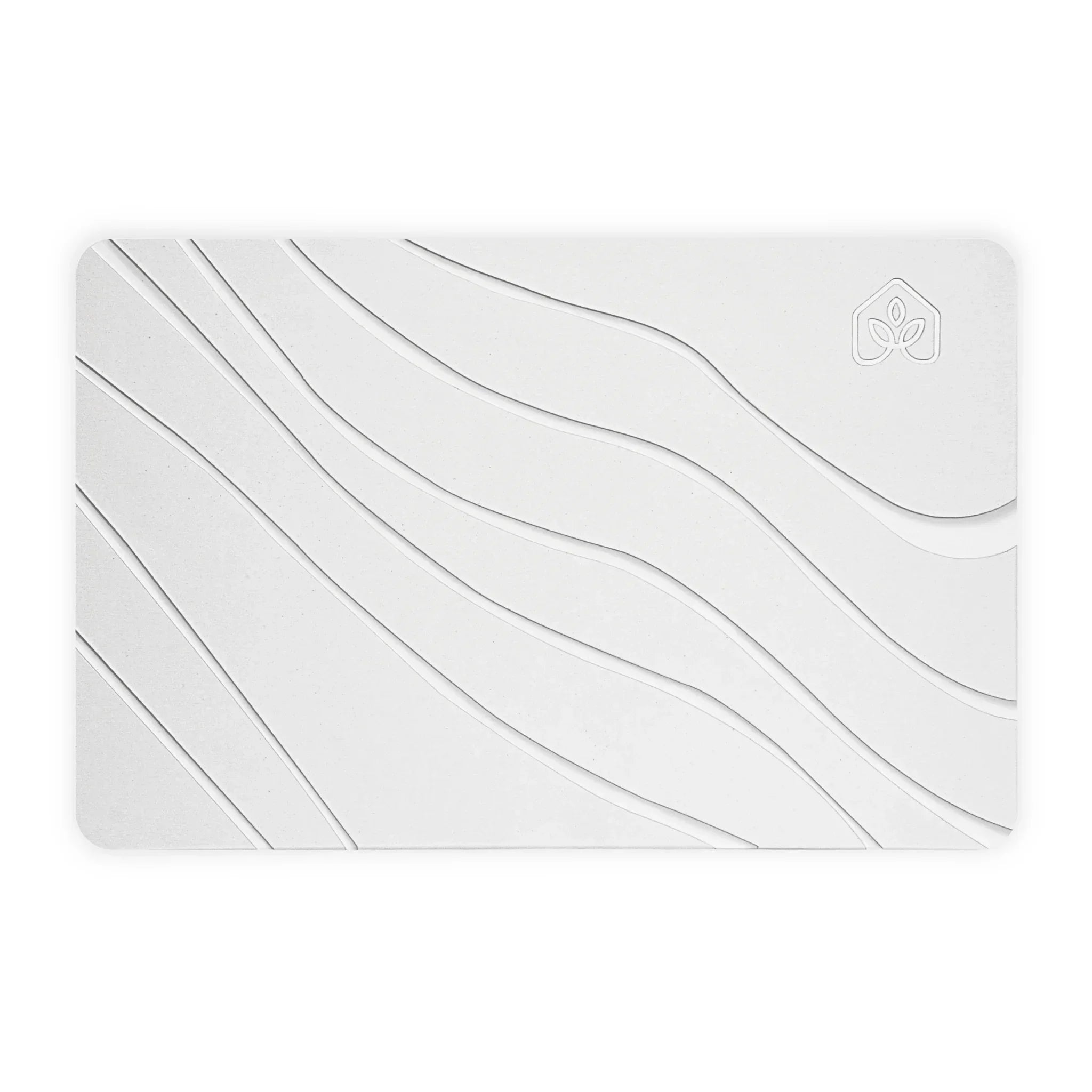
Stone Bath Mat - Arch
How Traditional Mats Work
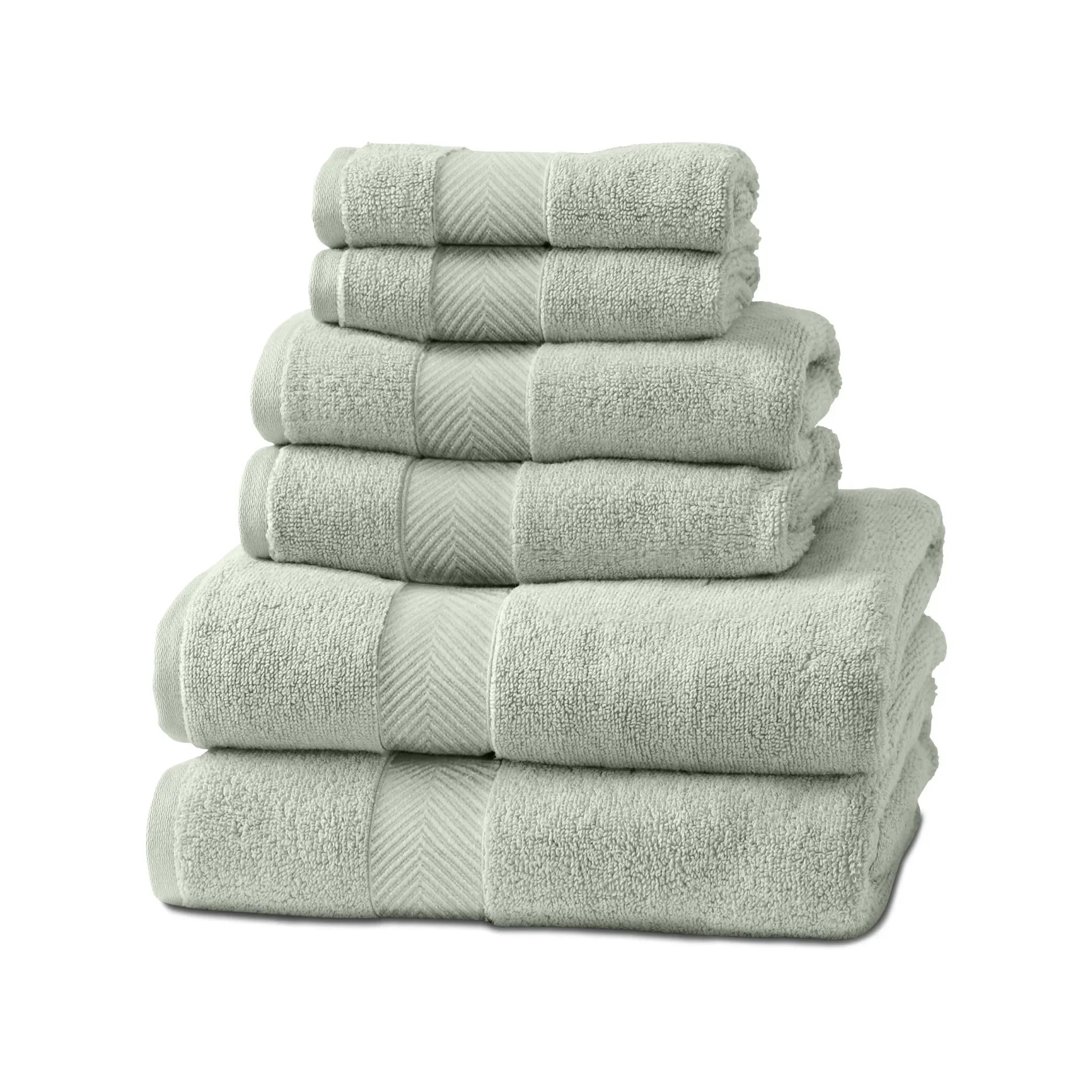
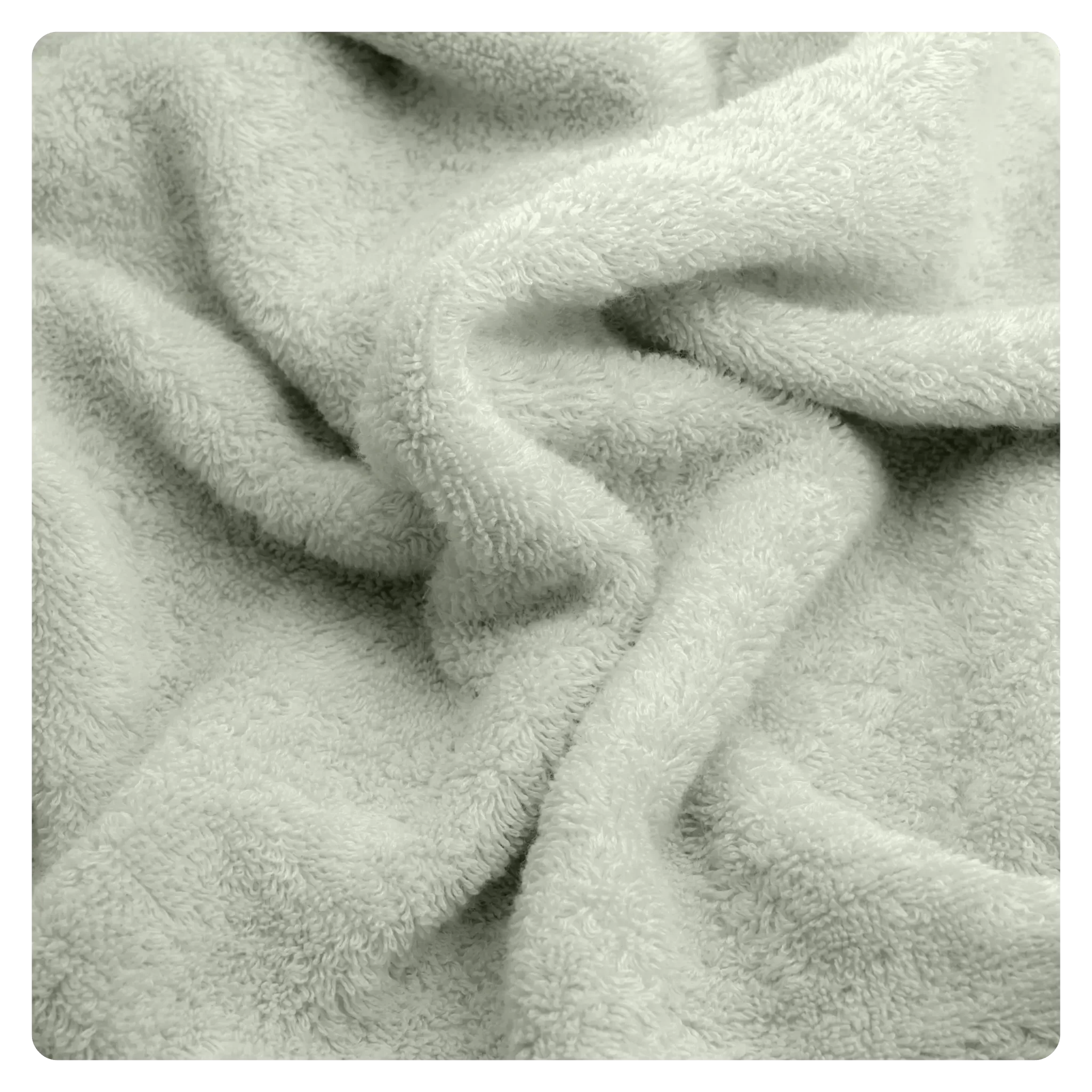
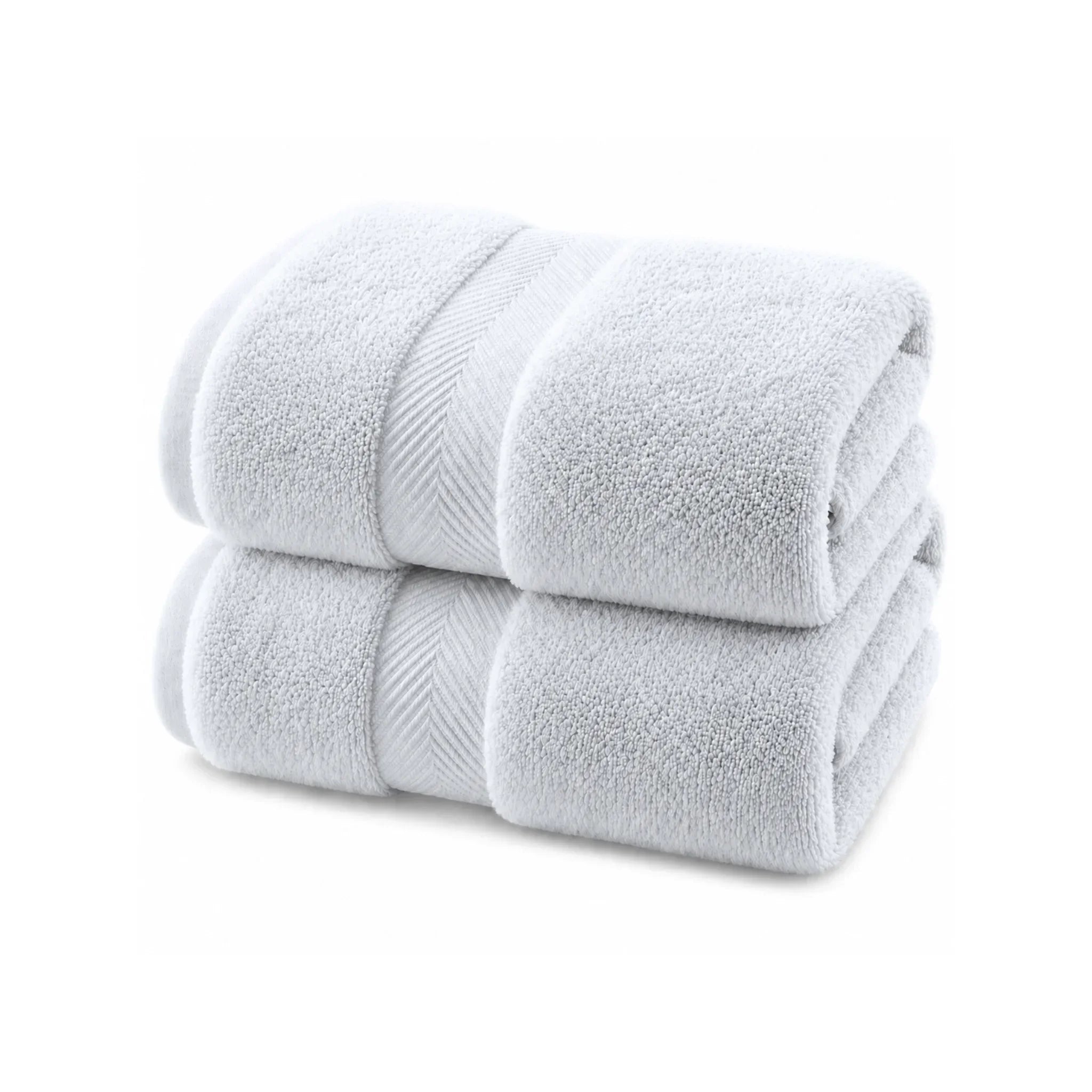
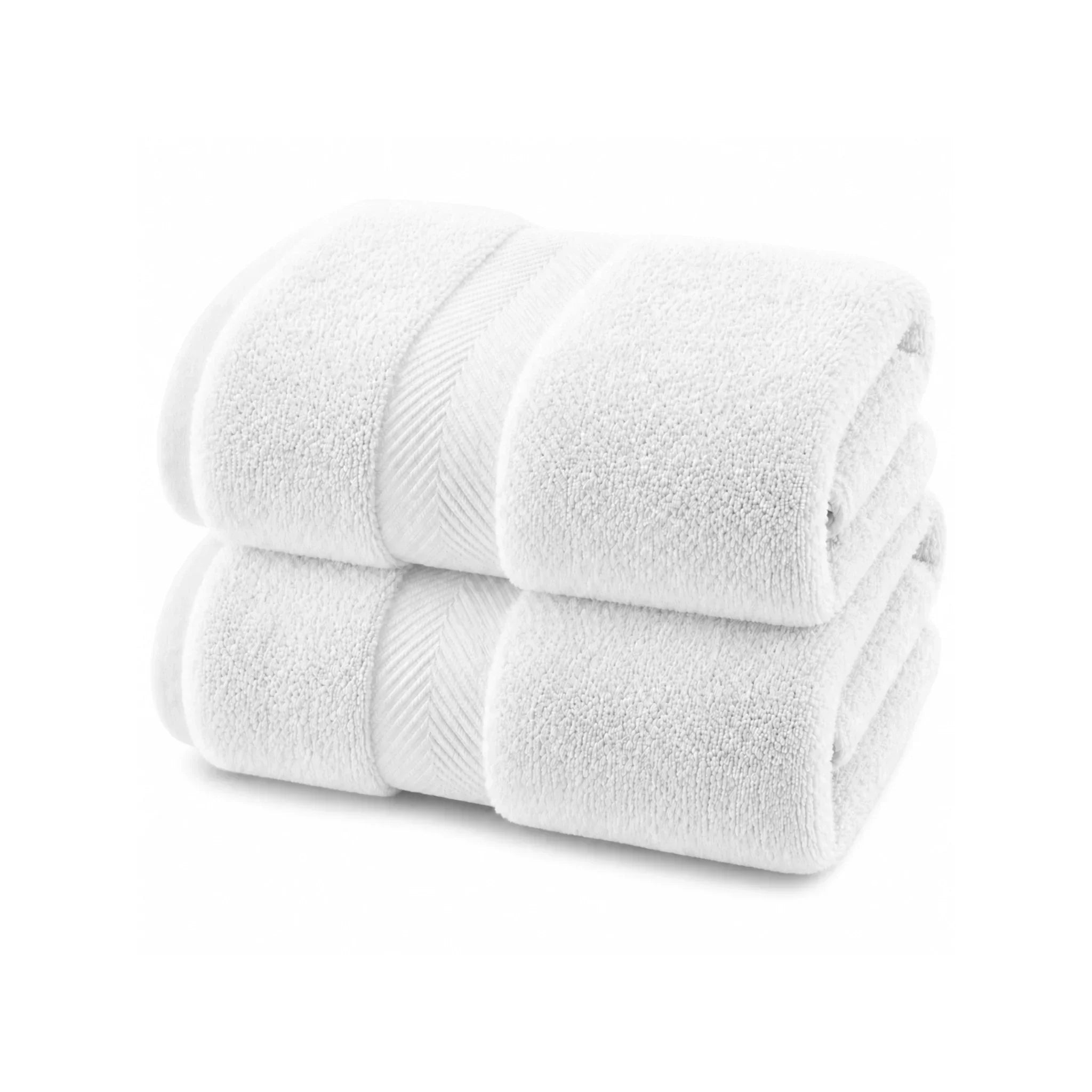
Cotton and microfiber mats rely on fabric fibers to trap water molecules within their weave. The water gets absorbed into the material, but it has nowhere to go after that. This is why your fabric mat feels soggy hours after your morning shower.
Here's what happens with traditional absorbent mat options:
- Water sits trapped in fabric fibers for 4-24 hours depending on humidity
- Bacteria multiply in the damp environment within just a few hours
- Mold spores find ideal growing conditions in constantly moist materials
- Unpleasant odors develop as microorganisms break down organic matter
- Frequent washing becomes necessary, adding to household chores
The Shift to Modern Materials
Around 2015, bathroom mat technology started changing when manufacturers began experimenting with diatomaceous earth, a natural sedimentary rock formed from fossilized algae. This material works completely differently than fabric because it doesn't just absorb water, it actively evaporates it. The porous structure of diatomaceous earth contains millions of tiny holes that pull moisture from your feet and release it into the air within minutes.
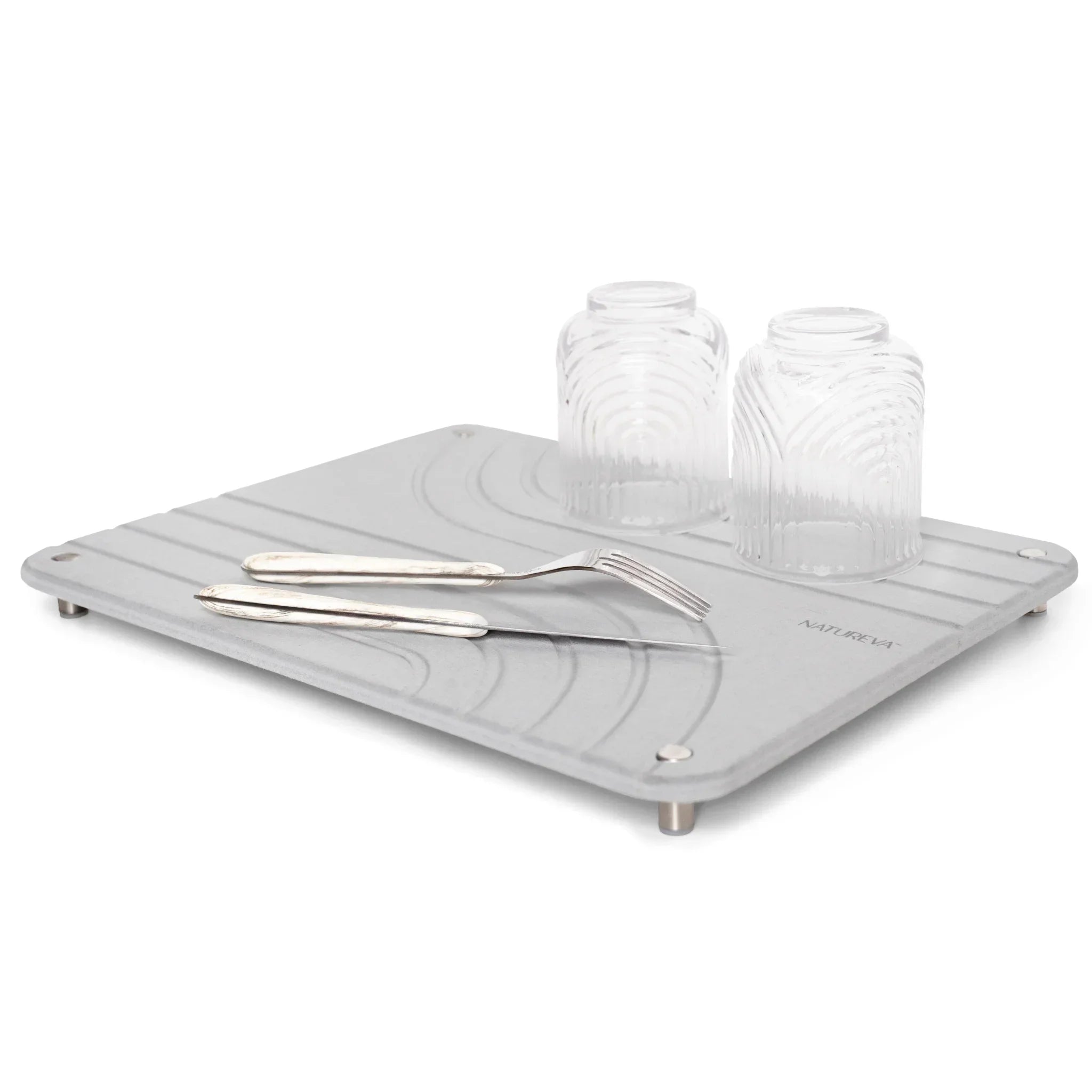
Stone bath mats like our Natureva options use this natural material to solve the dampness problem that fabric mats can't fix. The difference isn't just about drying faster, it's about creating a bathroom environment that doesn't support bacterial growth.
Comparing Old and New Technology
Understanding the real differences between traditional and modern absorbent mat materials helps explain why more people are making the switch. The performance gap is bigger than most shoppers realize.
| Feature | Traditional Fabric Mats | Stone Bath Mats |
|---|---|---|
| Drying Time | 4-24 hours | 2-5 minutes |
| Bacterial Growth | High risk | Minimal risk |
| Washing Frequency | Weekly | Monthly wipe-down |
| Odor Development | Common | Rare |
| Lifespan | 6-12 months | 2-3 years |
| Initial Cost | $15-30 | $50-70 |
The technology behind modern absorbent mat designs addresses hygiene concerns that weren't even discussed when fabric mats first became popular. Commercial facilities have known about these material differences for years, which is why high-traffic areas often use specialized matting systems rather than simple fabric options.
What This Means for Buyers
Knowing these material differences changes how you should evaluate any absorbent mat before buying. The cheapest option isn't always the best value when you factor in replacement costs, washing time, and health considerations.
Key factors that matter more than most people think:
- Material composition directly affects how long water stays on the surface
- Porosity determines whether moisture evaporates or just sits trapped
- Surface texture impacts both absorption speed and slip resistance
- Maintenance requirements add hidden costs over the product's lifetime
The bathroom mat market now offers choices that didn't exist a decade ago. Understanding what makes modern materials different helps you decide whether sticking with traditional fabric makes sense for your situation, or if newer options like diatomaceous earth mats offer benefits worth considering.
Material Composition and Absorption Technology
Most people don't realize that the material of an absorbent mat determines everything about how well it actually works. You could have two mats that look similar, but one leaves puddles on your floor while the other dries instantly. The difference comes down to what's happening at a microscopic level, and understanding this can save you from buying a mat that disappoints you every single day.
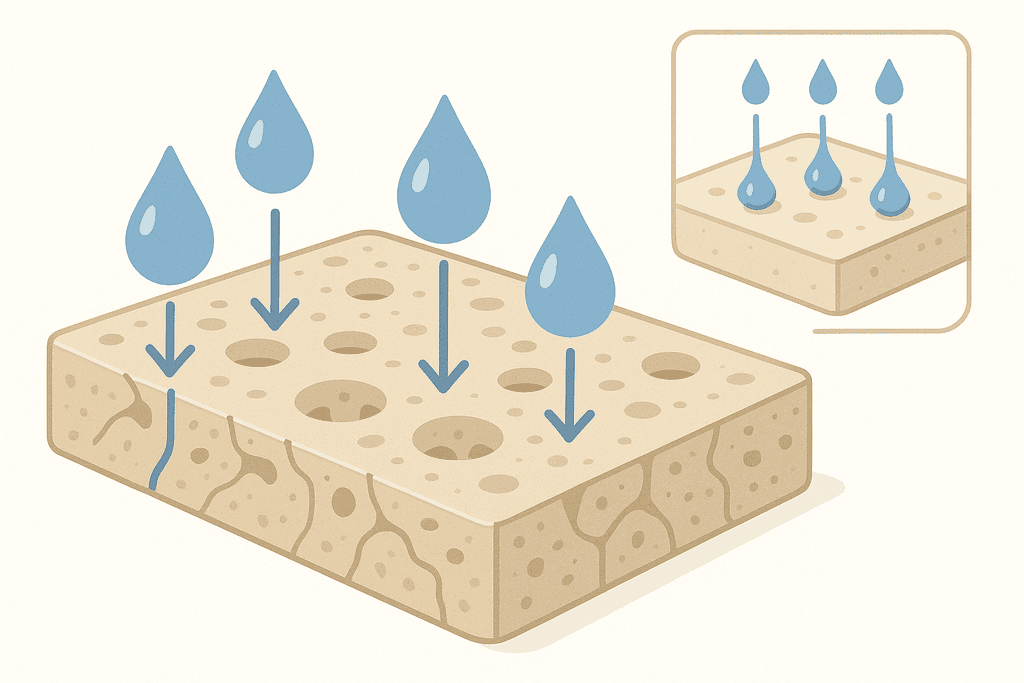
Material Composition and Absorption Technology
Diatomaceous earth mats work differently than anything you've used before. They contain millions of microscopic pores that pull water in through capillary action, then release it back into the air through evaporation. This means the mat doesn't just soak up water and hold it like a sponge. Instead, it actively dries itself.
- Cotton and microfiber mats trap water in their fibers but stay wet for hours afterward
- Natural stone materials absorb water instantly and begin evaporating moisture within seconds
- Material density affects how quickly water gets absorbed and how fast the mat dries
- Chemical-free natural materials are safer for families and pets compared to synthetic options
Traditional fabric mats work like a towel. They absorb water, sure, but then they sit there damp and cold until they eventually dry. Stone-based mats from materials like diatomaceous earth change this completely because the porous structure allows air to flow through, speeding up evaporation dramatically.
The absorption speed matters more than most buyers think. A mat that takes even a few seconds too long means water pools on your floor, which defeats the entire purpose. According to industry research on absorbent materials, the pore structure and material composition are the primary factors in absorption performance.
Durability and Long-Term Performance Factors
Buying a cheap mat might seem smart until you're replacing it every few months. The real cost isn't just the purchase price, it's how long the mat actually maintains its performance. Some materials break down quickly, losing their ability to absorb water effectively, while others can last for years without any decline in function. The construction quality tells you everything about whether you're making a one-time purchase or signing up for repeated replacements.
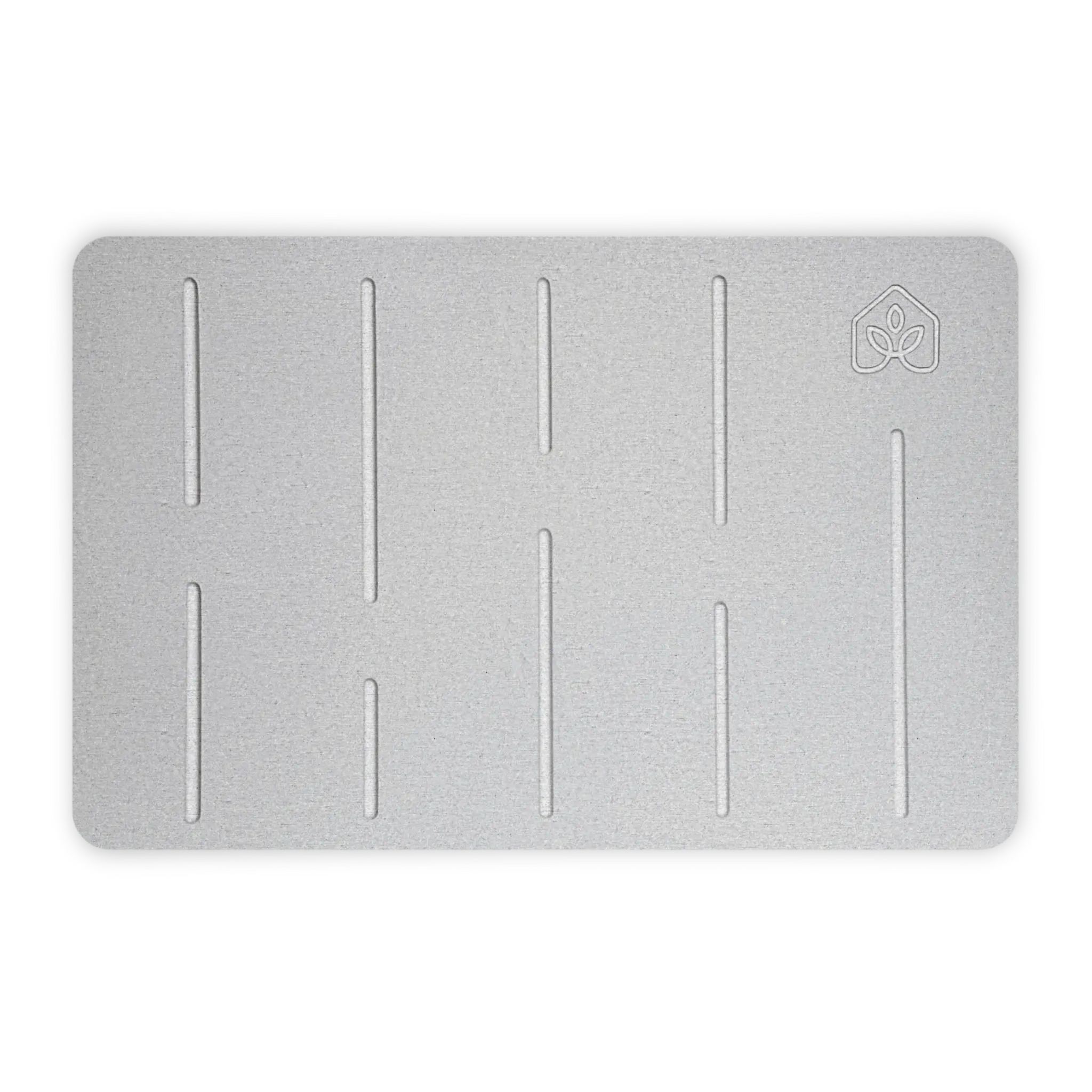
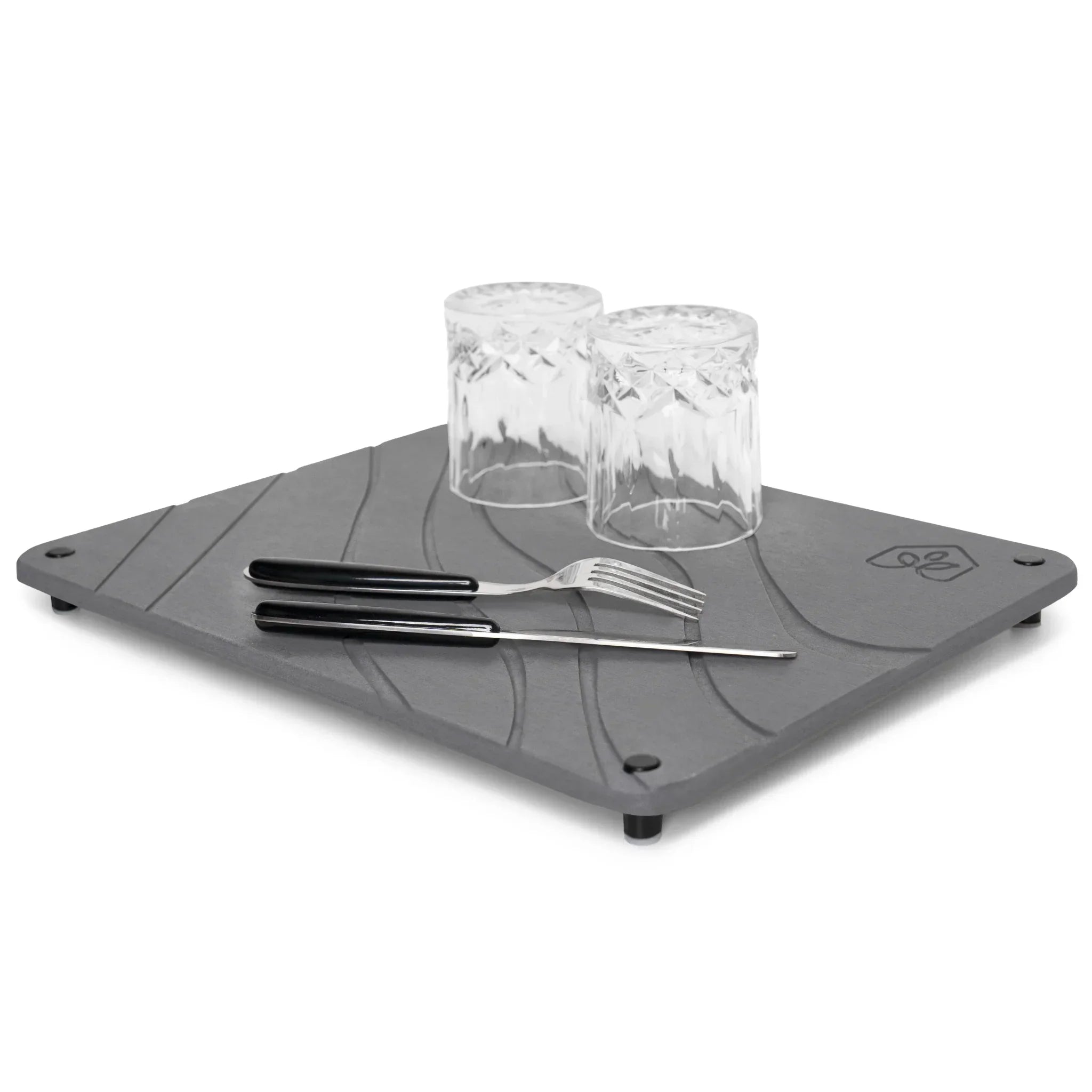
Stone Bath Mat - Rain
Stone mats can last years without losing absorption capacity if you maintain them properly. Our Natureva Stone Bath Mats use premium diatomaceous earth that maintains performance for years, unlike fabric alternatives that deteriorate within months. The key is in how the material is processed and formed.
| Mat Type | Average Lifespan | Absorption Decline |
|---|---|---|
| Stone (Diatomaceous Earth) | 3-5+ years | Minimal with care |
| Cotton/Microfiber | 6-12 months | Significant after washing |
| Memory Foam | 1-2 years | Moderate deterioration |
Check for reinforced edges and proper thickness to prevent cracking. Thin stone mats might save money upfront but crack easily with regular use. Quality construction also includes non-slip backing that stays secure over time, not the kind that peels off after a few weeks.
Warranty and return policies tell you how confident the manufacturer is in their product. Companies that offer solid guarantees know their mats will last. The mat industry has seen significant quality variations, so these policies matter more than you'd think.
- Look for mats with at least a one-year warranty
- Check customer reviews for mentions of cracking or deterioration
- Verify the thickness meets minimum standards for durability
- Ensure the backing material is designed for long-term use
Hygiene Features and Maintenance Requirements
The next generation of home essentials: naturally made, cleaner by design, sustainable by nature.
SHOP ALLThat musty smell in your bathroom probably comes from your bath mat. Fabric mats create the perfect environment for bacteria and mold because they stay damp for hours after each use. Even if you wash them regularly, moisture gets trapped deep in the fibers where microorganisms thrive. The maintenance requirements of different mat types vary dramatically, and this affects not just your cleaning schedule but your family's health too.
Stone mats naturally resist mold and bacteria growth due to rapid drying. When water evaporates within minutes instead of hours, there's no time for microorganisms to establish themselves. This isn't about chemical treatments that wear off over time, it's about the fundamental properties of the material itself.
| Feature | Stone Mats | Fabric Mats |
|---|---|---|
| Drying Time | 1-3 minutes | 4-8 hours |
| Cleaning Frequency | Weekly wipe | Wash every 3-4 days |
| Odor Development | Rare | Common |
Easy maintenance means simple wiping or light sanding versus constant laundering. You can clean a stone mat by wiping it down with a damp cloth once a week. If it ever loses some absorption capacity, light sanding with fine-grit sandpaper refreshes the surface. Compare that to throwing fabric mats in the washing machine multiple times per week.
Fabric mats require frequent washing but still harbor bacteria in fibers even after cleaning. The self-drying properties of stone eliminate the damp mat smell that's so common in bathrooms. When you're evaluating an absorbent mat, consider the cleaning frequency and effort required for long-term use, not just the initial convenience.
- Stone mats need minimal maintenance compared to fabric alternatives
- Natural antimicrobial properties don't require chemical treatments
- Quick drying prevents the growth environment bacteria need
- No machine washing means less wear on the mat and less work for you
Size, Design, and Practical Placement Considerations
Buying the wrong size mat is one of those mistakes you don't realize until it's too late. A mat that's too small leaves wet spots on your floor, while one that's too large crowds your bathroom and becomes a tripping hazard. Beyond size, the design and placement affect both functionality and how your bathroom looks. These practical considerations often get overlooked in favor of just picking something that seems nice.
Measure your bathroom space before purchasing to ensure proper fit. Consider where you'll place the mat, whether near the shower, tub, or sink, for maximum effectiveness. Each location has different requirements based on how much water typically hits that spot.
- Measure the available floor space in multiple locations
- Account for door swing and cabinet clearance
- Consider traffic patterns to avoid placement in walkways
- Think about whether you need multiple smaller mats or one large mat
Design options like the Arch and Rain patterns add style while maintaining function. The texture and design aren't just decorative, they can affect how water spreads across the surface and how comfortable the mat feels underfoot. Thickness affects both comfort and stability on different floor types, with thicker mats providing more cushioning but requiring more clearance.
Color and texture should complement your bathroom decor while hiding minor wear over time. Lighter colors show dirt more easily, while textured surfaces can disguise small scratches or marks. Multiple smaller mats versus one large mat depends on your bathroom layout and how many people use the space. For busy bathrooms, having mats at multiple locations often works better than one central mat that everyone crowds around.
The complete collection of bath mats offers various sizes and designs to match different bathroom configurations. Whether you need something compact for a small space or a larger mat for a master bathroom, the dimensions and design should work with your specific setup, not against it.
Making Your Final Decision
Buying an absorbent mat isn't just about grabbing the cheapest option at the store. The material quality and how well it actually absorbs water matter way more than saving a few dollars upfront. A cheap fabric mat might seem like a deal until you're washing it twice a week and replacing it every few months because it smells like mildew.
Think about the real costs over time. Traditional mats need constant washing, they hold onto moisture that breeds bacteria, and most people end up buying new ones at least once or twice a year. Stone bath mats like the ones we make at Natureva work differently because they dry in seconds and don't need the same maintenance cycle.
Your bathroom setup matters too. If you have kids jumping out of the tub or you take multiple showers a day, you need something that can handle serious water without turning into a soggy mess. The absorption technology in diatomaceous earth mats handles this without breaking a sweat, while fabric options just can't keep up with heavy use.
Here's what to prioritize when you're ready to buy:
- Material that actually dries fast instead of staying damp
- Low maintenance requirements that fit your lifestyle
- Durability that means you won't need replacements every season
- Hygiene features that prevent mold and bacteria growth
The truth is, spending more on quality now saves you money and hassle down the road. Our Stone Bath Mat in Arch or Rain design costs $59, but you're looking at years of use without the constant washing and replacing cycle. Sometimes the best purchase is the one you only have to make once.
Common Questions About Absorbent Mats
Switching to a new type of bath mat brings up a lot of questions, especially when you're moving from traditional fabric to something completely different. Stone mats work differently than what most people are used to, so it makes sense to want answers before spending your money. Here are the questions that come up most often when people shop for an absorbent mat made from diatomaceous earth.
How long do stone bath mats last compared to fabric?
A quality stone bath mat typically lasts 2-3 years with proper care, which is significantly longer than fabric mats that need replacing every 6-12 months. Fabric mats break down from constant washing, lose their absorbency, and develop that musty smell that never quite goes away. Stone mats like our Natureva Stone Bath Mat maintain their absorption properties throughout their lifespan without needing to be thrown in the wash every week.
Are diatomaceous earth mats safe for children and pets?
Yes, diatomaceous earth is a natural material that's completely safe for households with kids and pets. The surface provides good traction when wet, which actually makes it safer than slippery fabric mats. Just make sure younger children understand it's not a toy, since dropping or rough handling could damage it over time.
How do you clean and maintain a stone bath mat?
Maintenance is surprisingly simple compared to fabric alternatives. Just wipe the surface with a damp cloth when needed, and lightly sand it with fine-grit sandpaper every few months to refresh the absorbency. There's no washing machine required, no fabric softener to buy, and no waiting for it to dry before you can use it again.
Will a stone mat crack or break easily?
Stone mats are durable for everyday use, but they're not indestructible. Dropping heavy objects on them or letting them fall can cause cracks. The key is treating them with reasonable care, keeping them on a flat surface, and avoiding impacts.
Do stone mats work on heated bathroom floors?
Stone mats work perfectly fine on heated floors and won't be damaged by the warmth. The heat can actually help the mat dry even faster between uses. Some users from brands like Dorah Home report that the combination of heated floors and absorbent mat technology creates an especially comfortable bathroom experience.
What's the best size mat for a standard bathroom?
Most standard bathrooms work well with mats in the 24x16 inch range, which gives you enough space to step on comfortably without taking up too much floor space. Consider where you'll place it and measure the area first, since stone mats can't be trimmed to size like fabric ones can.
The next generation of home essentials: naturally made, cleaner by design, sustainable by nature.
SHOP ALL