

Plant Tray Sizes That Prevent Water Ring Disasters
That faint white ring on your hardwood floor probably cost more than the plant sitting above it. Water damage from poorly sized plant trays sneaks up on homeowners, with repair bills averaging $200 to $500 for refinishing floors and countertops. The problem isn't just about buying plant trays that fit, it's about understanding how pot size, drainage, and material work together to keep your surfaces bone dry.
Table of Contents
Why Water Rings Happen in the First Place
Water rings under plant pots aren't just annoying marks on your furniture. They're actually the result of a simple physics problem that happens every time you water your plants. When you pour water into soil, it travels downward through the potting mix, pulled by gravity until it reaches the drainage holes at the bottom. The excess water then drips out and pools in whatever tray or saucer sits underneath, and that's where the trouble starts.
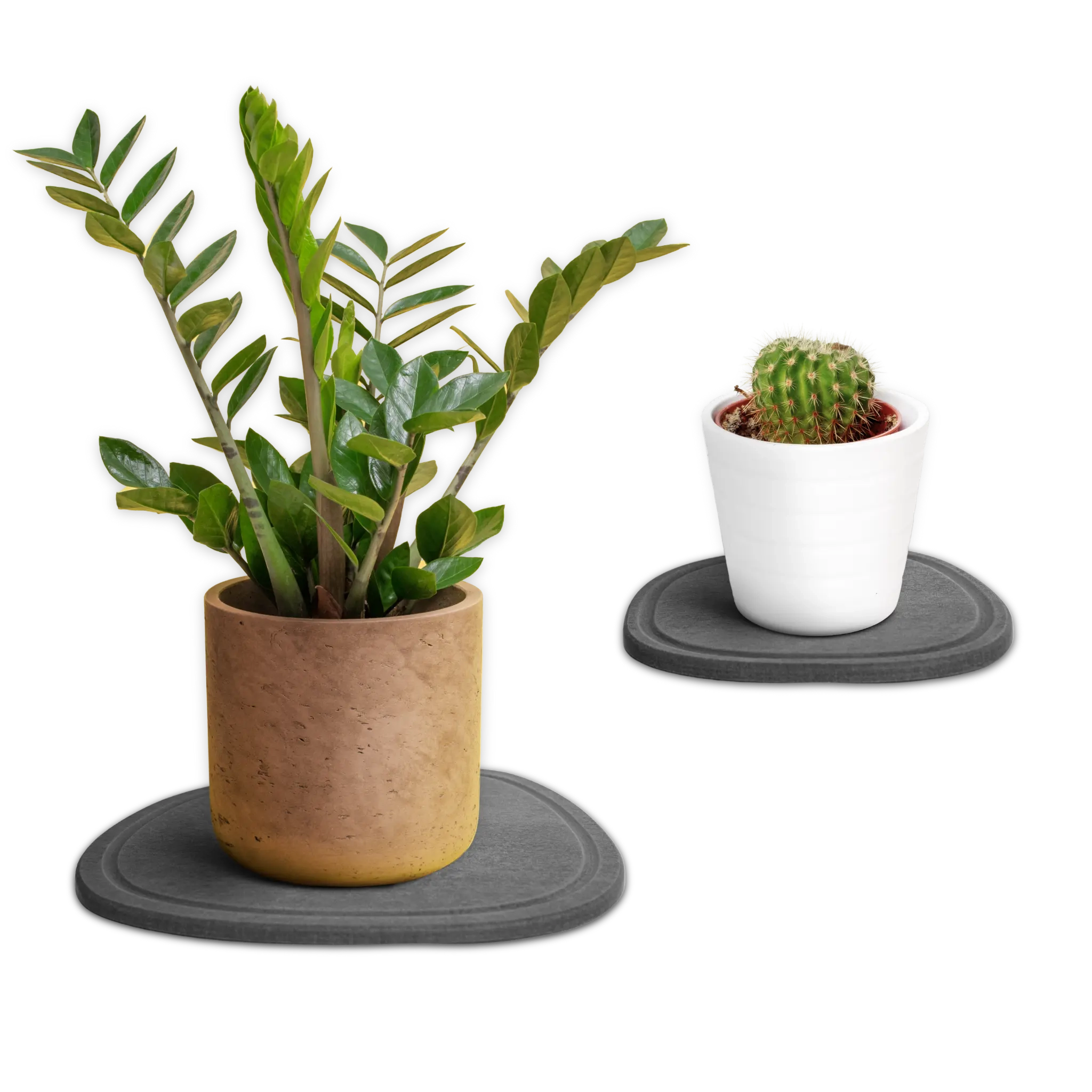
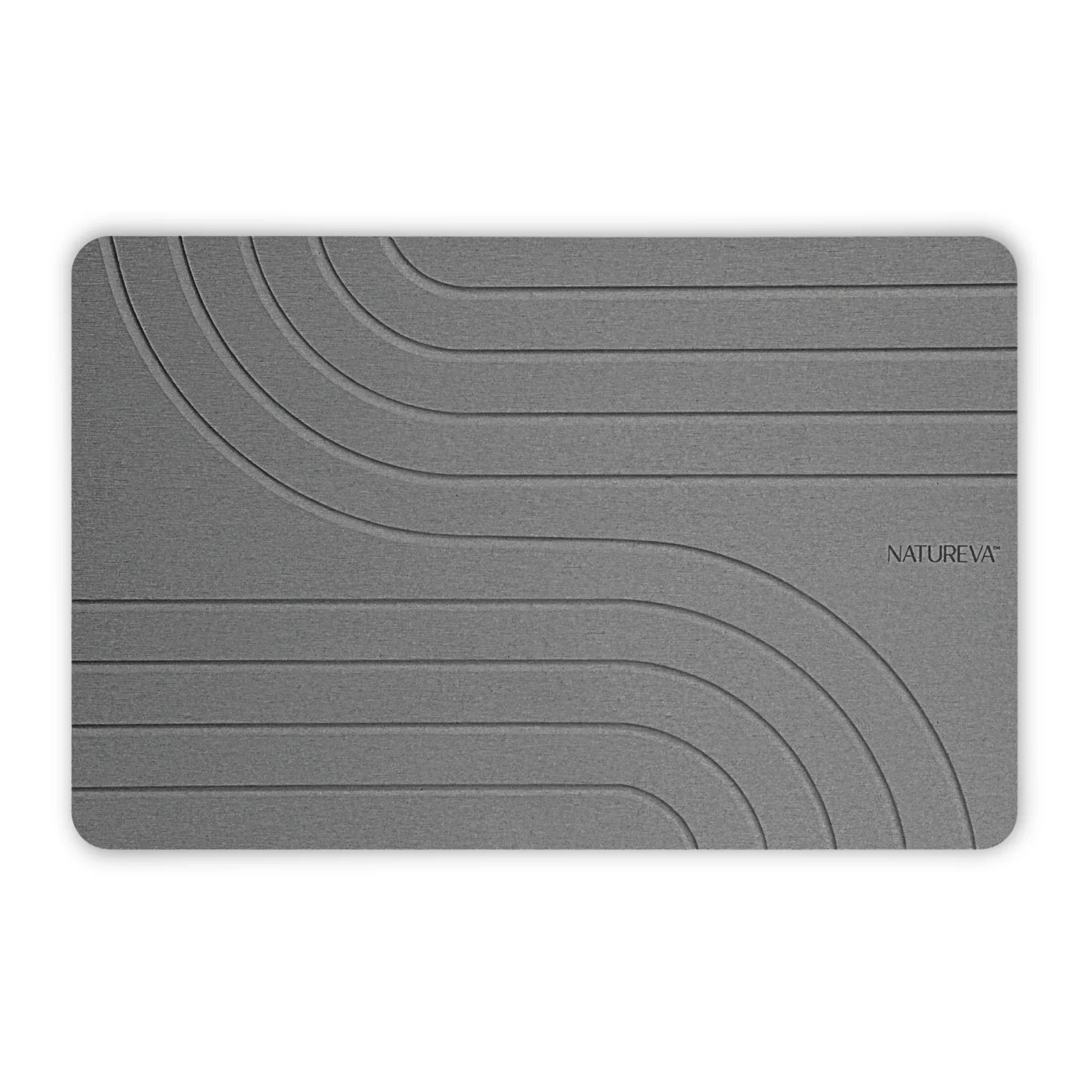
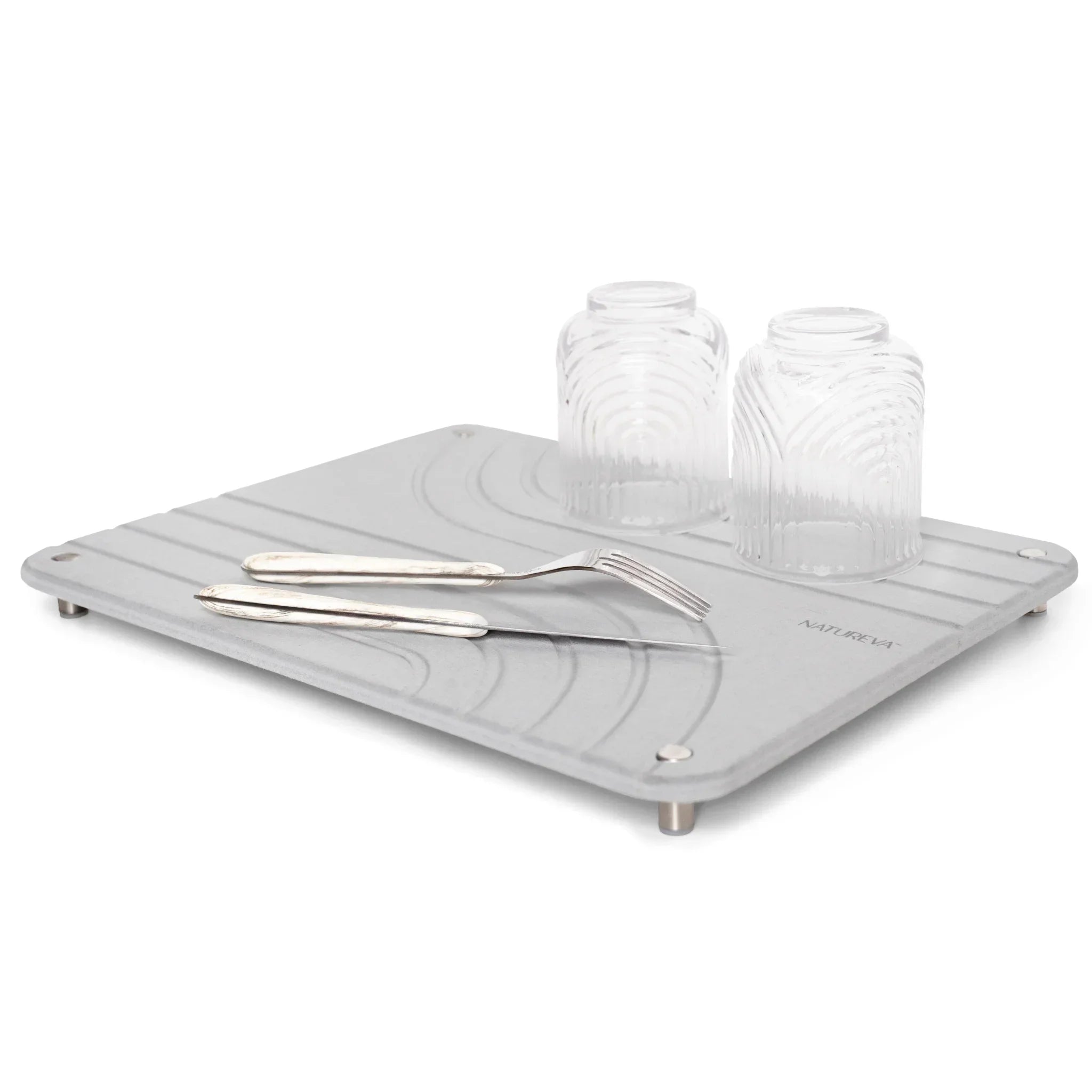
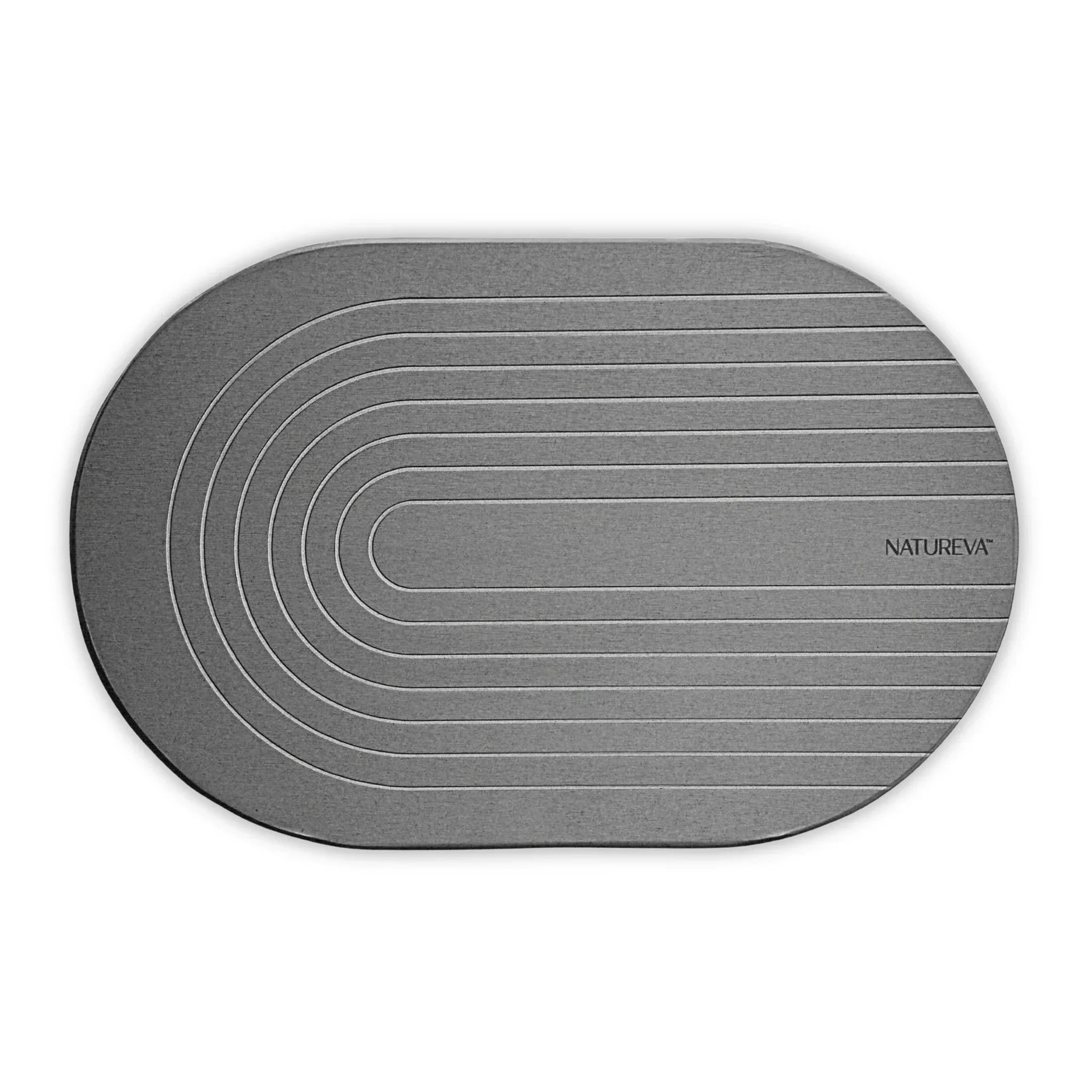
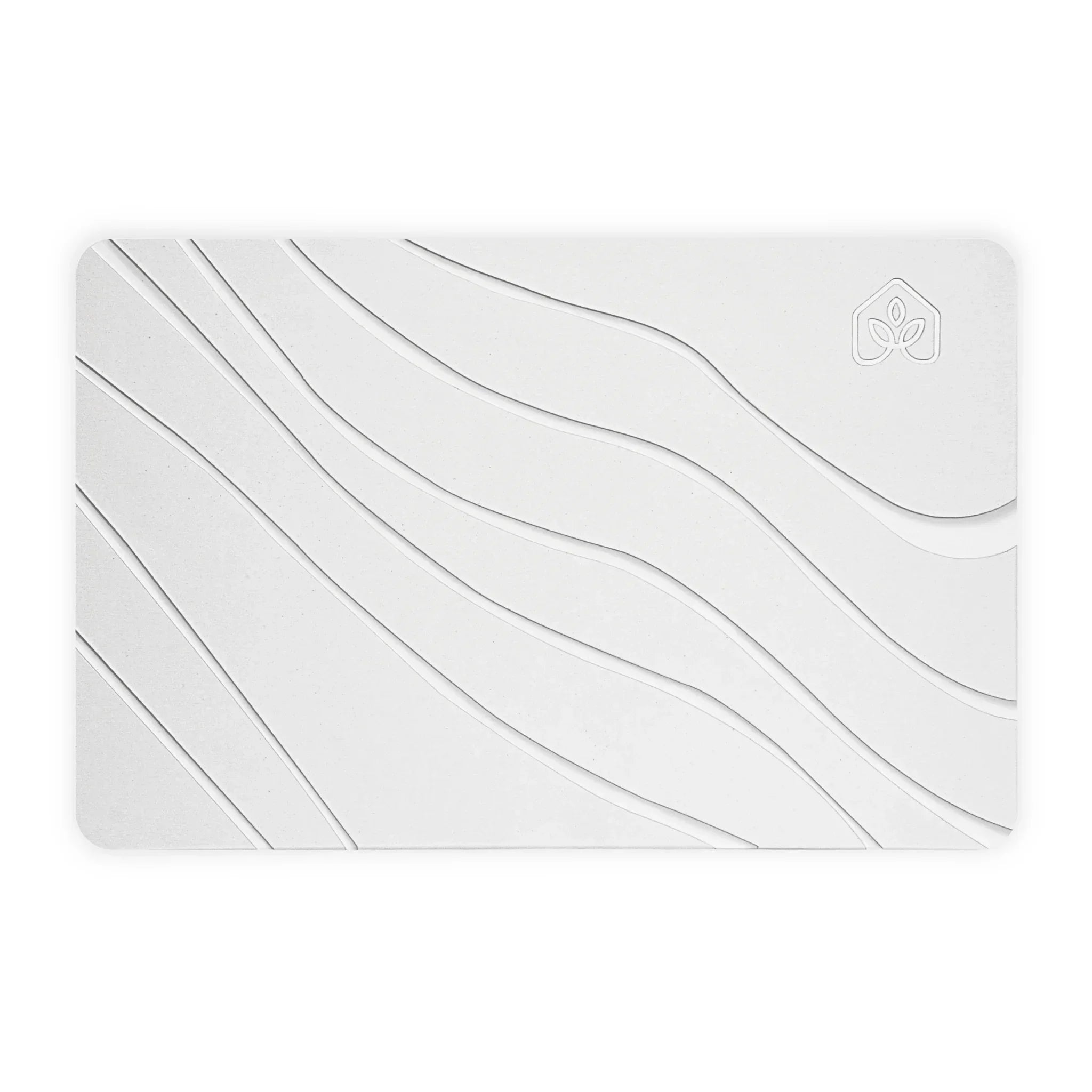
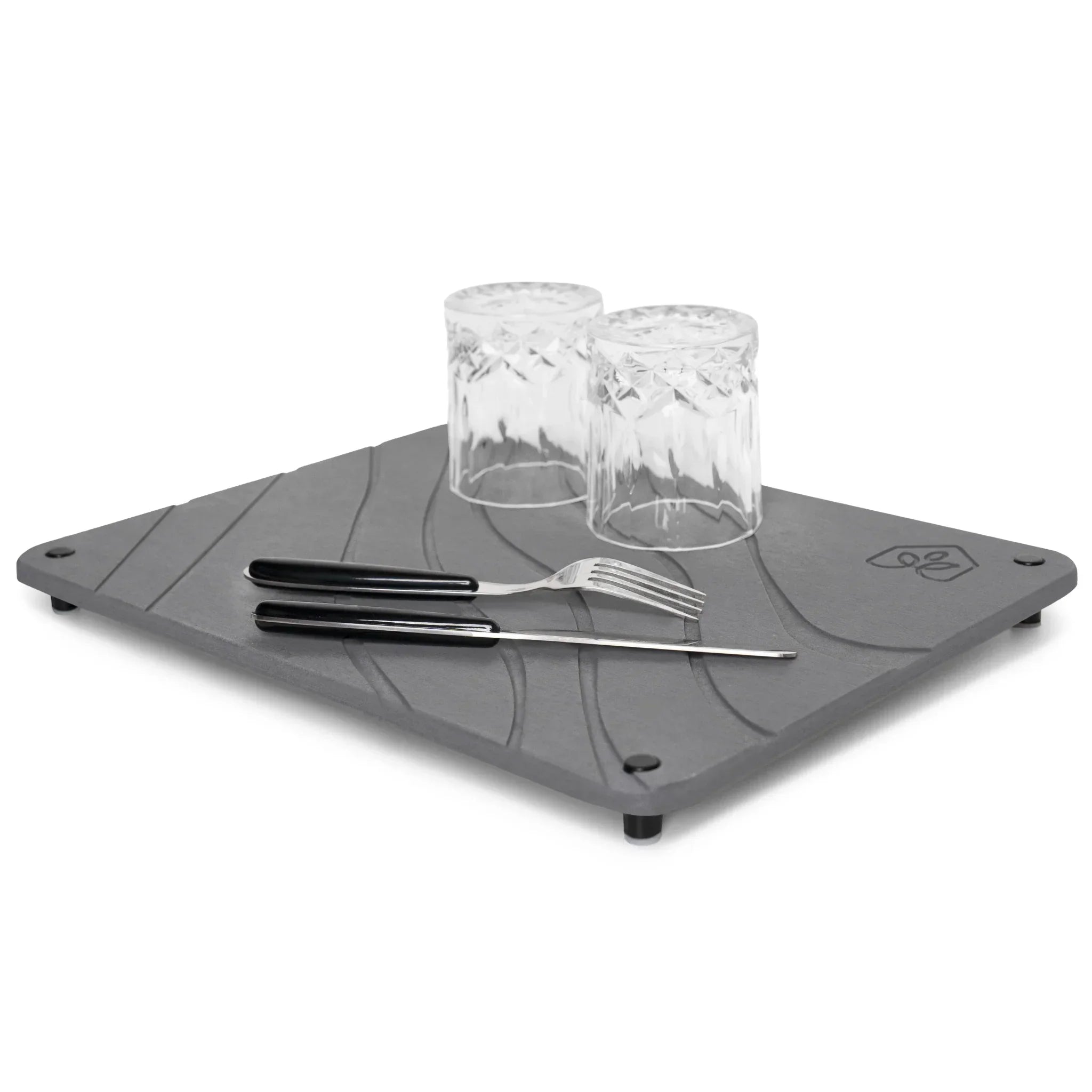
Stone Plant Saucers - Set of 2
How Water Moves Through Your Plants
Understanding water movement helps explain why some plant trays work better than others. The process is pretty straightforward but creates problems most people don't think about.
- Soil acts like a sponge and holds water until it's completely saturated
- Once saturated, gravity pulls excess water down to the drainage holes
- The amount of water that drains out depends on how much you watered and your soil type
- Clay-heavy soils drain slower while sandy mixes release water faster
The size of your pot matters more than you'd think. A six-inch pot might release a few tablespoons of water, while a twelve-inch pot can dump out nearly a cup. That's a lot of liquid sitting in a tray with nowhere to go.
Why Most Trays Fail at Their Job
Traditional plant trays are designed to catch water, not manage it. Ceramic and plastic trays just hold the water in place, creating a perfect environment for those dreaded rings. The water sits there for hours or even days, slowly evaporating while leaving mineral deposits and moisture damage behind.
| Material | Absorption Rate | Drying Time | Ring Prevention |
|---|---|---|---|
| Plastic | 0% | 24-48 hours | Poor |
| Ceramic | 0% | 24-72 hours | Poor |
| Cork | Low (10-15%) | 12-24 hours | Fair |
| Diatomaceous Earth | High (150%) | 1-2 hours | Excellent |
The numbers tell the real story. Materials like diatomaceous earth can absorb up to 150% of their weight in water, which is why our Stone Plant Saucers work so differently from regular trays.
The Prevention Mindset
Preventing water damage isn't just about cleaning up spills faster. It's about stopping the problem before it starts. Japan's culture of prevention shows how thinking ahead saves time and money in the long run, and the same applies to protecting your surfaces from plant water.
- Water rings form within minutes of contact with wood surfaces
- Moisture trapped under trays creates mold and mildew growth
- Mineral deposits from tap water leave permanent white marks
The key is choosing plant trays that actively remove water instead of just holding it. That's the difference between dealing with damage and preventing it completely.
The Golden Rule for Tray Sizing
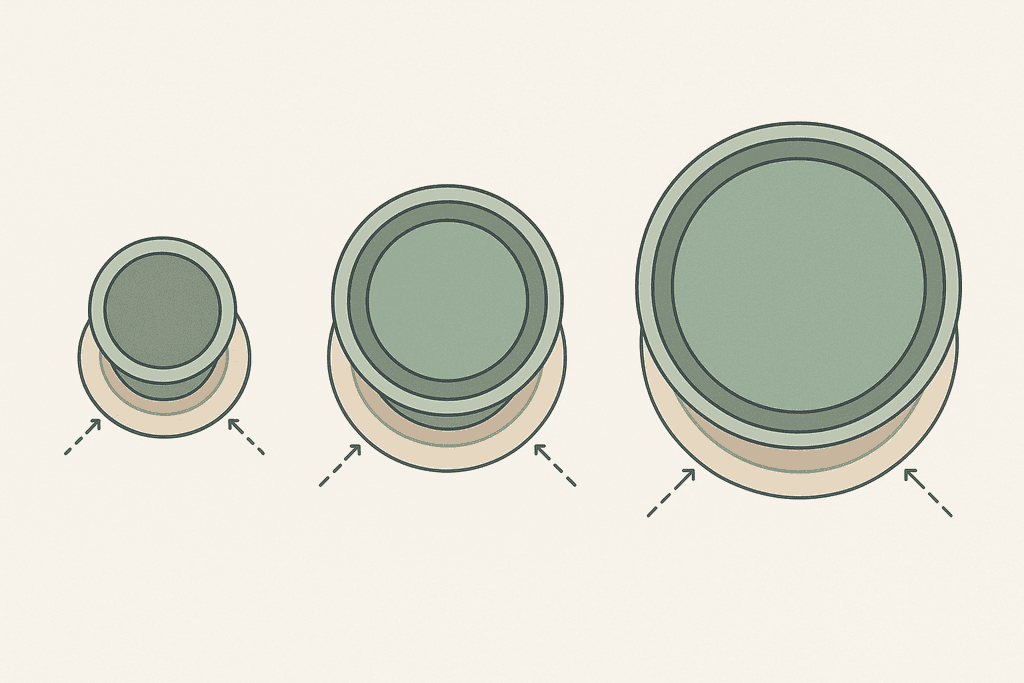
Most people grab whatever plant tray looks about right and call it a day. Then they wonder why there's a permanent water ring on their hardwood floor or why their windowsill is always damp. The truth is, getting the right size isn't just about eyeballing it. You need actual measurements, and the math is simpler than you think. The basic rule is to add 1-2 inches to your pot's diameter for standard plants, but that's just the starting point.
The Golden Rule for Tray Sizing
Heavy waterers like ferns, peace lilies, and most tropical plants need more breathing room. For these thirsty friends, you want 2-3 inches of extra clearance around the pot. This gives excess water somewhere to go instead of pooling up and eventually spilling over the edge when you bump the pot.
How to Measure Your Pots Correctly
- Measure the pot diameter at its widest point, not the base
- Check the depth of water your plant typically releases after watering
- Add your clearance measurement (1-3 inches depending on plant type)
- Consider the tray's rim height, not just its width
Here's something most people miss: depth matters just as much as width. A wide but shallow tray will overflow just as fast as one that's too small. Indoor plants typically need trays that are at least half an inch deep, while outdoor plants exposed to rain might need a full inch or more.
| Pot Diameter | Recommended Tray Size | Best For |
|---|---|---|
| 4-6 inches | 6-8 inches | Small succulents, herbs |
| 8-10 inches | 10-13 inches | Medium houseplants |
| 12+ inches | 14-16 inches | Large tropical plants |
Indoor plants have different needs than outdoor ones too. Inside, you're dealing with finished surfaces that stain easily. Outside, you might have concrete or wood decking that can handle a bit more moisture but still suffers from constant water exposure. Indoor trays need better absorption properties because there's no sun or wind to help with evaporation.
Material Matters More Than You Think
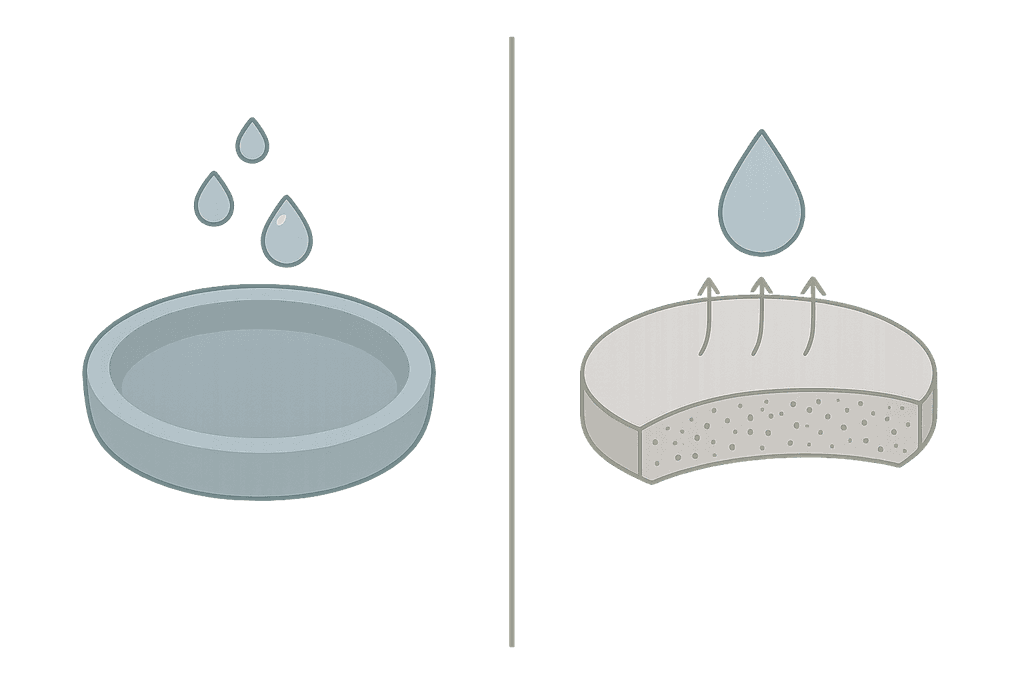
Walk into any garden center and you'll see rows of plastic plant trays in every color. They're cheap, they're everywhere, and they're probably causing half the water damage in homes right now. Plastic doesn't absorb anything. It just sits there holding water until it evaporates or you remember to empty it. That standing water creates the perfect environment for mold, attracts bugs, and leaves those dreaded rings on your surfaces. Even worse, the water can seep out through tiny cracks you can't see.
Material Matters More Than You Think
The next generation of home essentials: naturally made, cleaner by design, sustainable by nature.
SHOP ALLCeramic trays look nicer and feel more substantial. They come in beautiful glazes and designs that match your decor. But here's the problem: glazed ceramic is just as non-absorbent as plastic. The glaze creates a waterproof barrier, so you're back to the same issue of trapped water sitting there for days.
Why Absorbent Materials Change Everything
Diatomaceous earth trays work completely differently. The material is naturally porous with millions of tiny holes that pull water in through capillary action. Research on sustainable materials shows how porous structures can manage water more effectively than sealed surfaces. Our Stone Plant Saucers use this natural absorption to prevent water from ever pooling on your surfaces.
- Plastic trays: Water sits for days, creates rings, promotes mold growth
- Ceramic trays: Better looking but same water-trapping problems
- Diatomaceous earth: Absorbs water instantly, promotes evaporation, protects surfaces
Think about the cost difference too. A cheap plastic tray might be five dollars, but refinishing a water-damaged hardwood floor costs hundreds. Replacing a stained countertop runs into the thousands. Investing in quality plant trays that actually prevent damage makes financial sense even before you consider how much better they work.
Matching Trays to Your Watering Habits
How you water matters just as much as what size tray you buy. Bottom waterers need a completely different setup than people who water from the top. If you're the type who sets your pot in a tray of water and lets it soak up what it needs, you need deeper trays with more capacity. The pot will sit in that water for 20-30 minutes, and all of it needs to fit in the tray without overflowing. Bottom watering typically requires trays that are at least an inch deep, sometimes more for larger pots.
Top waterers have it a bit easier. When you pour water on the soil and let it drain through, you're only dealing with runoff. This is usually less volume than bottom watering, so shallower trays work fine as long as they're sized correctly for the pot diameter.
Quick Tray Assessment Checklist
- Do you see water rings on surfaces near your plants?
- Does water ever spill over the tray edges?
- Is there standing water in the tray 24 hours after watering?
- Do you smell musty odors near your plant area?
- Are there water stains on the tray's exterior?
Self-watering systems add another layer of complexity. These setups have built-in reservoirs that need specific depths to function properly. The tray becomes part of the watering system itself, not just a catch basin. Most self-watering pots need trays that are 2-3 inches deep to accommodate the reservoir design.
Your watering habits probably change with the seasons too. Summer means more frequent watering and higher volumes. Winter usually means less water but slower evaporation rates. Some people swap to larger trays in summer or use more absorbent materials year-round to handle the variation. The principles of water management in urban planning apply to indoor plant care too, just on a smaller scale.
If you're constantly emptying trays or wiping up spills, that's your plant telling you something's wrong with your current setup. The right combination of tray size and material should handle your watering routine without any extra work. Check out our full collection of plant saucers to find options that match how you actually care for your plants, not how you think you should.
Protecting Your Surfaces Starts With Smart Sizing
Getting the right plant trays really comes down to two simple things. First, remember that 1-2 inch rule for standard plants, which gives you enough room to catch water without taking up your whole table. Second, the material you choose matters just as much as the size, because even a perfectly sized plastic tray can still leave those annoying water rings on your furniture.
The math on preventing water damage is pretty straightforward. A single water stain on hardwood can cost hundreds to repair, while a warped countertop might need complete replacement. Our stone plant saucers use natural diatomaceous earth that absorbs water instantly instead of letting it pool and seep onto surfaces.
Take a minute to measure your current setup. Check if your plant trays actually extend past the pot edges, and look underneath for any moisture buildup. Most people discover their trays are either too small or made from materials that trap water instead of managing it.
The good news is that fixing this problem doesn't require replacing all your pots or rearranging your whole plant collection. Sometimes it just means swapping out those old saucers for ones that actually work with your space. You might also want to explore other diatomite stone accessories that use the same water-absorbing technology for different areas of your home.
Still have questions about sizing or materials? The answers below cover the most common concerns people have when choosing plant trays.
Common Questions About Plant Tray Sizing
Choosing the right plant trays can feel confusing when you're staring at dozens of options. Most people end up guessing and hoping for the best, which usually leads to water rings on furniture or trays that overflow. These questions cover the sizing issues that trip up even experienced plant owners.
What size tray for a 6-inch pot?
A 6-inch pot needs a tray that's at least 7 inches in diameter to catch drips and overflow. The extra inch gives you breathing room for watering without creating a mess. If you tend to water generously, go for an 8-inch tray to be safe.
Can a tray be too big for a plant?
Yes, oversized plant trays can actually cause problems instead of solving them. When a tray is too large, water spreads out in a thin layer that takes forever to evaporate, creating the perfect environment for mold and bacteria. Stick to trays that are only 1-2 inches wider than your pot for the best results.
How do I know if my tray is absorbing water properly?
Pour a small amount of water directly onto the tray surface and watch what happens. A good absorbent tray should soak up the water within 30-60 seconds, leaving the surface dry to the touch. If water pools or sits on top for several minutes, your tray isn't doing its job and you'll likely end up with water damage on your surfaces.
Do outdoor plants need different sized trays?
Outdoor plants typically need larger trays than indoor plants because rain and weather add extra water you can't control. A tray that's 2-3 inches wider than the pot works better outside. Materials matter too, since outdoor trays face sun, rain, and temperature changes that indoor versions never see.
How often should I replace plant trays?
Standard plastic trays last about 1-2 years before they crack or lose their shape, while stone-based options like our Stone Plant Saucers can last for years with proper care. Replace any tray that shows cracks, permanent stains, or stops absorbing water effectively. The material you choose makes a huge difference in longevity.
What's the best material for preventing water rings?
Diatomaceous earth stone trays prevent water rings better than any other material because they absorb moisture instantly instead of letting it pool. Traditional plastic and ceramic trays just hold water on the surface, which eventually seeps onto your furniture. Stone materials with natural absorption properties keep both the tray and your surfaces completely dry.
The next generation of home essentials: naturally made, cleaner by design, sustainable by nature.
SHOP ALL