
Five Diatomite Bath Mat Features to Check Before Buying
Stepping out of the shower onto a soggy fabric bath mat that never quite dries is more than just unpleasant—it's a breeding ground for mold and bacteria that can linger for days. A diatomite bath mat solves this problem by absorbing water instantly and drying within seconds, but not all stone mats are created equal. Before you invest in one, knowing which features actually matter will help you avoid low-quality options and find a mat that keeps your bathroom floor genuinely dry and safe.
Table of Contents
What Makes Diatomite Bath Mats Different
Most people don't realise their bathroom mat is basically a wet sponge sitting on the floor all day. Traditional fabric bath mats can stay damp for hours after you step out of the shower, creating the perfect home for mould and bacteria. That's where diatomite bath mats come in, and they work completely differently from anything you've used before.
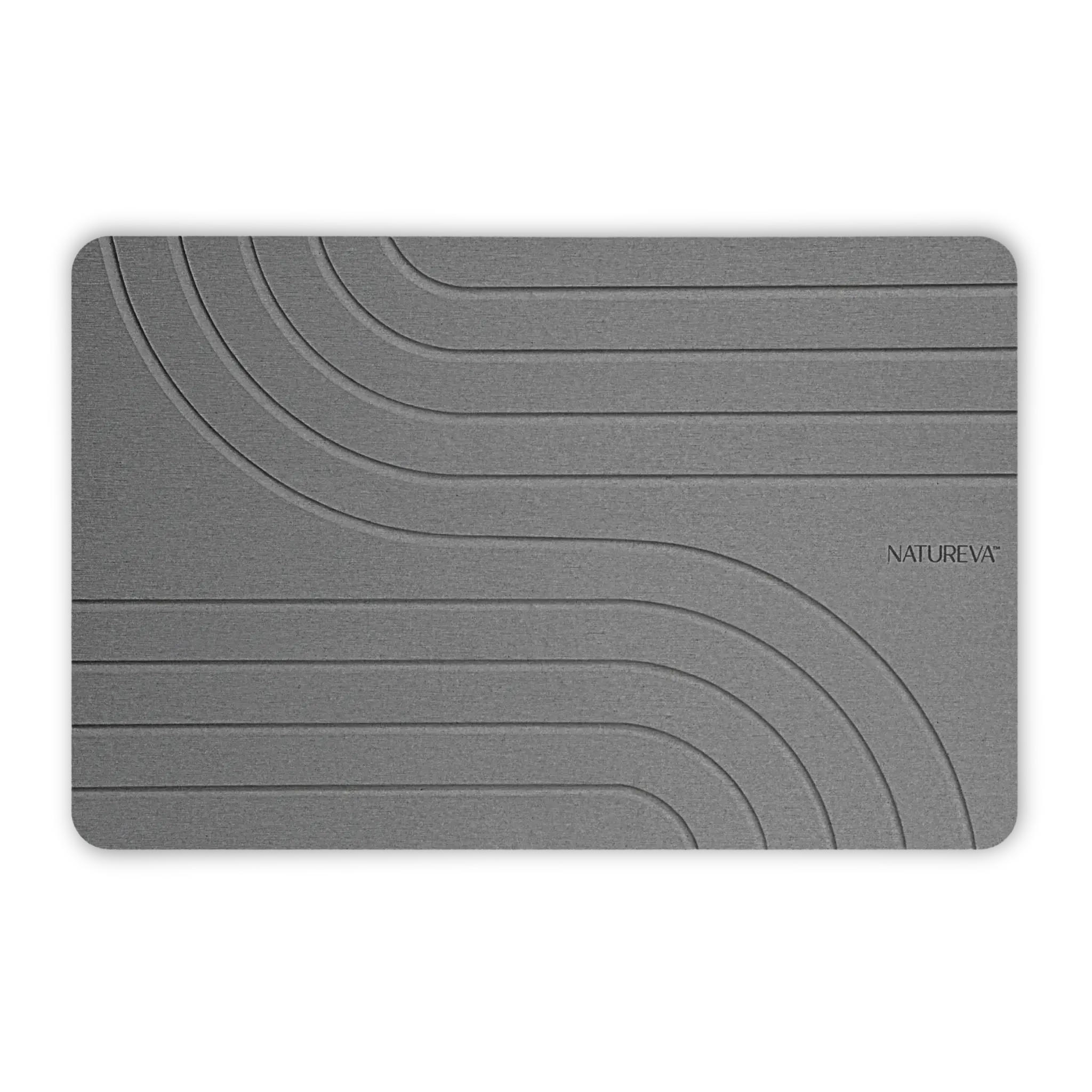
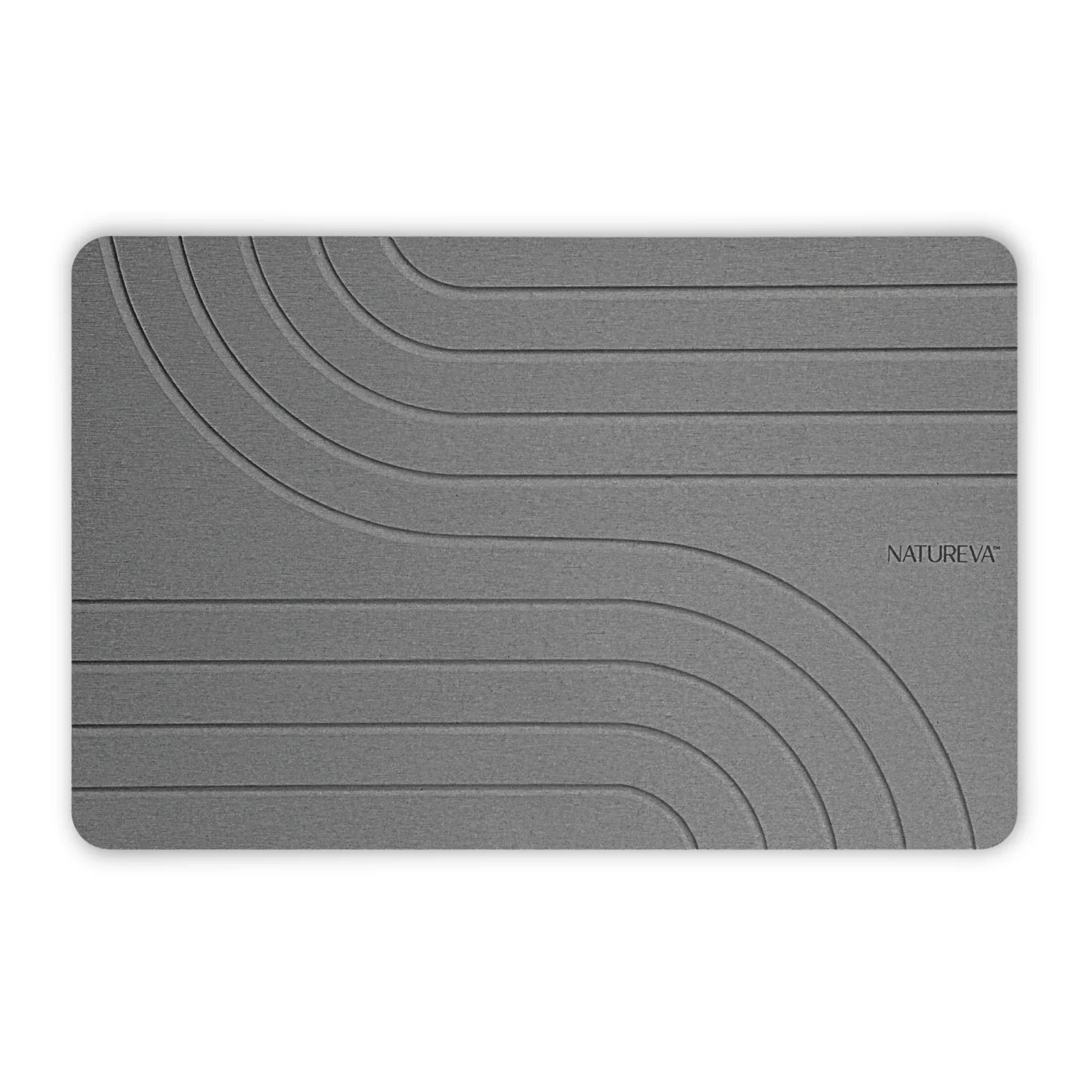
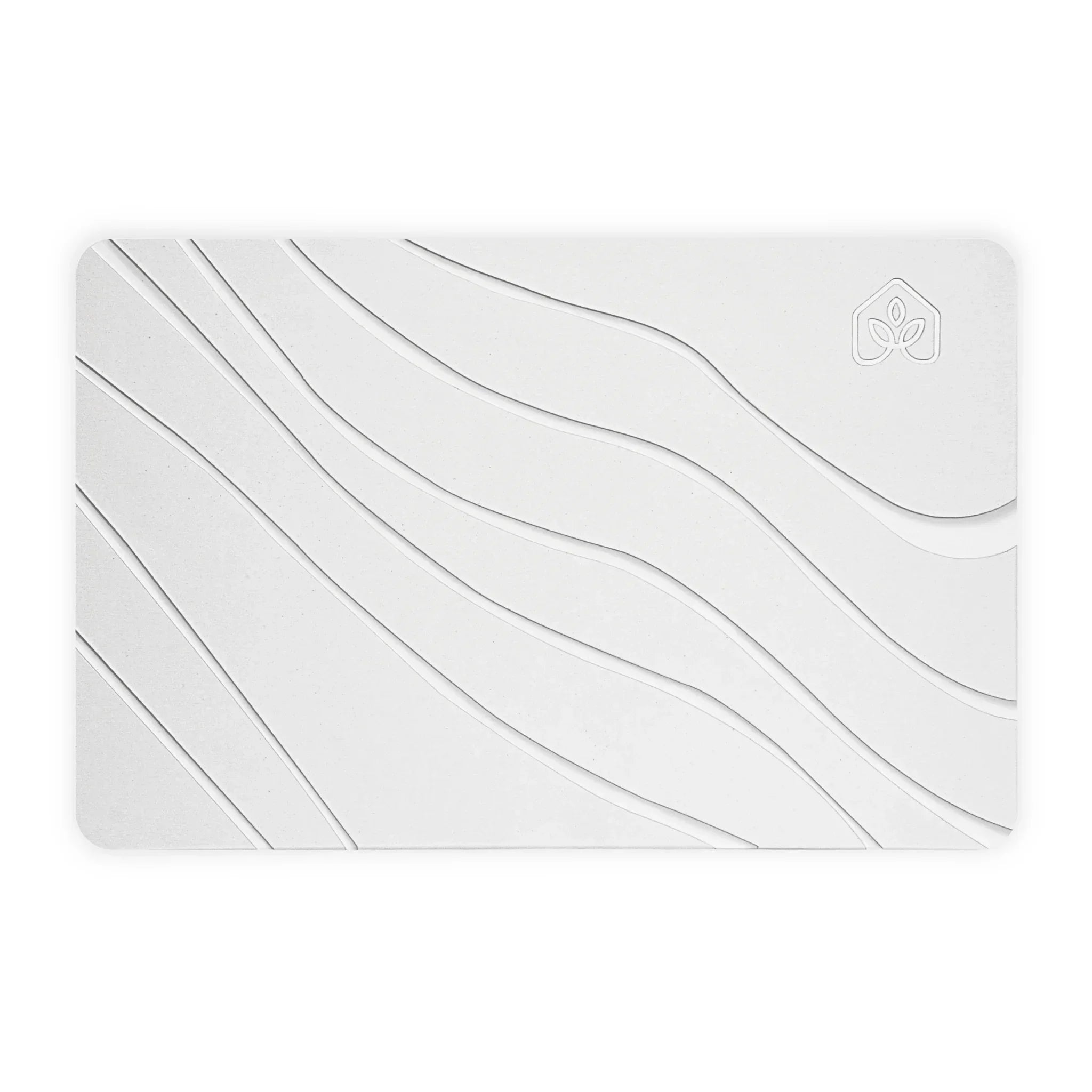
Stone Bath Mat - Tide
Diatomaceous earth is a natural sedimentary rock made from the fossilized remains of tiny aquatic organisms called diatoms. For a deeper look at this material, read our complete guide to diatomite. These microscopic fossils lived millions of years ago, and when they died, their silica-based skeletons settled at the bottom of oceans and lakes. Over time, these deposits hardened into the chalky rock we use today for bath mats.
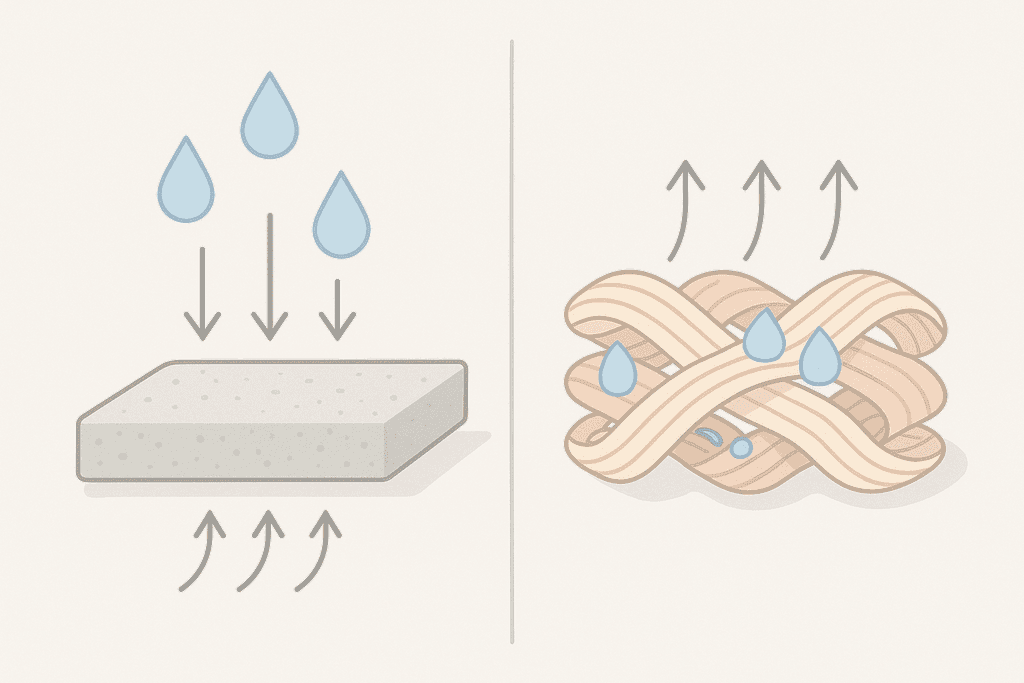
The secret is in the structure. Each piece of diatomaceous earth contains millions of tiny pores, kind of like a super-absorbent sponge made of stone. When water hits the surface, it gets pulled into these microscopic holes instantly. Then, instead of staying trapped like it would in fabric, the water evaporates through those same pores within minutes.
How Stone Mats Handle Moisture
The difference between fabric and stone becomes obvious when you look at what happens after you step out of the shower. Here's what makes diatomite special:
- Water absorption happens in seconds, not minutes
- The mat surface feels dry to the touch almost immediately
- No damp smell develops because moisture doesn't stick around
- Bacteria can't grow without the constant wetness they need
Our Stone Bath Mat uses this natural process to keep your bathroom cleaner. The mat dries within seconds after use, which means you're not dealing with that musty smell or worrying about what's growing in the fibers.
Comparing Traditional and Stone Bath Mats
The performance gap between fabric and diatomite becomes clear when you measure actual drying times and maintenance needs. Most fabric mats need 4-6 hours to fully dry in a typical bathroom, while stone mats are ready to use again in under 5 minutes.
| Feature | Fabric Bath Mats | Diatomite Bath Mats |
|---|---|---|
| Drying Time | 4-6 hours | 3-5 minutes |
| Bacteria Growth | High risk | Minimal risk |
| Washing Frequency | Weekly | Monthly wipe-down |
| Odor Development | Common | Rare |
| Lifespan | 6-12 months | 2-3 years |
According to research on why diatomite works so well for bath mats, the material's natural properties make it ideal for wet environments. The stone doesn't absorb odors or stains the way fabric does, and it never needs to go in the washing machine.
Why the Material Matters
The type of material your bath mat is made from affects more than just how fast it dries. It impacts your daily routine, your bathroom's cleanliness, and even your health. Fabric mats create an environment where mould spores and bacteria thrive, especially in bathrooms with poor ventilation.
Stone mats work differently because they don't hold onto moisture. The water you track out of the shower gets absorbed and then released into the air through evaporation. This means:
- Your bathroom floor stays drier throughout the day
- Less chance of slipping on a wet mat surface
- No need to wash or replace mats as often
The shift from fabric to stone isn't just about convenience. It's about creating a bathroom environment that stays cleaner with less effort on your part.
Absorption Speed and Capacity
Most people don't realise that a wet bathroom floor isn't just annoying, it's actually a safety hazard. When you step out of the shower, the last thing you want is water pooling under your feet or soaking into a fabric mat that stays damp for hours. This is where the absorption speed of a diatomite bath mat becomes the most important feature to check. A quality mat should pull water away from your feet almost instantly, not leave you standing in a puddle while you dry off.
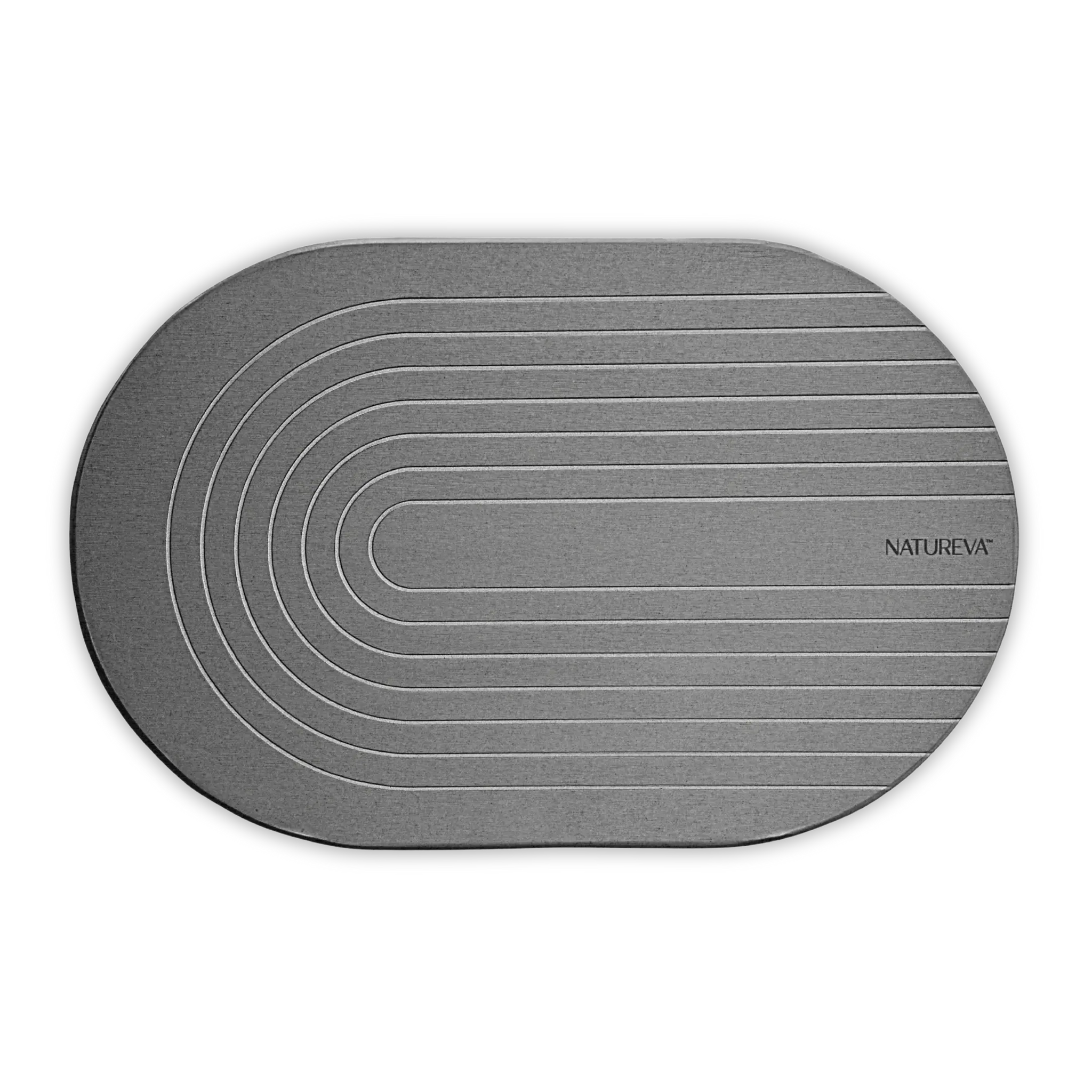
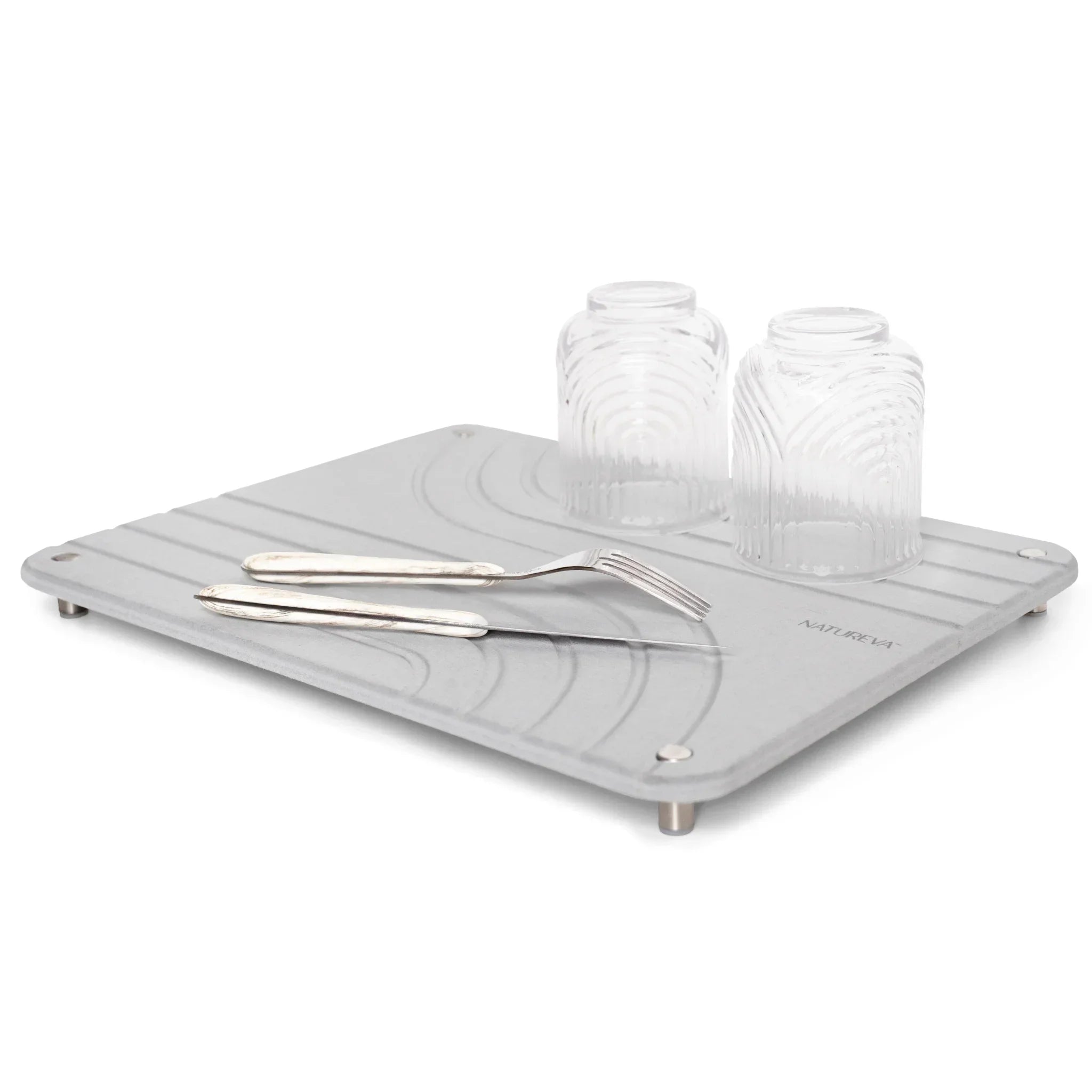
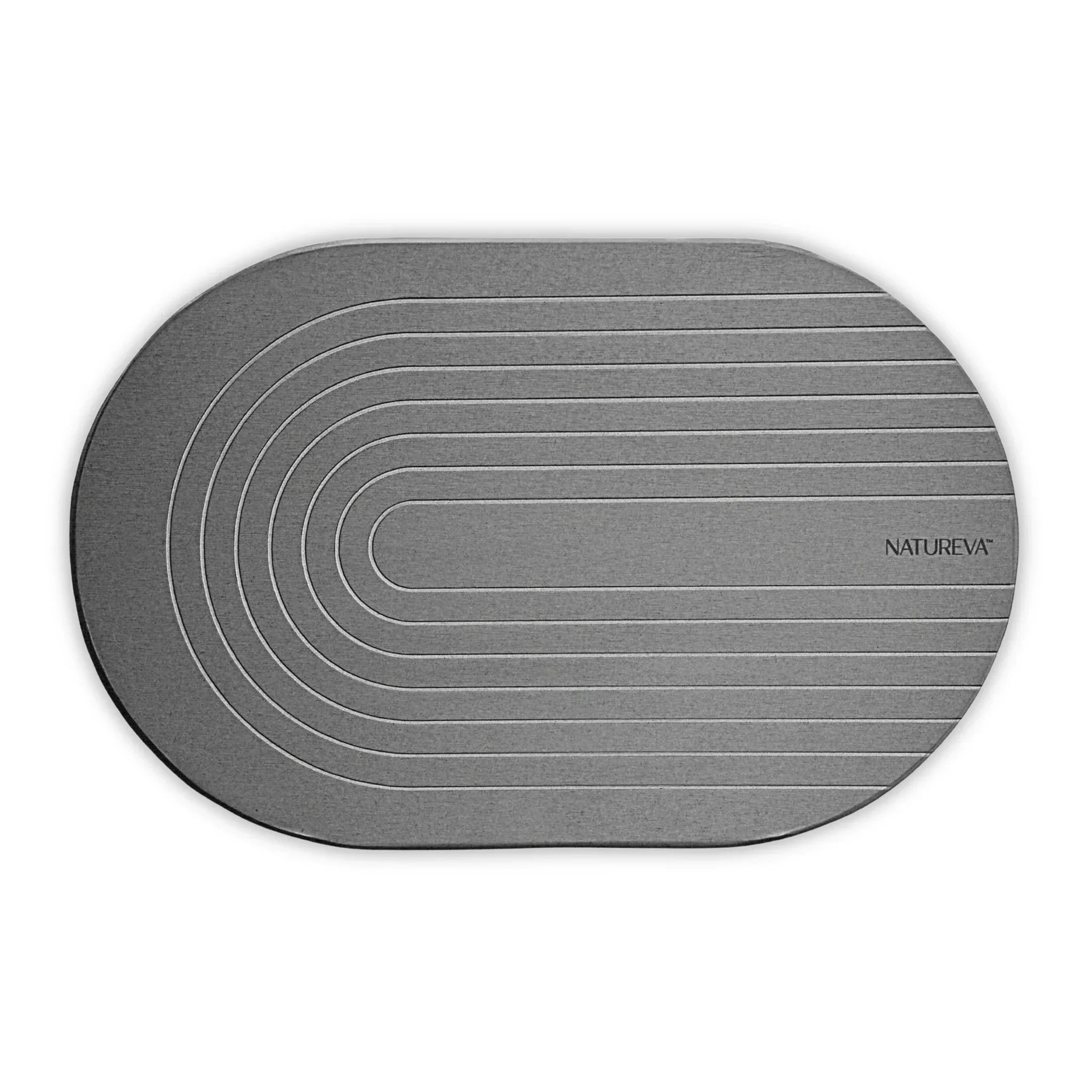
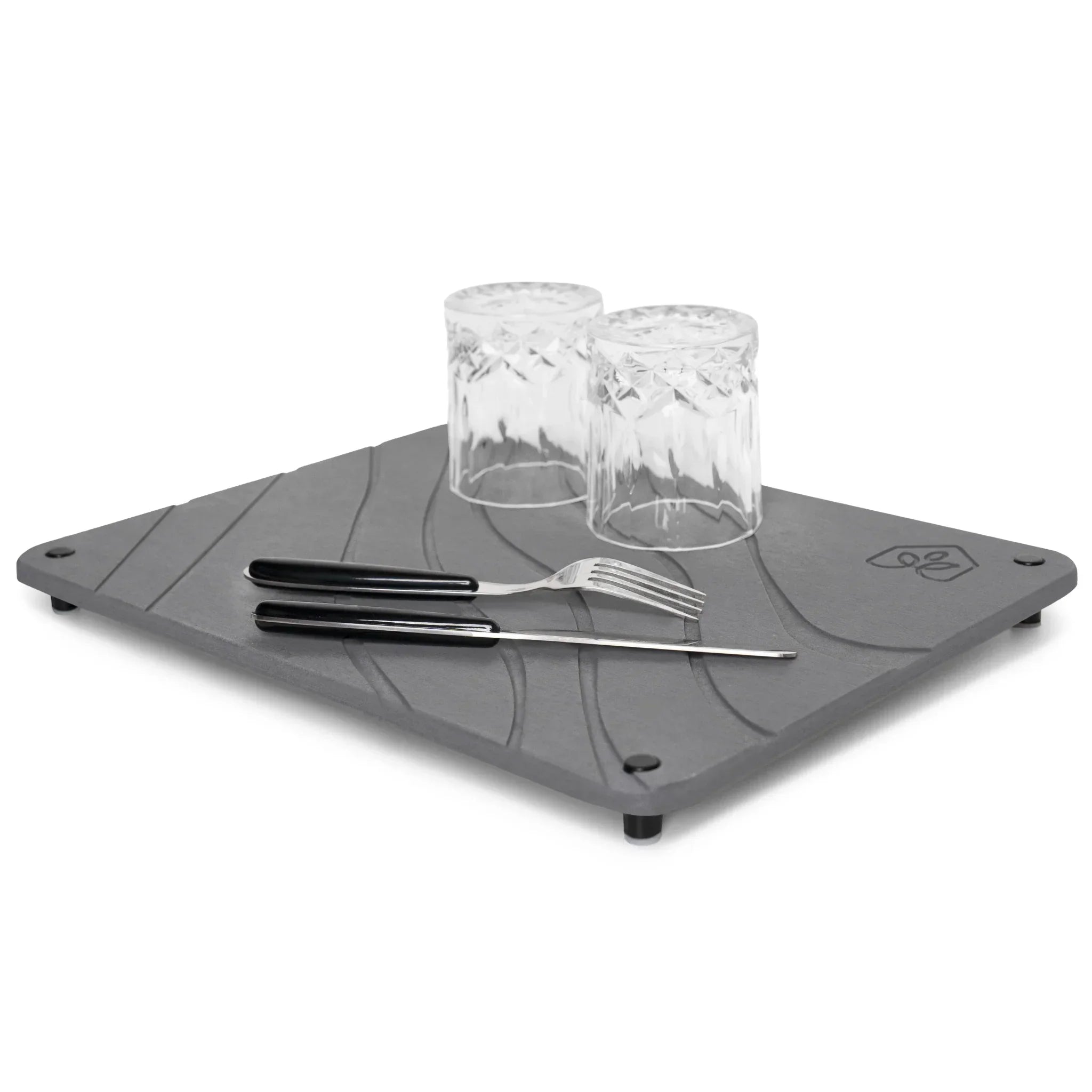
Stone Bath Mat - Arch
The best diatomite mats work fast because of their unique porous structure. Quality diatomite mats absorb water within 1-3 seconds of contact, making them the ultimate quick drying bath mat. You'll actually see the water disappear right before your eyes. Our Natureva Stone Bath Mats absorb water instantly and dry within seconds, so your bathroom floor stays clean and dry even when multiple people use it back-to-back.
- Thickness matters - Look for mats that are 9-12mm thick for the best performance
- Diatomite percentage - Higher content means better absorption capacity
- Multiple uses - The mat should handle your whole family without staying wet
- Quick drying - Water should evaporate within minutes, not hours
The thickness of the mat plays a bigger role than most people think. Thinner mats might absorb water on the surface, but they don't have enough capacity to handle multiple showers in a row. Diatomite works through millions of tiny pores that pull moisture in and allow it to evaporate quickly, but you need enough material for this process to work effectively.
Material Quality and Composition
Not all diatomite bath mats are created equal, and the difference comes down to what's actually inside them. Some companies cut corners by using less diatomaceous earth and more filler materials, which means you end up with a mat that doesn't absorb well and falls apart after a few months. The composition of your mat determines how long it will last and how well it will perform, so this isn't something to overlook when you're shopping around.
Material Quality and Composition
Look for mats with at least 60-70% diatomaceous earth content to ensure you're getting the real deal. The remaining percentage should be quality binders that hold everything together without compromising the absorption. Natural materials are always safer than synthetic alternatives, especially since this is something you'll be stepping on with bare feet every single day.
The binders used in manufacturing make or break the durability of your mat. Quality binders prevent cracking and crumbling over time, which is a common problem with cheaper options. You'll know you have a well-made mat if the surface feels smooth and even, without any rough patches or inconsistencies. High-quality diatomite has a uniform texture that indicates proper manufacturing standards were followed.
- Check for certifications or testing for harmful substances
- Look for smooth, even surface texture
- Verify the diatomaceous earth percentage if listed
- Read reviews about long-term durability
Anti-Slip Safety Features
The next generation of home essentials: naturally made, cleaner by design, sustainable by nature.
SHOP ALLA bath mat that slides around is worse than no bath mat at all. You're already dealing with wet feet and slippery bathroom floors, so the last thing you need is a mat that moves when you step on it. This is especially important if you have kids, elderly family members, or anyone with mobility concerns using your bathroom. The anti-slip backing isn't just a nice feature, it's a safety essential that can prevent serious accidents.
Non-slip backing is essential for safety on tile and smooth floors, but not all backing materials work the same way. Cork and rubber provide the best grip without damaging your floors or leaving marks. The mat should stay firmly in place even when you step on it while it's wet, which is when most slipping happens.
| Backing Type | Grip Level | Floor Safe |
|---|---|---|
| Cork | High | Yes |
| Rubber | Very High | Yes |
| None | Low | N/A |
Weight and thickness also contribute to stability in ways you might not expect. Heavier mats tend to stay in place better simply because they have more mass working against movement. Look for textured bottom surfaces or dedicated anti-slip pads that create friction between the mat and your floor.
Size, Design, and Maintenance Requirements
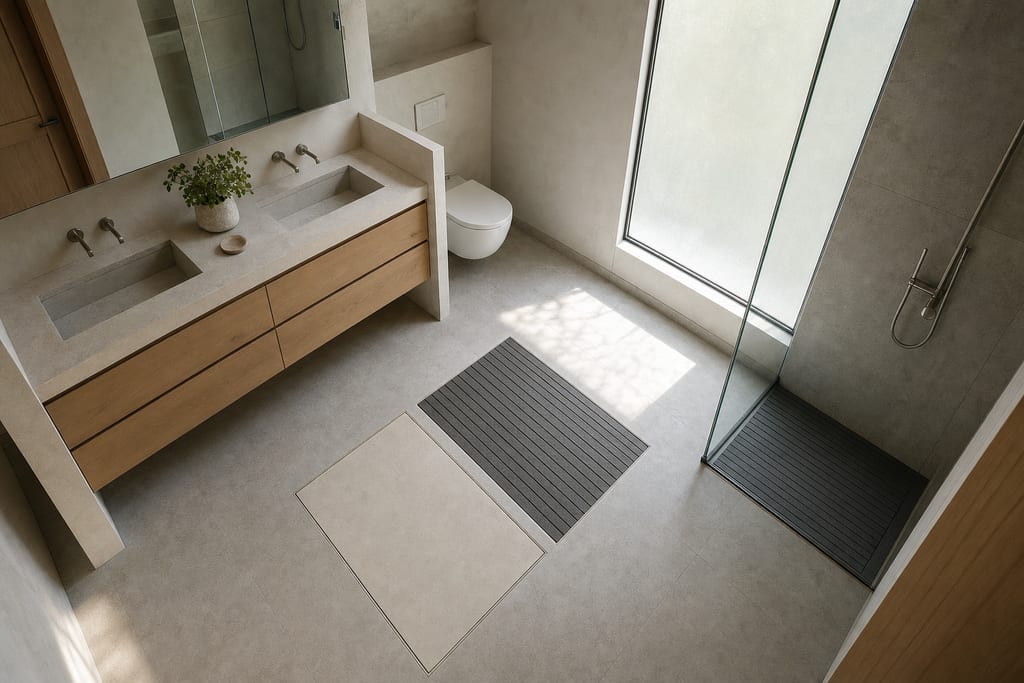
Buying a bath mat without measuring your space first is like buying shoes without knowing your size. You might get lucky, but chances are it won't fit quite right. Standard diatomite bath mats range from 12x16 inches up to 24x36 inches, and the right size depends on where you plan to place it and how much floor coverage you need. A mat that's too small won't catch all the water, while one that's too large might not fit in your bathroom layout.
Consider placement near your shower, tub, or sink for optimal use when deciding on size. If you're putting it right outside the shower door, you'll want something large enough to step onto comfortably. For sink areas, a smaller mat might work better. Our Tide and Arch patterns add visual interest while providing the same great absorption, so you don't have to sacrifice style for function.
- Measure your space before ordering to ensure proper fit
- Design options let you match your bathroom decor
- Minimal maintenance required compared to fabric mats
- No washing machine needed - just wipe and air dry
One of the best things about diatomite mats is how little maintenance they actually need. Just wipe clean and air dry occasionally to keep them working like new. Unlike fabric mats that need constant washing, these stone mats naturally resist bacteria and mold growth. The key is avoiding harsh chemicals that can clog the pores and reduce absorption over time.
Proper care extends your mat's lifespan to 2-3 years or more, which makes it a better investment than replacing fabric mats every few months. If you notice the absorption slowing down, a light sanding with fine-grit sandpaper can refresh the surface and restore performance. This simple maintenance takes just a few minutes and brings your mat back to like-new condition.
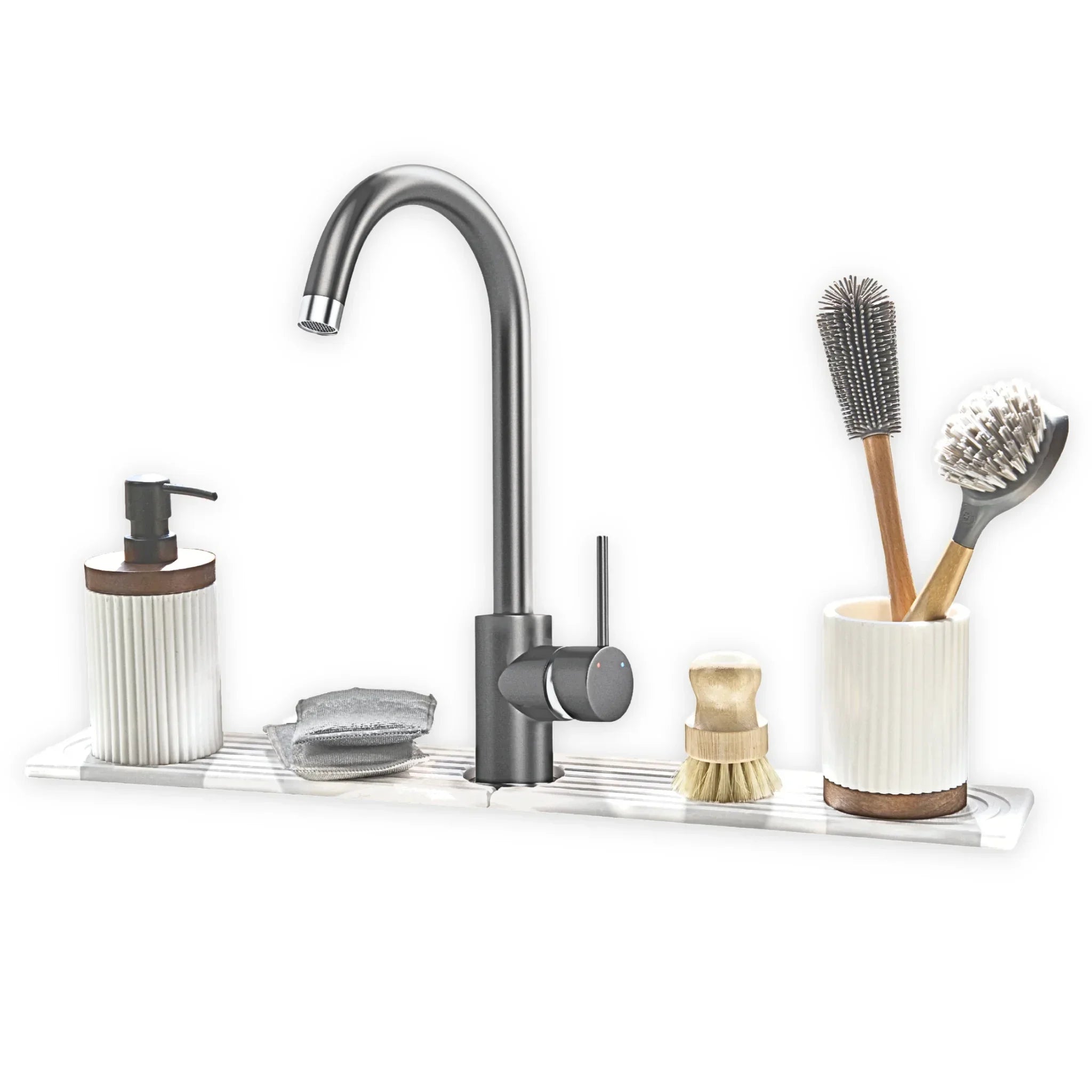
When you're ready to upgrade your bathroom with a diatomite bath mat, check out our full collection of bath mats in different designs. We also offer other diatomite products like dish mats and drink coasters that use the same absorption technology throughout your home.
Making the Right Choice for Your Bathroom
Getting a diatomite bath mat that actually works comes down to checking those five features we covered. You need good absorption that dries fast, quality materials that won't crack after a few months, a non-slip surface that keeps you safe, the right size for your space, and easy maintenance that doesn't require constant work. Skip any of these and you might end up with a mat that looks nice but doesn't perform when you need it most.
The thing about quality diatomite mats is they're more than just a bathroom accessory. They're actually an investment in keeping your bathroom cleaner and safer. Traditional fabric mats sit there damp for hours, creating the perfect spot for mold and bacteria to grow. A good stone mat changes that completely.
Our Natureva Stone Bath Mats check all these boxes because they're made from natural diatomaceous earth that absorbs water instantly and dries within seconds. The Tide and Arch designs both offer that same proven performance with different style options. You get the absorption, the quality materials, the safety features, and the low maintenance all in one mat.
When you're shopping around, don't just go for the cheapest option. A mat that costs less but cracks in three months or doesn't absorb properly isn't saving you money. Look at what you're actually getting for the price. The right mat will last years and keep your bathroom floor dry every single day, which matters more than you might think.
Common Questions About Diatomite Bath Mats
Switching from a regular fabric bath mat to a diatomite bath mat raises a lot of questions. People want to know if these stone mats actually work as well as advertised, and whether they're worth the investment. The good news is that most concerns about diatomite bath mats have straightforward answers, and understanding how they work makes the decision a lot easier.
How long do diatomite bath mats last?
A quality diatomite bath mat typically lasts 2-3 years with proper care. The lifespan depends on how often you use it and how well you maintain it. Regular cleaning and allowing it to air out between uses helps extend its life significantly compared to just leaving it on the bathroom floor constantly.
Can diatomite mats get moldy?
Diatomite mats are naturally resistant to mold because they dry so quickly. Unlike fabric mats that stay damp for hours, a diatomite bath mat dries within minutes, which doesn't give mold the moisture it needs to grow. That said, if you never clean it or keep it in a completely sealed, humid space with zero airflow, mold could eventually appear on surface dirt.
Are they safe for kids and elderly people?
Yes, diatomite mats are generally safe for all ages. The surface provides good grip when wet, which actually makes them less slippery than many fabric mats. Just make sure to place the mat on a non-slip surface or use a non-slip pad underneath, since the stone itself can slide on smooth tile floors.
How do you clean a diatomite bath mat?
Cleaning is simple and takes about two minutes. Rinse the mat with water and use fine-grit sandpaper to gently sand the surface if it starts absorbing water more slowly. This removes the buildup of soap, oils, and dead skin cells that can clog the pores over time. Our Natureva Stone Bath Mats maintain their absorption with this easy monthly maintenance.
Do they work on heated bathroom floors?
Diatomite mats work fine on heated floors and won't be damaged by the warmth. The heat might actually help them dry even faster. Just know that the stone itself will feel cool to the touch initially, even on a heated floor, because stone takes longer to warm up than fabric.
What happens if the mat cracks or breaks?
Small cracks don't usually affect performance, and the mat will still absorb water normally. If it breaks into pieces, though, you'll need to replace it. Avoid dropping heavy objects on the mat and don't stand it upright against a wall where it might fall, since diatomite is more fragile than it looks despite being stone.
The next generation of home essentials: naturally made, cleaner by design, sustainable by nature.
SHOP ALL