

Sink Caddy Alternatives What Keeps Your Sink Area Cleanest
That puddle of gunk around your kitchen sponge isn't just annoying—it's a breeding ground for bacteria. Most sink areas stay perpetually wet because traditional storage solutions trap moisture instead of eliminating it.
The right caddy doesn't just organize your cleaning tools. It actively prevents the buildup of slime, mildew, and odors that make your sink area feel dirty no matter how often you wipe it down.
What We Tested
We put five popular sink caddy types through real-world testing to see which actually keeps your sink area cleanest:
- Plastic caddies with drainage holes
- Stainless steel wire baskets
- Silicone flexible caddies
- Suction cup mounted holders
- Diatomite stone caddies
Each option promises to solve the wet sponge problem. But after weeks of daily use, the differences became crystal clear. Let's see how they stack up in the categories that actually matter for keeping your sink clean.
Plastic Caddy: The Budget Option
Plastic caddies are everywhere because they're cheap and colorful. But those drainage holes? They don't work as well as you'd think.
- Water pools in the bottom despite holes
- Develops slimy residue within days
- Lightweight design slides around easily
- Stains and discolors over time
- Needs frequent scrubbing to stay clean
Stainless Steel: The Rust Problem
Steel wire baskets look professional and drain better than plastic. However, rust becomes inevitable in the constantly wet sink environment.
- Good initial drainage through open wire design
- Rust spots appear within 3-6 months
- Difficult to clean between wires
- Can scratch delicate sink surfaces
- Moderate weight keeps it stable
Silicone Caddy: Flexible But Flawed
Silicone caddies promise easy cleaning since you can flip them inside out. In practice, they create their own problems with water retention.
- Flexibility makes thorough cleaning possible
- Water gets trapped in folds and crevices
- Develops mildew smell after a few weeks
- Too lightweight—tips over easily
- Attracts dust and lint to exterior
Suction Cup Holders: The Stability Issue
Wall-mounted suction caddies get items off the counter entirely. But their biggest selling point becomes their biggest frustration.
- Constantly falls off the wall or sink
- Loses suction when wet (which is always)
- Limited weight capacity
- Leaves residue marks on surfaces
- Good drainage when it stays attached
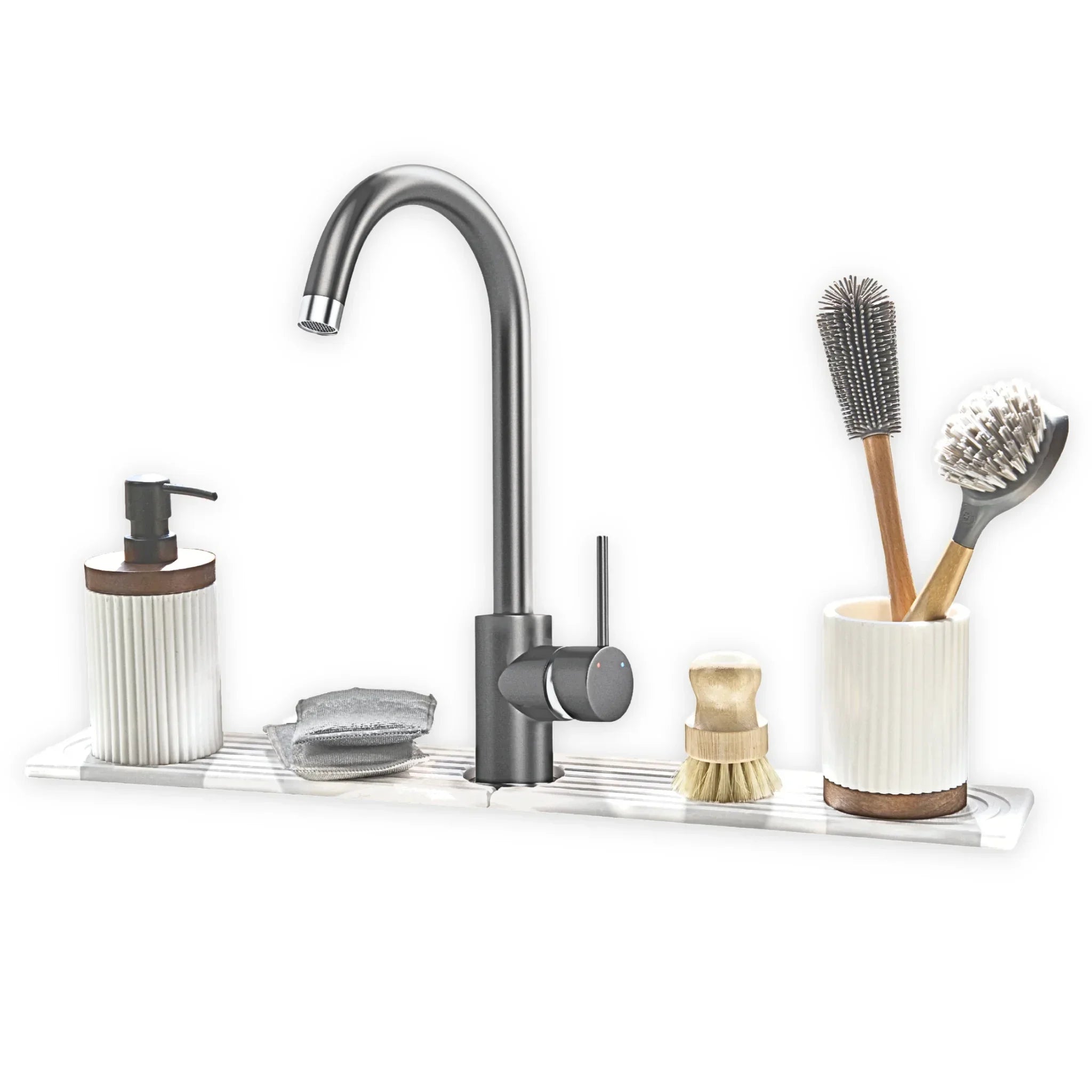
Stone Caddy: The Natural Solution
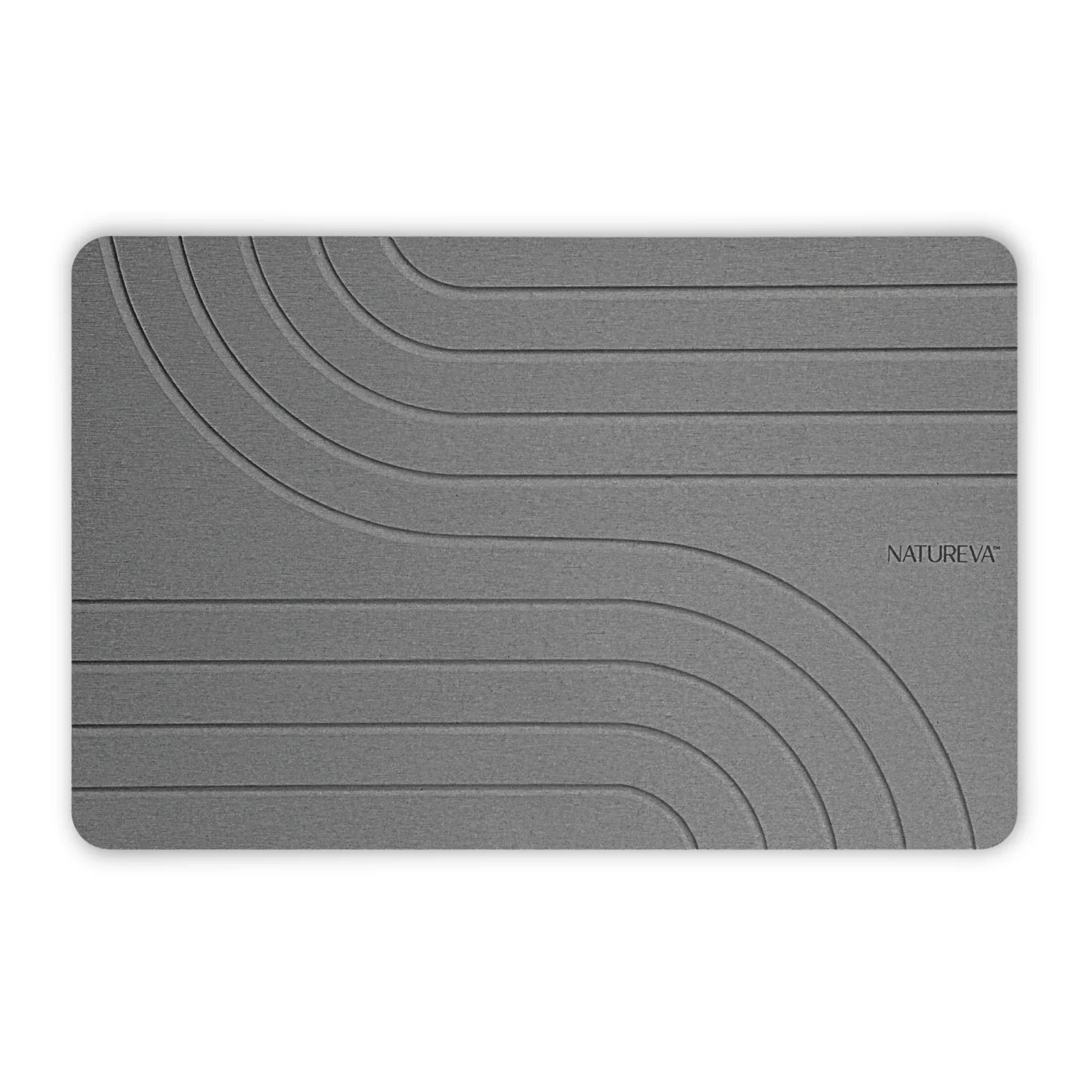
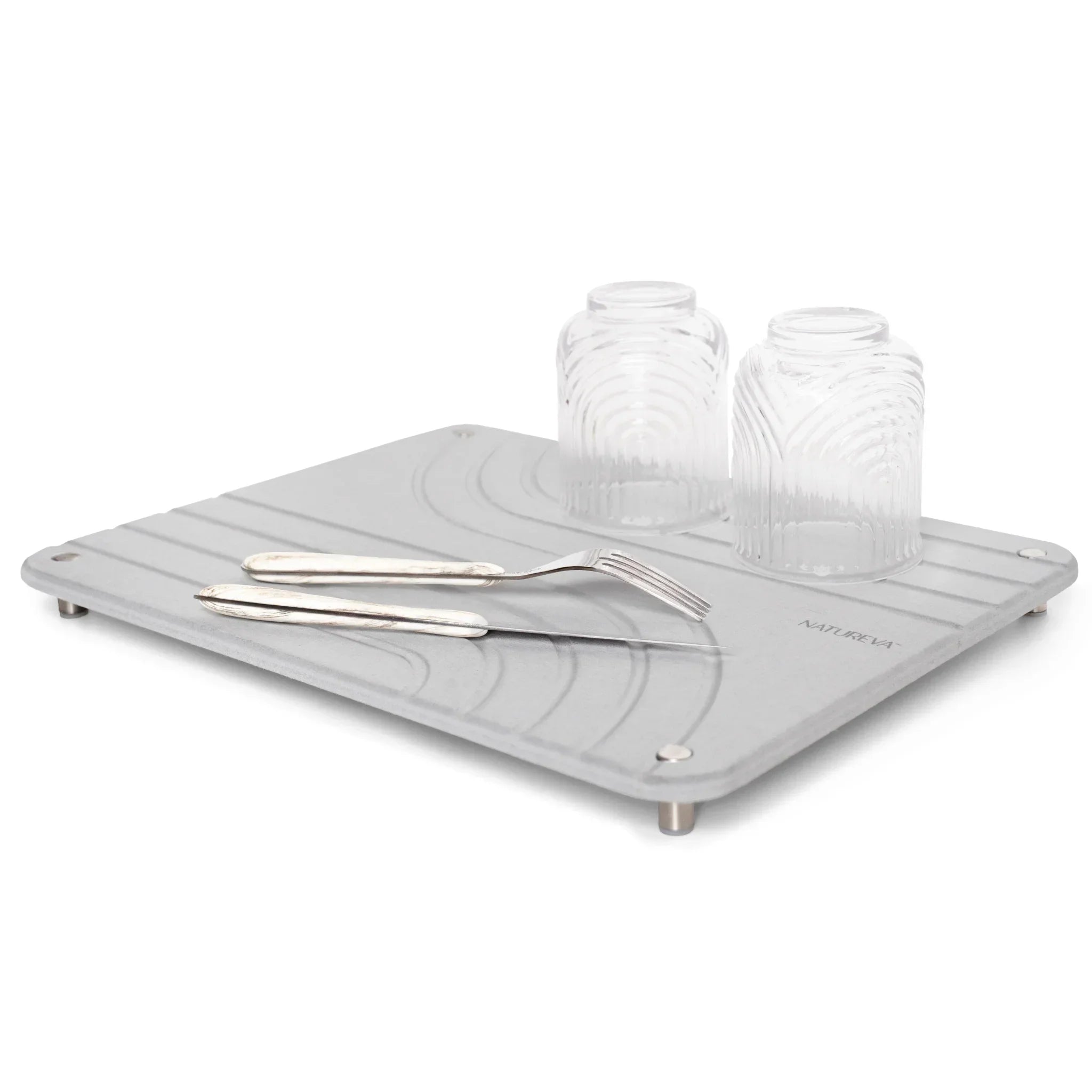
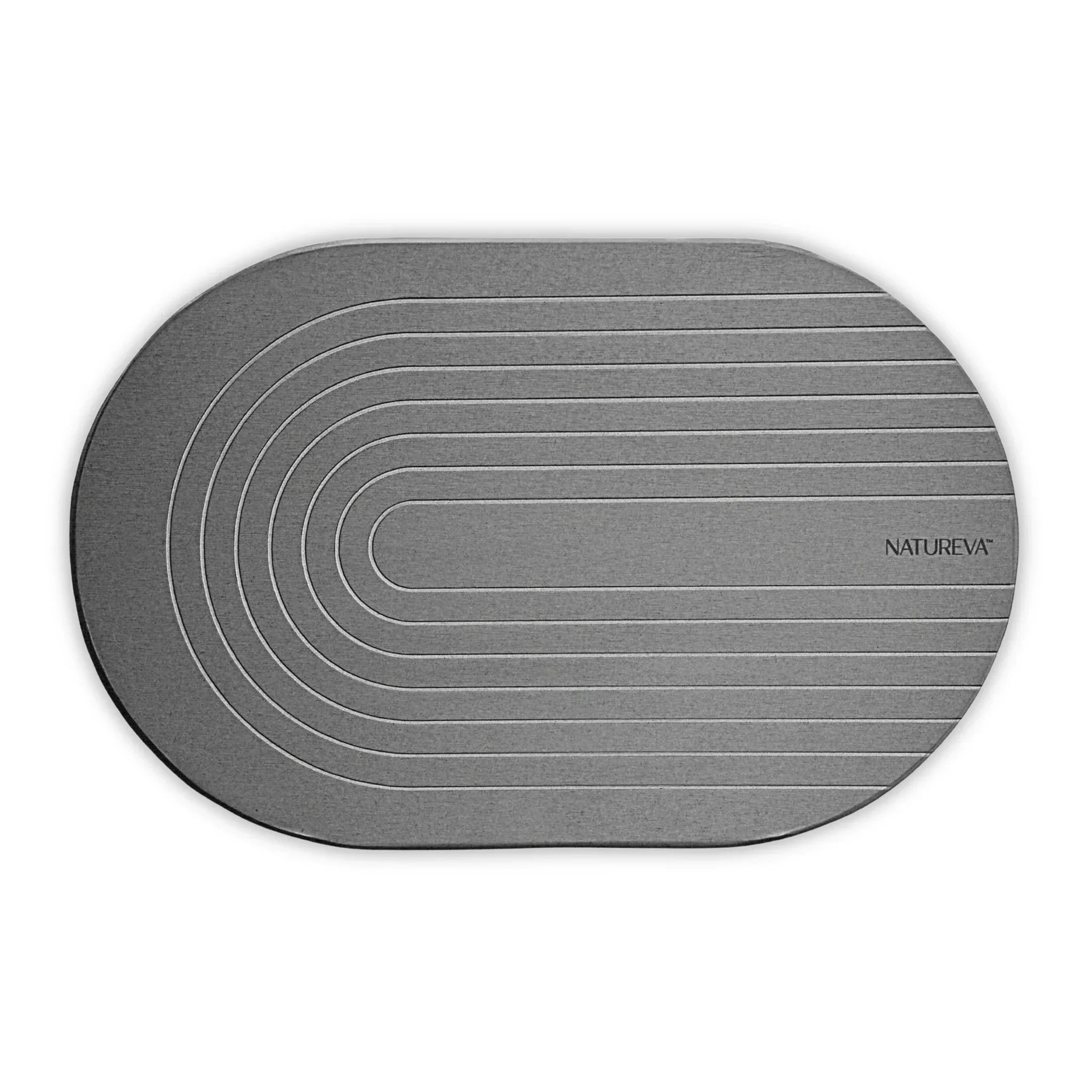
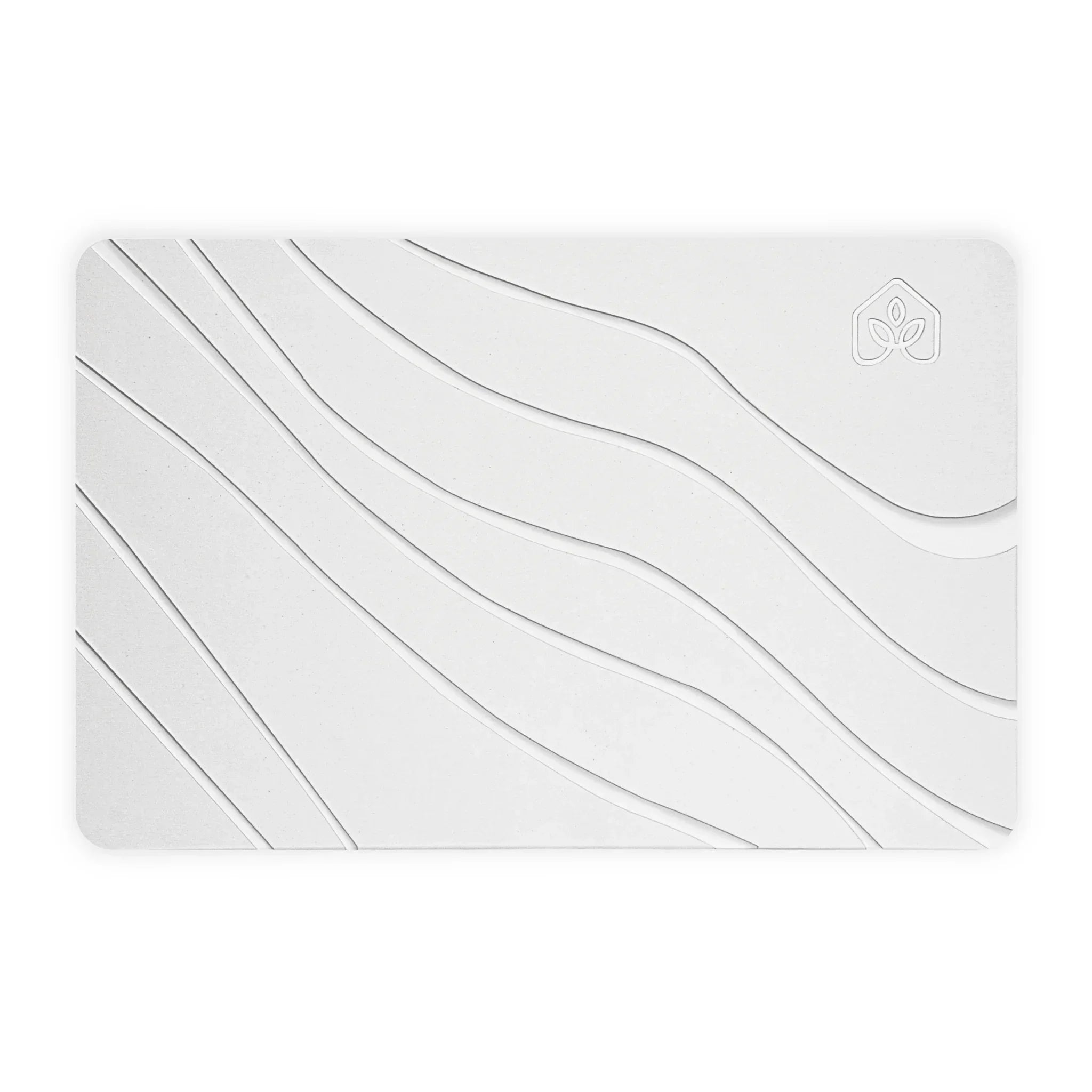
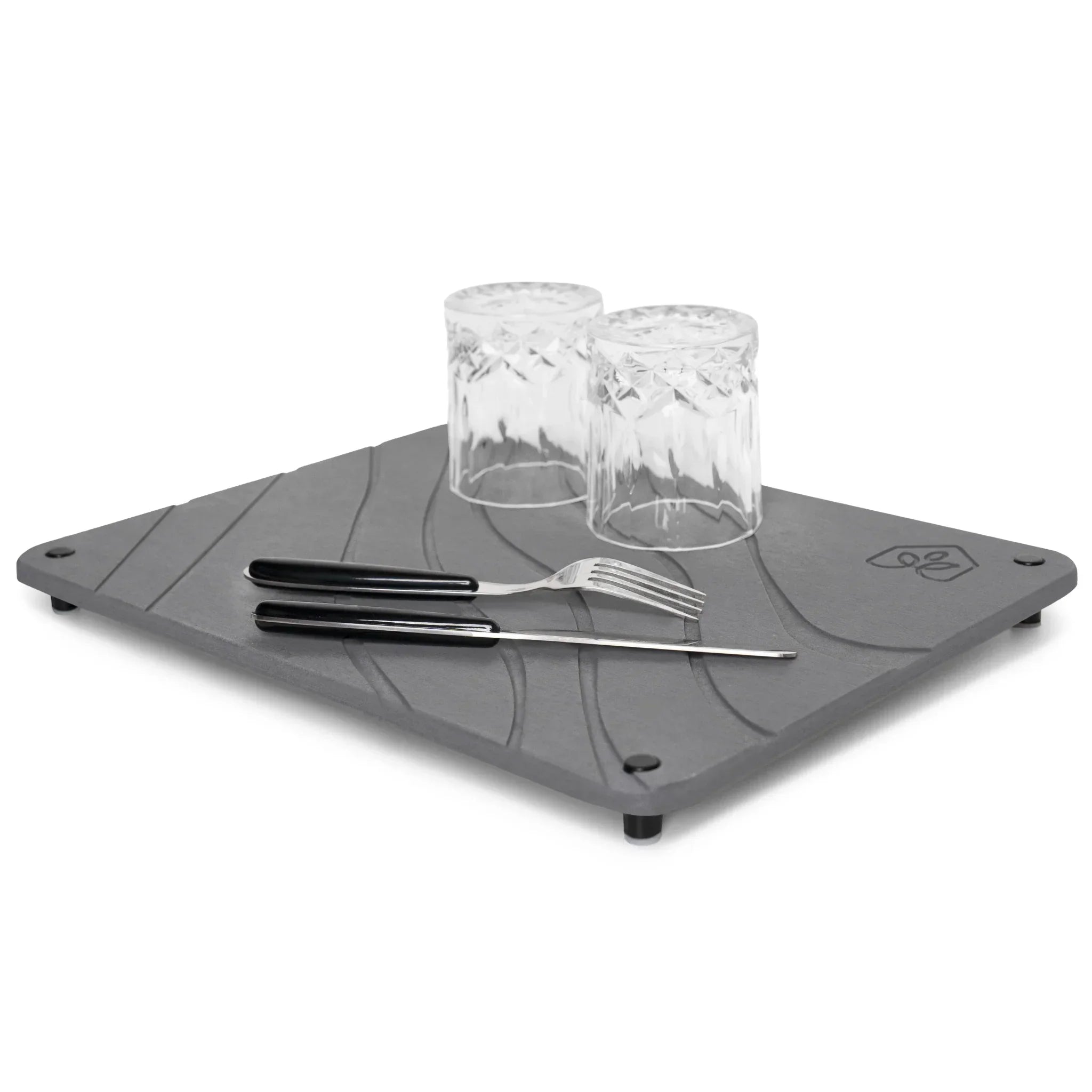
Diatomite stone caddies work differently than other options. Instead of draining water away, they absorb and evaporate it naturally. Check out the Flow design or Rain pattern options.
- Absorbs water instantly on contact
- Evaporates moisture within minutes
- Heavy enough to stay firmly in place
- Never develops mold or mildew
- Wipes clean with just water
Point-by-Point: Drainage Performance
How well does each caddy handle the constant water from wet sponges and brushes?
- Plastic: Poor—water pools in bottom
- Stainless Steel: Good—drains through but leaves puddles underneath
- Silicone: Fair—drains slowly, traps water in folds
- Suction Cup: Good—when attached, drains well
- Stone: Excellent—absorbs and evaporates completely
Category Winner: Stone Caddy eliminates water instead of just moving it around.
Point-by-Point: Durability Over Time
Which option maintains its appearance and function after months of daily use?
- Plastic: Poor—stains, cracks, becomes brittle
- Stainless Steel: Fair—rusts and corrodes
- Silicone: Good—maintains flexibility but develops odors
- Suction Cup: Poor—suction weakens quickly
- Stone: Excellent—looks the same after years
Category Winner: Stone Caddy with natural materials that don't degrade.
Point-by-Point: Cleaning and Maintenance
Nobody wants a sink organizer that requires constant scrubbing to stay hygienic.
- Plastic: Poor—needs frequent deep cleaning to remove slime
- Stainless Steel: Fair—requires rust removal and wire scrubbing
- Silicone: Good—can be flipped inside out but holds odors
- Suction Cup: Fair—easy to rinse but suction cups need cleaning
- Stone: Excellent—simple wipe down, naturally antimicrobial
Category Winner: Stone Caddy requires minimal effort to maintain. Browse the full sink caddy collection to see all options.
After testing all five options in real kitchen conditions, the diatomite stone caddy emerged as the clear overall winner. Here's why it outperforms every alternative.
Natural Drainage Keeps Everything Dry
Unlike plastic or metal that just moves water around, stone actually absorbs moisture instantly. Your sponges and brushes dry faster, which means less bacteria growth and no more slimy buildup.
- Diatomite absorbs up to 150% of its weight in water
- Evaporates moisture through natural air circulation
- Surface stays dry to the touch within minutes
- No puddles forming underneath or around the caddy
Heavy Enough to Stay Put
Lightweight caddies slide around every time you grab a sponge. Stone caddies have substantial weight that keeps them exactly where you place them.
- Won't tip over when holding multiple items
- Doesn't slide across wet countertops
- No suction cups or adhesives needed
- Stable base prevents spills and frustration
Doesn't Grow Mold or Mildew
This is the game-changer. While plastic and silicone develop that characteristic musty smell, stone remains odor-free indefinitely.
- Natural antimicrobial properties inhibit bacterial growth
- Never develops the slimy film that plagues plastic
- No black mold spots in corners or crevices
- Stays fresh-smelling without any treatments
Pair your sink caddy with a diatomite faucet mat for complete sink area protection.
Looks Better Than Plastic Options
Let's be honest—most sink caddies are eyesores. Stone caddies have a natural, minimalist aesthetic that actually improves your kitchen's appearance.
- Neutral colors complement any kitchen style
- Textured surface adds visual interest
- Doesn't look cheap or cluttered
- Won't fade, yellow, or discolor over time
Lasts Years Without Replacing
The upfront cost of a stone caddy is higher than plastic, but the long-term value is unmatched. You'll replace plastic caddies multiple times before a stone one shows any wear.
- No moving parts to break or wear out
- Doesn't rust, crack, or deteriorate
- Can be lightly sanded if surface becomes less absorbent
- One-time purchase that lasts for years
Consider expanding to other diatomite products like the Flow dish mat or Tide dish mat for a completely dry, clean kitchen.
The Bottom Line
While each caddy type has specific strengths, only the stone caddy wins in the categories that matter most: drainage, durability, and cleanliness. It's the only option that actively prevents the moisture problems that make sink areas messy in the first place.
If you're tired of constantly cleaning your sink caddy or dealing with mildew smells, switching to diatomite stone isn't just an upgrade—it's a permanent solution to a problem you didn't realize could be completely eliminated.