
Stone Mats for Bathrooms Explained With Pros and Drawbacks
Fabric bath mats can stay damp for hours after a shower, creating that musty smell and slimy texture nobody wants to step on. A stone mat for bathroom use works differently, absorbing water instantly and drying within minutes thanks to millions of microscopic pores in fossilized algae material called diatomite. Understanding how these mats handle moisture helps you decide if switching from fabric is worth it for your home.
Table of Contents
What Makes Stone Bath Mats Different
Millions of years ago, tiny algae called diatoms lived in ancient oceans and lakes, and when they died, their silica-rich skeletons piled up on the seafloor. Over time, these microscopic fossils compressed into a chalky rock called diatomite, which today gets mined and shaped into bathroom products that dry faster than anything you've probably used before. The secret is in the structure, not some fancy coating or chemical treatment.
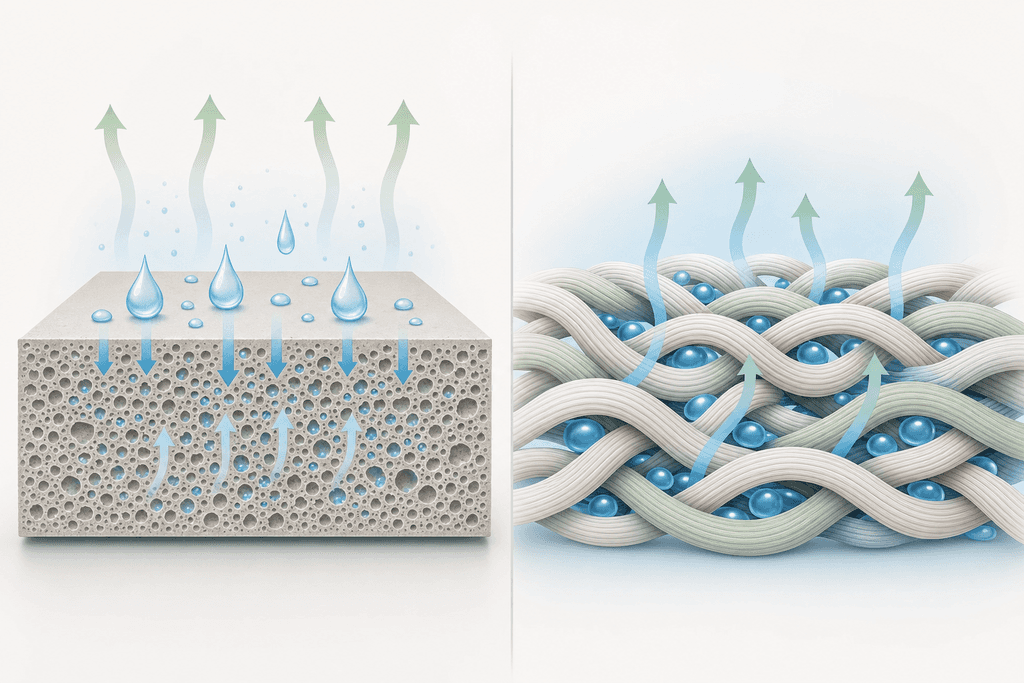
How the Porous Structure Works
Diatomite looks solid, but under a microscope it's more like a sponge made of stone. Each tiny diatom skeleton left behind millions of microscopic holes that create an absorbent surface with some pretty useful properties. When water hits a stone mat for bathroom use, it gets pulled into these pores instantly, then evaporates back out into the air within minutes.
Here's what makes that structure special:
- The pores are so small and numerous that water spreads out thin and dries fast
- Air flows through the material, speeding up evaporation even more
- The surface stays dry to the touch, unlike fabric that holds moisture
- Bacteria and mold struggle to grow because there's no damp environment to live in
Modern Composite Construction
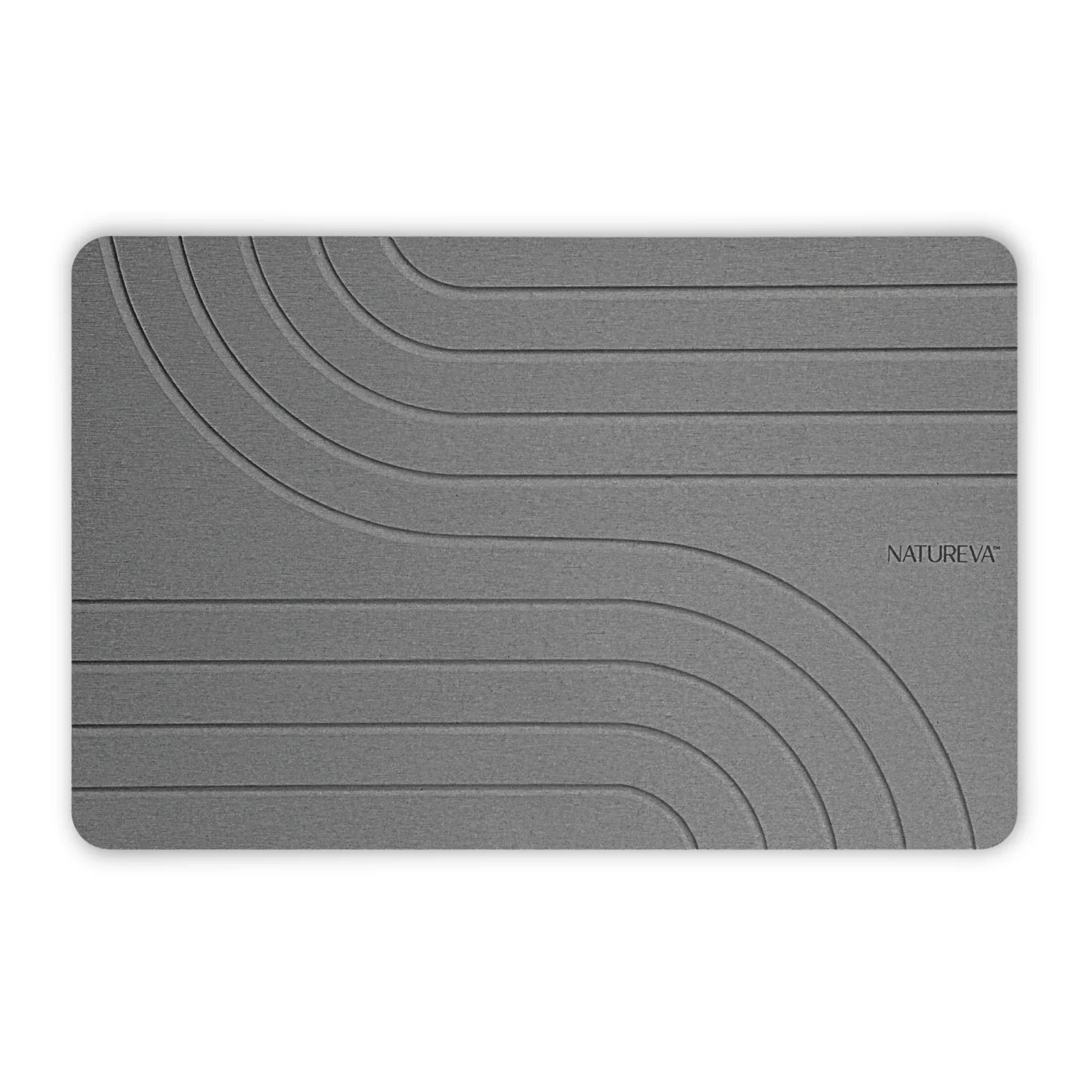
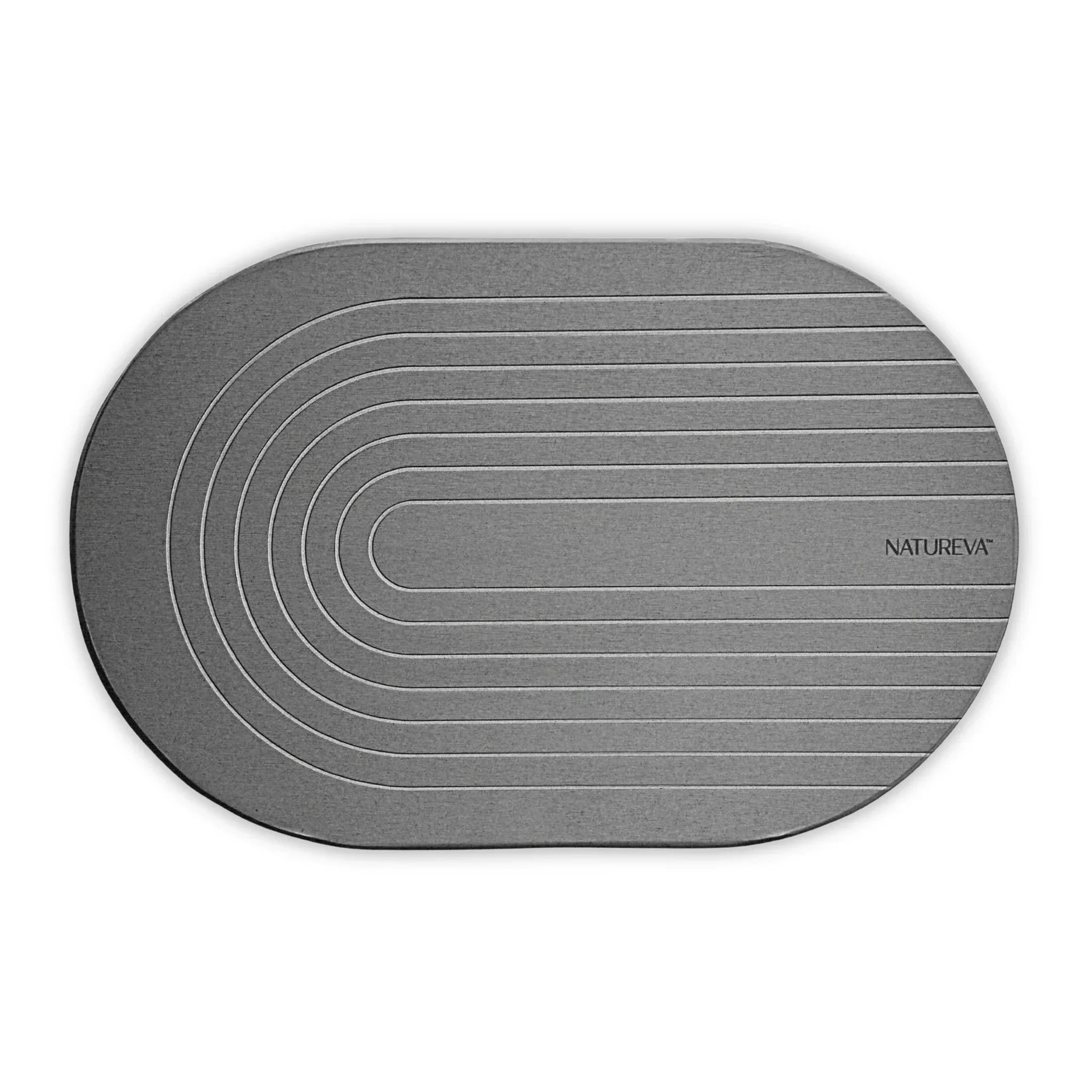
Pure diatomite would be too brittle to stand on every day, so most stone bath mats mix it with other materials to add strength. Natureva's stone bath mats combine diatomaceous earth with recycled paper, compressed into a dense slab that feels solid underfoot but stays lightweight enough to move around easily. No synthetic coatings get added, which means the pores stay open and functional.
The antibacterial effect comes from physics, not chemistry. When moisture disappears within minutes instead of sitting around for hours, bacteria simply don't have the damp conditions they need to multiply. Traditional fabric mats can stay wet for hours, creating the exact environment that leads to that musty smell everyone hates.
Comparing Absorption Speeds
Different bathroom mat materials handle water in completely different ways. The table below shows how long various materials typically stay wet after someone steps out of the shower.
| Material Type | Drying Time | Moisture Retention |
|---|---|---|
| Stone (Diatomite) | 2-5 minutes | Very Low |
| Cotton | 4-8 hours | High |
| Microfiber | 2-4 hours | Medium |
| Memory Foam | 6-12 hours | Very High |
| Bamboo Fabric | 3-6 hours | Medium-High |
Several brands now sell stone bath mats, including Dorah, Drysorb, and Tosoro, each with slightly different composite formulas and design approaches. The core material science remains the same across brands, though construction quality and longevity can vary. Different bath mat materials each have specific advantages depending on your priorities, but stone consistently wins on drying speed.
The trade-off is that stone mats work differently than what most people grew up with. They don't feel soft and plush like fabric, and they need occasional maintenance to keep performing well. But for households dealing with constant bathroom moisture, that fast-drying surface solves problems that fabric simply can't handle.
How Stone Mats Actually Work
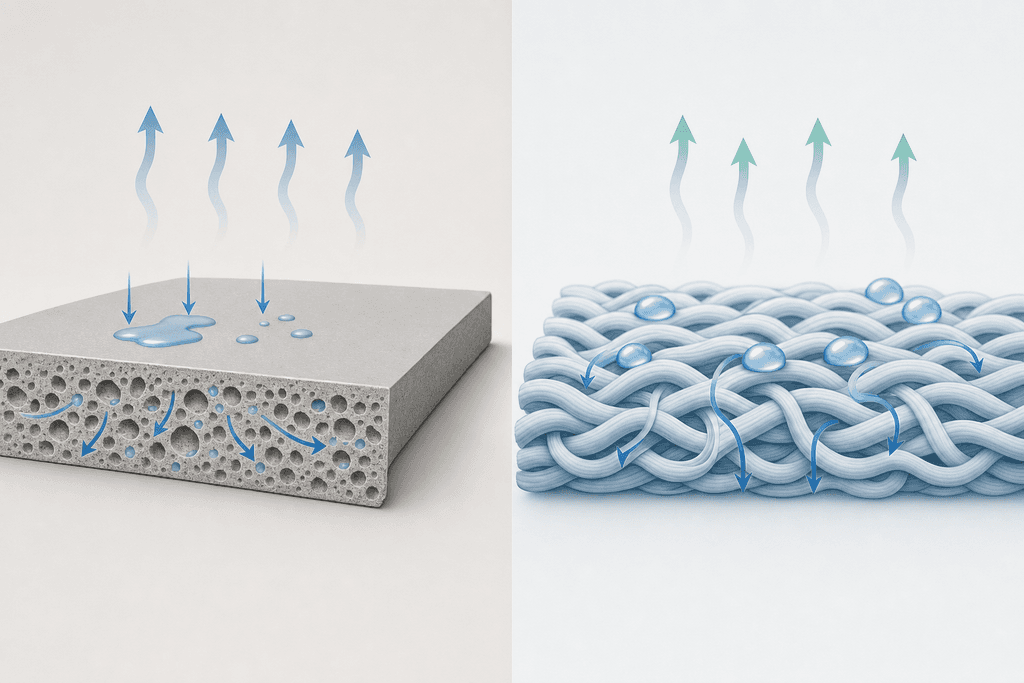
Most people step out of the shower onto a soggy fabric mat that stays damp for hours. Stone mats work completely differently because they're made from diatomite, a material formed from fossilized algae with millions of microscopic pores. When water hits the surface, it gets pulled into these tiny channels through capillary action, which is the same force that helps plants draw water up their stems. The moisture doesn't just sit there though.
Within 30 to 60 minutes, that absorbed water evaporates back into the air naturally. This happens because the porous structure allows air to flow through the material, unlike fabric that traps moisture between fibers. The non-slip base pad underneath creates a small gap between the mat and your floor, which speeds up the drying process even more.
| Feature | Stone Mat | Fabric Mat |
|---|---|---|
| Absorption Time | Instant on contact | 2-5 seconds |
| Drying Speed | 30-60 minutes | 4-8 hours |
| Surface Feel | Dry after minutes | Damp between uses |
| Maintenance | Weekly vinegar wipe | Weekly washing |
The solid surface stays dry to touch even after multiple family members use it back to back. There's no fabric to hold onto moisture or develop that musty smell you get with traditional mats. According to Baptist Health, this rapid drying process is what makes stone mats naturally resistant to bacteria and mold growth.
The Real Benefits of Stone Bath Mats
The hygiene factor is probably the biggest reason people switch to stone. Because the mat dries so fast, bacteria and mold don't have the damp environment they need to multiply. This happens naturally through moisture elimination, not because of any chemical treatments. For families with allergies or sensitive skin, that matters more than you might think.
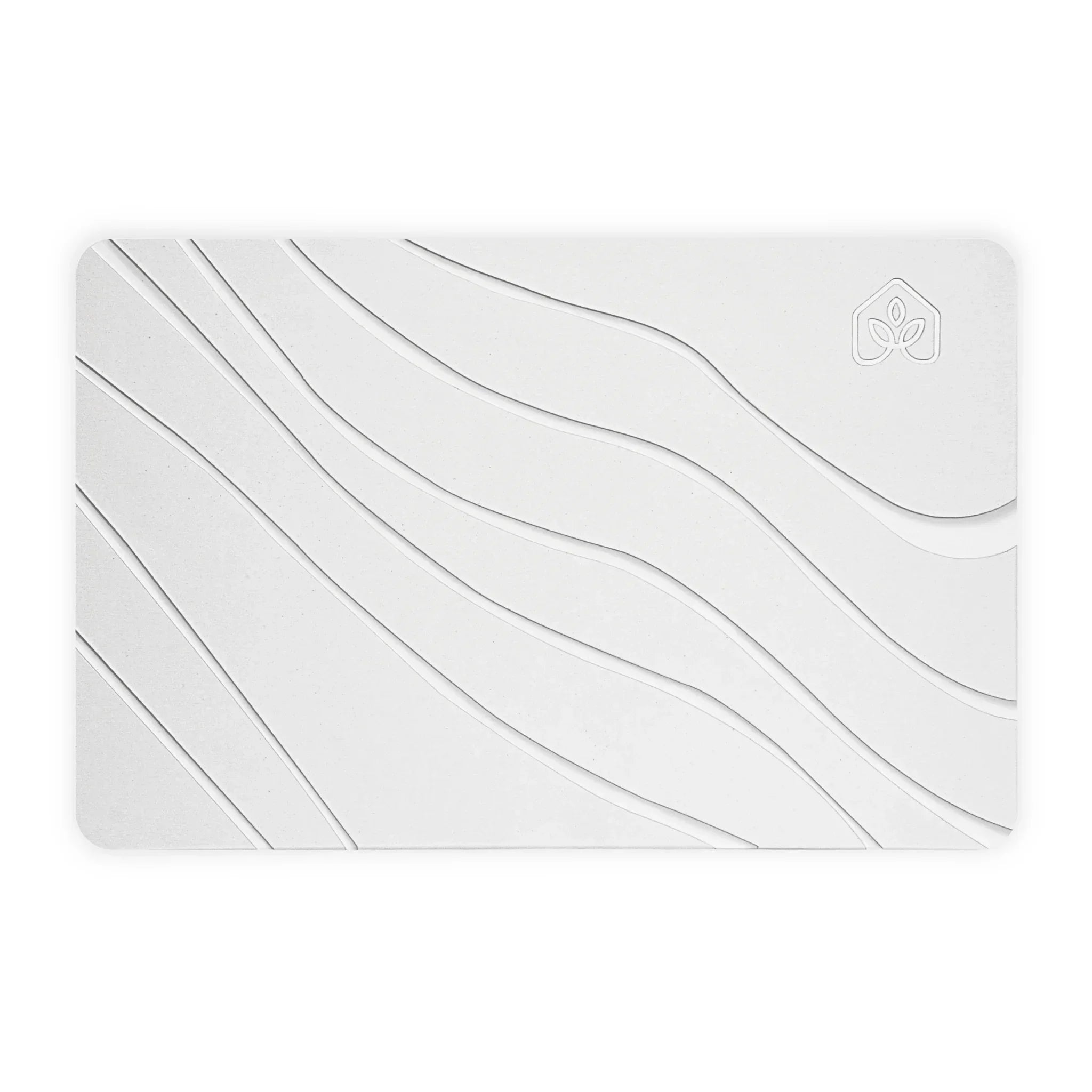
The design side is simpler than expected. Stone mats come in neutral colors like graphite, slate, and chalk that blend into most bathroom styles. Natureva's stone bath mats feature five different carved patterns including Tide, Flow, Arch, Rain, and Aura, each with minimalist engraving that adds texture without looking busy.
- No washing machine needed, just a quick wipe with vinegar water once a week
- Lasts for years instead of needing replacement every few months
- Chemical-free construction means no synthetic coatings touching your feet
- Saves money long-term despite higher upfront cost compared to fabric
The environmental angle is worth mentioning too. You're not throwing away worn-out fabric mats or running the washing machine weekly. The material itself is made from diatomaceous earth and recycled paper, compressed into a durable composite without synthetic additives. Consumer Reports notes in their stone bath mat testing that durability varies by brand, but quality mats can last several years with proper care.
The Drawbacks You Should Know
Stone mats aren't perfect for everyone, and it's better to know the limitations upfront. The weight is the first thing you notice when you pick one up. At around 1.8 kg, these aren't something you'll casually move around while cleaning. If you like rearranging your bathroom layout frequently, that solid weight becomes a hassle pretty quickly.
The material can crack or chip if dropped on tile or concrete floors. It's not fragile like glass, but it's also not indestructible like rubber. Homes with young kids who might pick up and drop the mat need to think about this risk. The cold surface feel in winter is another real issue that some people don't expect.
- Heavy construction makes frequent moving difficult
- Can break if dropped on hard bathroom floors
- Feels uncomfortably cold during winter months
- Requires periodic sanding to maintain absorption
- Colored soaps can stain if not rinsed immediately
- Higher initial cost than fabric alternatives
Maintenance isn't complicated, but it does require attention. When the surface starts absorbing slower, you need to use the included sanding tool to reopen the pores. Stains from colored body wash or soap need immediate rinsing, not something you can deal with later. For some households, especially those with mobility issues or very young children, a lighter fabric mat might actually be the more practical choice.
Keeping Your Stone Mat Working Right
The next generation of home essentials: naturally made, cleaner by design, sustainable by nature.
SHOP ALLThe weekly maintenance routine takes about two minutes. Mix equal parts white vinegar and water, wipe down the surface, and you're done. This prevents soap scum and mineral deposits from building up in those microscopic pores. If you skip this step for too long, the mat will start absorbing slower because the pores get clogged.
Colored soap residue is the enemy of stone mats. Rinse any colored product off immediately under running water before it has time to seep into the porous surface. Once a stain sets in, you'll need hydrogen peroxide to lift it out naturally without damaging the material structure.
- Wipe with vinegar water solution weekly
- Rinse colored products immediately under tap
- Sand surface when water absorption slows down
- Stand mat upright if fully saturated to air dry
- Use hydrogen peroxide for stubborn stains
- Avoid harsh chemicals that damage pores
The sanding tool that comes with your mat is there for a reason. When you notice water pooling instead of absorbing instantly, a light sanding reopens the surface pores and restores full absorbency. You're not sanding aggressively, just enough to remove the top layer that's gotten clogged. According to Gaia Ecological, this restoration process can extend the mat's functional life significantly when done correctly.
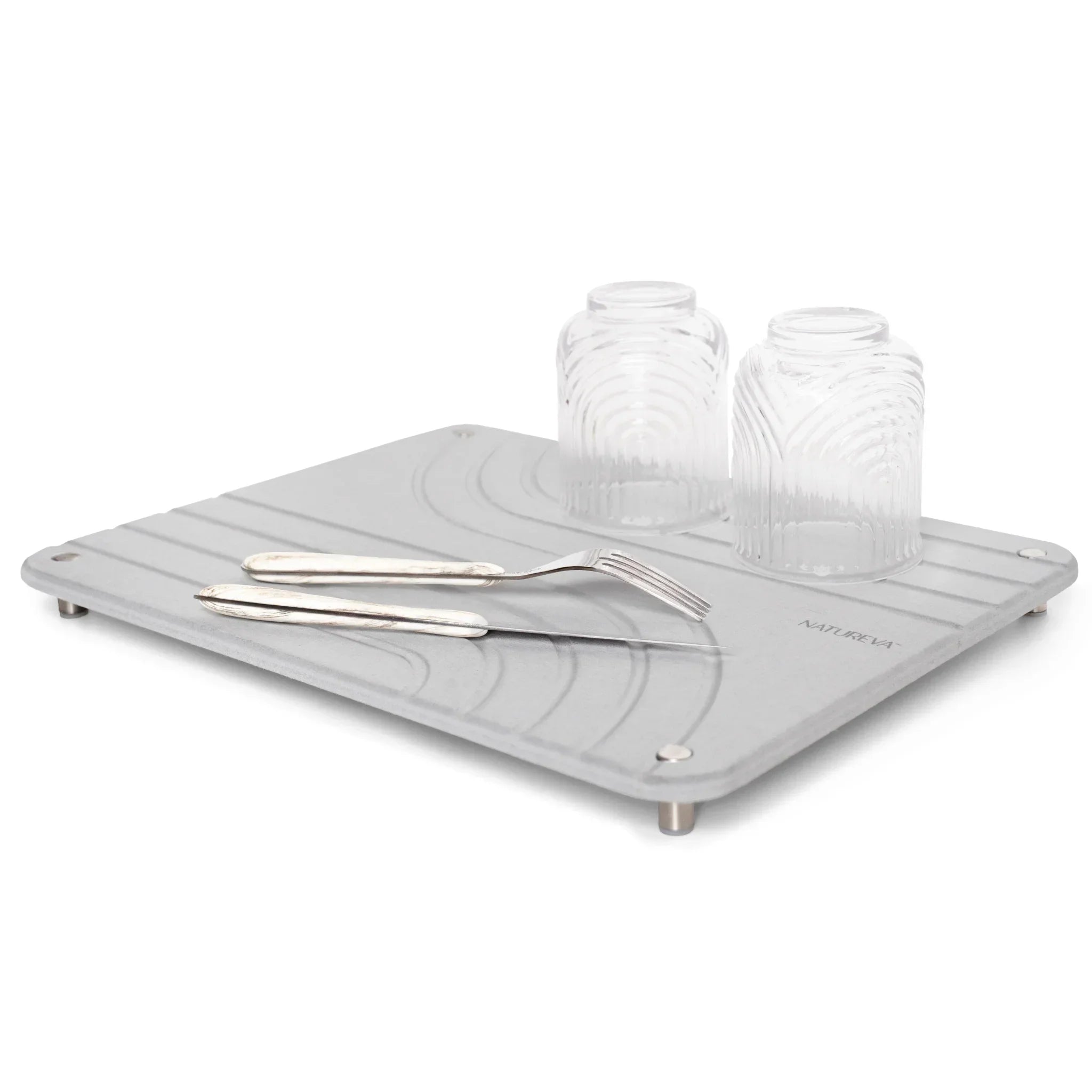
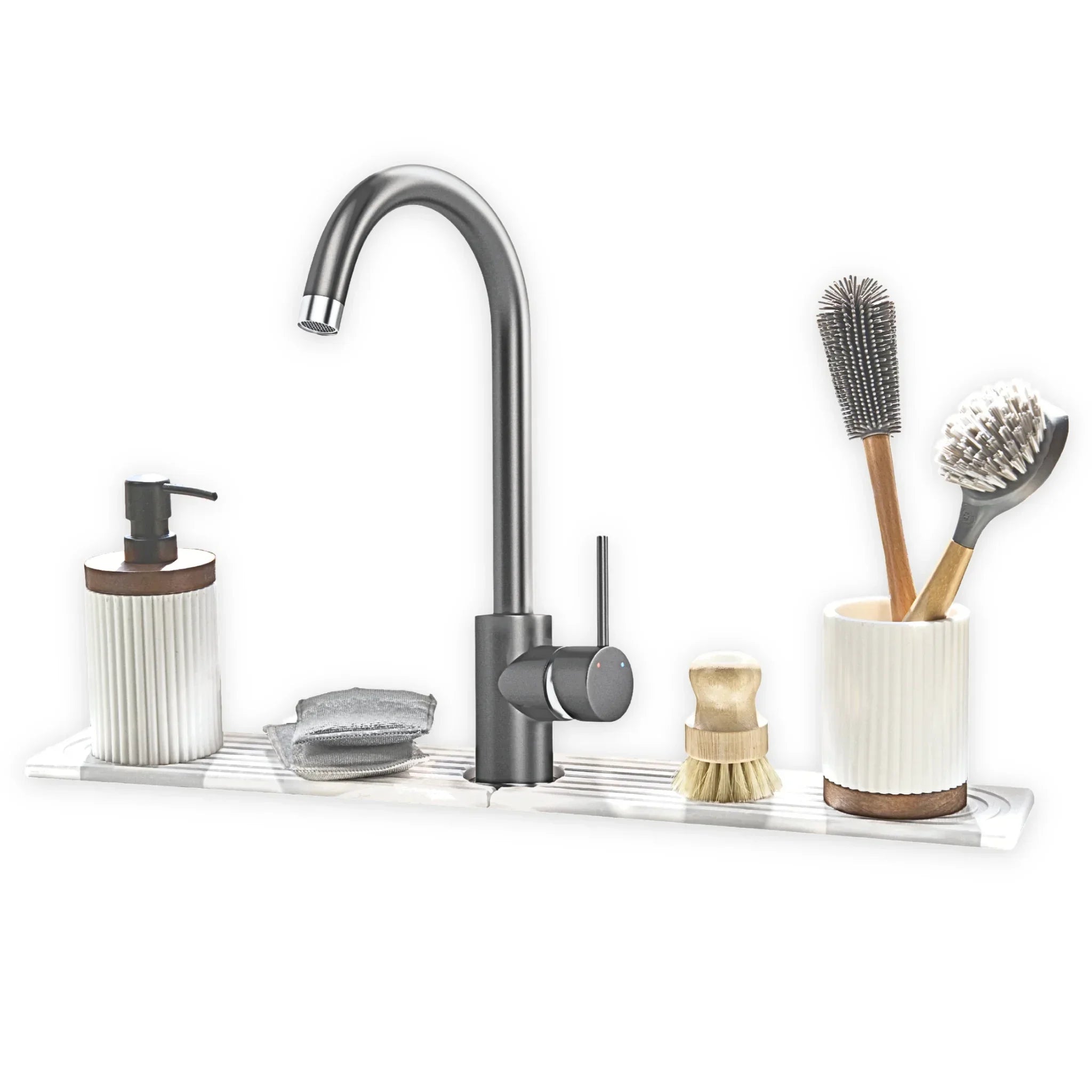
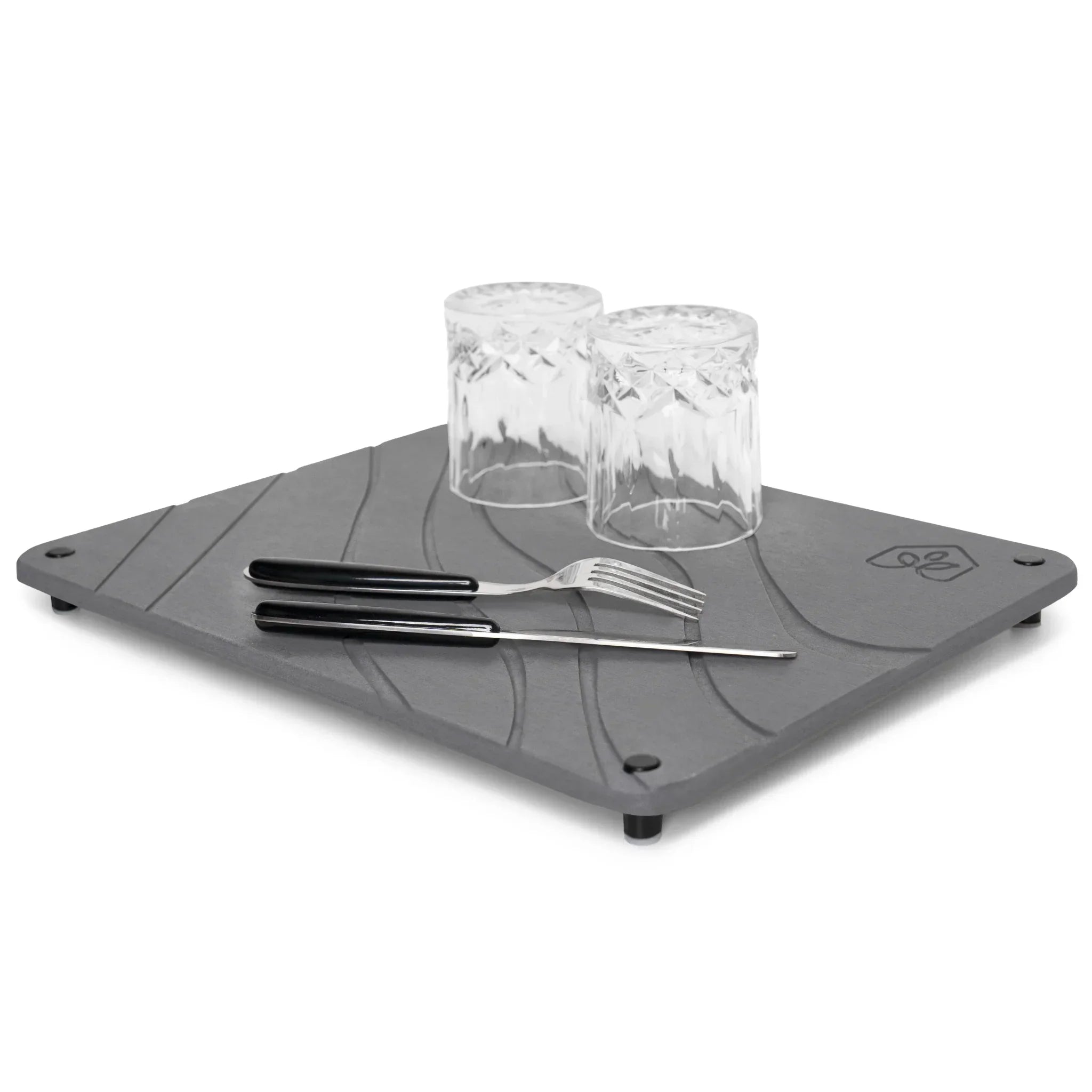
If the mat gets completely saturated from multiple uses in a short time, stand it upright against a wall to let air circulate around all surfaces. This rarely happens with normal use, but it's good to know for busy mornings when everyone showers back to back. The key is understanding that stone mats need airflow to work properly, which is why products like the stone faucet mat and dish mat come with elevated legs for kitchen and sink areas.
Who Should Actually Buy a Stone Mat
Stone mats work best in specific situations, and understanding whether your household fits that profile can save you from buyer's remorse. The truth is that while these mats solve real problems for some people, they create new challenges for others. Your bathroom setup, household composition, and climate all play a role in whether a stone mat for bathroom use makes sense or whether you'd be better off sticking with traditional fabric options.
The ideal stone mat owner lives in a household where everyone using the bathroom is steady on their feet. Adults-only homes are perfect candidates because there's no risk of small children slipping on the hard surface or elderly family members struggling with balance on an unfamiliar texture.
- Adults-only households with modern, minimalist bathroom design
- People living in humid or coastal climates where fabric mats stay damp for hours
- Anyone with allergies, asthma, or sensitivities to mildew and mold
- Homeowners who prioritize low-maintenance cleaning routines
Climate matters more than most people realize. If you live somewhere humid where your current bath mat never seems to fully dry, a stone mat solves that problem immediately. Reviews from humid regions consistently praise the fast-drying properties that eliminate the musty smell fabric mats develop.
But there are clear situations where stone mats don't make sense. Families with young children who might slip, elderly individuals who need softer surfaces, or anyone with carpeted bathrooms should probably skip this option. The mat needs proper flooring underneath to function correctly.
- Not recommended for households with toddlers or small children
- Avoid if elderly family members have balance or mobility concerns
- Skip if your bathroom has carpet or non-waterproof flooring
- Reconsider if you prefer soft, cushioned surfaces underfoot
The investment makes sense when you value hygiene over comfort. Natureva's stone bath mats, for example, use diatomite composite construction that dries within minutes and naturally resists bacterial growth without chemical treatments. If you're tired of washing fabric mats weekly or dealing with that damp bathroom smell, the upfront cost pays off in reduced maintenance and better air quality.
Making the Switch to Stone
A stone mat for bathroom use isn't going to work for everyone, and that's fine. If you have young kids who might drop it or you move houses frequently, the weight and fragility might be deal breakers. But if you're tired of damp fabric mats that smell weird after a few weeks, or you're just done with throwing bath mats in the wash every other day, stone solves those problems in a way fabric never will.
The maintenance is different but not harder. You wipe it down with vinegar water once a week instead of washing it. You sand it if it loses absorbency instead of replacing it. Our stone bath mats come with the sanding tool included, so you're not hunting for supplies later.
The real question is whether you value hygiene and design enough to accept a heavier, more delicate product. Stone mats dry in minutes, they don't trap moisture where bacteria grow, and they look like actual furniture instead of something you hide behind the door. If that matters to you, the trade-offs start to feel pretty minor.
Most people who switch don't go back to fabric. Not because stone is perfect, but because once you get used to stepping onto a dry surface every single time, wet fabric feels like a downgrade. Whether you go with Tide, Flow, or any of the other patterns, the function stays the same.
If you're still on the fence, the questions below might help you figure out if stone is the right move for your bathroom.
Common Questions About Stone Bath Mats
Stone bath mats work differently than fabric ones, so people naturally have questions about how they hold up in real life. The material itself is pretty straightforward, but the way it behaves around water, weight, and daily wear takes some explaining. Most concerns come down to durability, maintenance, and whether they actually stay dry like they're supposed to. Here's what people ask most often.
How long does a stone mat for bathroom take to dry completely
A stone mat absorbs water instantly when you step on it, but full evaporation depends on airflow and humidity. In a well ventilated bathroom, most mats dry within 30 to 60 minutes. If your bathroom stays humid or has poor airflow, it might take a bit longer. The non slip base pad underneath helps with airflow, which speeds things up compared to mats that sit flat on the floor.
Can stone mats crack or break easily
They're more durable than they look, but they're not indestructible. Dropping a stone mat from waist height onto tile can crack it, especially if it lands on a corner. Normal use like stepping on and off won't cause damage. Natureva stone bath mats are made from compressed diatomite and recycled paper, so they're solid but not brittle like ceramic. Just don't toss them around or lean them against walls where they might tip over.
Do they work on heated bathroom floors
Yes, stone mats work fine on heated floors. The heat actually helps with evaporation, so the mat dries even faster. There's no risk of warping or damage from the warmth underneath. The non slip base pad acts as a buffer between the mat and the floor, so there's no direct contact that would cause issues.
How often do you need to sand the surface
Most people sand their mat every few months, but it depends on how much use it gets. If you notice water pooling instead of absorbing right away, that's when you sand. The process takes about 30 seconds with the included sanding tool. You're just reopening the pores that get clogged with soap residue or minerals from hard water. It's not a big maintenance task, more like wiping down a countertop.
Are they safe for elderly people or children
The non slip base keeps the mat stable, and the surface texture provides grip when wet. That said, any hard surface carries more risk than a soft fabric mat if someone falls. Stone mats don't shift or bunch up like fabric, which eliminates one tripping hazard. For elderly users or young kids, placement matters more than the mat itself. Keep it in a spot where people step naturally, not somewhere they have to reach for it.
What happens if you drop one
It depends on the height and what it lands on. A drop from counter height onto tile or concrete will likely crack it. Dropping it flat onto a rug or bathmat probably won't do much. The material has some give, but it's still a stone composite. If you're moving it to clean or rearrange, just handle it like you would a cutting board or picture frame.
The next generation of home essentials: naturally made, cleaner by design, sustainable by nature.
SHOP ALL