
Six Features Non Slip Bath Mats Use for Safe Steps
Stepping out of the shower onto a wet floor sends over 230,000 people to the emergency room each year, and most of these falls could have been prevented with the right bath mat. The problem is that not all mats labeled as "non slip" actually keep you safe when it matters most. Understanding the specific features that make a non slip bath mat truly effective can mean the difference between a relaxing shower and a dangerous accident.
Table of Contents
What Makes a Bath Mat Actually Non Slip
Most bathroom falls happen when people step out of the shower onto a wet surface. The problem isn't just water on the floor though. It's what happens when that water meets your bath mat. Traditional fabric mats soak up moisture and hold onto it for hours, creating a slippery surface that's actually more dangerous than a bare floor. The difference between a safe non slip bath mat and a hazard comes down to how quickly it dries and what it's made from.
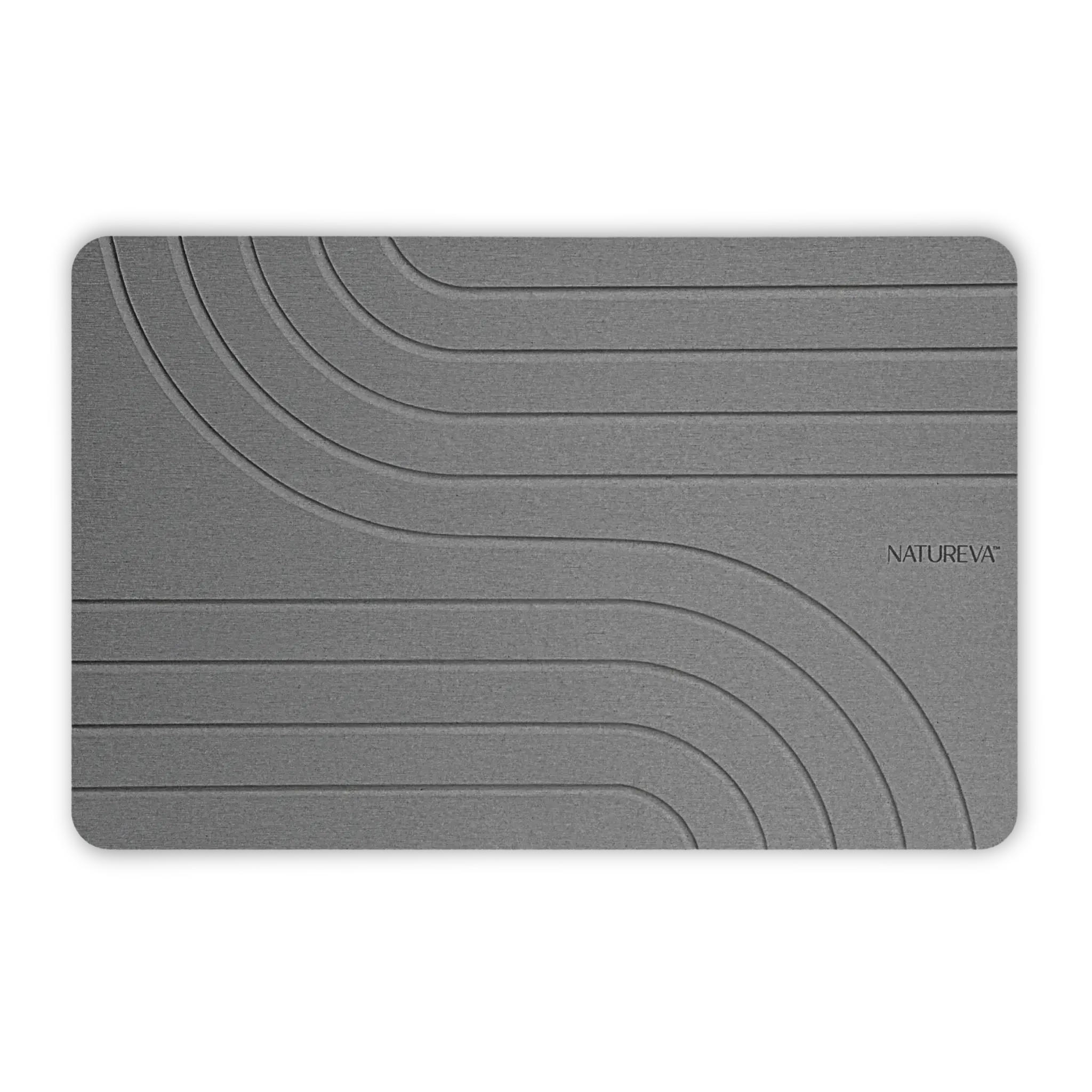
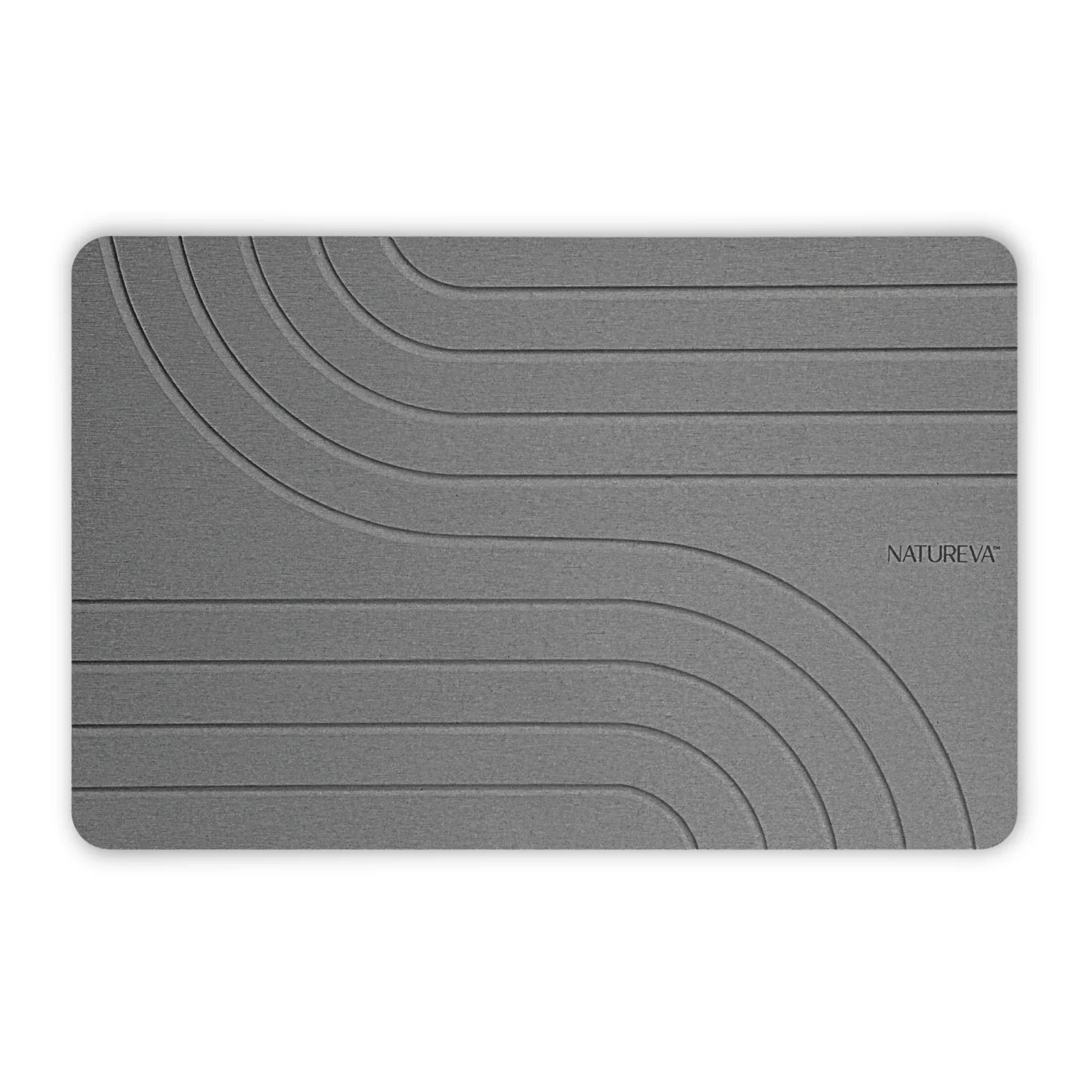
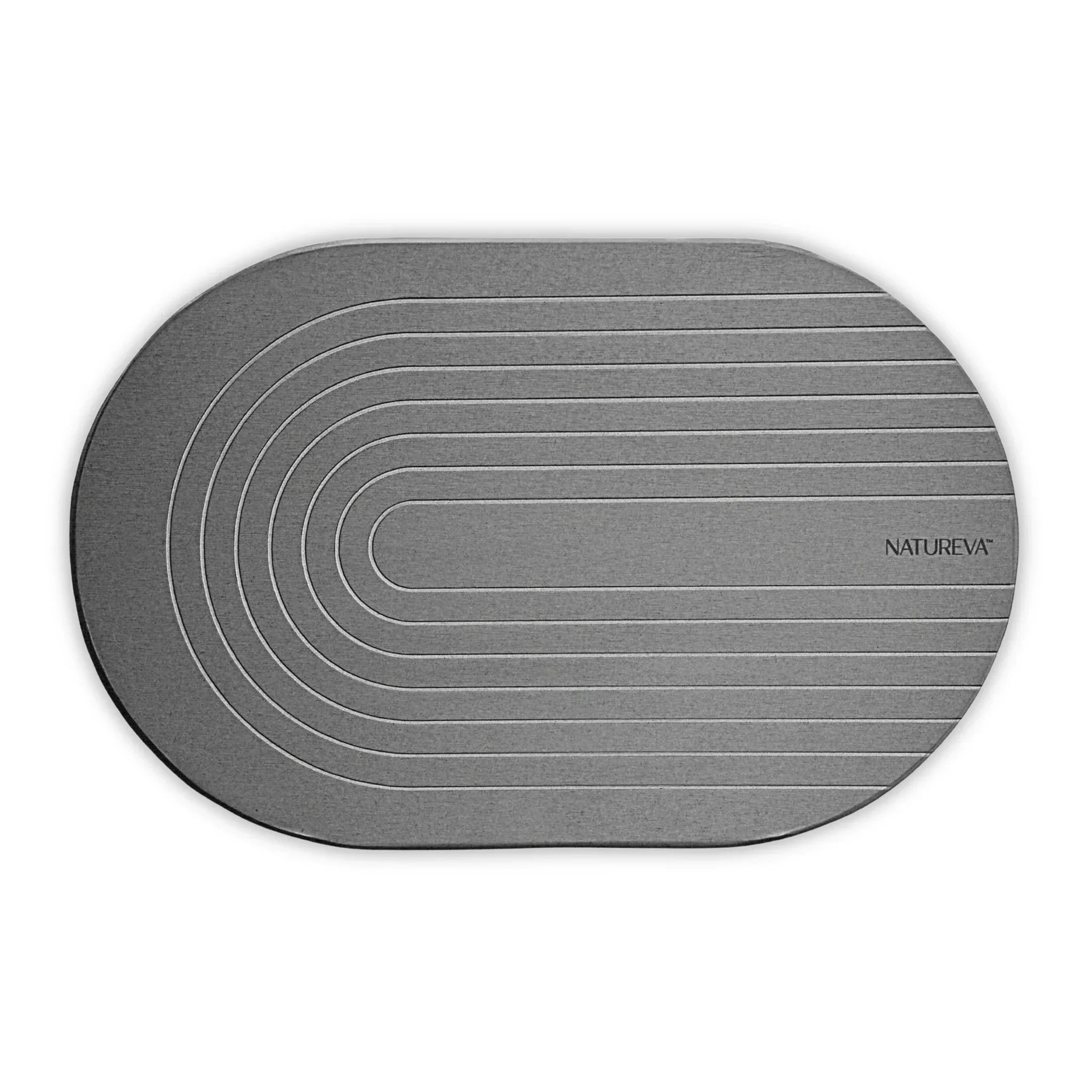
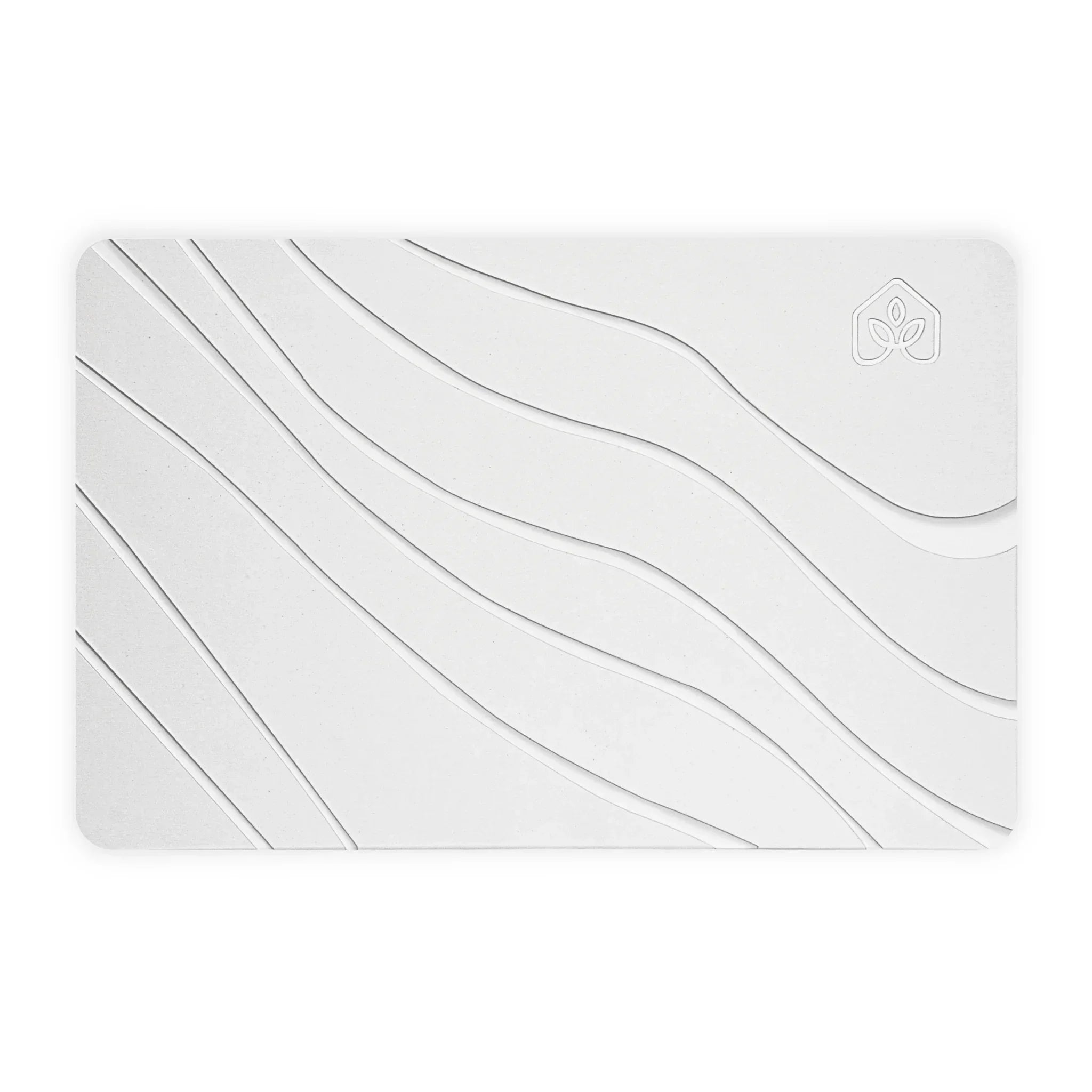
Stone Bath Mat - Tide
Why Fabric Mats Fail the Safety Test
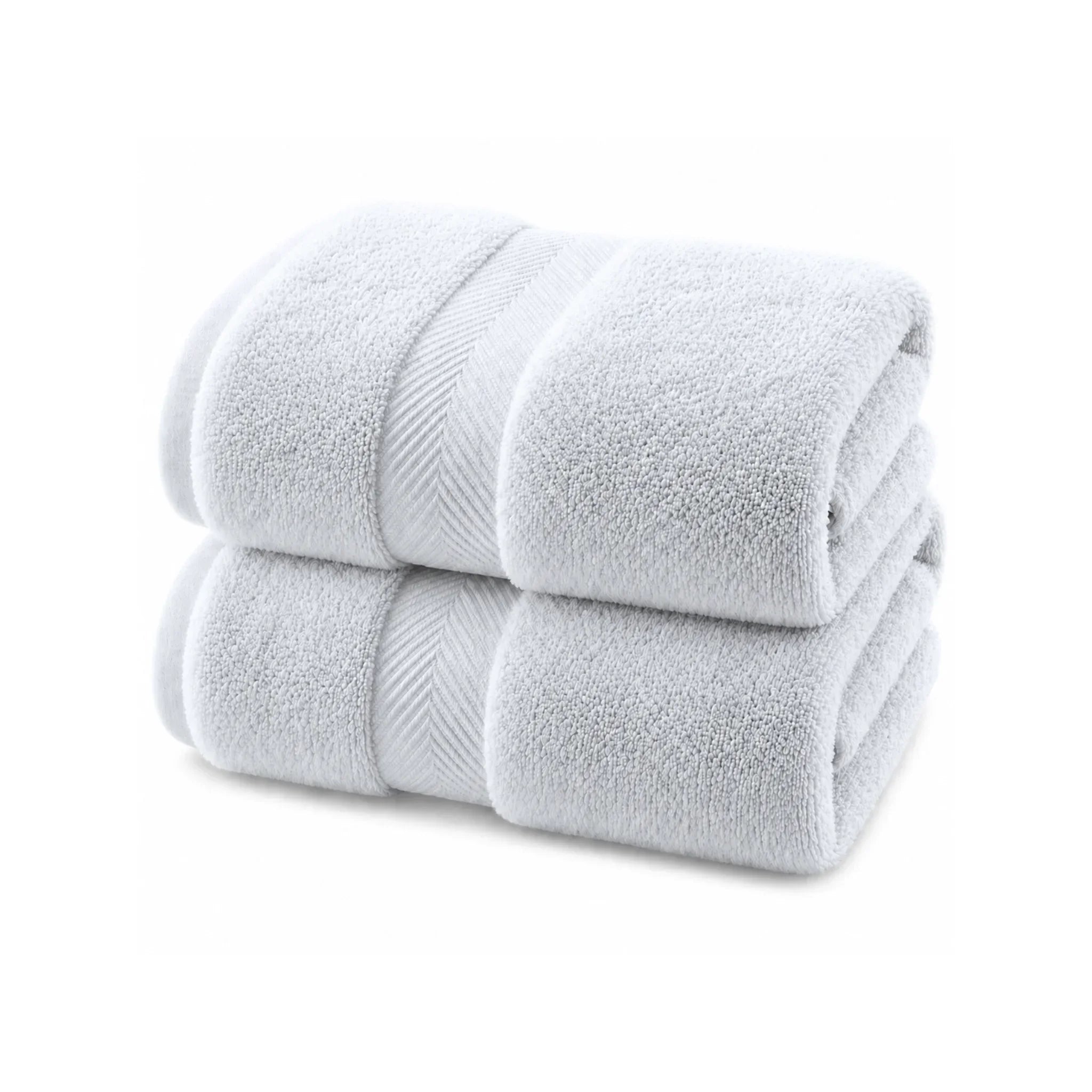
That fluffy cotton bath mat might feel nice under your feet, but it's working against you. Here's what happens every time you step out of the shower:
- Water soaks into the fabric fibers and stays trapped there
- The wet surface becomes slick, especially when you add soap residue
- Moisture sits for hours, creating the perfect spot for mold and bacteria
- The backing often slides around on tile floors when wet
According to occupational therapy experts who specialize in bathroom safety, wet fabric mats are one of the top preventable fall risks in homes. The mat you bought for safety might be doing the opposite.
How Modern Materials Change the Game
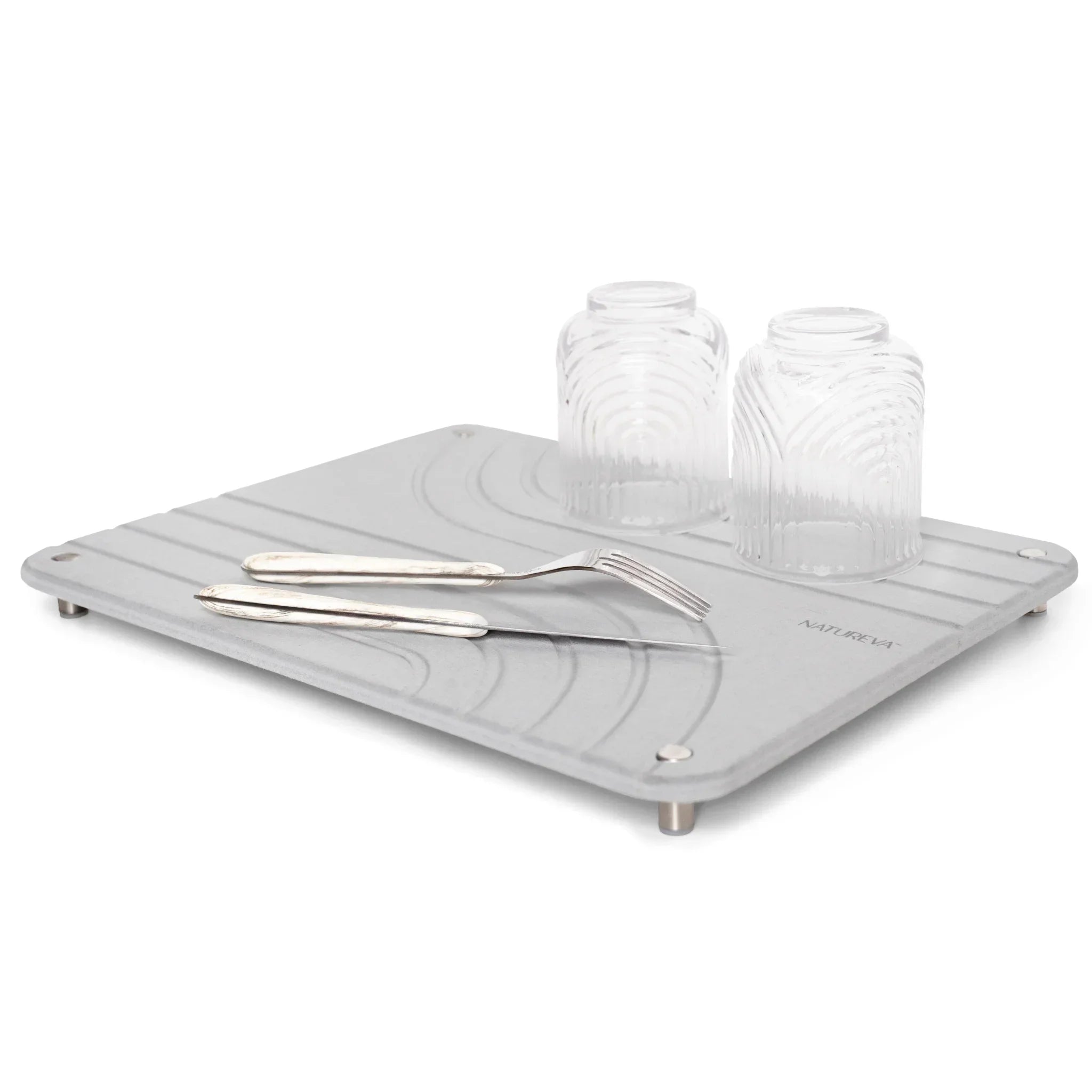
Real non slip bath mats work differently than traditional options. Instead of absorbing and holding water, they're designed to let moisture evaporate almost instantly. Stone bath mats made from diatomaceous earth use natural properties to pull water away from the surface and release it into the air within seconds.
| Feature | Fabric Mats | Stone Mats |
|---|---|---|
| Drying Time | 2-4 hours | 30-60 seconds |
| Surface When Wet | Slippery | Stays grippy |
| Mold Risk | High | Very low |
| Maintenance | Weekly washing | Light sanding monthly |
Our Natureva Stone Bath Mats use this natural diatomaceous earth material to keep your bathroom floor safe. The surface texture stays consistent whether it's wet or dry, which means no surprise slips.
Spotting Real Safety Features
Not all non slip bath mat claims are created equal. Some companies just add rubber dots to the bottom and call it safe. Here's what actually matters:
- Material composition that naturally resists water retention
- Surface texture that maintains grip when wet
- Quick evaporation that keeps the top dry
- Weight and stability that prevents sliding
The best non slip bath mats combine all these features instead of relying on just one. That's the difference between marketing hype and actual fall prevention.
Instant Water Absorption Keeps Surfaces Dry
Most bathroom falls happen because of one simple thing: water sitting on the floor. When you step out of the shower with wet feet, any water that pools around your mat becomes a serious hazard. The longer water sits there, the more dangerous it gets. Traditional fabric bath mats can take hours to dry completely, which means they're basically creating a slip zone in your bathroom for most of the day. That's where the science of rapid water absorption becomes your first line of defense against dangerous falls.
Diatomaceous earth works differently than regular fabric. This natural stone material has millions of tiny pores that pull water in within seconds, not minutes or hours. When your wet feet touch the surface, the water disappears almost instantly.
- Water absorption happens in seconds, preventing puddles from forming around the mat
- Fast drying eliminates standing water that creates the primary slip hazard
- Natural evaporation works continuously, unlike fabric that stays damp
- No water pooling means no slip risk for the next person using the bathroom
The Natureva Stone Bath Mat uses this natural absorption to keep your bathroom floor completely dry. There's a big difference between absorption and evaporation though. Absorption pulls the water into the mat, while evaporation releases it into the air. Stone bath mats do both, which is why they stay dry to the touch even minutes after use.
Textured Surfaces Provide Grip Where You Need It
A smooth surface is basically an ice rink when it gets wet. The texture on a non slip bath mat creates friction between your feet and the mat surface, which is what keeps you stable when you step out of the shower. But here's what most people don't realize: the bottom of the mat needs grip too. If the mat itself slides around on your bathroom floor, all that top surface texture doesn't matter much. You need grip on both sides to stay safe.
Natural stone has an inherent texture that fabric just can't match. The surface feels slightly rough under your feet, but not uncomfortable. This texture increases friction naturally without needing rubber backing or chemical coatings.
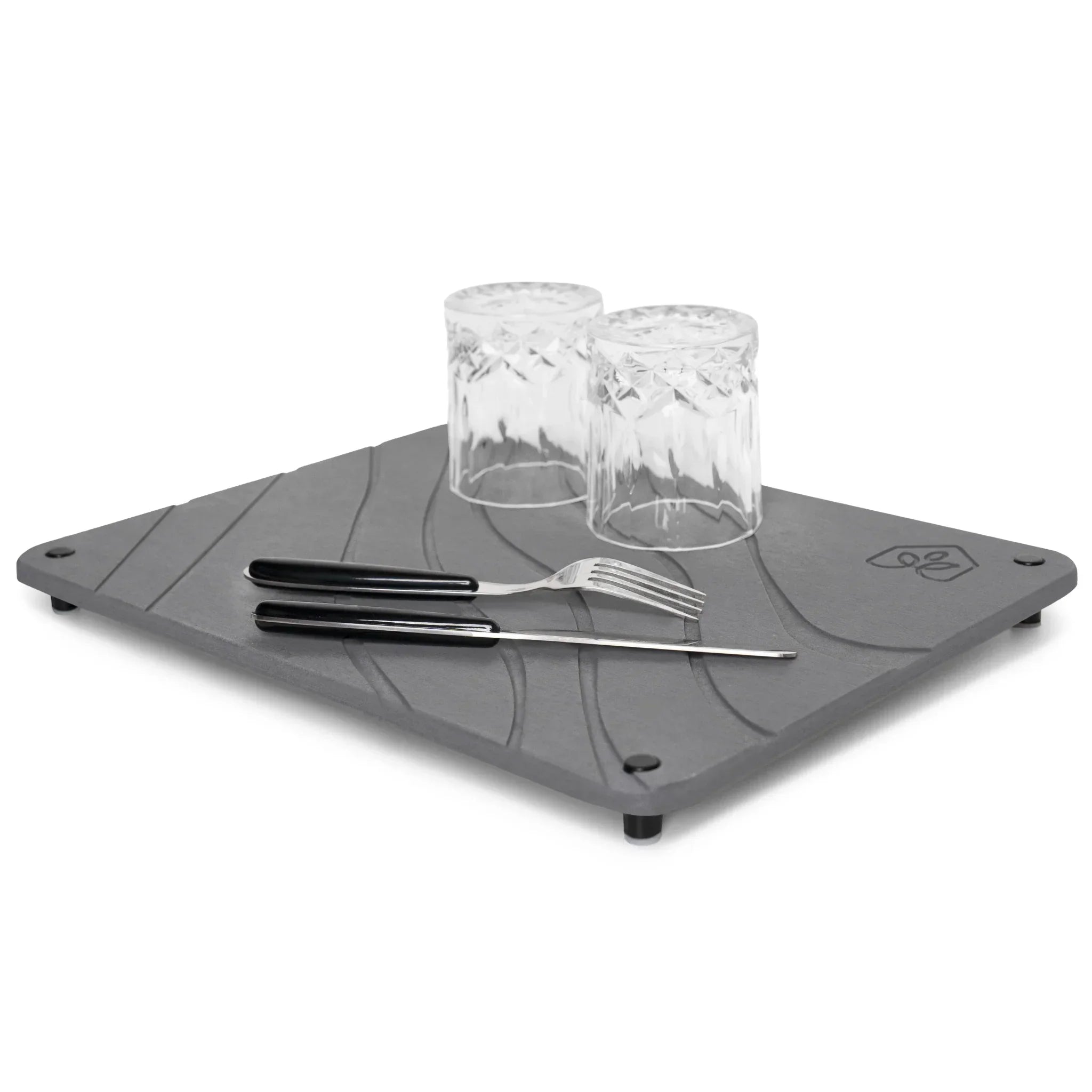
Different patterns serve different purposes. Some designs channel water away from where your feet land. Others create more surface area for better grip. The Stone Bath Mat in Arch design combines aesthetic appeal with functional texture patterns that keep you steady.
The bottom surface matters just as much. Stone bath mats have enough weight and natural grip to stay put without suction cups or adhesive backing. According to research on anti-slip mat benefits, mats that shift under foot pressure are actually more dangerous than having no mat at all.
Antimicrobial Properties Stop Bacteria Growth
Wet fabric mats start growing bacteria within hours of getting damp. You can't always see it or smell it right away, but it's there. Mold and mildew love the warm, wet environment that traditional bath mats provide. But there's another problem most people don't think about: biofilm buildup actually makes the mat surface more slippery over time. That slimy feeling you get on an old bath mat isn't just gross, it's genuinely dangerous.
Natural stone materials resist bacterial growth without any chemical treatments. The quick-drying properties work together with the antimicrobial nature of diatomaceous earth to create a surface where bacteria simply can't thrive.
- No moisture retention means no breeding ground for mold
- Natural antimicrobial properties prevent bacterial colonies from forming
- No biofilm buildup keeps the surface consistently safe
- Chemical-free protection that's safe for everyone in your household
The health benefits go beyond just preventing slips. Bathroom safety experts note that reducing mold exposure is especially important for people with allergies or respiratory issues. A mat that stays dry and clean protects your whole family.
Weight Distribution and Stability Features
The next generation of home essentials: naturally made, cleaner by design, sustainable by nature.
SHOP ALLLightweight mats bunch up under your feet like a rug on hardwood floors. You step on one edge and the whole thing shifts, which can send you stumbling. The right amount of weight keeps a mat flat and stable during use, but too much weight makes it hard to move for cleaning. Finding that balance is crucial for safety. Proper weight distribution means the mat stays exactly where you put it, even when you're shifting your weight around while drying off.
Stone bath mats solve this problem naturally. The material itself has enough heft to stay in place without needing adhesives, suction cups, or rubber backing that can degrade over time.
| Bathroom Size | Recommended Mat Size | Ideal Weight Range |
|---|---|---|
| Small (under 40 sq ft) | 24" x 16" | 3-4 lbs |
| Medium (40-75 sq ft) | 24" x 18" | 4-5 lbs |
| Large (over 75 sq ft) | 30" x 20" | 5-6 lbs |
Thickness affects both comfort and stability. A mat that's too thin feels unstable underfoot. One that's too thick creates a tripping hazard. The relationship between mat size and stability matters too. Larger mats need more weight to stay stable, while smaller mats can be lighter without sacrificing safety.
Quick Drying Prevents Mold and Maintains Grip
A mat that stays wet doesn't just smell bad, it actually loses its non slip properties. Water sitting on the surface creates a barrier between your feet and the texture that's supposed to keep you safe. This is why fabric mats become more dangerous the longer they stay damp. Quick drying between uses maintains consistent safety every single time someone steps out of the shower. It's not just about convenience, it's about making sure the mat works properly when you need it most.
Stone bath mats dry completely within minutes through natural evaporation. The same porous structure that absorbs water so quickly also releases it into the air efficiently.
- Evaporation starts immediately after water absorption
- Surface stays dry to the touch within 2-3 minutes
- Complete drying happens in under an hour, even in humid bathrooms
- Consistent performance maintained through thousands of uses
Fabric mats actually become more dangerous over time. The fibers break down, the backing deteriorates, and the whole thing becomes a breeding ground for problems. According to safety research on bath mats, most fabric mats should be replaced every 6-12 months to maintain safety standards. That's a lot of waste and expense.
Durable Materials That Last Without Degrading
Worn fabric mats with frayed edges and faded colors aren't just ugly, they're actually slippery. As the fibers break down, the texture that provided grip disappears. The rubber backing cracks and peels, which means the mat slides around. Most people don't replace their bath mats until they're obviously falling apart, but by that point, they've been using a dangerous mat for months. Material degradation affects every single safety feature we've talked about, from absorption to grip to antimicrobial properties.
Natural stone maintains its properties for years without any degradation. The material doesn't break down from water exposure or regular use. It doesn't fade, fray, or lose its texture.
The true cost of cheap mats adds up fast. If you're replacing a fabric mat every year at $20-30 each, you'll spend more over three years than investing in a quality stone mat once. The Natureva stone bath mat collection offers better long-term value because these mats last for years without losing effectiveness. You're not just buying a bath mat, you're investing in consistent bathroom safety that doesn't degrade over time.
Stone mats also maintain their appearance better. No fading, no staining, no weird smells that won't wash out. A quick wipe down or rinse keeps them looking new, and the simple care instructions mean anyone in your household can maintain them properly.
Choosing Safety Over Convenience
A non slip bath mat isn't just about one feature doing all the work. The six features we covered work together like a team, each one handling a different part of the safety puzzle. When you have proper water absorption, the right surface texture, good grip on the floor, quality materials, the right size, and easy maintenance all working at once, you get a bathroom that's actually safe to walk in. Missing even one of these features can leave gaps in your protection.
The cost of a good bath mat is nothing compared to what you might pay for a hospital visit after a fall. Most bathroom injuries happen because people assume their old fabric mat is good enough, but those traditional mats fail at multiple safety points. They stay wet, slide around, and create more problems than they solve.
Stone bath mats like our Tide and Arch designs handle all six features naturally because of how diatomaceous earth works. The material absorbs water in seconds, provides natural grip, stays in place, and needs almost no maintenance. You can check out our full bath mat collection to see which design fits your bathroom best.
Sometimes the simplest upgrades make the biggest difference in keeping your home safe. You probably have questions about how these mats work in real life, which is exactly what we'll cover next.
Common Questions About Non Slip Bath Mats
Choosing the right non slip bath mat brings up a lot of questions, especially when you're trying to keep your family safe. Most people don't think about their bath mat until someone slips, but understanding what makes these mats work can help you make a smarter choice. Here are the answers to the most common questions people ask when shopping for a safer bathroom.
How can I test if my bath mat is actually non slip?
The easiest test is to place the mat on your bathroom floor and gently push it with your foot while it's dry, then again when it's wet. A good non slip bath mat shouldn't slide around in either condition. You can also check the bottom surface for textured patterns, suction cups, or grippy materials that create friction with your floor.
How often should I replace my bath mat?
Traditional fabric bath mats typically need replacing every 1-2 years because they lose their grip and start harboring bacteria. Stone bath mats like our Natureva options last much longer, often 3-5 years or more, since they don't break down the same way fabric does. Watch for signs like persistent odors, visible wear, or reduced grip as signals it's time for a new one.
Do stone bath mats work on all floor types?
Stone bath mats work great on most bathroom floors including tile, vinyl, and sealed concrete. The natural weight of the stone keeps it stable without needing suction cups that only work on smooth surfaces. Just make sure your floor is level and clean for the best grip, and avoid using them on carpet or uneven surfaces.
How do I maintain the non slip features of my bath mat?
Keep the bottom of your mat clean and free from soap residue or hair, which can reduce grip. For fabric mats, regular washing helps, but make sure they're completely dry before putting them back. Stone mats need less maintenance but benefit from occasional wiping with a damp cloth on both sides to remove any buildup.
What should I look for when buying a safe bath mat?
Look for mats with textured surfaces on top for foot grip and non slip backing on the bottom. Check that the material dries quickly since wet, soggy mats are slippery and grow mold. Weight matters too because heavier mats like stone versions stay put better than lightweight fabric ones that bunch up under your feet.
Are non slip mats effective for elderly or mobility impaired users?
Yes, but choose carefully because not all non slip bath mats offer the same level of stability. Stone mats provide excellent stability because they don't shift or bunch up, which is crucial for anyone with balance issues. The instant-dry feature also means there's no slippery wet surface to navigate, making them safer than traditional fabric options that stay damp.
The next generation of home essentials: naturally made, cleaner by design, sustainable by nature.
SHOP ALL