
Small Space Solutions With Stone Plant Pot Trays
Living in a small apartment means every square inch matters, especially when water rings from plant pots start claiming your limited counter and floor space. Traditional plastic plant pot trays crack, stain, and create more mess than they prevent, leaving you constantly wiping up puddles or dealing with mold. Stone plant pot trays solve this headache by absorbing excess water instantly while taking up minimal space, and they actually make your plant setup look intentional rather than cluttered.
Table of Contents
- Why Small Space Dwellers Need Better Plant Solutions
- Smart Placement Strategies for Maximum Impact
- Water Management Without the Mess
- Aesthetic Benefits That Make Spaces Feel Bigger
- Practical Tips for Small Space Plant Care
- Your Small Space Plant Paradise Awaits
- Common Questions About Plant Trays in Small Spaces
Why Small Space Dwellers Need Better Plant Solutions
More than 80% of Americans now live in urban areas, and apartment living has become the norm for millions of people. At the same time, indoor plant ownership has jumped by 50% in recent years, with younger generations leading the charge. But here's the problem: most people trying to create their own indoor jungle are doing it in spaces smaller than 900 square feet. When you're working with limited room, every inch counts, and traditional plant pot trays just weren't designed with small spaces in mind.
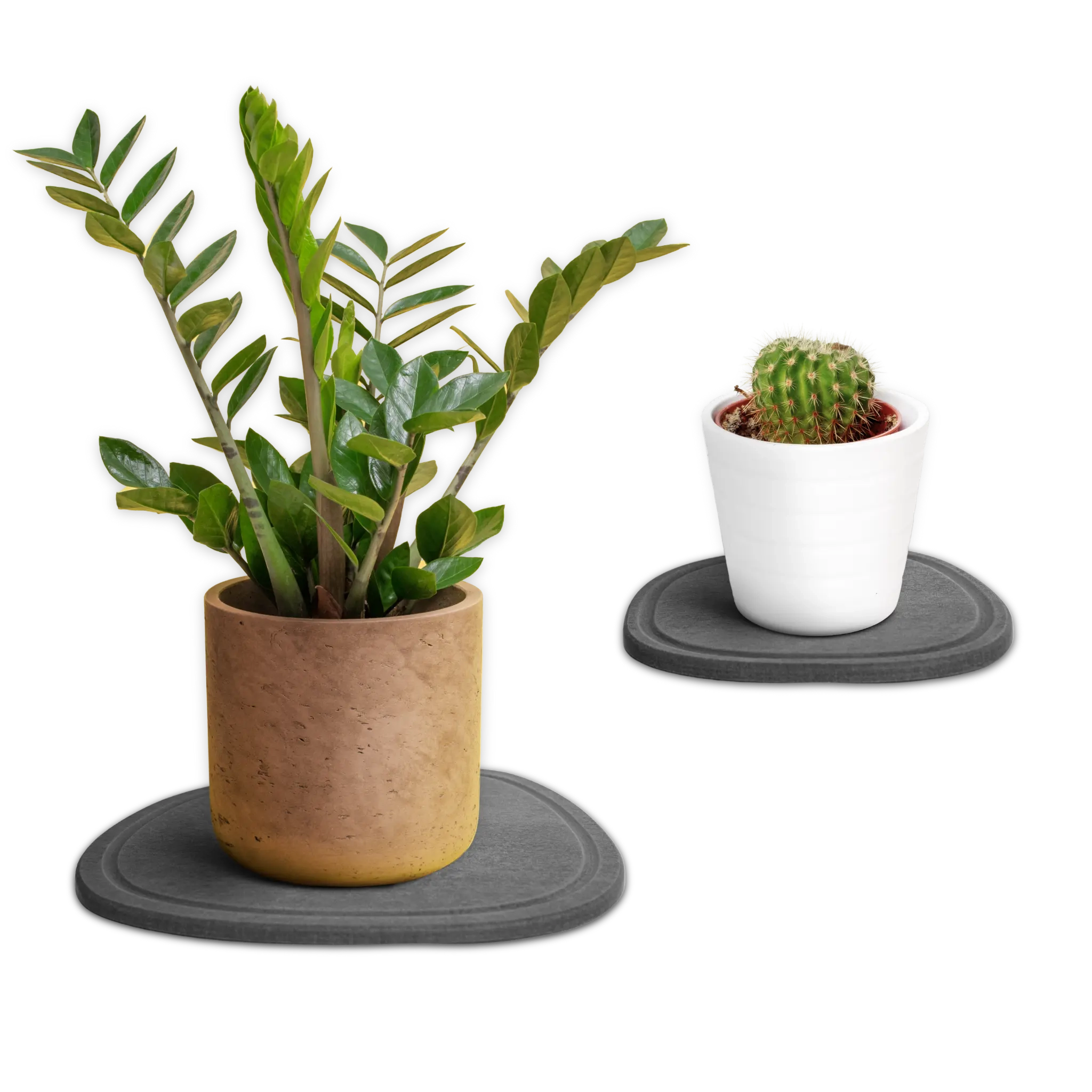
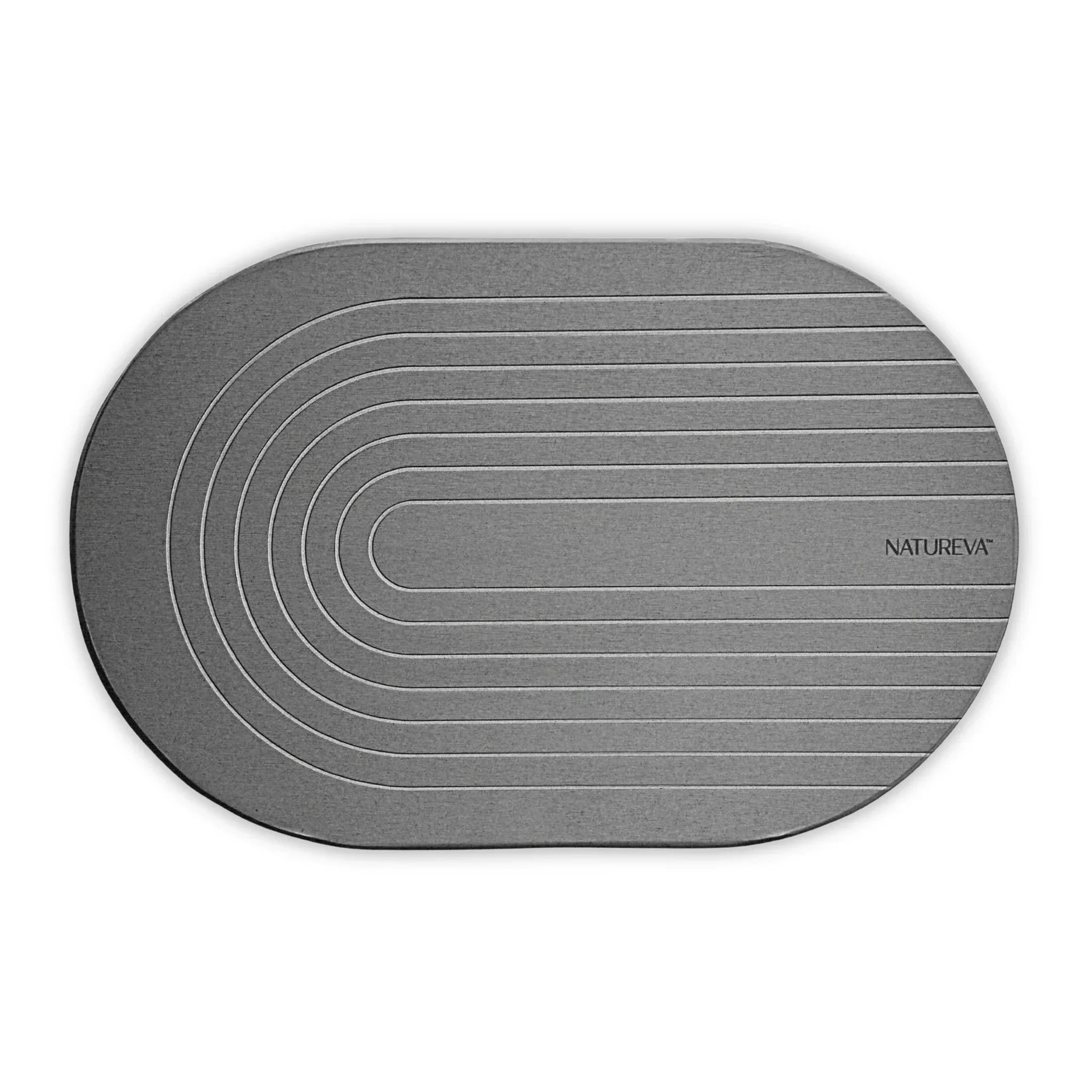
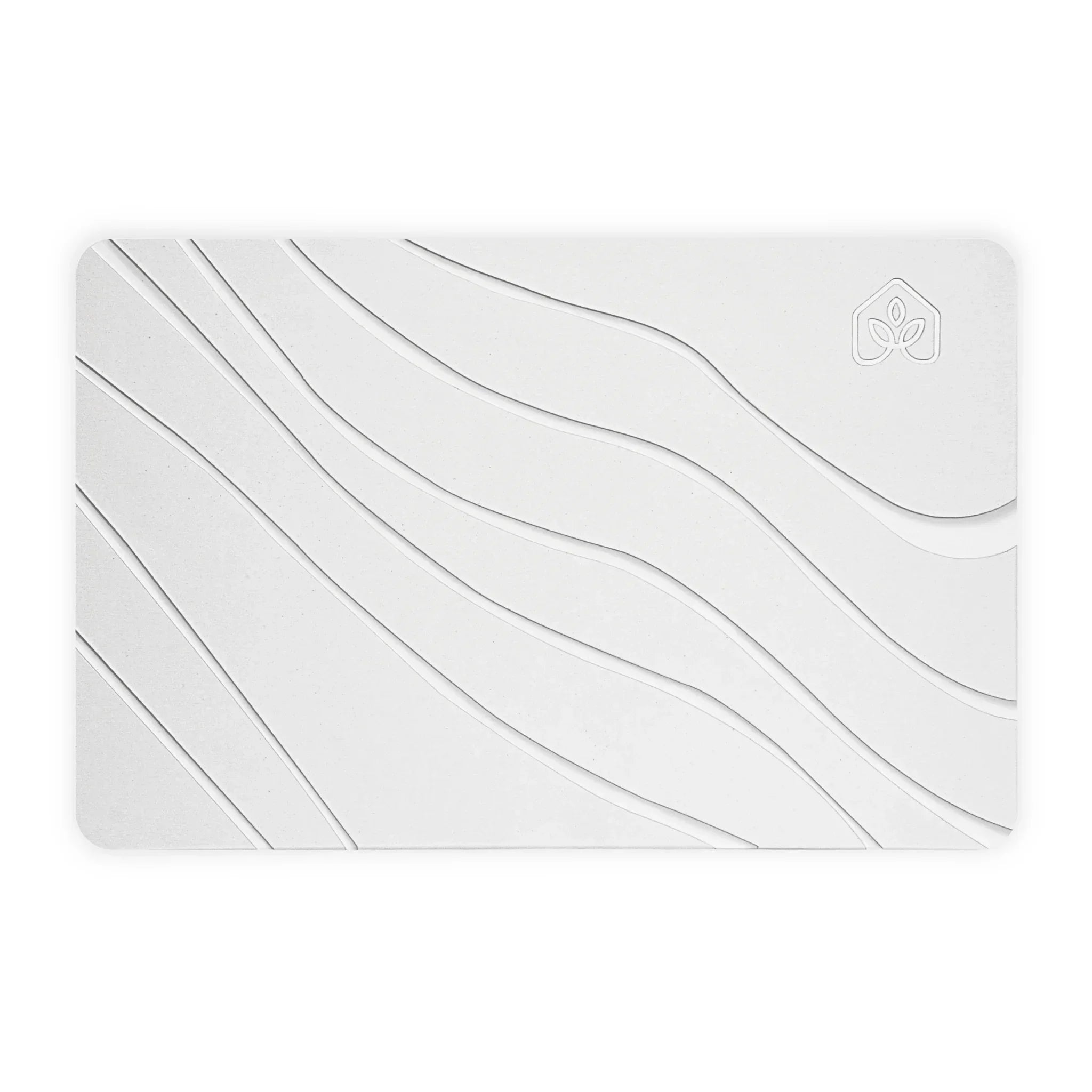
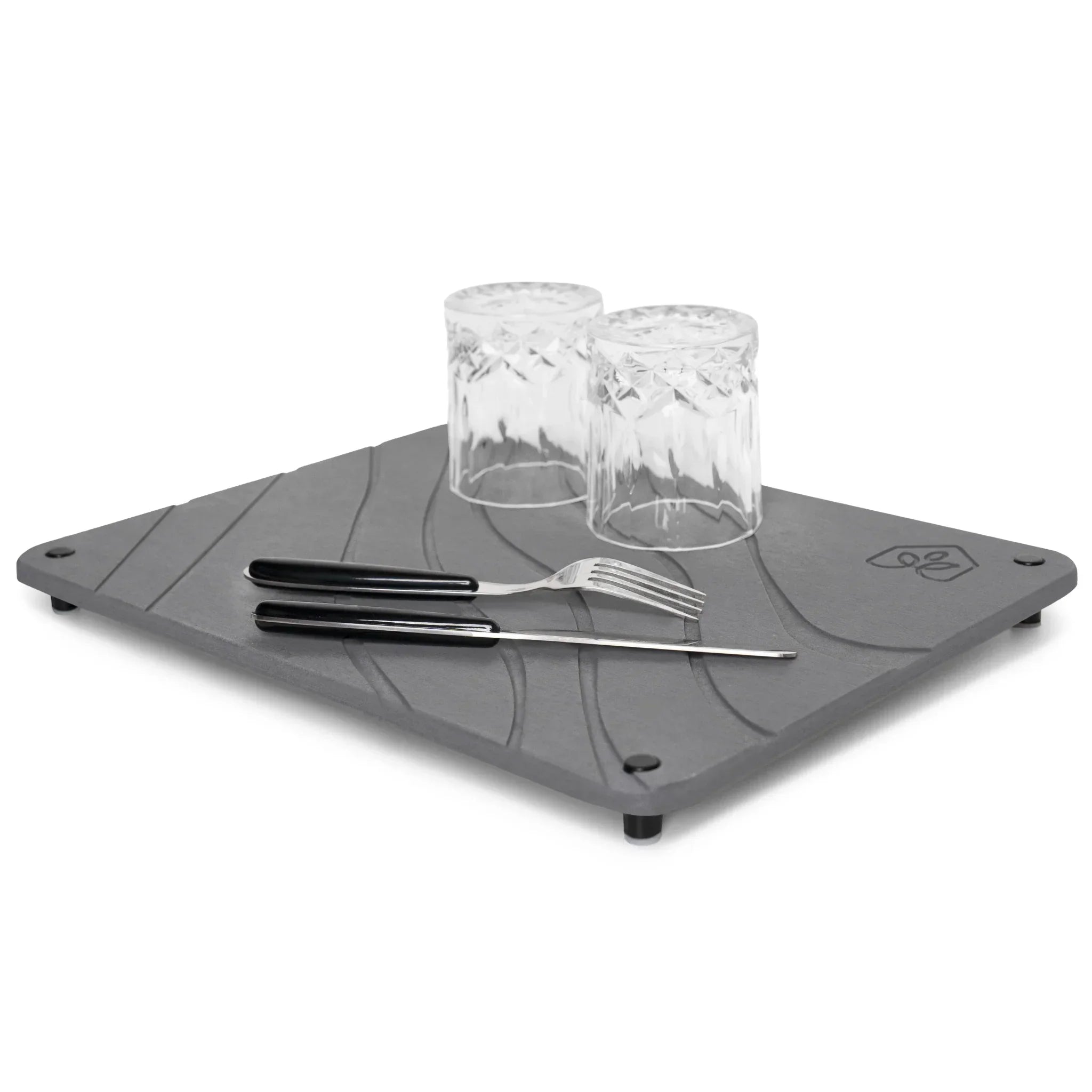
Stone Plant Saucers - Set of 2
The Small Space Living Boom
The numbers tell a clear story about how we're living today. Studio apartments and one-bedroom units make up the fastest-growing segment of new housing construction. People are choosing smaller homes for lots of reasons, from affordability to location to lifestyle preferences.
| Living Space Type | Average Size | Plant Ownership Rate |
|---|---|---|
| Studio Apartment | 500-600 sq ft | 68% |
| One Bedroom | 700-900 sq ft | 74% |
| Tiny Home | 100-400 sq ft | 82% |
According to gardening experts who study small space solutions, the key is finding products that do double duty. Your plant accessories need to look good while actually solving problems.
What Makes Traditional Trays Fall Short
Walk into any home goods store and you'll find the same old plastic plant trays. They're cheap, sure, but they create more headaches than they solve. Water pools in these trays instead of evaporating, which means you're constantly emptying them or dealing with overflow.
Here's what goes wrong with standard plant pot trays in tight quarters:
- Water sits stagnant for days, creating perfect conditions for mold and bacteria
- Plastic trays crack and discolor over time, making your plant setup look cheap
- They take up valuable surface area without adding any visual appeal
- Overflow water can damage wood furniture, leaving permanent rings and stains
Why Water Damage Hits Harder in Small Homes
In a small apartment, you don't have the luxury of hiding problem areas or dedicating entire rooms to hobbies. Your plants share space with your work desk, your dining table, and your relaxation zone. One water stain on your only windowsill becomes a constant eyesore.
The damage adds up faster than you'd think. Rental deposits get eaten up by water-damaged surfaces. Wood furniture warps and swells. Even worse, moisture trapped under traditional trays can lead to mold growth that affects your health and your security deposit.
- Security deposits average $1,000-$2,000 in most cities
- Water damage to hardwood floors costs $200-$500 per affected area to repair
- Mold remediation in apartments runs $500-$3,000 depending on severity
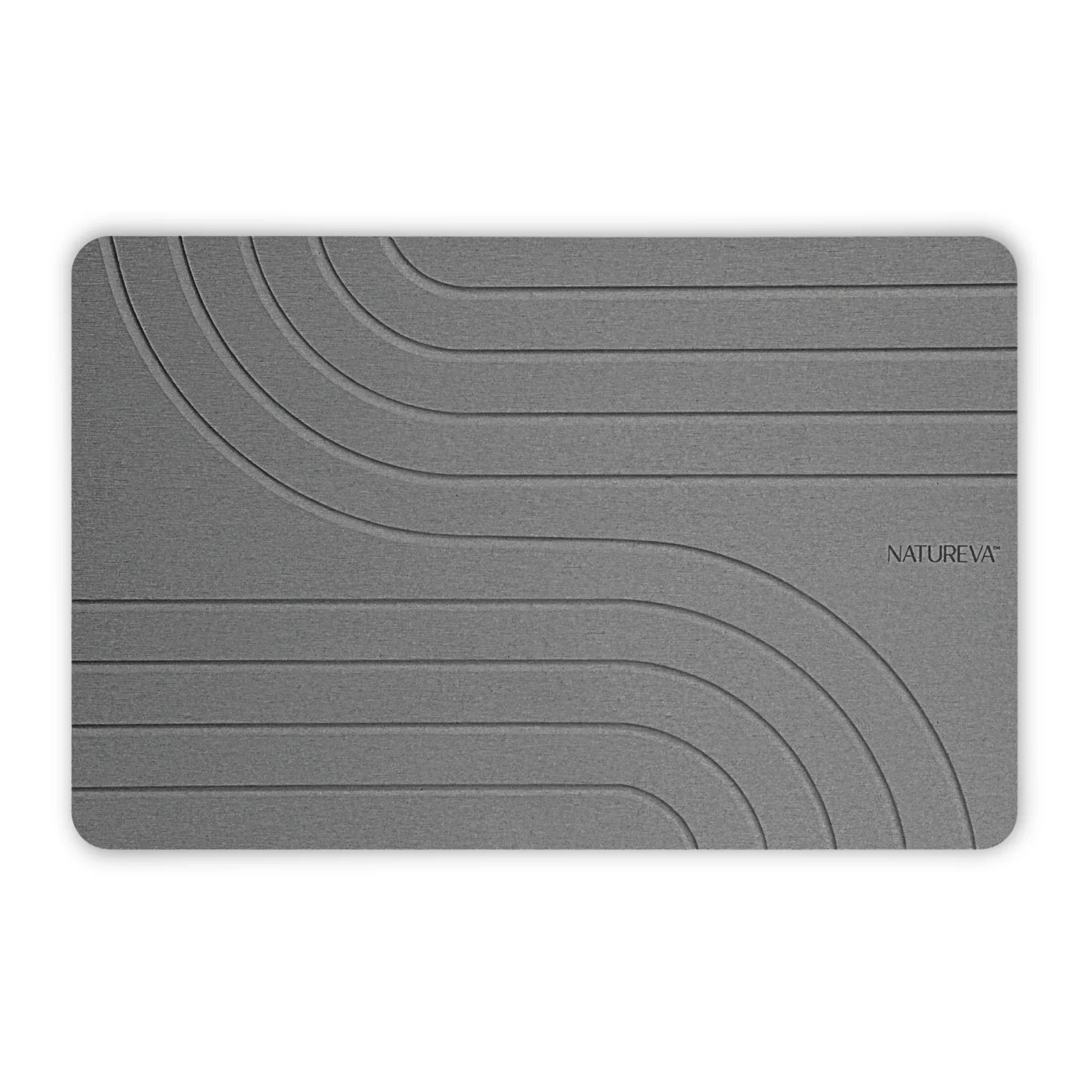
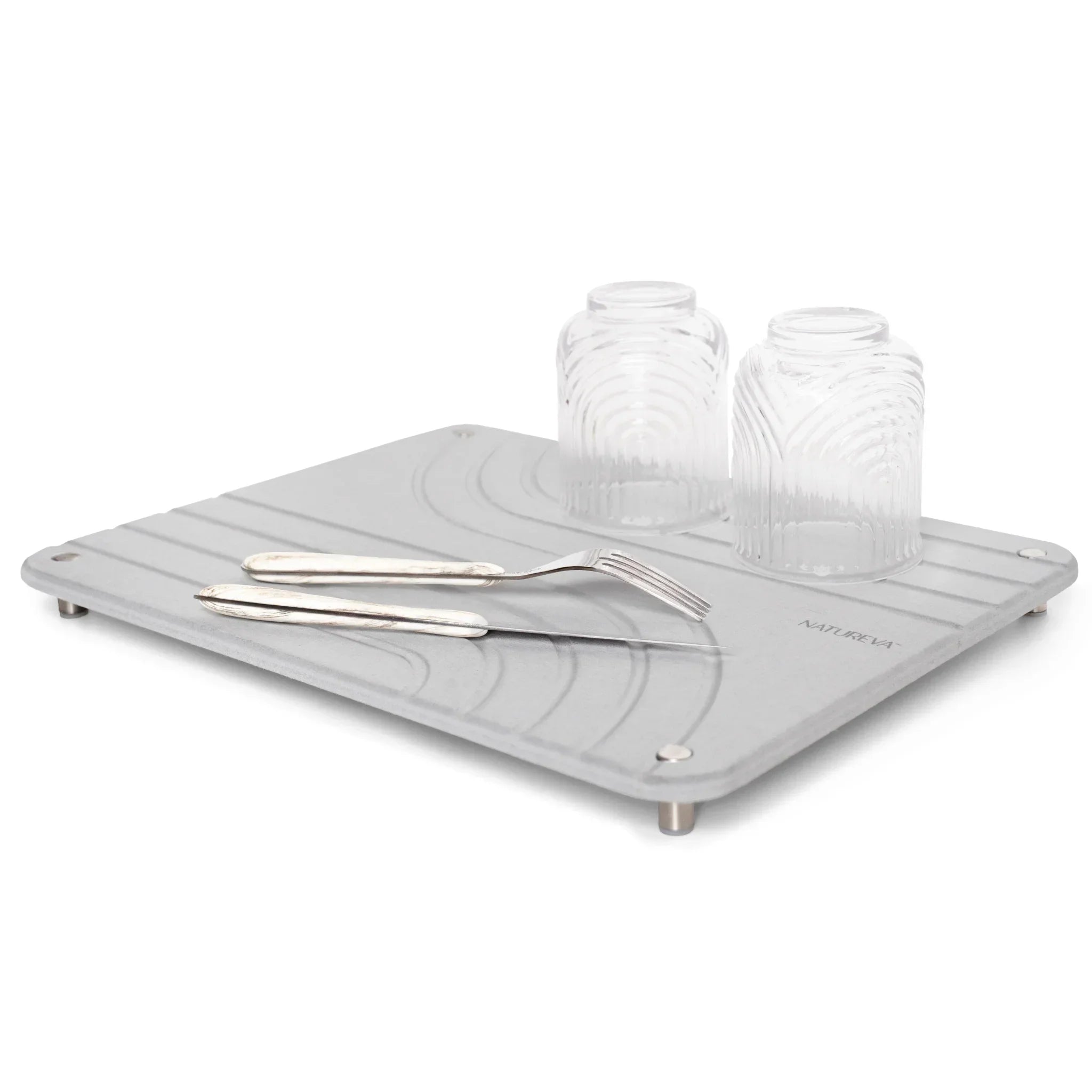
That's where better solutions come in. Our Stone Plant Saucers use natural diatomaceous earth that absorbs water instantly instead of letting it pool. The material promotes quick evaporation through millions of tiny pores, keeping surfaces dry without constant maintenance. When you're juggling work, life, and a small space, you need plant pot trays that actually work with you, not against you.
Smart Placement Strategies for Maximum Impact
Most people think small spaces mean fewer plants, but that's not really true. The trick is knowing where to put them so they don't take over your life or create a watery mess everywhere. When you're working with limited square footage, every surface becomes potential plant real estate. The challenge isn't just finding spots for your green friends, but making sure those spots stay clean and dry without constant monitoring.
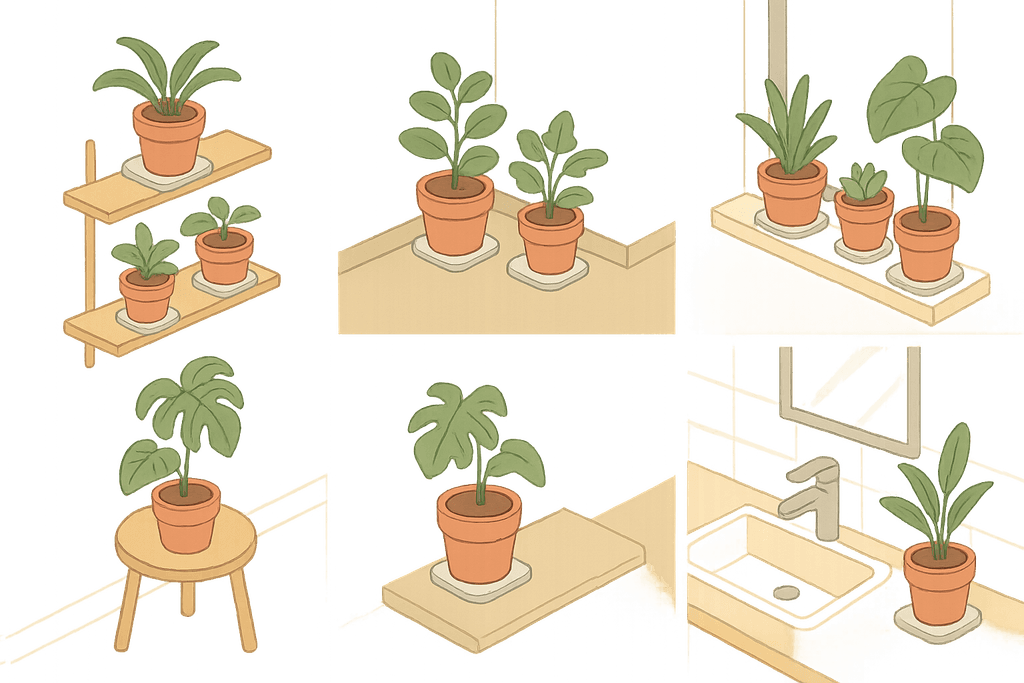
Smart Placement Strategies for Maximum Impact
Window sills are the obvious first choice, but they come with a hidden problem. Traditional plastic saucers trap water underneath, which can damage wood frames and create mold issues over time. Stone plant pot trays solve this by absorbing excess water instantly, so you can confidently line your windows with plants without worrying about rot or stains.
- Wall shelves work great for vertical gardening when paired with absorbent trays
- Corner spaces that usually go unused become perfect plant zones
- Furniture surfaces like dressers and nightstands can safely hold plants
- Kitchen counters near natural light stay dry and clean
- Bathroom ledges benefit from humidity-loving plants on protective trays
Studio apartments present their own unique puzzle. You need to create distinct zones without walls, and plants can actually help with that. Grouping several plants with matching stone trays on a bookshelf or console table defines a space as your "plant corner" without taking up floor space. The container garden approach shows how strategic placement can maximize even the tiniest balconies and corners.
Water Management Without the Mess
Here's something most plant owners learn the hard way. You water your plants, excess drains into the saucer, and then it just sits there. Plastic trays hold that water like a little swimming pool, which means you're either dumping it out constantly or watching it slowly evaporate over days. Wood furniture doesn't appreciate this arrangement, and neither do your floors or countertops.
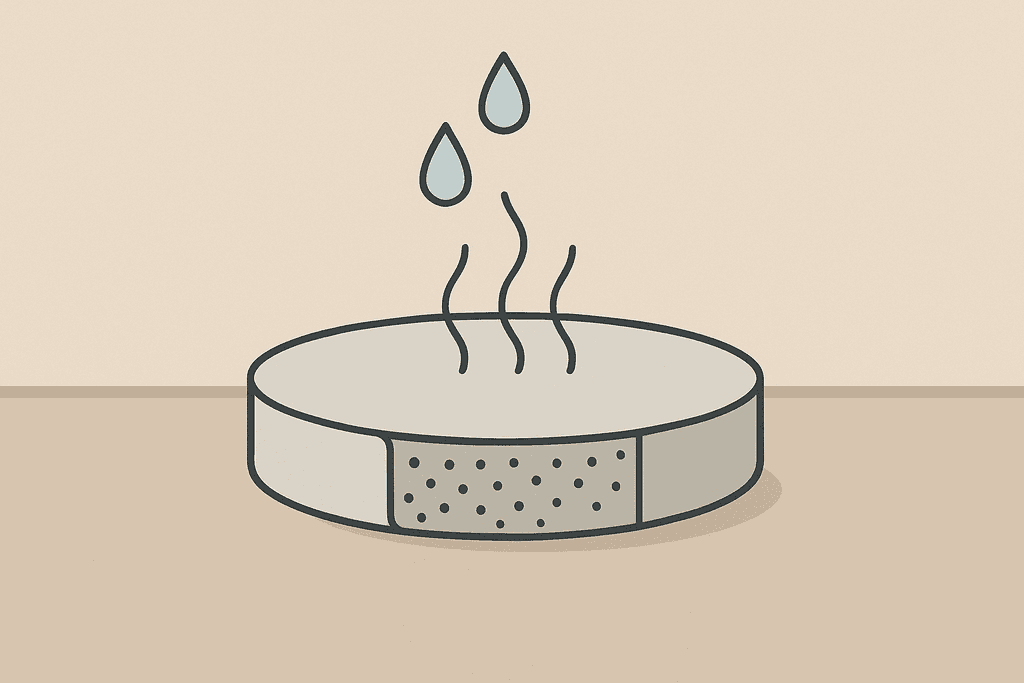
Water Management Without the Mess
Diatomaceous earth stone changes the entire game. This natural material contains millions of tiny pores that pull water in immediately, then release it back into the air through rapid evaporation. Our Stone Plant Saucers use this same material to protect your surfaces while keeping your plant care routine simple.
| Feature | Stone Trays | Plastic Trays | No Trays |
|---|---|---|---|
| Water Absorption | Instant | None | None |
| Evaporation Speed | Fast | Slow | N/A |
| Surface Protection | Excellent | Moderate | Poor |
| Maintenance | Low | High | High |
The science behind it is pretty straightforward. When water hits the stone surface, capillary action draws it into those microscopic pores. The large surface area inside the material then allows moisture to evaporate much faster than it would from a puddle. This means your surfaces stay dry and your plants get better air circulation around their roots, which most people don't realize is just as important as the watering itself.
The next generation of home essentials: naturally made, cleaner by design, sustainable by nature.
SHOP ALLIn small spaces, this matters even more because you're probably placing plants on surfaces you actually use. Nobody wants to worry about water rings on their desk or nightstand every time they care for their plants.
Aesthetic Benefits That Make Spaces Feel Bigger
Small spaces have a weird relationship with stuff. Too many colors and textures make a room feel cluttered and cramped, even if you don't actually have that much in it. Your eyes need places to rest, and that's where the minimalist look of natural stone really shines. The neutral tones blend with almost any decor style without adding visual noise.
When all your plant pot trays match, something interesting happens. Your collection of mismatched pots suddenly looks intentional instead of random. The cohesive base creates a sense of order that makes the space feel more designed and less chaotic. This trick works whether you have three plants or thirty.
The earthy sophistication of stone also adds a grown-up feel to your space. Plastic trays can look cheap and temporary, like you're still figuring things out. Natural materials suggest permanence and thoughtfulness. Quality planters and accessories make a real difference in how a space feels overall.
- Neutral stone colors work with any pot style or color
- Matte finish reduces visual clutter compared to shiny plastic
- Natural texture adds warmth without overwhelming small spaces
- Uniform look across different plant types creates harmony
Practical Tips for Small Space Plant Care
Living with plants in a small space requires a slightly different approach than having a big house with room to spread out. You can't just buy whatever catches your eye at the nursery and figure out placement later. The good news is that limitations often lead to better choices anyway. Smaller plants in the four to six inch pot range give you more flexibility and let you have variety without overwhelming your space.
Rotation is your secret weapon for keeping plants healthy when you don't have ideal light everywhere. Every week or two, swap the positions of plants that need similar care. The one that was in the darker corner moves to the bright window, and vice versa. This ensures everyone gets their fair share of light over time.
| Plant Size | Best For | Considerations |
|---|---|---|
| 2-4 inch pots | Shelves, desks | Need frequent watering |
| 4-6 inch pots | Most small spaces | Best balance |
| 6-8 inch pots | Floor, large surfaces | Statement pieces |
| 8+ inch pots | Floor only | Use sparingly |
Cleaning stone plant trays is simpler than you'd think. Let them dry completely, then wipe with a damp cloth. For deeper cleaning, a gentle scrub with water works fine. The material naturally resists mold and bacteria growth, which is another reason it works so well for plant care. Proper planter care extends the life of both your containers and the plants inside them.
Seasonal adjustments matter more in small spaces because you're probably dealing with limited window access. Winter means less light and slower growth, so you'll water less frequently. Summer brings more evaporation, so check your plants more often. The beauty of using absorbent stone trays is that they handle these fluctuations naturally, giving you a buffer against both overwatering and underwatering.
If you're ready to simplify your small space plant care, check out our Stone Plant Saucers or browse the full plant saucer collection. The same diatomaceous earth material works great for other areas too, like our kitchen accessories and drink coasters that keep surfaces dry throughout your home.
Your Small Space Plant Paradise Awaits
Living in a small space doesn't mean you have to give up on your plant dreams. We've covered how vertical arrangements can multiply your growing area, how choosing the right containers makes a huge difference, and why proper drainage matters more than most people think. The truth is, most small space plant problems come down to managing water and mess, not lack of room.
Plant pot trays are one of those simple things that actually change how you use your space. When you're not worried about water rings on your windowsill or puddles on your bookshelf, you suddenly have way more options for where plants can go. Our Stone Plant Saucers handle this by absorbing excess water right away, which means you can put plants on surfaces you'd normally avoid.
Start with just one or two plants in spots you've been eyeing. Maybe that corner of your desk or the edge of your kitchen counter. Once you see how manageable it is with the right setup, adding more becomes easy.
The best part about small space gardening is that you can experiment without much risk. If something doesn't work in one spot, you can move it somewhere else in about thirty seconds. You might find that plant saucers open up possibilities you hadn't considered before, like using that narrow shelf or tight corner you thought was useless.
You probably have questions about specific situations or setups. Let's get into some of the most common ones.
Common Questions About Plant Trays in Small Spaces
Living in a small space doesn't mean you have to give up your plant collection, but it does raise some practical questions. Plant pot trays become even more important when you're working with limited square footage and can't afford water damage on precious surfaces. Here are the most common questions people ask about using stone plant trays in compact living situations.
How many plants can fit in a studio apartment?
Most studio apartments can comfortably hold 10-15 plants without feeling cluttered if you use vertical space wisely. The key is choosing the right plant pot trays that won't take up extra room or create maintenance headaches. Stone trays like our Stone Plant Saucers work well because they're slim and handle water efficiently without needing constant emptying.
Do stone trays work on all surface types?
Stone plant pot trays made from diatomaceous earth work safely on wood, laminate, tile, and countertops. The porous material absorbs water instead of letting it pool, which protects your surfaces better than traditional plastic trays. Just make sure the bottom of the tray is smooth to avoid any scratching on delicate finishes.
How often do stone plant trays need cleaning?
You'll want to clean your stone trays every 2-3 weeks to maintain their absorption power. Dirt and mineral deposits can clog those tiny pores over time, making them less effective. A quick rinse and air dry is usually enough, though some people lightly sand the surface if it gets really gunked up.
Can stone trays prevent all water damage?
Stone trays handle normal watering runoff really well, but they're not magic. If you completely drench your plant or the tray gets saturated beyond its capacity, water can still overflow. The absorption works best when you water plants moderately and give the tray time to evaporate moisture between waterings.
Are stone trays better than plastic for small spaces?
Stone trays have some clear advantages in tight quarters where you can't always get to your plants immediately. Plastic trays collect standing water that you need to dump regularly, which gets annoying fast in a small apartment. Stone versions absorb and evaporate that water naturally, so there's less maintenance and no gross water sitting around attracting bugs.
What size stone tray do I need for my pots?
Your tray should be about 1-2 inches wider than your pot's base diameter to catch drips effectively. Going too large wastes precious counter or floor space in small homes. Measure your pot's bottom before buying, and remember that stone trays don't need as much extra room as plastic ones since they absorb rather than collect water.
The next generation of home essentials: naturally made, cleaner by design, sustainable by nature.
SHOP ALL