
Stone Bath Mat Guide for Faster-Drying, Cleaner Bathrooms
Fabric bath mats can stay damp for hours after a shower, leaving your bathroom floor wet and creating the perfect environment for mildew and odours to develop. A stone bath mat solves this problem by absorbing water instantly through millions of microscopic pores in diatomite, a naturally occurring fossilised algae, and drying completely within minutes instead of hours. This guide explains how stone bath mats work, how they compare to traditional fabric alternatives, and why they're becoming the go-to choice for modern bathrooms that stay drier and cleaner with less effort.
How long does a stone bath mat take to dry compared to fabric?
Stone bath mats dry in 5 to 10 minutes, while traditional fabric bath mats require 2 to 4 hours to fully dry. This rapid evaporation occurs because diatomaceous earth stone absorbs water instantly and releases it through natural air circulation.
What material are stone bath mats made from?
Stone bath mats are made from diatomaceous earth, a naturally porous sedimentary rock composed of fossilized algae that absorbs up to 150% of its weight in water. The material's microscopic pores enable instant water absorption and rapid evaporation without retaining moisture.
Do stone bath mats grow mold and mildew?
Stone bath mats do not grow mold or mildew because they dry completely within 10 minutes, preventing the sustained moisture environment that bacteria and fungi require to colonize. Fabric mats retain moisture for hours, creating ideal conditions for microbial growth and odors.
Table of Contents
What Makes Stone Bath Mats Different
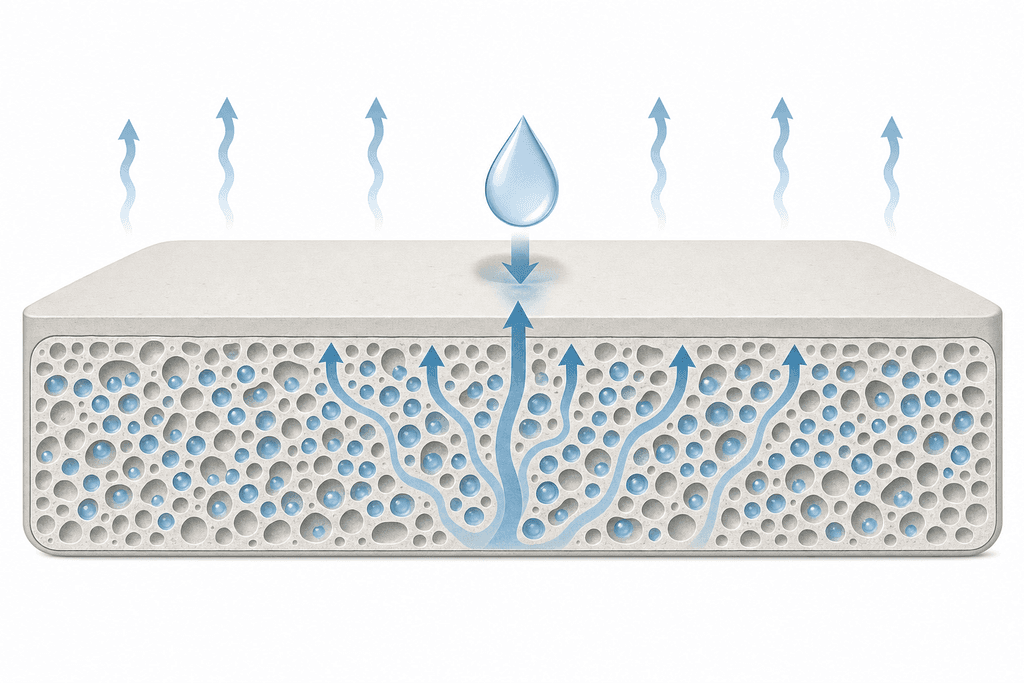
Most bathroom mats sit there soaking wet for hours after your shower, creating the perfect breeding ground for mould and mildew. Stone bath mats work completely differently because they're made from diatomite, a naturally occurring material that formed millions of years ago from fossilised microscopic algae called diatoms. When these tiny organisms died and settled on ancient ocean floors, they left behind their silica-based skeletons, which eventually compressed into the porous mineral we use today. The result is a material with millions of microscopic pores that pull water away from your feet the moment you step on it.
How the Absorption Process Works
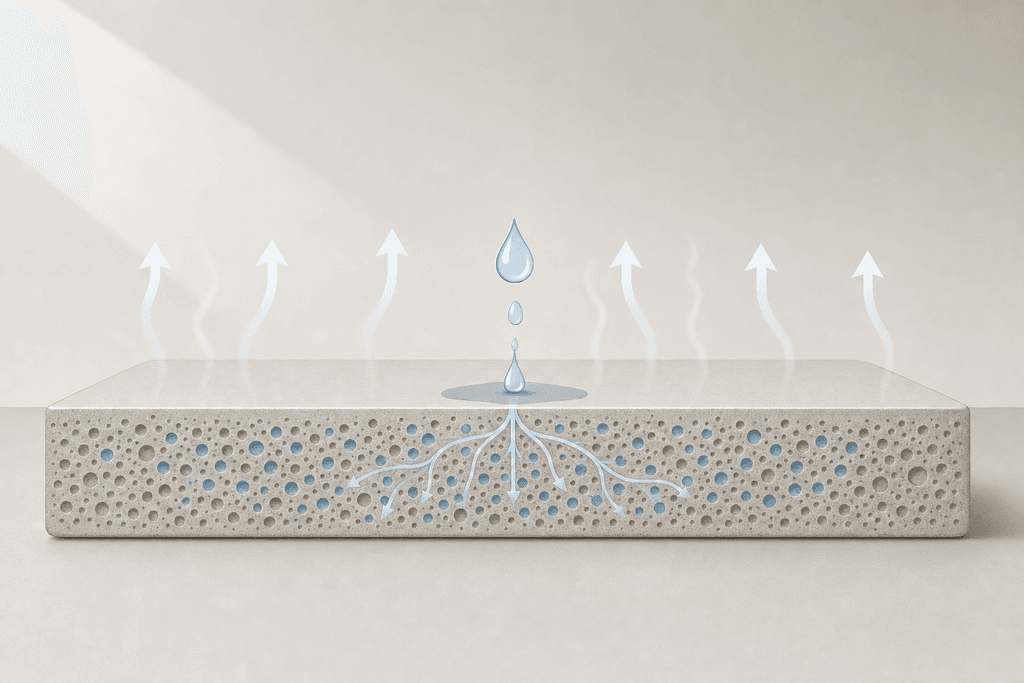
The science behind diatomite is surprisingly simple. Those millions of tiny pores act like microscopic sponges, instantly absorbing water on contact and then releasing it back into the air through rapid evaporation. Unlike fabric mats that trap moisture in their fibres or rubber mats that just push water around on their surface, stone mats actually pull the water inside and let it evaporate naturally. This means your mat dries within minutes instead of staying damp all day.
Here's what happens when water hits different mat types:
| Mat Type | Absorption Method | Drying Time | Moisture Retention |
|---|---|---|---|
| Stone (Diatomite) | Porous mineral structure | Under 10 minutes | None |
| Fabric/Cotton | Fibre saturation | 4-8 hours | High |
| Microfibre | Synthetic fibre trapping | 2-6 hours | Medium-High |
| Rubber/Silicone | Surface only | Water pools | Very High |
Staying Clean Without Chemicals
The fast-drying surface reduces the conditions where mould and mildew develop, which is why stone mats stay cleaner between washes. Traditional fabric mats need frequent washing because they stay damp for hours, creating the perfect environment for bacteria and odour. Stone mats like our Natureva bath mats stay hygienic through rapid moisture evaporation rather than chemical treatments or special coatings.
The material itself doesn't kill or repel anything. It simply dries so fast that there's no damp environment left for problems to develop. This is especially important in humid climates or bathrooms without great ventilation, where traditional mats can start smelling musty within days.
Safety Standards and Testing
Not all diatomite products are created equal. Some cheaper versions have faced safety concerns around contamination, which is why NATA-accredited laboratory testing matters. NATA is Australia's peak accreditation body for laboratory testing, and products certified through this process have been independently verified for safety. Natureva stone bath mats carry this certification and are regularly tested to maintain that standard, giving you confidence that what you're stepping on meets strict Australian safety requirements.
- NATA-accredited testing verifies material safety and purity
- Regular testing maintains certification standards over time
- Independent laboratory verification removes guesswork from product quality
- Australian-designed products with local testing accountability
Stone vs Fabric: Performance Comparison
Most fabric bath mats stay damp for 4 to 8 hours after a single shower, creating a breeding ground for problems you can't always see. That lingering moisture sits against your bathroom floor, trapped in fibres that hold water like a sponge. Stone bath mats work differently because they're made from diatomite, a naturally porous material formed from fossilised algae. The microscopic pores absorb water on contact and release it back into the air through rapid evaporation. This means the mat dries in under 10 minutes, leaving no damp environment for odour or mould to form.
The difference isn't just about drying time. It's about what happens during those hours when fabric stays wet.
Key Performance Differences:- Drying speed: Stone mats dry in under 10 minutes, fabric mats take 4 to 8 hours
- Hygiene: Stone stays clean through rapid moisture evaporation, fabric creates conditions where mould and mildew develop
- Maintenance: Stone requires a weekly wipe with warm water and cleaning vinegar, fabric needs constant washing
- Durability: Stone mats last years without degradation, fabric mats wear out quickly and lose absorbency
- Safety: Stone has a non-slip base that stays stable, fabric bunches and slides when wet
Fabric mats also lose their shape over time. They curl at the edges, bunch up underfoot, and slide across tile floors when saturated. Stone mats stay flat and stable because they're solid slabs, not flexible textiles. The non-slip base pad keeps them anchored even in wet conditions, which matters for households with older adults or anyone concerned about bathroom falls.
| Factor | Stone Bath Mat | Fabric Bath Mat |
|---|---|---|
| Drying Time | Under 10 minutes | 4 to 8 hours |
| Washing Frequency | Weekly wipe-down | Multiple times per week |
| Lifespan | Years without degradation | Months before replacement |
| Stability When Wet | Non-slip, stays flat | Bunches and slides |
The maintenance difference adds up over time. Instead of throwing a mat in the washing machine twice a week, you wipe the stone surface once and move on. No detergent, no dryer time, no waiting for it to be ready again. For households where bathroom hygiene matters but time is limited, that shift changes the entire routine.
How to Choose Your Stone Bath Mat
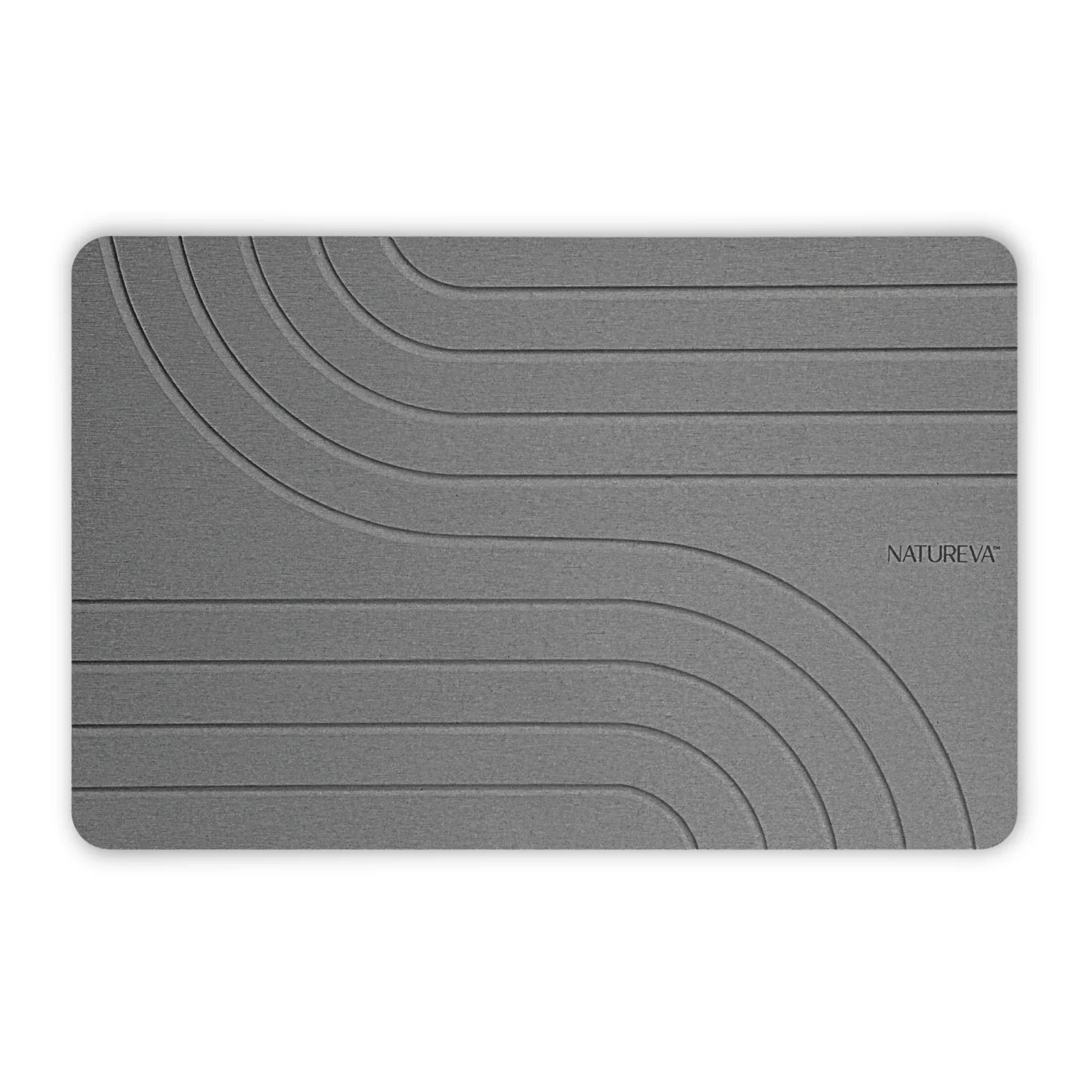
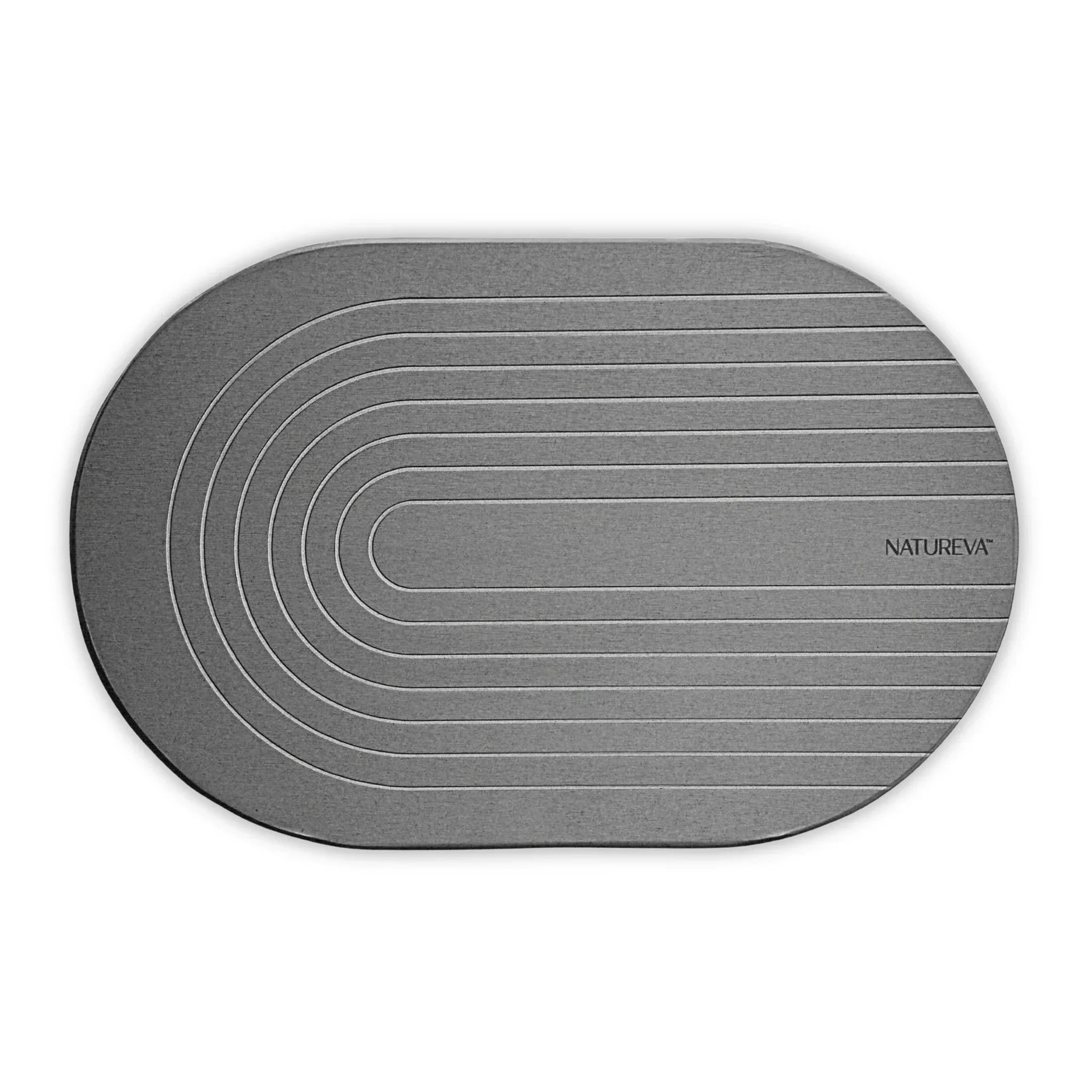
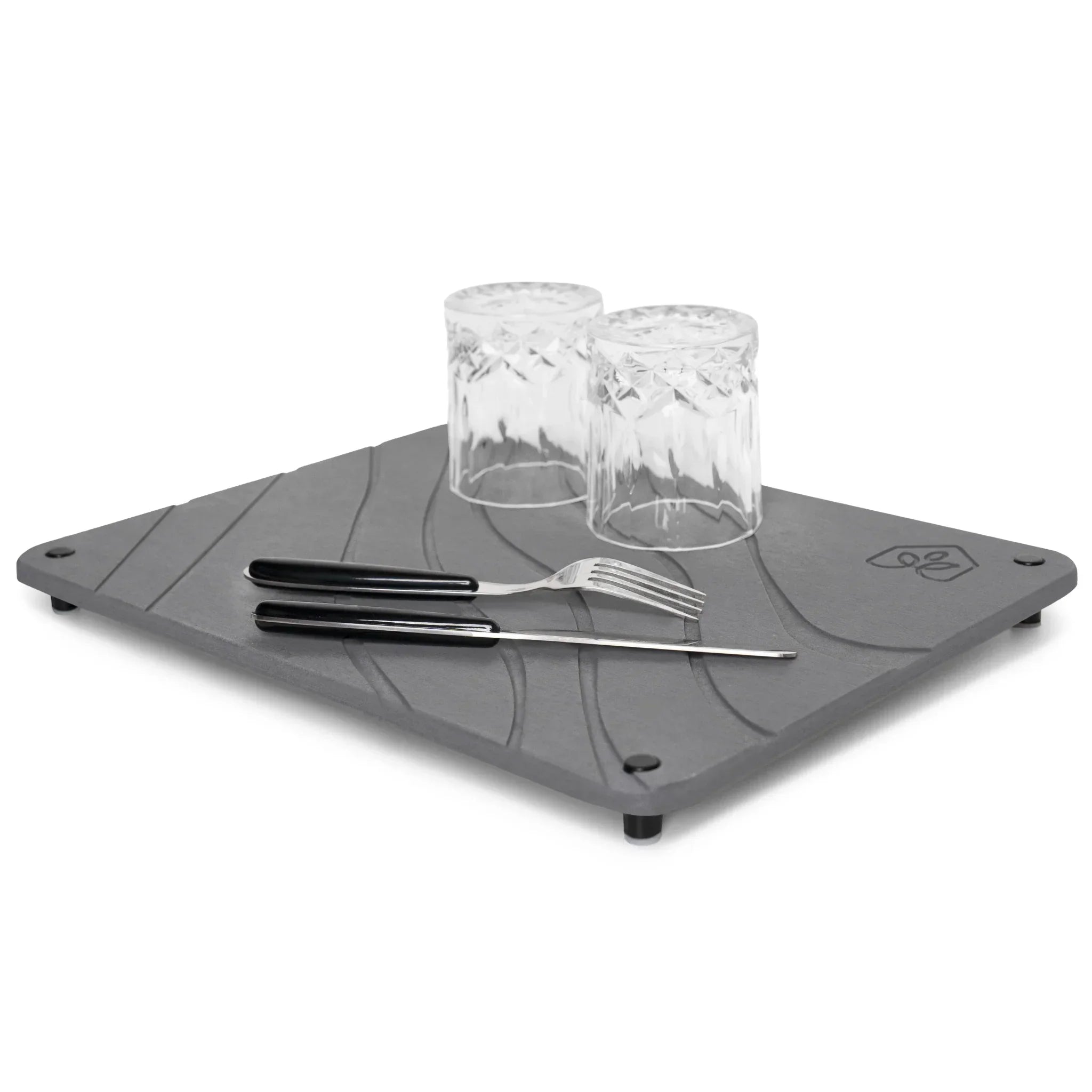
Choosing a stone bath mat comes down to three decisions: size, surface pattern, and colour. The standard rectangular mats measure approximately 60 × 39 cm, which fits most bathroom layouts in front of a shower or tub. The Arch mat is an oval shape with the same general footprint but softer edges, which works well in bathrooms with curved design elements or limited floor space. Both sizes weigh around 1.8 kg, so they feel solid underfoot without being difficult to move when needed.
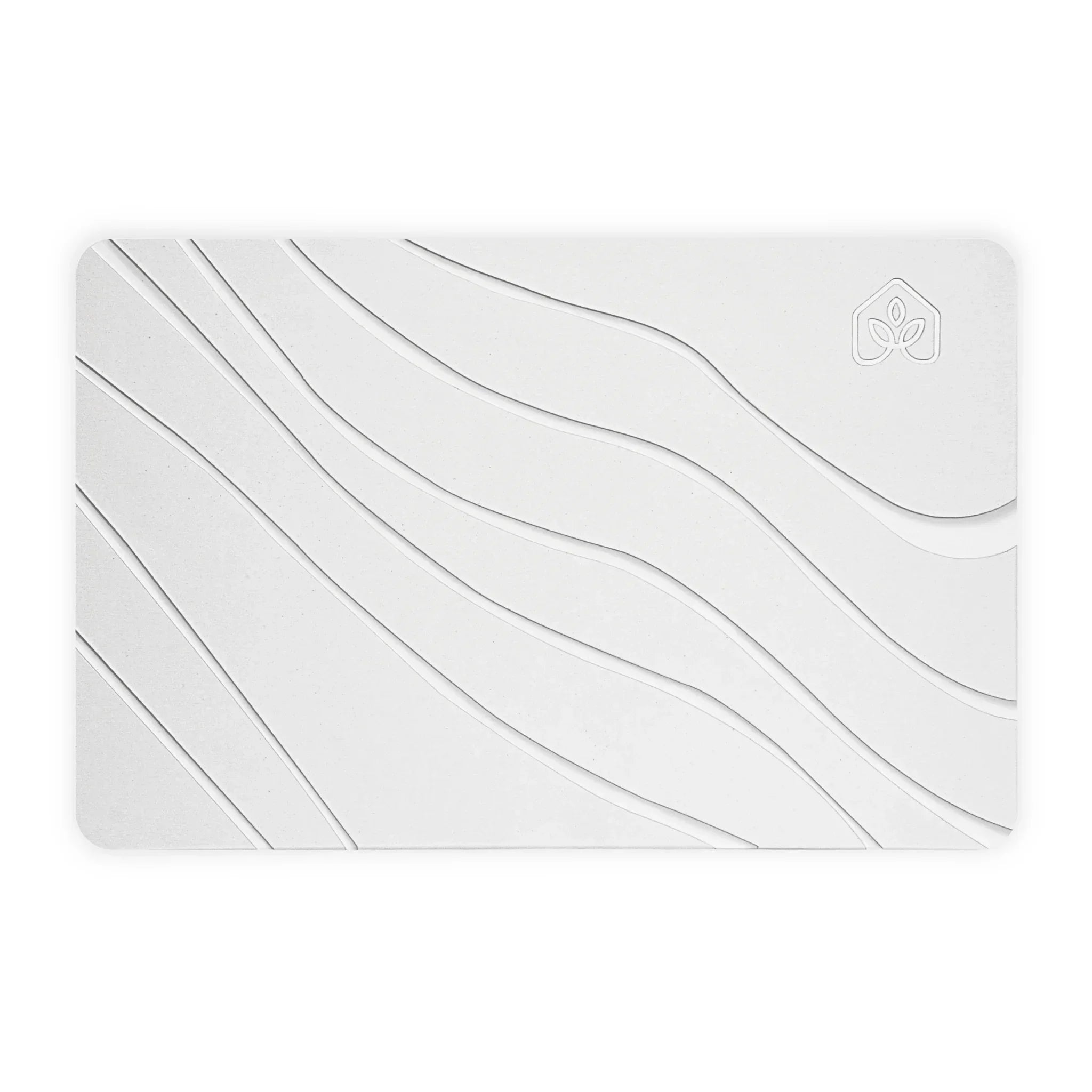
Surface pattern is where personal preference comes in. Each design uses carved contour lines that add visual rhythm without busy decoration.
Four Surface Patterns Available:- Tide: Soft horizontal contour bands resembling shoreline movement
- Flow: Layered diagonal wave contours suggesting landscape motion
- Arch: Rounded architectural contour lines echoing the oval silhouette
- Rain: Sparse vertical line segments arranged like falling droplets
Colour selection depends on your existing bathroom palette. Graphite is a deep charcoal that anchors modern or industrial spaces. Slate is a soft grey that works as a neutral across most colour schemes. Chalk is a near-white that complements light, airy bathrooms or Scandinavian-inspired interiors. All three colours are available across the entire stone product range, so you can coordinate your bath mat with a faucet mat or sink caddy if you want a cohesive look.
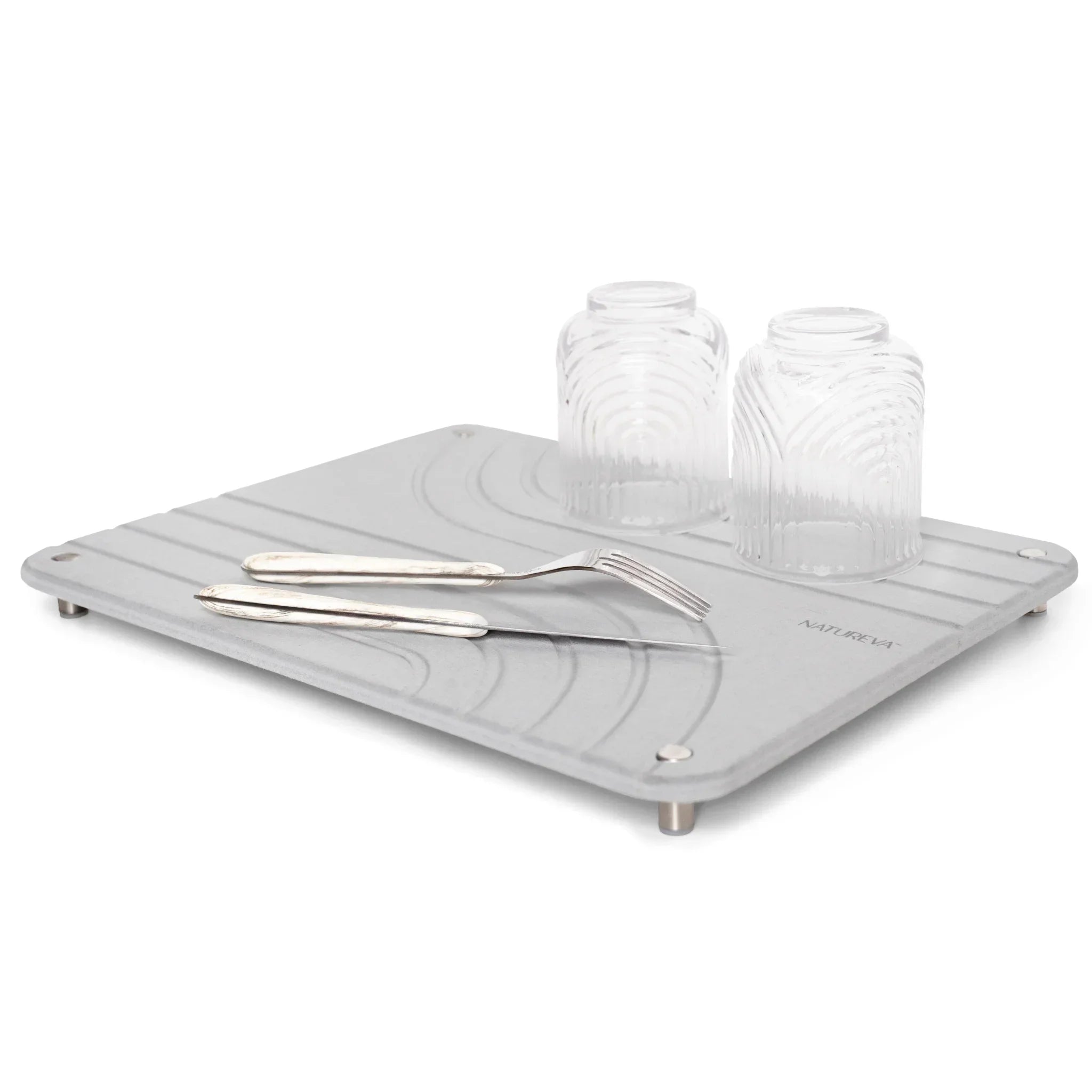
If you're furnishing multiple bathrooms or want matching products across your home, the bathroom collection includes coordinated designs in the same colour options. The carved patterns repeat across different product formats, so a Flow bath mat pairs visually with a Flow dish mat in the kitchen. That consistency matters for people who care about how their home looks as a whole, not just individual rooms.
Caring for Your Stone Bath Mat
Stone bath mats need minimal maintenance, but the routine matters for long-term performance. Once a week, wipe the surface with a warm damp cloth and a bit of cleaning vinegar. This removes any soap residue or mineral buildup from hard water. Avoid coloured soaps or body washes that can stain the porous surface, since diatomite absorbs liquids on contact. If you notice a stain forming, rinse the mat under running water immediately before it sets in.
The mat will eventually feel less absorbent after months of use. That's normal and easy to fix.
Simple Maintenance Routine:- Weekly: Wipe with warm damp cloth and cleaning vinegar
- As needed: Rinse stains under water immediately
- Monthly or when absorbency drops: Use included P320 grit sanding disc to restore surface
- When fully saturated: Air dry upright to maximize airflow
Each stone bath mat includes a sanding tool, which is a P320 grit sandpaper disc about 10 cm in diameter. When the mat stops absorbing water as quickly as it used to, lightly sand the surface in circular motions. This reopens the microscopic pores that get clogged with soap residue and mineral deposits over time. After sanding, rinse the mat under water to remove dust, then let it air dry upright. The absorbency comes back completely, and the mat performs like new again.
If the mat becomes fully saturated after extended use or a particularly wet day, prop it upright against a wall or shower edge. This allows air to circulate around the entire surface and speeds up the drying process. The mat is designed to handle moisture, but giving it airflow when it's holding a lot of water helps maintain its performance over the long term. For more detailed care instructions and tips on maximizing the lifespan of your stone products, the complete guide to diatomite covers everything from daily use to deep cleaning methods.
Stone bath mats from Natureva are designed to last years without replacement, but only if you follow the basic care routine. The good news is that routine takes less time than washing a fabric mat even once. A quick weekly wipe and occasional sanding keeps the mat performing at full capacity, which is the entire point of switching to stone in the first place.
Why Stone Wins for Modern Bathrooms
The next generation of home essentials: naturally made, cleaner by design, sustainable by nature.
SHOP ALLStone bath mats solve more than just the wet floor problem. They fit into the way modern homes actually look and function. Most bathrooms today lean toward clean lines, neutral colours, and natural materials. A diatomite stone mat sits flat on the floor, doesn't bunch up, and matches the minimalist aesthetic that defines contemporary and Japandi-inspired spaces. The carved surface patterns like Tide, Flow, Arch, and Rain add subtle texture without clashing with existing tile or fixtures. Design consistency matters when you're trying to create a cohesive bathroom, and stone products make that easier than fabric alternatives that fade, stain, or look worn after a few months.
Safety and Stability
Fabric mats slide, curl at the edges, and bunch up when wet. Stone mats stay put. The solid slab design with a non-slip base pad creates a stable surface that doesn't shift underfoot. This matters for everyone, but especially for older adults and anyone with mobility concerns. A mat that moves when you step on it is a fall risk. A 1.8 kg stone slab isn't going anywhere.
- Flat surface eliminates tripping hazards from curled edges
- Non-slip base keeps the mat anchored during use
- Solid weight prevents sliding on wet tile floors
- No fabric bunching or wrinkling that creates uneven footing
Health-Conscious Material Choice
Chemical-free construction appeals to households that care about what they bring into their homes. Diatomite is fossilised algae compressed with recycled paper. No synthetic coatings, no moisture-trapping finishes, no added fragrances or treatments. The material stays hygienic through rapid drying, not through chemical additives. For families with young children or anyone sensitive to synthetic materials, this matters.
Environmental Impact and Longevity
Fabric bath mats wear out. They lose absorbency, develop mildew stains, and end up in landfill within a year or two. Stone mats last for years with basic maintenance. The included sanding tool restores absorbency when needed, extending the product's lifespan indefinitely. Less replacement means less waste. The material itself is natural and doesn't rely on petroleum-based synthetics or resource-intensive cotton farming.
| Product Type | Typical Lifespan | Maintenance Frequency |
|---|---|---|
| Fabric Bath Mat | 6-18 months | Weekly washing required |
| Stone Bath Mat | Multiple years | Weekly wipe, occasional sanding |
Coordinated Bathroom System
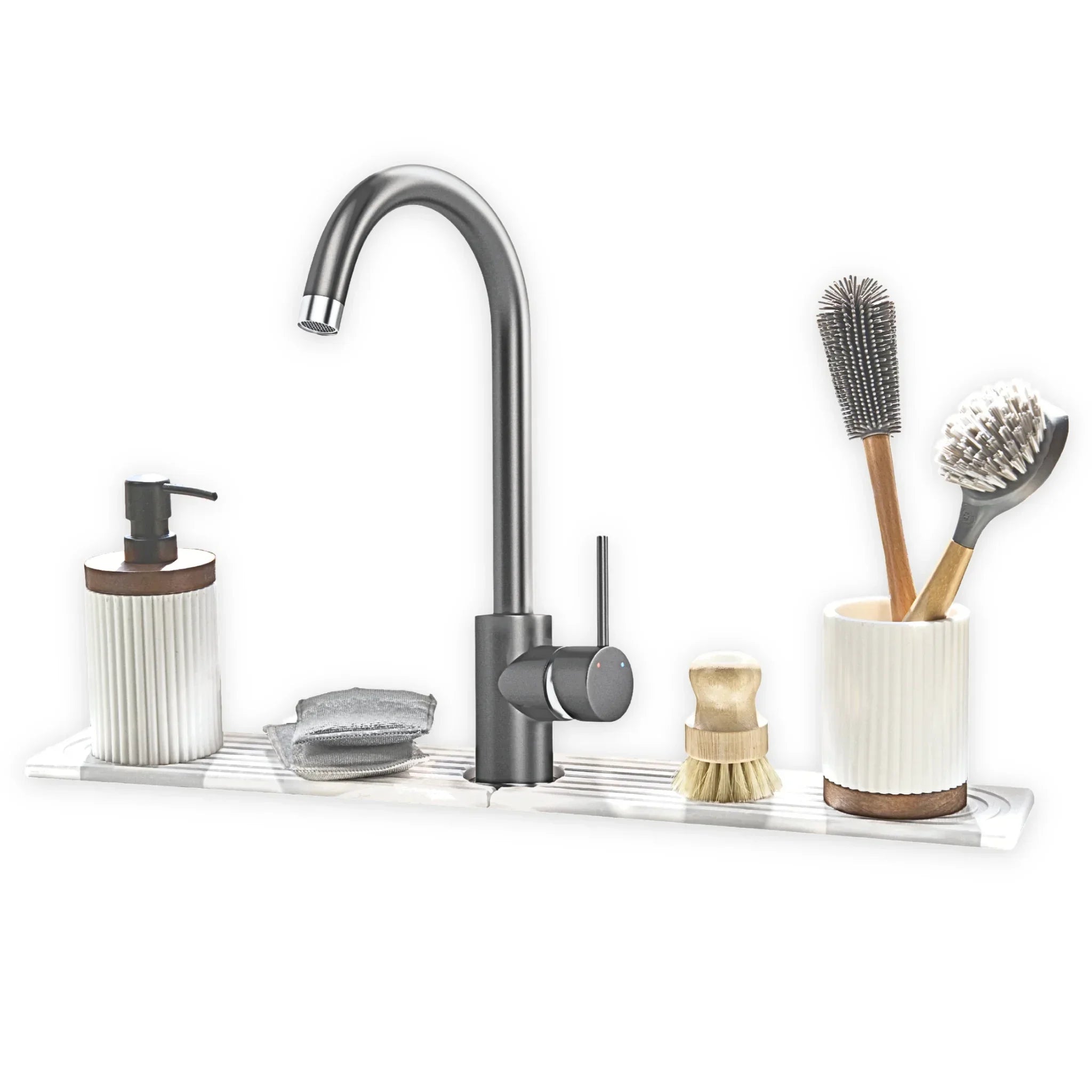
Natureva's stone products share the same design language and colour palette across bath mats, faucet mats, and sink caddies. You can match Graphite, Slate, or Chalk across every surface. The carved patterns coordinate without being identical. This creates visual consistency that's hard to achieve when mixing random products from different brands. A bathroom that looks intentionally designed rather than randomly assembled makes a difference in how the space feels.
Stone Bath Mat Advantages and Considerations
Every product category has trade-offs. Stone bath mats excel in specific areas while requiring different expectations than fabric alternatives. Understanding both sides helps you decide if the switch makes sense for your bathroom setup and daily routine.
Advantages
- Dries within minutes, eliminating damp fabric smell and mildew buildup
- Requires minimal maintenance compared to weekly machine washing
- Stable, non-slip surface reduces fall risk from bunching or sliding
- Chemical-free material suits health-conscious households
- Long lifespan reduces replacement frequency and waste
- Minimalist design integrates with modern bathroom aesthetics
- Coordinated colour and pattern options across bathroom products
Considerations
- Heavier than fabric mats at approximately 1.8 kg
- Hard surface may feel different underfoot than plush fabric
- Requires occasional sanding to maintain peak absorbency
- Higher upfront cost than budget fabric options
- Not machine washable (wipe clean instead)
The weight and solid feel are features for stability but might surprise anyone expecting a soft textile experience. Stone mats prioritize function and longevity over cushioned comfort. If you value a bathroom that stays dry with less effort, the trade-offs make sense. If you prefer the feel of stepping onto thick fabric, stone might not suit your preferences.
Making the Switch to Stone
A damp bathroom floor is one of those small problems that adds up over time. Fabric mats stay wet for hours, trap moisture underneath, and need constant washing to stay fresh. Stone bath mats solve this by absorbing water instantly and drying within minutes, which means no more soggy floors or musty smells between showers. The material does the work for you, not the other way around.
Diatomite works through science, not chemicals. The fossilised algae structure pulls moisture into millions of microscopic pores, then releases it back into the air through natural evaporation. This keeps the surface dry and reduces the damp conditions where mould and mildew usually develop. You're not adding anything to your home that doesn't belong there.
Maintenance is simpler than you'd expect. A quick wipe with warm water and vinegar once a week keeps the surface clean, and the included sanding tool restores absorbency if it ever slows down. Compare that to washing a fabric mat every few days and replacing it every year or two. Stone lasts longer and asks for less.
If you're looking at options, our stone bath mat collection includes four carved designs in three neutral colours, all NATA-certified asbestos-free and tested regularly. The Tide, Flow, and Rain patterns work across the full bathroom range, so everything matches if you want it to. For more detail on what to check before buying, this guide covers the key features that actually matter.
Switching to stone isn't about chasing a trend. It's about choosing a material that performs better and lasts longer without adding more work to your routine.
Common Questions About Stone Bath Mats
Switching from fabric to stone raises a few practical questions. Most people want to know if these mats actually work as promised, how safe they are, and whether they'll hold up over time. Here's what you need to know before making the switch.
How long does a stone bath mat take to dry?
A properly functioning stone bath mat dries in under 10 minutes. The diatomite material absorbs water instantly when you step on it, then releases that moisture back into the air through rapid evaporation. Natureva's Stone Bath Mats were independently tested by Australia's Homes To Love publication and dried fully in under 8 minutes. That's faster than any fabric mat can manage, even in a well-ventilated bathroom.
Are stone bath mats safe and non-slip?
Stone bath mats are designed with safety in mind. The solid surface stays flat against the floor and won't bunch, curl, or slide around like fabric mats do when they get wet. Natureva includes a full non-slip base pad with every bath mat to keep it stable on tile and other smooth surfaces. The stone itself provides a textured surface that's naturally grippy, and because it dries so quickly, you're not standing on a damp, slippery surface.
How do you clean a stone bath mat?
Weekly maintenance takes about 30 seconds. Just wipe the surface with a warm damp cloth and a bit of cleaning vinegar. For deeper stains or marks, rinse under water or use hydrogen peroxide. If the mat starts absorbing water more slowly over time, use the included sanding tool to reopen the surface pores and restore full absorbency. No washing machine, no hanging to dry, no mildew smell to deal with.
Do stone bath mats work in humid climates?
Yes, and that's actually where they shine. The porous structure of diatomite pulls moisture away from the surface and releases it through evaporation, even in humid conditions. While a fabric mat in a humid bathroom might stay damp for hours, a stone mat still dries within minutes because the material actively moves moisture through its internal structure rather than just sitting there soaking it up.
How long do stone bath mats last?
Stone bath mats can last for years with proper care. Unlike fabric mats that wear out, lose absorbency, or develop permanent odours, stone maintains its performance as long as you keep the surface clean and occasionally sand it to refresh the pores. There's no fabric to break down, no rubber backing to crack, and no need to replace it every few months.
Are stone bath mats tested for safety?
This matters more than most people realize. Natureva stone products are tested and certified asbestos-free by a NATA-accredited Australian laboratory, with regular testing to maintain that standard. NATA is Australia's peak accreditation body for laboratory testing. Many diatomite products from unverified sources have faced recalls due to asbestos contamination, so certification from an independent lab is the only way to know what you're actually bringing into your home.
The next generation of home essentials: naturally made, cleaner by design, sustainable by nature.
SHOP ALL