
Stone Drying Bath Mat Guide for Cleaner, Faster-Drying Floors
Fabric bath mats can stay damp for hours after a single shower, creating the perfect breeding ground for mould and mildew in your bathroom. A stone drying bath mat solves this problem by absorbing water instantly and drying completely within minutes, leaving your floors clean and hygienic without constant washing. This guide explains how diatomite stone works, why it outperforms traditional mats, and how Natureva's stone bath mats bring both function and minimalist design to modern Australian bathrooms.
How long does it take for a stone bath mat to dry after use?
Stone bath mats made from diatomite dry completely within 1 to 3 minutes after use, absorbing moisture instantly through millions of microscopic pores that evaporate water rapidly into the air. This rapid drying prevents the bacterial growth and mildew that plague traditional fabric bath mats, which can remain damp for hours.
What is diatomite and why is it used in bath mats?
Diatomite is a naturally occurring sedimentary rock composed of fossilized diatom algae that contains millions of microscopic pores, giving it exceptional water absorption properties that can absorb up to 150% of its weight in moisture. These pores enable diatomite stone bath mats to instantly wick water from wet feet and release it through rapid evaporation, keeping bathroom floors dry and preventing slip hazards.
How often do you need to wash a stone bath mat compared to a regular bath mat?
Stone bath mats require cleaning only once every 2 to 4 weeks with light sanding or a damp cloth, while traditional fabric bath mats need machine washing every 3 to 7 days to prevent bacterial buildup and odors. The self-drying nature of diatomite stone prevents moisture retention that causes the frequent washing requirements of conventional mats.
Table of Contents
The Problem with Traditional Bath Mats
Most people don't realize their bath mat is one of the dampest spots in their home. After every shower, traditional fabric mats soak up water and hold onto it for hours, sometimes even days if your bathroom doesn't get much airflow. That constant moisture creates the perfect environment for mould spores to settle in and multiply. Within weeks, what started as a fresh new mat becomes a breeding ground for mildew, and no amount of washing seems to keep it feeling truly clean.
Why Fabric Mats Stay Wet So Long
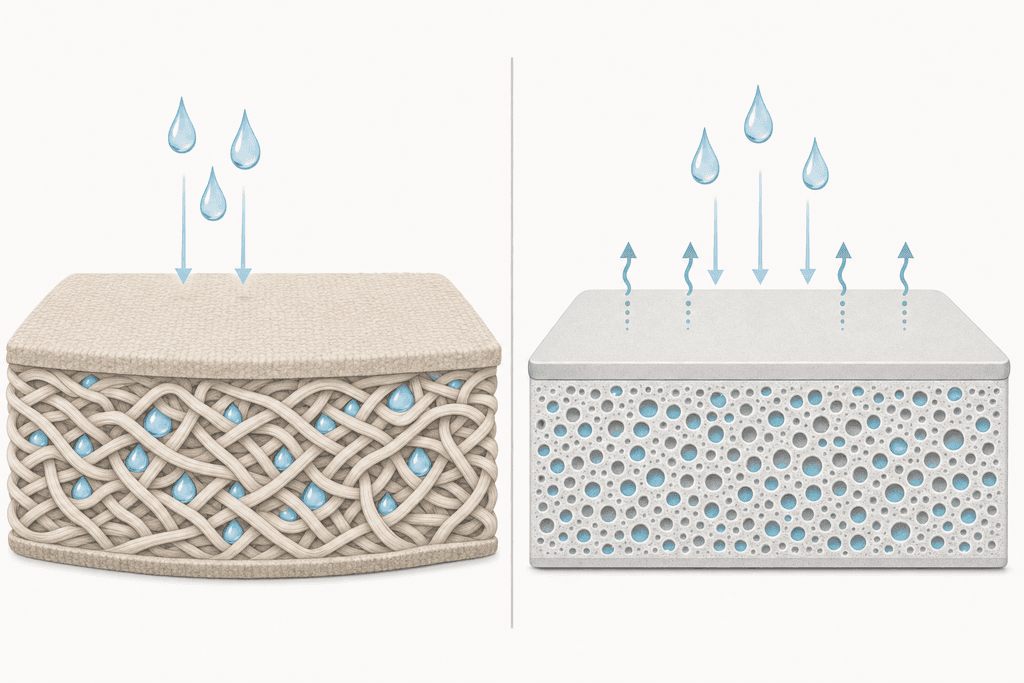
Fabric bath mats are designed to absorb water, but they're terrible at releasing it back into the air. The thick cotton or microfibre construction traps moisture deep within the fibres, where it sits until it slowly evaporates or gets transferred to your floor. If you've ever stepped on your bath mat hours after showering and felt that cold, clammy sensation, you know exactly what we're talking about.
Here's what happens with different mat types after you step out of the shower:
- Fabric mats hold water for 6-24 hours depending on bathroom ventilation
- The bottom layer stays damp even when the top feels dry to touch
- Moisture seeps through to your floor, causing potential water damage
- Mould and mildew start developing within 24-48 hours of constant dampness
Rubber and Silicone Mats: Different Problem, Same Result
Some people switch to rubber or silicone mats thinking they'll solve the moisture problem. These mats don't absorb water at all, which sounds good in theory. But in practice, water just pools on top of the mat and eventually drips onto your floor anyway. You end up with puddles around the mat, wet feet tracking water through your bathroom, and still need to wipe everything down after each shower.
The real issue is that none of these traditional options actually dry quickly. According to independent testing on bath mat drying performance, the difference between materials is significant when it comes to moisture management.
The Hidden Cost of Damp Mats
Beyond the obvious hygiene concerns, traditional bath mats create ongoing maintenance headaches. You need to wash fabric mats at least once a week to prevent odour buildup, and even then, they start to smell musty after a few months. Most people end up replacing their bath mats every 6-12 months because they never quite feel clean anymore, no matter how many times they go through the washing machine.
| Mat Type | Drying Time | Mould Risk | Washing Frequency |
|---|---|---|---|
| Cotton Fabric | 12-24 hours | High | Weekly |
| Microfibre | 8-16 hours | High | Weekly |
| Rubber/Silicone | Doesn't absorb | Medium | Bi-weekly |
| Stone Drying Mat | Under 10 minutes | Very Low | Monthly wipe |
That's where stone drying bath mats come in. Made from diatomite, a naturally porous fossilized material, these mats absorb water instantly and release it back into the air within minutes. Our Natureva stone bath mats dry completely in under 10 minutes, which means they never stay damp long enough for mould or mildew to develop. No more washing, no more musty smells, just a consistently dry surface every time you step out of the shower.
How Diatomite Stone Actually Works
Most people step out of the shower onto a fabric mat that stays damp for hours, creating the perfect environment for mould and mildew to develop. Stone drying bath mats work differently because they're made from diatomite, a naturally occurring material formed from fossilised microscopic algae called diatoms. These ancient organisms left behind a mineral-rich structure filled with millions of microscopic pores, which is what makes the material so effective at managing moisture. When water touches the surface, it gets pulled into these tiny channels instantly, then evaporates back into the air within minutes instead of sitting trapped in fabric fibres.
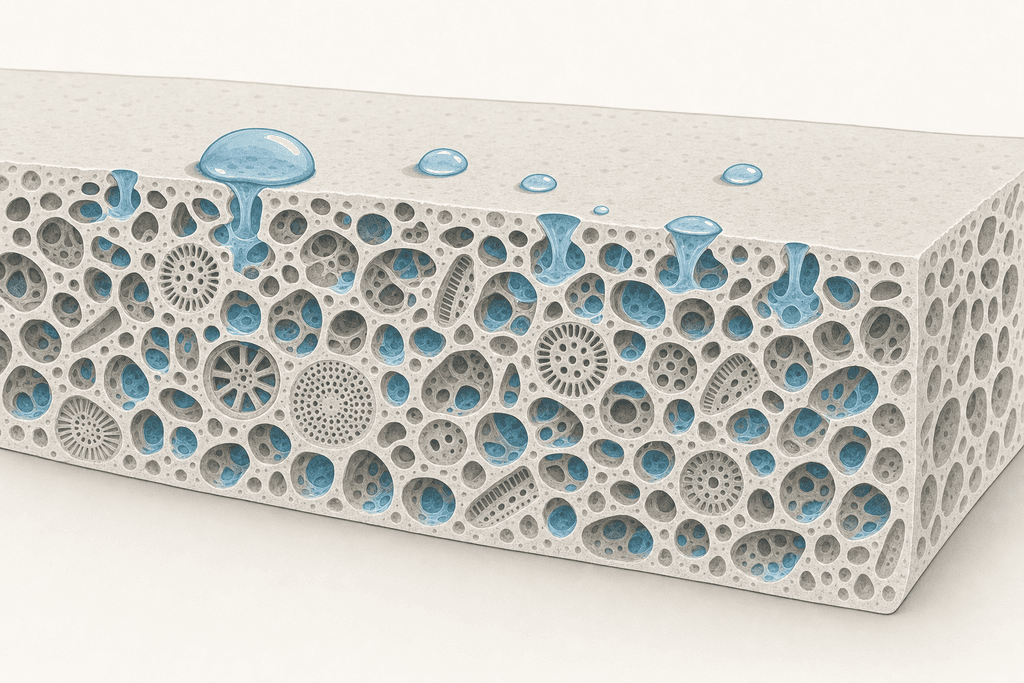
The porous network inside diatomite creates both instant absorption and rapid evaporation. Unlike fabric that holds moisture until you wash and dry it, or rubber that just sits there wet, stone releases water naturally through airflow. The material stays hygienic through this rapid drying mechanism rather than relying on chemical additives or treatments that wear off over time.
Natureva shapes diatomite into dense, stone-like forms by compressing diatomaceous earth with recycled paper. The result is a solid slab that feels stable underfoot but remains lightweight and breathable. No synthetic coatings or moisture-trapping finishes are used, which means the surface keeps working the same way year after year.
Key material characteristics:- Fossilised diatom structure creates natural porosity
- Millions of microscopic channels absorb water on contact
- Evaporation happens through the same porous network
- Chemical-free construction maintains performance over time
- Compressed with recycled paper for durability without synthetics
The science is simple but the results are noticeable. You step off, the mat absorbs the water, and within minutes the surface is dry again. That's the difference between a material designed to manage moisture and one that just soaks it up and holds onto it.
Performance Comparison Across Mat Types
When you compare stone drying bath mats against fabric, rubber, and silicone alternatives, the performance gap becomes obvious pretty quickly. Fabric mats can take hours to dry completely, which means they're sitting damp on your bathroom floor most of the day. Stone mats dry in under 10 minutes, as confirmed by independent testing from Homes To Love Australia, which gave the Natureva Stone Bath Mat a 9 out of 10 rating after measuring full drying in under 8 minutes. That difference matters when you're trying to keep floors cleaner and reduce the conditions where mould and mildew develop.
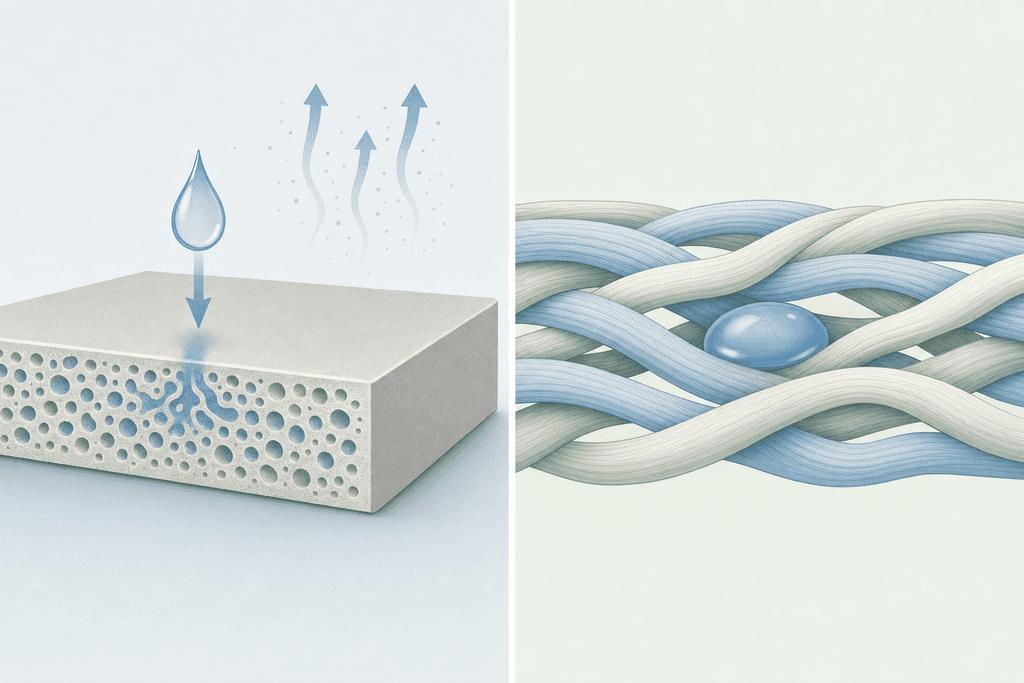
Fabric mats require weekly washing to stay hygienic, while stone mats just need a quick wipe with a damp cloth and cleaning vinegar. No detergents, no washing machine cycles, no waiting for them to dry before you can use them again. The time savings add up, but so does the reduction in water and energy use from constant laundering.
| Mat Type | Drying Time | Maintenance | Lifespan |
|---|---|---|---|
| Stone | Under 10 minutes | Weekly wipe | Years |
| Fabric | 4-8 hours | Weekly wash | 6-12 months |
| Rubber | 2-4 hours | Weekly scrub | 1-2 years |
| Silicone | 1-3 hours | Weekly clean | 1-2 years |
Safety is another factor that doesn't get talked about enough. Fabric mats bunch, slide, and curl on wet floors, especially after they've been washed a few times. Stone mats include a full non-slip base pad that keeps them stable, which reduces fall risk for everyone but especially matters for older adults and anyone with mobility concerns.
The longer lifespan also means less waste. Fabric mats get replaced every year or so once they start smelling or losing absorbency. Stone mats last for years, and if absorbency ever decreases, the included P320 grit sanding disc restores the surface by reopening the pores. You're not throwing away and replacing products constantly, which is better for both your budget and the environment.
For a deeper look at what makes diatomite different from other materials, check out the complete guide to diatomite, which breaks down the material science in more detail.
Design Integration and Bathroom Aesthetics
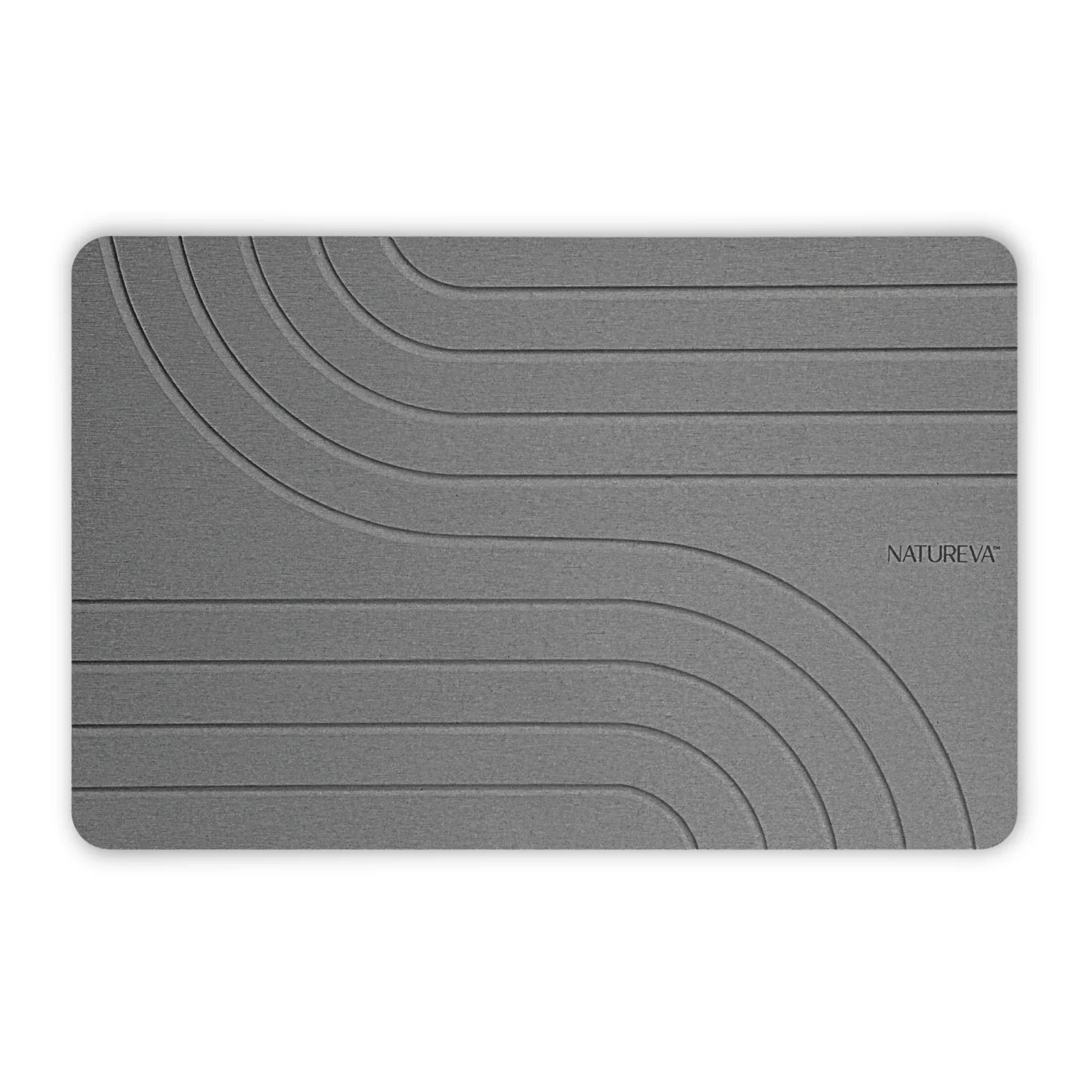
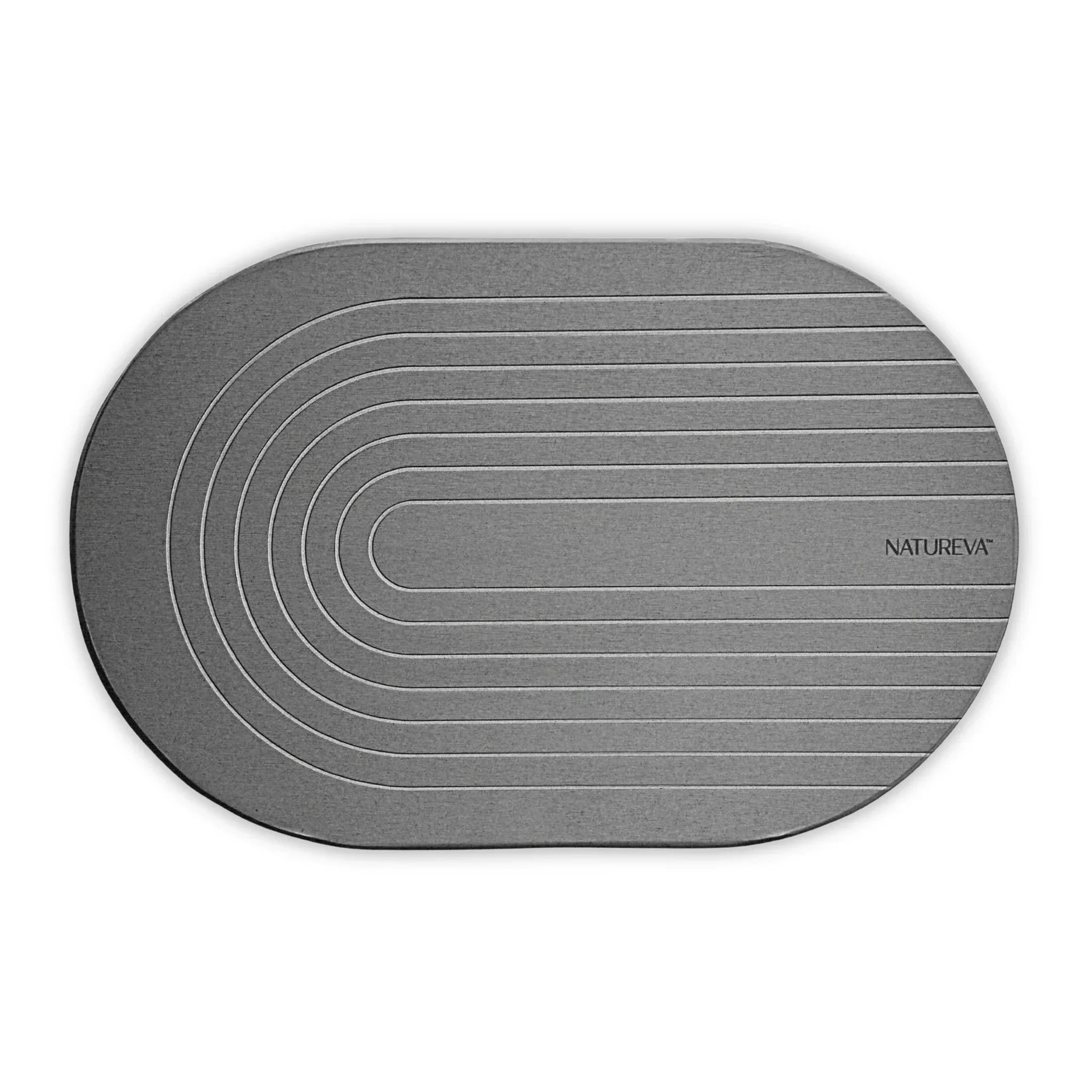
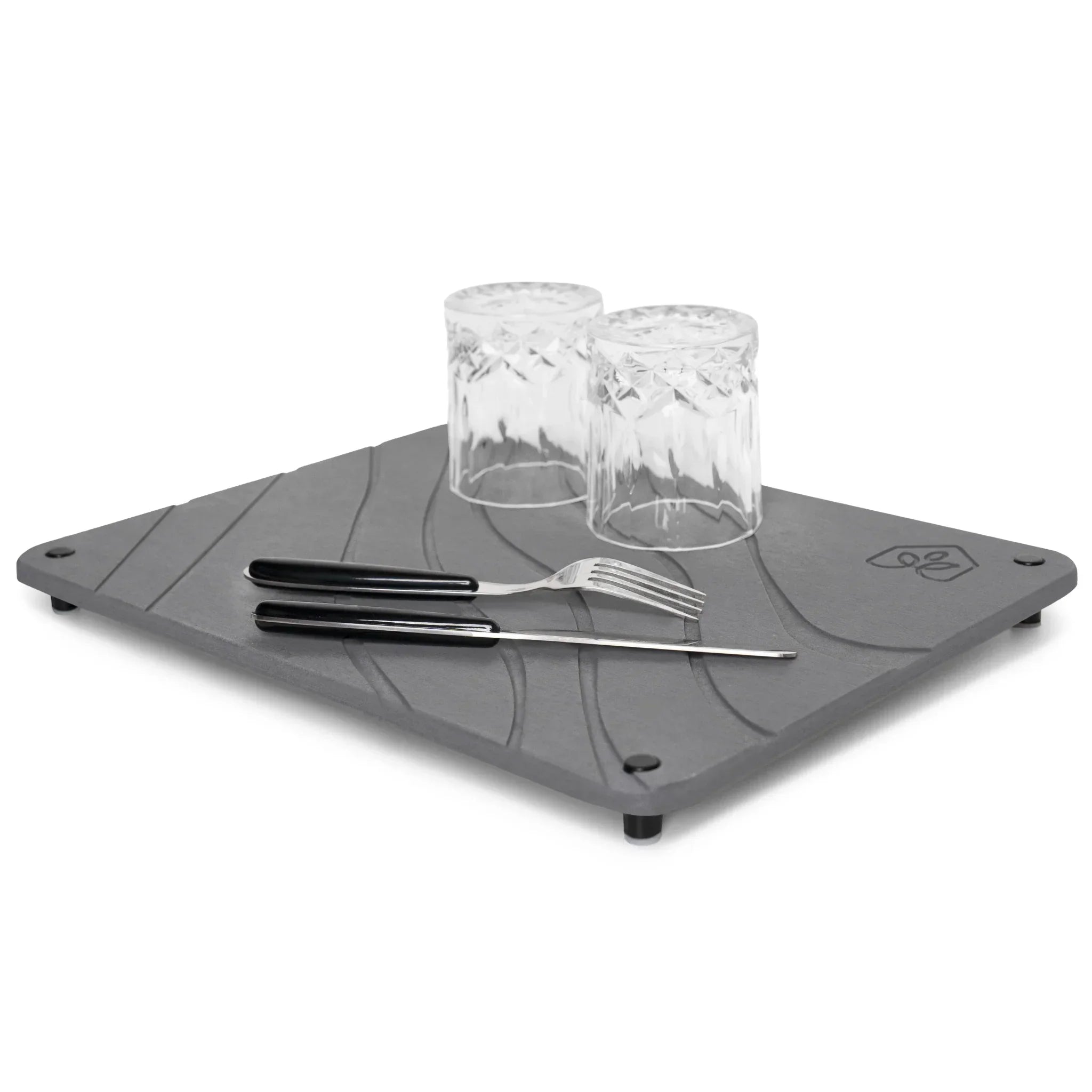
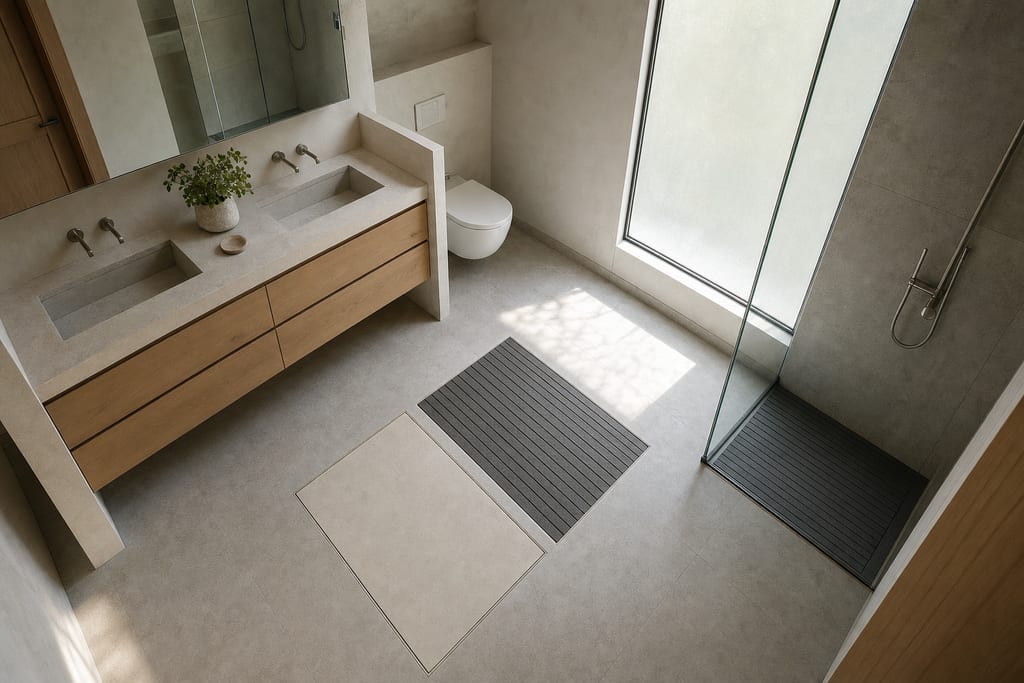
Stone drying bath mats don't just perform better than fabric alternatives, they also look completely different in a bathroom. Instead of a soft, bunched-up textile that reads as clutter, you get a solid architectural slab with carved surface patterns that add visual interest without feeling decorative. The minimalist engraving styles work across modern design trends, from Japandi to Scandinavian to contemporary Australian homes. Each pattern creates rhythm through simple geometry rather than busy prints or colours.
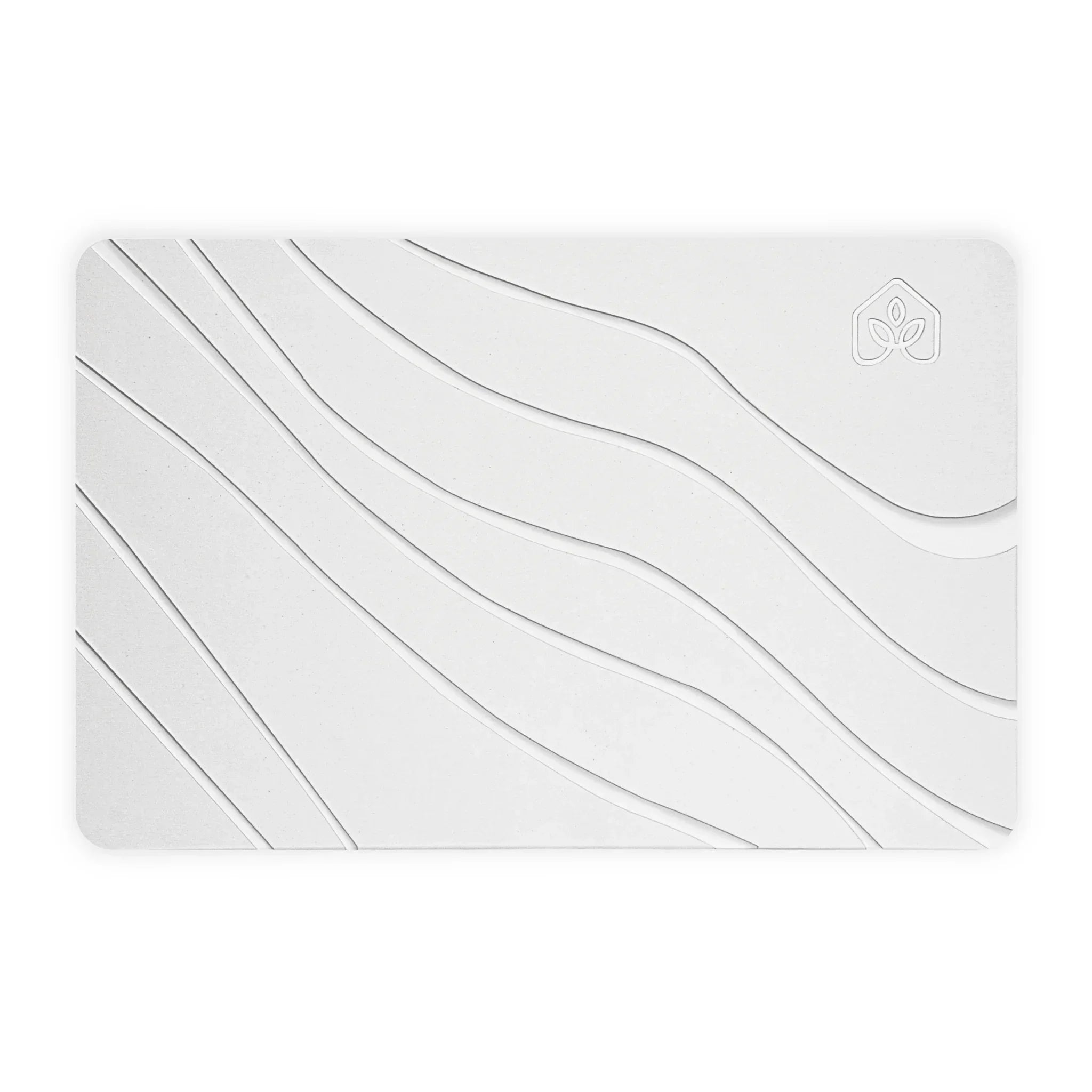
Natureva offers four carved surface patterns across the bath mat range: Tide features soft horizontal contour bands that resemble shoreline movement, Flow uses layered diagonal wave contours suggesting landscape motion, Arch has rounded architectural contour lines echoing the oval silhouette, and Rain creates sparse vertical line segments arranged like falling droplets. All four styles share the same design language, so they coordinate visually even though each has its own character.
Available colourways:- Graphite (charcoal, PANTONE 425 C)
- Slate (soft grey, PANTONE COOL GREY 3 C)
- Chalk (white, PANTONE 000C)
These three neutral tones match modern bathroom palettes without competing for attention. Graphite works in darker, moodier spaces with black fixtures and deep tiles. Slate sits in the middle, pairing well with natural wood and warm metals. Chalk fits bright, airy bathrooms with white or light-coloured surfaces.
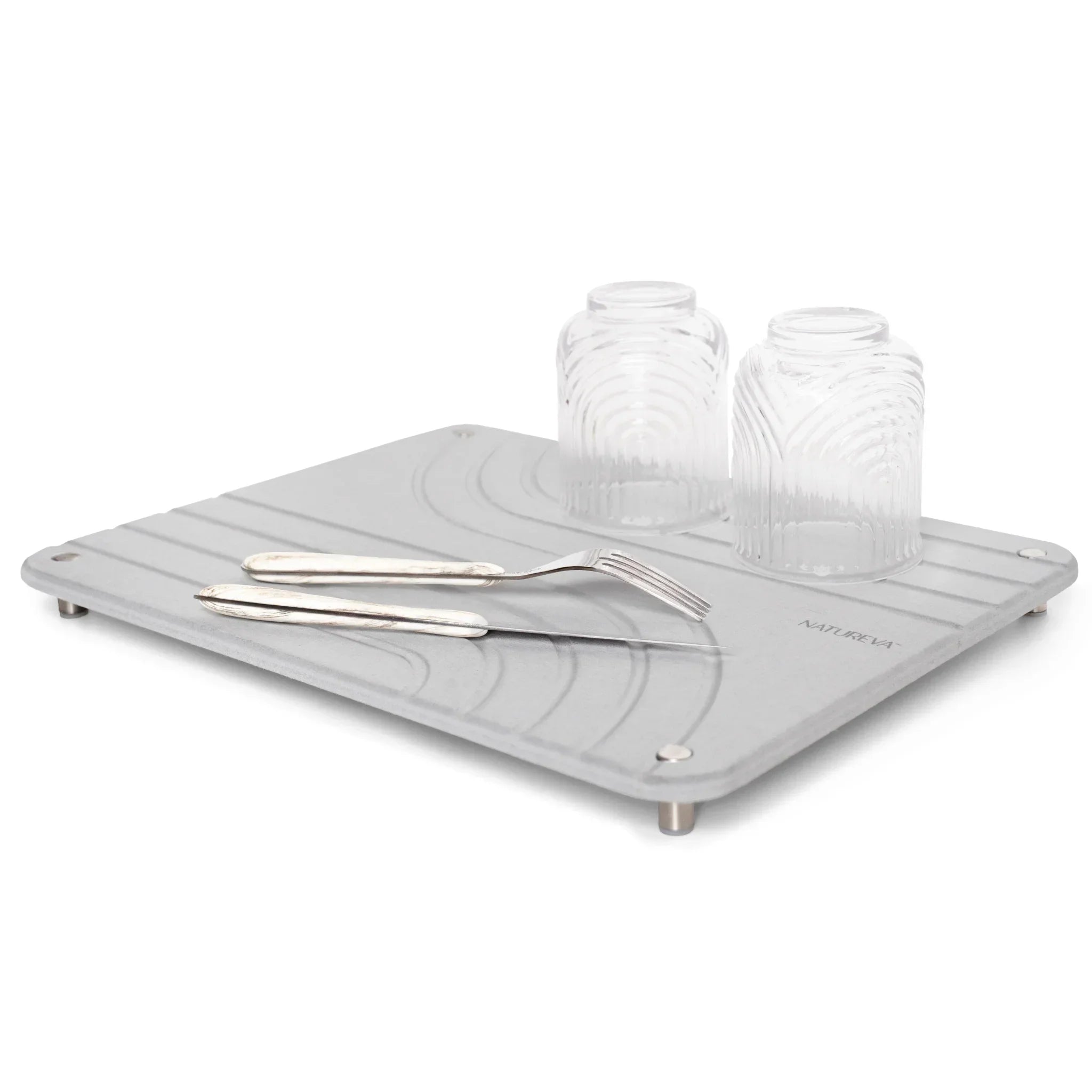
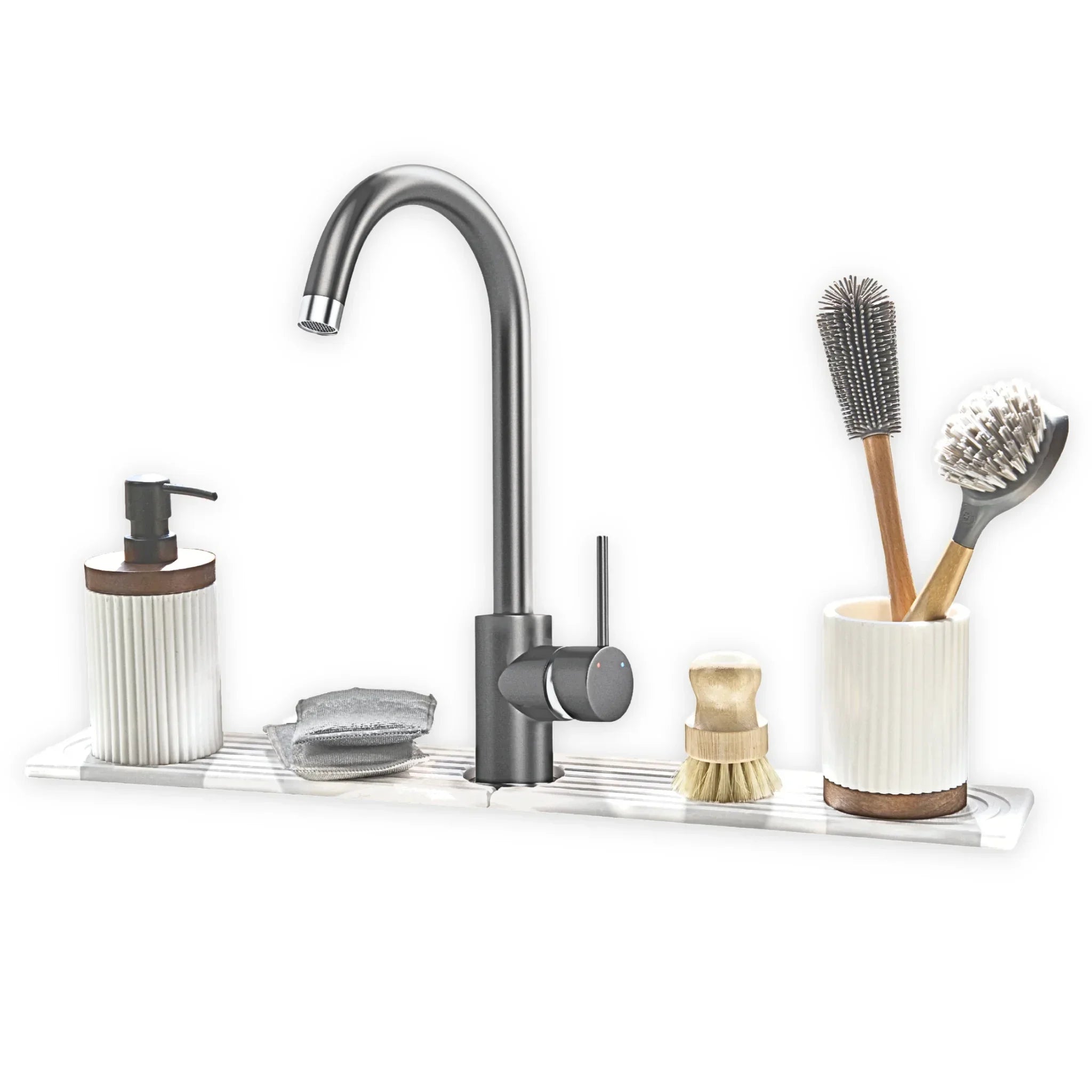
The solid stone form creates presence on the floor in a way fabric never does. It looks intentional, like part of the design rather than an afterthought. And because Natureva designs matching products across the bathroom, you can coordinate the bath mat with a stone faucet mat and sink caddy in the same pattern and colour. The full bath mat collection shows how the different patterns and colours work together as a system.
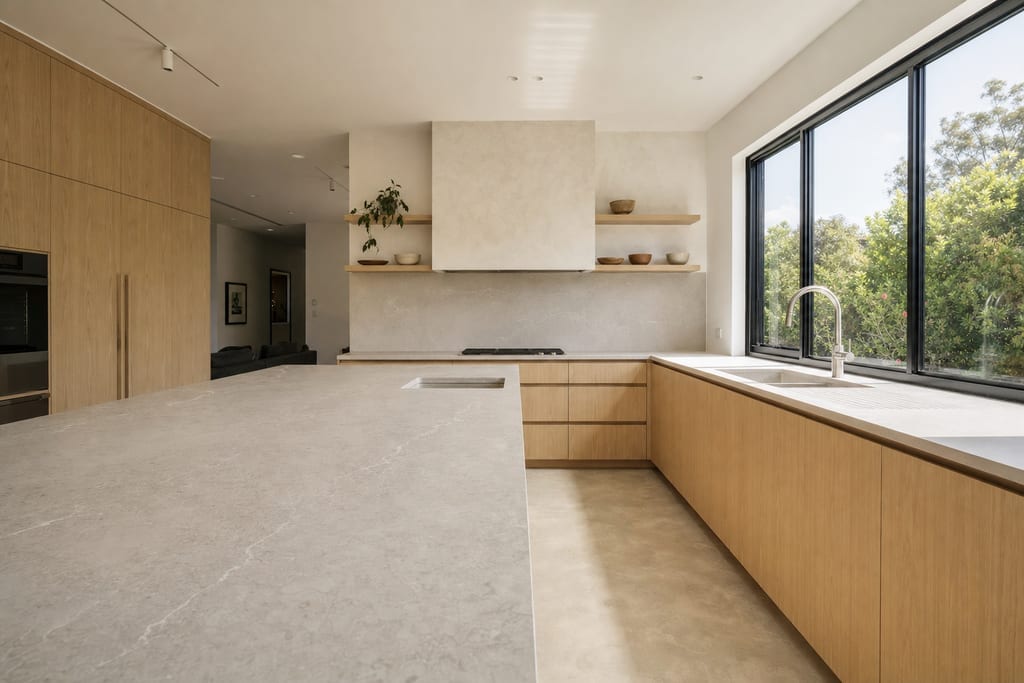
If you're renovating or just trying to pull together a cleaner bathroom aesthetic, stone mats fit the direction modern design is moving. Less visual noise, more natural materials, surfaces that stay dry and structured instead of damp and messy.
Maintenance and Long Term Care
The next generation of home essentials: naturally made, cleaner by design, sustainable by nature.
SHOP ALLOne of the biggest advantages of stone drying bath mats is how little maintenance they actually need compared to fabric alternatives. There's no washing machine, no detergent, no waiting for them to dry before you can use them again. Weekly care takes about two minutes and keeps the mat performing at full absorbency for years. The routine is simple: wipe the surface with a warm damp cloth and a bit of cleaning vinegar, then let it air dry. That's it for regular upkeep.
Avoid coloured soaps or harsh chemicals, which can leave residue in the pores and reduce absorbency over time. If you get a stain from makeup or dirt, just rinse the mat under water. For deeper marks, hydrogen peroxide works well, or you can use the included sanding tool to remove the stain and restore the surface at the same time.
Weekly maintenance checklist:- Wipe surface with warm damp cloth and cleaning vinegar
- Rinse any visible stains under water
- Air dry upright if fully saturated
- Check that airflow underneath isn't blocked
The P320 grit sanding disc included with every stone product is what keeps the mat working like new even after years of use. Over time, natural oils from skin, soap residue, or mineral deposits from hard water can gradually fill the microscopic pores and reduce absorption. Lightly sanding the surface reopens those channels and brings back full performance. The disc is approximately 10 cm in diameter and coloured in PANTONE COOL GREY 3 C, designed specifically for diatomite restoration.
When the mat feels less absorbent than usual, sand the surface in circular motions until you see a light dust. Wipe away the residue, rinse if needed, and let it dry. The absorbency comes back immediately. This simple step extends the lifespan of the mat indefinitely, which is something fabric mats can't offer no matter how many times you wash them.
For more detailed care instructions and tips on keeping your stone products performing at their best, visit seven easy care tips for stone bath mat longevity. The guide covers everything from stain removal to storage and seasonal maintenance.
The difference between maintaining a stone mat and a fabric mat is the difference between a quick wipe and a full laundry cycle. One takes minutes and keeps working for years. The other takes hours and needs replacing every year. That's the practical reality of choosing materials that manage moisture instead of just absorbing it.
Why Stone Wins for Modern Bathrooms
Fabric bath mats stay wet for hours after a single shower, creating the exact damp environment where mould, mildew, and odour thrive. Stone drying bath mats solve this problem by absorbing water instantly and releasing it back into the air through rapid evaporation, leaving the surface dry within minutes. This isn't about adding chemicals or treatments to mask the problem. It's about using a material that fundamentally works differently than fabric, rubber, or silicone alternatives.
The Hygiene Advantage Through Material Science
Diatomite stone stays clean through its drying mechanism, not through synthetic coatings or antibacterial treatments. The material's porous structure pulls moisture from the surface and releases it into the air, which means there's no standing water left behind to support bacterial growth or create musty smells. Hygiene happens through physics, not chemistry.
- Dries within minutes, leaving no damp environment for odour or mould to form
- Reduces the conditions where mildew develops without chemical additives
- Stays fresh through rapid moisture evaporation rather than fabric washing cycles
- Requires only weekly wiping instead of constant machine washing
Design That Matches Performance
Modern bathrooms deserve products that look intentional, not like afterthoughts shoved beside the tub. Stone mats from Natureva feature carved surface patterns like Tide, Flow, Arch, and Rain that add visual rhythm without clutter. The colour palette spans Graphite, Slate, and Chalk to coordinate with contemporary interiors. These aren't just functional slabs. They're designed objects that fit the same aesthetic standards as your fixtures and tilework.
Category Safety and Certification
The diatomite category has faced legitimate safety concerns around asbestos contamination from unverified sources. Natureva stone products carry NATA-accredited asbestos-free certification, tested by an Australian laboratory and regularly retested to maintain that standard. NATA is Australia's peak accreditation body for laboratory testing, which means this isn't a self-reported claim. It's independently verified material safety in a category where it genuinely matters.
| Material Type | Drying Time | Maintenance Frequency |
| Fabric mats | 4-8 hours | Weekly washing |
| Stone mats | Under 10 minutes | Weekly wiping |
Natureva introduced the stone bath mat category to Australia in 2022, making it the first brand to bring diatomite home essentials to the Australian market. Since then, the product range has expanded into a complete system spanning bathroom, kitchen, accessories, and pets, all designed around the same principles of fast-drying performance and minimalist design. For more technical details on how diatomite works, this guide breaks down the material science behind stone bath mats.
Making the Switch to Stone
Damp bathroom floors are one of those problems that most people just accept as normal. You step out of the shower, your fabric mat soaks up some water but stays wet for hours, and the floor around it ends up with puddles anyway. That cycle of dampness creates the perfect environment for mould, mildew, and that musty smell that never quite goes away no matter how often you wash the mat. A stone drying bath mat solves this at the source by absorbing water instantly and drying within minutes, so there's no lingering moisture to cause problems.
The science behind diatomite is what makes this work. The material is made from fossilised algae with millions of microscopic pores that pull water in on contact and release it back into the air through rapid evaporation. This means your bathroom floor stays dry, your mat stays clean, and you spend less time dealing with maintenance.
Our Rain, Flow, Tide, and Arch bath mats come in three colours that coordinate with other stone products across your bathroom and kitchen. If you want to understand more about how the material works, this guide breaks down the full science. And if you're comparing options, these five features will help you know what actually matters.
The difference between a stone drying bath mat and a fabric one isn't just about drying speed. It's about eliminating the conditions where bathroom hygiene problems start in the first place.
Common Questions About Stone Bath Mats
Switching from fabric to stone feels like a big change, and most people have the same questions before making the jump. The good news is that stone drying bath mats are simpler to use than you might think, and once you understand how the material works, everything else makes sense. Here are the answers to the most common questions about living with a stone bath mat.
How long does a stone bath mat take to dry completely?
A stone drying bath mat typically dries within minutes after use. The diatomite material absorbs water instantly on contact, then releases it back into the air through rapid evaporation. Independent testing by Australia's Homes To Love confirmed that the Natureva Stone Bath Mat dried fully in under 8 minutes. That means by the time the next person needs a shower, the mat is already dry and ready to use again.
Are stone bath mats safe and non-slip on wet floors?
Yes, stone bath mats are designed with safety in mind. The solid, dense surface stays flat and stable on wet floors, unlike fabric mats that bunch, slide, or curl at the edges. Natureva stone bath mats include a full non-slip base pad that grips the floor and prevents movement. The weight of the mat also helps keep it firmly in place, which is especially important for older adults or anyone concerned about bathroom falls.
How do you clean and maintain a stone bath mat?
Maintenance is minimal compared to fabric mats. Wipe the surface weekly with a warm damp cloth and cleaning vinegar to remove any soap residue or body oils. For deeper marks or stains, rinse under water or use hydrogen peroxide. If the mat ever feels less absorbent over time, use the included sanding tool to gently reopen the surface pores and restore full performance. No washing machine, no hanging to dry, no mildew smell to deal with.
Do stone bath mats work in humid climates?
Stone bath mats actually perform better in humid environments than fabric alternatives. The rapid evaporation process works independently of room humidity, so even in steamy bathrooms or coastal areas, the mat continues to dry quickly. Fabric mats struggle in these conditions because they rely on air circulation to dry, which is exactly what humid climates lack. The diatomite material keeps working regardless of moisture in the air.
How long do stone bath mats last compared to fabric?
Stone bath mats last significantly longer than fabric options. Fabric mats wear out, lose absorbency, develop odours, and need replacing every year or two. A stone mat maintains its structure and performance for years with basic care. The material doesn't degrade from repeated water exposure, and the included sanding tool means you can refresh the surface whenever needed. It's a one-time purchase that replaces multiple fabric mats over time.
Are diatomite bath mats tested for safety?
This is an important question because not all diatomite products are created equal. Natureva stone products are tested and certified asbestos-free by a NATA-accredited Australian laboratory, with regular testing to maintain that standard. NATA is Australia's peak accreditation body for laboratory testing, so this certification carries real weight. Many diatomite products from unverified sources have faced recalls and safety concerns, which is why independent certification matters when choosing a stone bath mat.
The next generation of home essentials: naturally made, cleaner by design, sustainable by nature.
SHOP ALL